
NIHR DCAF - Stick2it - Achilles Tendon / MSK behaviour change. ACP for East Lancs IMPRS team, Owner of The Performance Lab @NIHRCRN_nw_wld @eastlancshosp
Joined April 2015
- Tweets 1,438
- Following 382
- Followers 514
- Likes 766
217 Photos and videos
Matt Kenyon retweeted

May 21
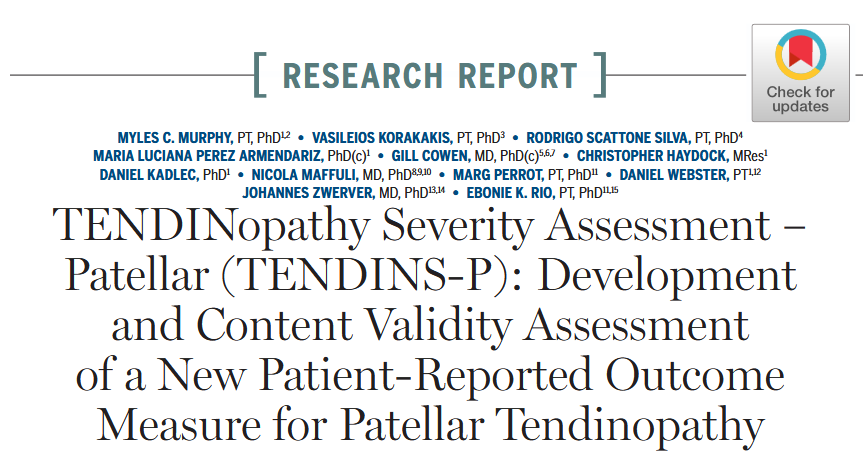
The Tendinopathy Severity Assessment – Patellar (TENDINS-P) includes subdomains of pain (general), function & pain (w/ loading), taking 4 to 9 mins to complete.
#NEW patient-reported outcome measure for #PatellarTendinopathy
ResearchReport ➡️ ow.ly/n5fU50Z2wIP
#yourJOSPT
14
49
2,488
Matt Kenyon retweeted
May 6
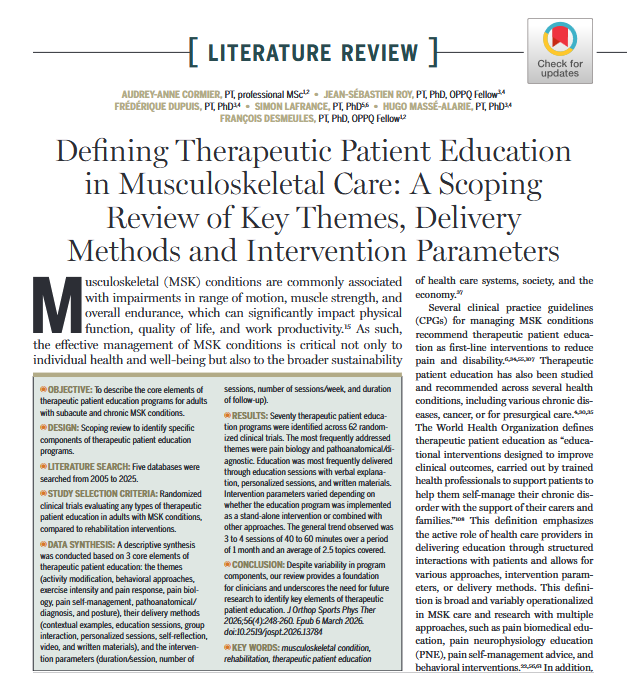
What are the themes, methods & parameters that most consistently define therapeutic #Education in #MusculoskeletalCare 🤔
Our April #Review tries to establish if there is consistency in the literature
See what was found across 70 programs ➡️ ow.ly/ibER50YS5tC
#yourJOSPT
12
39
3,035
Matt Kenyon retweeted

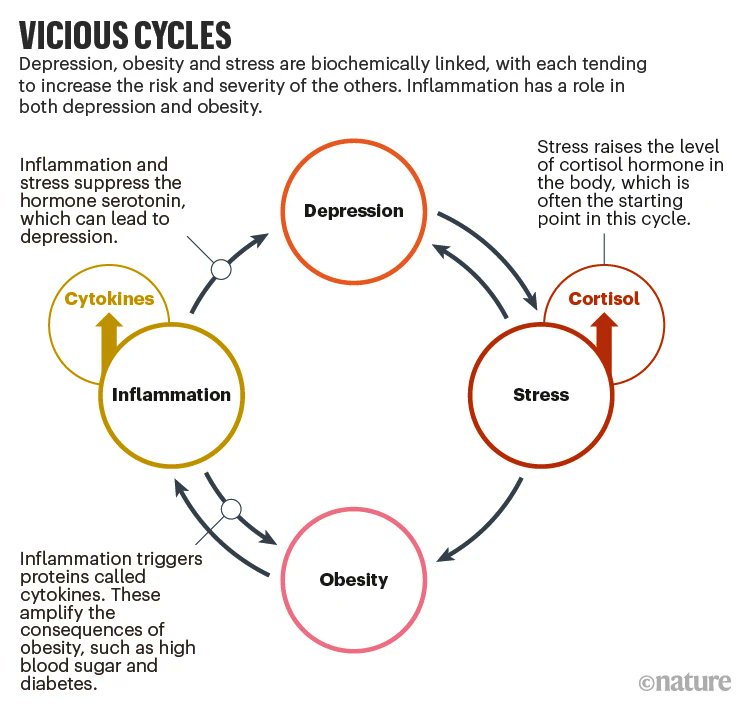
When we understand & accept that it isn't mind vs body or mental vs physical, then we can truly offer person-centered care.
nature.com/articles/d41586-0…
1
29
78
5,739
Matt Kenyon retweeted

Mar 24
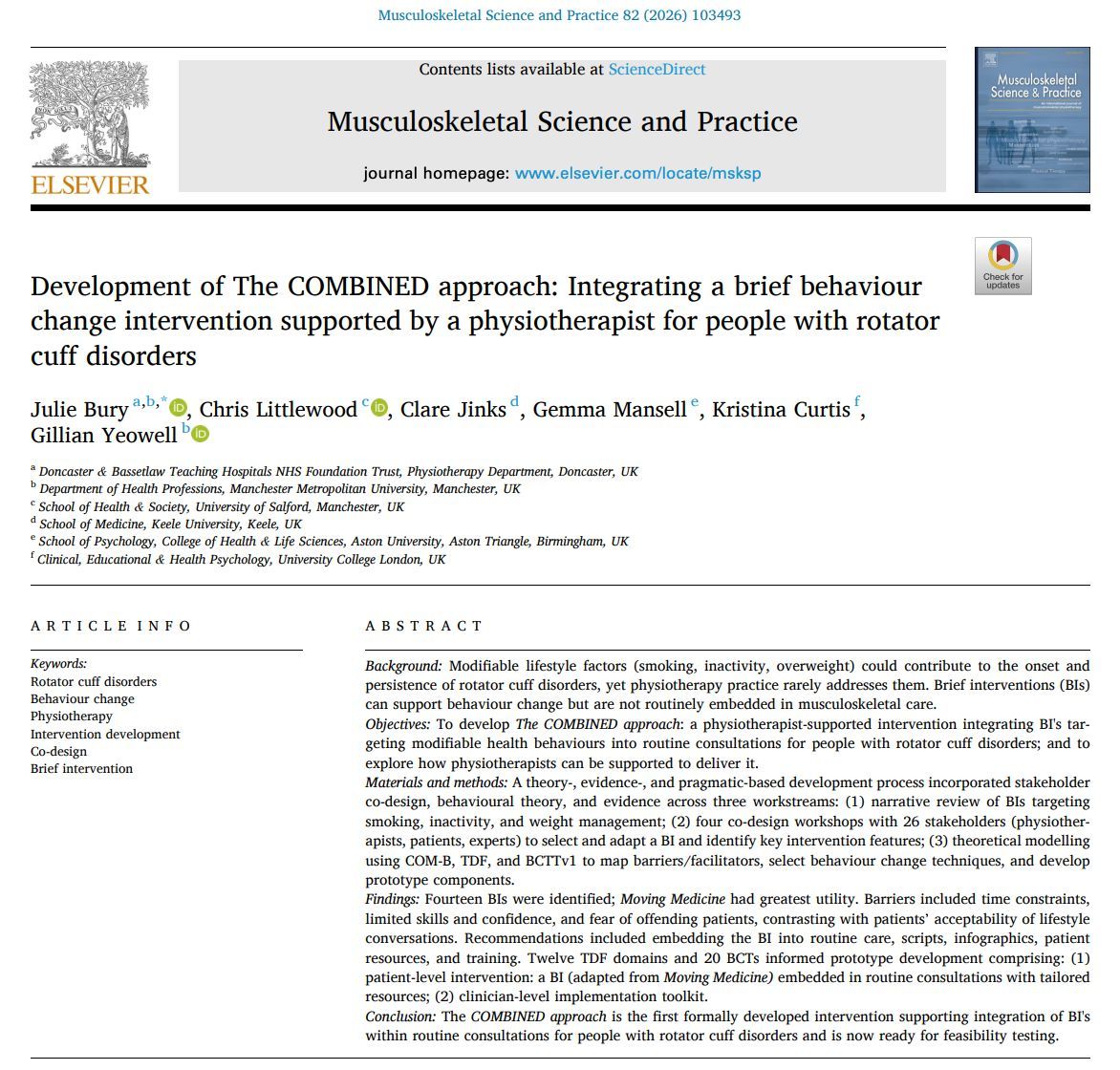
Beyond exercise: bringing behavior change into rotator cuff rehab 💡
A new physio-supported approach buff.ly/lKf18tP is developed and ready for feasibility testing.
#Rehabilitation #Physiotherapy #MSK #BehaviorChange
1
12
39
2,210
Matt Kenyon retweeted

Apr 30
Arthroscopic Partial Meniscectomy for Degenerative Tear — 10-Year Outcomes | New England Journal of Medicine nejm.org/doi/full/10.1056/NE…
In 2002, I watched hundreds of surgeons jump out of their seats to blast a speaker.
They called his study "unethical" and "impossible."
@NEJM
2
16
39
3,297
Matt Kenyon retweeted

Apr 28
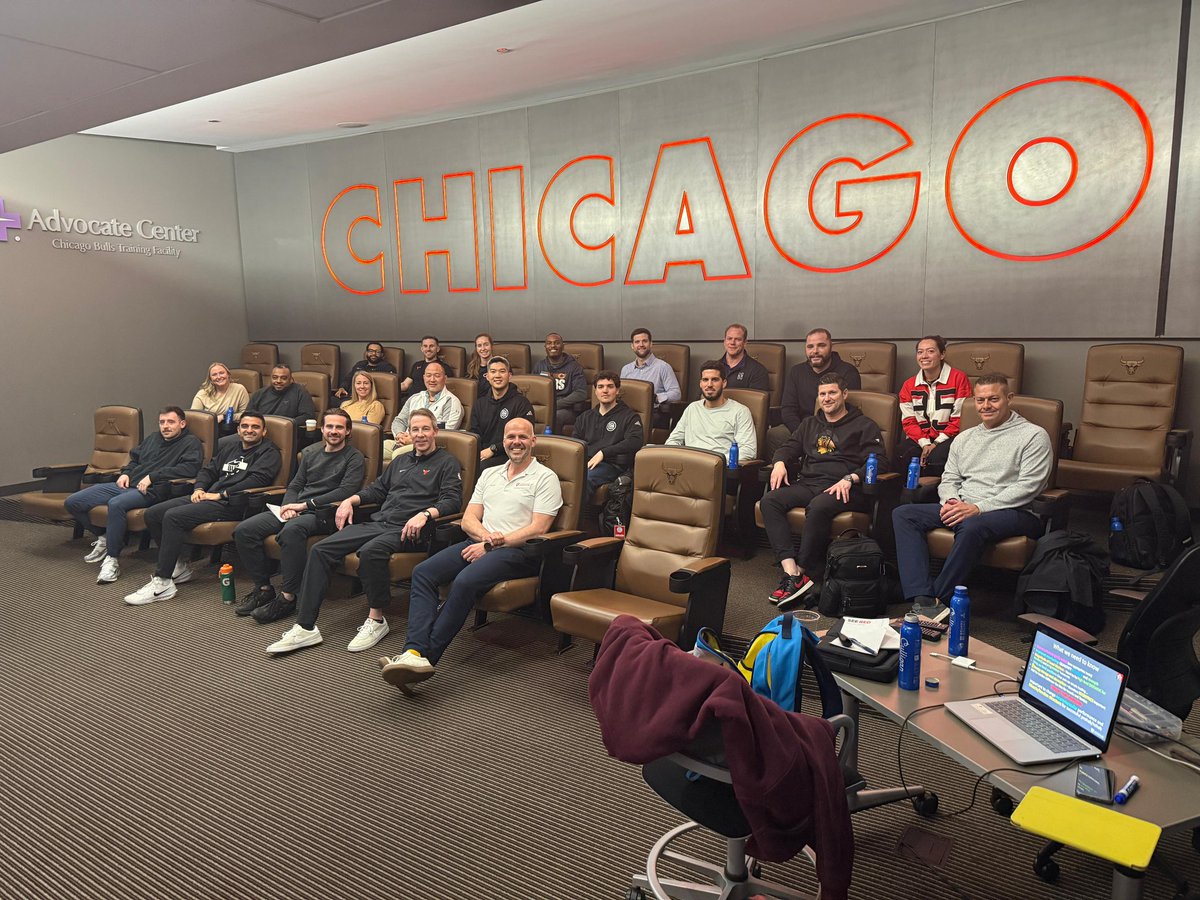
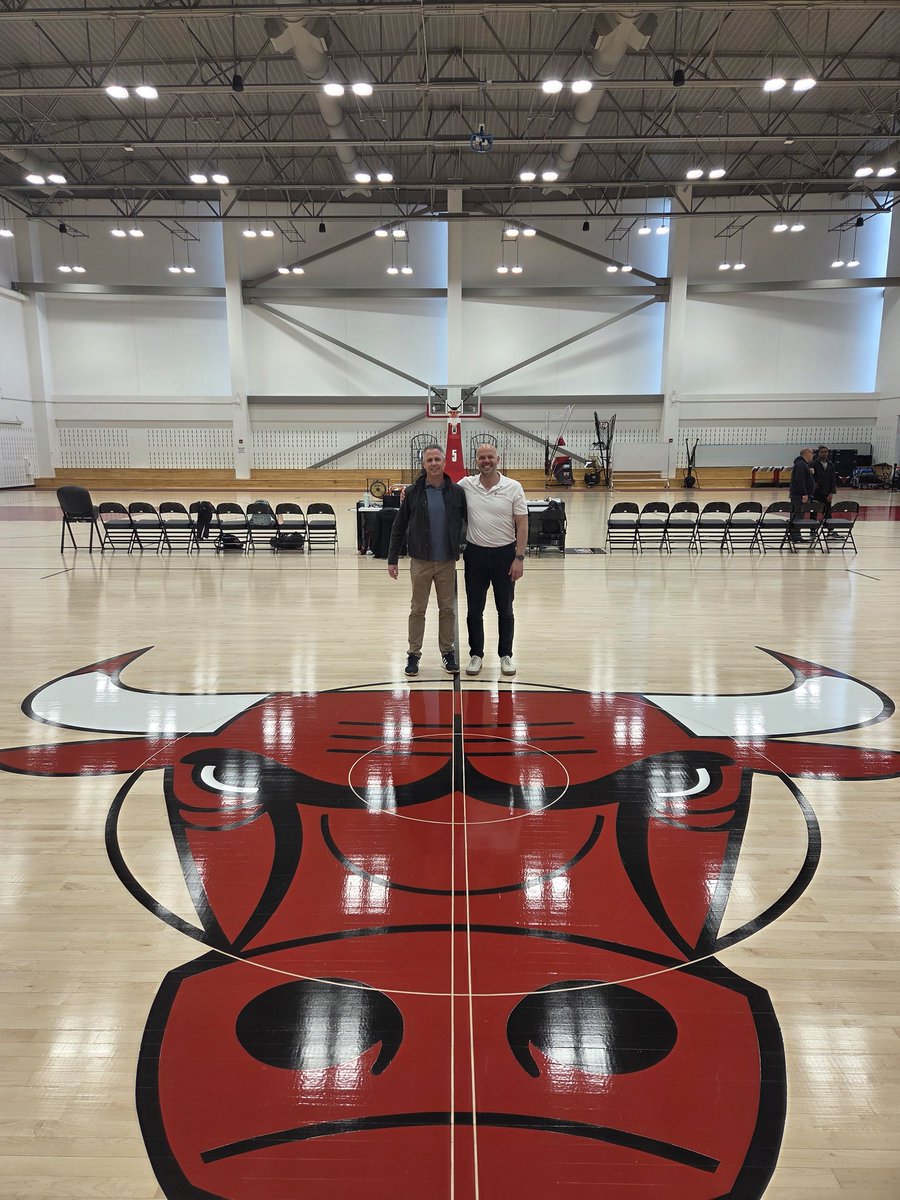
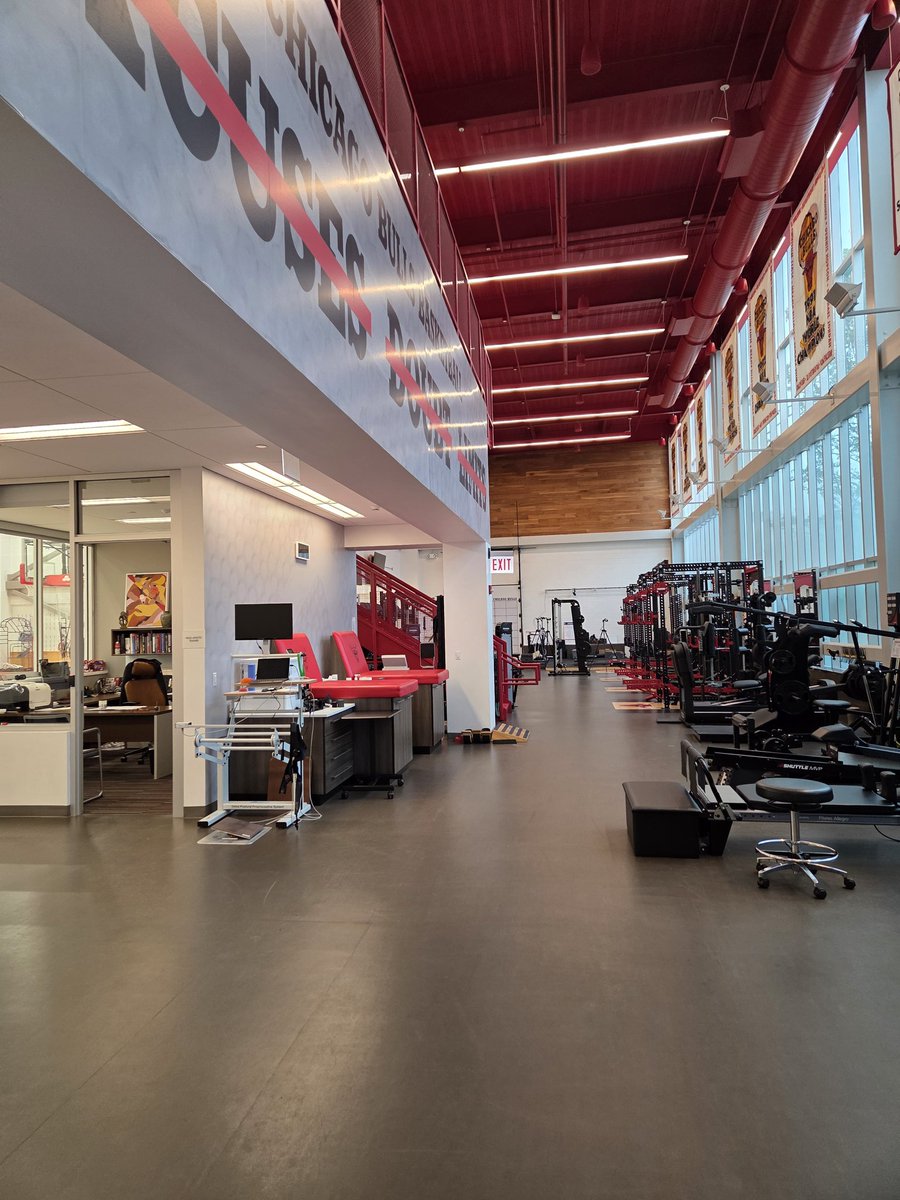
Had a super day yesterday with @TEricWaters running an #achilles #tendon #masterclass at the @chicagobulls
With folk there from the @Cubs @ChicagoBears and @NHLBlackhawks

1
1
4
820
Matt Kenyon retweeted

Apr 28
What is the @LivHealthPartners Researcher Development Programme? 12 months, 11 days of learning Residential launch at a secret location Coaching, mentoring & networking Level 7 Masters module @LivUni
Apply by 29 May
Info session: 5 May 12.30–1.30pm
research.northwest.nhs.uk/ou…
3
6
254
Matt Kenyon retweeted

Apr 24
👋 Hello FCPs!
I’m looking to compile a list of local FCP networks / Communities of Practice across the country.
If you’re part of one, please reply with:
• Group name
• Activities
• Contact details
Or email 📧 kirstenlamb@nhs.net
Please RT 🙏
#FCP #NHS #PrimaryCare
3
1
135

Apr 23
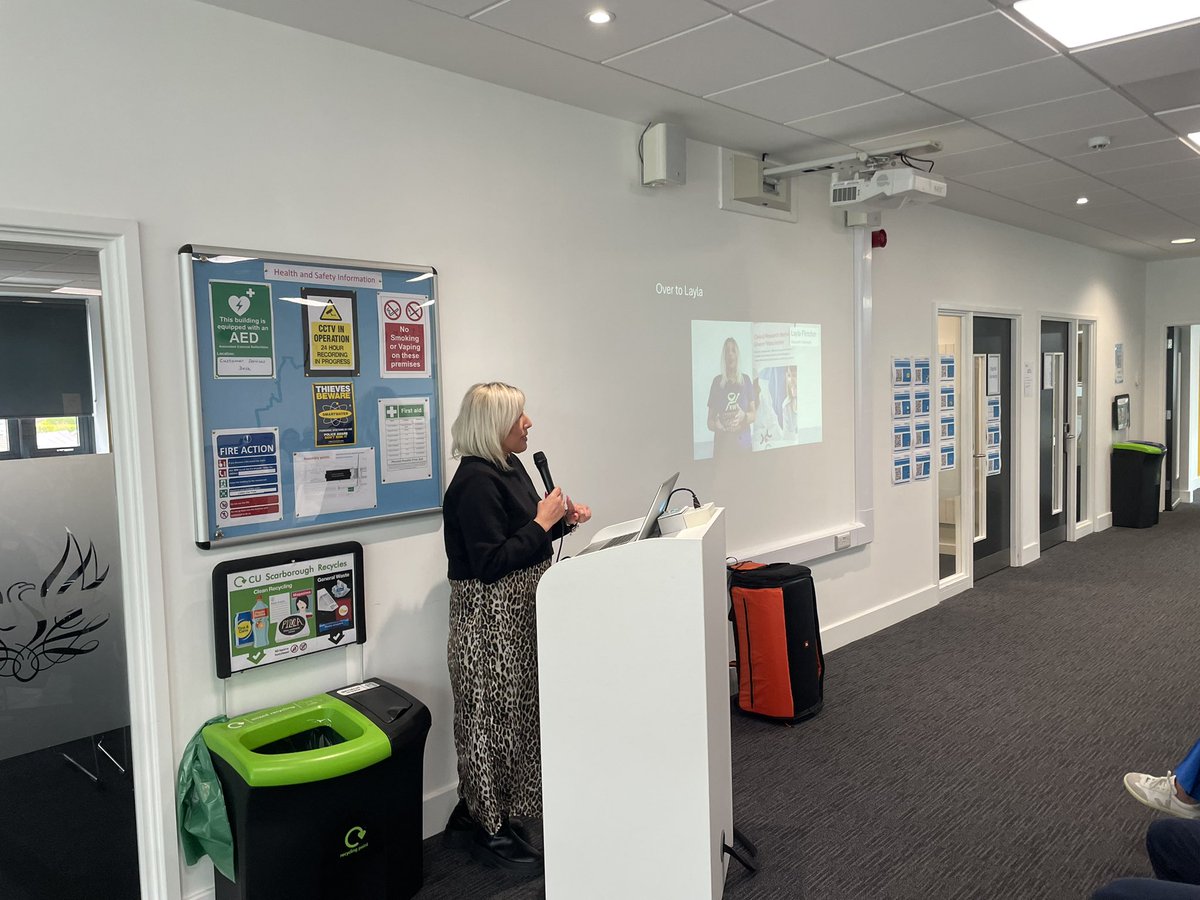
The amazing Layla!! Our community champion. She is from the heart of the community. In her own words “We can’t stop here. We need the next generation to take up the fight and make research more inclusive and health care great again!”
She’s on a mission!!
1
1
1
449
Apr 22
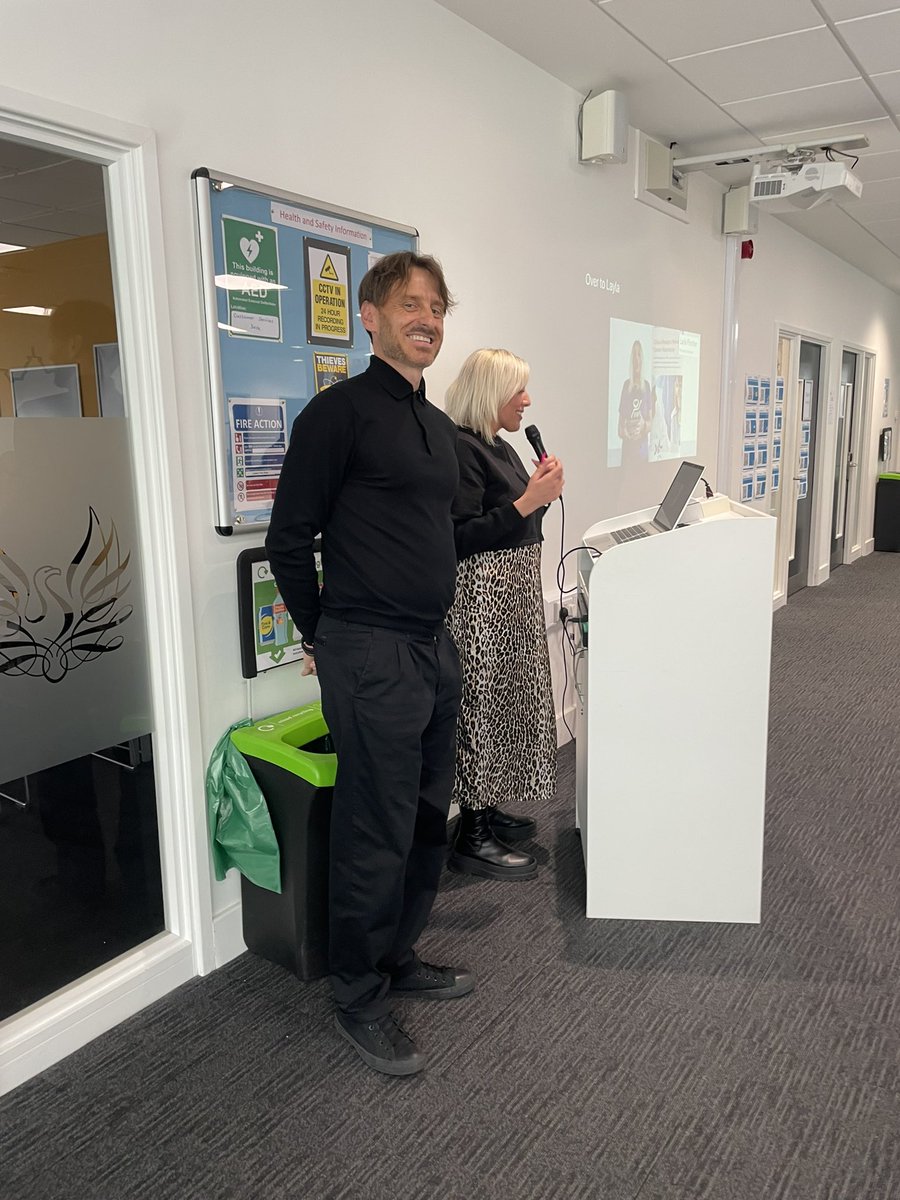
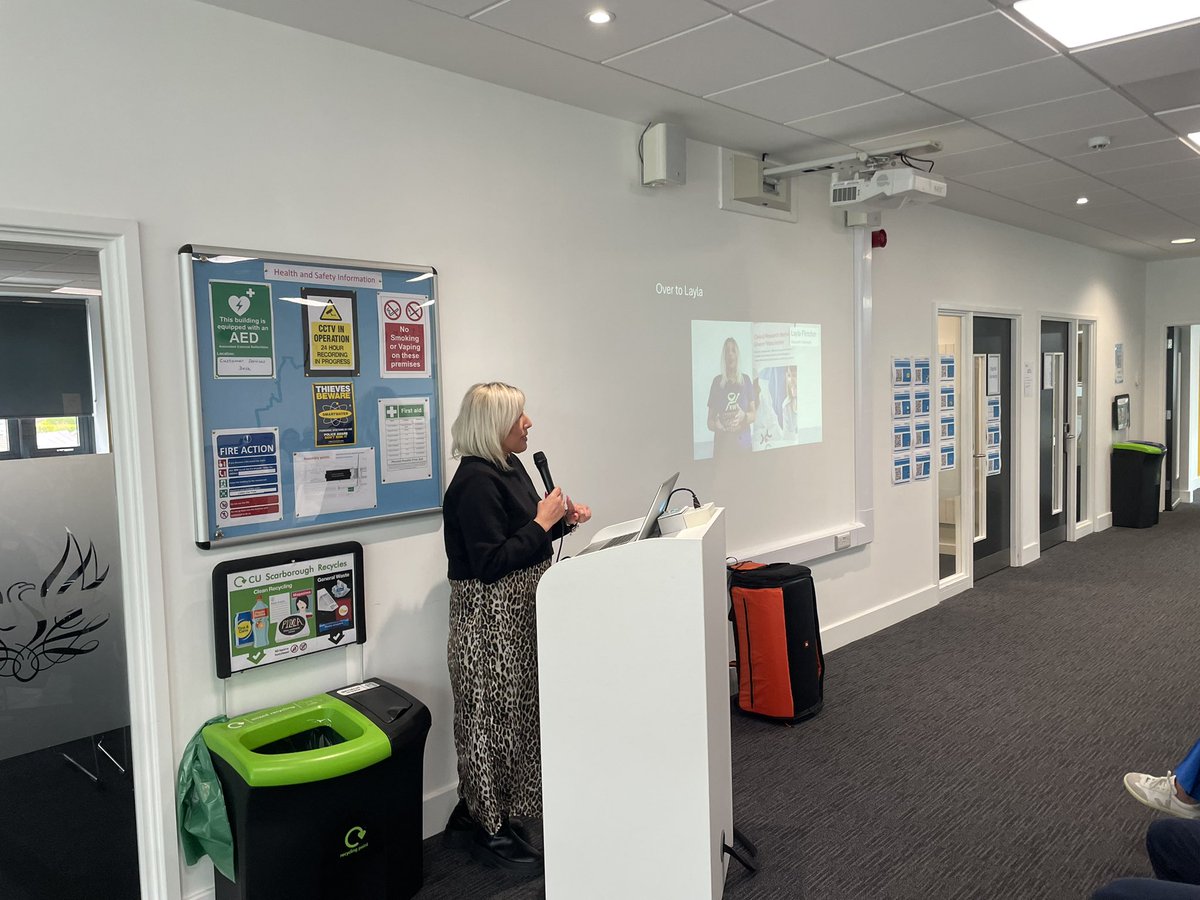
Amazing day at SHARC event!!
We are starting a revolution.
Community involved research!! We have to do it.
1
5
136
Apr 22
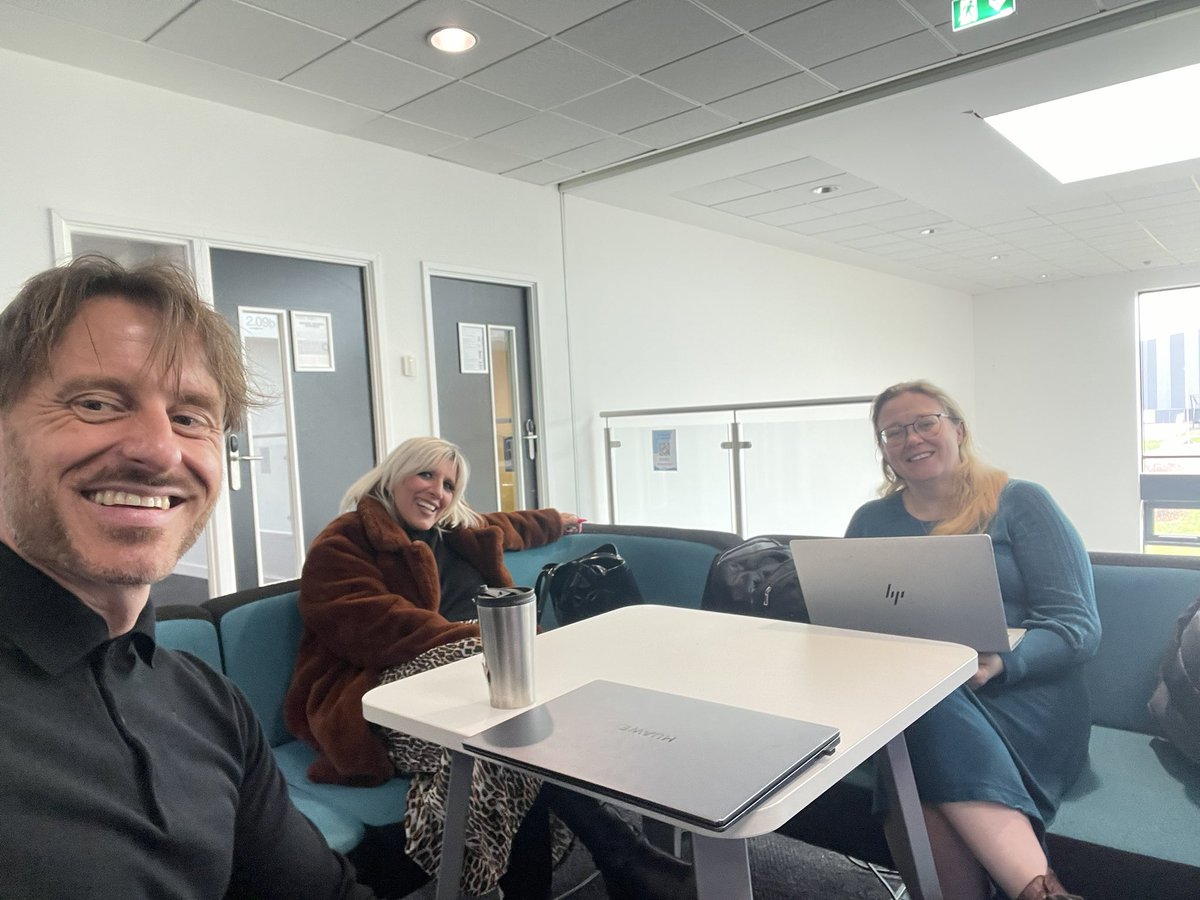
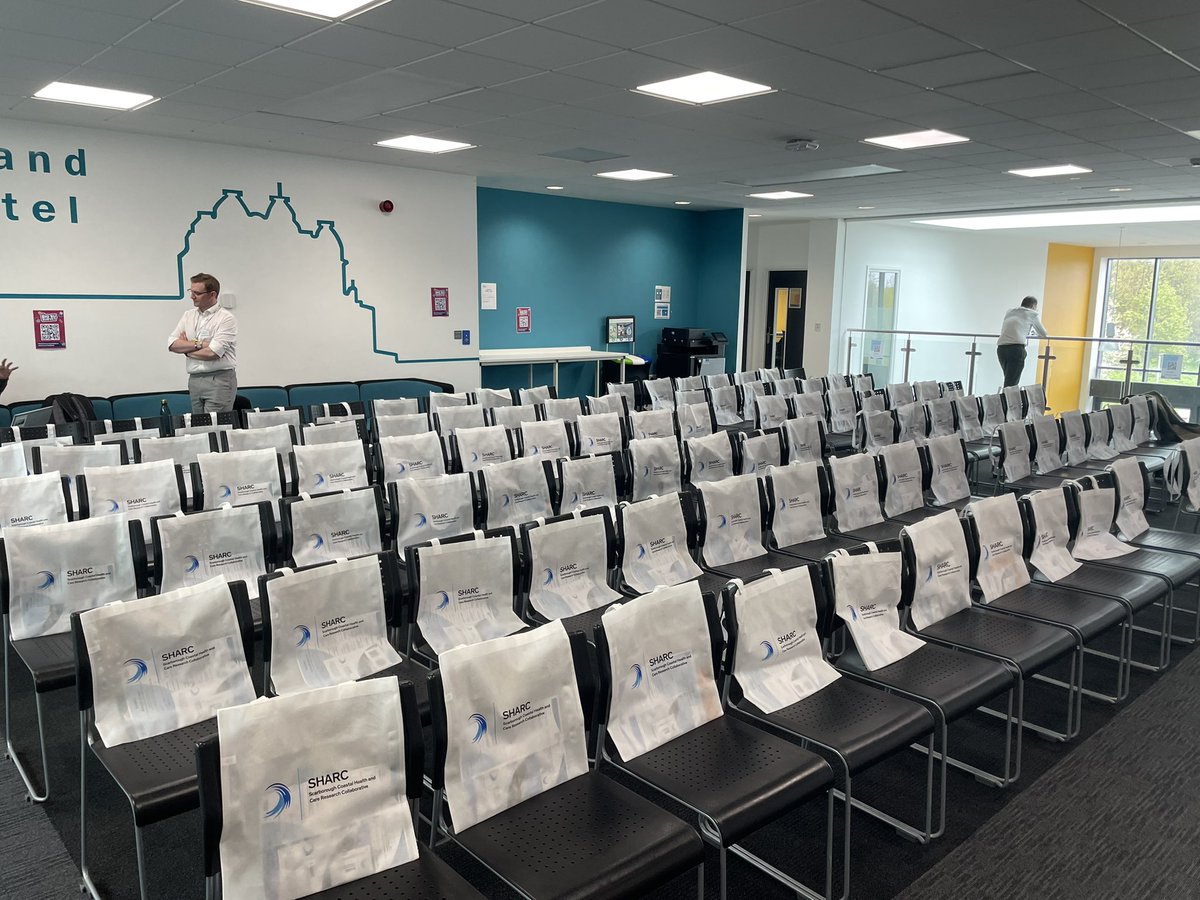
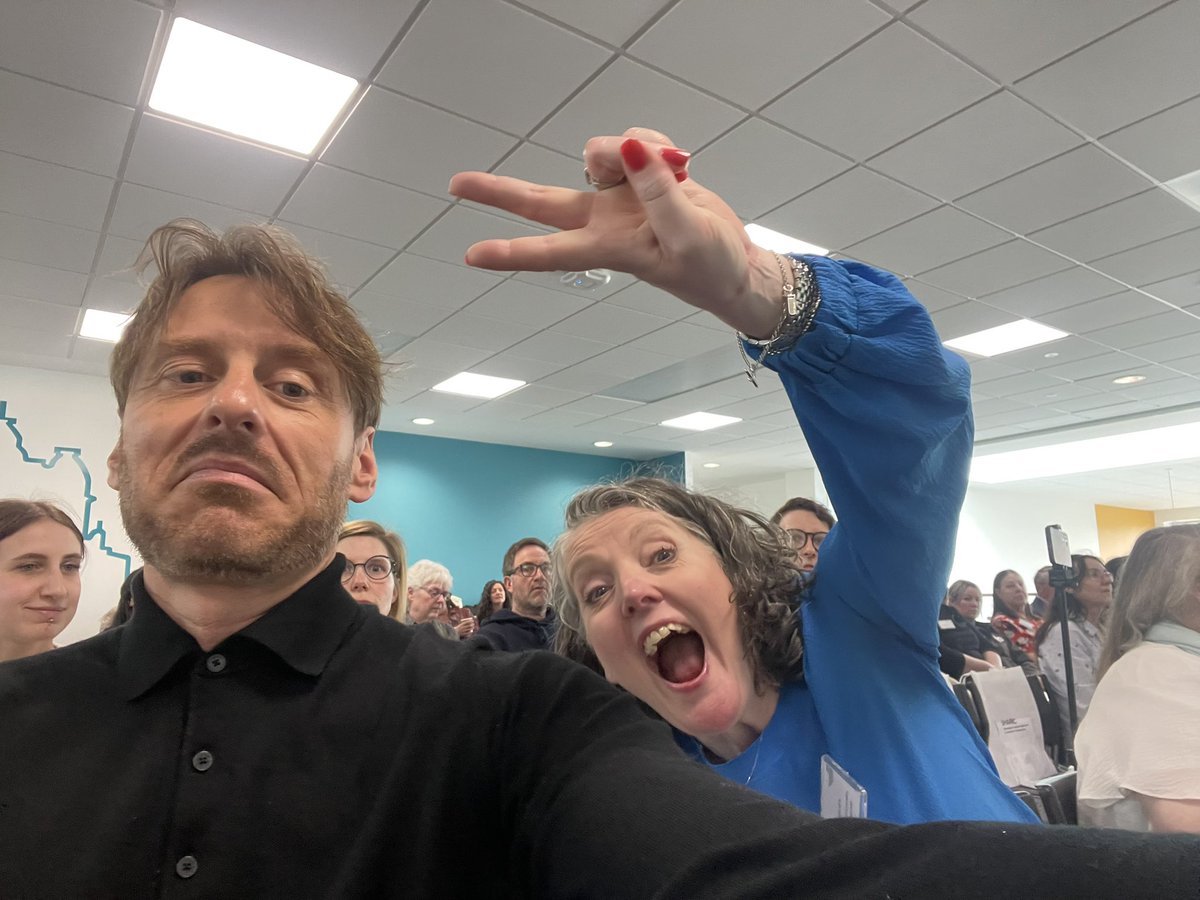
Excited to be talking at the Scarborough Coastal Health and Care Research Collaborative (SHARC)
With Dr Alison McLoughlin and our amazing community champion Layla
Talking all things community engagement and how to get real people, from communities without a voice, into research
1
1
151
Apr 21
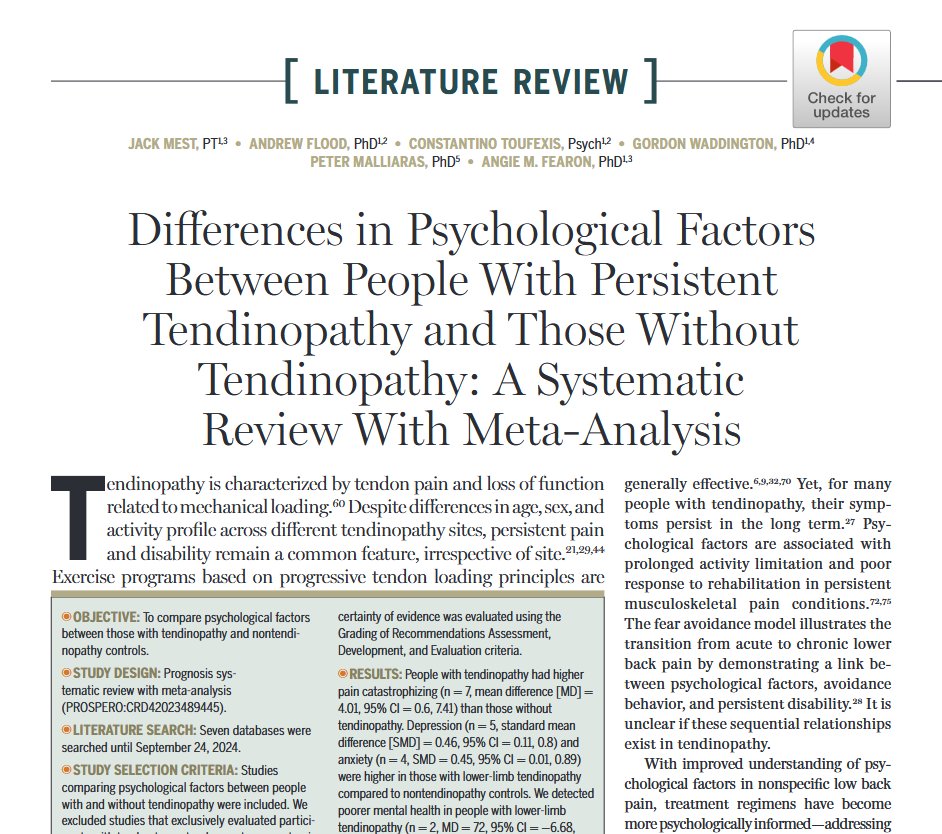
This is a great paper by Jack and the team. When there are unique psychological factors it’s important to tailor interventions to these rather than generalising
Apr 20

Differences in Psychological Factors Between People With Persistent Tendinopathy and Those Without Tendinopathy: A Systematic Review With Meta-Analysis
Read the #Review ➡️ ow.ly/APkZ50XNV7i
#yourJOSPT #Tendon #Tendinopathy
1
5
594
Matt Kenyon retweeted
Apr 19
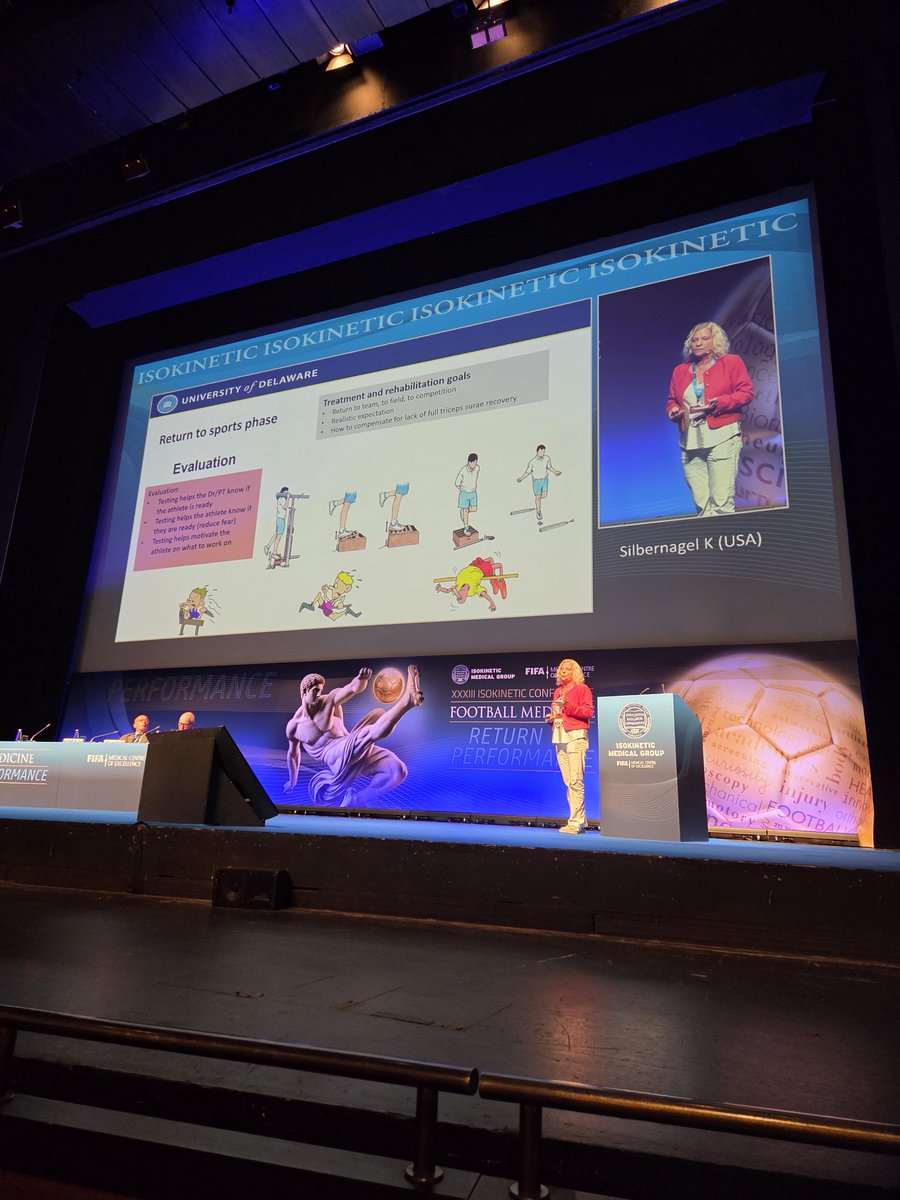
Drop jumps for everyone at 6 months post achilles rupture @kgSilbernagel
Instills confidence and reduces fear. @footballmed
3
22
1,714
Matt Kenyon retweeted
Apr 3
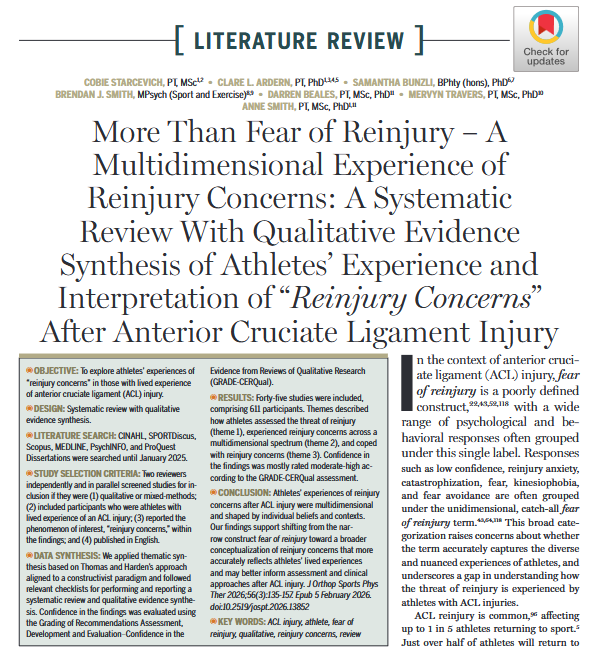
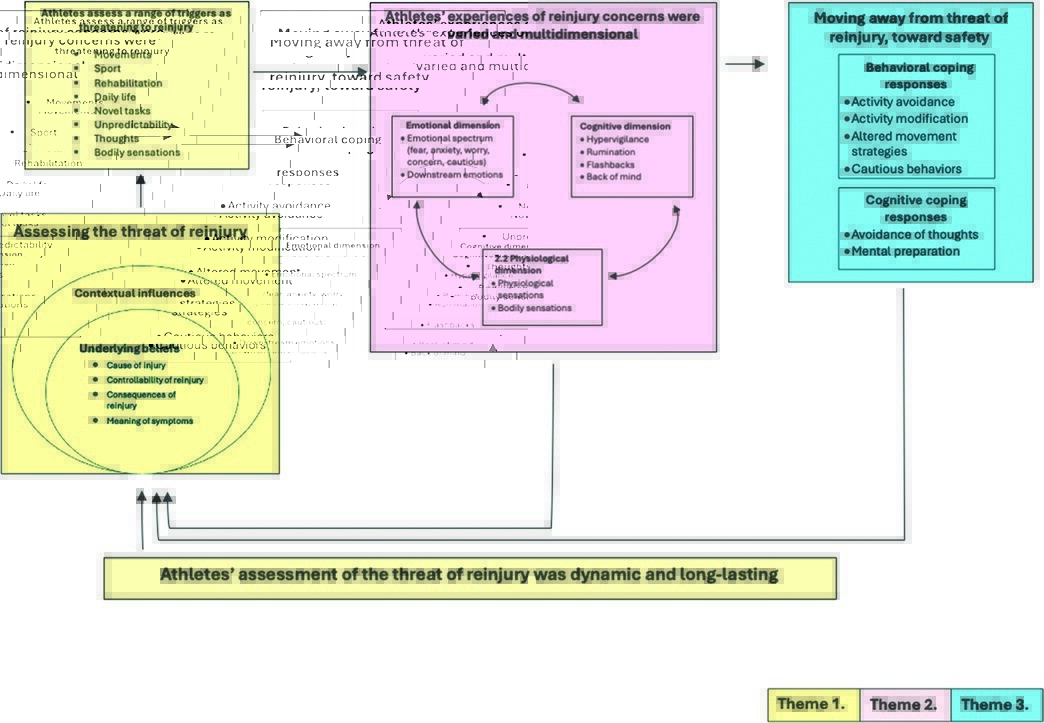
How well does the Fear Avoidance Model capture concerns about re-injury following an #ACL injury 🤔
It turns out not very well
Our #QualitativeEvidenceSynthesis summarizes the multi-faceted nature of #ReinjuryConcerns athletes experience ➡️ ow.ly/TlzM50YyT7F
#yourJOSPT
1
6
24
1,996
Matt Kenyon retweeted

Mar 22
Strength training might be the single most potent habit for aging gracefully and extending lifespan. It certainly appears to be one of the best methods to prevent the need for joint replacement surgery. After 30 years of practice, there’s no doubt that, in general, and within reason, stronger people keep their joints longer.
Muscle is not simply a tissue that moves us around; it is one of the most metabolically active and adaptable organs we have.
In this post, I explore why a tissue we initially thought only provided locomotion and stability should probably be considered one of the most critical tissues in the body.
howardluksmd.substack.com/p/…
9
43
393
26,705
Matt Kenyon retweeted

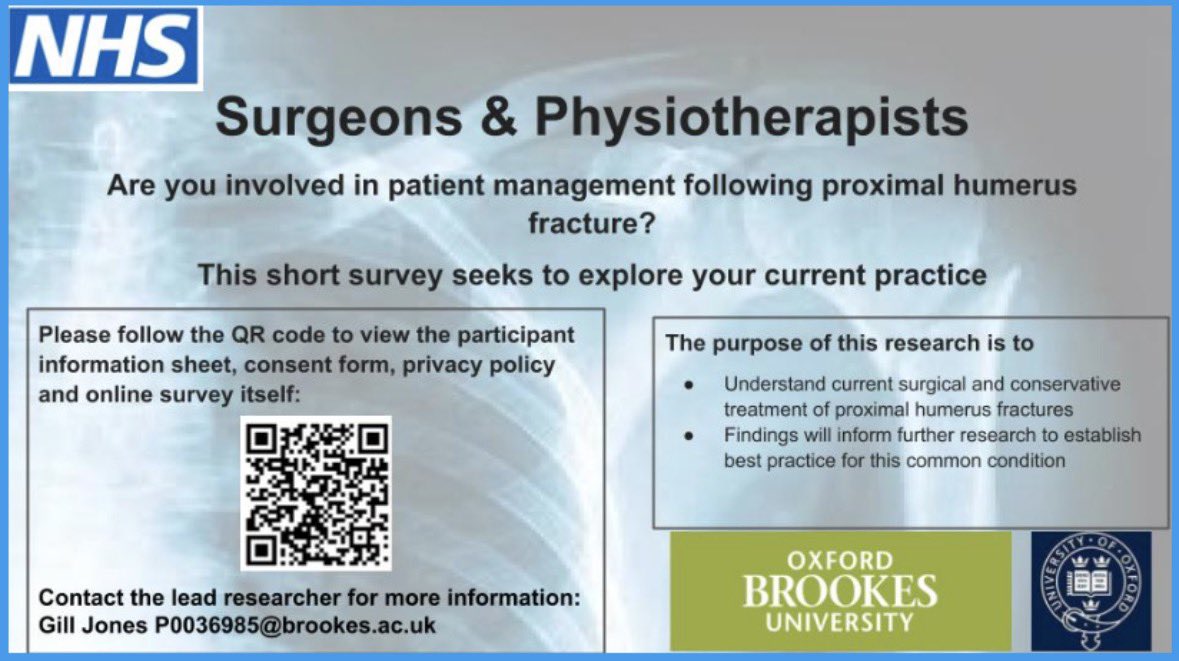
Please complete this survey if you are a surgeon or AHP involved with the management and care of patients with proximal humerus fractures 🙏
5
5
679
Mar 13
Don’t think this could be put any better. This is the single most important lesson anyone can learn about their body. We have been built to think pain is damage - damage needs fixing. This is why it’s so hard to help people stick with rehab long enough to make a difference
Mar 13

I’ve been an orthopedic surgeon for nearly 30 years, and a few patterns have become impossible to ignore. One is that many musculoskeletal problems in adults aren’t sudden injuries. They’re the moment when declining capacity and awful metabolic health finally reveals itself.
Over the decades your strength fades, muscle mass declines, as your aerobic capacity tanks. Tendons and connective tissues lose substance, stiffness, and resilience. For years the body compensated... quietly. Then one day a knee hurts during a run to get the train, or shoulder aches reaching overhead, or a back tightens lifting something simple.
At that point the story usually becomes more about structural damage. An MRI gets ordered. Welcome to high-tech, low-medicine. And the MRI almost always finds something. A meniscus tear. A rotator cuff tear. A disc bulge. Why? Because by midlife these findings are extremely common — even in people with no pain at all. If you have a tear in one shoulder, image the other shoulder... you probably have the same tear there. But I digress.
Once the scan appears, the narrative changes. The image becomes the diagnosis. Now the patient believes something is broken, and the focus often shifts to fixing what the MRI shows.
What often gets lost in this is the reason the symptoms appeared in the first place. Many so-called “atraumatic” orthopedic complaints are not purely mechanical failures. They are the moment when reduced strength, declining tissue capacity, and sometimes broader metabolic health issues finally reach a tipping point. Our tissues change over the decades... get over it.
In other words, the MRI didn’t create the problem. Well... it sort of did in this scenario. But all the MRI showed was something that was already there.... because of your age, lifestyle, health and so on.
The real driver of symptoms is often loss of physiologic reserve. Less muscle. Less tendon or aerobic resilience. Less tolerance for load, etc.
Once the MRI enters the picture, the risk becomes overtreatment. This is probably the number one reason people have surgery. When in many cases the most powerful intervention was never the scan or the procedure.
It was rebuilding capacity.
Strong muscles stabilize joints. Aerobic fitness improves metabolic health and tissue perfusion. Gradual loading restores tolerance.
But people often don't take PT seriously prior to surgery. They often take PT very seriously afterwards. Therefore, PT is probably the reason you feel better, despite the surgery.
The irony is that the treatment many people ultimately need is the same thing that might have prevented the problem in the first place.
Staying strong. Staying active. Maintaining the reserve that protects our joints/tendons/muscles/abilities as we age.
3
6
3,375
Matt Kenyon retweeted
Mar 10
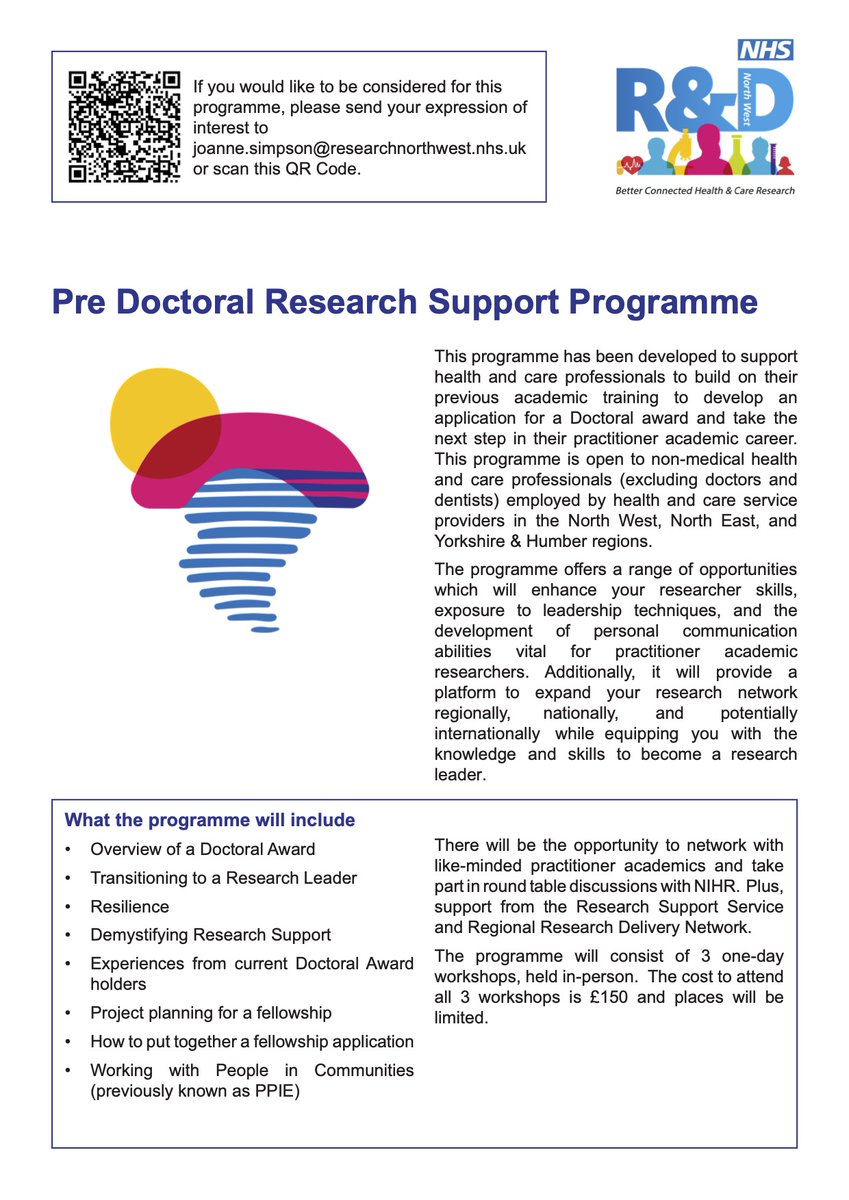
Pre-Doctoral Support Programme for non-medical health pros in NW/NE/Yorks Humber. 3 workshops £150: skills, NIHR networking. research.northwest.nhs.uk/ou… EOI: joanne.simpson@researchnorthwest.nhs.uk
#NIHR #HealthResearch
4
2
314
Mar 9
Interesting

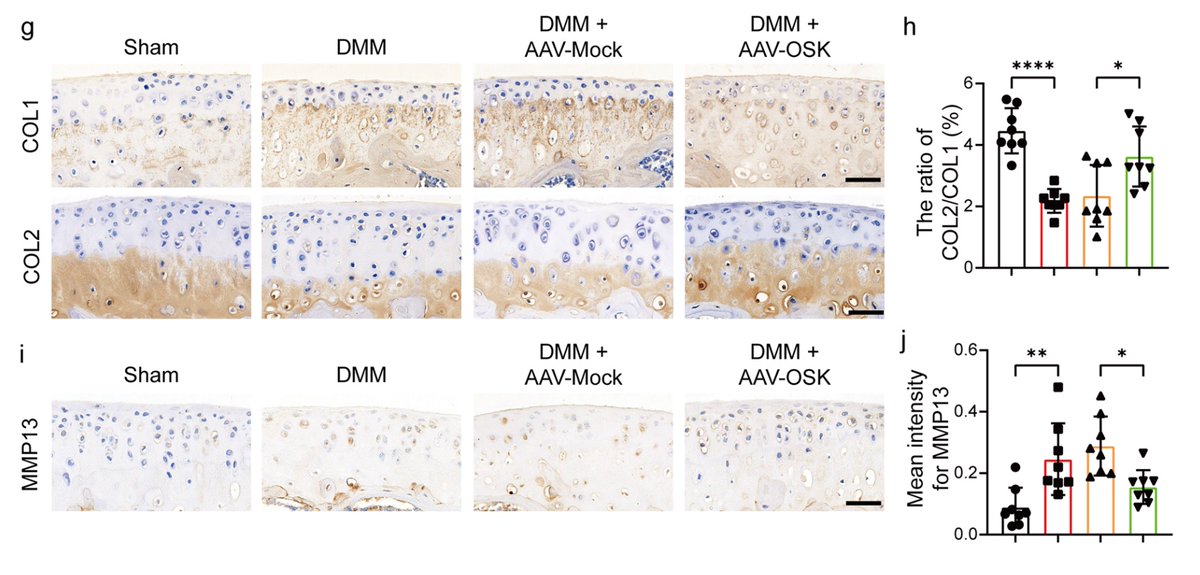
Osteoarthritis & back pain affects millions of people. Instead of managing symptoms, imagine rebuilding joints by making them young
New study shows the reprogramming gene combo OSK regrows joints in mice & effect depends on TET2 so it's epigenetic...🧵
168
Matt Kenyon retweeted

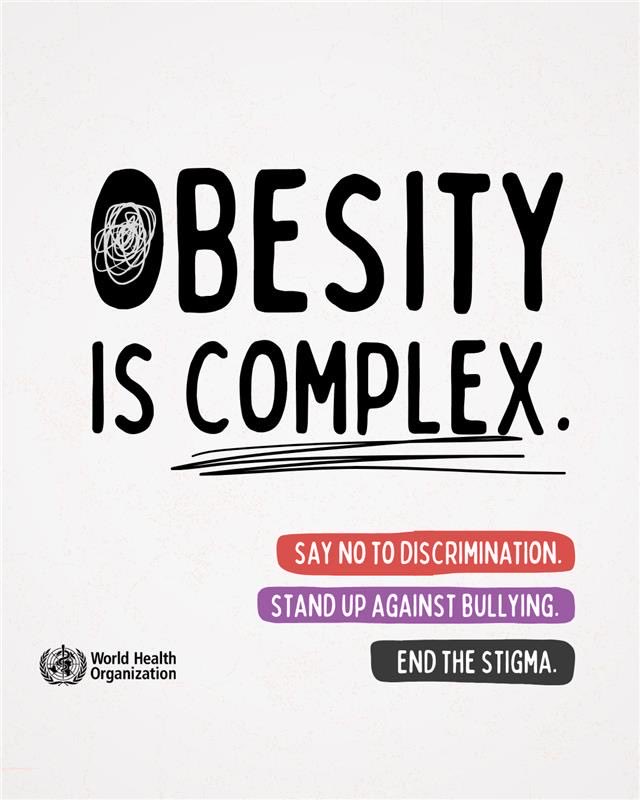
Why #obesity is kept treated as a personal failure?
The @WHO classifies obesity as a chronic, relapsing #disease. Yet, a new study reveals a massive gap between medical reality and public perception.
We know it's a disease, but we still blame ourselves.
🔹 66% (14-country average) believe obesity is "preventable through personal choices."
🔹 63% think "#diet and exercise alone can solve obesity for most people."
🔹 Yet, 71% acknowledge it is "a medical condition requiring ongoing management."
The paradox is clear: Our intellectual understanding hasn't shifted deep-seated feelings of guilt.
Those who consulted a doctor about their weight received predictable advice:
🥗 Eat healthier (60%)
🏃 Exercise more (60%)
🍽️ Eat smaller portions (43%)
While #lifestyle is foundational, reducing a chronic disease to a willpower issue ignores the complex biology at play.
Obesity isn't just a physical condition; it erodes quality of life:
🔸 85% report a negative impact on confidence & self-esteem.
🔸 83% say it affects their emotional & hashtag#mental well-being.
🔸 76% feel it hinders their work or daily responsibilities.
Awareness of the serious health risks is dangerously low. Only half of respondents associate obesity with type 2 #diabetes (53%) and heart disease (52%). Just 18% are aware of its link to certain cancers.
It’s time to stop treating obesity with shame and start treating it with science. We need to shift the narrative—in our own minds and in the doctor's office.
ipsos.com/en-ro/global-perce…
3
19
33
2,218