
Joined October 2014
- Tweets 344
- Following 73
- Followers 27
- Likes 642
79 Photos and videos
Pinned Tweet

21 Nov 2023
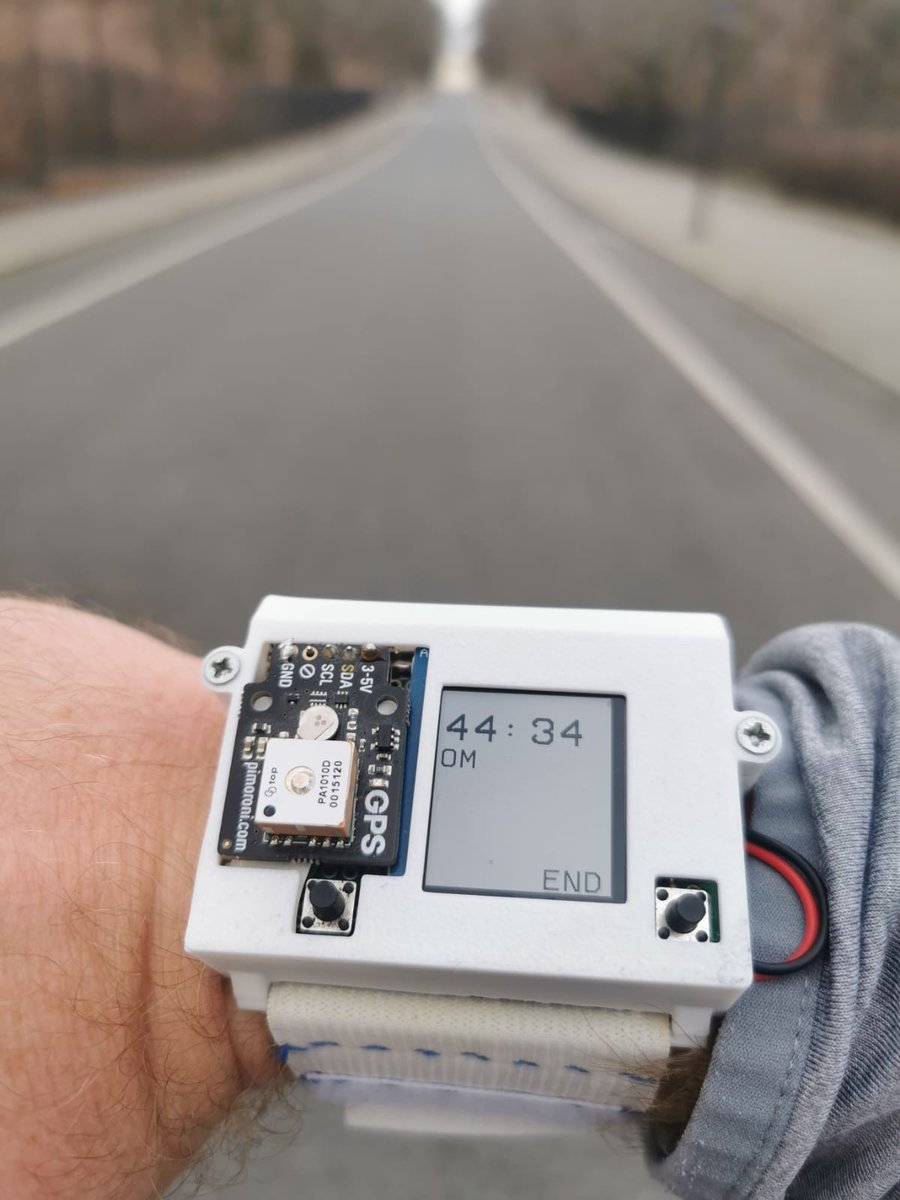
I've developed a GPS-Free Solution for route tracking, which uses machine learning paired with data from motion sensors. This new approach isn't just about counting steps!
bit.ly/gps-free_t
#EnergyEfficiency #Running #MachineLearning #FitnessTracker
2
2
2,482
21 Oct 2025
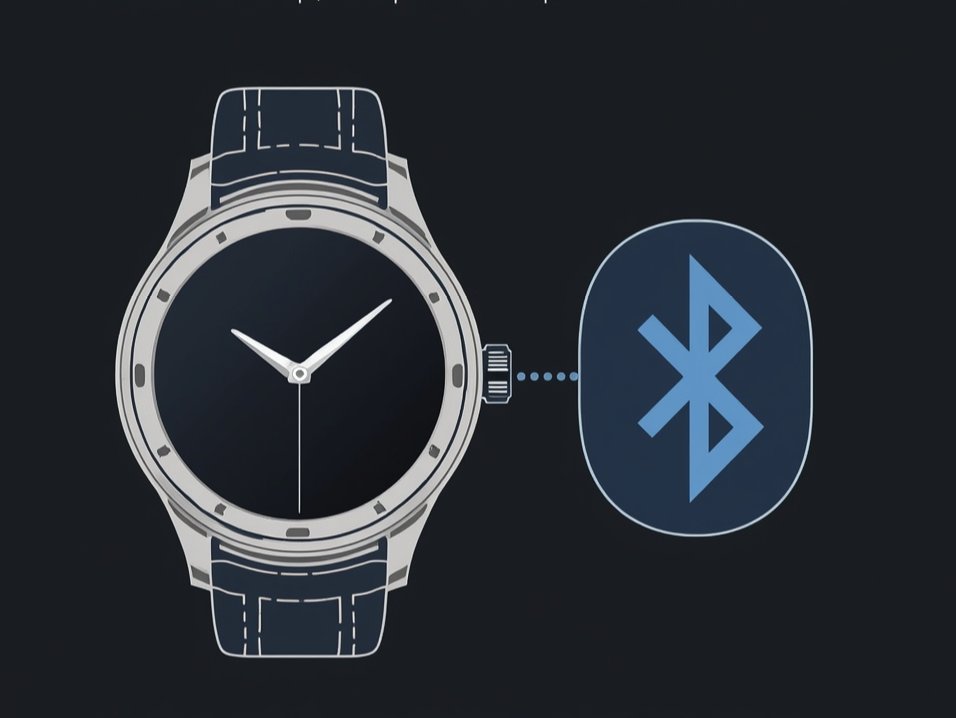
BLE allows configuring events intervals - a key factor for optimizing energy use. By tuning these intervals, it’s possible to cut power consumption even further, which is crucial for a charging-free smartwatch.
#BLE #BluetoothLowEnergy #EnergyEfficiency #EmbeddedSystems
51
20 Oct 2025
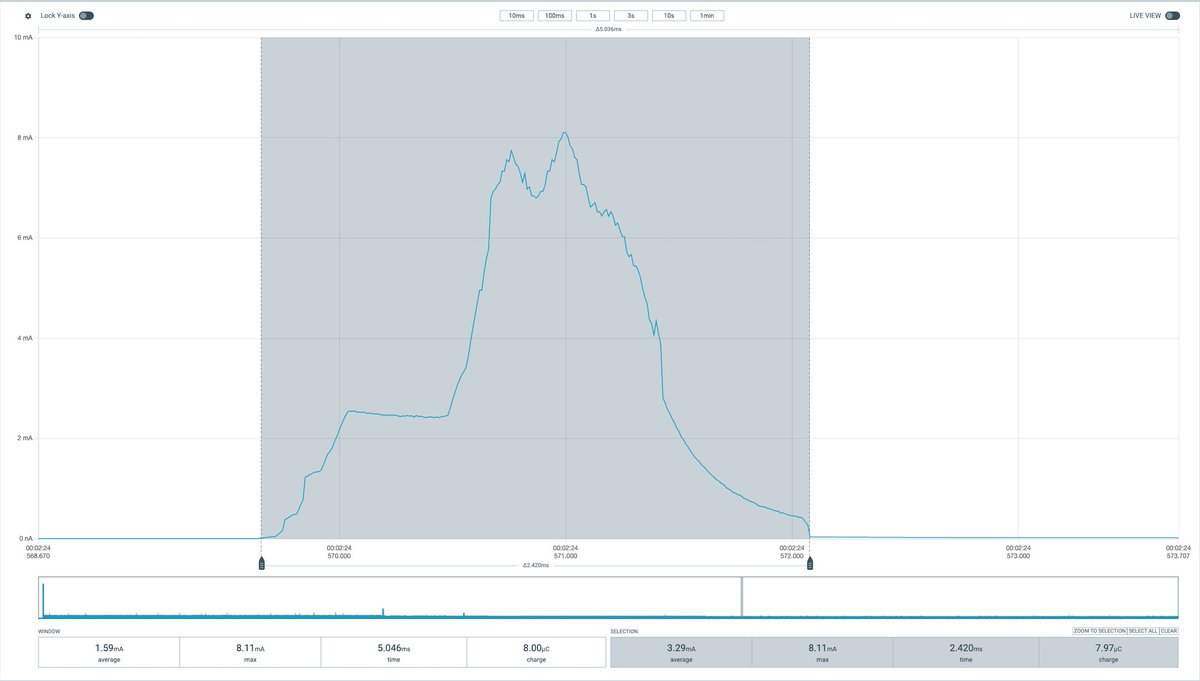
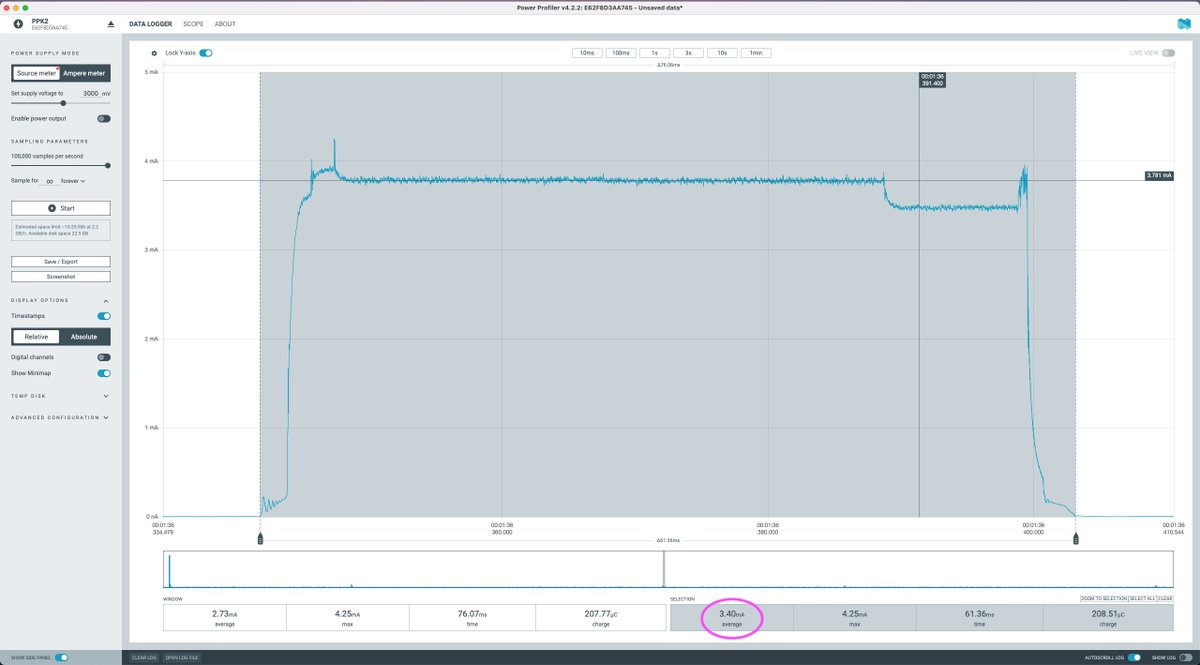
I tested the power consumption of BLE connection events on the STM32WB55. Each event draws only 3.29 mA and lasts about 3 ms—a great result for an ultra-low-power smartwatch design. (See attached image for details.)
#BluetoothLowEnergy #STM32 #LowPower
72
Dominik Piórkowski retweeted

16 Oct 2025
TV in the 90s: you turn it on, you watch.
TV 2025:
- turn on, wait for it to load
- popup: TV wants to update, 1.5GB. No.
- scroll sideways, find prime video app or etc
- popup: now app wants to update, 500MB. No!!
- App launching... App loading…
- select account screen
- 🫠
1,310
1,205
22,254
1,702,232
15 Oct 2025
After deeper reconfiguration of the MCU and peripherals before entering STOP mode, I brought it down to under 20 µA. Lesson learned: just enabling a sleep mode isn’t enough - extra tuning and clever hacks are essential for true low power.
#LowPowerDesign #EmbeddedSystems #CortexM
36
30 Sep 2025
Bluetooth is another major energy consumer in a smartwatch. Careful planning here can save a lot of power. The first step: use BLE only, never classic Bluetooth. #Smartwatch #BLE #BluetoothLowEnergy #LowPower #WearableTech
1
1
47
30 Sep 2025
STM32 also provides a clever setup: two integrated MCUs - one dedicated to BLE, the other for the application. This division helps cut power consumption even further.
34
20 Sep 2025
I continue work on my charging-free smartwatch. The next component to tackle is haptic feedback. Two main options: ERM or LRA. LRA uses less power but needs an extra driver, so I decided to go with ERM. #Haptics #LowPower #Smartwatch #ERM
1
64
20 Sep 2025
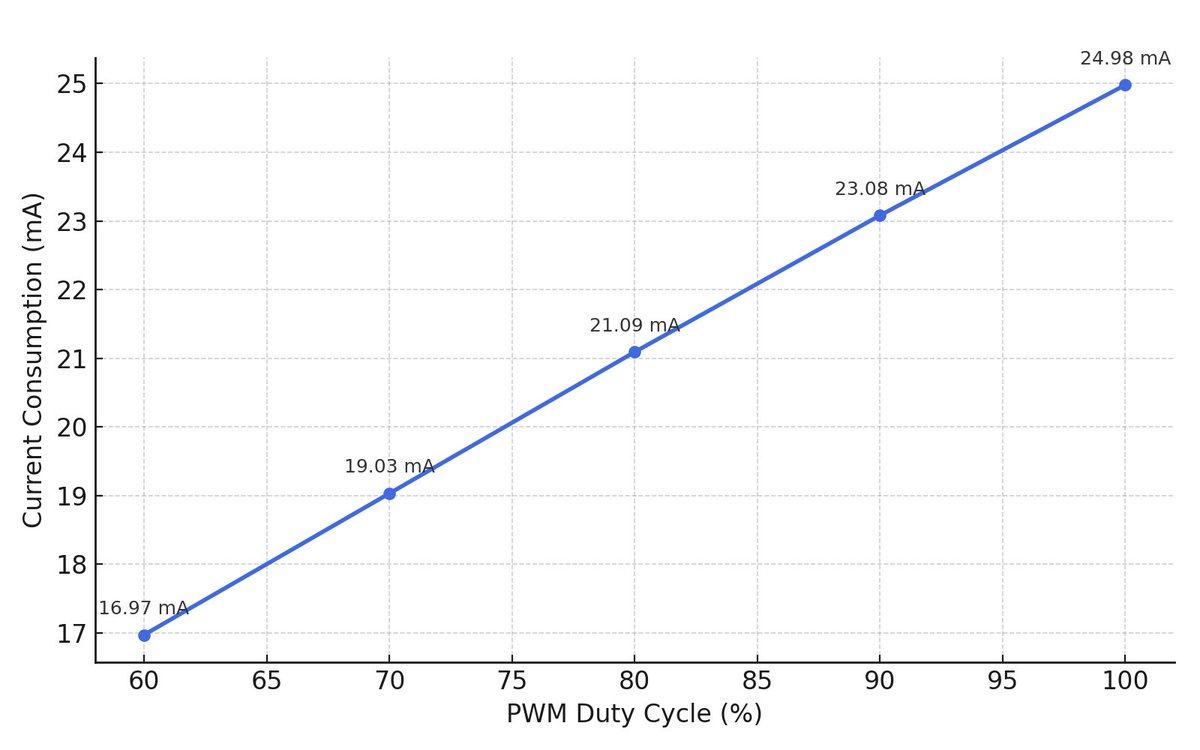
I tested a 10×2.7 mm ERM motor to measure its current draw at different PWM duty cycles. The results are shown in the attached graphic. For typical smartwatch use, this translates to ~0.35 mAh per day
#Haptics #ERM #EccentricRotatingMass #EmbeddedSystems
1
51
16 Sep 2025
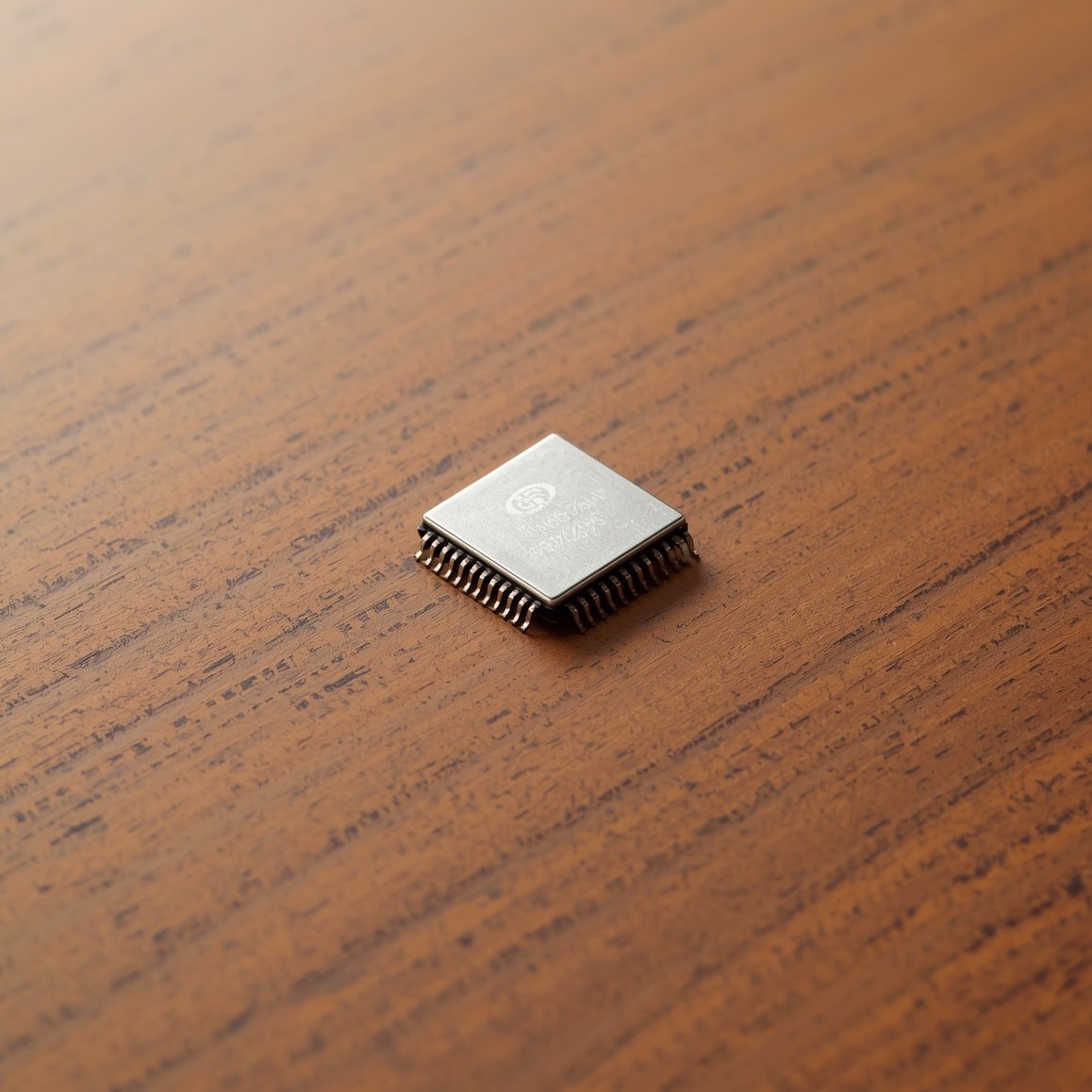
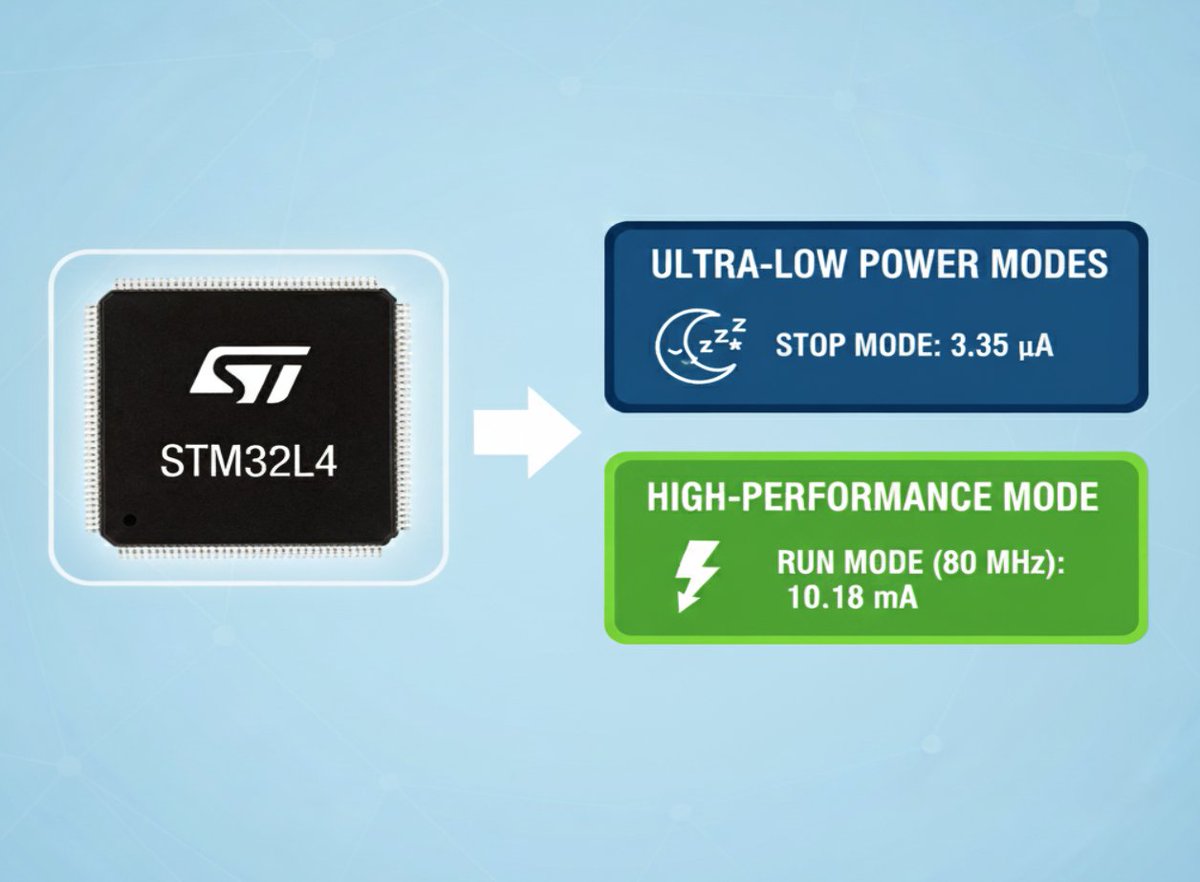
I chose an ultra-low power Cortex-M3 80 MHz from STM. It offers several sleep modes to save energy when idle. In my real-life tests, it showed just 3.35 µA in STOP mode and 10.18 mA in RUN mode—excellent results for this project. #LowPower #EmbeddedSystems #CortexM #MCU #STM32
2
98
15 Sep 2025
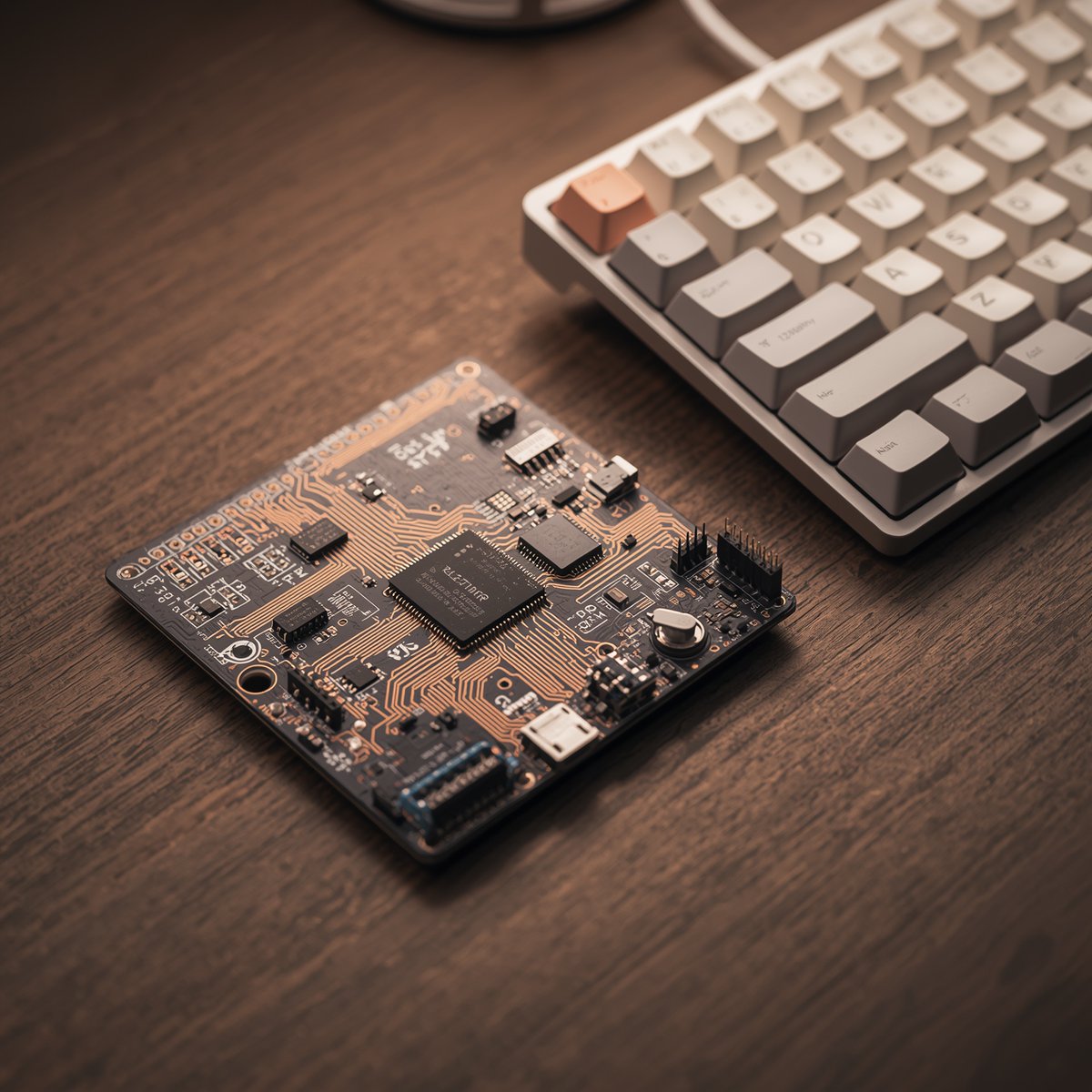
The processor is another big energy consumer. It must be efficient, yet still strong enough for smartwatch tasks. I realise that w/ good software architecture & optimisation, a powerful CPU isn’t needed. Even a Cortex-M <100 MHz can be enough. #Smartwatch #LowPower #CortexM #MCU
2
118
10 Sep 2025
In my own tests with a 1.3" MIP display, I measured just 3.4 mA during refresh. Given how infrequently refresh is needed, this means it can consume up to 10,000× less energy than OLED!😮
#display #EnergyEfficiency #Hardware #MemoryInPixel
1
75
8 Sep 2025
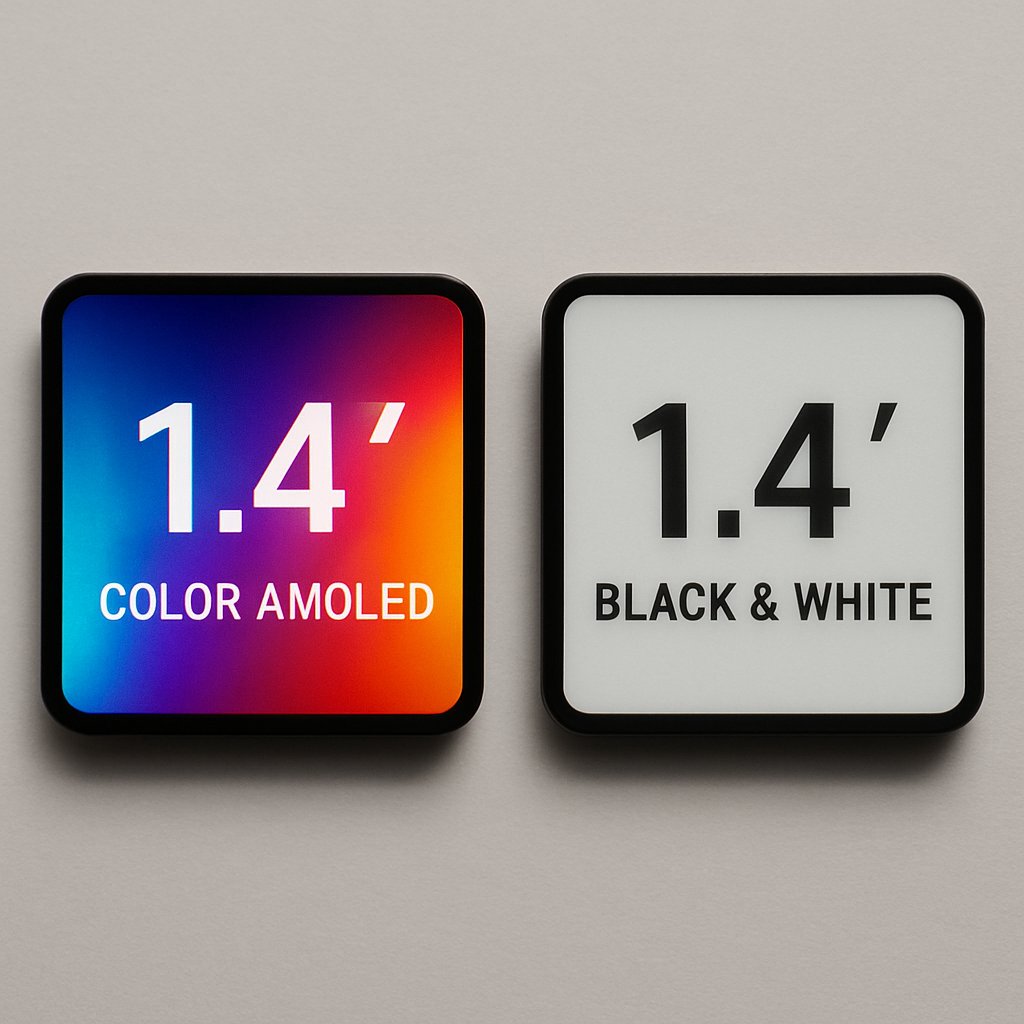
One of the most power-hungry parts of a smartwatch is the display. To save energy, I chose efficiency over colours. The options were Memory-in-Pixel (MIP) or e-paper - and I went with MIP for its better refresh rate.
#smartwatch #LowPower #Hardware #TechResearch
1
1
79
8 Sep 2025
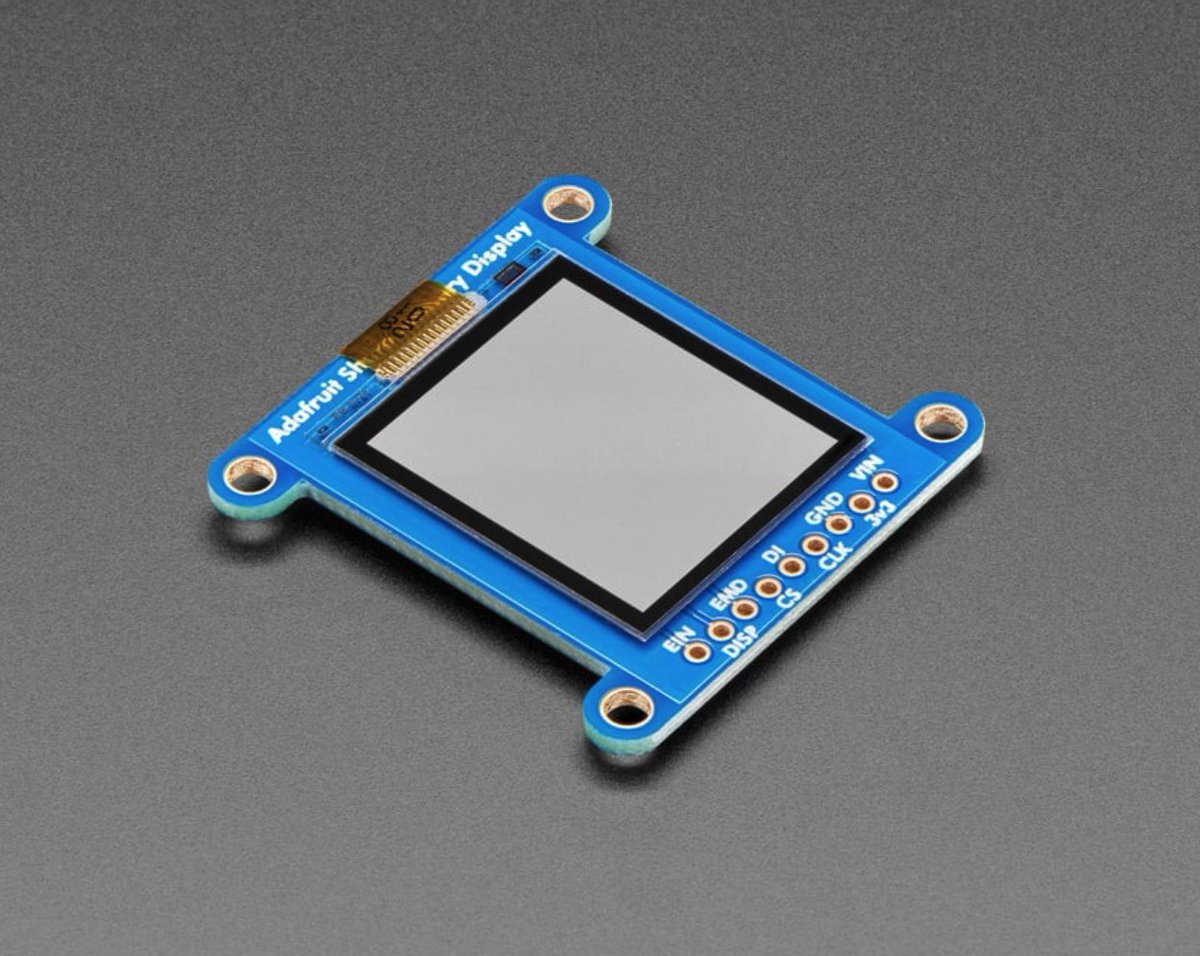
I selected a Sharp 1.3" Memory-in-Pixel display. The choice was limited - there aren’t many companies manufacturing such screens.
#Sharp #MemoryInPixel #Adafruit #EnergyEfficiency
58
5 Sep 2025
The real challenge in creating a smartwatch that never needs charging isn’t adding an energy source - it’s drastically reducing power consumption. This requires the most effort and true innovation.
#smartwatch #EnergyEfficiency #LowPower
1
67
5 Sep 2025
I’ve already worked out specific ideas for which technologies to use, which components to select, and how to design the software to minimize power use. The next step is to test these solutions in practice.
#TechDesign #HardwareDesign #SoftwareOptimization
2
70
4 Sep 2025
I explored three options for energy harvesting—Peltier cells (body heat), solar cells, and piezoelectric harvesters. The conclusion was clear: only solar cells can deliver enough power to keep a smartwatch running.
#energyHarvesting #smartwatch
66
3 Sep 2025
To make a charging-free smartwatch possible, two things are essential: drastically lowering power consumption and adding an energy source.
#chargingFree #smartwatch
53
2 Sep 2025
When looking for a smartwatch, I noticed all of them need frequent charging - sometimes every day. That felt wrong for something meant to simplify life. After months of research, I came up with a concept for a watch that doesn’t need charging. Now it’s time to build and test it.
51