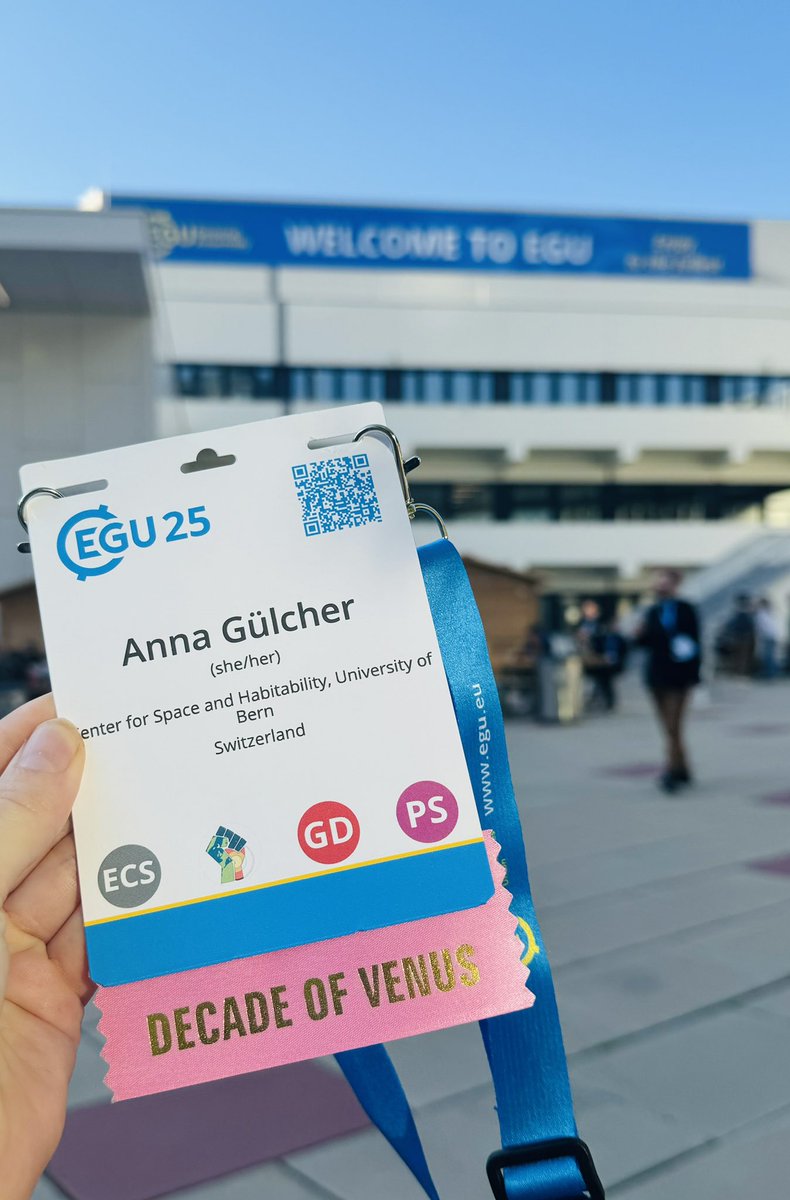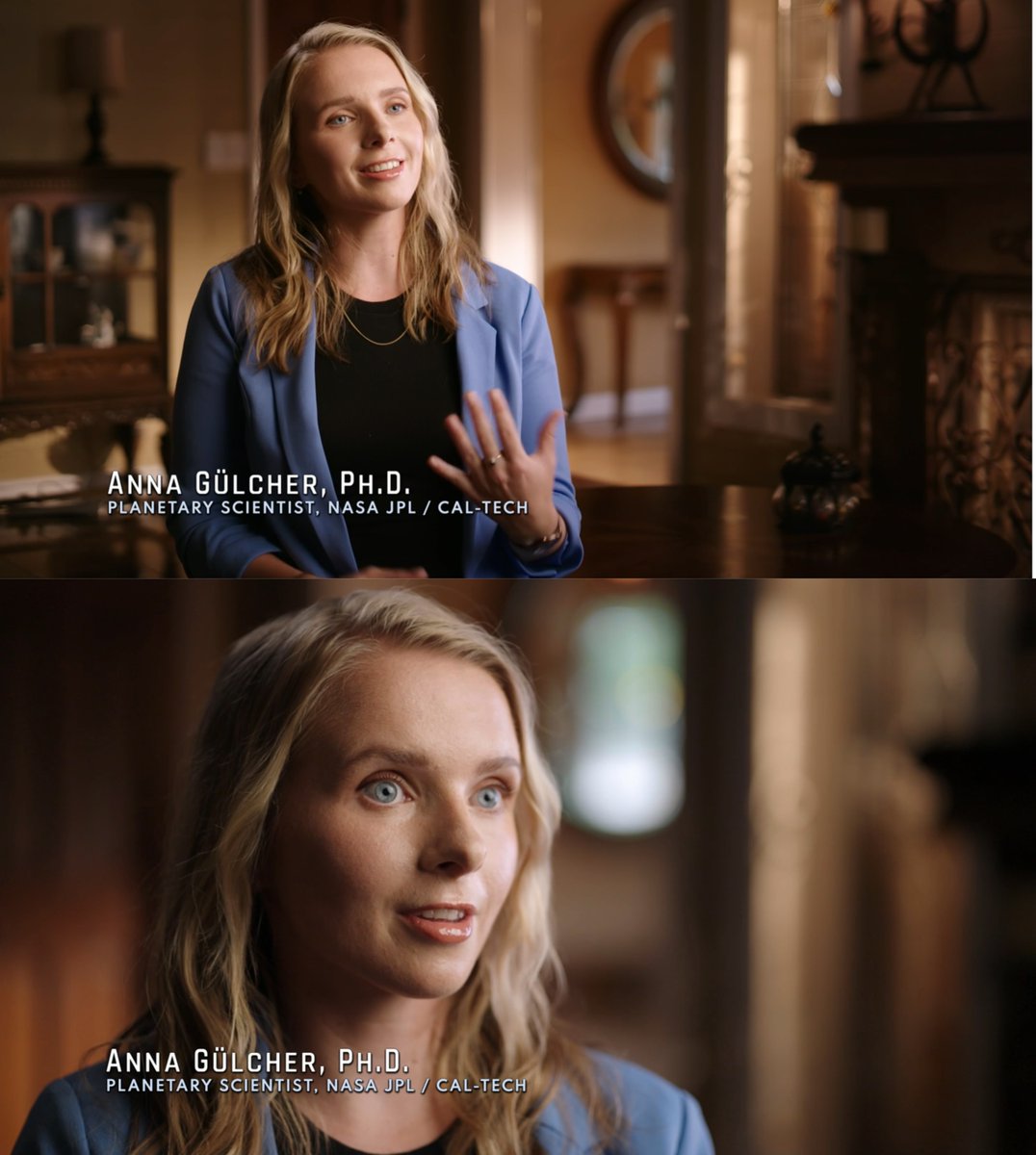
I think I've never been as nervous as when I faced a large film crew and professional cameras for @HISTORY's documentary 'The UnXplained: Mysteries of the Universe' 📽️✨
I had the incredible opportunity to talk #Venus and #Earth in two episodes! 🌋🌍🚀
@NASAJPL@CaltechSeismo
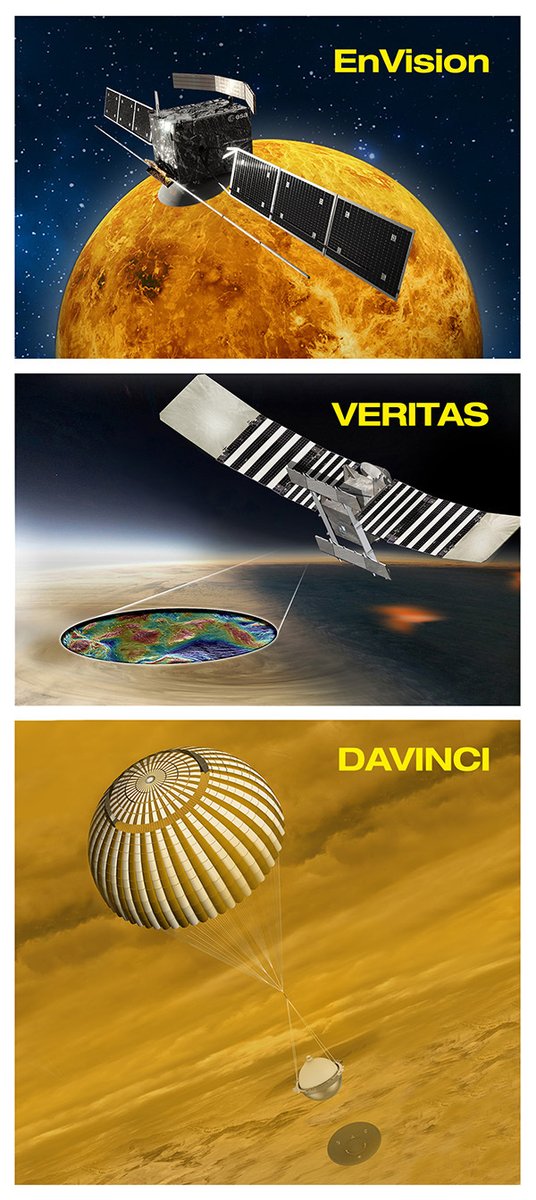
In ~5 years, we as a species are on track to embark on an incredible era of discovery, unlocking the secrets of the planet Venus. The missions @ESA_Envision, DAVINCI, and VERITAS will reveal Venus as we have never seen her before. But why should YOU care about our sister world?
It’s here: The Planetary Society’s biggest advocacy event of the year—the 2025 Day of Action on October 5 and 6.
This time, we’re not just fighting for one or two missions, we’re fighting for the future of NASA science. And we’re not alone. Nearly a dozen organizations are joining forces with us to take a stand.
This is a historic moment, and you’re invited. If you have a U.S. address, you can join us in Washington, D.C. No experience needed, we’ll train you.
Get the details below and be part of the Day of Action to Save NASA Science.
planetary.org/advocacy/day-o…
PSI in the News:
VERITAS, a planned Venus orbiter, could be defunded or canceled under the White House's proposed budget. PSI's Darby Dyar, the VERITAS deputy principal investigator, explains what's at stake: planetary.org/articles/scien…
Today is the FINAL day to sign our global petition! We’re just shy of 20k signatures, thousands of people showing their support for space science. Congress needs to hear from you. This is their responsibility, and your voice matters. Add your name and let them know you stand against these cuts. planet.ly/petition
Everything you need to know about the 500-page FY2026 congressional budget justification for NASA. ⬇️
The White House just dropped its FY2026 budget request, and it’s a shock to the system. This week on @PlanRad Sarah sits down with @JackKiraly, The Planetary Society’s director of government relations, to unpack what’s inside and what it means for the future of space science.
planetary.org/planetary-radi…
Wondering how NASA science benefits your state? We’ve built an interactive dashboard where you can explore detailed economic impact reports for every U.S. state and the congressional districts they touch. NASA’s science investments reach all 50 states and 77% of congressional districts—335 in total. In FY 2024 alone, NASA science committed $8.1 billion to institutions and companies nationwide.
Explore the data here: dashboards.planetary.org/nas…
With the release of Russ Vought's NASA budget-slashing proposal and the ousting of Jared Isaacman, the last day has been the largest shift in U.S. space policy in a generation.
Many people in government, industry, and the scientific community are gravely concerned about the future of space science and exploration.
Congress is the last line of defense against these drastic changes. Only Congress has the ability to pass legislation that maintains U.S. leadership in space, promotes scientific discovery and technological advancement, and bolsters the civil and commercial space industrial base.
Add your name to the petition to Congress to Save NASA Science: planet.ly/petition
The White House FY 2026 budget proposal for NASA decimates the future of space science. @exploreplanets has launched a Save NASA Science Campaign to push back. Anyone from anywhere can sign. Add your name: planet.ly/petition
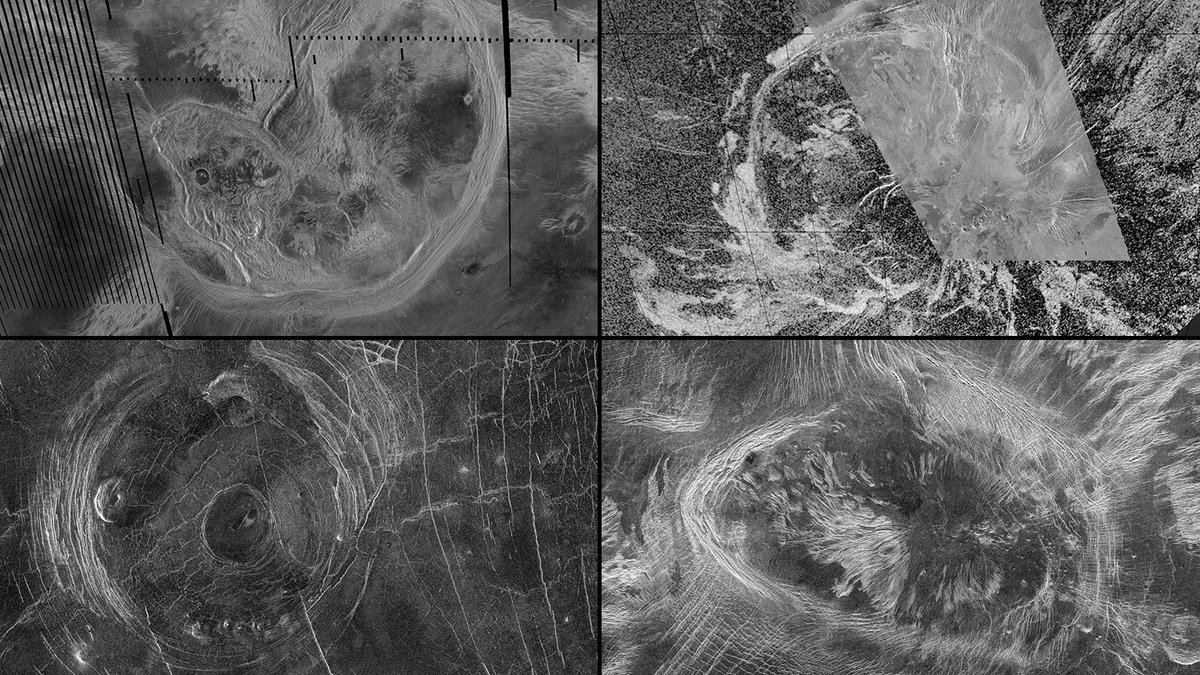
In the early '90s, NASA's Magellan mission used its radar system to see through Venus’ thick atmosphere and map the topography and gravity of the planet.
New analysis of this decades-old data has revealed new evidence of tectonic activity: go.nasa.gov/4k0Crno
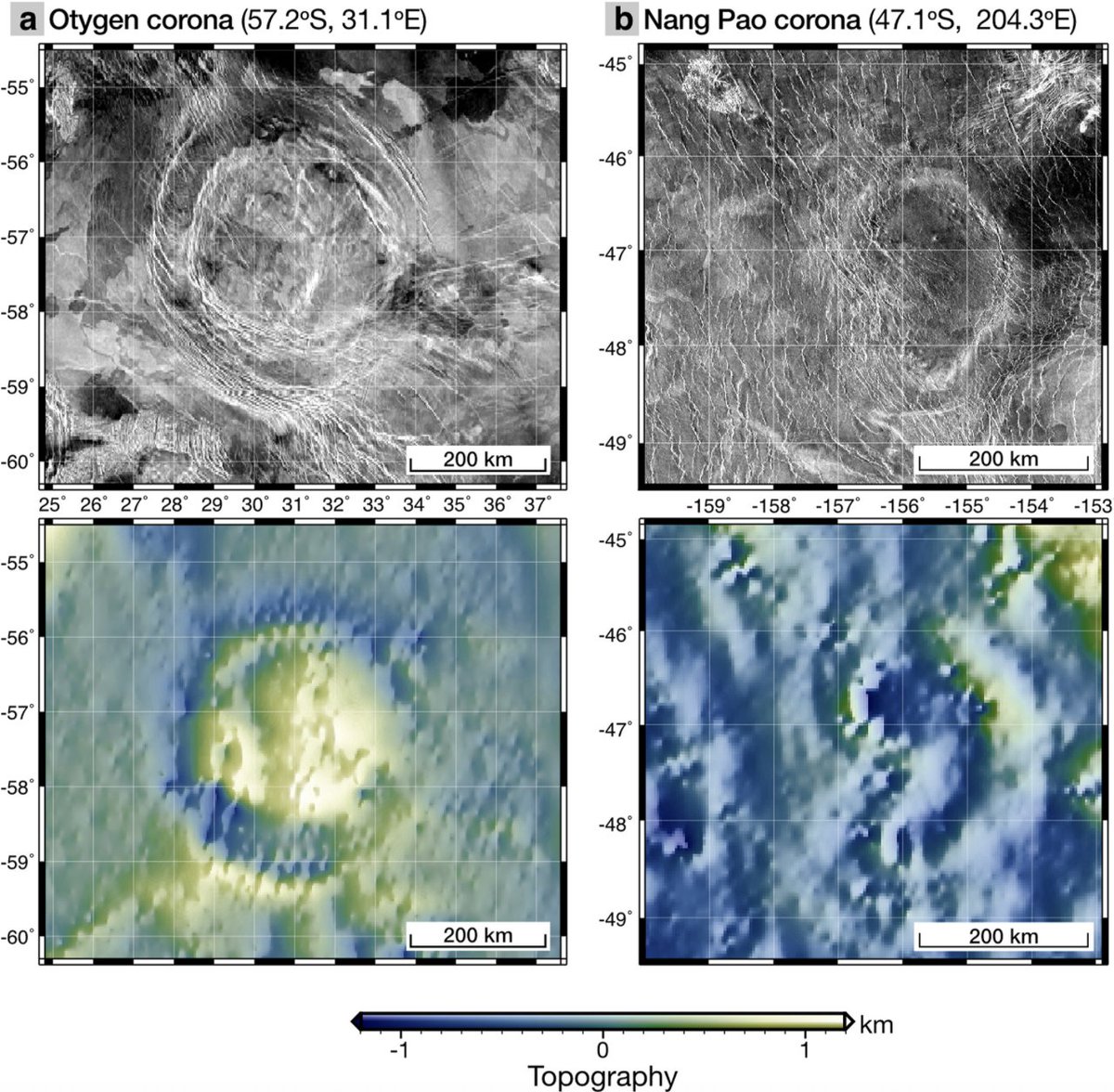
ALT A mosaic of four black-and-white radar images come from NASA’s Magellan mission show various coronae on the surface of Venus. Each panel highlights a large, circular or oval geological structure with complex patterns of fractures, ridges, and surrounding terrain. These coronae vary in appearance, some with clear concentric rings and central domes, while others have overlapping features or radial streaks. The top left image includes striping artifacts from radar mapping.
Hey everyone 😊
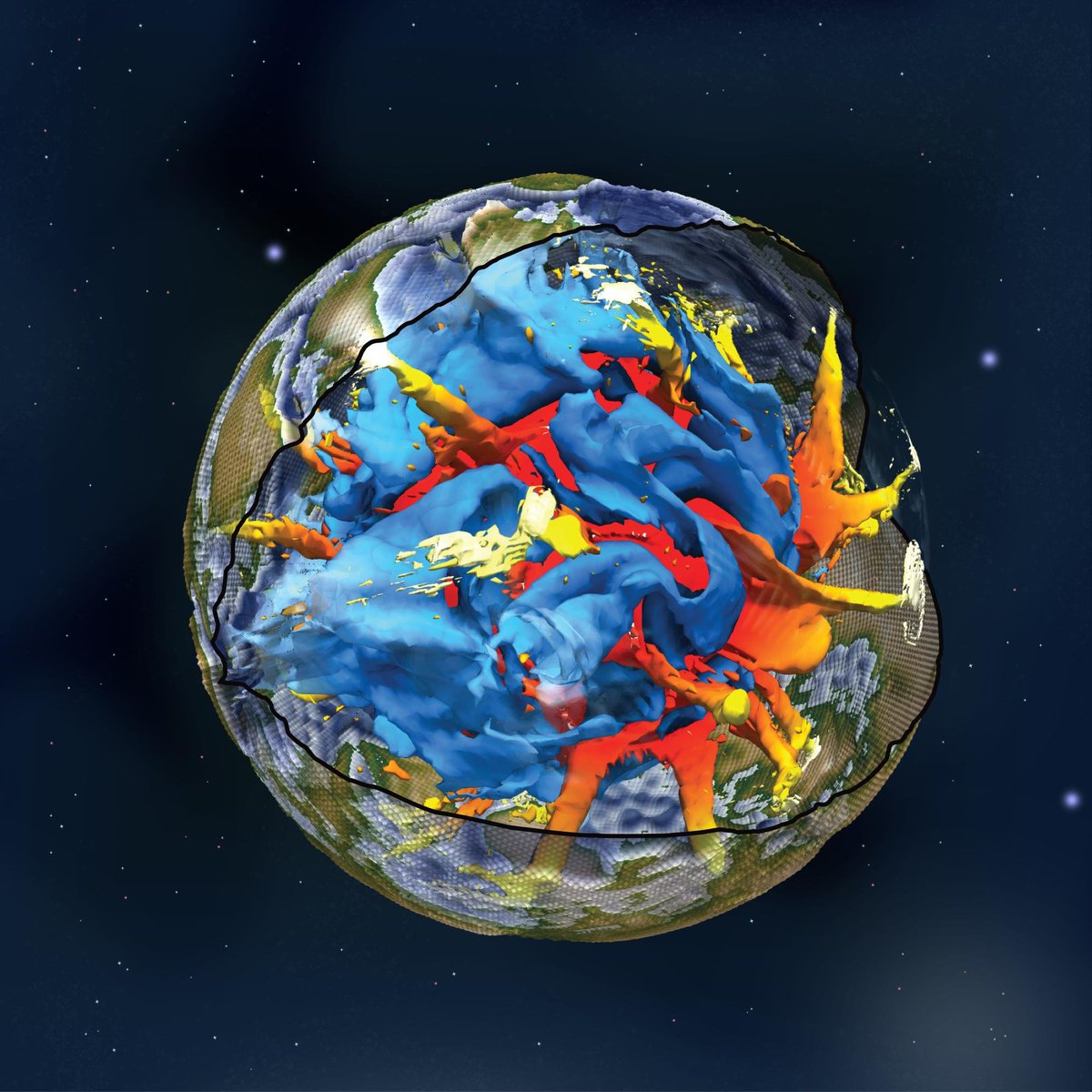
My global Earth geodynamic model is part of the Helmholtz Imaging Best Scientific Image Contest 2025!
I’d really appreciate your support 🤗, feel free to check it out and vote if you like it 🗳️
Link 🔗 shorturl.at/TMgOH#HelmholtzImaging#ScienceArt#SciComm
ALT Six Hundred Leagues Under the Earth
This geodynamic model of the Earth at 850 Ma explores the expression and evolution of the Earth's surface as a result of the complex interaction between cold subduction and warm mantle plumes.
New @jgrplanets : doi.org/10.1029/2024JE008749
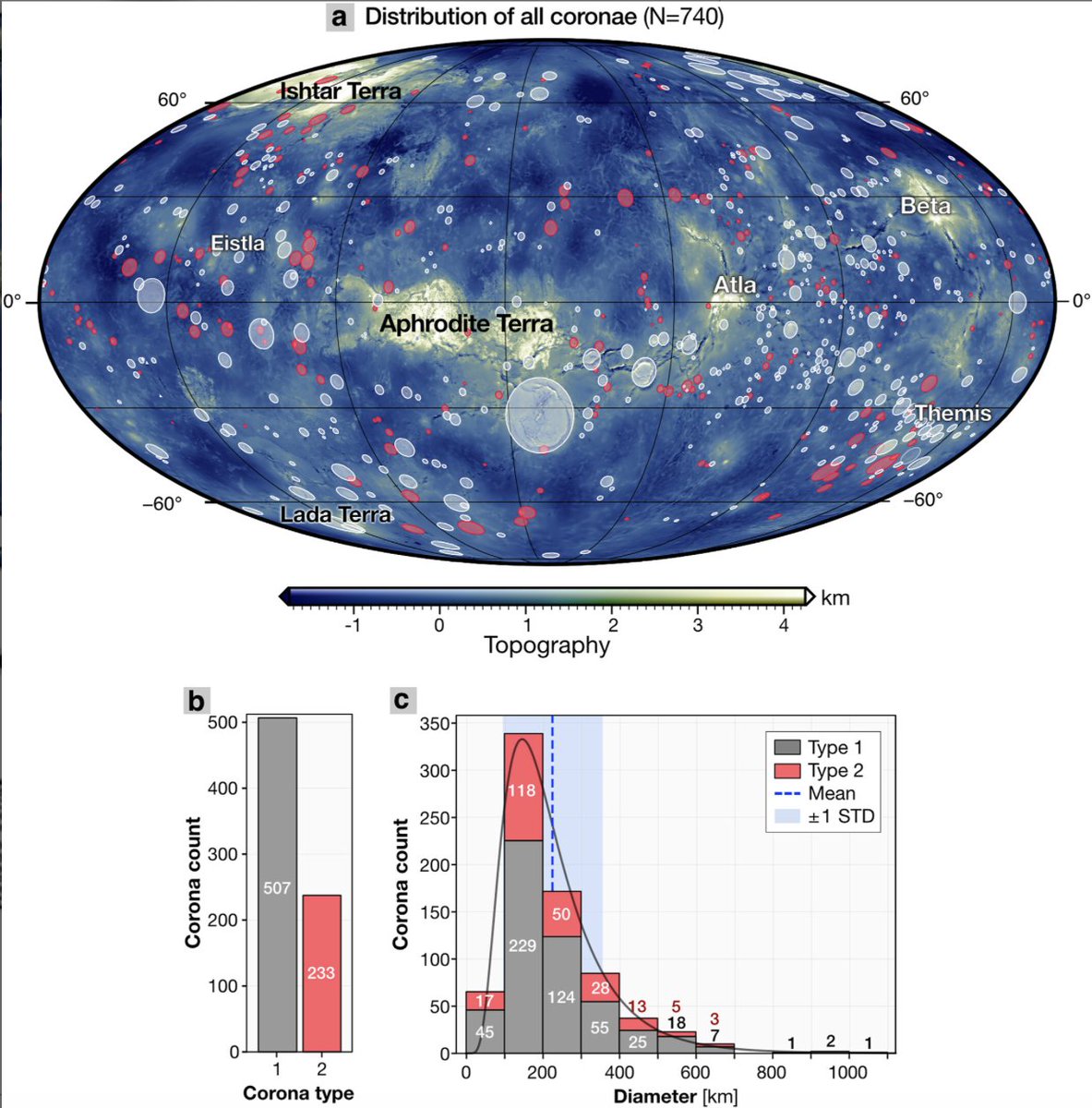
"Coronae on Venus: An updated global database and insights into morphology, spatial distribution, geological setting, and lithospheric properties" presents a new, publicly available database of 740 (!!) corona on Venus. W. @SueSmrekar
"Coronae" are defined by a (partial) quasi-circular ring of closely spaced concentric fractures. Previously published #Venus coronae databases remain inaccessible to the public and/or incomplete -- our newly updated count of 740 is much higher than ever reported!
NASA has not launched a spacecraft to Venus since I was 3 years old, and both of NASA’s planned missions to Venus are in jeopardy.
Venus is THE most important planet for understanding how Earth works, and it is key for identifying Earth 2.0 outside our Solar System.
The @AAS_Office has issued a statement regarding the news today on potential cuts to NASA (aas.org/press/aas-statement-…). If you enjoy the amazing science that is enabled by NASA and the incredible people that it funds, then please join the advocacy effort by contacting congress.
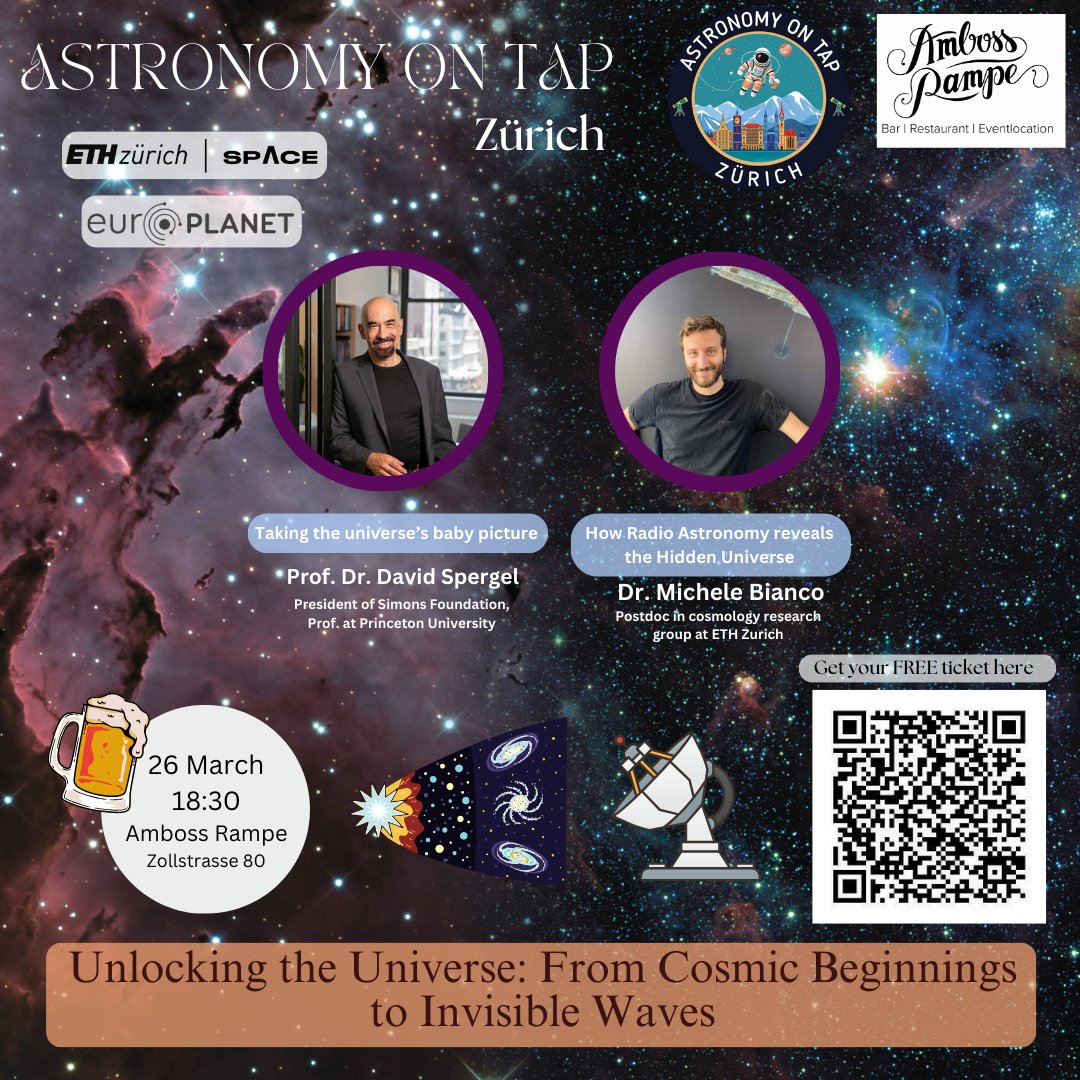
Astronomy on Tap Zurich is back with its third event "Unlocking the Universe: From Cosmic Beginnings to Invisible Waves!".
Wednesday, 26 March 2025, 18.30
Amboss Rampe, Zurich
Be sure to register to secure your space.
🚀 AoT Zürich is back! 🌌
📅 Date: 26th March 2025
🕡 Doors Open: 6:30 PM
📍 Location: Amboss Rampe (NEW LOCATION!!!!)
🎟 Free Entry!
Get your FREE ticket here: eventbrite.com/e/astronomy-o…
Note: Entry only with a valid ticket! RSVP required!