
Joined March 2014
- Tweets 1,698
- Following 181
- Followers 165
- Likes 1,053
11 Photos and videos



Plarent Ymeri retweeted

May 12
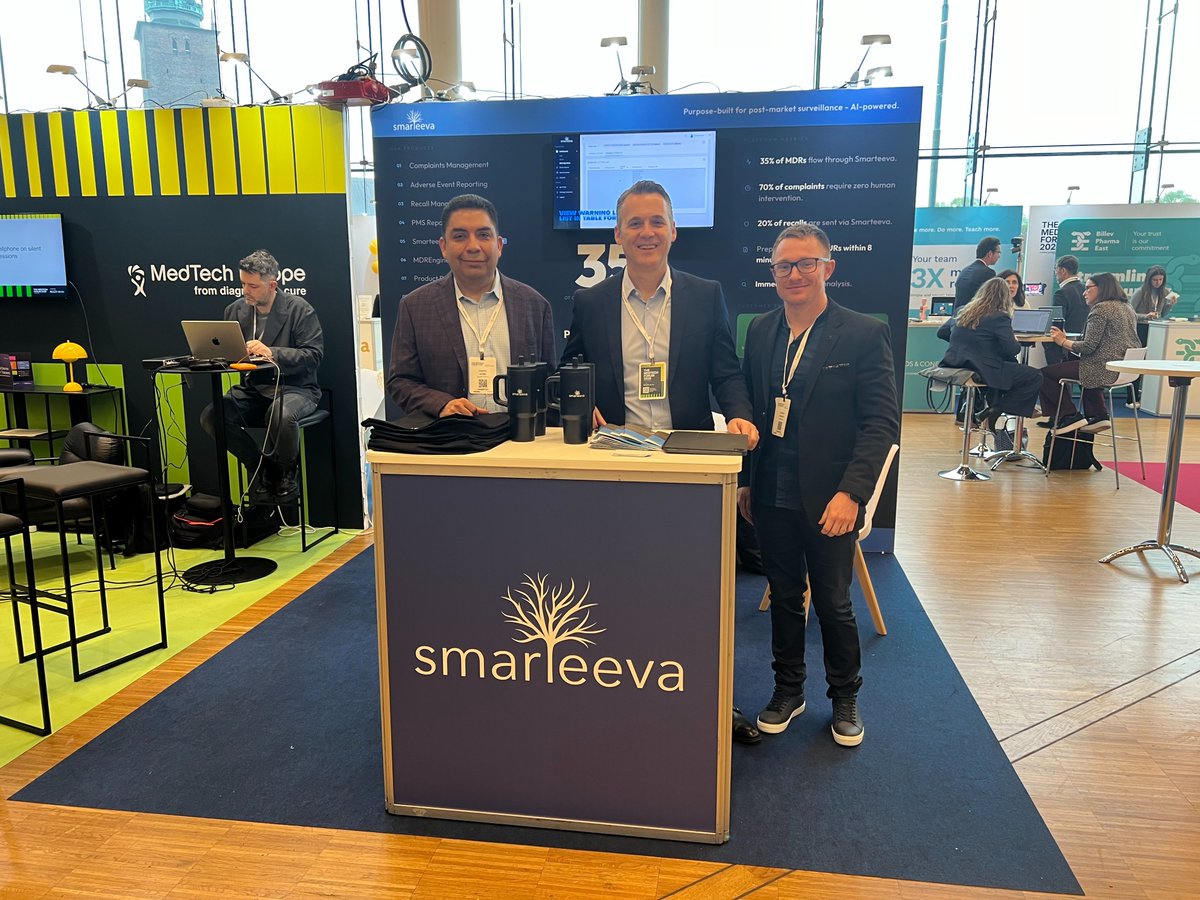
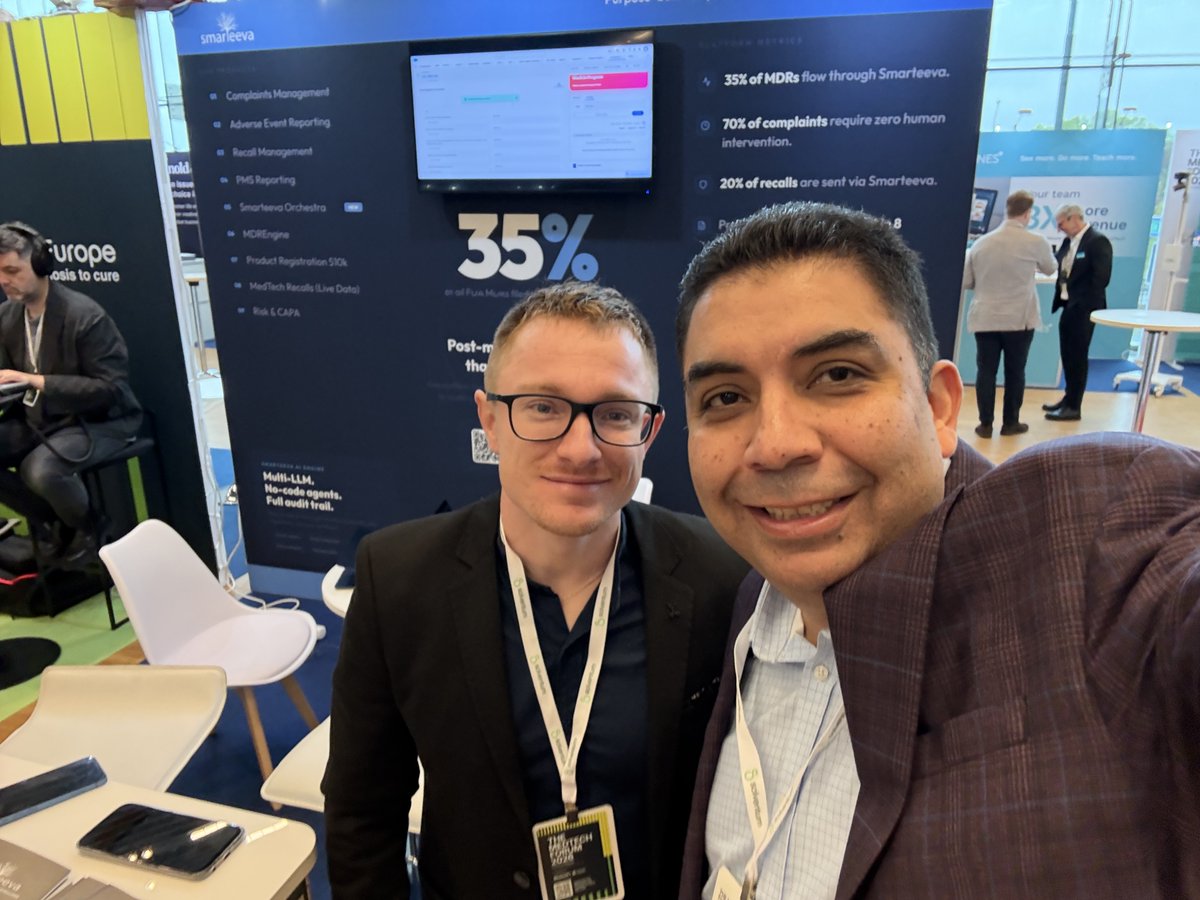
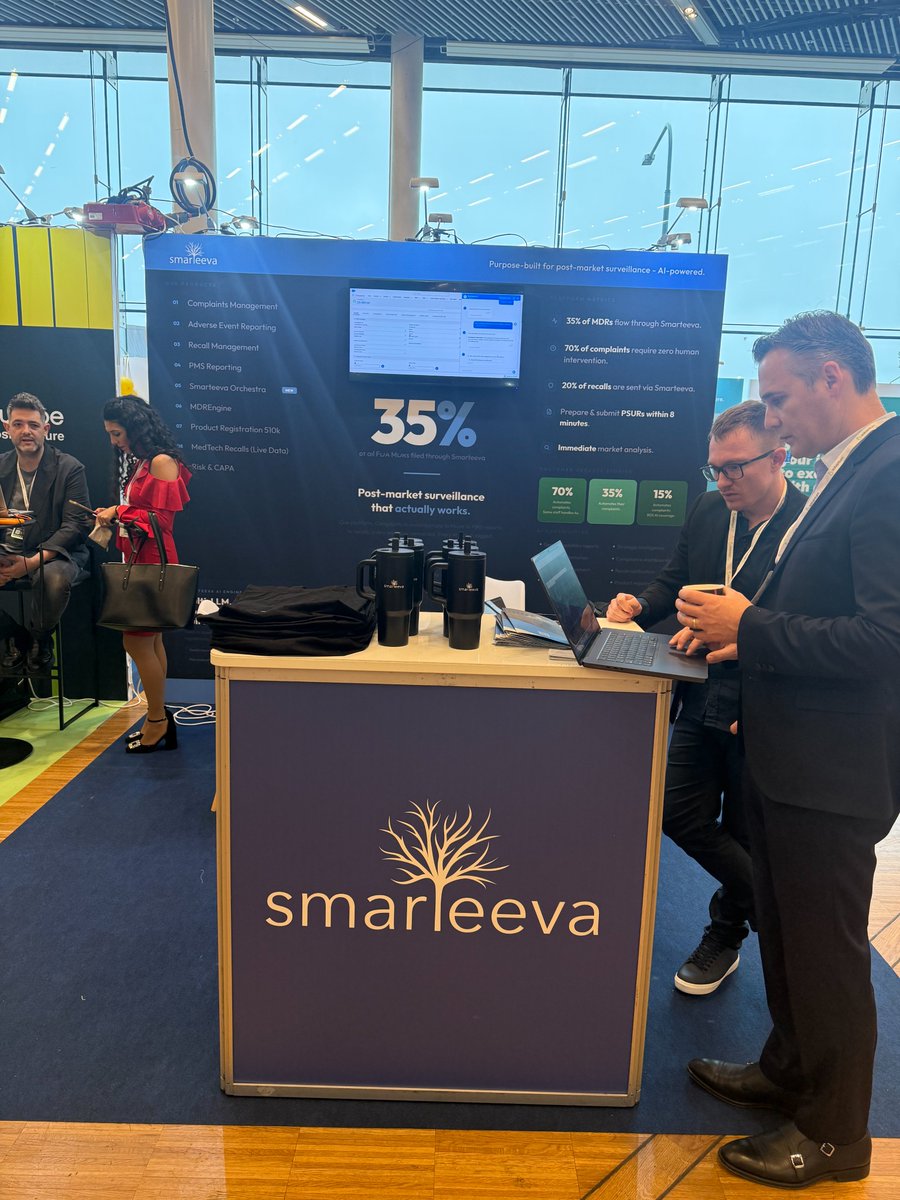
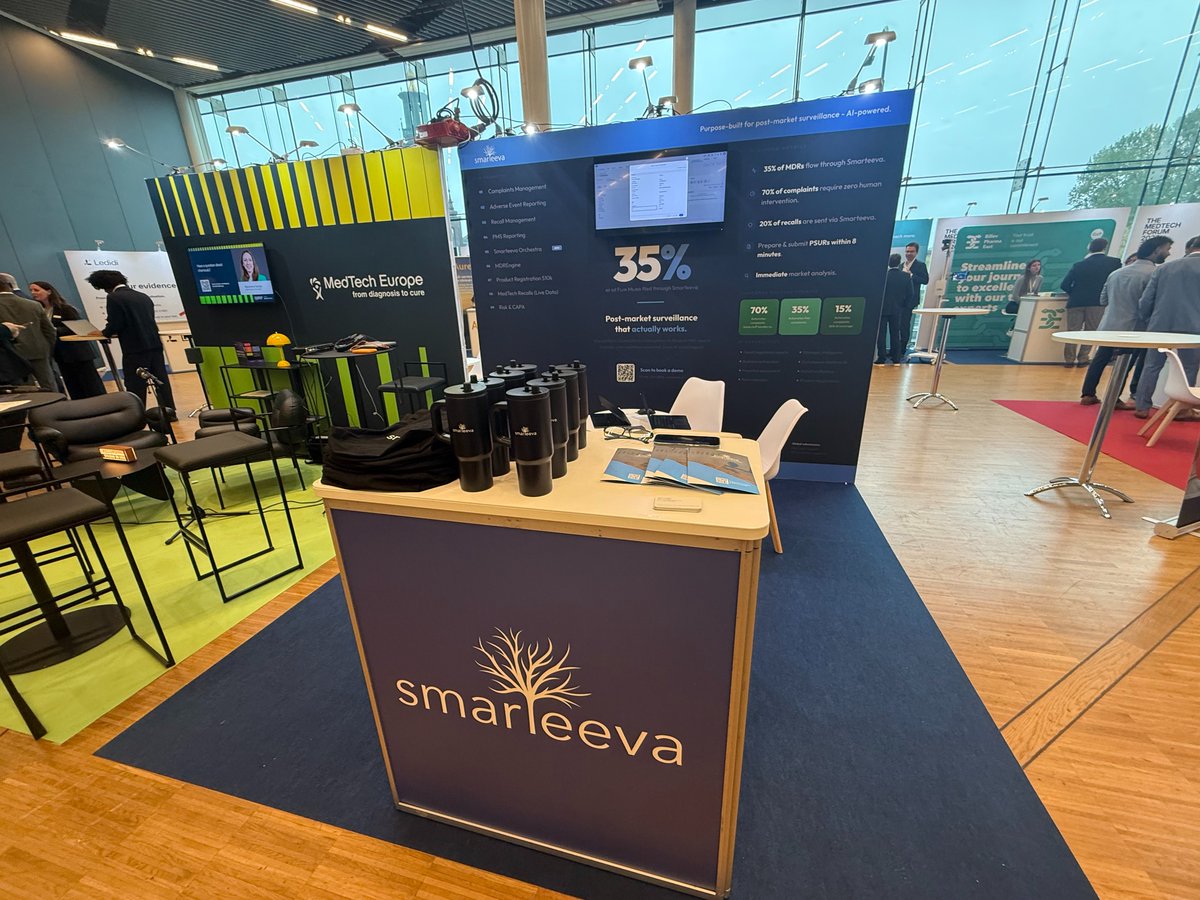
We're live at @medtecheurope 2026 in Stockholm. Booth 14 is open, the team is ready, and the conversations have already started.
@PlarentY, Jaime Castillo Ayub, and Vinícius Ferrarini Chimello are on the ground showing how post-market surveillance actually works when it's purpose-built and AI-powered.
Later today, Plarent takes the stage for "The Next Frontier in MedTech: Agentic AI for Smarter Post-Market Surveillance" (14:10, Room C4).
➡️ 35% of all FDA MDRs flow through Smarteeva. Come see why.
📍 Booth 14 | Stockholm, Sweden 🗓️ May 11–13, 2026
hashtag#MedTechForum2026 hashtag#PostMarketSurveillance hashtag#MedTech hashtag#AI hashtag#Smarteeva
1
1
25
Plarent Ymeri retweeted
May 7
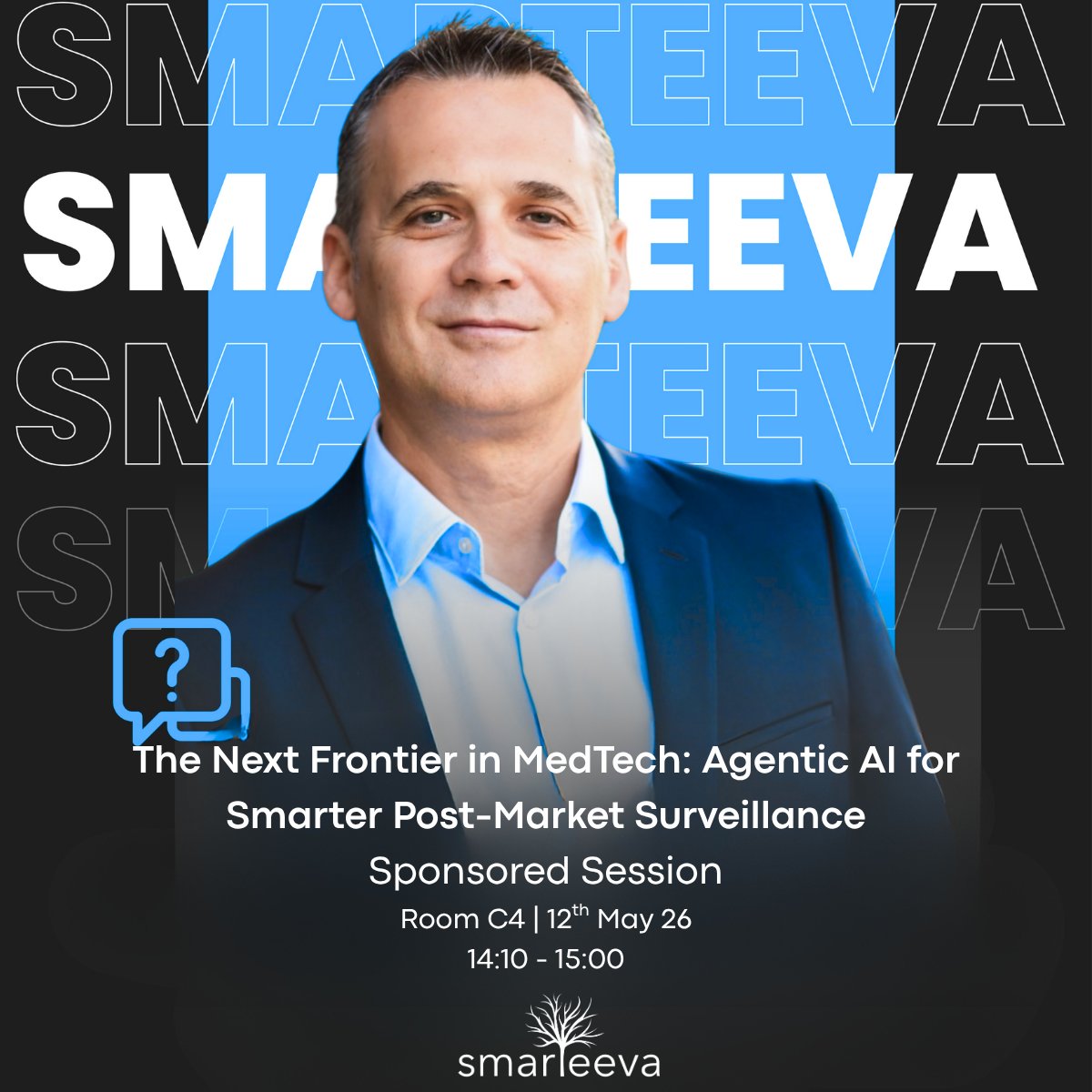
Our CEO @Plarent Ymeri is presenting at MedTech Forum 2026, and we're running Smarteeva Orchestra, live AI agents processing complaints and filing regulatory submissions in real time.
If you've ever wondered what "agentic AI in post-market surveillance" looks like in action, this is your session.
Whether you're in Quality, Regulatory, or just curious about what AI can actually do inside a validated environment, come, see it for yourself. We promise it will be exciting!
Can't make the session? We're at Booth 14 all three days (May 11-13) with the same live demo, coffee, and conversations about what's next for your PMS workflow.
📍 Room C4 | May 12 | 14:10 - 15:00
📍 Booth 14 | May 11-13 | Stockholmsmässan
Link in comments ↓
#MedTechForum #AgenticAI #PostMarketSurveillance #MedTech #smarteeva
1
1
1
30
Plarent Ymeri retweeted
Mar 6
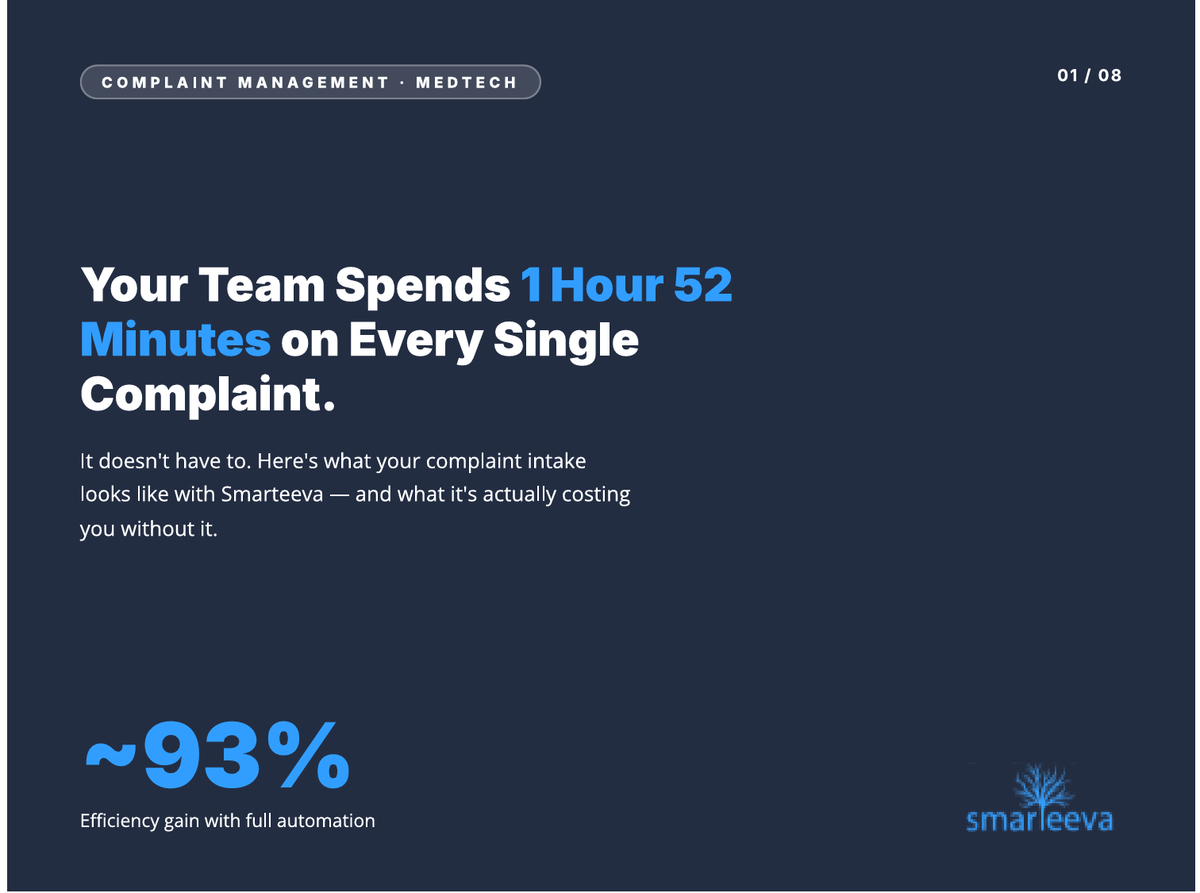
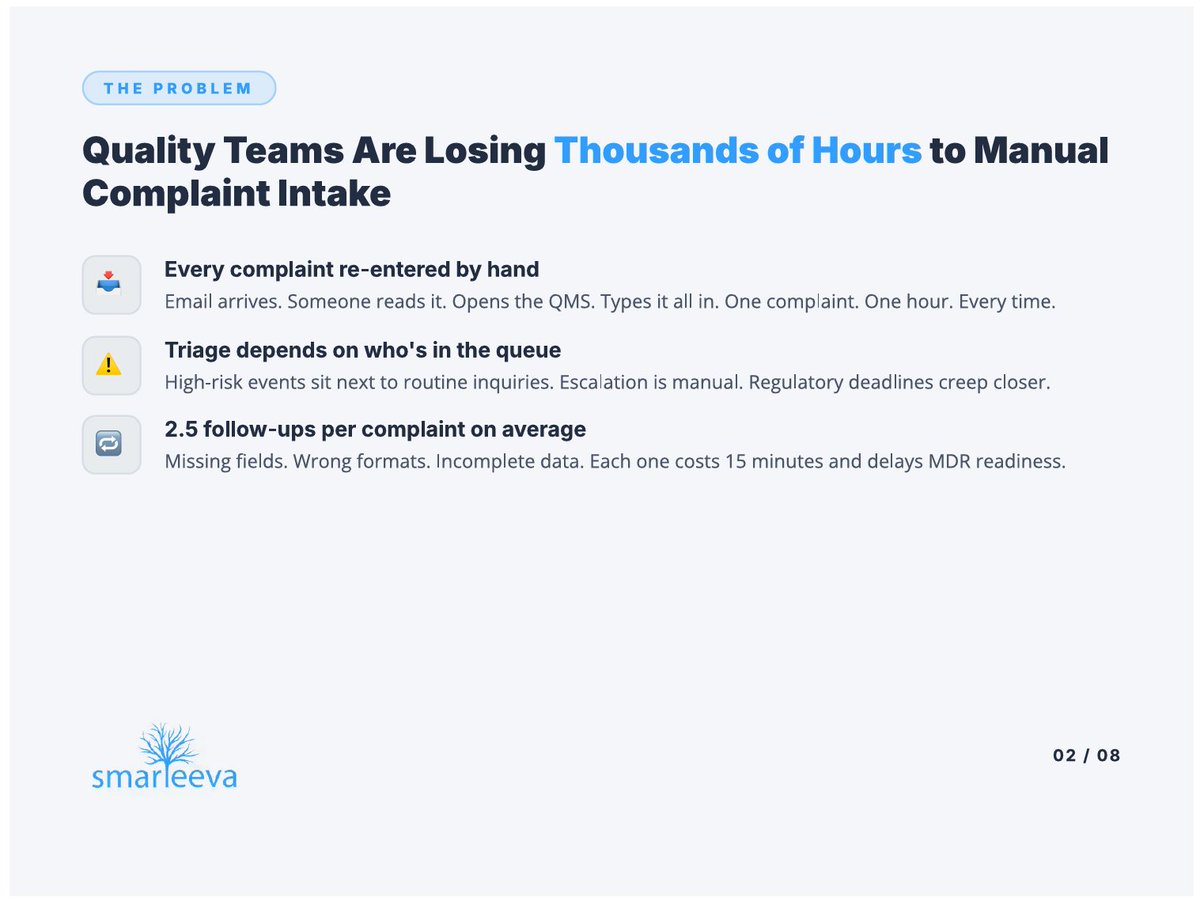
Manual complaint intake doesn't scale.
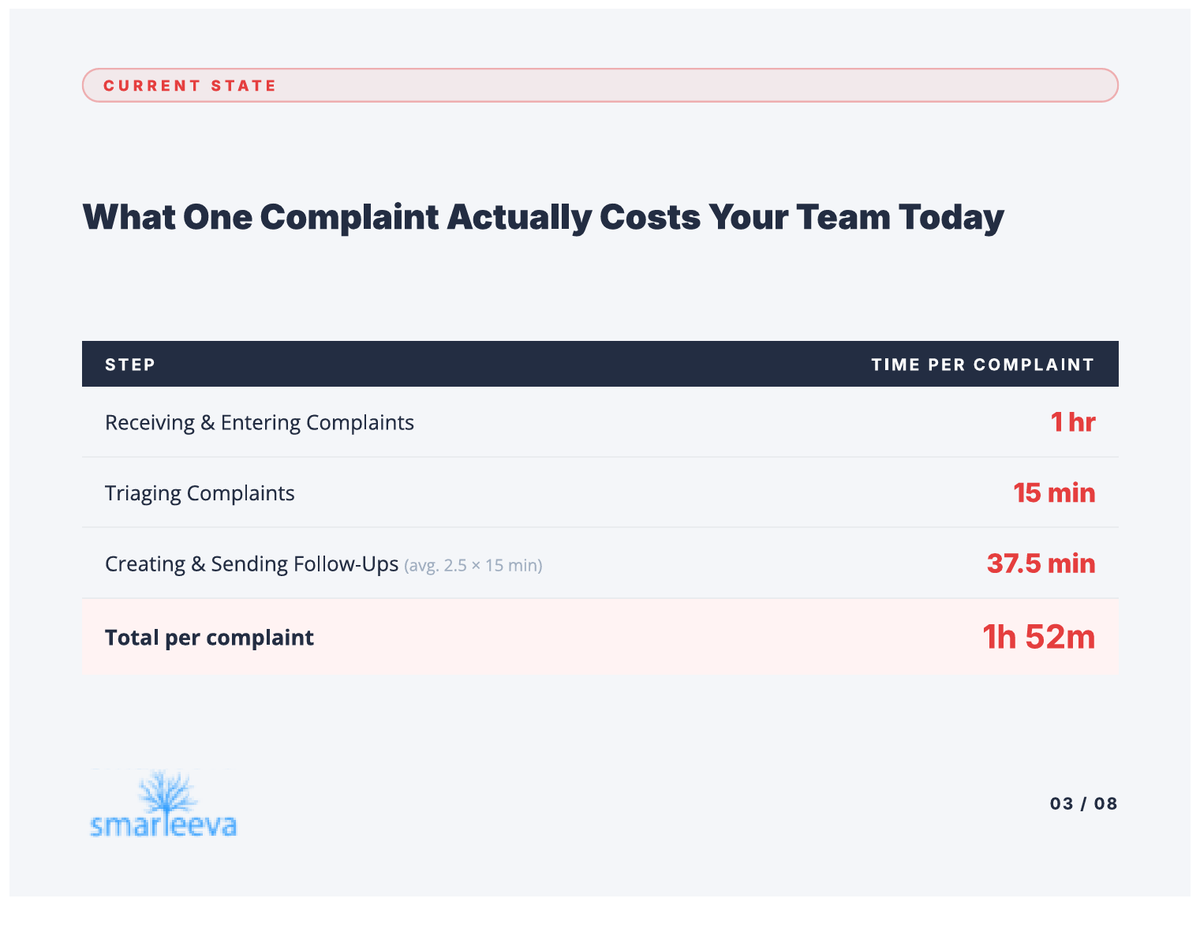
18,400 complaints per year × 1h 52m each = 34,453 hours of manual work.
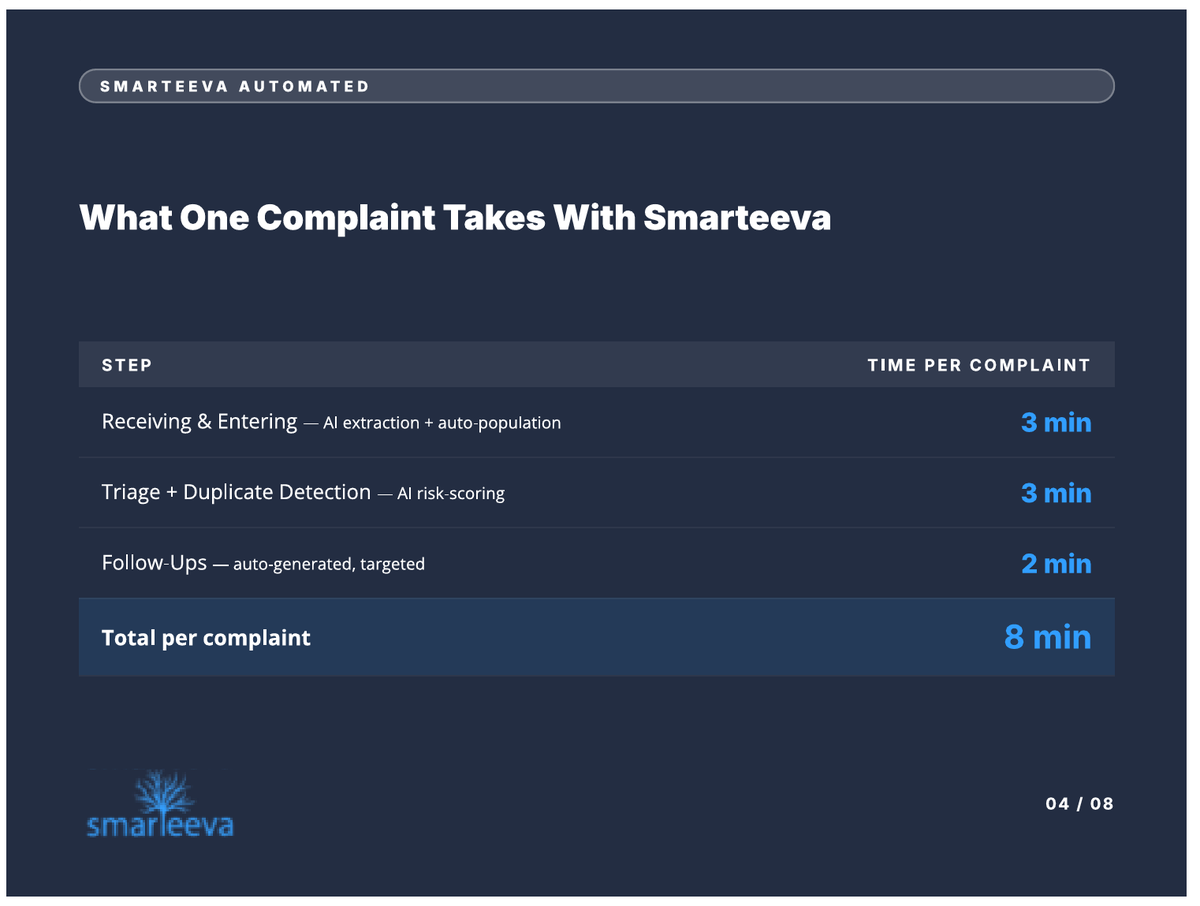
Smarteeva automates what shouldn't require human effort:
→ Complaint intake in 3 minutes
→ AI-powered triage and duplicate detection
→ Auto-generated follow-ups
→ Complete audit trails
See the full cost breakdown in the slides. ➡️
#MedTech #QualityManagement #RegulatoryCompliance #smarteeva #ROI #fda #complaintintake #MDR #MIR #CVR #recall #Adverseevents #productregistration #PMS #QMS
1
1
55
Plarent Ymeri retweeted
Mar 6
MedTech news with Smarteeva: 05 March
☑️ @Philips unveils Rembra next-gen radiology CT system. It features advanced detector technology, ultra-fast scan and reconstruction speeds and streamlined workflows.
☑️ @BDandCo received CE mark for Revello vascular covered stent. Revello features an ultra-thin, expanded polytetrafluoroethylene covering.
☑️ @TandemDiabetes Care launches Mobi pump on Android phones. The pump, which pairs with Tandem’s Control-IQ algorithm, previously worked with iOS software
☑️ @StrykerEndo highlights new additions to Mako, Triathlon portfolios at AAOS. It delivers fixation and long-term durability with scratch resistance superior to competitive surfaces.
☑️ @JNJMedTech launches new CereGlide aspiration catheters in the US. The medtech giant also launched the InnerGlide 7 delivery aid, rounding out the newest additions to its aspiration-first stroke portfolio.
#InsightswithSmarteeva #Medtech #complaintmanagement #Pharma #Smarteeva #biotech #medtechtrends #medtechindustry #medicaltechnology #technology #health #medicaldevicediagnostics #ai #mdr #recalls #complaints #mir #fda #cvr
1
1
44
Plarent Ymeri retweeted
Jan 7
Daily medtech news with Smarteeva: 07 Jan
☑️ @spectrumedics’ IVL catheter gains EU CE mark. Spectrumedics now joins J&J MedTech’s Shockwave and Elixir Medical as the third company with an EU-approved IVL system.
☑️ @terumobct announces US launch of safety syringe. The SurTract Syringe uses SafeR technology for fully passive, automatic needle retraction.
☑️ @Stereotaxis secures FDA approval for ablation catheter. A minimally invasive catheter for performing cardiac ablation procedures to treat arrhythmia.
☑️ @Picard Medical to roll out a new Syncardia Total Artificial Heart feature. The company plans to now incorporate the CPC1 “Connector Covers” into its TAH design.
☑️ @WLGore announced that the FDA approved its Viabahn Fortegra venous stent, formerly known as Viafort. This latest Viabahn device addition is engineered to treat deep venous disease.
#InsightswithSmarteeva #Medtech #complaintmanagement #Pharma #Smarteeva #biotech #medtechtrends #medtechindustry #medicaltechnology #technology #health #medicaldevicediagnostics #ai #mdr #recalls #complaints #mir #fda #cvr
1
2
109
Plarent Ymeri retweeted

3 Dec 2025
This is the last call for my tax planning guide
I break down every single tax saving strategy that I wish I knew 3 years ago in a 30,000 word Notion guide
Most of these need to be implemented by December 31 to save money
RT / comment below and I'll DM you a free copy
1,337
537
818
236,157
Plarent Ymeri retweeted
17 Nov 2025
Daily medtech news with Smarteeva: 17 Nov
☑️ @onwdempowered wins FDA clearance for at-home spinal cord stimulation. The expanded indication allows use of the ARC-EX system in home settings for patients requiring spinal cord therapy.
☑️ @bostonscientific, @Siemens partner on 4D ICE catheter development. The collaboration aims to advance real-time 4D imaging and procedural navigation in cardiac interventions.
☑️ @zimmerbiomet gets FDA nod for upgraded Rosa Knee robot. The next-gen system integrates OptimiZe technology for improved surgical planning and execution.
☑️ @biogen acquires Alcyone to strengthen CNS drug delivery. The deal adds the ThecaFlex DRx implantable system to Biogen’s portfolio to enhance the delivery of neurological treatments.
☑️ @Clairity raises $43M for AI breast cancer risk platform. The first FDA-authorised mammography-based five-year cancer risk predictor.
#InsightswithSmarteeva #Medtech #complaintmanagement #Pharma #Smarteeva #biotech #medtechtrends #medtechindustry #medicaltechnology #technology #health #medicaldevicediagnostics #ai #mdr #recalls #complaints #mir #fda #cvr
1
1
46
Plarent Ymeri retweeted
14 Nov 2025
Daily medtech news with Smarteeva: 14 Nov
☑️ FDA grants label expansion for @BrainsWay Deep TMS to treat MDD. The system is approved for use as an adjunct therapy for adolescents aged 15 to 21 years with major depressive disorder.
☑️ @AbbottNews shared new data supporting its Aveir dual-chamber (DR) leadless pacemaker system. Aveir DR is the world’s first dual-chamber leadless pacemaker.
☑️ @cognitotx launches neuro collaboration with @WVURNI. This new model aims to accelerate the discovery, validation and real-world delivery of non-drug neurotherapies.
☑️ @bostonscientific announced a catheter development and commercialization deal with Siemens Healthineers. AcuNav 4D ICE technology is designed to enable device guidance with optimal imaging quality.
☑️ @DiagnosticsHead handheld device could deliver significant advances in brain disease treatment. The iTremor One offers the rapid assessment and evaluation of brain impairment and brain disease.
#InsightswithSmarteeva #Medtech #complaintmanagement #Pharma #Smarteeva #biotech #medtechtrends #medtechindustry #medicaltechnology #technology #health #medicaldevicediagnostics #ai #mdr #recalls #complaints #mir #fda #cvr
1
3
58

12 Nov 2025
AI effects on employment - reviewing the Yale study
AI is not reducing jobs but it is increasing pressure on companies to do more by taking advantage of the productivity improvements coming from the new technology. Recent discussions of AI’s impact, such as the Yale article that finds no “discernible disruption” in the U.S. labor market, miss this core reality. At the macro level, employment numbers and occupational mixes look stable, which can make it seem as though AI has had little effect. But this view obscures what is happening inside organizations, where AI is fundamentally changing how work is done, what is expected of teams, and how far leaders can push existing staff.
First, many of the employment shifts we see today are driven by forces that have nothing to do with AI. Companies in multiple sectors overhired during the Covid era, responding both to emergency demand and to optimistic growth projections that did not fully materialize. They are now living through a correction, trimming or freezing headcount to work off that excess. At the same time, economic uncertainty, higher capital costs, and tighter margins are leading firms to be cautious about adding staff even when workloads are increasing. Large technology companies like Amazon, Google, and Microsoft, for example, are planning massive data center investments, which forces them to be more careful about hiring and staffing levels despite remaining highly profitable. Medtech and pharma companies are feeling similar pressure as they are compelled to invest heavily in manufacturing capabilities in the United States. When all of this is blended into a single national data series, it becomes easy to conclude that “AI isn’t doing much,” when in reality companies are turning to AI precisely to manage these constraints.
Second, focusing only on whether AI is “eliminating jobs” misses how it is changing the nature of those jobs. In many organizations, AI has not directly replaced employees. Instead, it has made possible tasks that were previously impractical at scale: automated classification and triage of complex inputs, personalized follow-ups to customers, large-scale risk assessments over noisy data sets, and continuous summarization and feedback loops that would have been too labor-intensive before. In these environments, headcount often stays flat, but throughput, coverage, and responsiveness increase dramatically. Traditional labor metrics register this as “no impact” because the number of workers has not fallen, yet the expectations placed on those workers and the value each is expected to deliver have risen sharply.
Third, the standard metrics used to track AI usage understate its real footprint. Measures based on OpenAI “exposure” indices or Anthropic usage logs capture obvious use cases—coders, writers, and knowledge workers directly interacting with AI models. But a great deal of AI adoption is happening behind the scenes, in embedded systems and domain-specific tools that power operations, compliance, customer support, and other internal workflows. Employees may never “chat with a model” in a browser, but their daily tools are increasingly AI-enabled, allowing their organizations to process more volume and complexity without increasing staff. Because this embedded usage does not appear clearly in generic AI statistics, it is easy to underestimate how much AI is already expanding what teams are expected to handle.
A more accurate framing, then, is that AI acts as a force multiplier rather than a broad substitute for human labor. It enables organizations to extract far more capability from existing teams and to meet rising demands without proportional hiring. In sectors like Medtech, especially in areas such as Post Market Quality and Surveillance, AI is already driving automated complaint classification, personalized follow-ups, risk scoring, and recall feedback workflows. These systems are not eliminating roles; they are what allow lean quality and safety teams to keep up with regulatory and operational pressures that would otherwise be overwhelming.
In this light, the absence of a visible employment collapse should not be read as proof that AI “hasn’t really arrived.” Instead, it should be understood as evidence that AI is being used to intensify output rather than reduce payroll. Companies facing economic, regulatory, and capital constraints are turning to AI to do more with the same or fewer people. The result is not mass job loss, but rising expectations, higher productivity targets, and greater pressure on organizations to fully exploit AI’s capabilities. AI is reshaping work not by emptying offices, but by raising the bar on what each job is supposed to achieve.
1
12
Plarent Ymeri retweeted

30 Oct 2025
🚨 AT&T 911 OUTAGE ALERT 🚨
SBSO has learned of a multi-state AT&T 911 outage impacting Santa Barbara County AT&T users.
If you have an emergency:
•📱 Text 911 from your device
•☎️ Call non-emergency: 805-683-2724
Stay safe. Retweet to spread the word. #SBCounty #911Outage
1
14
8
3,814
Plarent Ymeri retweeted
20 Oct 2025
Daily MedTech News with Smarteeva: 20 Oct
☑️ Merit Medical to acquire C2 CryoBalloon tech from Pentax. The deal expands Merit’s electrophysiology portfolio with cryoablation technology for pulmonary vein isolation.
☑️ Y.ora Vision launches to develop surgical device for glaucoma. Formed through a licensing deal between SERI and Eyexora Global, the new company will advance novel ophthalmic technologies.
☑️ @histosonics closes $250M growth financing to scale histotripsy platform. The funds will accelerate commercial expansion and support new clinical programs.
☑️ Boston Scientific to acquire Nalu Medical for $533M. The acquisition strengthens Boston Scientific’s neuromodulation portfolio with Nalu’s miniaturized, externally powered implants.
☑️ @Philips inaugurates new global headquarters in the Netherlands. The opening was officiated by Her Majesty Queen Máxima and underscores Philips’ focus on health technology innovation.
☑️ @GlobalLogic partners with Asensus Surgical on robotics engineering. The collaboration will accelerate software development and system engineering for Asensus’ surgical robotics platform.
☑️ @GEHealthCare HealthCare and UC San Diego Health form strategic collaboration. The alliance focuses on co-developing and deploying enterprise imaging and AI-driven diagnostic solutions.
☑️ Dexcom faces class action lawsuit over G7 CGM. The case, filed in California, alleges misrepresentation of product reliability and performance.
#InsightswithSmarteeva #Medtech #complaintmanagement #Pharma #Smarteeva #biotech #medtechtrends #medtechindustry #medicaltechnology #technology #health #medicaldevicediagnostics #ai #mdr #recalls #complaints #mir #fda #cvr
1
1
79
29 Sep 2025
Walmart CEO issues wake-up call: “AI is going to change literally every job.”
For anyone still doubting that statement, the evidence is mounting. At Smarteeva, we see this transformation daily — not only inside our own company but also across our customers.
One customer reduced spending on their post-market surveillance (PMS) staff by 40% even as the volume of complaints rose by 25%. Another shifted PMS staff away from routine monitoring to higher-value work in risk management and product development — something made possible only because AI dramatically boosted their productivity. A third customer reported returns on their Smarteeva implementation that seemed unbelievable at first glance: 3X in year one, 10X in year two, verified directly by their finance team.
Internally, the shift has been equally striking. We no longer needed to hire additional front-end developers once AI adoption became mandatory for our engineering teams. Our interns, meanwhile, became self-sufficient and productive with minimal training.
The lesson is clear: AI-first work environments create an undeniable advantage. Teams accomplish more, faster, and with less overhead. For medtech companies, the choice is simple — adopt AI now or risk being left behind. This is not hype. It’s happening, and it’s reshaping how work gets done.
2
2
49
164,929
Plarent Ymeri retweeted
23 Sep 2025
What if you were the first to know about a medical device recall—every single time?
We’ve reimagined recall management from the ground up to give health systems a critical advantage. Curious how it works?
The full story is coming soon! Stay tuned.
#RecallManagement #HealthTech #MedTech #Smarteeva #HealthSystems #Innovation #AI #PMS #complaintmanagement #Pharma #biotech #medtechtrends #medtechindustry #medicaltechnology #medicaldevicediagnostics #ai #mdr #recalls #complaints #mir #fda #cvr
1
1
3
237
Plarent Ymeri retweeted
23 Sep 2025
We're Exhibiting at RAPS Convergence 2025!
Addressing complex regulatory challenges requires innovative thinking. And, we're excited to connect with the regulatory community in Pittsburgh and invite you to join us at Booth #337 from October 7-9.
Explore our streamlined solutions for post-market surveillance and vigilance with free demos and insights.
Register now: smarteeva.com/events/?utm_so…
#RAPSConvergence2025 #Countdown #Pittsburgh #MedTech #Smarteeva #Networking
1
3
33
Plarent Ymeri retweeted
23 Sep 2025
Daily medtech news with Smarteeva: 23 Sep
☑️ @FDA withdraws ‘Final Rule’ on classifying LDTs as medical devices. The decision comes after a Texas court struck down the rule earlier in 2025.
☑️ @Transmedics partners with Mercedes-Benz for organ transport in Italy. The collaboration establishes a ground network for more efficient transplant logistics.
☑️ @B_Braun invests $20M to expand Pennsylvania IV manufacturing facility. The upgrade will modernise device production and expand output capacity.
☑️ @SeeAlconScience’s $1.5B Staar Surgical acquisition clears ‘window shop’ hurdle. Staar confirmed the 45-day merger period expired without competing offers.
☑️ FDA approves @Medtronic’s urinary incontinence implant. The minimally invasive device is implanted near the ankle without sedation or imaging.
#InsightswithSmarteeva #Medtech #complaintmanagement #Pharma #Smarteeva #biotech #medtechtrends #medtechindustry #medicaltechnology #technology #health #medicaldevicediagnostics #ai #mdr #recalls #complaints #mir #fda #cvr
1
2
45
12 Sep 2025
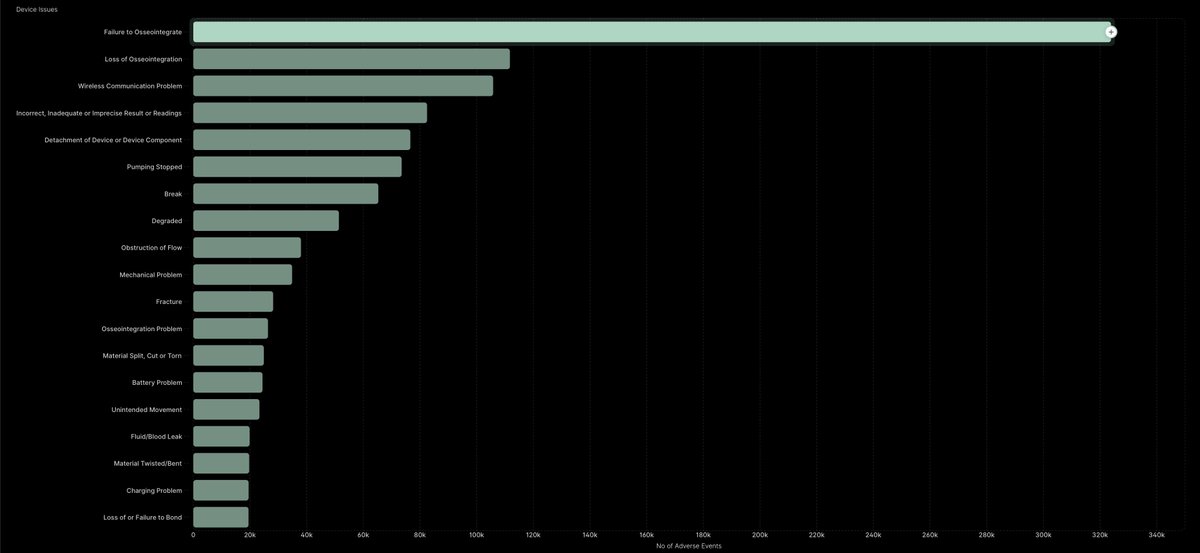
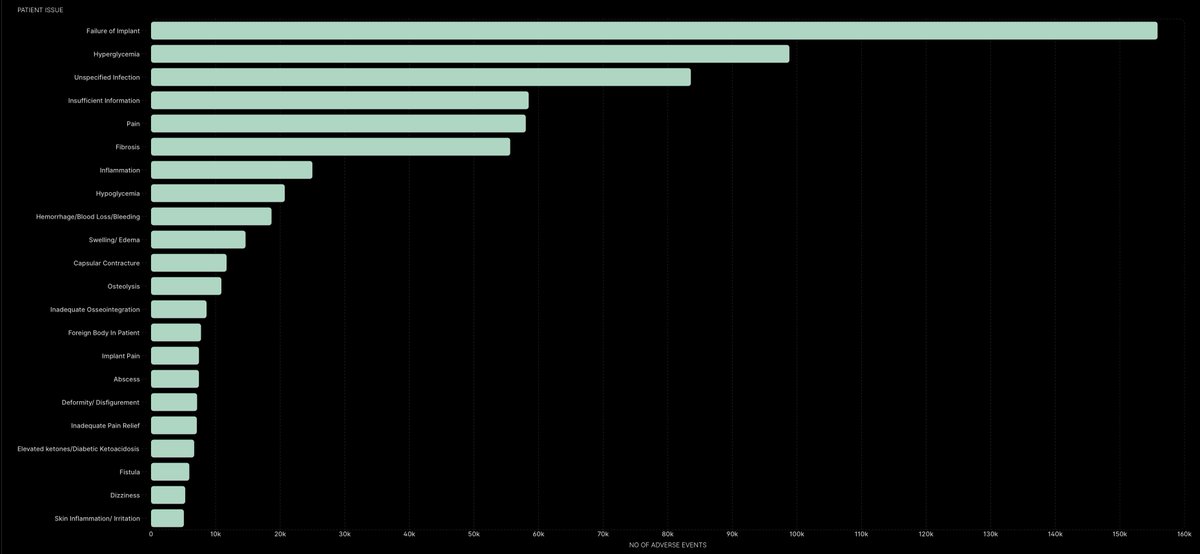
The latest 2025 year-to-date data on adverse events in medical devices tells a clear story. On the device side, the most frequent issue by far is failure to osseointegrate, followed closely by loss of osseointegration. Osseointegration refers to the process by which a dental implant or similar device bonds directly with the bone, and when this process fails, the device cannot function as intended. Other recurring concerns include wireless communication failures, inaccurate or imprecise readings, and the detachment of device components.
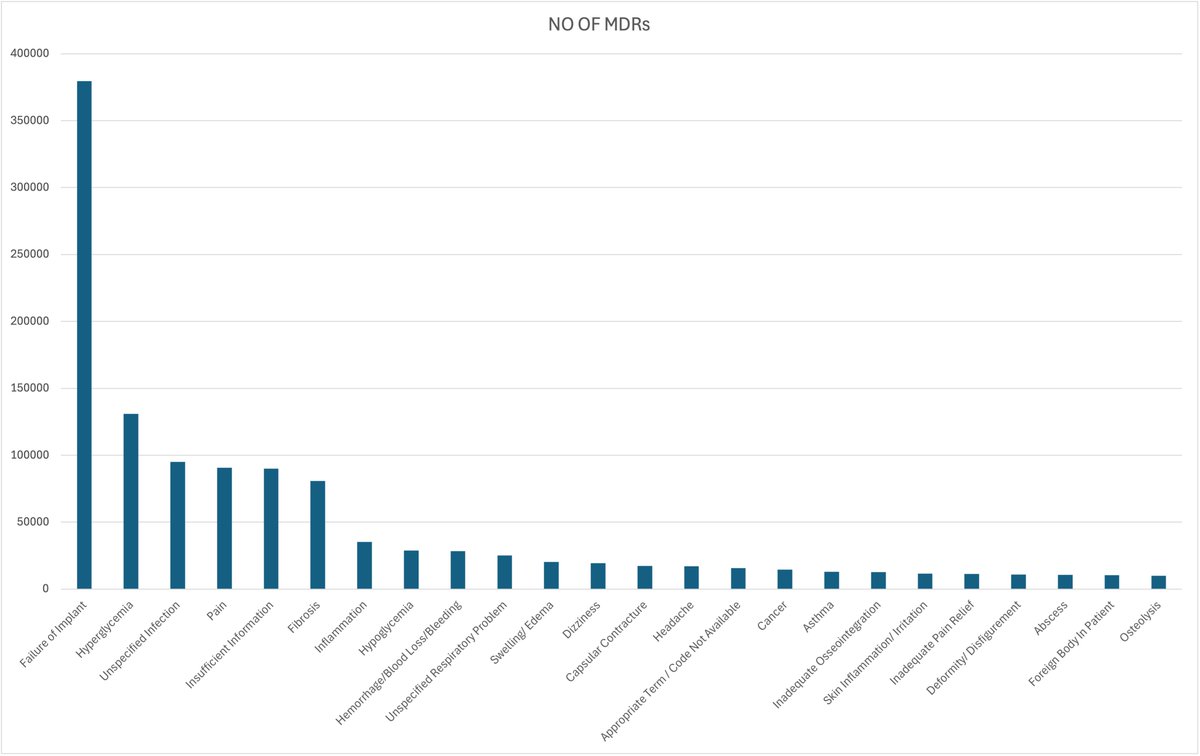
From the patient perspective, implant failure remains the leading issue in 2025, with hyperglycemia close behind and unspecified infections also ranking high among reported complications. Other frequent patient challenges include pain, inflammation, and hypoglycemia, all of which highlight the ongoing risks these devices can pose when complications arise.
Taken together, the 2025 data shows that most of these issues cluster around two major device categories: dental implants and glucose meters or insulin pumps. Dental devices account for the overwhelming number of osseointegration-related failures, while glucose monitoring and delivery systems drive patient complications tied to blood sugar regulation and wireless reliability. Importantly, these large numbers reflect the sheer volume of devices and procedures performed, and they do not necessarily mean that there is something inherently wrong with dental implants or glucose meters and insulin pumps.
1
1
27
86,806
10 Sep 2025
How the PIP Scandal Reshaped Europe’s Medtech Regulations
Historically, new medical device products were often released in Europe first because regulations allowed for faster market approval under the Medical Device Directive (MDD).
In 2010–2011, a major scandal emerged when the breast implant company Poly Implant Prothèse (PIP) was found to be using industrial-grade silicone gel, which was prone to leakage and caused severe health complications, including cancers and deaths. Around the same time, metal-on-metal hip implants from DePuy raised safety concerns due to microscopic metal particles being released into patients’ bodies.
In response to these issues, European regulators determined that existing frameworks were insufficient to ensure patient safety. This led to the development of the EU Medical Device Regulation (EUMDR), a more stringent regulatory system. Implementing EUMDR required years of effort and imposed significant costs on medical technology companies.
As a result of these stricter requirements, medical technology companies are now less likely to prioritize the European Union as their first market for product launches
1
2
28
94,811
10 Sep 2025
Medical device recalls are a core component of post-market surveillance in the MedTech industry. This process typically involves two main stakeholders: device manufacturers and healthcare facilities.
In practice, there is often a significant disconnect in how recalls are managed. Manufacturers commonly send recall notices by traditional mail, which frequently arrive at a hospital’s loading dock rather than directly reaching the personnel responsible. As a result, the notices can take several days to reach the appropriate staff within the facility.
Manufacturers then expect confirmation that the affected devices have been corrected or disposed of. However, the method and format of acknowledgment vary from one company to another. For healthcare facilities, which may need to process hundreds of recalls from multiple manufacturers each year, this inconsistency creates substantial administrative complexity.
1
34
90,975