
Traveler, cyclist, entrepreneur, Wahoo, and baseball fan.
Joined March 2013
- Tweets 958
- Following 1,227
- Followers 152
- Likes 9,228
17 Photos and videos











Reposting not as a political statement but rather because Marco Rubio’s articulation of America’s character needs to be heard far and wide.
42
Tim Gallagher retweeted

Mar 16
Introducing Adaptive Computer.
We put AI inside of an always-on personal computer that it uses to get work done.
Schedule agents. Create software. Automate anything.
As part of the launch, we’re giving one free month of Adaptive to users.
Retweet, like, and comment ‘Adaptive’ to get it.
1,840
1,316
4,557
1,225,182
<gulp>

59
Some brilliant framing and insights here….
Mar 3

Worked 2 decades in in consulting.
Made Partner in my 30s.
Led teams of 100 people.
Run 9-figure client portfolios.
Lived and worked in 4 continents.
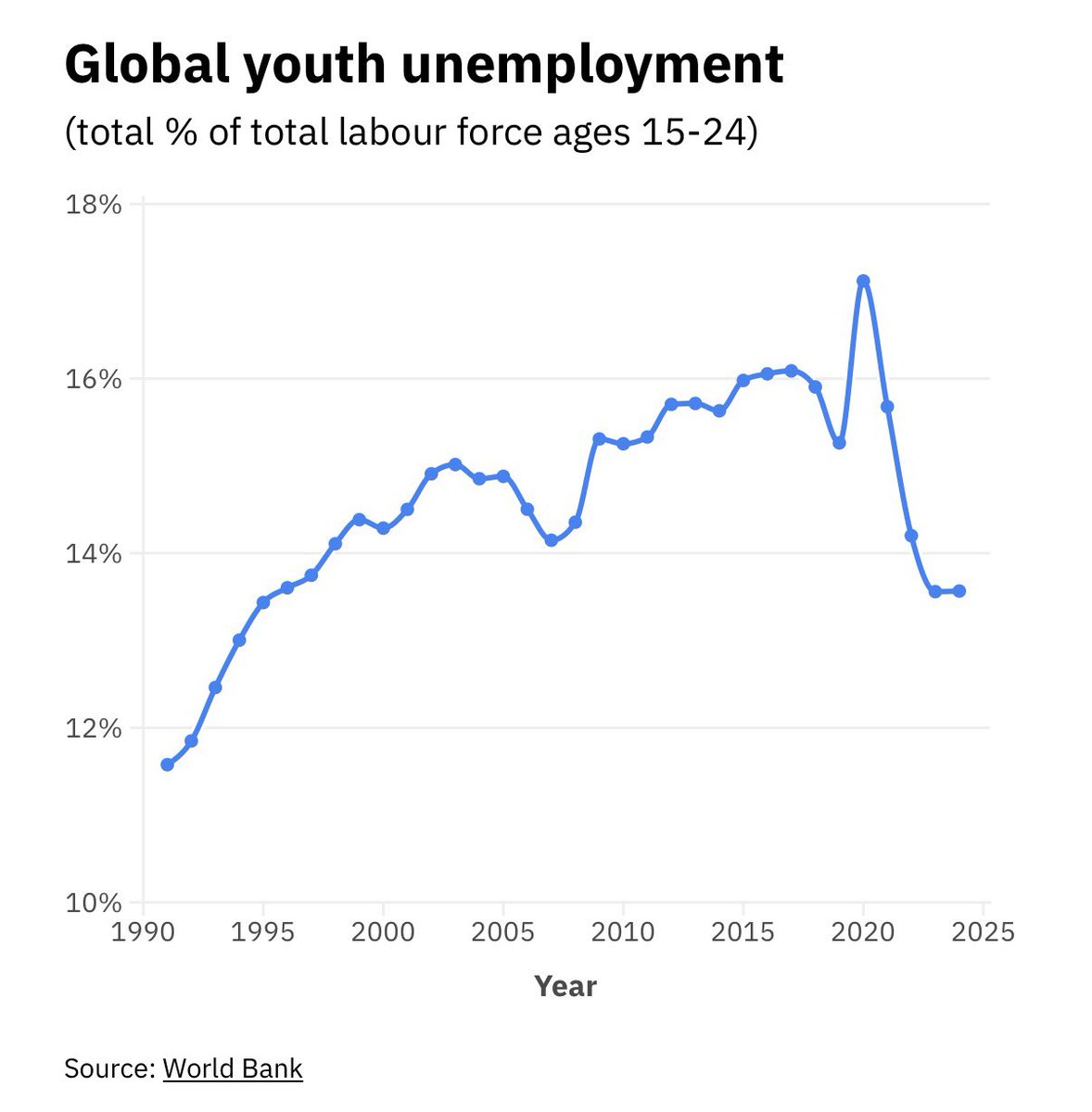
Young people are entering the workforce at a strange moment.
AI can draft your emails, build your slides, write your code, analyse your data, simulate your voice.
The default advice sounds smart:
"Upskill"
"Learn AI"
"Be adaptable"
Obvious stuff.
Let me give you 5 slightly heretical (but useful) ideas if you actually want leverage in the AI age.
Not survival. Leverage.
1) LEARN TO SELL BEFORE YOU LEARN TO BUILD
Everyone is learning to build with AI; who's learning to sell?
Because production is cheap, distribution is not.
In my experience, markets reward those who can convince others that something should exist and then align capital, people & narrative around it.
E.g., Steve Jobs didn't invent the GUI, the MP3 player, or the smartphone. He sold a vision of WHY they were cool.
Or Elon Musk. You can argue about him all day, but he bends capital markets through narrative force.
Young people obsess over becoming technically formidable. Good, but if you can't:
> articulate a problem in a way that feels urgent
> create emotional energy around a solution
> negotiate compensation/scope
> pitch yourself w/o sounding desperate
AI will outperform you on the build, and someone else will capture the upside.
2) BUILD SENSE-MAKING
AI can generate infinite variations but it can't reliably tell you which one is elegant.
You need pattern recognition aesthetic strategic sensemaking.
You need the extraordinarily valuable ability to say "This feels right"... and be correct 90% of times.
Steve Jobs called it "taste".
Designers call it judgment.
I prefer discernment.
Where does it come from?
Exposure. Feedback. Long apprenticeship. Studying history. Reading widely. Being around people better than you. Caring about the craft.
Everyone can create, but can you curate?
That's the challenge I'm giving myself.
3) CHASE POSITION
AI makes you faster.
So what?
Speed in the wrong direction is basically accelerated irrelevance.
Young professionals obsess over productivity hacks, automating emails, summarise meetings, generate slide drafts.
BS.
Meanwhile, someone else is positioning themselves closer to revenue, clients, capital allocation.
You want exposure to projects with visibility, problems tied to money, roles adjacent to decision-makers.
If you become the most efficient note-taker in the company, AI will replace you.
If you become the person who reframes what the company should be doing, it won't.
Simple.
4) LEARN TO WORK WITH AFRAID HUMANS
I see AI is making people anxious.
Managers worry about irrelevance. Employees worry about layoffs. Executives worry about being disrupted.
Walk into that fear and stabilise people:
> explain AI w/o hype
> show people how it augments rather than humiliates them
> design transitions instead of revolutions
Look at Satya Nadella. He pivoted Microsoft to cloud & AI, and changed the internal psychology of the firm from know-it-all to learn-it-all.
If you understand identity & ego, you will navigate the AI era far better than someone who just knows Python.
5) OPTIMISE FOR OPTION VALUE
Prestige brands still matter.
McKinsey, Goldman Sachs, Google still open doors.
But if you optimise purely for logo collection, you might wake up one morning highly employable and strategically constrained.
The AI era will produce volatility, with entire functions that will shrink and new ones that will explode.
Option value means:
> skills that transfer
> geographic flexibility
> intellectual independence
> networks that span industries
> income streams that are not singular
Status feels good today but options protect you tomorrow.
Chase convexity: small downside, large upside exposure.
You want an identity not fully fused with your employer. When layoffs come (they will) your sense of self doesn't disintegrate.
All the best!
1
36
Tim Gallagher retweeted

Feb 22
Just a reminder why electric vehicles are better than gas cars:
1,465
2,562
14,295
14,115,515

Feb 20
Fantastic story from Apple’s early days

Final stop: the Sony factory in a drab Tokyo suburb. Steve Jobs hated it. Messy, inelegant, too much done by hand.
Back at the hotel, Bob Belleville, Apple’s Macintosh hardware manager, argued they should use Sony’s 3.5-inch disk drive because it was ready to ship. Jobs refused. He chose Alps Electric instead and ordered Belleville to stop working with Sony.
Belleville decided to protect the Mac schedule. Quietly, he kept Sony as a backup in case Alps missed deadlines.
Sony sent its lead drive engineer, Hidetoshi Komoto, a Purdue graduate who had designed the drive, to Cupertino to help the Mac team integrate it. The problem: Jobs did not know Komoto was there.
So whenever Jobs walked over from his office to visit the Mac team, which he did almost every afternoon, the engineers scrambled to hide Komoto. They were afraid Jobs would shut the plan down.
At one point Jobs even ran into Komoto at a newsstand in Cupertino and recognized him from Japan, but did not suspect anything.
The closest call came when Jobs suddenly entered the Mac workspace while Komoto was sitting in a cubicle. An engineer rushed over and whispered, “Quick, hide in this closet. Please. Now.” They shoved him into a janitor’s closet until Jobs left. Afterward, Komoto calmly said, “American business practices are very strange.”
Then Alps admitted it was at least 18 months behind schedule.
At a retreat in Pajaro Dunes, chairman Mike Markkula pressed Jobs on the disk drive problem. Belleville finally revealed that Sony’s drive was ready. Jobs paused, realized why he had seen Sony’s top engineer in Cupertino, and broke into a grin.
“You son of a bitch!”
He was not angry. Once he understood that Belleville and the team had disobeyed him to save the product, Jobs thanked them. They had done exactly what he would have done.
- From the biography of Steve Jobs by Walter Issacson

23

Tim Gallagher retweeted

2 Jan 2025
I must say it is interesting that the fall of the SEC’s dominance, the fall of Alabama, and Georgia coming back to normal all happened as soon as every team could start legally paying players.
1,439
4,250
53,602
3,510,462
15 Oct 2024
Brilliant marketing insights…
15 Oct 2024

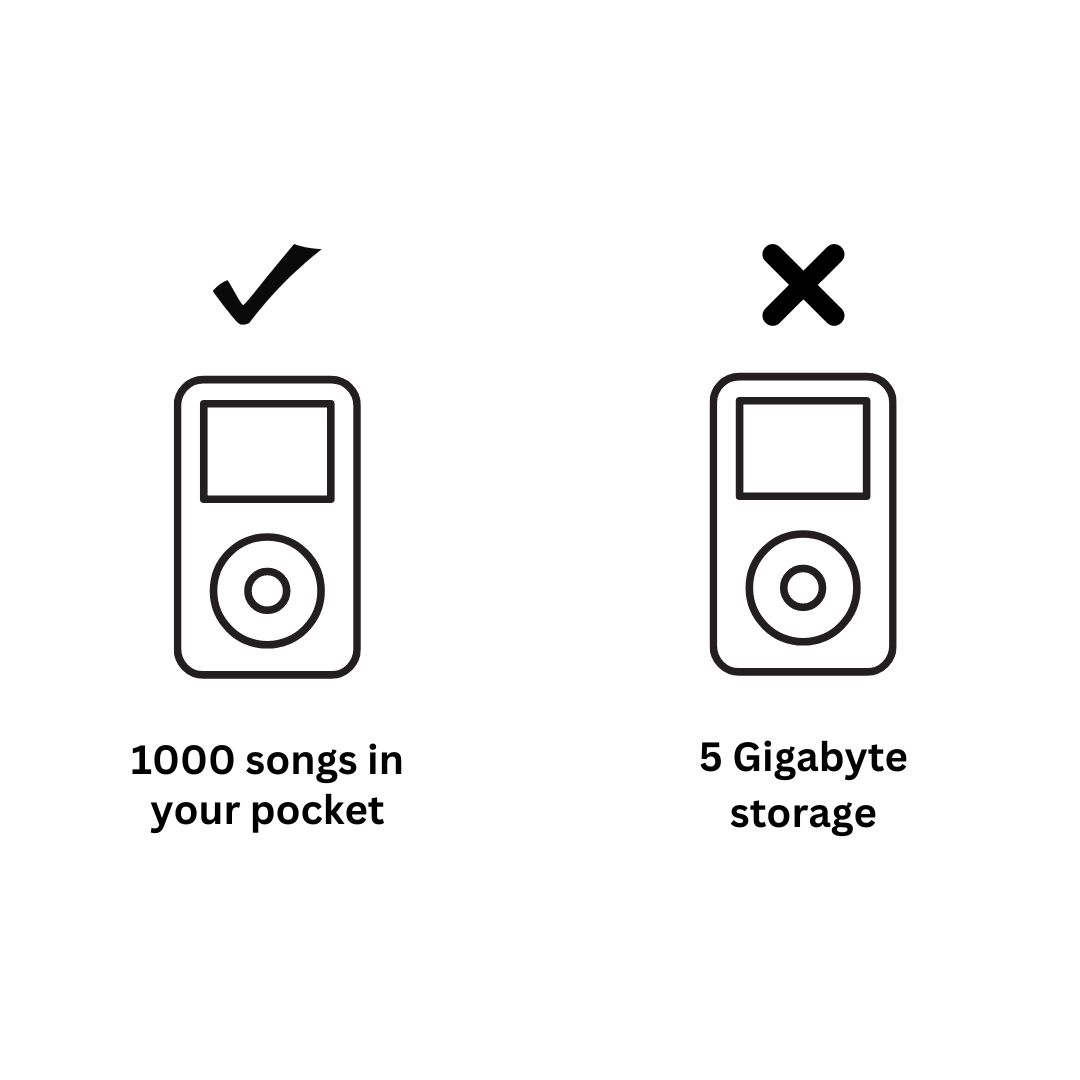
I distilled my 4 years of marketing lessons into minimalistic visuals.
1. Sell Benefits. Not features.
1
663
11 Jul 2024
Easy solution:
1. MLBPA gets loud RE: A’s payroll & playing conditions
2. Manfred convince$$$ SF Giants to release San Jose mkt
3. A’s bought by SValley billionaire, move to SJ
=A’s back in big mkt/Bay Area & competitive, Fisher gone, MLBPA happy. OAK loses, but SJ A’s > LV A’s
3
5
668
11 Jul 2024
Sorry OAK, but SJ is a far superior mkt. Any post-Fisher owner in the Bay Area will prefer South Bay > East Bay, which means A’s are still only a car ride or BART ride away. (And Manfred won’t embrace a return to OAK anyway.)
1
2
206
Tim Gallagher retweeted

18 Jun 2024
I first pointed out that we’re in Cold War II back in 2018. But it only recently struck me that in this new Cold War, we—and not the Chinese—might be the Soviets. 1/13 thefp.com/p/were-all-soviets…
369
1,557
6,353
1,947,446
31 May 2024
Take a 3-minute pause and enjoy this amazing voice….
31 May 2024

Marvin Gaye’s voice isolated from music, "I heard It through the grapevine" from 1967.
2
114
Tim Gallagher retweeted

28 May 2024
Believe it or not, there was a time when the media would actually fact check Joe Biden, and it was spectacular.
89
1,012
3,110
649,577
Tim Gallagher retweeted

24 Apr 2024
NOW - Biden: "Four more years. Pause."
3,043
5,853
35,685
19,560,595

The only action needed to solve climate change is is a carbon tax
3 Feb 2024

Elon Musk's Unbelievably Simple Killer Break Down on Climate Change.
Thank you @DavidCarbutt_ and team for producing this video!
26,225
5,909
34,947
23,656,568

Tim Gallagher retweeted

13 Jul 2023
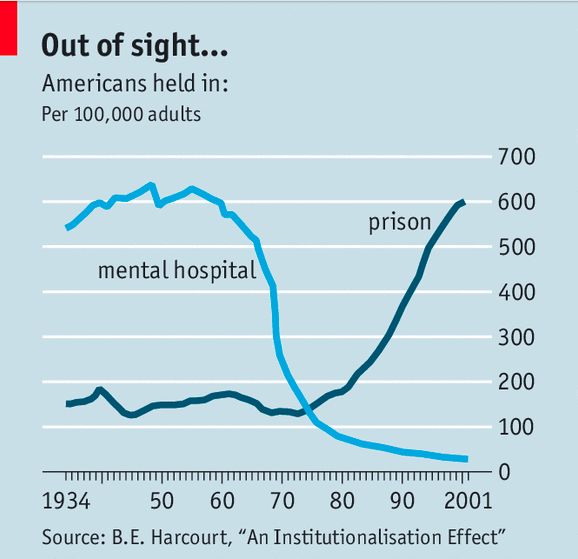
What is ignored or neglected by the media -- but will be studied by historians?
Here's the full list of 25 examples:
1,237
19,399
95,514
25,133,071
Tim Gallagher retweeted

5 Jul 2023
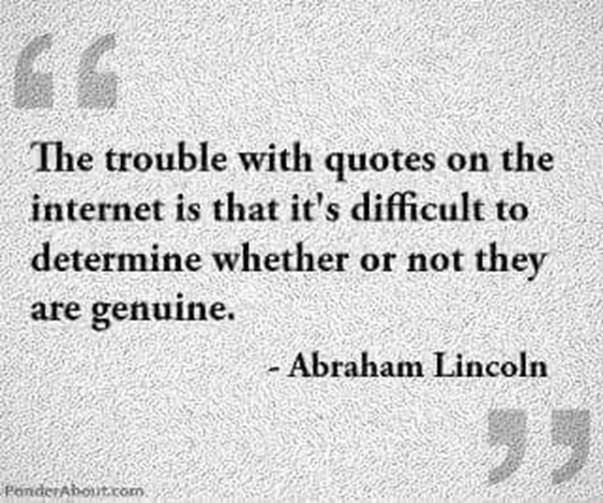
Extraordinary ;)
255
1,226
6,418
3,224,863

Tim Gallagher retweeted

3 Dec 2022
This is the funniest breakdown of their Covid narrative I’ve seen 😂😂
409
8,141
21,077