
Cyber Beast owner. Inspired daily by SpaceX. Married my best friend. Luckiest man alive.
Joined October 2022
- Tweets 871
- Following 737
- Followers 258
- Likes 4,670
561 Photos and videos











Jun 9
🦒⚡ Lion Country Safari’s new Cybertruck fleet is straight out of a dream!
Custom animal wraps (giraffe, zebra, tortoise, lorikeets & more) — all-electric, quiet, efficient, and built for the wild. Four-wheel drive, rust-proof, large bed capacity, and body panels that can take on a rhino’s charge. These are next-level.
This is the way. 😎
See them in action: instagram.com/reel/DZM2V4MlC…
Full story: lioncountrysafari.com/news/p…
Which wrap is your favorite? Drop it below 👇🦏🦒🦓
@Tesla @cybertruck @LionCountry
#Cybertruck #Tesla #LionCountrySafari #ElectricVehicles
1
113
Possums Walker retweeted
May 31
He is not…he’s proposing to limit them, and only on homesteaded homes (so only primary residences, where working-class people actually live). Even on these homesteaded houses, it’s limited (in its final phase) to a cap of $500,000 of a home’s value. Many, if not most, homes—especially in South Florida—are above this $500,000 tax exemption threshold (try to find a home in Jupiter for less than $500k). So property tax revenue remains, but only on homesteaded homes valued above $500,000.
This tax reduction plan helps lower-income homeowners the most dramatically. It is an awesome plan. Commercial properties (businesses) and non-primary homes (second homes, rental properties) are not affected at all. These rates stay the same and account for over 70% of all collected property tax revenue. We are only reducing taxes on a subset of the remaining 30%, and only on the first $500,000 in property value.
If a home bought 10 years ago for $300,000 just sold for $850,000 (common in today’s Jupiter), the homeowner is still taxed on $350,000 of value—still expensive, but enough savings to help with now much higher mortgage costs.
This plan is genius. The rich still get taxed heavily on their million-dollar homes (homesteaded or not), as do businesses and part-time residents. Only lower-value primary residences see the most, if not all, of the relief.
It is the definition of a progressive tax plan, yet progressives can’t grasp its simplicity.
How is any of this not positive? It forces municipalities to follow a budget and live within a still-generous revenue pot, while directly helping the people who need it most.
Businesses and non-homesteaded properties remain taxed at current skyrocketed values, so the tax base is still greater than it was 10 years ago.
This plan is beautiful in its simplicity: it helps residents who need it most while signaling that skyrocketing values don’t justify skyrocketing budgets.
1
2
88
May 31
Good times!😂
May 30

Remember your time in purgatory by getting yours today from smokehbearsden.com/products/…
1
76
Possums Walker retweeted
May 30
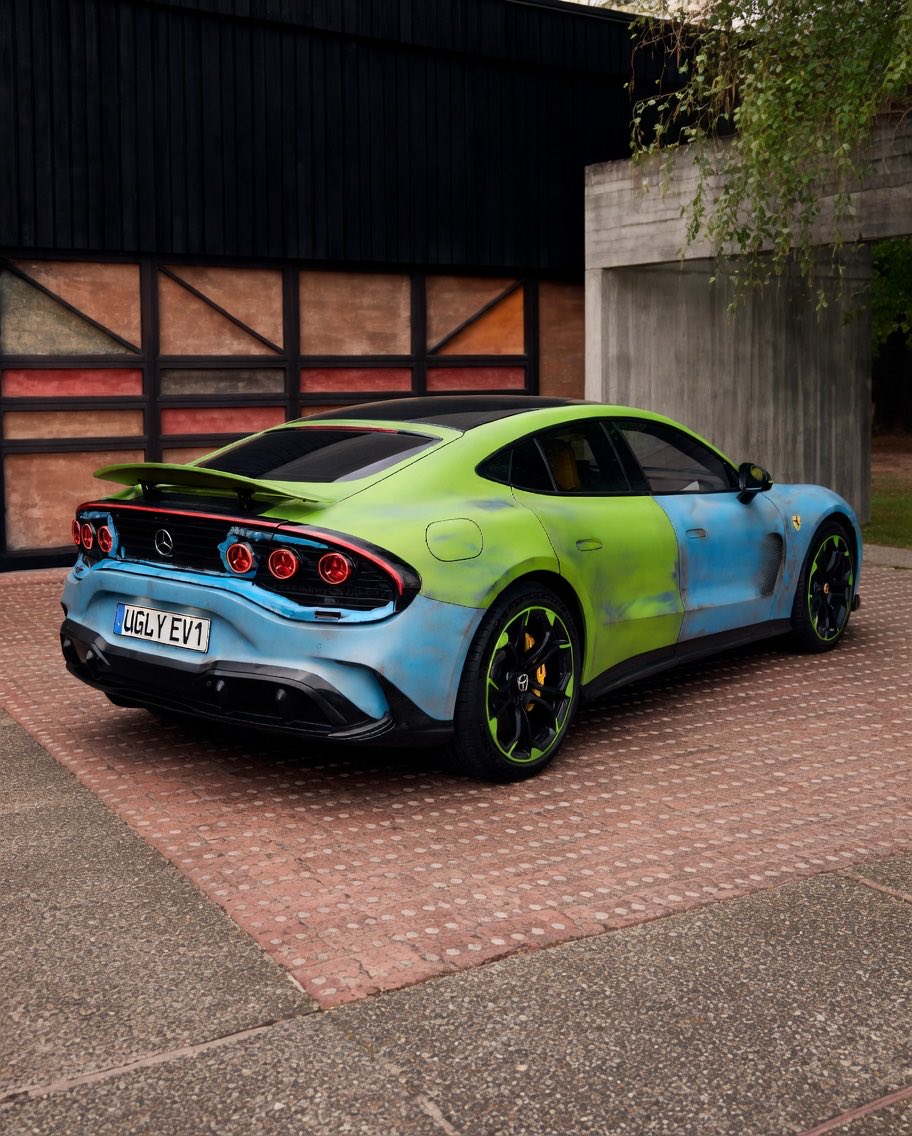
1. It’s not a coupe. Just because MB marketing decided to call it that (to make a four-door sound more appealing) doesn’t make it one. It’s a sedan. ISO even defines it as such.
2. It’s also a butt-ugly sedan.
3. This opinion comes from an MB fan (and a current AMG GT-S owner…you know, from back when they actually made a beautiful GT coupe). 😂
grok.com/share/bGVnYWN5_8c54…
1
580
Possums Walker retweeted
May 29
I wholeheartedly agree, as does Grok. 4 doors = sedan. BS marketing doesn’t trump common sense or actual ISO standards.
x.com/i/grok/share/2a4c6895c…
1
1
145
Possums Walker retweeted

May 29
69
53
983
43,535
May 16
Governor DeSantis, @GovRonDeSantis , Florida citizens would also really appreciate a law like this.
May 15

I woke up to a message from New Hampshire. A bill had made it to the state Senate — one that Representative Julie Miles championed after watching me do peer-to-peer calls with insurance reviewers who weren't qualified to be making decisions about my patients. I'm a surgeon in Texas. I had no idea this had traveled that far.
Between cases at Redbud today, I fired off emails to NH Senate members, logged into a YouTube Live, and watched HB 1554 pass.
Here's what it does:
✅ Requires peer reviewers to be actual peers — credentialed, named, with their NPI number and specialty certification on the line
✅ Allows physicians to communicate with that peer reviewer at any point in the prior auth process — not just after a denial or on appeal
This is a patient-centered, common-sense reform. And it happened because someone posted something. Told the truth. Did the right thing.
Thank you, Representative Julie Miles and Senator Tim McGough. New Hampshire just set a standard. I hope other states are paying attention.
Get involved. Speak up. You never know what good it might do.
1
3
116
May 5
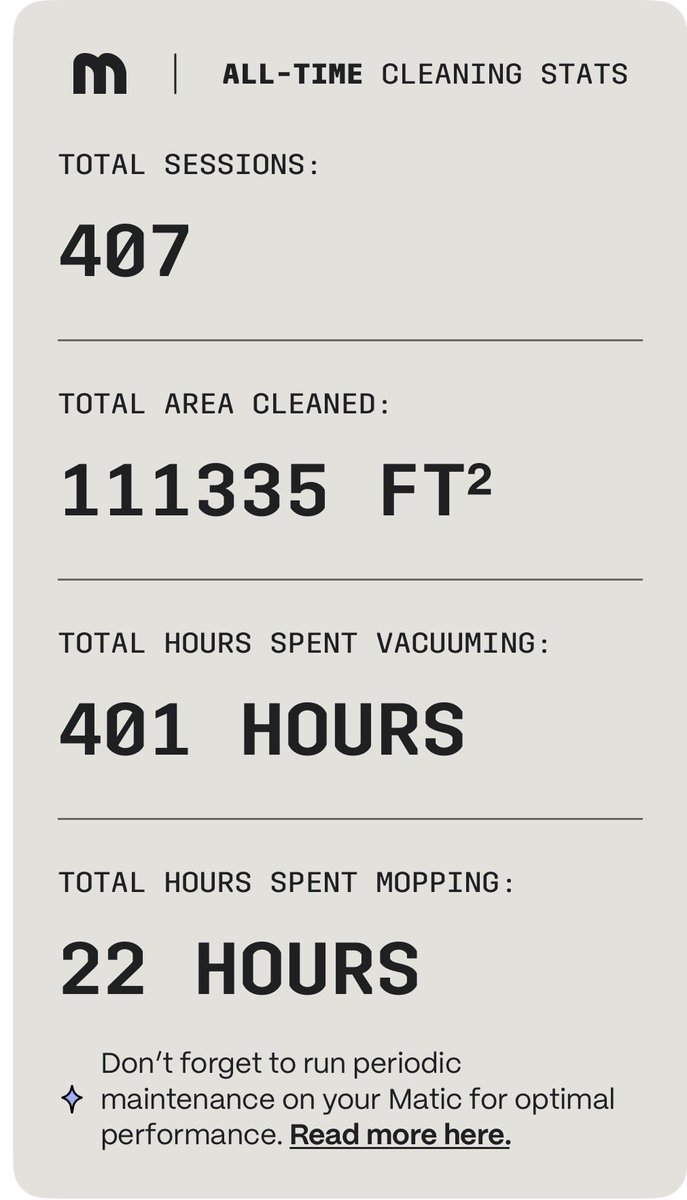
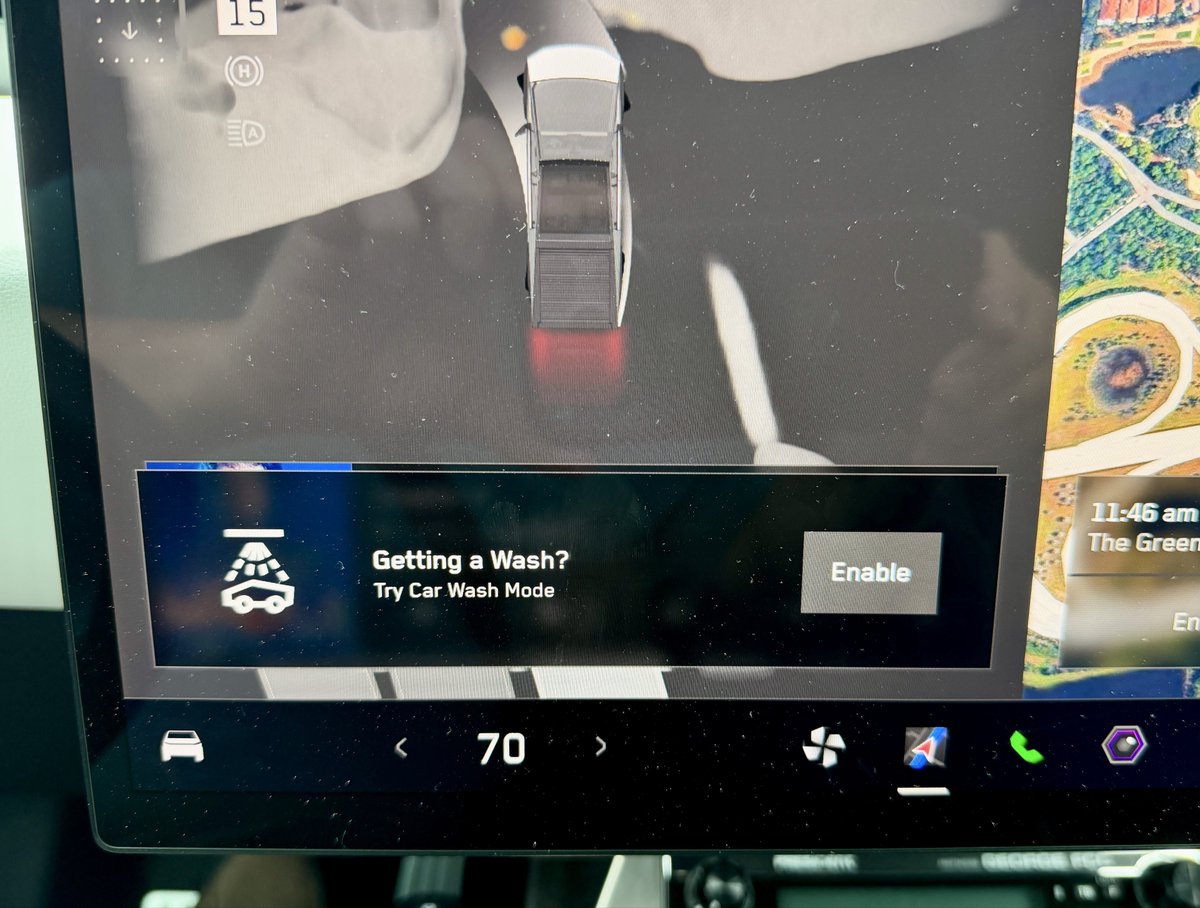
Went for my usual car wash, and bam! This message popped up. Those Tesla engineers are constantly adding simple little features that, taken together, make this vehicle an absolute pleasure to drive (and be driven around in by my personal chauffeur named FSD)! 🤣
6
88
Apr 14
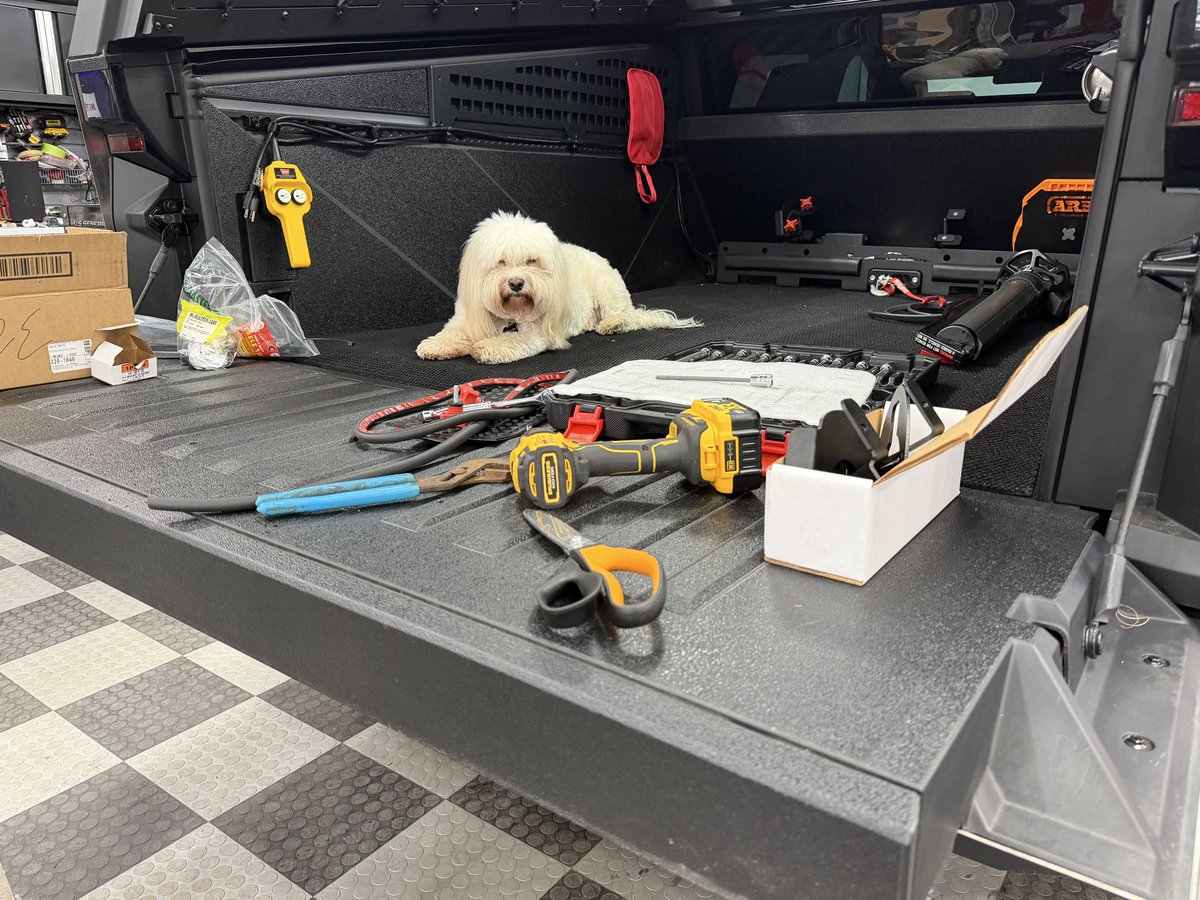
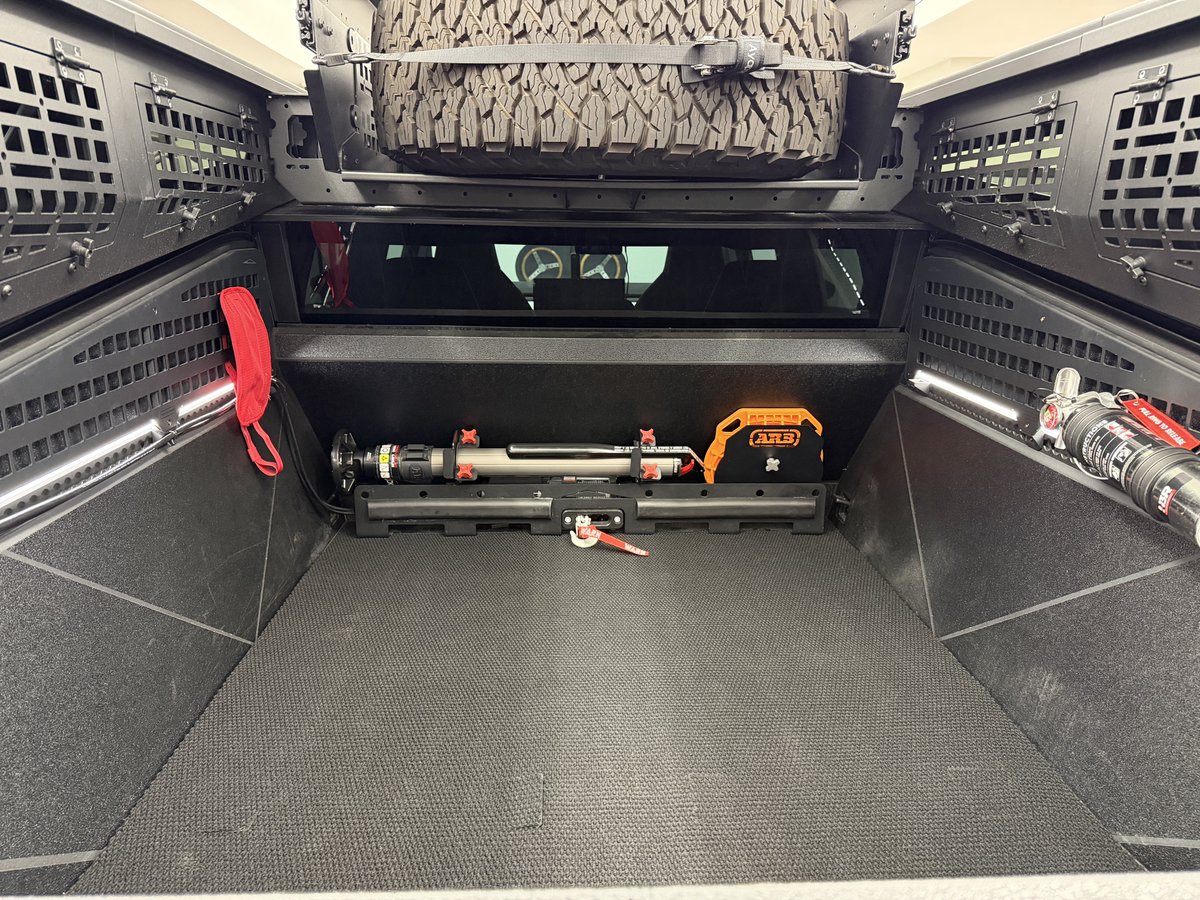
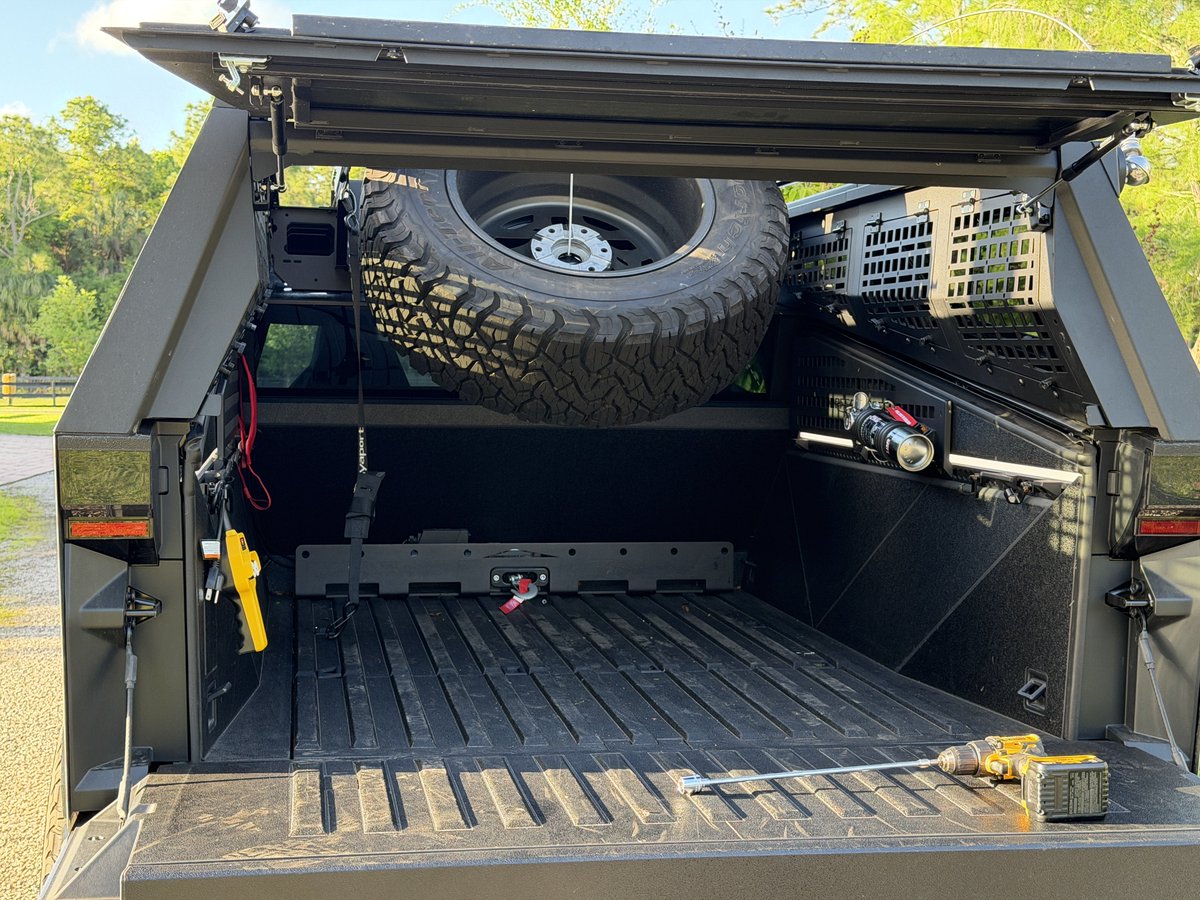
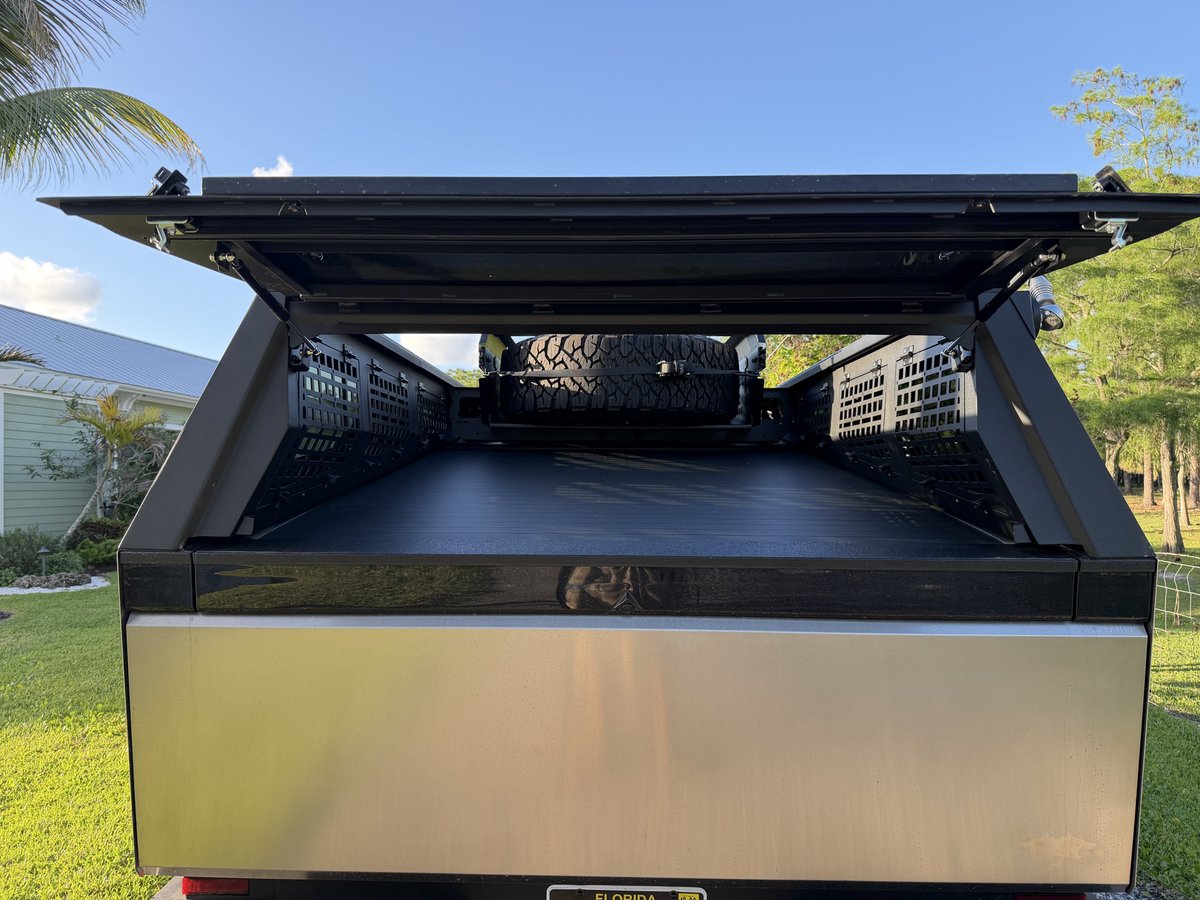
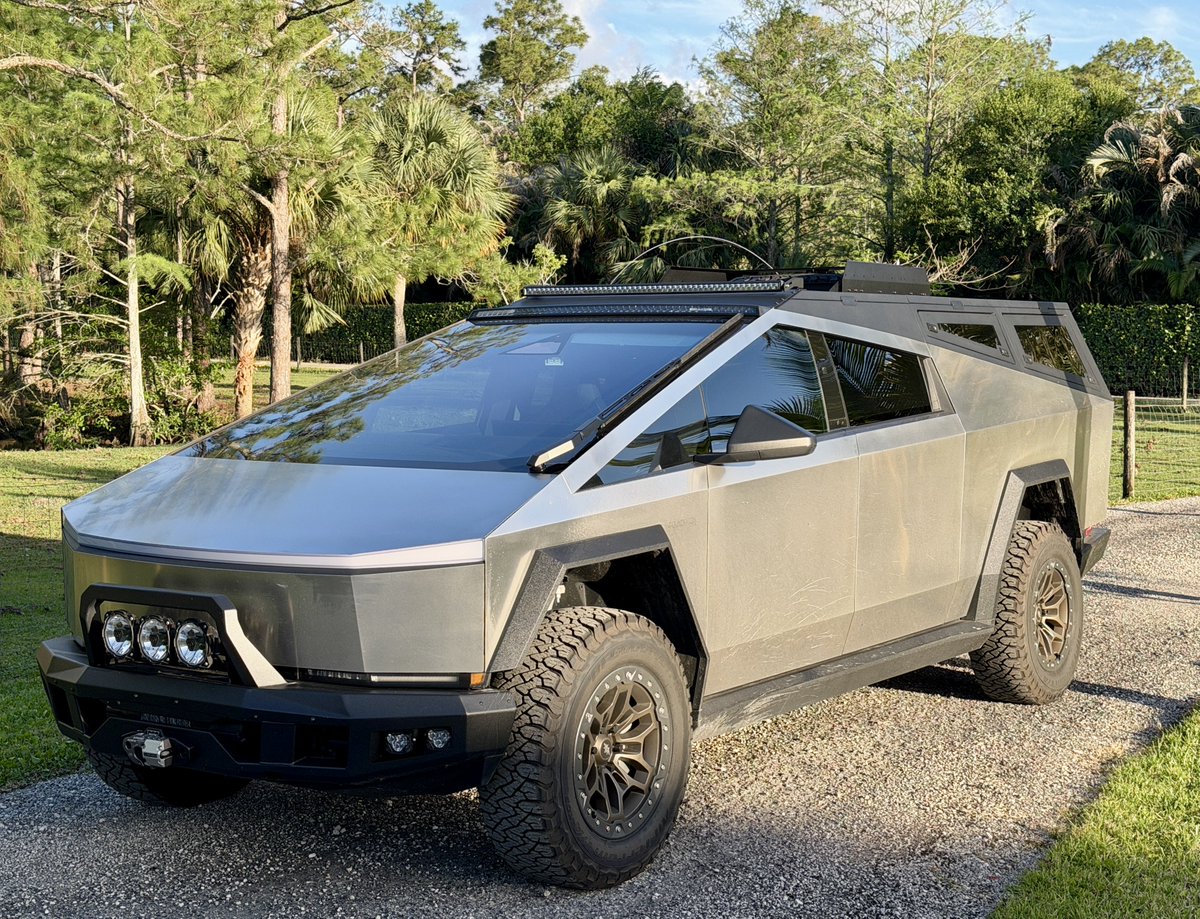
Cybertruck overlanding upgrade just finished— and it actually works stupidly well.
I built a full-size AT spare tire holder that mounts directly to the lower slide rail of my Gen 2 @UranderOfficial bed cap. It sits right over the back glass (barely hanging into the bed) so the entire truck bed stays 100% free for gear.
No more sacrificing space.
1/4
22
7
164
5,421
Apr 14
Why I built it:
• Max bed space for all my overlanding gear
• Now I can start my next build and design a full cap roof extension (to fully enclose the bed with the added height of the AT tire mount) → completely waterproof and great theft mitigation via the enclosed bed.
• New cap fits the spare my genset everything else for our extended range off-grid adventure.
One step closer to prepping my ultimate rig for our future planned multi-National Park tour with my wife. 🏞️❤️
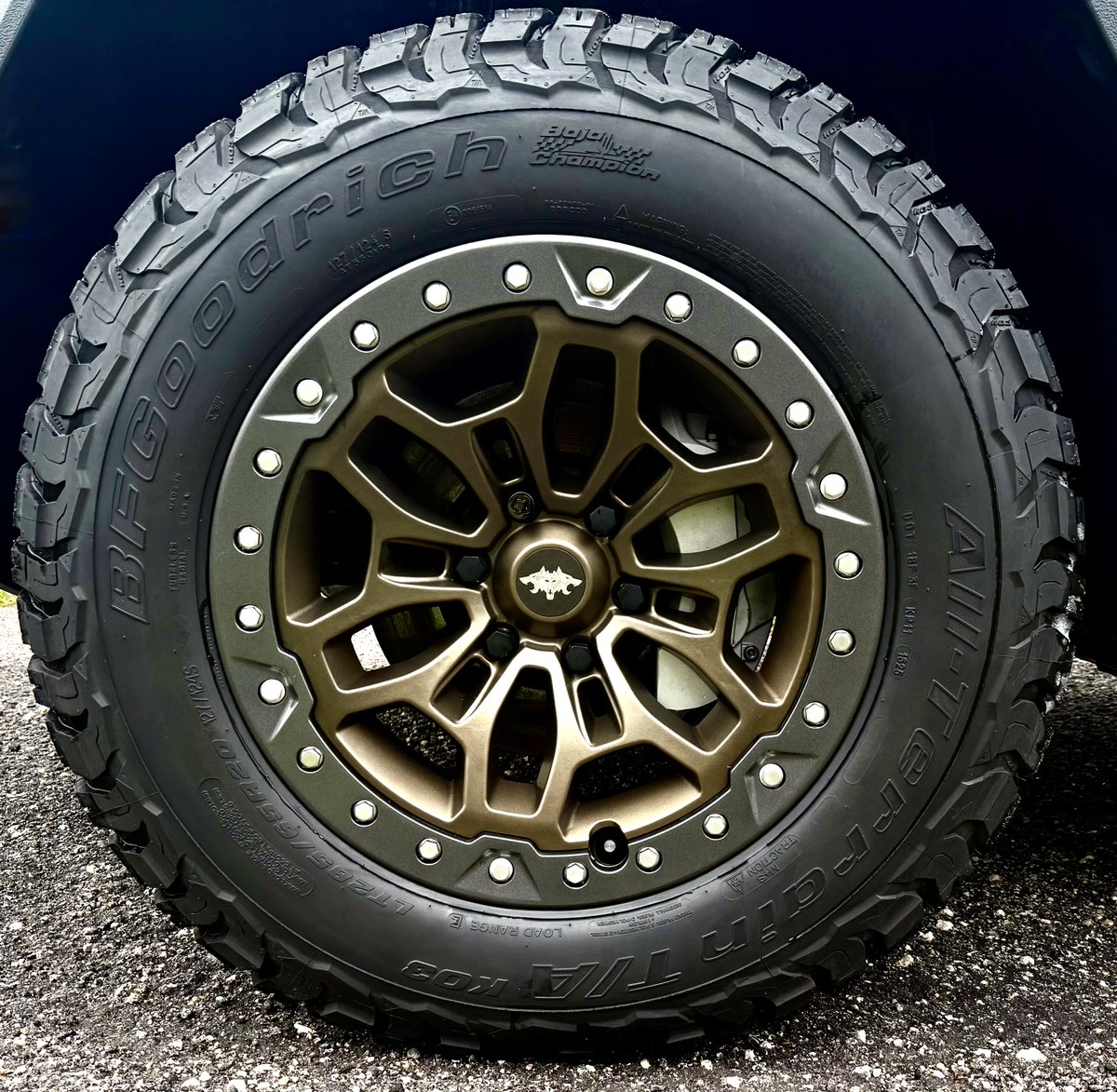
(Shoutout to @MartianWheels for the killer wheels too — they look mean and perform even better.)
1
10
338
Apr 14
Would you run the spare up here or keep it in the bed?
Drop your best Cybertruck overlanding mods below 👇 I’m stealing ideas for the next step of the build. More mods to come!
@UranderOfficial @MartianWheels @Tesla
#Cybertruck #CybertruckMods #TeslaCybertruck #Overlanding #Urander #MartianWheels #OffRoadTesla #AdventureRig #Tesla
1
8
248
Apr 3
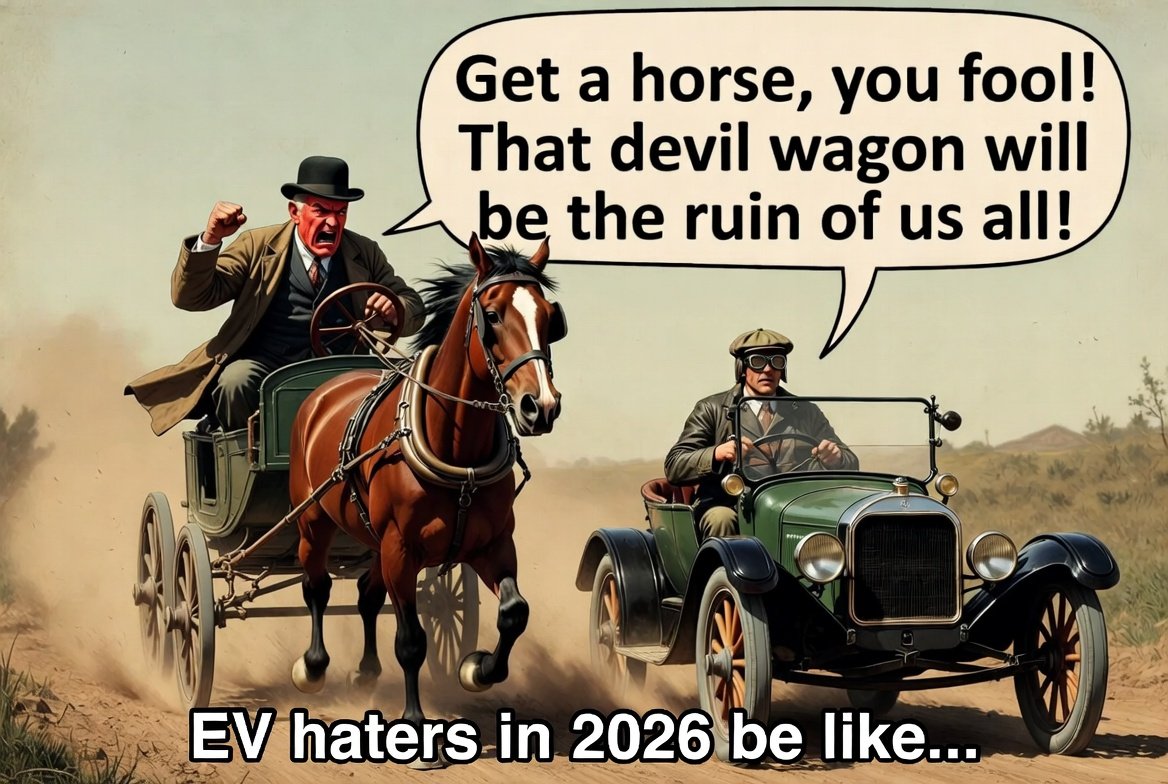
Sometimes my email inbox can look kinda strange…for instance, here’s today’s promotions…
Anyone else get a chuckle from theirs ever?

1
3
128
Apr 1
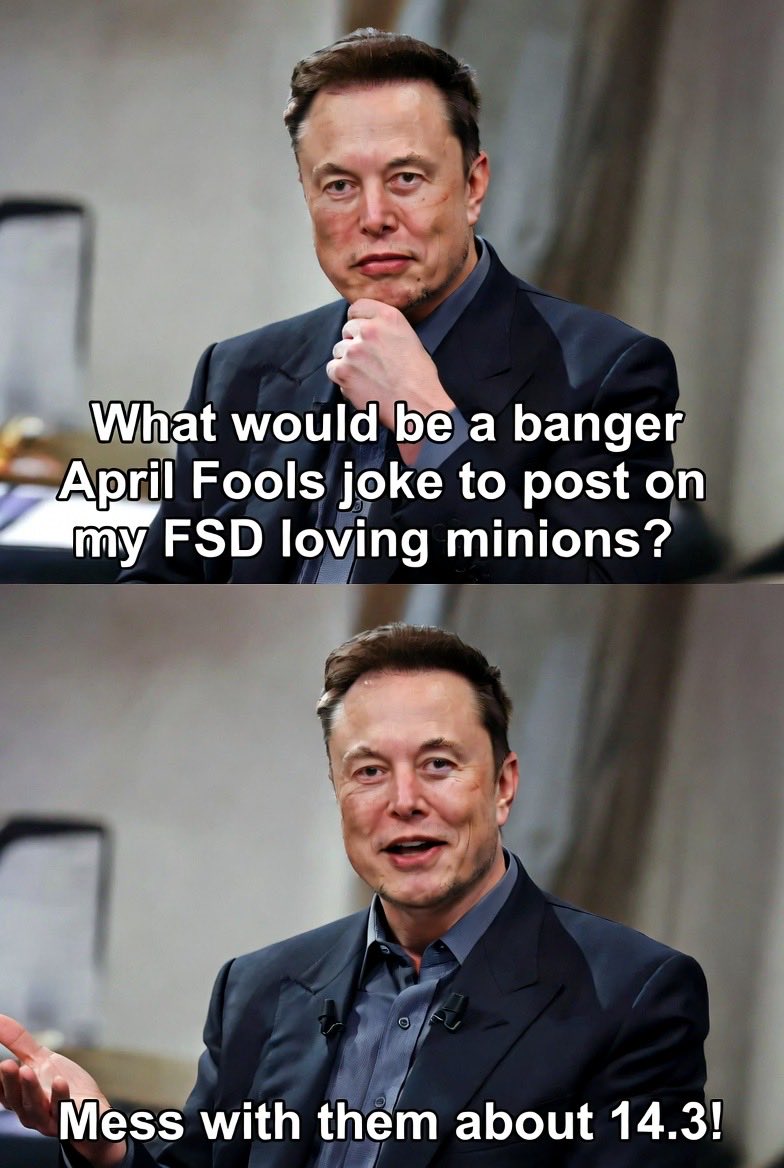
My X feed is getting unreadable for me today. All these April Fools jokes are getting super annoying to try and parse out.
1
2
55
Possums Walker retweeted

Mar 27
Giveaway time! Here's your chance to win the DJI Avata360 (DJI RC2) — DJI's first panoramic drone, redefining aerial creativity with flagship-level 8K HDR imaging.
How to enter:
1. Follow @DJIGlobal
2. Like and share this post
3. Bonus Chance: Comment below — what's the one place you'd love to fly through and capture in full 360°?
· Time period: 2026/3/27 - 2026/4/27.
This giveaway is not affiliated with or endorsed by X. One winner will be selected at random through a third‑party platform. Good luck!
Video created by: aleixalbet
2,802
2,688
3,901
253,126