
Cofounder & CEO at @naxatralabs | Building motors tech for EVs and industrial machines | India🇮🇳
Joined May 2020
- Tweets 6,344
- Following 2,999
- Followers 6,566
- Likes 5,022
671 Photos and videos



Pinned Tweet

Apr 23
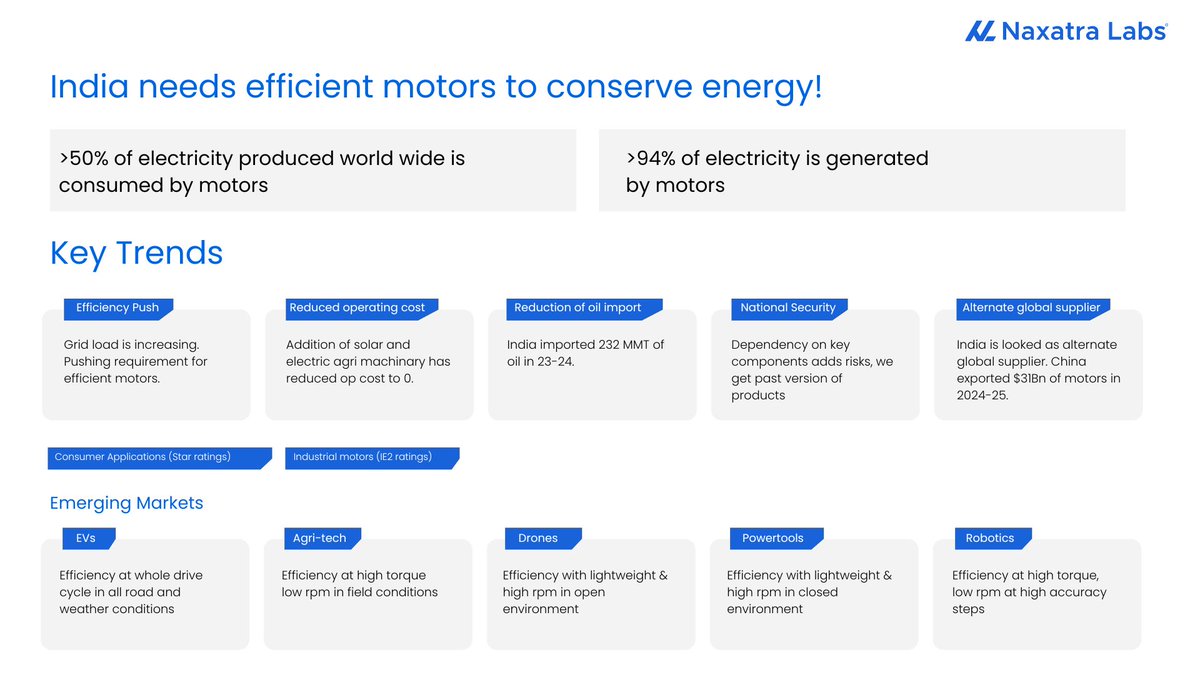
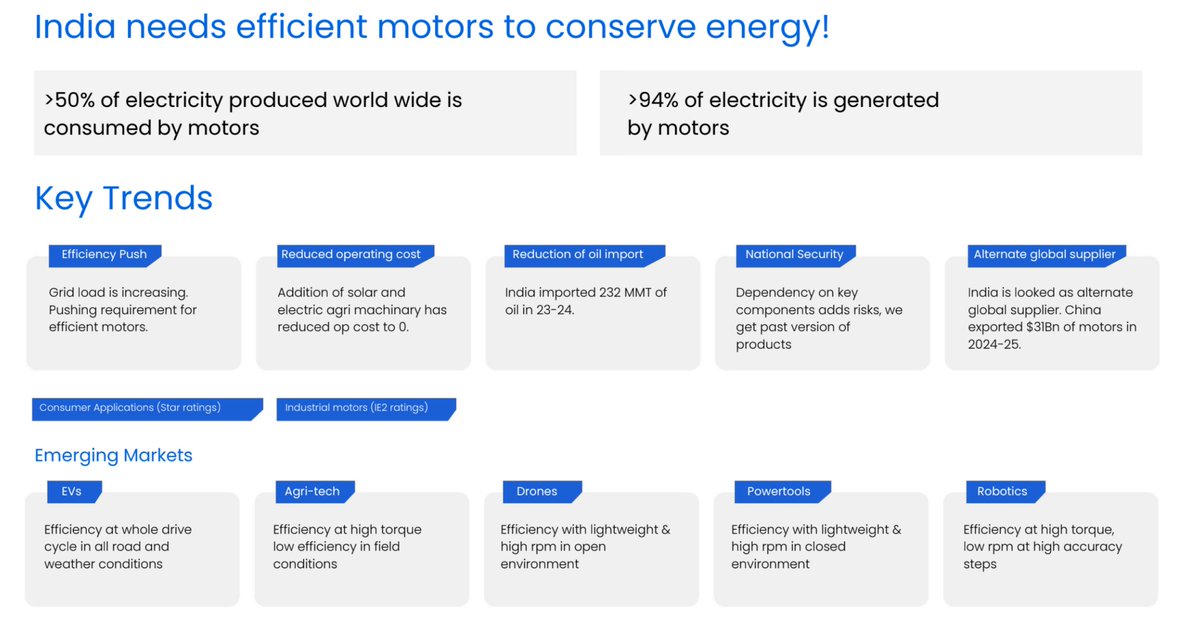
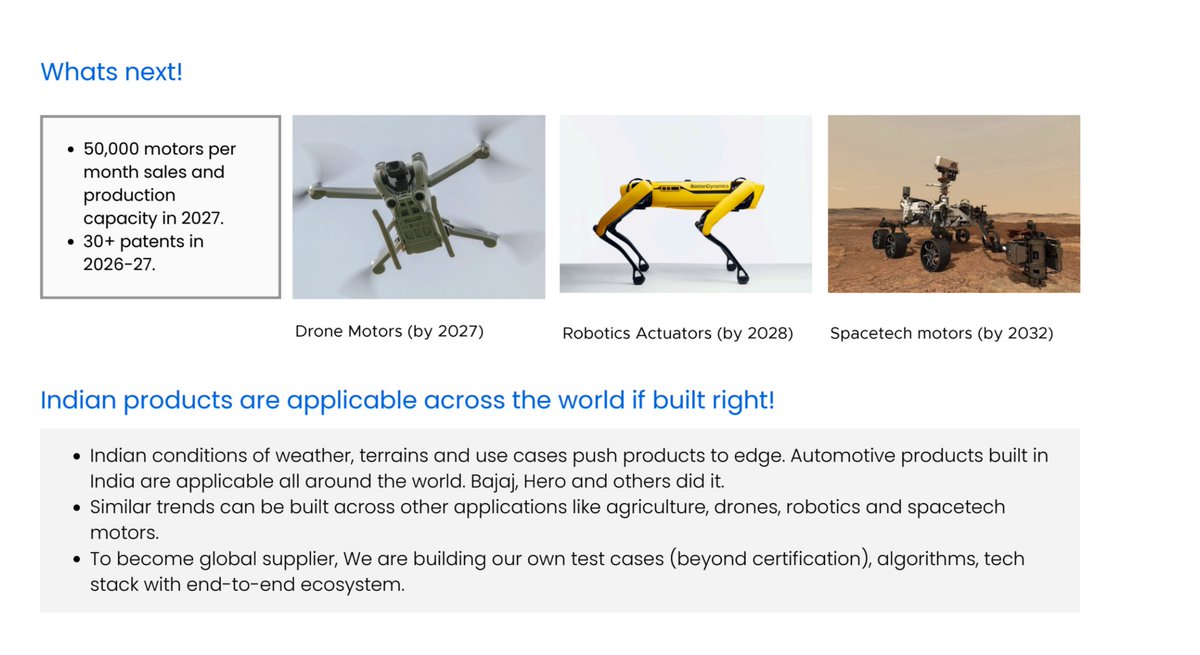
This slide explains very well why we're bullish on building motor tech in India. We need to do it for the following key reasons:
1. Application-specific motors: We need application-specific motors for all emerging markets—be it EVs, agriculture, drones, powertools, etc. Catalog-based motors won't work.
2. Energy-efficient motors: With all the electrification happening across different segments, we will need energy efficiency guidelines in every sector so that energy wastage is reduced. Just as we have star ratings in the consumer space and IE ratings in the industrial space, we need to have them in other sectors.
3. National security: We have to stop importing products. When you import, you always get past versions of products with limited access. Considering geopolitical scenarios and supply chain limitations, India needs to make its own tech.
4. Reduced operating cost: Electrification reduces operating costs across sectors, but we must make them efficient. We need to have local companies that can provide better services. A combination of both will rapidly push market growth while opening new market segments.
5. Build-to-spec capability: We need to move away from being build-to-design manufacturers and become build-to-spec manufacturers. We can achieve that only if we start building core tech.
Apr 23

But can we also talk about what Indians are doing to change this? Not everything rests with the Govt. We all have to do our bit. And our startups are constantly trying to change this pervasive pessimism.
In our @Rainmatterin portfolio, I can think of just 2 examples that are working hard to move us forward in tech, innovation, and manufacturing. It's not an overnight journey.
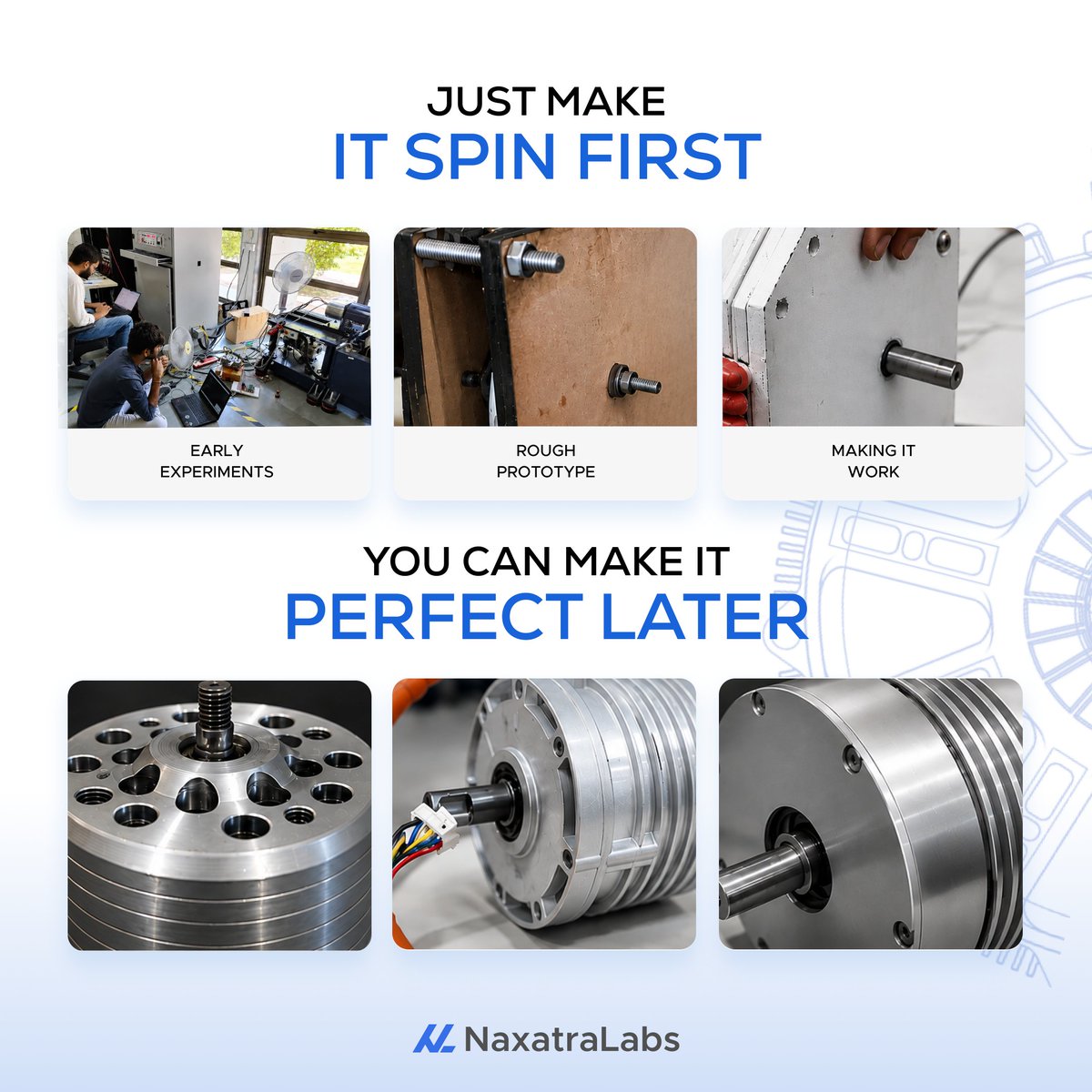
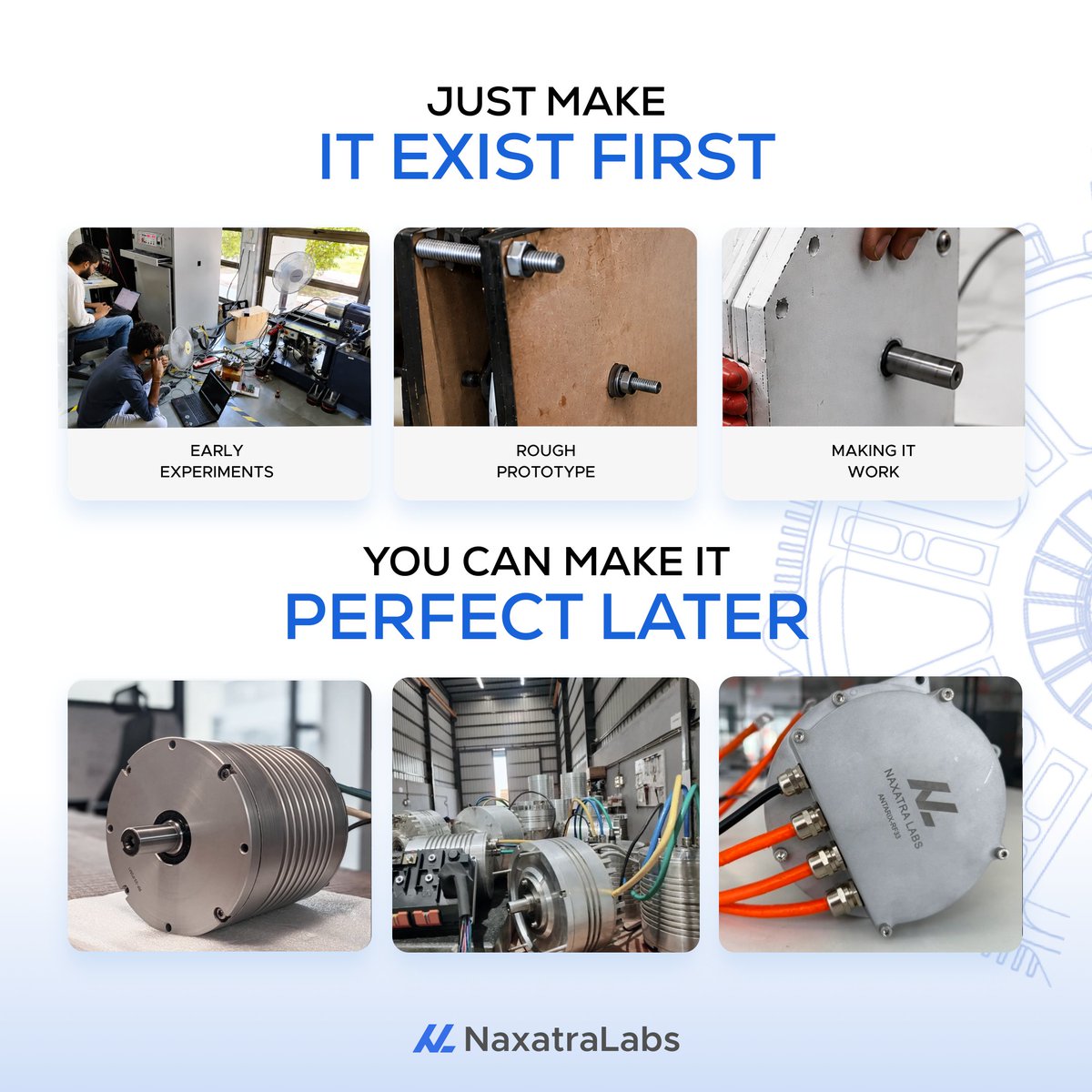
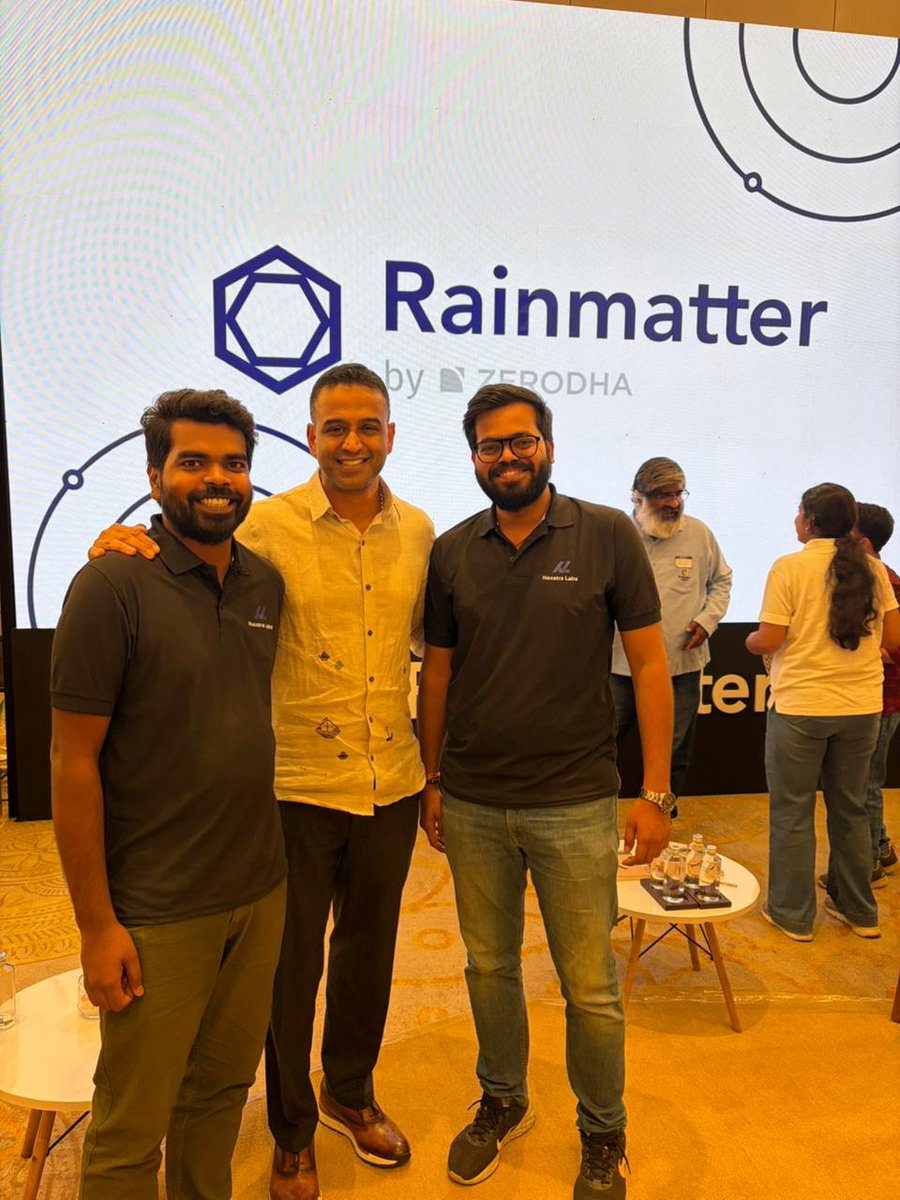
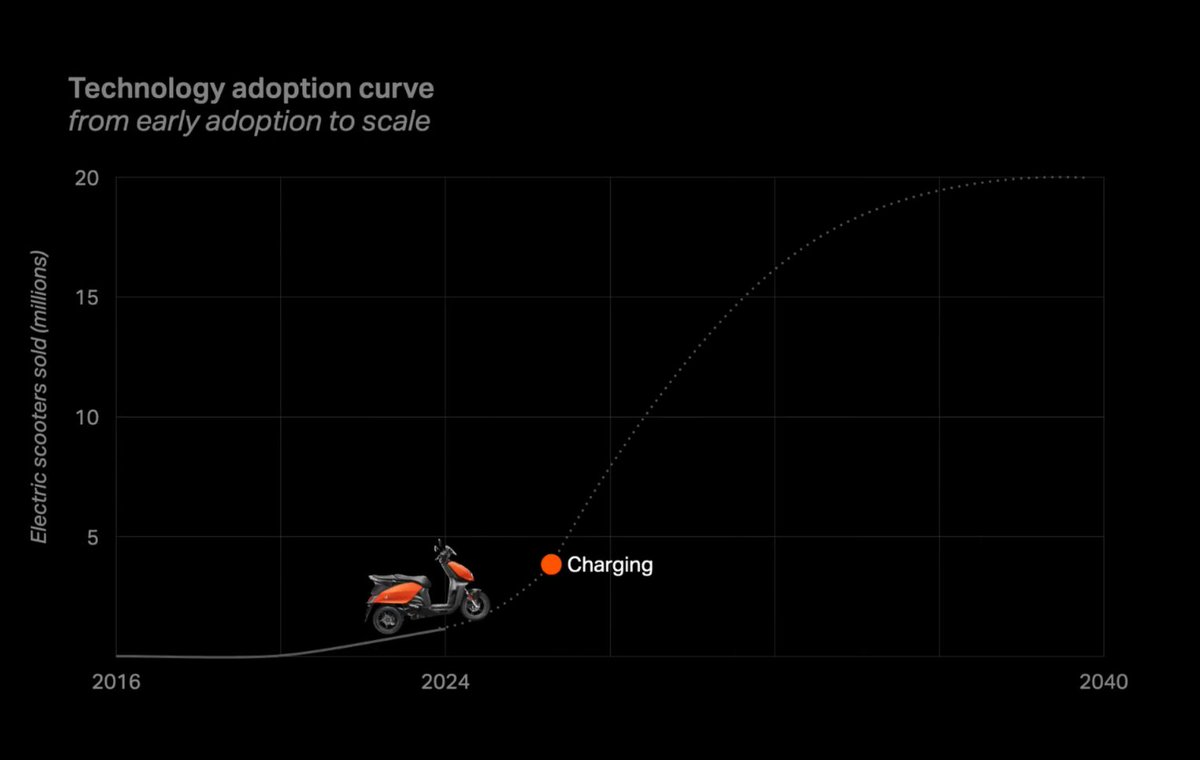
1. @NaxatraLabs - building EV motors from India. Everything from scratch. The attached images speak for themselves. :)
2. @ergon_labs - the first combined fast charger and motor controller in the world. Ashwin, the founder of Ergon, said something really important to me yesterday. He said that when India was expanding into petrol bikes, we could import tech from outside. But as we go deeper into the EV scooter and 2-wheeler ecosystem, we will have to innovate ourselves. And they are doing it. To make sure we dont have to ask anyone else for tech.
Of course, there are several others across the ecosystem working in precision engineering, materials, and energy, all solving the issue we keep coming across.
Sure, all of this will take time. And until then, everyone can write about how we are sticking to low-value segments. Change will happen. Slowly at first and then suddenly.
Never underestimate the resolve of the Indian startup ecosystem. ♥️
1
3
23
1,919
Abhilash retweeted

Jun 12
If you can dream—and not make dreams your master;
If you can think—and not make thoughts your aim;
If you can meet with Triumph and Disaster
And treat those two impostors just the same;
If you can bear to hear the truth you’ve spoken
Twisted by knaves to make a trap for fools,
Or watch the things you gave your life to, broken,
And stoop and build them up with worn-out tools.
11
42
291
9,509
Jun 12
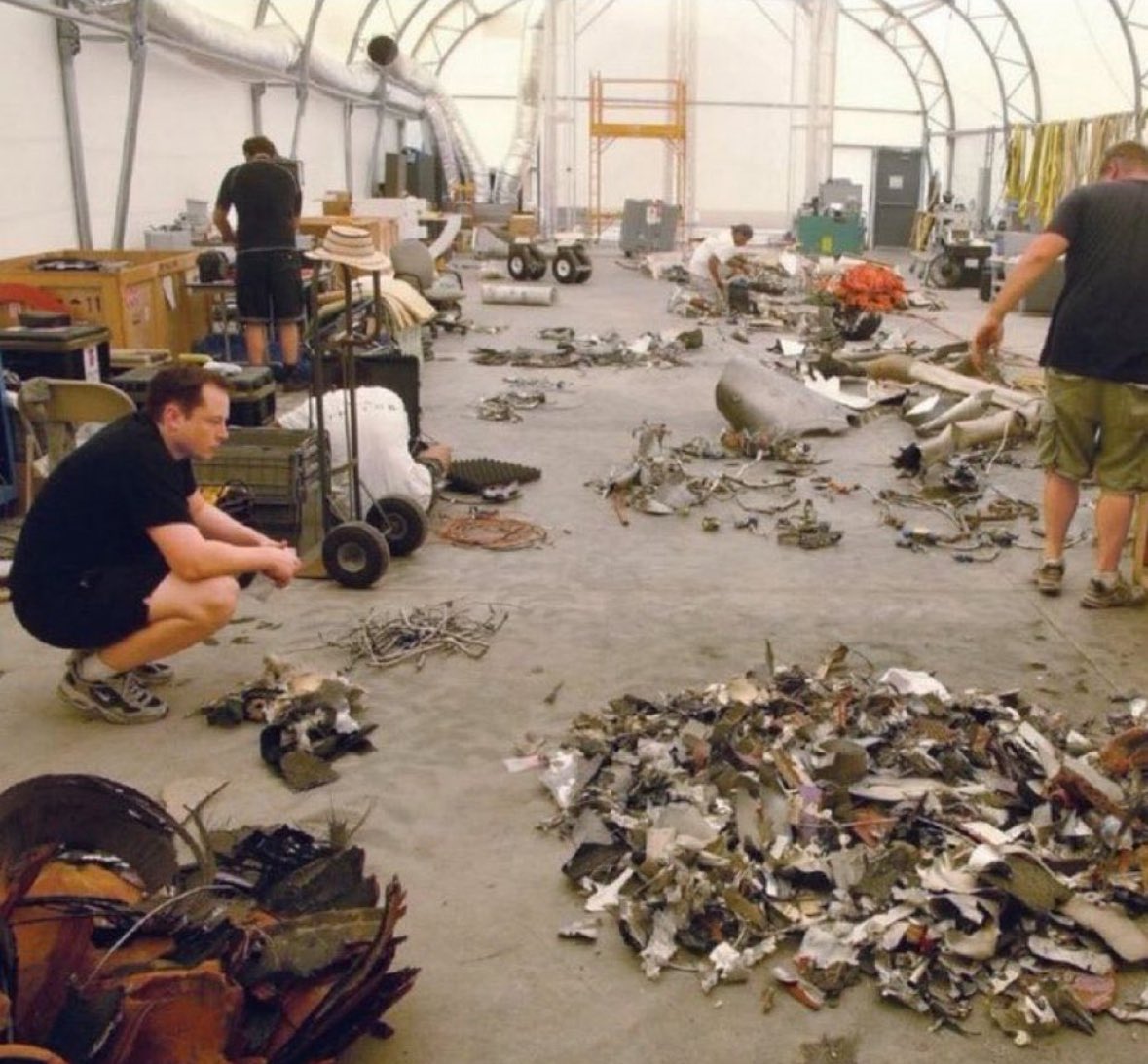
Today makes me bit emotional. I have read two of the biographies of @elonmusk , one by @ashleevance and another by @WalterIsaacson.
I know where he comes from and what he has done to reach this place where he's just thinking beyond ie extending the reach of human consciousness. While humanity has solved survival, built luxuries and then started optimising other things. He saw beyond and chose to build ways to get out of earth and explore.
I wanted to be a particle physicist. Read too many bbc knowledge magazines, einstein and hawking books in school. One day, I got hands on his first biography. Damn! His childhood, canada, zip2, paypal days then betting everything he had on 3 companies. He never chose luxury. He had faced challenges on personal front while initial rockets were failing, when his heroes chose the other side. He focussed on the mission.
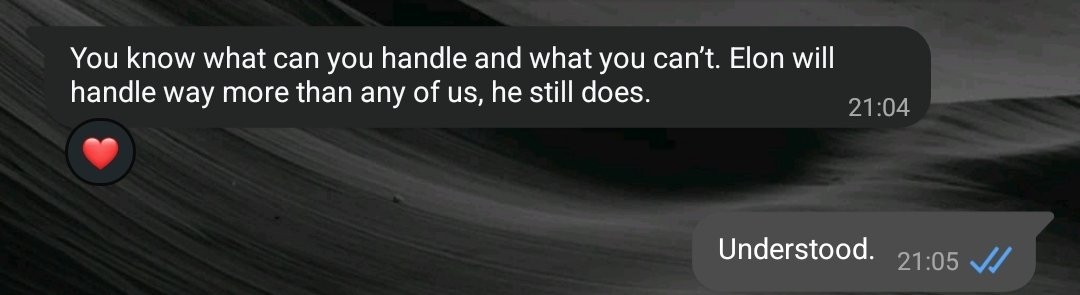
We talk about failures and risks. He thinks of things that must be done. No other way. In 2024, while raising funds, I had difficult time and then I reached out to one of my advisors. I told him that it's getting difficult for me to handle all this. That's what he replied attached in picture. It fixed me.
While I'm on this journey to build Naxatra. Someday Naxatra will build drivetrains for spacetech, space colonies will need that. Till the time, We get to work alongside to him, back to building. 🚀
1
2
39
1,948

Jun 12
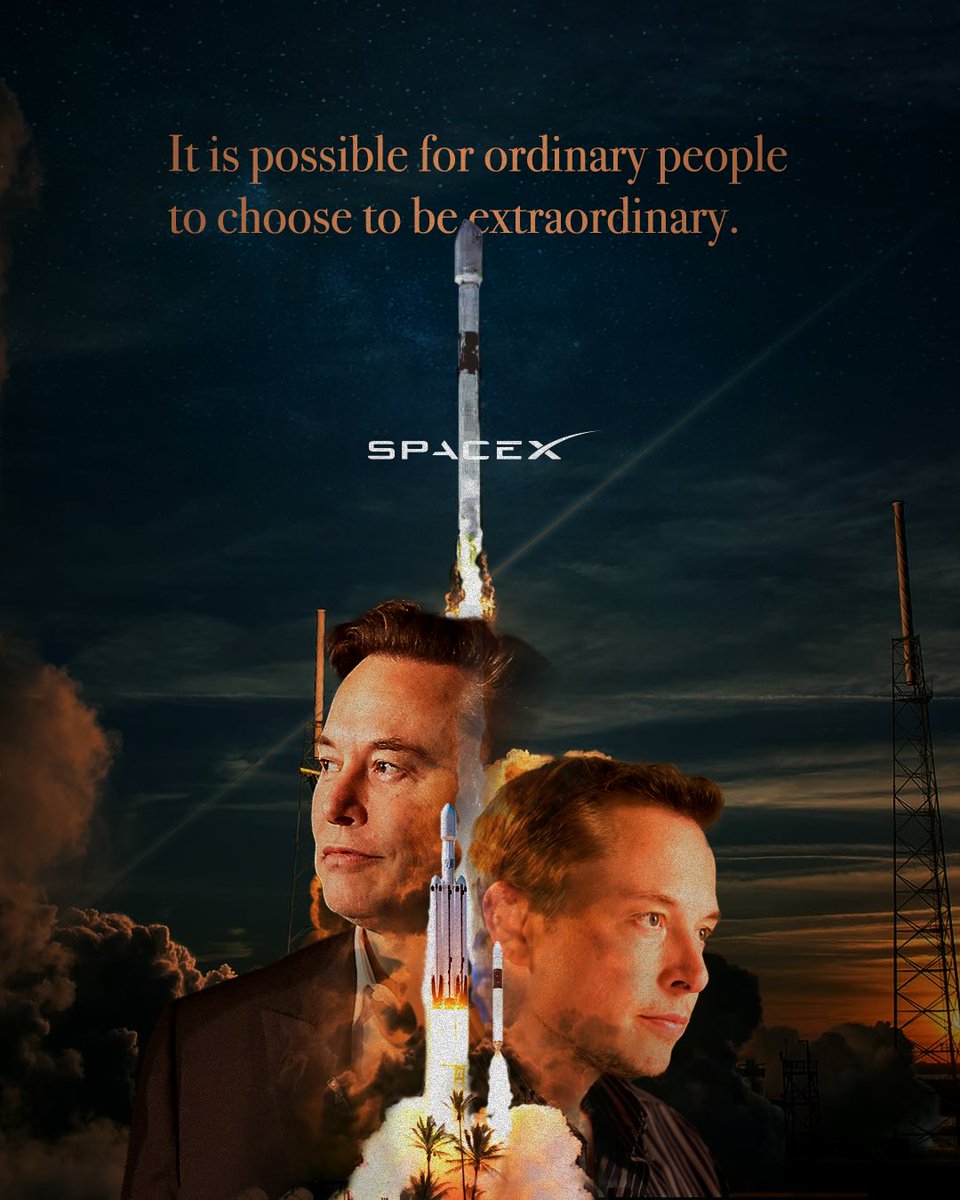
Congratulations my inspiration @elonmusk. Will meet you somewhere in our journey to simplify space travel together 🚀
1
8
404
Jun 11
Finally motors are the hot topic🫡
Jun 10

You guys are super lucky because Kylie and I saved America this week. Our podcast on actuators, the SpaceX IPO and 60 Minutes.
Come and get it corememory.com/p/the-space-r…
1
193
Jun 11
NAXATRA name was finalised after following:
Skyhigh
Grok
iridescent
techno-wings
LittleBird
HybridHawk
FlyHi
SkySpy
DroidBird
Highbrid
echelon
Novus
Veblen Labs
Atelier
Echor
Precog Designs
Iridescent
Labs was added since we wanted Naxatra to be innovation centric.
1
22
774
Jun 10
Not assume. But you need know, you win.
Jun 10

Assume you will win. This is how confident people think.
2
148
Abhilash retweeted

Jun 10
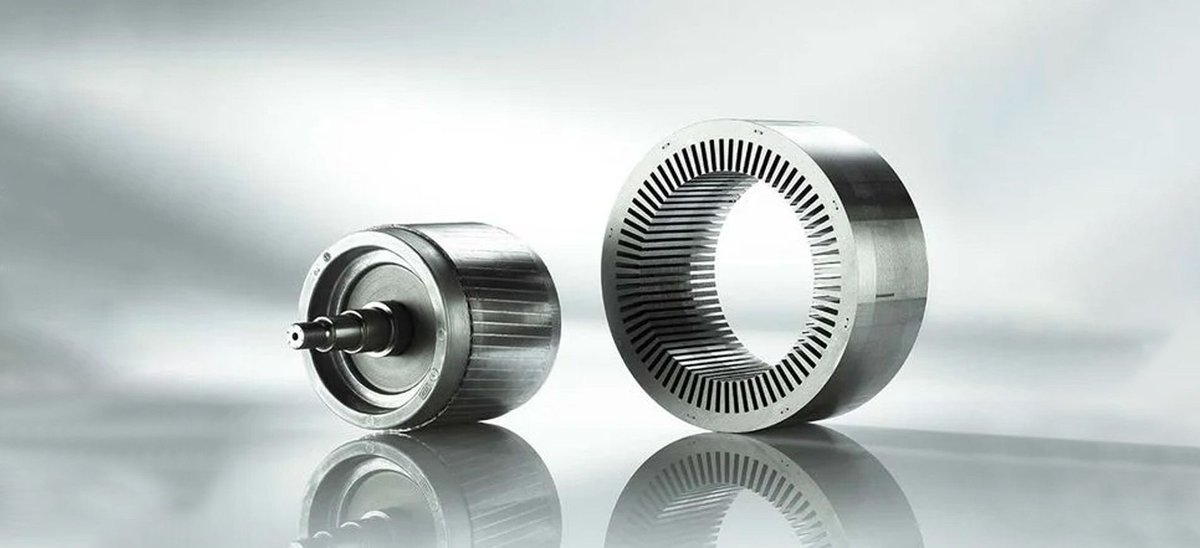
Modern electrification depends on electrical steel as the invisible magnetic backbone of global energy infrastructure, because nearly every transformer, generator, motor, wind turbine, EV drivetrain, and transmission system relies on it to channel magnetic flux with minimal energy loss.
Without it, grid efficiency collapses, transformers become bulkier and less efficient, and large-scale electrification trends such as AI data-centers, renewable integration, and EV adoption face hard physical efficiency ceilings that cannot be solved through scaling alone.
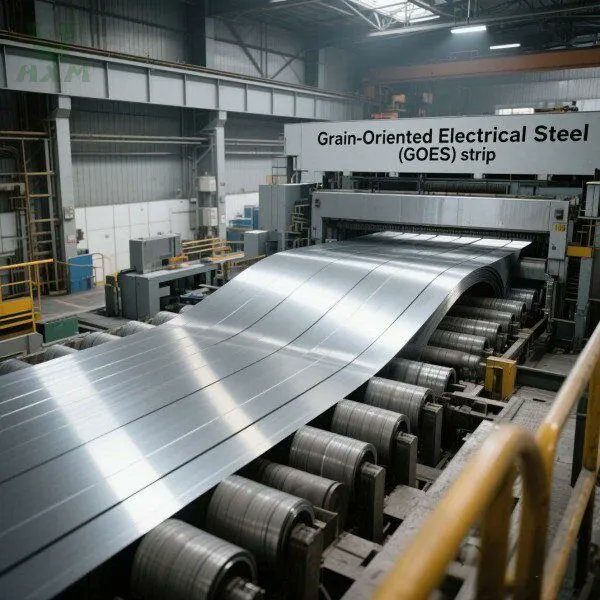
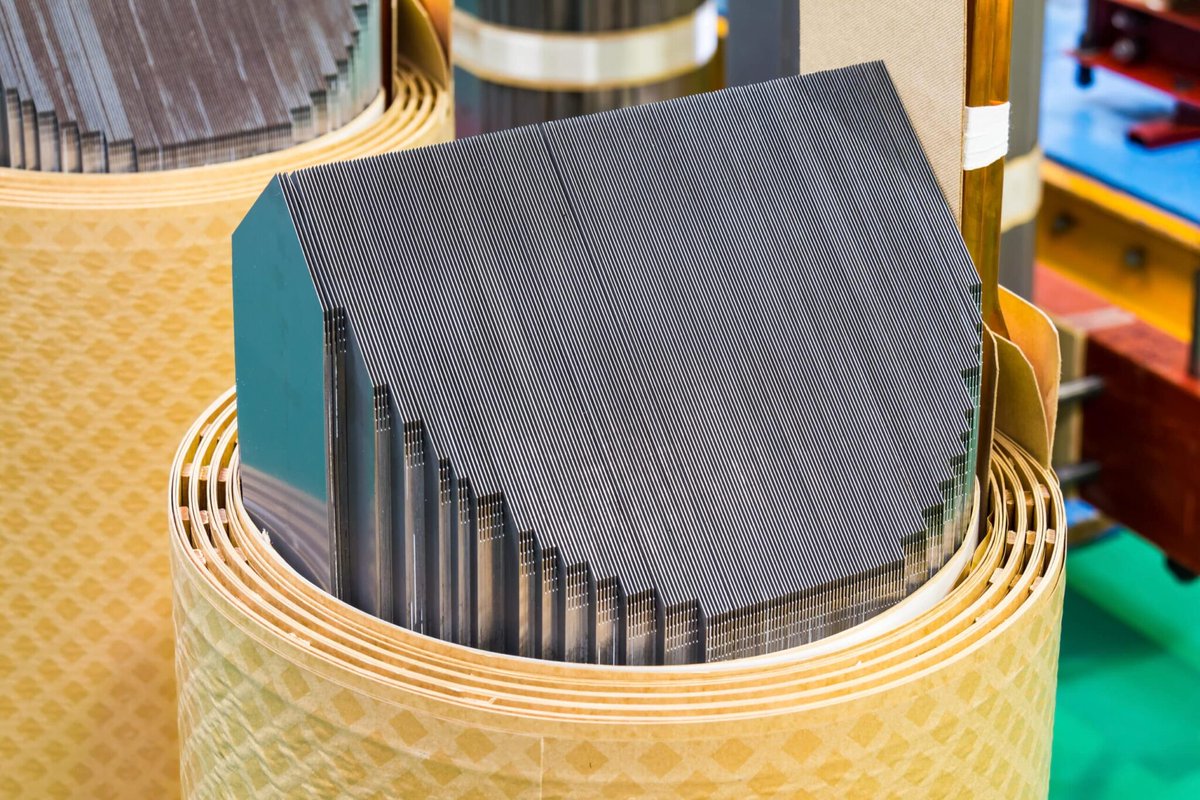
Electrical steel sits at the center of the electrical energy conversion chain, linking generation, transmission, and consumption through a tightly coupled industrial ecosystem. - is used in large power transformers that regulate grid voltage, while non-oriented electrical steel is used in motors, generators, and rotating industrial systems.
Because these machines run continuously across millions of units, marginal efficiency gains translate into massive cumulative energy savings over decades.
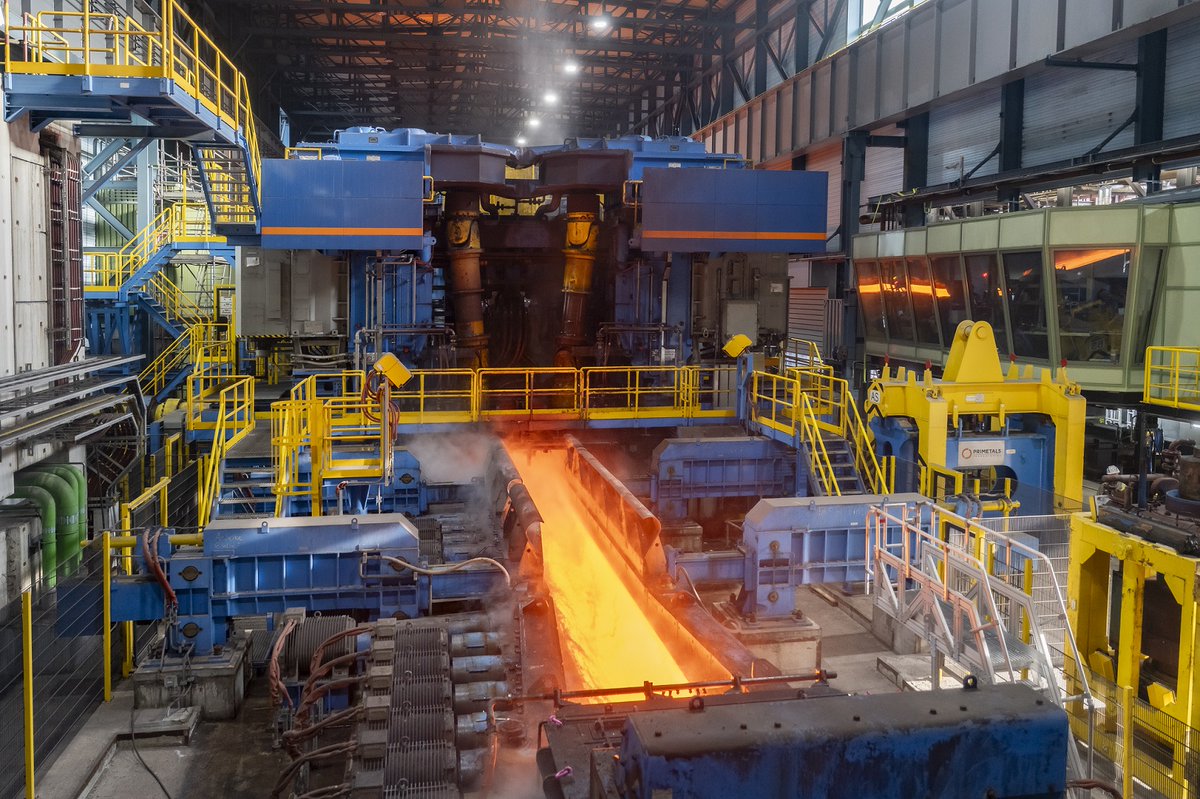
The engineering challenge is crystallographic control at micro-structural scale, not steel production volume. Grain-oriented electrical steel is engineered to form a precise Goss texture through tightly controlled rolling, de-carburization, nitriding, re-crystallization, and high-temperature annealing.
Typical compositions contain 2.5-3.5 percent silicon with extremely low carbon to prevent magnetic aging. Lamination thickness is reduced to 0.18-0.35 mm to suppress eddy current losses, while laser scribing and domain refinement further reduce core losses, enabling premium grades to achieve approximately ≤0.9 W/kg performance.
From a cost perspective, conventional structural steel trades around $600-$1,000 per tonne, while high-grade grain-oriented electrical steel reaches approximately $2,000-$3,500 per tonne, reflecting extreme process sensitivity, impurity control, and low-yield crystallographic precision.
Failure begins at microscopic misalignment, increased hysteresis losses raise heat generation, reduce transformer and motor efficiency, and cascade across electrical networks as higher transmission losses and rising system-wide energy consumption. Over time, these inefficiencies compound across millions of machines, increasing infrastructure load and operational cost.
The dominant manufacturing constraint is not production volume but reproducible microscopic grain orientation and magnetic domain control at industrial scale, because modern electrical infrastructure performance depends on atomic-level structural precision sustained across mass production systems.
1
31
143
8,682
Jun 10
A robot that clones itself isn't alive. A model that trains longer isn't aware. We're confusing performance with experience.
4
238
Jun 10
We don't have sunlight equivalent lighting solutions: imagine something as soothing as morning/evening sunlights.
1
135
Jun 10
All energy is already available, fight is to convert it in usable form in efficient way. We're not creating energy but building effective & efficient converters. Effectiveness comes from application fitment & efficiency comes from tech. Be it motors, solar or other converters.
1
4
185
Jun 8
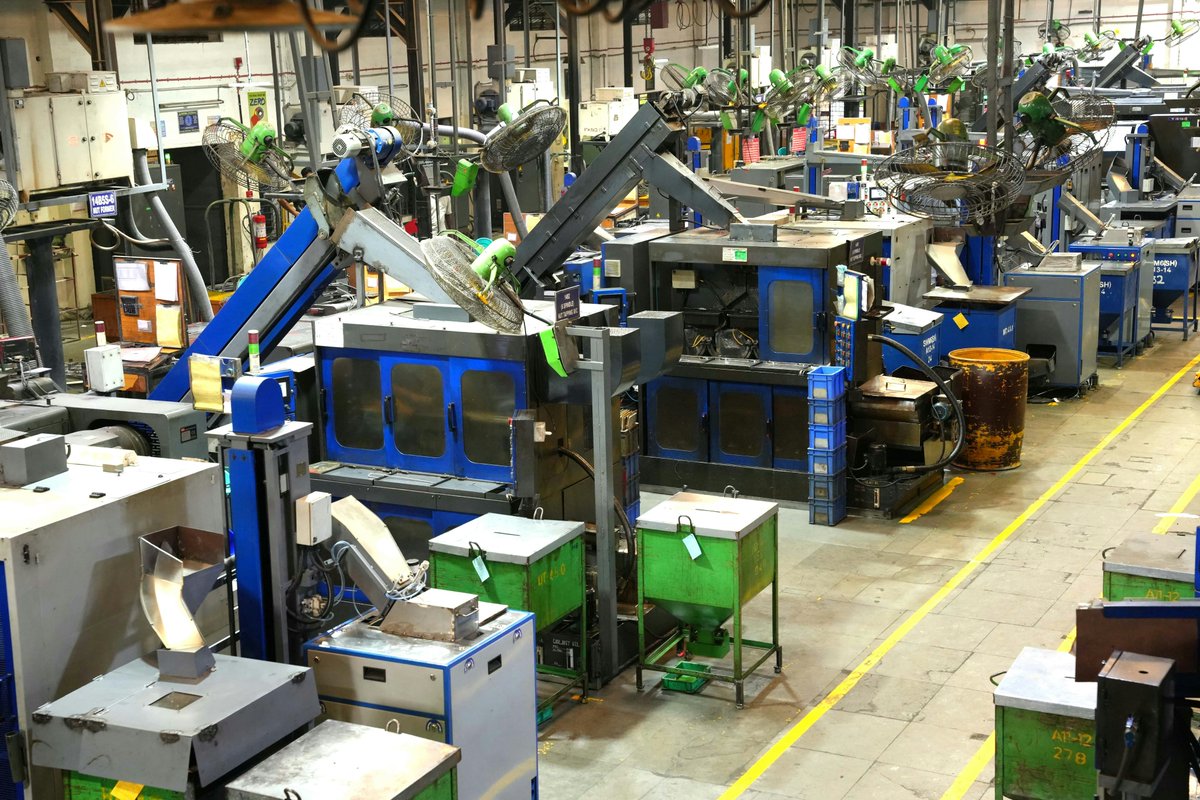
If you're building deeptech in India and looking for early round, do speak to @soumitra_sharma. He's been really passionate on Indian founders building global products.

[𝐧𝐞𝐰 𝐩𝐨𝐬𝐭] 𝐈𝐧𝐯𝐞𝐬𝐭𝐢𝐧𝐠 𝐢𝐧 𝐭𝐡𝐞 “𝐑𝐞𝐚𝐥 𝐈𝐧𝐝𝐢𝐚”
While many Indian VCs are chasing Bay Area deals, I’m finding some of the most compelling opportunities in India-based founders building unsexy hardtech products with global ambitions.
operator.blog/2026/06/07/inv…
3
16
128
16,393
Abhilash retweeted

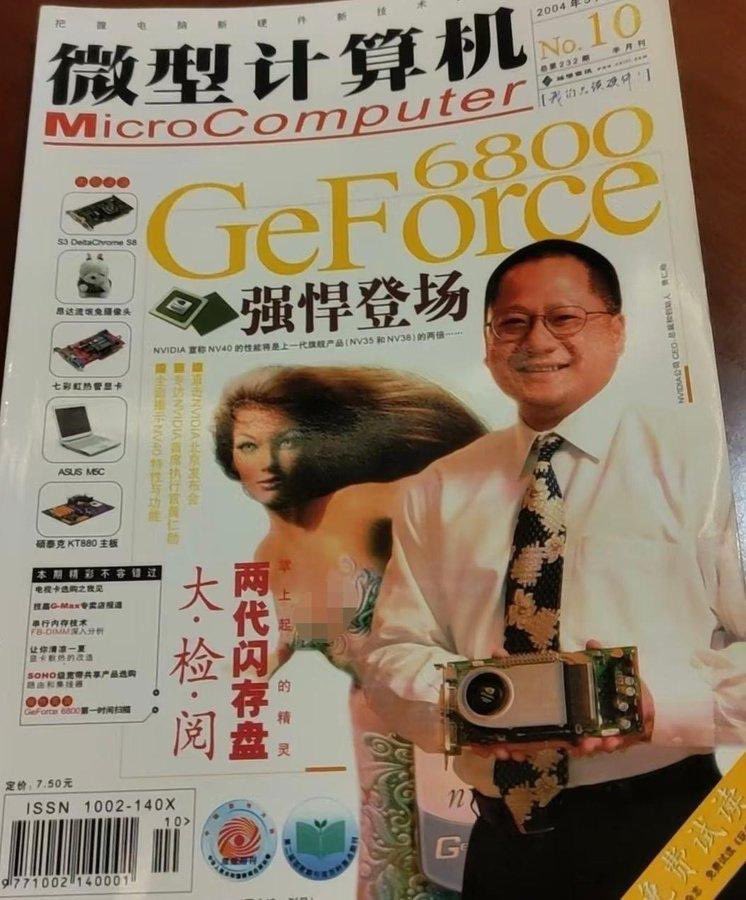
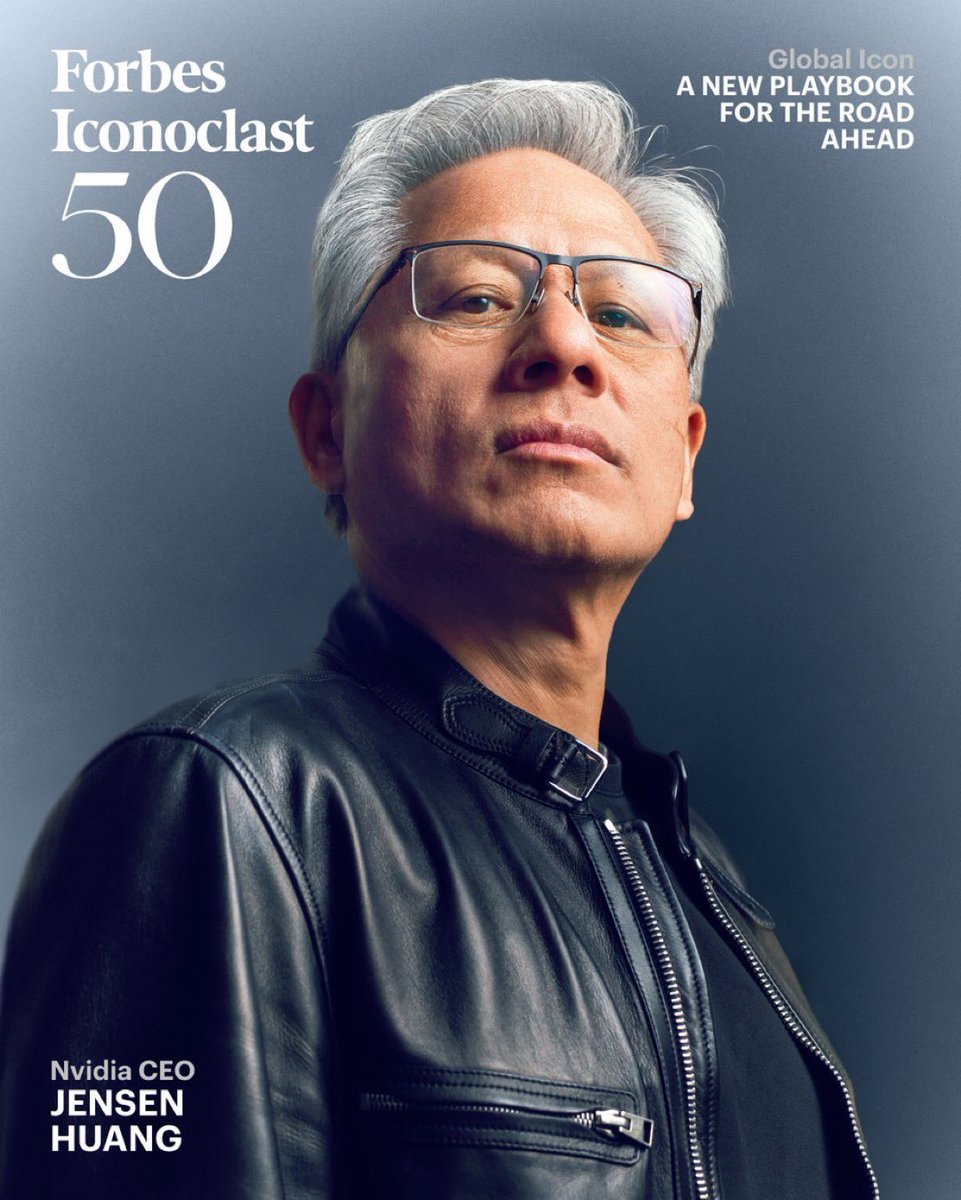
Same guy btw
139
907
12,796
1,032,890

Jun 5
While all the bad stories are there, I have a perfect story with me. It is around 2024 for our seed round when we met rainmatter folks. We were getting denied from here and there. Mostly because no one was willing to invest in pre revenue and hardware based tech stack startup. One day, I got call with rainmatter folks. They appreciated our work and in next few days, they asked us to come to BLR and they booked our tickets. It meant a lot, considering the money we had in the bank. We pitched and they committed in short timeline and whole round got filled. We worked on tech and got few customers interest. We needed further money to refine tech and build production line. They invested in our next round too.
If you're working in deeptech and looking for people to partner with you and trust you in this journey. Do reach out @Rainmatterin, they're the partners, you would want in your journey.
Jun 2

I was once pitching in a board room at a top 3 VC firm for a $15M Series A.
12 people in the meeting. One of the GPs fully fell asleep. Out cold for 30 minutes. Nobody acknowledged it. Everyone just kept going.
I kept presenting my Series A slides to an unconscious man in a Herman Miller chair and somehow that was considered normal. That's venture capital.
You might fly across the country to perform for people who may or may not be conscious.
It's a dance.
And sometimes you lead and sometimes you follow and sometimes your partner is unconscious.
If you're raising right now, just know: every founder has a story like this. The process is weird. The power dynamic is weird. You're not crazy for thinking it's weird.
No one talks about it because they want to continue raising. But I'm happy to stick my neck out there.
It is weird.
2
20
2,155
Jun 5
As a founder, you're always running back to back sprints of solving filtered highest urgency problems and bottlenecks.
1
9
412