
•• ΠρόεδΡοζ 14Φ ••
Joined February 2018
- Tweets 39,389
- Following 666
- Followers 2,061
- Likes 62,911
22,601 Photos and videos











Pinned Tweet

13 Mar 2022
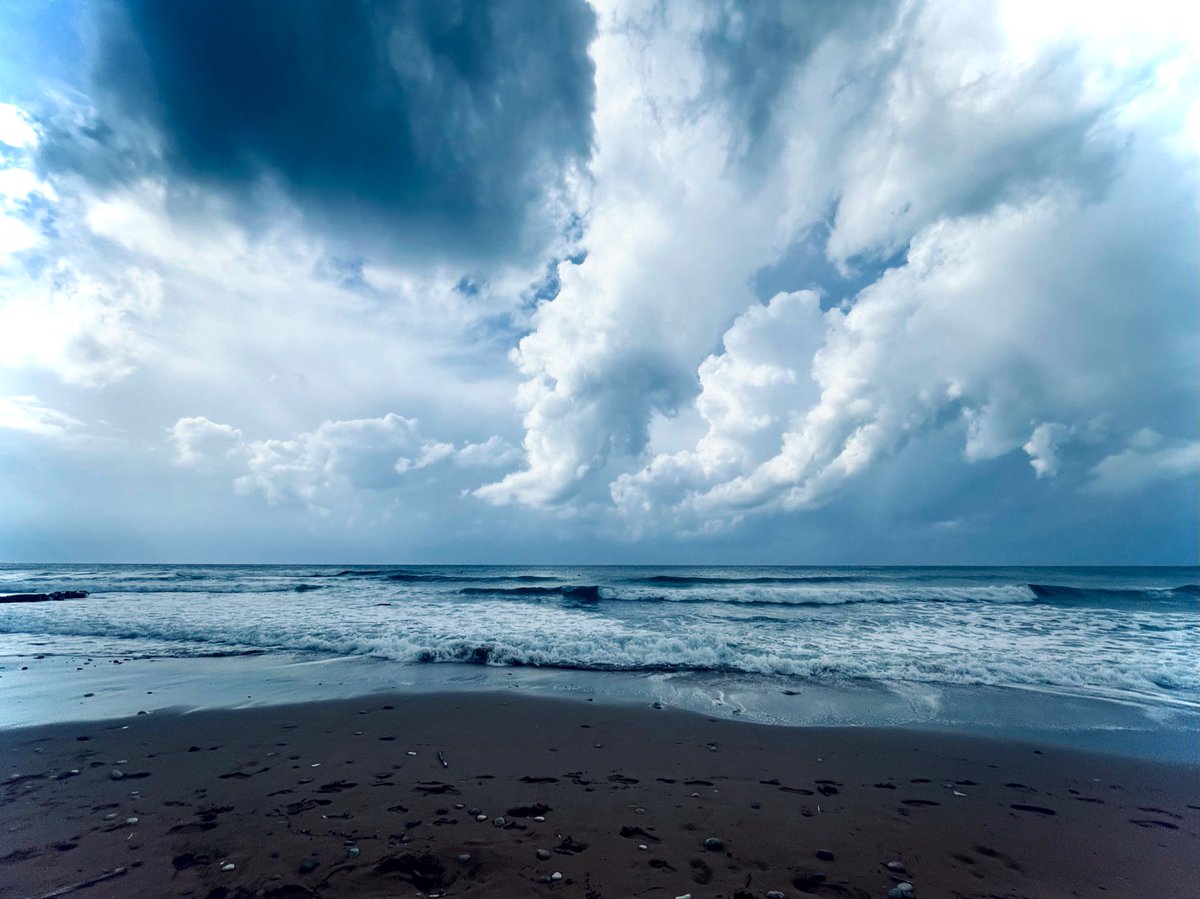
Μας περιμένουν άδειες μέρες, ραγισμένοι ουρανοί κύριοι
⚡️
1
8
93
ΒρυκολακόσαυΡοζ retweeted

νέα ήθη…ο κυβερνητικός εκπρόσωπος να εμφανίζεται σε βιντεο προώθησης της εταιρείας Pafilia για το MINTHIS MUSIC FESTIVAL 2026, το οποίο θα λάβει χώρα, εντός Ζώνης Ειδικής Προστασίας NATURA2000, κατα παράβαση των όρων περιβαλλοντικής έγκρισης που εκδόθηκε για το εν λόγω εργο
Υ.Γ.: Το βιντεο προβληθηκε πριν αρκετες μέρες ως insta story στον επίσημο λογαριασμό του Minthis Resort στο instagram. Είναι πολύ πιθανό ο ιδιος να μην το γνώριζε ή ουδέποτε να εδωσε την συγκατάθεση του να συμπεριληφθεί σε αυτο, ωστόσο αυτό δεν αναιρεί την προβληματική και εξόχως αντιδεοντολογική εικόνα, ενά εξέχον μέλος της κυβέρνησης να παρουσιάζεται σε promo video εταιρείας ιδιωτικών συμφερόντων για μια δραστηριότητα η οποία ενδεχεται να παραβιάζει περιβαλλοντικές διατάξεις και δεσμεύσεις.
9
7
52
6,415
Jun 14
Αδέλφια, φίλοι, συναγωνισταί, ‘νομικοί συνάδελφοι’ γράφει ο ένας του άλλου 🍌
Meanwhile ο ένας η τελευταία φορά που είδε δικαστήριο πολλά #πποσσιπολ να ήταν ζωγραφιστό… Ο δε άλλος, όντως τα βλέπει, ΣΙΓΟΥΡΟΤΑΤΑ ΟΧΙ όμως ως «νομικός συνάδελφος» 🤡
1
13
394
Jun 12
Το ξενοδοχείο στο Λατσί άνοιξε. Μετατέθηκε ενα ''καλό παιδί'' που το δημαρχείο της Πάφου δύο ππαλλιές στον ΕΟΑ, και μέσα σε χρόνο ρεκόρ αφου ήπιε το φραπέ του, υπέγραψε. Δεν ξέρω πως γίνεται...πάντως με αυτή την υπογραφή νομιμοποιήθηκαν όλες οι ακραίες παρανομίες τους.
4
8
39
2,307
Jun 12
including ο επιπρόσθετος παράνομος όροφος. Να θυμήσουμε ότι ο προηγούμενος διευθυντής στον ΕΟΑ αρνείτο να υπογράψει, ζήτησε μετάθεση το πλάσμα να μεν μπλέξει.
Άτε, με το καλό να δούμε και το 5ημερο festival σε 100% ΖΕΠ στο Minthis.
Όλοι οι καλοί partners σας χωράνε...
1
14
368

ΒρυκολακόσαυΡοζ retweeted

Η υπόθεση μεταφοράς Αικουτ στο Ισραήλ δεν μπορεί να κλείσει συνοπτικά. Όχι μόνο γιατί συνέπεσε χρονικά με την αποκάλυψη της Ισραηλινών συμφερόντων εταιρείας Black Cube ότι βρίσκεται πίσω από το videogate, αλλά γιατί αναιρεί πλήρως το αφήγημα της εξωτερικής πολιτικής περί υποδειγματικης τιμωρίας σφετεριστών Ε/κ περιουσιών στα κατεχόμενα. Ιδιαίτερα αν ληφθούν υπόψη οι πολιτικές πιέσεις που δέχτηκε η κυβέρνηση αλλά και οι φερόμενες απειλές

Οι προεκτάσεις της μεταφοράς του σφετεριστή των ε/κ περιουσιών στο Ισραήλ και το ενδεχόμενο αποφυλάκισής του
Της @MarinEconomidou
#AlphaΚυριακής #Κύπρος
alphanews.live/alpha-tis-kyr…
4
15
68
7,517
May 4
Εχτές έκαμα κάποια στιγμή tag τον Alpha σε αυτή την καταγγελία που έγινε στο Που Πήγαμε. Kαταρχάς @KatAgapitou σε συγχαίρω για τα αντανακλαστικά σου.
Τώρα όσον αφορά στο περιστατικό, ακολουθήθηκαν τα πρωτόκολλα λέει ο ΟΣΑΚ. Μα ποια πρωτόκολλα σιορ? 🤡👇
youtube.com/watch?v=wmBqxPyw…
3
1
22
5,312
May 4
Υ.Γ κάντε κ μιαν εικόνα @KatAgapitou μο για τα άτομα στο φάσμα, που πρέπει να μεταβούν ΕΝ ΤΩ ΜΕΣΩ ΤΑΧΥΔΡΟΜΕΙΩΝ, like literally- με εκατοντάδες κόσμο να πάεννει κ να έρκεται για παραλαβή/αποστολή για να κάμουν οποιανδήποτε πράξη μέσω της ΥΔΕΠ.
1
7
238
May 4
Αν εκάμετε την εικόνα τωρά πολλαπλασιάστε την Χ50 αν είστε γονιός και μαζί σας έχετε παιδί στο φάσμα και πρέπει να πάτε στην ΥΔΕΠ μαζί του.
Μεν ξανακούσω τη λέξη ΕΠΑΓΓΕΛΜΑΤΙΣΜΟΣ Α.
9
226
Apr 29
Και φτάνουμε αισίως στο victim & offender 🤡
Apr 28

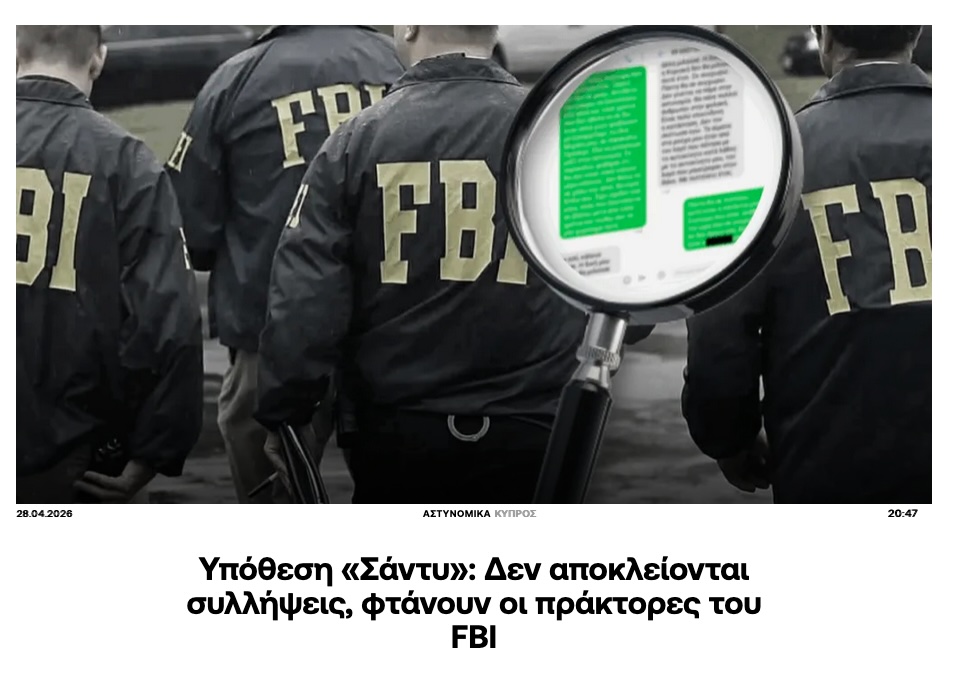
Ελάτε να με συλλάβετε, αλλά δεν θα με σιωπήσετε!
Η Αστυνομία διαρρέει στον Τύπο ότι επίκεινται συλλήψεις. Όχι εκείνων που έχουν καταληστέψει δισεκατομμύρια και τα έβγαλαν αφορολόγητα από την Κύπρο, αλλά εκείνων που ερεύνησαν, αποκάλυψαν και κατάγγειλαν τη λεηλασία.
Τα νήματα τα κινεί ο Αναστασιάδης και τα κατάλοιπα του στο σύστημα εξουσίας. Ο πανικός έχει να κάνει και με το πόρισμα της Αρχής Κατά της Διαφθοράς το οποίο, όπως ανακοινώθηκε, θα παραδοθεί στις 30 Απριλίου. Με την επιρροή που έχουν στα Μέσα Ενημέρωσης νομίζουν ότι θα με εξευτελίσουν και θα ακυρώσουν τα όποια ευρήματα.
Λοιπόν, κ. Χριστοδουλίδη, ελάτε να με συλλάβετε, αλλά δεν θα με σιωπήσετε.
Την ερχόμενη Τετάρτη 6 Μάΐου οργανώνω δημόσια συζήτηση για την απάτη των εκποιήσεων και τις σχέσεις με τα μηνύματα.
Ελάτε να δείτε αυτά που δεν θέλουν να δείτε και να ακούσετε αυτά που δεν θέλουν να μάθετε.
Θα απαντήσω σε όλες τις ερωτήσεις του κοινού.
Η εκδήλωση θα γίνει στο αμφιθέατρο Discovery στο Πανεπιστήμιο Λευκωσίας, στις 19:00.
12
1,317
ΒρυκολακόσαυΡοζ retweeted

Apr 26
Autistic brains can pick out a hidden shape in a busy image faster than almost anyone. Those same brains can miss the most obvious flirting. There is a single strip of brain, just above your ear, that explains the gap.
Scientists call it the posterior superior temporal sulcus. Its main role is taking in eye movements, head turns, posture, and tone of voice (the tiny signals everyone gives off without thinking) and figuring out what the other person wants. In autistic brains, this strip runs at a lower volume than average.
Researchers at Kyoto University ran a test where adults looked at photos of just the eyes of strangers and had to guess the emotion. Autistic adults got it right about 25 times out of 36. The non-autistic comparison group, matched on age, sex, and IQ, scored about 27 out of 36. A small gap, but a consistent one.
A 2018 paper in Personality and Individual Differences looked specifically at flirting. They found that reading romantic interest is its own separate skill: someone can be sharp at picking up other social cues and still miss when a person is into them.
Now flip the same brain over to non-social puzzles. A 2012 review out of the University of Montreal pooled dozens of brain scan studies and found that autistic brains route this kind of work to the visual and pattern-detection areas at the back of the head. Non-autistic brains lean more on the planning regions at the front. Spotting a hidden shape, picking out one note that is slightly off-pitch, finding the odd item in a crowd of similar ones: autistic brains often beat the average.
In 2014, autistic teens and young adults played dominos in a brain scanner. Half the time, they were told the opponent was a computer. The other half, they were told it was a human. The game and the rules were identical. The “reading other people” part of the brain fired normally against the computer and went quiet against the human. Just being told the opponent was a person changed how the brain worked.
So the joke has a brain map. The same hardware runs two different operating systems. The one for objects and rules runs at high volume, while the one for people runs at low volume. And romantic interest sits in the part that runs coolest.
Apr 26

Nuerodivergent people can recognize every pattern except when someone is interested in them.
11
40
477
28,578
Apr 25
Its a ‘funny thing’ οι ίδιοι παλιάτσοι που παγίδευαν με το Predator πολιτικούς τους αντιπάλους (237 in fact), από το μισό υπουργικό μέχρι και την τότε προϊσταμένη των Εγκληματολογικών Εργαστηρίων, να προωθούν τώρα νομοσχέδια που ΤΑΧΑΜΟ βάζουν τέλος στην ανωνυμία στο διαδίκτυο
2
2
30
917

ΒρυκολακόσαυΡοζ retweeted

Apr 23
Χαιρετώ
Εντάξει, απλώς ας μάθουν🤔
Απόφαση υπουργικού #ΓΒασιλείου
Όρια Λευκής Ζώνης Ακάμα
Λ ε υ κ ή Ζ ώ ν η
______
_________| |________
Αιθέρια
Πέγεια Πέγεια Πέγεια
Έτο, ...έτυχε 👆να πογυρίσει η γραμμή
1
2
5
506
Apr 23
Εμμ @riapan82, αντιλαμβάνεσαι -i hope- οτι τα δραστικά μέτρα δεν είναι αποκλειστικότητα των κτηνοτρόφων and you don’t need more, do you?!
Εχεις 25 υποθέσεις ανοιχτές στο Ευρωπαϊκό Δικαστήριο including major ποινική για το Natura2000 μωρη ανεκδιήγητη και συνεχίζεις ακάθεκτη 🤡🤡🤡
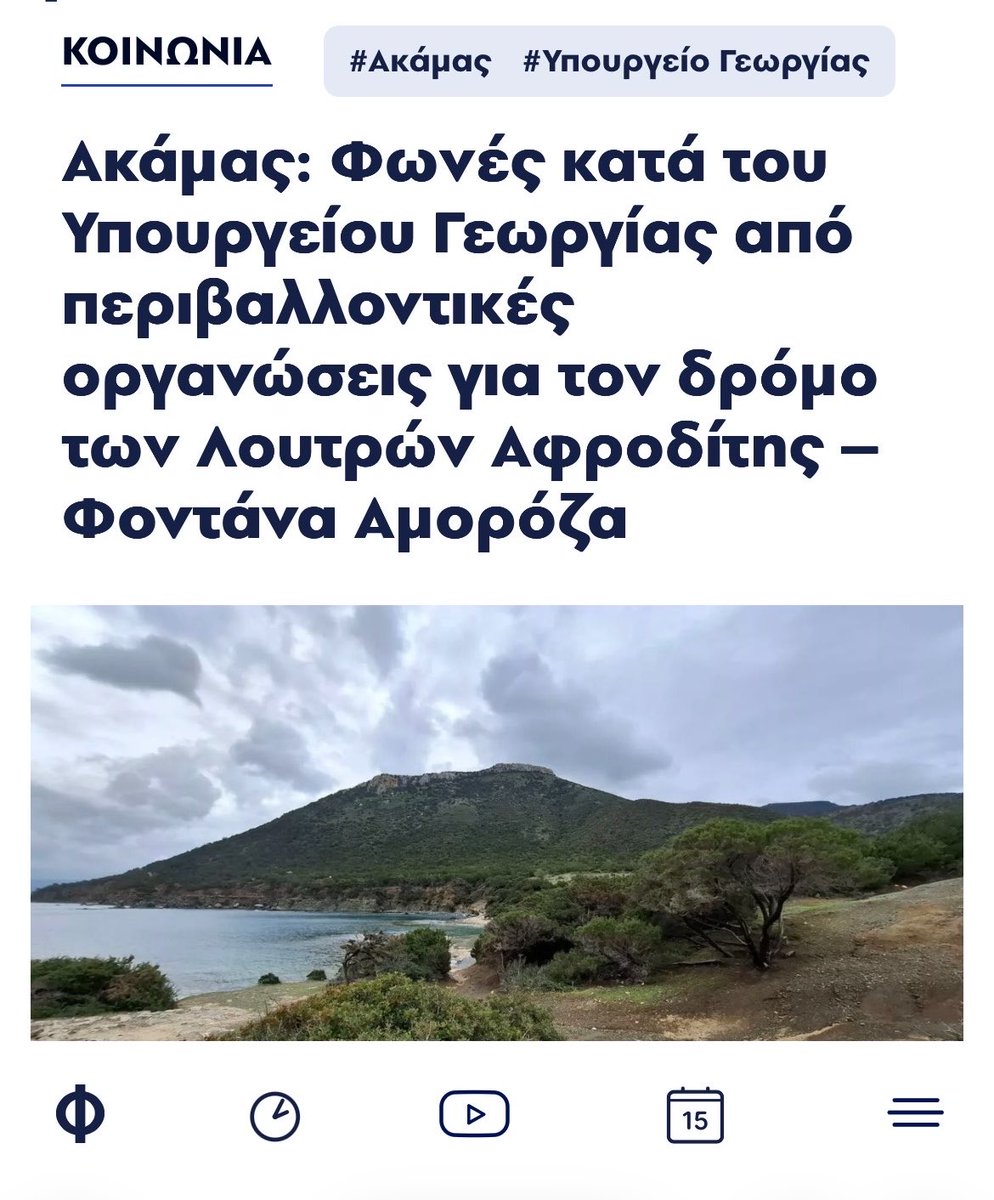
Feb 20
Απολογείστε για την ΤΑΛΑΙΠΩΡΙΑ ΤΟΥ ΚΟΙΝΟΥ @riapan82 @DeptOfForests ΓΙΑ ΔΡΟΜΟ που σκοτώνονται ΚΑΘΕ ΧΡΟΝΟ πλάσματα και στην Έκθεση Ειδικής Οικολογικής Αξιολόγησης (ΕΟΑ) για το Σχέδιο Αειφόρου Ανάπτυξης ΕΔΠ Ακάμα, προβλέπεται ρητά ότι ο δρόμος Λουτρά Αφροδιτης – Φοντάνα Αμοροζα 👇
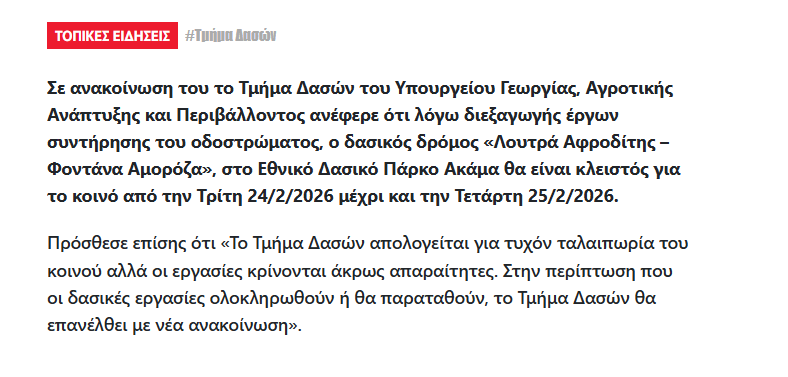
4
21
1,887