Consultant cardiac electrophysiologist, Golden Jubilee National Hospital and Glasgow Royal Infirmary. Honorary professor, @UofGlasgow. Amateur percussionist.
Joined April 2020
- Tweets 3,189
- Following 698
- Followers 1,537
- Likes 11,013
273 Photos and videos
Pinned Tweet

13 Jun 2021
13 Jun 2021

This week is #WorldHeartRhythmWeek! Consultant Cardiologist Derek Connelly talks about the importance of checking your pulse and understanding how to #KnowyourPulseToKnowYourHeartRhythm - It could save your life! #TeamJubilee
3
3
33
Jun 12
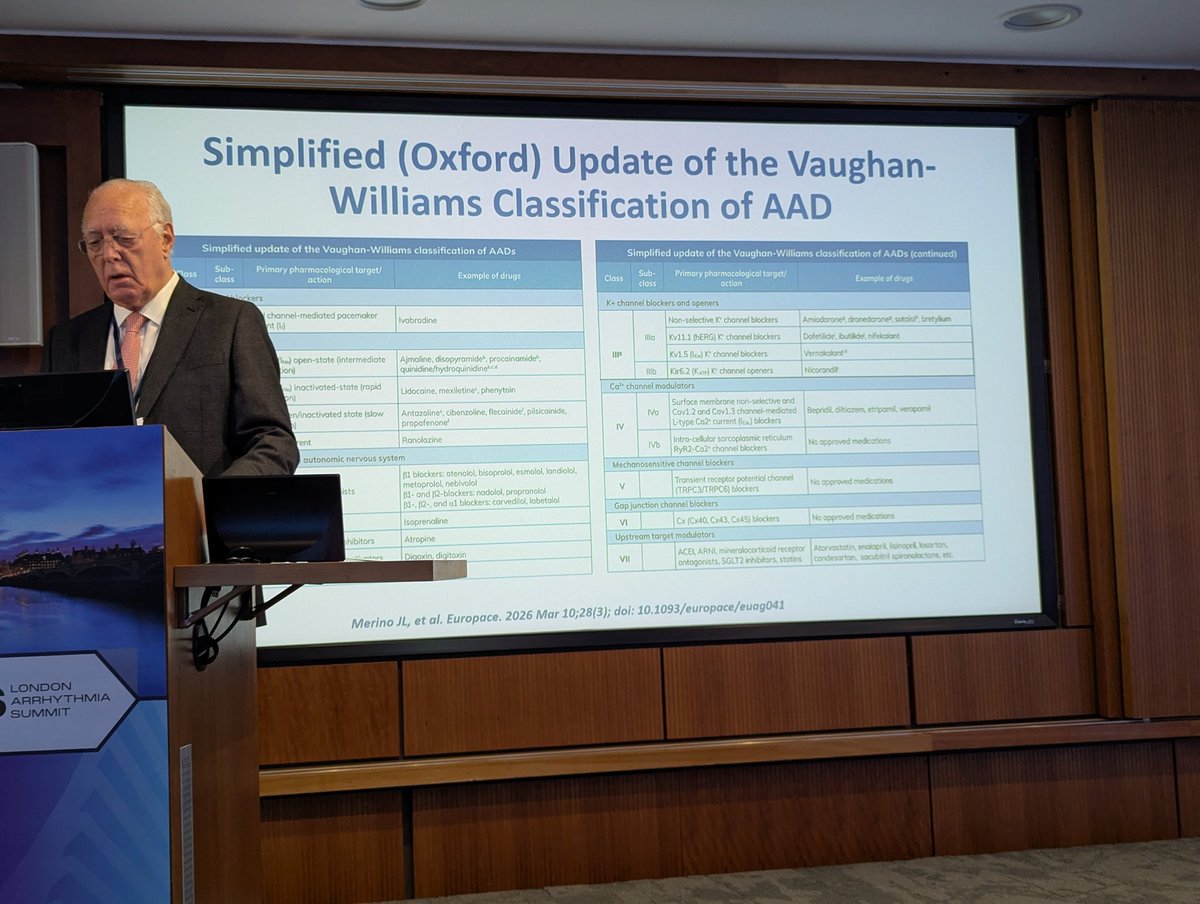
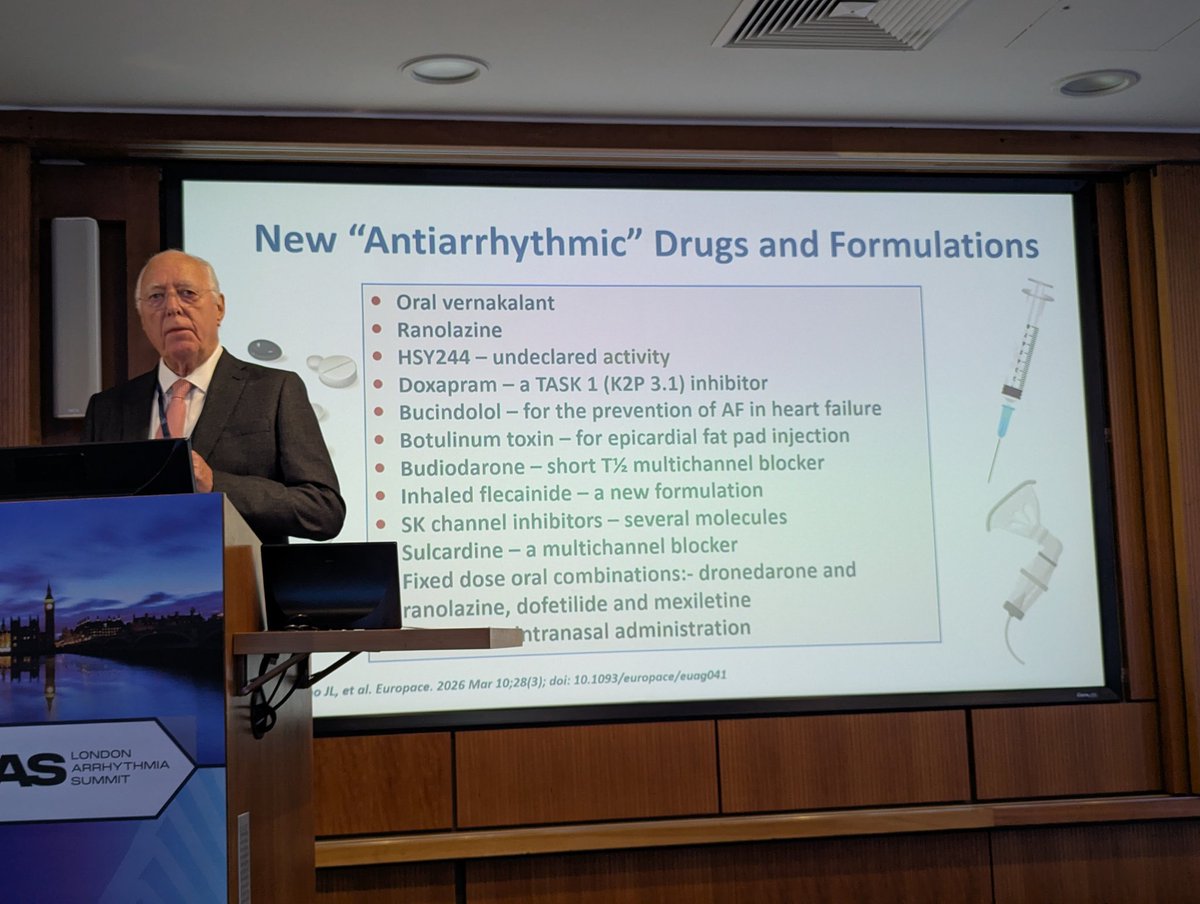
Prof John Camm gives an expert assessment of the new EHRA document on use of antiarrhythmic drugs & still the mainstay of treatment for the majority of our patients. #las2026
1
1
162
Jun 12
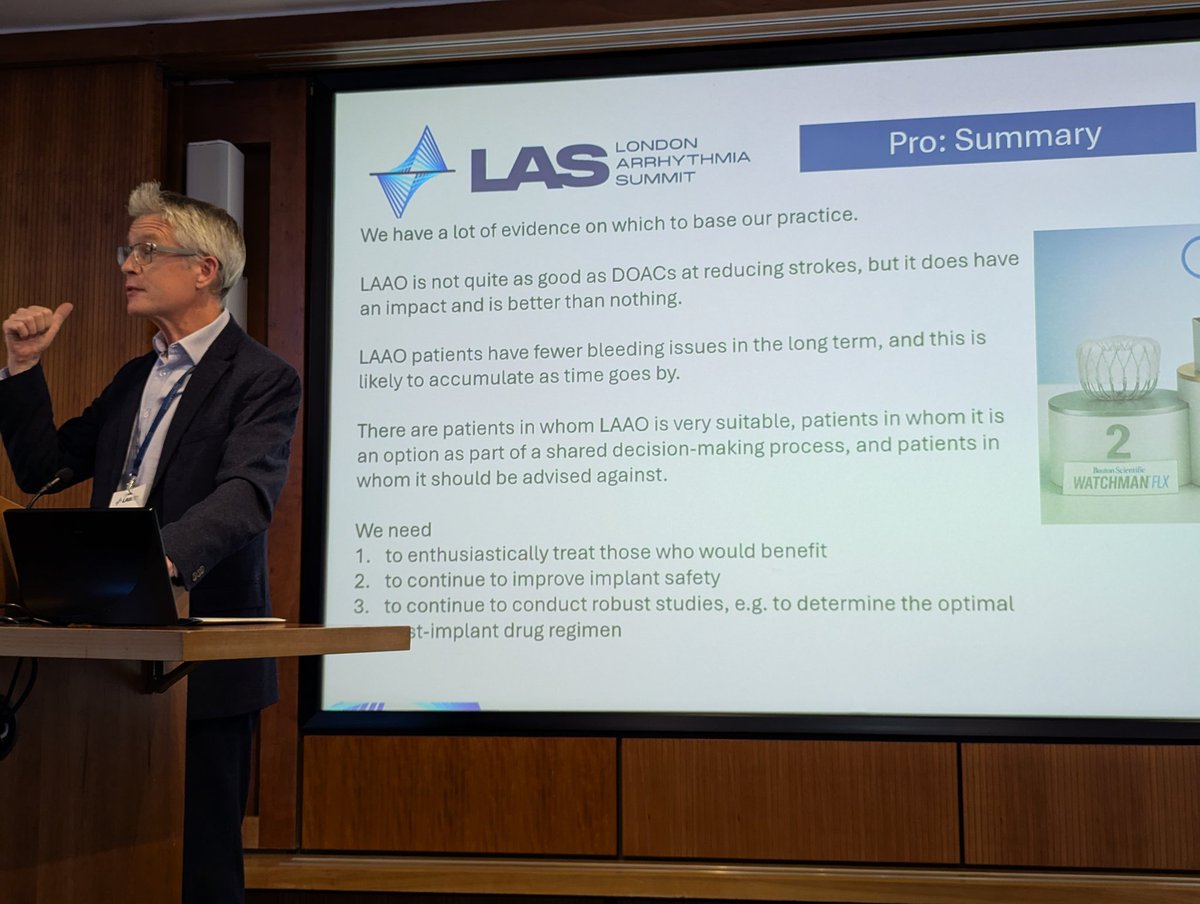
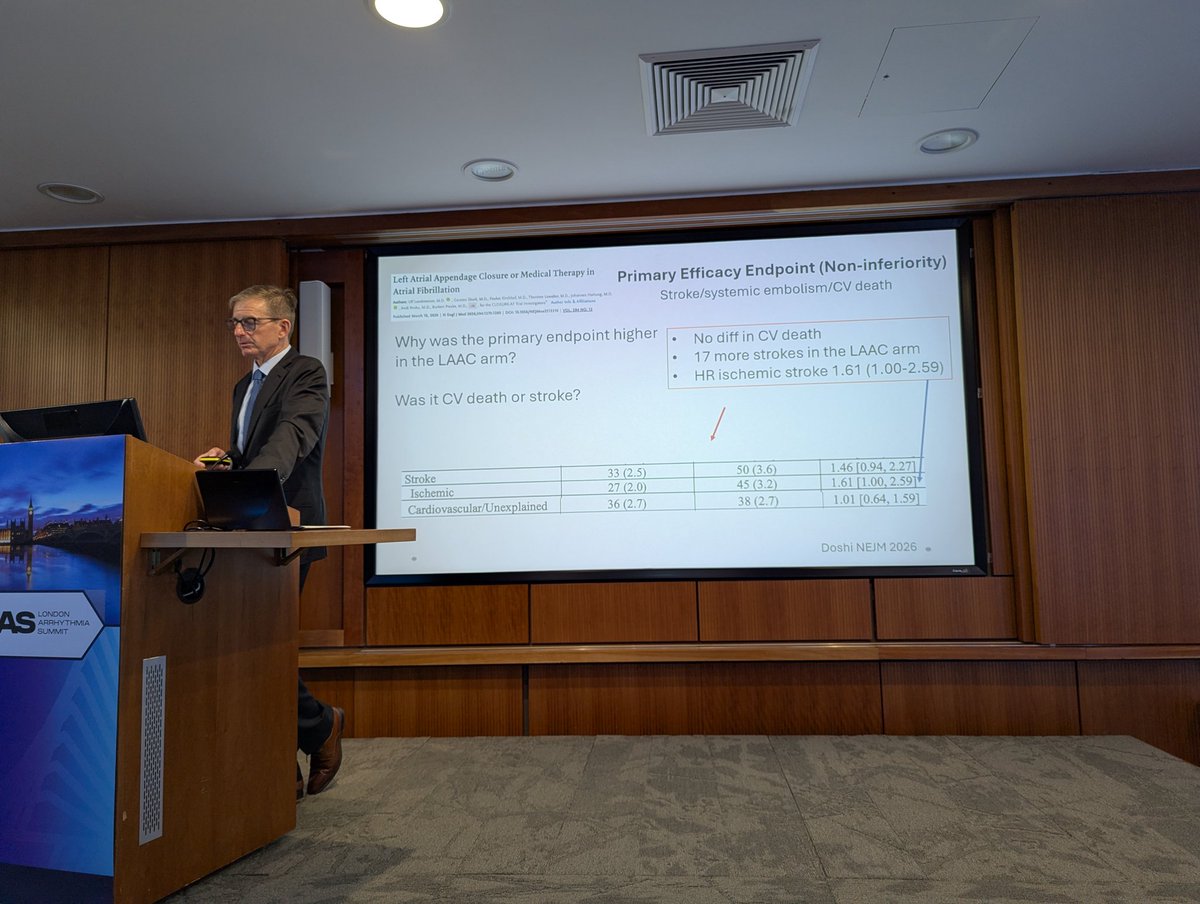
The great debate at #las2026 - left atrial appendage closure: expanding evidence or expanding enthusiasm? A winning argument by @drjohnm and a very balanced and considered rebuttal by Tim Betts. More agreement than disagreement! @ShouvikHaldar @MillbrookMed
6
6
2,306
Jun 12
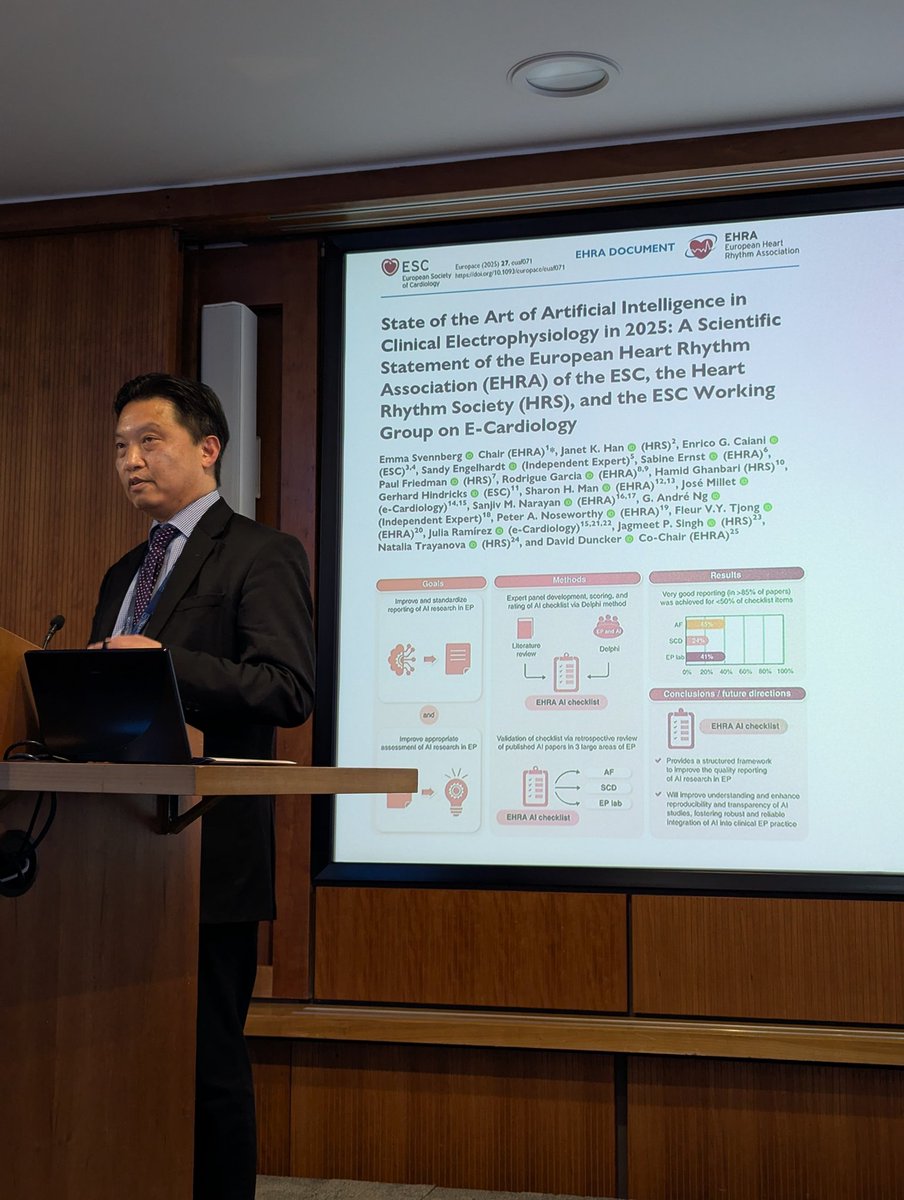
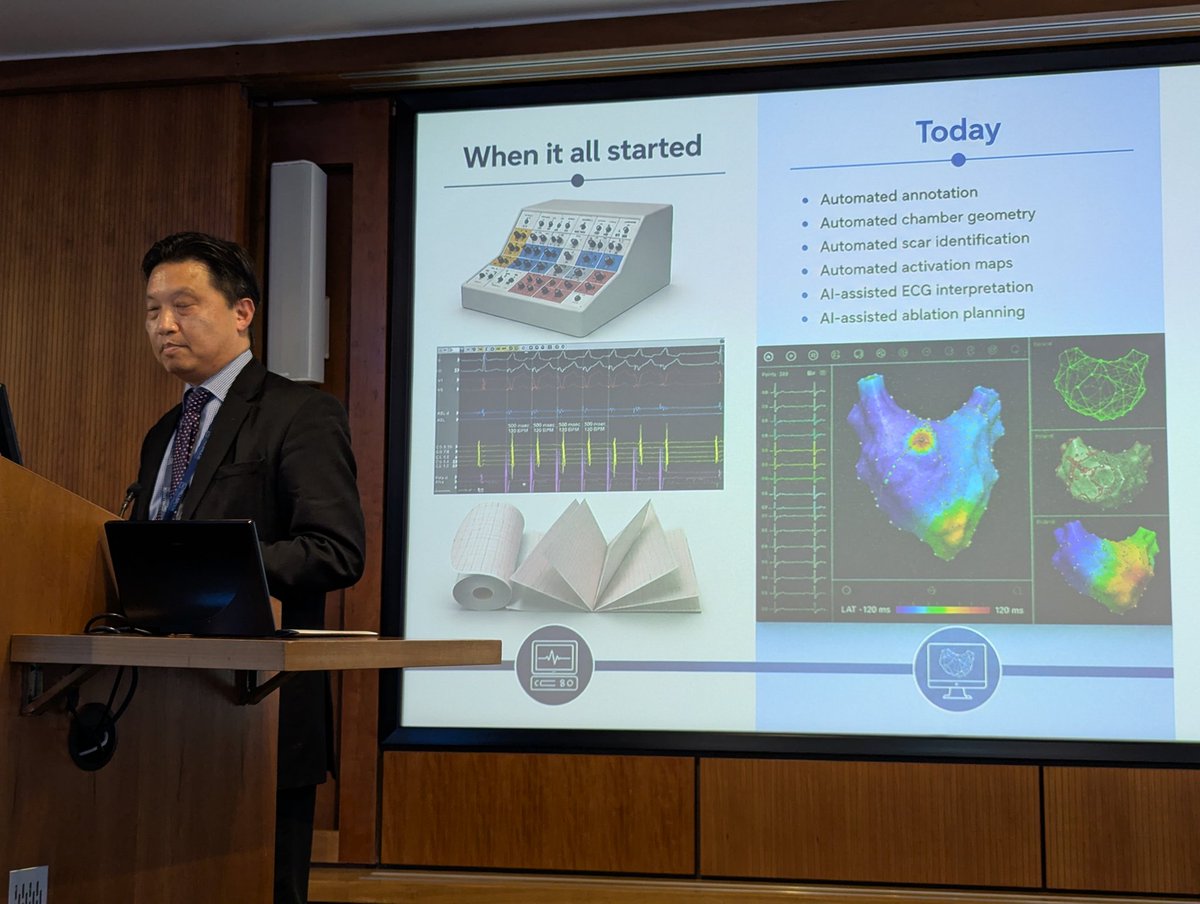
Excellent review of #AI in electrophysiology by @g_andre_ng today at #LAS2026 . A stimulating presentation!
1
1
169
Jun 12
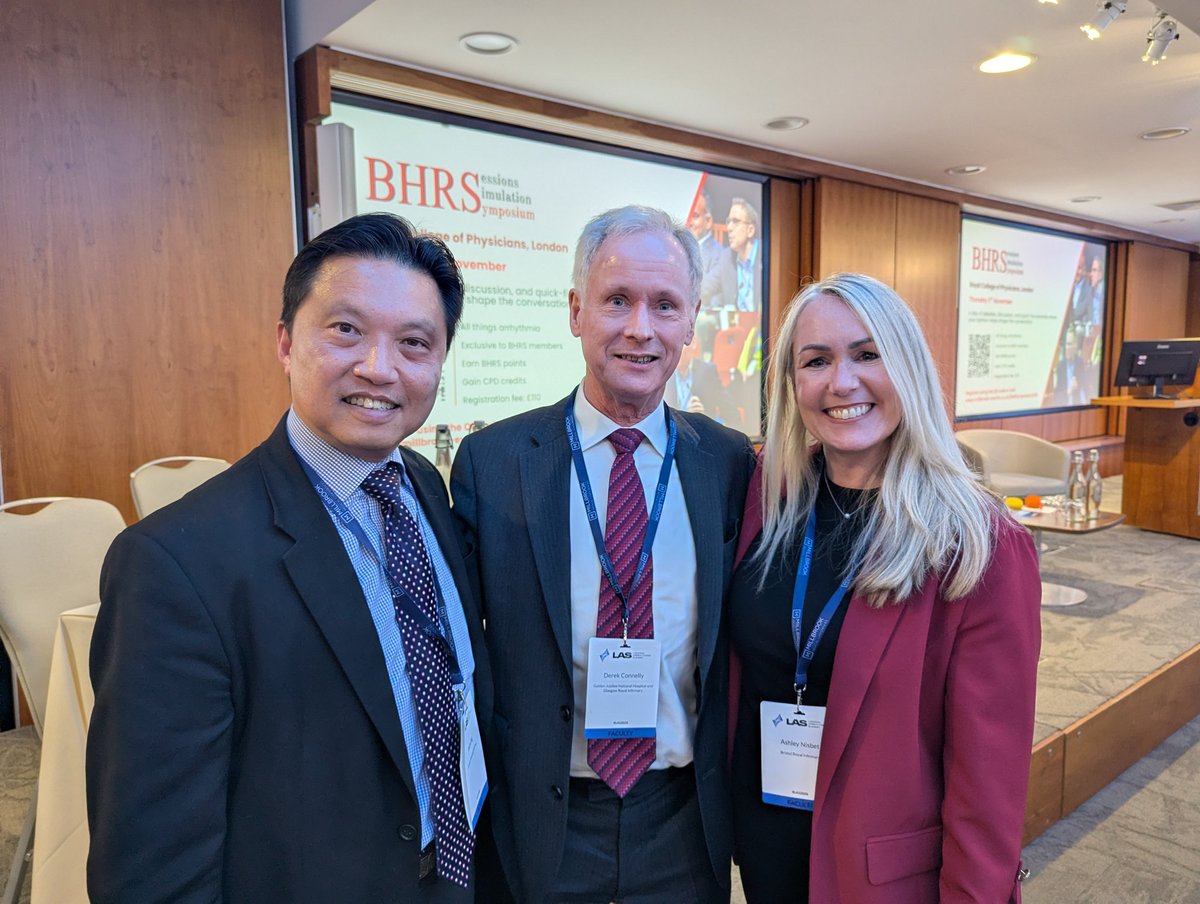
Catching up with friends (and ex Glasgow EP trainees) @drashnisbet and @g_andre_ng at #las2026 today. Excellent conference - congratulations to @ShouvikHaldar , @MillbrookMed and all the faculty!
3
6
581
Derek Connelly retweeted

Jun 12
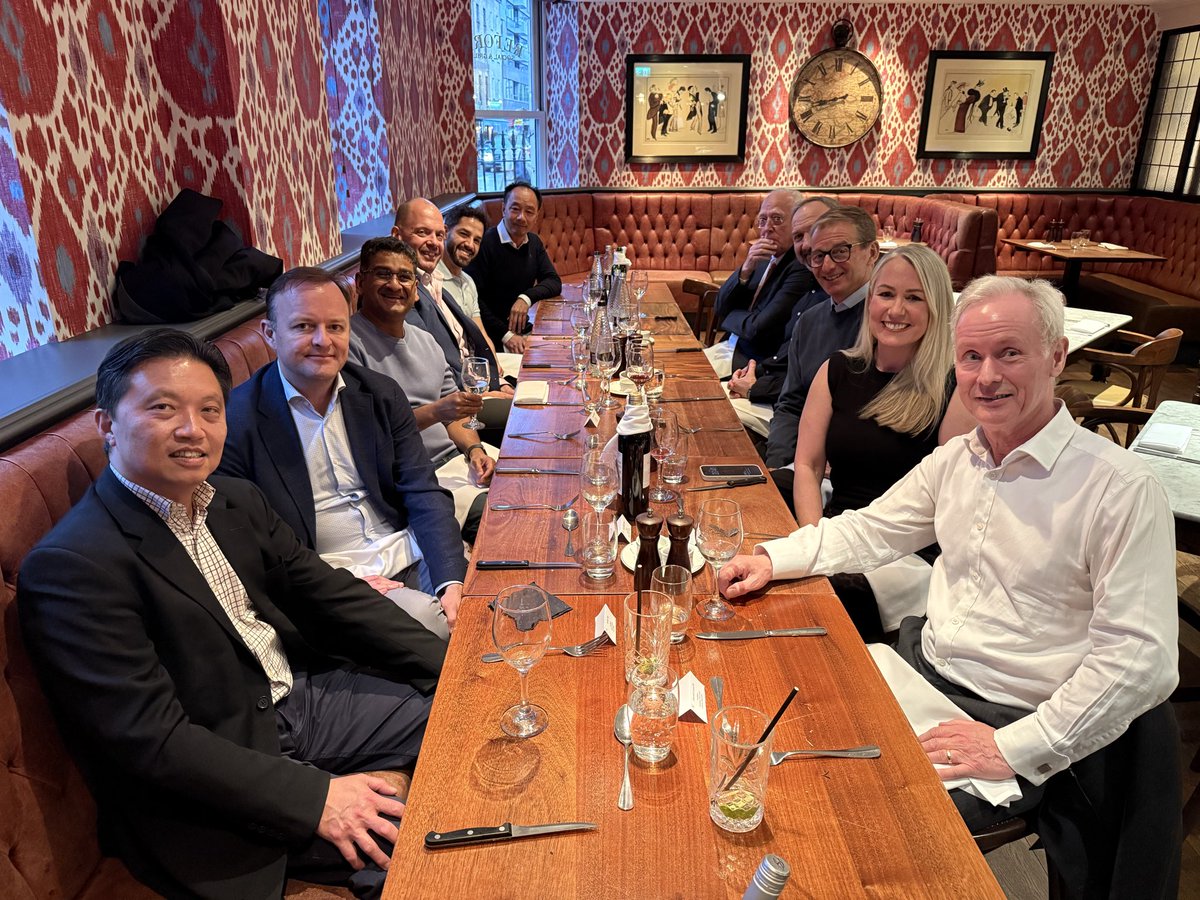
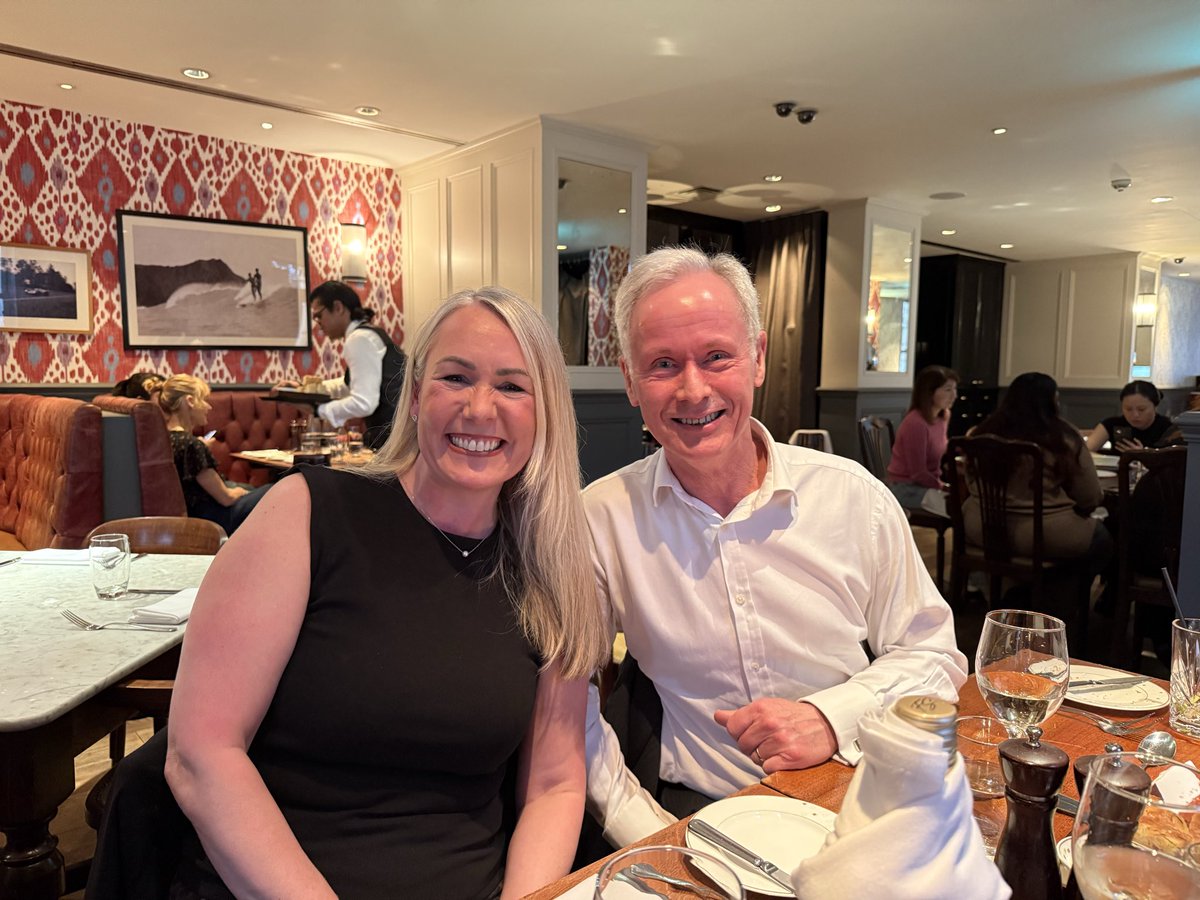
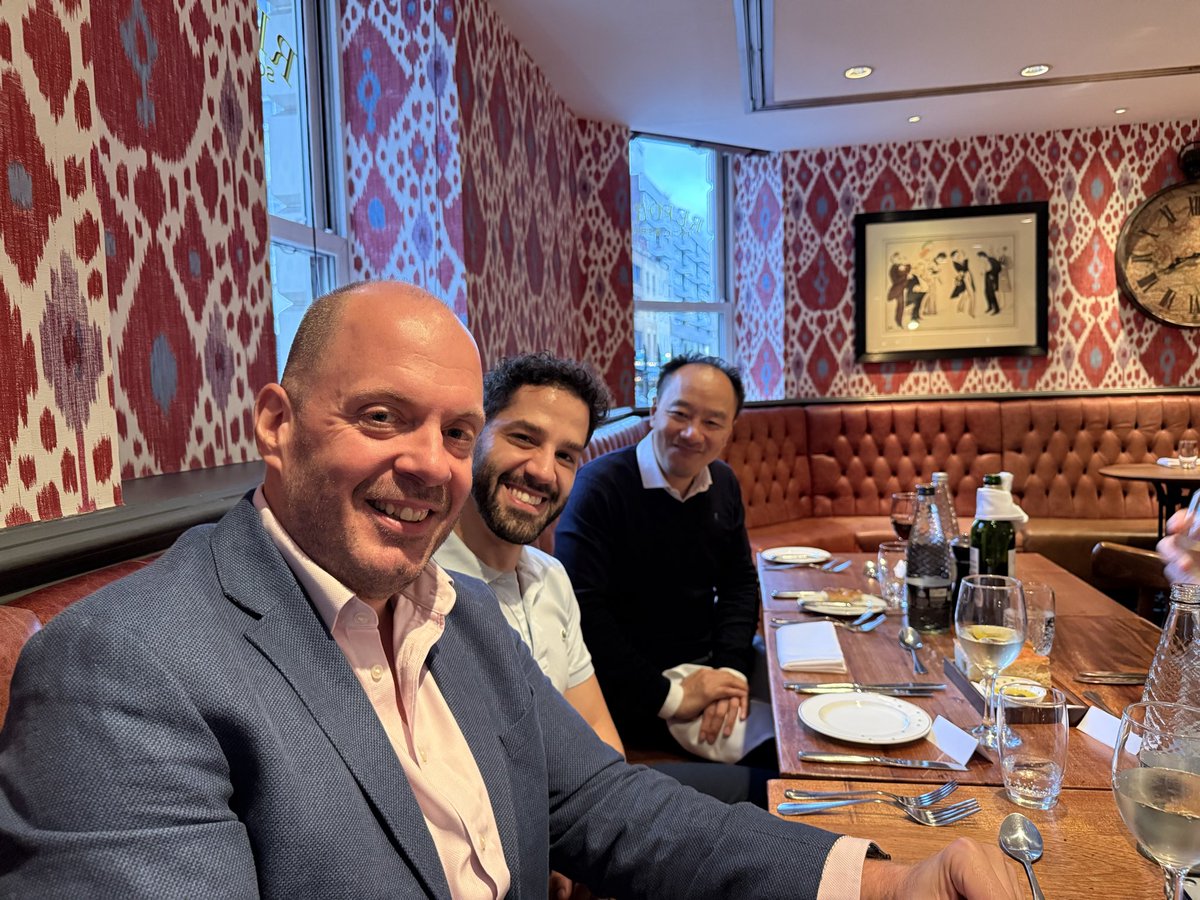
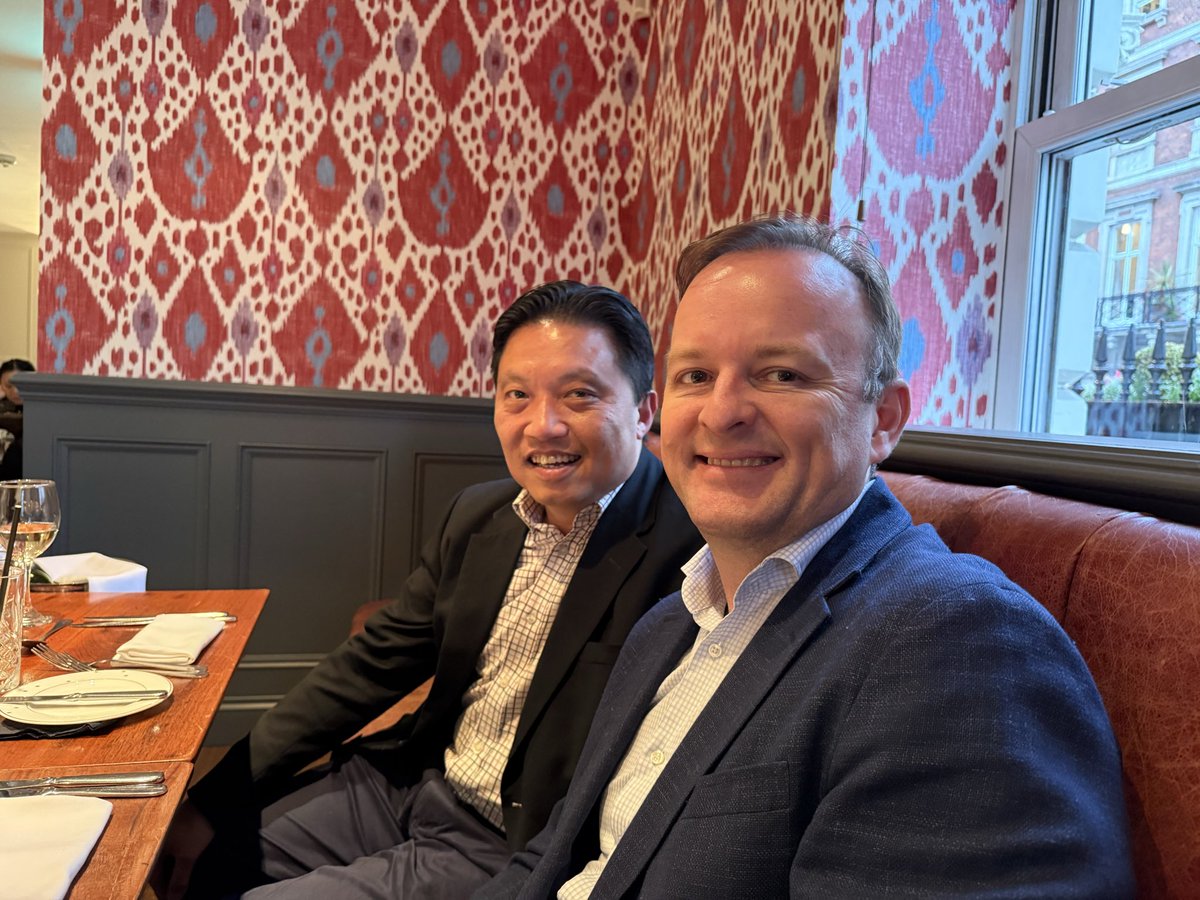
The stage is set.
Faculty dinner ahead of #LAS2026 with experts joining us from across the UK, Europe and North America for a day focused on the future of arrhythmia care.
Looking forward to a day of great discussions and science! @drjohnm @ProfDConnelly @JohnSilberbauer @g_andre_ng @DavideFabb amongst many others!
4
5
1,434
Derek Connelly retweeted

London Arrhythmia Summit, 12th June. Come join us!! ...among other interesting topics in EP, we will be debating whether PFA is the answer for VT ablation, is it?? 🤔
➡️Registration link: millbrook-events.co.uk/event…
#EPeeps
3
16
1,422
Derek Connelly retweeted

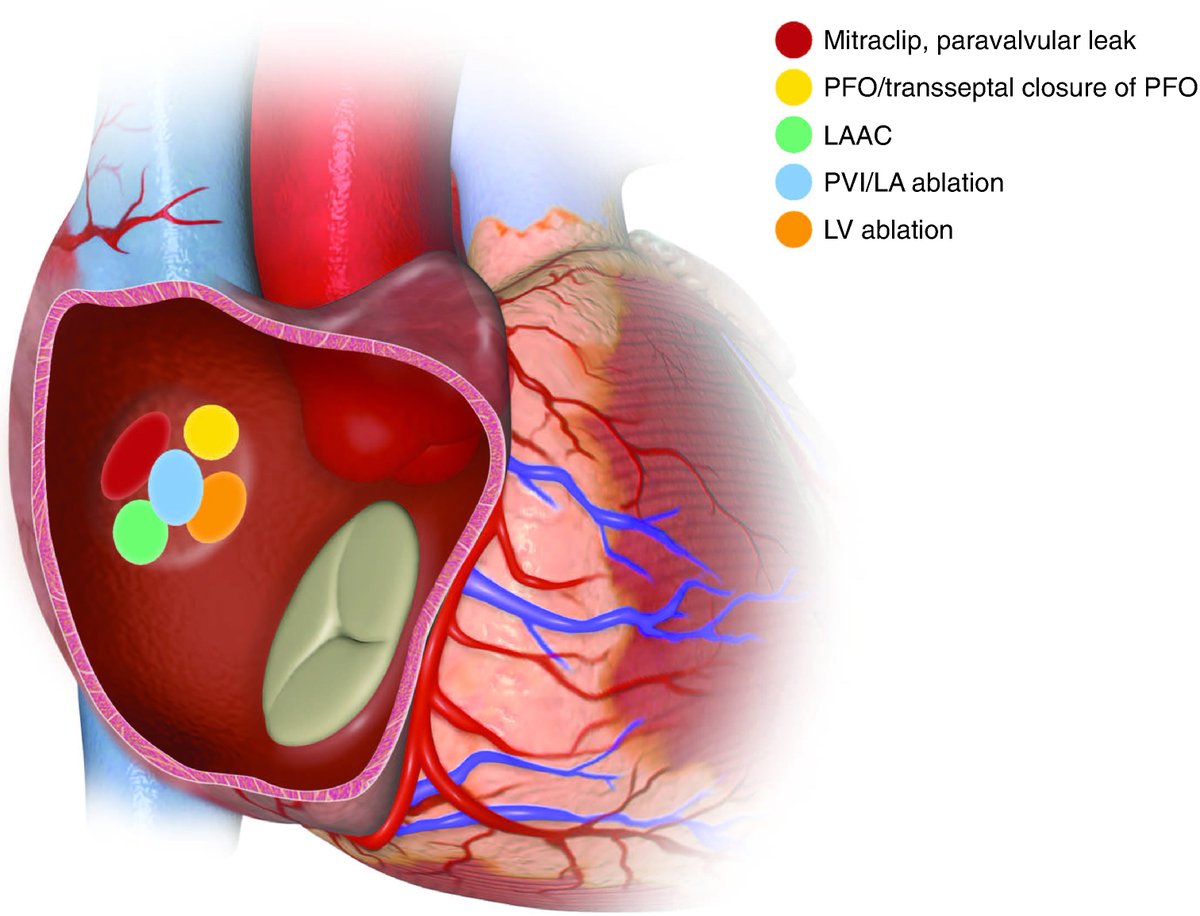
📌Transseptal puncture in cardiovascular interventions: a clinical consensus statement of the European Heart Rhythm Association, the Heart Failure Association, the European Association of Percutaneous Cardiovascular Interventions, the European Association of Cardiovascular Imaging of the ESC, and the Association for European Paediatric and Congenital Cardiology
👉ow.ly/tG3450Z9cPt
@EuropaceEiC @GiulioConteMD @Dominik_Linz @FraSantoroMD @AndyZhangMD @marcovitoloMD @DavideMei93 #Europace #arrhyhtmias
2
55
137
13,864
Derek Connelly retweeted

"LAS was created to be the meeting we would want to attend ourselves"
— Dr Shouvik Haldar, Course Director
3 days to go. Registration closes Thursday noon.
Friday 12 June · London · Under £100.
londonarrhythmiasummit.com/
5
4
1,207
Derek Connelly retweeted

Sir William Osler, 1849-1919, renowned as the father of modern medicine, famously instructed medical students to: "Listen to your patient, he is telling you the diagnosis." It's a simple dictum, but the foundation of the way Osler revolutionised healthcare by insisting that doctors step away from their desks and focus on their patients.
Everyone longs for functioning, joined-up NHS IT, @jamesmurray_ldn (though not via Palantir) - but to suggest, as you have in this post, that history-taking is a tedious irrelevance is to completely misunderstand the nature of medicine. That first conversation between doctor and patient is a close, shrewd, vital therapeutic encounter. As we listen, we observe, appraise, distil. Invariably, the diagnosis can be made. But history-taking, like the rest of medicine, is the marriage of science with humanity. It treats patients as people, not as objects with disease. Through your time, care and attentiveness in history-taking, you communicate something vital to a patient - that they matter and that you care.
Please never forget that healthcare is not a production line of objects, it's an enterprise built on relationships, with humanity at its core. Medical history-taking is its bedrock.
Jun 1

I know how distressing it is for patients to repeat their medical history over and over.
And the effort it takes for NHS staff to get the information they need.
We'll join up this fragmented system, helping clinicians give safer, co-ordinated care.
16
93
250
25,403
Derek Connelly retweeted

May 22
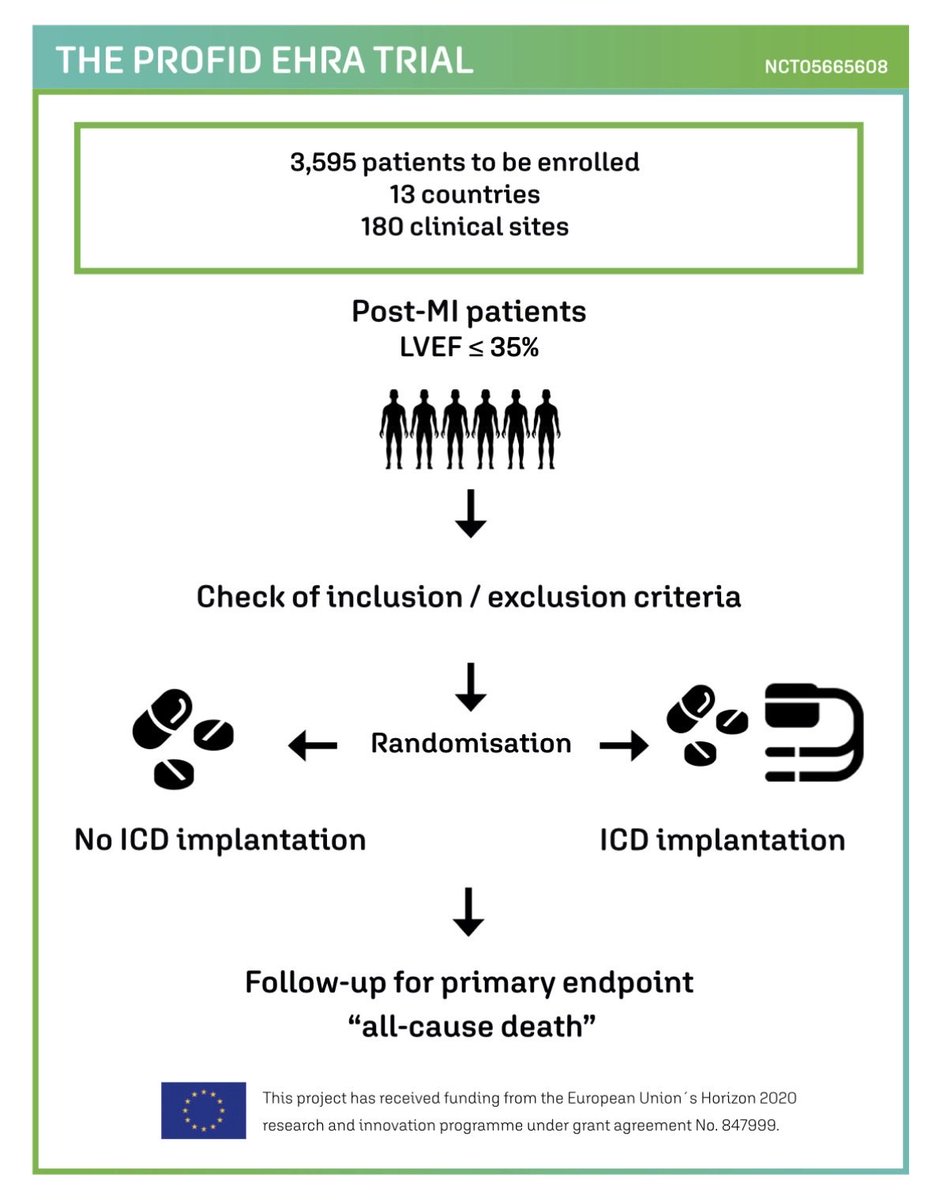
Encouraging all NHS Trusts to participate in the PROFID-EHRA randomised clinical trial testing the effectiveness of primary prevention ICD after #heartattack in severe #heartfailure on optimised pharmacotherapies.
Contact me if you would like to join.
7
24
48
33,319
Derek Connelly retweeted
Is AI replacing EP thinking in mapping and ablation? Session 5 at LAS tackles the question directly.
Prof. André Ng, Prof. Paul Friedman & Prof. Sana Al-Khatib on where the technology is actually going — and what it means for how you practice.
londonarrhythmiasummit.com/
1
2
74
Derek Connelly retweeted
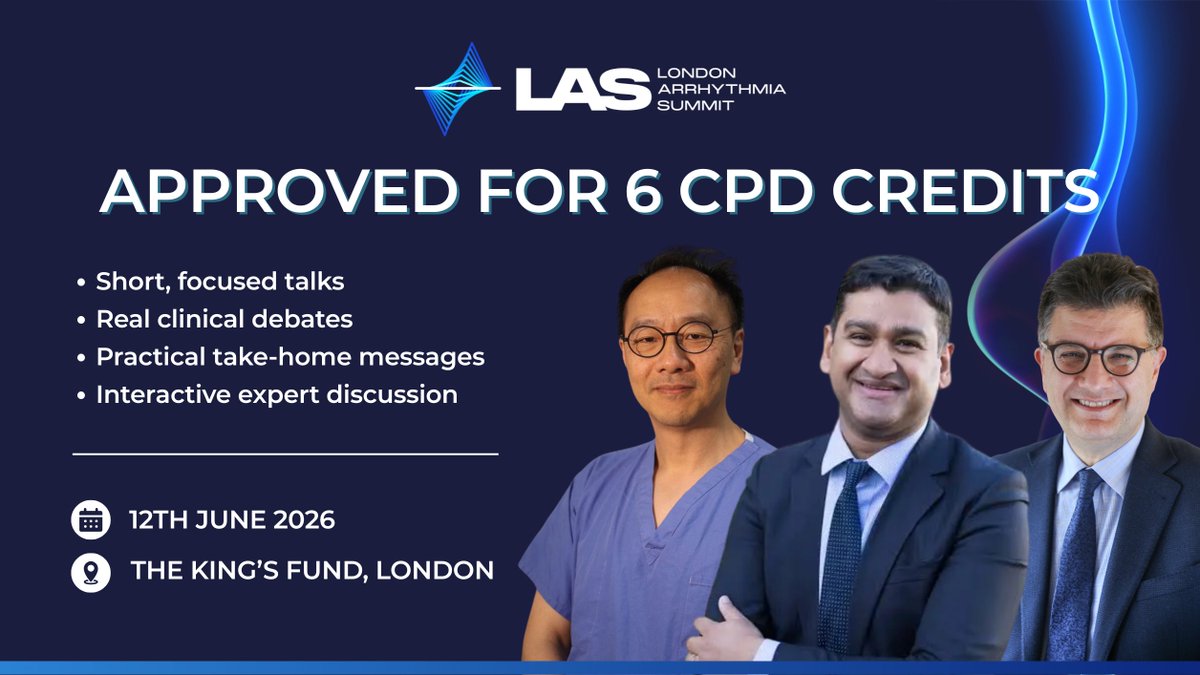
LAS 2026 approved for 6 CPD credits!
Join us for a focused, one-day update in arrhythmia and pacing featuring:
✔️ Practical clinical decision-making
✔️ Expert debate
✔️ Interactive discussion
✔️ Short, high-yield talks
Register: londonarrhythmiasummit.com/
2
2
110
May 14
This is an excellent thread 🧵 on the comparative effects of warfarin and DOACs on coagulation factors, and the reasons that warfarin is more effective than DOACs in preventing thrombus on mechanical valves...
May 13

1/14
Why can't you use direct oral anticoagulants (DOACs) in patients with mechanical valves (MVs)?
DOACs have been one of the most important advances in my career. And yet, the presence of a MV is one of the few contraindications.
The reason highlights the unique nature of thrombus formation in those with a MV and provides insights into the evolution of human hemostasis.
2
306
Derek Connelly retweeted

May 2
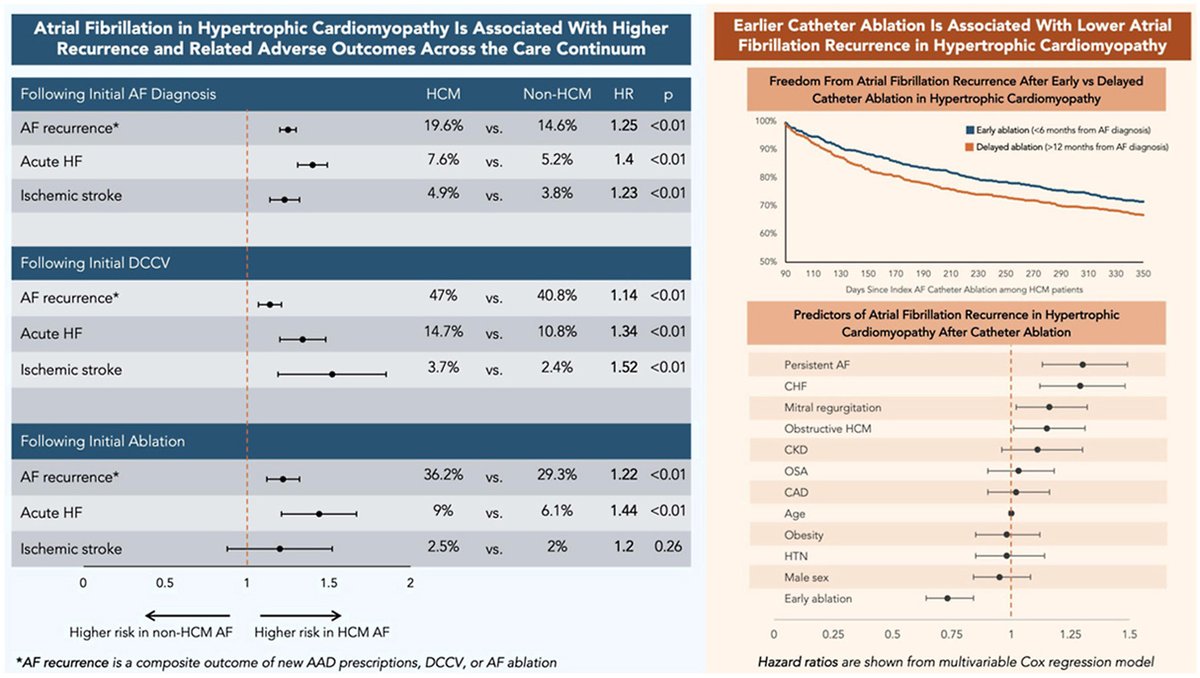
Atrial fibrillation recurrence and outcomes in patients with hypertrophic cardiomyopathy: Insights from a nationwide real-world cohort
@AmroAglanMD @WMCHealth @EthanRowin @LaheyHospital
heartrhythmjournal.com/artic…
1
8
19
1,970
Derek Connelly retweeted
Apr 29
Do not miss out!
If you work in EP, this is the room you want to be in on Friday 12 June.
🌍 World-class faculty
🔥 Unfiltered debates
📊 Practice-changing data
No fluff. No safe opinions. ⚡
#LAS2026
👉 londonarrhythmiasummit.com
@SanaAlkhatib9 @Mel_Gunawardene @ProfDConnelly @g_andre_ng @JohnWhitaker20 @DavideFabb @DocWajidHussain @drjohnm
#LAS2026
👉 londonarrhythmiasummit.com

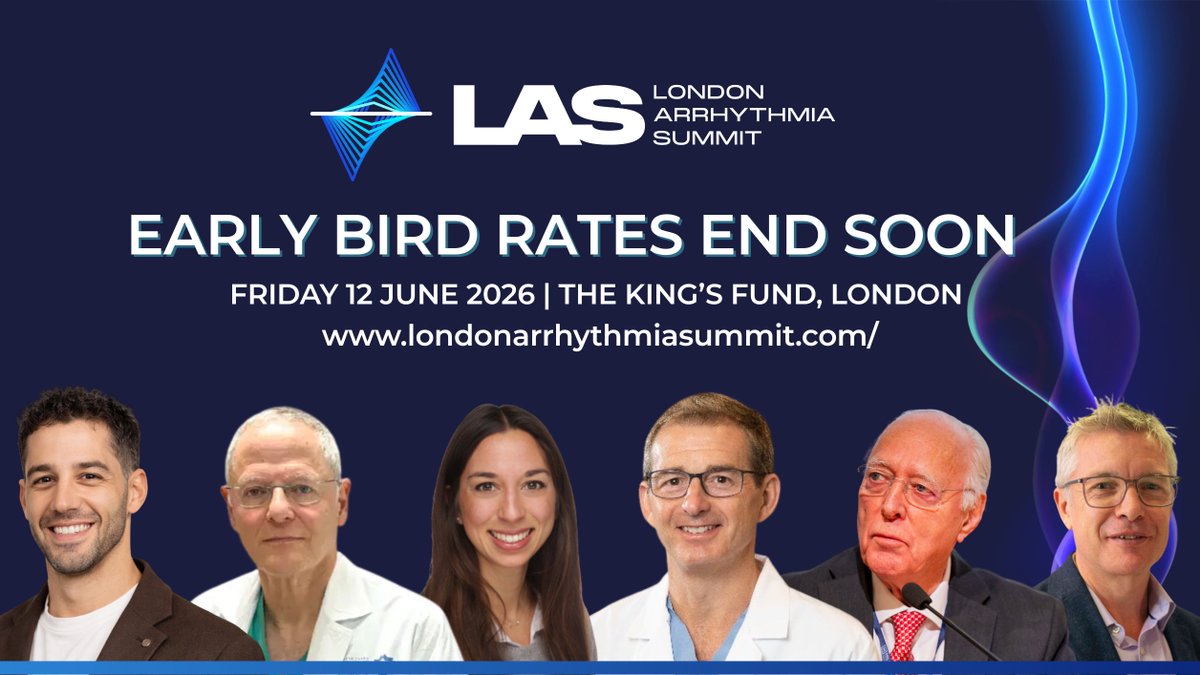
Early Bird ends TOMORROW – #LAS2026
Final chance to save:
Consultants £80
Trainees/AHPs £39
🔥 £1 BHRS places
🔥 50% BJCA discount
londonarrhythmiasummit.com/
2
4
3,014
Derek Connelly retweeted

Apr 18
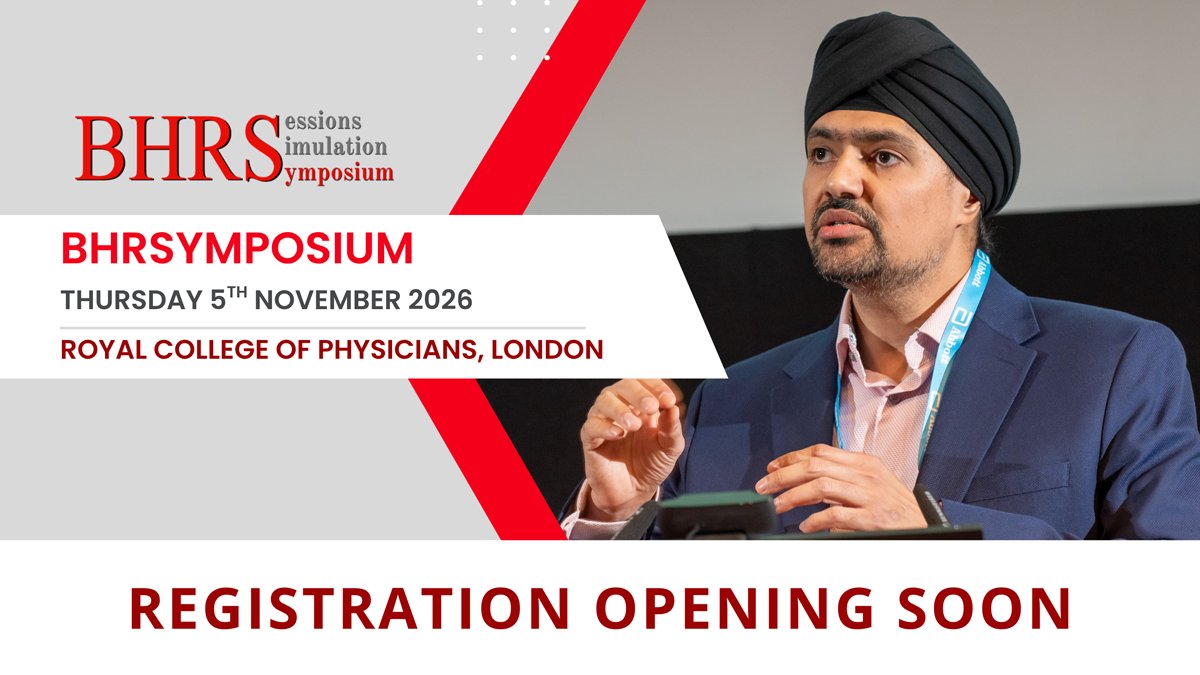
📅 SAVE THE DATE – #BHRSymposium 2026
A full day of arrhythmia-focused debate, discussion & interactive scenarios where your input shapes the conversation.
📍 Royal College of Physicians, London
🗓️ 5 Nov 2026
More details soon 👀
2
3
157

Great news for MVLS 🎉
The University of Glasgow has once again performed strongly in the latest QS World University Rankings by Subject.
We’re particularly proud to see Life Sciences and Medicine ranked in the global top 50, and Anatomy and Physiology in the global top 20
1
3
14
825
Derek Connelly retweeted

29 Dec 2025
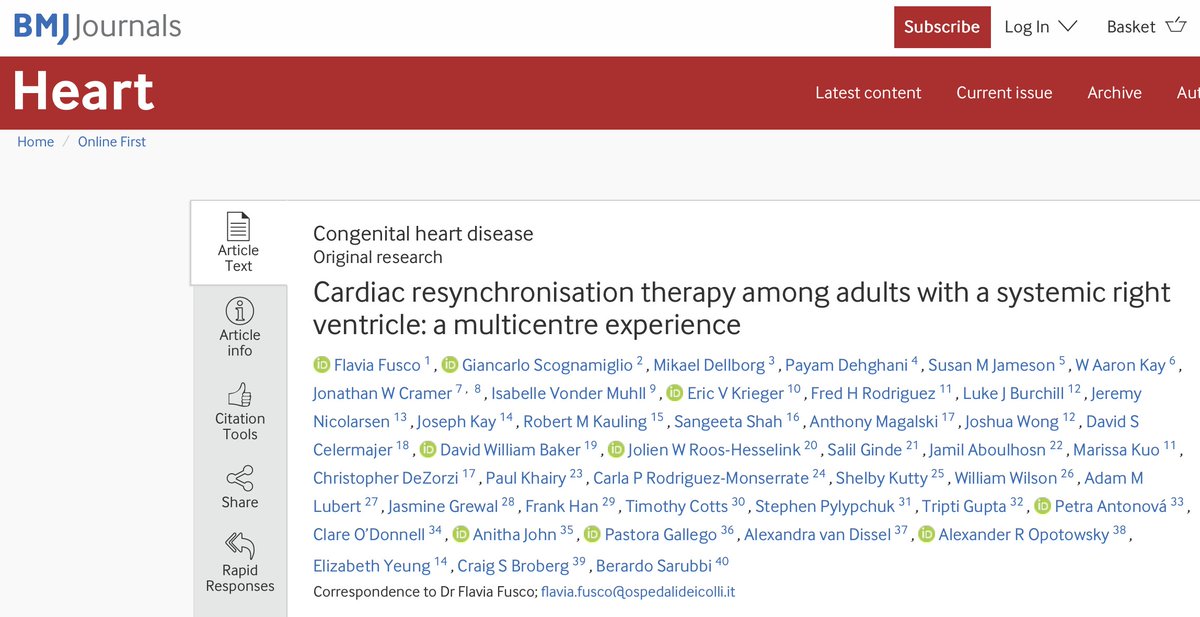
🌍 New insights in cardiac resynchronisation therapy for adults with a systemic right ventricle 💡🫀
A new international multicentre study has just been published, exploring the impact of cardiac resynchronisation therapy (CRT) in adults with a systemic right ventricle (sRV) — a growing and uniquely complex patient population.
📄 Fusco et al., Heart (2025)
🔬 What makes this study remarkable?
This is the largest cohort ever reported, including patients with ccTGA and d-TGA after atrial switch. Thanks to a robust propensity-matched analysis, it provides the strongest real-world evidence to date on CRT in this challenging anatomy.
📉 Key findings
Despite expectations and past small-scale studies, CRT did not improve survival or event-free survival in adults with an sRV. Even after adjusting for confounders, CRT remained associated with worse outcomes, likely reflecting advanced disease stage and suboptimal timing at the moment of implantation.
Moreover, only a minority of patients achieved significant QRS narrowing—highlighting how challenging true resynchronisation can be in this substrate.
⚙️ Why does this matter?
Patients with an sRV face increasing rates of heart failure as they age. Understanding which therapies truly work — and which need refinement — is essential to guide future care. This study underscores the need for:
➡️ Better patient selection
➡️ Earlier identification of candidates
➡️ Optimised pacing strategies adapted to sRV physiology
➡️ Exploration of conduction system pacing (CSP) as a more physiological alternative 🔌✨
🚀 Looking ahead
While CRT, as currently applied, may not deliver meaningful benefit in this population, the field is moving fast. Advances in CSP and refined timing may soon reshape how we approach electrical therapy in adults with congenital heart disease.
🔗 A milestone paper that pushes the field forward and reminds us how essential tailored, anatomy-specific strategies are in ACHD.
#Cardiology #ACHD #SystemicRV #CRT #HeartFailure #CongenitalHeartDisease #Innovation #Research
doi.org/10.1136/heartjnl-202…
1
3
6
755
Derek Connelly retweeted
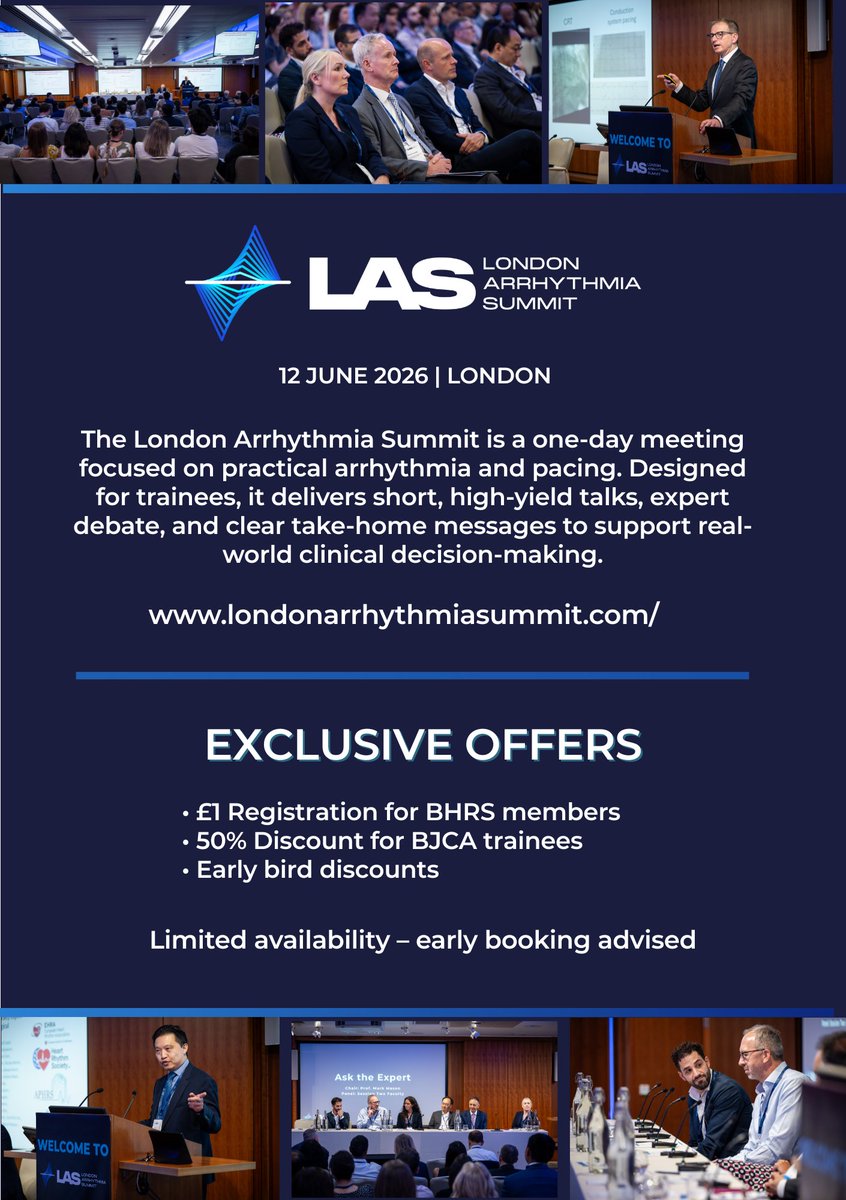
Trainees — this one’s for you
🎟 £1 BHRS places
🎟 50% off BJCA trainees
🎟 Early bird rates
One day. Real-world arrhythmia & pacing.
Limited places — first come, first served
londonarrhythmiasummit.com/
2
3
208