
Assistant Professor at UC Berkeley
- Tweets 1,187
- Following 665
- Followers 3,003
- Likes 4,530


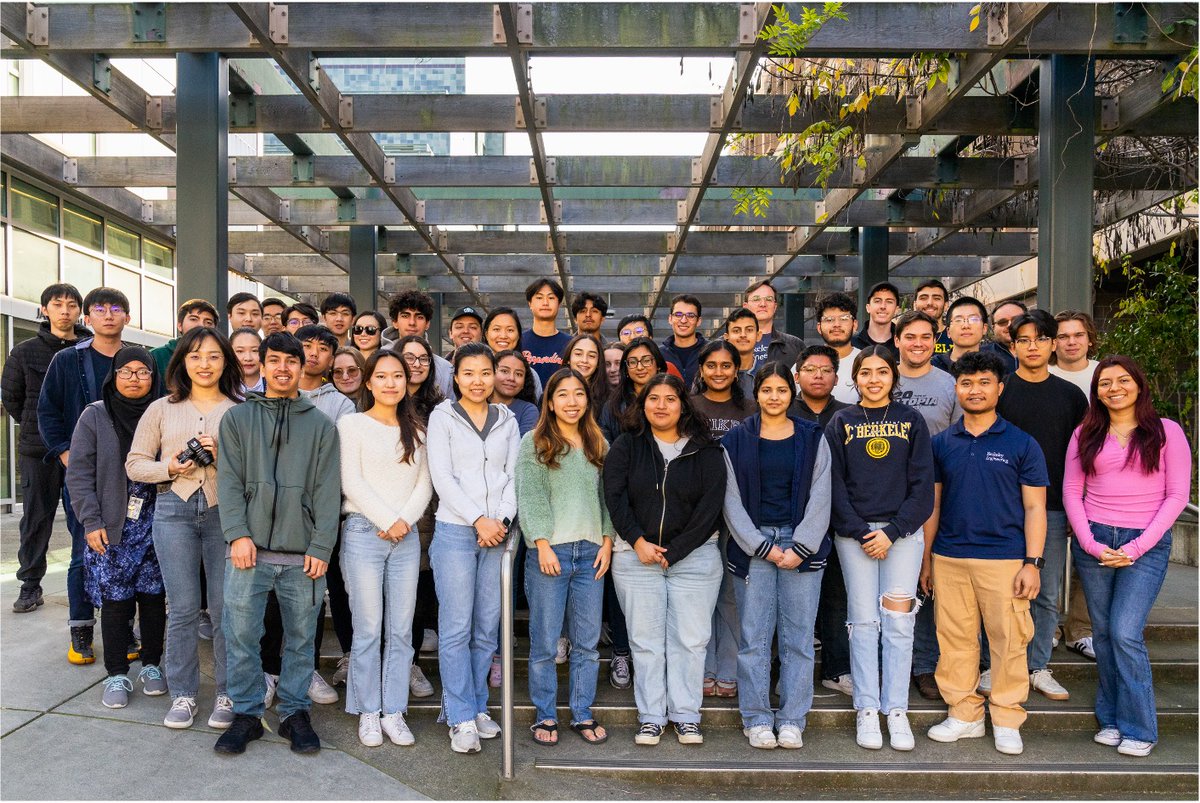


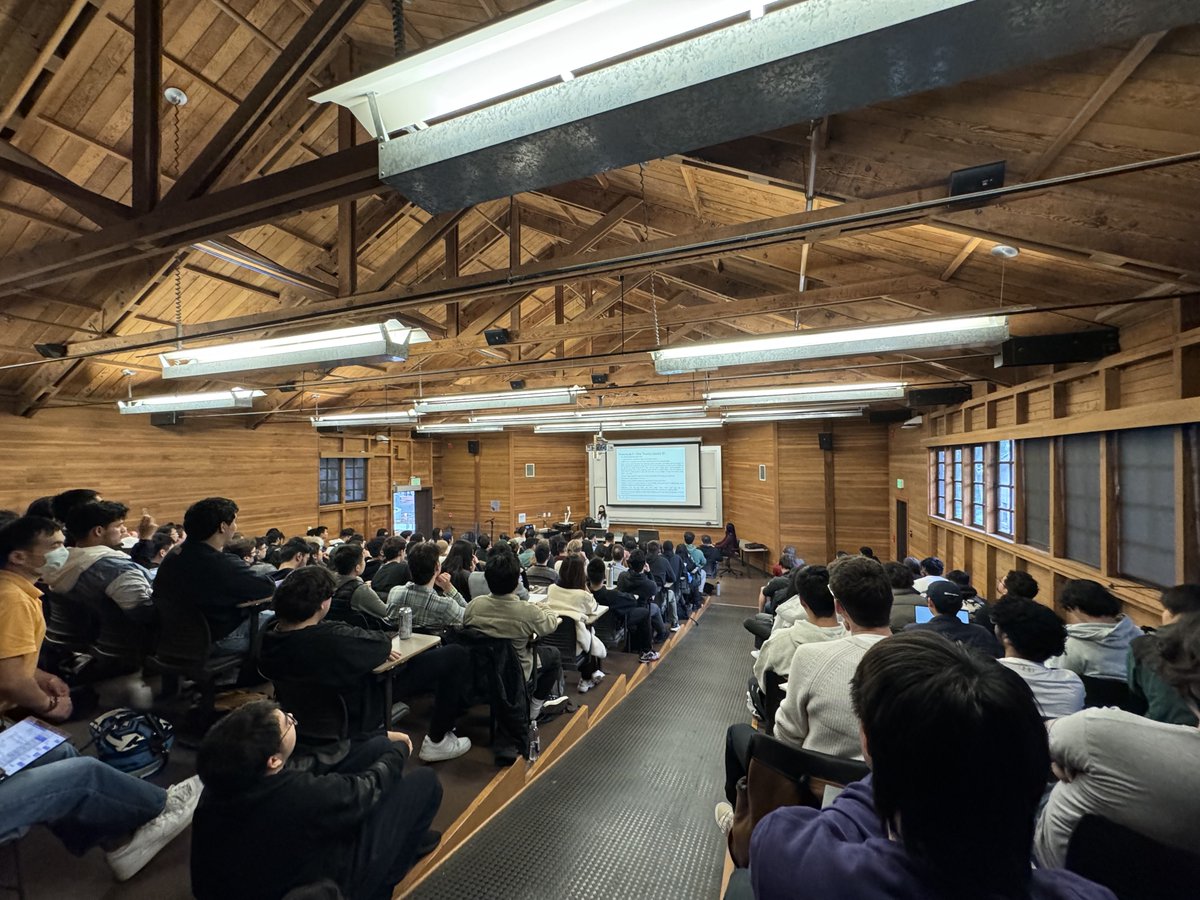








ALT A headshot of Gu. (Photo by Adam Lau/Berkeley Engineering)

ALT Three students smiling at a work station. (Photo by Adam Lau / UC Berkeley Engineering)
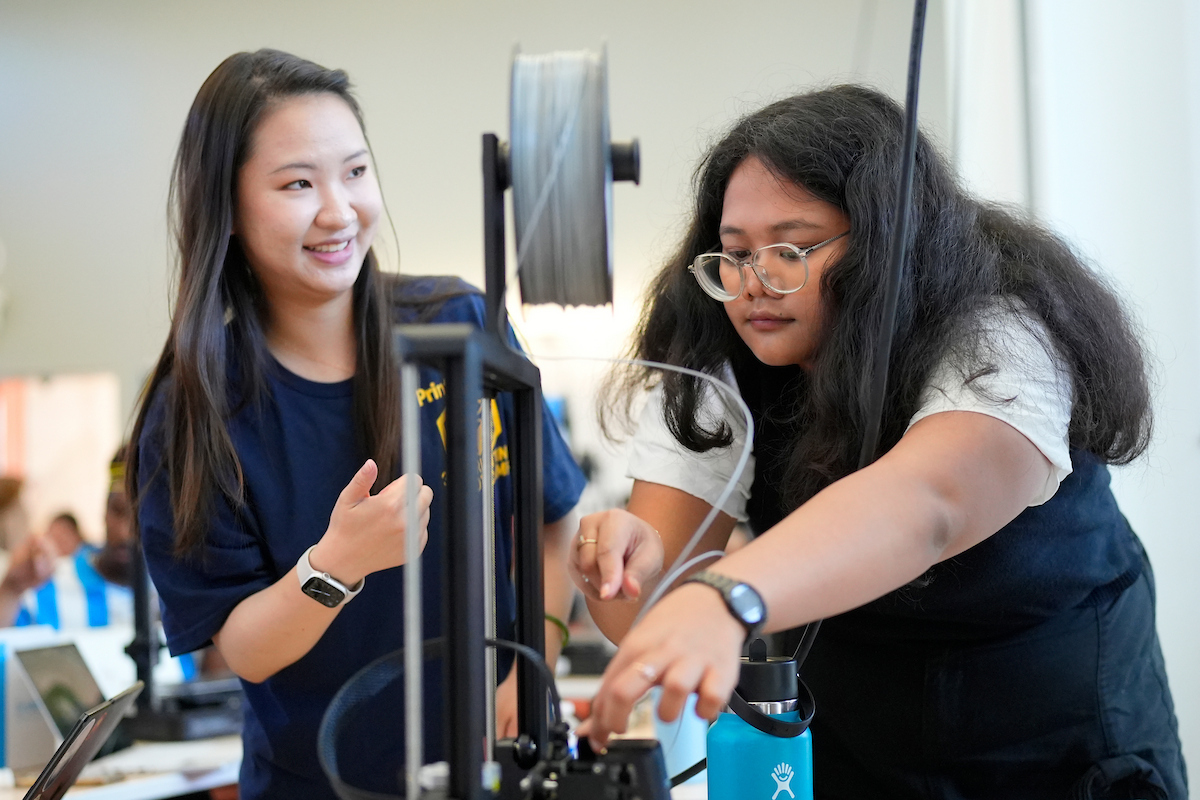
ALT Two students arrange the filament. (Photo by Adam Lau / UC Berkeley Engineering)
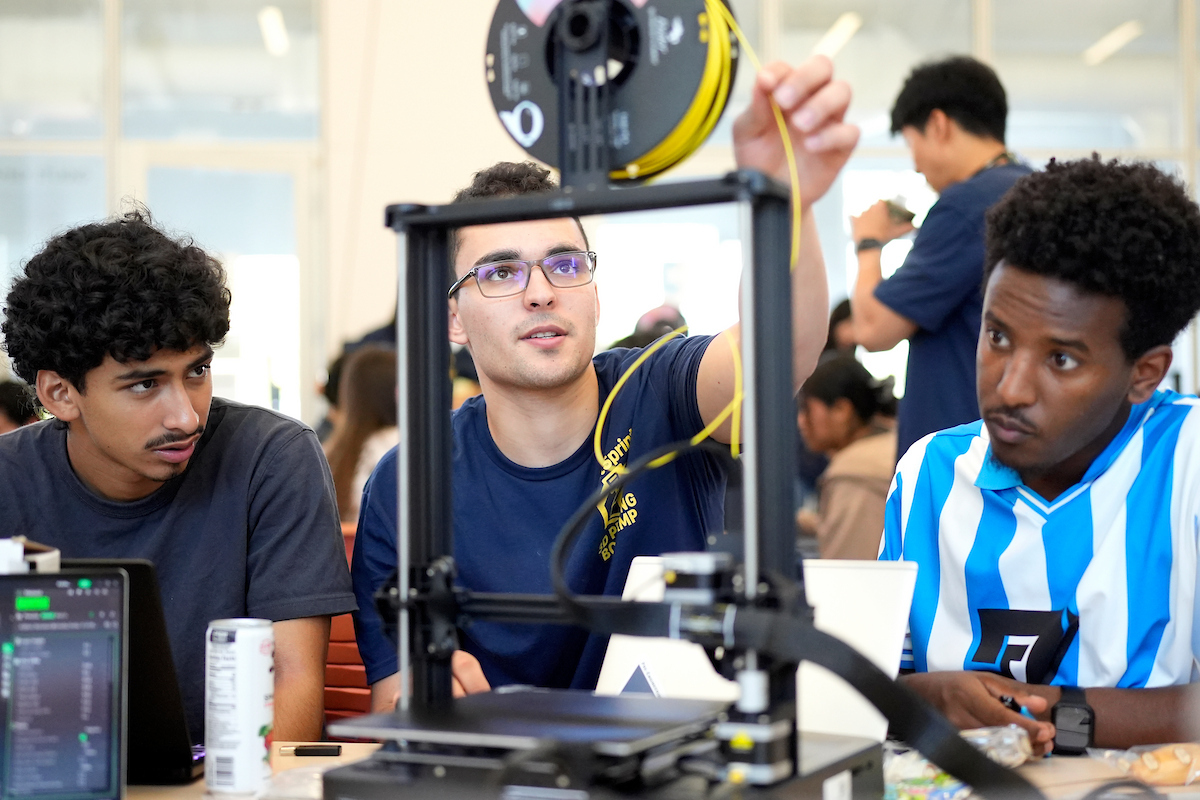
ALT Three students sit at a table, as the middle participant reaches for the filament. (Photo by Adam Lau / UC Berkeley Engineering)
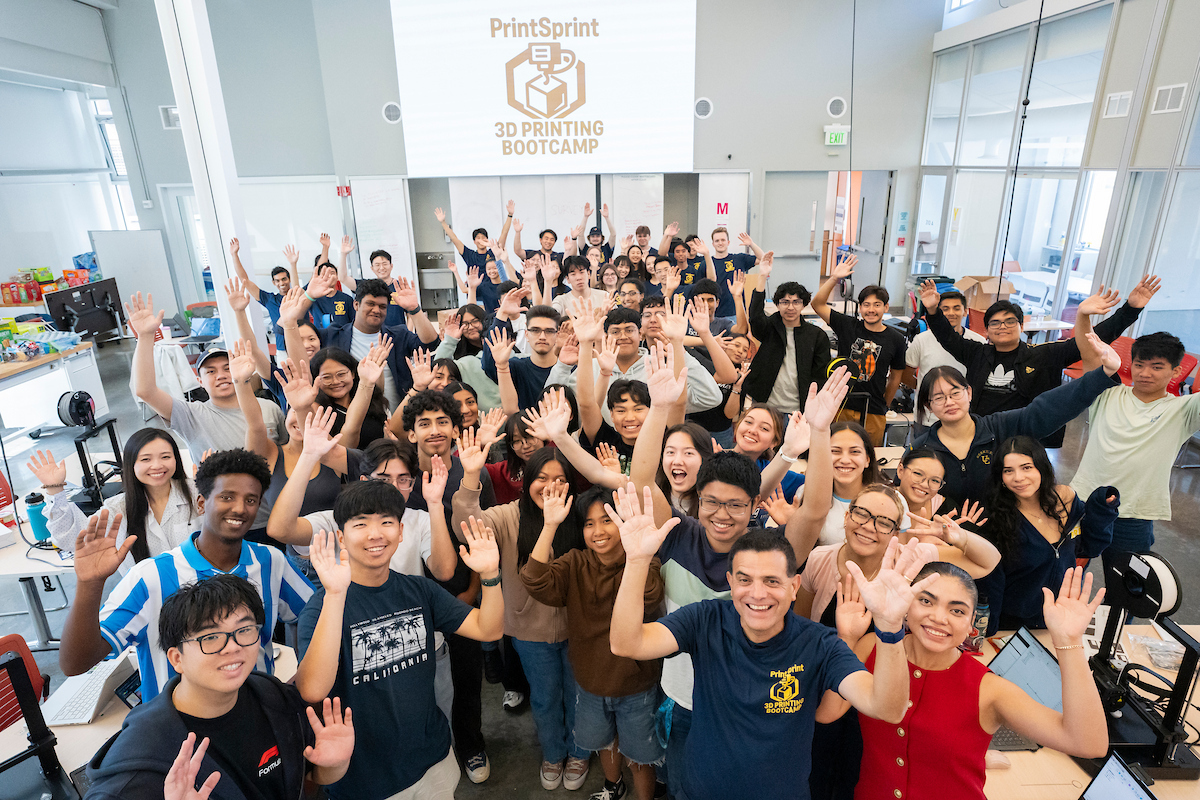
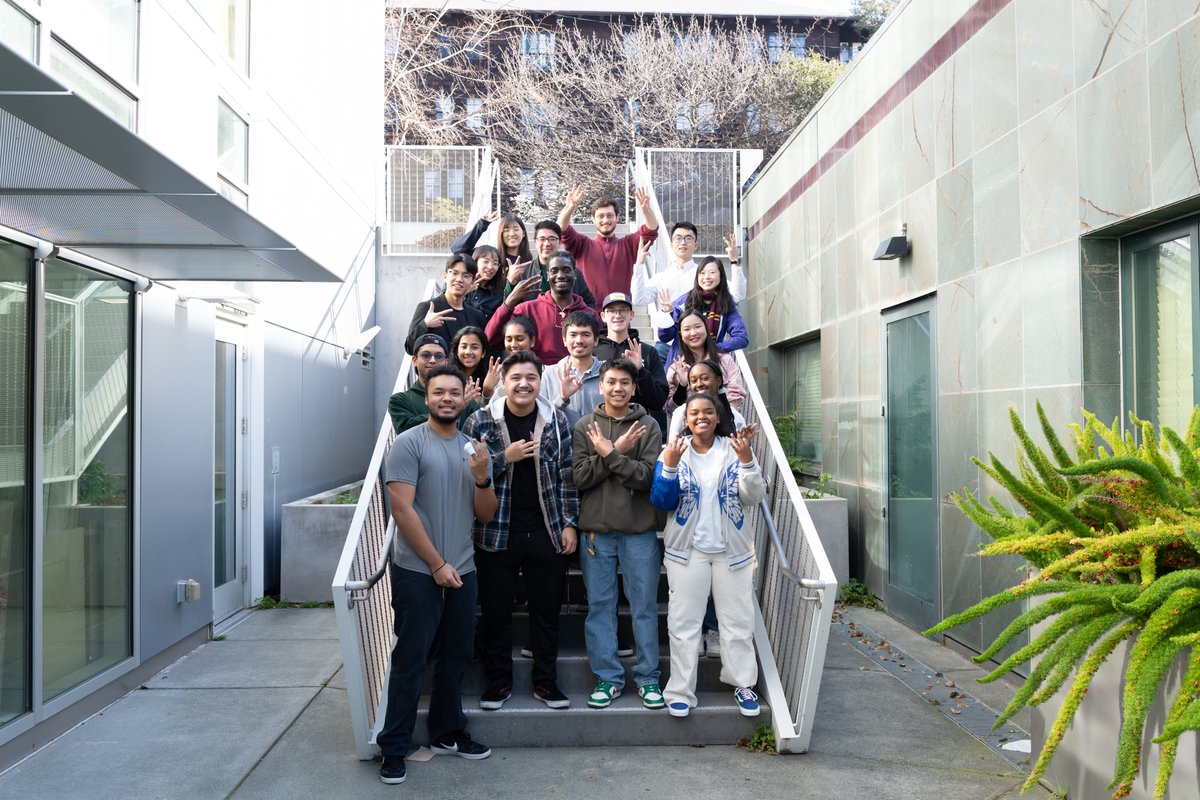
ALT A wide group shot of participants each waving two arms in the air. The PrintSprint sign is posted on the wall above. (Photo by Adam Lau / UC Berkeley Engineering)
















ALT Headshot of James B. Milliken with University with text: "The UC Board of Regents has approved James B. Milliken as the 22nd president of the University of California system. A proven higher education leader and chancellor of the University of Texas system, Milliken brings a deep commitment to values that make UC a model for the nation." University of California logo in lower right.