Father | Son | Husband | Brother | Associate Prof. @IIITDelhi | Director @hmi_iiitd | Affective Computing | Social Robotics | Ubiquitous Computing
Joined May 2020
- Tweets 718
- Following 595
- Followers 821
- Likes 2,539
29 Photos and videos



Pinned Tweet

27 Nov 2024
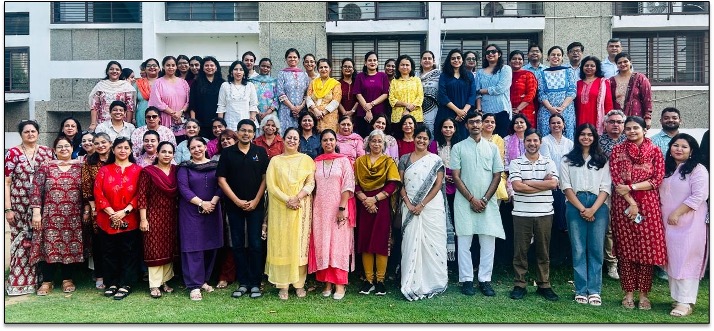
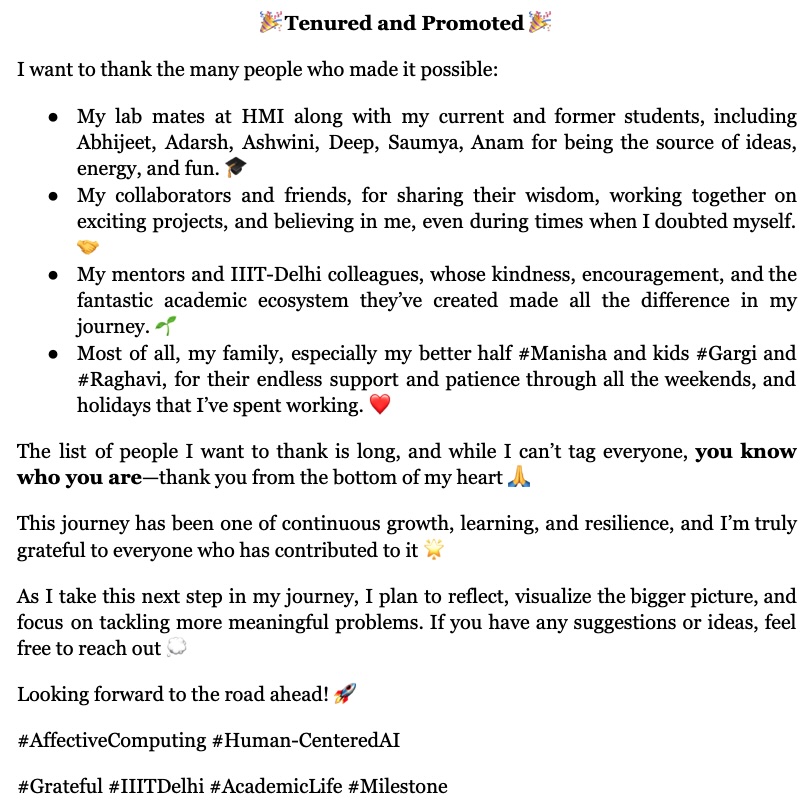
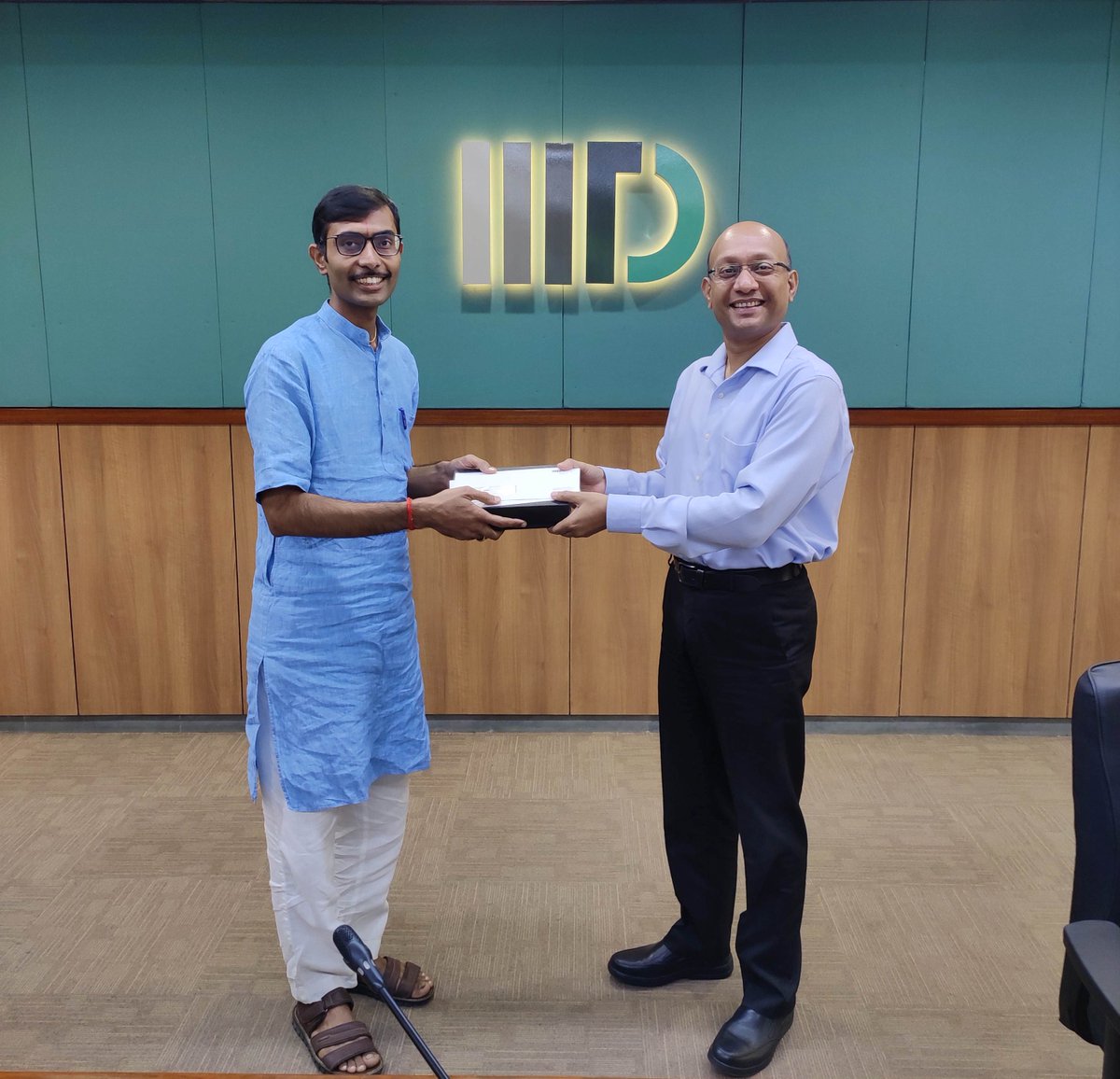
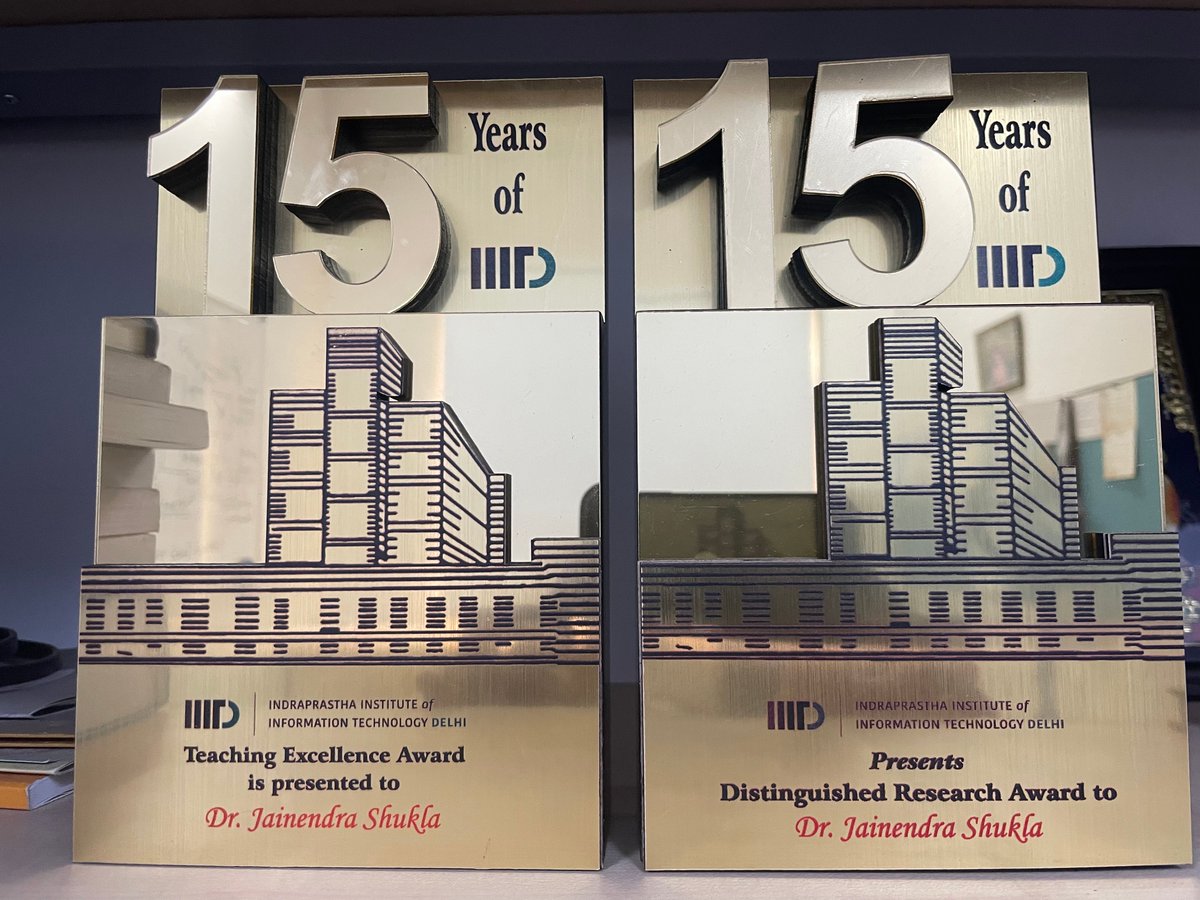
Thrilled to share my #tenure and #promotion to #AssociateProfessor at #IIITDelhi! 🎉 Endless #thanks to #everyone who #supported me along the way—you know who you are 🙏. #Excited for the #journey ahead!
#Grateful #AffectiveComputing #HumanCenteredAI
15
4
82
2,800
Jainendra Shukla/ जैनेन्द्र शुक्ल retweeted

I want to offer some unsolicited advice to computer vision researchers jumping into robotics. Don't focus too much on VLMs, VLAs etc. That's fine, but the real action is at the sensorimotor level. Most of the open problems in robotics are in manipulation, which is about hand-object interaction, and contacts and forces are central. Proprioception and tactile sensing are as important as vision. Don't get seduced by cherry-picked demos. You can't do robotics without doing robotics.
72
393
3,148
474,952
Jainendra Shukla/ जैनेन्द्र शुक्ल retweeted
Meet Vivek Borkar!
(One of India's top Mathematicians)
Working on the mathematical foundations of learning, optimization and decision-making under uncertainty.
> Completed his Electrical Engineering from IIT Bombay in 1976
> Earned his MS from Case Western Reserve University in 1977
> Pursued his PhD at UC Berkeley under renowned control theorist Pravin Varaiya
> Worked as a visiting scientist at the University of Twente in the Netherlands
> Returned to India in 1981 and joined the TIFR Centre for Applicable Mathematics
> Later served as professor at IISc Bengaluru and Tata Institute of Fundamental Research
> Currently serves as Institute Chair Professor at IIT Bombay
> Elected Fellow of IEEE, AMS, TWAS and all three major Indian science academies
> Recipient of the Shanti Swarup Bhatnagar Prize and the TWAS Prize
His research focuses on stochastic control, probability theory, reinforcement learning and dynamical systems.
> He is best known for introducing powerful analytical methods in stochastic optimal control
> The work that influenced modern learning algorithms, adaptive systems and decision-making models under uncertainty.
His books on stochastic approximation and probability theory are widely used by researchers working in control theory, machine learning and applied mathematics.
From IIT Bombay to becoming one of the world’s most respected minds in stochastic systems, Vivek Borkar’s journey shows how deep mathematics quietly shapes the technologies of the modern world.
3
37
196
21,785
Jainendra Shukla/ जैनेन्द्र शुक्ल retweeted

May 28
Padma Shri for K. Pajanivel, the Man Who Kept India’s 5,000-Year-Old Silambam Tradition Alive
K. Pajanivel, renowned Silambam master and dedicated promoter of India’s ancient martial arts tradition, will be honoured with the Padma Shri for his exceptional contribution to preserving and popularising indigenous martial arts and folk culture.
Hailing from Puducherry, he has devoted over three decades to training thousands of students in Silambam and other traditional martial and folk art forms, while actively promoting Tamil Nadu’s 5,000-year-old weapon-based martial art across India and internationally.
Through free training camps, cultural programmes, and grassroots mentorship, he has played a vital role in keeping India’s rich martial heritage alive for future generations.
Pajanivel supports teaching Silambam in schools and aims to further promote it globally. His work has been vital in keeping India’s rich martial heritage alive for future generations.
Credit : Hindustan Times.
48
1,523
5,239
200,374
Jainendra Shukla/ जैनेन्द्र शुक्ल retweeted

A discovery that would go on to redefine the international system of units, including the kilogram used across the world today.
But beyond the equations and measurements lies something deeply human: curiosity.
Join Nobel Laureate Prof. Klaus von Klitzing for a public lecture exploring how fundamental quantum discoveries move beyond laboratories to influence global technology systems, scientific standards, and the measurements modern life depends on.
Presented by @Lodha Foundation in collaboration with @tifrscience, the evening will also feature an exceptional Q&A panel consisting of some of the world's leading minds in quantum science.
The lecture is open to all. No prior background in quantum physics required.
Livestream: tifr.link/ijck0i
#ScienceForAll #QuantumScience #QuantumResearch #PublicLectureSeries #TIFR #LTPI
1
12
60
5,689
Jainendra Shukla/ जैनेन्द्र शुक्ल retweeted

May 14
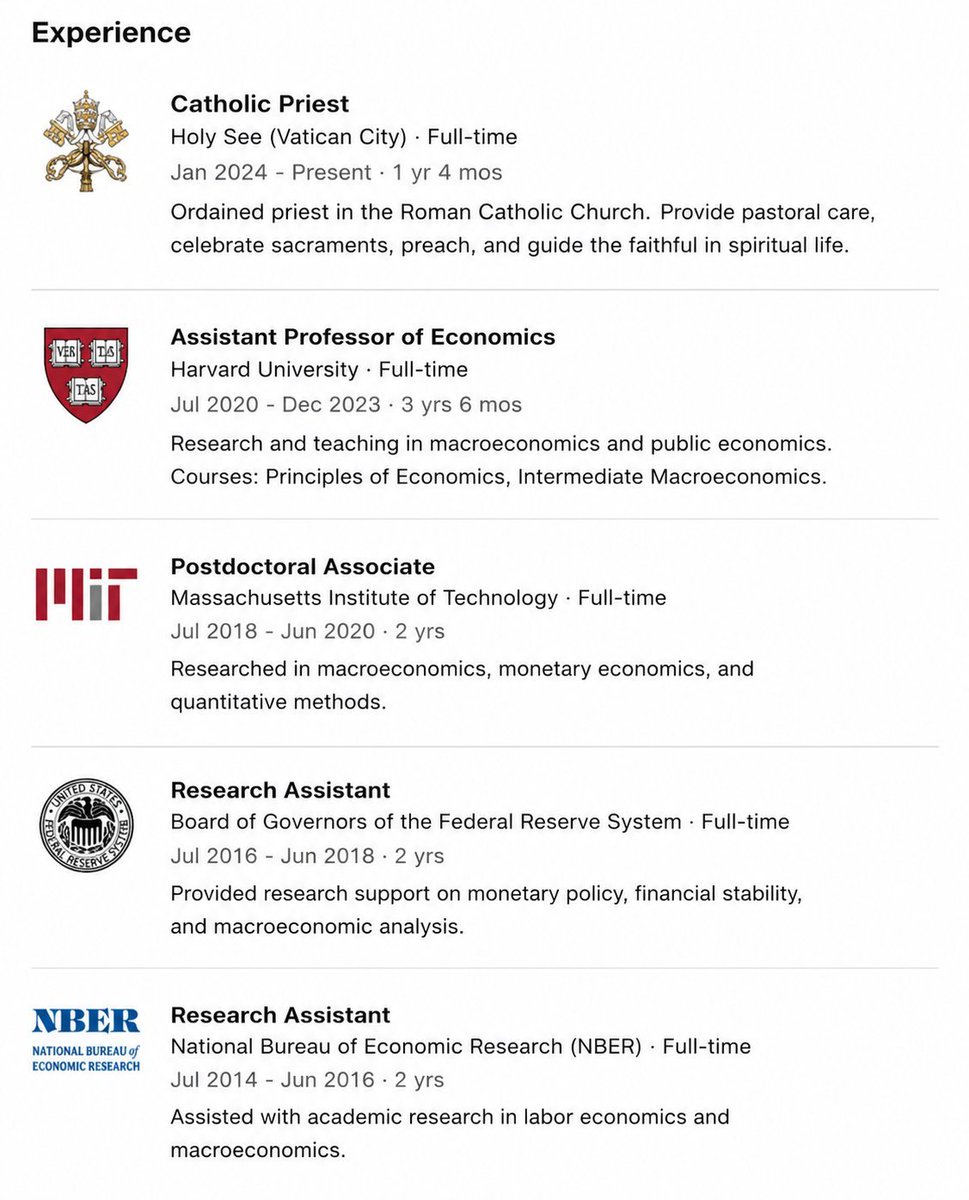
Must have been a rough tenure track.
80
1,240
14,043
949,010
Jainendra Shukla/ जैनेन्द्र शुक्ल retweeted

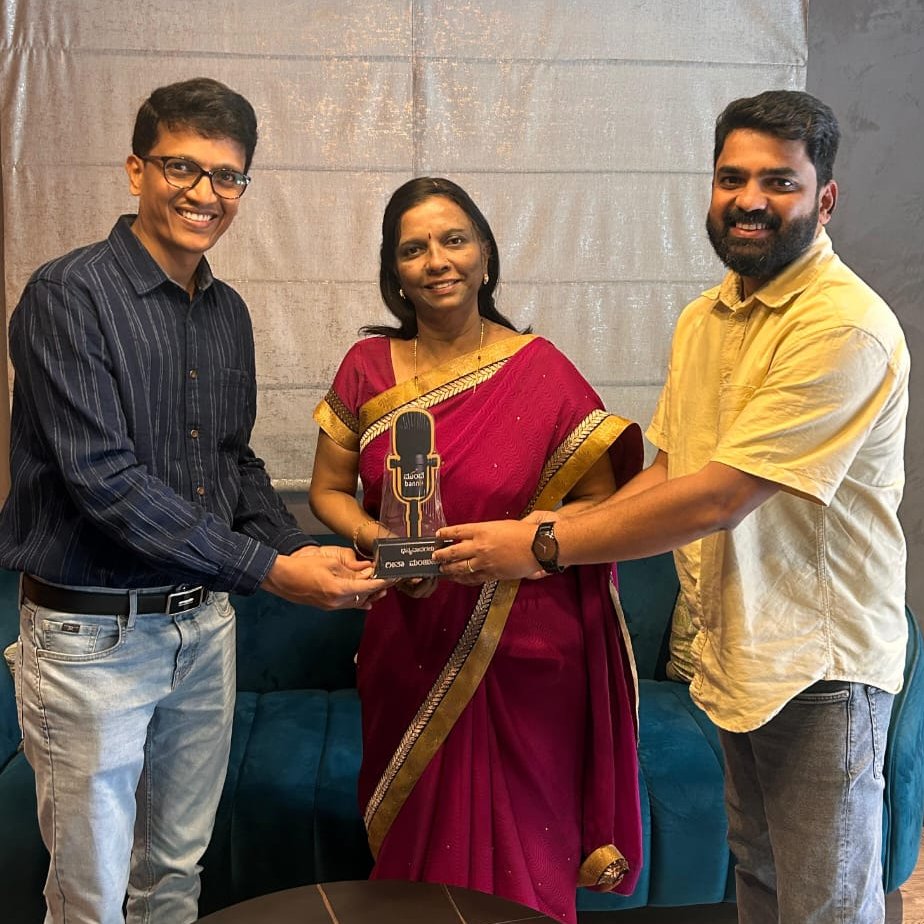
An Indian woman scientist. An IISc PhD. 39 patents. An AI driven health technology now used across 22 countries.
But this story did not begin in a lab.
It began with the pain of losing two family members to breast cancer. From being told, “If even Americans couldn’t solve this, how will you?” to building a radiation free breast cancer screening technology from India that is now deployed across 300 hospitals and diagnostic centers globally, this is an extraordinary journey of science, resilience and purpose.
This weekend on the @mundhebanni podcast, we are joined by Dr. Geeta Manjunath (@geethamhp ), founder of Niramai Health Analytix. One of our deepest conversations yet on AI, deep tech, women’s health, Indian innovation and entrepreneurship.
Trailer drops tomorrow. Full episode over the weekend.
Subscribe to Mundhe Banni YT channel:
youtube.com/@mundhebanni
@Shishir_S_U @akaranth @kodlady
8
154
726
40,195
Jainendra Shukla/ जैनेन्द्र शुक्ल retweeted

May 11
People talk, listen, watch, think, and collaborate at the same time, in real time. We've designed an AI that works with people the same way.
We share our approach, early results, and a quick look at our model in action.
thinkingmachines.ai/blog/int…
464
1,960
15,790
7,752,073
Jainendra Shukla/ जैनेन्द्र शुक्ल retweeted

We are organizing an intense 10-day summer school for new PhD/master's students in computational genomics & metagenomics at IISER Pune (July 18th-27th, 2026) - please do spread the word! cospi.iiserpune.ac.in/worksh…
2
35
106
10,549
Jainendra Shukla/ जैनेन्द्र शुक्ल retweeted

May 1
What is the meaning of life?
Hear 2021 chemistry laureate Benjamin List answer the question we all are trying to find an answer to.
48
273
973
164,413
Jainendra Shukla/ जैनेन्द्र शुक्ल retweeted

Apr 16
Manindra Agrawal, Director of IITK
(one of India’s top mathematicians)
On the process of thinking and working on problems for long durations without losing drive. He said-
It’s not the result. it’s the joy of process and thinking that I love.
In a world obsessed with outcomes,
this is a reminder to fall in love with thinking itself
4
46
235
12,471
Jainendra Shukla/ जैनेन्द्र शुक्ल retweeted

Feb 7
Drop 5/14: Introducing Bulbul V3, our latest text-to-speech model. It raises the bar for how human it sounds, while being super robust.
In an independent third-party human listening study, Bulbul V3 delivers the highest listener preference, and low error rates across use-cases and languages. See details in our blog, but first watch the video. sarvam.ai/blogs/bulbul-v3
120
432
2,367
421,990
Jainendra Shukla/ जैनेन्द्र शुक्ल retweeted

NSO India unveils the MCP Server for eSankhyiki, enabling seamless integration of official statistics with AI tools.
Users can now connect directly to seven official datasets like PLFS, CPI, ASI, IIP, NAS & more through this beta version . Faster insights and smarter analysis through seamless access.
🔗 datainnovation.mospi.gov.in/…
#AIReadyData #OpenGovernmentData #DigitalIndia #ViksitBharatBudget
@PMOIndia @Rao_InderjitS @_saurabhgarg @PIB_India @PibMospi @mygovindia @NITIAayog
69
425
2,640
398,605

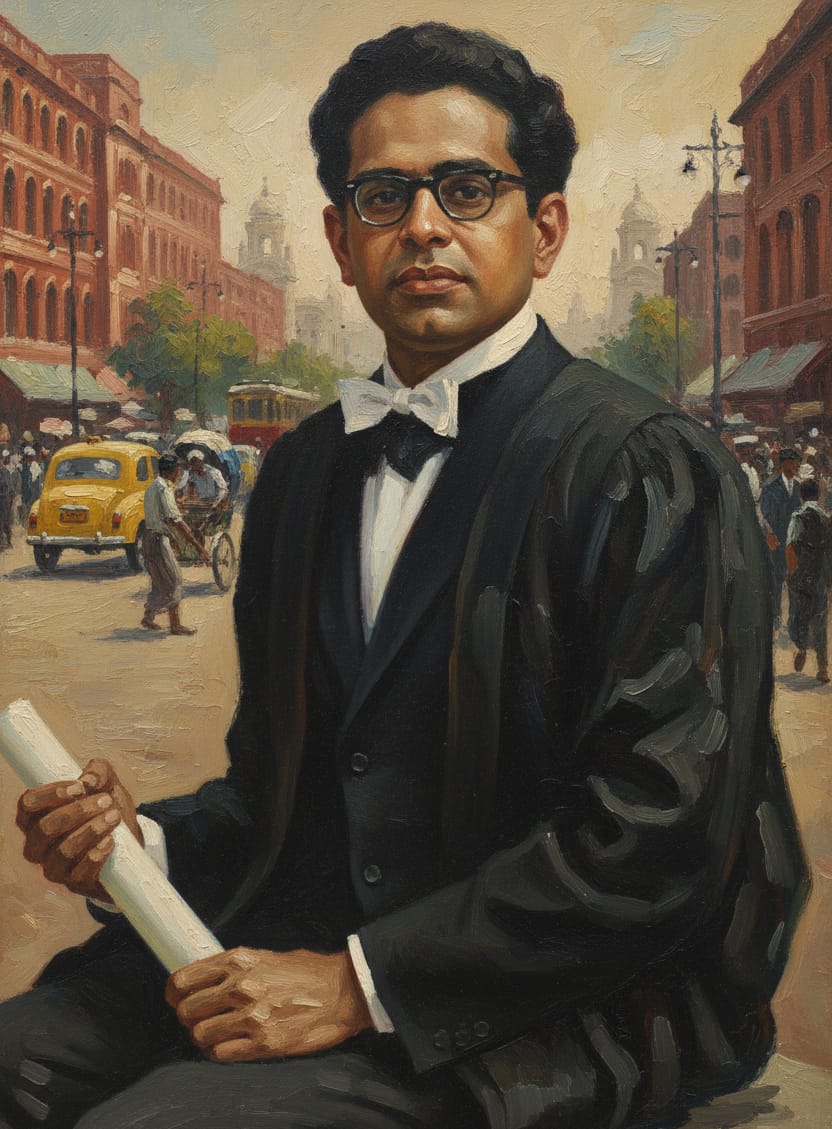
The Creator of "Durga": The Tragic Saga of a Forgotten Genius
It was June 19, 1981. Like any other day, Namita Mukhopadhyay, a school teacher, returned to her sixth-floor flat on Kolkata’s Southern Avenue. Upon opening the door, she was met with a disturbing sight, her husband’s lifeless body hanging from the ceiling fan. Beside him lay a suicide note.
A Thread 👇
29
131
341
27,079
Jainendra Shukla/ जैनेन्द्र शुक्ल retweeted

5 Dec 2025
Caught in the IndiGo flight mess? We're taking legal action (PIL) regarding these systemic failures.
We need 250 passengers to join before Dec 10. Let's raise our voices together for better rights.
Support the case here: forms.gle/jtPqhMcBZx2uXn1Q7
257
3,292
9,198
434,215
Jainendra Shukla/ जैनेन्द्र शुक्ल retweeted

3 Dec 2025
Watching ML/CV researchers at work.
21
90
1,147
98,590
Jainendra Shukla/ जैनेन्द्र शुक्ल retweeted

3 Dec 2025
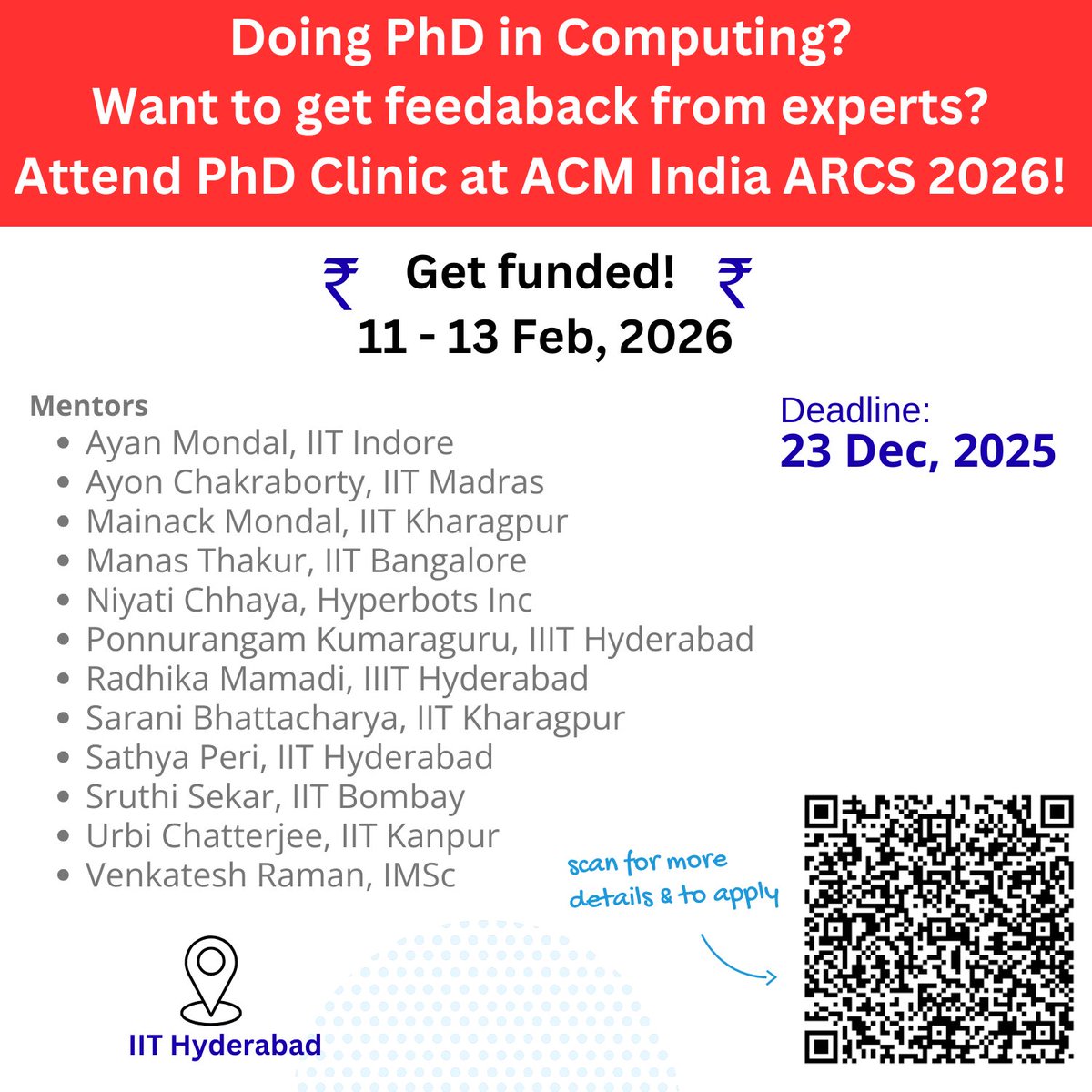
WHO: PhD students 🙋♀️🙋🏽 in Computing from India
WHAT: In-person 1x1 interactions with 👌🏽👌🏽 mentors to get input, constructive feedback on your PhD research work. 💪🏽 #MorePowerToPhDStudents
Register at: link in comments
🙏🏾 Please help spread the opportunity!
#VPGiri #ProfGiri
1
4
11
853
Jainendra Shukla/ जैनेन्द्र शुक्ल retweeted
1 Dec 2025
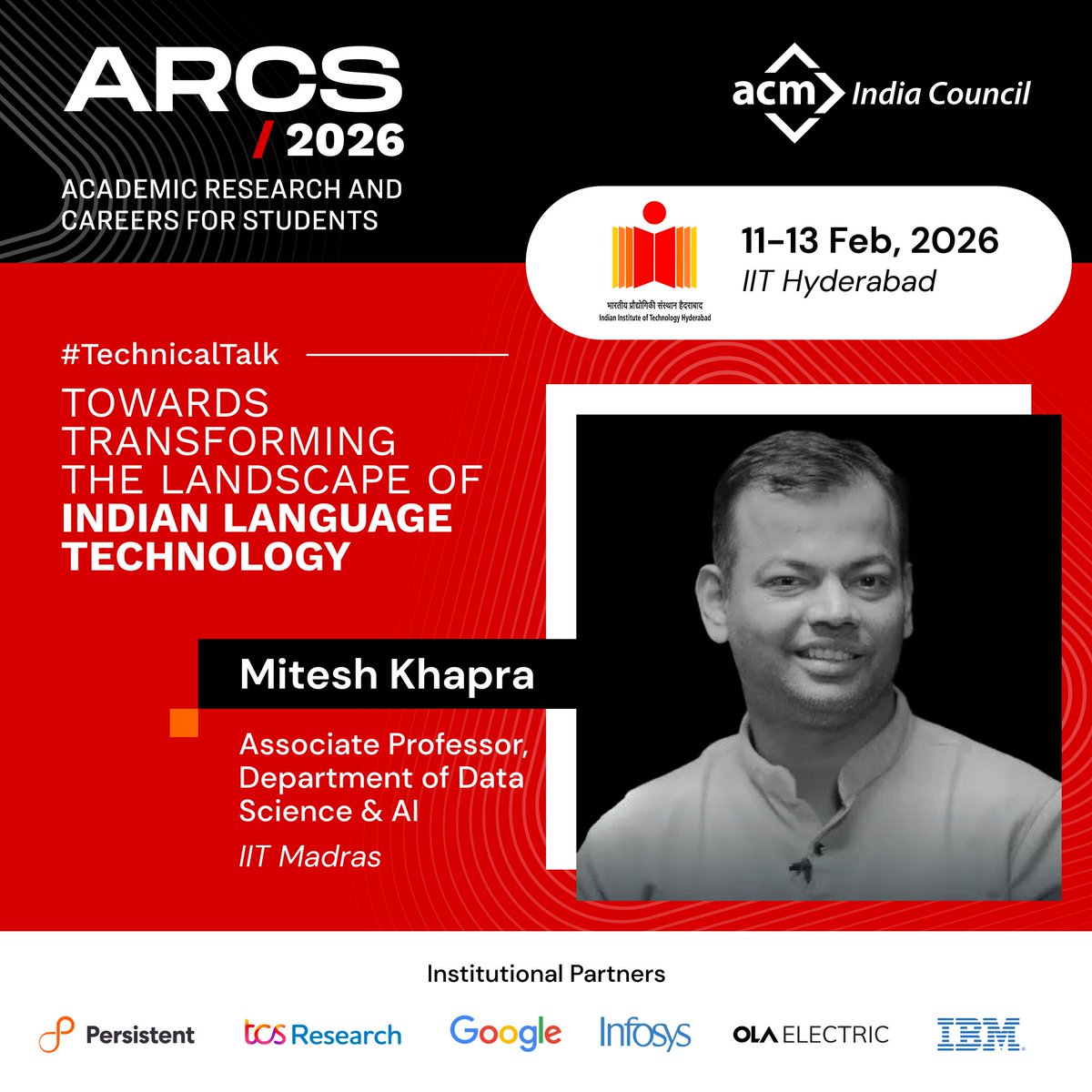
#ARCS2026 #SpeakerAnnouncement 🚀🎤 💥 Prof. Mitesh Khapra @ai4bharat @DSAI_IITM @WSAI_IITM @iitmadras will be joining #ARCS @IITHyderabad.
About Mitesh & event: link in comments. 🙏🏾 Please help spread the excitement #CFBR! #ACMIndia #VPGiri /c @Indiaacm
3
6
403
Jainendra Shukla/ जैनेन्द्र शुक्ल retweeted

21 Nov 2025
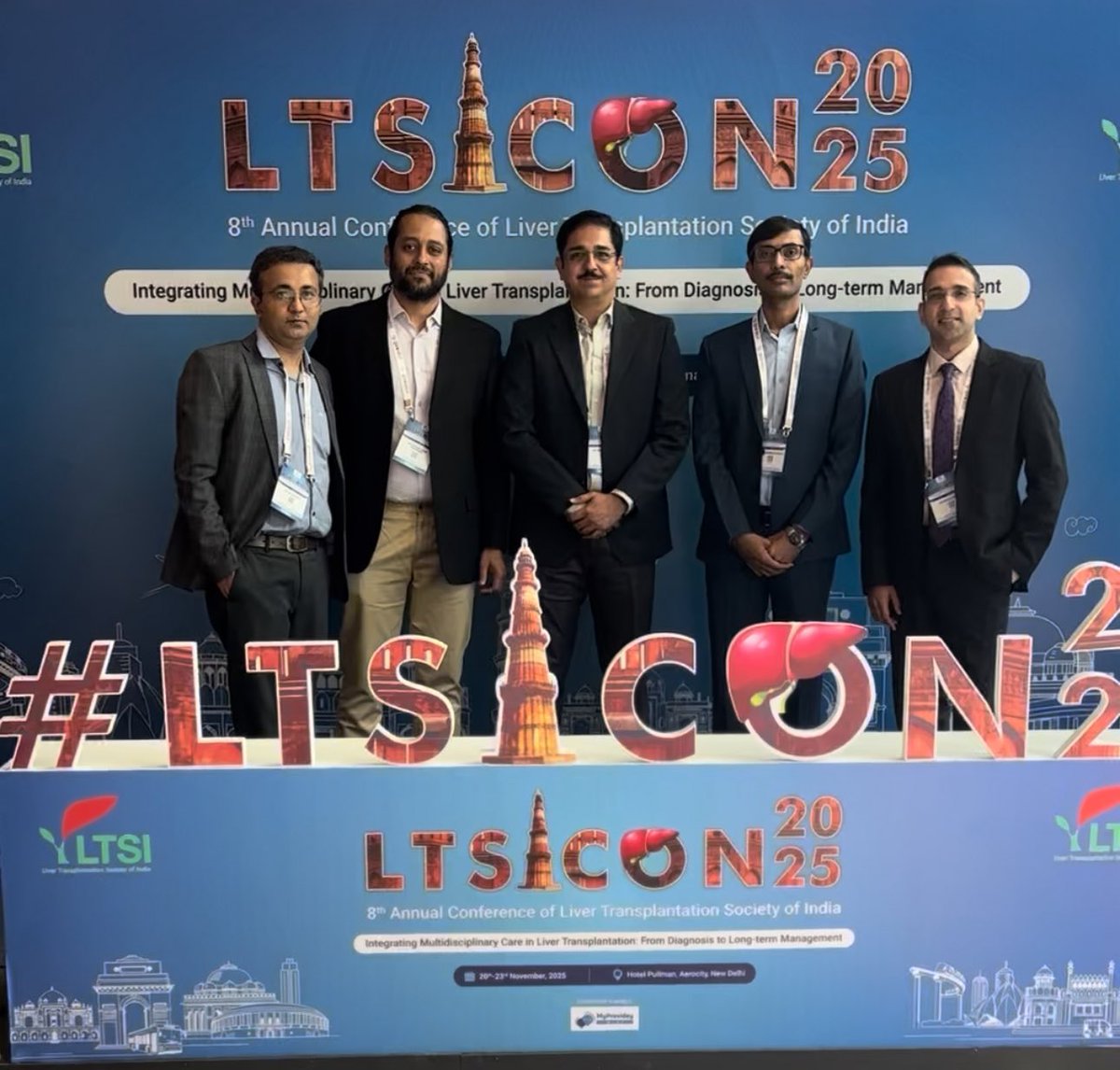
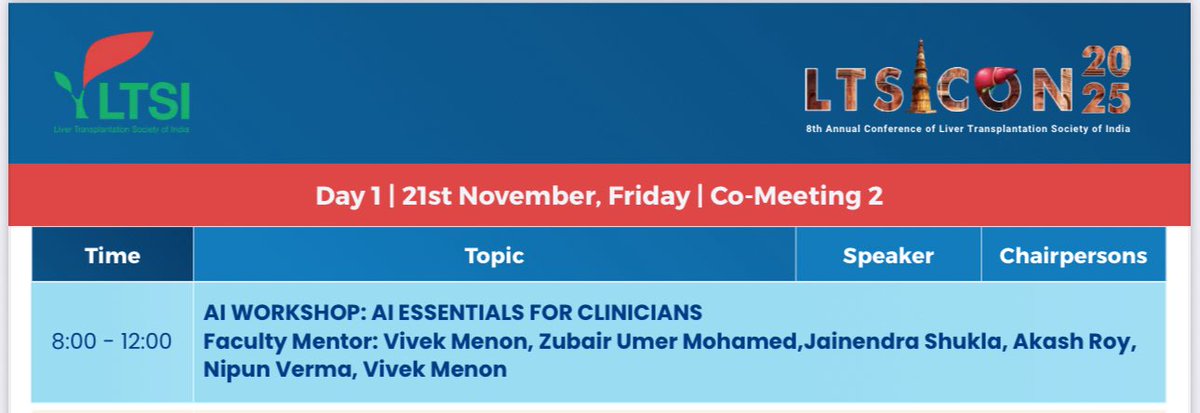
It was a learning experience to join and contribute to an AI workshop at liver transplant society of India conference 2025
Huge congratulations to LTSI..
@RoyAHep @_LTSI_ @INASL_Liver @ProfJainendra @JCEH_Hepatology @APASLnews
2
8
623
17 Oct 2025
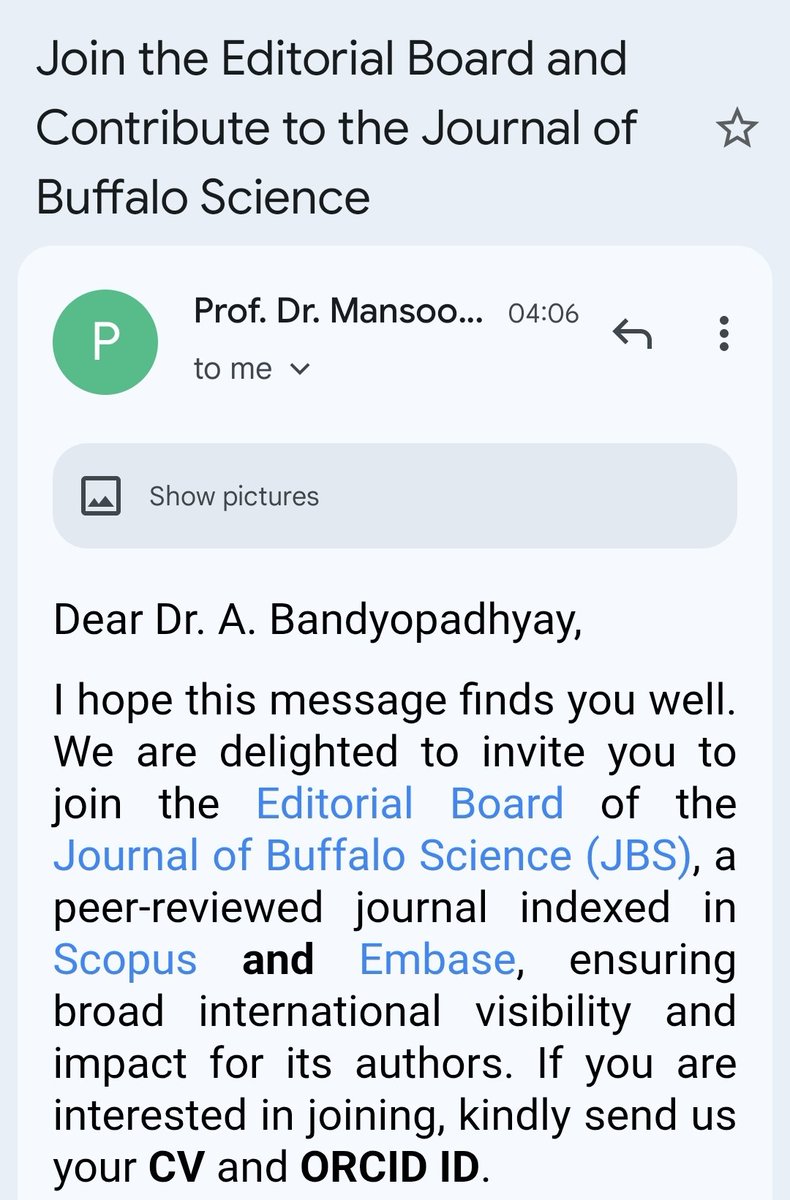
But yet to receive this lucrative offer :)

1
2
581
10 Oct 2025
Well said: “careers have seasons. Adjust, ride the tide, and do not let the next wave leave you on the beach.”
10 Oct 2025

In 2010, I came to the U.S. straight from undergrad for a PhD. Fifteen years later the map looks messy, but the line of best fit is clear. 🤍
2010 — PhD Year 1: my advisor said, “Take the ML course.” I had never heard of ML. With the most supportive, inspiring advisor, I pivoted from electronic communications and cognitive radio to MRFs, graphical models, and generative models—grounded by a solid foundation in signals and probability theory.
Year 3 – we moved into tensor methods. I went all in on unsupervised learning and spectral methods.
Before graduation – a year of internships across MSR Boston and Redmond on AI for healthcare. I was so lucky to work with the best researchers as mentors. But biology humbled me. Long nights, protein and cell-slice data, multithreaded pipelines. Progress crawled and the spark dimmed. I chose to keep a CS spine: applications are welcome when they sharpen the core.
Fresh out of grad school – I joined UMD faculty,then deferred a year to do a postdoc at MSR NYC. Online learning and RL paradise, ego check included. While others shipped papers, I went back to RL textbooks and rebuilt foundations in learning theory.
Back at UMD – I aimed for pure theory. Reality steered me to trustworthy AI, especially RL robustness. I also faced a truth: I missed the 2014 deep learning wave. That stung. It changed how I work.
2023 – LLMs arrived like a tide and I didn’t want to miss the wave again. I read restlessly, rallied my students, we pivoted and shipped.
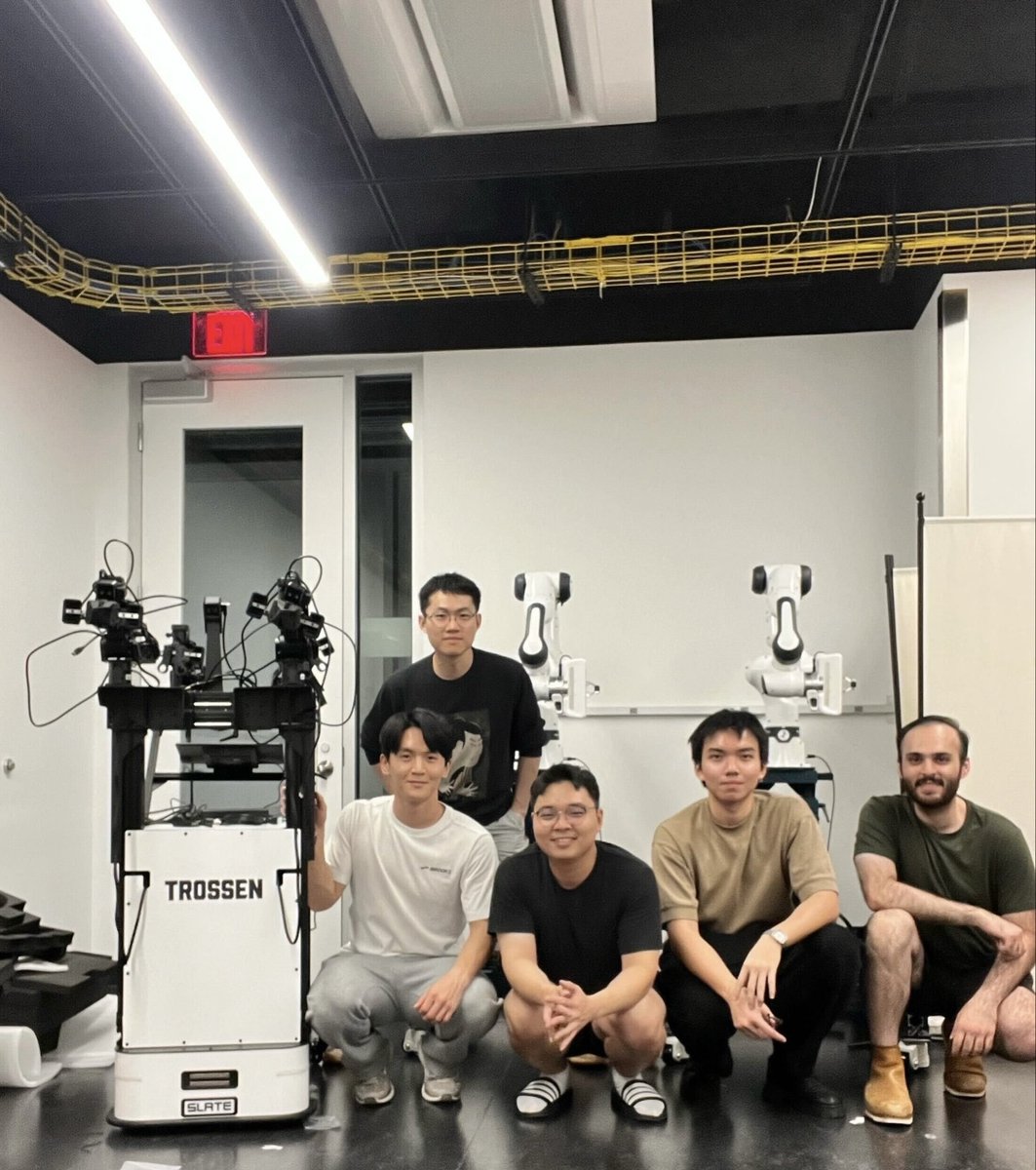
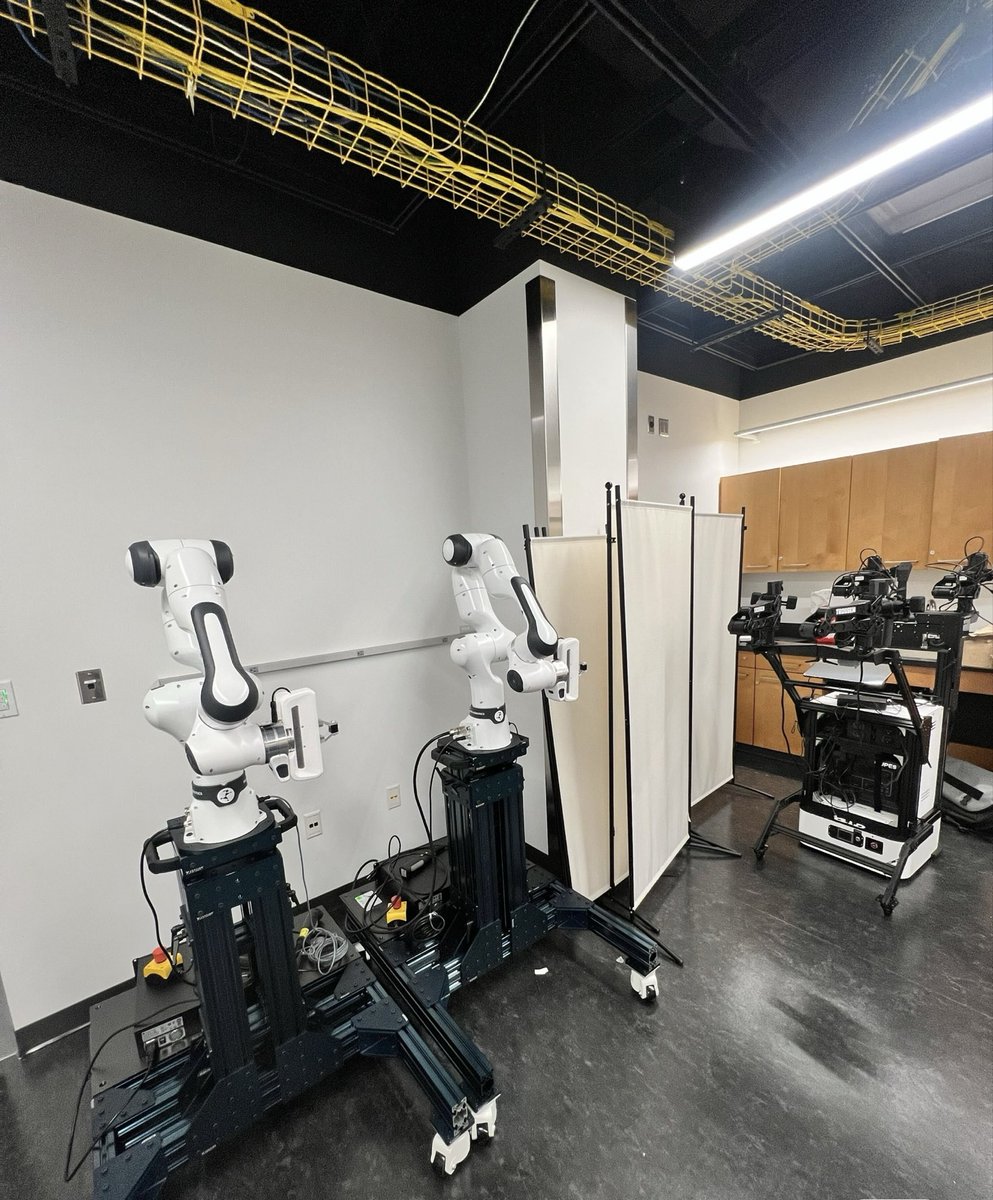
2023 → now – we’re building toward foundation models for robotics: SMART, TACO, Premier-TACO, PRISE, Make-an-Agent, TraceVLA, FLARE, IVE, and more. The timing feels right. We’re going deep on robotics and physical intelligence. 🤖
What I’ve learned: careers have seasons. Adjust, ride the tide, and do not let the next wave leave you on the beach. If you’re mid-pivot too, I’m rooting for you — happy to swap notes. ✨
#Robotics #LLM #EmbodiedAI #PhysicalIntelligence #UMD #AcademicLife #ResearchJourney
164