
Monetary Production Economy Enjoyer | Game and Choice Theory Curious | Lifelong Democrat | Servant of Wickedness
Joined December 2022
- Tweets 3,643
- Following 649
- Followers 934
- Likes 55,228
399 Photos and videos



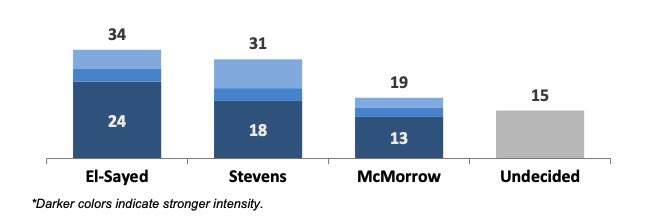


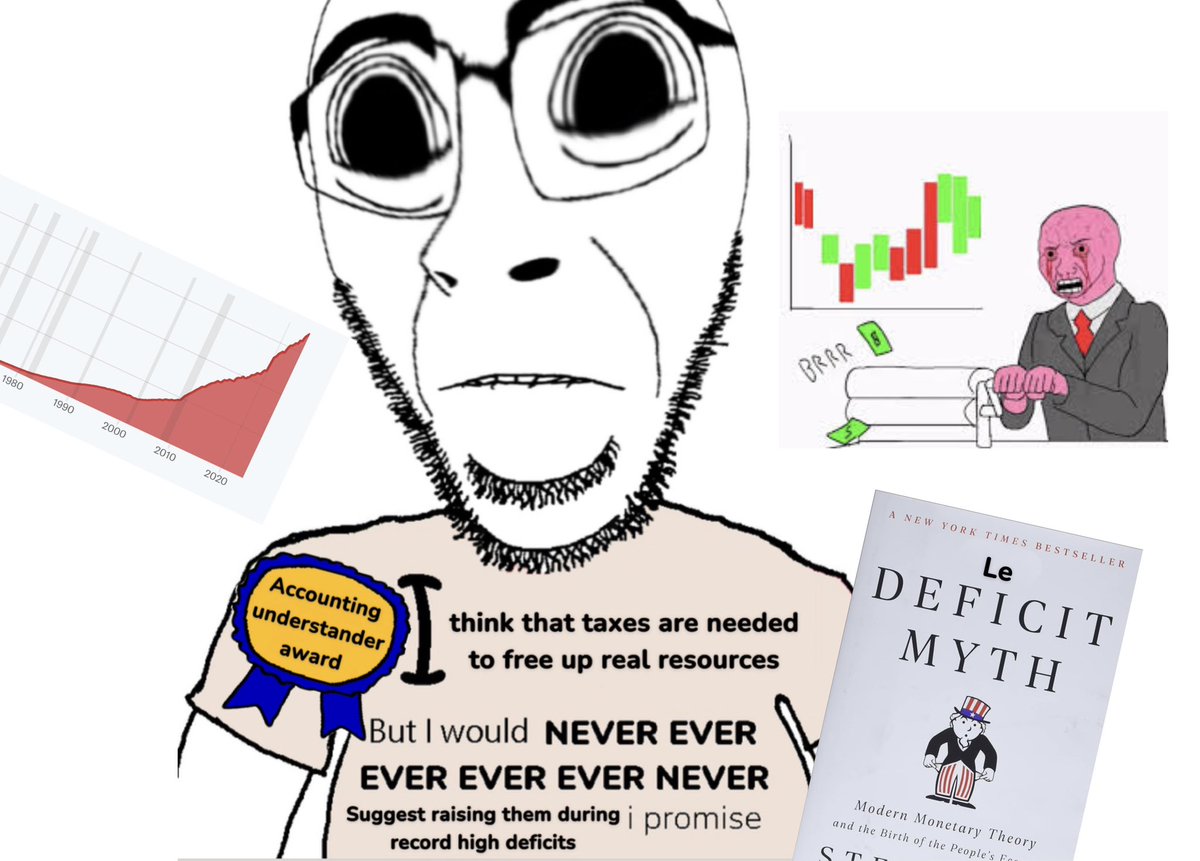






I have a lefty streak it’s no secret, but I find the idea of a wealth tax to range from destructive to pointless to administratively impossible. Anyone willing to change my mind?
8
24
7,511
This dumbass quote man
Jan 6

Supply and demand regulate nothing but the temporary fluctuations of market prices. They will explain to you why the market price of a commodity rises above or sinks below its value, but they can never account for the value itself.
Source: "Value, Price and Profit"
Karl Marx
5
19
3,382
Afrikaners don’t get blood libels. That’s not a thing.
Jun 12

“Woah, this blood libel propaganda from the 80s agrees with me? Heckin’ awesome……”
6
480
Posting this and then turning off notifications because I want to feel something
3
7
123
6,372
How dare George suggest that, ceteris paribus, a reduction in the rate of aggregate supply growth will raise the price level

MV=Py is a truism; arguments that contradict it are ipso-facto false. That doesn’t mean that it explains causal mechanisms connecting changes in any of its component variables to changes in others. It says, “if P doubles M will double, other things equal.” It doesn’t say why. 1/
10
929
Rice: “I am a ghoul but please sir Mr. Maher, you chose the worst war of the last 30 years to carry water for. Please stop”
Maher: *adjusts glasses snarkily* “Ahermm, hemmm, new rule, aherr. If Bibi says there’s a Hamas tunnel in my ass then I’m getting a C4 suppository aherm”

3
29
1,599
Would love to know this towering genius’ theory of the price level

1
32
2,607
While this is true, it is somewhat strange that Sraffa would have most likely rejected this interpretation of his own work. From his letters to Dobb and his lecture notes on the Advanced theory of value, it’s clear that he still attributed causal significance to living labor

Then came the verdict from inside Marxism itself.
Piero Sraffa, a Cambridge economist sympathetic to Marx, published "Production of Commodities by Means of Commodities" in 1960. He proved labor values are redundant by demonstrating that if you know the physical inputs of production and the real wage rate, you can mathematically calculate all relative prices and the rate of profit. You do not need to calculate "labor value" at any point. All prices and profit rates can be determined without it.
2
1
44
3,838
Ahhh yes, production taking time, surely no one in the mainstream has cracked this one yet! “Equilibrium is a state of rest” Andy over here
Jun 4
A classic conflation of a sequential production process with a simultaneous equilibrium model.🤦
3
1
26
2,214
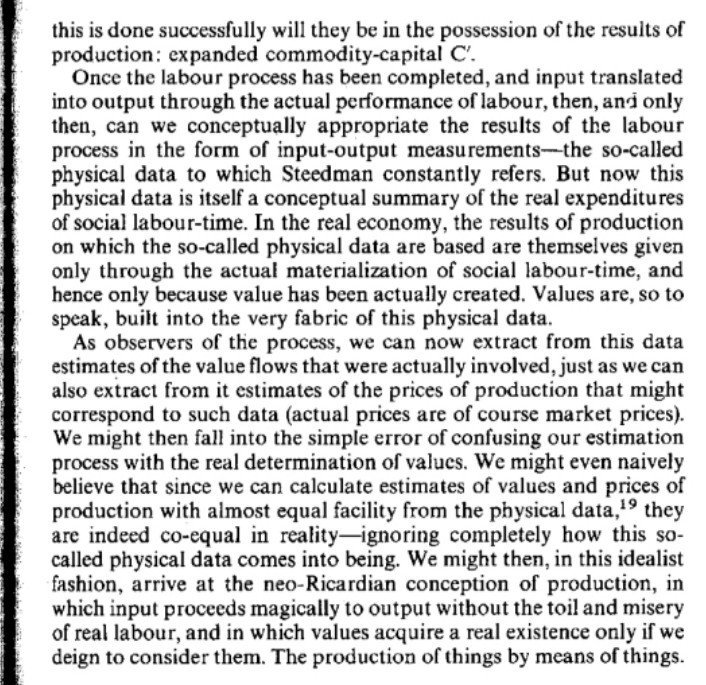
Shaikh’s iterative solution to the TP can be solved starting from any arbitrary vector. Such a solution cannot reinforce the relevance of labor values to solving prices and the profit rate

3
6
34
7,316
Jason Hickel of the right
Jun 1

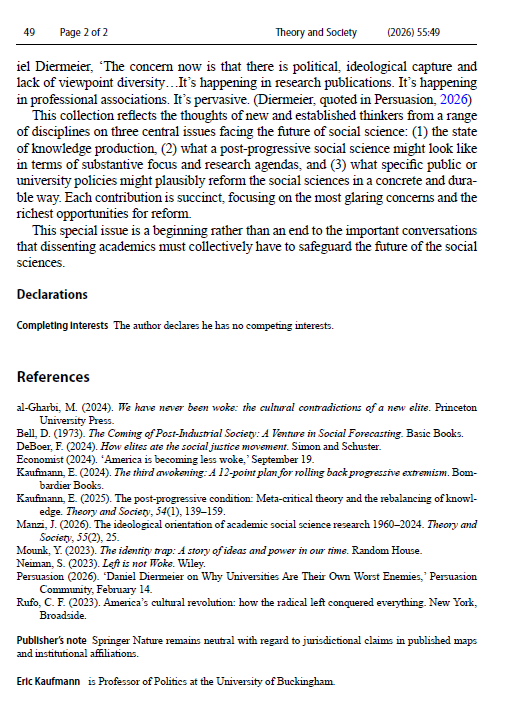
NEW: My introduction to our special issue on Post-Progressivism: the future of the social sciences, just published in @Theory_Society
Special issue is here: link.springer.com/collection…

8
899
You guys need to stop posting Krugman’s Ws for him honestly

just when I think I’m out…
18
1,148
Guy who believes in the tendency for the rate of profit to fall but also thinks we’ll just start capitalism over because of the calculation problem
5
5
75
3,903
The problem is assuming that the parts of Marx which are given actual attention (alienation, conflict theory, diamat) are germane to said social interventions; they are not. You’re better off citing the mainstream for that purpose
May 29

Marx is more important to scholars because he gives them a basis to advocate social interventions they desire. Hayek fundamentally challenges the role that many social scientists want their fields to occupy in society. It is tough to win them over that way.
1
20
1,588
The funniest outcome here is if China actually does have a massive recession and we get Chinese Steve Keen
May 28

My friend even commented, "The mainstream economists in Chinese universities, upon seeing us studying ‘heterodox’ left-wing economics, ‘would just pinch their noses and walk away’(捏着鼻子走)."
2
29
2,452
We would have socialism if the opposite were true #Takinghayekseriously
May 28

I graduated from Columbia knowing every single detail about Marx but never having heard the name Hayek.
1
22
1,418
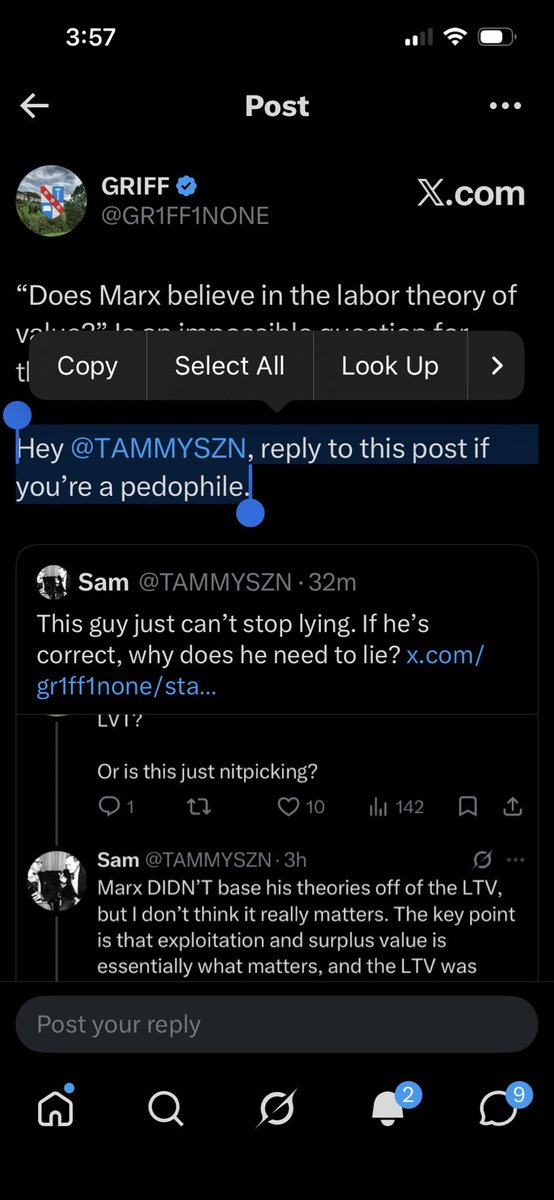
Reminder that these people are aggressively stupid and dishonest and your life will improve if you block them

1
4
43
2,321
Arrow Insecurities retweeted

May 28
Arguing as if there were never occasions of large-scale unemployment in which spending on public works doesn’t “crowd out” a like amount of private employment isn’t a good look for pro-market economists.

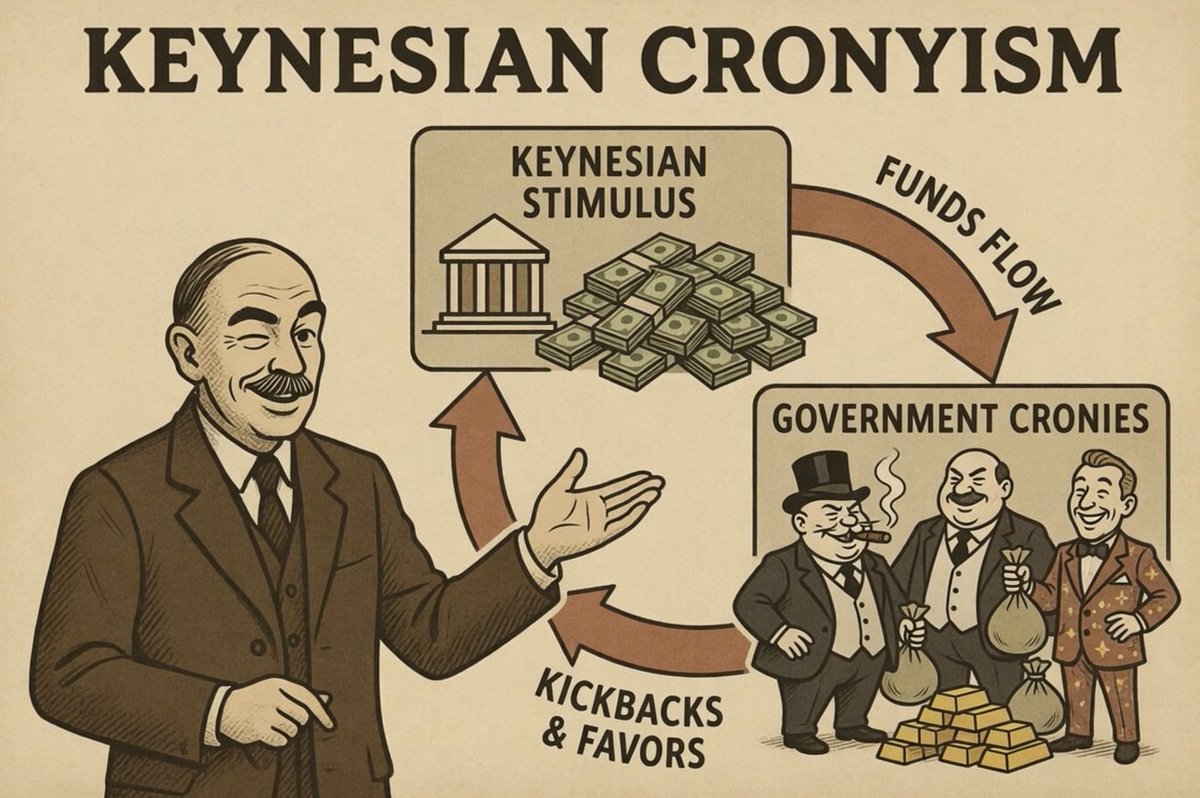
Keynesian stimulus doesn't magically create prosperity from thin air. It redistributes existing wealth from productive citizens to those with the best lobbyists and campaign contributions.
When Congress passes a trillion-dollar "infrastructure" bill, you don't see bulldozers materializing from the ether. The government pulls capital from entrepreneurs who would have built factories, funded startups, or expanded payrolls. Instead, that money flows to Halliburton, Bechtel, and whatever construction firm hired the right former senator as a "consultant." The politically connected get guaranteed profits while you get higher taxes and inflation.
The process works like a sophisticated laundering operation. Politicians promise jobs and growth while funneling taxpayer dollars to their cronies. Boeing gets defense contracts. Goldman Sachs underwrites the debt. Big Tech companies score "green energy" subsidies. Meanwhile, small business owners struggle with regulatory compliance costs and compete for the remaining scraps of capital.
Free market economists identified this wealth transfer mechanism decades ago. Keynesian mythology persists because it serves powerful interests. Politicians love spending other people's money. Corporations love guaranteed returns. Wall Street loves bond issuance fees. The only losers are productive citizens who fund the whole charade.
You can spot this corruption every time politicians claim stimulus will "create jobs." Jobs doing what? Building bridges to nowhere? Manufacturing solar panels that cost more than the energy they'll ever produce? Productive jobs emerge from genuine consumer demand, not political theater. Everything else just moves money from your pocket to theirs.
7
8
70
8,562
Arrow Insecurities retweeted

May 27
People are always saying that we should teach basic micro at schools to fight disinformation, but I've seen what basic micro does to the undergrads and it's much worse
6
11
158
19,797