Strategic Defense Initiative mental warrior called to duty by Reagan (DOE)Q; laser electro optics/electronics engineer, enterprise networks. Q is for Quantum.
- Tweets 8,774
- Following 435
- Followers 305
- Likes 17,238
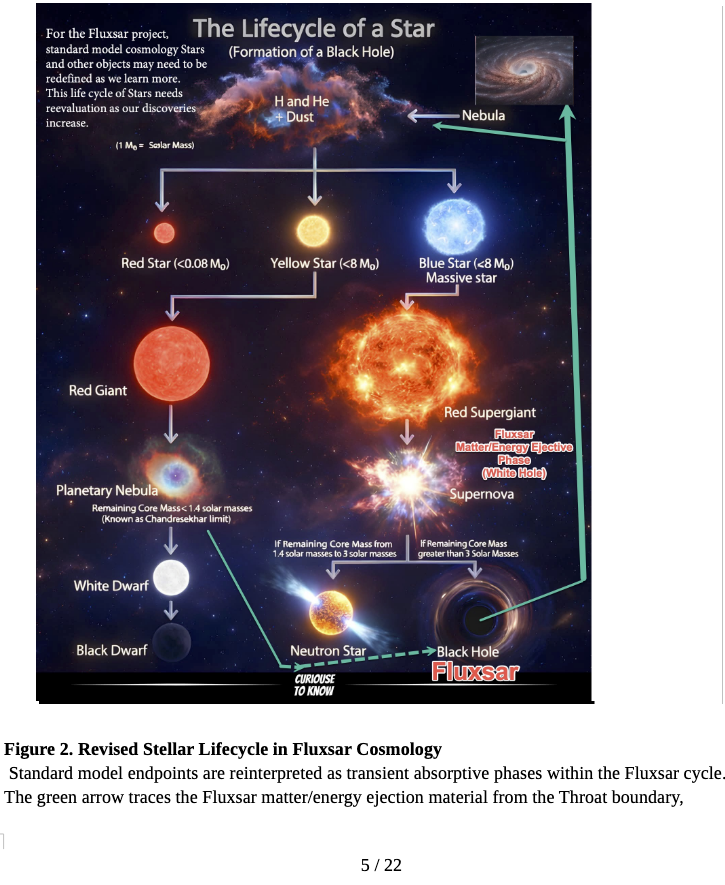


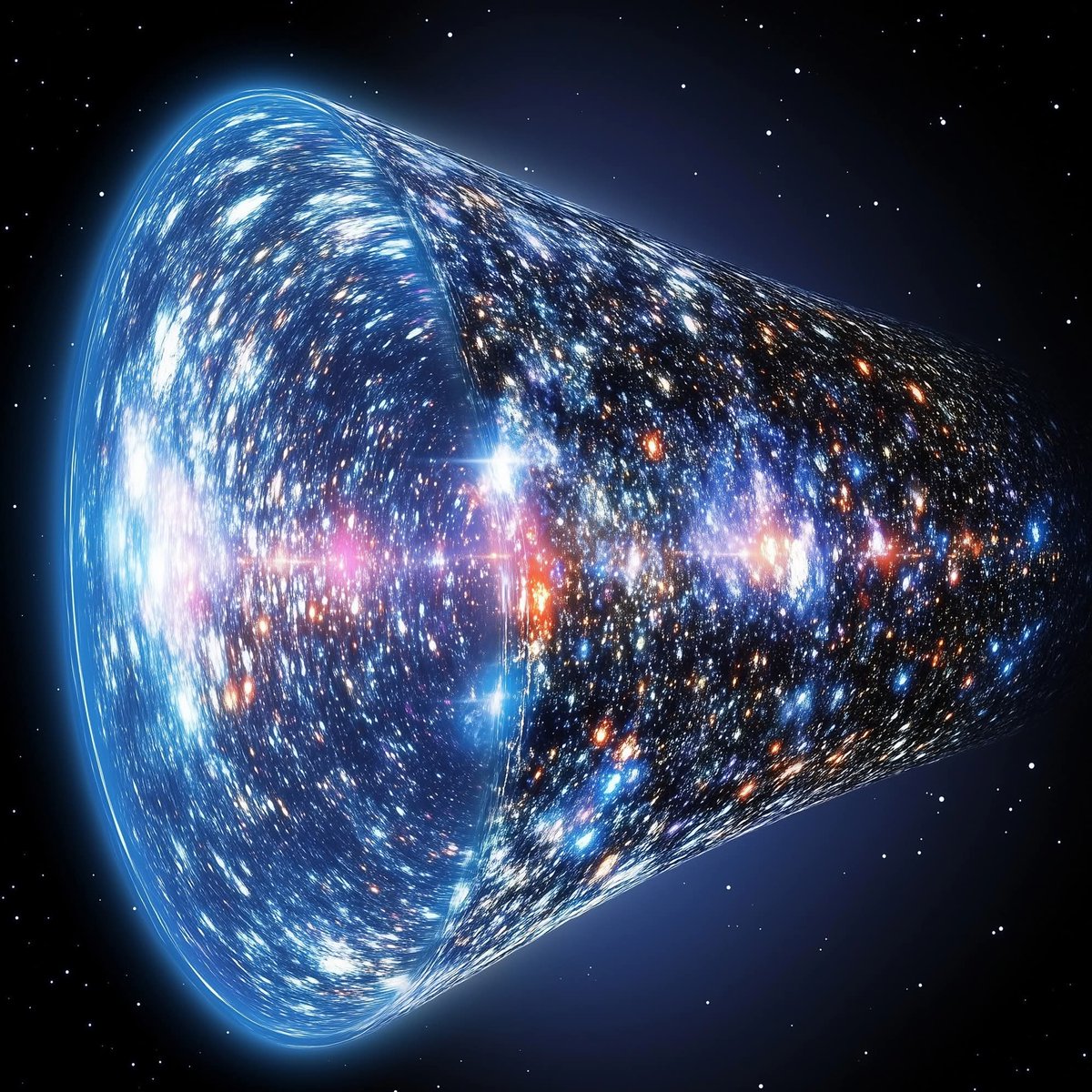
ALT James Webb confirms there's something seriously wrong with our understanding of the universe: In a striking discovery, James Webb and Hubble space telescopes have confirmed that the universe is expanding at varying rates depending on the observation point, which challenges our current understanding of the cosmos. This discrepancy is known as the Hubble Tension. It was first observed by the Hubble Space Telescope in 2019 and further confirmed by the James Webb Space Telescope in 2023, with recent combined efforts by both telescopes now eliminating any doubts about measurement errors. The Hubble Tension arises from a conflict between two ways of measuring the universe's expansion rate. One method looks at the early universe, relying on the cosmic microwave background—the ancient afterglow of the Big Bang—to calculate the expected expansion. The other method focuses on the more recent universe, utilizing telescopes to observe stars and galaxies.