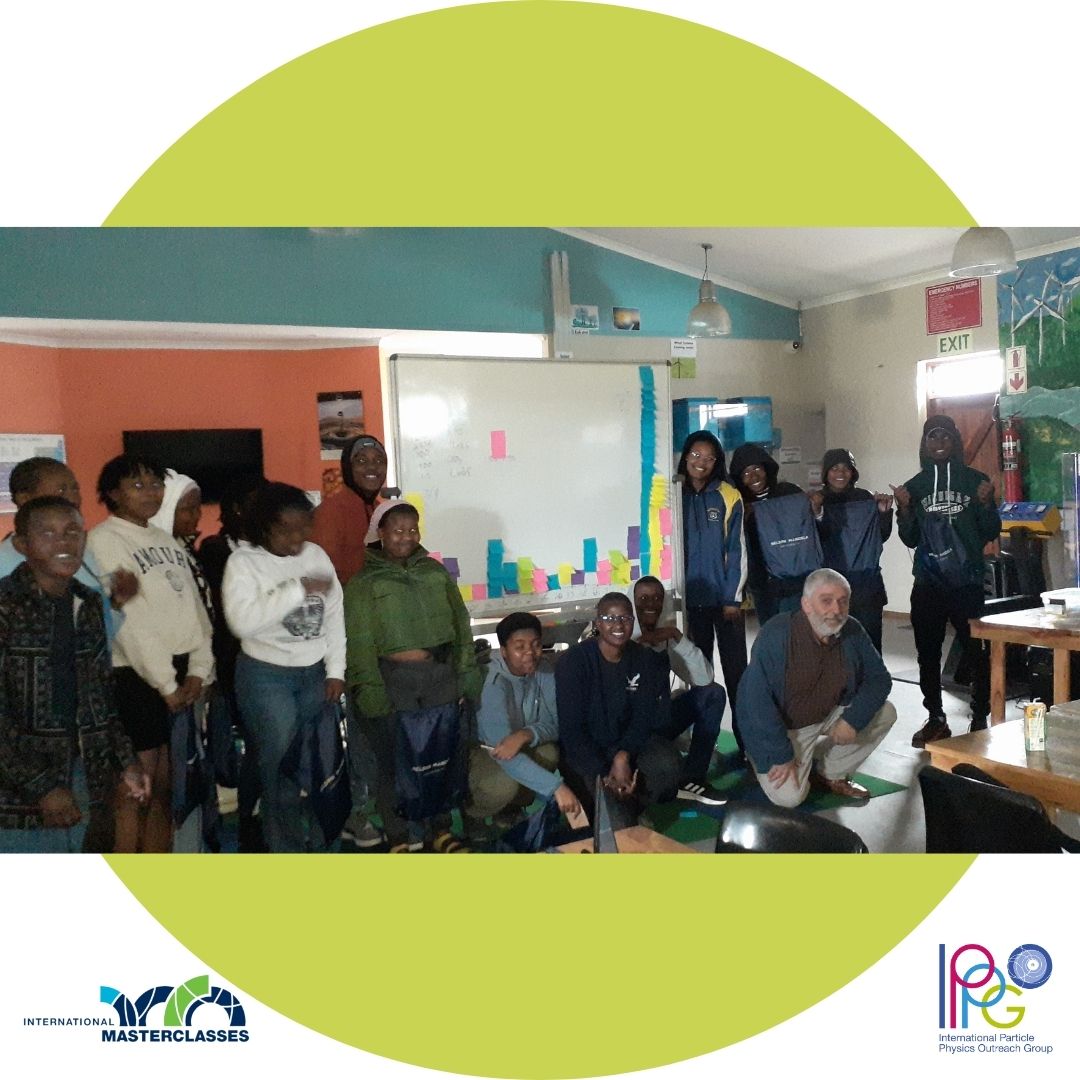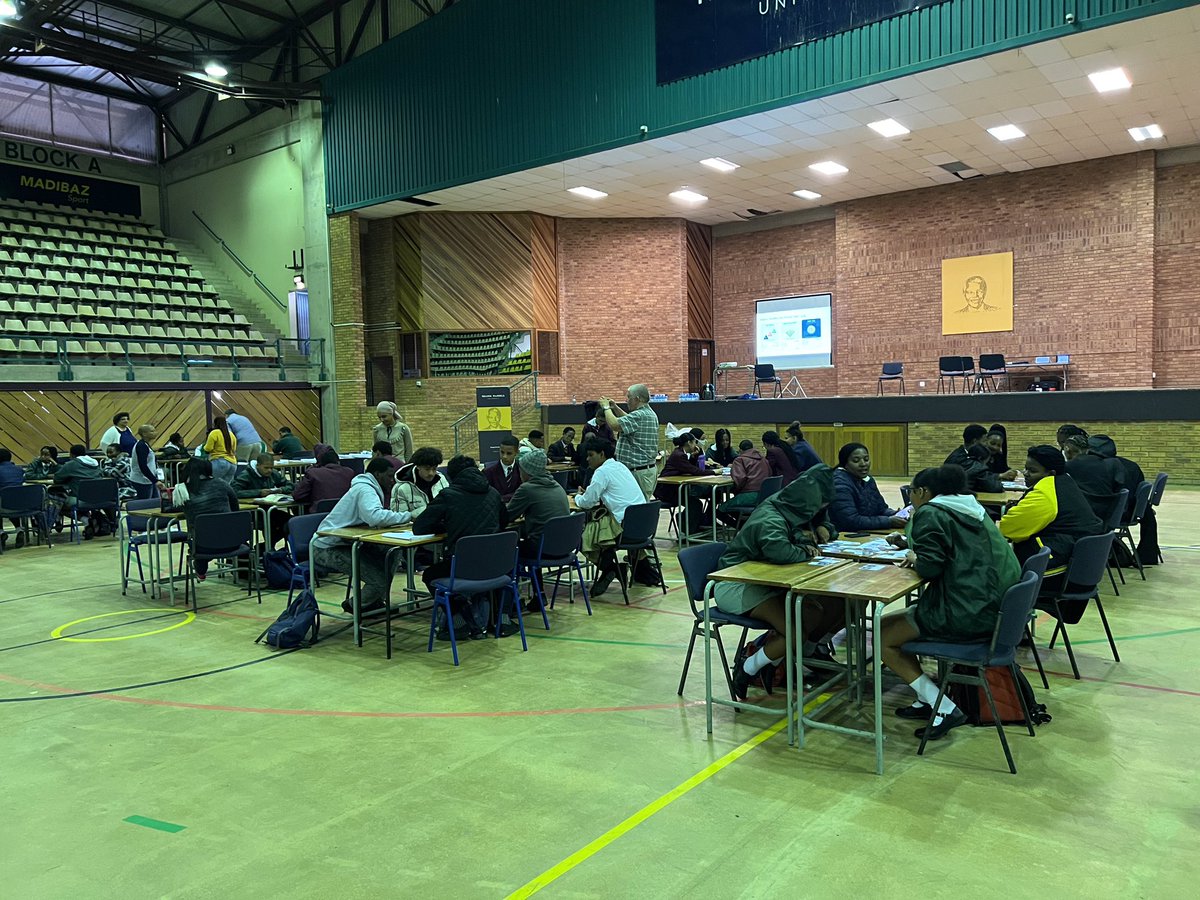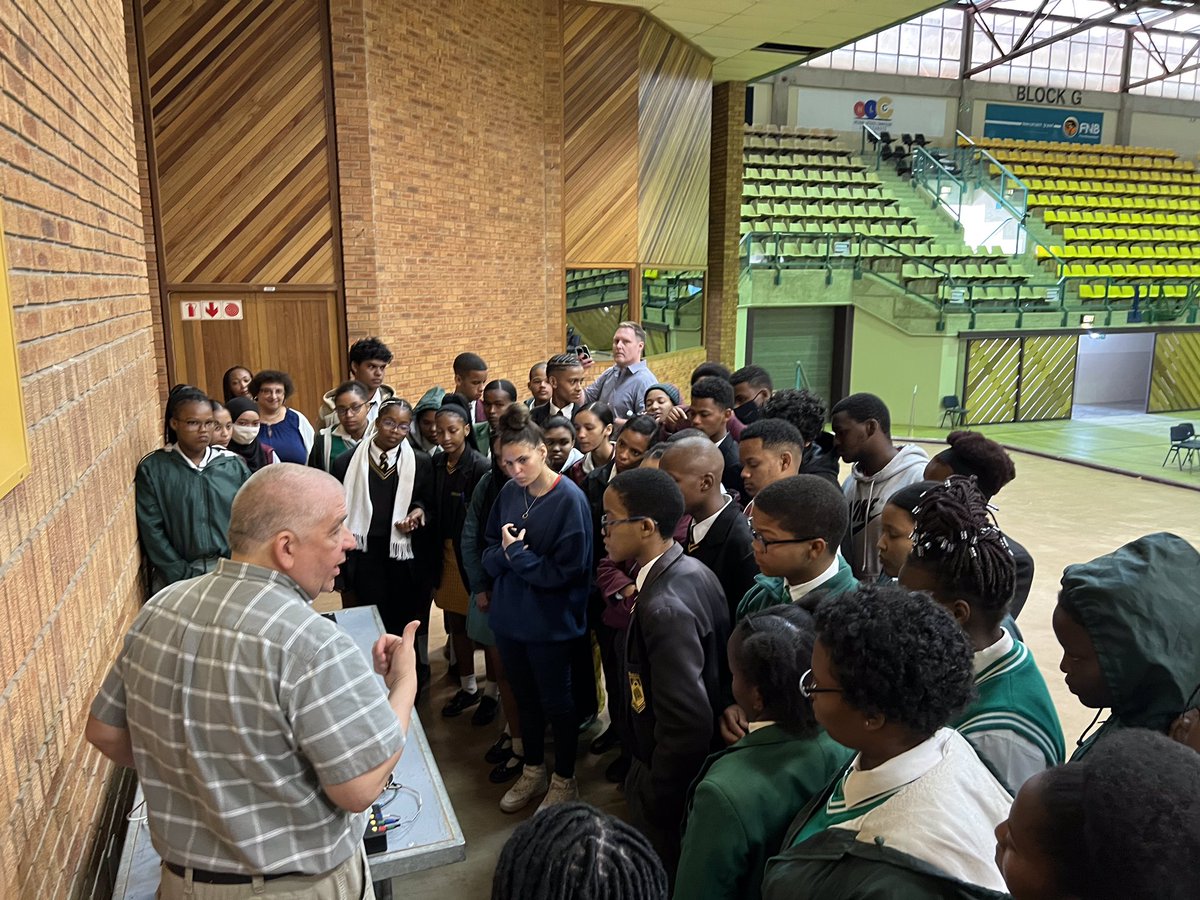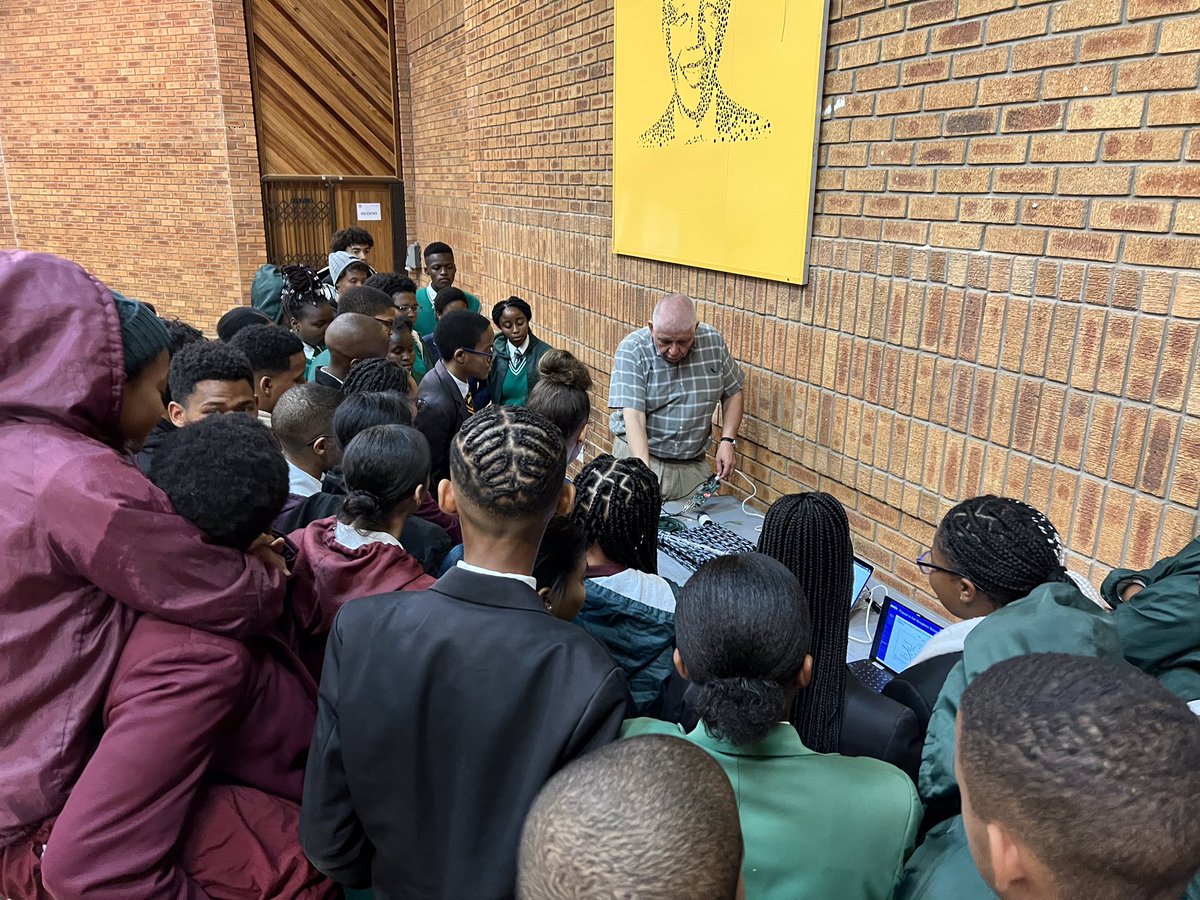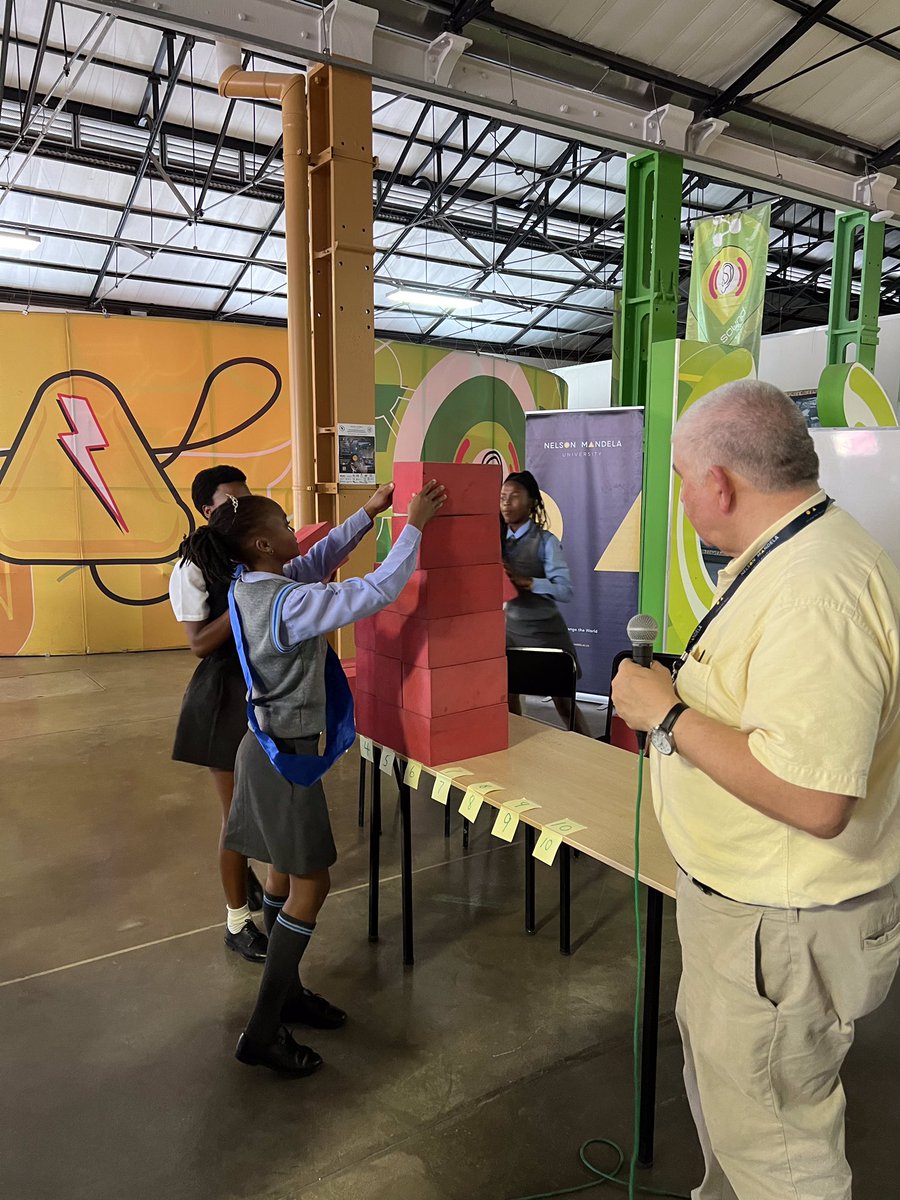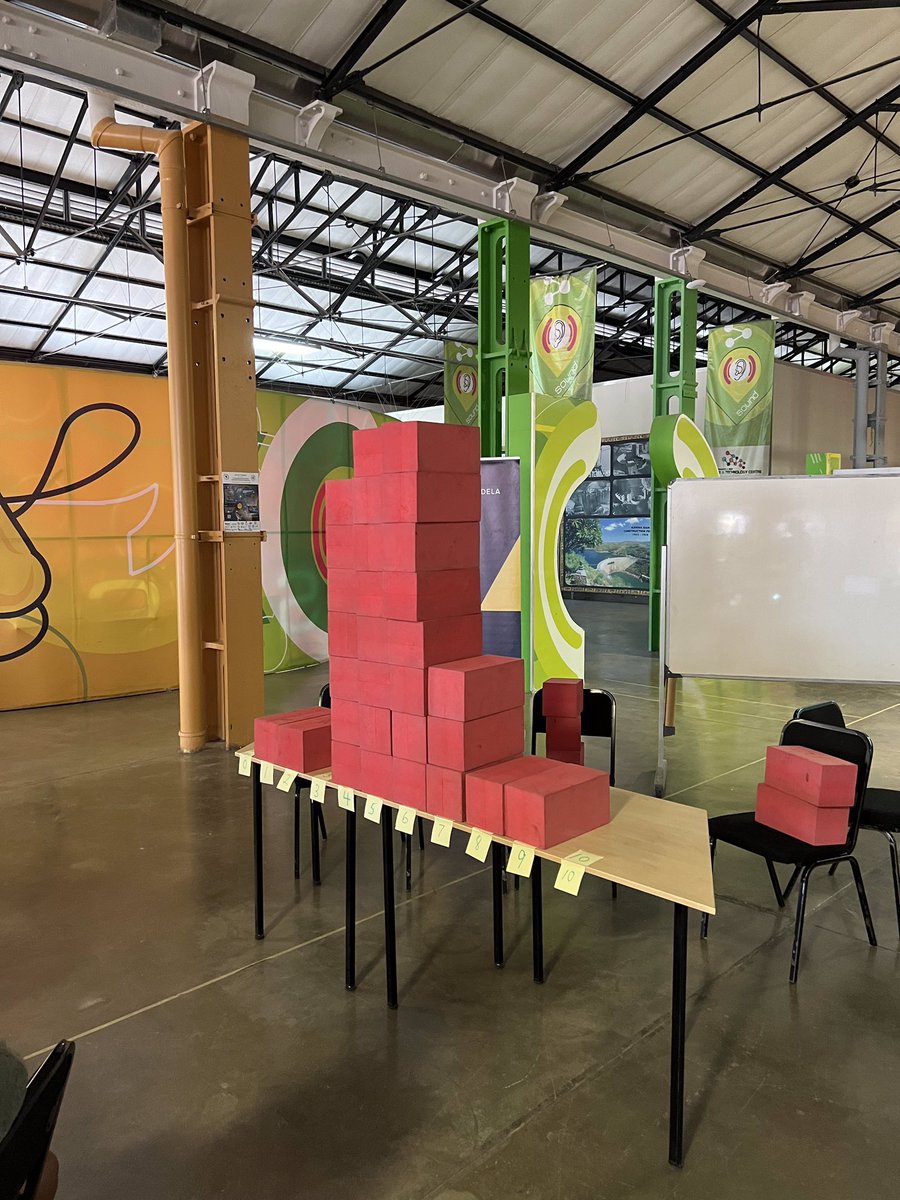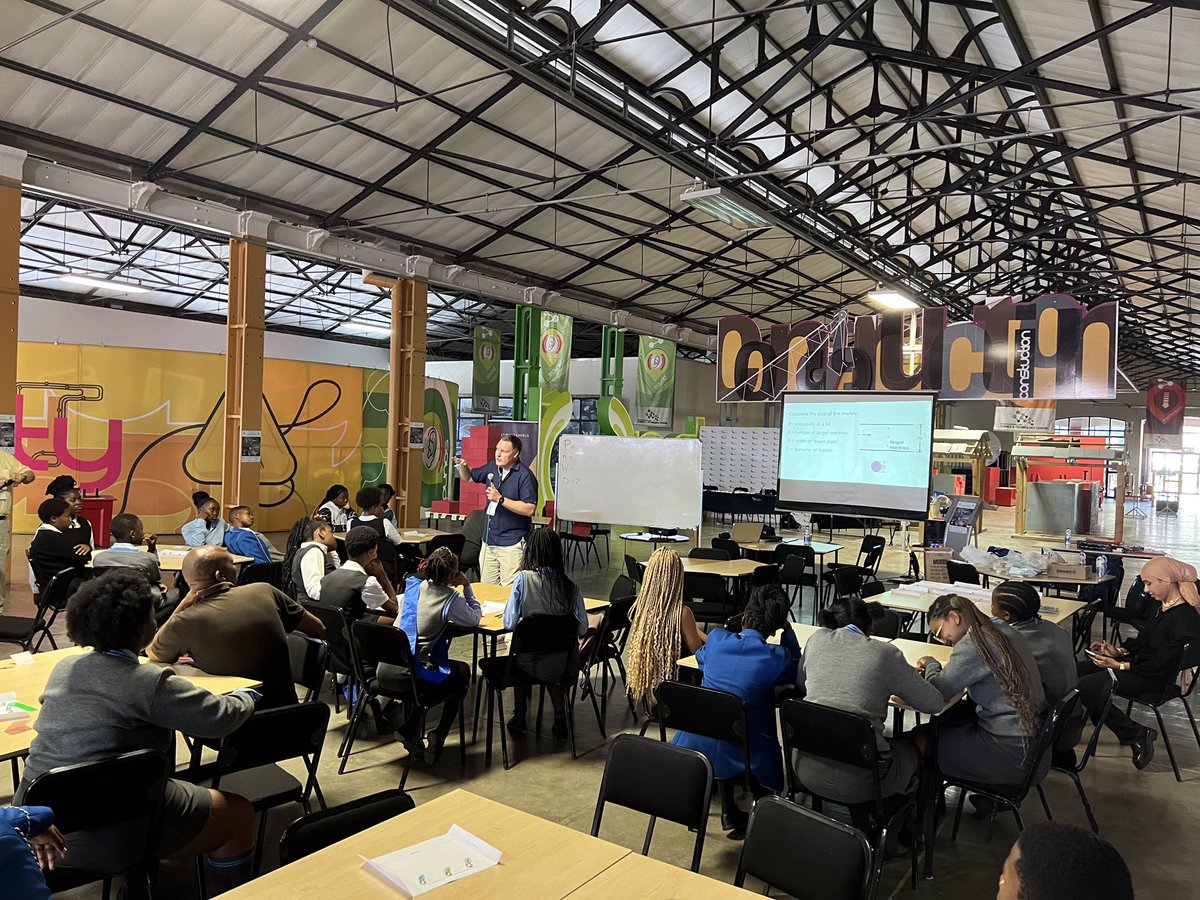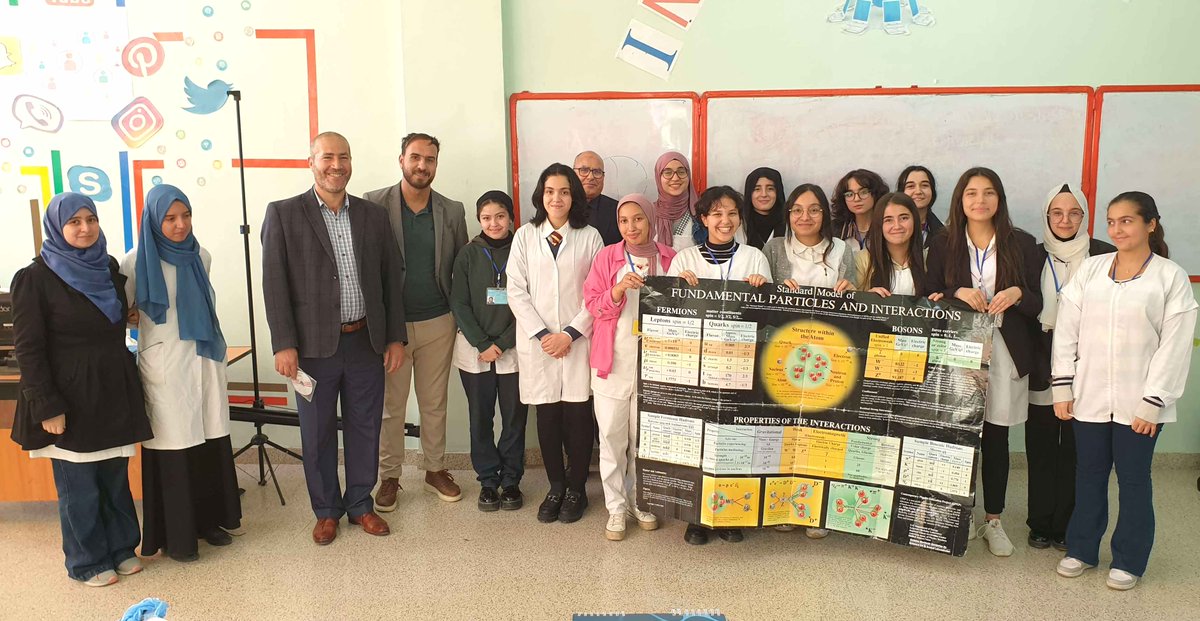
3rd African Conf. on Fundamental & Applied Physics last September: Co-chair Pedro Abreu & IMC co-coordinator Kenneth Cecire teamed up with South African students for an interesting masterclass!
👉 Read more on ippog.org#physics#particlephysics#outreach
Exciting news! An analysis of NANOGrav’s 15-year data shows evidence for the existence of low-frequency gravitational waves. Teams in Australia, China, Europe, and India have also independently reported their results today. @EPTAGW@InPTA_GW@ARC_OzGRav@CSIRO_ATNF
🔔IceCube results to be published in @ScienceMagazine tomorrow!
For the first time, IceCube found evidence of high-energy neutrino emission from our galaxy ➡️ bit.ly/3JBfqYa
📸: IceCube/NSF (Lily Le & Shawn Johnson)/ESO (S. Brunier)
#OurGalaxyInNeutrinos
ALT The Milky Way galaxy pulsating in blue neutrinos
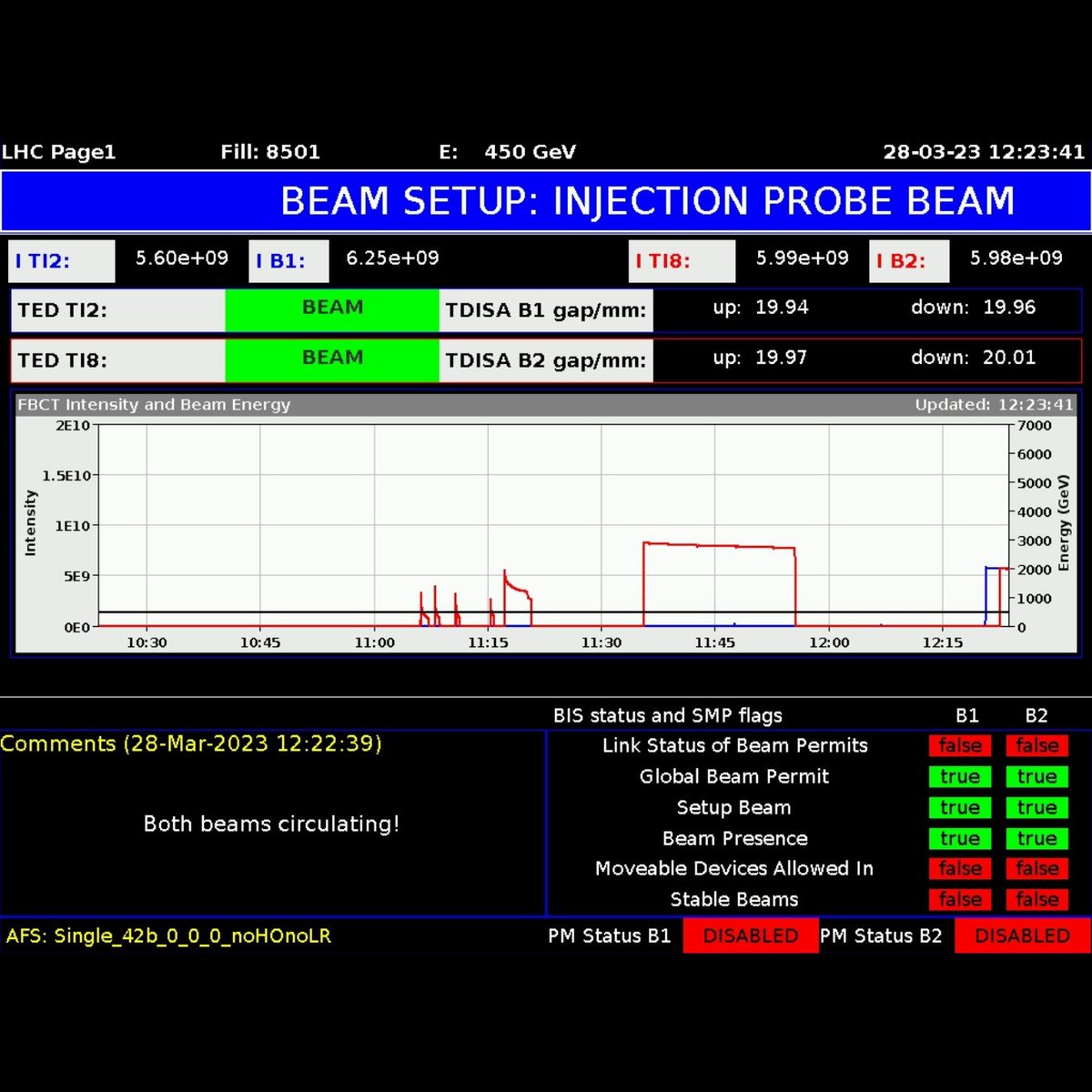
12:22 was beam o’clock in the #LHC 🌠
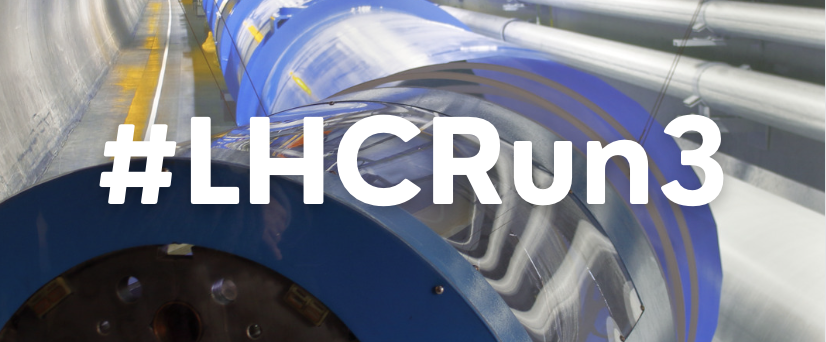
Yesterday, CERN’s flagship accelerator wakes up from its winter slumber – the year-end technical stop (YETS) – ready for the 2023 data-taking season of the #LHCRun3. #BeamTime
Read more: home.cern/news/news/accelera…
Open Data for everyone! 🗃️
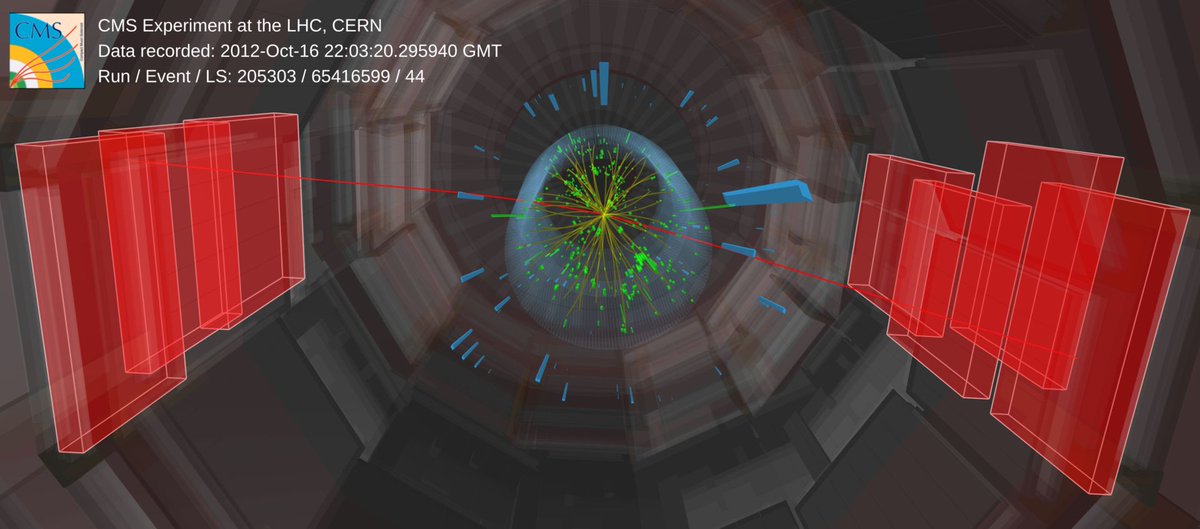
CMS Experiment is unique, sharing all its proton proton data from Run1 with the public! Don't forget that these data led CMS scientists to the discovery of the #Higgs boson 10 years ago! 🎉 Read more: cms.cern/news/cms-completes-…
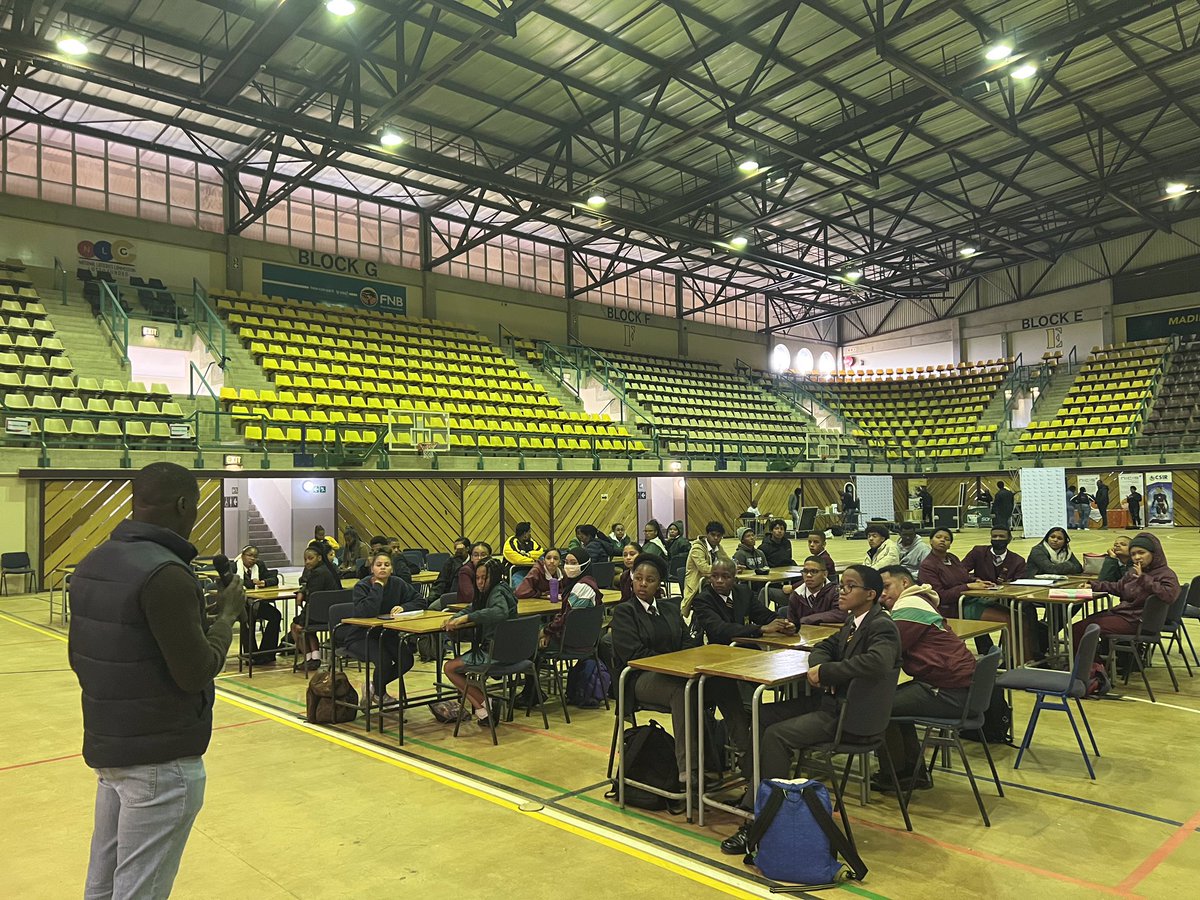
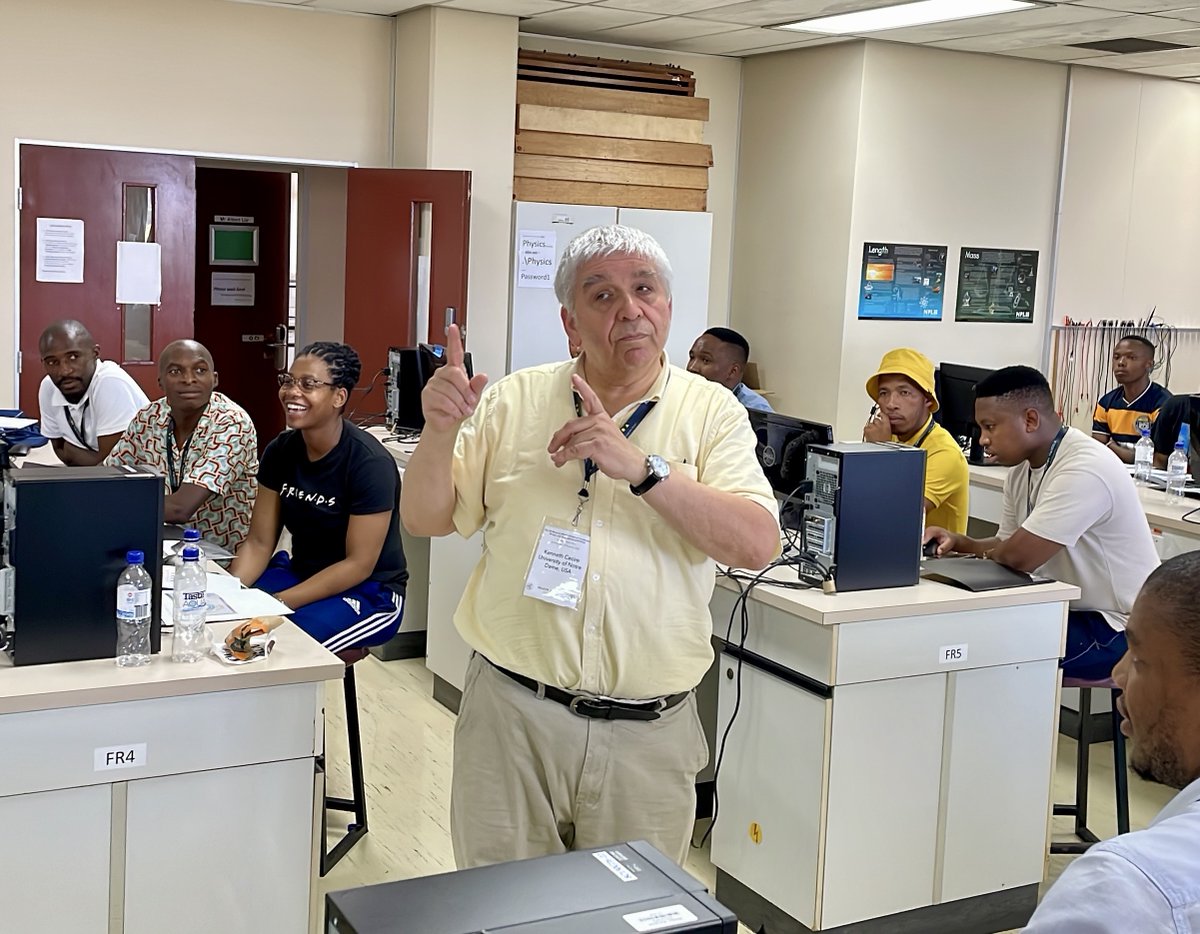
US physical science educator Ken Cecire engaged with – and entertained! – his audience of teachers at his presentation on particle physics today at the African School of Fundamental Physics and Applications (ASP) conference
Pic @gmcainsh
#ASP2022#AfricaSchoolofPhysics
‼️‼️‼️ LAST CALL ‼️‼️‼️‼️
Last two days to register for the 19th International Masterclasses program!
International Masterclasses 2023 will take place from 13.2. - 31.3.2023
⬇️⬇️⬇️
physicsmasterclasses.org#internationalmasterclassesprogram
"Now you got a worldwide bunch of enthusiastic physicists "en herbe" in store for the future... "
In the photo students from Algeria during the World Wide Data Day 2022
Thank you for the wonderful words!
#worldwidedataday#w2d2#science#GirlsinStem@QuarkNet
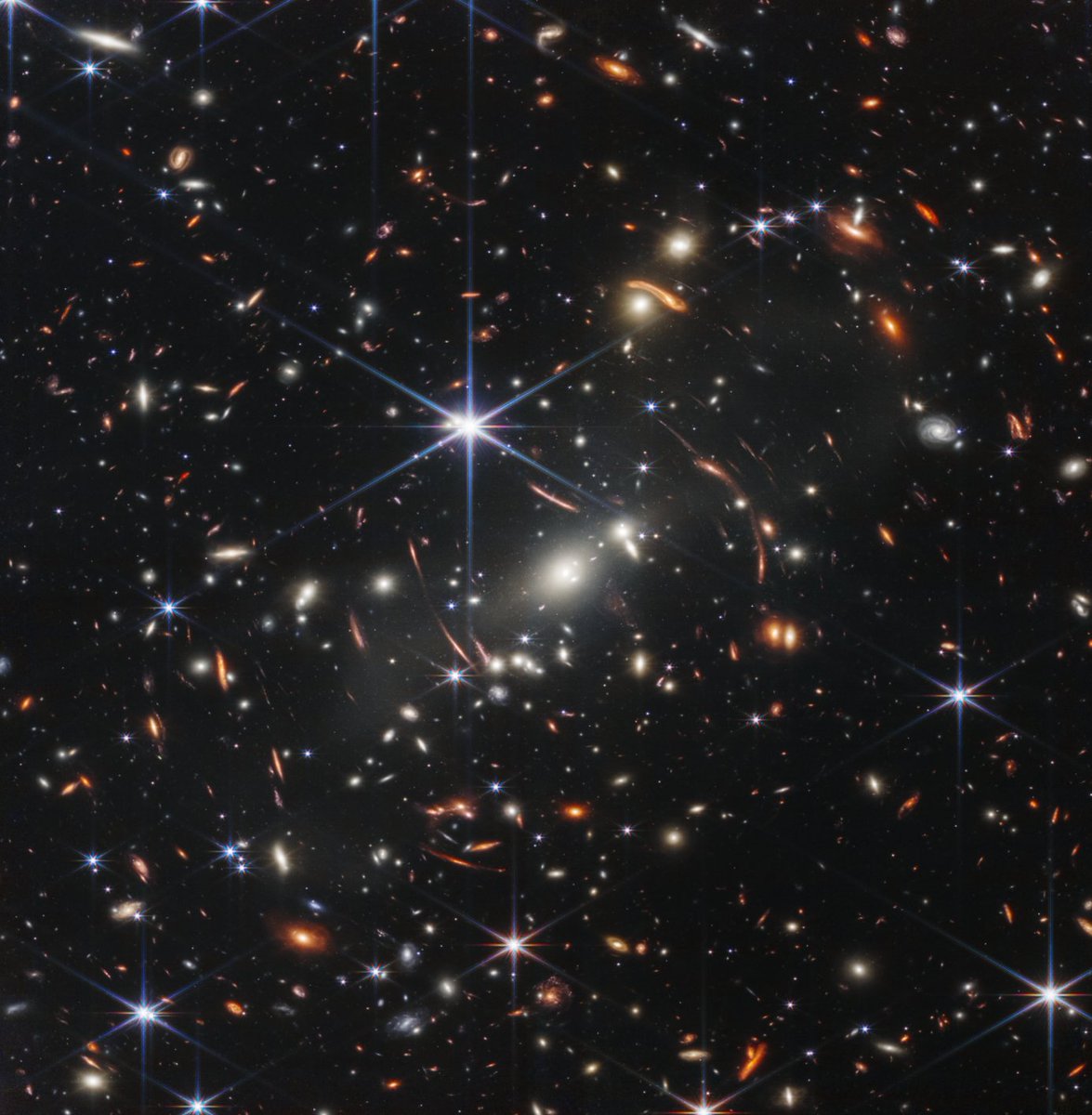
👀 Sneak a peek at the deepest & sharpest infrared image of the early universe ever taken — all in a day’s work for the Webb telescope. (Literally, capturing it took less than a day!) This is Webb’s first image released as we begin to #UnfoldTheUniverse: nasa.gov/webbfirstimages/
ALT The background of space is black. Thousands of galaxies appear all across the view. Their shapes and colors vary. Some are various shades of orange, others are white. Most stars appear blue, and are sometimes as large as more distant galaxies that appear next to them. A very bright star is just above and left of center. It has eight bright blue, long diffraction spikes. Between 4 o’clock and 6 o’clock in its spikes are several very bright galaxies. A group of three are in the middle, and two are closer to 4 o’clock. These galaxies are part of the galaxy cluster SMACS 0723, and they are warping the appearances of galaxies seen around them. Long orange arcs appear at left and right toward the center.
Stable beams are back at the Large Hadron Collider! During stable beams, the LHC collides about a billion protons every second for hours on end. Scientists will study these collisions and search for new phenomena in #LHCRun3.
symmetrymagazine.org/article…
#LHCRun3
What changes compared to Run 2? 6.8 TeV compared to 6.5 TeV in Run 2.
This higher rate will not only greatly improve the precision of current measurements, but will allow the LHC scientists to search for rare phenomena they have never seen bef ore
#cern#science