
A sporadic data blogger with some heretical, albeit generally sane, views
Joined June 2015
- Tweets 46,399
- Following 1,172
- Followers 13,662
- Likes 45,011
6,494 Photos and videos

Pinned Tweet

31 Jan 2020
I just created a primer to summarize my research on health care (the many ways in which conventional wisdom is wrong). Much of this content was previously spread across several posts, and some of it is new.
randomcriticalanalysis.com/w…
37
97
395
Random Critical Analysis retweeted

23 Oct 2024
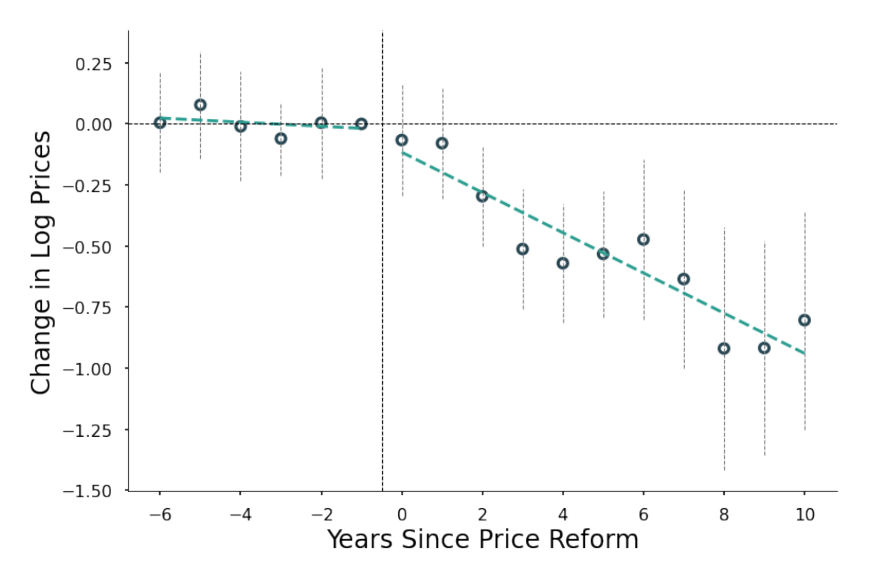
This is yet more brilliant work by Parker.
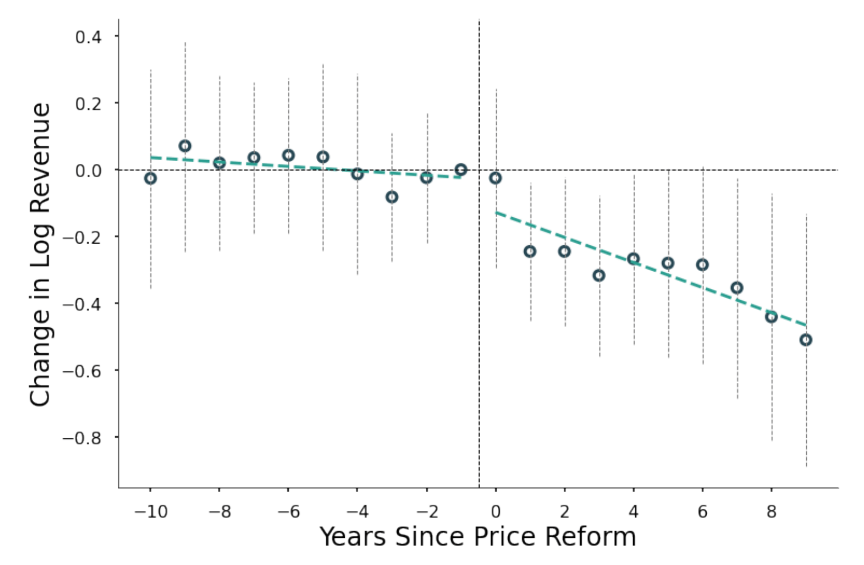
The government can constrain Medicare prices:
And this lowers manufacturer revenues:
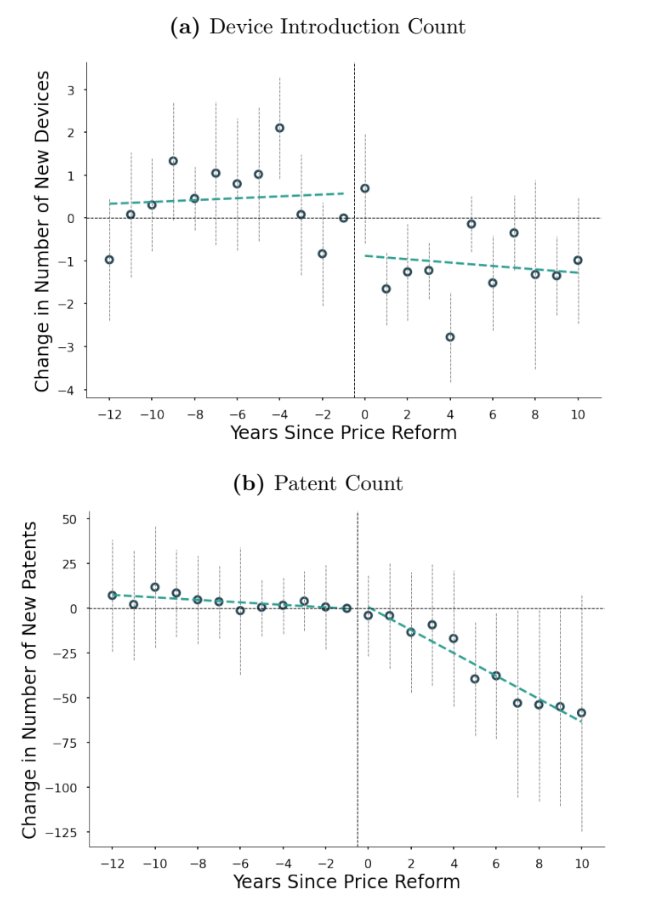
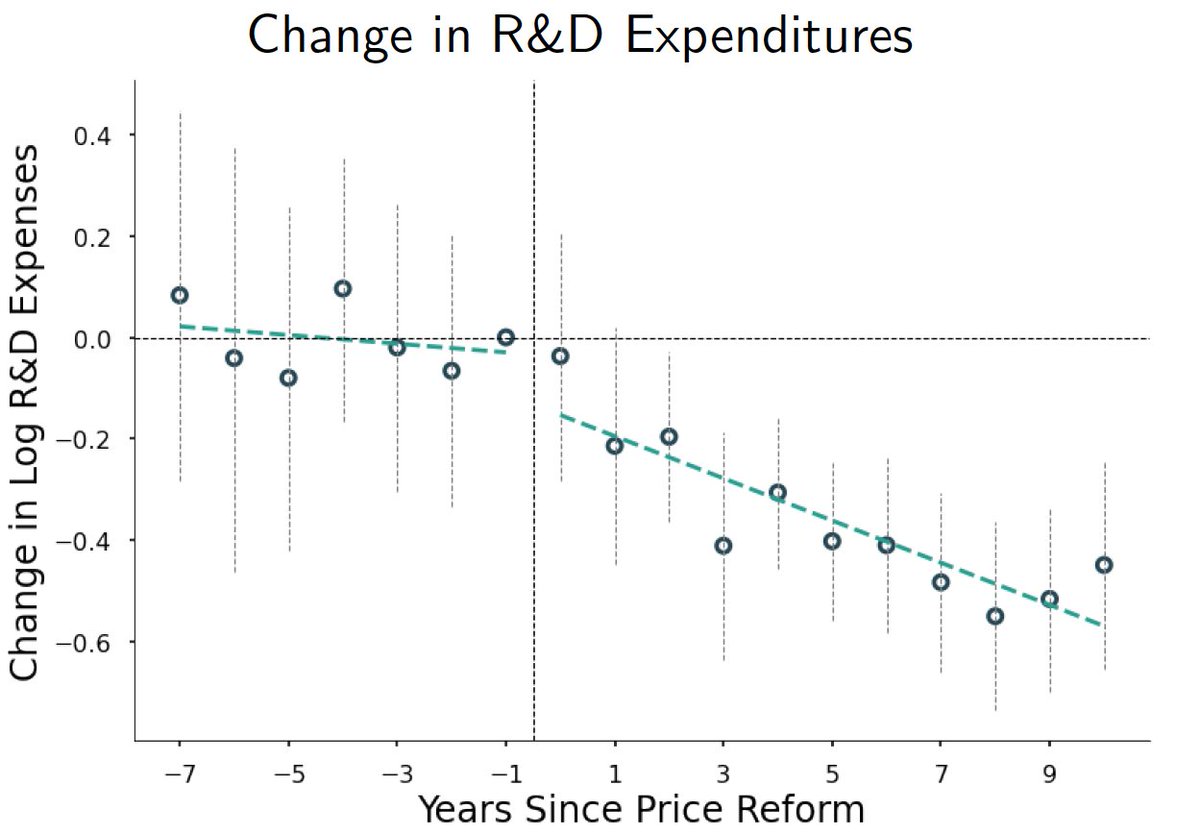
Leading to less R&D spending, and then to fewer new medical devices and patents:
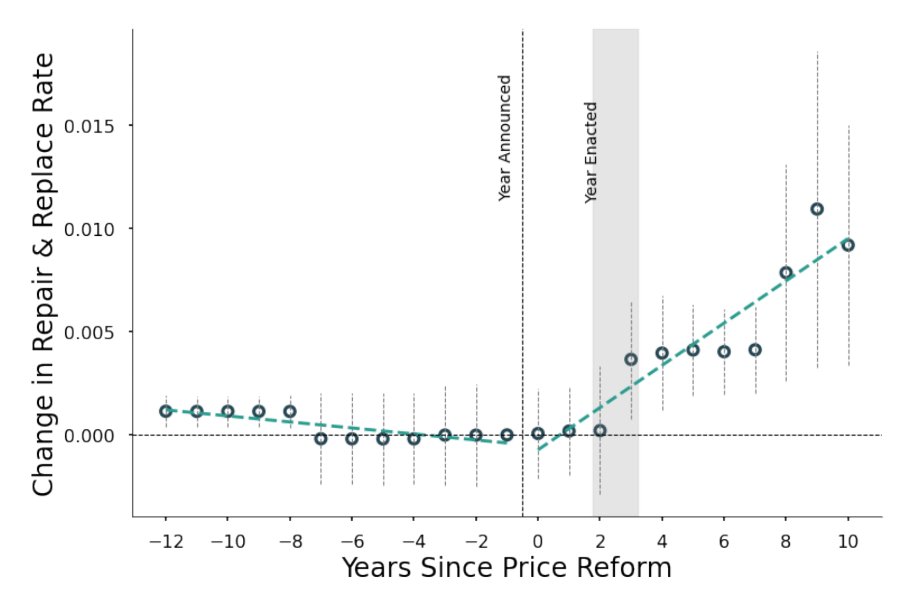
And lower overall product quality:
23 Oct 2024

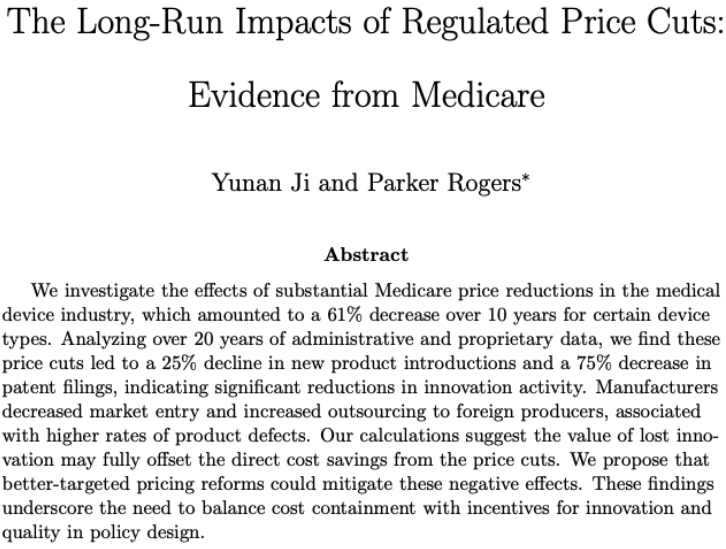
🚨 What happens when the gov't cuts prices on medical technologies?
New research (w/ @YunanJi) finds a 61% price cut led to:
75% drop in innovation (may fully offset savings)
49% fewer new firms
28% more production moved overseas
3x repair/replacement rate
🧵(1/n)
25
70
489
124,904
Random Critical Analysis retweeted

28 May 2024
How credible was the "credibility revolution"? How robust is empirical research in economics? We just replicated a year's worth of the American Economic Review & had economists predict robustness. Here's what we learned. econstor.eu/handle/10419/295…
20
225
655
346,622

New article by me:
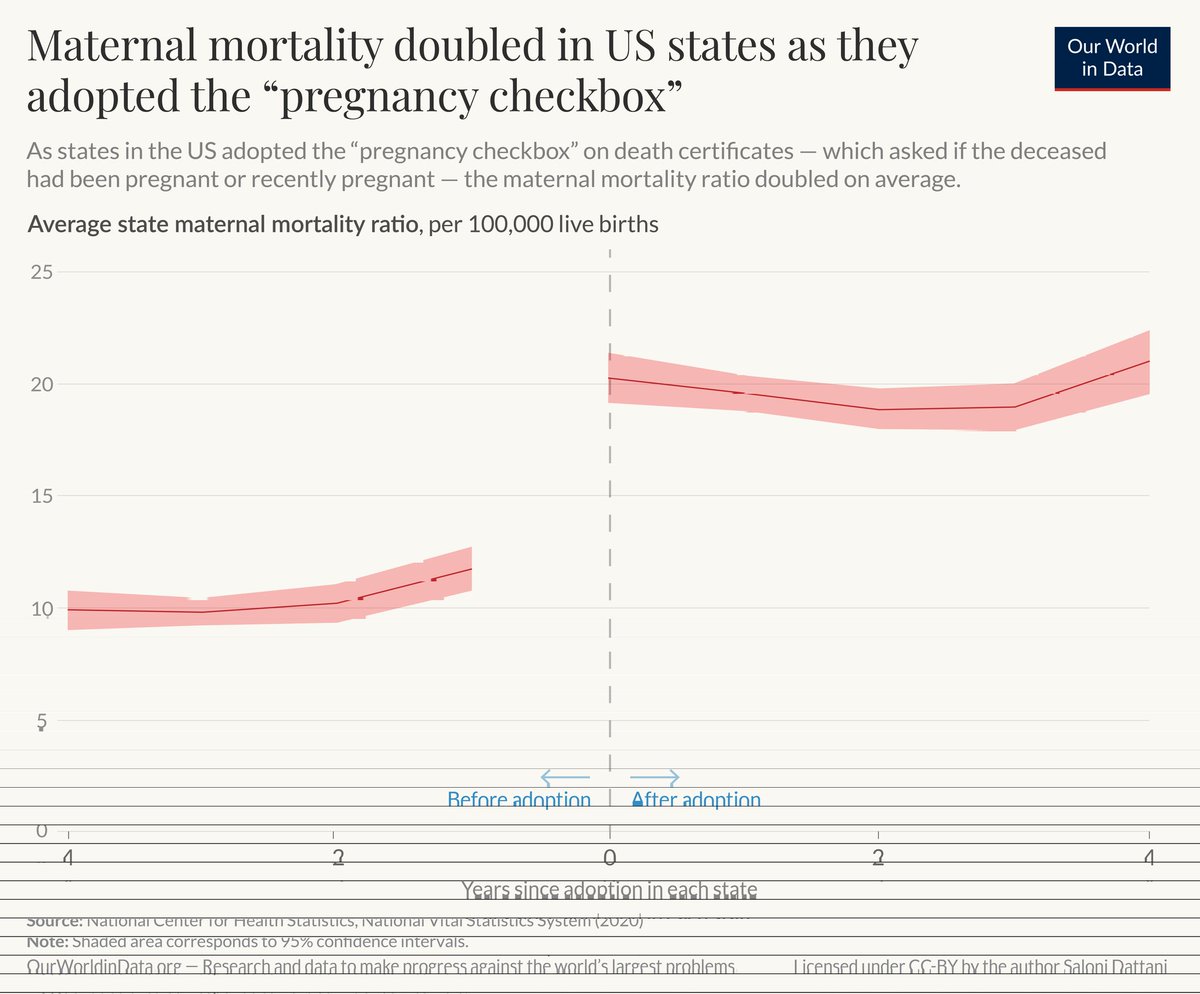
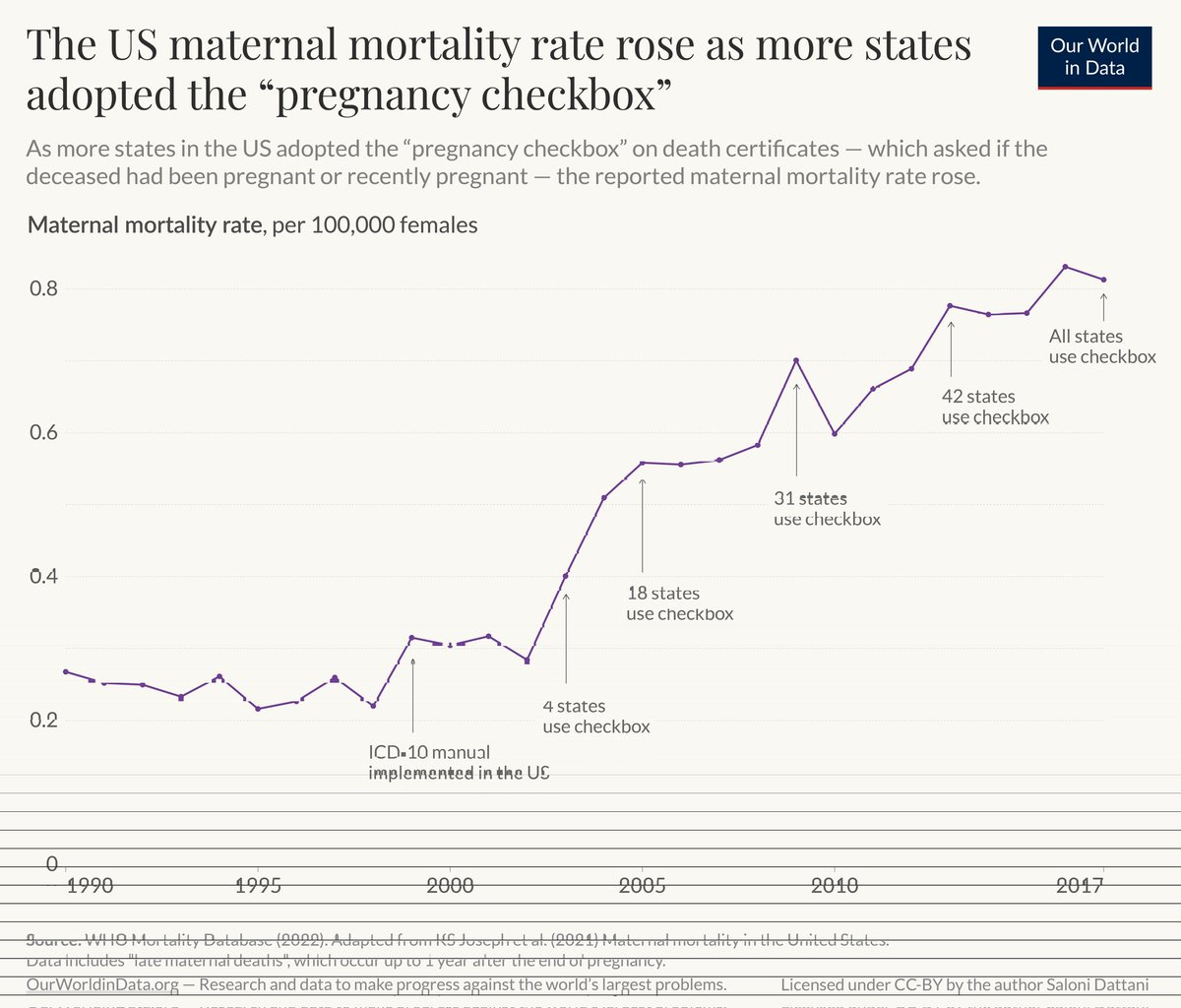
The rise in reported maternal mortality rates in the US is largely due to a change in measurement.
ourworldindata.org/rise-us-m…
The change was adopted by different states at different times, resulting in what appeared to be a gradual rise in maternal mortality.
20
291
1,356
581,173
17 Apr 2024
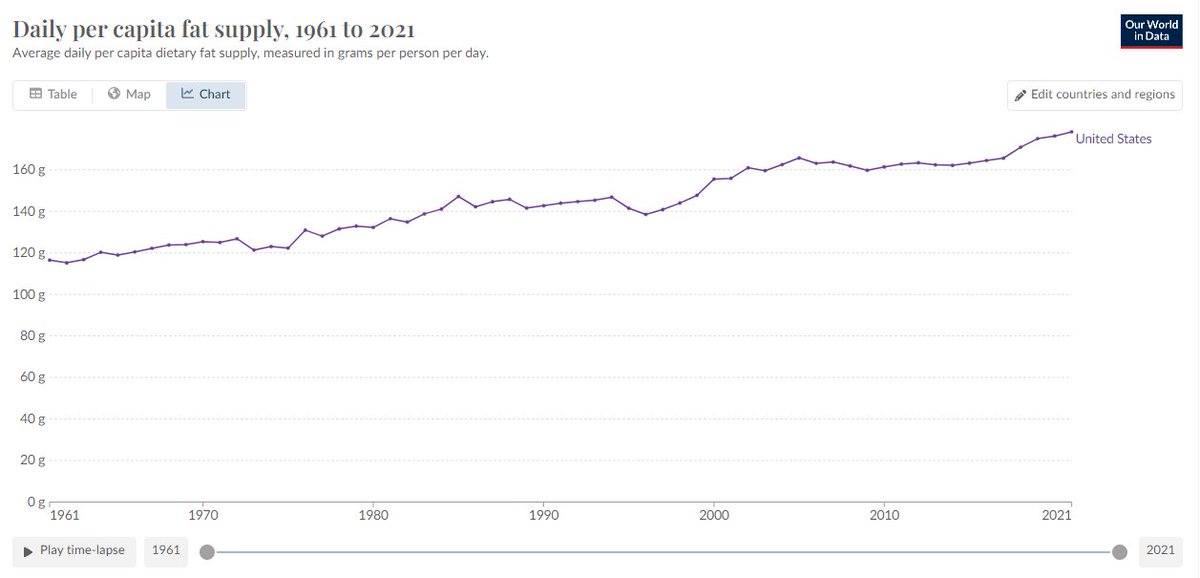
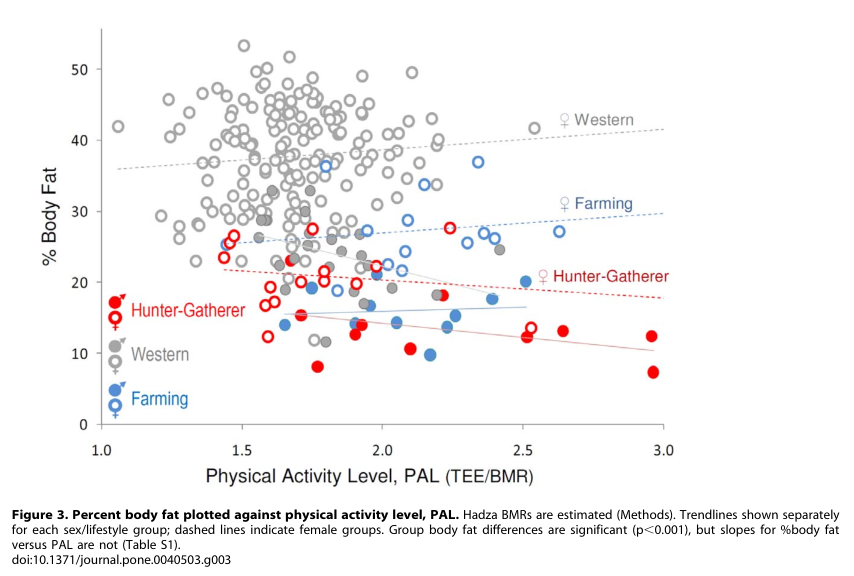
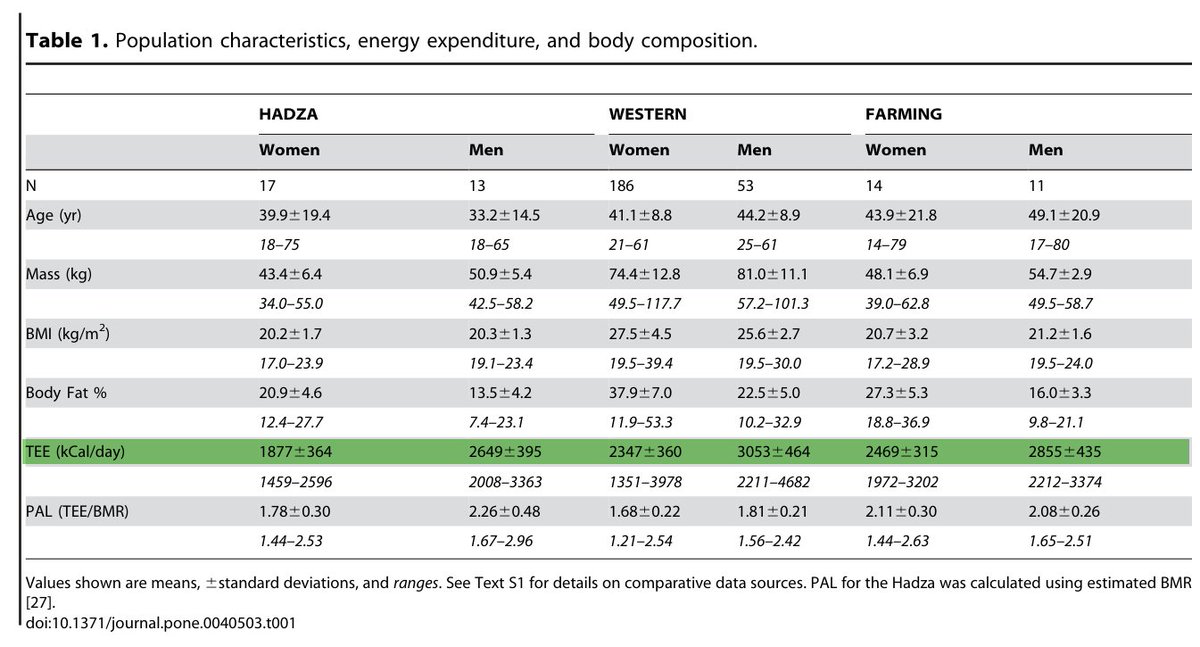
No, it 𝘪𝘴 the calories. All calories, particularly palatable and energy-dense foods, such as fats and sugars, are much more affordable and accessible today than at any other time or place in history. The Hadza don't have DoorDash.
x.com/sixers2772/status/1780…
17 Apr 2024

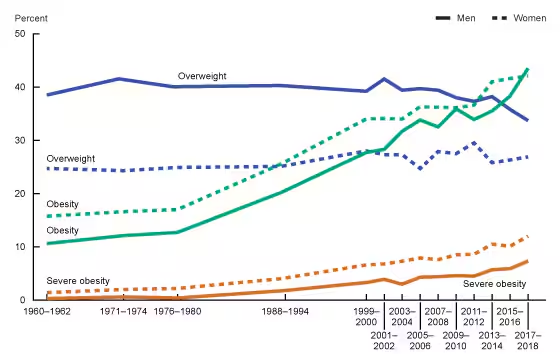
In the 1980s, something happened and obesity suddenly began to spike in the United States. But what caused the spike?
Here is why it's...
- Not the sugar
- Not the PUFAs
- Not the nnEMFs
- Not the calories
THREAD 🧵
12
11
154
25,633
Random Critical Analysis retweeted

26 Oct 2023
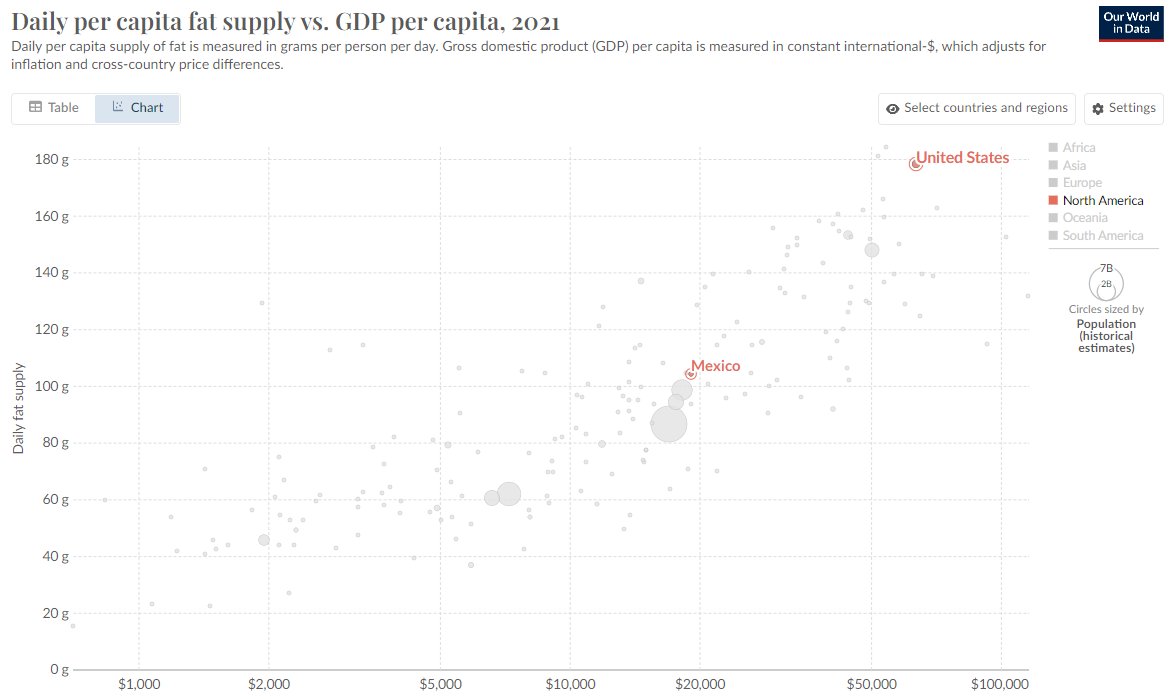
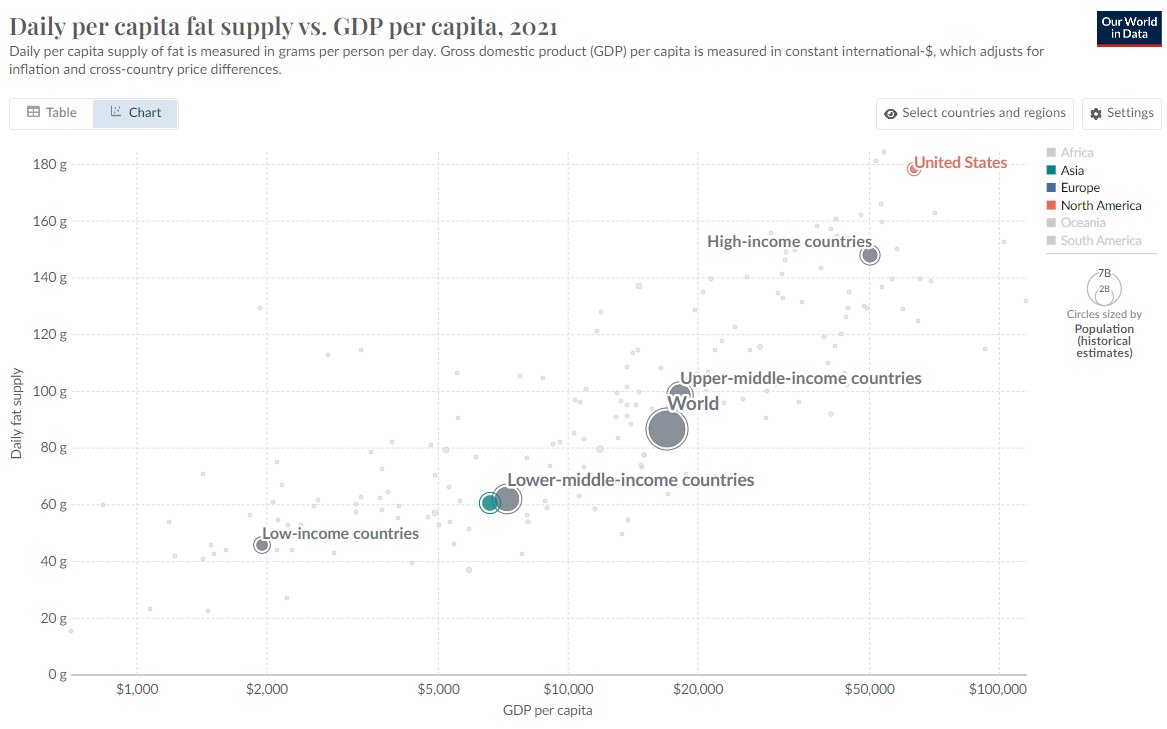
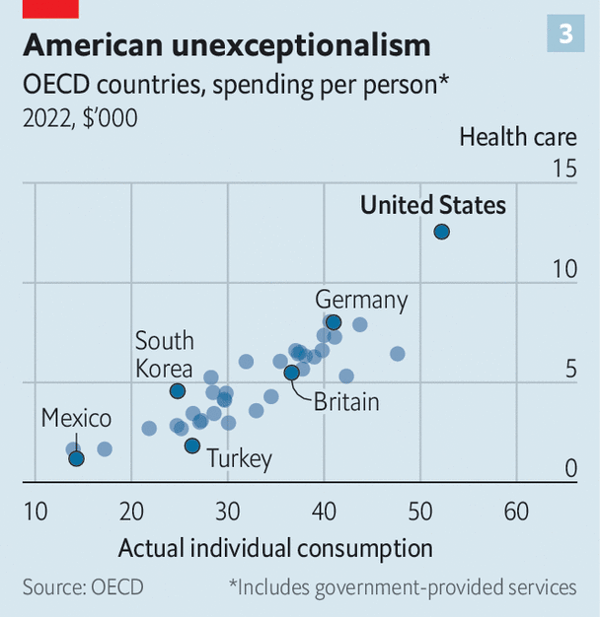
But @EricTopol the point is that America is *not* an outlier when you account for the fact it is so rich x.com/EricTopol/status/17175…

9
16
137
30,372
7 Jul 2023
This week in Everest regressions…
5 Jul 2023

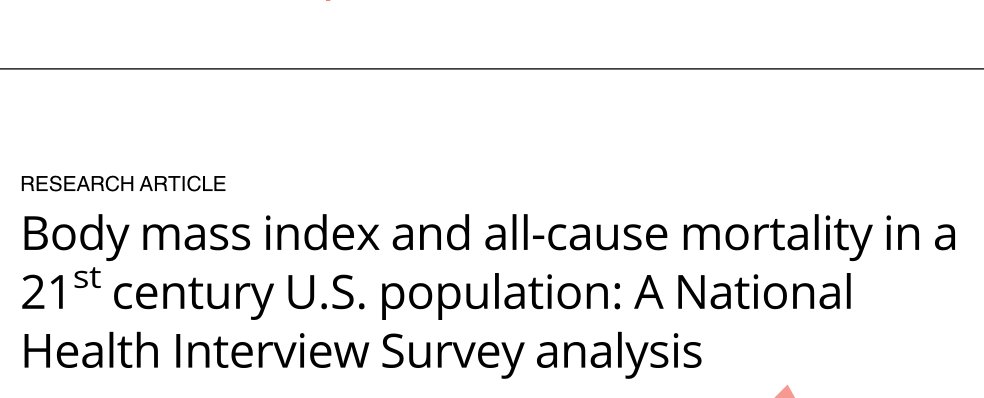
Maybe being obese doesn't actually raise your risk of death
"Body mass index may not increase mortality independently of other risk factors in adults, according to a new study published this week" in @PLOSONE.
journals.plos.org/plosone/ar…
2
1
17
4,555
Random Critical Analysis retweeted

26 Jun 2023
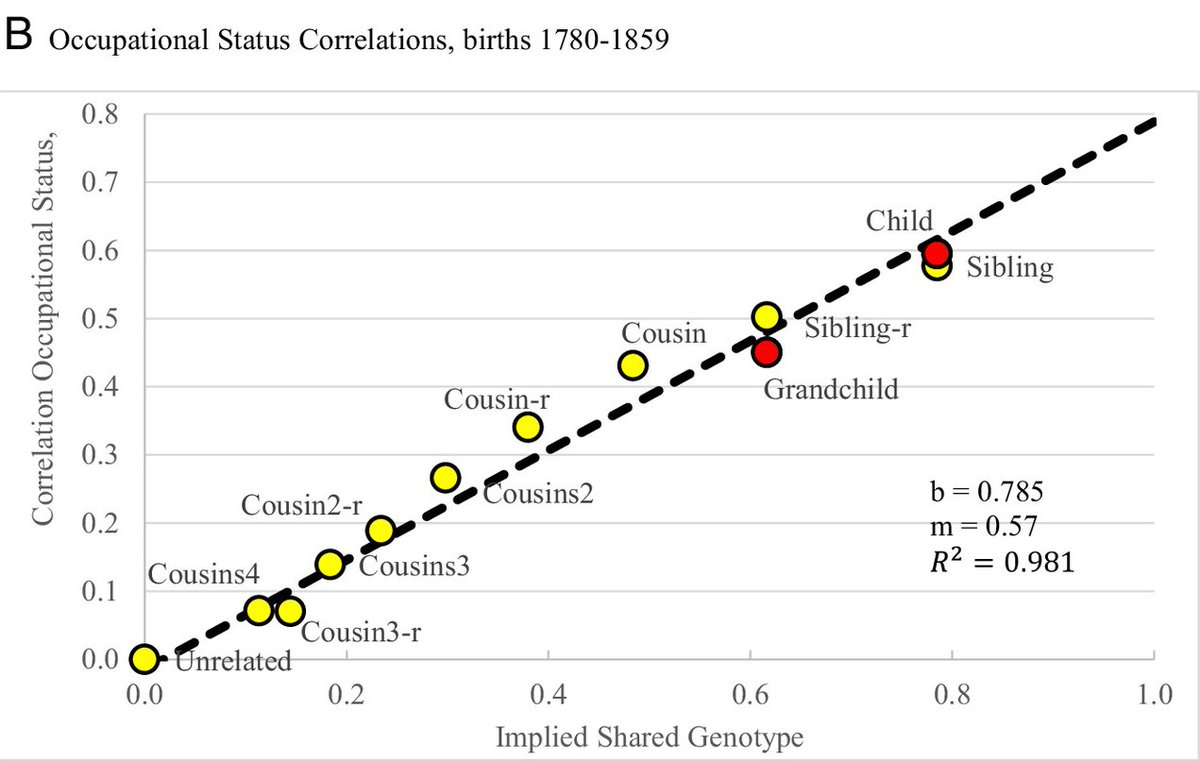
In PNAS today, Greg Clark documents the inheritance of social status in an impressive dataset on 422,374 people born in England between 1600 to 2022.
Clark finds a strong persistence in social status going from close to distant relatives, which fits a model dating back to RA Fisher's 1918 work on correlations between relatives due to additive genetic effects and assortative mating.
Clark's modeling implies a very high (0.57) correlation between spouses' underlying genetic components affecting social status.
The high correlation between spouses' social status (and underlying genetic components) implies that social status has greater persistence across generations than if spouses were not correlated in their social status.
It is possible that more complicated models may turn out to explain Clark's and other data better. However, Clark shows that a simple model of additive genetic effects and assortative mating (with limited non-genetic inheritance effects, except for wealth) can fit correlations between relatives' social status over a long time period — a time period in which dramatic social changes have occurred in education and employment.
This is a remarkable piece of empirical work that anyone wanting to explain the persistence of social inequalities across generations should take seriously.
pnas.org/doi/10.1073/pnas.23…
40
211
829
512,800
Random Critical Analysis retweeted

14 Jun 2023
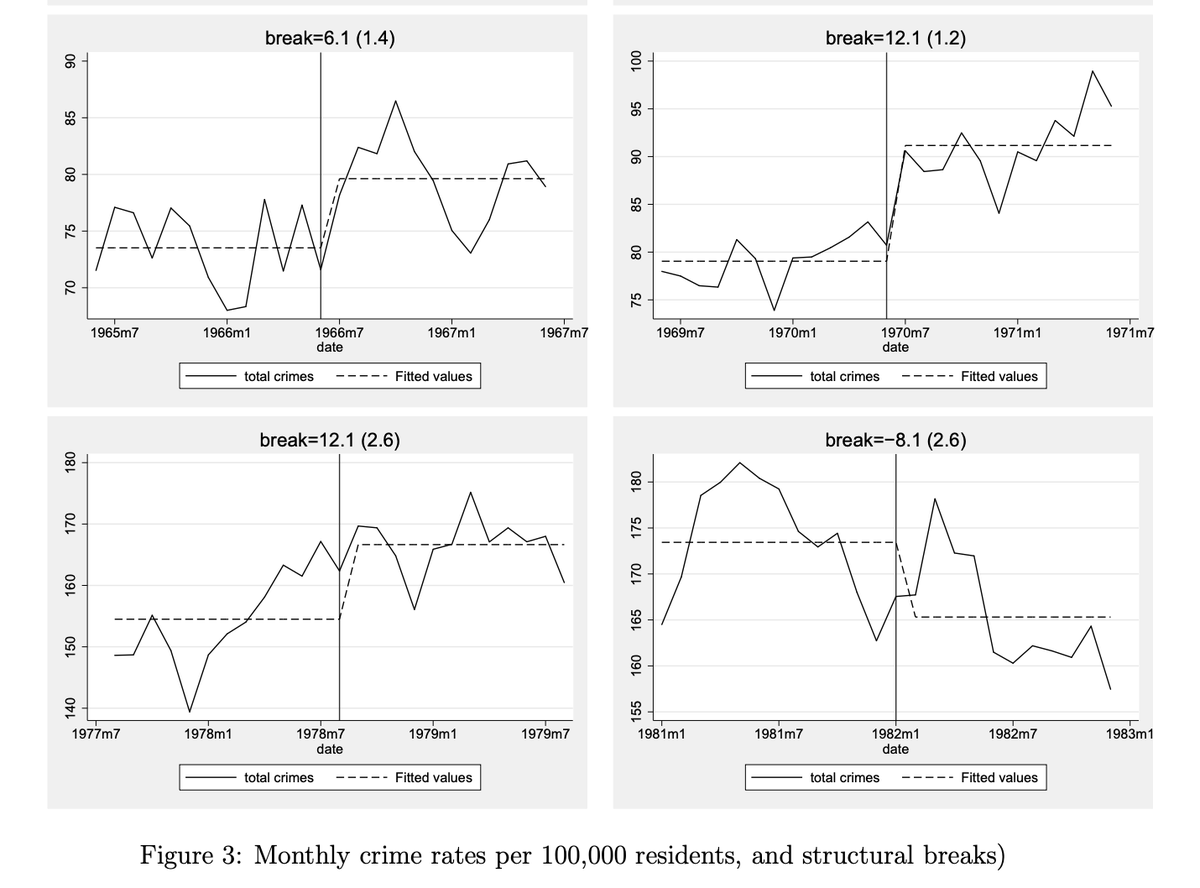
Between 1962 and 1995 Italy would occasionally release 35% of its entire prison population on one day through a broad, sweeping pardon. Unsurprisingly, these pardons drove up crime very substantially. deliverypdf.ssrn.com/deliver…
15
144
874
241,713
Random Critical Analysis retweeted

18 May 2023
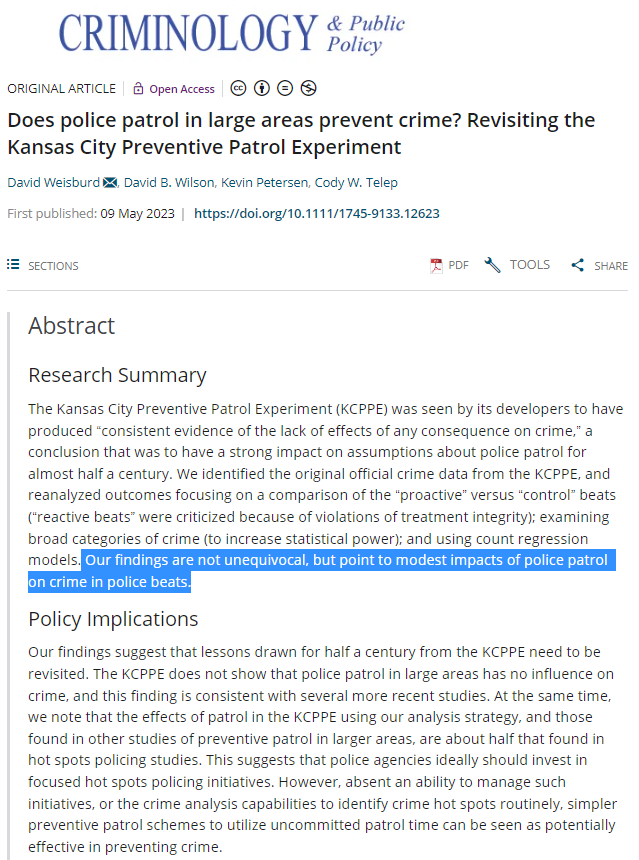
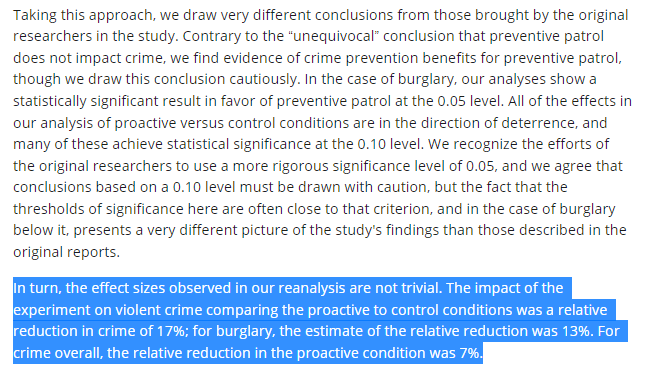
Cool new study in @CPPJournal that revisits and reanalyzes data from the classic Kansas City Patrol Experiment. Findings suggest even in areas much larger than "hot spots," proactive patrol had a nontrivial suppression effect on crime.
#AcademicTwitter
onlinelibrary.wiley.com/doi/…
2
15
48
8,407
16 May 2023
15 May 2023

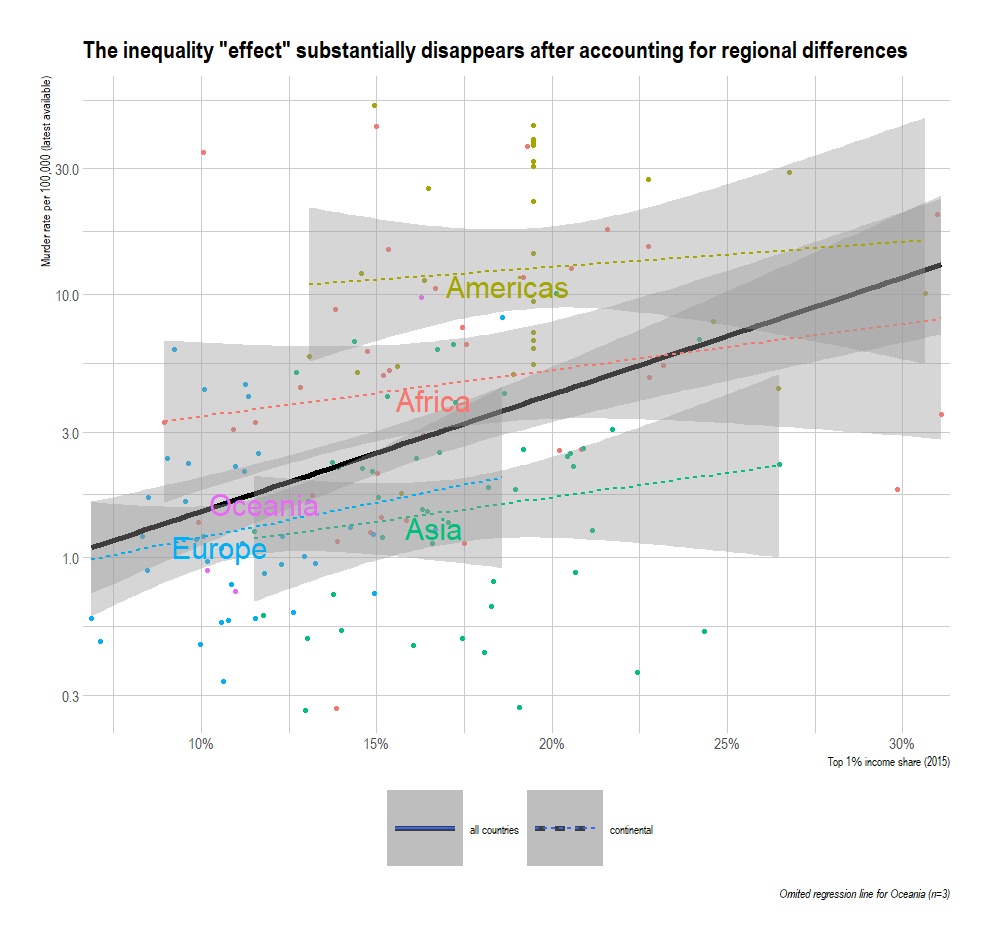
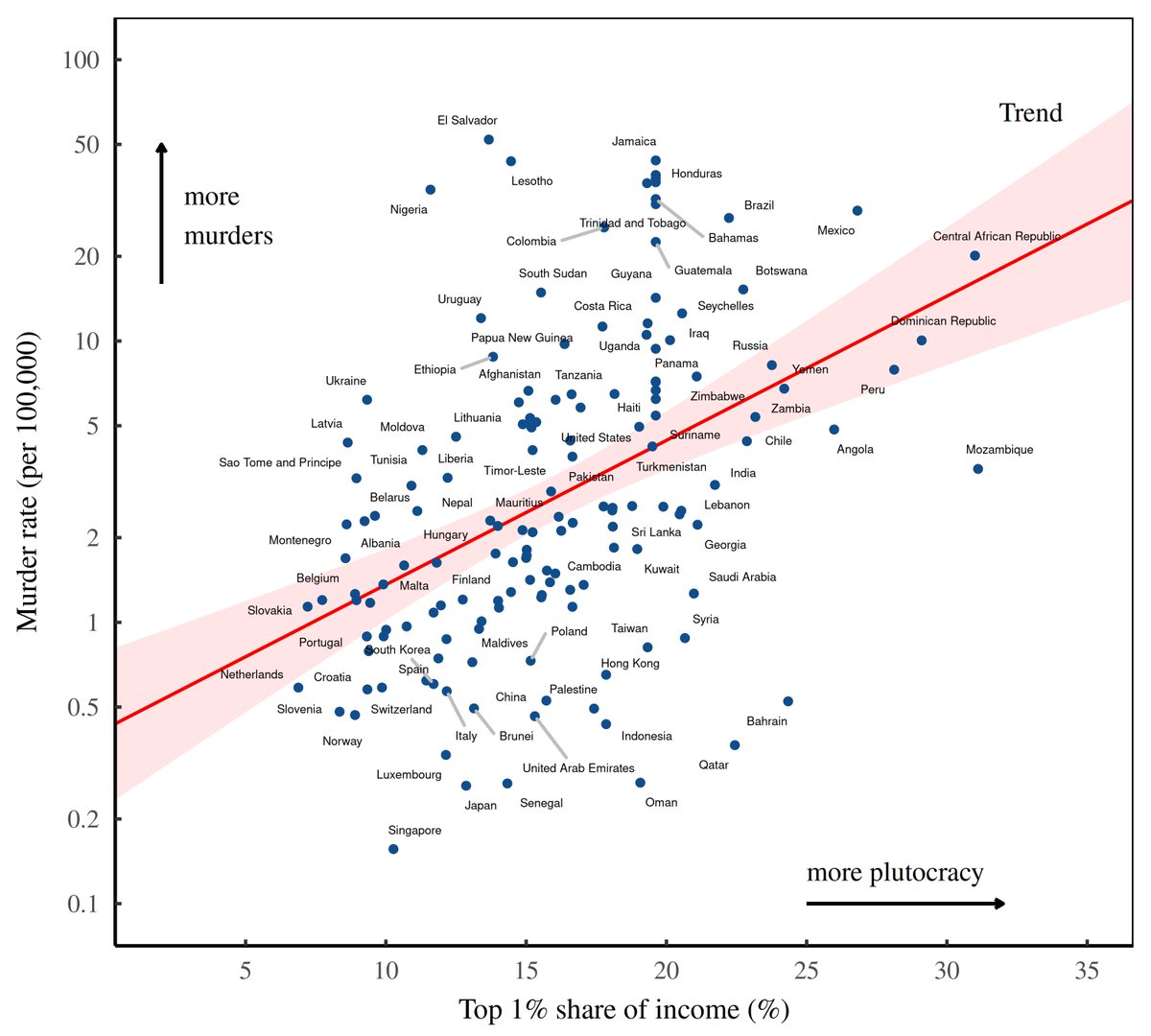
What happens when inequality rises? It turns out that murders go up.
Hmm .. maybe inequality really is structural violence.
economicsfromthetopdown.com/…
5
17
173
30,657
Random Critical Analysis retweeted

2 May 2023
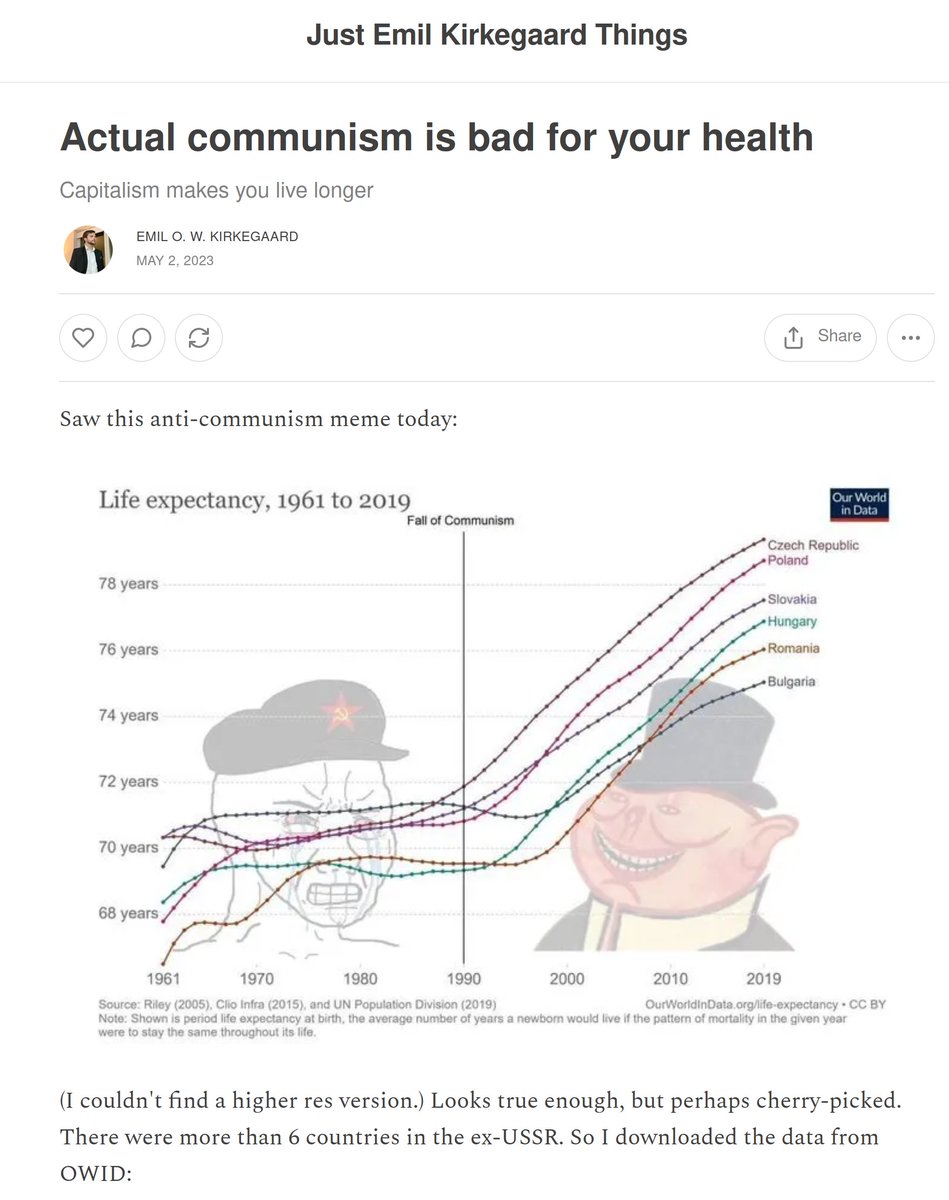
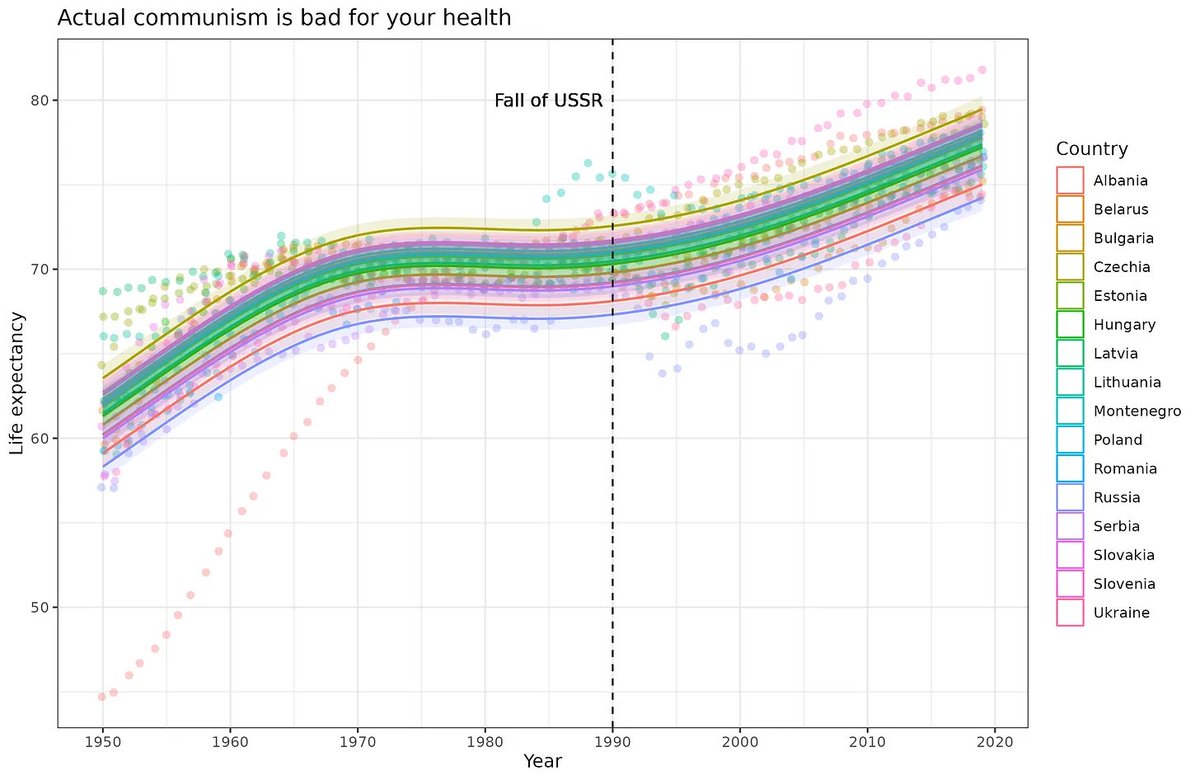
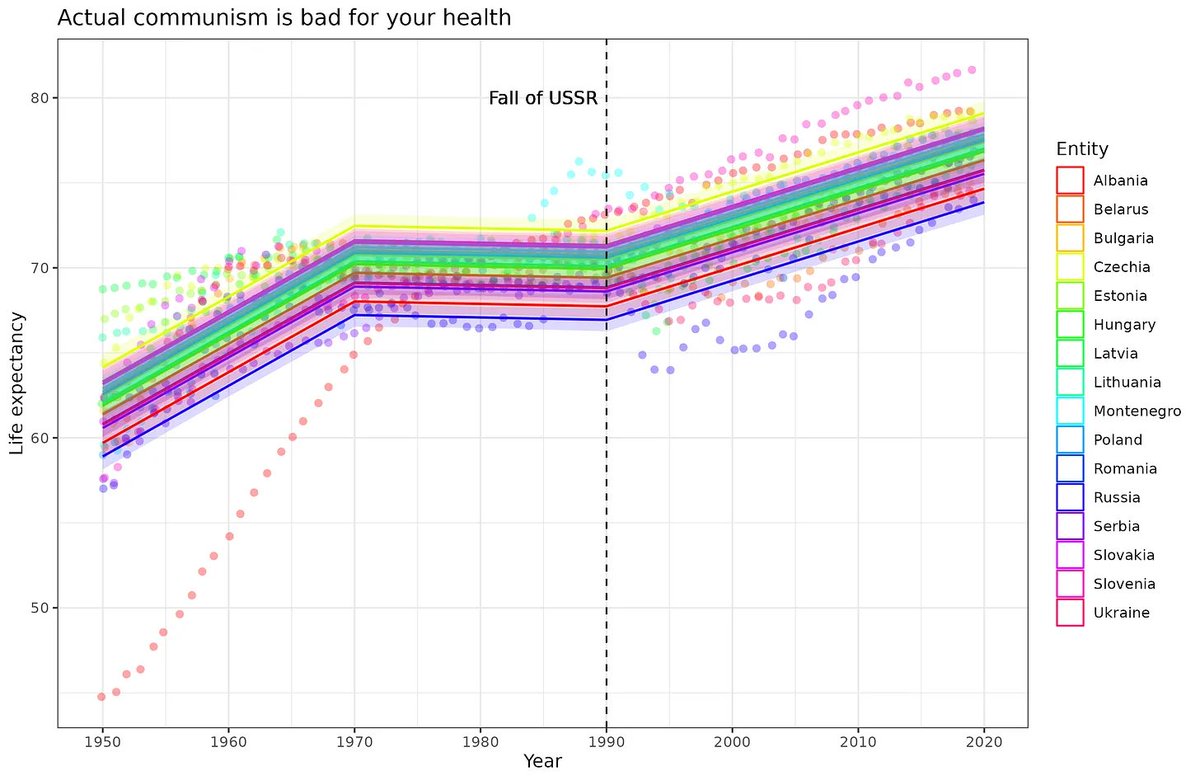
Actual communism is bad for your health
kirkegaard.substack.com/p/ac…
2
10
52
5,214
Random Critical Analysis retweeted

28 Apr 2023
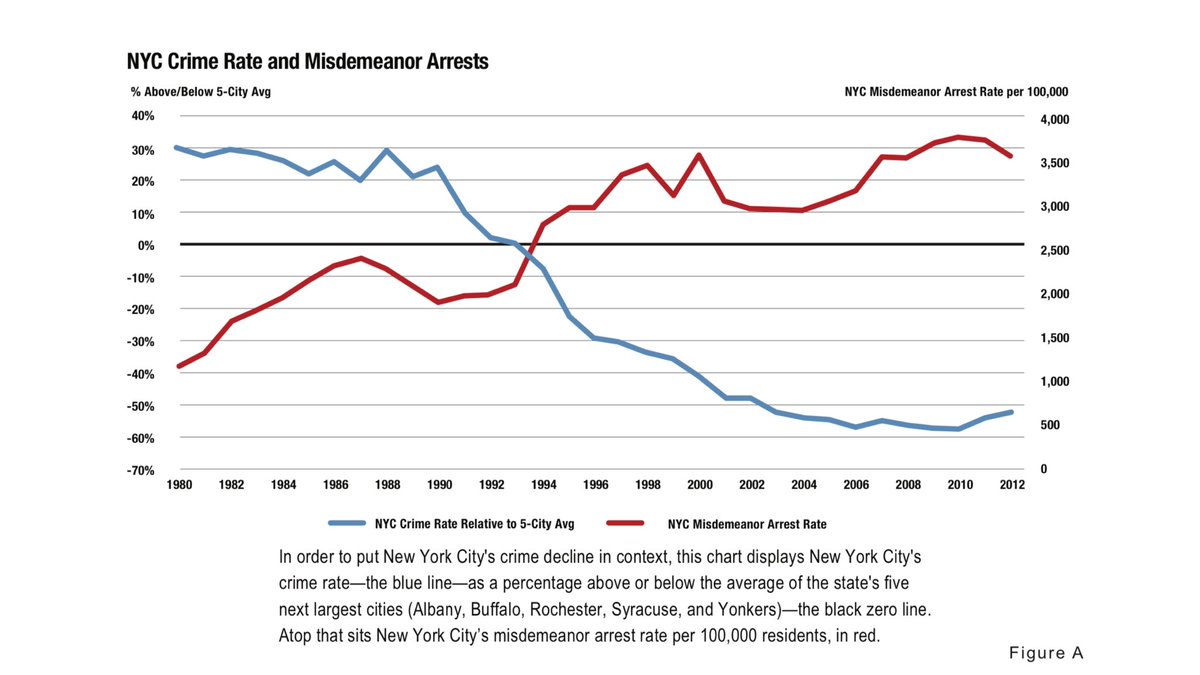
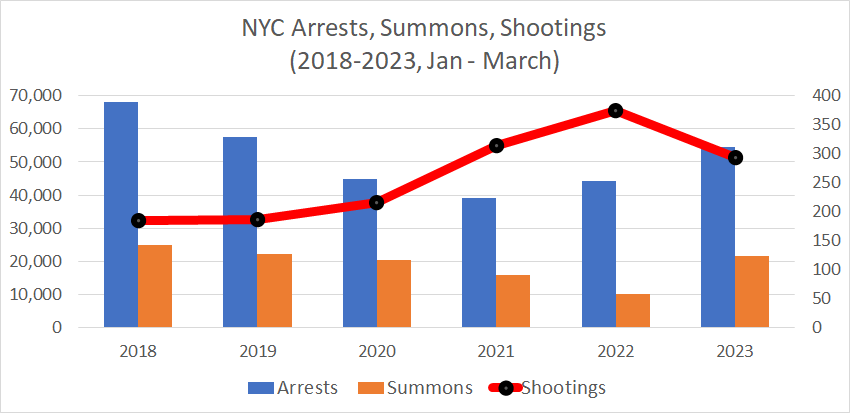
This brings to mind the graphic, below, from the NYPD’s very thorough, comprehensive 2015 report on Quality of Life Policing. The intro by @CommissBratton is worth a read.
nyc.gov/html/nypd/downloads/…
28 Apr 2023

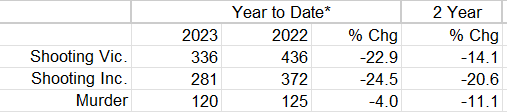
NYC shootings are down 24% year to date. Hopefully it will continue. But why might this be? (We haven't fixed root causes.) Is NYPD is getting back into the policing gam? First 3 months, 21,725 summons in 2023 are more than 2X 9,999 in 2022. (pre-2013 it was more than 100,000)
3
6
15
9,600
Random Critical Analysis retweeted

25 Apr 2023
How many anti-semaglutide articles has the Guardian published now? More than a dozen I think, attacking it from every spurious angle possible. It’s always weird to be reminded that your reasoning (to me it seems obviously a positive thing) is wildly different from someone else’s:
25 Apr 2023

A 'skinny jab' is no quick fix for obesity - and no excuse to let junk food companies off the hook | Sarah Boseley theguardian.com/commentisfre…
50
138
836
449,022
Random Critical Analysis retweeted

24 Apr 2023
A culture transplant helped get us the New Deal:
"[I]mmigrants influenced American political ideology during one of the largest episodes of redistribution in US history — the New Deal..."
2
17
51
17,224
Random Critical Analysis retweeted

24 Mar 2023
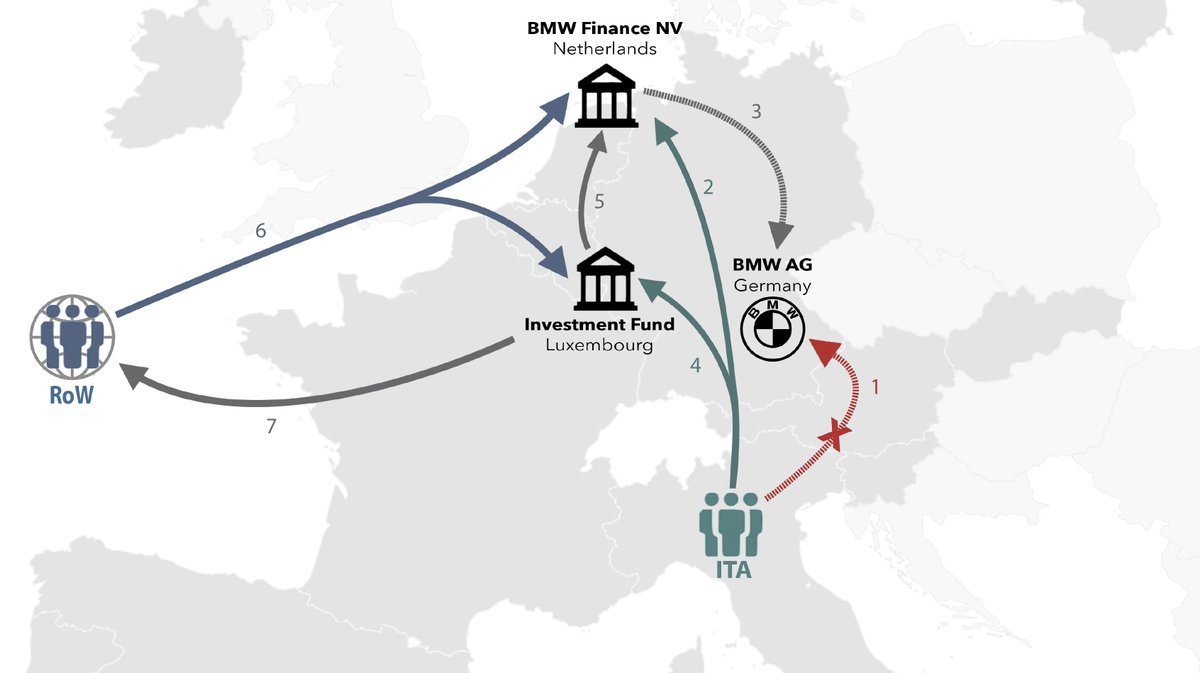
New research collaboration with the European Central Bank (@ecb)
First paper: Reassessing Euro Area financial integration, looking through the financial activities taking place in European “onshore offshore financial centers” (OOFCs) — Luxembourg, Ireland, and the Netherlands.
3
30
93
56,881
13 Apr 2023
I haven't been able to reply as of ~1 hour ago (wasn't on before then)
x.com/paul_hundred/status/16…
13 Apr 2023

Thanks. Can’t reply to this. Let’s see if qt works
1
1
4
2,687