India's nature is 1.4 billion imaginations. Supporter of UPA. My favourite speech of Rahul Gandhi- youtu.be/WFV_ByY0i-U
Joined June 2021
- Tweets 31,487
- Following 2,834
- Followers 10,008
- Likes 93,195
3,077 Photos and videos

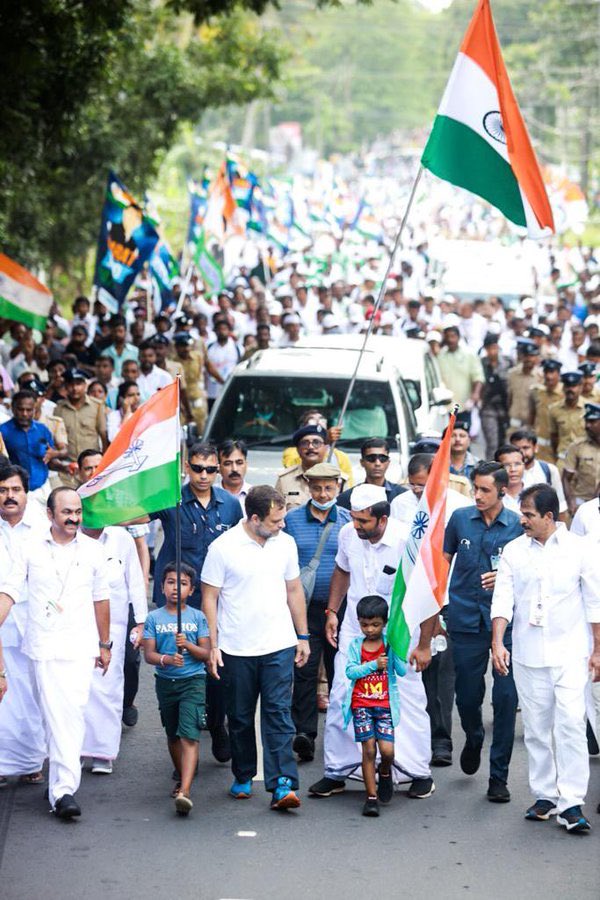
Pinned Tweet

21 Feb 2022
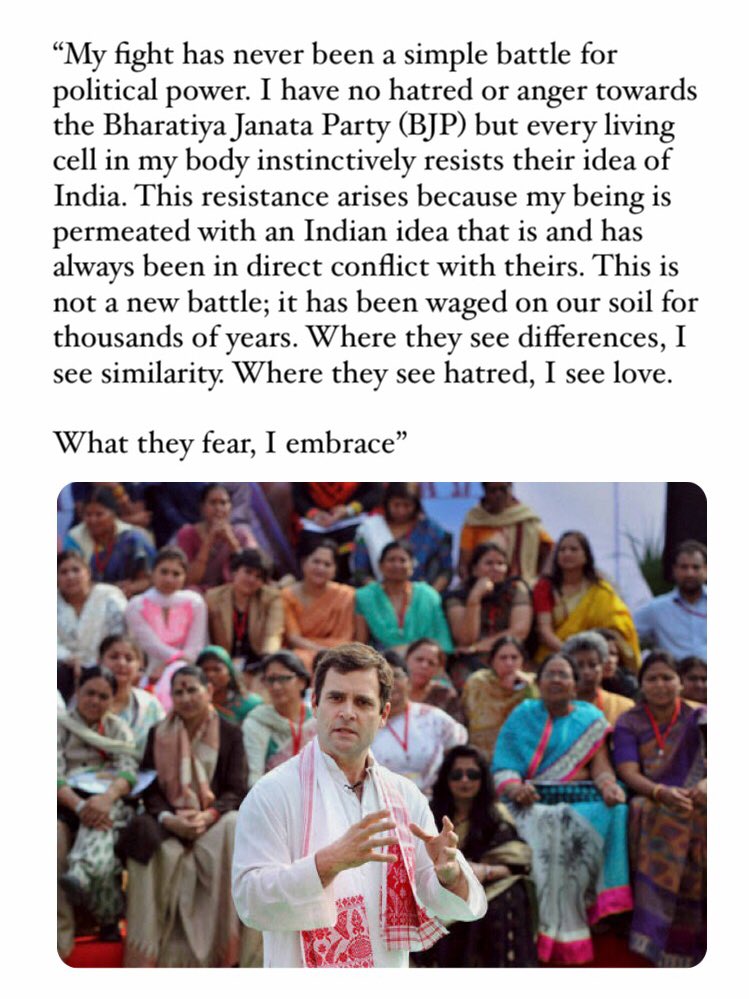
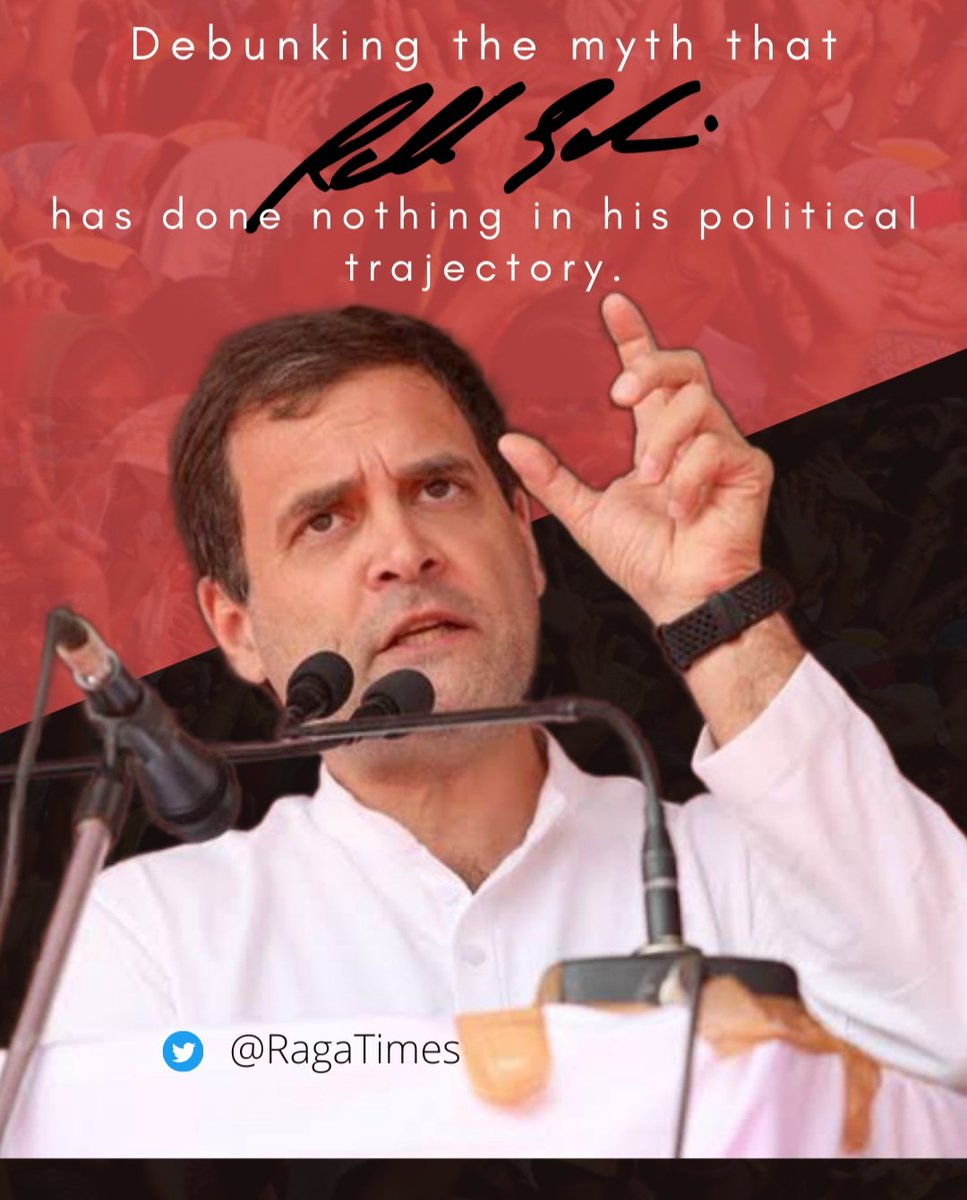
One of the biggest critique against @RahulGandhi is that he has done 'nothing' in his political trajectory.
I wish to dispel it today.
A thread : 35 tweets.
327
3,260
7,401
Raga Times retweeted

Jun 6
Long Post
CJP: The Safety Valve.
Reading various comments and reactions to the CJP over the last few weeks, from across the political spectrum, I have been baffled to discover that some of the most well-meaning commentators seem to have missed a rather simple but fundamental point. After more than a decade of BJP rule, any meaningful change in the functioning of the ruling dispensation and the institutions that operate under its influence can only come about if it is defeated electorally and removed from power. At this point, anything short of that remains manageable for the regime.
At the outset, therefore, I want to underline my position clearly: any desired transformation in the conduct of the government and the institutions it controls can only emerge through an electoral defeat of the ruling party. The vast resources at its disposal and the combination of political ruthlessness and religious hyper-nationalist fervour that sustains its support base make it exceptionally resilient to other forms of pressure.
It is also important to recognise that the notion that personal suffering or loss will eventually compel people to reconsider their political preferences has been repeatedly disproven. The avoidable tragedies associated with the COVID-19 pandemic, the Kumbh Mela, recurring train accidents, the demolition of homes and marketplaces through bulldozer actions, collapsing bridges and billboards, and countless other major and minor disasters have not significantly altered electoral behaviour. If the loss of a loved one has failed to produce such a shift, it is difficult to believe that lesser grievances will do so.
What is often overlooked in these discussions is that the BJP's political success over the past decade has not been confined to electoral victories only. Equally significant has been its success in reshaping the very terrain on which political contestation takes place. One of the most effective strategies employed by the ruling dispensation has been the gradual delegitimisation of politics itself. Through a sustained rhetorical campaign, the act of raising questions, demanding accountability, or criticising the government has increasingly been portrayed as "doing politics" in the pejorative sense of the term. As a result, politics has come to be associated not with democratic participation and public debate, but with opportunism, disruption, and bad faith.
The consequences of this shift have been profound. Public tragedies, administrative failures, and institutional shortcomings are increasingly insulated from political scrutiny through appeals not to "politicise" them. Any attempt to hold the government accountable is dismissed as an opportunistic effort to exploit suffering for political gain. Ironically, this insistence on keeping certain issues "above politics" is itself a deeply political act, for it determines which questions may be publicly debated and which must remain beyond scrutiny. The outcome is a political environment in which state failures are depoliticised while manufactured controversies and cultural anxieties are elevated to the centre of public discourse. This transformation has also altered the nature of protest movements. Increasingly, citizens feel compelled to insist that their protests are "non-political" or "above politics" in order to secure legitimacy and public sympathy.
It is no longer merely the ruling party or its supporters who argue that opposition parties should stay away from protests; citizens and protest organisers frequently make the same demand. During the anti-CAA movement and the farmers' protests, for instance, opposition leaders were often discouraged from visiting protest sites or addressing gatherings, out of concern that their presence would "politicise" the movement or allow them to derive electoral benefit from it. Similarly, protests against GST in Surat and several other issue-based mobilisations consciously sought to distance themselves from formal opposition politics in order to preserve an image of neutrality.
The result has been a steady shrinking of the public space available for oppositional politics. Unlike earlier moments of mass mobilisation, where civil society groups and opposition parties often worked in tandem, many contemporary protests consciously exclude political actors or discourage their participation. While such decisions may arise from understandable concerns, they also contribute to the broader marginalisation of opposition politics and weaken the capacity to translate public discontent into sustained political challenges. A protest that refuses politics may generate awareness and moral pressure, but it often struggles to convert that energy into institutional or electoral consequences.
While it remains to be seen how the CJP evolves, I fear that it may inadvertently reproduce many of the same tendencies. In its effort to maintain political independence and moral credibility, it may choose to distance itself from established political parties and opposition formations. In doing so, it risks severing itself from the very organisations that possess the ground-level networks, organisational capacity, and political reach necessary to translate the anger and frustration of the youth it claims to represent into meaningful electoral outcomes. Public discontent, however widespread, does not automatically become political change; it requires institutions capable of converting social energy into political power.
The second possible outcome is the well-trodden path of attempting to create a new political formation in the hope of offering an alternative to the existing regime. This, in my view, would be an even greater mistake. The experience of the anti-corruption movement and the subsequent emergence of the AAP should serve as a cautionary example. Whatever its original intentions, the creation of a new political outfit in the current conjuncture would likely do little more than fragment the anti-BJP political space further. Rather than weakening the ruling regime, it would add another layer to the already complex landscape of intra-opposition competition and contestation.
Having said that, it is difficult not to notice the relative ease with which this movement has been permitted to organise itself and occupy public space. Over the past few weeks, political organisations such as the NSUI and the IYC have been mobilising around many of the same issues; their protests have largely been met with the familiar repertoire of state repression that is water cannons, mass detentions, barricading, and, in some instances, violent lathi-charges. Similar responses have been witnessed in the recent workers' protests in Noida and in numerous other mobilisations that, in one way or another, posed a direct political challenge to the ruling regime or threatened its electoral support base.
Against this backdrop, the state's comparatively restrained response to the CJP protests appears noteworthy. Whether intentional or otherwise, the impression created is that the government has been willing to allow a controlled expression of public anger and frustration. This is not to question the sincerity of the protesters or the legitimacy of their grievances. Rather, it is to draw attention to the political consequences of a protest that remains detached from organised opposition politics.
One possible reading is that permitting such a movement to gather momentum serves as a mechanism through which public anger can be channelled, expressed, and eventually exhausted without being translated into a broader political change. In other words, the protest functions as a safety valve: citizens are allowed to vent their frustrations, but in a manner that remains disconnected from the electoral arena where political power is actually contested. The anger is real, the grievances are real, but the pathways through which that anger could be converted into electoral costs for the ruling party remain blocked.
Finally, the farmers' protest concluded just before the UP Assembly elections, following the government's decision to repeal the three farm laws. By that point, more than 700 farmers had reportedly lost their lives, thousands had endured months of hardship, and numerous protesters continued to face police cases. Given the scale of the mobilisation and the sacrifices involved, many political commentators argued that the movement would have significant electoral consequences for the BJP, particularly in western UP, one of the regions most deeply affected by the agitation.
The results, however, told a different story. Despite widespread expectations of an electoral backlash, the BJP largely retained its political dominance in the region and, in some constituencies, even increased its vote share. This outcome should caution us against assuming a straightforward relationship between public anger, successful protest movements, and electoral behaviour. The fact that a government is compelled to concede to a movement's demands does not necessarily translate into a corresponding shift in voting patterns.
This raises an important question in the context of the present movement. Suppose, and it remains a very large supposition, that sustained public pressure eventually compels the Education Minister to resign and the immediate objective of the agitation is achieved. What follows then? Will such a victory lead to a meaningful reassessment of political loyalties and electoral choices among those participating in or supporting the movement? Or will it instead reinforce the comforting but ultimately misleading belief that the government is responsive to public demands and capable of self-correction without any broader political consequences?
#cjp #cjp_protest
18
62
141
13,657

Raga Times retweeted

May 12
I don’t think the senior leadership of the Congress has fully understood the depth of their victory in Kerala. If they believe this mandate was purely a vote for Congress, they are making a serious mistake. This election was driven more by disappointment against the incumbent government.
What we’ve seen over the past week is mocking the mandate given by the people. And if the leadership thinks this can be brushed aside with “this is how Congress has always functioned since the days of Indira Gandhi, Karunakaran or Antony,” they are misreading the moment completely.
Times have changed. Political climate has changed. Public patience has changed. People are watching everything in real time now and they are far less forgiving.
16
67
405
30,327
#WATCH | Chennai, Tamil Nadu: On Congress's decision to support TVK, Congress MP Karti Chidambaram says, "The Congress party has decided to support a government headed by the TVK..."
He says, "TVK has got 108 seats. The people of Tamil Nadu want a formation to be headed by the TVK. It's now incumbent upon the TVK to put together a workable majority, and they have reached out to the Congress party formally. It has been discussed in all appropriate forums of the party, and unanimously, the Congress party has decided to support a government headed by the TVK because we believe that the people of Tamil Nadu want a change, but they also want a change which is headed by the TVK, but is also a secular formation. I think the people of Tamil Nadu are very clear that they want a secular formation. So we are only aiding and assisting the TVK to put together a secular and stable government in Tamil Nadu..."
37
243
1,210
131,412
Raga Times retweeted

Apr 25
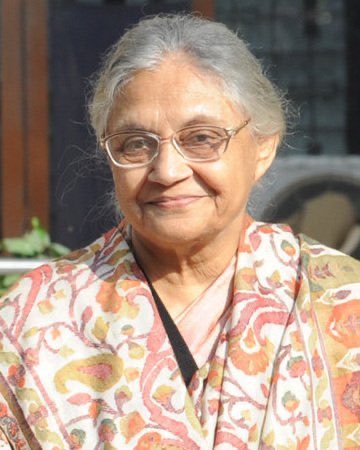
Mrs Dikshit loved Delhi, went to college in Delhi & was a v good CM. @ArvindKejriwal defamed her, made disgusting allegations against her & broke her heart just for winning Delhi. The city suffered his governance & is now suffering BJP’s where it is treated as an orphan. Delhi is the poorer.
77
321
1,352
145,003
Raga Times retweeted

Apr 17
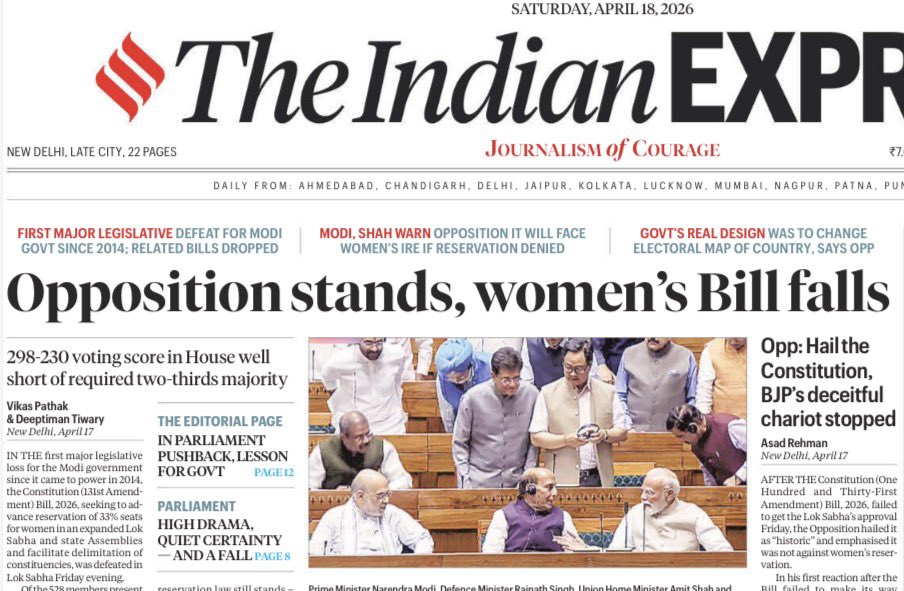
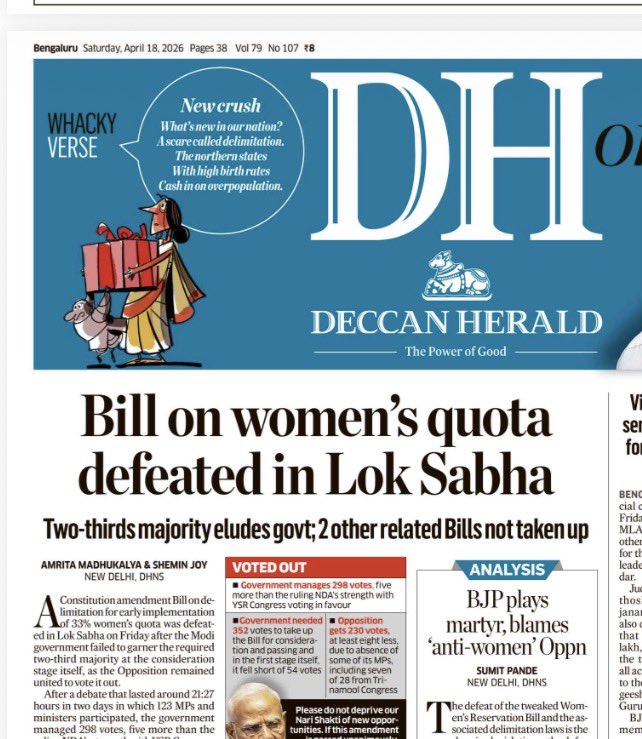
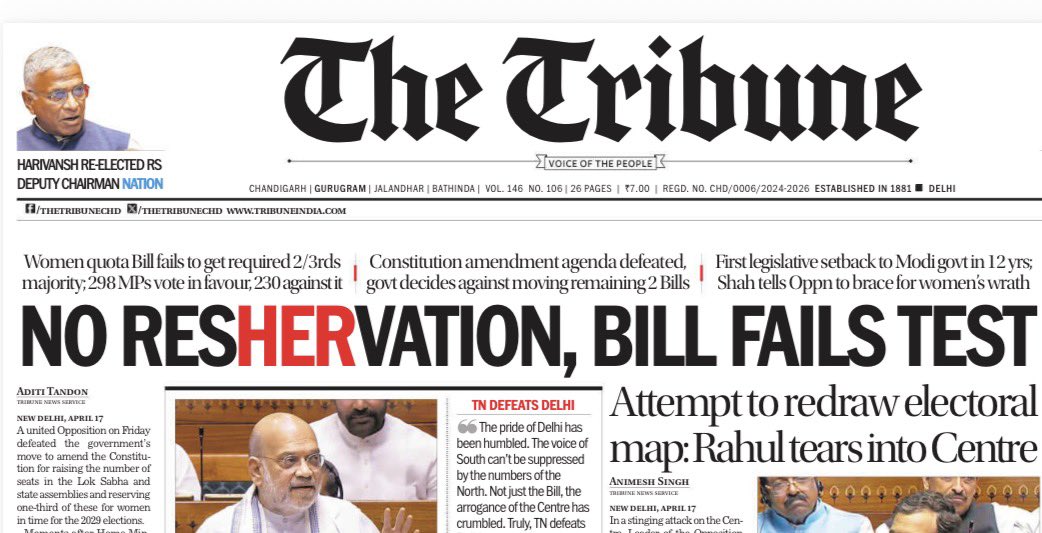
He had twelve years to lift India. He squandered that time lying to Indians, destroying institutions, erecting a personality cult, enriching his cronies, and deploying hate to divide and subdivide Indians. May today’s defeat be the beginning of his swift political end.
322
2,346
10,834
210,780
Raga Times retweeted

Apr 18
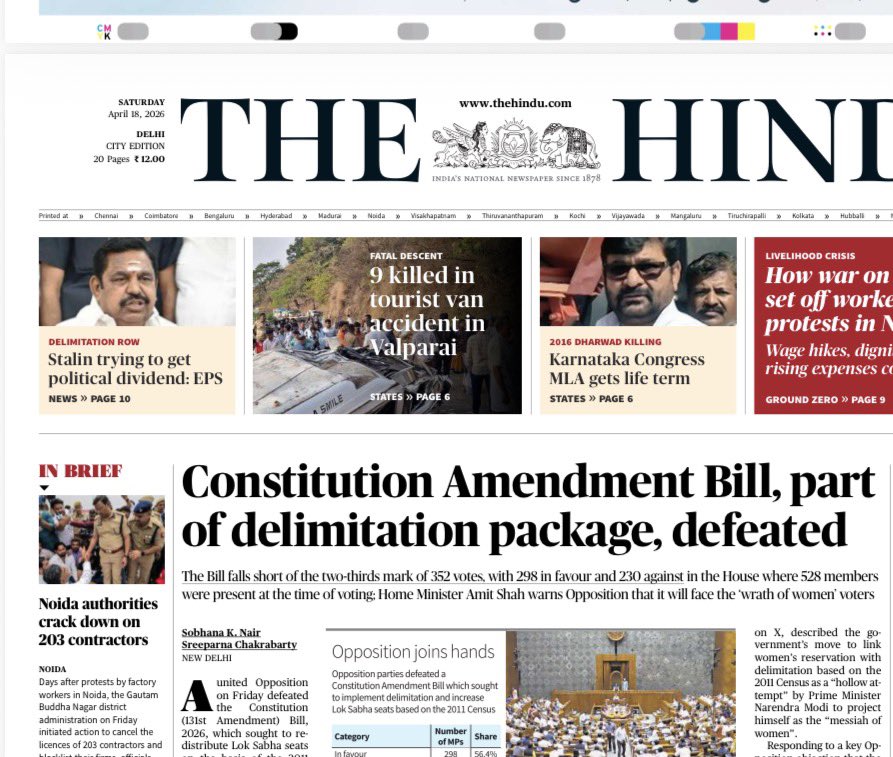
Proud of my old newspaper, @the_hindu, take a bow @nambath, the only paper to have the correct headline for what transpired in parliament yesterday. All other newspapers seem to have bought the government’s spin that the ‘opposition defeated women’s reservation’!
171
2,332
8,794
270,566
Raga Times retweeted

Apr 13
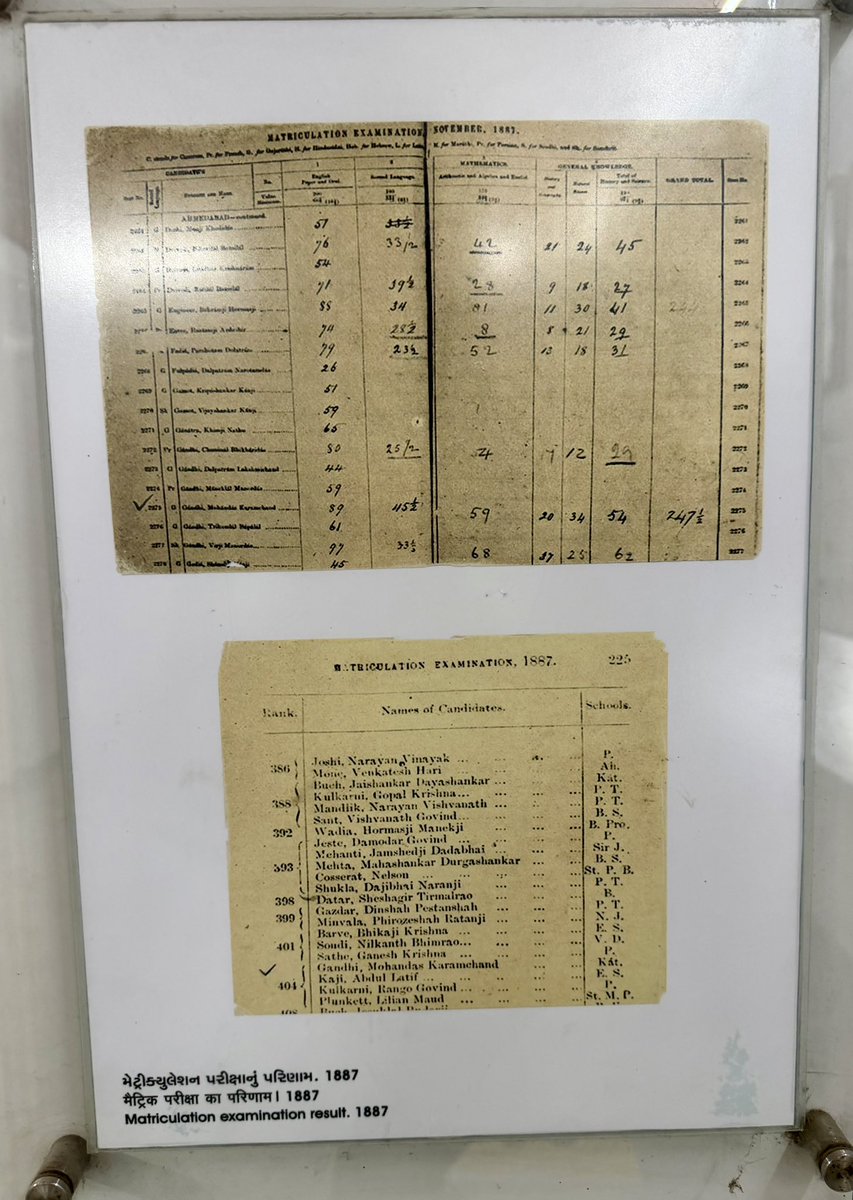
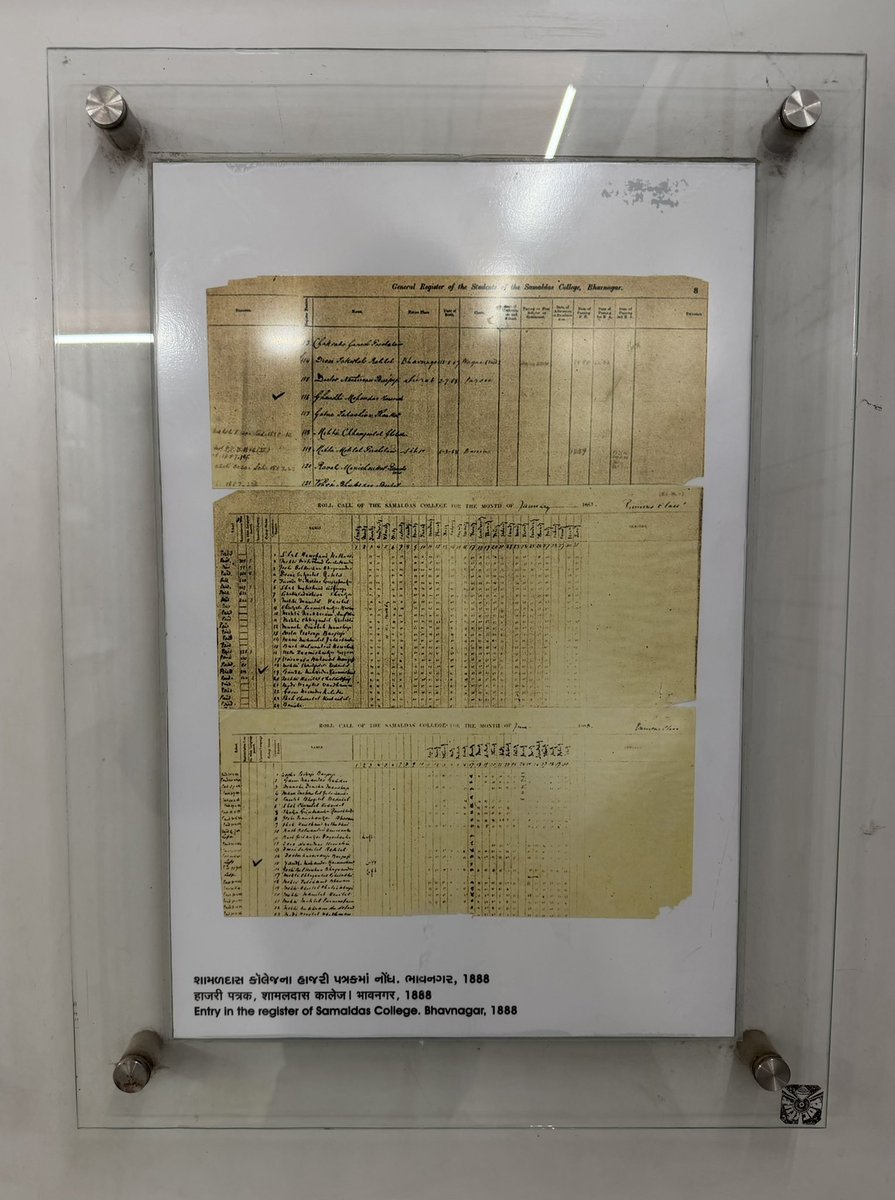
We have the Mahatma’s marksheet, but Modiji’s marksheet is a matter of state secrecy.
Apr 13

During a recent visit to Sabarmati Ashram in Ahmedabad, I came across school and college records from 1887–1888 listing Mahatma Gandhi as a student. Remarkable that 139-year-old institutional academic records remain preserved and publicly displayed. Times have certainly changed…
65
1,036
5,424
65,917
Raga Times retweeted

Apr 4
I am surprised nobody discussed Salim Ghouse's portrayal of Lord Ram from Bharat Ek Khoj.
He was equally brilliant as Krishna.
14
22
214
17,020
Raga Times retweeted

My friend and I organised the 1st proper quiz in our school.
Our principal - the legendary Vibha Parthasarathi - opposed the idea of quizzes.
She said, quizzing fills the mind with superficial trivia, displacing depth.
As I've grown older, I've begun to agree with her.
56
56
672
36,670
Raga Times retweeted
Mar 26
Narendra Modi’s career should have ended in Gujarat in 2002. India is enduring the consequences of Vajpayee’s failure to rise to the moment.
408
1,322
7,707
216,209
Raga Times retweeted

Mar 10
NEW | An open letter to Shashi Tharoor on moral amnesia, and more
Mani Shankar Aiyar✍️
frontline.thehindu.com/colum…
28
106
356
433,263
Raga Times retweeted

Mar 4
Sri lanka 🇱🇰 a tiny island nation has more balls than India ruled by two treacherous cowards from Gujarat

Sri Lanka has deployed naval ships and aircraft to assist the Iranian frigate IRIS Dena after it reported distress off the coast of Galle.
Foreign Minister Vijitha Herath confirmed that 30 of the approximately 180 sailors on board have been rescued so far.
Rescue operations are ongoing just outside Sri Lanka’s territorial waters.

924
8,894
41,619
931,054
Raga Times retweeted

Feb 28
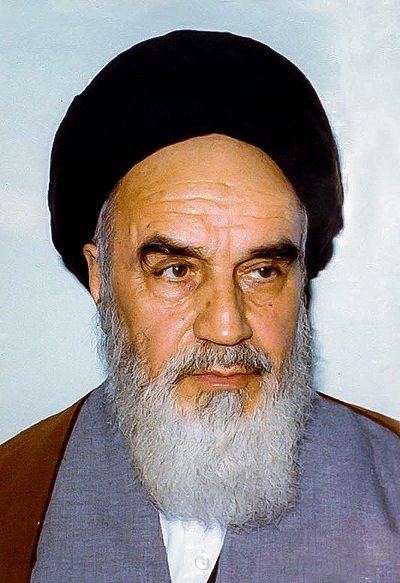
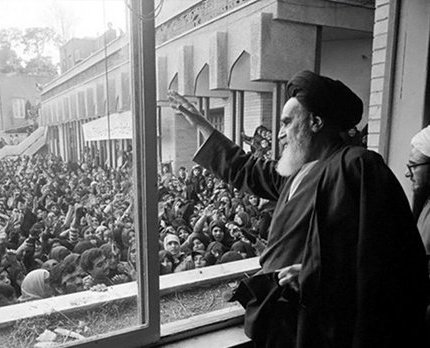
Ahmad Musavi was an Shia scholar born near Lucknow. In 1830, to escape the British rule, he left India & finally settled in a village called Khomeyn in Iran.
His grandson - Ayatollah Khomeini, used Hindi as a pen name to indicate his Indian connection. #Iran
75
726
6,677
1,303,413
Raga Times retweeted

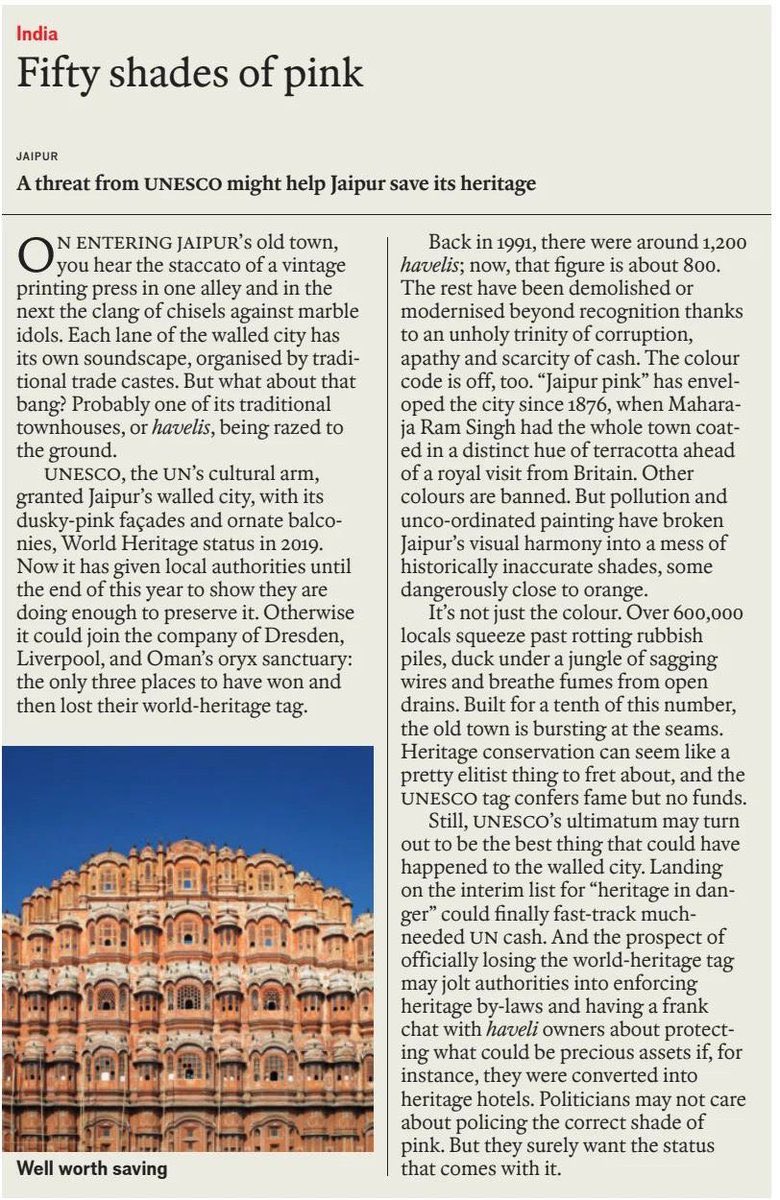
Indian cities continue to embarrass the country. There was some hope in Jaipur. Now UNESCO is threatening take away the world heritage tag (granted in 2019) from the city seeing how dirty, badly planned, corrupt it has become. Unbelievable. We are experts at destroying heritage.
61
482
1,571
46,054
Raga Times retweeted

Feb 28
Chabahar.
Not just an Iranian port. India’s ₹14,000 crore investment. Our ONLY land-bypass of Pakistan to reach Afghanistan & Central Asia. Decades of strategic patience. Signed. Built. Operational.
Bombed, by the same country Modi flew to Jerusalem to embrace 72 hours ago.
And our PM is still silent.
This isn’t just a foreign policy failure. This is a direct attack on Indian national interest; enabled by Indian endorsement.
When a PM’s photo-op costs a nation its strategic infrastructure, that’s not diplomacy. That’s dereliction.
History will not forget. But voters shouldn’t wait for history.
Feb 28

The Iranian city of Chabahar on the coast of the Persian Gulf has been attacked by Israel.
Source: Mehr
303
2,656
10,508
617,558
Raga Times retweeted

Feb 28
Long time since we had a govt interested in the slave trade
Feb 27

Modi-Netanyahu signed 16 MoUs during the Israel visit. We read them all so you don't have to. Verdict: Mostly diplomatic fluff to dress up one concrete deliverable. The real deal is 50,000 Indian workers heading to Israel over 5 years through 3 new labour protocols covering services, restaurants, and manufacturing. Israel desperately needs bodies to replace the foreign workers who fled after October 7 and Israeli soldiers who leave the labur market during prolonged conflict and mass military mobilisation. India gets remittances flowing back home and a diaspora foothold for long-term influence.
Everything else feels like standard MoU rhetoric you'd see at any mid-level bilateral summit. Take the UPI-MASAV payments link. Nice to have India's digital wallet in Tel Aviv, but Israel is unlikely to dedollarise and trade in rupees. Agri-tech centres and fisheries cooperation? We've had India-Israel agriculture partnerships running since 2006. More of the same, dressed up as "innovation."
AI and cyber "centres of excellence" sound impressive until you read the fine print. They're about "joint research," "talent exchange," and "capacity building." Translation: Shared white papers and a few visiting PhDs. No massive funding commitments. No commercial IP carve-outs. The FTA talks got a polite nod with "terms of reference," but negotiations have dragged since 2022 with no deadline. These are all nice-to-haves, not game-changers.
Israel wins immediately and tangibly. Post-war labour shortages hit hard - construction halted, restaurants closed, factories idled. Thai and Nepali workers left in droves. Indians are reliable, English-speaking, and come from a friendly strategic partner. Netanyahu gets his workforce while breaking diplomatic isolation in the Global South. The "special strategic partnership" announcement plays perfectly to domestic audiences on both sides.
India's benefits are longer-term and less certain. Sure, remittances could hit $10-15B over five years if absorption rates match Gulf patterns. That's real money for Kerala and UP families. But the tech and defence promises suc as "laser air defence access," and CET working groups stay vague behind confidentiality clauses. India already buys Israeli drones and missiles. This just greases existing procurement channels rather than opening revolutionary new capabilities.
The civilisational rhetoric about "ancient ties" and Jews finding refuge in India since Roman times serves both leaders' bases. Modi gets his Hindutva optics. Netanyahu reinforces the "India stands with us" narrative amid rising global antisemitism. But geopolitically, IMEC corridor remains aspirational with Saudi hesitation and Houthi disruptions. I2U2 grouping sounds great on paper but delivered zero concrete projects since 2022.
Bottom line: This is tactical diplomacy dressed as civilisational destiny.
9
118
352
23,303
Raga Times retweeted
Feb 24
I love Delhi particularly Lutyens Delhi because I grew up there. Went to school & college while living there. Which is why I am heartbroken at the way Modi & that tacky third rate architect Bimal Patel have wrecked the LBZ. The kind of airless garbage Gujarati marriage halls that Patel has built as far as I know sans any competitive bidding it might have been better if he had razed it. Modi will be remembered as a barbarian who destroyed New Delhi
121
278
1,893
527,558