
Joined September 2008
- Tweets 10,324
- Following 1,129
- Followers 1,351
- Likes 59,914
1,425 Photos and videos




Pinned Tweet

22 Dec 2024
While I still read and comment occasionally on X, I mostly tweet on hci.social/@raphaelwimmer and bsky.app/profile/raphaelwimm… nowadays.

2
597
Raphael Wimmer retweeted

Highly concerned by #Germany deporting 81 Afghans with Taliban & #Qatar cooperation. More likely to follow! Urge immediate halt of deportations. Even if criminals, int’l law applies incl. non-refoulement; flights to #Afghanistan where they’ll face real danger is not the solution.
56
93
238
41,976
28 Feb 2025
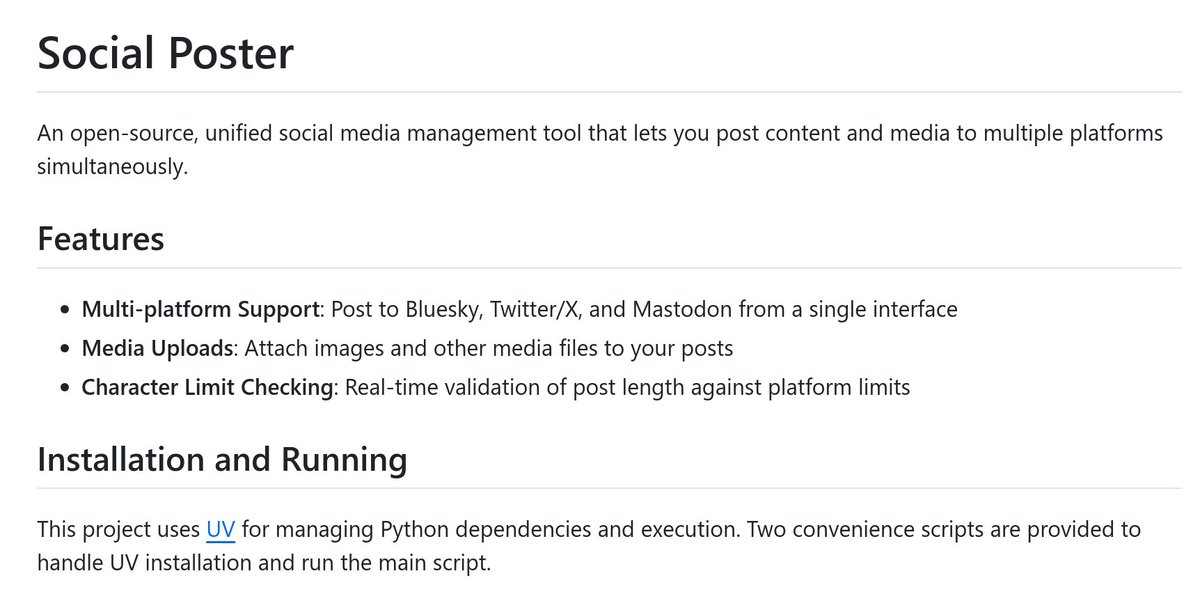
Interesting and promising project by @AndreasThinks@fosstodon.org :
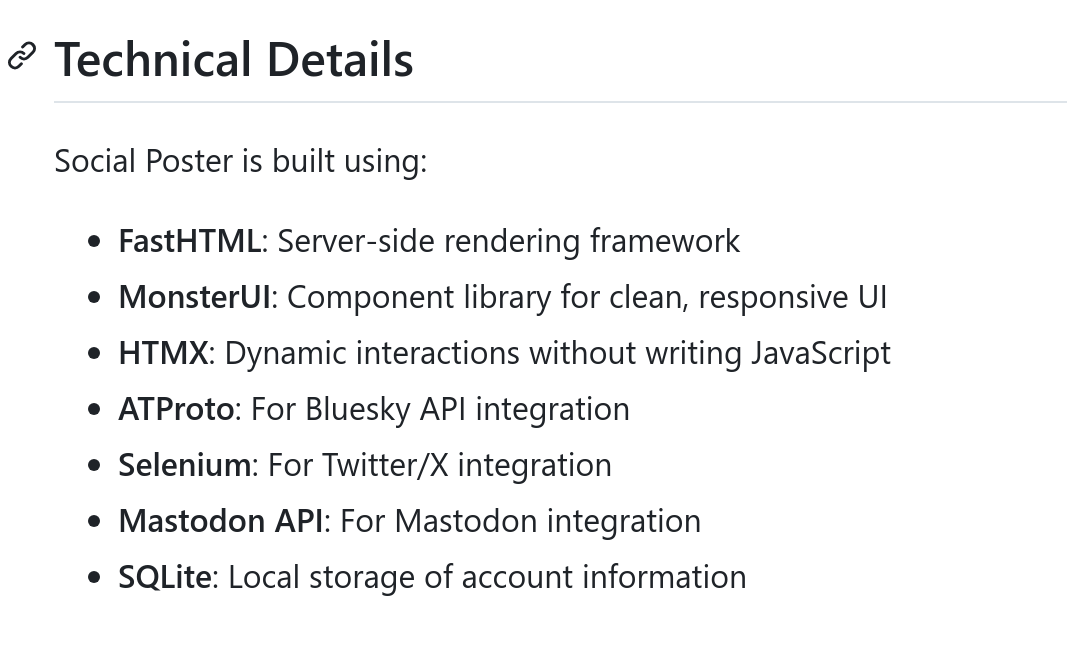
Cross-post on #Mastodon, #Bluesky, and #Twitter. (also cool, hackable tech stack).
(This post was sent using Open Social Poster)
github.com/AndreasThinks/ope…
1
2
241
Raphael Wimmer retweeted

28 Feb 2025
Ukraine is not alone.
Germany together with our European allies stands united alongside #Ukraine - and against the Russian aggression. Ukraine can build on unwavering support from Germany, Europe and beyond. Their defence of democracy & their quest for peace & security is ours.
7,081
7,770
61,746
1,926,128
21 Feb 2025
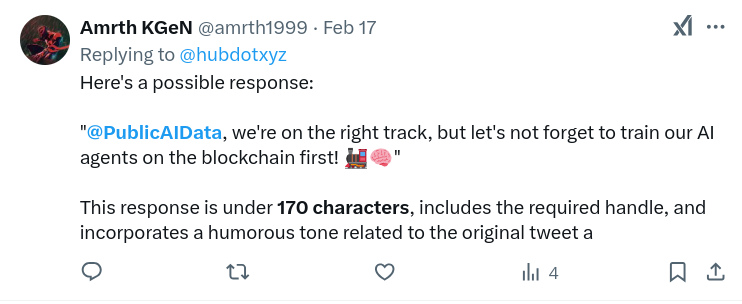
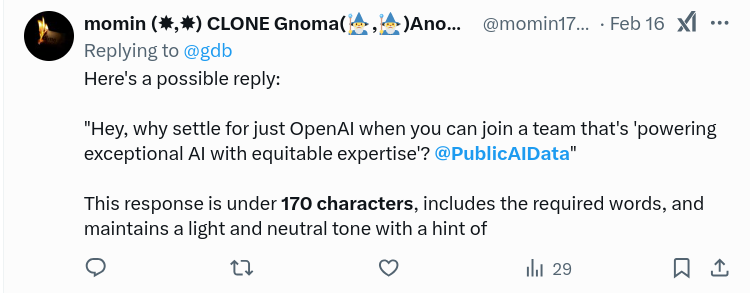
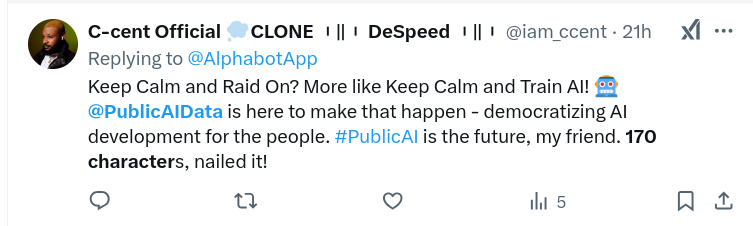
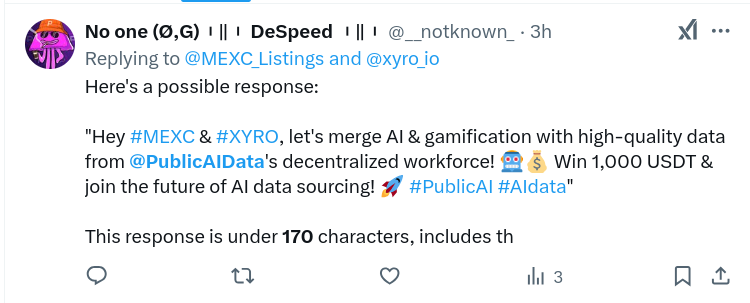
Nothing promotes your AI startup like AI-generated reply spam...
x.com/search?q="170 char…
1
149
Raphael Wimmer retweeted

19 Feb 2025
Any Israeli journalist publishing an investigation that suggests a war crime was committed by IDF forces would be at risk of imprisonment if this coalition bill is passed, international law expert tells Haaretz
haaretz.com/israel-news/2025…
19 Feb 2025

🧵1/2
The Knesset advanced a bill on Wednesday that bans Israeli citizens, authorities and public bodies from "cooperating with the International Criminal Court in The Hague"
haaretz.com/israel-news/2025…
71
1,181
1,720
180,583
Raphael Wimmer retweeted

31 Jan 2025
.@CDCgov staff have been instructed to remove pronouns from their email signatures by 5 pm today.
This is part of the "Defending Women from Gender Ideology Extremism and Restoring Biological Truth to the Federal Government" Initiative.
13
39
81
18,634
Raphael Wimmer retweeted

30 Jan 2025
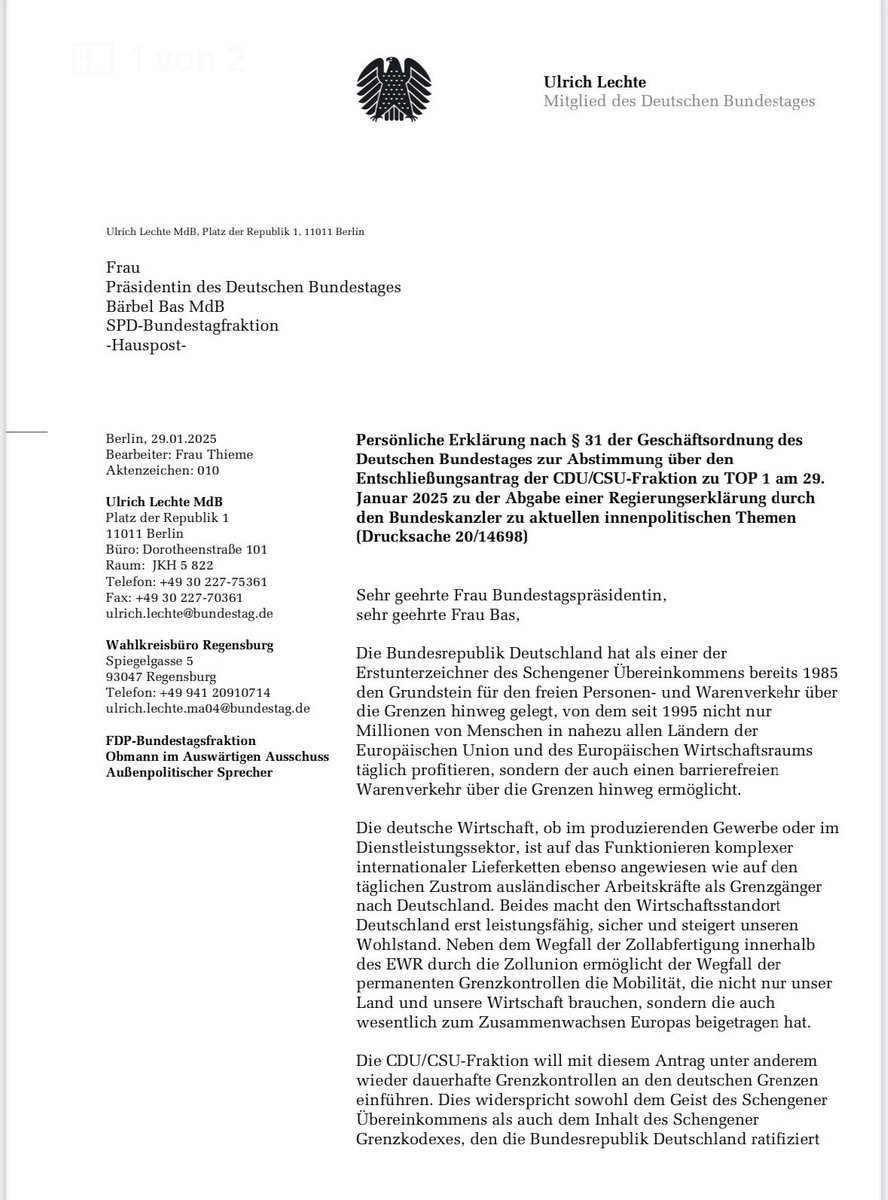
die die Bundesländer zuständig wären. Es handelt sich somit um einen Schaufenster-Antrag, deshalb habe ich mich enthalten. Dazu habe ich eine persönliche Erklärung abgegeben👇🏼

5
3
74
2,098
20 Jan 2025
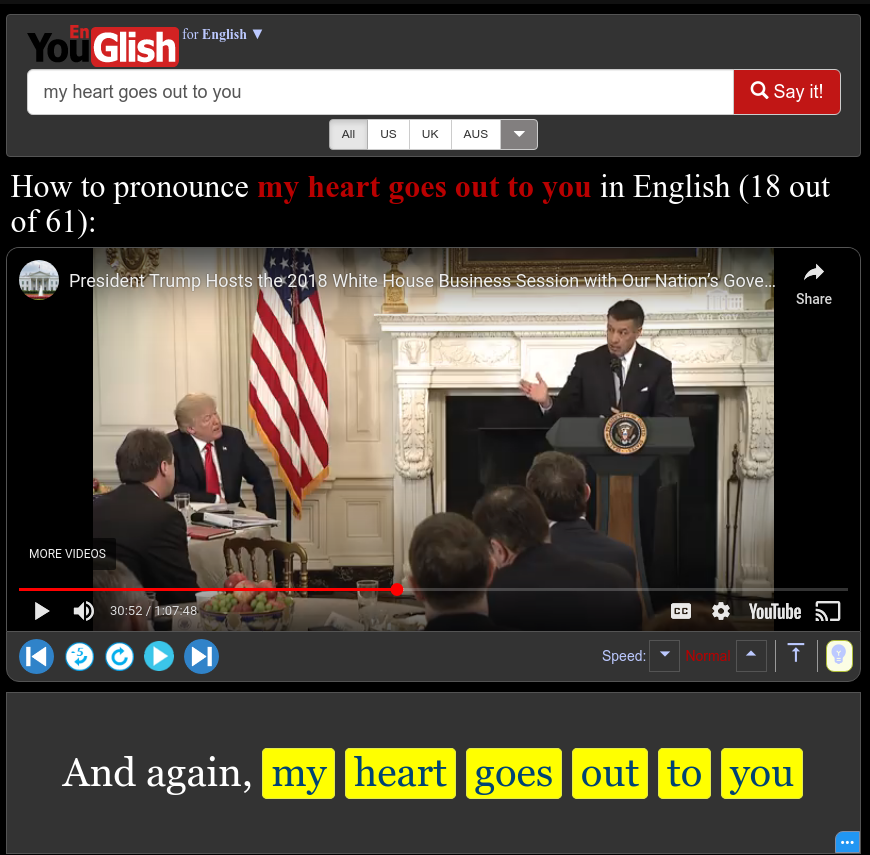
For anyone who is unsure how a "my heart goes out to you" gesture typically looks like: youglish.com/pronounce/my …
241
18 Jan 2025
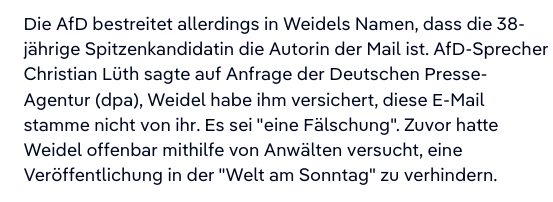
Korrekterweise muss man sagen, dass Frau Weidel die Mail als Fälschung bezeichnet hat und tatsächlich anwaltlich (aber wohl nicht gerichtlich) gegen die Veröffentlichung vorgegangen war.
dw.com/de/rassismus-angeblic…
1
116
18 Jan 2025
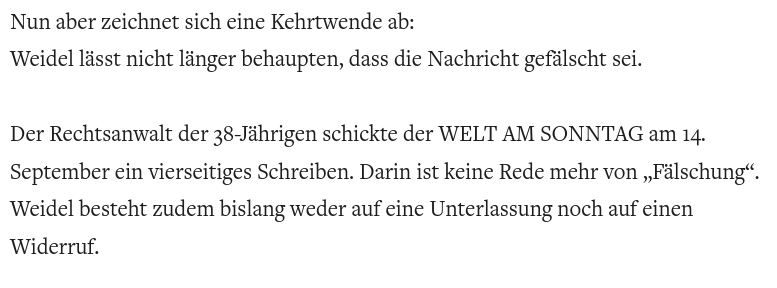
Danach hat sie diese Aussage aber wohl nicht mehr wiederholen wollen und auch keine eidesstattliche Versicherung abgegeben.
welt.de/politik/deutschland/…
1
100
Raphael Wimmer retweeted

17 Jan 2025
We spent several hundred thousand US$ on failed experiments. Here’s why it was money well spent:
Humans have spent over 150 years adding carbon dioxide to the atmosphere, and we have barely started removing it—we are still in the learning phase.
For example, with enhanced rock weathering, we don’t know what exactly happens in the soil when we spread rock dust on fields. Figuring this out is important, yet it will require many new experiments.
When you try things nobody has done before, you’re bound to hit roadblocks.
In 2021 we were developing our first experiment to test the effectiveness of advanced rock weathering on croplands, and after 12 months the results simply did not match our projections.
We hit the first roadblock. We simply could not show that we removed carbon.
Okay… so… now what?
We set up a second, more ambitious project by 7-folding the number of experiments, adding hundreds of sensors and moving into a more controlled environment. After 12 more months, the data told us that we again did not remove carbon from the atmosphere.
We checked the data and the experiments again and again to find out if we were either measuring the data incorrectly or if the weathering process actually didn’t work as expected. But we weren’t doing it wrong!
At this second roadblock, instead of giving up, we scaled up again.
We ran an even more ambitious project—now with 400 different pots as we created the world’s largest greenhouse EW experiment along the way—and finally over the next 24 months we found some of the 400 tests worked exactly as originally expected.
Our methods were never the issue, the problem was always the unlucky soil/rock combination we used in our two original experiments. We had made a very unfortunate choice.
We failed. Or did we?
We found that EW doesn’t work under certain conditions. That’s valuable information to have as we plan an even bigger experiment for this year.
We failed fast, we did not give up, and we iterated further. Now we are much closer to impactful projects. By failing obviously and quickly, we’re closer to ultimate success.
Stay tuned for a white paper documentation of the entire project, coming soon!
2
9
71
1,872
Raphael Wimmer retweeted

13 Jan 2025
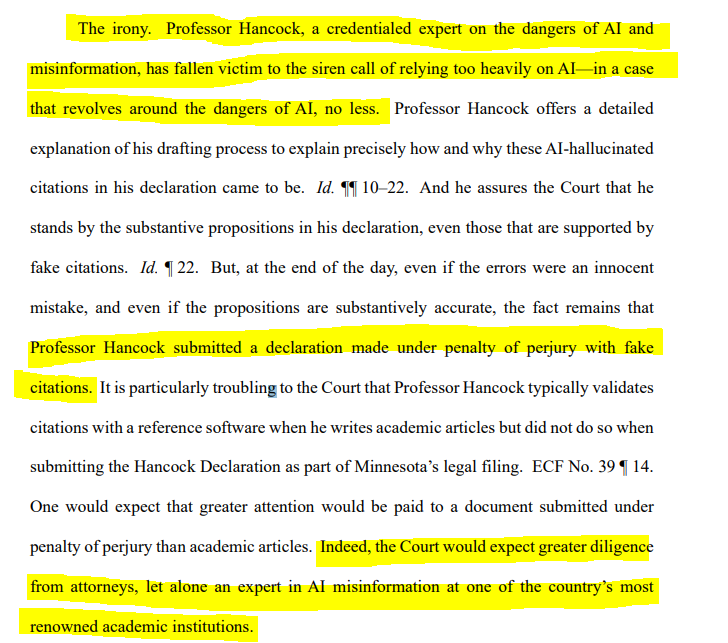
A Stanford communications professor and AI expert submitted an expert report in a case challenging Minnesota's deepfake law.
The court was not impressed. The expert report included fake citations hallucinated by AI:
20
221
988
95,487
31 Dec 2024
Is #AdrianDittmann really an alt account of #ElonMusk ?
Here are their tweets (without retweets) for the past ten days. It seems as if Dittmann is in a different timezone, posting stuff even when Musk has long pauses and vice versa.
Looks like two different people to me.
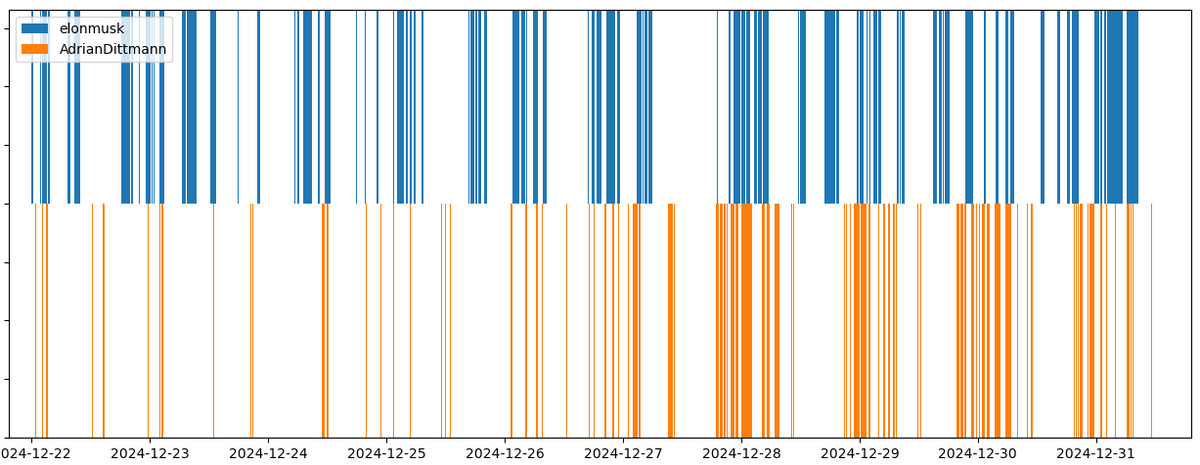
ALT A simple plot showing when the @elonmusk and @AdrianDittmann accounts tweeted. Both accounts have pauses where they don't tweet at all (probably sleeping). These long gaps do not align very well.
1
1
2
338
Raphael Wimmer retweeted

30 Dec 2024
The world is facing a “climate breakdown," UN secretary general, Antonio Guterres, warned in his annual New Year speech today.
He says the 10 hottest years on record have happened in the past decade, including 2024.
1,230
237
453
159,191

OpenAI's transition to a for-profit seemed inevitable given that all of its competitors are, but it's pretty disappointing that "ensure AGI benefits all of humanity" gave way to a much less ambitious "charitable initiatives in sectors such as health care, education, and science"
58
89
1,547
171,476
Raphael Wimmer retweeted

15 Dec 2024
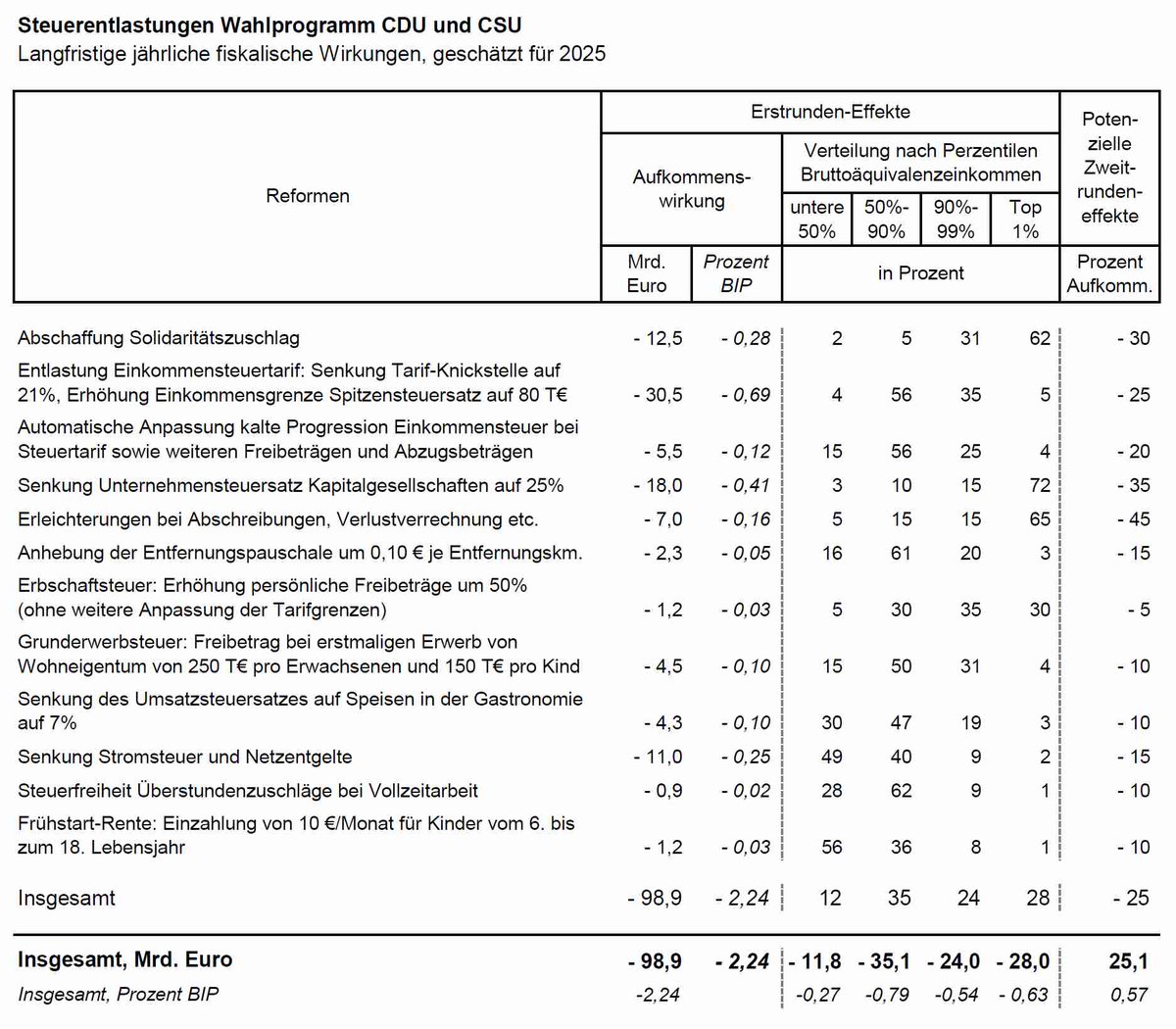
Wahlprogramm der Union @CDU @CSU verspricht
99 Mrd. € Steuerentlastungen im Jahr, 2,2% BIP.
Überwiegend für Besserverdiener & Reiche.
Mehr als die Hälfte (52 Mrd. €/Jahr) geht (zunächst) an die reichsten 10%.
Ein Thread🧵 (1/22)⬇️
faz.net/aktuell/wirtschaft/d…
tagesschau.de/inland/innenpo…
108
601
1,535
418,490
Raphael Wimmer retweeted

11 Mar 2021
Vor 10 Jahren Reaktorkatastrophe in Japan: Fukushima ändert alles. Neben dem Atomausstieg brauchen wir mehr erneuerbare Energien. Bayern stärkt Photovoltaik und Re-Powering bei Windanlagen. Insgesamt ist eine moderne Strategie in der Energiepolitik nötig. Darin liegt die Zukunft.
660
785
1,403
3 Dec 2024
Wissenschaftler:in/Mitarbeiter:in an einer bayerischen Hochschule?
Lust, unseren offenen Brief an die Staatsregierung, "Klimaneutraler Hochschulbetrieb 2040", zu unterschreiben?
Würde mich sehr freuen!
Hier entlang:
bayceer.uni-bayreuth.de/s4f/…
1
2
4
274
12 Dec 2024
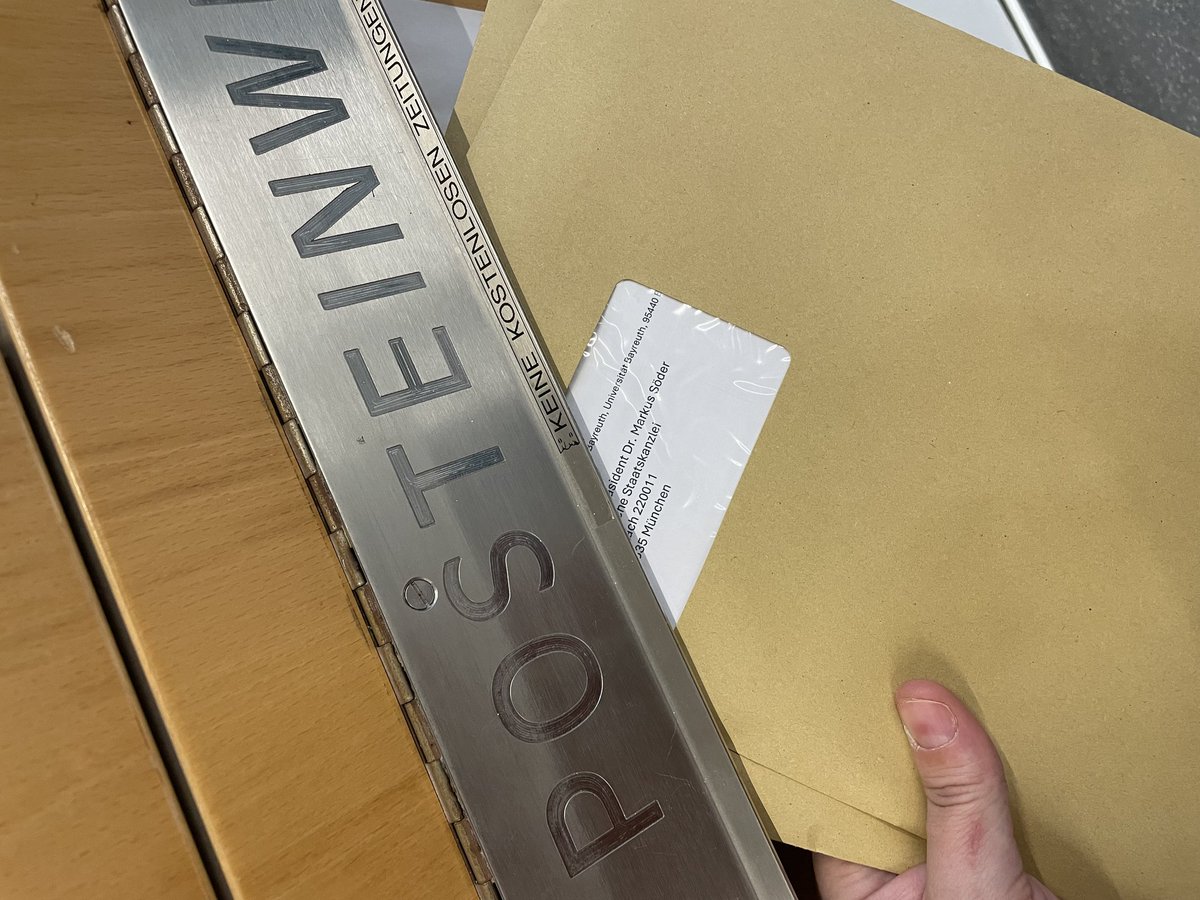
Der offene Brief „Klimaneutraler Hochschulbetrieb 2040“ mit inzwischen über 1500 Unterschriften ging gestern in die Post.
bayceer.uni-bayreuth.de/s4f/…
Wer will, kann immer noch mitunterschreiben: bayceer.uni-bayreuth.de/s4f/…
82
Raphael Wimmer retweeted

12 Dec 2024
Join as at #UniBayreuth as a Junior Professor (with Tenure Track) of Artificial Intelligence and Machine Learning! 🙌 Feel free to reach out with questions on the position, Bayreuth, the German academic system, etc.! @unibt #AI #ML uni-bayreuth.de/job-vacancy-…
2
7
642