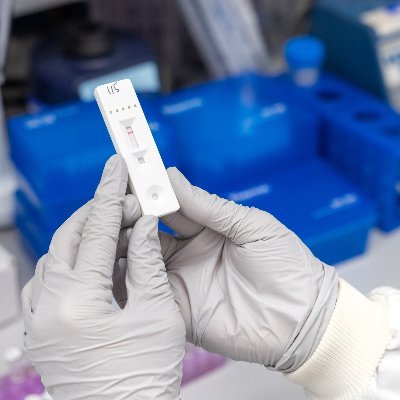
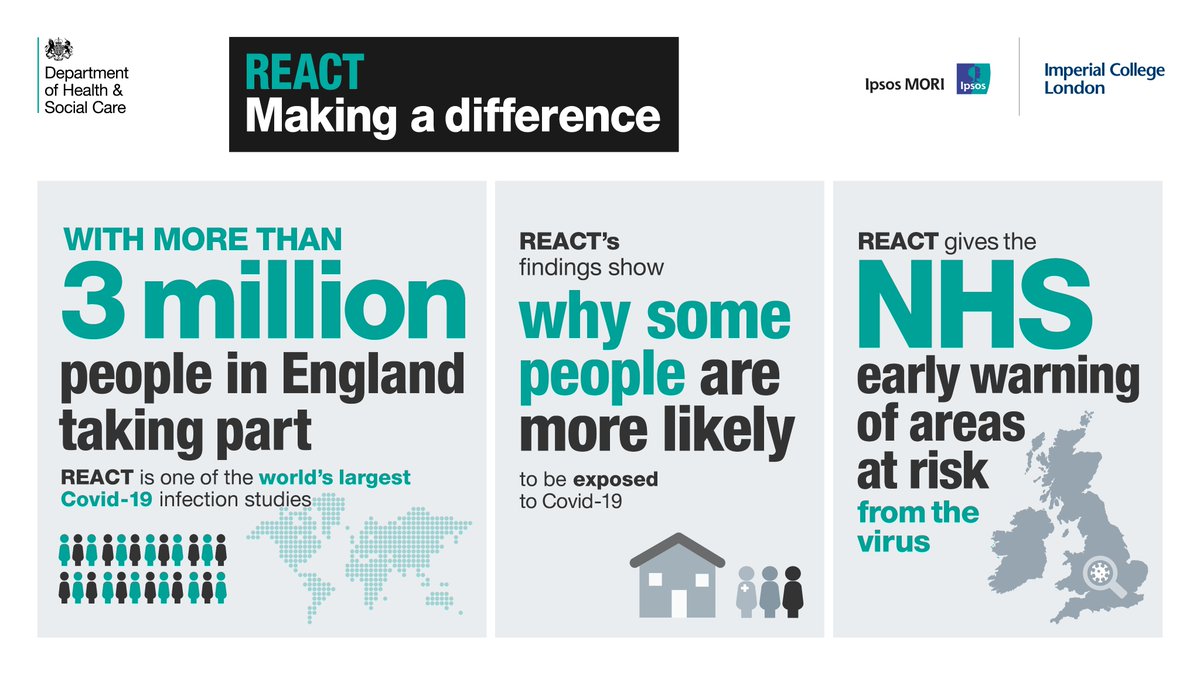
REACT is an @imperialcollege-led research programme with @IpsosMORI, using home testing to track England's COVID-19 epidemic.
Joined October 2021
- Tweets 134
- Following 20
- Followers 637
- Likes 30
16 Photos and videos

REACT study retweeted

18 Aug 2023
Simple, at-home #COVID19 antibody tests could provide insights into risk of hospitalisation and death.
New research from our @ReactStudy published this week in @NatureComms could inform timing and roll-out of Covid-19 #vaccine boosters
ow.ly/2pWh50PAQF6
3
3
587
REACT study retweeted

16 Dec 2022
New job opportunities in epidemic preparedness & response at @LSHTM:
Assistant Professor in Molecular Epidemiology with UK-PHRST, deadline 6 Jan: jobs.lshtm.ac.uk/vacancy.asp…
Research assistant in pandemic response planning, deadline 20 Jan: jobs.lshtm.ac.uk/vacancy.asp…
15
32
16,675
REACT study retweeted

13 Dec 2022
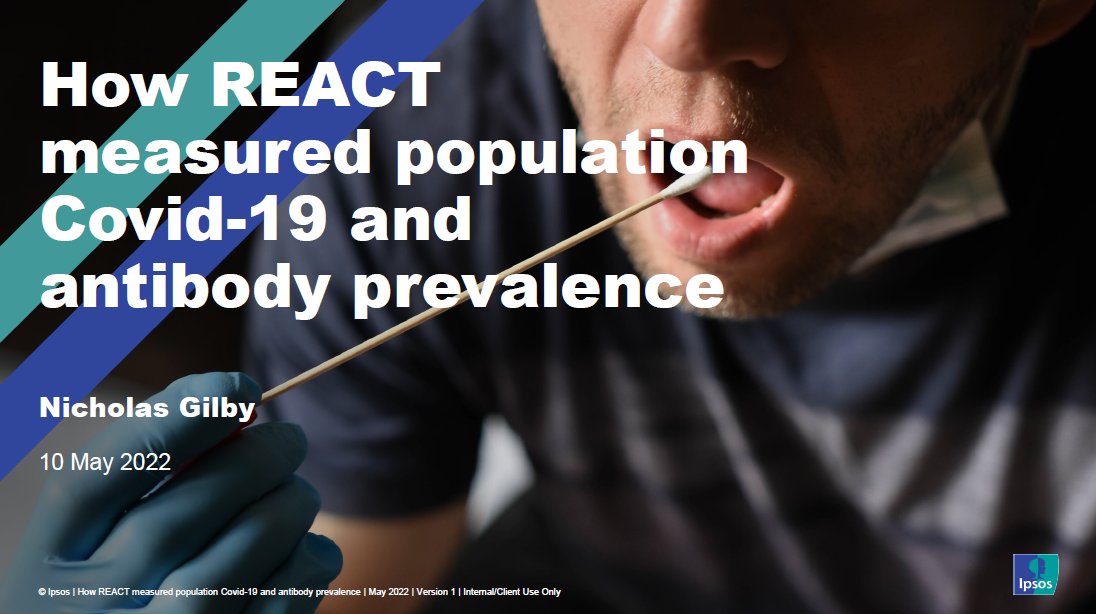
And probably the most important and urgent study using postal push-to-web we will ever do: Nicholas Gilby presented the methodology and learnings from running the @ReactStudy survey for @imperialcollege at the RSS 4/
1
2
3
REACT study retweeted
30 Nov 2022
How have symptoms changed with different variants of #COVID? 🦠
A new paper from our @ReactStudy, published in @NatureComms, looked at more than 17,000 who tested positive on a PCR test between May 2020 and March 2022.
ow.ly/byEI50LR7gB
1
2
3
REACT study retweeted

25 Nov 2022
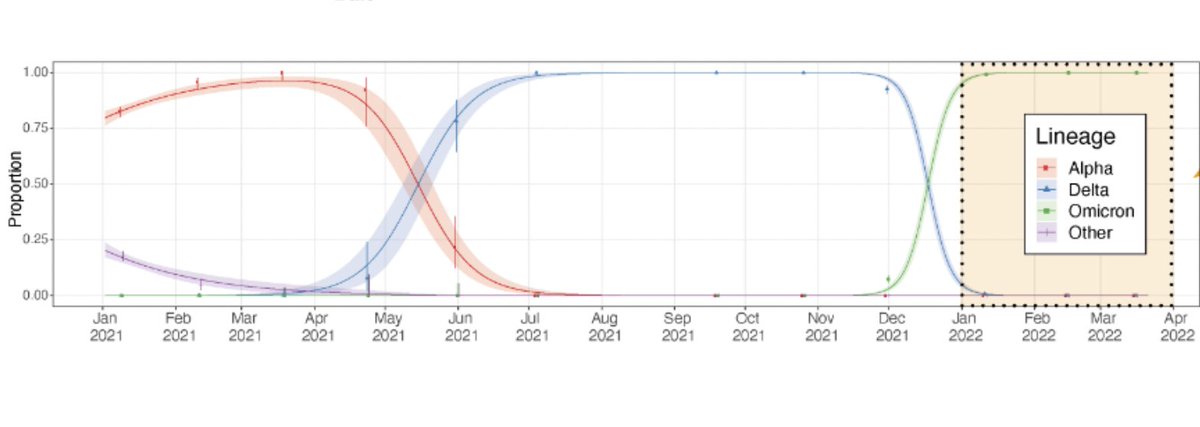
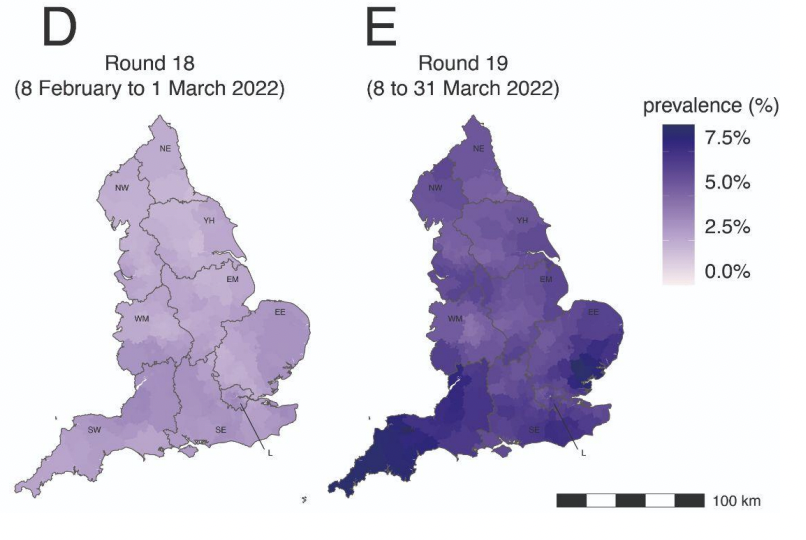
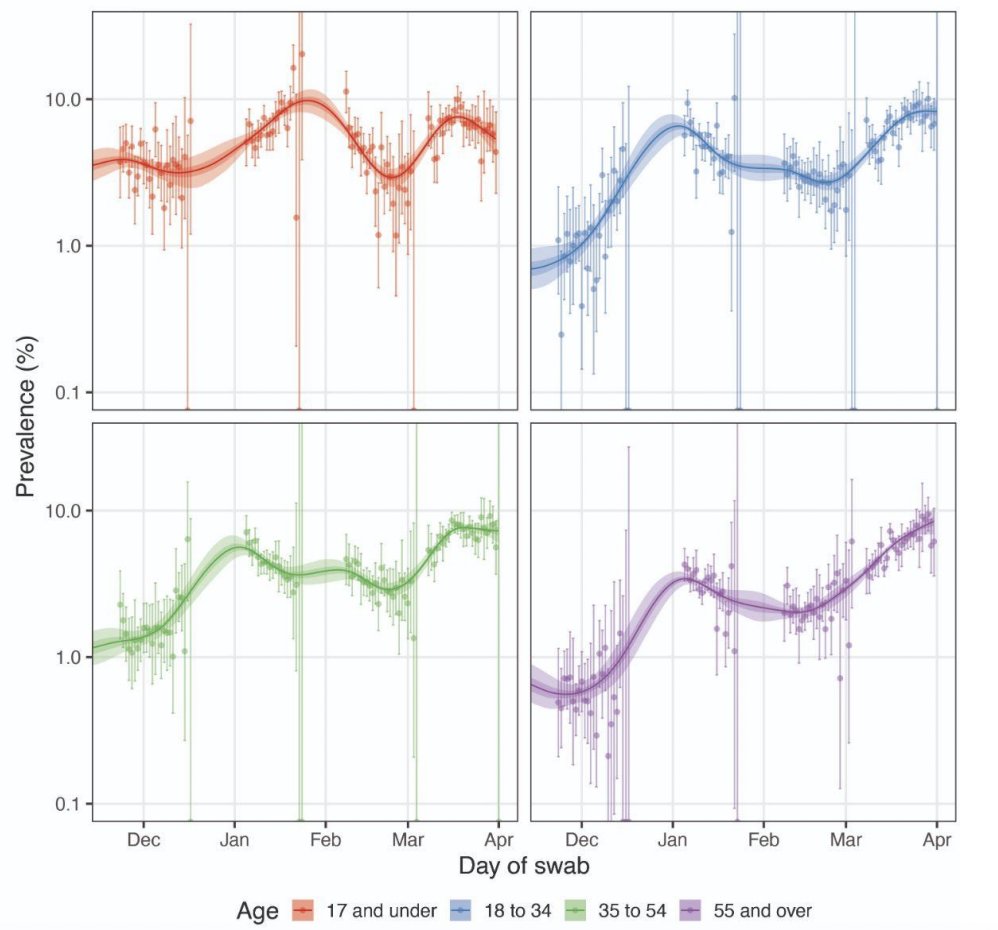
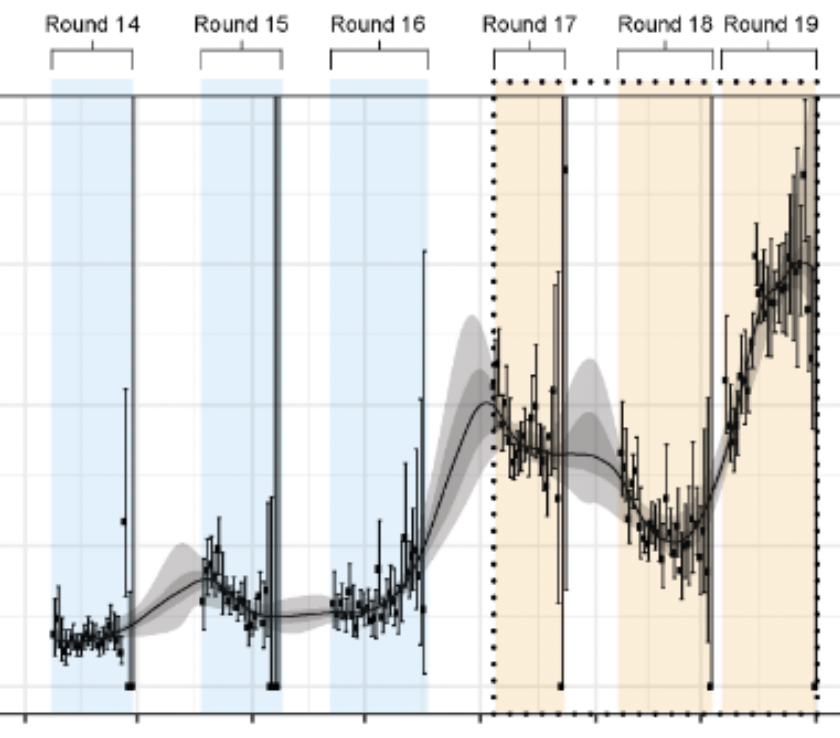
Our latest paper from the @ReactStudy is now available @PLOSCompBiol. We investigate how SARS-CoV-2 infection prevalence changed during England’s ‘roadmap out of lockdown’ journals.plos.org/ploscompbi…
3
2
REACT study retweeted

16 Nov 2022
How have symptoms of COVID-19 changed with different variants? Our new paper describes symptoms from 17,448 PCR-positive people diagnosed in the community @ReactStudy from 2020 to 2022. A thread.
@grahamscooke @wendybarclay11 @DrJoshuaElliott
1/
nature.com/articles/s41467-0…
1
13
10
REACT study retweeted

📣 NEW BLOG POST
COG-UK has contributed to a number of national studies to understand more about the transmission and evolution of SARS-CoV-2, one of them is the @ReactStudy @imperialcollege @IpsosMORI
👇🏻
cogconsortium.uk/why-the-rea…
5
4
REACT study retweeted

4 Aug 2022
The "R" in @ReactStudy is for "REAl-time". The last two real-time papers to be published are now available 1/4
1
5
15
REACT study retweeted

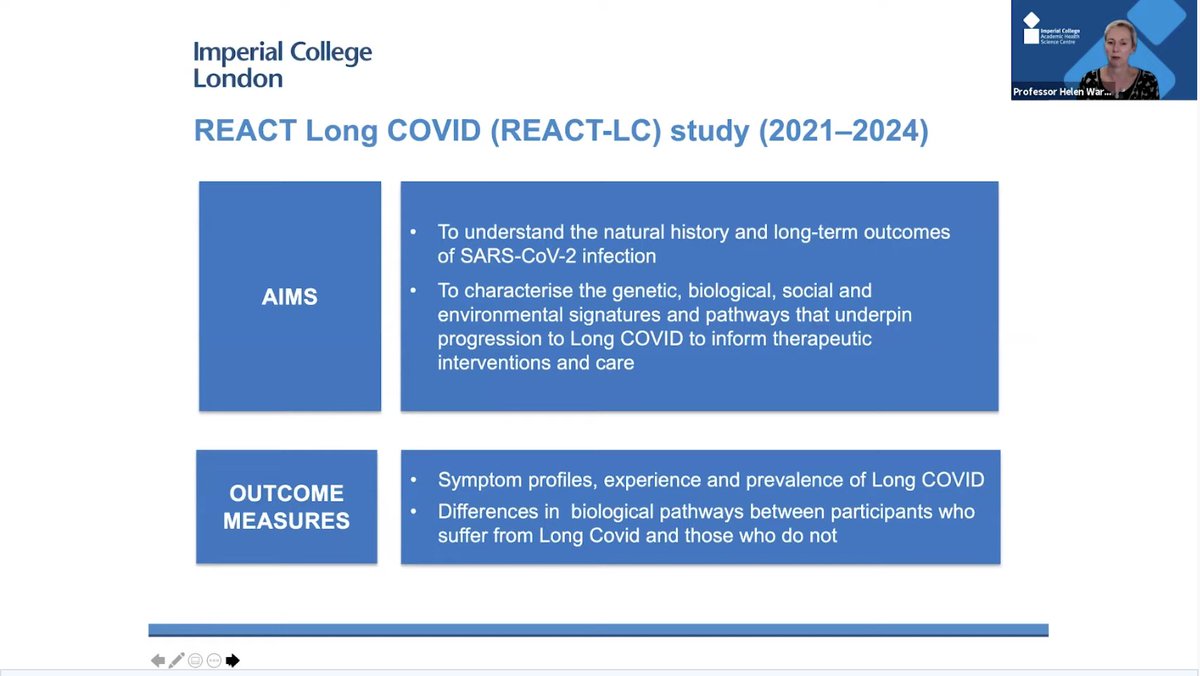
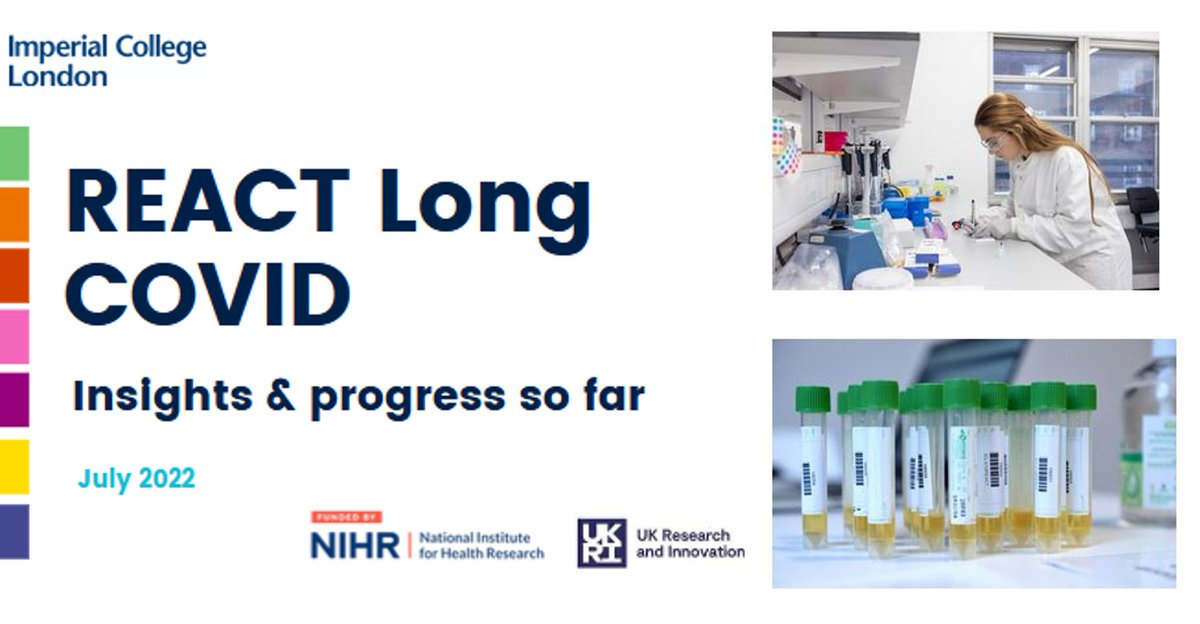
Want to know more about the REACT Long COVID Study?
Check out our recent update report which highlights our progress so far, early insights & related #PPIE opportunities.
Go to our project webpage & scroll down to find it: bit.ly/3OAi544
@ReactStudy @profhelenward
1
14
36
REACT study retweeted
22 Jul 2022
So pleasing to get such positive feedback for the whole @ReactStudy team from @UKHSA and @uksciencechief. We're very proud of the work we did from May 2020 to March 2022, and of the ongoing research into longer-term impacts of infection #longcovid
@grahamscooke @KellyIpsosUK
21 Jul 2022

To everyone who helped make the #REACT study happen, from scientists to kit makers, lab technicians to everyone else involved, and all those who supported them - thank you! 👏👏👏
13
45

22 Jul 2022
We are so proud of the REACT study. Thank you to everyone involved across the studies from partners to collaborators and especially everyone who participated.
Our important work will continue with further research into the longer-term impacts of #COVID19.
21 Jul 2022
To everyone who helped make the #REACT study happen, from scientists to kit makers, lab technicians to everyone else involved, and all those who supported them - thank you! 👏👏👏
1
6
12
REACT study retweeted

13 Jul 2022
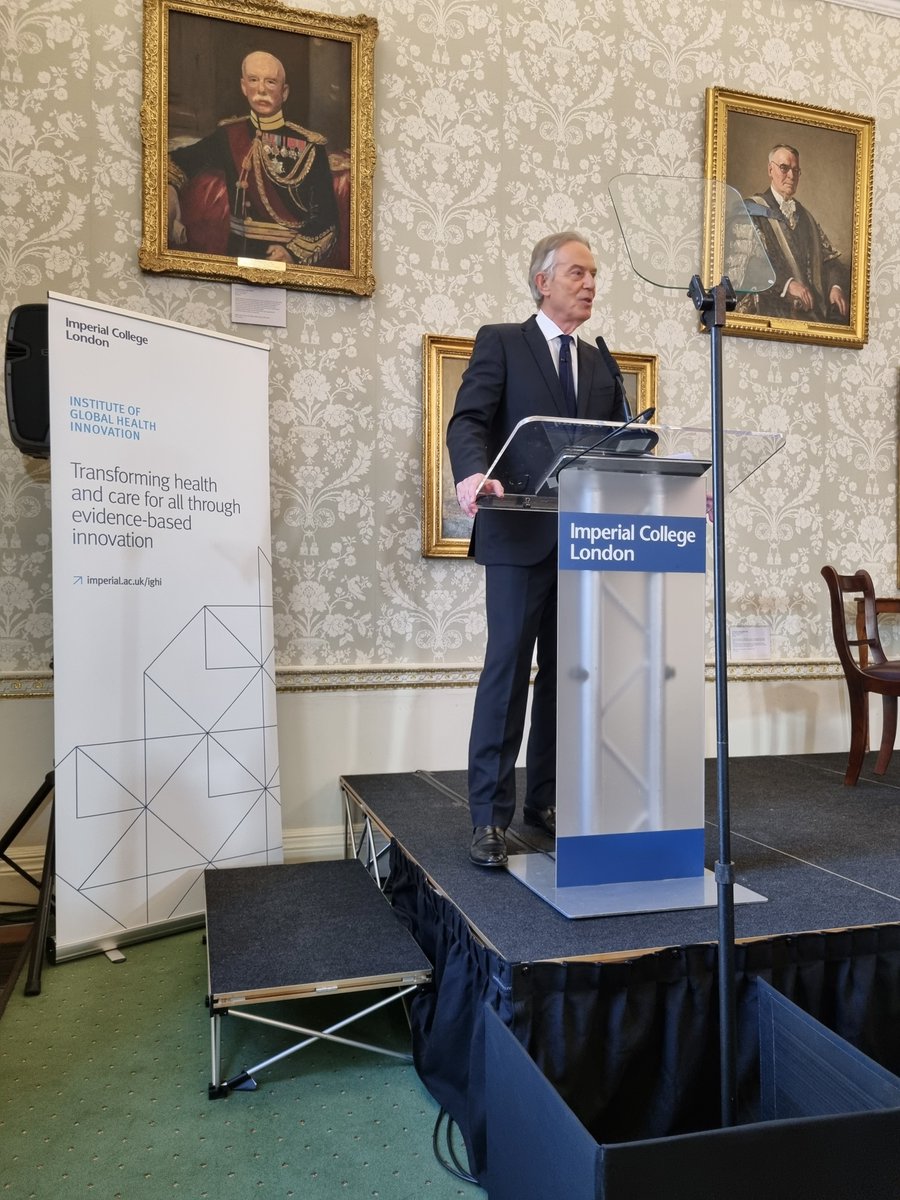
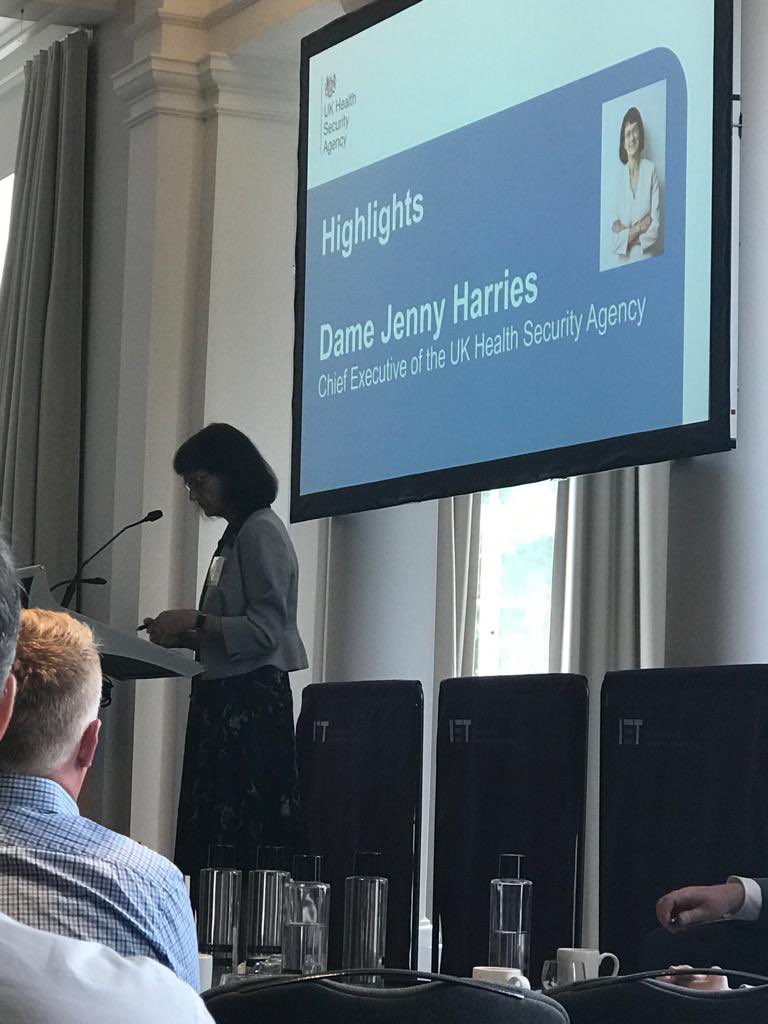
Delighted to have been part of the celebration event for @ReactStudy. An amazing achievement by @IpsosUK @imperial @grahamscooke @profhelenward @UKHSA and so many more. Jenny’s heartfelt words of appreciation speak for all of us.
1
12
REACT study retweeted
12 Jul 2022
. @ReactStudy participants uploaded nearly 600,000 images of their antibody tests - here we describe how machine-learning enabled automated image analysis was able to improve accuracy for community surveillance. pubmed.ncbi.nlm.nih.gov/3581…
2
18
REACT study retweeted

6 Jul 2022
Artificial Intelligence (#AI) could improve the accuracy of reading at-home antibody tests for COVID-19 to better inform public health decisions, like when to offer booster vaccines. 🧵1/8
1
6
5
REACT study retweeted

It is happening! Join us at the #ExRdFest this Saturday and Sunday.
➡️Visit our stalls #FestivalFever, @ReactStudy stand, Stormy Weather Lounge, Peoples Research Cafe, Data Murmurations, Written Portraits and many more.
🌞See you there!
4
7
REACT study retweeted

16 Jun 2022
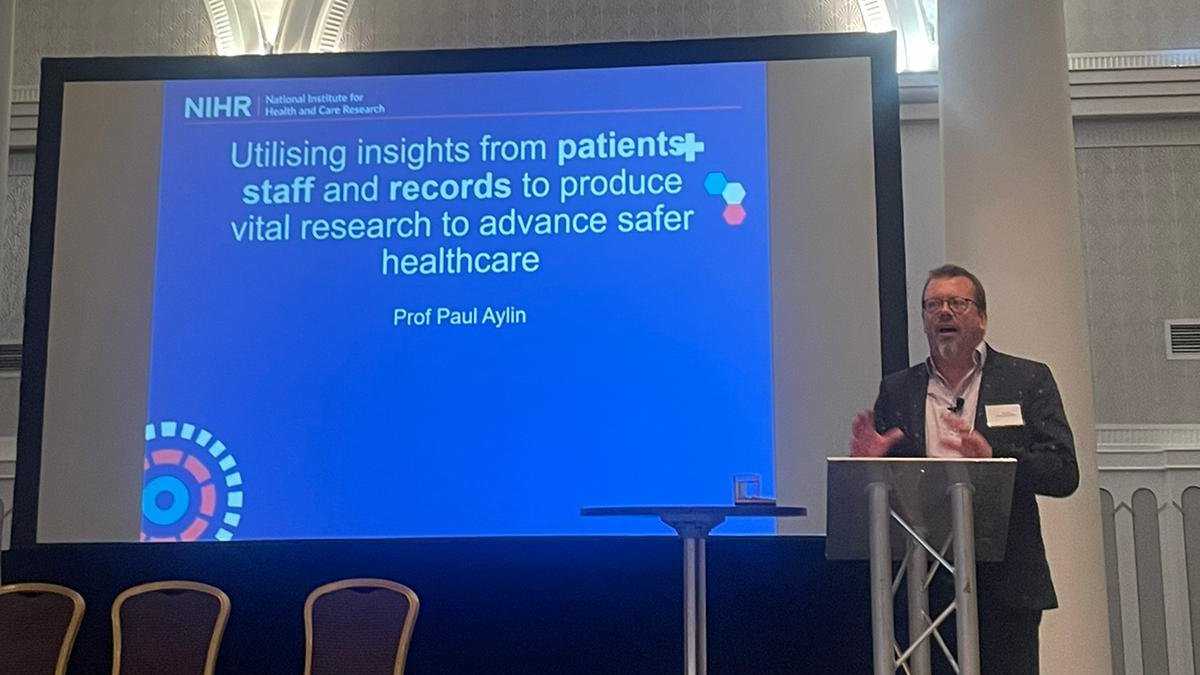
On the @ReactStudy and the importance of co-design in #PatientSafety @maximustiberius at #PSTRCsymposium says:
"Patients and members of the public were intimately involved in the design in the home testing kits and were instrumental to the success of REACT.” @YH_PSTRC @PSTRC_GM
9
16
REACT study retweeted

26 May 2022
INTERACTIVE: The #COVID @ReactStudy partnership between Ipsos and @ImperialCollege with 3,418,788 participants (thank you to them) taught us 5 things about the pandemic imperial.ac.uk/stories/pande… #ImperialStories
2
8
REACT study retweeted

25 May 2022
Excellent article from @imperialcollege on the @ReactStudy we at @IpsosUK worked on. 👇
Learning from the pandemic in real-time imperial.ac.uk/stories/pande…
3
5
REACT study retweeted

25 May 2022
What has real-time analysis told us about #COVID19?
In a new #ImperialStories feature, explore five things our @ReactStudy has taught us about the pandemic ow.ly/ZYQG50JhpvJ
10
4
25 May 2022
"The data we've gathered is a really precious resource.
"Now that we have this resource, we want to make the best use of it for public good."
In a new feature, we look back at 5 of the most important things the REACT study has taught us.
Read more: imperial.ac.uk/stories/pande…
8
14