
Infectious disease modeller.
Joined March 2014
- Tweets 30
- Following 57
- Followers 78
- Likes 432
13 Photos and videos

Oliver Eales retweeted

26 May 2023
#PLOSBiology study reveals how the severity of effects of #SARS-CoV-2 in England was affected by the mass #vaccination campaign and emergence of new variants between May 2020 and March 2022. @eales96 @SRileyIDD @ReactStudy
plos.io/3OBH4Yo
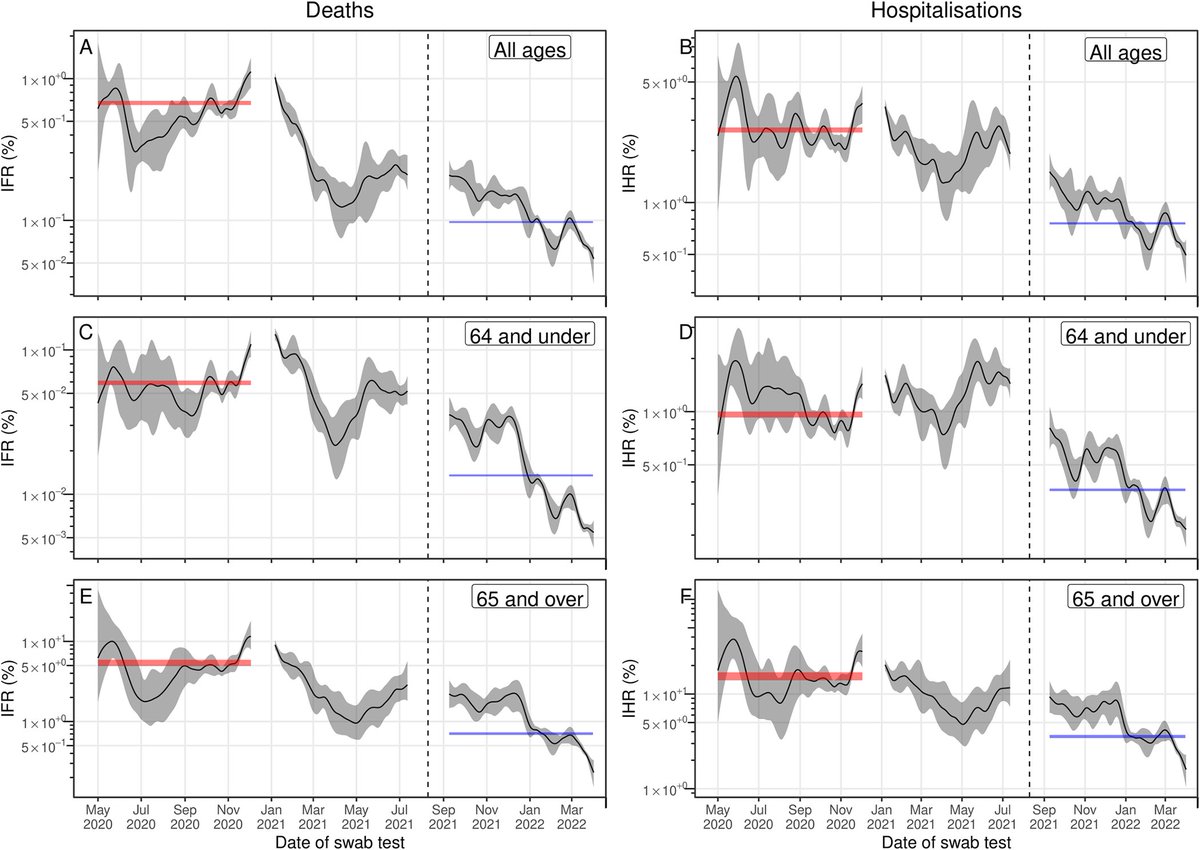
ALT Graphs showing estimates of the infection fatality ratio (IFR) and infection hospitalisation ratio (IHR) over 19 rounds of REACT-1 study testing. Graphs show results for all ages, under 64’s and over 65’s. All graphs show a reduction in IFR and IHR in 2022 compared with 2020.
2
16
32
56,029
Oliver Eales retweeted

📝 The use of representative community samples to assess SARS-CoV-2 lineage competition:
Alpha outcompetes Beta and wild-type in England 🏴from January to March 2021 📅
@eales96 @andrewjpage @sonjantang @profhelenward @SRileyIDD @wendybarclay11
microbiologyresearch.org/con…
6
5
2,563

25 Nov 2022
Our latest paper from the @ReactStudy is now available @PLOSCompBiol. We investigate how SARS-CoV-2 infection prevalence changed during England’s ‘roadmap out of lockdown’ journals.plos.org/ploscompbi…
3
2
Oliver Eales retweeted

14 Oct 2022
Great shout out for UK community infection surveys. One example of a how they are useful is tracking how severity per infection changes over time. New preprint out today with @eales96 from @ReactStudy.
medrxiv.org/content/10.1101/…
The @ons CIS continues to enable this assessment.
13 Oct 2022

You need to know where #COVID19 is to fight it. 🇬🇧's Coronavirus Infection Surveys are an effective way to keep ahead of the virus. We encourage countries to continue to strengthen surveillance to help us end the pandemic. ons.gov.uk/peoplepopulationa…
9
19
Oliver Eales retweeted

8 Aug 2022
Further #SARSCoV2 variants, and intermittent epidemics may become the 'new normal'
@eales96 @ReactStudy #COVID19
go.nature.com/3bzy0Ci
4
7
5 Apr 2022
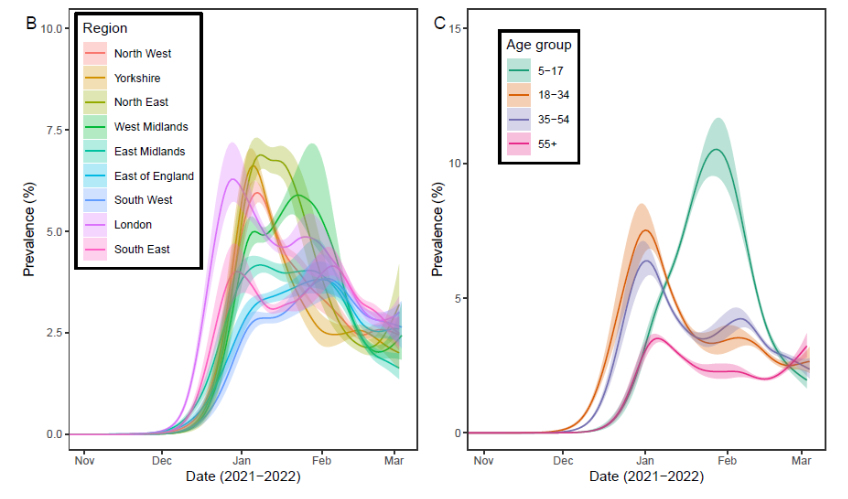
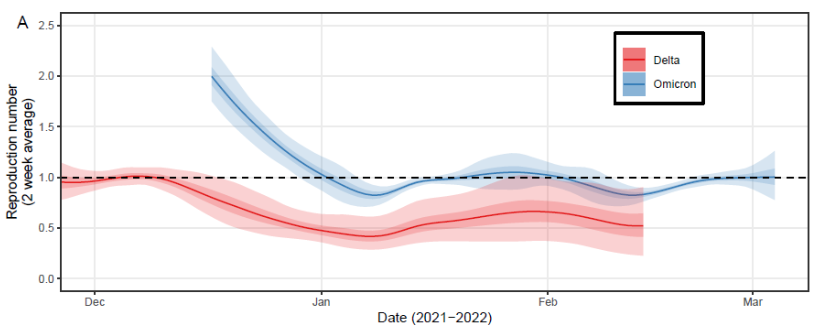
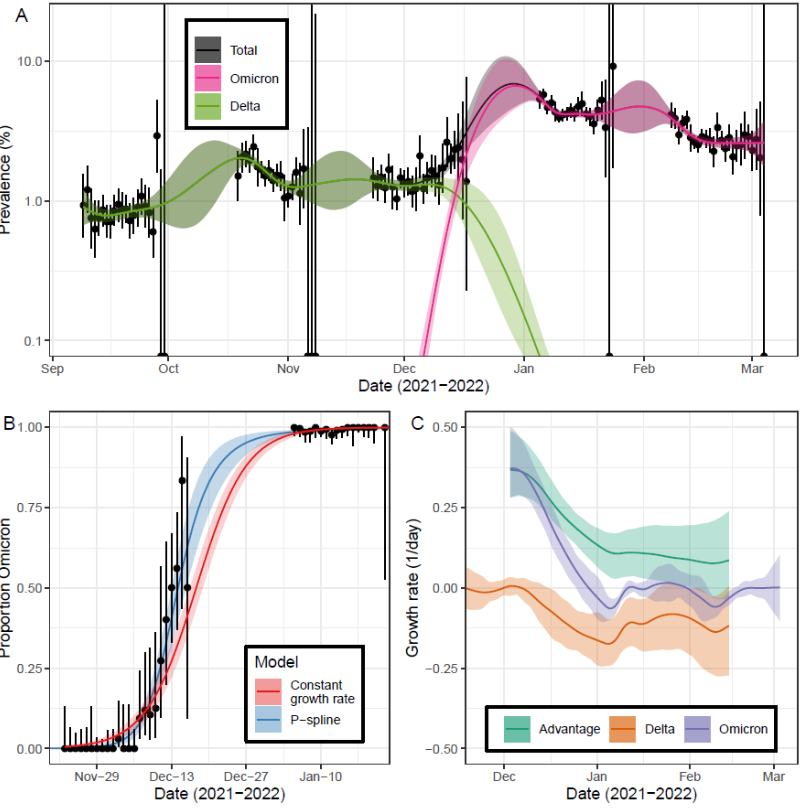
Our new REACT-1 pre-print (not peer-reviewed) titled “The new normal? Dynamics and scale of the SARS-CoV-2 variant Omicron epidemic in England” is now available covering up to 1 March 2022
medrxiv.org/content/10.1101/…
Main findings below
1/6
1
4
8
5 Apr 2022
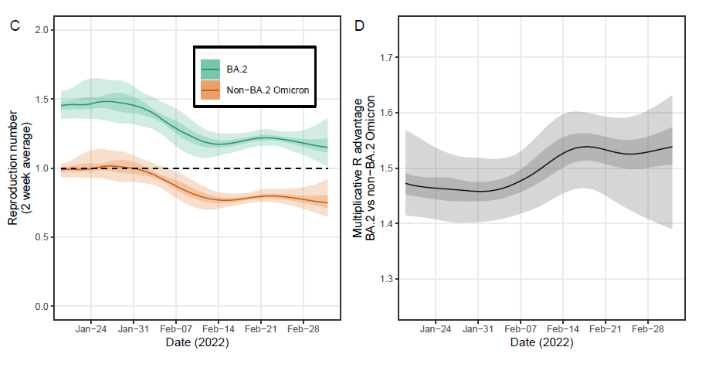
On 30 December when Omicron prevalence peaked, the Omicron sub-lineage BA.2 represented only 0.2% of all Omicron lineages but by 1 March 2022 was at 68.7%
Prevalence of BA.2 was rising over this period whereas prevalence of BA.1/BA.1.1 was falling
5/6
2
1
5 Apr 2022
BA.2 had a multiplicative R advantage over BA.1/BA.1.1 of approximately 1.5
BA.2’s R was greater than 1 at the end of the study and can explain the increases in cases/hospitalizations in England seen during March 2022
6/6
1
Oliver Eales retweeted

11 Feb 2022
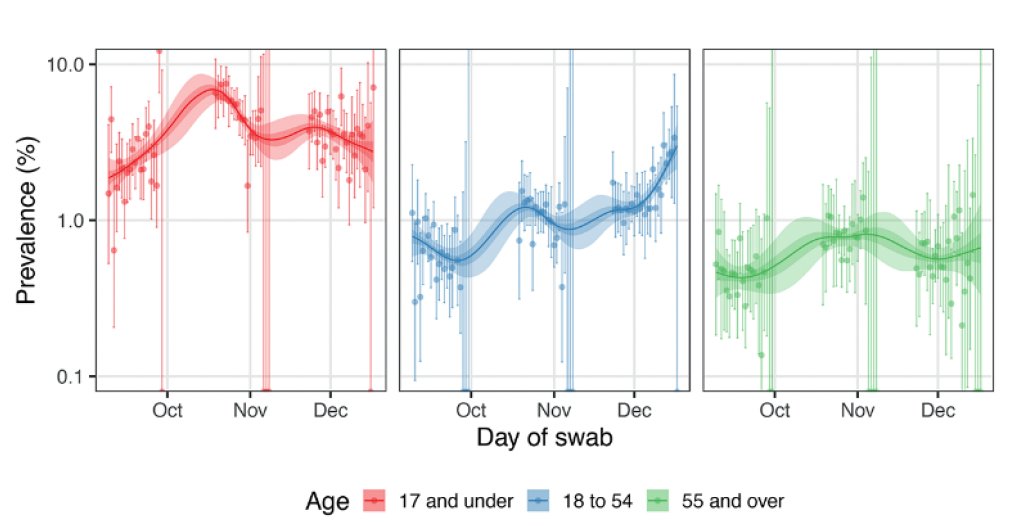
Researchers who tracked the replacement of #Delta by #Omicron in the UK in December 2021 report large falls in infection prevalence among adults who received a booster shot and vaccinated older children compared with unvaccinated younger children. fcld.ly/2fadygb
1
39
76
16 Aug 2021
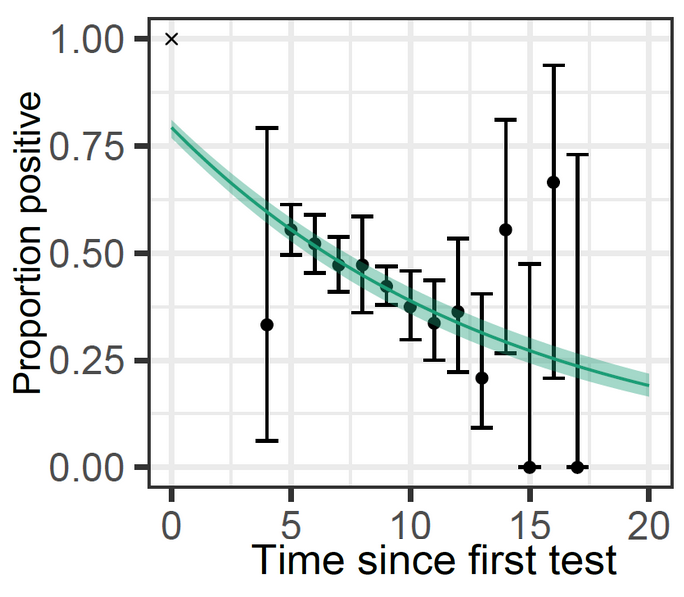
Our new pre-print (not yet peer-reviewed) characterising the decay in RT-PCR positivity after an initial positive test in REACT-1, and trends in infection incidence is now live on Medrxiv:
medrxiv.org/cgi/content/shor…
1/4
2
2
7
16 Aug 2021
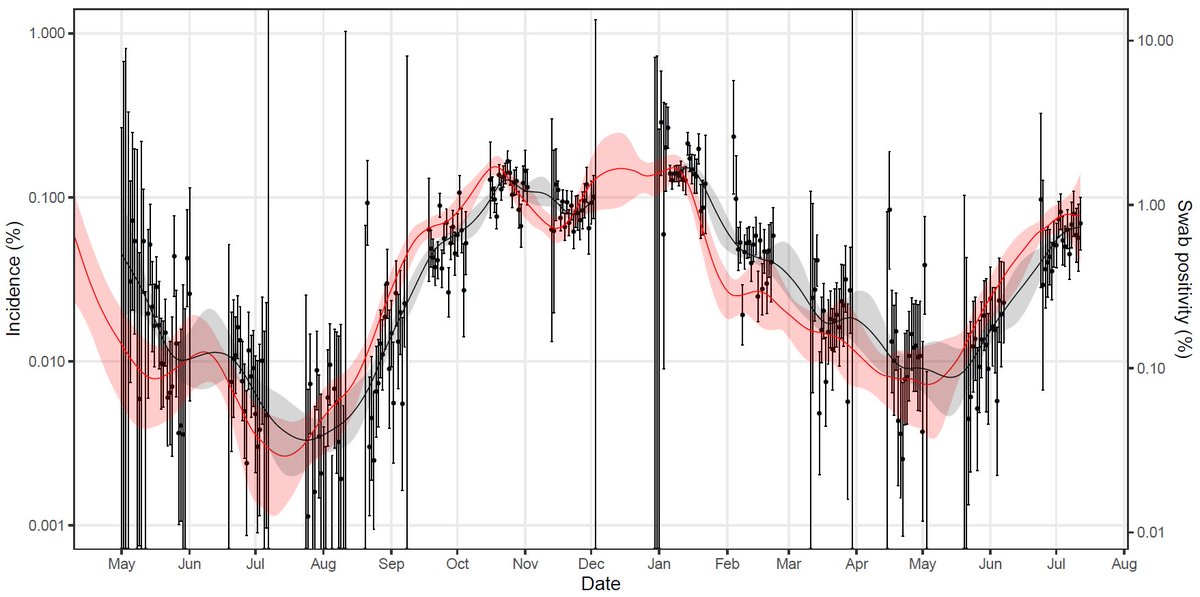
-Decay model used to infer incidence over 13 rounds of REACT-1
-Compared to swab positivity (black), infection incidence (red) includes sharper features with evident transient increases at the time of key changes in social distancing measures.
3/4
1
2
16 Aug 2021
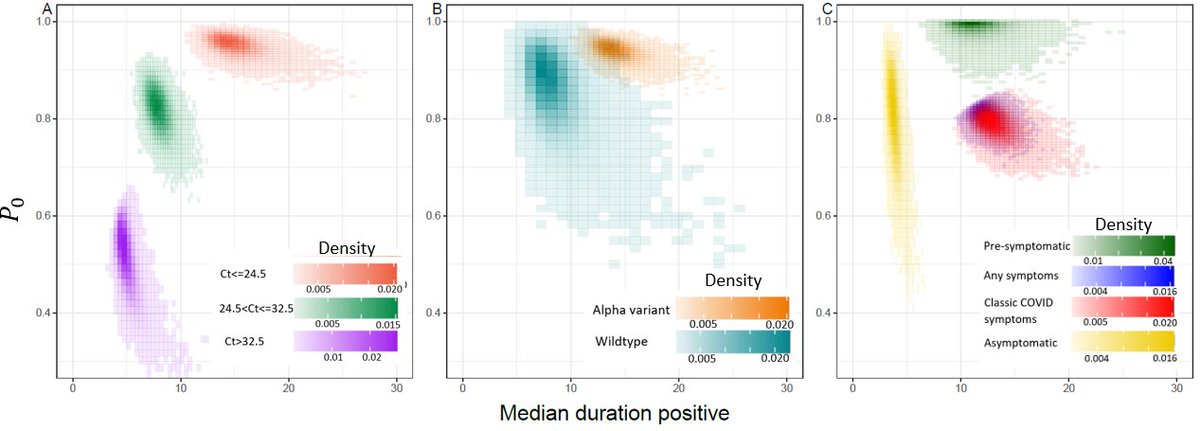
Sub-group analysis found greater median duration positive in those:
-With initial low N-gene Ct value,
-Exhibiting symptoms
-Infected with the Alpha variant
Sensitivity (P0) was greater for those:
-With initial low N-gene Ct value
-Who were pre-symptomatic
4/4
Oliver Eales retweeted

4 Aug 2021
The latest results from the REACT-1 study (round 13: 24 June to 13 July 2021), a thread 👇(1/n)
New pre-print: imperial.ac.uk/medicine/rese…
@SRileyIDD @eales96 @HaoweiWang7 @DrDJHaw @DrCWalters @MRC_Outbreak
1
8
18
Oliver Eales retweeted
8 Jul 2021
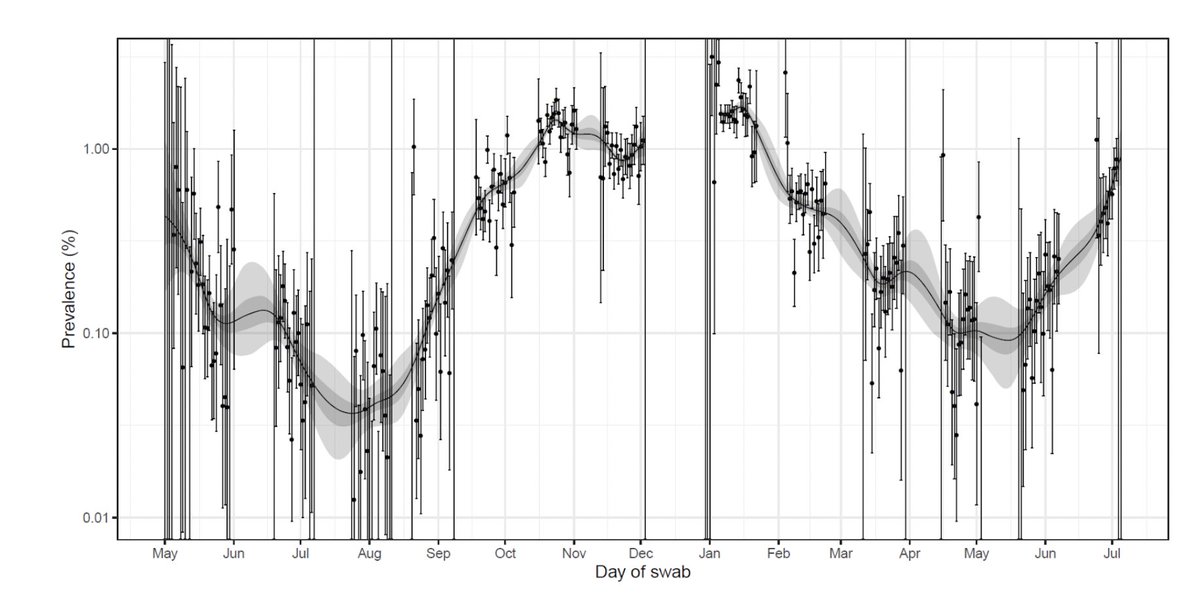
New interim round 13 (24 June-5 July) REACT-1 results indicate a 4-fold increase in weighted prevalence compared to round 12 (20 May-7 June) with estimated doubling time = 6.1 (4.0, 12) days & R=1.87 (1.40, 2.45)
imperial.ac.uk/medicine/rese…
@SRileyIDD @DrDJHaw @eales96 @HaoweiWang7
1
3
7
18 May 2021
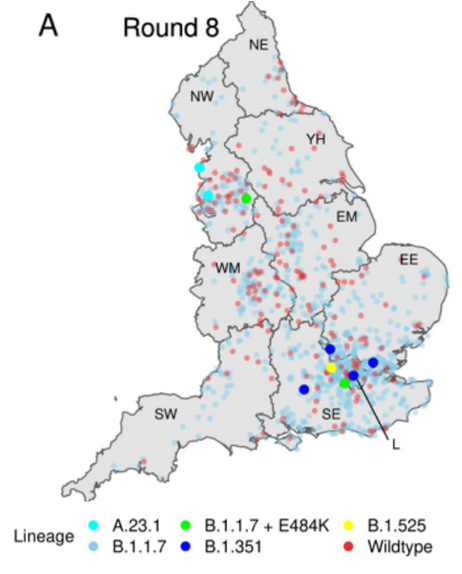
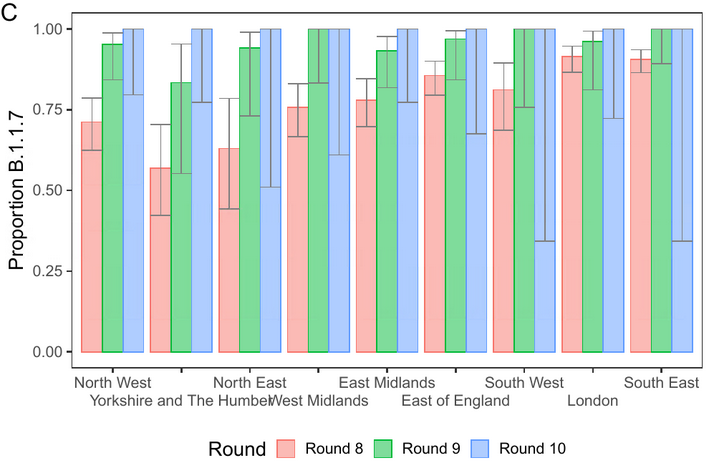
REACT-1 lineage dynamics from rounds 8 (January) 9 (February) and 10 (March) is now live on Medrxiv
medrxiv.org/content/10.1101/…
(note - this preprint is specifically about lineage dynamics, not round 11 which is a separate manuscript)
1/6
2
1
1
18 May 2021
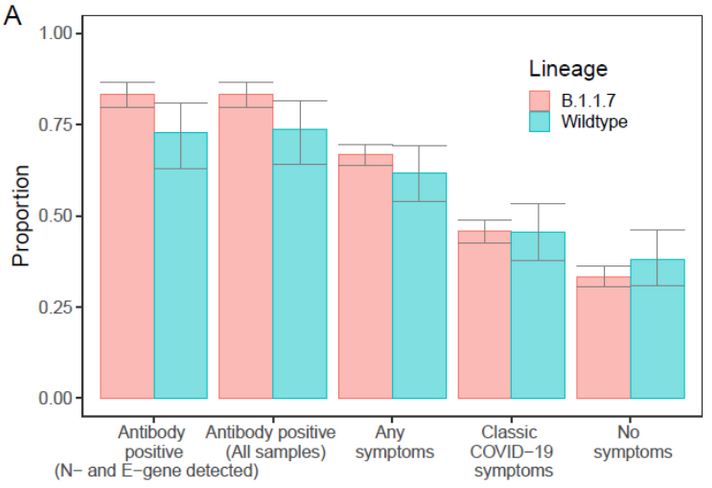
-Similar proportion of B.1.1.7 and wild type infections exhibiting a classic COVID-19 symptom or any symptom in the last week
- Higher proportion of B.1.1.7 infections testing antibody positive 6 weeks later however
5/6
1
1
18 May 2021
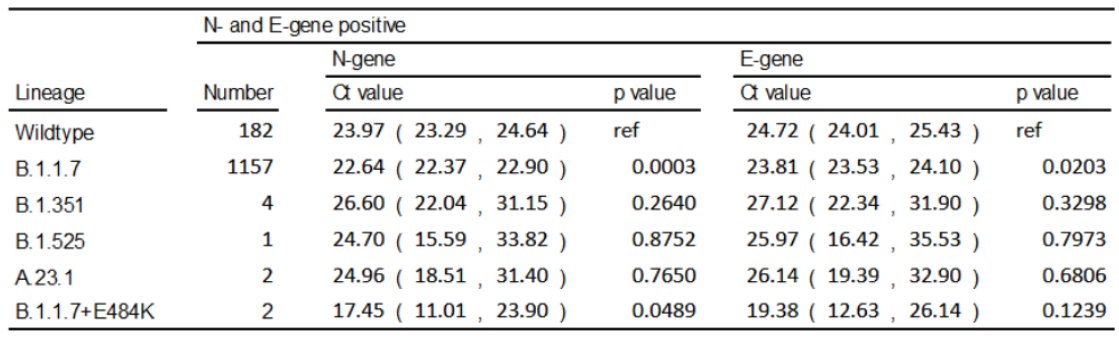
-Multiple VOC and VUI detected in round 8 but not in later rounds
-Single detection in round 8 implies large numbers in the community.
-Decrease in proportion of B.1.351 relative to B.1.1.7 was found to be significant (P=0.02)
6/6
1