
I like to talk smart about the Wisconsin Badgers... sometimes I even know a thing or two.
Joined September 2011
- Tweets 20,395
- Following 124
- Followers 5,246
- Likes 3,829
595 Photos and videos




EricTheRed retweeted

Jun 14
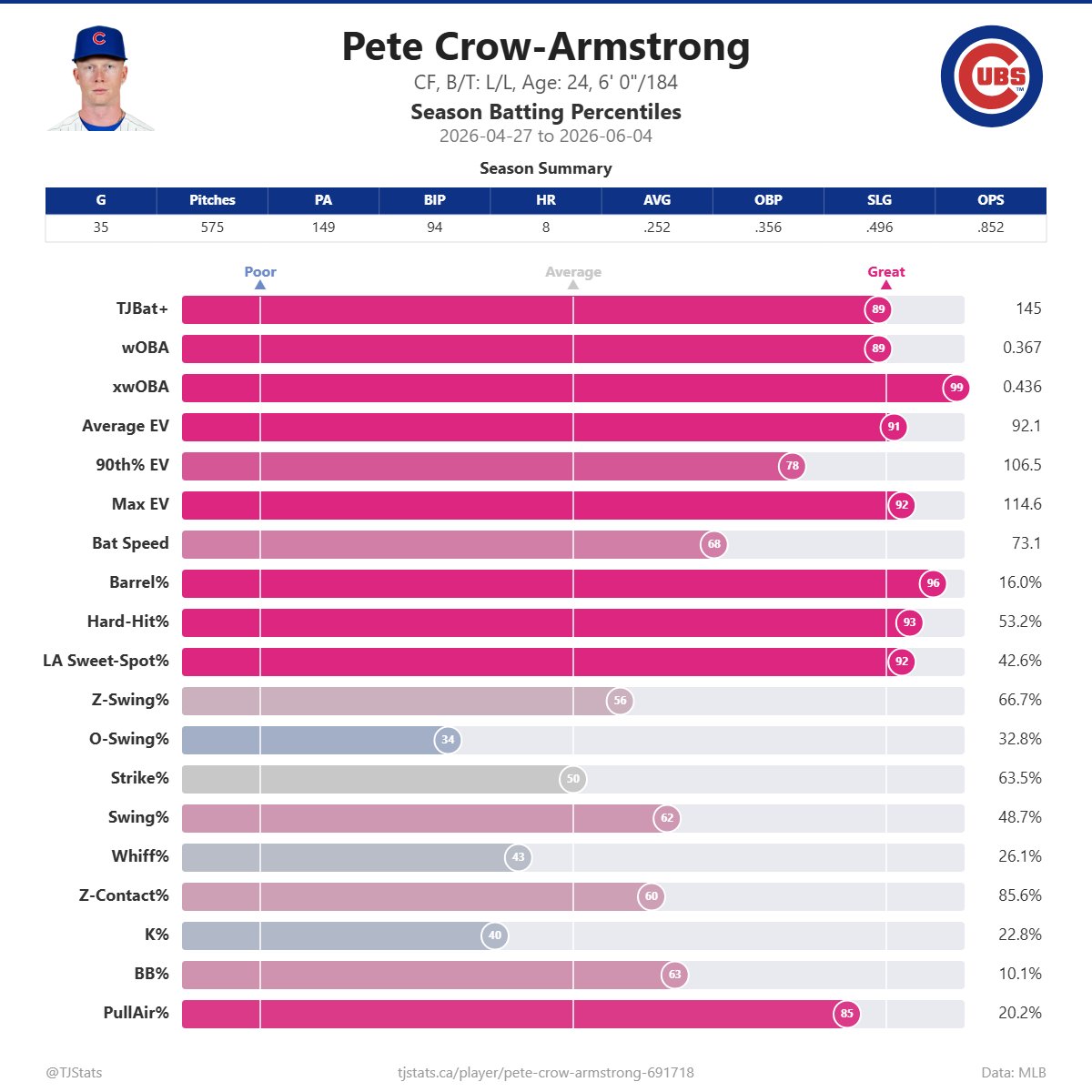
Pete Crow-Armstrong leads MLB position players in bWAR at 3.9 and leads NL position players in fWAR at 3.4.
(Shohei Ohtani leads in *total* WAR)
3
20
313
15,082

Jun 13
When you look at over-inflated prices that desperate teams are willing to pay in the portal for barely mediocre bigs, locking up virtually any 7-footer early is the right financial move.
Jun 13

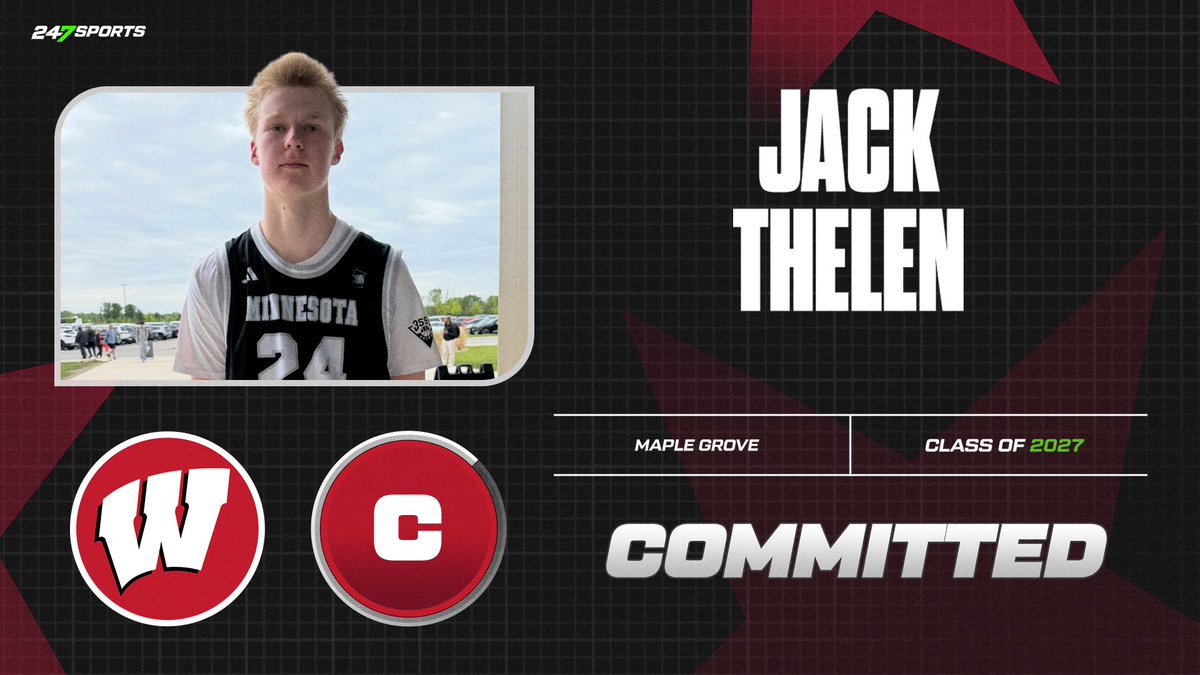
BREAKING: Minnesota seven-footer Jack Thelen has committed to WISCONSIN
1
44
7,509
Jun 13
This is a simply amazing rundown of places to watch soccer in Madison evidently penned by someone who has never stepped foot in a Madison sports bar, or possibly drank a single beer.

The U.S. opens World Cup play today. Here’s where to watch in Madison madison.com/sports/professio…
1
12
13,431
EricTheRed retweeted

Jun 12
During an interview with Bret Bielema on today's Pardon My Take, @BarstoolBigCat said he's had "really good conversations, got some big stuff coming with Wisconsin NIL."
This is after he'd said in an interview that no one from Wisconsin had contacted him re: NIL program.
12
18
380
48,204
Jun 12
Badger basketball @BadgerMBB will open their season at home versus Denver on November 2.
Jun 11

1
2
32
17,310
Jun 12
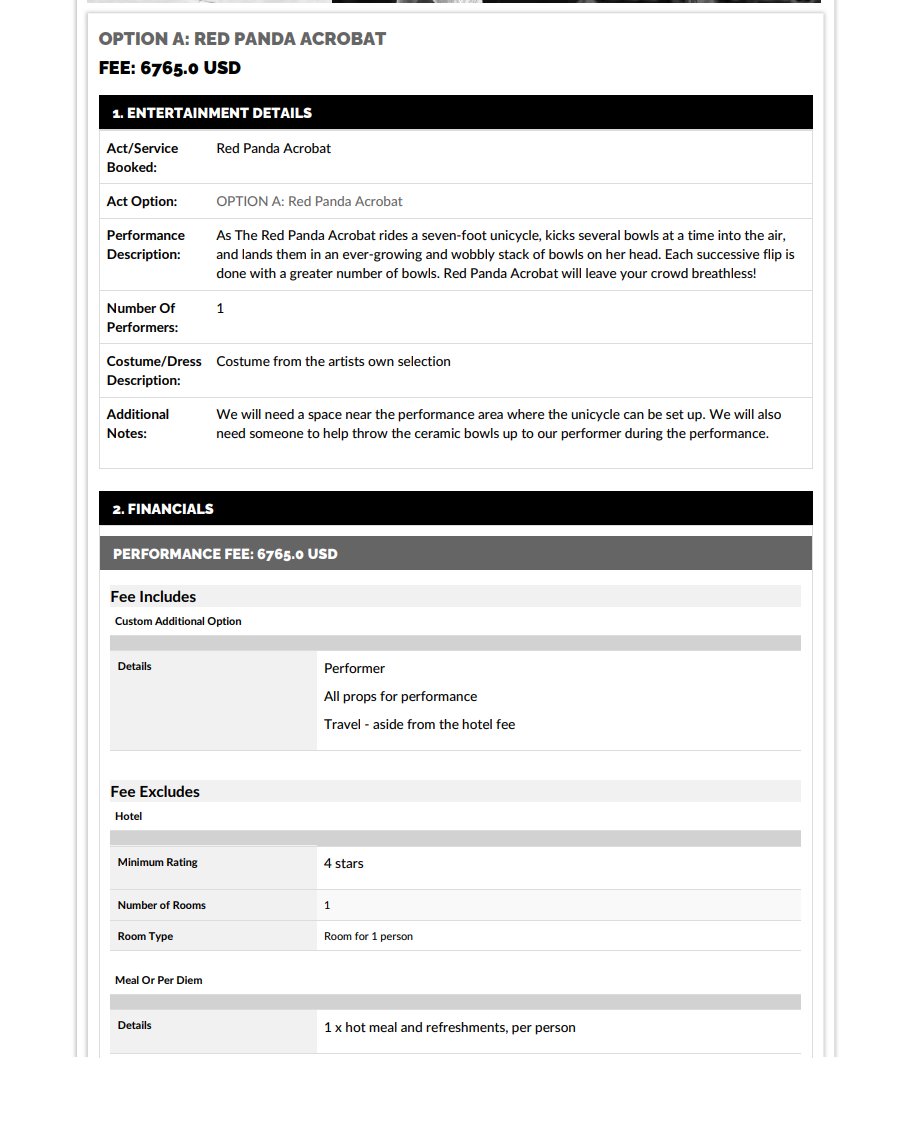
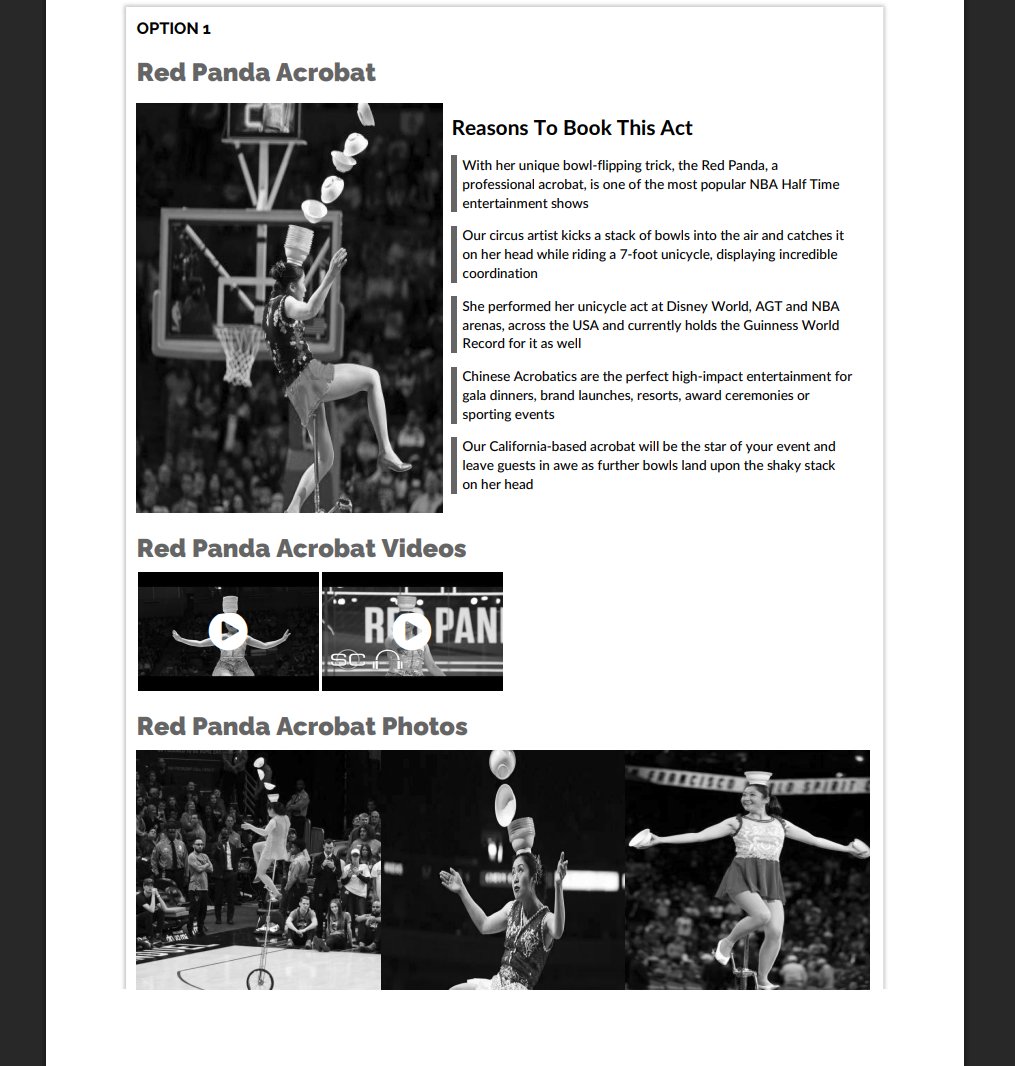
Red Panda gets paid $6765 to do her halftime routine.

1
8
3,974
EricTheRed retweeted

Jun 10
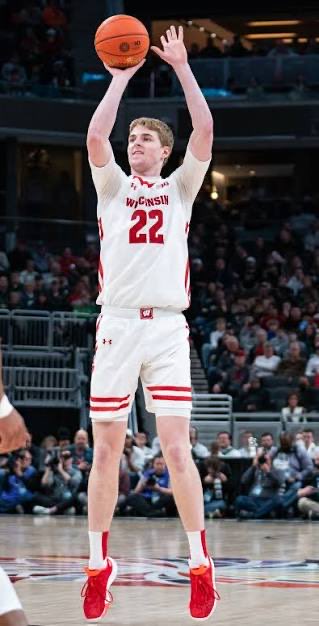
The #Badgers have offered 7-foot-1 prospect Jack Thelen, who is on the same HS and AAU teams as fellow 2027 target Baboucarr Ann.
Jun 10

After an amazing conversation I am blessed to receive an offer from the university of Wisconsin !!! Thank you coach @GregGard and the rest of the Wisconsin Staff!!! @Blessed2Coach @Muhneyy_Kev @D1MN2027
@nickschroeder24 @JaredMartyMN @GroveHoops
1
4
80
12,174
EricTheRed retweeted

Jun 10
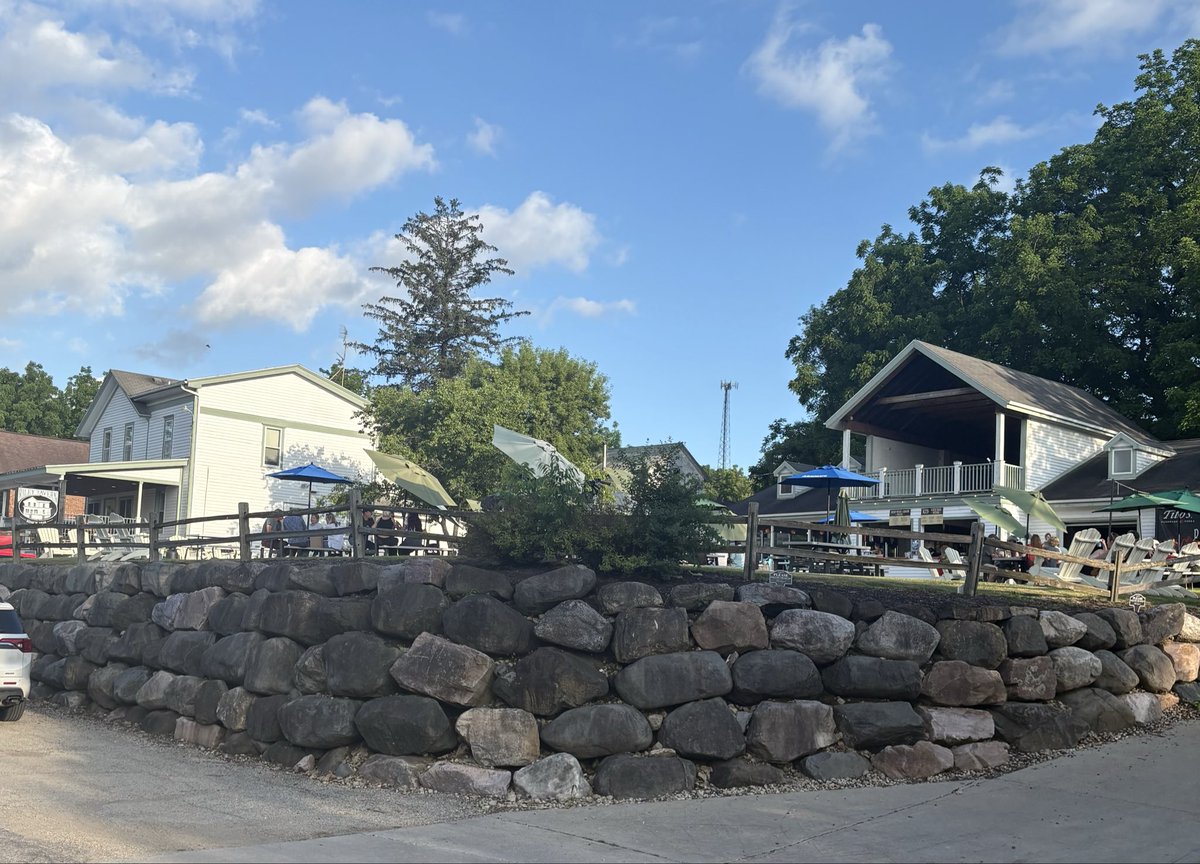
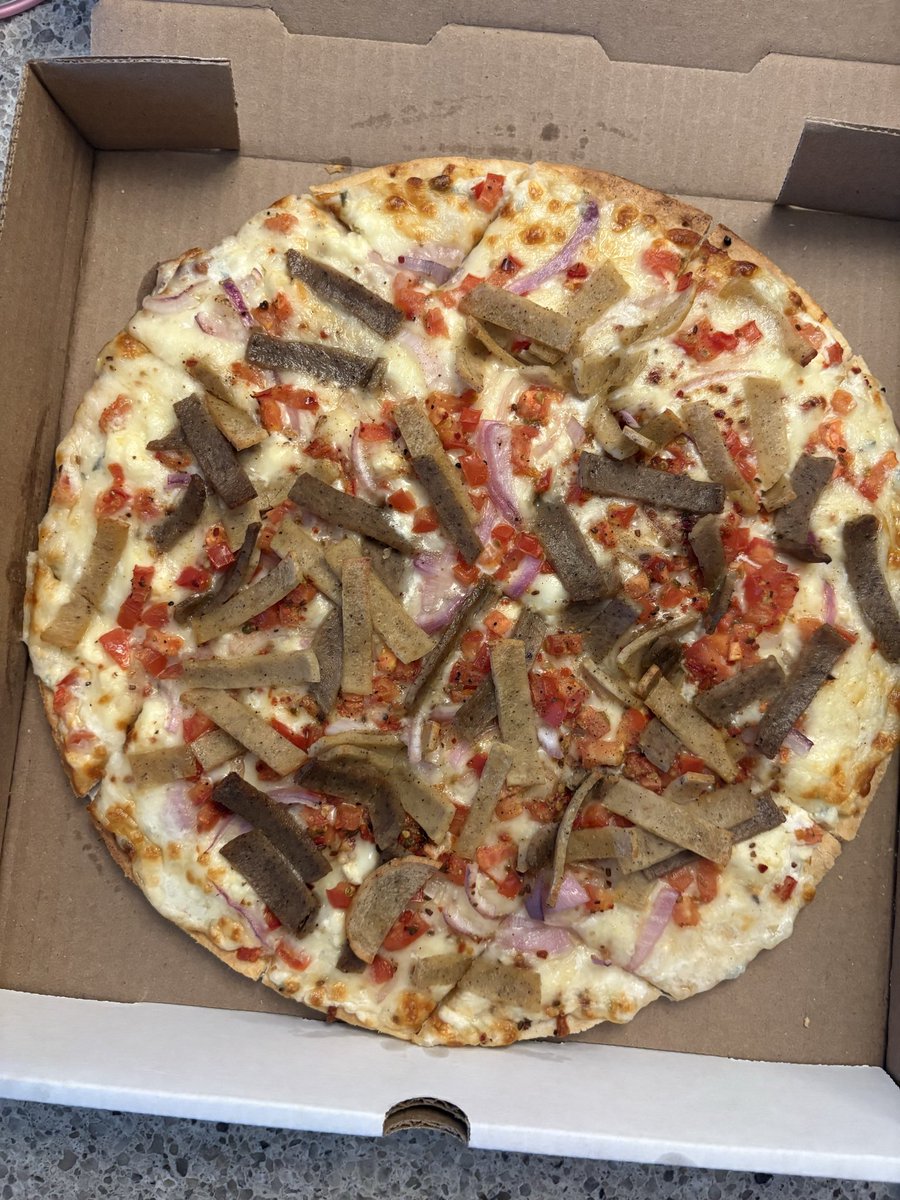
If you’re living anywhere on the west side of Madison and you’re unfamiliar with Riley Tavern, that needs to change. A little slice of Heaven and the Tuesday pizza drops are always worth a visit. Tonight’s special was the gyro pizza. Take the drive - you won’t regret it.
1
1,393
EricTheRed retweeted

Middleton boys golf on cusp of ending state championship drought madison.com/sports/high-scho…
2
1
1,134
EricTheRed retweeted

Jun 8
The NCAA is the schools. The same schools who break every rule or file a lawsuit every time they don’t get their way. The “NCAA” is just a name shield for those people to avoid blame.
4
16
7,546
The war is over indeed! @OldTakesExposed
Apr 15

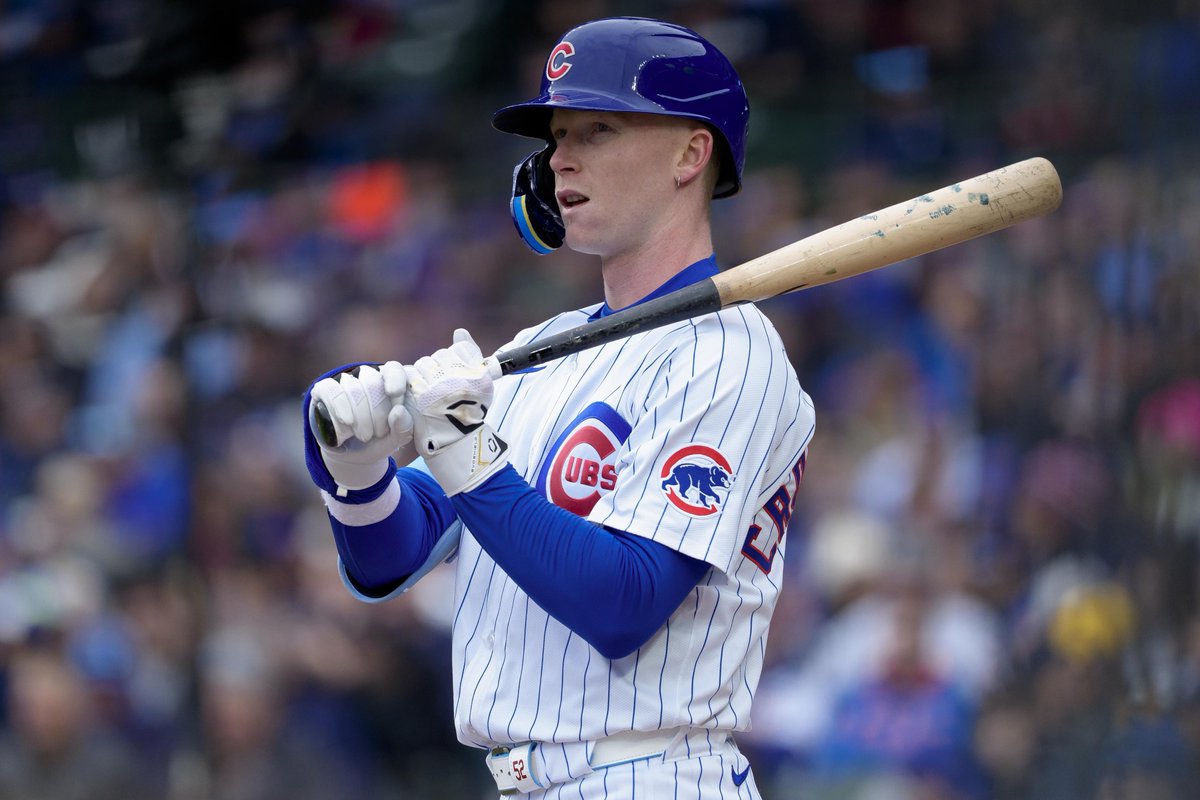
Pete Crow-Armstrong since the 2025 All-Star break:
291 AB
.213 / 7 HR / 29 RBI / 12 SB
85 K : 14 BB
I no longer have to fight for my life in saying PCA is not a good MLB hitter. The war is over...
5
3,102
EricTheRed retweeted

Jun 5
Bears 4000 yard passers: Zero
Bears state relocation: One
41
175
2,953
236,806
Gard has proved time and time again that he doesn't need the best in-state players to consistently win in the Big Ten, but it's always nice to keep a highly ranked and talented player home .... especially one from Milwaukee.
Jun 5

BOOOOM. Wisconsin with a HUGE in state four star pickup
247sports.com/college/wiscon…
1
3
79
8,093
EricTheRed retweeted

Jun 3
Wisconsin lands one of its prized 2027 recruits with the commitment of 4-star prospect Mekhi Williams, the highest-rated Badgers DB out of high school in 26 years. Here’s the story of how the dominoes fell for it to come together, free at Badger Connect: badgerconnect.com/four-star-…
3
9
156
27,685
Interesting article from @JimPolzinWSJ.
My take:
Tonje and Boyd should both be in, when eligible. They both gave 110% to UW in the short time they were here.
On the other hand, Blackwell and Hepburn both quit on the program and should never be eligible for induction.
Polzin: How the transfer portal adds layer of complexity to UW hall of fame selection process madison.com/sports/columnist…
9
74
18,143
EricTheRed retweeted
Jun 2
General manager Marc VandeWettering on Wisconsin’s basketball offseason roster-building approach, from the players the Badgers didn't retain to the newcomers who wowed on film and analytically.
Free content week at Badger Connect: badgerconnect.com/gm-marc-va…
2
3
36
8,926
Imagine being the douche making the argument...
"Actually, agents don't get paid enough." 🙄
Jun 1

I serve as legal counsel for many agents. Let me explain why the 5% agent cap in the Cruz-Cantwell Protect College Sports Act is bad policy.
It's a price control that fails to distinguish between lower-effort school or collective agreements and the far more labor-intensive work required to source, negotiate, and service genuine third-party brand deals.
Most true #NIL endorsement opportunities are modest in value. At 5%, an agent's compensation on an $8k deal would be $400. After accounting for the time spent identifying the opportunity, conducting due diligence on the brand, negotiating the terms, and providing ongoing fulfillment support, that figure doesn't come close to covering legitimate overhead or rewarding the expertise that separates competent representation from amateur efforts.
Agents who specialize in this space routinely operate at commission rates between 10-20% on brand deals because the work is closer to traditional talent or entertainment representation than to the union-capped commissions on multimillion-dollar pro player contracts.
A flat statutory ceiling also interferes with the freedom of contract that should govern the relationship between the athlete and advisor of his/her choice. If a high-profile QB with significant national-market potential wants to pay a premium for an agent who can deliver blue-chip corporate partnerships and manage a personal brand across multiple platforms, the market (not Congress) should set that price.
The cap risks driving experienced agents out of the NIL space altogether, leaving athletes to either go unrepresented or turn to less reputable operators who may skirt the rules.
Registration, mandatory disclosure of all material terms, fiduciary standards, and a robust private right of action against fraudulent conduct are legitimate tools for preventing exploitation. But the % cap misses the mark.
12
4,077
EricTheRed retweeted

May 31
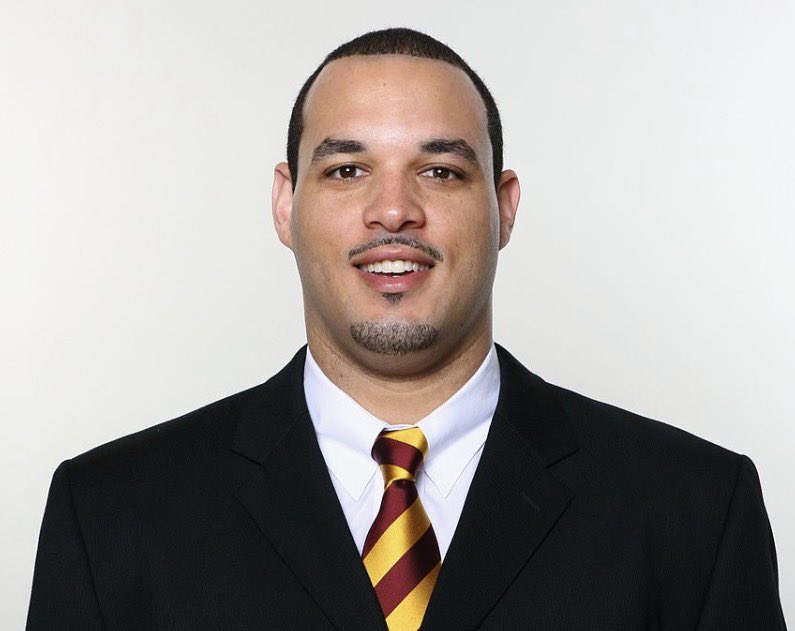
Sources: Wisconsin is hiring longtime NFL personnel executive Morocco Brown as the football program’s new general manager. Brown’s NFL career includes stints with the Colts, Browns, Commanders and Bears. His last role in Indianapolis was as Chief Personnel Executive.
52
162
1,051
524,461
EricTheRed retweeted

May 31
The PCA catch to end the game is another beauty.
Initial number is 5% catch probability from Statcast (that can change). His jump was 9.5 feet above average, that's elite, and he got up to 30.2 ft/sec in pursuit!

31
174
2,512
169,214
EricTheRed retweeted

May 31
Second longest (444 ft) by a Cub in St.Louis since they started tracking them in 2008. Hell of a game for him. 4 hits/sliding catch to end it.

13
46
1,251
52,675