
Undercover hack with his own website. Elderly AI-free zone.
Joined October 2025
- Tweets 267
- Following 286
- Followers 34
- Likes 1,191
8 Photos and videos



Mar 28
Not a huge fan of Nigel Farage, but the Guardian seems to be waging a ludicrous campaign to banish him from polite society. Does anyone really care that he was showed around and photographed at Ipswich Town? theguardian.com/football/202…
80
Mar 27
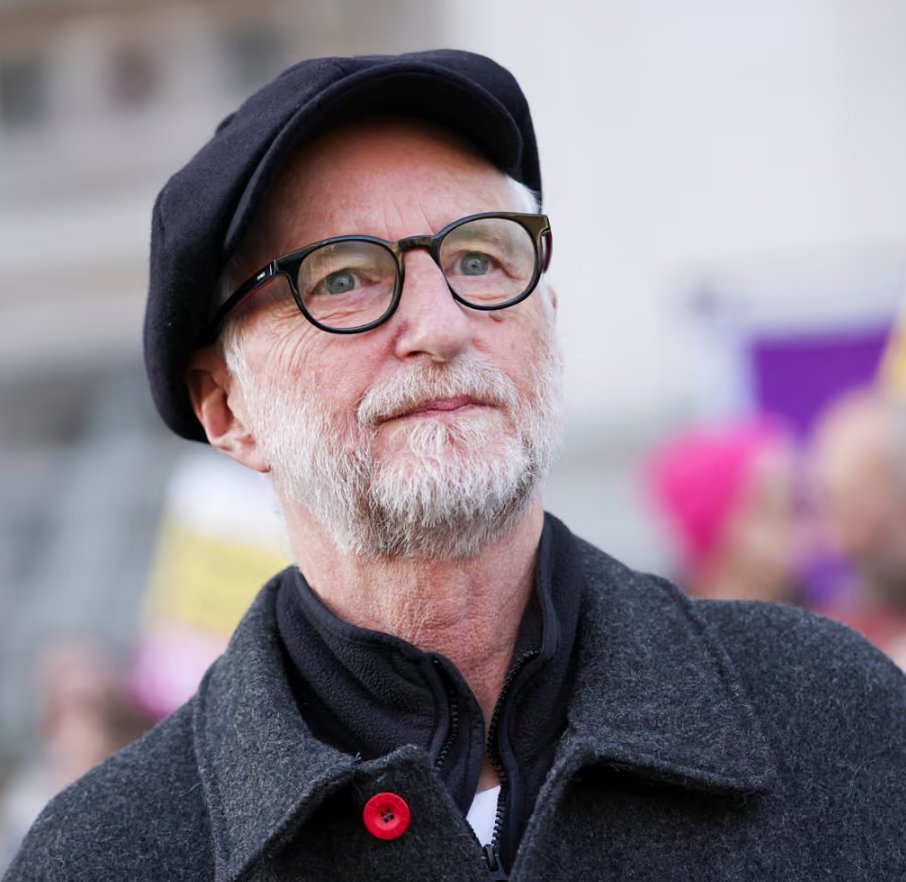
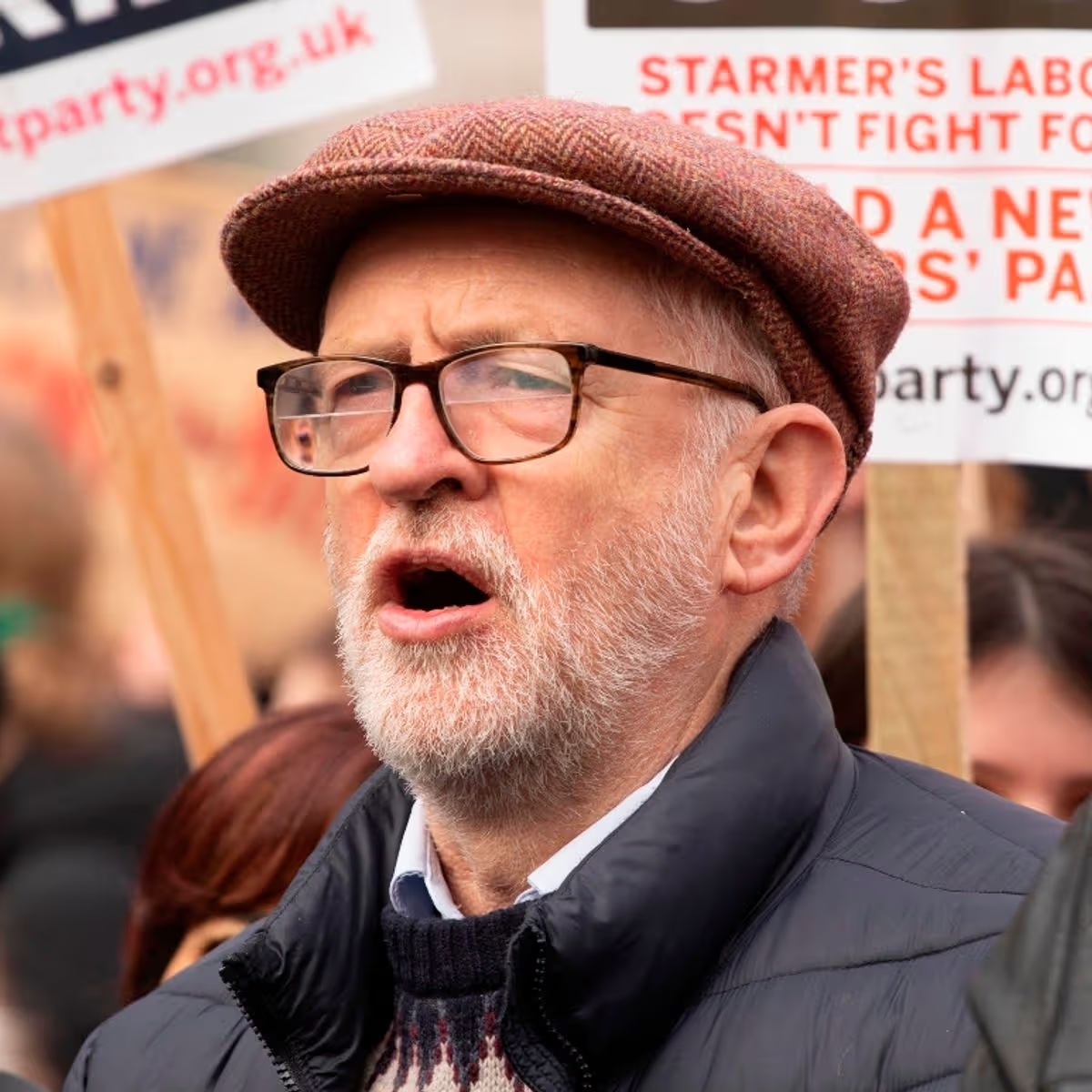
Earnest left-wing former Labour leader Jeremy Bragg has finally morphed into earnest left-wing songwriter Billy Corbyn.
39
Stanley Witchell retweeted

Mar 23
I recently asked Jewish students at a leading UK university if they saw a future for themselves here. Not one said yes. Today Hatzolah ambulances, whose sole purpose is to save life - ANY life - are burned in London. A country where Jews no longer feel they have a future is already in crisis.
996
1,334
9,129
335,278
Mar 18
theguardian.com/commentisfre…
Well, that's all cleared up then. When Liew inadvertently wrote that a Jewish-adjacent business opening near a Palestinian-owned café was a geopolitically significant act of provocation in an asymmetric war, and when he implied that this provocation could be avenged by smashing windows, what he really wanted to say was that he was worried about the impact of global capitalism on “small traders”. He wasn’t encouraging people to damage property, but he was actually sighing at the “misguided futility” of vandalism. Thanks Guardian! By the way, I have cancelled my subscription.
108
Stanley Witchell retweeted

Hamas literally livestreamed a pogrom and still ended up with large parts of the world on their side. That isn’t an Israeli PR failure, it’s a failure of the West to be able to distinguish good from evil. This impairment will manifest in ways far more serious to them than this. Israel could have more quickly countered the bullshit but it’s hard to outrun the Brandolini principle.
122
935
4,759
219,750
Stanley Witchell retweeted

Mar 15
Here's my @Telegraph column on that foul @jonathanliew piece, 'Gail’s derangement syndrome is getting out of hand'
telegraph.co.uk/news/2026/03…
It is entirely possible to be in favour of a Palestinian state, to vilify Benjamin Netanyahu, to regard the presence of Itamar Ben-Gvir and Bezalel Smotrich in the Israeli government as appalling and to oppose Israeli policy generally – and also to be rational, decent and not in any way anti-Semitic. Of course it is; that’s the position of many Israelis, after all.
But it’s striking how many of those who espouse such positions take things to another level altogether. Not only do they start to see the Palestinian cause in every walk of life, they see the malign influence of Jews – or Zionists, as they usually put it – everywhere. Even, as we learned this weekend, in cake.
On Saturday the Guardian published an article by one of its sports writers, Jonathan Liew. It could hardly be bettered as an example of this “Palestinianism”, the obsession among so many Western progressives which treats the cause as the great moral issue of our time – indeed the only truly consequential moral issue – and at the same time uses many of the most virulent historic antisemitic tropes to explain why Palestine is such a core moral issue.
Liew takes the opening of a new branch of the bakery chain Gail’s as an example of the perfidious behaviour of the Zionists. You may have read in recent days how this new café in Archway, north London, has been repeatedly vandalised by self-described Palestine activists. Protestors have tried to enforce a boycott, standing outside with placards such as “Boycott Israel for genocide and war crimes in Gaza”. On its opening day, the local Islington branch of the Palestine Solidarity Campaign posted an Instagram message saying: “This morning, Gail’s tried to quietly open up in Archway and we made sure to give them the welcome they deserve.”
Gail’s has no Israelis involved in its management. I have no idea if it has Jews involved, since – for now, although if the boycotters had their way I’m sure this would change – we Jews are not forced to identify ourselves as such on legal documents. But it was founded, years ago, by an Israeli (who is no longer involved), and its owner is the US private equity firm Bain Capital, which has investments in Israel. That is enough to damn it in the eyes of the obsessives.
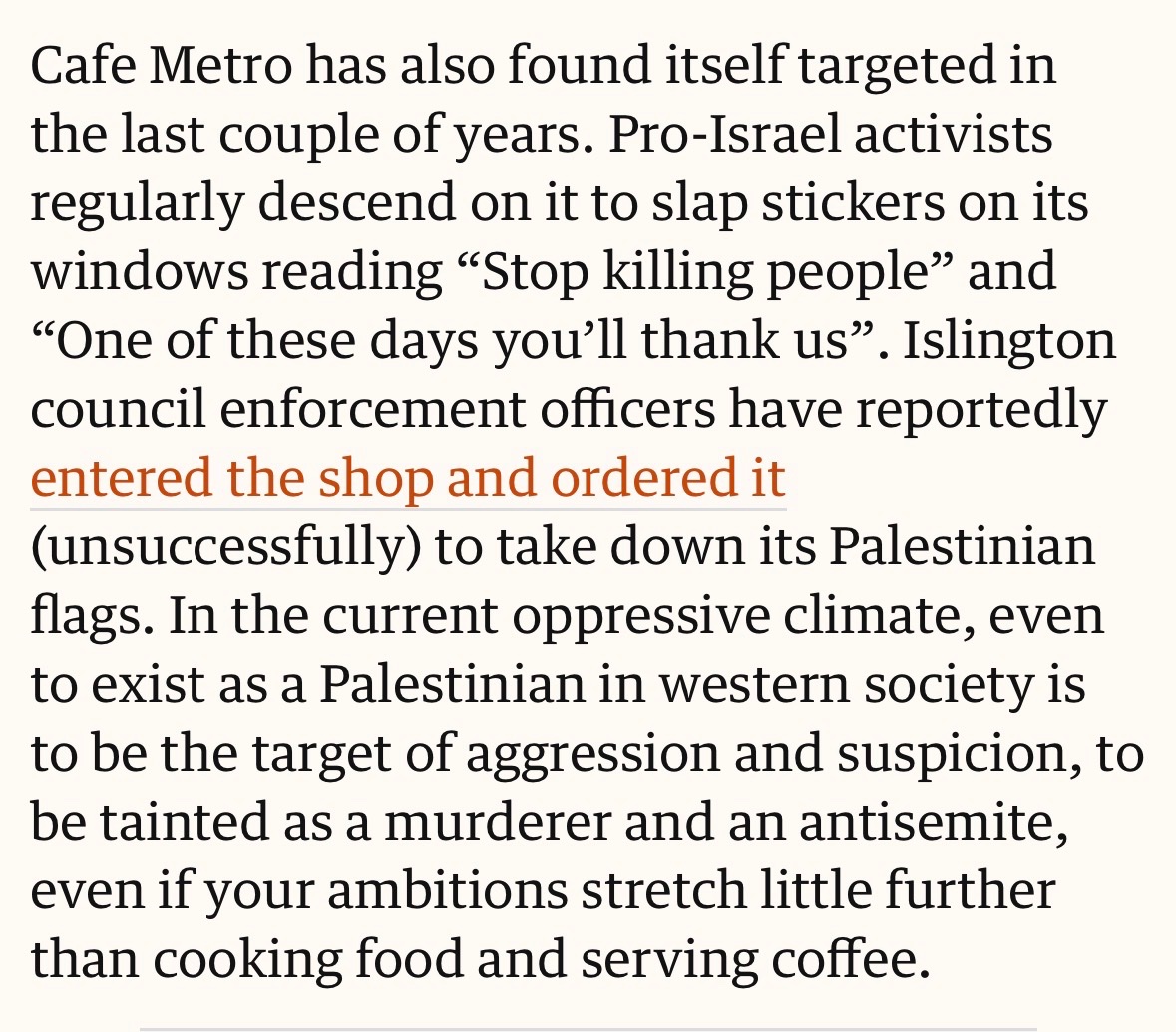
Liew contrasts the opening of Gail’s with an existing café nearby, which is owned by two Palestinians. For Liew, this is deeply symbolic, with one deserving support and the other deserving to be treated as villainous. pariah status. They have, he writes, “two almost entirely separate clienteles”.
The “almost” does all the work in that sentence, because it is nonsense. Unless you are, like Liew, an obsessive, you do not ask your barista for his or her stance on Gaza before ordering, let alone finding out if they are sufficiently Palestinian to serve you. Indeed, I have been into that very “Palestinian” cafe many times, just as I have been into other branches of Gail’s. I didn’t check on the political or ethnic background of the pastry chef in any of them before ordering.
If that was Liew’s only argument it would be ludicrous but amusing, albeit unintentionally. But it gets a lot worse. He describes the “Palestinian” café as “a fixture of the north London social scene, a source of comfort and community in troubling times”. That may be true. I have no idea as the only comfort I have ever sought from a barista, whether in Archway’s community or elsewhere, is a double espresso. But Gail’s, on the other hand, is the epitome of nasty, corporate, Zionist evil: “its parent company, Bain Capital, invests heavily in military technology, including Israeli security companies.”
For Liew, Gail’s is the Zionist chain, expanding its way through innocent communities and brooking no opposition to its might: “its very presence 20 metres away from a small independent Palestinian cafe feels quietly symbolic, an act of heavy-handed high-street aggression”. Heavy-handed, indeed – Liew’s use of oh-so-hackneyed tropes of greed and power is about as heavy-handed as it gets.
I did actually wonder if Liew was high when I read this: “And so somehow these two north London cafes, from two entirely separate worlds, with what we have to assume are two almost entirely separate clienteles, have found themselves on the frontline of a war. A deeply asymmetric war, defined by gross imbalances in power and resources and platforms, but a war nonetheless, and one that simultaneously feels more distant and more local than ever.” War? He is talking about two cafes competing for customers, as happens on most high streets in most towns in most countries. But when one is a Zio café – in the mind of Liew and his compadres, rather than in reality – then it is really about Palestine rather than cinnamon buns.
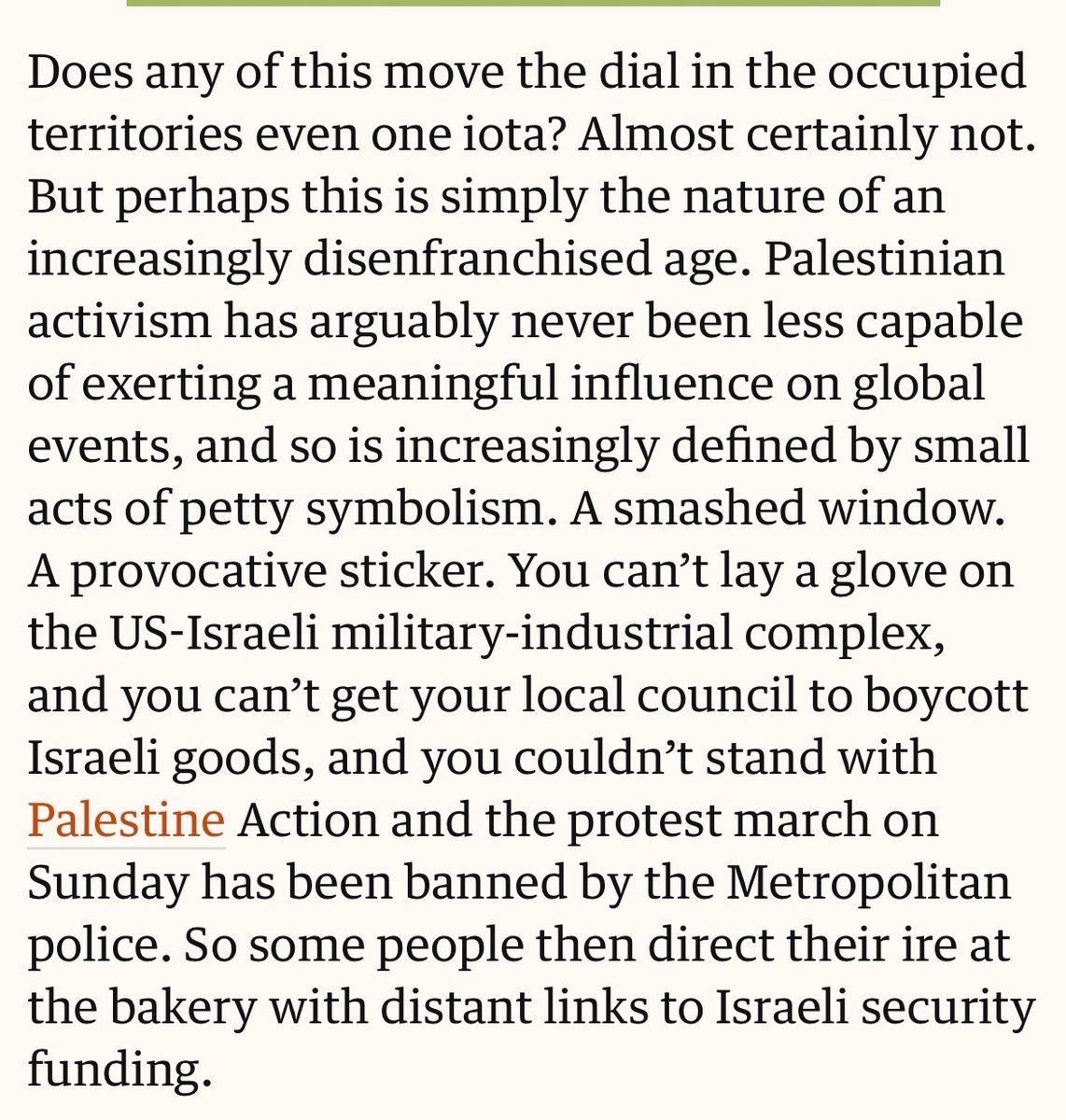
Which means, for Liew, that the vandalism and the protests are not only right but, he implies, the only moral course to take: “Palestinian activism has arguably never been less capable of exerting a meaningful influence on global events, and so is increasingly defined by small acts of petty symbolism. A smashed window. A provocative sticker. You can’t lay a glove on the US-Israeli military-industrial complex, and you can’t get your local council to boycott Israeli goods, and you couldn’t stand with Palestine Action and the protest march on Sunday has been banned by the Metropolitan police. So some people then direct their ire at the bakery with distant links to Israeli security funding.”
No one will be surprised to see such a piece in the Guardian. But when a mainstream newspaper publishes a screed attacking the arrival of a business on the grounds of the most tenuous linkage to Israel, it’s clear that the rise of anti-Semitism has a long way further to go.
114
328
1,573
75,635
Stanley Witchell retweeted

Mar 15
So let me get this straight:
1. Petty activism against a Palestinian-owned cafe is bad (agreed!)
2. But *violent* activism against a cafe that people associate (wrongly!) with Israel is justified and understandable
Update your rule book accordingly
44
292
1,953
61,913
Mar 11
Wikipedia's prejudice against primary sources is perverse, unscholarly and inexplicable, unless it expresses an ideological preference for information that has been sifted through several phases of coercive Groupthink.
12
Is it just me, or is far too much coverage given these days to faux-outraged reporters provoking non-sentient Large Language Models into doing something offensive?
theguardian.com/technology/2…
44
Stanley Witchell retweeted

Mar 7
Hi everyone, I've learned that my article for Rolling Stone really, really upsets the anti-Israel fanatics.
So please, don't repost my latest article for @RollingStone, unless you want them to be even angrier 😢
rollingstone.com/culture/cul…
217
2,590
7,038
143,430

GUTLESS, NARRATIVE-CUCKED, VIRTUE-SIGNALING FRAUDS...
JK Rowling sliced the rotting heart out of your fake-ass "human rights" religion with a blade so sharp it drew blood from three continents.
If you claim to champion the oppressed yet can’t choke out a single syllable of solidarity for the Iranian lions in the streets...women torching hijabs, men spitting in the face of the noose, kids dodging regime bullets for the crime of wanting to breathe free...then congratulations, you’ve exposed the black, festering void where your soul should be.
You don’t give a flying fuck about brutality.
You only care when it’s performed by the enemies of your chosen villains.
That’s not principle.
That’s pathology, motherfuckers.
Pure, clinical ideological psychosis.
Textbook.
This is the same deranged selective empathy that made useful idiots in 1979 cum their Che Guevara t-shirts over Khomeini’s “spiritual revolution.”
Foucault and the entire postmodern left fawned like starstruck groupies: “Death to the Shah! Liberation!”
What followed?
A medieval blood orgy.
Gays swung from cranes.
Women became property under Sharia.
Dissidents fed into meat grinders.
A theocratic death cult that’s spent forty-seven years exporting rape, stoning, and proxy slaughter while your precious “progressives” looked the other way...because the real enemy was always the West, always Israel, always civilization itself.
Psychologically it’s a narcissistic addiction to moral inversion.
These champagne revolutionaries get dopamine-drunk on Gaza hashtags and “From the river to the sea” death chants because it lets them cosplay as righteous underdogs without ever risking their Wi-Fi or their avocado toast.
But Iranian women being lashed for a loose strand of hair?
Iranian queers executed for existing?
Crickets.
Because admitting the mullahs are the actual gender-apartheid monsters would nuke their entire victim hierarchy.
It would force them to confront the screaming cognitive dissonance:
they are not liberators. They are enablers of the very fascism they pretend to fight.
Projection on steroids.
Moral cowardice weaponized into a personality disorder.
They don’t want justice...they want the narrative that strokes their shriveled egos and keeps the tribal validation flowing.
Real liberty in Tehran threatens their entire grift.
Real Iranian freedom fighters rejecting the regime expose them as the performative parasites they’ve always been.
And now?
Khamenei is a smoking crater.
The regime’s nuclear cock has been surgically amputated.
The streets are exploding with people who’ve waited decades for this moment...actual humans risking everything for light, for choice, for the right to live without a boot on their throat.
Where the fuck is your solidarity now, you selective-outcry cunts?
Still too busy polishing your “Free Palestine” signs while real women and real gays and real dissidents bleed for freedom under the same Islamist boot you’ve spent years romanticizing?
Spare me the performative tears.
Spare me the whataboutisms.
You’ve revealed yourselves:
frauds who cheer oppression when it’s dressed in keffiyehs and “resistance” drag.
History will remember you exactly as you are...cowards, collaborators, and intellectual whores to the very darkness Rowling just called out.
The Iranian people are rising.
The light is breaking.
And your silence is deafening.
Sit the fuck down.
Or better yet...grow a spine, pick a real side, and prove you’re not just another gutless chapter in the long, pathetic book of leftist betrayal.
The world sees you.
And history?
History is laughing its ass off at your empty little cult.
💀⚖️
Jan 11

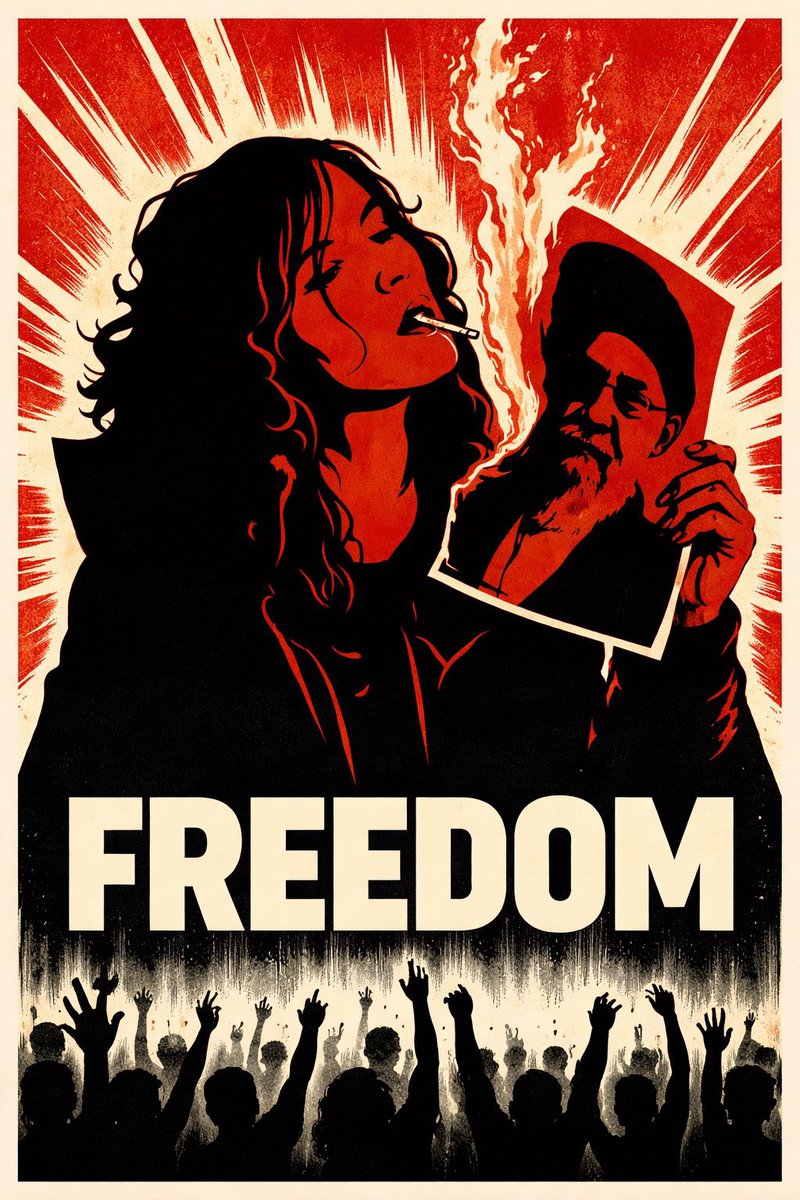
If you claim to support human rights yet can’t bring yourself to show solidarity with those fighting for their liberty in Iran, you’ve revealed yourself. You don’t give a damn about people being oppressed and brutalised so long as it’s being done by the enemies of your enemies.
87
1,359
6,453
149,023
Feb 28
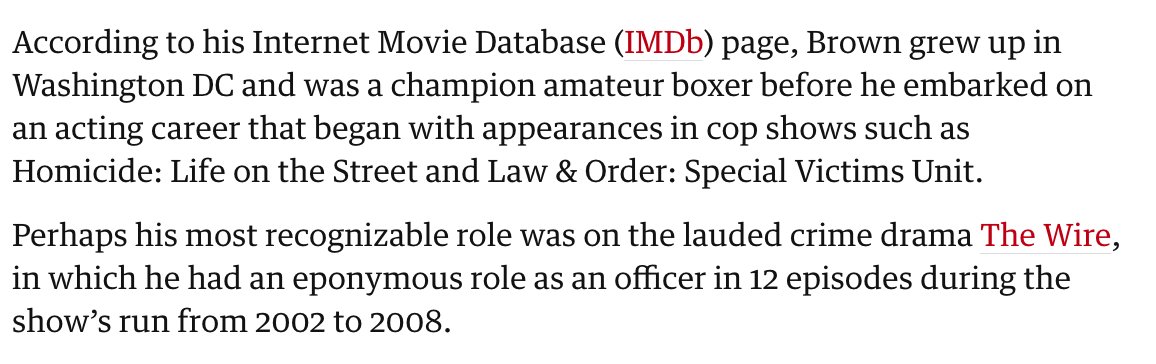
Does the Guardian use sub-editors these days? Do they speak English? Among many other issues, did no one even think to check what the reporter meant by "eponymous"? Am I missing something? Was the name of Bobby Brown's character really "The Wire"? theguardian.com/us-news/2026…
14
Stanley Witchell retweeted

Feb 21
The Palestinians must decide if Gaza is their home, or if they’re “refugees” and Gaza is a staging ground to “free Palestine.”
If they want the conflict to be over, Gaza can be heaven. If they want more war, Gaza will stay hell.
144
137
1,263
45,316
Stanley Witchell retweeted
Feb 21
Actor Hugh Laurie is being accosted on Twitter because of this post, where he mourned the loss of his friend Dana Eden.
Why? Because Dana Eden was Israeli. And don’t you know—Israelis aren’t actually human beings and only deserve scorn and hate?
Yeah. This is what we mean when we say Israelis have been totally dehumanized. Showing empathy toward people from Israel is now treated as if it were a crime.
The backlash was so intense that Hugh felt compelled to post a follow-up tweet saying he’s not a Zionist, as if believing the Jewish people deserve to live safely in their homeland were some kind of unforgivable offense.
Mourning his friend should not be a political debate.

243
1,254
8,742
180,654
Stanley Witchell retweeted

Feb 19
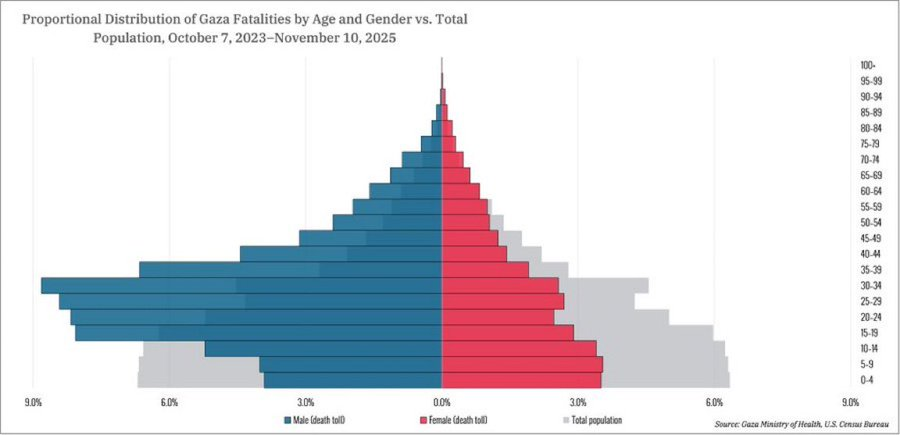
BREAKING: Hamas has released an updated casualty list, and it completely vindicates Israel.
The majority of casualties were military-aged men. If Israel were indiscriminately bombing Gaza, we'd see equal distribution.
Another one of Gaza's viral lies, debunked.
617
3,045
11,446
1,350,288
Stanley Witchell retweeted

Feb 8
We keep hearing about how “Oct 7 didn’t happen in a vacuum”.
The people saying this are absolutely correct.
But not for the reasons they’d like you to believe.
They want you to believe that it happened because of Israel’s treatment of the Palestinians. That it’s because of “apartheid” and “open air prison” and “occupation”.
But that’s not why it happened.
It happened because the Islamic Regime doesn’t recognize Israel’s right to exist.
It happened because the Muslim Brotherhood wants to invade and conquer Western civilization, and Israel is in their way.
It happened because the Regime knew how Israel would respond, and knew they’d be able to use that response to turn the world against Israel. Against Zionists. Against Jews.
It happened because this is what the Islamists have been working towards for 1400 years, and they believe they will succeed.
And it happened because they knew the progressive left would play right into their hands and eat up their propaganda like sheep, and follow them like puppets. Which they did.
So no. Oct 7 did not happen in a vacuum.
It happened as part of a much larger goal that the Islamic Regime has been building towards since their religion started.
43
205
670
14,777
Stanley Witchell retweeted

19 Dec 2025
twitter.com/ShelleyGldschmt/…
Top British attorney Natasha Hausdorff stunned the audience by dismantling the Palestinian narrative about the conflict.
Palestine never existed as a sovereign Arab state. The British Mandate of Palestine was a British administration that gained control of the Land of Israel after the Ottoman Empire's fall in 1917.
Jews lived in the Holy Land (the Old Yishuv) for centuries, including under Ottoman rule when they formed Jerusalem's majority.
Before 1909, Tel Aviv was desert land legally purchased by Jews, who transformed it into a prosperous city. No Arabs were displaced; Jews legally bought desert lands and built kibbutzim (agricultural communities).
After the British returned the mandate to the UN, the Arab-Muslim world rejected the partition plan and declared war on Israel and their own Jewish populations. Arab states ethnically cleansed most Jews, who fled to Israel. Armies from Jordan, Syria, Iraq, Egypt, and local Arabs aimed to "push all Jews into the sea."
During the War of Independence, Arab armies ordered local Arabs to leave combat zones to facilitate the annihilation of Jews. Some Arabs were forcibly evacuated to Gaza and the West Bank under Egyptian and Jordanian control.
Israel has never committed genocide and never will. By defending itself, Israel prevents another Jewish genocide.
Hamas, Hezbollah, and Iran’s regime are the obstacles to Middle East peace!
Retweet if you support Israel’s right to exist and defend itself. 🙏
111
1,929
4,795
92,499
Stanley Witchell retweeted

16 Dec 2025
“THe BOnDi BeAch ShoOTiNg wOulDn’t hAve HapPENed iF IsRAeL didn’t comMiTt GeNOciDe iN gAZa!!” 🤡
Islamic attacks on Jews since 1517:
1517 - Attacks on Hevron
1517 - Attacks on Safed
1660 - Destruction of Safed
1660 - Destruction of Tiberias
1834 - Battle of Hevron
1834 - Safed Pogrom
1837 - Safed pogrom
1886 - Petah Tikva massacre
1908 - Jaffa riots
1920 - Jerusalem riots (Nabi Moussa)
1920 - Battle of Tel-Hai
1920 - Massacre of Degania
1921 - Massacre of Degania
1921 - Jaffa riots
1921 - Bnei Yehuda massacre
1921 - Metula Massacre
1921 - Menahenia Massacre
1921 - Ayelet Hashahar massacre
1929 - Safed pogrom
1929 - Jerusalem massacre
1929 - Hebron Massacre
1929 - Jaffa Massacre
1929 - Gaza massacre
1929 - Nablus massacre
1929 - Rama massacre
1929 - Jenin massacre
1929 - Massacre of Acre
1929 - Tel Aviv massacre
1929 - Har Tuv massacre
1929 - Kfar Uria massacre
1929 - Beer Tuvia Massacre
1929 - Beit Shean massacre
1929 - Gedera Massacre
1929 - Motza massacre
1929 - Mishmar Haemek massacre
1929 - Huldah Massacre
1929 - Ein Zeitim Massacre
1929 - Haifa Massacre
1936 - Jerusalem massacre
1936 - Battle of Anabta
1936 - Jaffa riots
1938 - Massacre of Tiberias
1936-1939 - Kfar Shiloah massacre
1936-1939 - Pkihin massacre
1936-1939 - Ruhama massacre
1936-1939 - Mishmar Hacarmel massacre
From 1948
1948 - Ben Yehuda Street bombing
1948 - Massacre of the convoy for the Mt Scopus hospital
1948 - Kfar Etzion massacre
1954 - Massacre of Ma'aleh Aqrabim
1970 - Attack on the Avivim school bus
1970 - El Al plane attack at Munich airport
1972 - Lod Airport massacre
1972 - Hostage taking at the Munich Olympic Games
1973 - Fiumicino bombing
1974 - Kiryat Shmona massacre
1974 - Ma'alot massacre
1975 - Ben Yehuda Street bombing
1975 - Savoy Tel Aviv hotel attack
1976 - Hostage taking on Air France flight 139 (Entebbe raid)
1978 - Ben Yehuda Street bombing
1978 - Coastal Highway Massacre
1979 - Attack on Nahariya
1985 - The hijacking of Achille Lauro
1989 - Suicide bombing Bus 405 Tel Aviv - Jerusalem
1994 - Beit Lid car bomb attack
1994 - Afula bus car bomb attack
1994 - Hadera bus car bomb attack
1994 - Dizengoff Street bus bombing
1994 - Tel Aviv bus bombing
1994 - Jerusalem suicide bombing
1994 - Beit Lid Massacre
1995 - Kfar Darom bus suicide attack
1995 - Ramat Gan bus suicide bombing
1995 - Ramat Eshkol bus bombing
1996 - Jerusalem bus suicide bombing
1997 - Tel Aviv suicide bombing
1997 - Tel Aviv restaurant bombing
1997 - Attack on the Mahane Yehuda market
1997 - Suicide bombing on Mahane Yehuda market
1997 - Bomb attack on Ben Yehuda Street
1998 - School bus suicide bombing
1998 - Jerusalem suicide bombing
1999 - Nahshon car attack
2000 - Lynching of Ramallah
2000 - Mahane Yehuda market bombing
2001 - Sbarro Restaurant Massacre
2001 - Dolphinarium Nightclub Massacre
2001 - Ben Yehuda Street bombing
2001 - Kfar Saba Suicide Bombing
2002 - Attack on the Hebrew University of Jerusalem
2002 - Massacre Bar Mitzvah festivities meal
2002 - Yeshiva Bet Israel Massacre
2002 - Café Moment bombing
2002 - Netanya Park Hotel bombing (Passover)
2002 - Kiryat Menachem massacre
2002 - Suicide bombing restaurant Matza
2002 - Rishon Lezion bombing
2002 - Megiddo Junction bus bombing
2002 - Patt Junction bus bombing
2002 - Kfar Junction suicide bombing
2003 - Tel Aviv Central Station Massacre
2003 - Shmuel Hanavi bus bombing
2008 - Haifa bus bombing
2003 - Jerusalem bus suicide bombing
2004 - Ashdod port bombing
2004 - Beersheba suicide bombings
2004 - Taba attacks
2005 - Netanya Shopping Center Suicide Bombing
2008 - Mercaz Harav Massacre
2008 - Jerusalem bulldozer attack
2014 - kidnapping Hamas
2014 - Jerusalem synagogue massacre Har Nof
2014 - Bulldozer attacks
2016 - Tel Aviv shooting
2017 - Halamish Massacre
2022 - Attack on Beersheba
2022 - Bnei Brak shootings
2022 - Elad Ax Attack
2023 - Har Hashoah Synagogue Attack
2023 - Eli attack
2023 - Huwara attack
2023 - Hebron attack
2023 - October 7th massacre Hezbollah/ Houthis.
Not including last 2 yrs
287
1,501
6,204
177,427
16 Dec 2025
One thing that confuses me as an instinctive leftist: why is being pro-Israel now associated with the "far right"?
Under an arms embargo from Britain and the United States, Israel's early survival depended on arms shipments from Soviet-backed Czechoslovakia, and Zionism was always a left-wing endeavour fueled by collectivist kibbutzim ideals.
There was a pivot by Moscow after the Six-Day War, partly a result of spite because Israel didn't inform Khrushchev about its intentions, but it was more an act of callous agitprop by a regime that was so besotted by Kissinger-style "realism" that it could no longer tell right from wrong.
In many respects, so many of us are still at the mercy of the KGB's Sionistskiya Gosdarstva disinformation campaign launched in 1967, which flooded the world with puerile propaganda citing transparent Tsar-era Russian fakes like the Protocols of the Elders of Zion that no one with any sense could ever believe. The excellent Israelophobia by @JakeWSimons explains all this in great detail.
25