

Red retweeted

Mar 24
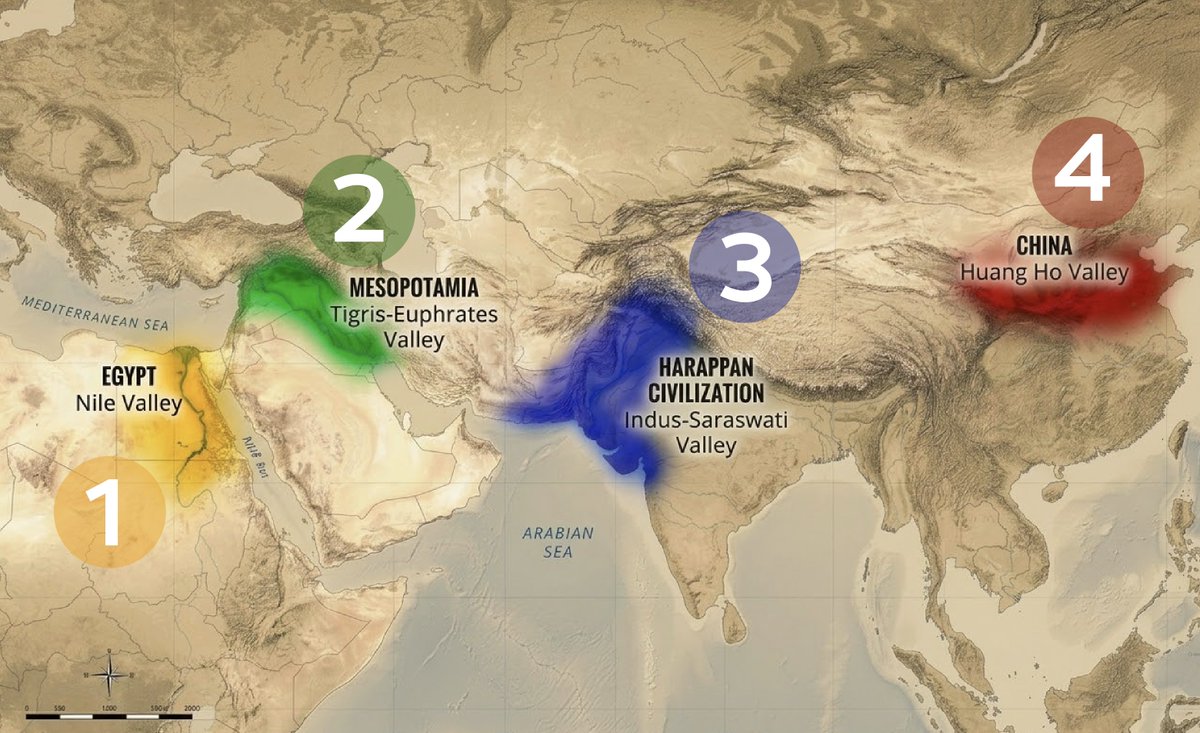
Based on urban planning and a seemingly lack of violence, I’d say the Harappan is ideal. Egypt for the aesthetics though

13
40
1,248
42,540

Red retweeted
Apr 2
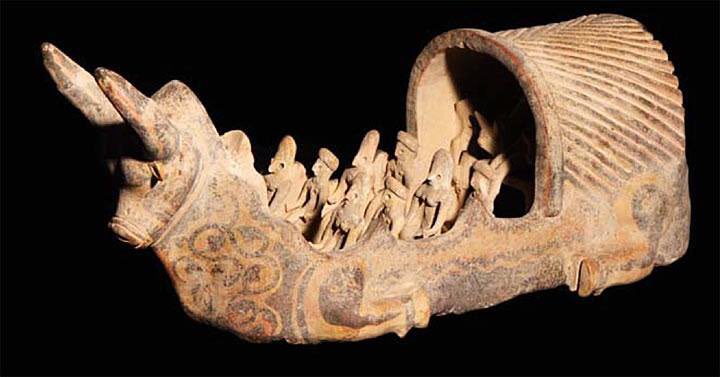
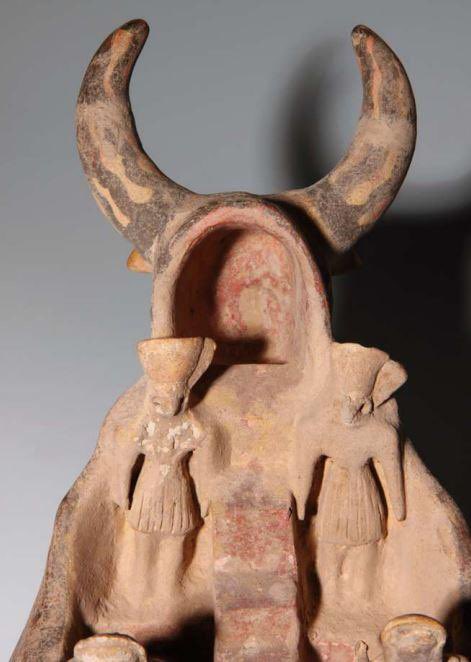
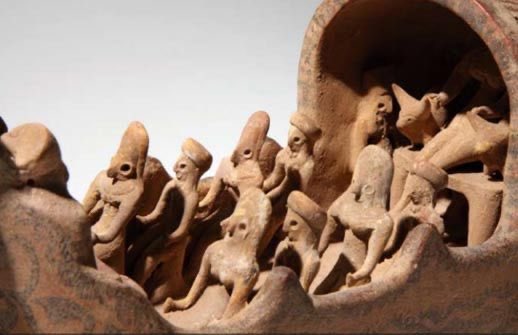
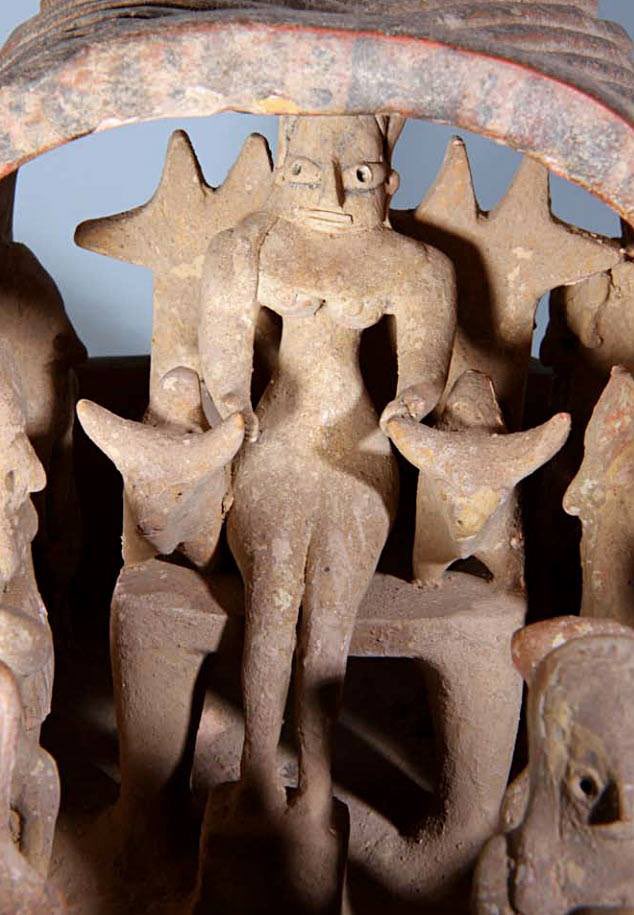
This is the mysterious “Lady of the Spiked Throne” artefact, dated to around 2800 BC. It depicts a boat shaped like a buffalo, with two turbaned men standing at the front, numerous people seated, and one woman at the very back on a large spiked throne. There is no clear context for who these people are, as little is known about the civilisation.

14
114
1,561
86,624
Red retweeted
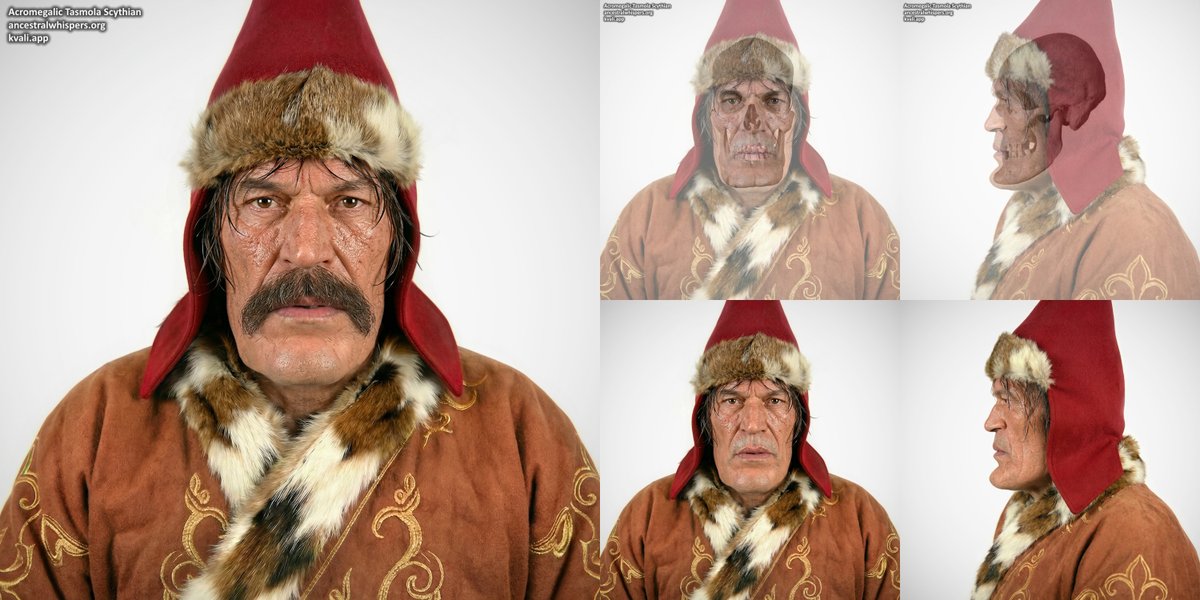
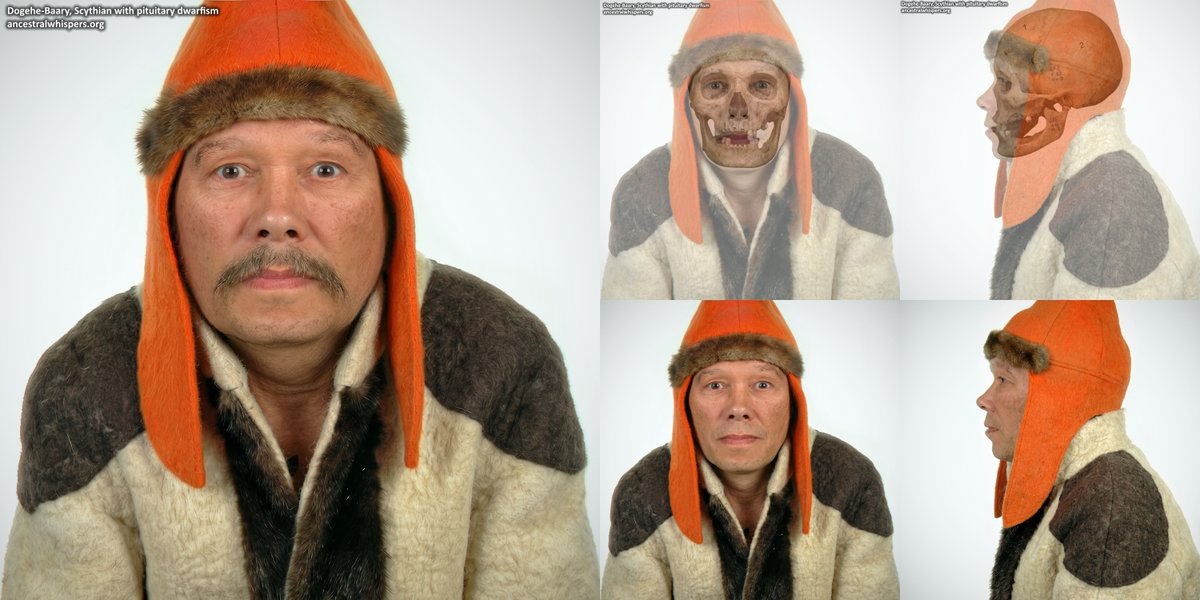
Facial reconstructions of a giant and a dwarf Scythian
The giant was buried at Edirey 3, an Iron Age burial site located near the village of Edirey in Kazakhstan. He was afflicted by a hormonal disorder that resulted in his exceptional height, estimated at 200–215 cm, as well as an enlarged skull. He died at around 40–45 years of age and was interred with grave goods, including a small knife, several arrowheads, and a large bronze mirror (Beisenov, A., 2007).
The dwarf, buried at Dogehe-Baary in Tuva, stood about 127 cm tall. This individual, dating to an early phase of the Scythian Uyuk-Sagly culture, suffered from pituitary dwarfism. His condition likely included a clumsy or limping gait, a barrel-shaped chest, scoliosis, chronic joint pain, and reduced mobility. These issues, together with the underdevelopment of the apophyses of the upper and lower limb bones, would have significantly limited his mobility and likely led to obesity. His cranium exhibits healed injuries, suggesting that he was the target of aggression; he may ultimately have died from a traumatic brain injury. Despite this, his age at death was no less than 45 years. Such longevity for an individual with pituitary dwarfism complicated by epiphyseal dysplasia is exceptional even by modern medical standards (Aristova, E.S., Chikisheva, T.A., Seidman, A.M. et al., 2006).
The Scythians, also known as the Saka, were an Iranic-speaking people who originated in regions including Minusinsk, the Altai, Tuva, Mongolia, and Xinjiang.
33
91
807
105,411
Red retweeted

Mar 31
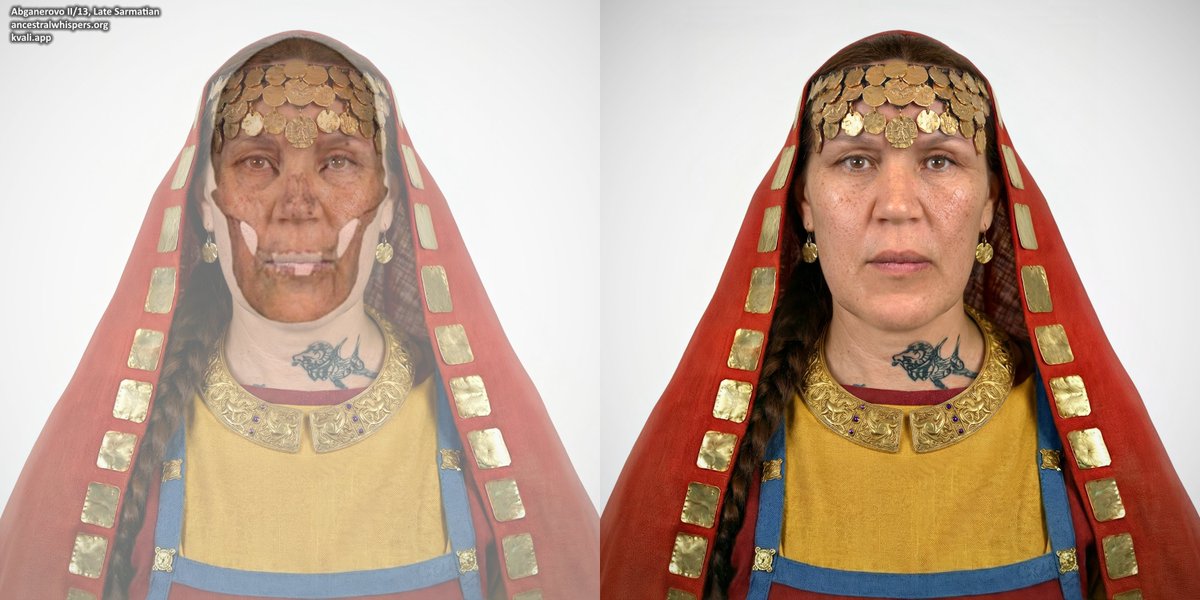
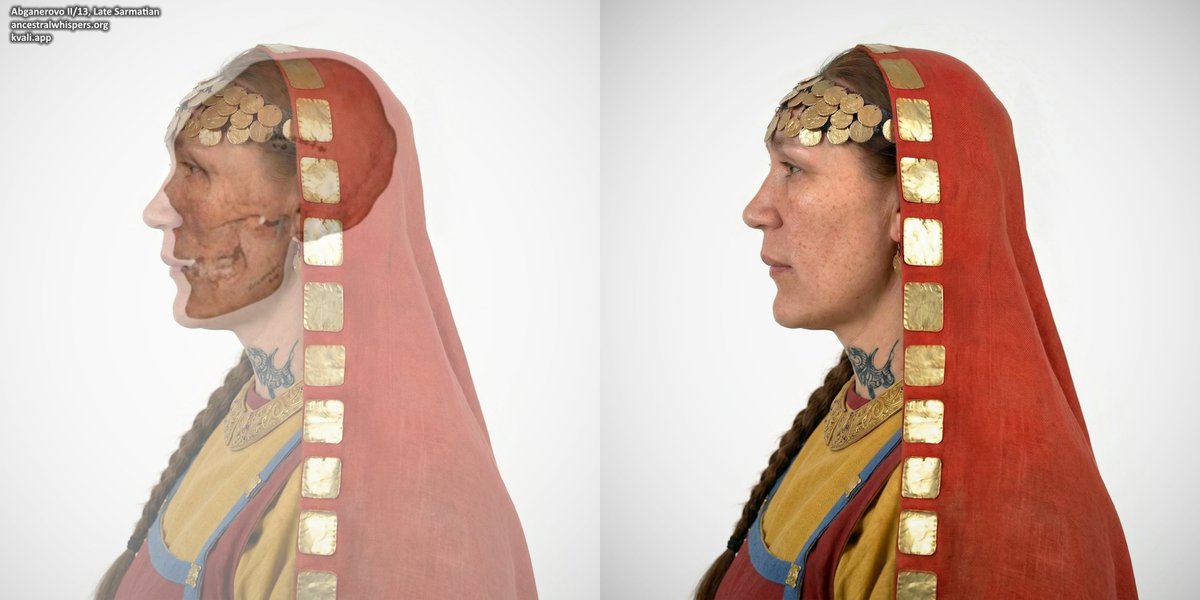
Facial reconstruction of a 1,650-year-old Late Sarmatian woman from Abganerovo, Volga region
The Sarmatians were an Iranic-speaking nomadic population formed through the interaction of Iron Age groups from the Volga-Ural region (including Srubnaya-Alakul and Scythian-related populations) and the Aral steppe (with influences from Scythian and Yaz-related cultures).
By the Late Sarmatian period (2nd-4th century AD), the dominant group was the Alans.
Renowned for their horsemanship and heavily armored cavalry, Sarmatians were widely employed as mercenaries and played a major role in steppe warfare.
Women held a prominent position in Sarmatian society, to the extent that Greek authors described them as being “ruled by women.” They could serve as priestesses and ritual specialists, performing important religious and possibly martial roles.
This individual (roughly 35-45 years old) displays artificial cranial deformation - a widespread practice among Late Sarmatians, observed in roughly 70% of skulls - and shows mixed Europoid-Mongooid features.
In the broader context of the 1st millennium AD steppe, three main anthropological layers can be identified:
Broad-headed Europoid types (Sauromatian-early Sarmatian),
Long-headed Southeuropoid types (Late Sarmatian/Alan),
Mixed Europoid-Mongolid types associated with later Central Asian (e.g., Turkic) migrations.
Later groups such as the Huns are described in written sources as having more pronounced Mongoloid traits, though direct anthropological material from Eastern Europe remains limited (M.A. Balabanova, 2010).
19
34
226
18,566
Red retweeted

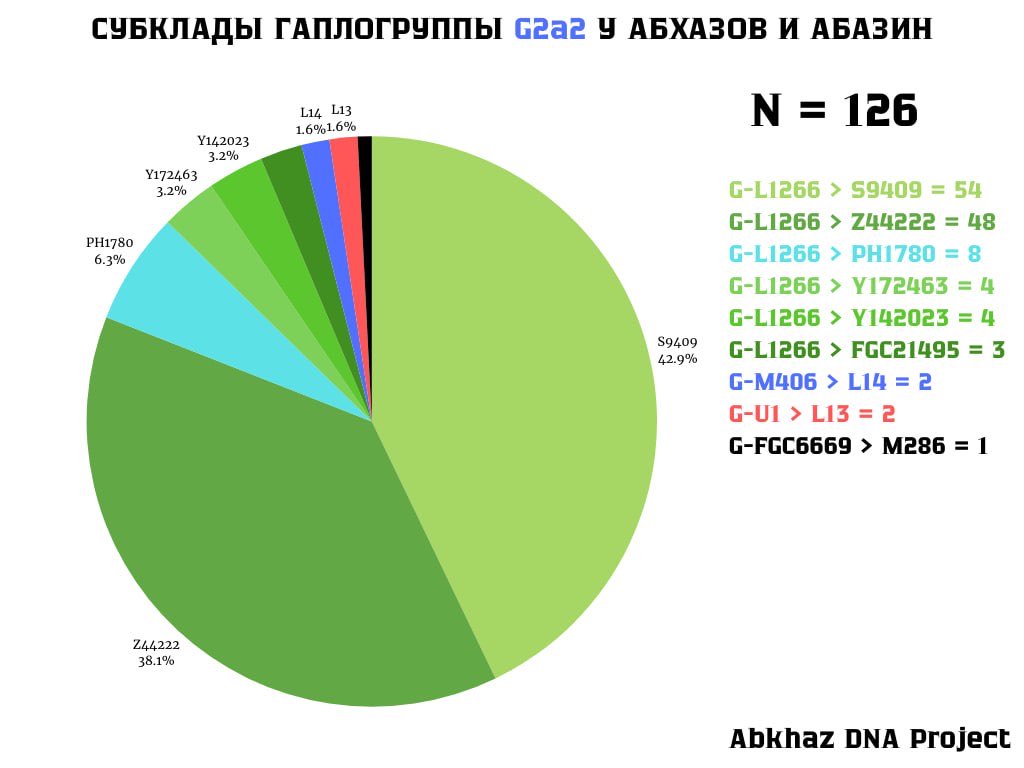
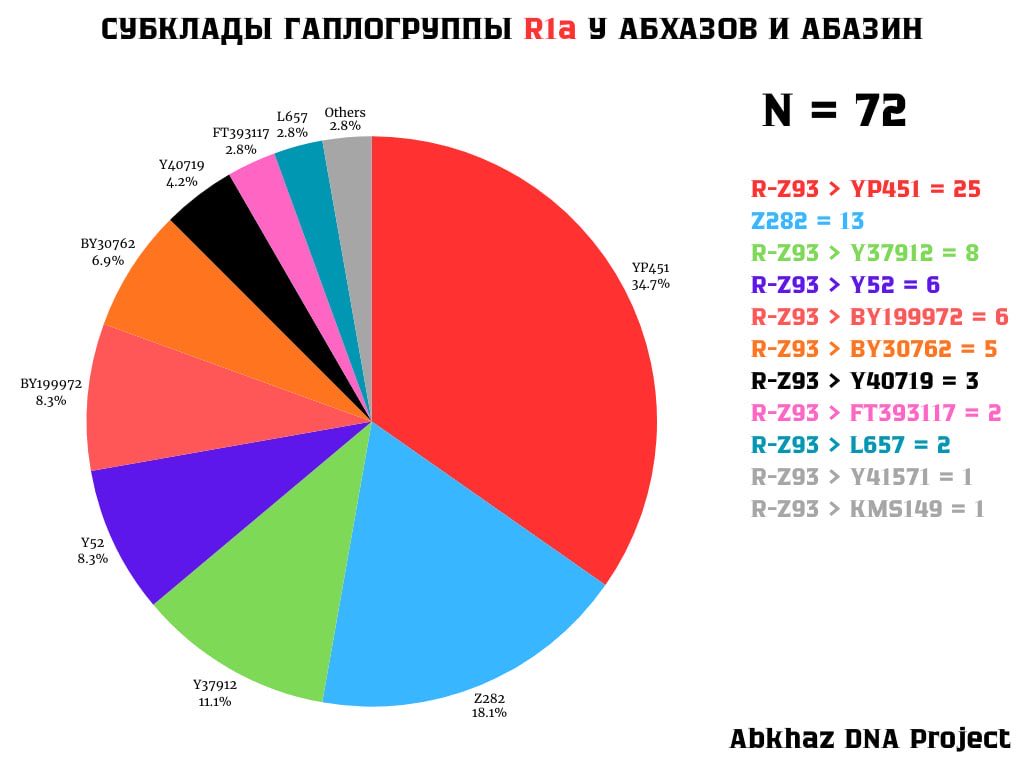
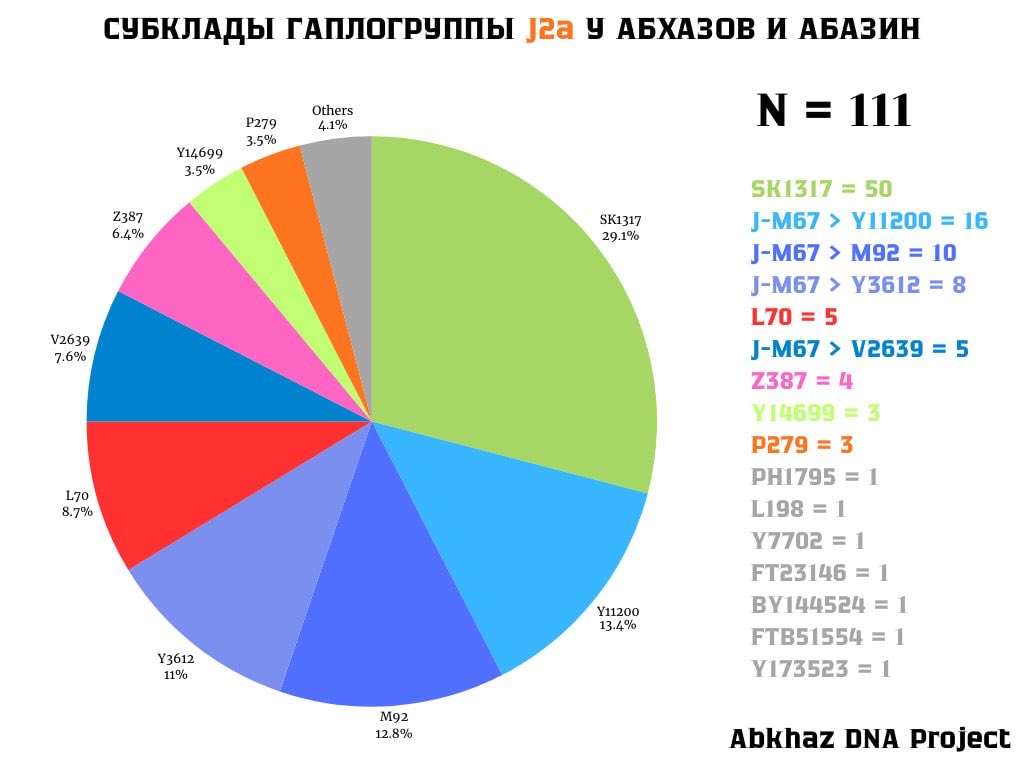
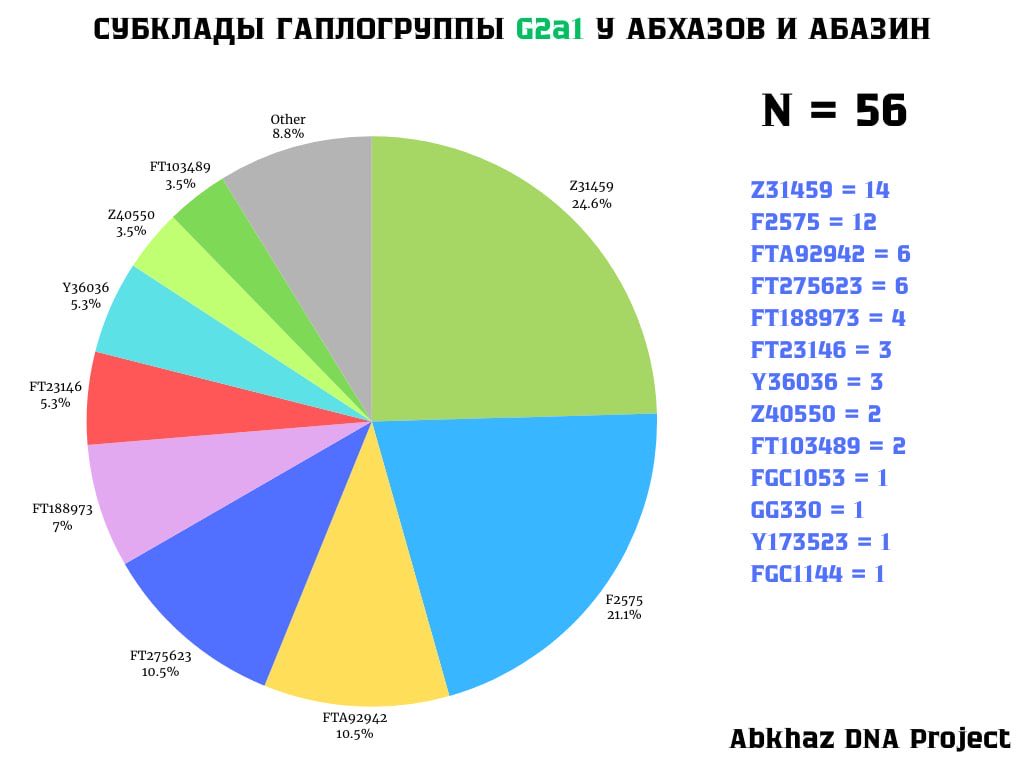
Distribution of G2a2, G2a1, J2a, R1a haplogroup subclades among Abkhaz and Abaza
The list includes results from both commercial DNA testing companies and academic research samples. Redundant results from members of same lineage (clan) have been excluded from the count to accuracy
5
7
59
6,818
The have to post like this I bet they can not!


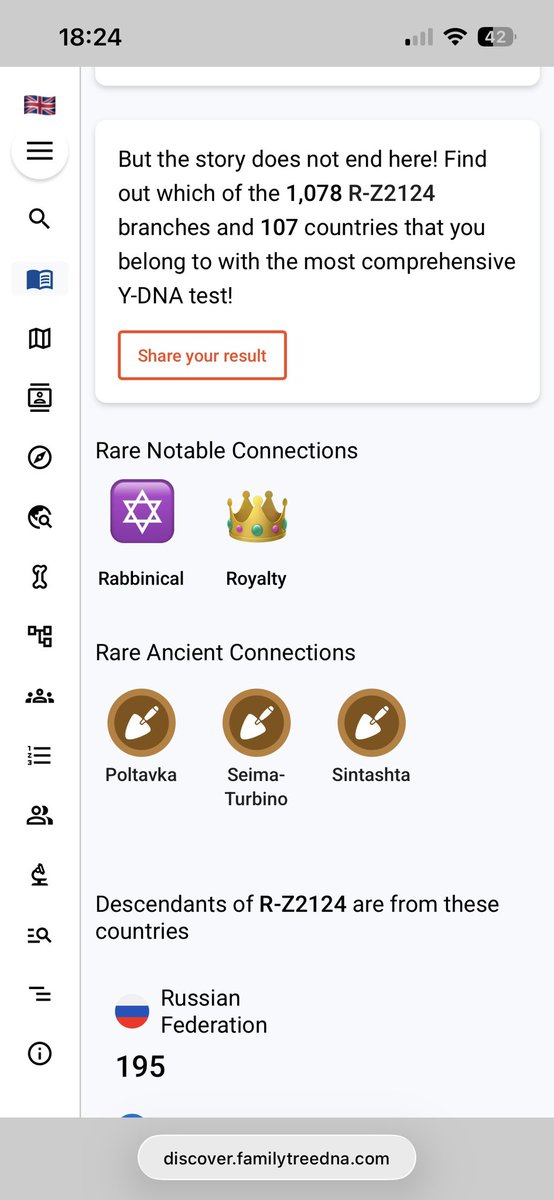
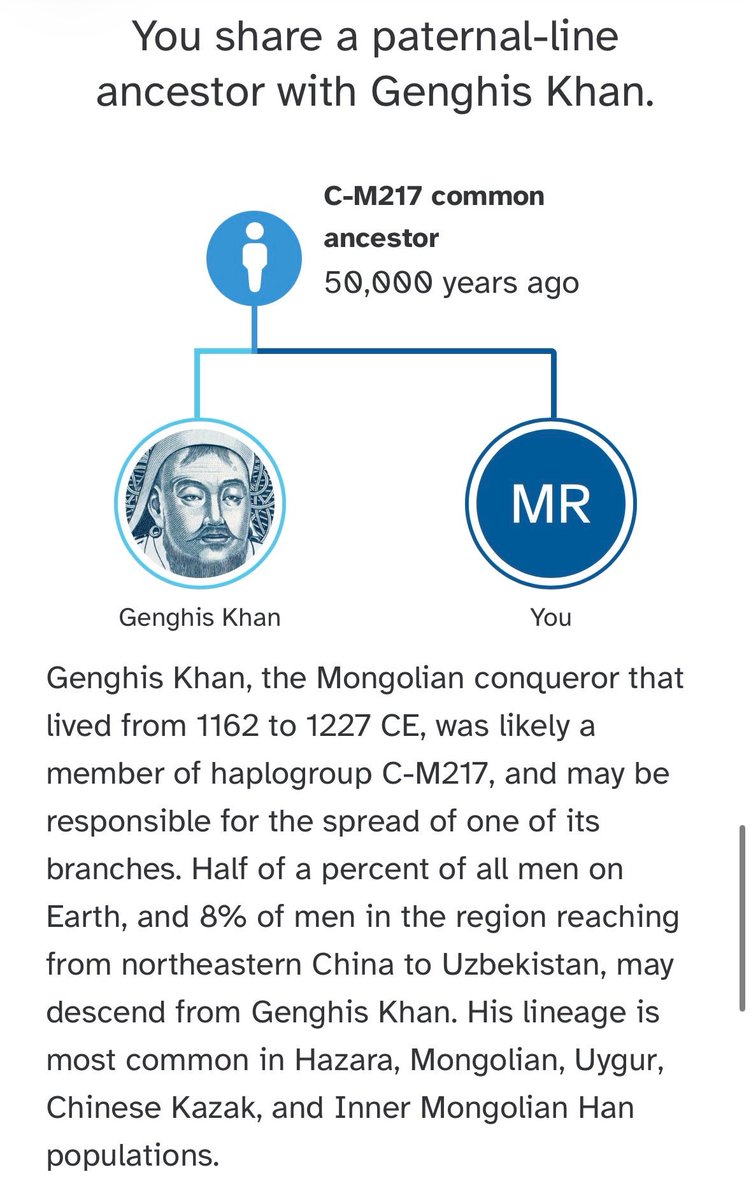
Anyone can make a shajra like this. The only thing you need is a DNA ancestry test, and boom, it will take you back to your original ancestors once you know your haplogroup, as shown in the picture.
3
333
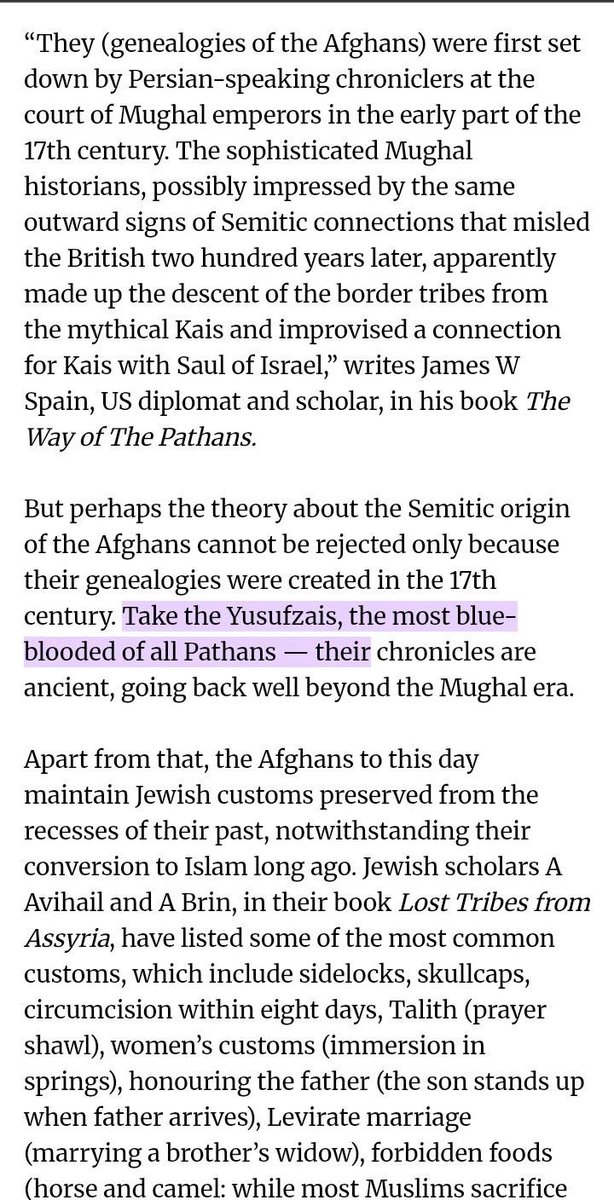
Yusfzai is a relatively new term that primarily emerged with Islam. Its ancient name was Esufzai, or Aspoisoi/Asvaka, or Asseknoi, which are believed to be origins of the Afghan ethnonym. An old theory suggested a connection to the Israelites, but genetic studies have dismissed!
3
4
354
Q2B Dardic Indic 😜
Apr 2

Masoud DNA is proven to be of indic descent
x.com/i/status/1896966142184…
3
176
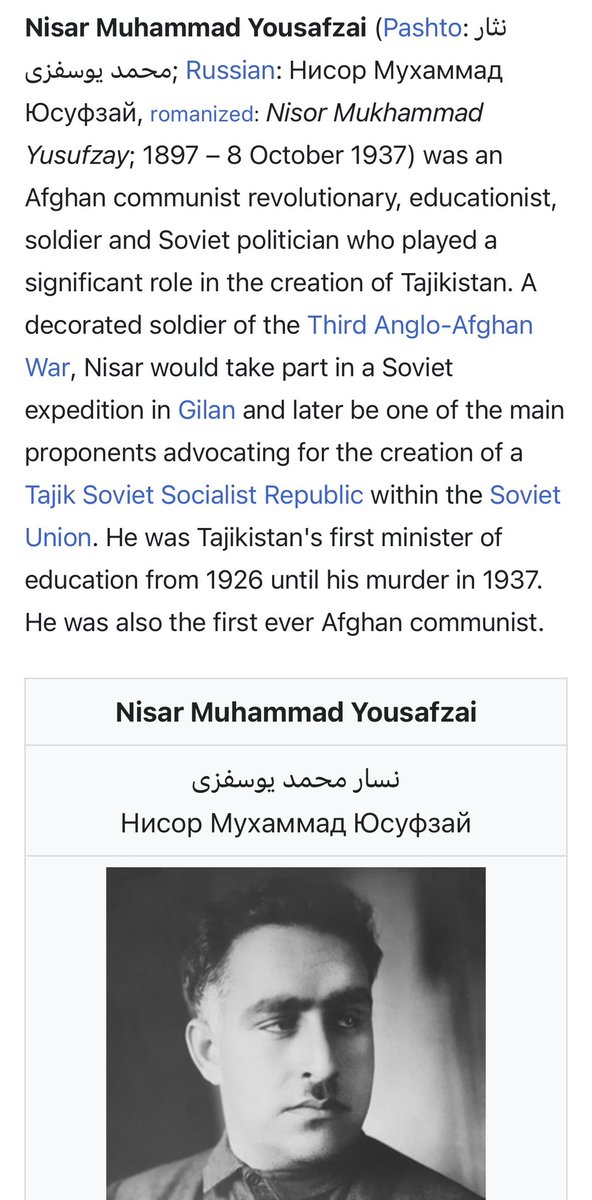
Shut up peasants we give you independence now you challenging your step father who gave you freedom? You koskash kolabiha see mogs your entire ministers and why you putting samanid flag Samanid were Sakzii Pashtuns from Sistan Now Ishaqzi!
1
11
541
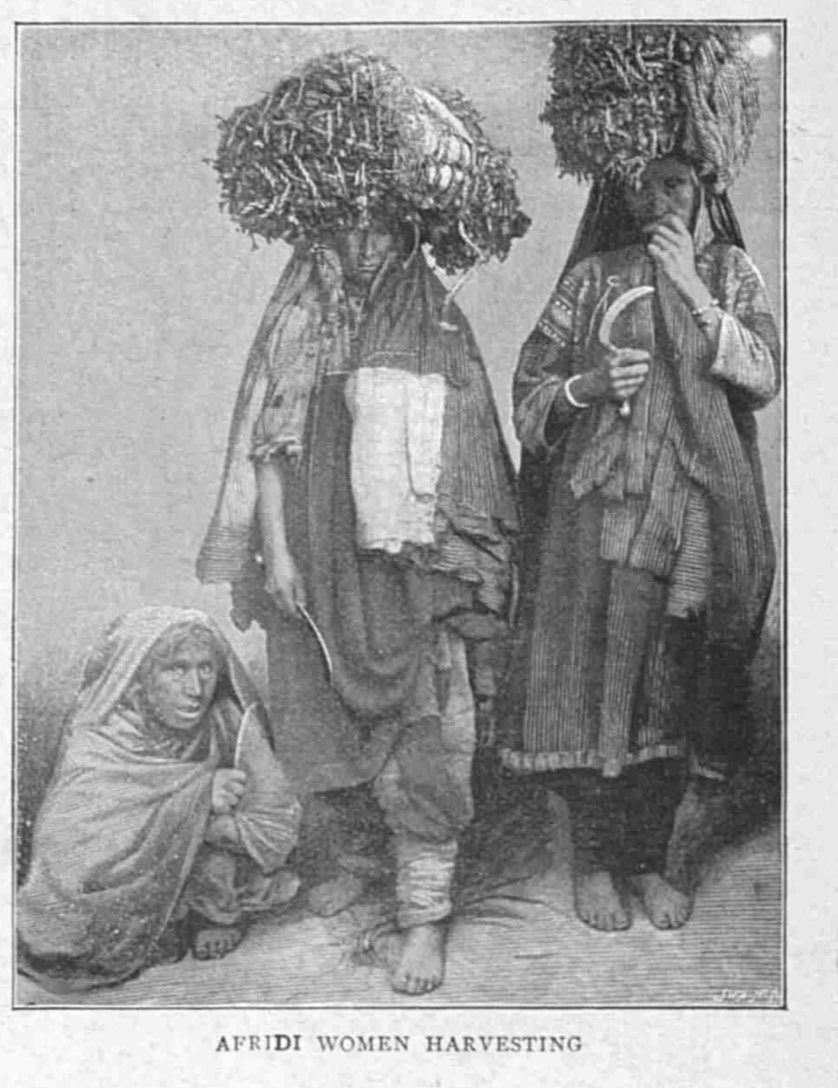
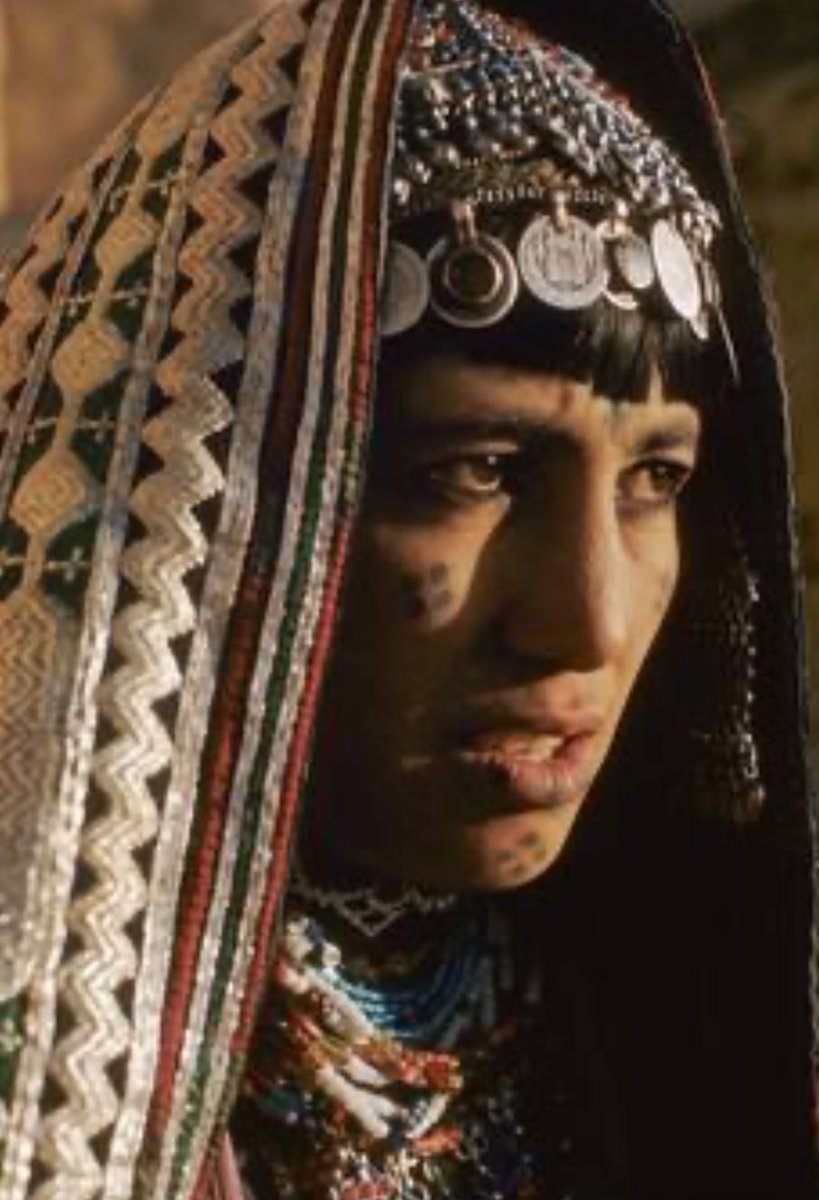
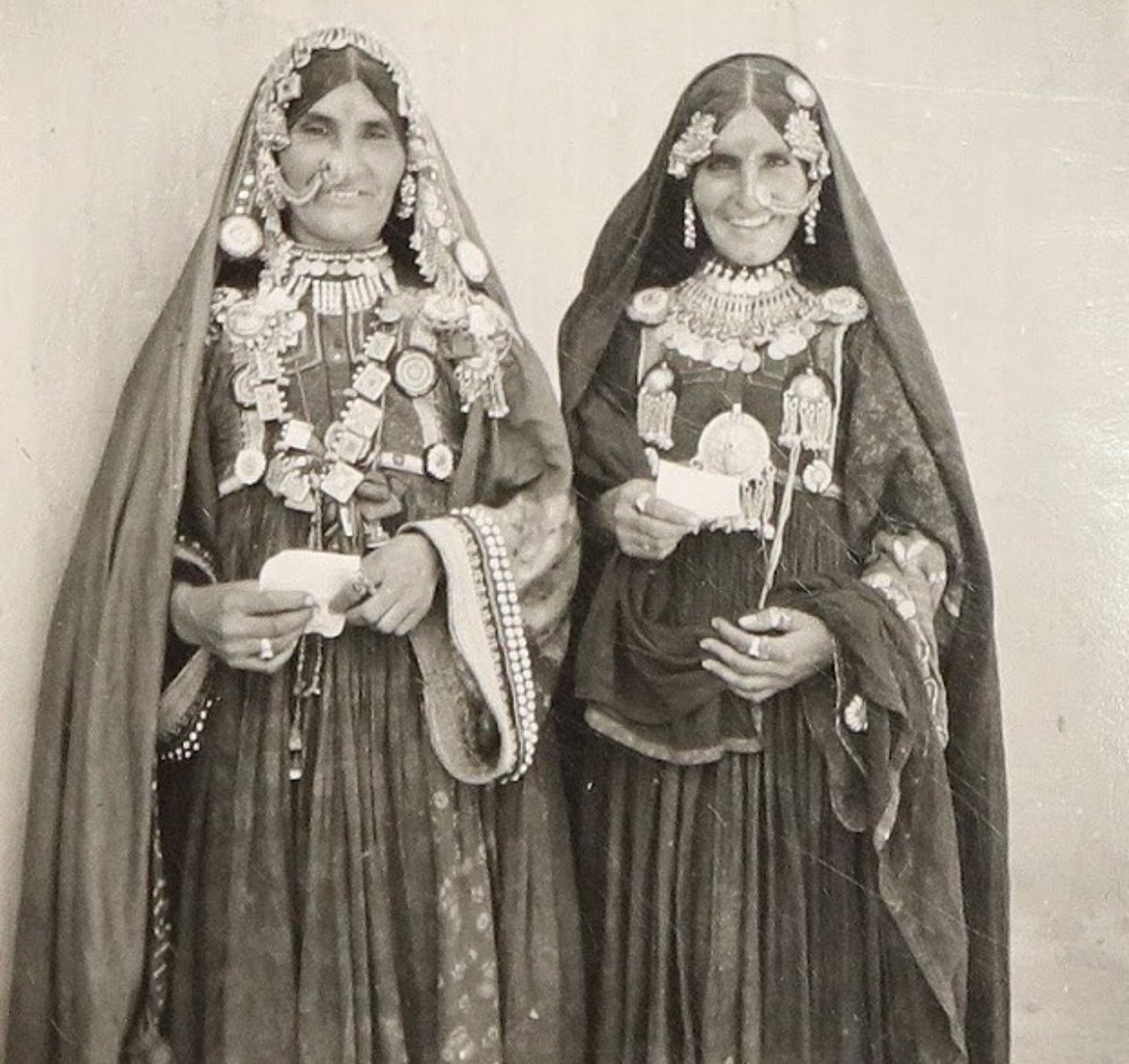
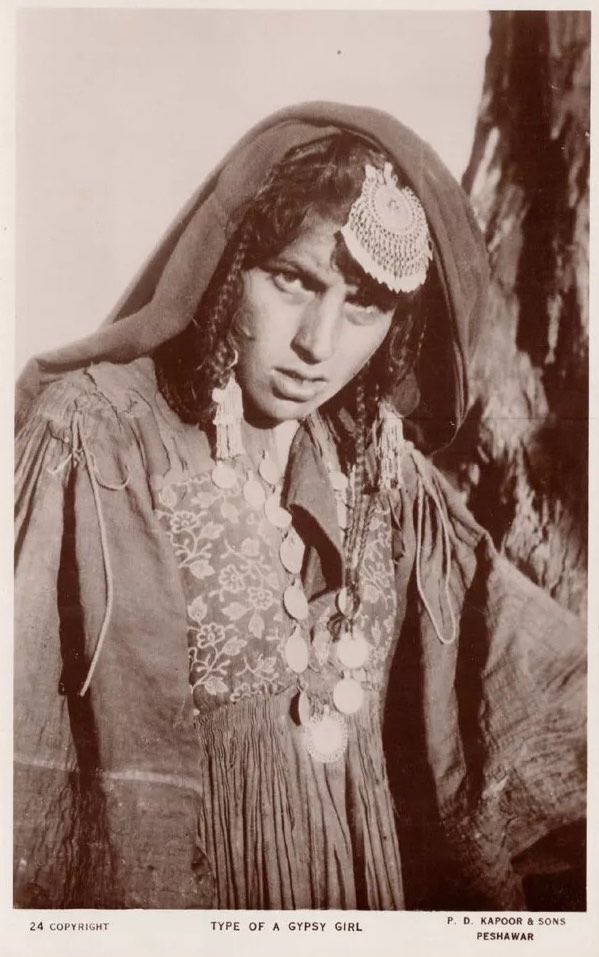
Yeah offcourse this is our culture we proudly accept it !

1
262