
Joined December 2019
- Tweets 3,616
- Following 1,609
- Followers 25,699
- Likes 6,143
803 Photos and videos
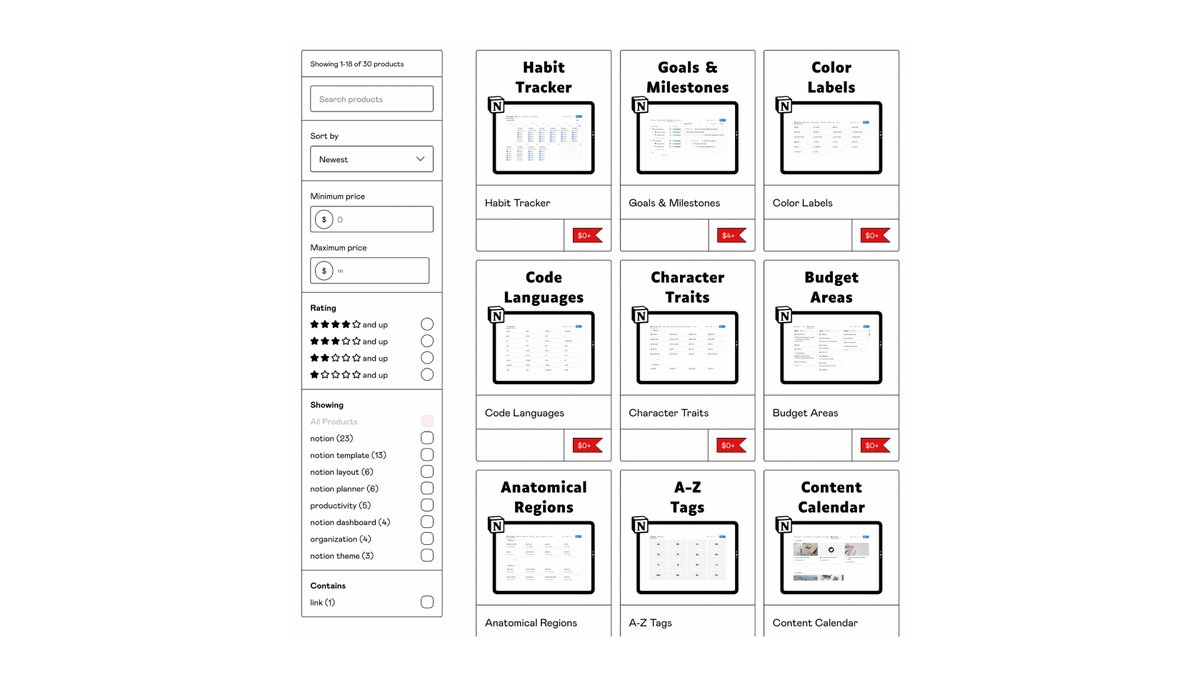
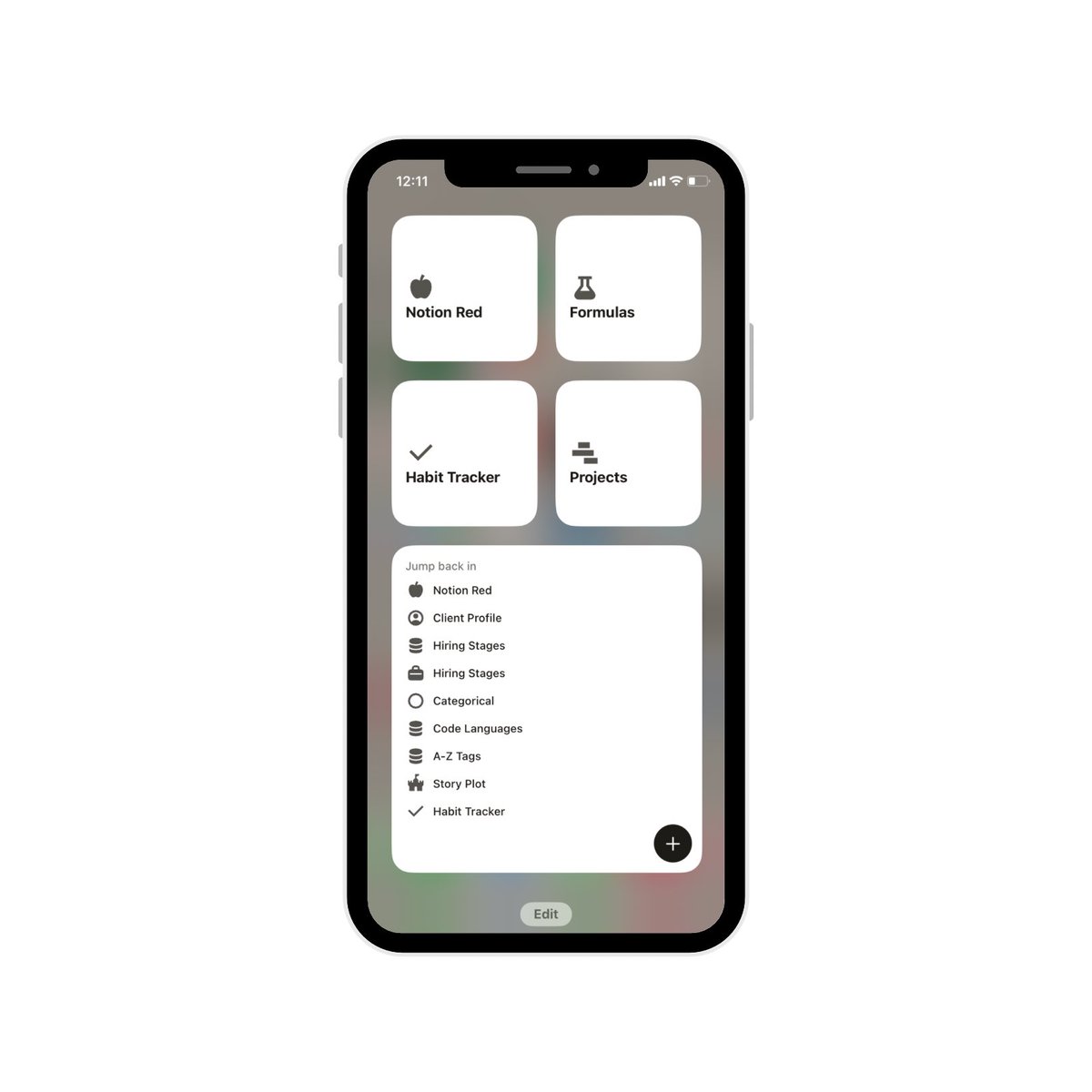
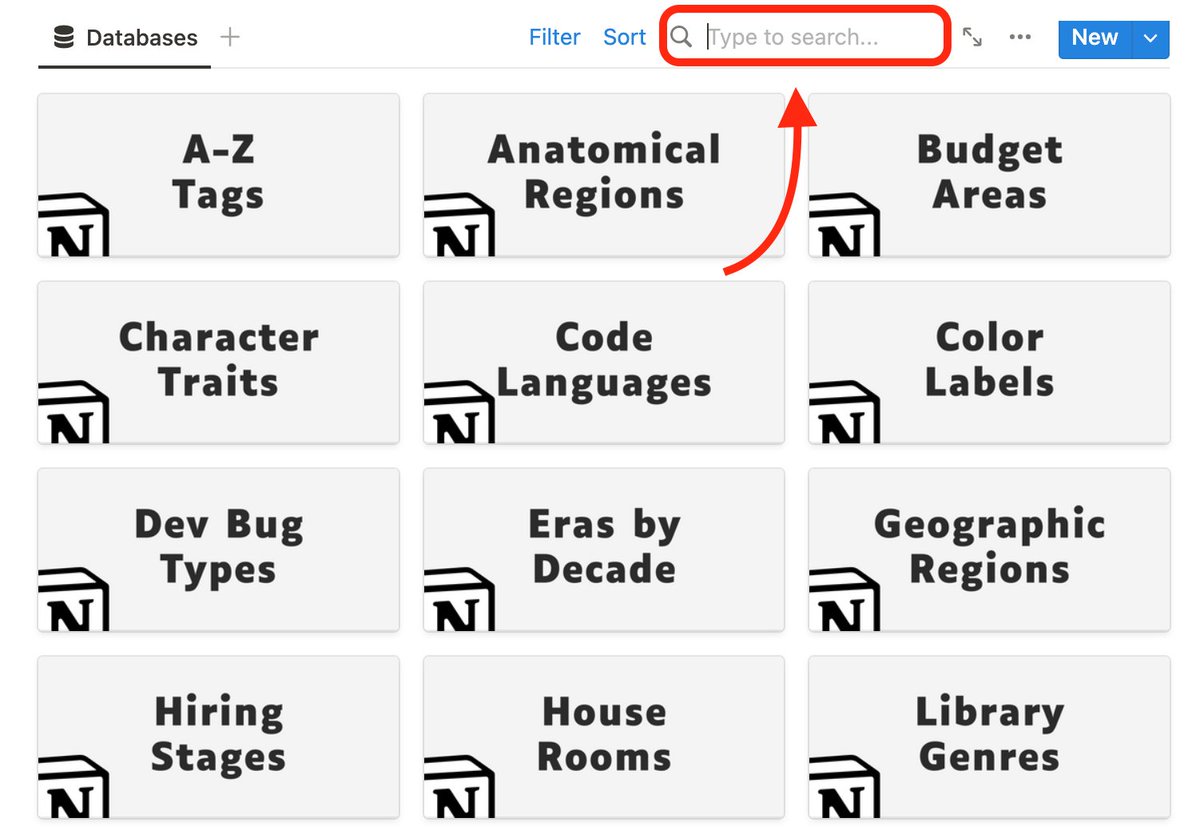
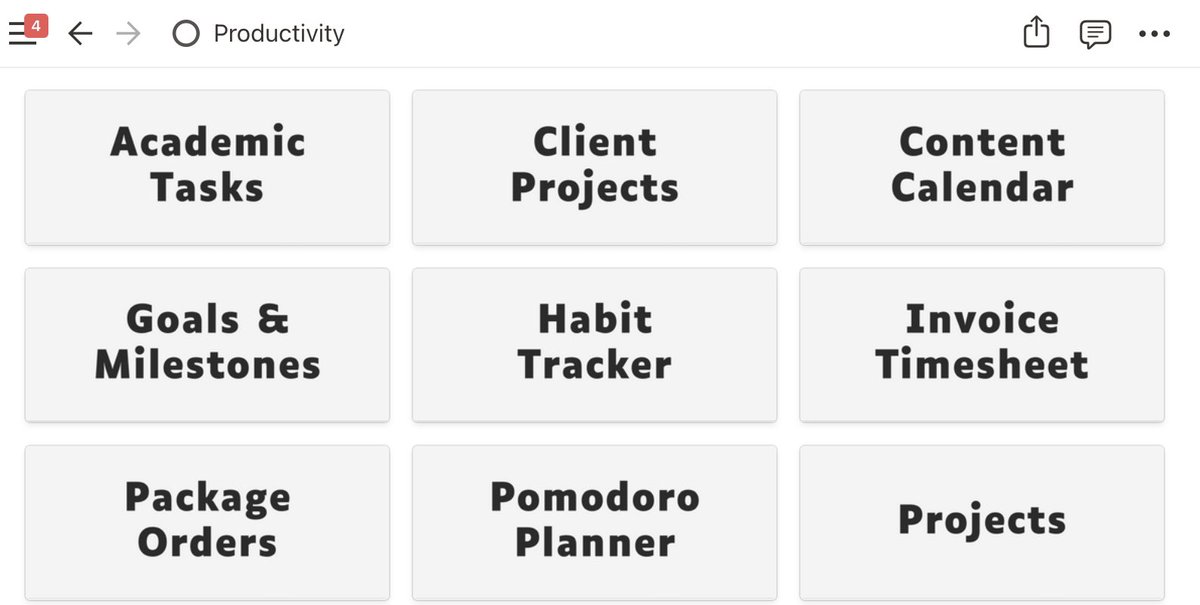


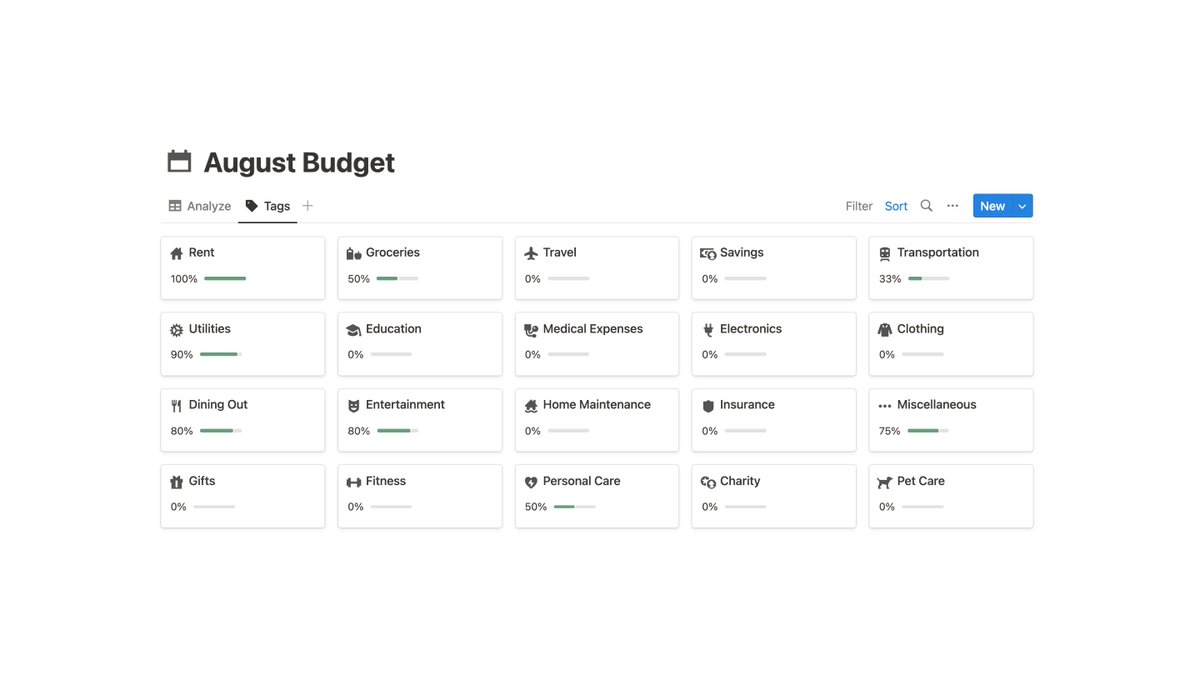
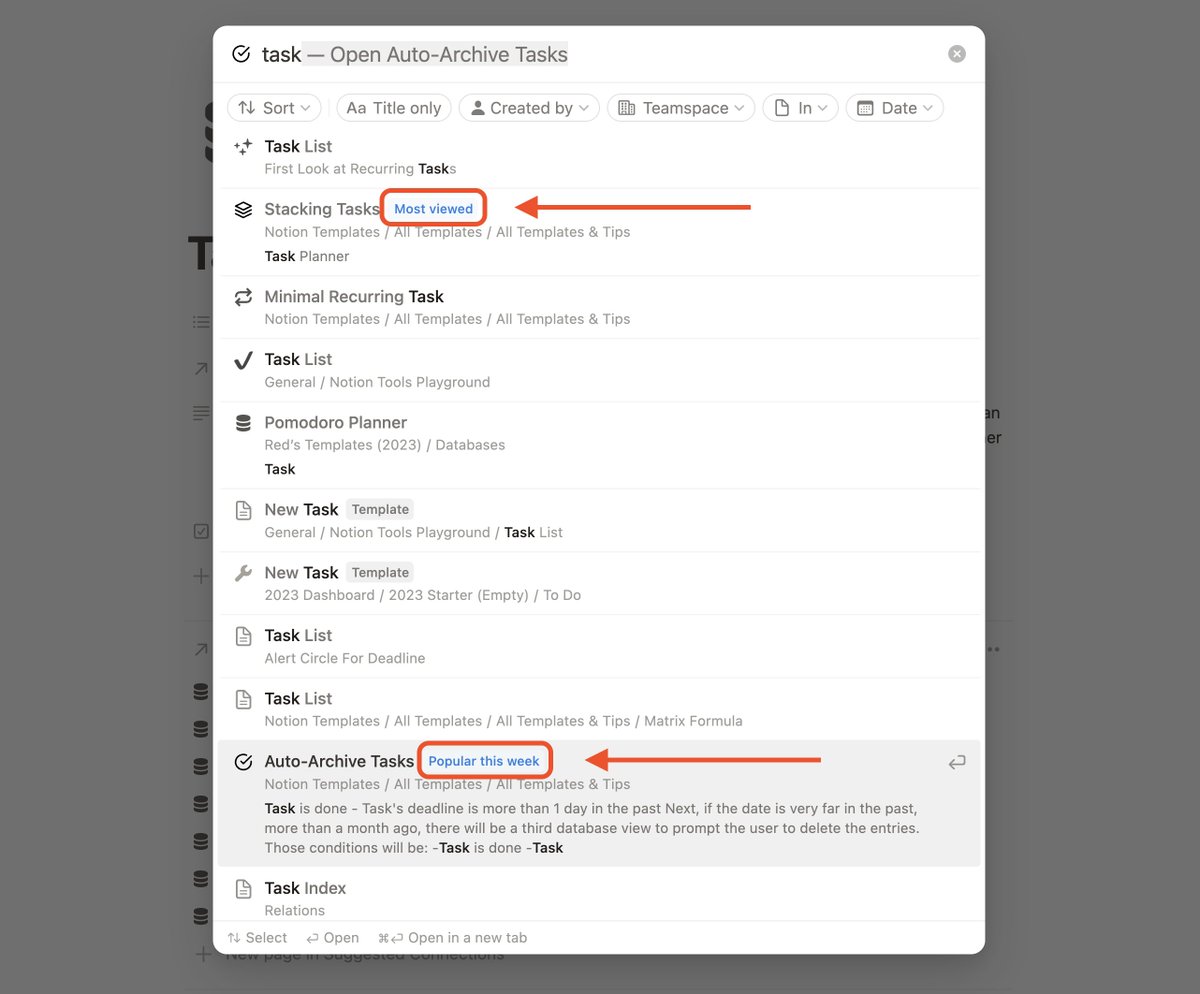

We shipped 90 product updates last year. Chances are, you missed at least one.
Find every single update from 2023 here (we organized them for you!)
ntn.so/2023updates
Let us know your fave :)
23
50
420
109,324

11 Dec 2023
Omg. It’s finally here :)

Your dream our team = new feature!
Add descriptions to views/properties to give collaborators extra context 🔖
10
5
150
14,327
Attention attention: special guest message from @joshm 🎤
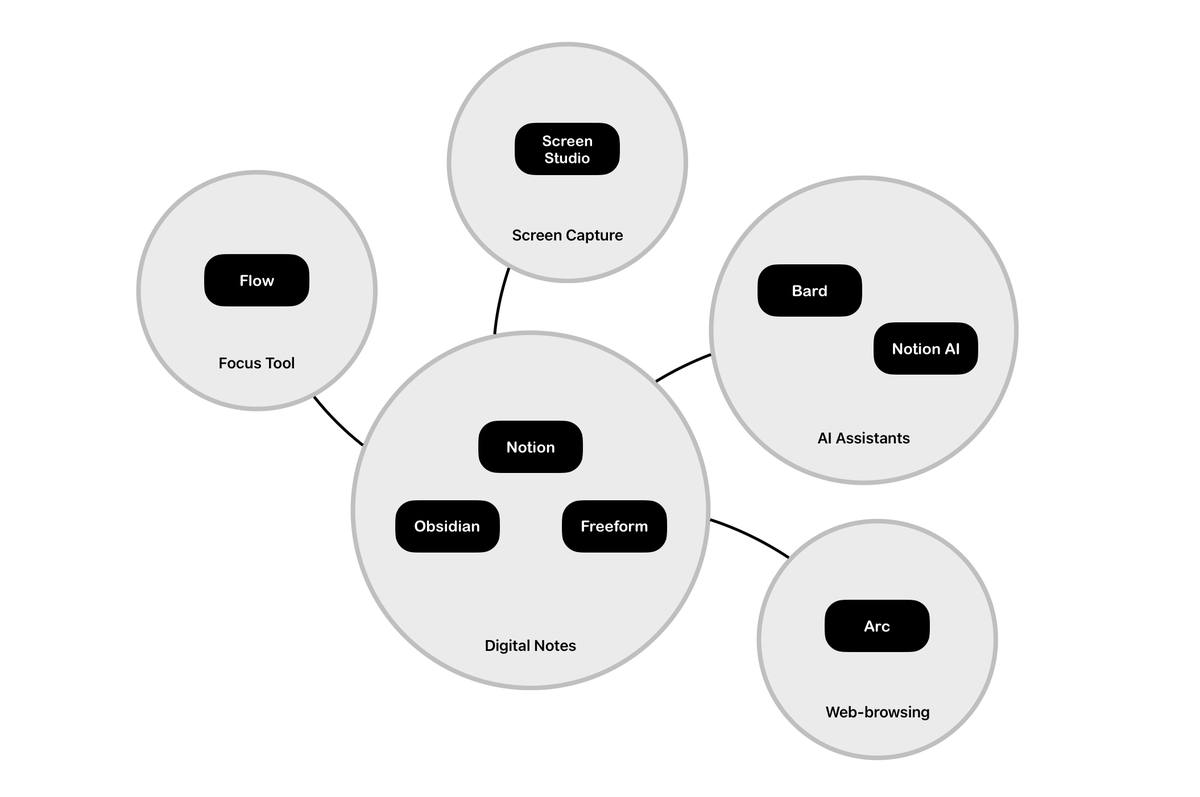
You can now set Notion as the default “new note” option in Arc. Thanks for the cool update, @arcinternet. Love ya!
28
37
674
105,329
25 Oct 2023
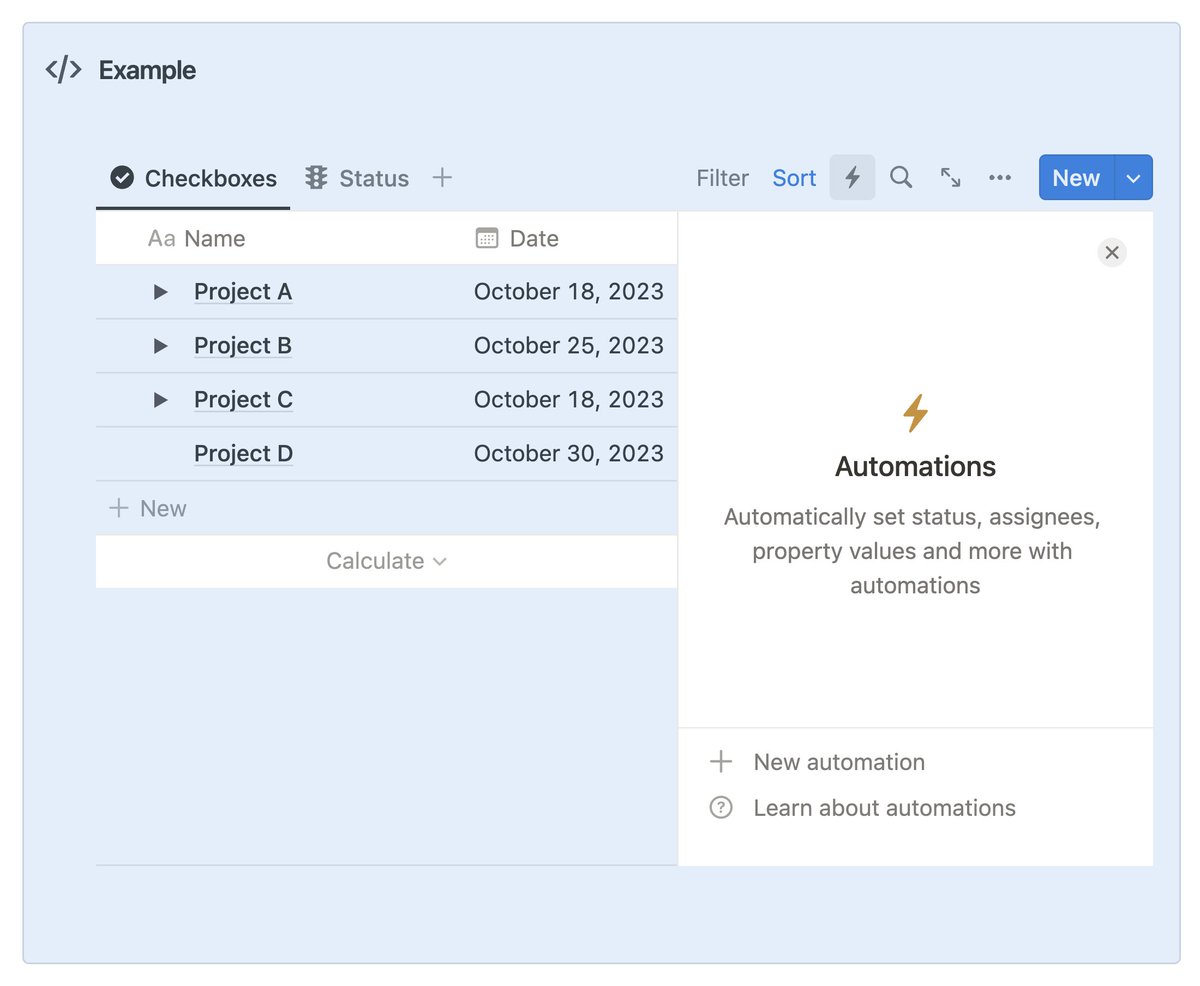
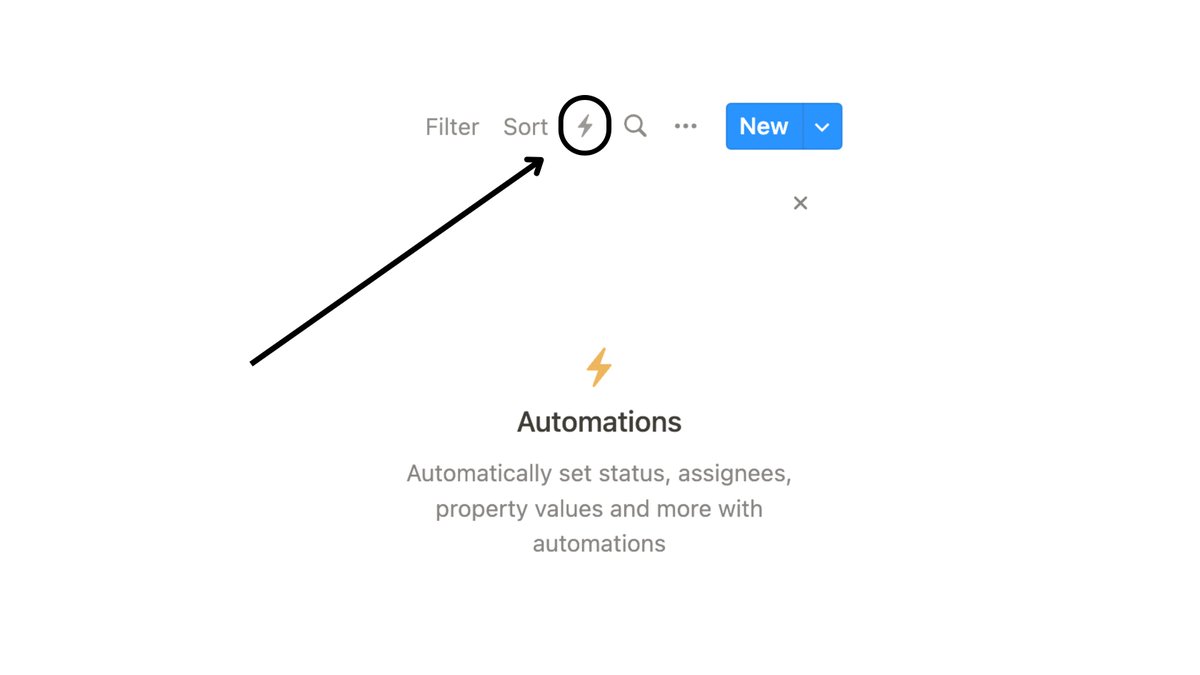
I haven't been using @NotionHQ automations as much. Do you guys use them and what for? I'm curious.
18
1
75
14,023
25 Oct 2023
⭐️ New post & free @NotionHQ template
Let's explore the map() and filter() functions
HOW TO TRACK PROJECT PROGRESS WITHOUT ROLLUPS
redgregory.com/notion-20/202…
3
51
6,824
23 Oct 2023
🚀 New post!
Let's start fresh with @NotionHQ 2.0
BUILDING A PROJECT TIME TRACKER IN NOTION
redgregory.com/notion-20/202…
5
5
70
7,449
11 Oct 2023
2
13
2,739
Red Gregory retweeted

8 Oct 2023
As I get closer to our @NotionHQ Consultant Bootcamp kickoff, there’s lots of interest around jumping into consulting, but also a lot of hesitation.
So I wanted to share my story of going from Notion newbie to full time consultant in six months. 👇🏼
A Little Backstory
I first started using Notion back in 2017 (it was just a tiny bit different back then 😂). After working for a few years as an architectural designer in New York, a combination of burnout and toxic work culture led me to quit.
At the start of 2015, by brother (who worked in marketing) and I had the idea of starting a creative agency for startups. And Superform was born.
We ran the business for about four years. As time went on, I discovered my interest was less in the creative work, and more on the operations side of the business. I became obsessed with learning what companies can do to work more efficiently, and how having the right processes can make all the difference in the world.
This is when I started using Notion as a dashboard, where we could share updates and action items in one place. This was pretty novel at the time.
You may have heard me talk about why lead generation is important for any consultant. I learned this the hard way.
Saying you run a creative agency sounds cool, but competing with probably a thousand other agencies for work? Not so much.
We were in the most saturated market; a huge imbalance of too much supply and not enough demand. And not coming from the graphic design industry, my network of potential clients was tiny.
The moment we signed a new client, it was immediately time to go back into sales mode.
We stayed afloat and didn’t well enough, but the constant chasing of clients took its toll, and eventually, I made the decision to switch gears and get back into education (I’d taught middle school for a few years after undergraduate school).
2019: Exploring Notion
A year and a half into teaching, I couldn’t help but go back to Notion. I used it to gather teaching resources, plan modules, and manage student data. EdTech software is by and large abysmal.
Notion was my happy place. 😁
On my downtime, I was fascinated by how other creators like @mariepoulin and @AugustBradley were building their workspaces, and then ventured into the world of formulas, studying blog posts and videos from Notion virtuosos like @WilliamNutt and @RedGregory1.
After consuming what felt like all the content there was about Notion, I found there was still a lot you could do, that no one had really explore yet.
April 2020: YouTube
I decided to start a YouTube channel, and just post quick tutorials on things like time tracking, making a digital journal, or tracking habits.
The more I thought of content ideas, the more excited I got about Notion, and this made me think: building and managing workspaces has to be something companies struggle with.
May 2021: Releasing Manifest OS
After posting a screenshot of my dashboard on Reddit, I got a ton of positive feedback and questions about releasing this as a template, so I did!
This was actually a nice forcing function to think through page and database formats that would make sense for Notion users, and helped guide content topics for YouTube and social media.
You hear it often, but it’s true: making your first dollar on the internet feels different.
It’s something you generated, apart from any other company, organization or employer.
This also got me a lot more excited about consulting.
December 2021: Getting Certified
I remember distinctly when I decided to seriously explore Notion consulting.
Frances (@notionbar) would host regular Twitter Spaces about Notion, and I remember asking what it was like, if she enjoyed it, and if she’d recommend getting certified.
I would not be a @Notion consultant today without those conversations.
Though I was still teaching at the time, I gave myself six months to see if there was enough demand to consider going full-time.
I loved teaching and working with my students, but the hours and commute were taking their toll, and with a toddler and a baby on the way, continuing teaching meant seeing my two girls a handful of hours per day.
January 2022: Real Projects!
The first half of 2021 was a combination of chaos, experimentation, and trying not to unravel. 🤯
I was taking discovery calls during my planning periods, scheduling content in the early morning hours, and doing client work whenever I had more than a 15-minute time block.
But Notion consulting felt way different from my previous agency: companies of all shapes and sizes clearly needed help, and there was more demand than available consultants.
When the summer rolled around, I was convinced; it was 100% Notion consulting from here on out.
December 2022: Doubling My Salary Working 1/2 the Hours
This was a milestone, but there was a more important one: doing it working 20 hours per week.
A big motivation to get into consulting was maximizing time I’d have with my kids, and also having the flexibility to manage the occasional surprises that come with them.
• Work hours as a teacher (with commute): 7am - 6pm
• Work hours as a Notion consultant: 9am - 1pm
It can be challenging seeing others doing more work, growing their businesses faster, or amassing a huge following, and I do get fomo occasionally.
And I won’t sugarcoat consulting as a business.
There are absolutely moments that require late nights, early mornings, and the occasional weekend work session.
In consulting, there’s always variability when it comes to clients, revenue, and pipeline.
Clients can pay late, projects can go over schedule, and leads come in waves.
Notion consulting is not without its own stressors, but they’re ultimately a small price to pay for time and money independence.
Today
I finally feel like I have right systems in place to venture back into content creation and education (like our bootcamp!).
Apart from developing multiple revenue streams, working in different lanes flexes different brain muscles, and helps avoid the potential monotony of working 100% on client work.
I also value research and learning as a continual process; being a solopreneur means deciding for yourself what you want your professional growth to look like.
For me, teaching, writing, and creating video content is a forcing function to learn and apply new concepts.
That was long-winded, but if there’s one takeaway, it’d be this.
Everyone’s path and life experience is different. And the experience and learnings you bring into your consulting business are not bugs, they’re features.
1
5
20
6,297
4 Oct 2023
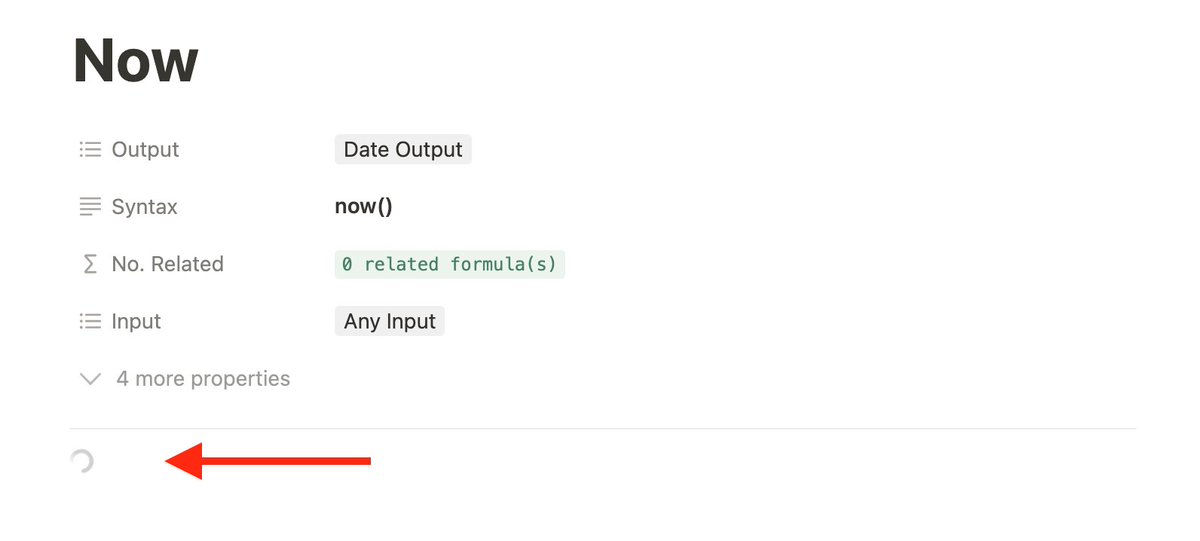
They're rolling out a fix now, but I'm getting flashbacks from Monday and I don't love it 😭
4 Oct 2023

We are experiencing some performance degradation and are investigating the cause.
6
1
28
5,936
2 Oct 2023
10
23
6,711
29 Sep 2023
Does @NotionHQ formulas 2.0 make formulas more or less confusing for you?
40%
More confusing
60%
Less confusing
193 votes • Final results
6
1
13
4,061
Small but mighty search update: you can now use cmd/ctrl P to find content in text and ID database properties 🕵🏻♂️
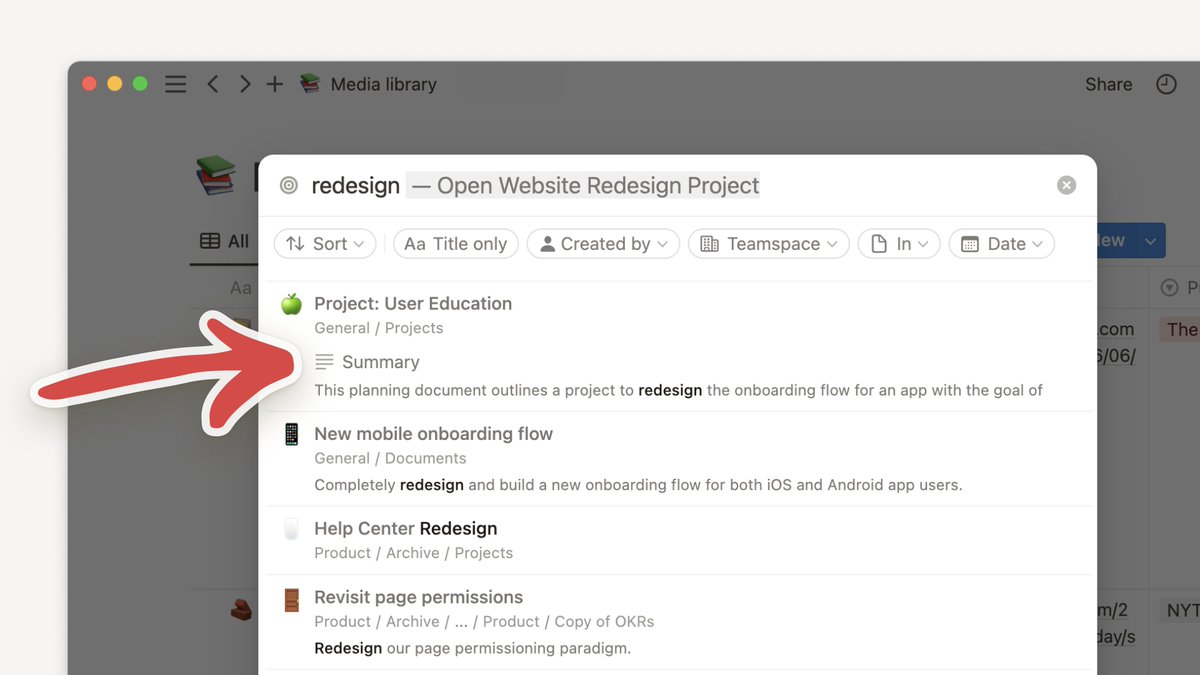
ALT This image shows a user searching "redesign" in Notion. The results include a database page called "Project: User Education" that contains the search keyword "redesign" in a text property.
19
27
266
49,287
12 Sep 2023
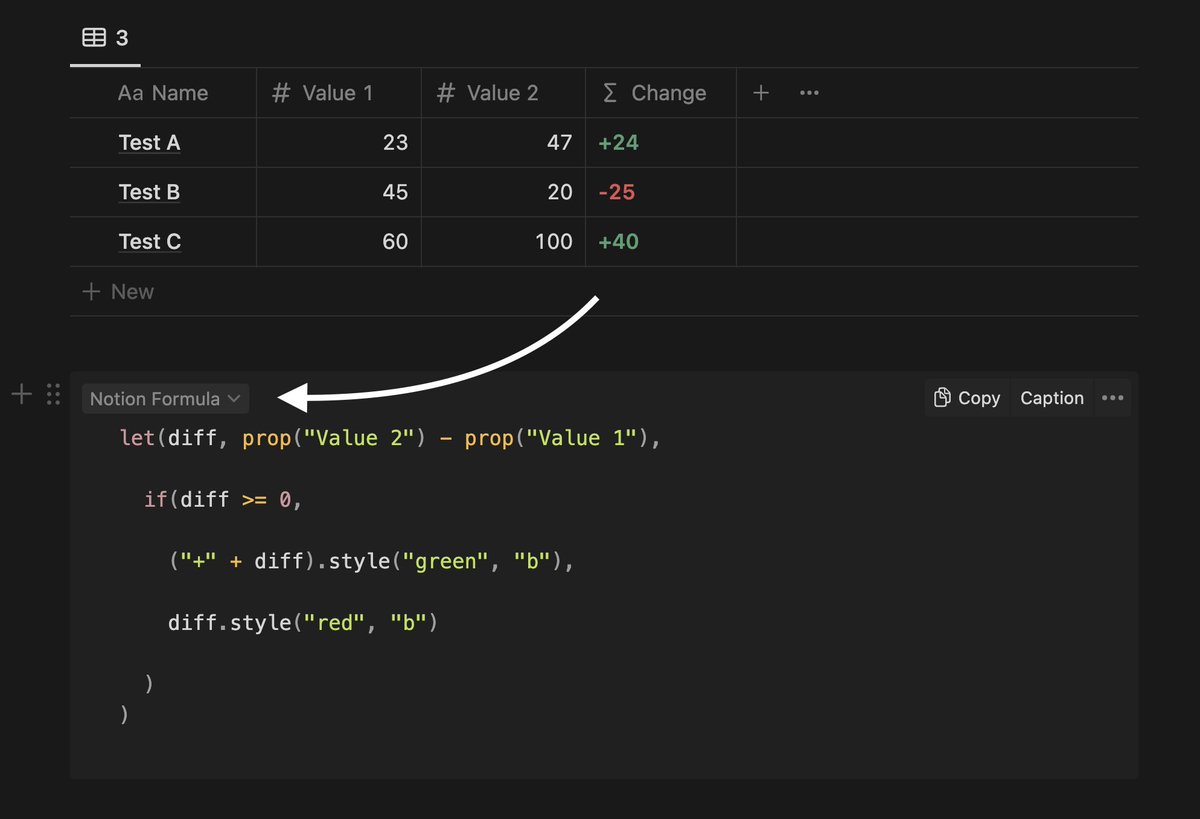
Display your @NotionHQ formulas better with this language in code blocks
9
17
192
26,559
8 Sep 2023
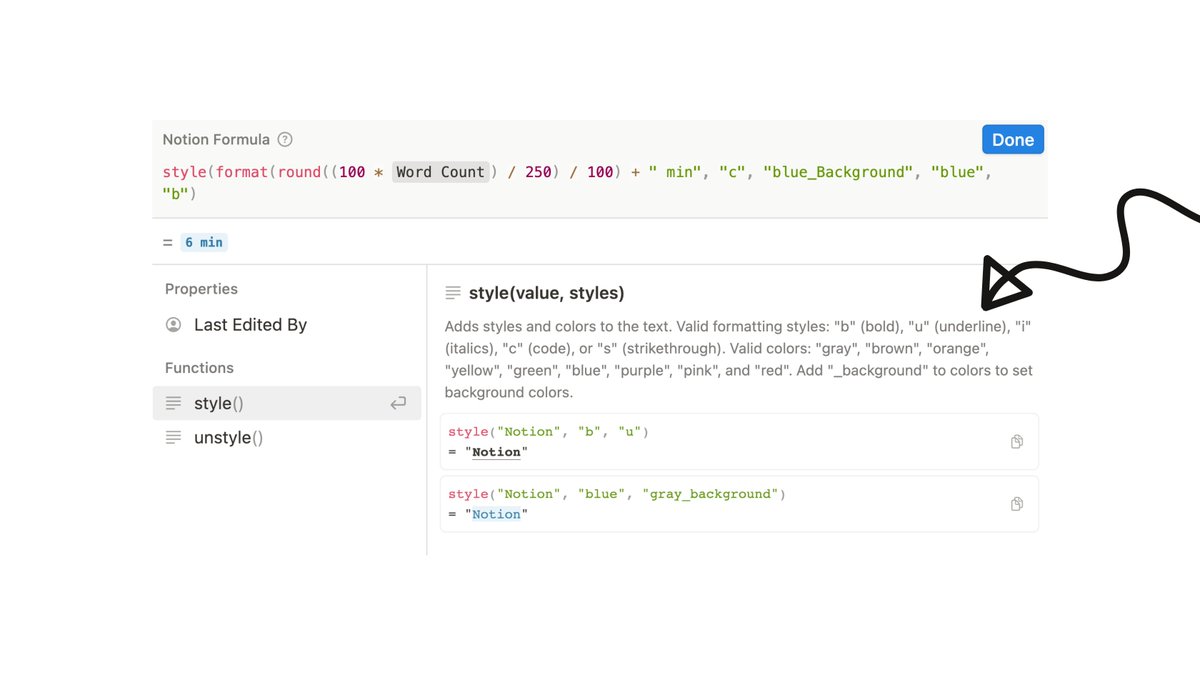
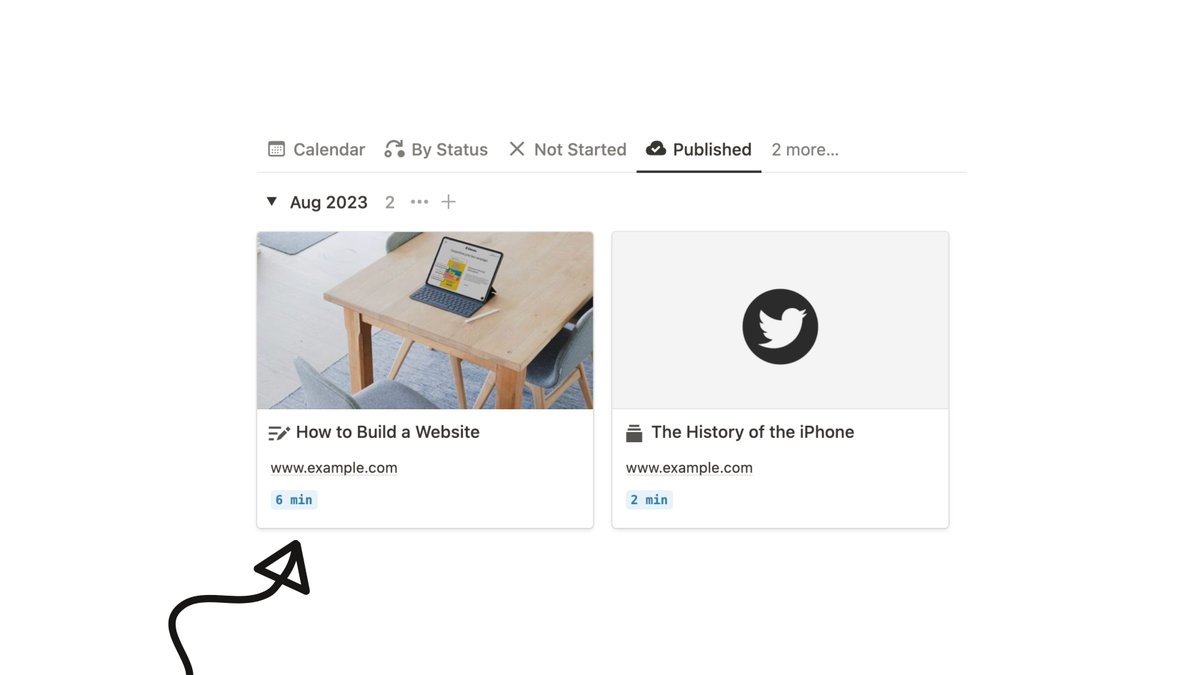
You can style formula results in @NotionHQ (ie. bold, underline, color text, etc.)
Here is an example of a read time formula for articles based on word count.
10
16
113
18,300
8 Sep 2023
And this is what the formula looks like:
Required Property:
• Number property labeled "Word Count"
style(format(round((100 * prop("Word Count")) / 250) / 100) " min", "c", "blue_background", "blue", "b")
4
3
26
2,965
8 Sep 2023
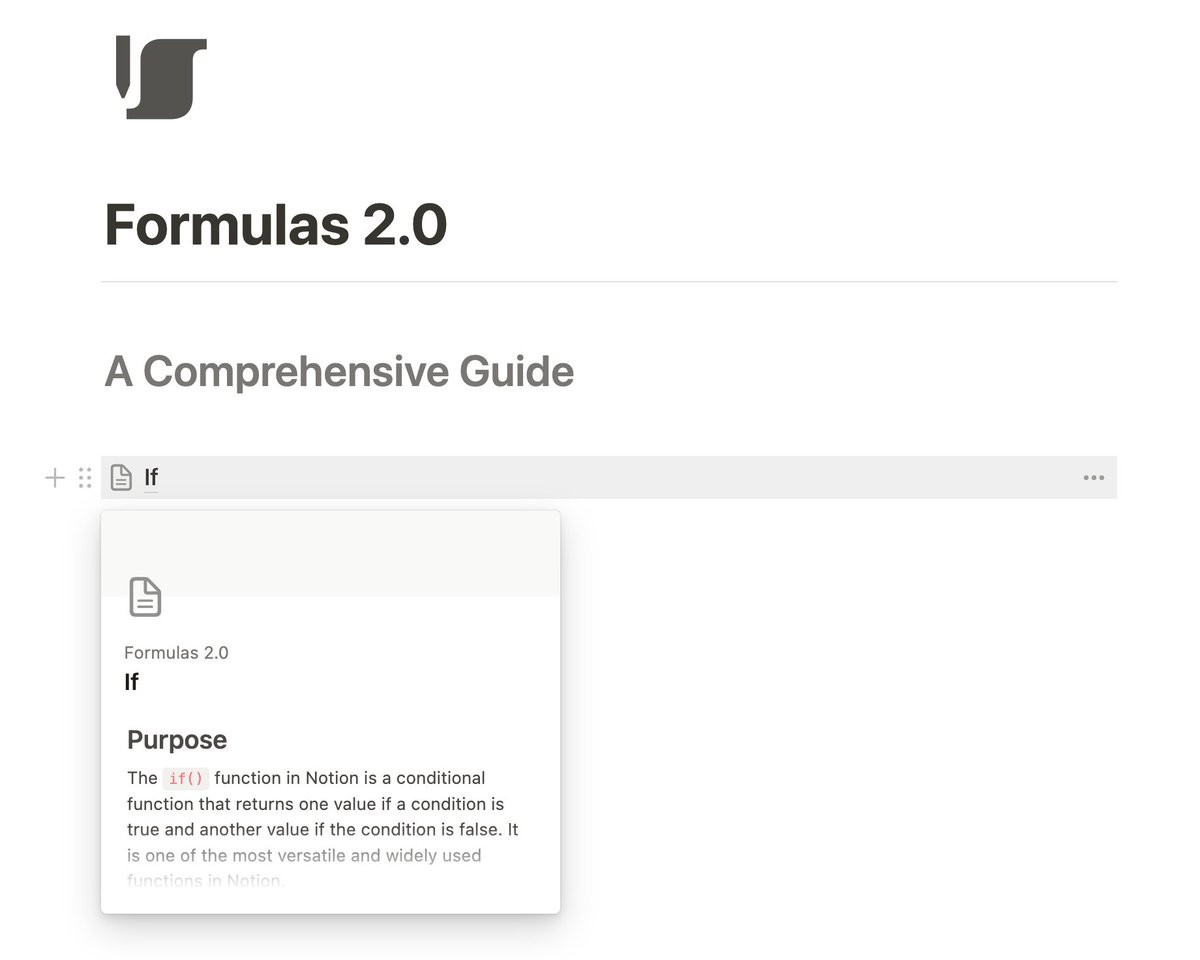
Extremely exciting ❤️ New and improved @NotionHQ formulas
Introducing: Formulas 2.0 🦾
• Redesigned multi-line editor
• Syntax and error highlighting
• Colorful, rich data outputs
• Powerful new functions
4
2
81
7,996
8 Sep 2023
FYI. Old formulas aren't broken, but you can now simplify with new functions!
1
10
1,733