
LFC - Always
Joined October 2017
- Tweets 20,725
- Following 3,390
- Followers 1,344
- Likes 16,512
1,119 Photos and videos

Pinned Tweet

14 Nov 2021
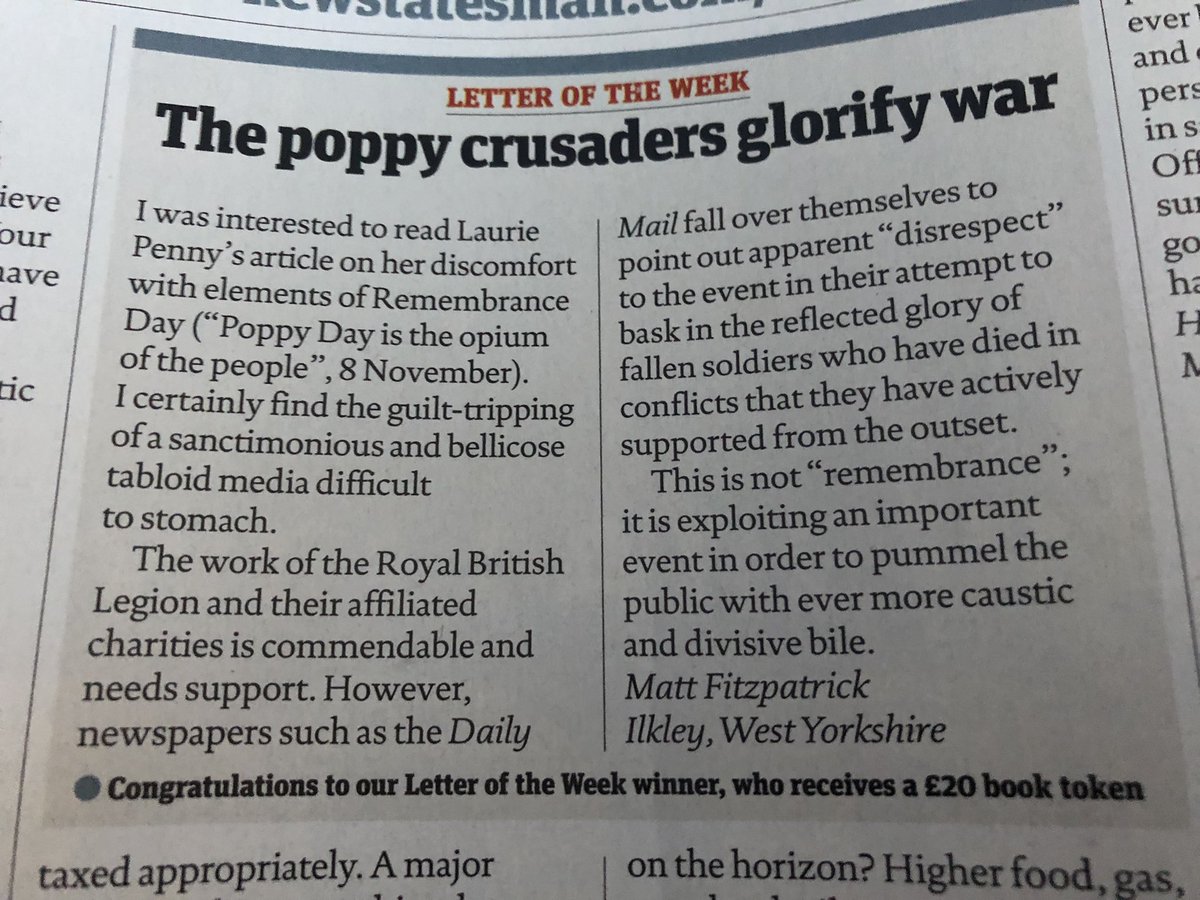
It’s been creeping up for a while…New Statesman, Nov 2010.
6
40
289
Red Man retweeted

Chris, what is most striking about your piece is not the reporting of events, but the relentless effort to frame every development through the prism of impending collapse.
Throughout the article, readers are presented not with objective analysis, but with a succession of loaded phrases and assumptions designed to reinforce a predetermined narrative. A premiership is described as "flailing", potential rivals are elevated into waiting successors, and routine political disagreement is transformed into evidence of a government supposedly on the verge of disintegration.
What is conspicuously absent is any serious examination of the reality facing any government today. Defence spending does not emerge from thin air. Every additional pound committed to the armed forces must either be raised through taxation, borrowed, or diverted from another area of public expenditure. That is not a political slogan. It is a fiscal fact.
You devote considerable attention to those criticising the Defence Investment Plan, yet remarkably little attention to what their alternative would be. If the spending settlement is inadequate, what precisely should replace it? Where would the money come from? Which taxes should rise, or which public services should face reductions? These are the questions that matter.
The article also appears determined to portray every resignation as a judgement on Sir Keir Starmer's leadership while giving scant consideration to the possibility that ministers can disagree on policy without it amounting to an existential crisis for the government. Westminster may enjoy perpetual leadership speculation, but governing a country requires rather more than gossip, intrigue and anonymous briefings.
Perhaps the greatest weakness in your analysis is the assumption that political commentary can substitute for political reality. The government remains in office with a substantial parliamentary majority, inflation has fallen significantly from its peak, economic growth has returned, and major policy decisions continue to be implemented. Whether one supports the government or not, those are facts rather than interpretations.
In the end, your article says far more about the current appetite among sections of the media for leadership drama than it does about the actual condition of the government. The country deserves analysis grounded in evidence, not a running commentary built upon Westminster's favourite pastime: predicting the imminent downfall of every Prime Minister.
bbc.co.uk/news/articles/cx26…
43
296
786
45,979
What in the propagandist guff is this? Big TVs? Eh?
Jun 14

The reason Europe is so poor is that you transfer so much of your money to people who “need” it instead of reinvesting it in better things like rocket ships and big TVs.
1
142
Jun 14
In case you were one of those people who claimed this Liverpool team were the ‘worst ever’ or some similar nonsense…take a look at the 90s vintage.

The World Cup is all well and good but personally, I'm missing English football. From the 1990s, specifically.
So here are highlights of Sheffield Wednesday against Liverpool from December 1993.
One team scores three goals and the other scores one. But it's not as it seems...
5
4
32
5,287
Jun 14
Outside of the ‘media village’ where people live to care about this stuff, is anybody arsed?
Jun 14

BBC have very good presenters and pundits but are inevitably getting heat for their World Cup Salford studio setting. One way to make their shows feel more connected with the tournament is simple: they have good reporters and production teams out here on the ground in Kansas City covering England. Give them more air-time, making the show feel less distant from the action, and bringing more detail and up-to-date info and insight into the Salford debate.
Also, BBC are very successful in their “clips” strategy but it is still strange that there isn’t a morning highlights show of the late-night/overnight World Cup action. BBC have very good staff who could easily do it. It's possible to enjoy clips *and* want a more reflective highlights programme. #FIFAWorldCup
1
124
Jun 14
A really odd flex this.
Jun 14

Andy Robertson captained Scotland to their first World Cup win in 36 years, beating Haiti 1-0 in their opening match in Group C 🏴
Well in, Robbo 💪
📰 thfc.pro/3QozNOX


1
1
4
274
Jun 13
Switzerland’s performance was a bit like Liverpool this season. Inviting a poor opponent to steal a goal.
1
92
Jun 13
Her brother was PM but he was obviously perfectly fit to serve in the role.

'Andy Burnham is like a PE teacher, it’s laughable that he could run the country.'
@RachelSJohnson can't imagine ‘a more damaging thing to do to the country’ than replacing Keir Starmer with a man whose ‘main achievement' is deregulating Manchester’s busses.
71
Jun 13
The most intellectually dishonest take I’ve read in a while. Completely disingenuous.
Jun 12

He’s floated Space X. How many consumers are being price gouged buying rockets? I ask again — give me an example of how Musk becoming a trillionaire (only on paper — he doesn’t have a trillion dollars under the bed) affects you.
52
Jun 12
The replies to all of the ‘greatest’ posts are broadly stupid. Every single post is met with thicko replies from daft accounts who know virtually nothing about Liverpool or football.
Jun 12

Liverpool's Greatest - No.66: Joe Gomez 😎
59
Jun 9
Not sure anyone’s mentioned it but keep getting ads with Nigel Farage fighting on Question Time.
1
154
Jun 7
Accounts like these having apparently strong opinions on Liverpool’s greatest players list.
Relentless dedication to sharing really glib opinions.
Jun 7

You cannot write Liverpool’s greatest and then mention Matt Busby. That is like mixing oil and water. Respect to Busby, but his legacy belongs on the other side of the biggest rivalry in English football.
2
1
2
325
Red Man retweeted

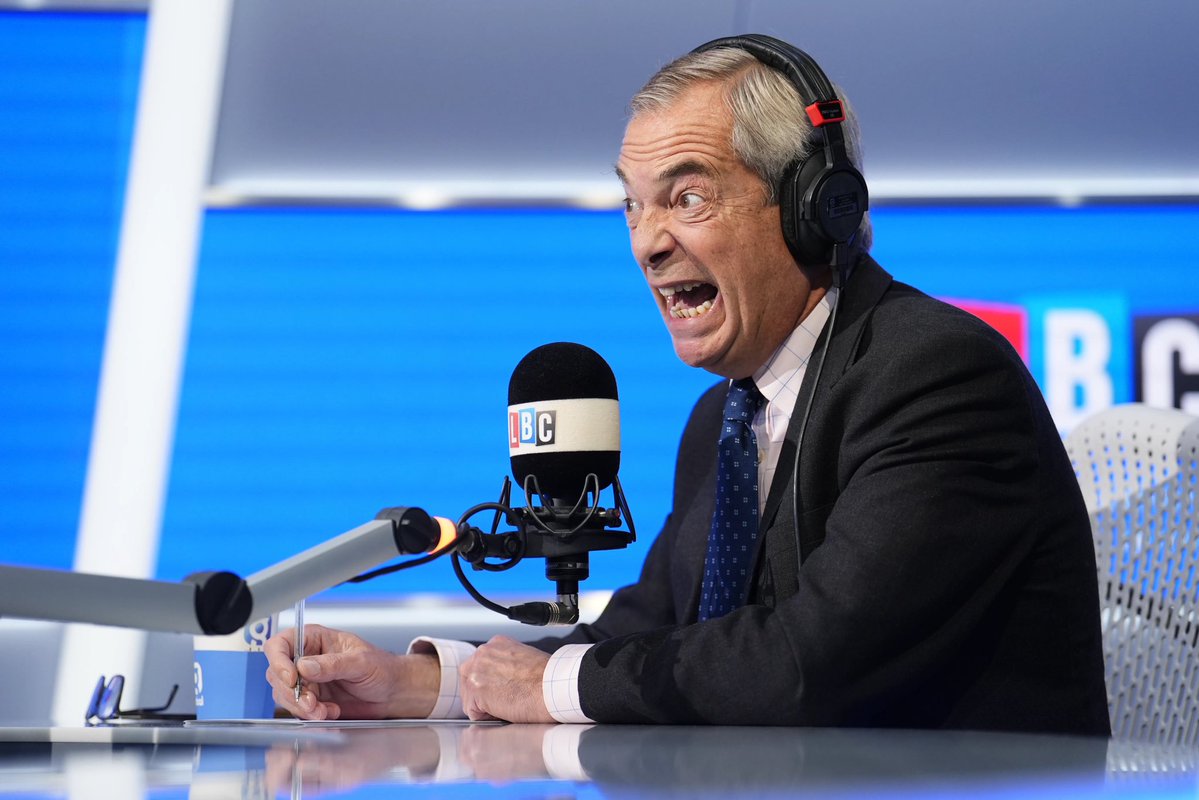
Nigel Farage Listens to the News
102
1,370
5,336
303,896
Jun 6
caNNOt BelIEvE hE iS AbOVe COutINHo!!!
Jun 6
Liverpool's Greatest - No.85: Phil Taylor 🔴
1
2
1,115
Jun 5
The Great Replacement is taking longer than anticipated…

The UK believe 20% of population is black (3%); 15% is Muslim (4%); 5% transgender (0.6%); 15% gay and lesbian (1.8%); 20% of the country is vegan or vegetarian (4%)
Misinformation from the Media
1
1
211
Red Man retweeted

The UK believe 20% of population is black (3%); 15% is Muslim (4%); 5% transgender (0.6%); 15% gay and lesbian (1.8%); 20% of the country is vegan or vegetarian (4%)
Misinformation from the Media
263
2,113
10,175
264,329
Jun 5
Isn’t showing up to a police station draped in a Union flag just evidence of a male mental health issue? These guys are completely ridiculous and possibly vulnerable. Demonstrating their inadequacies by behaving so absurdly. #farageriots
1
73
Jun 4
9
332
Jun 4
The Liverpool Greatest run down is bringing out some awful stuff from Liverpool fans who are either 14 or just hate anyone who played before 2018.
4
1
54
2,819
Red Man retweeted

Nigel Farage's work over the last 11 weeks broken down:
- Parliamentary votes registered (including on immigration): 0
- Violent racial divisions stoked: 1
298
2,446
10,135
235,532