
Joined November 2021
- Tweets 10,939
- Following 2,139
- Followers 248
- Likes 59,040
859 Photos and videos












Pinned Tweet

15 Mar 2023
I put together a little mini doc covering Dead off Break's Season 3 journey. From clips and streams collected throughout the entirety of the season. You'll want to watch til the very end. 😏😅
Enjoy! Or don't. ¯\_(ツ)_/¯
@Snapshot_VRML @VRMasterLeague
youtube.com/watch?v=big-zKXC…
1
2
4
2,729
Reliable Random 🪐¯\_(ツ)_/¯🏴☠️ retweeted

13 Nov 2020
Carl Marx. Communist manifesto. Wikipedia.
10,344
14,001
75,456
Reliable Random 🪐¯\_(ツ)_/¯🏴☠️ retweeted

Jun 15
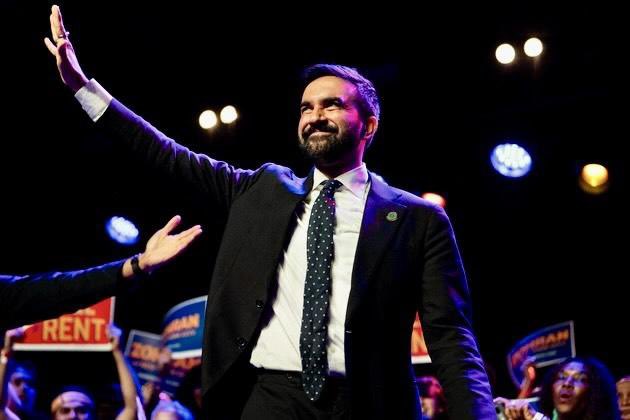
establishment democrats and republicans weren’t fearful he’d fail and ruin nyc. they were worried he’d succeed and represent the threat of a good alternative

Mamdani closed a $12B deficit in 132 days, fixed 100K potholes, secured millions for gig workers, fined corrupt landlords millions, raised snow workers to $30/hr, and violent crime hit historic lows.
THIS IS WHAT A LEADER DOES!!
650
8,379
74,788
1,157,976
Reliable Random 🪐¯\_(ツ)_/¯🏴☠️ retweeted

Jun 9
Susan Collins 30 years ago: “I’ve pledged that if I’m elected I will only serve two terms. 12 years is long enough to be in public service.”
816
7,341
41,315
1,823,834
Everything Trump touches turns to shit. I knew the Knicks would lose tonight.
93
Reliable Random 🪐¯\_(ツ)_/¯🏴☠️ retweeted

Jun 8
that new #Halo trailer sounds reminiscent of my own original independent motif I wrote intentionally in a different key from normal Halo (d dorian instead of e dorian) for my projects
The context of the music is also for "prequel/untold" content in a similar way too
???
20
60
279
41,167
Reliable Random 🪐¯\_(ツ)_/¯🏴☠️ retweeted

Jun 8
>people joke for years that if 343 industries were to remake the Halo CE they would add sprint and aim down sights
>they actually remake Halo CE
>they added sprint and aim down sights

64
147
3,242
68,159

Scalia died in February 2016. It took Obama a full month to nominate a replacement and then he used no leverage and barely lifted a finger for Garland; the party was more focused in the moment at making sure everyone understood how racist and sexist Bernie Sanders was.
Plenty of Obama aides were actually glad when Dems lost the senate in 2014 because they were sick of Harry Reid pushing Obama to be more assertive and fight more.
They lost the Senate in 2014 largely because of Obama’s capitulation to/obsession with austerity and reducing the deficit.
He constantly insisted he had no real power — Neera will probably respond by saying he had no power — which Trump has proved totally wrong.
And when RBG died in September 2020 Trump nominated ACB the next week. They play to win.
But sure, a 5 minute segment from @chrislhayes would’ve made the difference. (And I’m sure he did do a bunch actually.)
Jun 6

I would have really liked to see a full 5 minute segment on the Supreme
Court stakes in 2016. No one seemed interested back then.
183
1,403
10,503
742,674
Reliable Random 🪐¯\_(ツ)_/¯🏴☠️ retweeted

Jun 6
NBC News: "The Pentagon is increasingly concerned about Israel ramping up its spying on the U.S., recently raising the counterintelligence threat level from America’s top ally in the Middle East to the highest level, according to two U.S. officials and one former U.S. official."

104
566
1,459
39,862
Reliable Random 🪐¯\_(ツ)_/¯🏴☠️ retweeted

First teaser for the ‘TEENAGE MUTANT NINJA TURTLES: THE LAST RONIN’ game.
The game is being developed by PlatinumGames (‘Bayonetta’).
794
12,440
115,275
4,270,933
Reliable Random 🪐¯\_(ツ)_/¯🏴☠️ retweeted

Jun 5
Packers fans and their "worthless" stock certificates like...
Jun 5

The #Bears are expected to announce today their board of directors have voted and they will be focused on Hammond moving forward as the future site of their stadium, two legislative sources said. @thescorechicago @mullyhaugh
45
190
1,946
78,618
Reliable Random 🪐¯\_(ツ)_/¯🏴☠️ retweeted

Jun 5
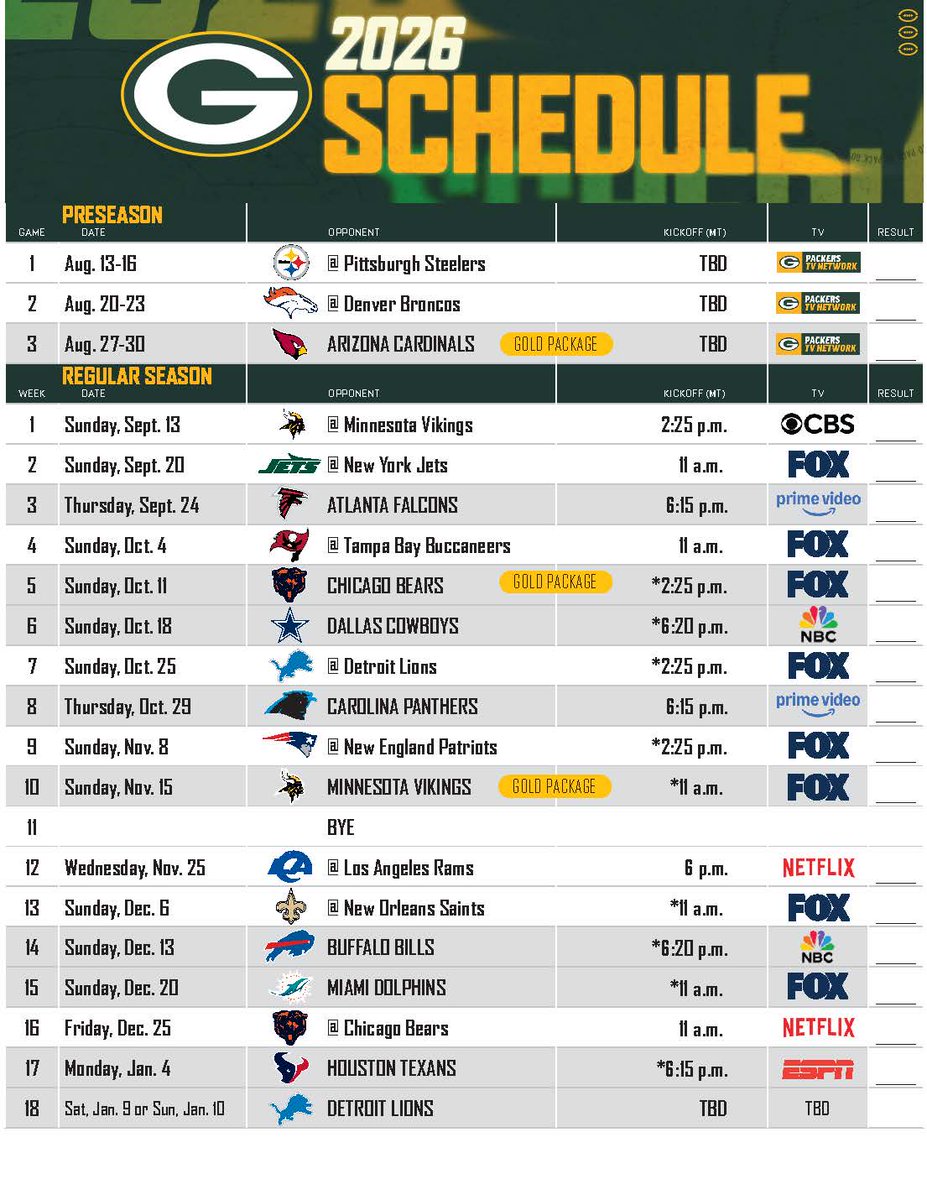
In other news: The 2026 Green Bay Packers Annual Shareholders Meeting will take place Monday, July 27th at 1pm!
Jun 5

Statement from Chairman George H. McCaskey and President & CEO Kevin Warren:

16
58
637
31,536
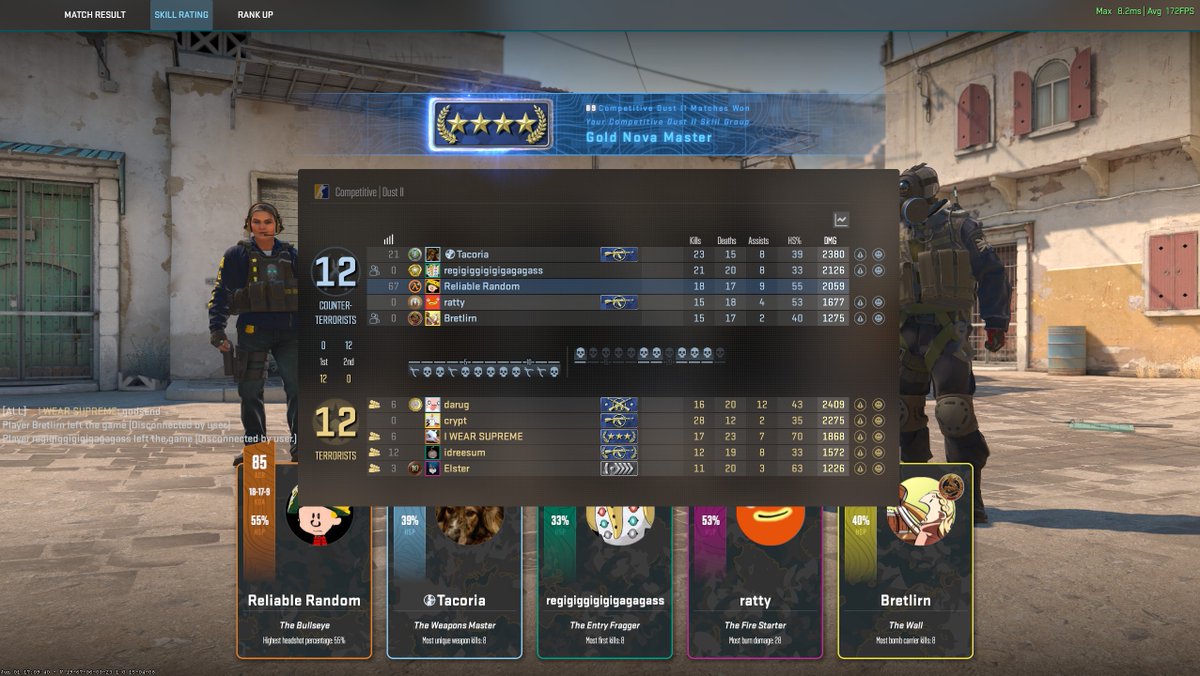
Quite possibly the oddest competitive match of Counter-Strike 2 I've ever played.
Got beat to hell the first half on T Side. Some insanely close 1v1 moments too.
Then we smoked them on CT Side. Crazy 🫠
#CS2 #CounterStrike #CSGO
37
Reliable Random 🪐¯\_(ツ)_/¯🏴☠️ retweeted

Jun 4
ESPN sources: Green Bay WR Christian Watson and the Packers reached agreement today on a four-year, $110.5 million contract extension that includes a $31 million signing bonus.

2,417
2,187
21,427
17,088,615
Reliable Random 🪐¯\_(ツ)_/¯🏴☠️ retweeted

Jun 1
Make your move.
#IEM Cologne Major 2026 Official Trailer.
255
1,426
10,238
1,666,069
Reliable Random 🪐¯\_(ツ)_/¯🏴☠️ retweeted
May 31
wembanyaMAO

233
1,642
30,813
2,373,600
Reliable Random 🪐¯\_(ツ)_/¯🏴☠️ retweeted

May 26
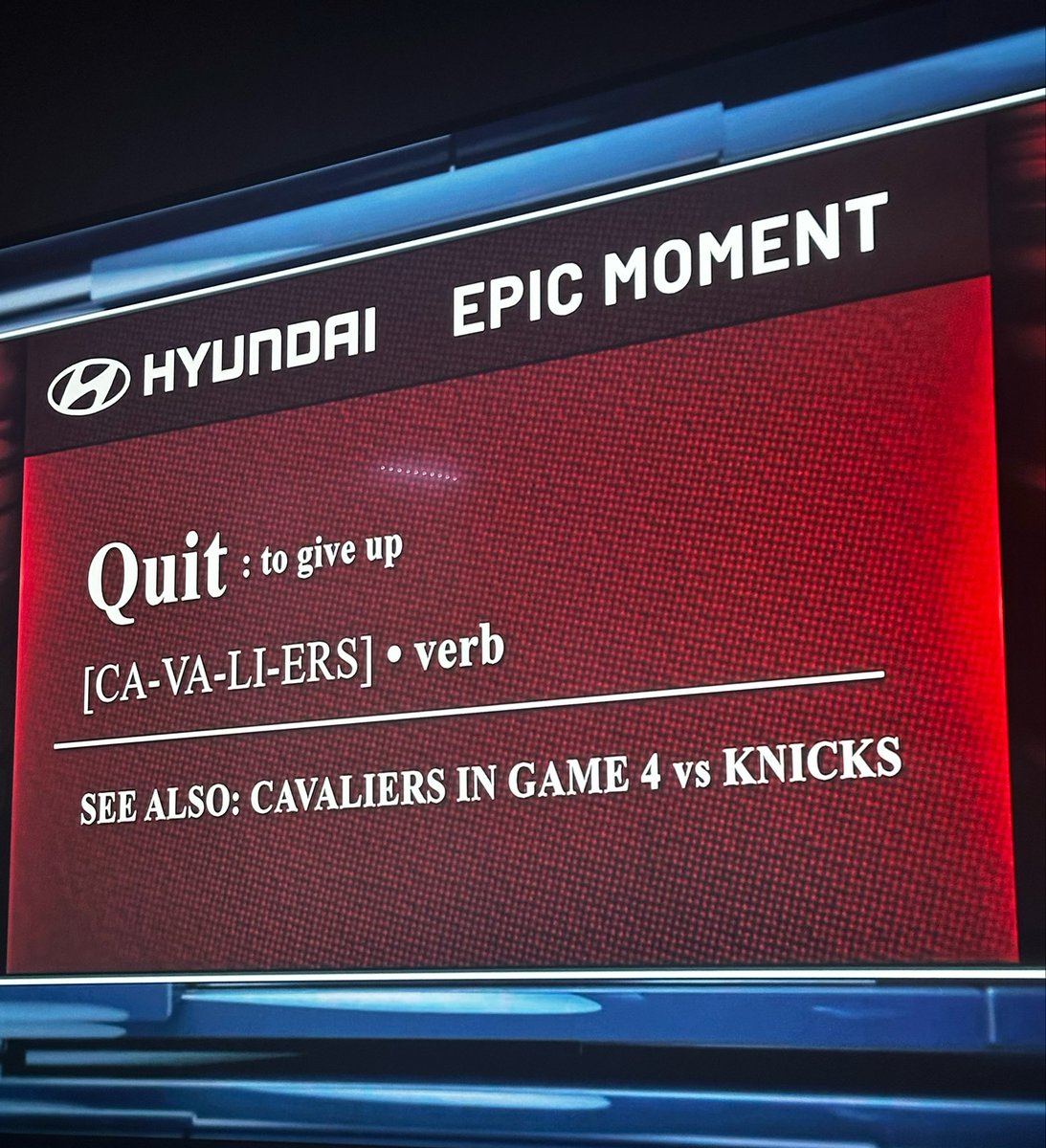
this might be the most disrespectful graphic i’ve seen all playoffs
47
2,558
34,637
407,604
Reliable Random 🪐¯\_(ツ)_/¯🏴☠️ retweeted

May 23
I want to describe the Middle Passage to you.
Not abstractly.
Specifically.
Enslaved people were loaded onto ships in West Africa at a ratio calculated to maximize profit after accounting for expected deaths in transit.
They were chained in holds with roughly eighteen inches of vertical space, unable to sit upright, lying in their own excrement for voyages that lasted between three weeks and three months.
Mortality rates on Middle Passage ships averaged between 10 and 20 percent.
On some voyages, significantly higher.
Historians estimate that between 1.5 and 2 million people died during the crossing, their bodies thrown into the Atlantic.
Those who arrived alive were washed, oiled to appear healthy, and sold on docks while buyers examined their teeth and bodies like livestock.
You described this system as "not necessarily a nightmare" and compared the labor that followed to picking crops in Africa.
I am not going to debate you on the merits of this position.
I am going to ask you to read what I just wrote.
And then I am going to ask you whether the problem is that you don't know this history, or that you know it and have decided it doesn't change your argument.
Because the answer to that question tells us something important.
Not about slavery.
About you.
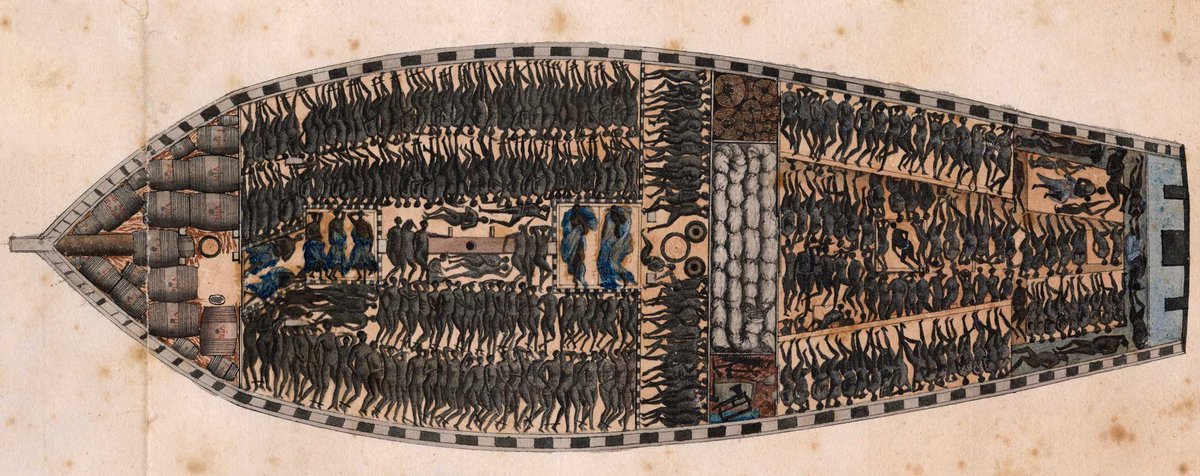
ALT The Marie Séraphique of Nantes, Captain Gaugy, Musee d’Histoire de Nantes.

Slavery wasn't necessary a nightmare. It was also not a crime. The Indians for instance offered themselves voluntarily into slavery to escape hunger, and the slaves got lodging and food.
124
1,450
4,676
101,153
Reliable Random 🪐¯\_(ツ)_/¯🏴☠️ retweeted

May 22
the zone of interest is a film about the idyllic, everyday life of an Auschwitz commandant and his wife, who raise their children in a home located directly adjacent to the concentration camp.
below is an unrelated photo showing Gaza from an israeli settlement.

154
5,646
22,492
327,949
Reliable Random 🪐¯\_(ツ)_/¯🏴☠️ retweeted

Man, fuck this shit. Our night sky isn't your fucking billboard.
May 20

‘Masters of the Universe’ drone show spotted over Los Angeles 💥
• Had 1600 drones
• Guinness World Record for brightest drone show ever
(via @AmazonMGMStudio)
545
1,786
31,745
1,401,134
Reliable Random 🪐¯\_(ツ)_/¯🏴☠️ retweeted

May 20
Every day I pray we get leaked audio of that rumored 2016 postmortem teleconference where Neera privately said "better Trump than Sanders."
I've heard too many credible people say it happened and unhinged posts like this about the left make it really hard to dismiss.
9
161
1,623
29,284