Equity Court Judge (Master-in-Equity); SC House of Representatives (‘02-‘20); …act justly, love mercy, and walk humbly with God… Micah 6:8
Joined December 2008
- Tweets 14,018
- Following 1,963
- Followers 4,243
- Likes 3,966
1,096 Photos and videos






Alan Clemmons retweeted

Latter-day Saints believe the U.S. Constitution was inspired of God.
The president of The Church of Jesus Christ of Latter-day Saints, Dallin H. Oaks (@OaksDallinH), gave a landmark speech on defending the Constitution.
Every American would benefit from listening to his words.
25
228
1,549
16,819
Alan Clemmons retweeted

Feb 15
Yesterday’s anti Islamic regime rally in Toronto was absolutely massive
143
1,198
5,654
57,930
Alan Clemmons retweeted

Feb 12
To be a special witness of the name of Jesus Christ as a member of the Quorum of the Twelve Apostles is a special and sacred opportunity.
I express my gratitude to our Heavenly Father and to His Beloved Son, our Savior.
133
312
3,944
95,452
Alan Clemmons retweeted

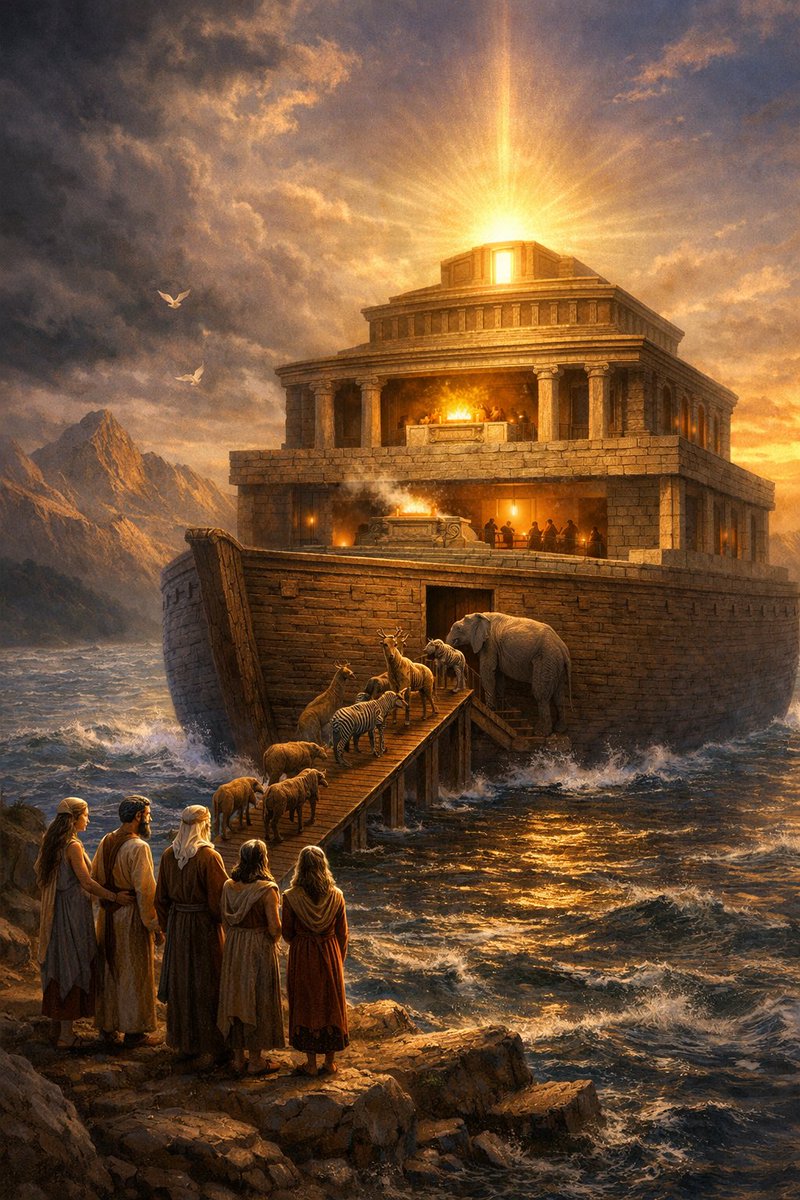
The Ark as Floating Temple
We usually tell the story of Noah’s ark as one that loans itself to a cute children’s zoo toys: a boat, a flood, some animals, a rainbow. When read carefully, especially looking for temple symbology, something much more profound emerges. Across Jewish, Christian, and modern Latter-day Saint thought, the ark looks a lot less like a ship and a lot more like a temple.
Start with Genesis itself. God doesn’t just tell Noah to “build something.” He gives precise architectural instructions regarding length, width, height, levels, rooms, a single door. That should sound familiar to anyone who has read about the tabernacle or Solomon’s temple. Sacred space, in scripture, is revealed space.
Then there’s the kaphar language I discussed in yesterday’s post. “Pitch it within and without with pitch” (Genesis 6:14). The Hebrew root is from the same word family used for atonement. The ark isn’t just sealed against water. It gets covered, ritually and symbolically, against chaos. As Gordon Wenham notes in his Word Biblical Commentary, Vol. 1: Genesis 1-15, this is cultic/ceremonial terminology, not shipbuilding or nautical discourse.
Early readers picked up on this quickly. Philo of Alexandria described the ark as a microcosm of the ordered universe. Origen and Augustine both saw it as a sanctified place of salvation, what Augustine called a holy dwelling prepared by divine command (City of God, Book XV). By the Middle Ages, thinkers like Bede and Hugh of St. Victor were explicit in stating that the ark was the first divinely revealed sacred building, the ancestor of the tabernacle and the temple.
Its dimensions reinforce that reading. The ark is long, not square, more like a journey than a destination. It’s narrow, with a single door that God Himself shuts (Genesis 7:16). It has three levels, echoing graded holiness and progression. Light comes from the window above, not from the sides. This is temple architecture, not nautical convenience.
Latter-day Saint scholars, especially Hugh Nibley, lean into this pattern. Nibley described the ark as a mobile cosmic temple, preserving life, law, and covenant while the world outside collapses. The flood is de-creation, while the ark is the holy center that survives it (Teachings of the Pearl of Great Price).
The three decks map naturally onto LDS temple ideas of progression and heaven. Salvation unfolds by degrees. Instruction happens inside sacred space while judgment rages outside. And most striking of all, the ark saves families, not just individuals. It preserves lineage, pairing, and continuity, what Latter-day Saints would immediately recognize as sealing logic and power.
Restoration scripture sharpens the picture. Moses 8 portrays Noah as a preacher of righteousness rejected by a corrupt world. When society can no longer function as holy space, God creates an alternative, a temple that moves. Thus, the ark isn’t just about surviving the flood. It’s about how God always saves His people, through covenant, order, obedience, and sacred space.
Put simply, when the world rejects the temple, God builds one that floats.
#ComeFollowMe
#SaintsOnX
10
26
231
4,046
Alan Clemmons retweeted
Feb 10
Researcher Charles Small:
“ We estimate that more than $100 billion in undocumented money has entered the United States from the Muslim Brotherhood over the past 20 years.
$1 billion.
$10 billion to Cornell.
$1.3 billion, for example, to Texas A&M, where we identified 504 research projects in which intellectual property rights were granted to the Qatari regime.
We flagged 58 projects with dual-use military implications and 13 with nuclear-related military implications.
Less than two weeks after our second report, Texas A&M decided to close its campus in Qatar, and we have been calling on the American government, including the Department of Energy, to investigate what is going on.
We also discovered $1 billion at Georgetown University, in the heart of Washington, D.C. $1 billion.
They run one of the most important diplomatic training programs in the United States, if not the world.
We are now seeing a second generation of intellectuals spreading this red-green alliance. Graduates in Europe and North America from elite universities are openly supporting and praising Hamas in the streets.
Hamas is not only genocidal in its antisemitism and headquartered in Qatar, but it believes in the subjugation of women, the murder of gay people, and the destruction of democracy.
And yet our political leaders, university leaders, and religious leaders continue to take money and do the dance with the Qataris. ”
112
1,374
3,190
188,833
Alan Clemmons retweeted

Feb 10
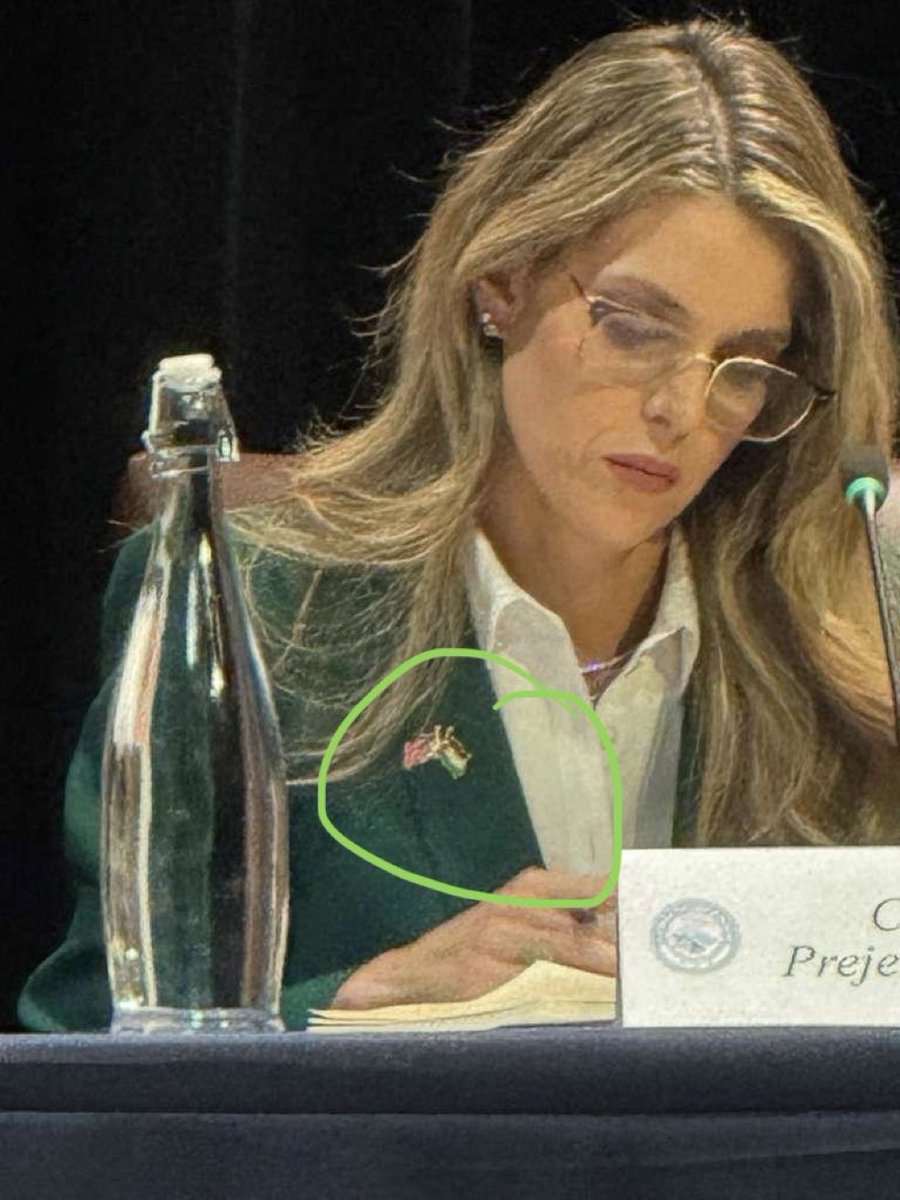
Blatant Jew hatred and religious bias ironically on display at the hearing on religious liberty. It is a disgrace that someone on the White House Religious Freedom Committee would use her position to openly harass Jews. She should absolutely be removed.
822
199
1,160
38,722
Alan Clemmons retweeted

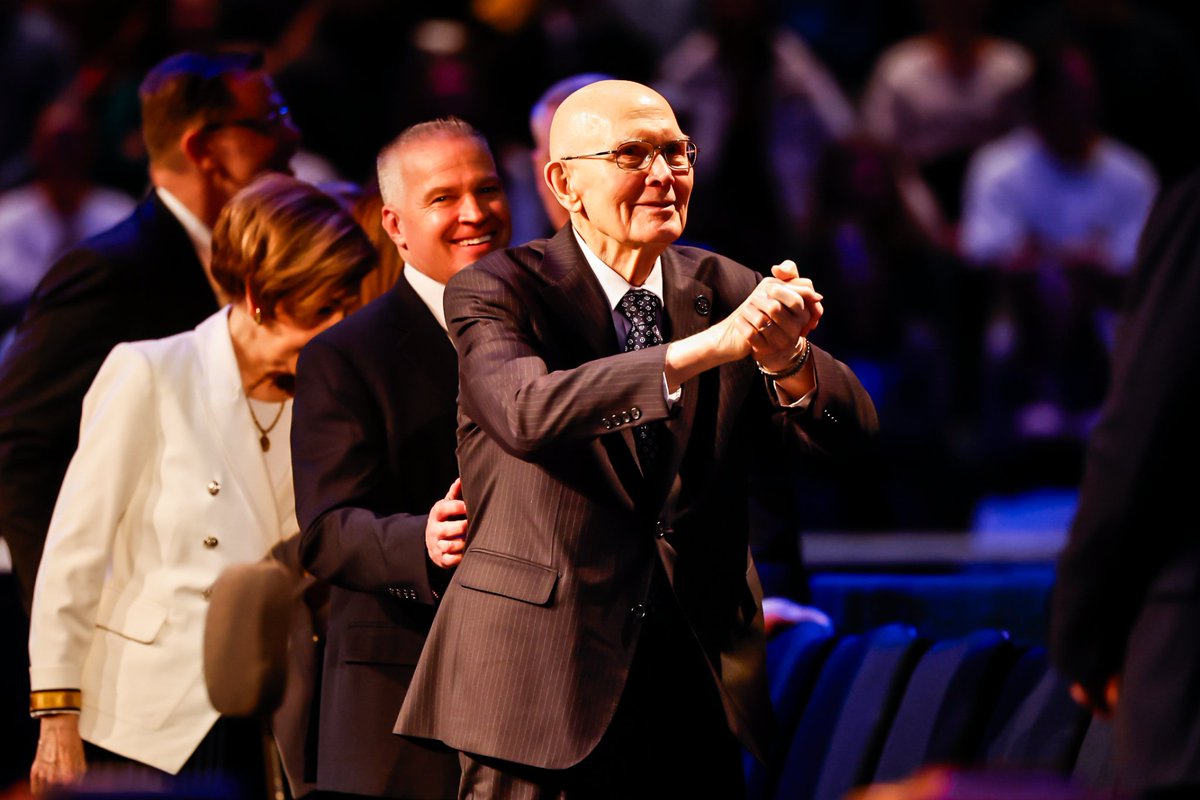
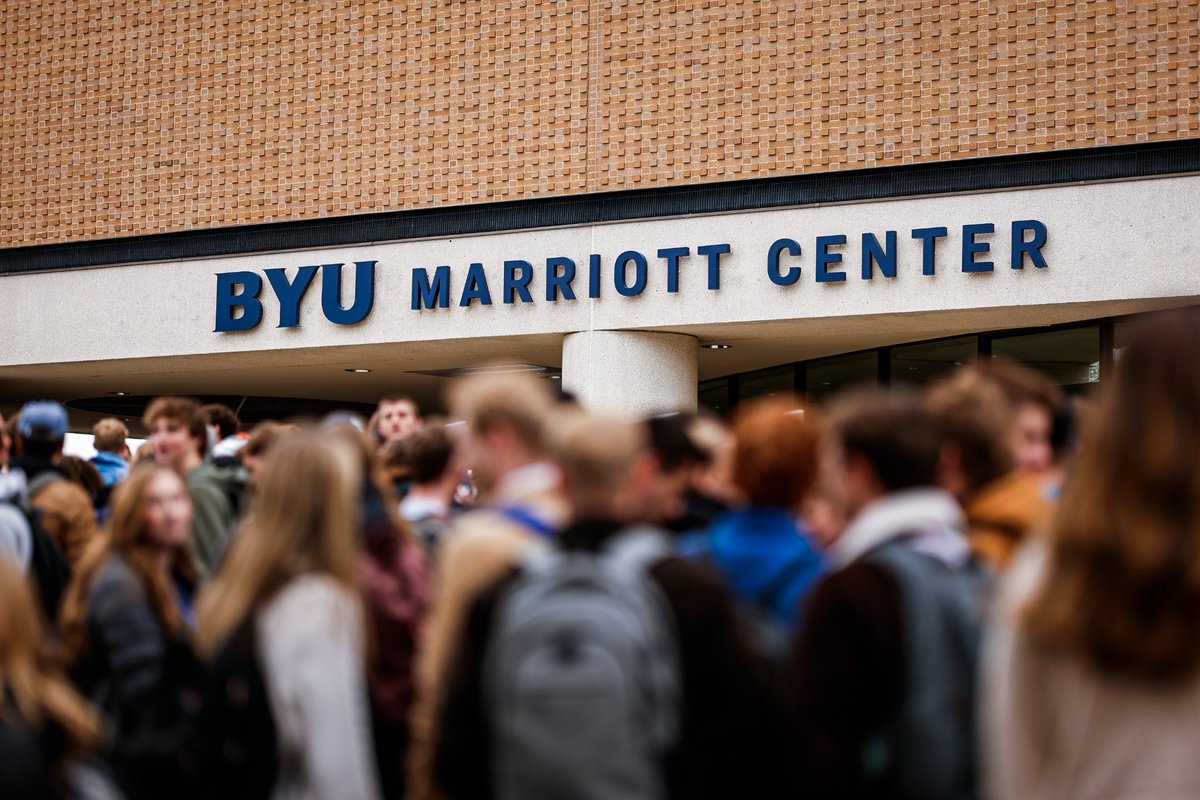
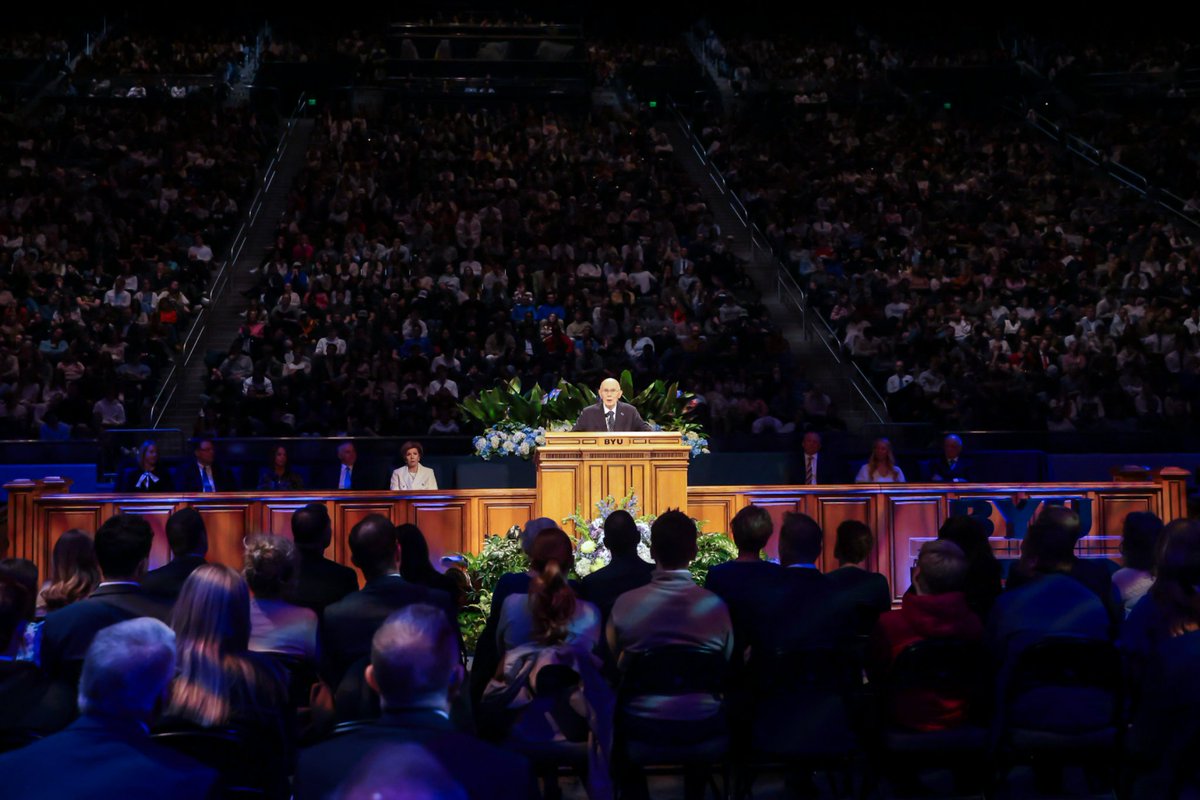
In a speech on Tuesday at Brigham Young University (@BYU) — his first public address as President of The Church of Jesus Christ of Latter-day Saints — Dallin H. Oaks (@OaksDallinH) shared four ways to come closer to Jesus Christ.
1. Strengthen our faith in Him.
2. Increase our humility.
3. Seek help from others.
4. Be patient.
“Whatever [your] doubts,” he said, "the way to overcome them is to get closer to our Savior Jesus Christ. Again and again, He has taught us that He is the way.”
Visit the link below to read more:
newsroom.churchofjesuschrist…

24
215
2,062
31,549


Alan Clemmons retweeted

Jan 30
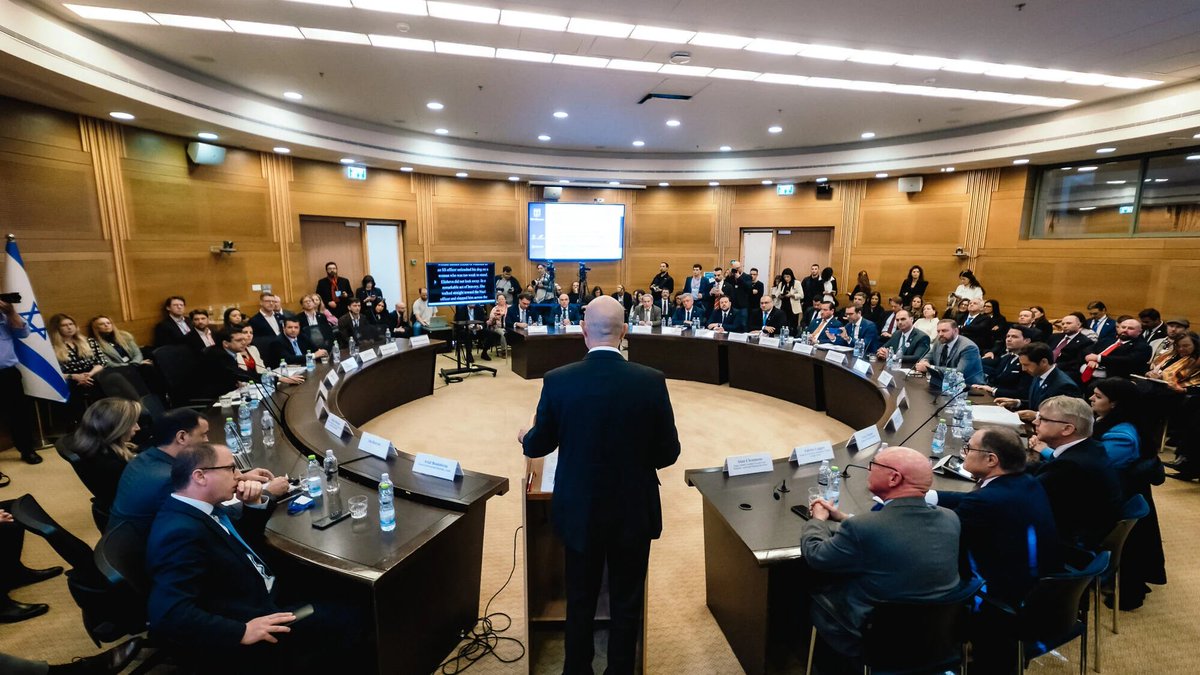
FEATURE | 𝗧𝗵𝗲 𝗺𝗼𝘀𝘁 𝗱𝗮𝗻𝗴𝗲𝗿𝗼𝘂𝘀 𝗹𝗶𝗲 𝗮𝗯𝗼𝘂𝘁 𝗜𝘀𝗿𝗮𝗲𝗹 𝗶𝘀 ‘𝗼𝗰𝗰𝘂𝗽𝗮𝘁𝗶𝗼𝗻’
Speaking in Jerusalem, U.S. Judge @RepAlanClemmons argues that the false narrative turns antisemitism into a moral cause disguised as human rights.
by Sharon Altshul
eu1.hubs.ly/H0rmyfB0
4
10
1,002
When children are taught that murderers are heroes, and the world is taught that Israel is an illegitimate occupier antisemitism becomes morally acceptable. At that point, violence no longer looks like hate; it looks like justice.
heritagefl.com/story/2026/02…
1
44
Alan Clemmons retweeted
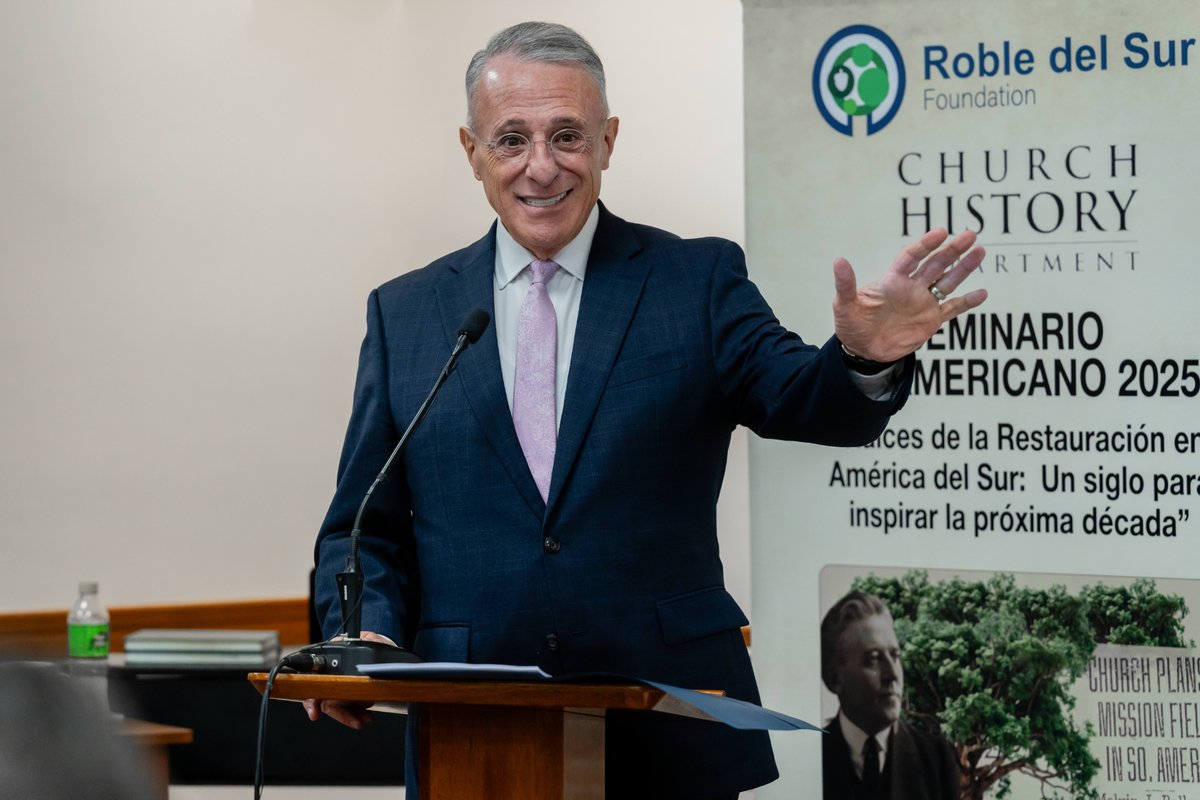
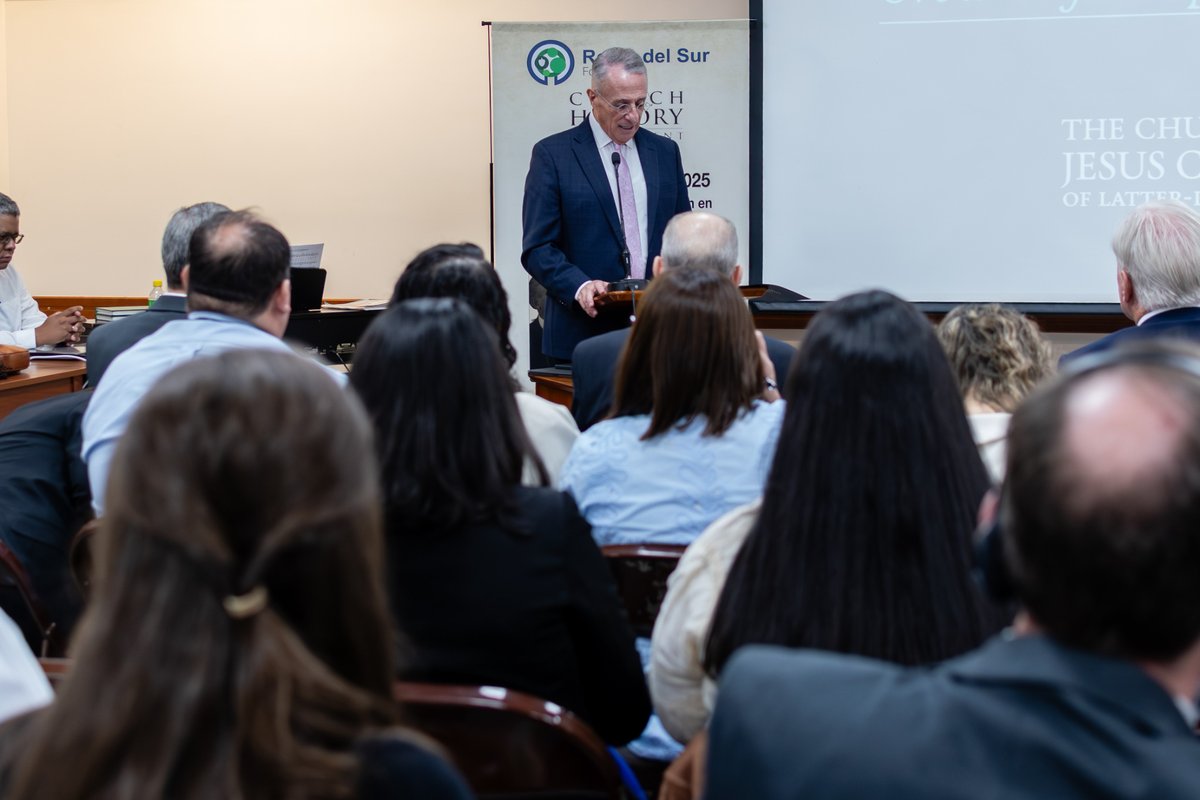
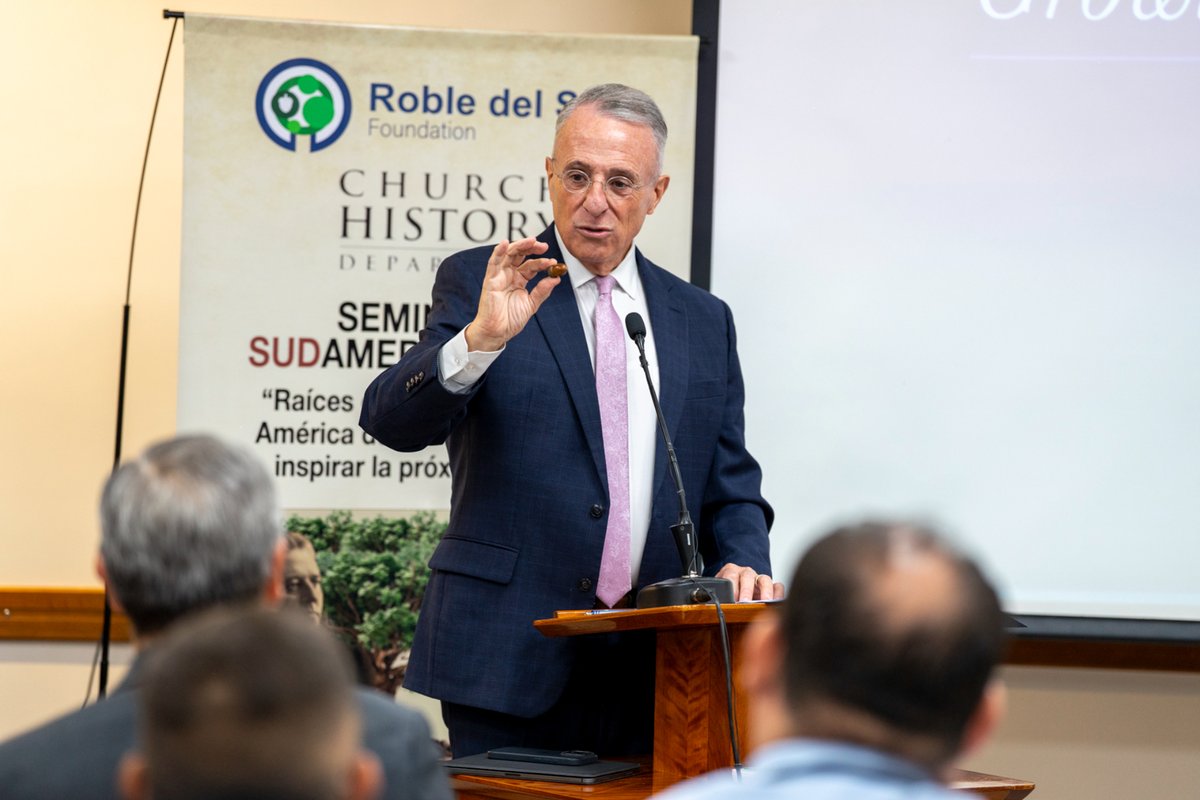
Elder Ulisses Soares of the Quorum of the Twelve Apostles of The Church of Jesus Christ of Latter-day Saints participated in the 7th annual Seminario Sudamericano (Latter-day Saint South American Seminar) on Friday, November 21, 2025, in Buenos Aires, Argentina, where he encouraged young professionals to be examples of Jesus Christ.
“Today’s world needs integrity, empathy and moral clarity. These qualities grow where discipleship runs deep. That is why it is so important to reinforce the idea that, as disciples of Christ, we set an example not only in religious matters but in conduct, integrity, compassion and relationships — with people, with governments, with everyone in the world,” said Elder @Ulisses__Soares.
Learn more on Church Newsroom.
newsroom.churchofjesuschrist…

2
24
524
10,360
Alan Clemmons retweeted
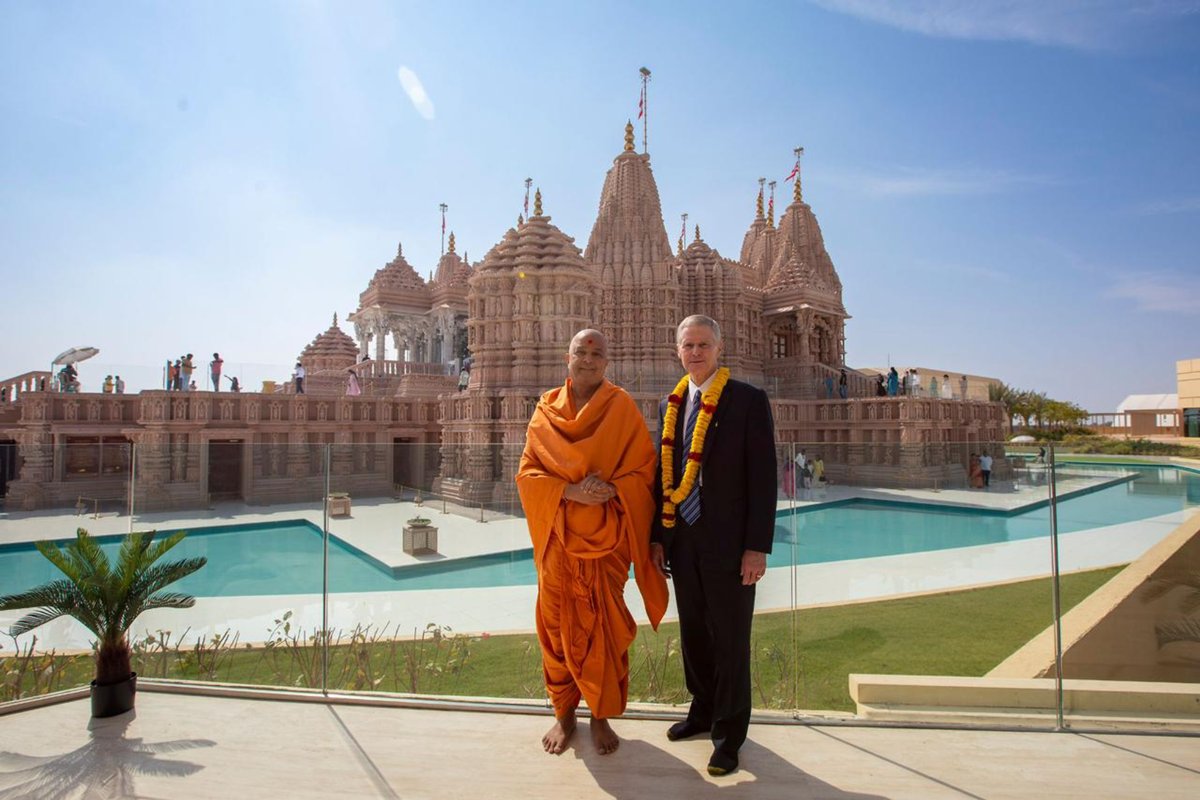
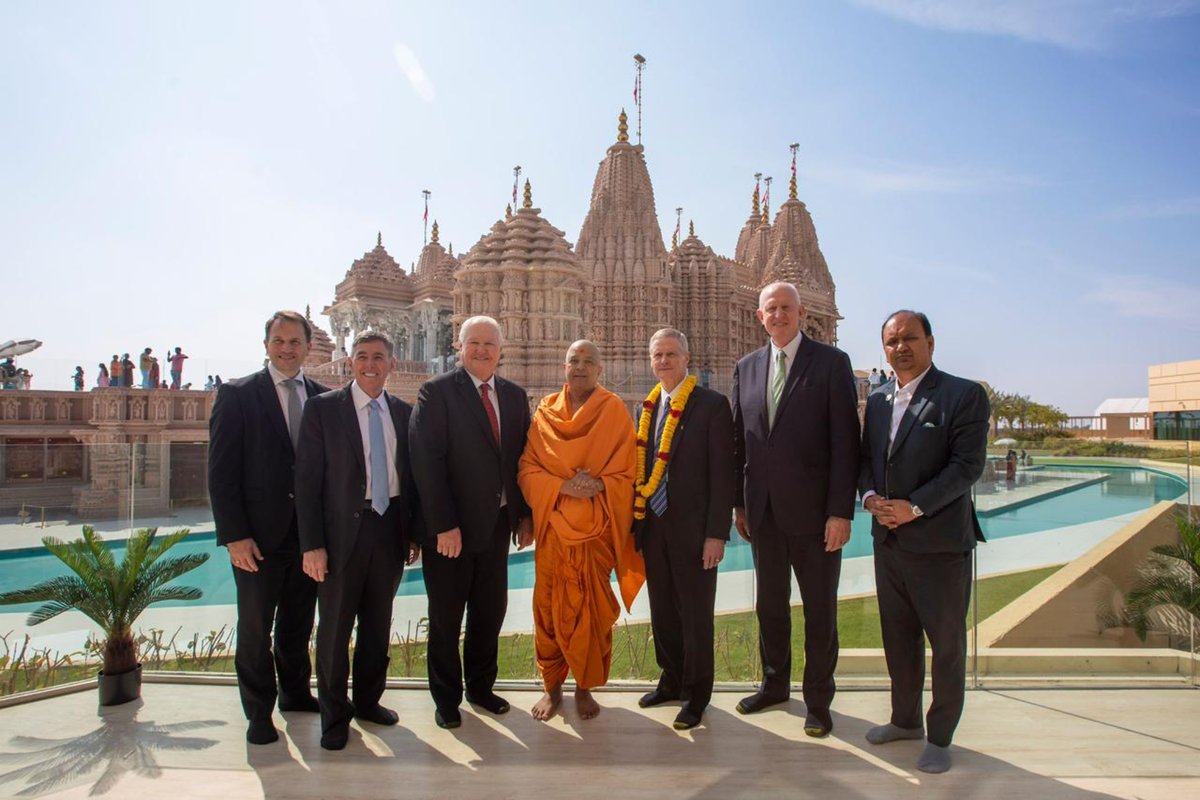
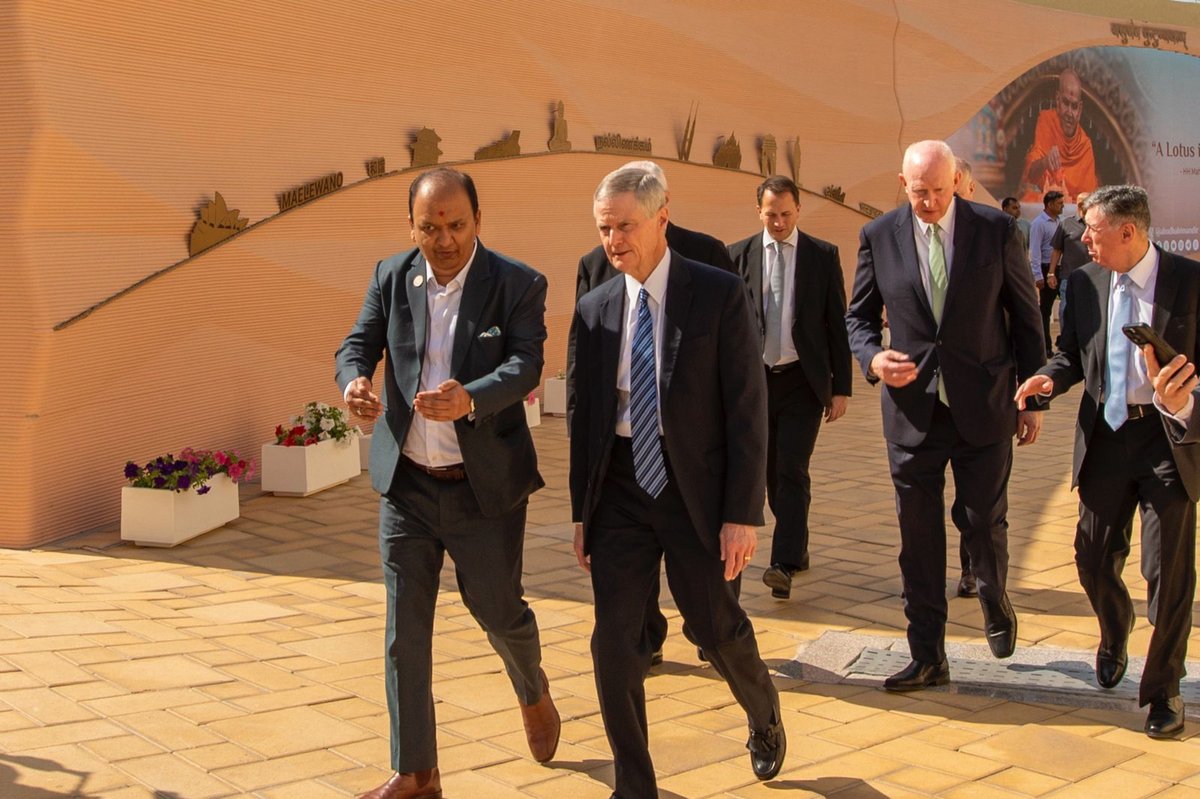
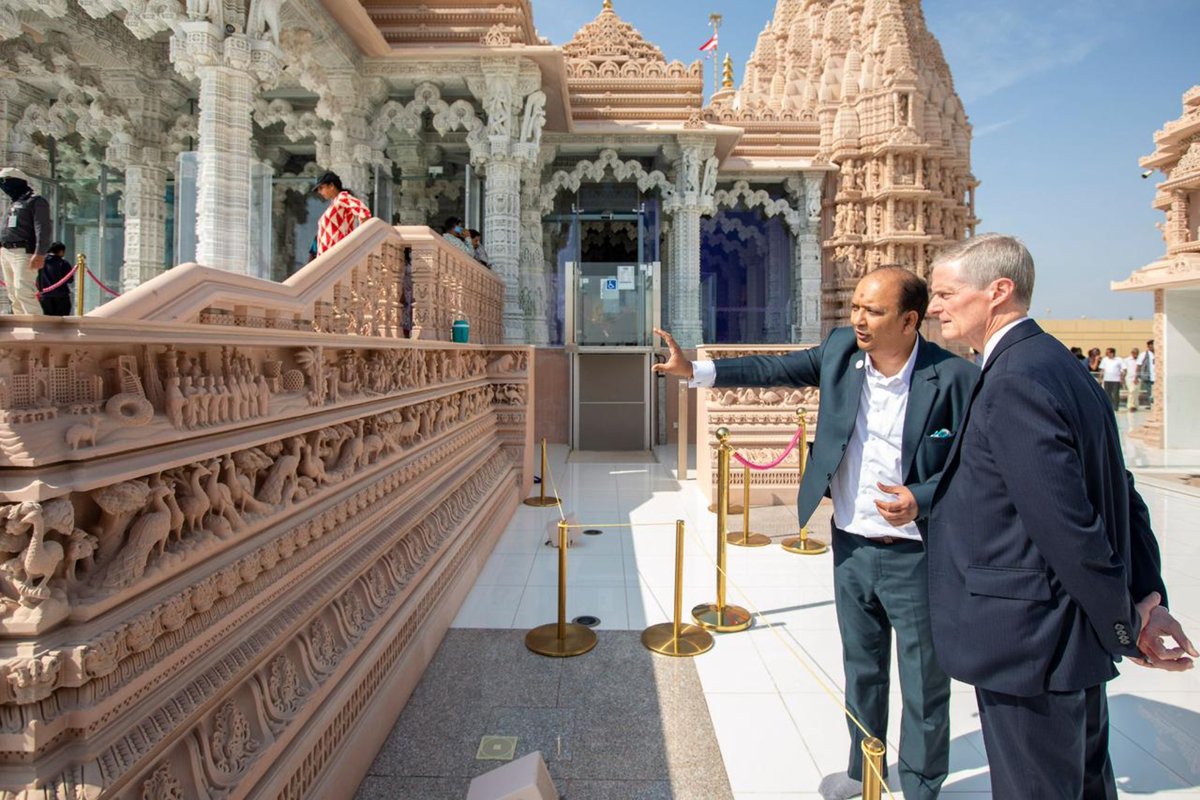
Elder David A. Bednar (@BednarDavidA) of the Quorum of the Twelve Apostles visited the BAPS Hindu Mandir in Abu Dhabi, United Arab Emirates (UAE), in mid-November 2025. He met with His Holiness Brahmavihari Swamiji, head of the BAPS Hindu Mandir Abu Dhabi.
“It is inspiring to see how faith can bring people together,” said Pranav Desai, Director of the BAPS Hindu Mandir Abu Dhabi. “We value our friendship with The Church of Jesus Christ of Latter-day Saints — here in Abu Dhabi and around the world.”
Read more on Newsroom about the visit.
news-middleeast.churchofjesu…
11
51
803
16,187
Alan Clemmons retweeted

9 Nov 2025
The movement when you want to get rid of your talkative friend 😂😂😂
Community note
this is an AI generated video, here is the report: x.com/Ai_or_Not/stat…
aiornot.com/blog/openai-so…
843
5,092
43,490
5,107,397
Alan Clemmons retweeted

9 Nov 2025
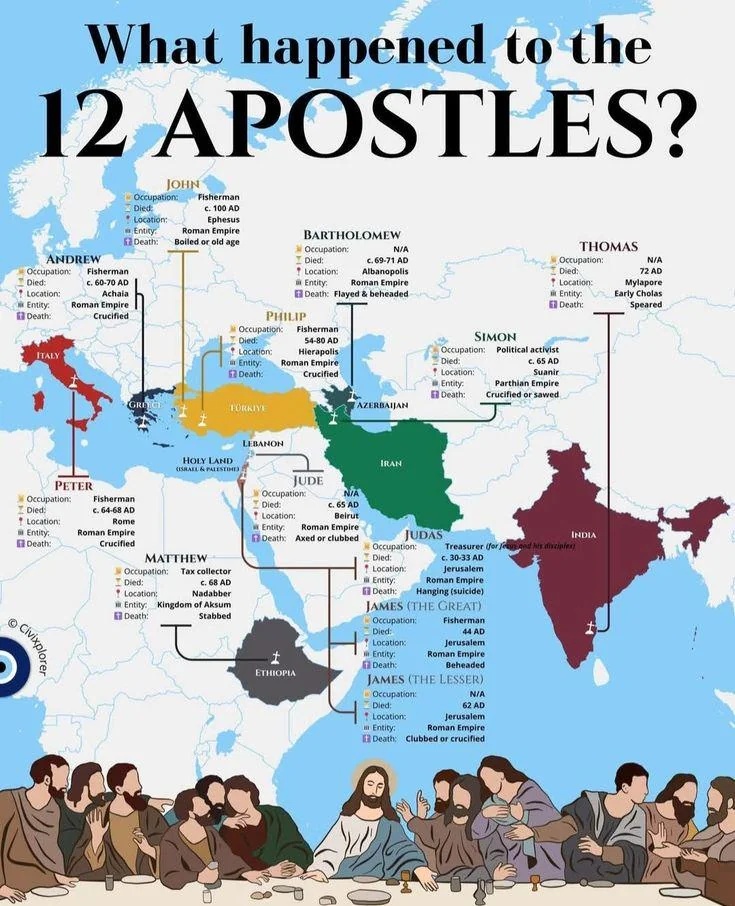
Map of What happened to the 12 Apostles?
89
785
4,481
366,762
Alan Clemmons retweeted
22 Oct 2025
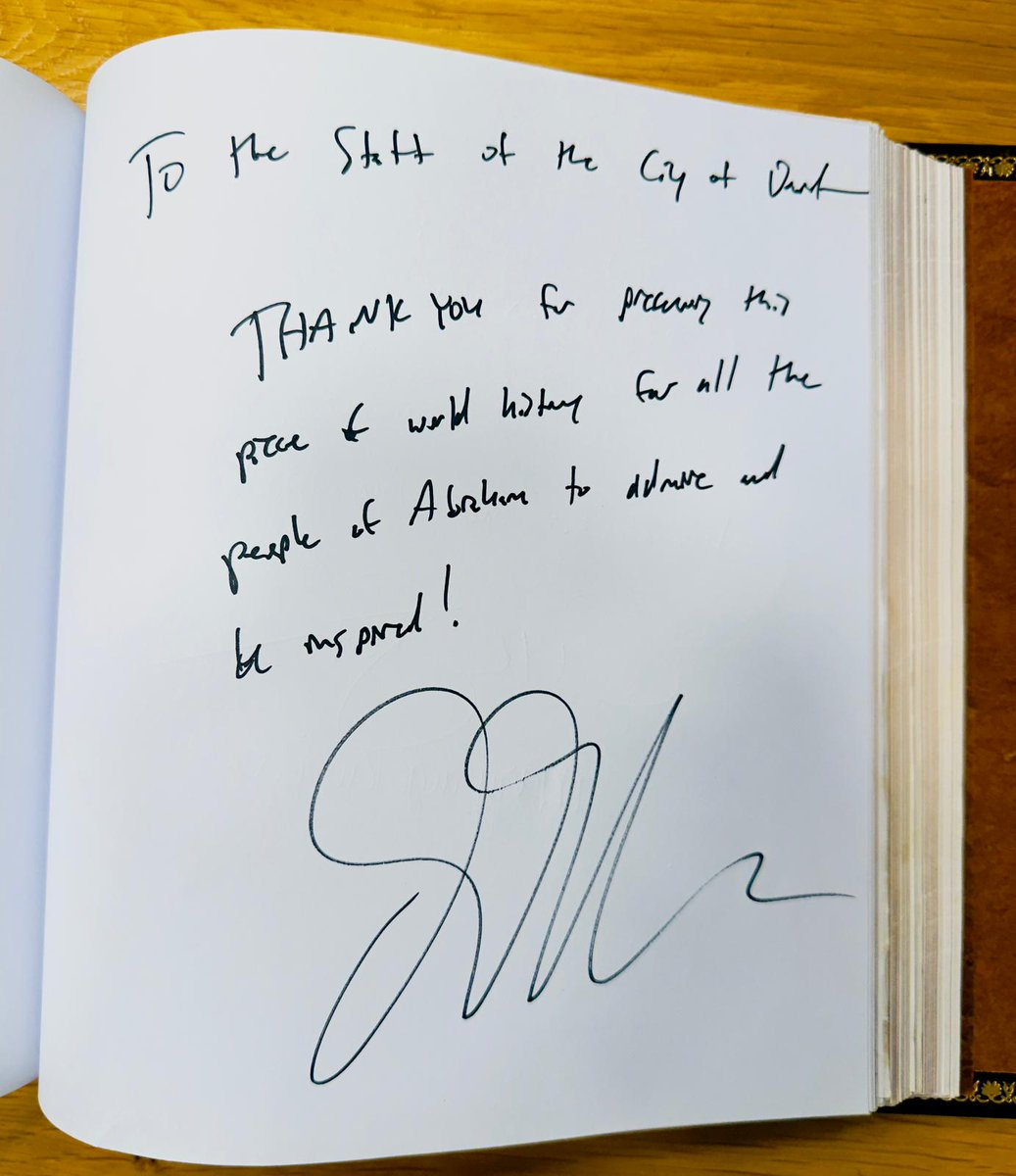
US Vice President J.D. Vance visited the City of David and signed the guestbook, saying: "Thank you for preserving this place of world history for all the children of Abraham to admire and be inspired."
29
71
580
92,091
Alan Clemmons retweeted

29 Sep 2025
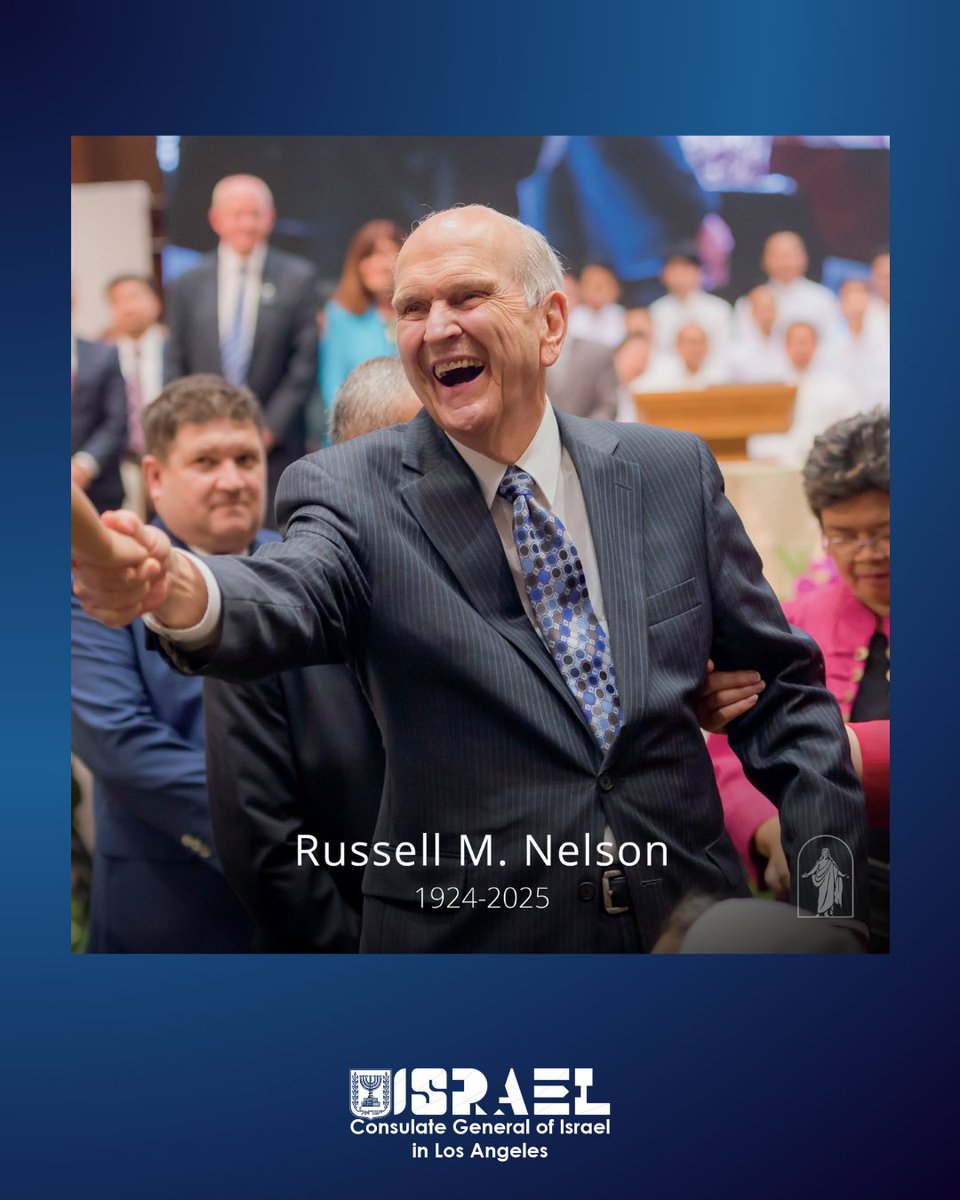
The State of Israel offers our deepest condolences to the members of the Church of Jesus Christ of Latter-day Saints on the loss of President Russell M. Nelson @NelsonRussellM.
In this time of great division, President Nelson encouraged all believers to be peacemakers and showed this through his work with interfaith leaders throughout his 40-year ministry. We take pride in Jerusalem being President Nelson’s first stop during his global tour in 2018. A friend of Israel and people of faith everywhere, may his memory be a blessing to Latter-day Saints throughout the world.
@Israel @IsraelMFA
4
11
50
5,729
Alan Clemmons retweeted

14 Aug 2025
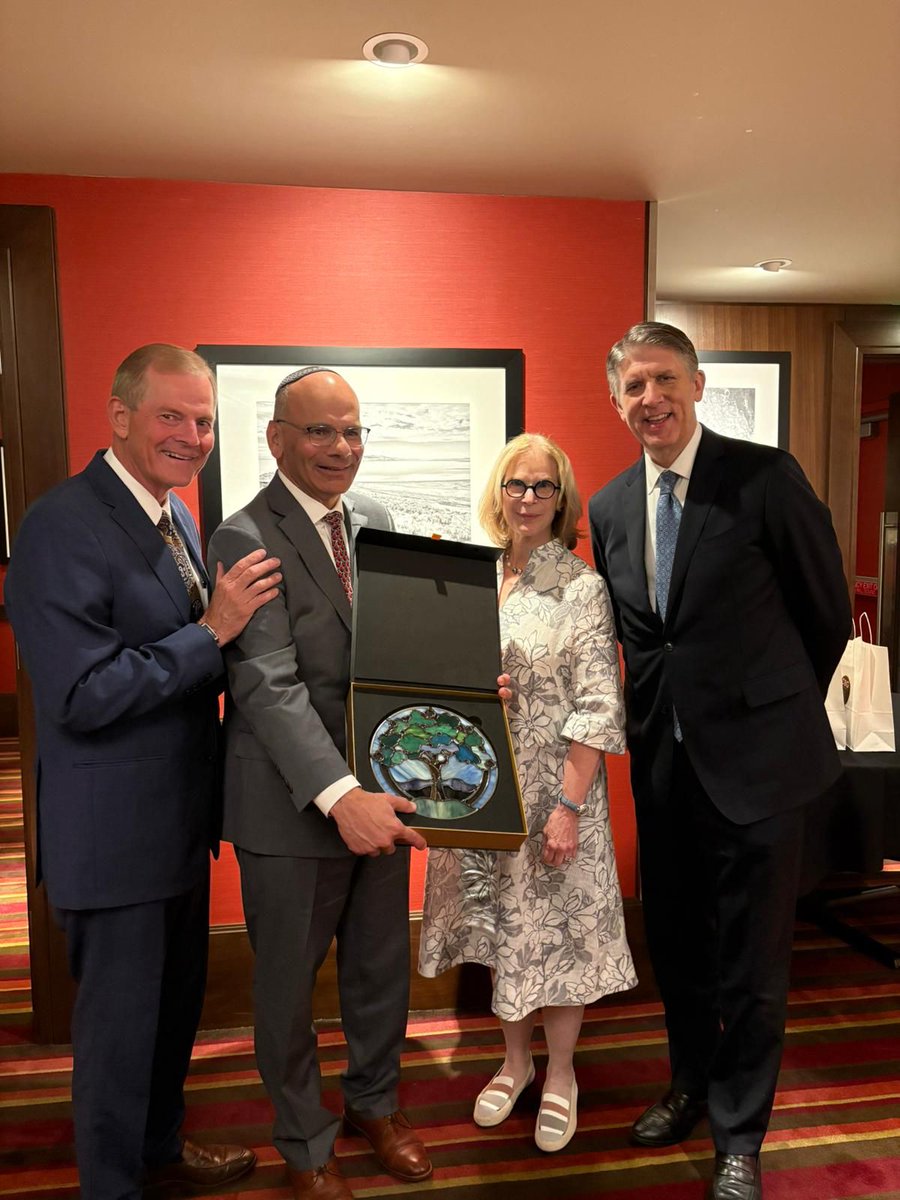
AJC’s national leadership mission to the @LDSChurch in Salt Lake City met this week with Elder Gary E. Stevenson of the Quorum of the Twelve Apostles and General Authority Seventy Elder Matthew S. Holland.
These periodic AJC engagements with the highest levels of the Church foster mutual understanding, affirm mutual commitments to bilateral cooperation, and offer opportunities to strategize in combating antisemitism and all forms of hate.
1
4
14
1,257
Alan Clemmons retweeted

8 Aug 2025
An 8-year-old girl and her mom were driving when they witnessed bikers crash. The mom, a nurse, rushed to help treat the injured. A year later, the girl set up a lemonade stand... This was the bikers' way of saying thank you
47
170
1,940
102,501
Alan Clemmons retweeted
30 Jun 2025
BREAKING 🔴🔴
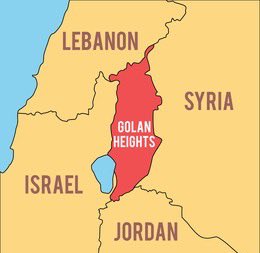
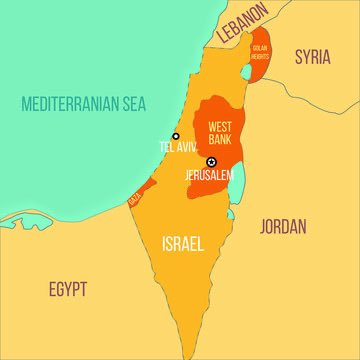
The Times of Israel: Syria is no longer demanding the Golan Heights in a possible agreement with Israel.
Instead, Damascus is seeking:
▪️ Israeli recognition of Syria’s new government
▪️ IDF withdrawal from southern Syrian territory seized since January
▪️ Security guarantees along the border
▪️ Support from the United States for the deal
30 Jun 2025

WATCH: Israel is seeking normalization with Syria and Lebanon, according to Foreign Minister Gideon Sa’ar, as reported by i24NEWS. He noted that any agreement would include Syrian recognition of the Golan Heights as part of Israel.
321
1,151
7,430
1,112,593