
Open Science. Stats. (Board) games. Cargo bikes. Editor at Meta-Psychology.
Joined May 2015
- Tweets 9,506
- Following 812
- Followers 2,106
- Likes 8,448
397 Photos and videos






Pinned Tweet

22 May 2024
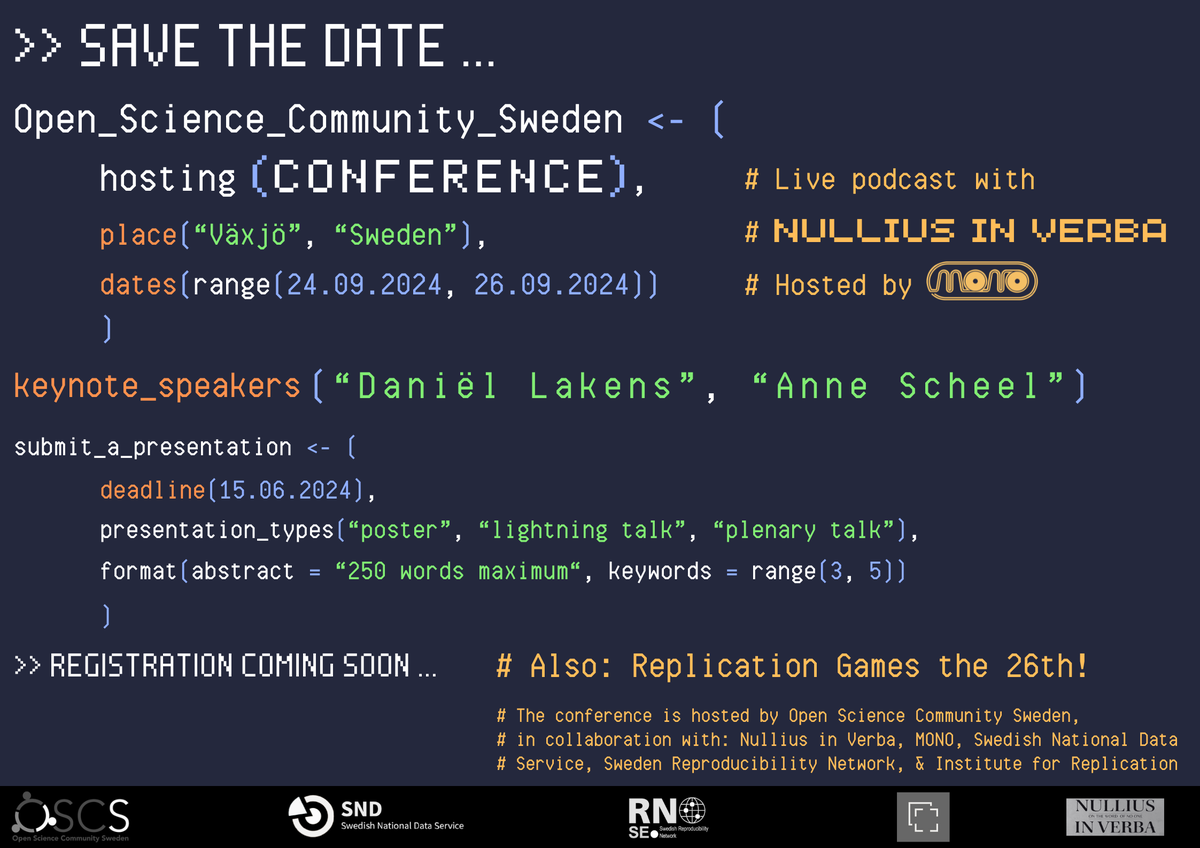
Join our conference on Open Science and Reproducibility. Keynote by @lakens and @annemscheel, with @nulliusverbapod live on stage at the record shop / “folkölscafé” (bar) Mono. Does the fake code make you cringe? Then you will love the replication games! URL below.
1
30
61
24,169
Rickard Carlsson retweeted

19 Mar 2025
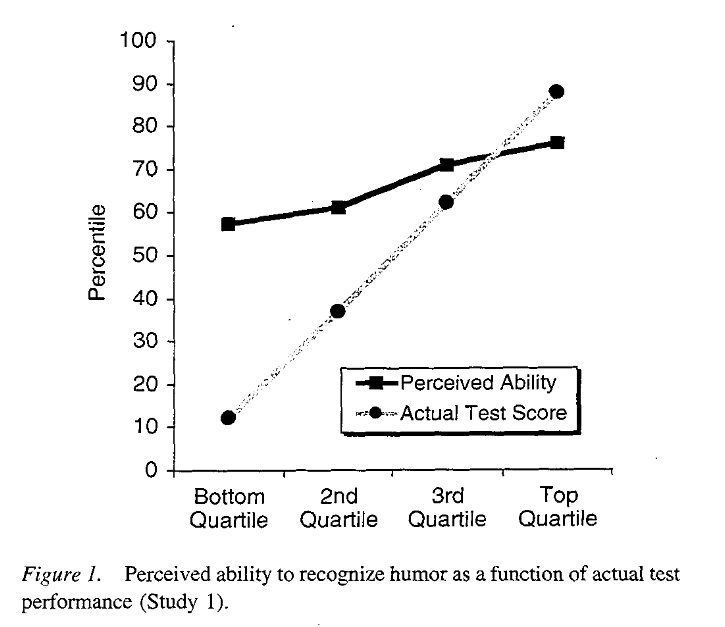
The Dunning-Kruger Effect is one of the most famous psychology findings. It's the idea that people of low competence/ability overestimate their ability. But is it REAL? At Clearer Thinking, we investigated (with surprising twists and turns): 🧵
14
44
306
44,075
Rickard Carlsson retweeted

18 Mar 2025
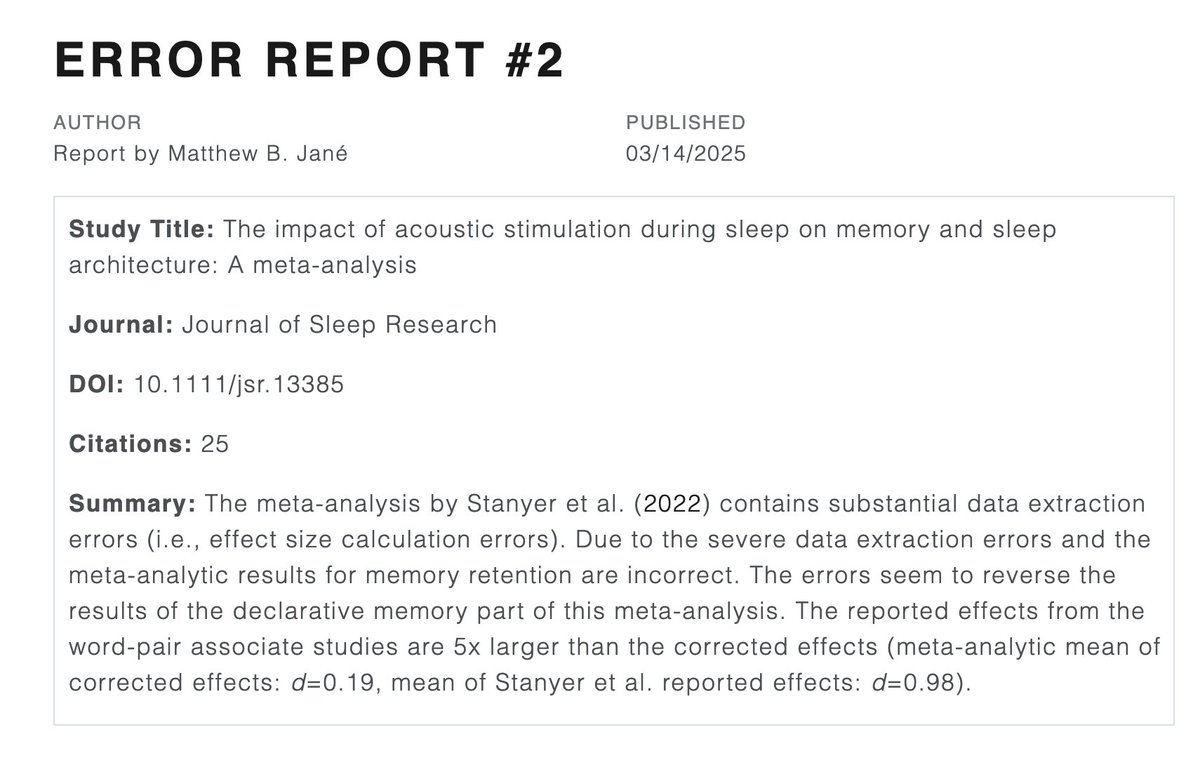
Error Report #2: matthewbjane.quarto.pub/meta…
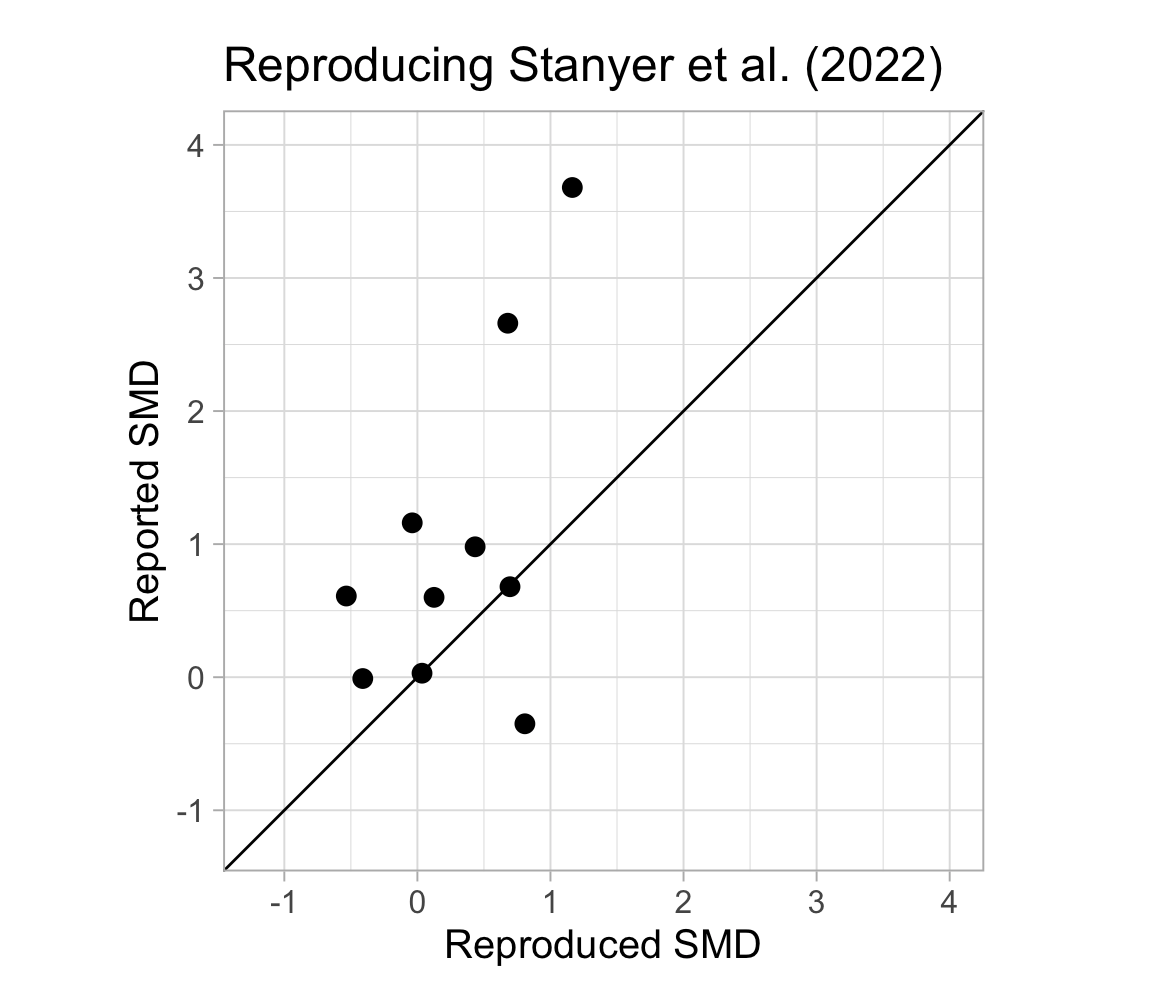
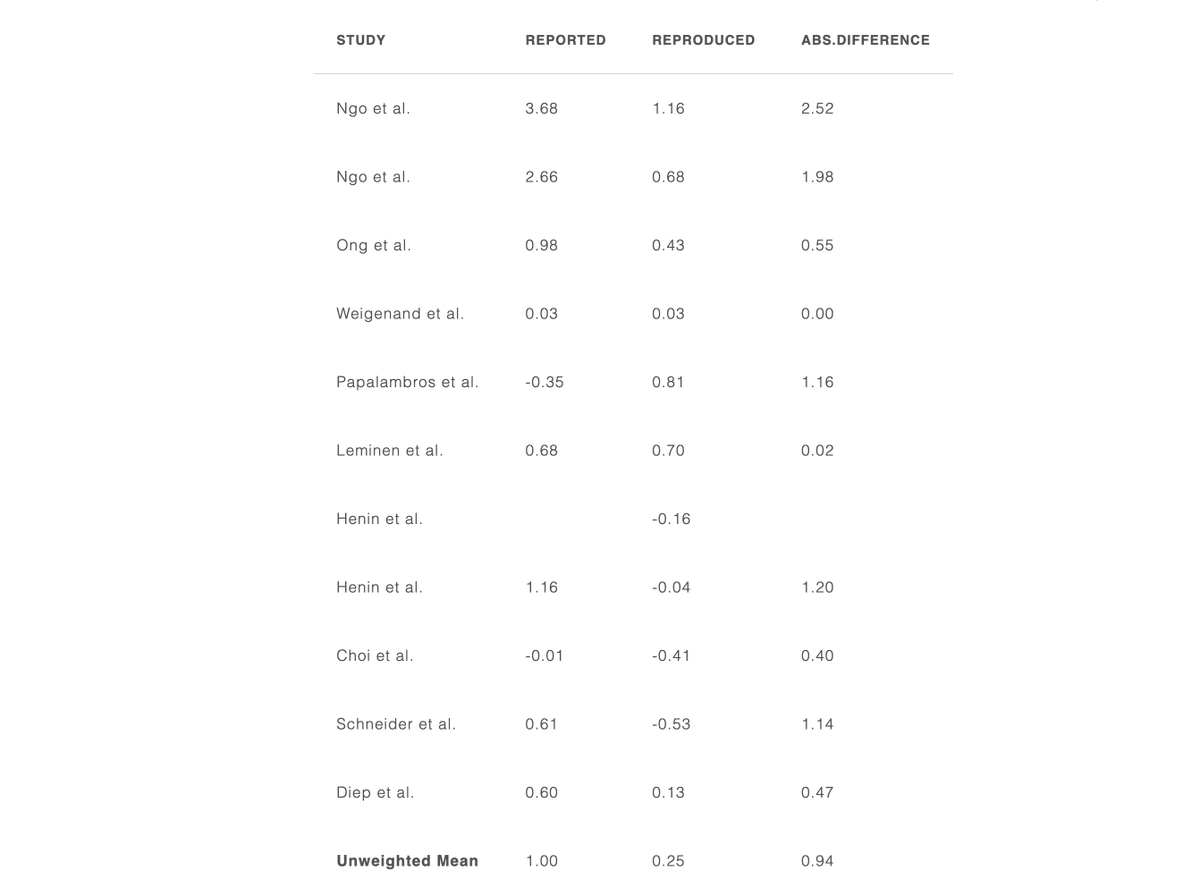
The meta-analysis by Stanyer et al. (2022) contains substantial data extraction errors (i.e., effect size calculation errors). Due to the severe data extraction errors and the meta-analytic results for memory retention scores are incorrect and hyper-inflated. The reported effects from the word-pair associate outcomes are 5x larger than the corrected effects (meta-analytic mean of corrected effects: d=0.19, mean of Stanyer et al. reported effects: d=0.98).
1
11
50
11,392
Rickard Carlsson retweeted

18 Mar 2025
New comment in NHB by Farid Anvari, me and friends arguing that psychology is fragmented into the study of too many constructs and measures with too few links.
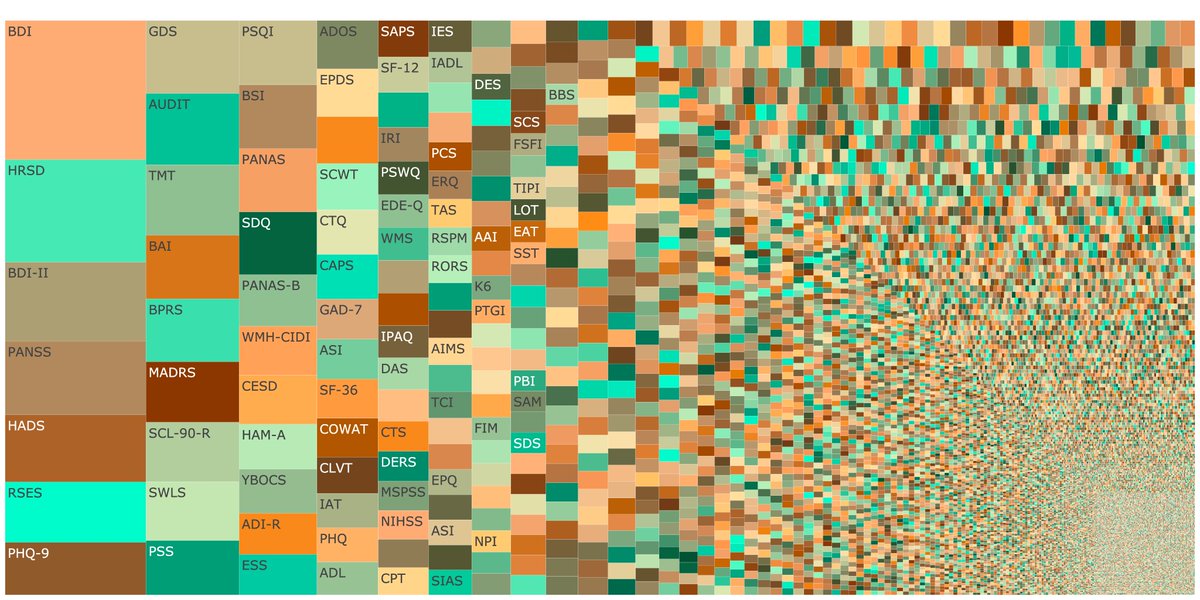
ALT Treemap chart showing how psychology is fragmented into the study of many rarely reused measures and constructs
5
29
147
11,801
Rickard Carlsson retweeted

16 Mar 2025
Very good start of the new Metaror journal as the public peer reviews are as critical of @jamesheathers recent claim that 1 in 7 papers are fraud as I want my peer metascientists to be of such badly supported bold claims. Read the reviews here: metaror.org/kotahi/articles/…
1
9
21
2,402
Rickard Carlsson retweeted

26 Feb 2025
My commentary on Isager, van ‘t Veer, and Lakens’ “Replication value as a function of citation impact and sample size” is now accepted at Meta-Psychology.
CC: @lakens @peder_isager
Preprint: osf.io/preprints/metaarxiv/8…
1
2
9
1,512
22 Feb 2025
Hattie’s Visible Learning is a good start!
21 Feb 2025

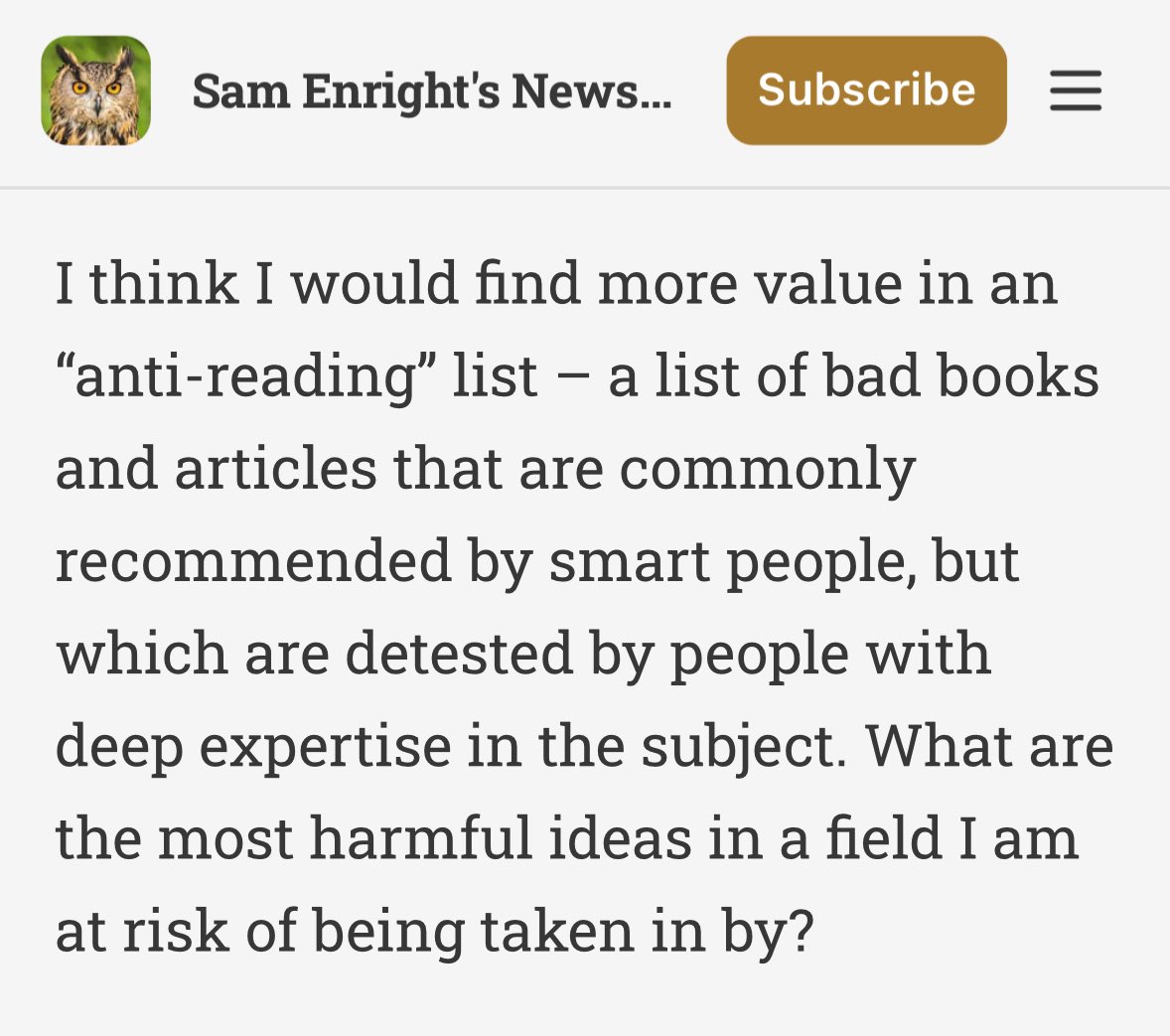
Fun question from @Sam__Enright:
What’s the “anti-reading list” in your field of expertise?
1
1
665
Rickard Carlsson retweeted
29 Jan 2025
We love to share new papers on here. But how many of the studies that scientists preregister on the Open Science Framework are never shared publicly? In a new paper in AMPPS we estimate 40% of preregistered studies are never shared. That’s a lot.
🧵⤵️
journals.sagepub.com/doi/10.…
2
25
78
10,153
Rickard Carlsson retweeted
20 Jan 2025
You can read the whole report and the two others here:
error.reviews/reviews/hehman…
1
4
20
38,465
Rickard Carlsson retweeted
20 Jan 2025
This year, we have posted three @error_reviews. Our post-publication peer reviews examined three high-impact publications and found, respectively, minor, moderate errors and a major error.
3
7
47
5,203
Rickard Carlsson retweeted

17 Dec 2024
New paper in Collabra :)
doi.org/10.1525/collabra.126…
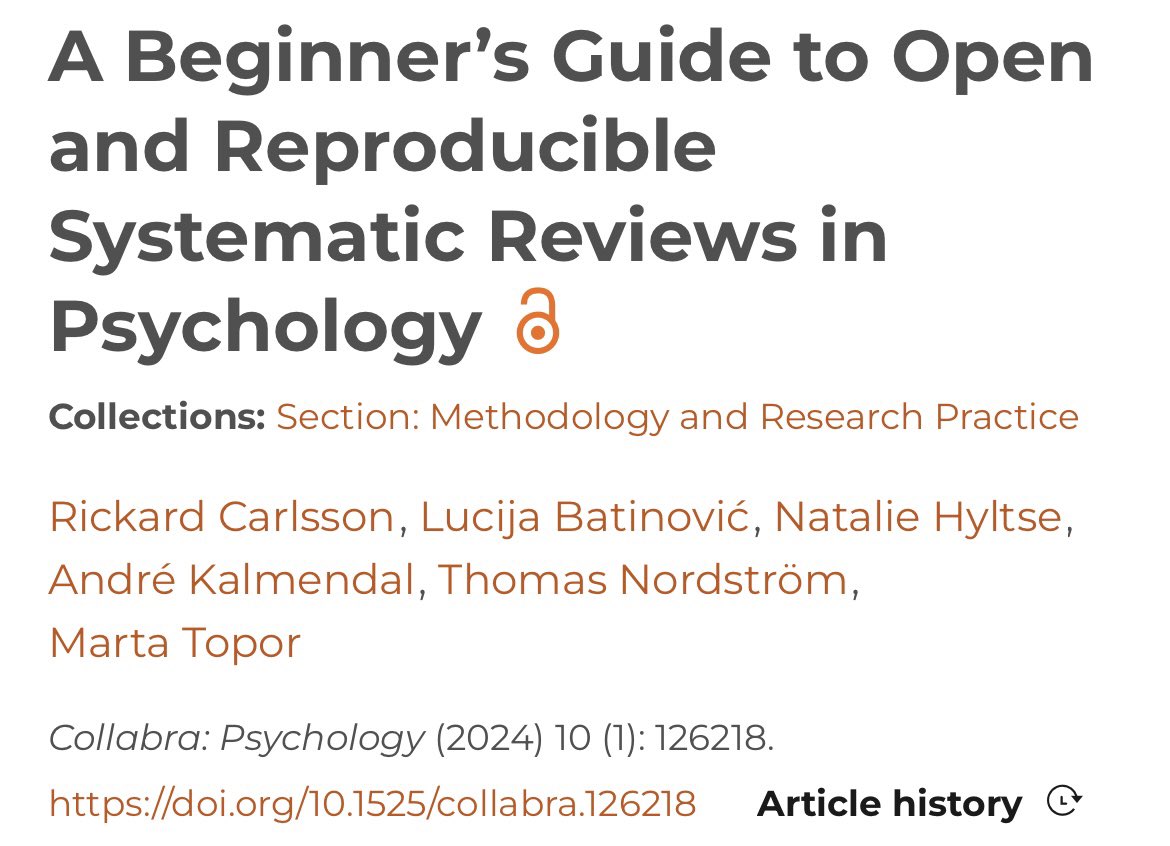
ALT A Beginner’s Guide to Open and Reproducible Systematic Reviews in Psychology Collections: Section: Methodology and Research Practice Rickard Carlsson, Lucija Batinović, Natalie Hyltse, André Kalmendal, Thomas Nordström, Marta Topor Collabra: Psychology (2024) 10 (1): 126218. https://doi.org/10.1525/collabra.126218
1
40
136
12,124
Rickard Carlsson retweeted
12 Dec 2024
finding out which repository is left as exercise for the readers

3
9
519
Rickard Carlsson retweeted

9 Dec 2024
Soon Wednesday, soon ReproducibiliTea and OSCoffee! 🥳
Journal club at 3:15pm and virtual coffee at 4pm CET! This week, we’re discussing the seminal article: Ioannidis (2005) “Why Most Published Research Findings Are False”
More info and sign up at:
onscienceandacademia.org/t/i…
3
6
923
2 Dec 2024
Sometimes I think that we have made progress in academia, but then I see posts like this. We have a long way to go.
29 Nov 2024

For those unfamiliar with academic practices, blind review is a cornerstone of scholarly integrity. It ensures that reviewers can objectively evaluate a paper without being influenced by the identity of its authors, maintaining the fairness and impartiality of the process.
By publicly posting their paper on social media while it was under consideration by a Canadian B-level journal, Trevor Tombe and Jennifer Winter crossed an important ethical line, one that many academics regard as sacrosanct. Such actions undermine the blind review process. Given the paper’s wide public availability, it is highly likely that current reviewers could now identify the authors, even if the journal itself does not explicitly prohibit such behaviour.
The timing of this campaign is particularly revealing. The paper was made public on the same day our second paper was published in a top-tier journal. This suggests an intentional effort to amplify their work and influence its acceptance by mobilizing like-minded academics—such as Andrew Leach and Kent Fellows—to promote it online.
Such behaviour is fundamentally unethical. It compromises the integrity of the peer-review process and blurs the line between scholarship and propaganda. Canadians deserve transparency in academic research, and they should know when these ethical boundaries are crossed. This isn’t just poor practice—it’s a violation of trust.
Community note
It is common for economics articles to first be shown as working papers. SSRN, online since 1994, hosts 1.4M papers, with 207,200 added in the last year.
papers.ssrn.com/sol3/DisplayAb…
WP are often published later, like this one by Charlebois and al., posted in March, then officially published in April.
papers.ssrn.com/sol3/papers.cf…
mdpi.com/2304-8158/13/9…
1
3
27
2,218
Rickard Carlsson retweeted
24 Nov 2024
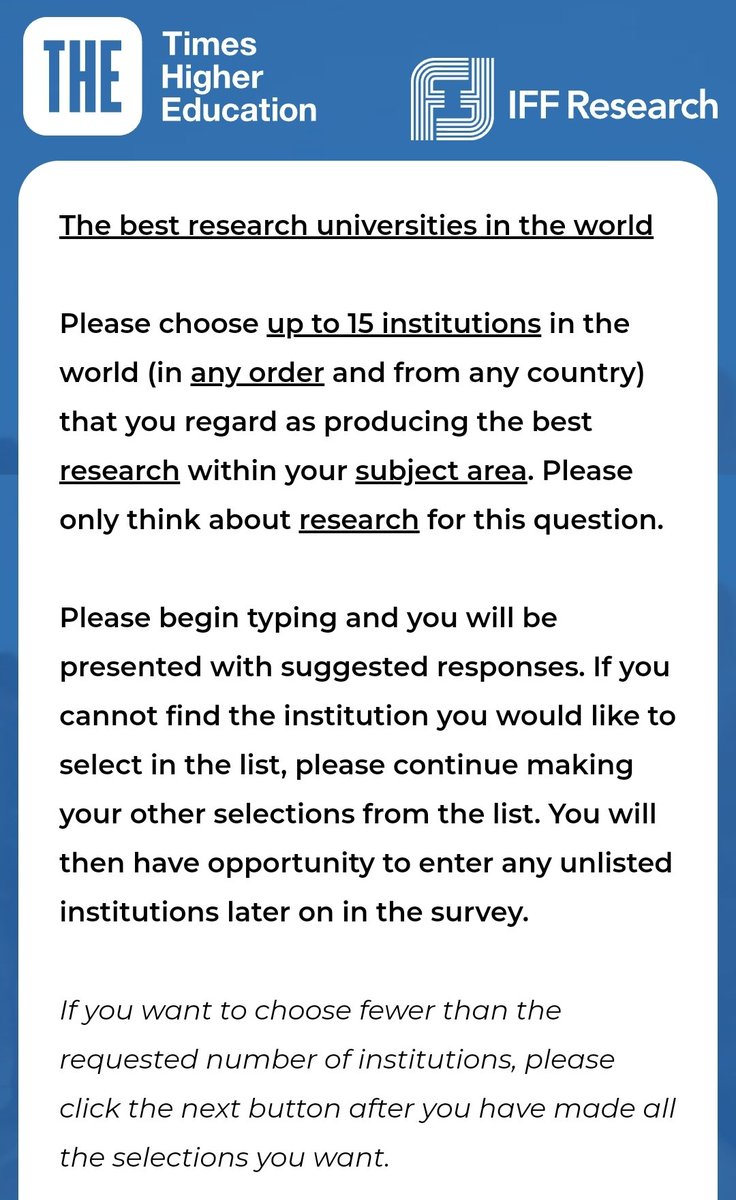
The Times Higher Education ranking is based in part on the completely invalid measurements collected from an unrepresentative sample as the questions below.
Institutions should completely ignore it. We do not accept crap research into journals, we should not accept it in policy.
3
8
53
5,555
Rickard Carlsson retweeted
21 Nov 2024
Obituary of James Coyne, @CoyneoftheRealm.
legacy.com/us/obituaries/the…
7
13
3,306
Rickard Carlsson retweeted

16 Nov 2024
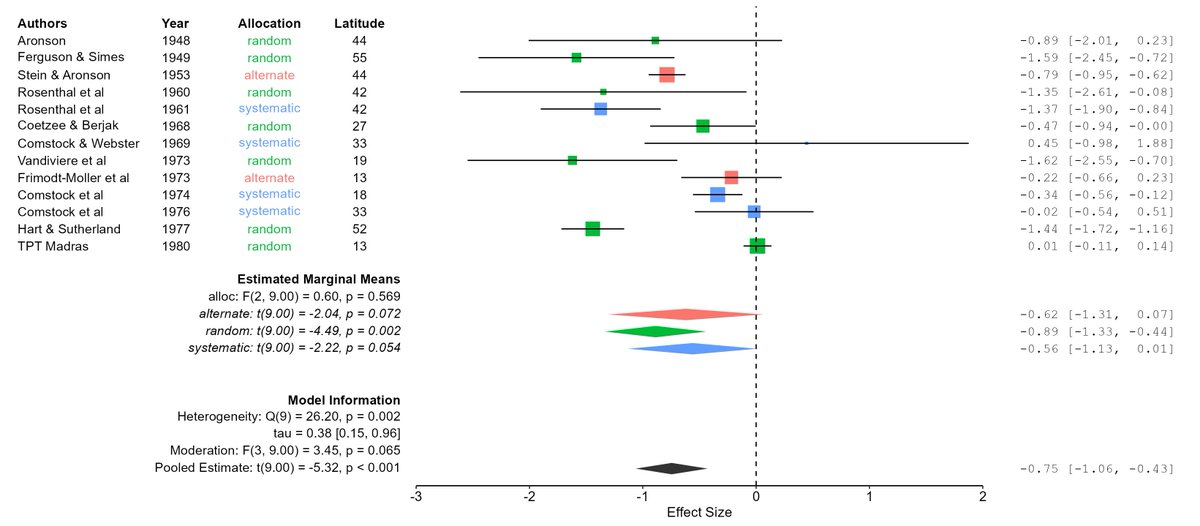
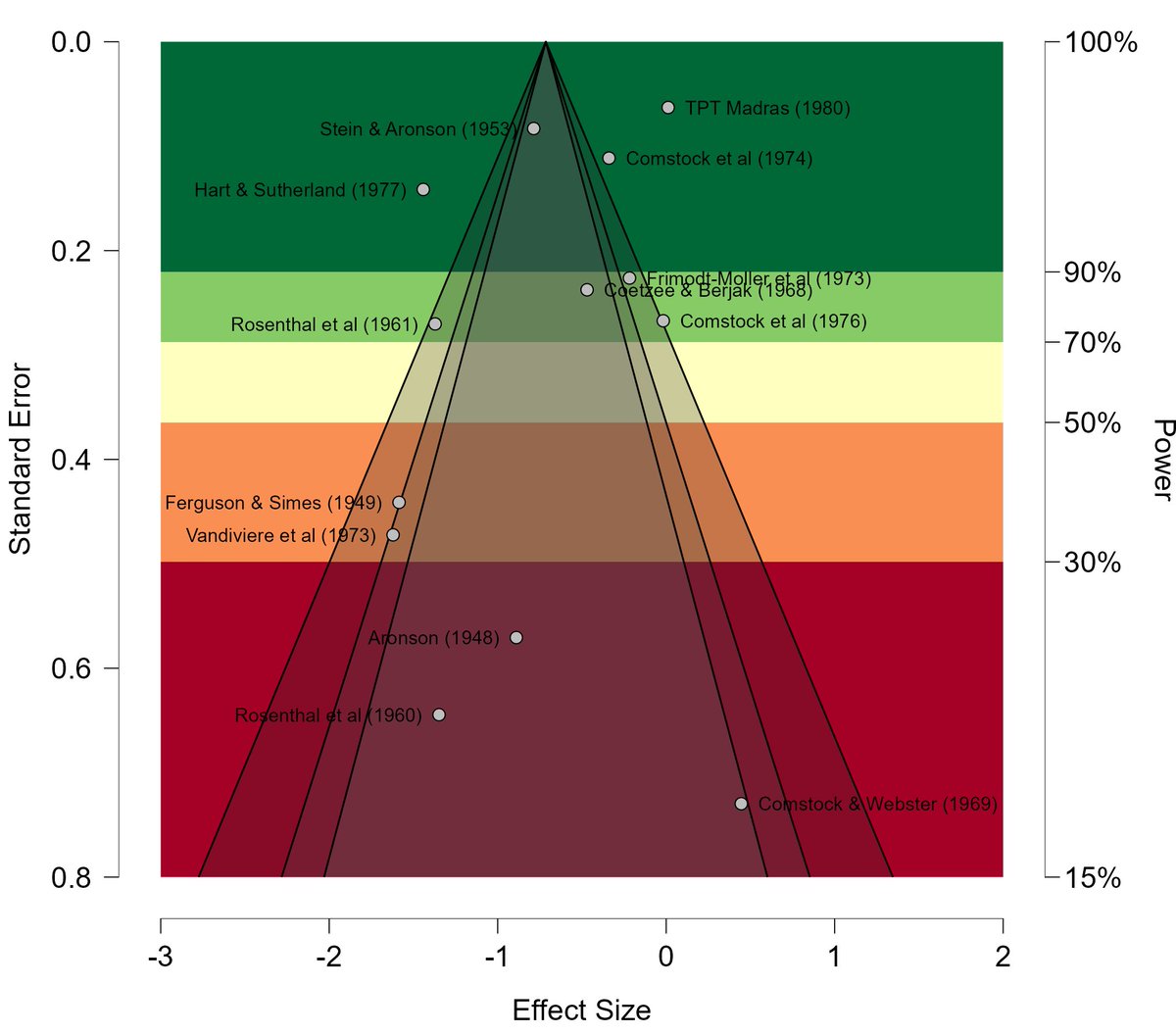
We are in the final phases of preparing a new update of @JASPStats. I'm creating examples for the completely revamped Meta-Analysis module - check out how stunning forest and funnel plots can be created with only a couple of mouse clicks!
#metaanalysis
1
19
70
6,982
Rickard Carlsson retweeted

16 Nov 2024
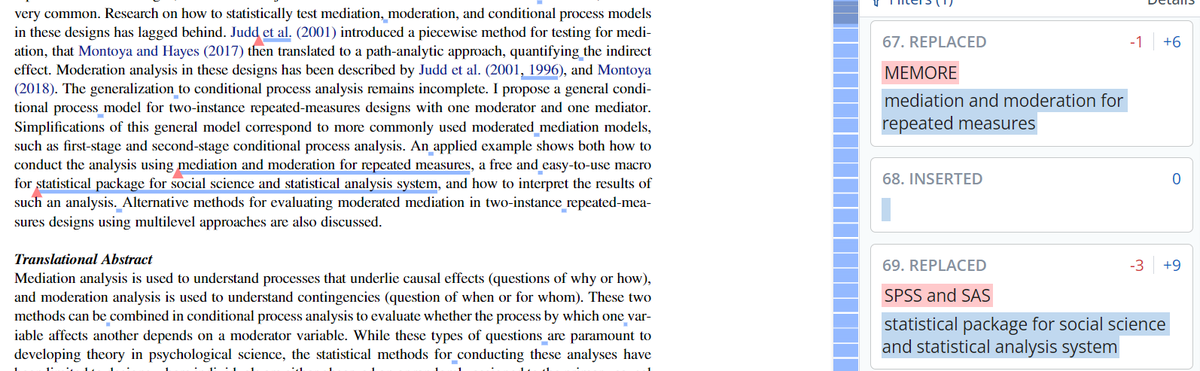
This is absurd @APA, the copyediting process should not be hard and it should not take hours out of my day to change things back to how they were. No on in their right mind unabbreviates SPSS and SAS: "statistical package for social science and statistical analysis system"
9
3
66
8,118
Rickard Carlsson retweeted
13 Nov 2024
To all who joined, thank you for a great introductory session of ReproducibiliTea and Open Science Coffee! ☕️
📣 We are still open for more to join! 📣
Sign up for the bi-weekly journal club or just the Open Science Coffee here: onscienceandacademia.org/t/i…
6
6
573
8 Nov 2024
Congratulations! We all know that the shitpost breakthrough was this seminal article open.lnu.se/index.php/metaps… @Meta_Psy
8 Nov 2024

Never let it be said that you cannot shitpost your way to tenure.
I am very happy to say that I will start a new position as Senior Lecturer here at the University of Bern in the new year.
3
395
Rickard Carlsson retweeted

8 Nov 2024
Never let it be said that you cannot shitpost your way to tenure.
I am very happy to say that I will start a new position as Senior Lecturer here at the University of Bern in the new year.
8
5
61
3,772