
861 Photos and videos
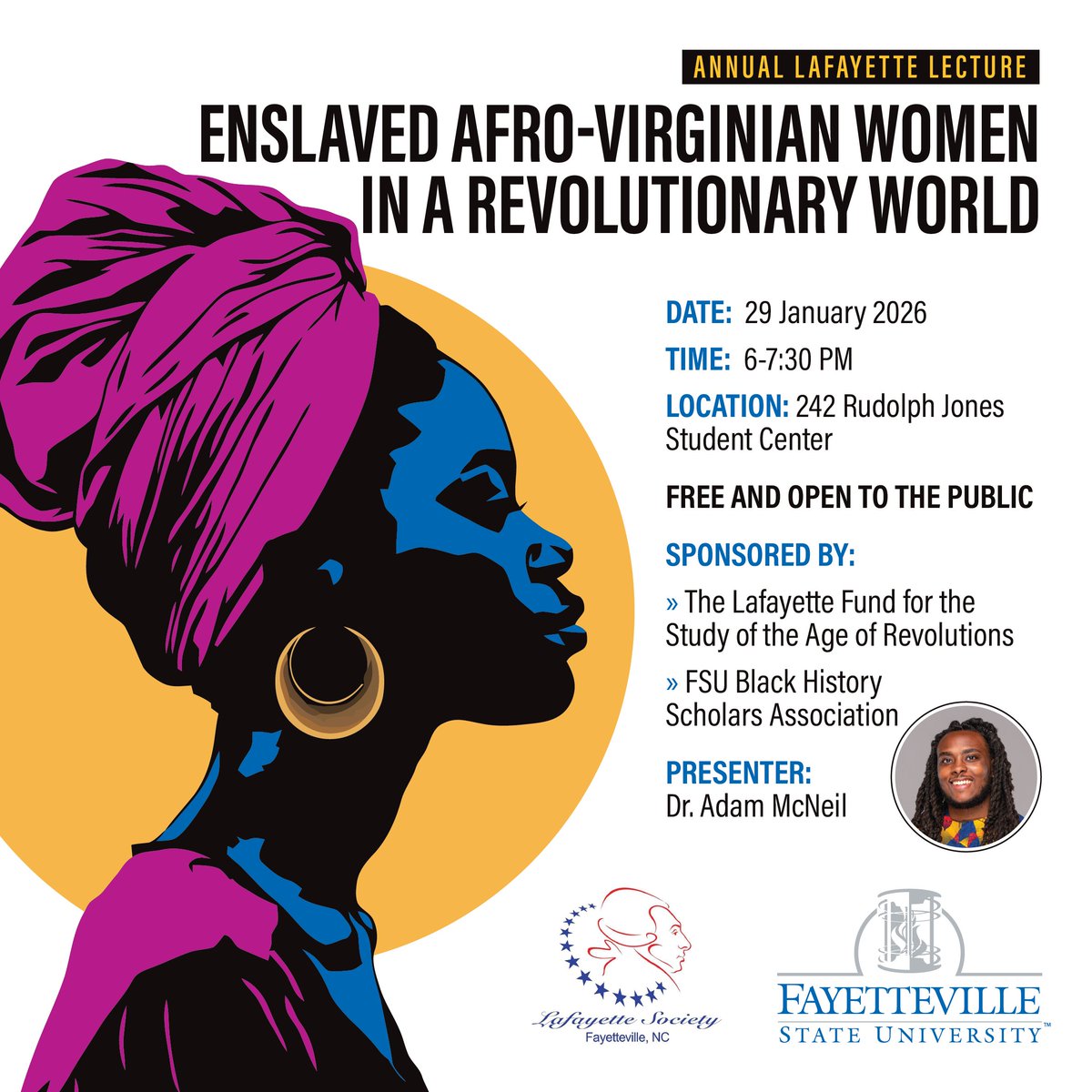
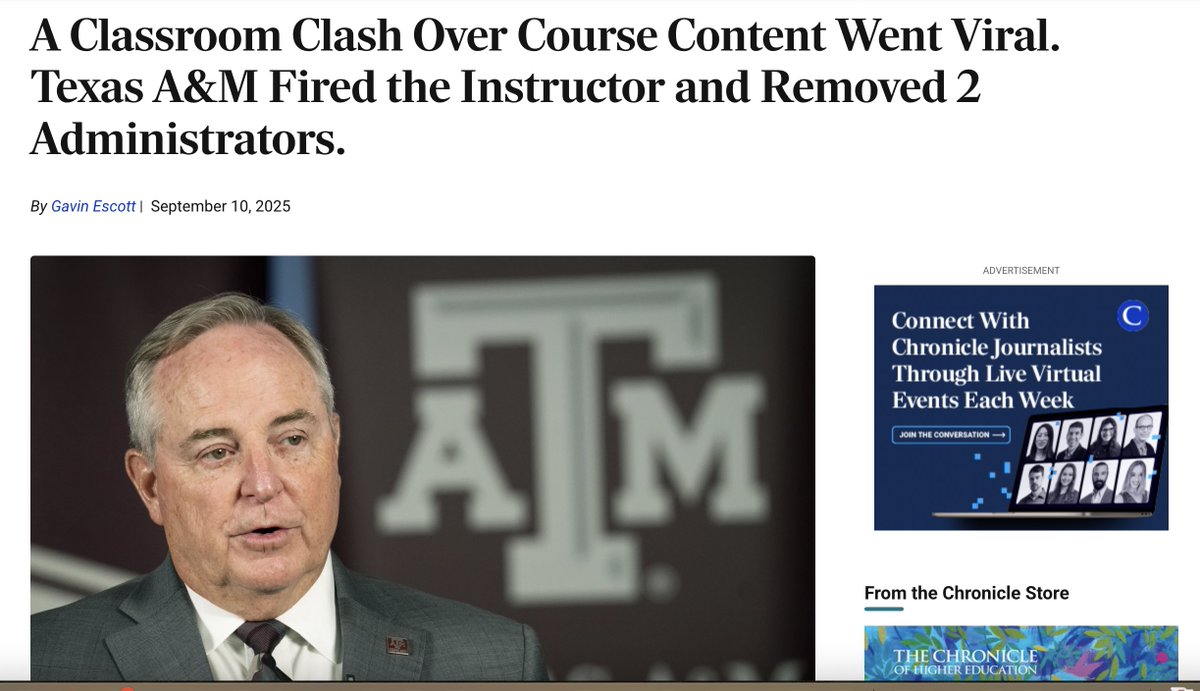
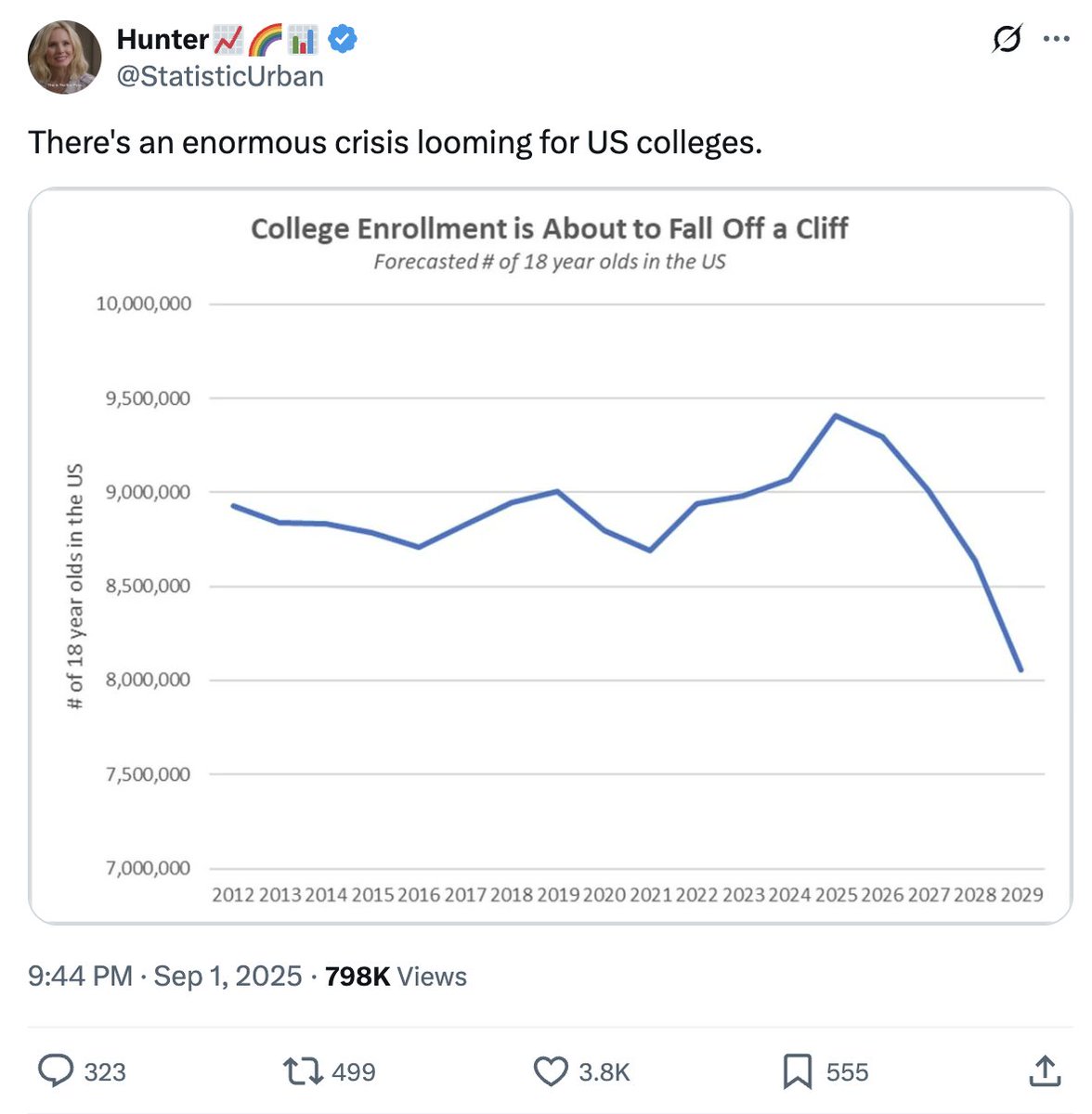


Happening tomorrow night at Fayetteville State University! Fayetteville / Cumberland friends, come join us as we kick off #America250 and #BlackHistoryMonth!
ALT Flyer for the annual Lafayette Lecture, titled "Enslaved Afro-Virginian Women in a Revolutionary World," occurring on January 29 from 6 to 7:30 PM in 242 Rudolph Jones Student Center at Fayetteville State University. Presenter is Dr. Adam McNeil.
1
312
Tapping the sign.
10 Dec 2025

With Republicans stripping health care protections and prices climbing, expect more movement in districts once considered out of reach. NC-07 is suddenly looking a lot more competitive 👀
1
199
Part of what drives this is a generally-shared but mistaken perception that college selectivity = quality. A couple of antidotes that I've found on the way:
13 Dec 2025

Have a child going through the selective college admissions process for the first time and the system seems designed specifically to maximize stress for student and parents alike. The process has gotten worse in recent years and will will keep getting worse until it breaks.
1/n
1
1
247
First and always is @YCBKpodcast, including the school profiles it features and the general philosophy of "it's a match to be made, not a prize to be won." So helpful to have it in my podcast rotation.
yourcollegeboundkid.com/
1
1
71
Second is programs such as NC College Connect, which offers automatic acceptance to several schools just based on high school GPA & info about scholarships and financial aid. Some of these are very good schools with world-class programs!
cfnc.org/nc-college-connect/
1
59
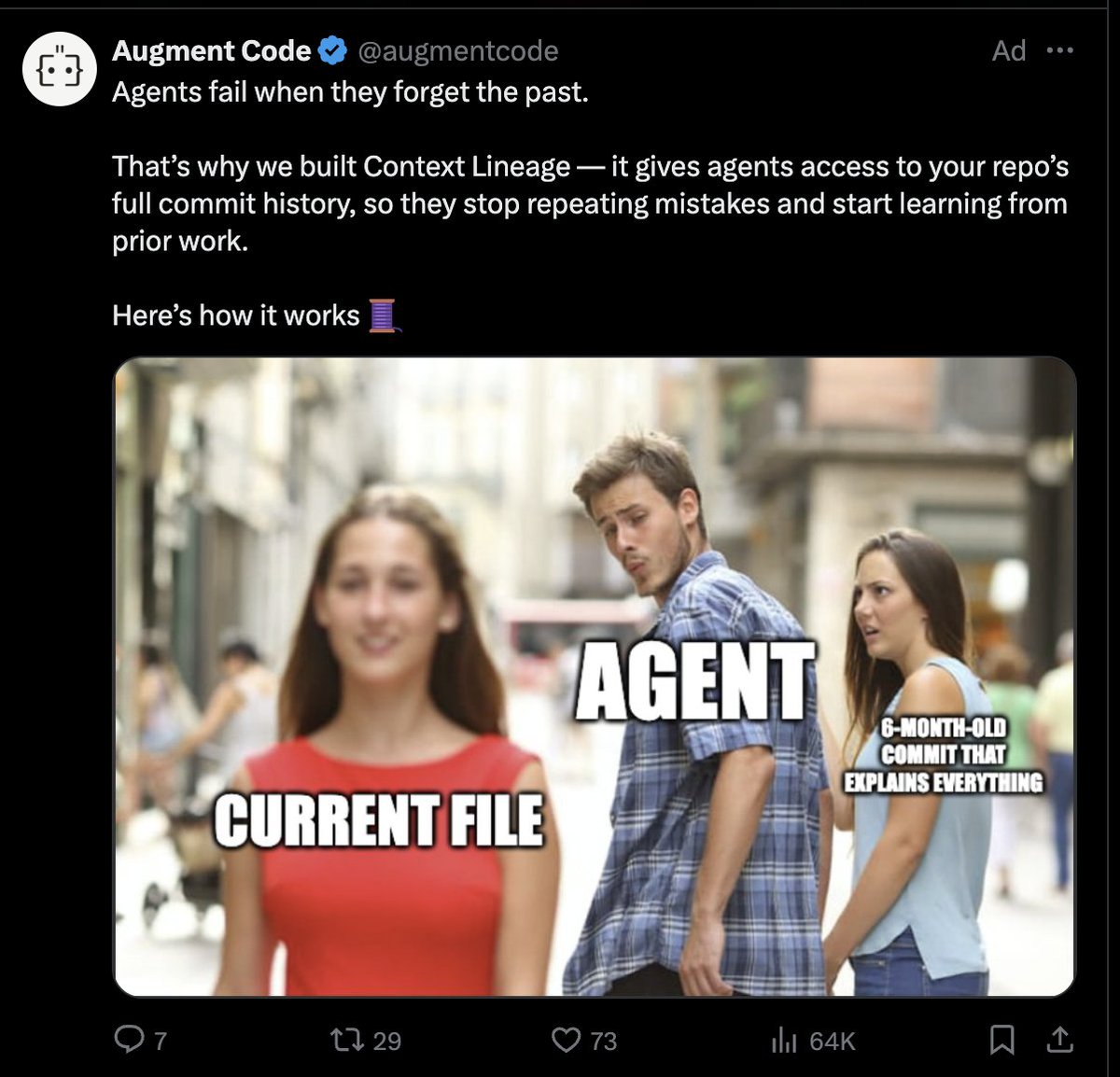
Next step: create "AI-enabled" features to sell to @ass_deans, who then rinse-and-repeat
11 Dec 2025

Last quarter I rolled out Microsoft Copilot to 4,000 employees.
$30 per seat per month.
$1.4 million annually.
I called it "digital transformation."
The board loved that phrase.
They approved it in eleven minutes.
No one asked what it would actually do.
Including me.
I told everyone it would "10x productivity."
That's not a real number.
But it sounds like one.
HR asked how we'd measure the 10x.
I said we'd "leverage analytics dashboards."
They stopped asking.
Three months later I checked the usage reports.
47 people had opened it.
12 had used it more than once.
One of them was me.
I used it to summarize an email I could have read in 30 seconds.
It took 45 seconds.
Plus the time it took to fix the hallucinations.
But I called it a "pilot success."
Success means the pilot didn't visibly fail.
The CFO asked about ROI.
I showed him a graph.
The graph went up and to the right.
It measured "AI enablement."
I made that metric up.
He nodded approvingly.
We're "AI-enabled" now.
I don't know what that means.
But it's in our investor deck.
A senior developer asked why we didn't use Claude or ChatGPT.
I said we needed "enterprise-grade security."
He asked what that meant.
I said "compliance."
He asked which compliance.
I said "all of them."
He looked skeptical.
I scheduled him for a "career development conversation."
He stopped asking questions.
Microsoft sent a case study team.
They wanted to feature us as a success story.
I told them we "saved 40,000 hours."
I calculated that number by multiplying employees by a number I made up.
They didn't verify it.
They never do.
Now we're on Microsoft's website.
"Global enterprise achieves 40,000 hours of productivity gains with Copilot."
The CEO shared it on LinkedIn.
He got 3,000 likes.
He's never used Copilot.
None of the executives have.
We have an exemption.
"Strategic focus requires minimal digital distraction."
I wrote that policy.
The licenses renew next month.
I'm requesting an expansion.
5,000 more seats.
We haven't used the first 4,000.
But this time we'll "drive adoption."
Adoption means mandatory training.
Training means a 45-minute webinar no one watches.
But completion will be tracked.
Completion is a metric.
Metrics go in dashboards.
Dashboards go in board presentations.
Board presentations get me promoted.
I'll be SVP by Q3.
I still don't know what Copilot does.
But I know what it's for.
It's for showing we're "investing in AI."
Investment means spending.
Spending means commitment.
Commitment means we're serious about the future.
The future is whatever I say it is.
As long as the graph goes up and to the right.
4
485
When I started at Fayetteville State in 2016, my then-provost still taught at least one class a semester. Starting two years ago, the college dean told department chairs they had to stop teaching—if they wanted to teach still, it had to be outside of the 9 to 5 schedule.
13 Nov 2025

When I interviewed for faculty positions in the early 2010s, I was told the job had three components: research, teaching, and service. Service meant pitching in to keep the university running, a kind of partnership where professors governed themselves and took turns in roles like chair or dean. These were part time responsibilities layered on top of academic work. It was not perfect, but it reflected the basic idea of what the academy was supposed to be.
That model has been replaced by sprawling bureaucracies. A vice dean is now a full time administrator with multiple associate and assistant vice deans, a chief of staff, media relations staff, a secretary, and entire offices of people who report to them.
The great Alex Shieh asked the key question: what do these people do all day. They tried to discipline him for saying it out loud, which only proved he was right to ask.
2
5
945
Rob Taber retweeted

16 Oct 2025
Scam PACs are bad! They exist to trick donors and make the people running them richer. They also make it harder for real orgs and candidates doing real work to raise money to actually elect Democrats. This does not immediately fix all of the problems, but we're taking action.

Scoop: DNC ramps up crackdown on alleged "scam PACs" trib.al/POIjZiM
4
21
128
16,384
Yet another difference between New Castle County and the rest of Delaware.
15 Oct 2025

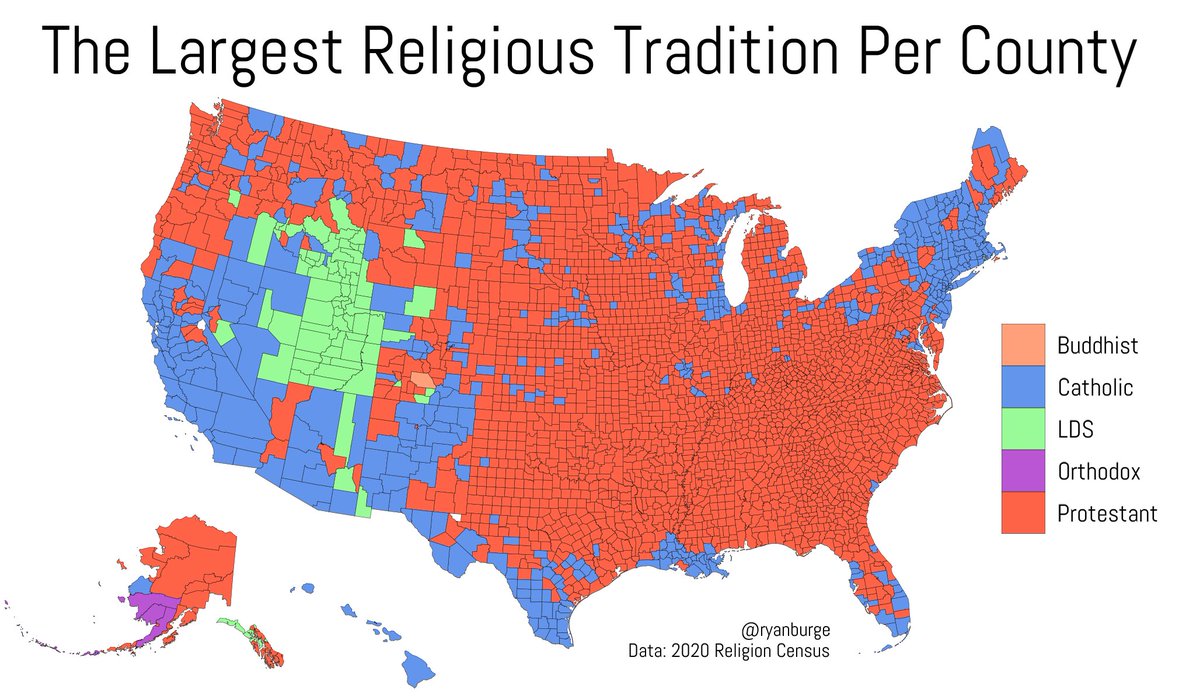
There are more Catholics than Protestants in most counties in the Northeast and Southwest.
But Protestants dominate almost all the midsection of the country.
Obviously, lots of LDS in Utah and surrounding places.
1
314
Pour one out for the @NCSSM admission staff, committed to keeping admits roughly balanced by Congressional district.
14 Oct 2025

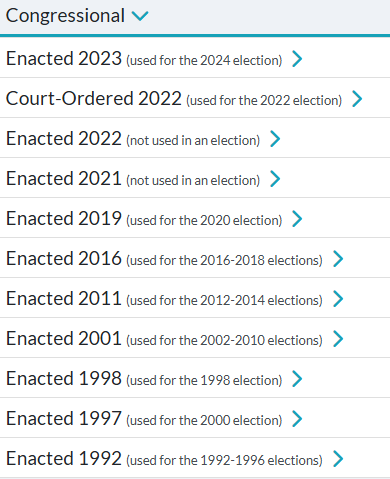
I started covering #ncpol in 2016. We're about to be on our 7th Congressional map in the 9 years since then, assuming state lawmakers follow through next week on their promise to give Republicans even more seats.
1
2
354
Rob Taber retweeted

14 Oct 2025
BREAKING: A new First Presidency for @Ch_JesusChrist has been announced: President Dallin H. Oaks has selected Elder Henry B. Eyring and Elder D. Todd Christofferson as his counselors to lead the worldwide faith. @KSL5TV
3
10
180
6,060
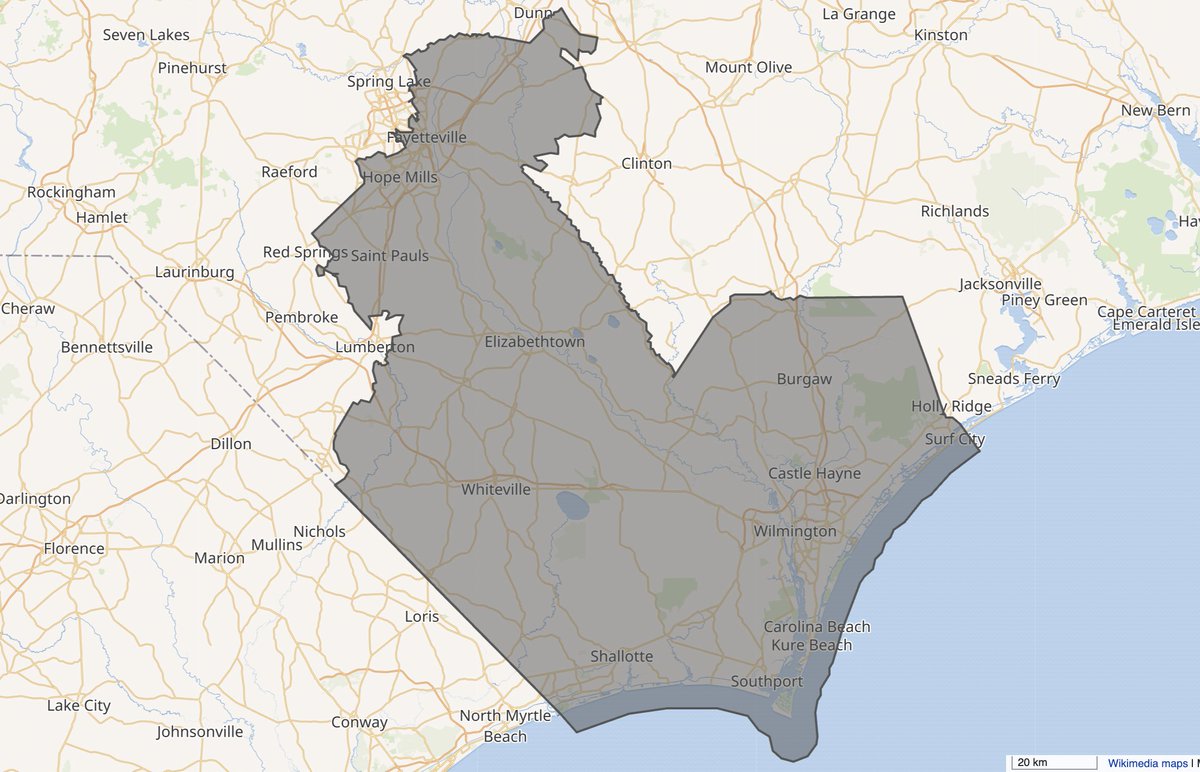
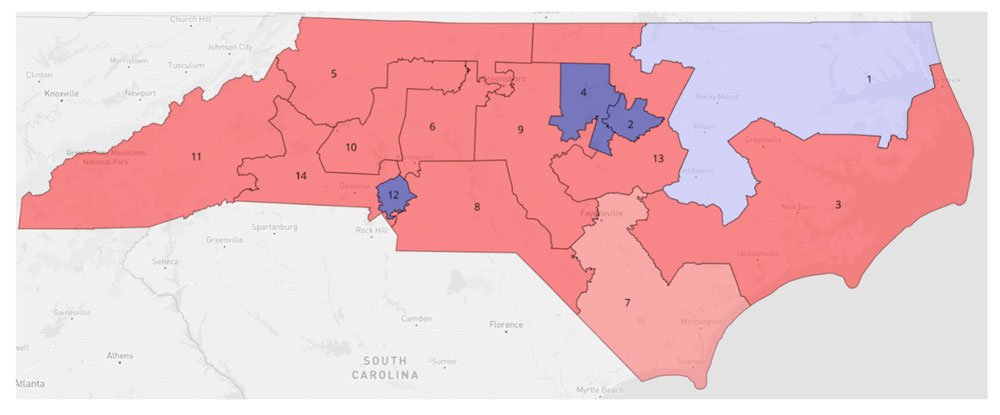
btw, yes, that lighter pink district in SE NC is mine, where @KimberlyHardyNC is the only Democrat running. thank you for asking.
13 Oct 2025

BREAKING:
North Carolina plans to redraw its congressional maps, according to Republican legislative leaders.
Below is the current map. Likely that any redraw would help the GOP pick up 1 seat.
1
182
Rob Taber retweeted

3 Oct 2025
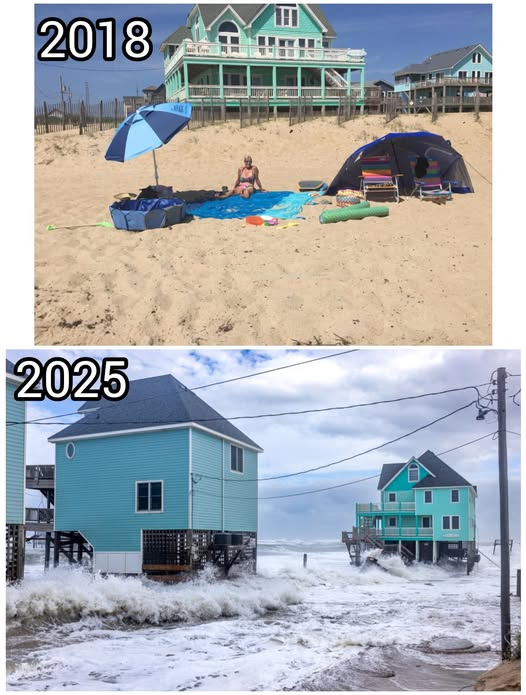
The past few days, as house after house on the OBX tumbles into the sea, a common reply here has been "They never should have built that close to the water."
That said, when the houses were built, they WEREN'T "that close to water." Here's what's happened over the last 7 years.
130
95
468
70,780
Rob Taber retweeted

3 Oct 2025
I worked with gifted black and brown kids in Washington, D.C. in the mid-90s and I always find these attempts, almost always in the name of racial equity, to be such a slap in the face to those kids who finally got to feel normal for once in their life.
They NEEDED to be around other smart kids or else they just felt like weirdos and outcasts.
As someone else wrote, high IQ IS a special need and it's not one that our society can afford to squander
AND it's cruel to squander it for kids who otherwise could be bright, excited, full of hope and feeling seen for, perhaps, the first time in their lives.
2 Oct 2025

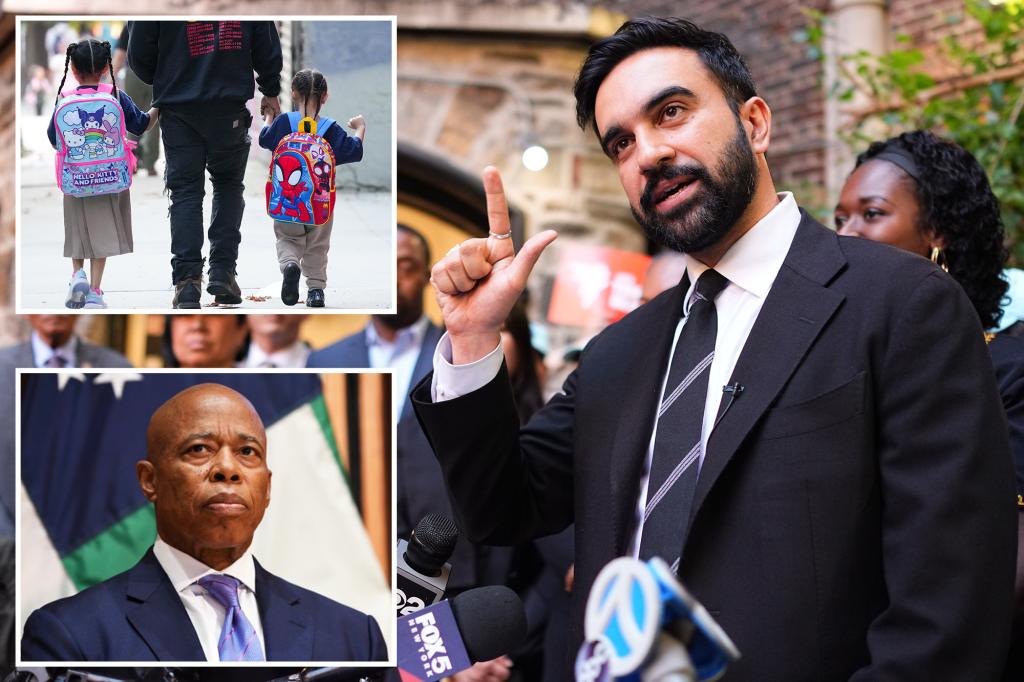
Zohran Mamdani plans to phase out Gifted and Talented program in NYC elementary schools trib.al/yOv3dOo
424
1,556
13,239
1,276,604
Pushing Vought to the center of the spotlight has been an interesting political choice, that's for sure.
3 Oct 2025

i wonder if the glee republicans are taking in "unleashing" russ vought has changed the politics of the shutdown. normally i would think the white house would be "winning" because of the CRs they've offered up and the House passed, but then if you're choosing to cut more...
1
3
354
Rob Taber retweeted

2 Oct 2025
How about we stop normalizing the idea one unelected bureaucrat can undo congressionally appropriated funding (not to mention projects with legally binding contracts). Just a thought!
2 Oct 2025

Russell Vought's sadistic threat to kill projects in blue states will blow back on GOP. One getting defunded is reportedly a huge hydrogen project in northwest that would also serve Montana. Its GOP governor has hailed it as a big job creator.
New piece:
newrepublic.com/article/2012…
7
224
884
18,357
Rob Taber retweeted

1 Oct 2025
Reporter: "Without Obamacare tax credits, healthcare premiums will go up 114%. 19 million of the 24 million people who rely on that coverage are in states that President Trump won."
619
1,737
13,924
1,338,269
As gutting as today was, I need some of my fellow saints to cool it re: "most hated religion" like Tree of Life, Dar Al-Farooq, the Oak Creek gurdwara, Mother Emanuel AME, Burnette Chapel, and many more attacks on houses of worship haven't happened in the past 15 years.
1
3
26
1,317
A pretty good (if heartbreaking) rundown:
ca.news.yahoo.com/list-notab…
2
185