Bookmaker
Joined January 2009
- Tweets 2,769
- Following 244
- Followers 8,022
- Likes 75
325 Photos and videos










Apr 21
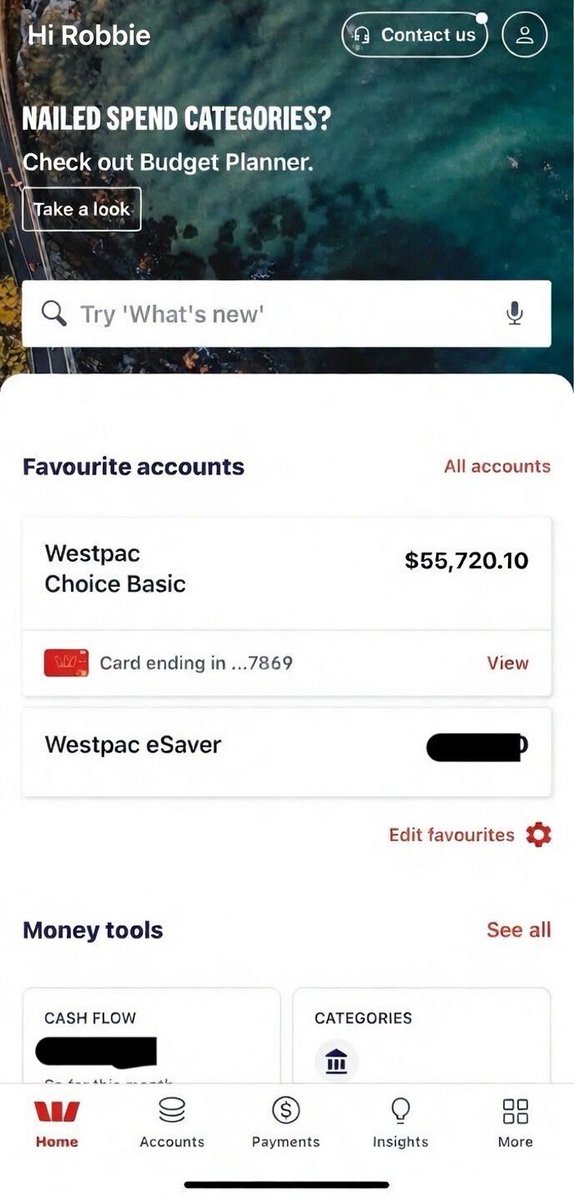
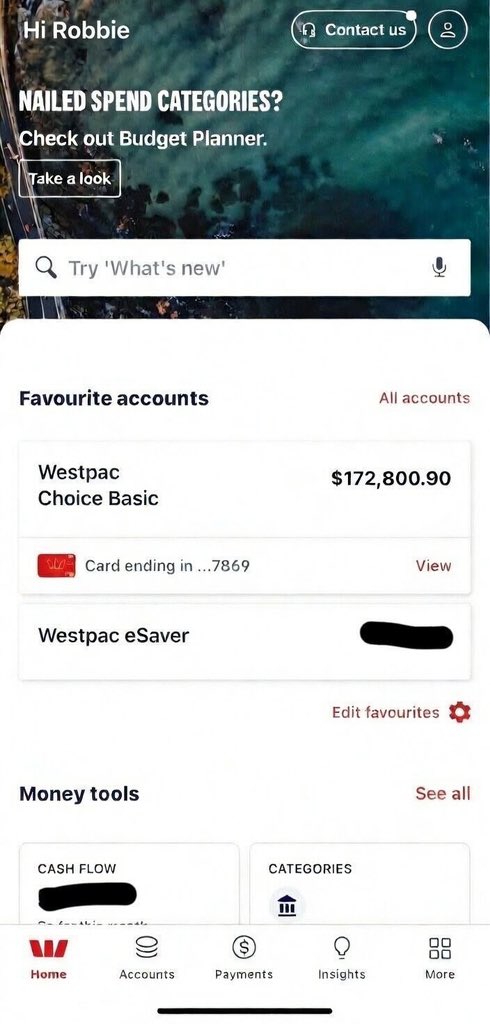
Another clean withdrawal just hit the account 💸 Can’t complain at all. Big shoutout to my coach @LynneCabban for guiding me through, it been solid progress and consistent wins from the get go. If you’re serious about crypto trading tap in with her. @LynneCabban
2
1,435
Apr 19
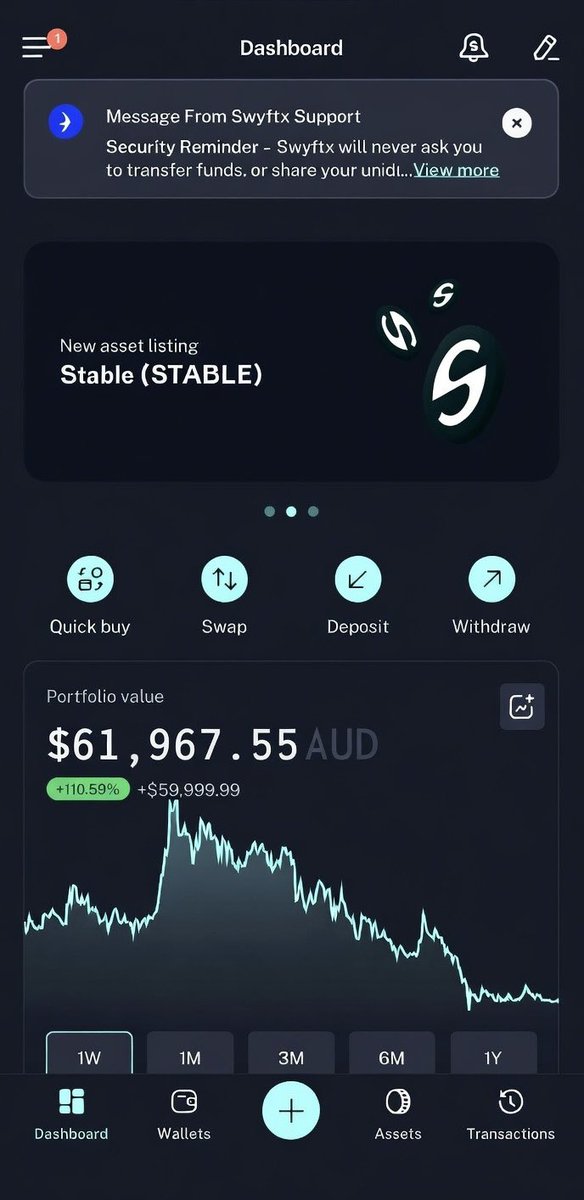
Cashed out a bit of crypto profit and picked up a new car yesterday. Today my coach and I jumped back in, ran another trade and pulled just over $60K in a few hours. @LynneCabban 🥳
5
4,840
Apr 17
Dream turned reality with my new Land Rover. 🎉Absolutely proud! Big thanks to my crypto coach @LynneCabban for helping make it happen. Grateful for the journey and the wins. If you're keen to have a crack at crypto trading, I'd say hit her up to get started. @LynneCabban
7
3,915
Rob Waterhouse retweeted

Apr 13
Hello 🇲🇹
Our Investment Analyst Oscar Silver will be a speaker at @SBC_Channel Summit Malta 2026.
If you would like to organise a meeting with Oscar while he is in Malta, please reach out to us at info@waterhousevc.com
📅 28-30 April
📍 InterContinental, Malta

2
2
1,106
Rob Waterhouse retweeted

Apr 11
They are a very good set of horses to follow, the ones that fail the VRC vets!
4
2
21
4,597
Rob Waterhouse retweeted

Apr 11
I’ve never been more proud of trainer, horse & jockey than today 👏🏼 Well done Adrian, you timed it to perfection. 🥂

Adrian Bott opens up about Sir Delius' big win in the $5million Group 1 Queen Elizabeth Stakes
@GaiWaterhouse1
10
25
416
36,069
Rob Waterhouse retweeted
Apr 11
🟡 ⚪️ SIR DELIUS gave all of his owners such happiness today 🥇 🏆 These special moments of the turf don’t happen every day, but today’s win in the Group 1 Queen Elizabeth Stakes crowned Sir Delius as the WFA King 👑 🍾 @gobloodstockaus @CWilliamsJockey @johnnymckeever1 @Deburghequine @RobWaterhouse @JuddmonteFarms @CoolmoreAus
Apr 11

Take a bow, Sir Delius! He upsets the Autumn Glow party, streaking away with the Queen Elizabeth Stakes in a race to remember! 🙌
@CWilliamsJockey @GaiWaterhouse1 @aus_turf_club
7
12
157
13,105
Rob Waterhouse retweeted
Last week, Banijay Group outlined a new plan for growth, with the company’s medium-term strategy dependent on two upcoming deals, including the acquisition of Tipico.
Banijay has said it is now working towards a target of €10b in revenue by 2029.

1
443
Rob Waterhouse retweeted

3 May 2022
Greyhound race when the real rabbit shows up
imgur.com/gallery/2Bc4wo4
302
2,878
13,740
Rob Waterhouse retweeted

Jules is back in the classroom to educate students on the World Pool… or maybe not!
#horseracing #foxcatcher
16
7
101
26,739
Rob Waterhouse retweeted
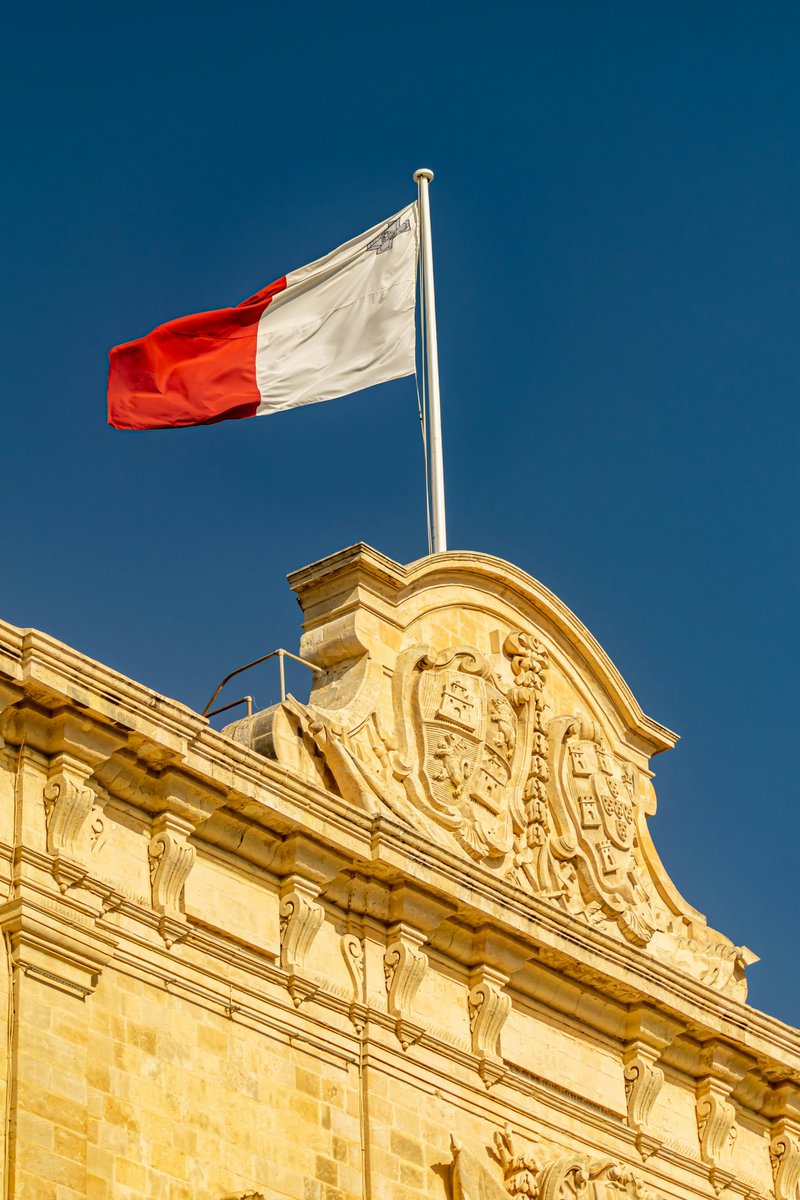
Malta's government is looking into a special regulatory framework for prediction markets.
Economy Minister Silvio Schembri described prediction markets as "the next big opportunity" for the country’s digital economy and said the government is studying how it can regulate them.
1
558
I’m really enjoying Lemon’s “Crisp and Sir Chester”
(Walla Walla Press) about Australia’s greatest ever racehorse, Carbine & Phar Lap are NZers! Crisp conceded over 10 kilos to Red Rum and
smashed the record by almost 19 seconds in the 1973 Grand national youtu.be/eCjhsE6kox4?si=PbK-…
4
2
19
4,333
Rob Waterhouse retweeted

Protected to Death: How New Zealand’s Betting Model Breeds Complacency
New Zealand’s betting structure is built on protection, but protection without pressure quickly turns into stagnation. A legislated monopoly removes the core driver that pushes any market forward, which is competition. Without that constant pressure, there is little incentive to sharpen pricing, evolve products, or push the user experience beyond a functional baseline. The result is a system that operates, but rarely progresses.
Across the Tasman, the dynamic is completely different. In an open market, operators are forced to earn every dollar. Pricing must be competitive, platforms must be intuitive, and innovation is not optional, it is essential. If a bookmaker becomes complacent, they lose ground. If they fail to adapt, they lose customers. That pressure creates an environment where continuous improvement is not a goal, but a requirement.
In New Zealand, punters are confined to a single pathway. Choice is limited, and value is often dictated rather than discovered. Over time, this shapes behaviour. When there are no alternatives to test against, expectations naturally adjust downward. What begins as convenience gradually becomes constraint, and the overall standard of engagement is lowered as a result.
The treatment of sharper punters highlights an even deeper issue. Instead of being recognised as a vital part of a healthy ecosystem, they are often pushed to the margins. Limits are imposed, opportunities are reduced, and the implicit message is that informed or consistent success is not welcome. This approach overlooks a fundamental truth about betting markets. Those who bet with precision are not a problem to be managed, they are a resource to be understood.
Sharp punters play an important role in maintaining the integrity of a market. They test pricing, highlight inefficiencies, and provide real-time feedback through their actions. When a market is mispriced, they are often the first to expose it. That information is incredibly valuable, as it allows operators to refine their models and improve accuracy. By restricting or discouraging these participants, that feedback loop is weakened, and the market becomes less efficient as a result.
This approach also sends a broader message about how the industry views itself. A closed system suggests a lack of confidence in competing on equal terms. It signals that the structure itself takes priority over performance, and that external challenge is something to be controlled rather than embraced. That stance limits not only participation, but also ambition.
An open market introduces a different set of expectations. It demands accountability. It rewards innovation. It encourages operators to constantly refine their offering in order to remain relevant. While that level of pressure can be uncomfortable, it ultimately leads to a stronger, more efficient, and more dynamic environment.
The current model in New Zealand prioritises control, but in doing so, it sacrifices evolution. Over time, that trade-off becomes more visible. Markets that are not pushed begin to drift, and systems that are not challenged begin to weaken. Sustained strength in any industry comes from constant testing, constant refinement, and the willingness to allow competition to shape the outcome rather than restrict it.
3
3
1,303
Rob Waterhouse retweeted
Mar 27
In an era where AI is eroding software advantages faster than ever, the strongest bulwarks are increasingly built on physical infrastructure. Provider Evolution is one of the clearest examples of that in wagering.
Our March newsletter covers Evolution: waterhousevc.com/news-archiv…

2
2
429
Rob Waterhouse retweeted

Mar 24
Chloe woke up at 6:45am and immediately felt proud of herself.
She had, after all, not eaten a single animal product in four years. The planet was healing. She could feel it.
6:52am - Applied her morning SPF. The SPF contains beeswax. Chloe does not know this. Moving on.
7:10am - Breakfast: a smoothie containing avocado. The avocado was grown in Michoacán, Mexico, on land where a pine forest was until 2019. It required approximately 320 litres of water to produce. It was flown to the UK. Chloe sprinkled hemp seeds on top. The hemp seeds came from China. Chloe felt connected to the earth.
8:00am - Got dressed. Polyester leggings, derived from crude oil. A bamboo top that was processed using carbon disulphide in a Taiwanese chemical plant. Trainers with a recycled plastic upper that sheds microplastics into waterways with every wash. Chloe's outfit today had a higher carbon footprint than a ribeye steak. Chloe does not know this either.
9:30am - Posted on Instagram about choosing compassion. The phone was manufactured in a Shenzhen factory using cobalt from the DRC, where mining operations have displaced local communities and killed an unknowable number of small mammals, reptiles, and insects. The algorithm served Chloe an ad for oat milk. Chloe liked it.
12:00pm - Lunch: tofu stir-fry. The soy was grown in Brazil. Brazil produces more soy than almost any country on earth. The primary reason is soybean oil: one of the most widely used industrial and culinary oils on the planet. The soymeal left over after oil extraction is fed to livestock as a byproduct. Chloe is aware of the livestock connection and finds it outrageous. She has not looked into why the soy was grown in the first place. The answer is the oil. The oil is in her salad dressing.
1:30pm - Drove to the garden centre. The car runs on petrol. Chloe has a Just Stop Oil sticker on the bumper. This is not being commented on further.
3:00pm - Bought a monstera. The monstera was grown in a Dutch greenhouse using natural gas heating. Chloe put it next to the pothos that is slowly poisoning the neighbourhood cats.
6:00pm - Dinner: pasta with cashew cream sauce. The cashews were processed in Vietnam, often by workers in conditions that would prompt significant commentary if they were in an abattoir.
8:00pm - Watched a documentary about factory farming. Wept. Posted about it. Caption: "We have to do better."
Chloe is, by every measure she has chosen to measure by, doing brilliantly.
By some of the others, the picture is more complicated.
Chloe has not chosen to measure by those.

535
4,006
17,296
762,331
Rob Waterhouse retweeted
Mar 23
There is a massive lesson here for the racing industry, but it will fall on deaf ears.
Mar 23

Here @Ross_Greenwood covers the complete and utter failure of Australia’s tobacco regulation.
Taxes down from $16.9B to $7B.
A new multi billion crime industry is born.
And now illegal cheap cigarettes means smoking rates are now increasing.
Well done Australia.
8
10
72
10,231
Rob Waterhouse retweeted

Mar 22
...please...please bring back @johnkanga
Mar 22

Despite criticism on Saturday, the Melbourne Racing Club says it’s “comfortable” with the track's performance.
betsy.com.au/caulfield-track…
1
1
14
4,337
Rob Waterhouse retweeted

Mar 22
One of the most biased tracks you will ever see at Goulburn today. Shame on such an important day for many trainers and owners #InsideOrBust
6
1
18
6,920
Rob Waterhouse retweeted

Mar 22
I’m not convinced punters would be satisfied with the Club’s response to yesterday’s Caulfield track. Surely putting your hand up would’ve been a more suitable response. betsy.com.au/caulfield-track…
8
4
35
6,808
Rob Waterhouse retweeted
Mar 20
It’s because the AHA and poker machine lobby are Gp1 lobbyists and the racing industry bm 52 lobbyists.
Mar 20

How Pokies have escaped the scrutiny that sports and horse racing wagering have gotten is beyond me.
2
4
29
4,017