Mayor, City of Waupun! Dad. Husband. Sports Fan. Waupun, WI. #Rohn4Waupun #CityofSculpture
Joined June 2011
- Tweets 60,956
- Following 800
- Followers 1,490
- Likes 17,846
2,178 Photos and videos





Rohn W. Bishop retweeted

PCA HITS FOR THE CYCLE 🔁
13TH CYCLE IN FRANCHISE HISTORY!!!
18
210
1,207
670,805


Kewaskum Police Chief files formal complaint against administrator Adam Gitter share.google/WKKtZFqkryC3msN…
51
Rohn W. Bishop retweeted

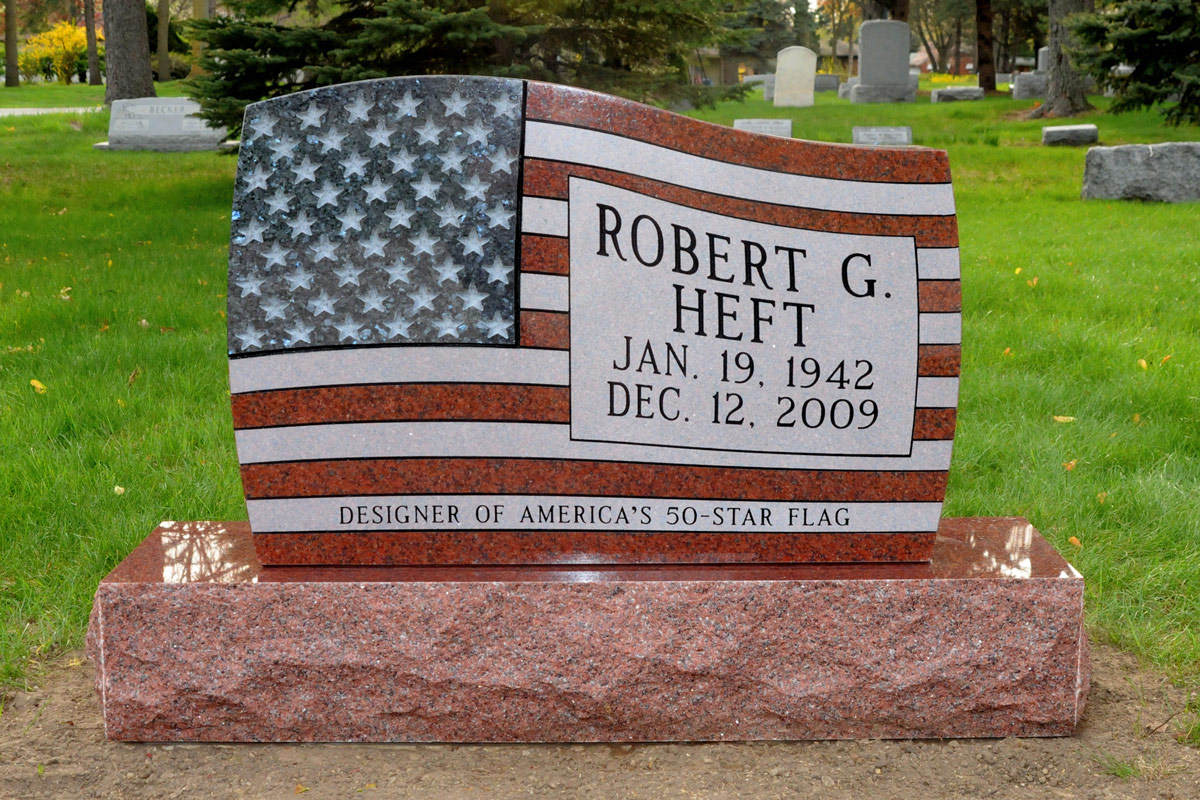
🇺🇸 The 50 star American flag flying today was designed in 1958 by 17 year old Robert G. Heft as a high school class project.
He got a B-minus on it.
The teacher claimed the design "lacked originality" and jokingly remarked that if Heft didn't like the grade, he should get the flag accepted in Washington.
Heft called his teacher's bluff. He sent his physical prototype to his congressman, Walter Moeller, who forwarded it to the design pool.
Out of more than 1,500 submissions, President Eisenhower picked his design.
His teacher later changed his grade to an A.
Thank you, Robert! The flag is beautiful! 🇺🇸
Jun 14

June 14, 1777: The Second Continental Congress passed the Flag Act.
This made the Stars and Stripes the official flag of the United States!
🎥: The White House
128
2,039
16,577
691,862
Rohn W. Bishop retweeted

17h
CNN: Dem Lead Much Smaller Than Previous Blue Waves
Generic Congressional Ballot June Polls:
2006: 🔵 Dem 11
2018: 🔵 Dem 10
2026: 🔵 Dem 5
Democrats Lead is also shrinking:
NBC: 🔵 Dem 6 -> 🔵 Dem 5
MU Law: 🔵 Dem 4 -> 🔵 Dem 1
Ipsos: 🔵 Dem 3 -> 🔵 Dem 3
33
87
480
69,726
Rohn W. Bishop retweeted

As I have reported several times and now acknowledged by the Governor of California...Gavin and his wife are under federal investigation... what he failed to tell you... This began during the Biden Admin. Kind of a big detail.
558
10,782
47,999
1,855,451
Rohn W. Bishop retweeted

Whoever engineered the Gingrich lady's hairdo should build Trump's Iron Dome for America.
999
1,341
23,011
1,219,426
Rohn W. Bishop retweeted

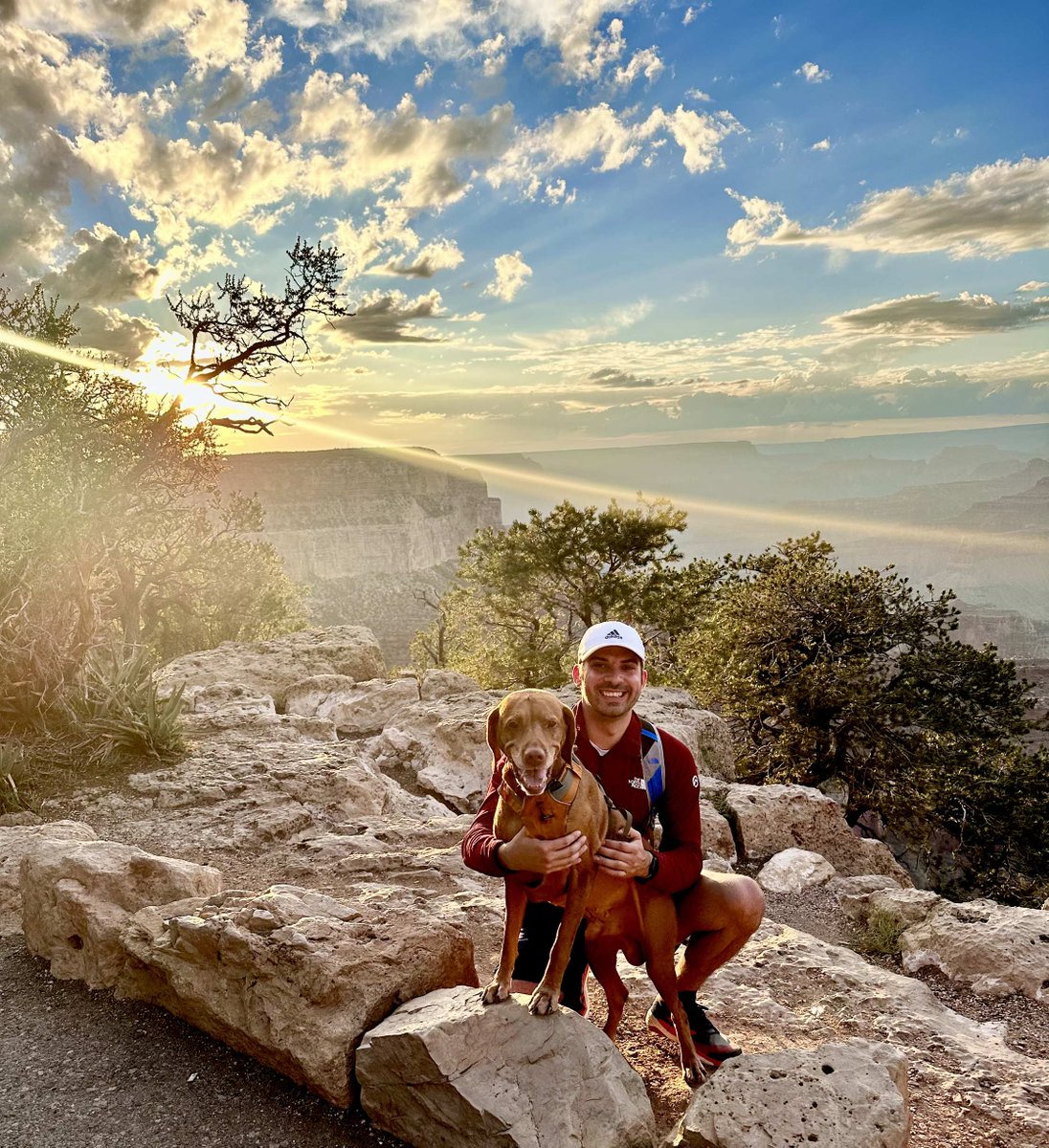
Happy 12th birthday to my favorite hiking buddy, Patton! The only member of our campaign who works for treats. 🐕
4
5
49
688
Rohn W. Bishop retweeted
Trump has surrendered to Iran. Those who kill Americans love this deal.
370
490
3,224
134,403
Rohn W. Bishop retweeted

13
18
108
15,272
Rohn W. Bishop retweeted

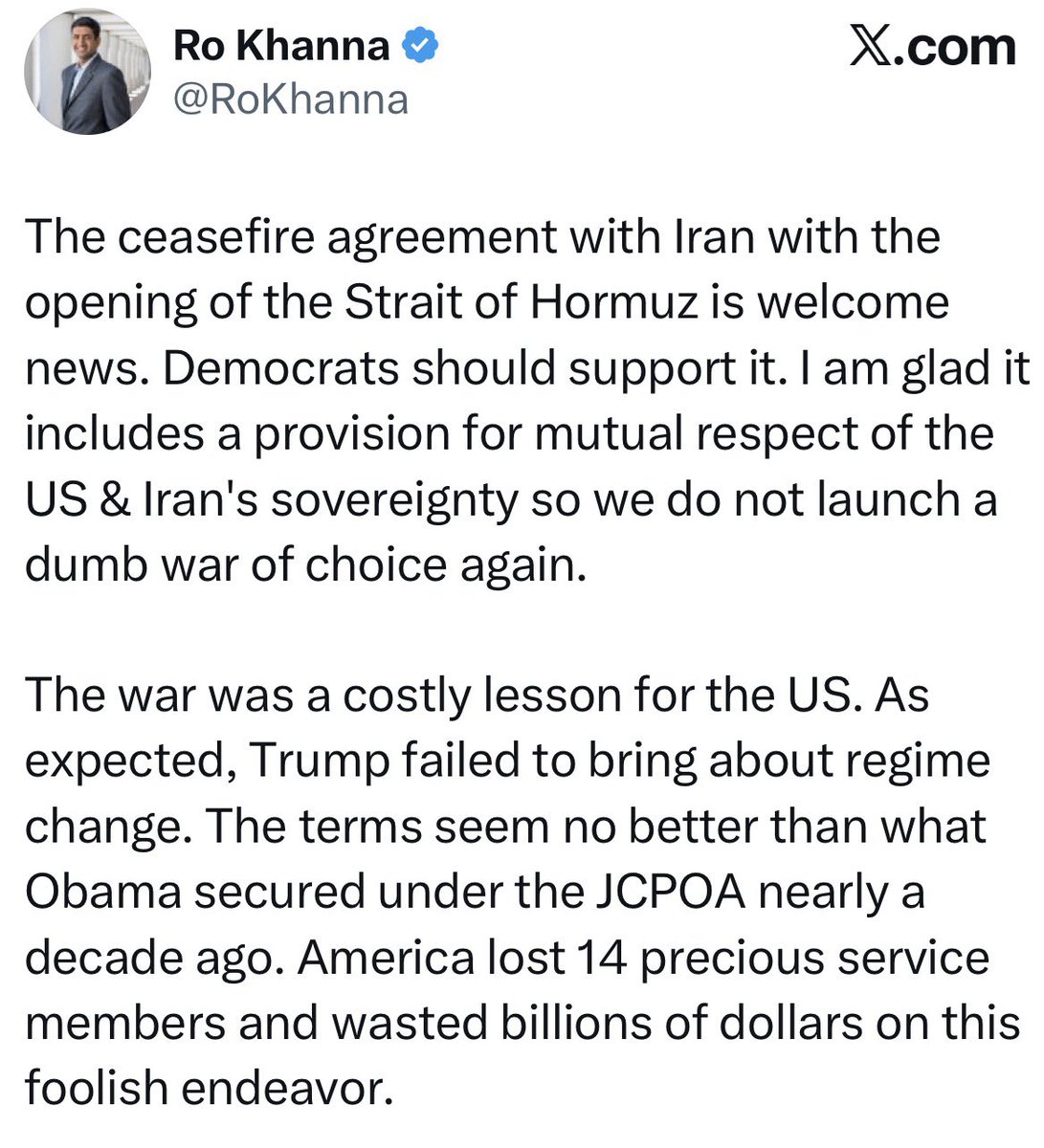
This Dem is very ambitious and wants to be POTUS. Think new age liberal who is a corporatist and at least pro capitalism.

Rep. Ro Khanna (D-CA) calls US deal with Iran “welcome news” and says that Democrats should support it.
13
2
31
2,650
Rohn W. Bishop retweeted

Jun 14
It will be exactly the conclusion reached.
No POTUS in my lifetime has humiliated the United States more than Trump has over the last month or two. Not even Jimmy Carter, and that's saying something.
Jun 14

Another angle:
President Trump says a deal will be signed today.
Hours later, Hezbollah launches 6 rocket and drone attacks against northern Israel.
Israel responds with strikes in Beirut.
Iran then turns around and says: “Look, Israel is sabotaging the deal.”
Now we wait to hear President Trump’s response. If Washington places the blame on Israel, it risks creating a precedent where the IRGC and its proxies on Israel’s border can attack at will while Israel is expected not to respond.
I hope that is not the conclusion reached.
35
108
721
22,766
Rohn W. Bishop retweeted

Jun 13
Iran signed the nuclear non-proliferation treaty.
Iran signed the Obama agreement promising to never, ever attempt to build nukes.
Iran will now sign a new agreement promising the same.
It will seek the acquisition of nuclear weapons because Islamic Republic cannot be trusted.
Jun 13

Even after last night’s briefing by a senior Trump administration official, it is difficult to ignore the major weaknesses in the emerging deal with Iran:
• The agreement could unlock up to $200 billion in sanctions relief and Gulf investment, providing the regime with a massive economic lifeline at precisely the moment it is under pressure.
• The deal appears to rely on the assumption that Iran will fundamentally change its behavior and stop sponsoring terrorism, despite decades of evidence to the contrary.
• No clear enforcement mechanism has been presented to prevent covert funding of Hezbollah, the Houthis, Iraqi Shiite militias, and other Iranian proxies.
• The ceasefire in Lebanon risks freezing the campaign against Hezbollah before its disarmament has been achieved.
• Israel may retain the right to respond to attacks, but it remains unclear whether Hezbollah will be allowed to rebuild infrastructure, rearm, recruit, and restore its capabilities as long as it avoids direct fire.
• There is a significant difference between the right to retaliate after an attack and the freedom to prevent military buildup before it becomes a threat.
• Even the nuclear verification and inspection mechanisms are still not fully defined.
• The administration’s own official placed the chances of success at only 75%, acknowledging the uncertainty inherent in dealing with Iran.
• Iran could begin benefiting from economic normalization and international legitimacy long before any long-term behavioral change is proven.
122
190
805
119,250
Rohn W. Bishop retweeted

Jun 13
The deal taking shape with Iran is significantly worse than the JCPOA. I don't say that lightly. Here is why:
1) The JCPOA was one comprehensive, binding agreement. This is a two-stage interim framework. End the war now, then 60 days of nuclear talks. We are trading hard limits for a promise to keep talking.
2) Missiles and proxies are gone. The leaked 14-point MOU (Mehr, IRNA) keeps Iran's missile program and its support for Hezbollah off the agenda entirely. The standing critique of the JCPOA was that it left those out. This deal does the same and calls it progress.
3) No handover of enriched uranium. Under the JCPOA Iran shipped almost its entire stockpile out of the country. Here Iran keeps roughly 400 kg of 60% material. Its fate is punted into the 60-day window. That is a moratorium, not a rollback.
4) The enrichment pause is unsettled. Trump wants 20 years. Iran floated 5 (CNN). The JCPOA locked in 15 years of caps with IAEA cameras and 24-day inspection access. We have none of that on paper yet.
5) We pay up front. Oil sanctions lifted. Around $24 to $25 billion in frozen assets released, part of it immediately. Reconstruction figures up to $300 billion floated in Iranian press. In return Iran gives an interim ceasefire and a promise.
6) Hormuz reopens on Iran's terms. Araghchi says the strait will not return to how it ran before the war. Service fees, Iranian arrangements. This war handed Iran more leverage over the strait, not less.
We went to war and may walk away with less than Obama got in 2015. Caveat: these terms come from leaks and Iranian media. Nothing is signed. But if it signs as described, it is the weaker deal.
64
173
538
91,287
Rohn W. Bishop retweeted

Jun 13
If I cure cancer I will get very rich. And a bunch of people on this site will apparently find my sudden wealth outrageous.
1,167
176
3,802
1,677,495
Rohn W. Bishop retweeted
Jun 13
Jun 13

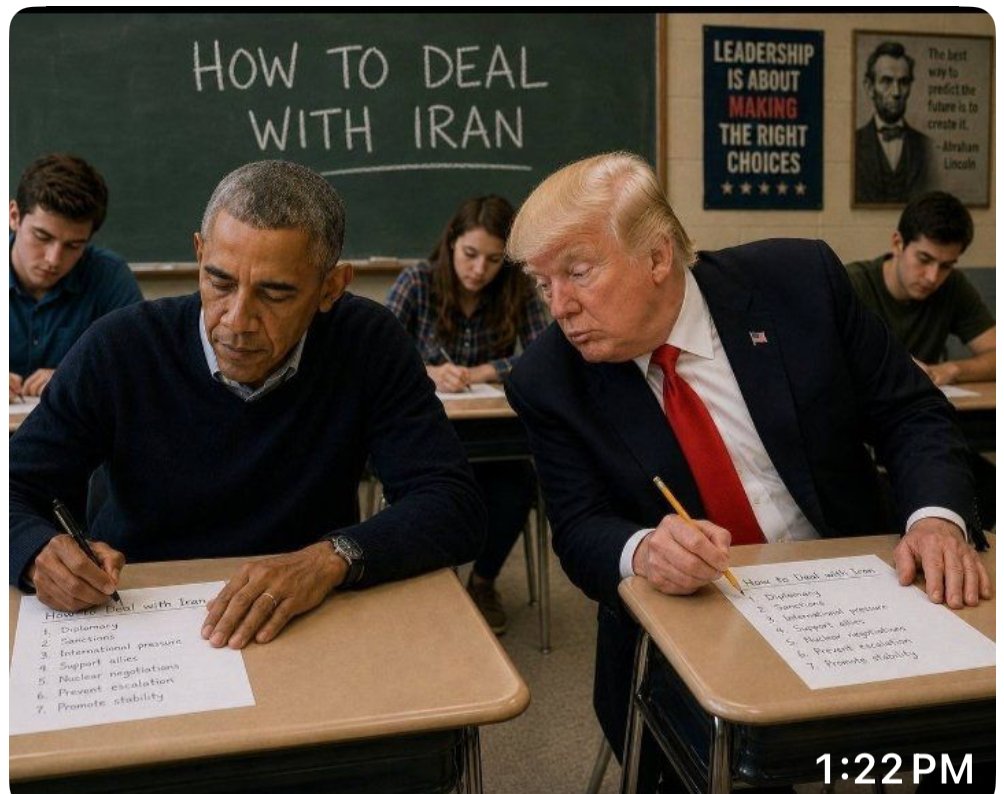
This is like how Trump called NAFTA “the worst Trade Deal ever made,” rebranded it as USMCA, and then called it “the best and most important trade deal ever made.”
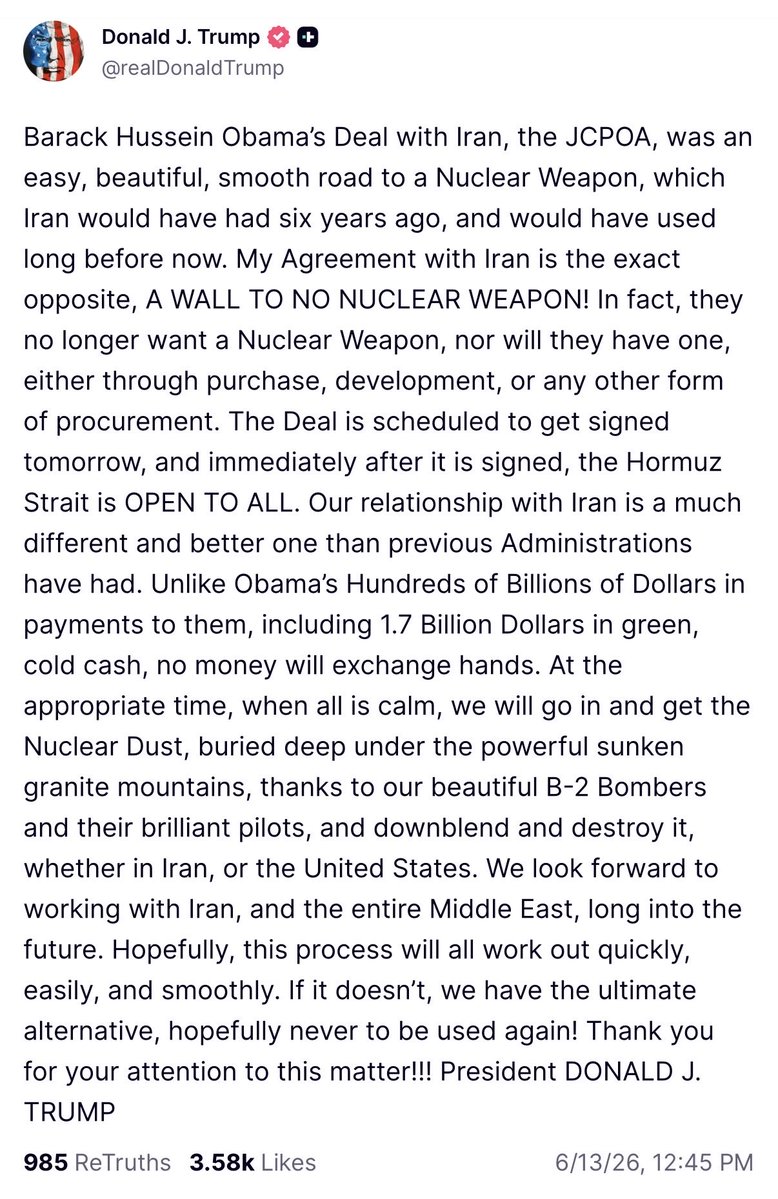
34
460
2,001
134,743
Rohn W. Bishop retweeted

This article fails to mention the key role of Rebecca Kleefisch in recruiting many of these candidates. Thank her. Having candidates in almost every district is good for Republicans because it prevents Dems from shifting resources and door knocking away from districts with no GOP opponent.
But really this is going to come down to 6 Assembly seats, of which Repubs need 4, and the Roberts-Vining contest in the Senate. Also the Dems are currently trying to take out two Dem candidates in primaries - Ortiz-Velez in Milwaukee and Camacho in Waukesha (the latter by supporting a supposed independent.)

Democrats have been counting on a blue wave that will flip both the Wisconsin Assembly and Senate this November. But as @Robin_Vos_Stan writes, that might not happen now that ballot access is finalized. heartlandpost.com/projected-…
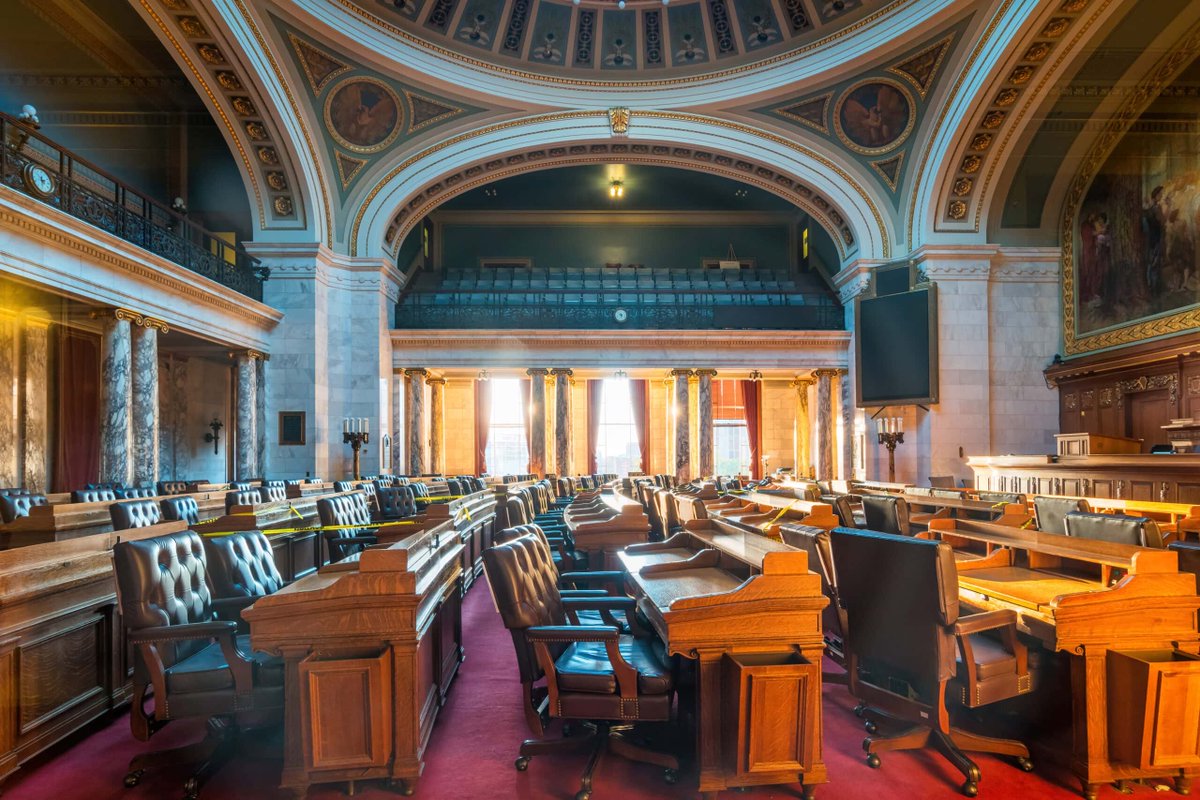
2
4
26
2,880
Rohn W. Bishop retweeted

Jun 12
If he’d hired Elon to build his high-speed rail project, it would have been finished by now, instead of moldering, unbuilt, as a symbol of government incompetence and waste
Jun 12

Americans are struggling to pay for groceries and gas while Elon Musk becomes a TRILLIONAIRE.
When the federal government is for sale, the rich get richer and everyone else gets shafted.
The system is rigged.
291
766
5,944
439,346
Rohn W. Bishop retweeted
Jun 12
So Iran opens the strait, gets a fee per ship passing through, gets $10 billion in cash minimum up front, and we punt on nuclear terms till later. This is an American surrender to a terrorist regime sold this morning to various conservative outlets to cheerlead.
350
513
2,598
154,705