
Championing a progressive society at the heart of the 🇪🇺❤️️
Joined March 2011
- Tweets 10,030
- Following 3,868
- Followers 2,189
- Likes 47,982
451 Photos and videos
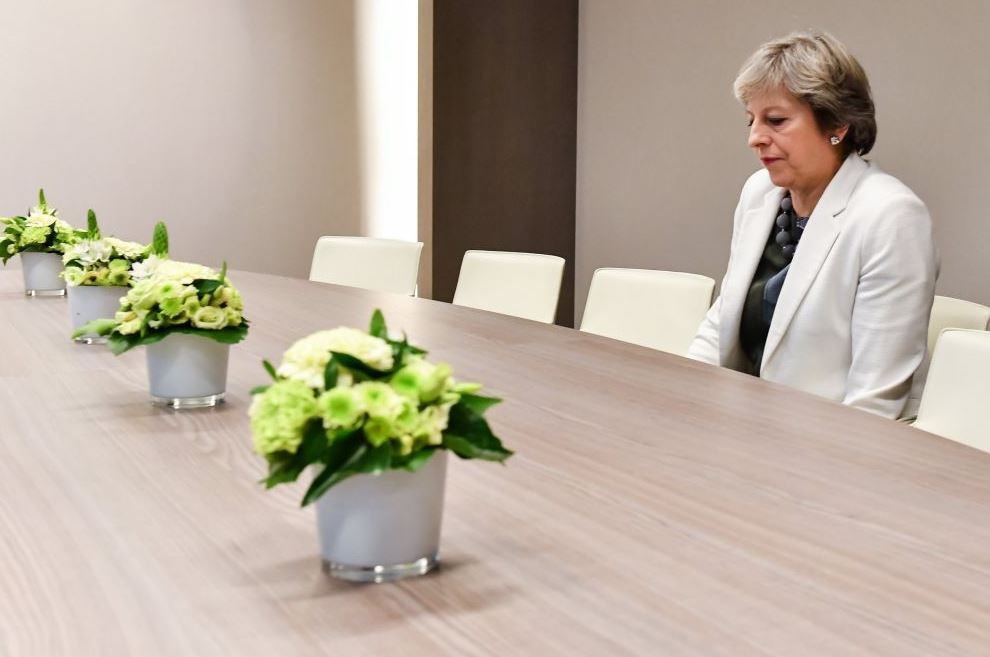
Roly B 🇳🇱🇪🇺🇬🇧 #FBPE #RejoinEU #BLM retweeted

Jun 4
In the last 48 hours I’ve been deluged with 100s of vile, misogynistic tweets and death threats. Why? For doing my job: asking @ZiaYusufUK questions about claims by @Nigel_Farage of 2-tier policing. I spoke about this on tonight’s show. Enough is enough. youtu.be/MTrNIyotEHk?si=VElZ…
3,017
1,584
5,604
820,796

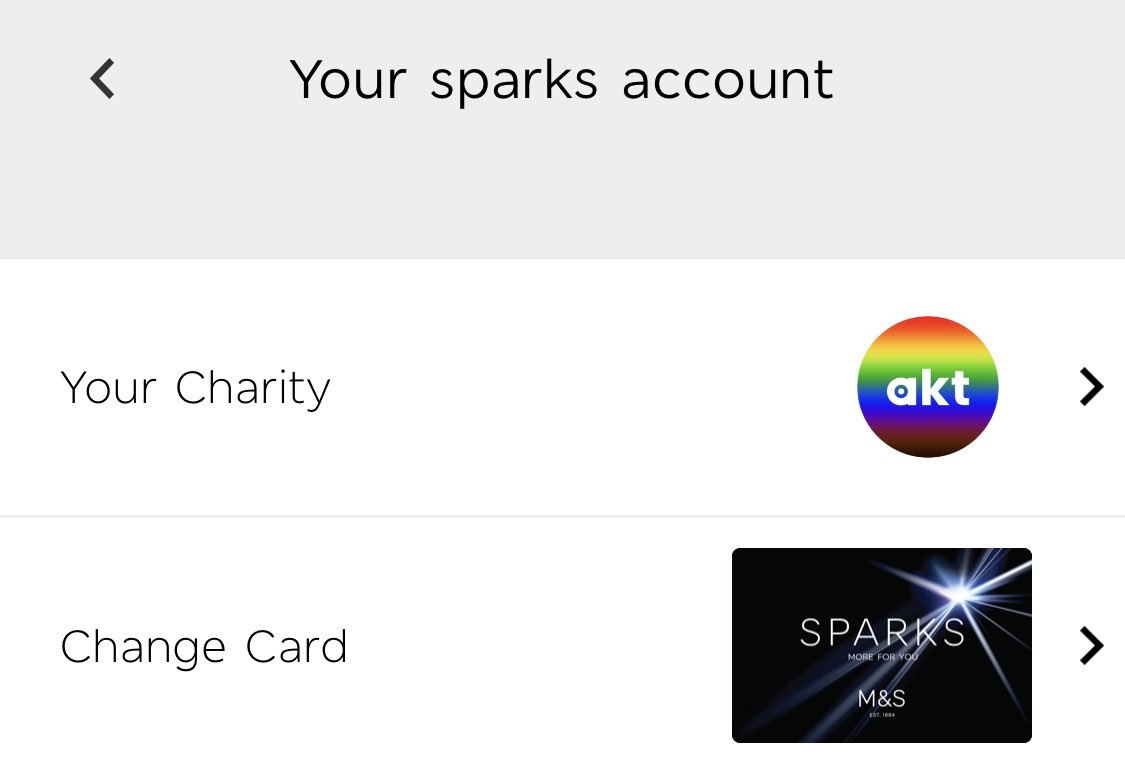
RT @IndiaWilloughby: A big FUCK YOU from Marks and Spencer to the anti trans people campaigners. Well done @marksandspencer . I hope other…
888
Roly B 🇳🇱🇪🇺🇬🇧 #FBPE #RejoinEU #BLM retweeted

May 1
A retweet by Zack Polanski is now the main story across every single media outlet.
Two days ago, it was revealed that Nigel Farage failed to disclose a £5 million gift from a crypto-billionaire.
It gets nowhere near the media attention, for straightforward political reasons.
509
7,413
35,472
481,820
Roly B 🇳🇱🇪🇺🇬🇧 #FBPE #RejoinEU #BLM retweeted

May 1
I found this whole exchange appalling to be honest…
I don’t know how to debate this
Genuinely
Rude, dismissive, and unable to acknowledge any role that the actions of the Israeli government plays in fanning antisemitism.
2,506
1,103
6,613
448,916
Roly B 🇳🇱🇪🇺🇬🇧 #FBPE #RejoinEU #BLM retweeted

Mar 8
lol
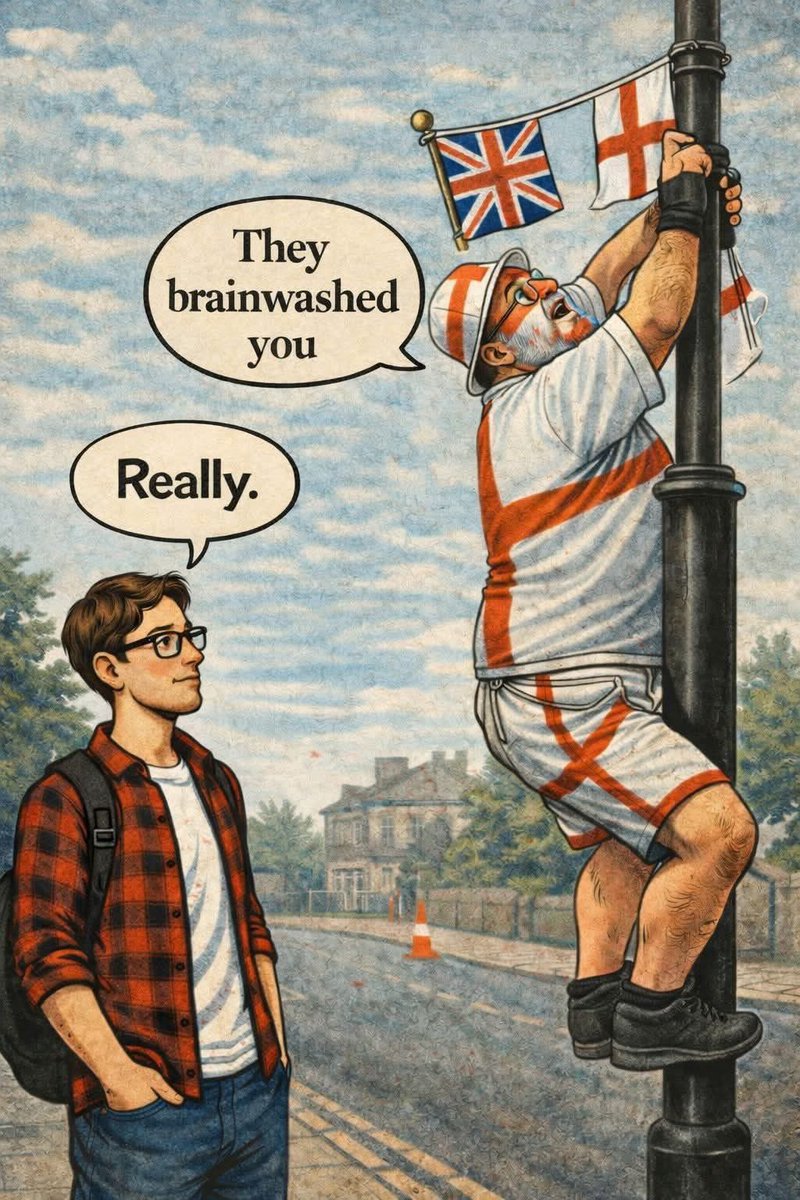
449
1,762
13,084
273,004
Roly B 🇳🇱🇪🇺🇬🇧 #FBPE #RejoinEU #BLM retweeted

It’s genuinely weird that an ex-cabinet minister can be bothered to troll me. I investigated you & found you oversaw the biggest electoral fraud in modern UK history & got away with it. You won. Move on. Get a hobby or something.
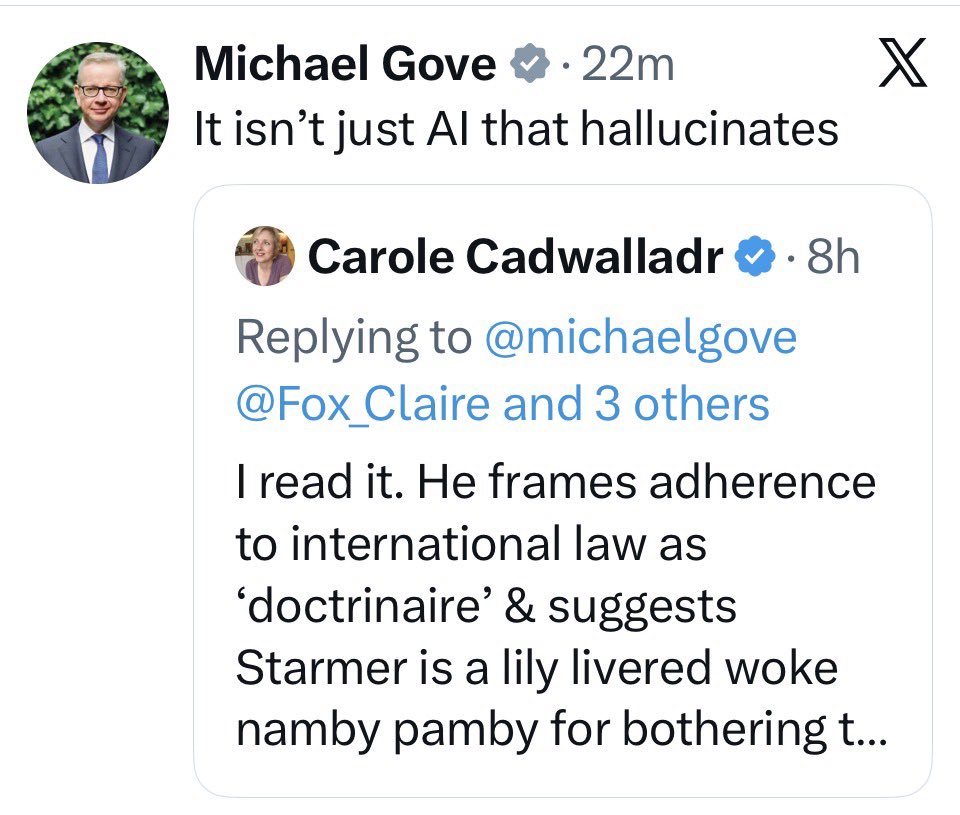
311
2,146
9,201
196,499
Roly B 🇳🇱🇪🇺🇬🇧 #FBPE #RejoinEU #BLM retweeted

I held back on posting because I couldn’t believe it was genuine. This is n exciting, Hollywood style movie they watch from the safety and comfort of afar their children, women, families not subjected to the terror too many in the Middle East endure daily, hourly, minutely… it’s beyond … anything… and then not..
Mar 6

This is a genuine White House video.
What is wrong with America. 165 school girls are dead, and they think this is funny?
Over 1000 dead in Iran. Over 72,000 dead in Gaza. America thinks it's all a game?
Disgraceful doesn't even come close.
306
669
3,315
193,734
Roly B 🇳🇱🇪🇺🇬🇧 #FBPE #RejoinEU #BLM retweeted
Trump’s little ambassadors. All day long. Standing up for the draft dodger who said our forces avoided the front line. Campaigning on grooming gangs while ignoring the rape claims against Trump. Taking top dollar to slag off the UK at every turn. If that is patriotism I’d love to know what treason looks like.
Mar 6

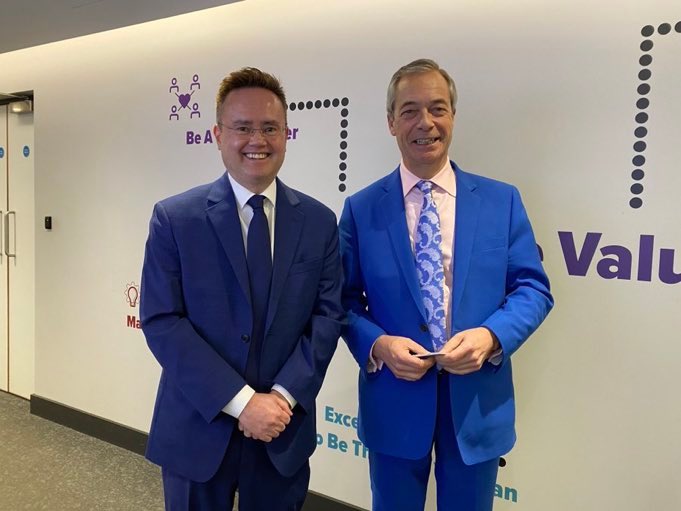
Nigel Farage, the front runner to be the next British Prime Minister, is meeting with President Trump today. Time to sink Keir Starmer’s ghastly Chagos surrender deal for good. @Nigel_Farage
1,448
1,944
8,062
591,265
Roly B 🇳🇱🇪🇺🇬🇧 #FBPE #RejoinEU #BLM retweeted

Feb 12
Most people in this country aren’t racist
Most aren’t falling for the scapegoating
Most can see that blaming migration for everything is like blaming the fire brigade for the flames
Britain is a diverse, complicated, gloriously chaotic tapestry of cultures and communities
799
238
1,465
205,955
Roly B 🇳🇱🇪🇺🇬🇧 #FBPE #RejoinEU #BLM retweeted

Feb 12
2,367
2,568
12,801
2,024,661
Roly B 🇳🇱🇪🇺🇬🇧 #FBPE #RejoinEU #BLM retweeted

Feb 12
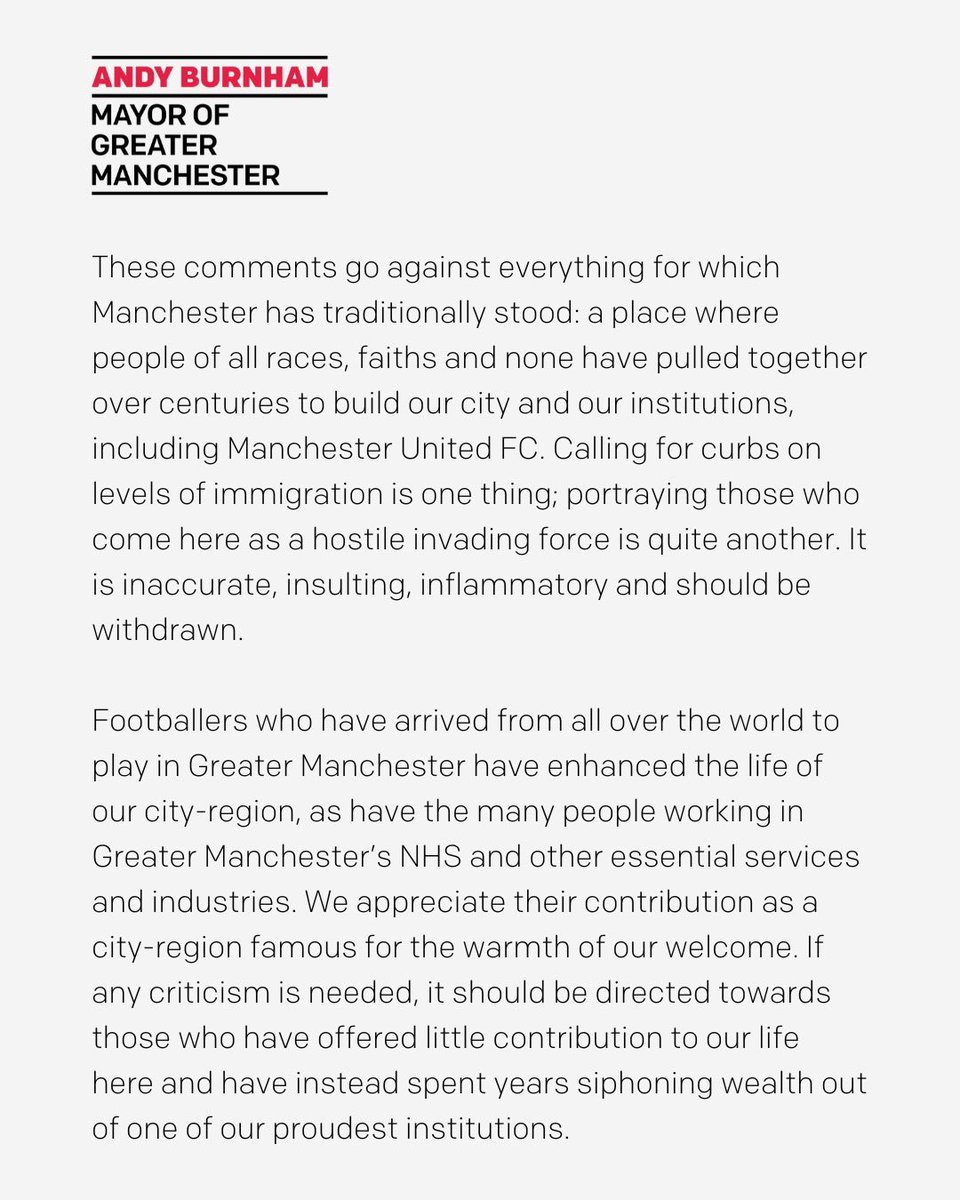
So tired of tax exile billionaires telling us what Britain is or should be. Pay your tax and then you earn a voice? #Tax4Good Sir Jim Ratcliffe: Britain has been colonised by immigrants
thetimes.com/article/f904696…
1,462
361
2,194
197,602
Roly B 🇳🇱🇪🇺🇬🇧 #FBPE #RejoinEU #BLM retweeted

Compare that to the excellent Gary Gibbon on @Channel4News
Gibbon is one of the very best we have right now, acute insight, excellent analysis and a decent respectful journalist. You see we are not served well by Mason's agenda pushing and clownish antics.
@GaryGibbonC4
1
8
28
405
Roly B 🇳🇱🇪🇺🇬🇧 #FBPE #RejoinEU #BLM retweeted

Feb 9
There is a growing frustration with Chris Mason’s reporting because too often it feels like opinion and speculation rather than established fact. Viewers are not looking for commentary or personal interpretation. They want clear, verified information and nothing more.
Political correspondents are not elected, nor are they there to shape events or elevate their own judgement above that of the public. Their role is to report what is happening, not to project opinion or construct a running narrative around the Prime Minister’s position.
Public frustration with the BBC is growing for a reason. Licence fee payers expect impartial reporting, evidence and accountability. Instead, too much coverage now rests on anonymous briefings, unnamed sources and speculation presented as political reality.
If individuals are prepared to criticise publicly, then their names and their reasons should be reported. Context matters. Attribution matters. That is what allows the public to judge the weight and credibility of what is being said.
The findings from the Cardiff University study have already raised serious questions about balance. The BBC should reflect carefully on its editorial approach before further trust is lost.
The public funds the BBC. It exists because of that trust. If audiences conclude that commentary has replaced reporting, the consequences for the institution itself will be serious.
The BBC must return to its core purpose: evidence, attribution and impartial journalism.
71
550
1,791
36,816
Roly B 🇳🇱🇪🇺🇬🇧 #FBPE #RejoinEU #BLM retweeted

Lee Anderson today said @GoodwinMJ was a local candidate in the Gorton and Denton campaign.
He lives in London.
Goodwin grew up St Albans and lived in Salford for 3 years at Uni. That’s the closest he’s ever been to Gorton or Denton.
He then lived in Canada and did his PhD in Bath - he spent as much time there as Salford.
What a fake.
199
1,046
3,725
148,448
Roly B 🇳🇱🇪🇺🇬🇧 #FBPE #RejoinEU #BLM retweeted

Matt Goodwin hates this video apparently.
Be a shame if you reposted it.
408
3,169
3,729
183,219
Roly B 🇳🇱🇪🇺🇬🇧 #FBPE #RejoinEU #BLM retweeted

4 Dec 2025
Sir John Curtice has confirmed it:
Liz Truss didn’t just wreck the economy 👉her mini-Budget killed the last remaining belief that Brexit would ever deliver growth.
Even Leave voters now say Brexit has harmed the UK.
And Curtice is blunt:
👉 Labour would gain electorally by moving closer to the EU.
So why are Starmer & Reeves doing the opposite?
❌ A farm tax designed for a US-style land grab
❌ A pharma deal with Trump that locks us out of the Customs Union
❌ Red lines that keep Britain poorer while pretending we’re “moving closer to Europe”
Stop the deceit!
71
852
2,339
96,568
Roly B 🇳🇱🇪🇺🇬🇧 #FBPE #RejoinEU #BLM retweeted
26 Nov 2025
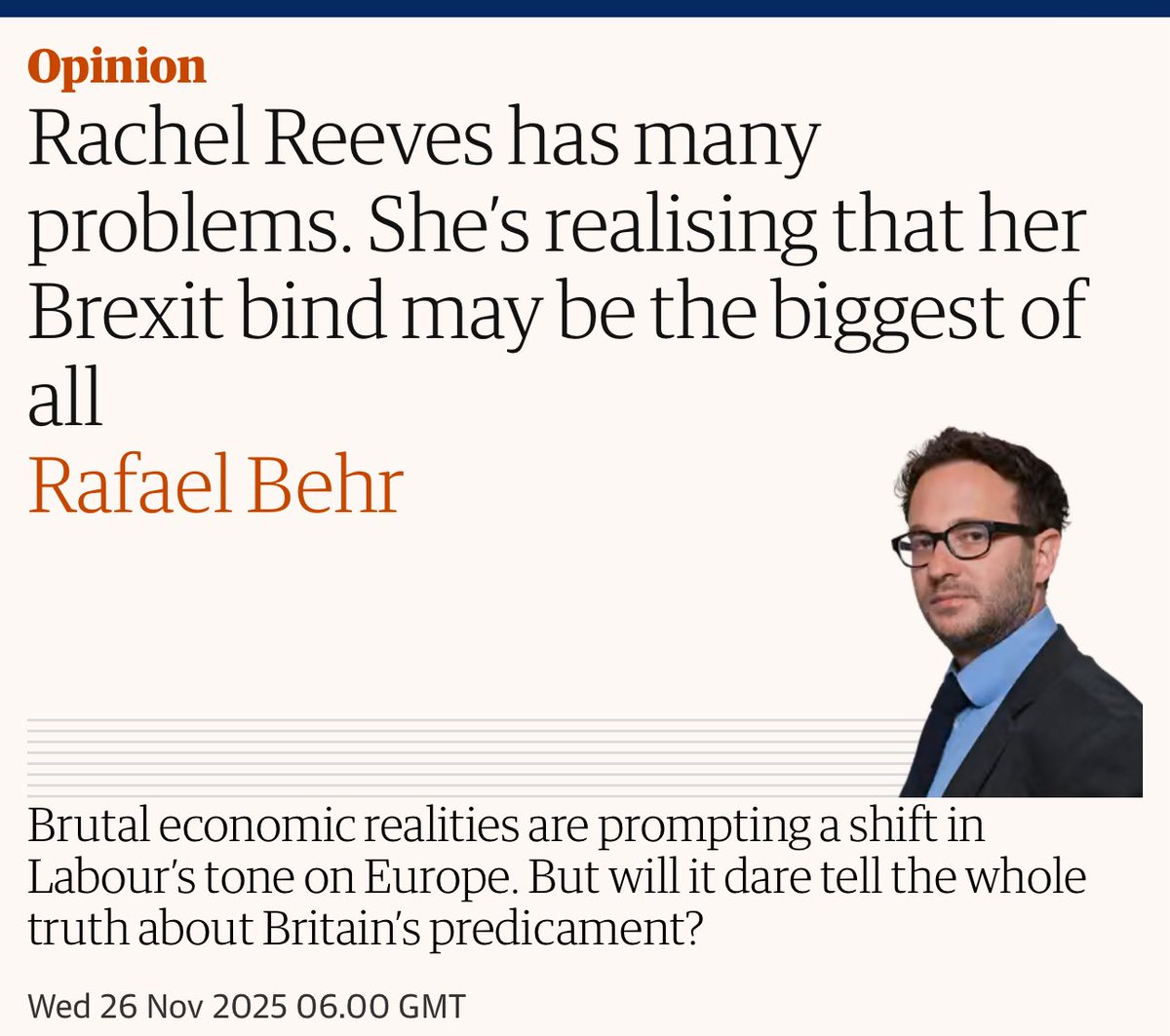
The Guardian finally says it:
Labour can’t save the economy while defending Johnson’s Brexit.
It’s the contradiction that’s tearing the country apart and Reeves and Starmer still won’t face it.
26 Nov 2025

⭐ 1. Reeves and Starmer are cowards trapped by their own lies and Brexit is the hole they refuse to fix.
Their entire economic crisis is self-inflicted.
Reeves walked into the sea knowing it was freezing cold, and now blames the cold.
•She built a reckless budget
•Promised no more tax rises
•Knew the OBR was over-optimistic
•Refused to reverse Tory tax cuts
•Refused to fix Brexit
•And now she is trapped
🧵 👇
theguardian.com/commentisfre…
56
320
718
12,598
Roly B 🇳🇱🇪🇺🇬🇧 #FBPE #RejoinEU #BLM retweeted
27 Nov 2025
Give this a little click and make Reform sweat…
26 Nov 2025

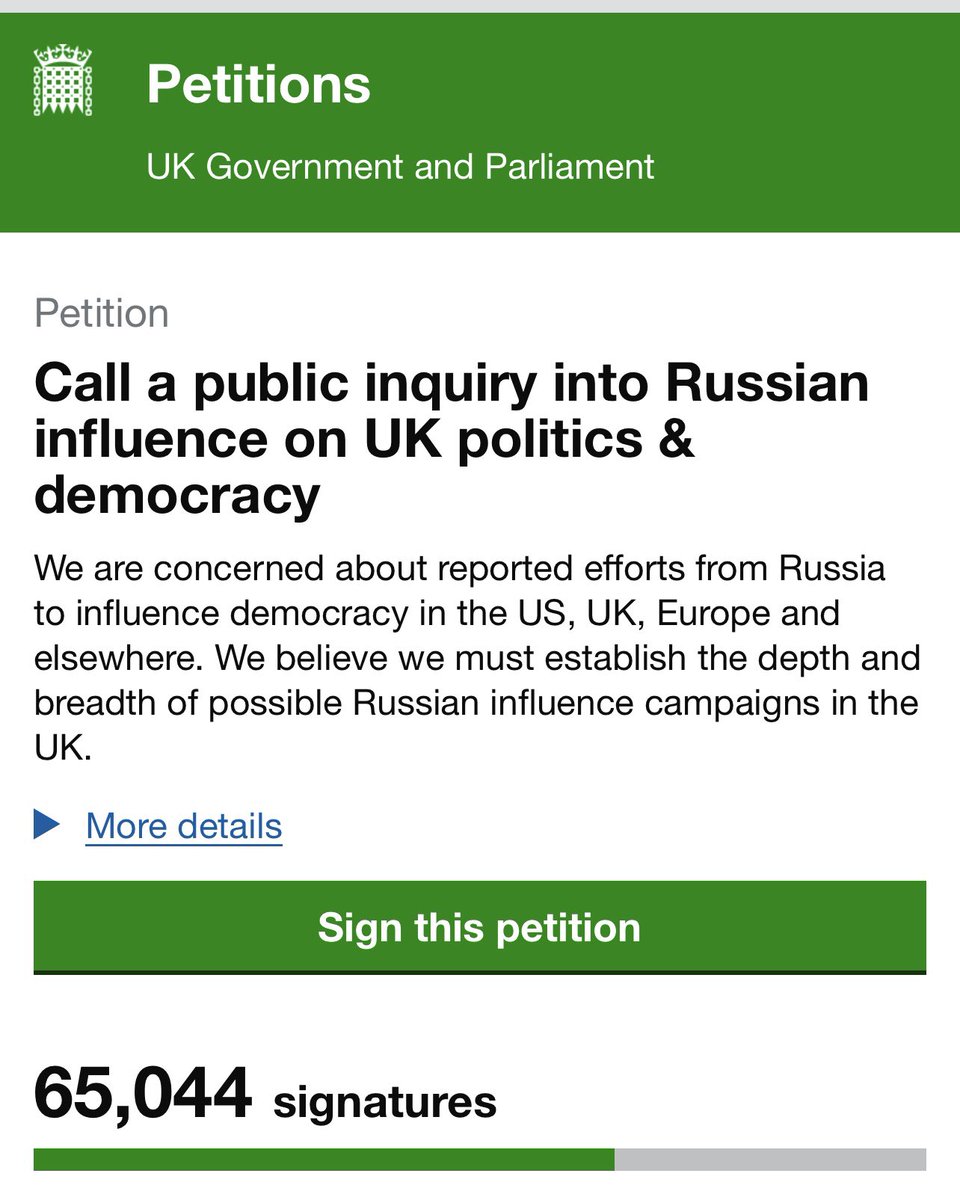
🚨The Petition calling for a public inquiry into Russian influence on UK politics & democracy has now rocketed past 65,000 signatures! Let’s get it to 70,000 tonight. If a petition is what it’s going to take let’s get this done!
petition.parliament.uk/petit…
267
1,848
5,551
390,791
Roly B 🇳🇱🇪🇺🇬🇧 #FBPE #RejoinEU #BLM retweeted
27 Nov 2025
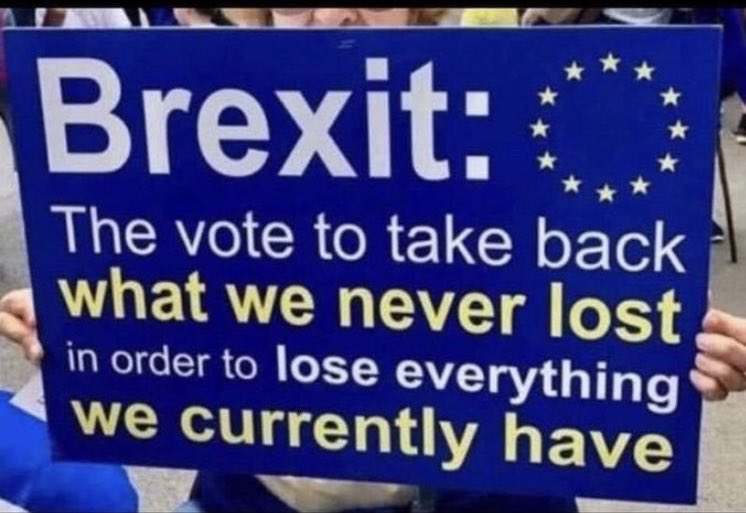
Brexit was sold as “taking back control.”
But the truth is brutal:
We voted to take back what we never lost and ended up losing what we actually had.
From Dublin III to SPS, from trade to farming, from peace to prosperity…
Brexit didn’t give Britain control.
It took it away.
265
1,057
2,296
31,545
Roly B 🇳🇱🇪🇺🇬🇧 #FBPE #RejoinEU #BLM retweeted

24 Nov 2025
Thank you - Petitions petition.parliament.uk/signa…
155
665
1,901
137,641