PI at Max Planck Institute for Medical Research | Chemically Induced Proximity | Gain-of-Function | Stanford Postdoc | PhD 2021 ETH Zürich
Joined October 2019
- Tweets 155
- Following 1,234
- Followers 778
- Likes 1,174
2 Photos and videos
Roman Sarott retweeted

Apr 20
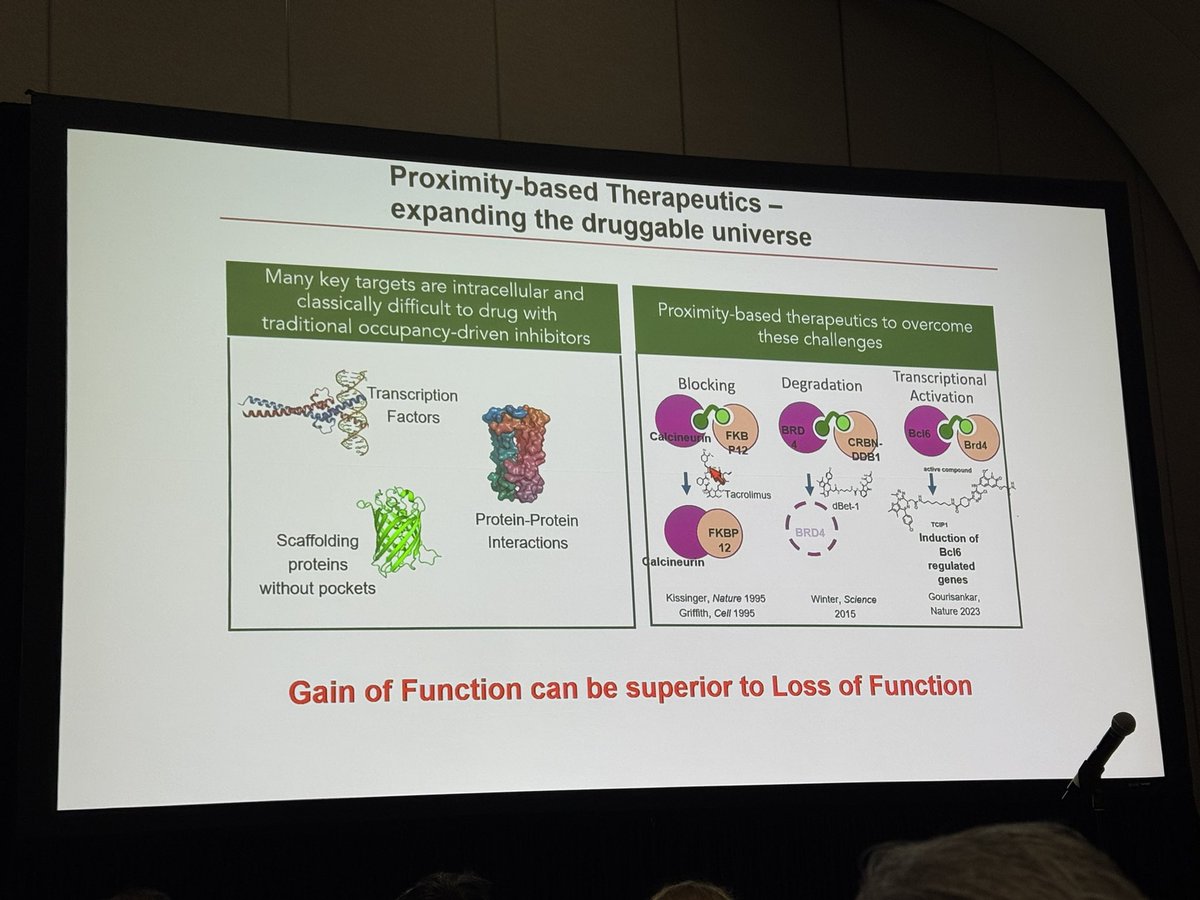
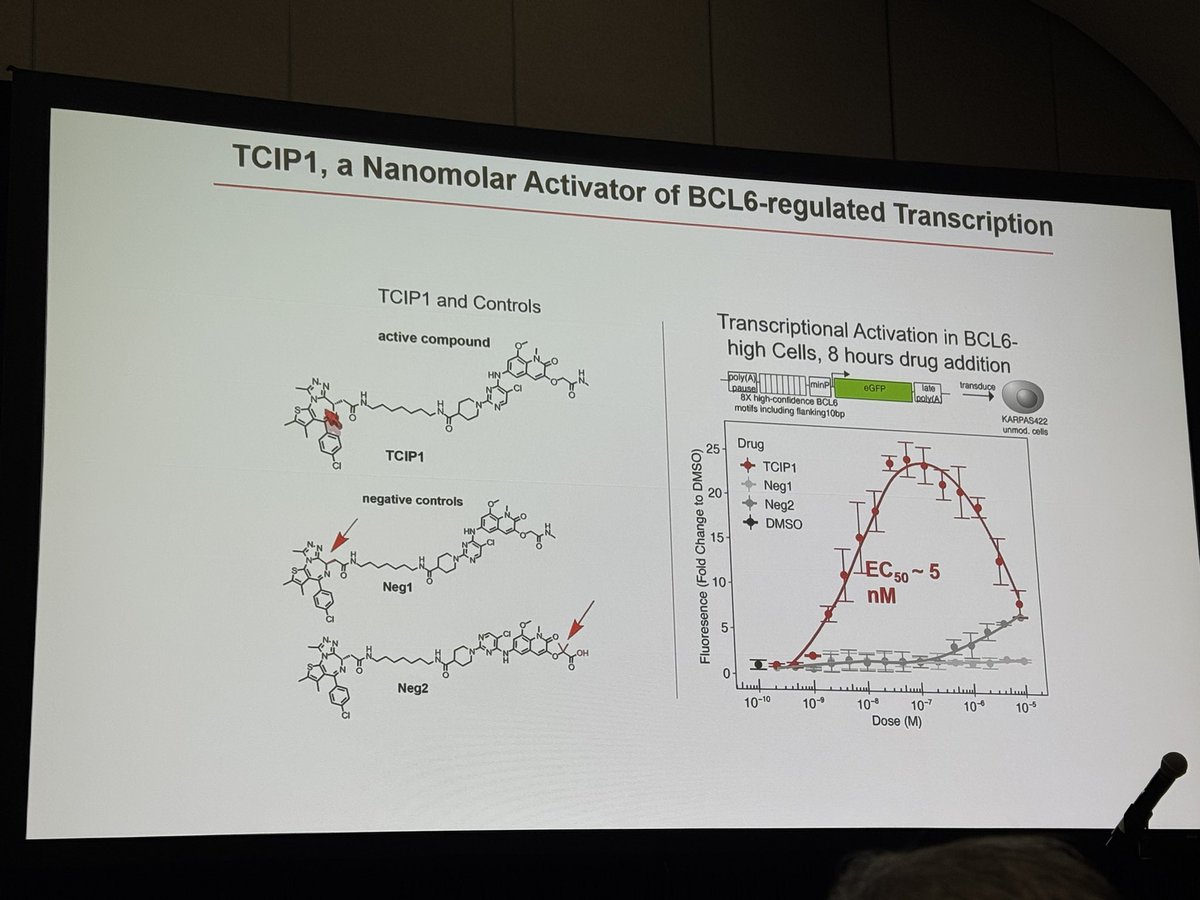
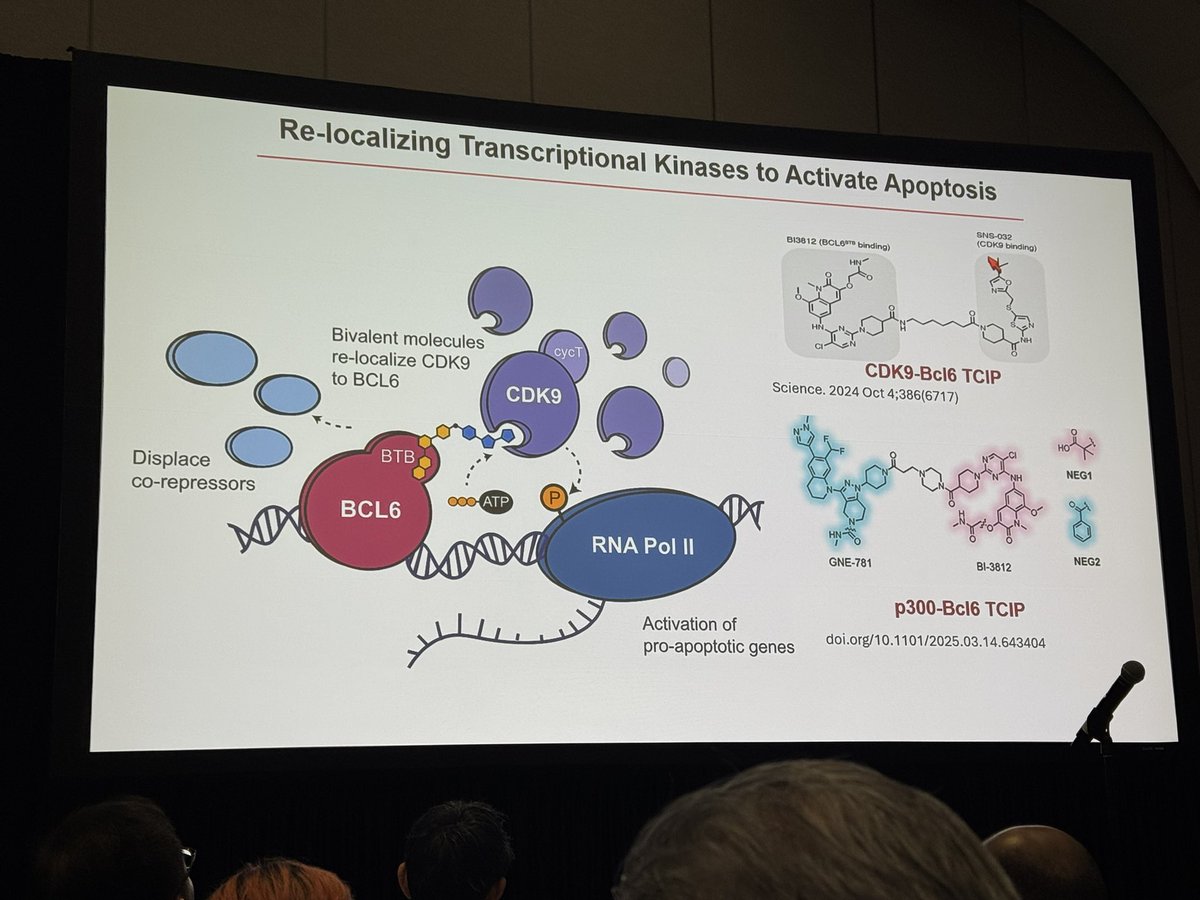
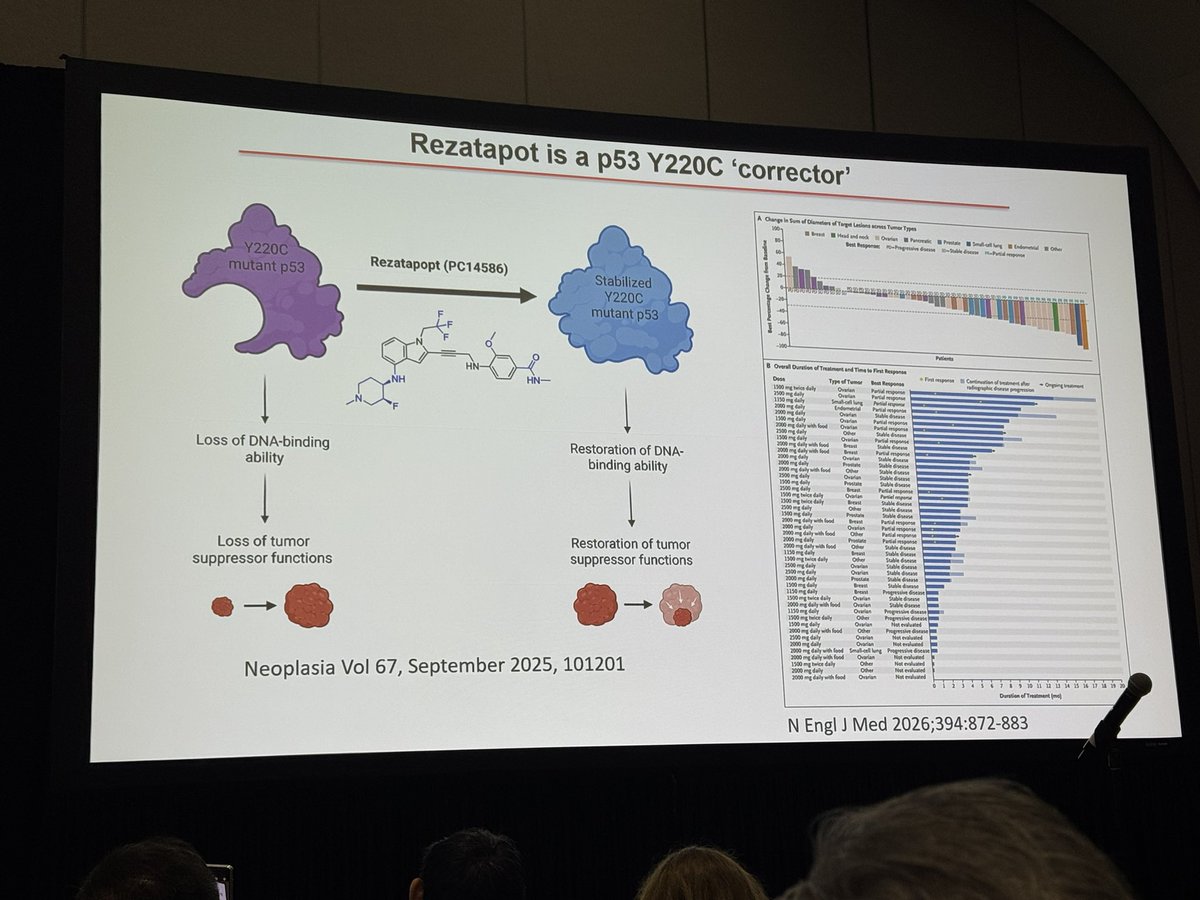
Nathanael Gray @StanfordUChem about bifunctional proximity-inducing molecules which allow to rewire transcription #AACR26. TCIPs hijacking BCL6, BRD4, CDK9, p300 and p53 Y220C as “synthetic hybride TFs” leading to transcriptional hyperactivation & gain-of-function pharmacology.
2
19
98
6,897
Roman Sarott retweeted

24 Mar 2025
Cool paper from Crabtree and Gray labs: biorxiv.org/content/10.1101/…
8
53
4,714
Roman Sarott retweeted

14 Mar 2025
🚀 Great news!
With support of the Dieter Schwarz Foundation, the #MaxPlanckSchools will keep growing. The funding boosts top-tier research & training—#ShapingTheFuture of science! Read more at bit.ly/3DQR9NZ
@maxplanckpress
@HRK_aktuell

ALT An open palm with a launching rocket, surrounded by symbols such as light bulbs and gears
2
10
1,690
Roman Sarott retweeted

22 Dec 2024
Happy to announce my next career step - I’ve launched my independent research lab at Dana Farber!
If you are a trainee interested in ambitious projects at the intersection of chemical biology and cancer biology, please reach out!
gibsonlab.org
30
54
634
79,176
Roman Sarott retweeted

18 Dec 2024
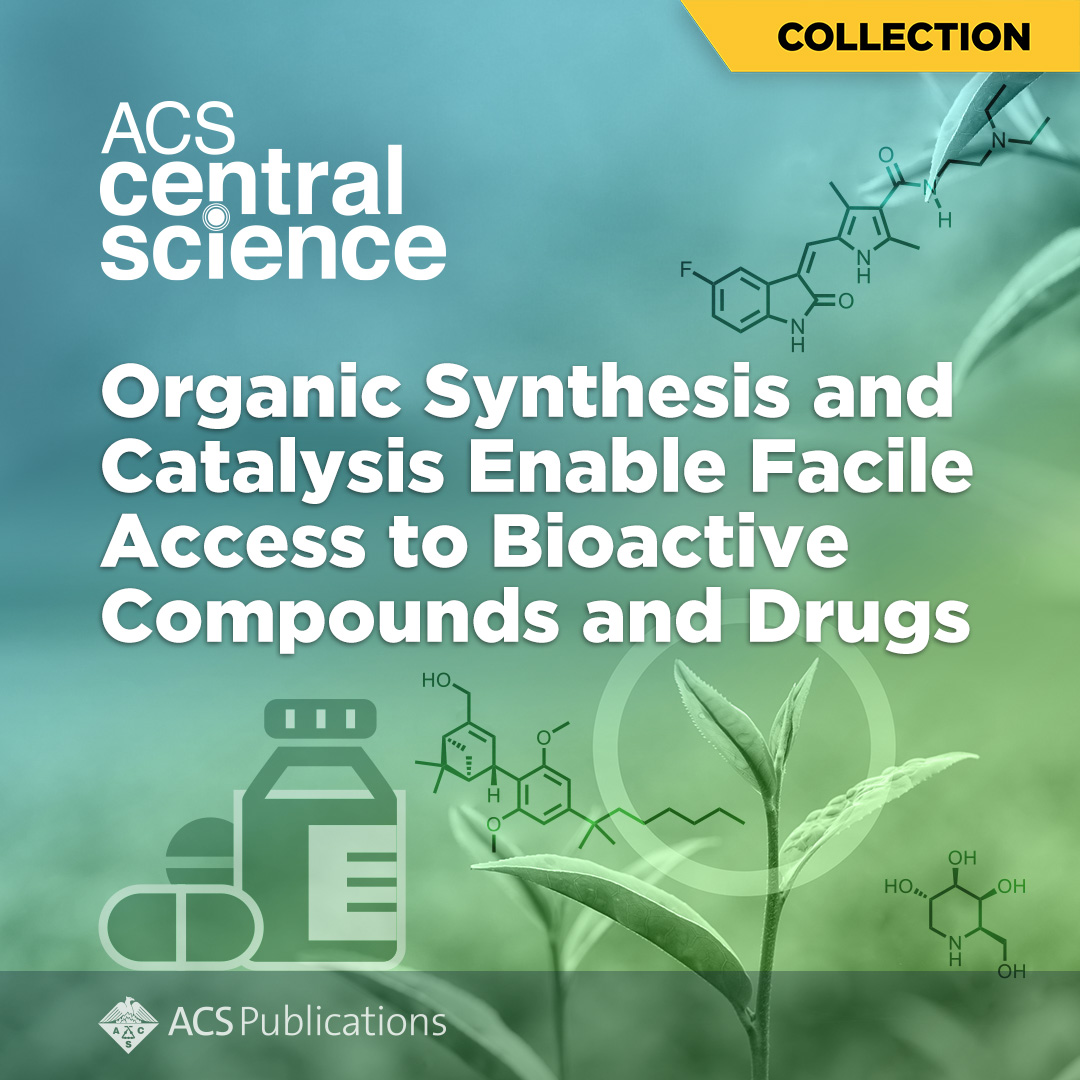
Explore the outstanding contributions by @francesarnold, @AlisonNarayanUM, @FlitschSabine, @HartwigGroup, @CarreiraGroup, @Shenvi_Lab, @hanzyduzit, @AdibekianG, @DrNitinAPatil, @RomanSarott, @ziyangnickqin, @LauraMBohnPhD1, @SHIONOGI_JP @ACSCentSci pubs.acs.org/doi/10.1021/acs…
18 Dec 2024

Check out this new Collection from @ACSCentSci, showcasing the latest advances in organic synthesis and catalysis, highlighting innovative strategies for the construction of pharmaceutically relevant compounds, natural products, and drugs.
Learn more: go.acs.org/bZm
4
21
3,069

12 Dec 2024
Can‘t wait to get started!🥳 Thank you @mpi_mr_hd for making my transition so smooth:)

🎊🎉Exciting news: @RomanSarott will join us in January as a new Research Group Leader and will establish the group “Chemically Induced Proximity”. We look forward to seeing you again in January, dear Roman! 🤩👏mr.mpg.de/14599628/chemicall…
33
2,318
Roman Sarott retweeted

🎊🎉Exciting news: @RomanSarott will join us in January as a new Research Group Leader and will establish the group “Chemically Induced Proximity”. We look forward to seeing you again in January, dear Roman! 🤩👏mr.mpg.de/14599628/chemicall…
2
3
20
4,370
Roman Sarott retweeted

6 Nov 2024
Discovery of CRBN-Dependent WEE1 Molecular Glue Degraders from Multicomponent Combinatorial Library JACS @fischerlab1 @DanaFarber @harvardmed @Stanford @StanfordMed @StanfordCancer @RomanSarott #CRBN #Wee1 #MolecularGlue #Degraders #Multicomponent #Library pubs.acs.org/doi/10.1021/jac…
2
14
4,466
5 Nov 2024
Multicomponent reactions for molecular glue discovery,
Congrats @HRazumkov and @ZzzxJiang !
Discovery of CRBN-Dependent WEE1 Molecular Glue Degraders from a Multicomponent Combinatorial Library | Journal of the American Chemical Society pubs-acs-org.stanford.idm.oc…
1
3
12
1,660
Roman Sarott retweeted

4 Nov 2024
Postdoc opportunity to work with Weizmann and Max Plank, superb funding. Enjoy the best of both worlds.
weizmann.ac.il/sites/mpg-wis…
22
36
6,583
Roman Sarott retweeted

29 Oct 2024
We can now activate p53 Y220C by recruiting BRD4 to it with small molecule TRAP-1. This was a great collaboration with Gray lab and Attardi Lab @Stanford lead from @UniBonn @UniklinikBonn by @dpienkowska9 & @JanGerhartz.
biorxiv.org/content/10.1101/…
2
11
71
5,149
Roman Sarott retweeted

29 Oct 2024
New work from Nat Gray lab...
Discovery of a small molecule chemical inducer of proximity that activates mutant p53 by linking to BRD4. Highlights how chemically induced proximity can be used to restore the functions of tumor suppressor proteins.
biorxiv.org/content/10.1101/…
1
29
137
22,479
22 Oct 2024
Fantastic feature story on our work on hijacking kinases to kill cancer cells - thank you @JuliaBauman2 for the highlight!
22 Oct 2024

Really nice new cancer drug modality: Chemical induction of proximity to hijack the activity of a cancer driver!
From @RomanSarott @saigourisankar @baselakarim in the Gray & Crabtree labs @Stanford
18
1,248
4 Oct 2024
If precision gene modulation with small molecules sounds fun - my starting lab @mpi_mr_hd is looking for postdoc candidates in molecular biology!
1
7
37
11,790
4 Oct 2024
Can we turn the activity of oncogenic kinases against cancer itself?
In my postdoc work @Stanford, new in @sciencemagazine, we show exactly that.
science.org/doi/10.1126/scie…
#ScienceResearch #InducedProximity @Stanford_ChEMH @StanfordCancer @snsf_ch @StanfordMed
8
36
186
30,575
4 Oct 2024
Leveraging chemically induced proximity, we convert kinase inhibitors into locus-specific activators of gene expression.
In place of a tweetorial here a video that @saigourisankar and I got to do with @FNucleosome.
youtu.be/-eNl-ByXB-E?si=VhY4…
1
1
7
1,297
4 Oct 2024
I am deeply grateful for the fantastic group of scientists that I had the privilege of working with: Nathanael Gray, Gerald Crabtree, @GreenLymphoLab, @baselakarim, @NettlesSabin, @HinshawStephen, and all those not on twitter.
4
663