191 Photos and videos
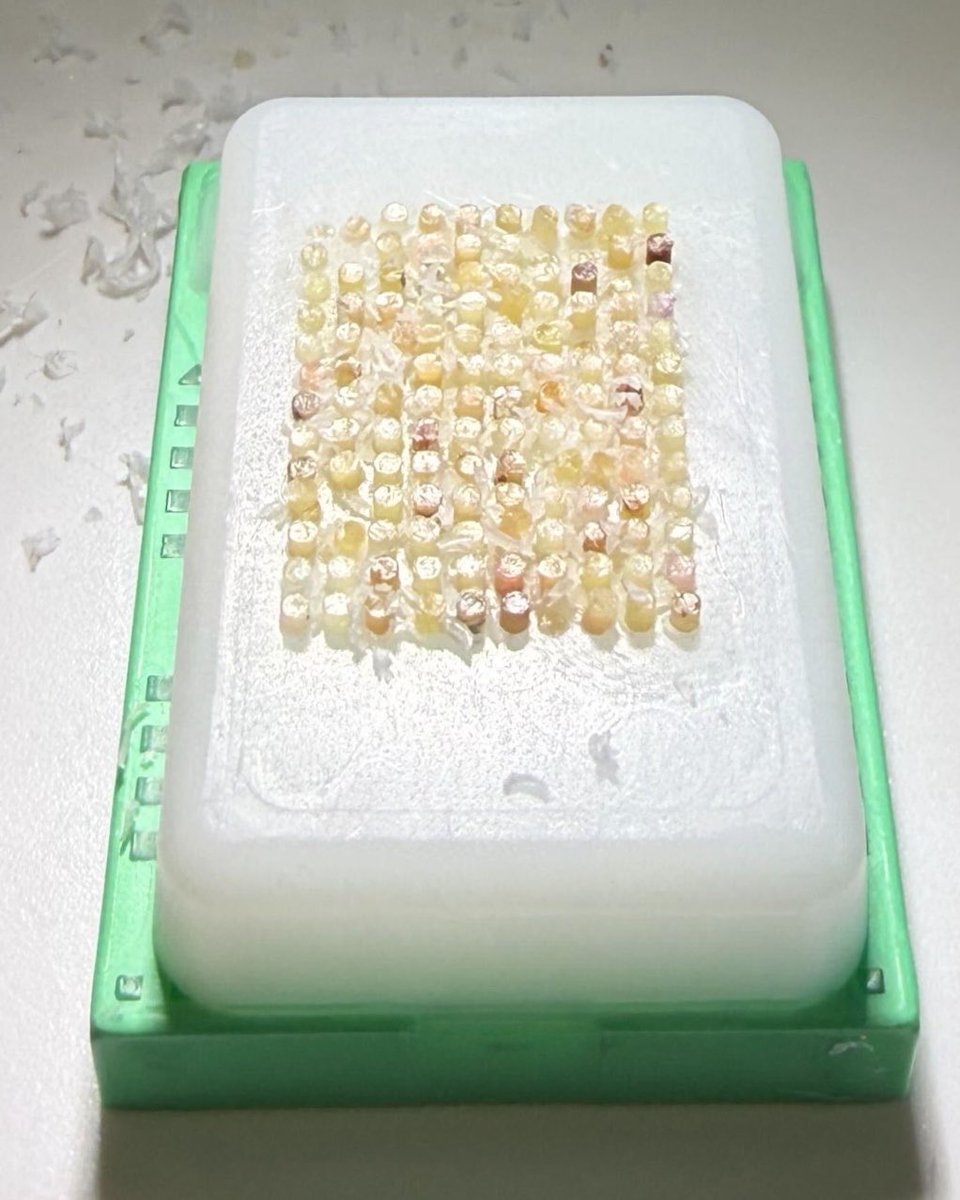
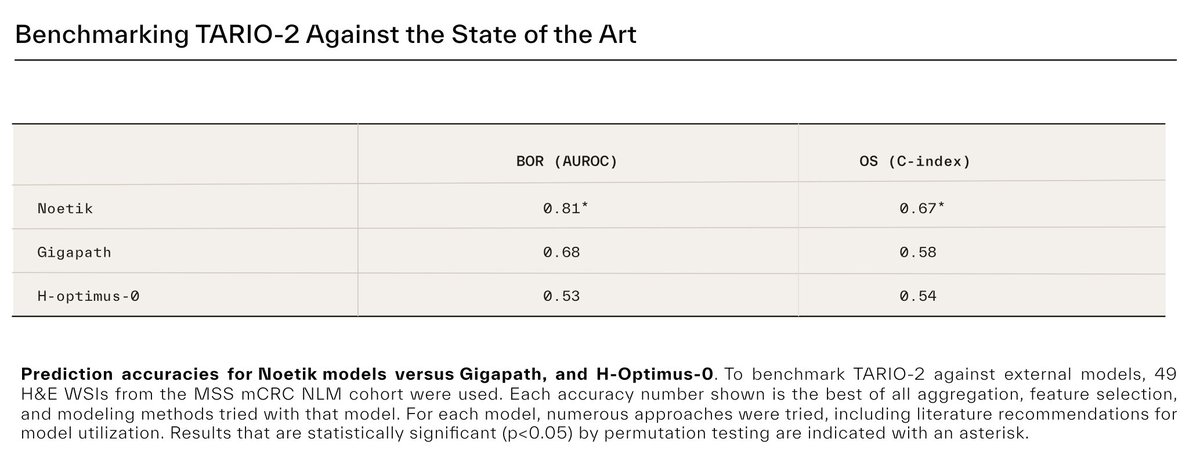
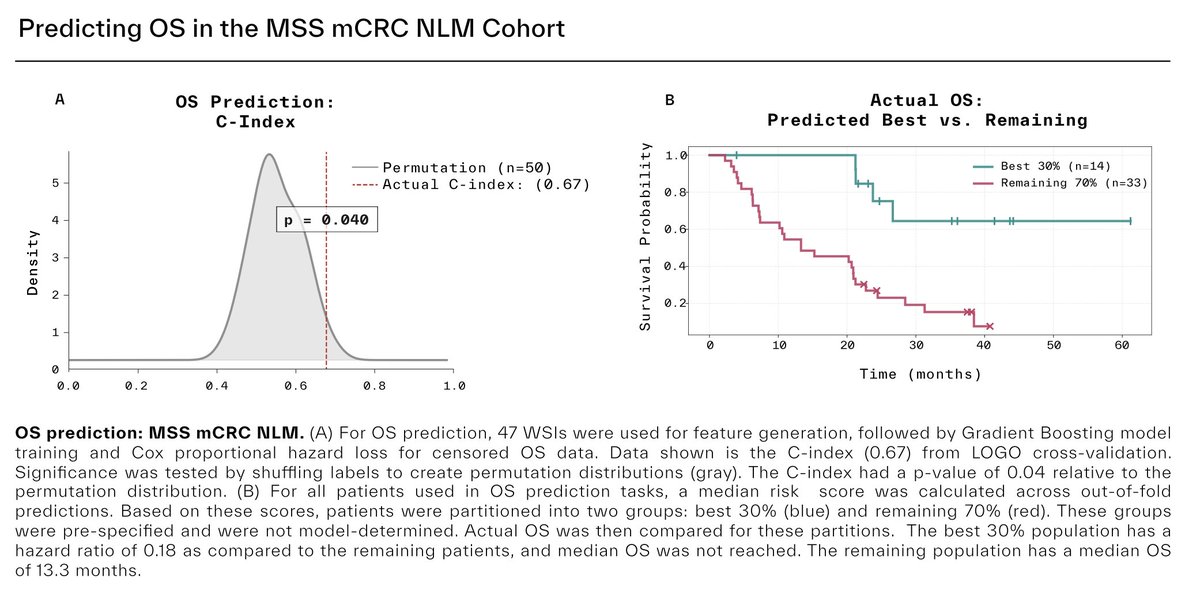
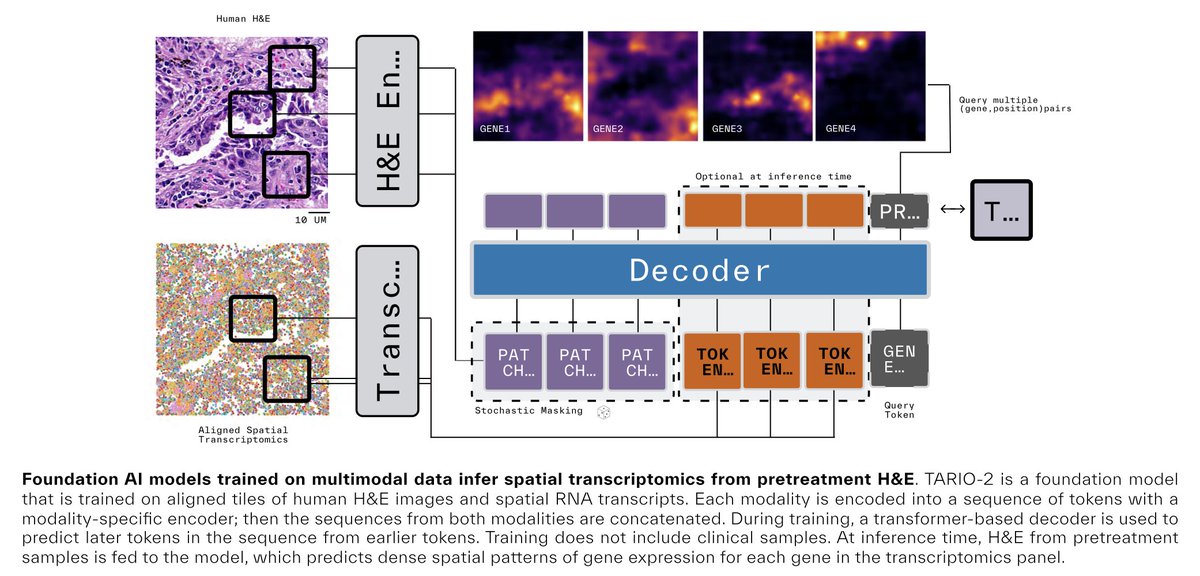
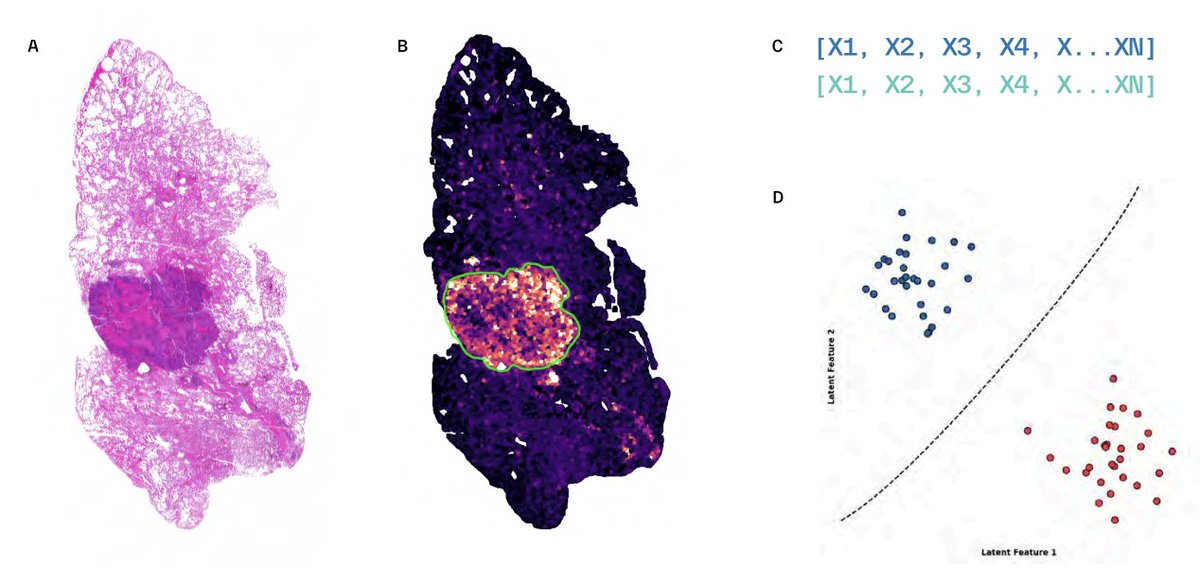
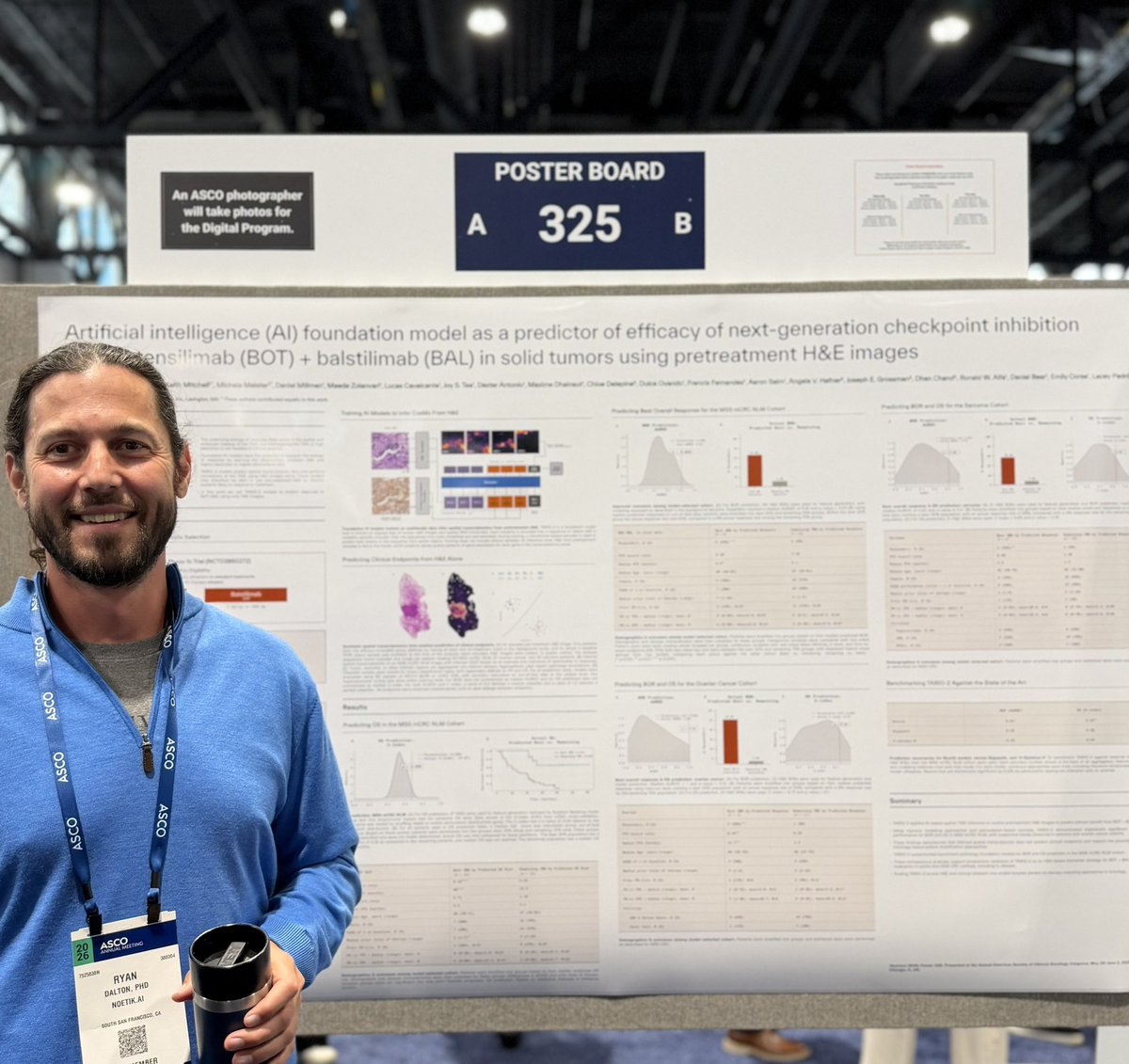
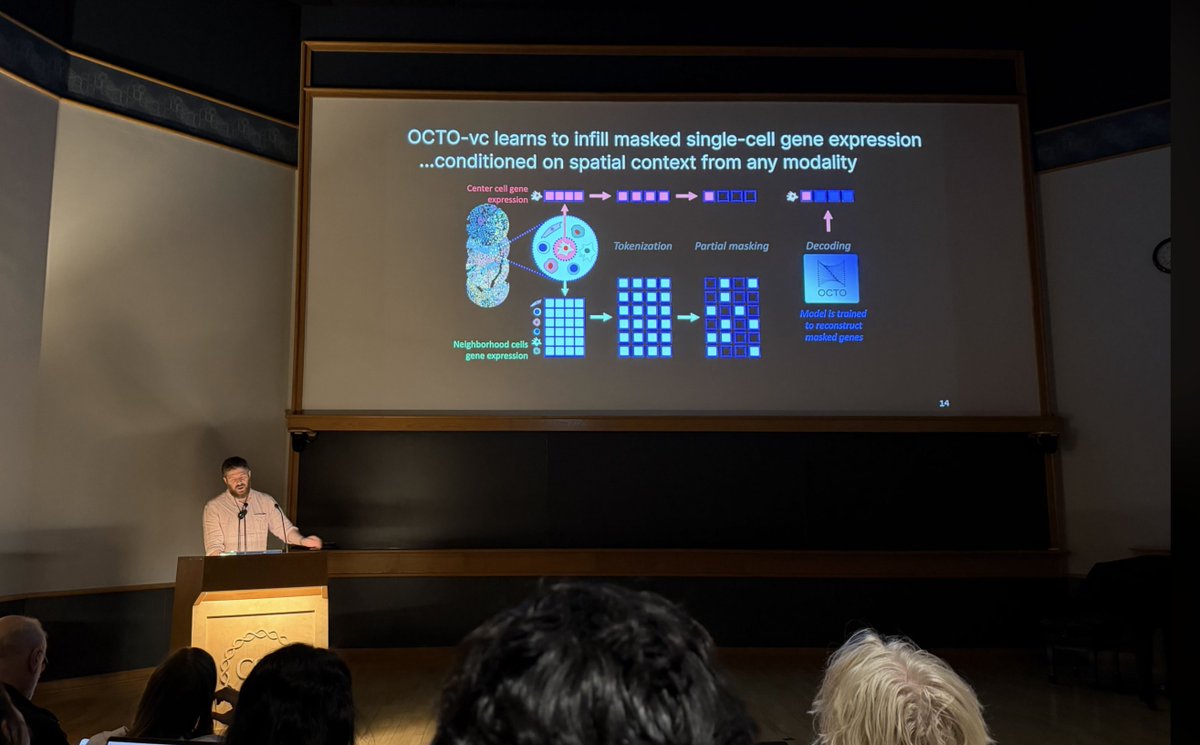
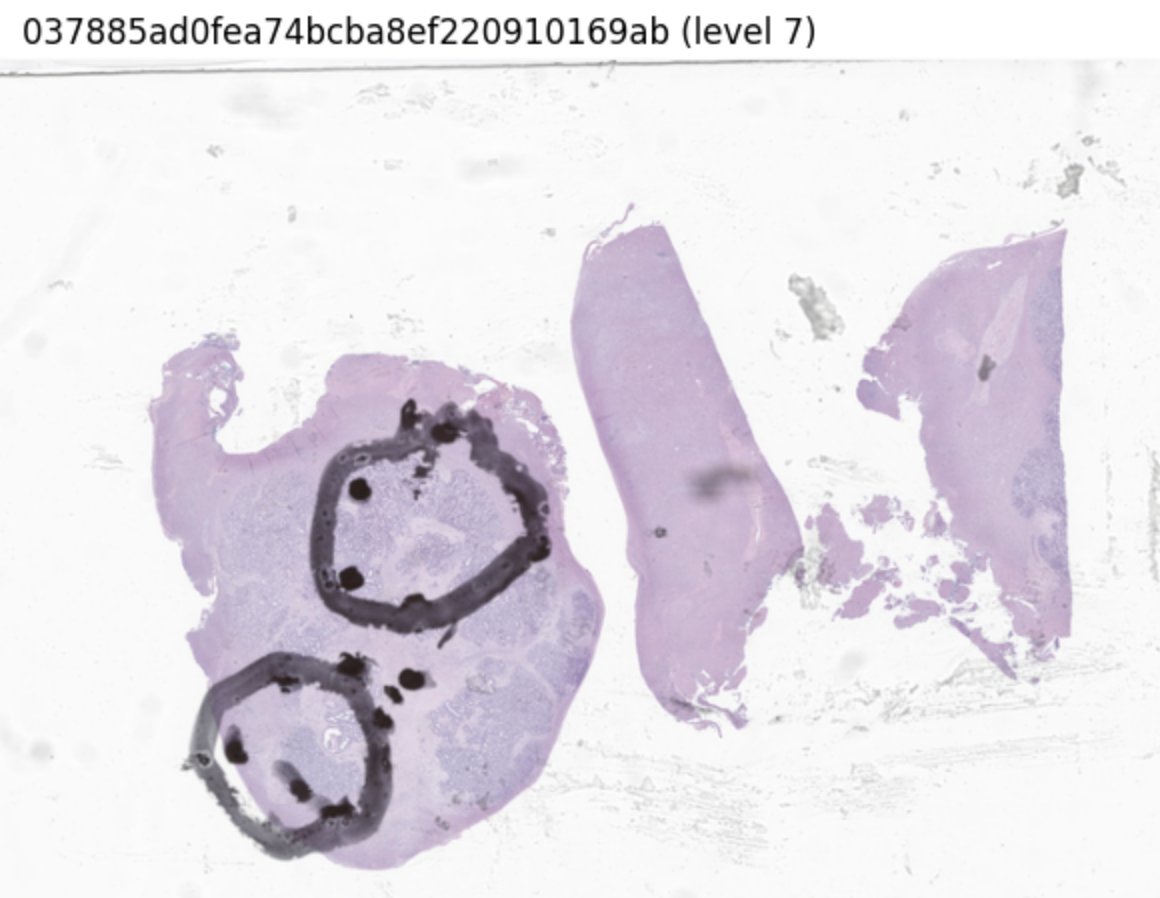
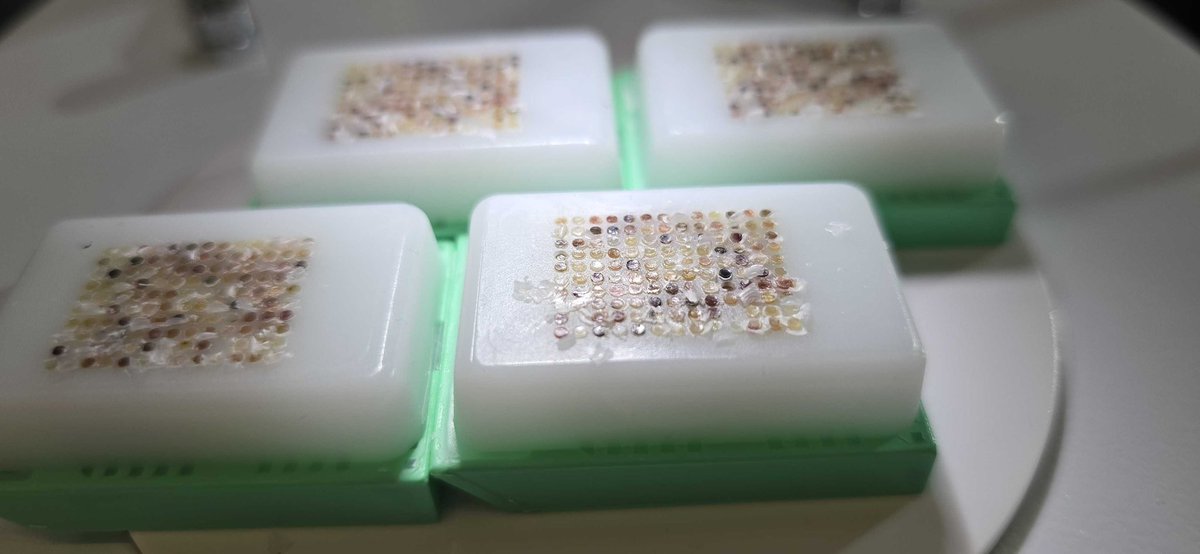
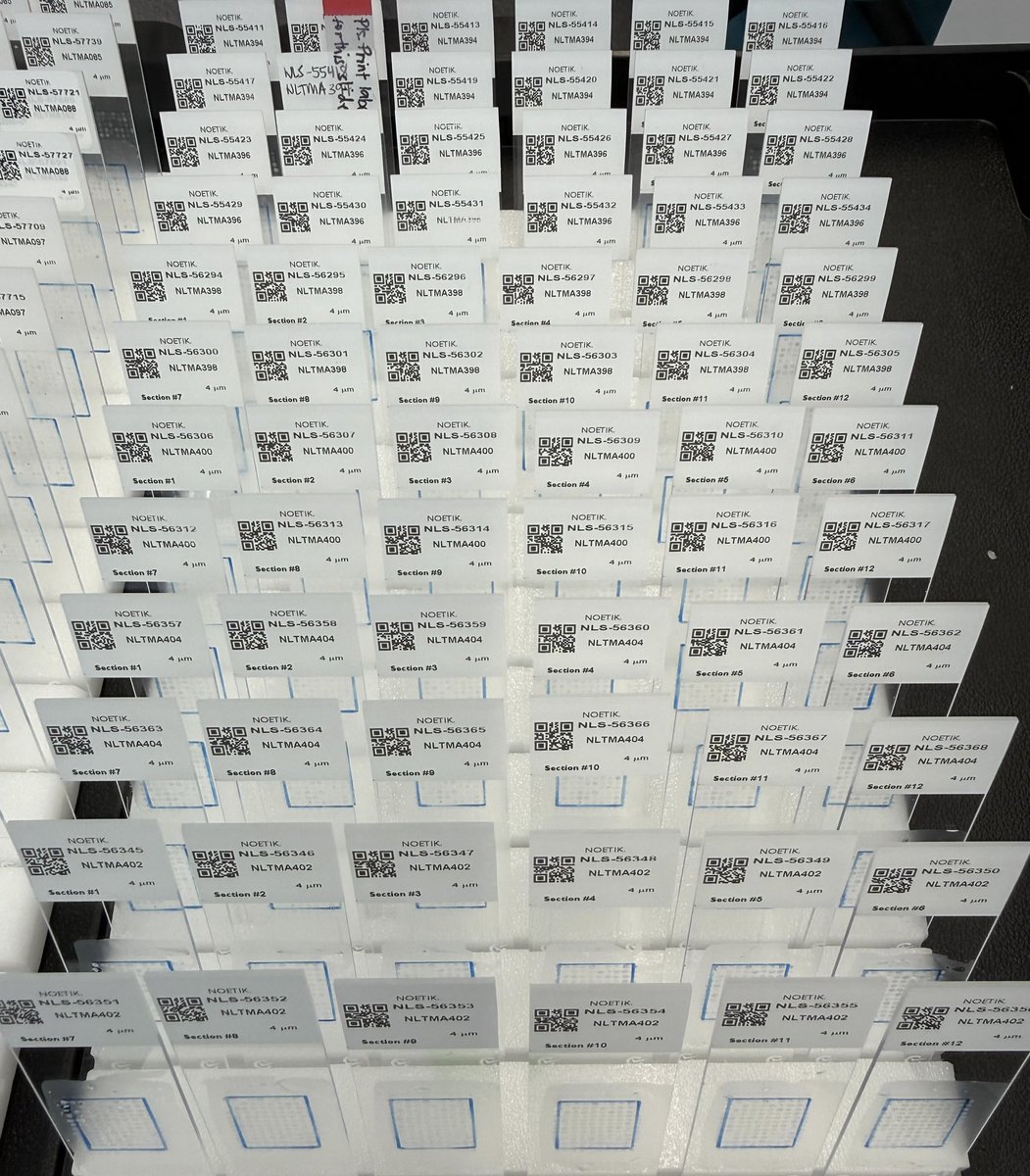

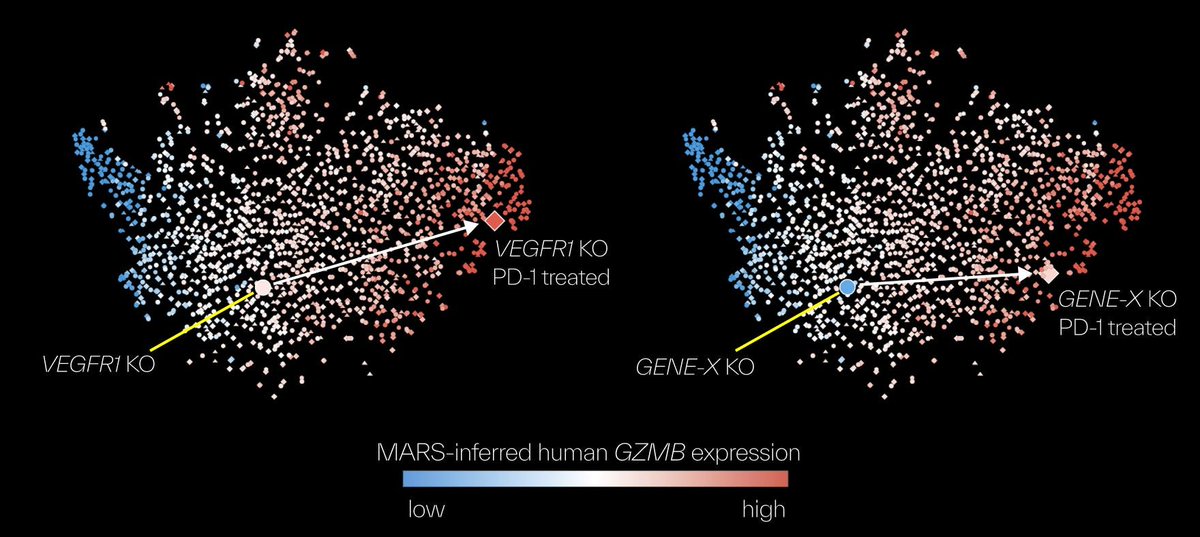

1/ Spatial transcriptomics is among the richest view of human biology that we have: 18,963 genes mapped at subcellular resolution.
It's also almost never collected outside of research settings.
So we trained a foundation model to generate it from a clinical H&E image alone.
Meet TARIO-2. 🧵
noetik.blog/p/tario-2-a-whol…
7
33
183
19,149

Yeah, our benchmark is predicting responders on clinical data.

one slight issue I often have with techbio is the way people use some very specific model benchmark as validation that their tool is somehow “better”. i think in general we need a better push for more top down biologically informed benchmarks that truly ask “will this make my drug better at what it needs to do” especially in cancer vaccines
2
2
25
6,004
Ron Alfa retweeted

Jun 12
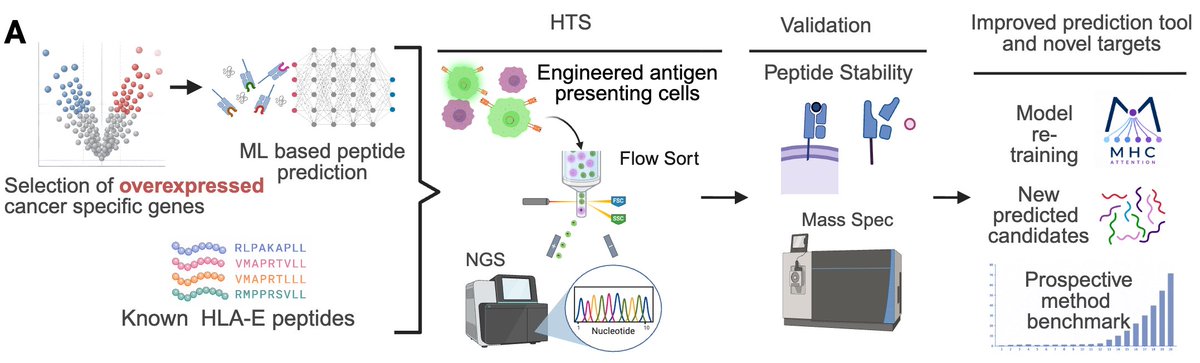
Excited to share our new preprint: an integrated platform for discovering HLA-E–presented cancer antigens. Why HLA-E? It's carried by 99% of humans — meaning HLA-E presented targets could apply across many patients and cancer types. 🧵
1
3
19
20,915
the computers
Jun 11

Good luck. We’ve used computers and AI in drug discovery since the 80s and still approving fewer and fewer drugs every year. Let me know when you think the tide will turn 😂
3
4
39
13,620
100%
Jun 11

Noetik trains models on spatial data not single cell data. When they eliminate the spatial info, their models collapse.
17
3,859
Ron Alfa retweeted

Jun 11
This is a good breakdown. Also, people should remember that language models ALSO don’t scale unless you get a bunch of things right (tokenization, architecture, data, loss function….) There’s a cottage industry around trying to show that some new language architecture scales.
Jun 11

Got somewhat confused by this article from Microsoft: I expected to see scaling laws apply to cell biology, based on prior readings from leaders in the space. See in particular Noetik’s TARIO piece: noetik.blog/p/scaling-behavi…. Microsoft and Noetik reach opposite verdicts on whether AI scales in cell biology, but the contradiction is actually superficial:
- Microsoft froze compute and varied only data, on a public dissociated-cell corpus, scored against easy tasks that regular PCA already solves, and plateaus at 1% of the training set.
- TARIO co-scaled parameters, context, and data together, on proprietary spatial tumor data, scored against a hard generative target with significant headroom, and saw no plateau.
Key differences: compute design, modality, data quality, and task difficulty.
One point of convergence though: that scaling within a narrow distribution doesn't buy out-of-distribution generalization. Most reasonable conclusion seems to be that in bio and elsewhere, scaling works when compute co-scales, the data is high-quality and distribution-matched, and the task has room to improve.
1
1
11
2,057
Cool
Jun 11

pumped to announce the first AI Scientist hack in LDN!
we're teaming up w @AnthropicAI to help you build out next gen. scientific discovery
provided:
> mansion in central London
> all the tokens and pizza you can eat through
> great vibes insanely cracked people
link below
2
7
2,429
Ron Alfa retweeted

Jun 10
Human biology matters. Scientists and AI need human data to understand health and disease.
Crownlands is open sourcing Gateway 4M, the largest single-cell tissue dataset ever released from living humans, to advance research on brain aging and neurodegeneration.
17
34
134
33,934

But scaling laws in bio do hold for spatial data (images).
noetik.blog/p/scaling-behavi…
2
52
3,048
Ron Alfa retweeted

Jun 9
I wish I could explain to others the like sense of awe and horror you get when looking at the transcriptome of someone's metastatic cancer because you can just see what is already about to happen- like the ninja metabolic waltz that will occur around every attempt to intervene
4
3
103
8,638
Ron Alfa retweeted

Jun 9
Been reading about biotech the entire weekend. And this is a once in a generation time to build a full stack biotech company from the ground up.
Pick your lane- personalised therapies, vaccines, etc (or multiple ones even) and go all the way in.
Time to do what SpaceX did to the space industry.
8
6
124
9,669
There’s a lot of this, it’s negative value. The best investors still talk to operators and founders.
Jun 7

The fastest death sentence for raising venture dollas: “We are going to send this to one of our advisors for technical diligence.”
Three weeks later, a PhD who has never left the lab has 35 reasons why your startup will fail.
1
2
15
7,011
Agentic drug discovery 101: used agents foundation models to move from target discovery to ADC program design in ~2 hours.
Workflow:
1. Human target ID: agent designed virtual screens using our OCTO-VC foundation model lung cancer data, yielding 100 candidate targets.
2. In vivo cross-check: candidates were compared against thousands of tumor knockout experiments from PerturbMARS, confirming ~20 targets with animal data.
3. Strategy review: agent assessed competitive landscape, druggability, and modality. Output: 2 Tier 1 and 3 Tier 2 programs.
4. Therapeutic index: for ADC-suitable targets, the agent compared tumor vs normal tissue signal using OCTO-VC TARIO-2. One target looked especially favorable.
5. Biomarker selection: agent identified biomarker-defined populations with predicted response rates >50%. Surprise: ovarian cancer looked stronger than lung; colon dropped out.
6. Payload selection: agent prioritized ADC payloads and proposed an initial molecule design strategy.
Net: an agentic workflow @NOETIK_ai foundation models turned multimodal preclinical data into a concrete therapeutic hypothesis, with ranked targets, indications, biomarkers, modalities, and payload direction.
The priority hit looks like a potential new ADC target. Next step: make it.
8
10
128
10,018
Yes, we are at the inflection point now, solving the most challenging problems.
Jun 6

I believe this next wave of Bio is going to be bigger than anyone can imagine.
Multiple $10T companies. Maybe even a 100 Trillion dollar company.
1
3
40
4,952
yesterday we shared a demo of our @OpenAI Rosalind agent analyzing @NOETIK_ai OCTO-VC to suggest a novel bispecific ADC in a room of pharma execs, unredacted raw discoveries
approaching limitless access to insights, biology is getting commoditized
2
3
78
6,624