Vice Chair Rotary: PolioPlus Committee, Chair Polio Advocacy Task Force; UK National Advocacy Adviser ; Dean Rotary Representatives to UN & other Agencies
- Tweets 2,727
- Following 759
- Followers 1,264
- Likes 598









ALT A person in a shimmering outfit stands on stage with a microphone, in front of a dark blue background with vibrant abstract shapes.

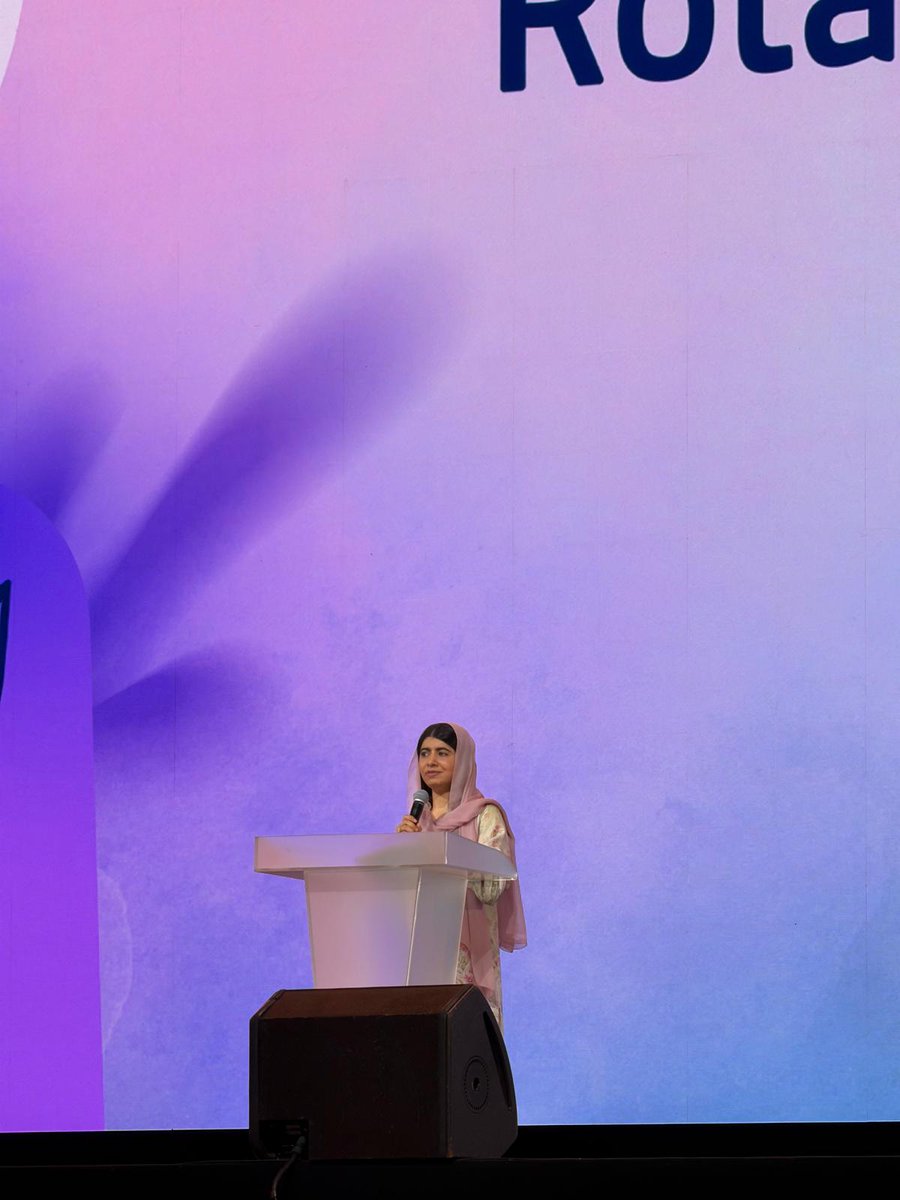
ALT Malala Yousafzai speaks from a podium during a Rotary International Convention general session in Taipei. Holding a microphone, she addresses attendees from the stage against a softly lit backdrop in shades of blue and purple.

ALT Nobel Peace Prize laureate Malala Yousafzai walks across the stage during a Rotary International Convention general session in Taipei. A large screen behind her displays her name and highlights her roles as co-founder of Malala Fund, Nobel laureate, and bestselling author as attendees look on.


ALT Holger Knaack speaks from the main stage during a Rotary International Convention general session in Taipei. He gestures with both hands while presenting in front of a colorful Rotary Foundation backdrop.

ALT Holger Knaack speaks on stage during a Rotary International Convention general session. A large screen behind him displays “Thank You” in multiple languages as attendees watch from the audience.

ALT Wide view of the main stage during a Rotary International Convention general session in Taipei. A large screen displays the newly announced sixth Programs of Scale grant, “Collaboration for Sustainable Water and Sanitation Systems in Haiti,” alongside the Rotary logo. Rotary Foundation Chair Holger Knaack stands on stage as attendees watch from the audience.

ALT Rotary Foundation Chair Holger Knaack speaks on the main stage during a Rotary International Convention general session in Taipei. Behind him, a large screen displays colorful illustrations representing Rotary-supported community health, education, environmental, and development initiatives as attendees watch from the audience.
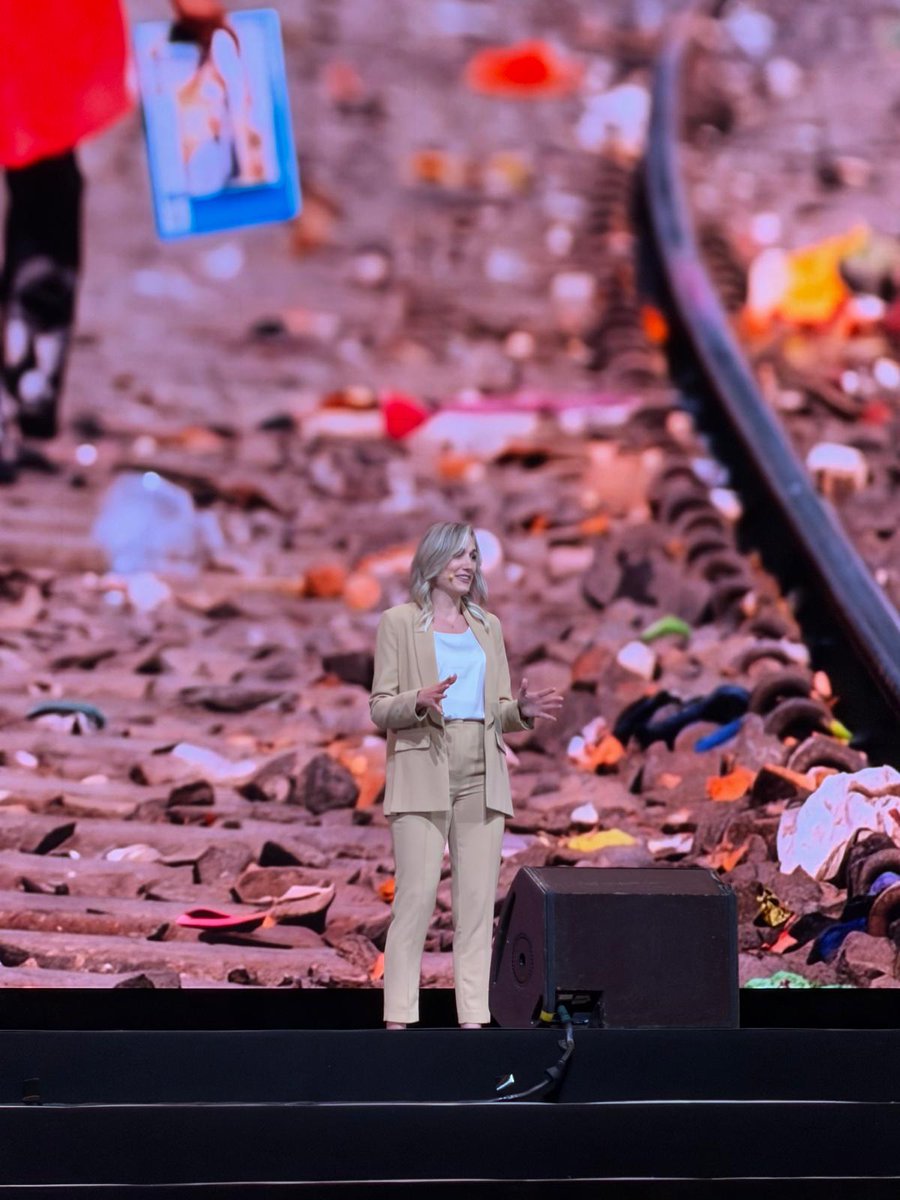
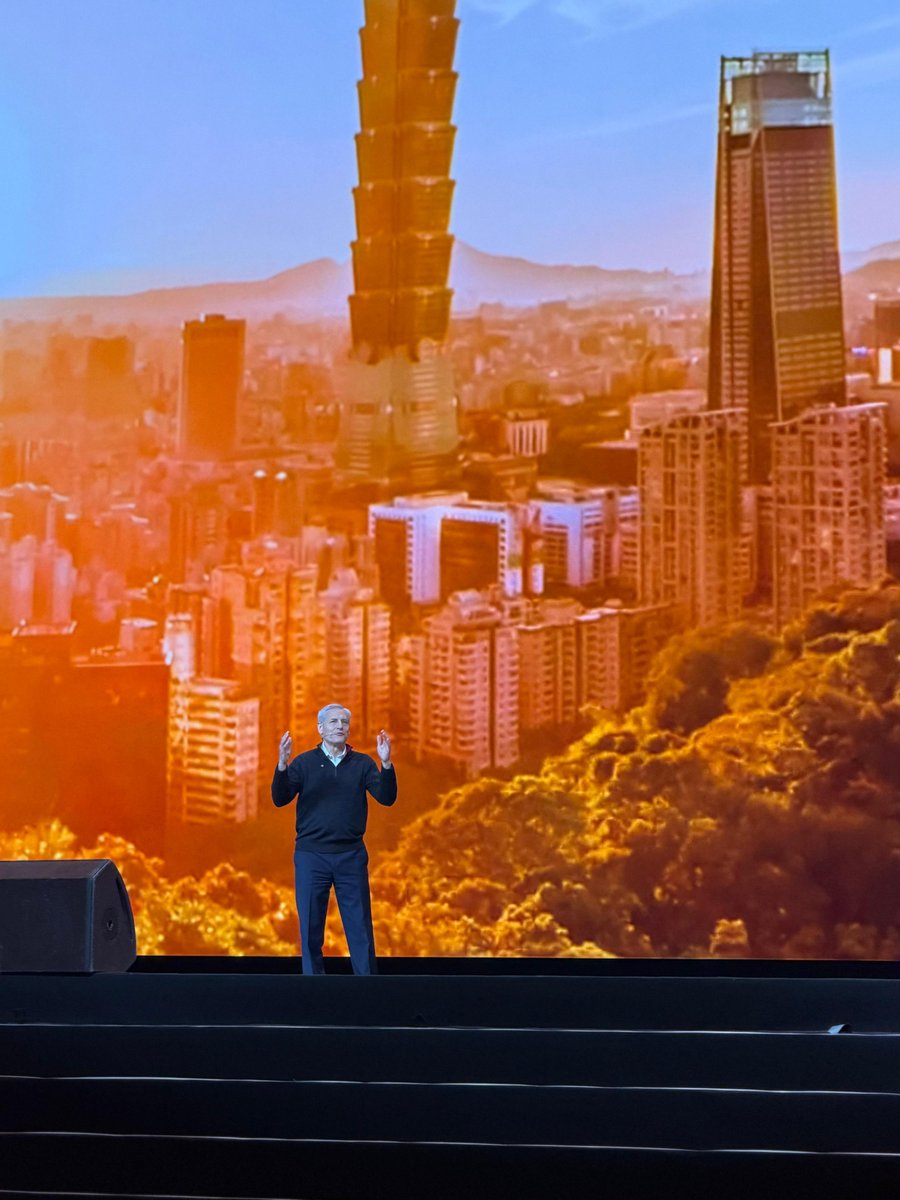
ALT A speaker stands on stage at the Rotary International Convention in Taipei, presenting in front of a large screen displaying a close-up photograph of railroad tracks with scattered debris. The speaker gestures while addressing the audience.



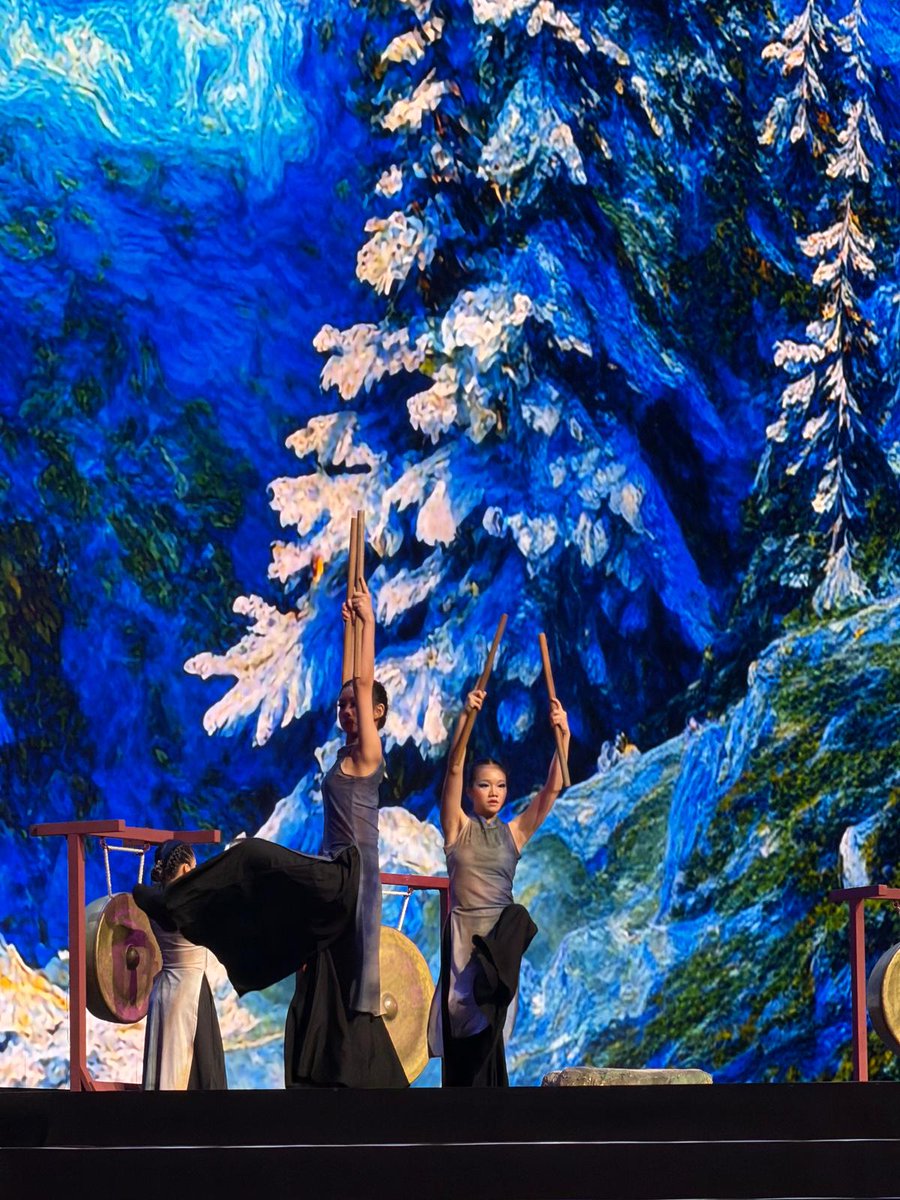
ALT Performers raise wooden mallets during a choreographed percussion performance on stage. A towering digital backdrop depicts a snowy forest landscape in rich blue and white tones.

ALT A trumpet player performs a solo during the HJO Jazz Orchestra's concert. Warm red and orange stage graphics illuminate the background as the musician plays under a spotlight.

ALT The HJO Jazz Orchestra performs on stage as musicians play brass and woodwind instruments under concert lighting. A conductor stands at the front of the ensemble against a backdrop of glowing gold accents.

ALT Performers stand on stage beside traditional gongs during a cultural performance. A vivid backdrop of mountains, water, and a glowing sunset fills the giant screen behind them in bright shades of orange, red, and blue.
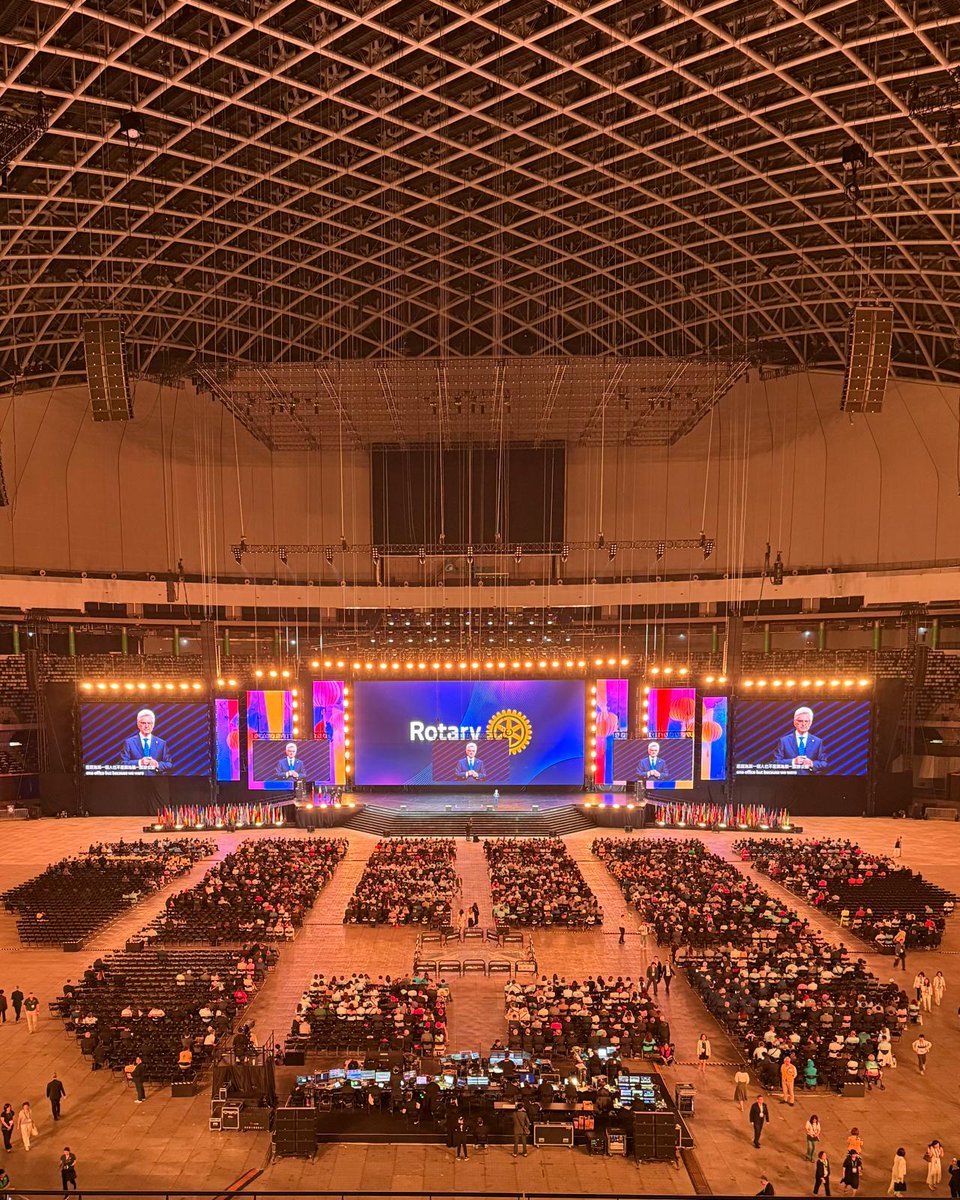
ALT A wide view of Taipei Dome shows Rotary International President Francesco Arezzo speaking to thousands of attendees during the Opening General Session at #Rotary26. Large screens display his image while rows of international flags line the front of the stage.

ALT Rotary International President Francesco Arezzo stands on stage with several family members and Rotary leaders during the Opening General Session at #Rotary26. Colorful lantern graphics and the Rotary wheel logo appear on large screens behind them.
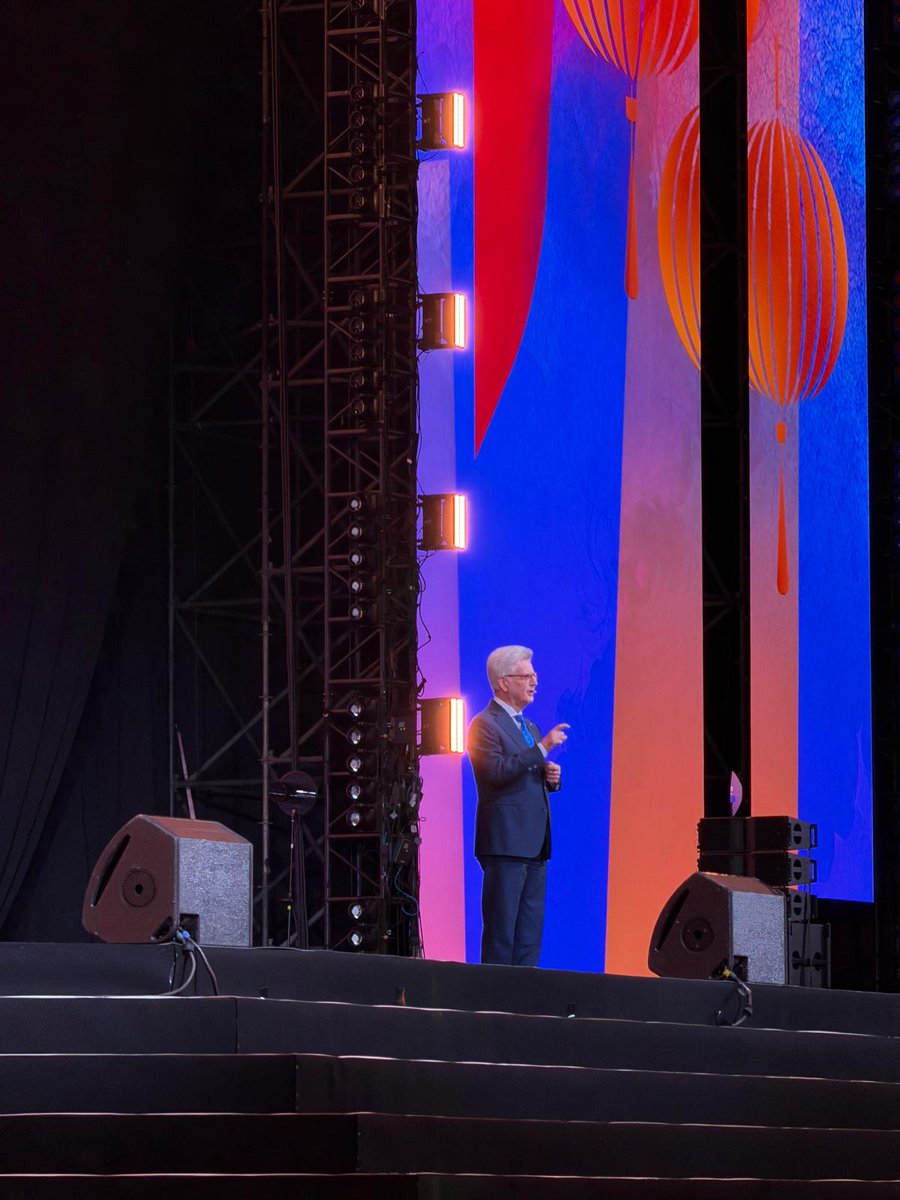
ALT Rotary International President Francesco Arezzo speaks on stage during the Opening General Session at #Rotary26. Bright lantern-themed graphics in pink, blue, and orange illuminate the backdrop behind him.


ALT The image is a promotional poster for a Rotary event titled "Join the Experts: A Polio-Free World is Possible." It features six individuals including Michael K. McGovern, Valarie Wafer, Aziz Memon, Johrita Solari, Andre Suharto, and Carol Pandak. The event is scheduled for 15 June, from 9:30 to 11:00, at TaiNEX 2, Room 701G. The poster includes logos for Rotary and Taipei 2026.

ALT Four Rotary members pose near the front of a crowded convention venue ahead of a general session

ALT Members of the Rotary Club of Taipei Antung pose with their club banner on the convention floor surrounded by fellow attendees.

ALT A diverse group of Rotary convention attendees stands together in a crowded arena, taking a selfie before the opening session. Participants wear colorful traditional and professional attire, representing different countries and cultures, while hundreds of attendees fill the seats behind them.
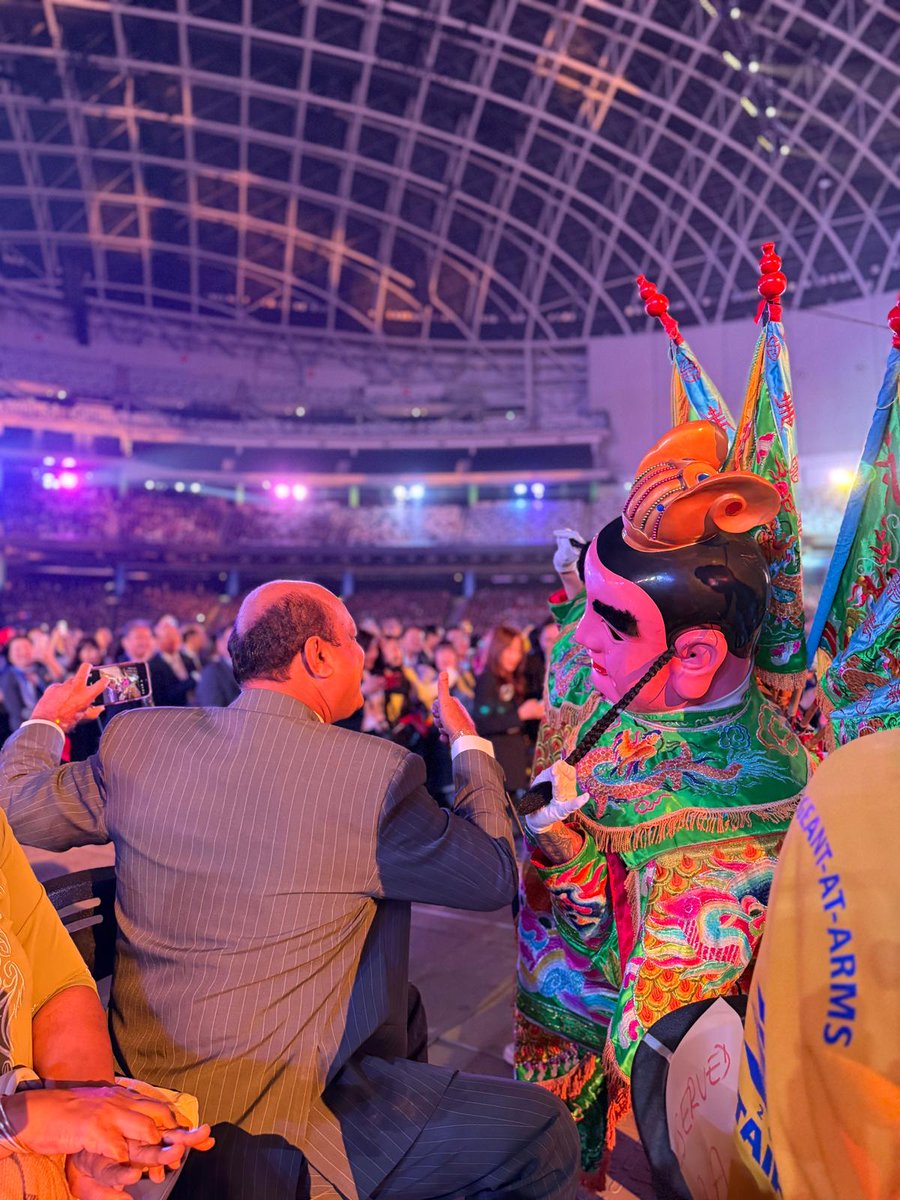
ALT Traditional dancers and drummers perform on stage beneath colorful lighting during the opening ceremony of the Rotary International Convention. Temple-inspired imagery fills the large screen behind them as the audience watches from the arena floor and stands.

ALT A traditional performer in ornate costume and face paint poses dramatically on stage during Fervor Taiwan's "Sacred Procession." Red lanterns, temple-inspired visuals, and fellow performers create a vibrant backdrop.
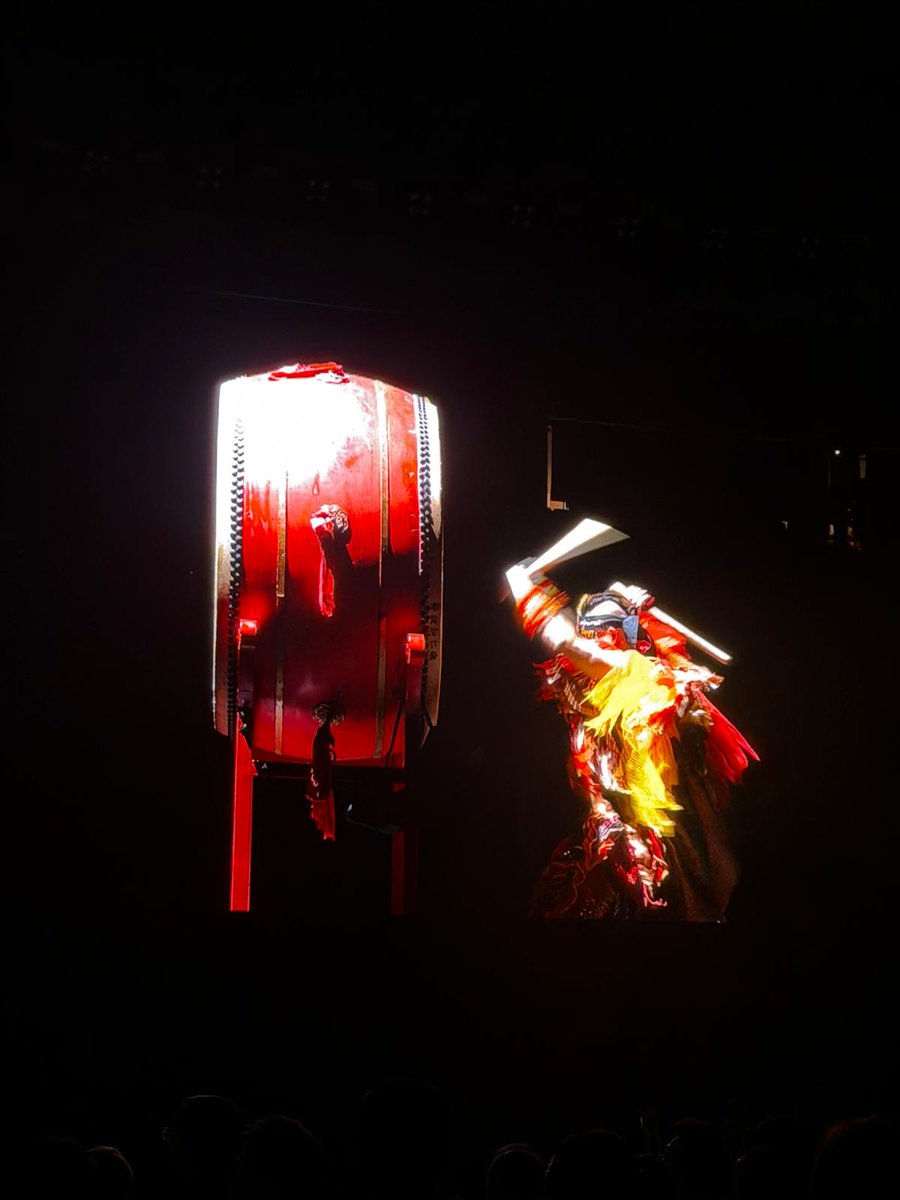
ALT Traditional dancers and drummers perform on stage beneath colorful lighting during the opening ceremony of the Rotary International Convention. Temple-inspired imagery fills the large screen behind them as the audience watches from the arena floor and stands.