
Joined July 2025
- Tweets 4,222
- Following 182
- Followers 139
- Likes 1,096
618 Photos and videos







Jun 7
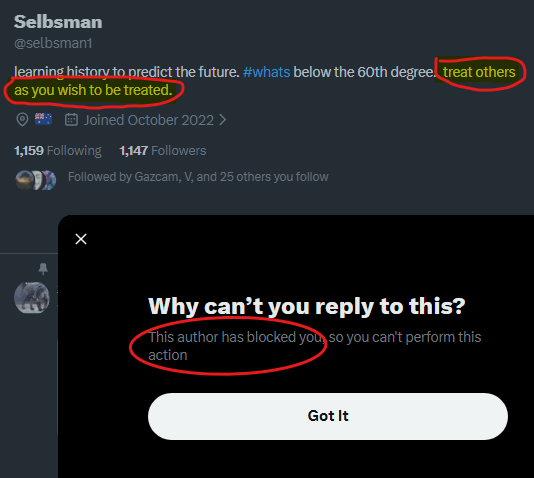
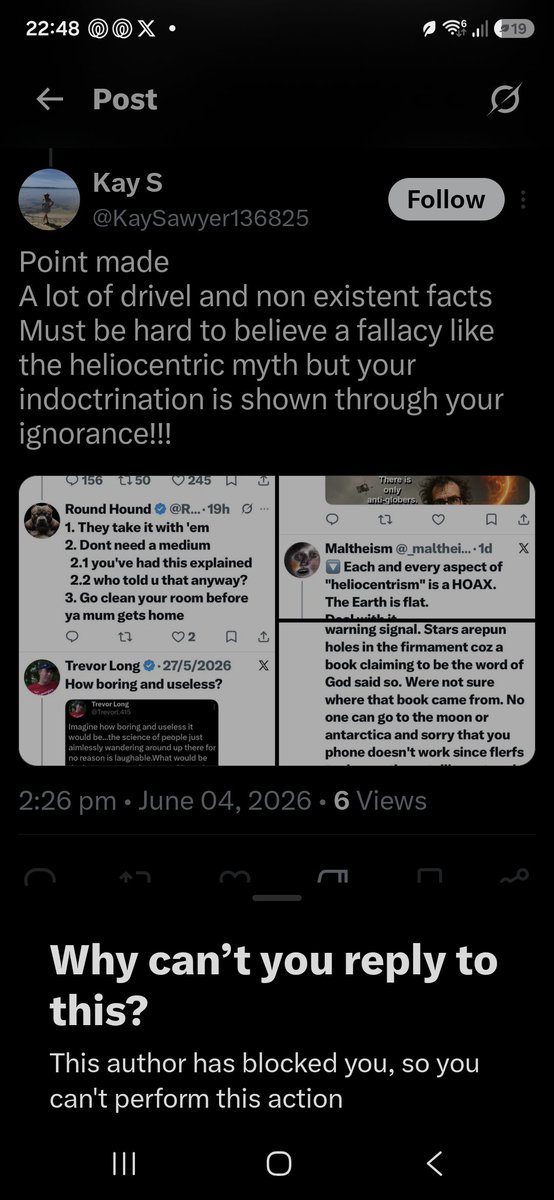
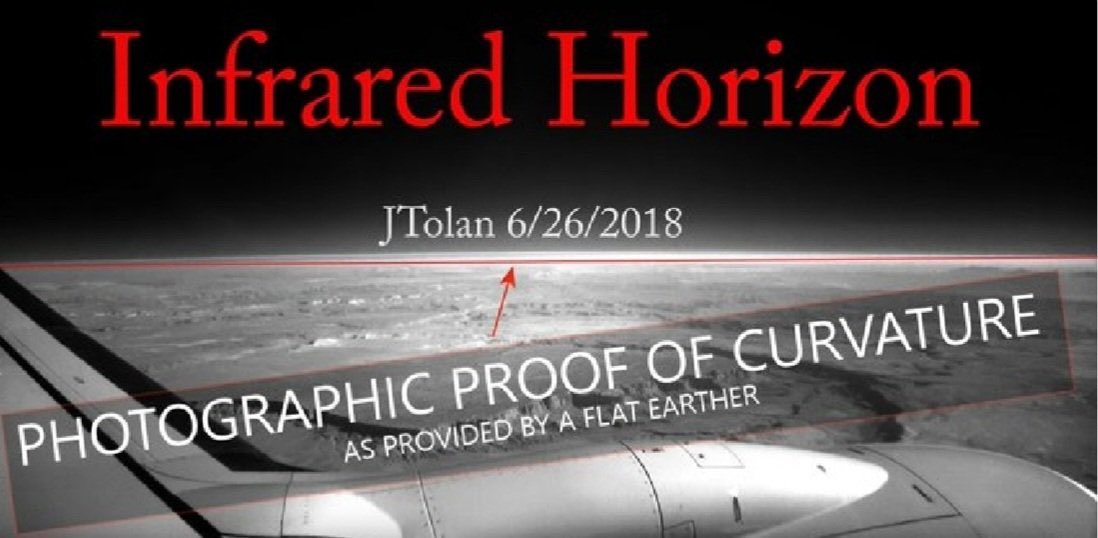
What a bucket crotch @KaySawyer136825 must be. Spams 45,643, 543 responses to me pointing she's wrong, and a brain dead, science illiterate... then blocks.
No wonder they all think they've never been beaten in a show down... they never get that far.
Flerfs are all gutless pooftas
22

Round Hound retweeted

May 27
Are you sure about that? Here is a video showing a mechanical gyroscope MEASURING the rotation of the earth. Gyroscopes PROVE the earths rotation 😉
1
1
52
Round Hound retweeted

May 25
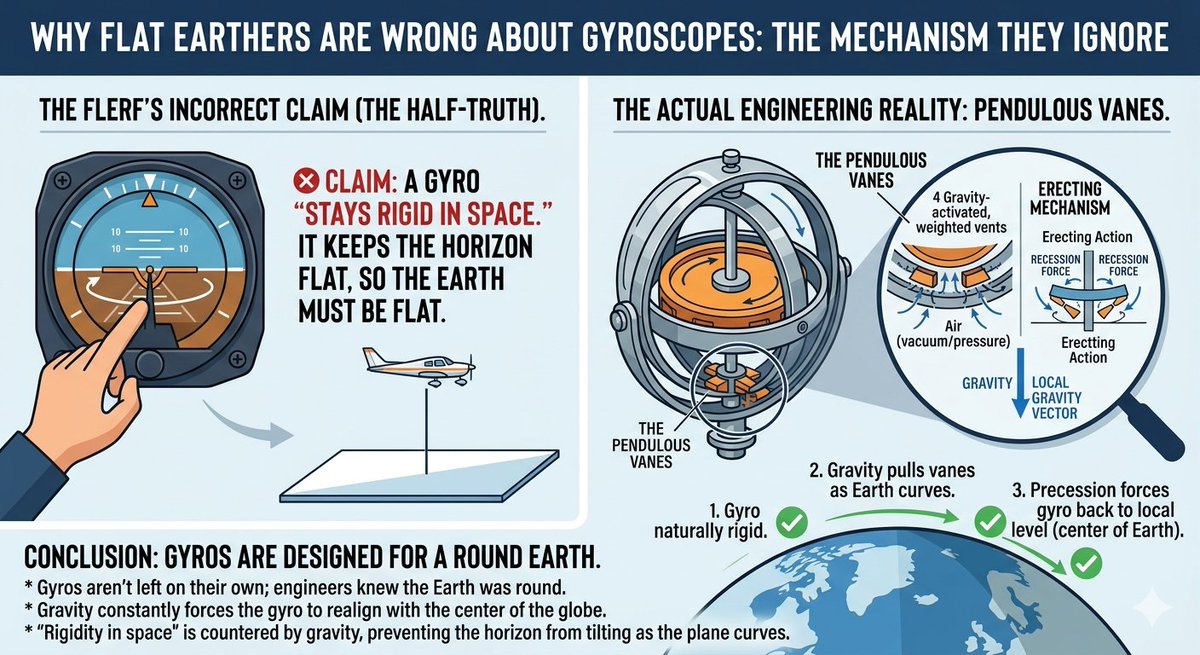
To bad flerfs have no engineering knowledge. This causes them to sound like total fucktards.
3
2
33
1,393
Round Hound retweeted

May 23
Liftoff of Starship V3, from the dunes right outside the pad.
This is the most insane shockwave action I have ever seen on video. Absolutely mad.
📽️ Me for @WeAreSpaceScout
269
2,167
15,268
2,996,197

More than 2,300 years ago, the ancient Greeks already knew Earth was a globe. And learned its size.
Aristotle laid out several basic observations that anyone could understand: ships disappear hull-first over the horizon and appear mast-first when approaching; during a lunar eclipse, Earth casts a round shadow on the Moon; and as you travel north or south, the visible stars change, with some constellations rising into view and others disappearing below the horizon.
This was not guesswork. It was geometry, observation, and reason.
There was no agenda. They were not defending NASA, protecting a government narrative, or trying to preserve some system of control. They were seeking the truth. They wanted to understand the world they lived on.
There was no power to gain or lose from the answer. No religion needed to be defended. No institution needed to be protected. It was just logic. It was curiosity. It was the desire to learn, using the tools available to them: their eyes and their minds.
Flat-earthers possess only the eyes, and still they cannot see.
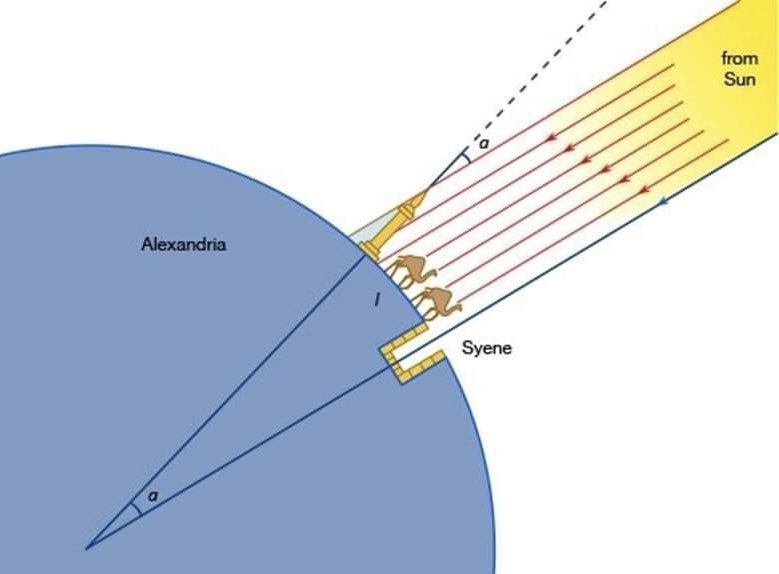
About a century later, armed with that knowledge, another Greek named Eratosthenes did something logically derived from simple geometry for a sphere: he calculated the circumference of Earth.
At Syene, on a certain date, the Sun was directly overhead at noon, shining straight down into a well. At the same time in Alexandria, a vertical stick cast a shadow.
Eratosthenes measured the shadow angle: about 7.2 degrees.
A full circle is 360 degrees. 360 divided by 7.2 equals 50. That meant the distance from Alexandria to Syene represented 1/50 of Earth’s circumference.
So all he had to do was multiply the distance between the two cities by 50 - and he got remarkably close to the real circumference of Earth.
No satellites. No rockets. No NASA. No “trust the government.”
Just sunlight, a stick, a well, distance, and geometry.
And here’s the part flat-earthers hate: this experiment cannot succeed on a flat Earth.
Sure, you can invent a small local Sun and place it in one very precise imaginary position to make one measurement appear to work. But the moment you move the stick to another location, the numbers fail. The angles no longer agree. The distances no longer scale. The model stops producing one consistent answer.
On a globe, the measurements converge.
On a flat Earth, they conflict.
That is why Eratosthenes’ experiment is so devastating. It does not merely show that one shadow angle can be explained. It shows that distance, angle, and curvature all fit together into a single coherent geometry which only works on a globe.
The ancient Greeks figured this out over two thousand years ago. Using observations, basic geometry, and a desire for truth.
Modern flat-earthers still haven’t caught up.
Even more sadly, Flerfs refuse to even try.
32
29
250
8,738

Round Hound retweeted
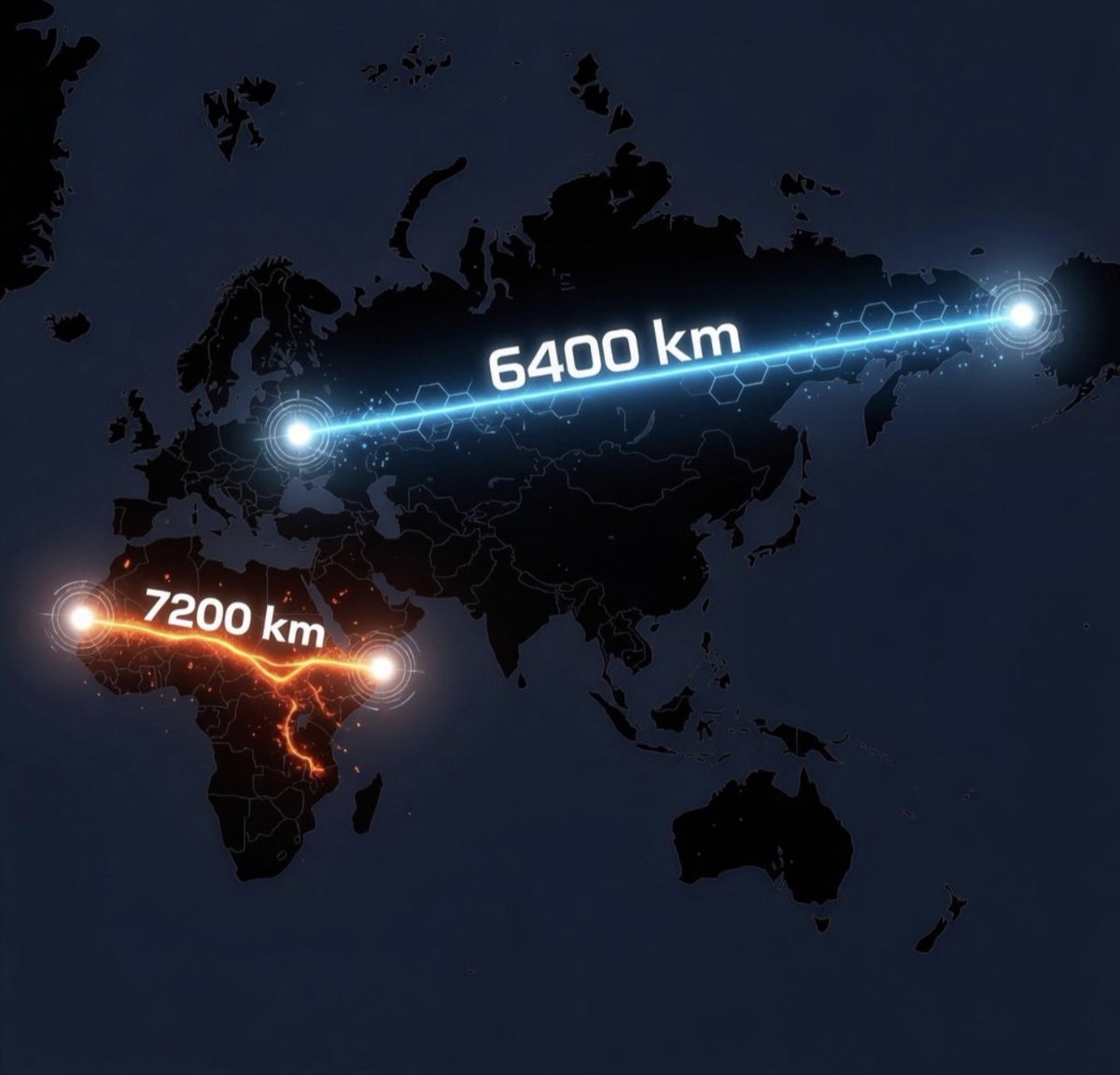
Show the original, unstretched and unaltered video.
6
3
48
1,876
Round Hound retweeted

May 19
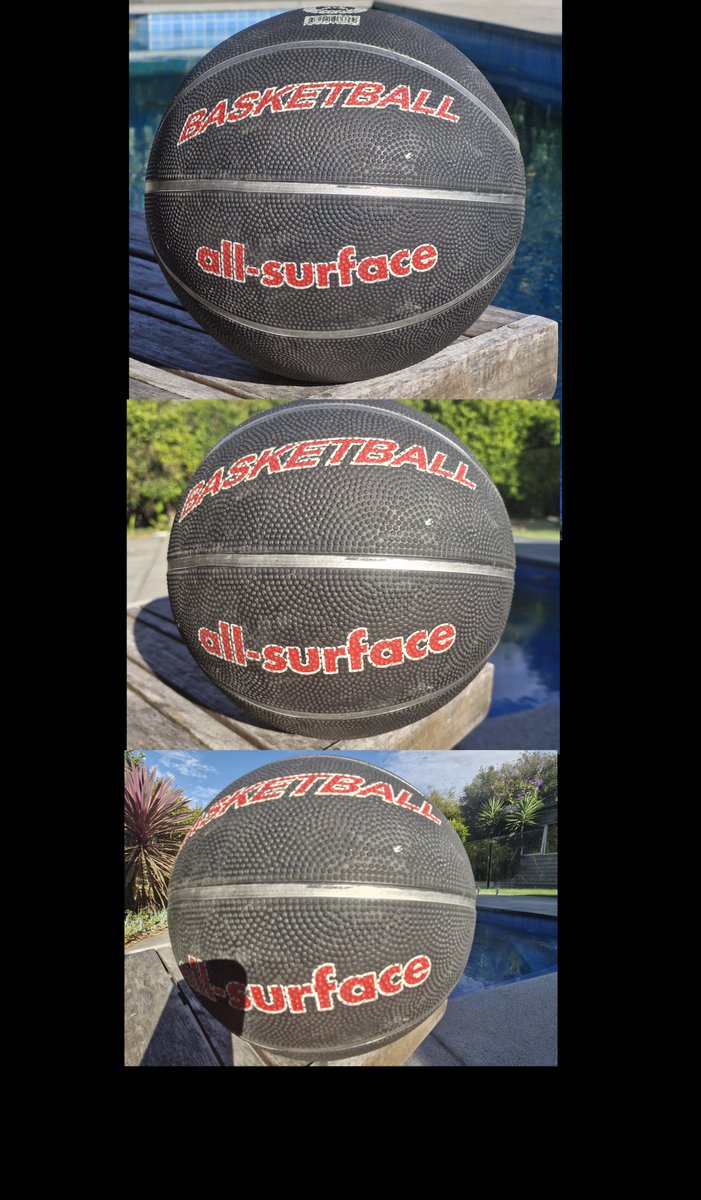
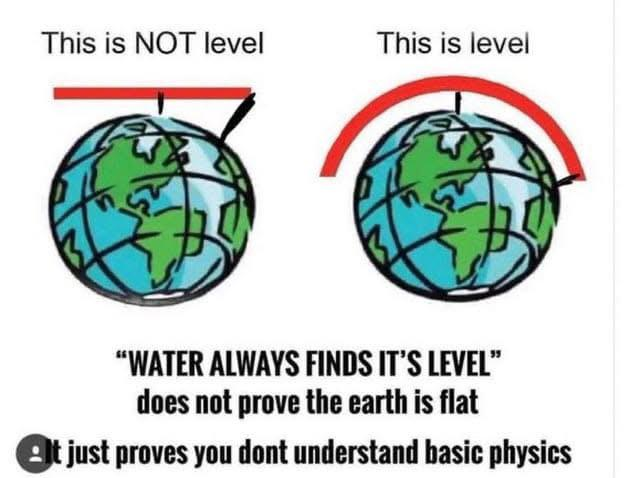
“Water always finds its level” is a classic flerf line.
Not to mention it’s not even a scientific statement when you give it the tiniest scrutiny. What exactly does “finding its level” mean? How do you measure it?
It just means water follows gravity. On a round Earth, that curves with the planet - not a giant flat sheet.
Another Flat Earth L
53
9
189
6,544
Round Hound retweeted

May 19
#flatearth
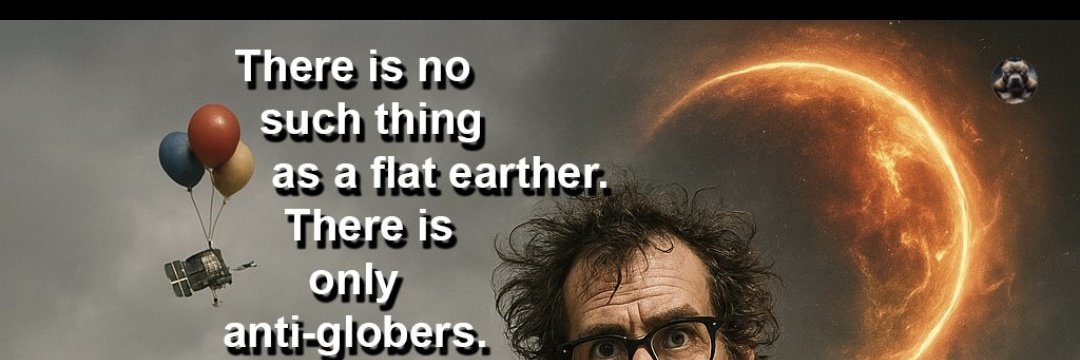
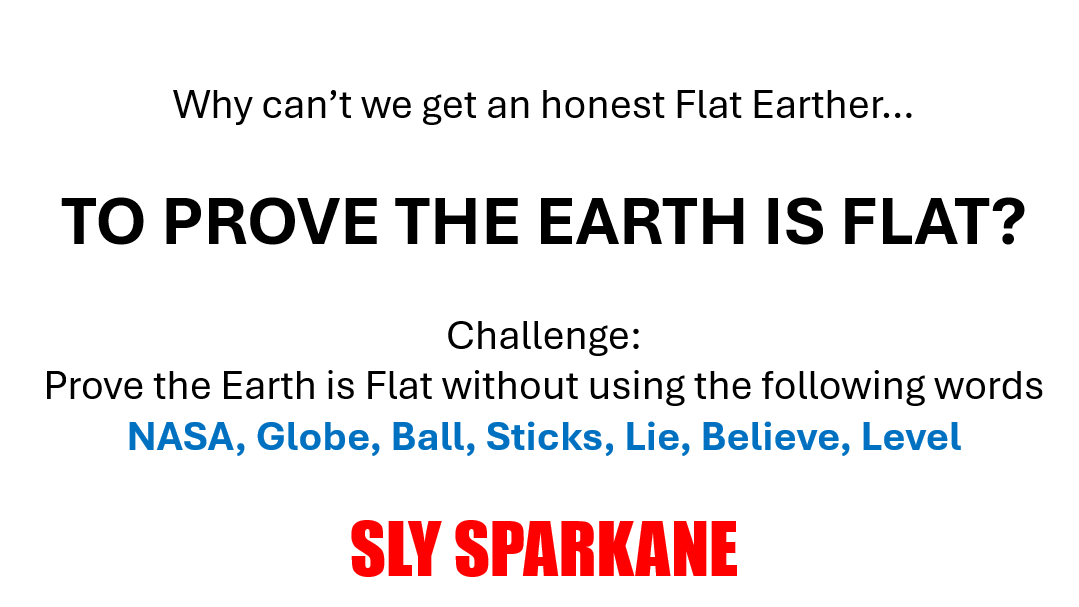
Flat Earthers (if there is such a thing) are just attention trolls trying to make money off idiots...
Dont believe me? Ask one to provide their OWN repeatable experimentation to prove it.
See how that goes.
14
4
40
1,455
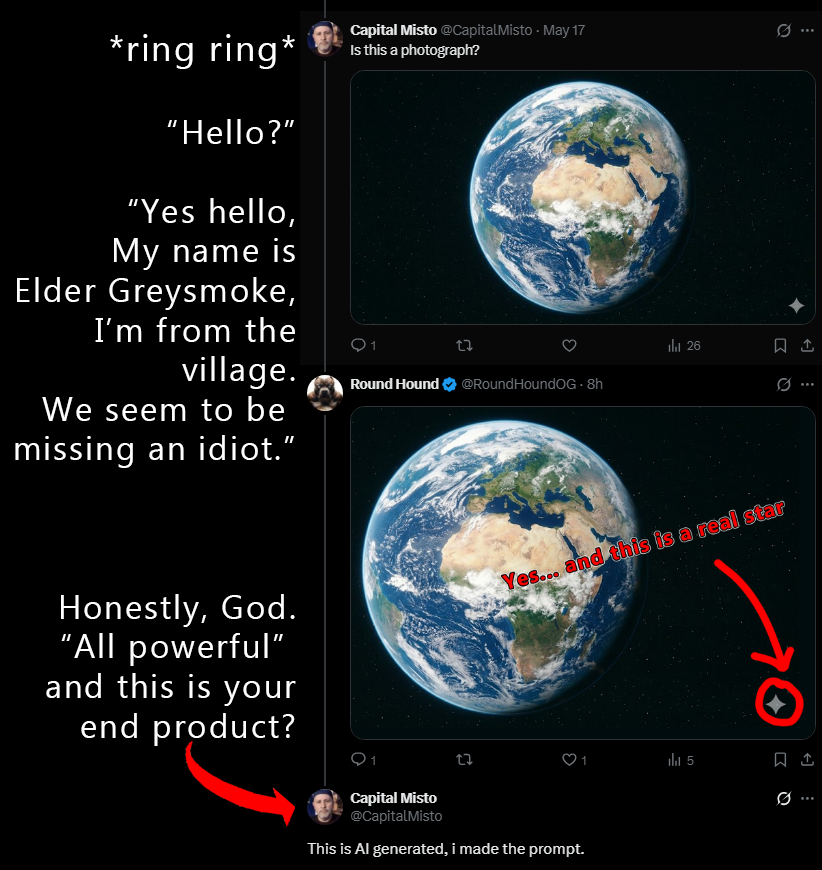
May 18
So thats it?
The great @Inventionaire doesn't have the fortitude, resilience or stamina to back his claims he stands for truth, so scurries away and is sent packing by lil ol' Round Hound.
Say "Hi" to you mum for me, my bitch.

1
3
46
May 17
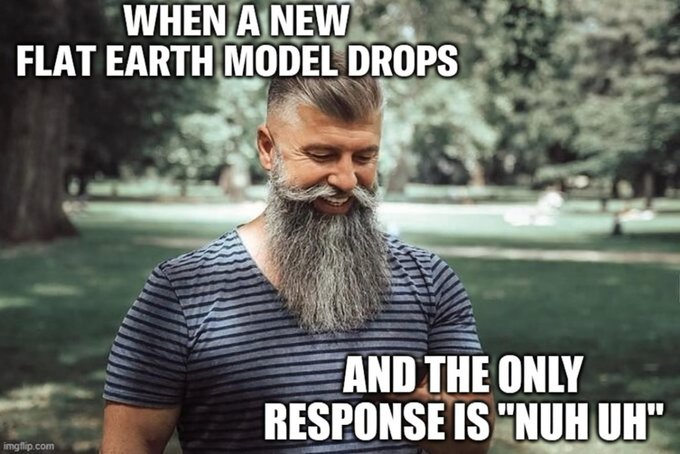
Yeah. He's laughing coz a new one 'drops' more often than Lady GaGa sports a new hair colour.
Why is that I wonder?
Hmmm... I guess it's a conundrum.
Lol... had to post my own coz @AntiDisinfo86 Grimace blocked me. Sooki La La
2
2
68


Round Hound retweeted

Wait. You insulate yourself by only speaking in places that eject criticism. Who do you think you are talking about echo chambers?
1
2
37

Round Hound retweeted

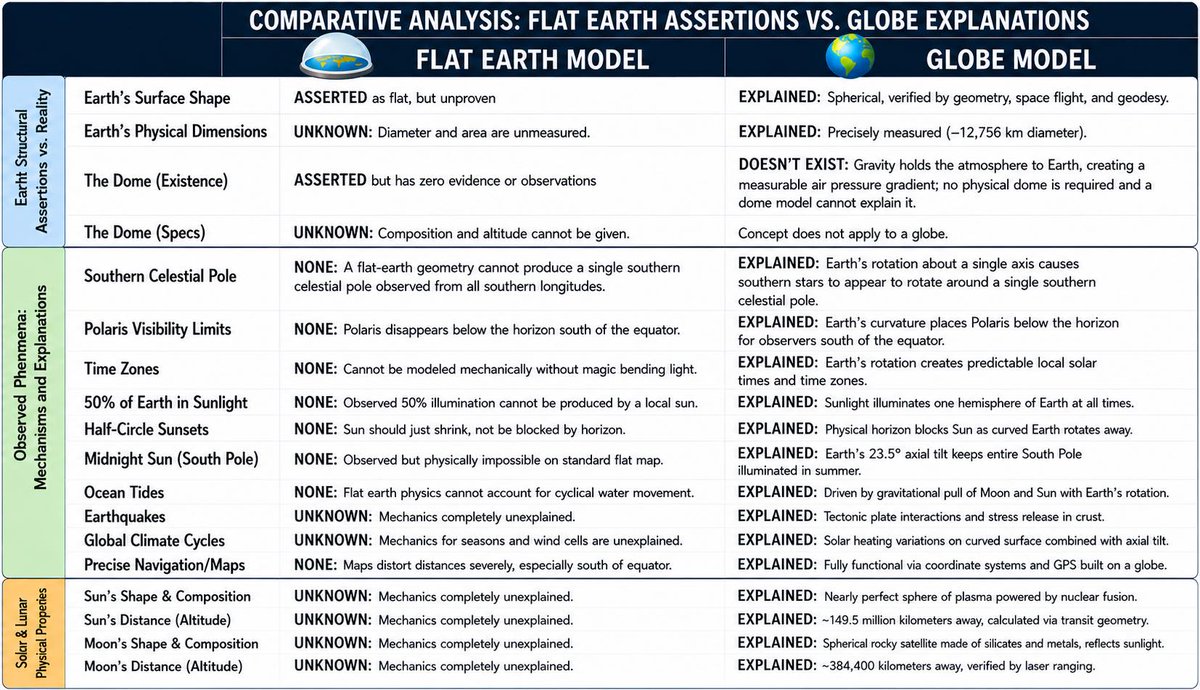
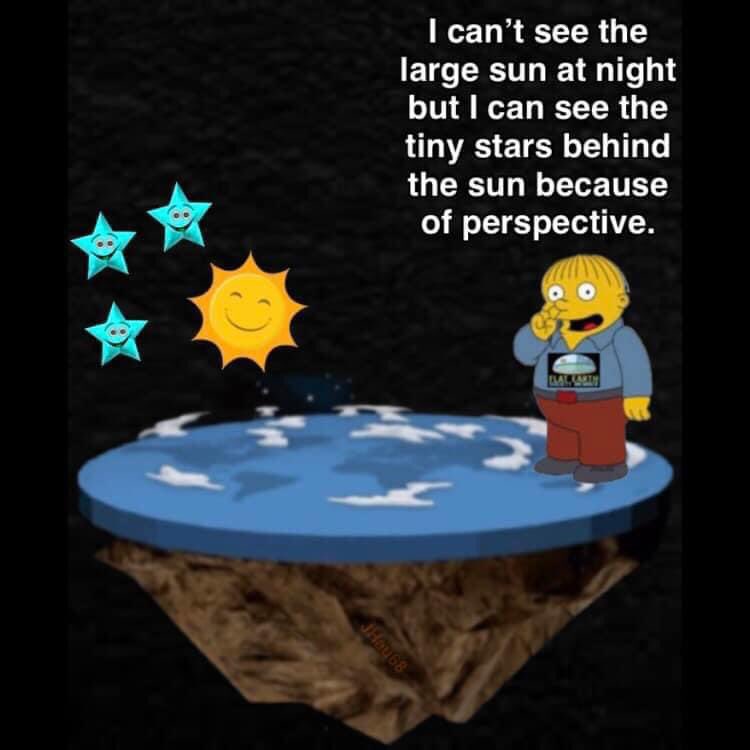
You're still not understanding that the direction that we observe celestial objects disproves your claim that the Earth is flat. These arrows show that we observe the Sun in a different direction than its subsolar point in your fantasy world.
3
2
19
484