
Robotics, Vision and Intelligent Technologies. Artificial Intelligence, Machine Learning & Computer Vision
Joined March 2019
- Tweets 275
- Following 64
- Followers 170
- Likes 139
99 Photos and videos
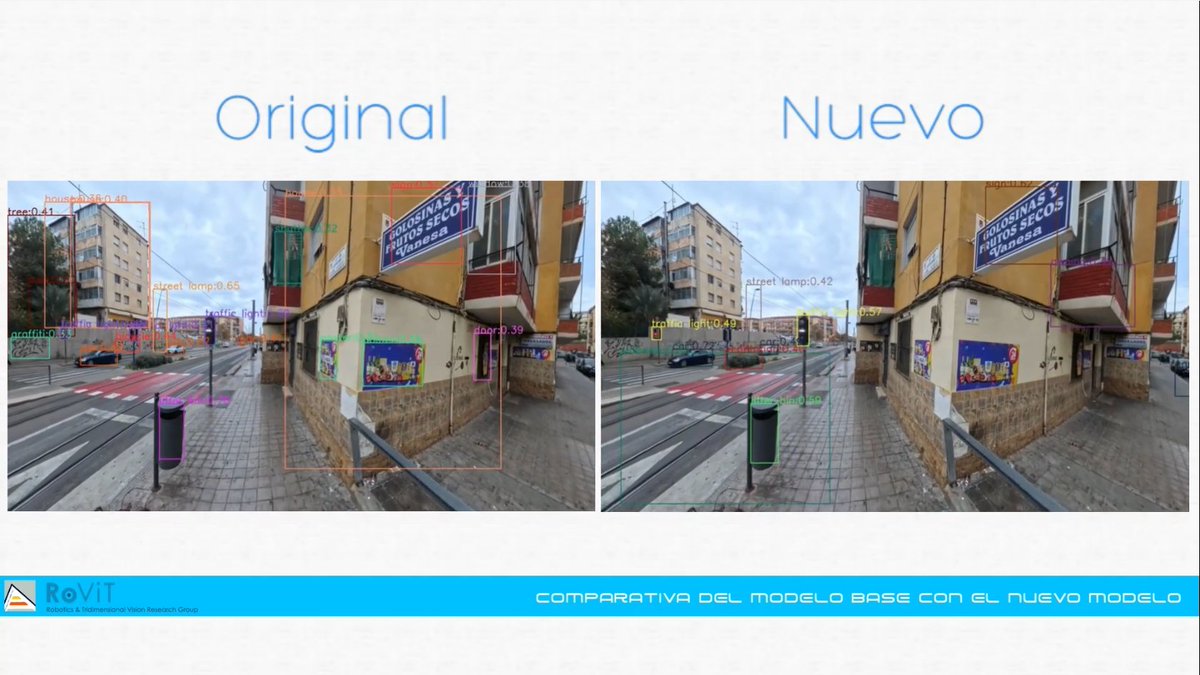

The study highlights the potential of predictive analytics to enhance decision-making and resilience in crisis scenarios.
🔗 web.ua.es/es/actualidad-univ…
#ArtificialIntelligence #Healthcare #CriticalCare #PredictiveAnalytics #OperationsResearch #HealthSystems #DataScience
7
Authors: Carlos Cano-Espinosa, Jose González, Carmelo Gómez, José Bolarín, Jorge Barrio, and Francisco Cavas.
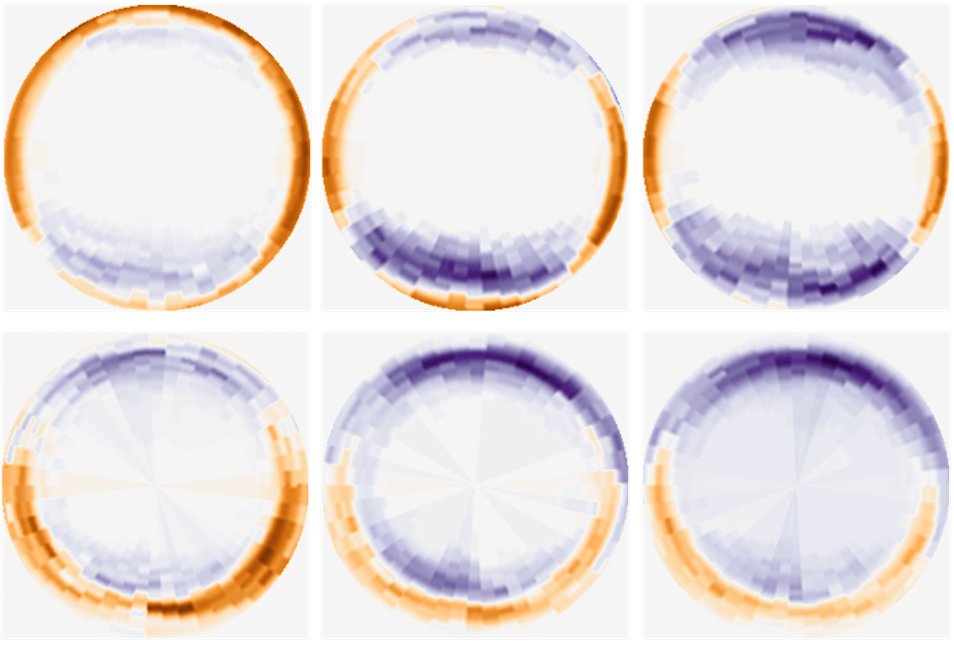
We show that peripheral corneal regions and missing-data patterns provide clinically meaningful signals for keratoconus progression.
#Keratoconus #AI #Ophthalmology
32
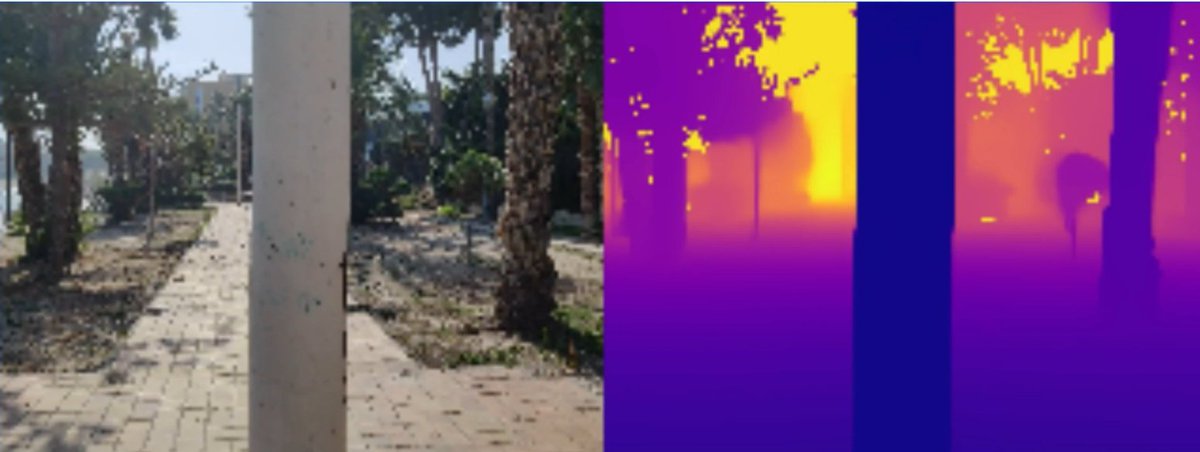
¿Es posible transformar la información visual del entorno en señales acústicas que permitan a una persona invidente desplazarse de forma más segura y autónoma? youtu.be/s59blUCEdDU
1
1
30
👨🏫 Tutores: Germán González Serrano y Francisco Gómez Donoso
#InteligenciaArtificial #ComputerVision #Accesibilidad #VisionArtificial #DeepLearning #IA #UniversidadDeAlicante #TFM #AssistiveTechnology #Blindbatman
11
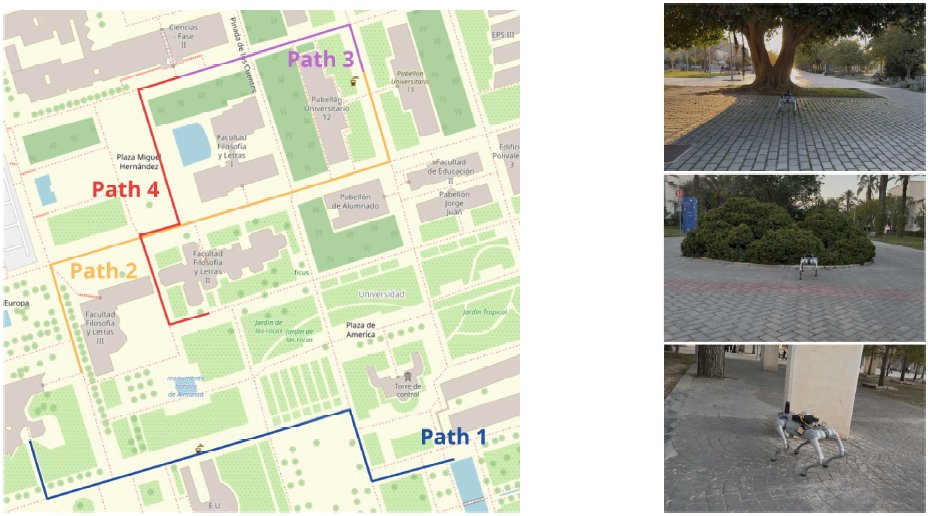
This research contributes toward more robust and scalable autonomous navigation for legged robots in real-world pedestrian environments.
📄 Read the paper here: link.springer.com/chapter/10…
1
18