Molecular imaging lab investigating biomarkers (PET & blood) for neurodegenerative diseases, focusing on early detection & therapeutic intervention in AD.
Joined August 2022
- Tweets 40
- Following 306
- Followers 147
- Likes 18
8 Photos and videos
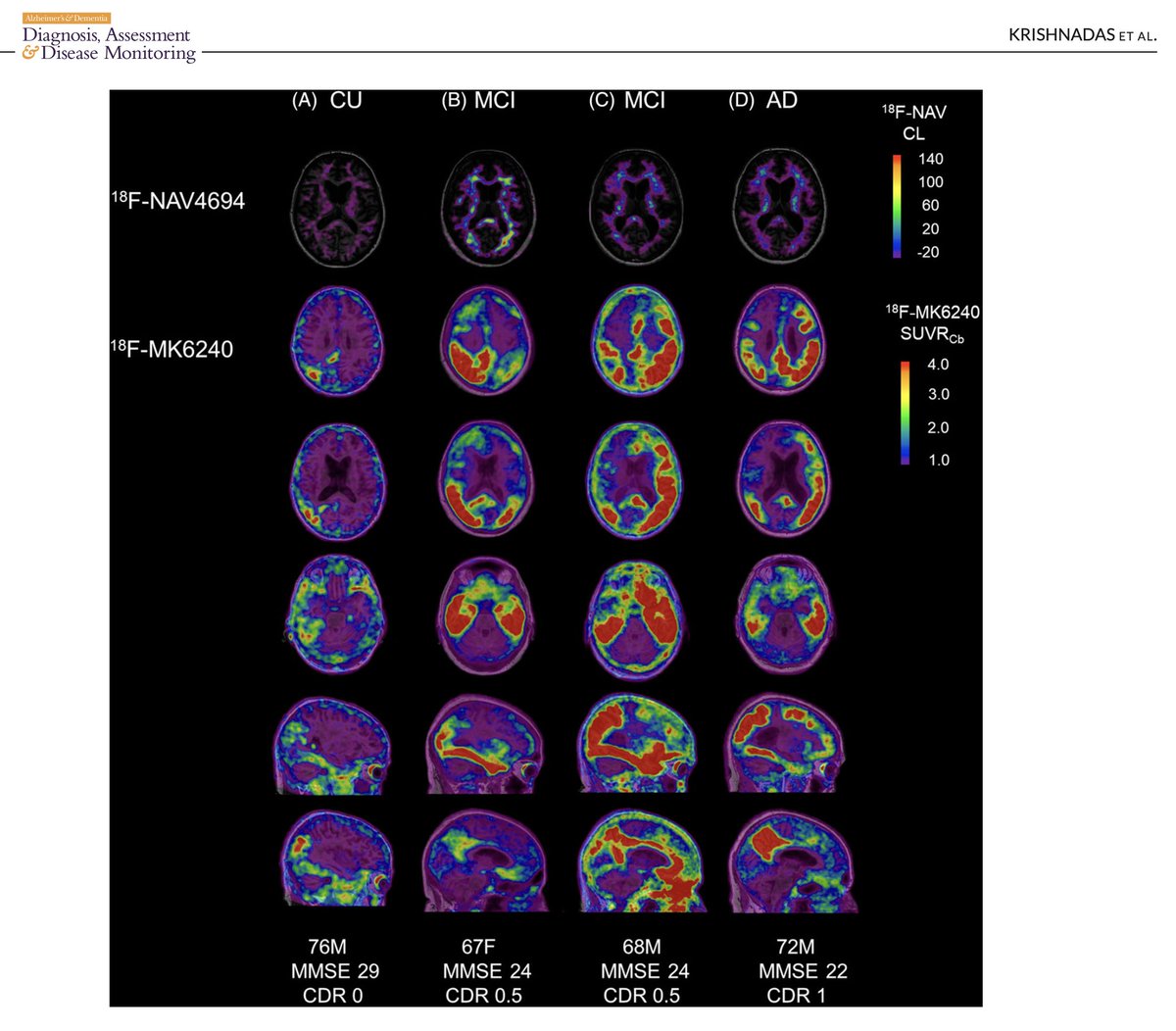

28 Oct 2024
Exciting news! Our findings on the Lumipulse #pTau217 assay were featured in @theheraldsun and @dailytelegraph. In this interview, Prof. Christopher Rowe explains the difference this blood test could make for #Alzheimers diagnosis.
Have a read here: dailytelegraph.com.au/news/v…
22 Oct 2024

Pleased to present our paper @eBioMedicine, on the Lumipulse plasma pTau217 assay.
Lumipulse-G platform → large global installation base in clinical pathology services → better access/uptake of plasma #ptau217 into clinical practice.
Link: doi.org/10.1016/j.ebiom.2024…
#Alzheimers
1
8
235
27 Jul 2024
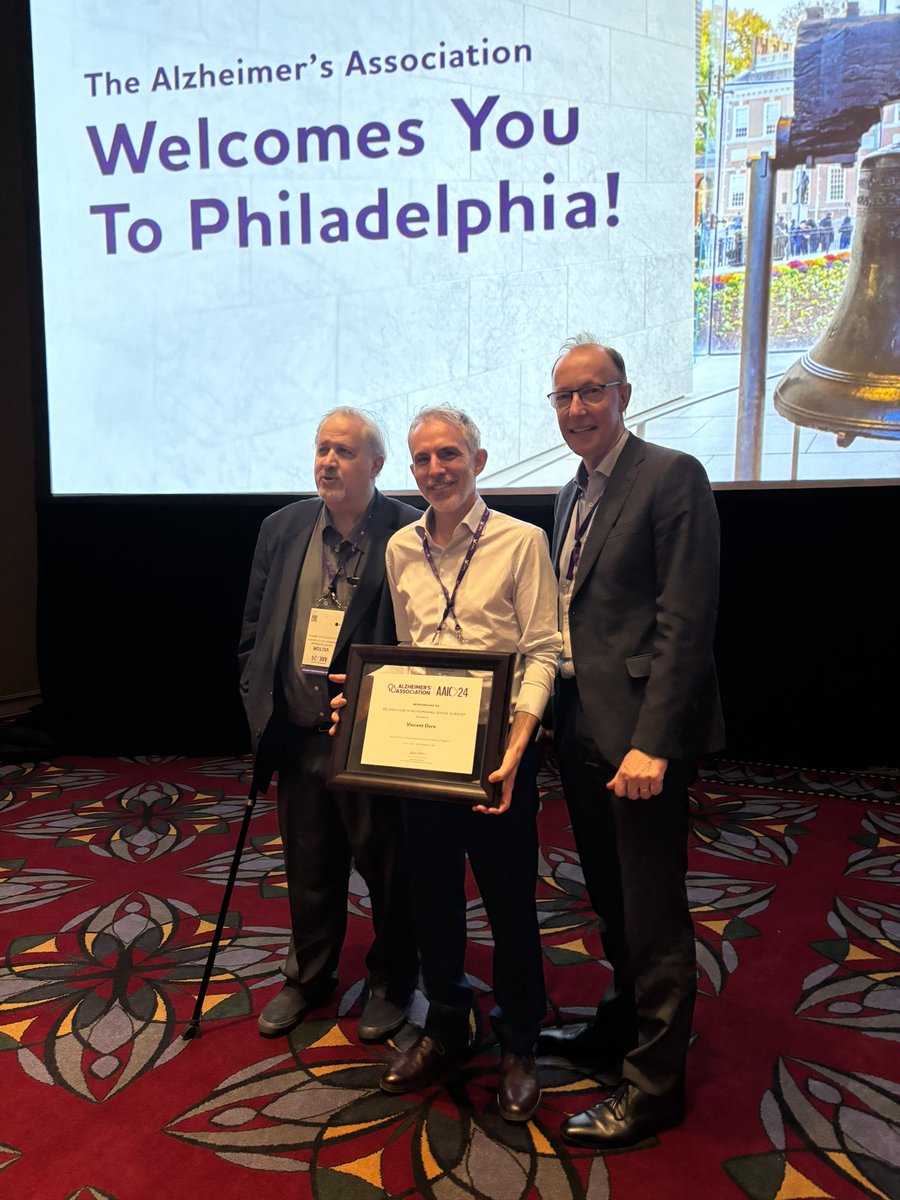
We at Rowe Lab are very proud that our PET expert, @vincentDore2 was awarded the prestigious de Leon Prize, as senior author of “CenTauR: Toward a universal scale and masks for standardizing tau imaging studies”. Time to celebrate this great achievement! #AAIC24 #AIC
2
2
21
912
Rowe Lab retweeted

16 May 2024
Don't miss out on the opportunity to join our team! The final day (21st) to apply for this postdoc position is fast approaching.
#AlzheimersDisease #NeuroImaging #BrainScience #AlzheimerResearch #Neuroscience #ClinicalTrials #jobopening #careerdevelopment
22 Apr 2024

🌊🏄♀️ Exciting news! A postdoctoral opportunity is now available in my team in Melbourne! Join us and contribute to cutting-edge research in imaging the aging brain. #postdocopportunity #scienceAustralia 🏖️🐨🦘
jobs.csiro.au/job/Melbourne%…
5
9
1,540
Rowe Lab retweeted
22 Apr 2024
🌊🏄♀️ Exciting news! A postdoctoral opportunity is now available in my team in Melbourne! Join us and contribute to cutting-edge research in imaging the aging brain. #postdocopportunity #scienceAustralia 🏖️🐨🦘
jobs.csiro.au/job/Melbourne%…
2
8
12
2,417
29 Jan 2024
Trials are currently in progress for #Alzheimer's blood tests in Australia. Tune in to our interview on @7NewsMelbourne to stay informed and contribute to the journey against Alzheimer's. #Alzheimers #Research #Dementia #DementiaAwareness
29 Jan 2024

#ICYMI
Professor Chris Rowe, Clinical Lead in the Florey's Dementia Mission, spoke to @7NewsMelbourne about the efficacy of a potential new blood test that can detect early signs of Alzheimer's.
In collaboration with @Austin_Health @ADNeT_Australia
& @UniMelb
3
12
725
Rowe Lab retweeted

15 Jan 2024
Exciting results!🧠✨Our latest study showcases that plasma P217 tau can distinguish Intermediate or Advanced stage #Alzheimer's, defined based on the 2023 biological PET staging scheme. Dive into the details in our preprint:
medrxiv.org/content/10.1101/…
#AlzheimersResearch
2
9
310
11 Oct 2023
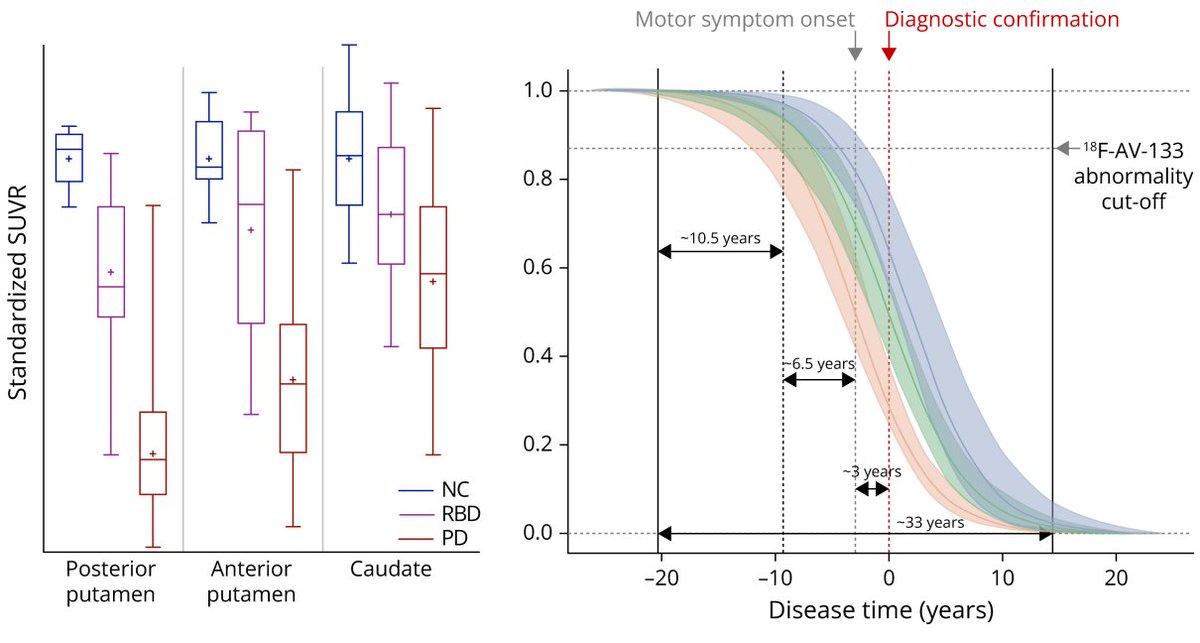
🔥 Hot off the press: our new article on VMAT2 PET as a sensitive tool to detect and quantify Parkinson’s disease (PD) progression over two years.🧠
This is a breakthrough discovery with implications for PD diagnostics and clinical trials.
#Neuroscience #Parkinsons
11 Oct 2023
🔥 Hot off the press: Utilizing 18F-AV-133 VMAT2 PET Imaging to Monitor Progressive Nigrostriatal Degeneration in Parkinson Disease
#neurology #parkinsons #biomarker #PET #NeuroTwitter n.neurology.org/content/earl…
4
10
1,100
6 Oct 2023
Check out the paper by our collaborator, @YingXia87, on changes in basal forebrain in normal aging and Alzheimer’s disease.
5 Oct 2023

🧠 How does the basal forebrain change in normal aging and Alzheimer’s disease? 🧠
Check out our new paper that reveals the patterns of volume loss in the cholinergic system over 14 years in 516 old adults from AIBL.
#ENDALZ #Alzheimers
sciencedirect.com/science/ar…
1
1
2
212
6 Oct 2023
Key findings:
-Basal forebrain atrophy is associated with Aβ and cognitive impairment.
-Ch4p is more vulnerable to AD pathology than other subregions.
-The cholinergic system may be a potential target for AD early intervention
1
1
106
19 Jul 2023
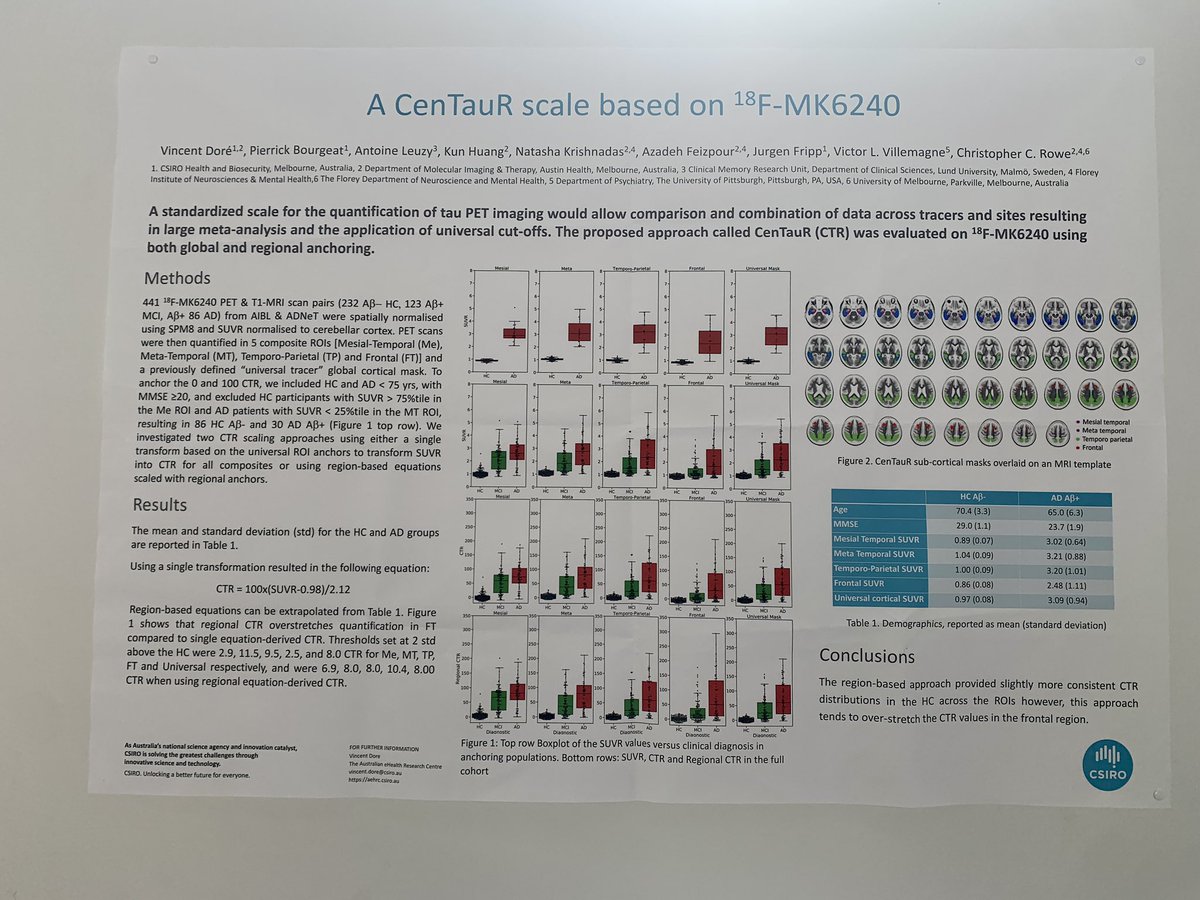
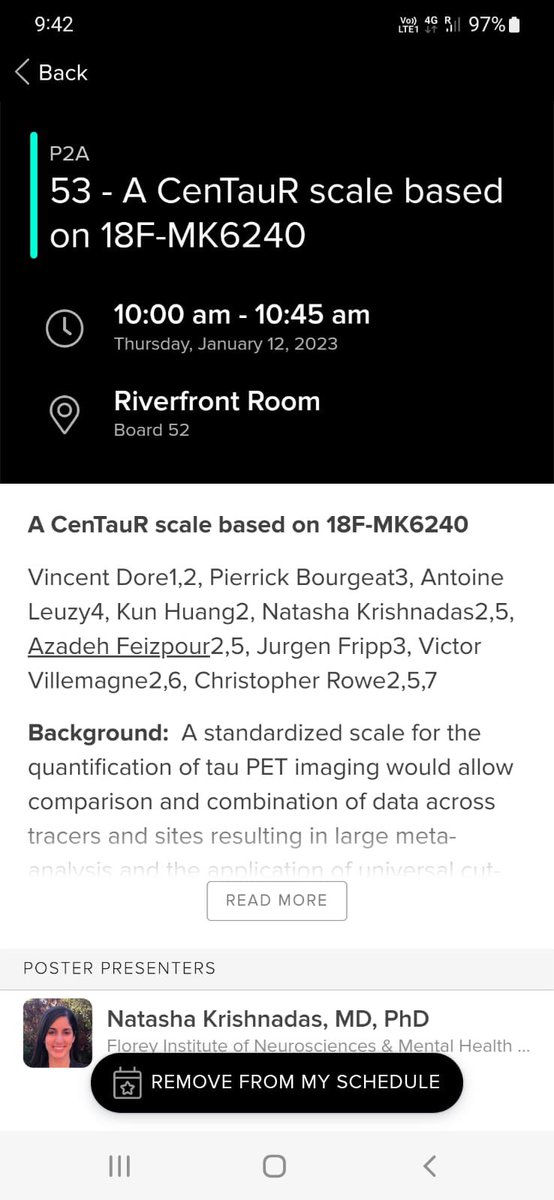
We’re in dire need of a standardised scale for quantification of tau PET. Drop by the poster by @vincentDore2 at site 361 to know more about the CenTauR scale.
#AAIC2023
6
11
910
19 Jul 2023
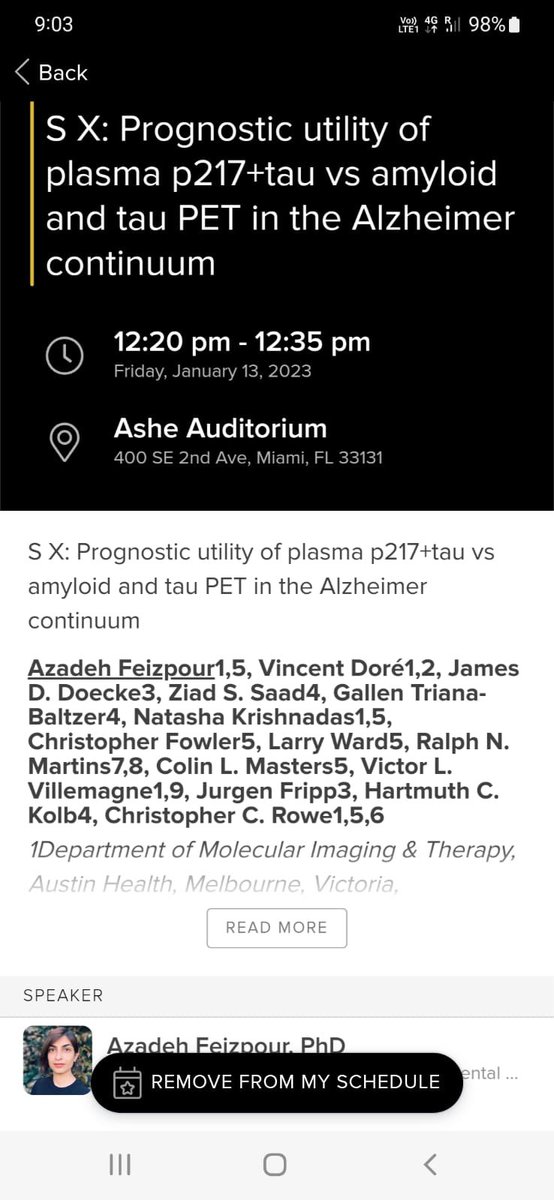
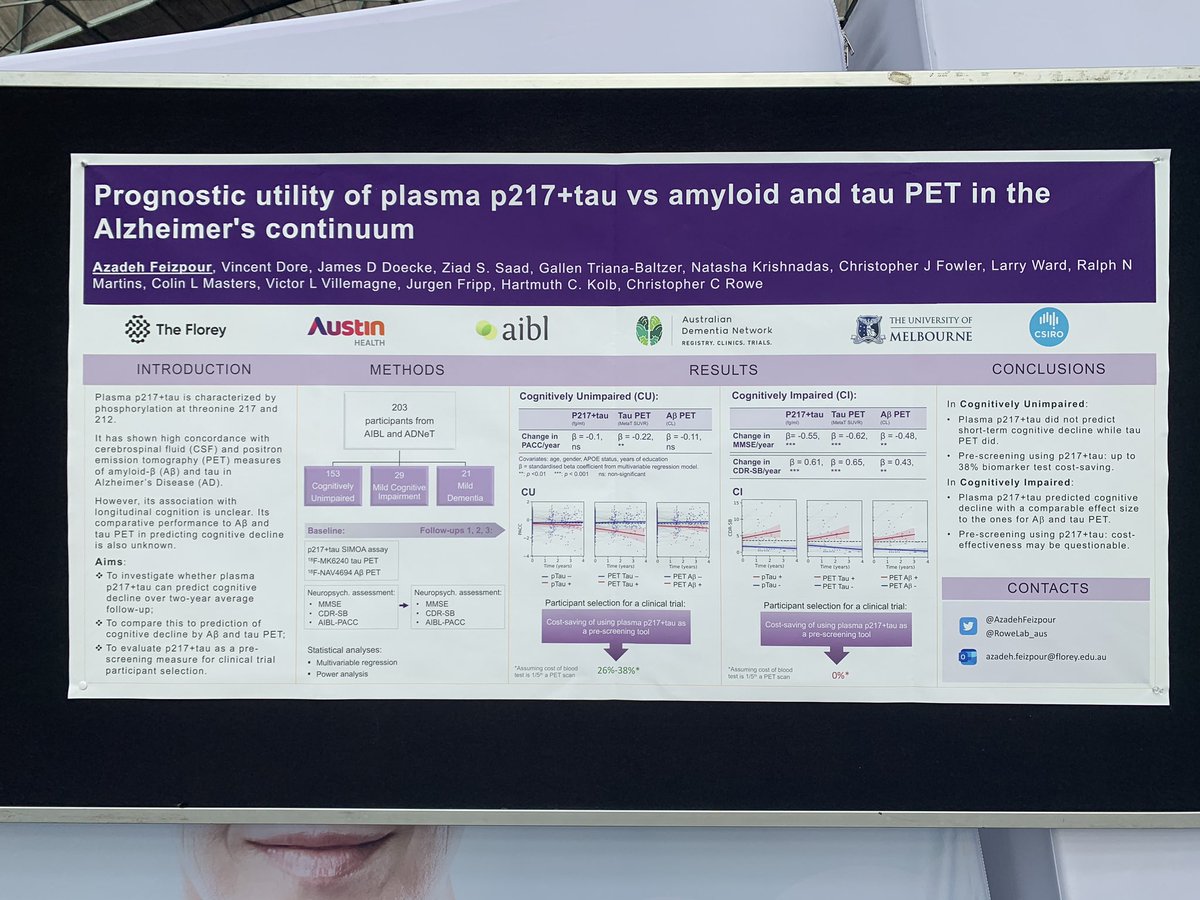
Come check out the poster by @AzadehFeizpour at site 252 to know more about plasma p217 tau and how it compares to amyloid and tau PET
#AAIC2023
19 Jul 2023
How do blood biomarkers compare to amyloid and tau PET in predicting cognitive decline? Drop by poster 252 at #AAIC2023 to know more.
The full paper can be found here:
link.springer.com/article/10…
1
3
375
17 Jul 2023
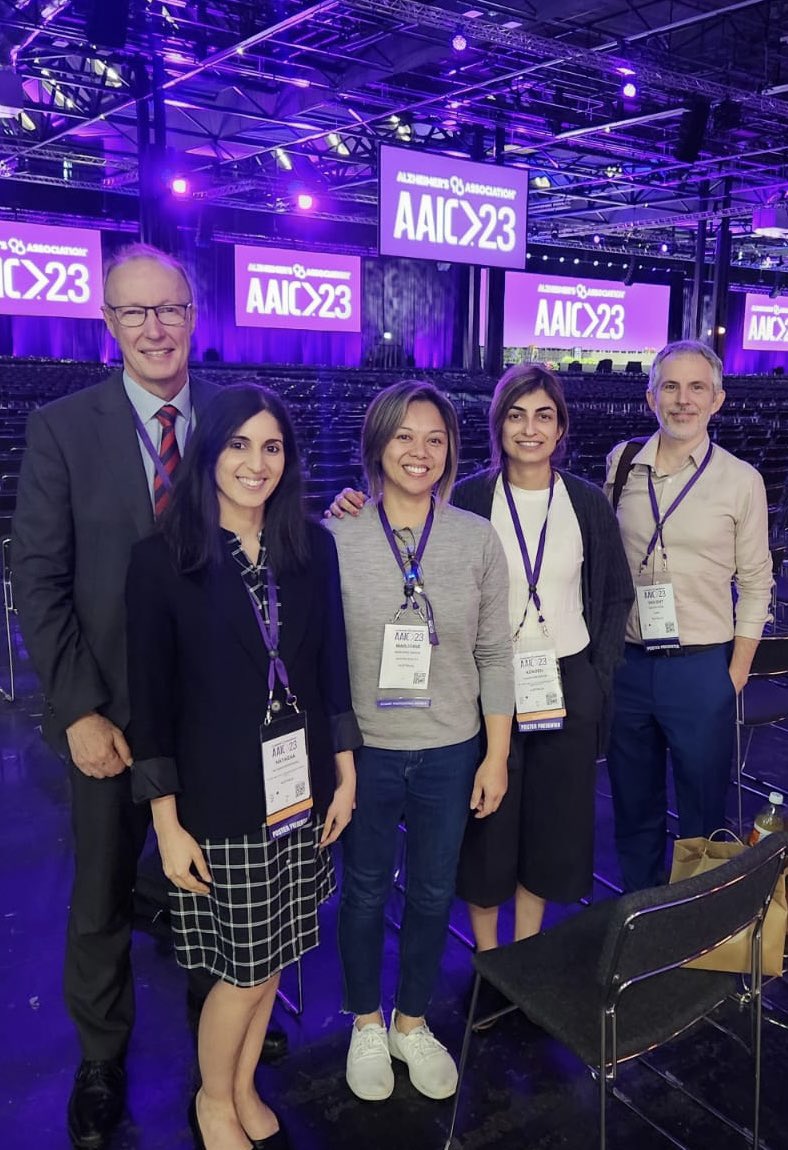
Enjoying day #2 of the #AAIC2023 in Amsterdam with @RoweNeuroSci , @vincentDore2 , @Nat_Krishnadas , @AzadehFeizpour and Marj, but would like to acknowledge the many of our hard-working team members back in Melbourne that are missing from this photo.
3
28
977
30 May 2023
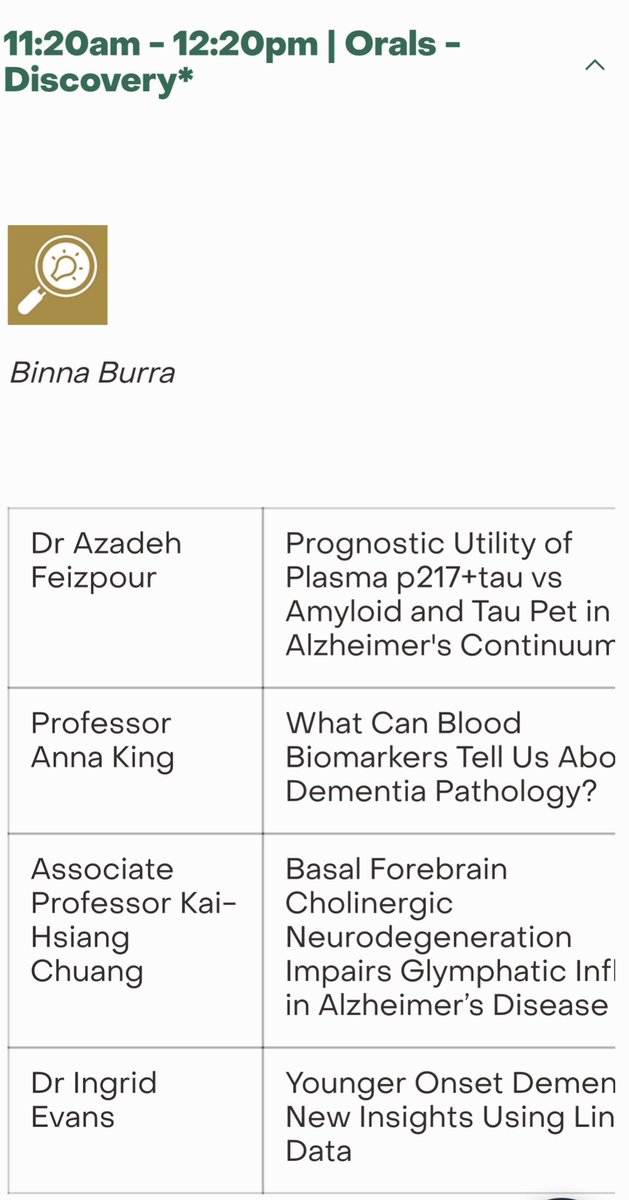
Excited for Day 2 of #ADRF2023 don’t miss the presentation on prognostic utility of plasma p217 tau vs amyloid and tau PET -oral discovery session at 11.20 @AzadehFeizpour @ADRF2023
2
7
454
21 Apr 2023
Our latest research findings show that #Veterans are not at higher risk of developing #Alzheimers disease.
13 Apr 2023

Is Service-Related Traumatic Brain Injury in #Veterans a Prelude to Alzheimer’s Disease? Read the new study now: ow.ly/taWj50NFjMB #TBI #Alzheimers #Veterans
1
172
21 Apr 2023
Thanks to @J_Neurotrauma for highlighting these important findings.
home.liebertpub.com/amp/is-s…
1
77
Rowe Lab retweeted
21 Apr 2023
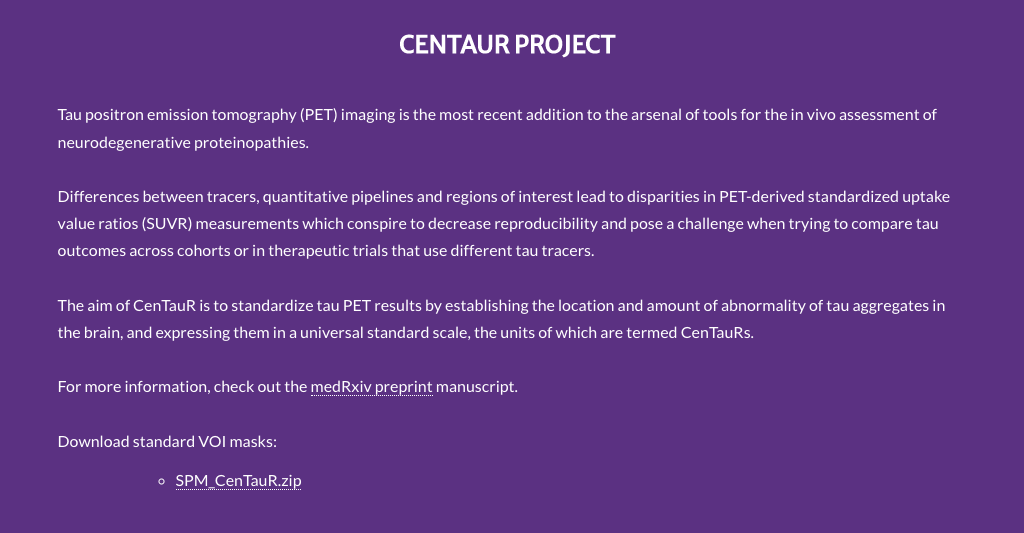
Universal sampling masks for tau imaging (CenTauR) are now available for download on #GAAIN: gaain.org/centaur-project

📢 Australia's @CSIRO researchers and scientists from around the world has developed a universal scale, termed CenTauR, to standardize #tauPET measurements across tracers 👥
CenTauR masks are now available for download on #GAAIN: gaain.org/centaur-project 🧠
5
8
1,123
Rowe Lab retweeted

Amyloid PET brain imaging is a valuable diagnostic tool for detecting early signs of dementia, Alzheimer's disease and MCI. In this 2 part series, Prof Chris Rowe explains appropriate use of amyloid PET, how to read scans & accurately interpret results buff.ly/3UB2Vjx
5
8
419
5 Apr 2023
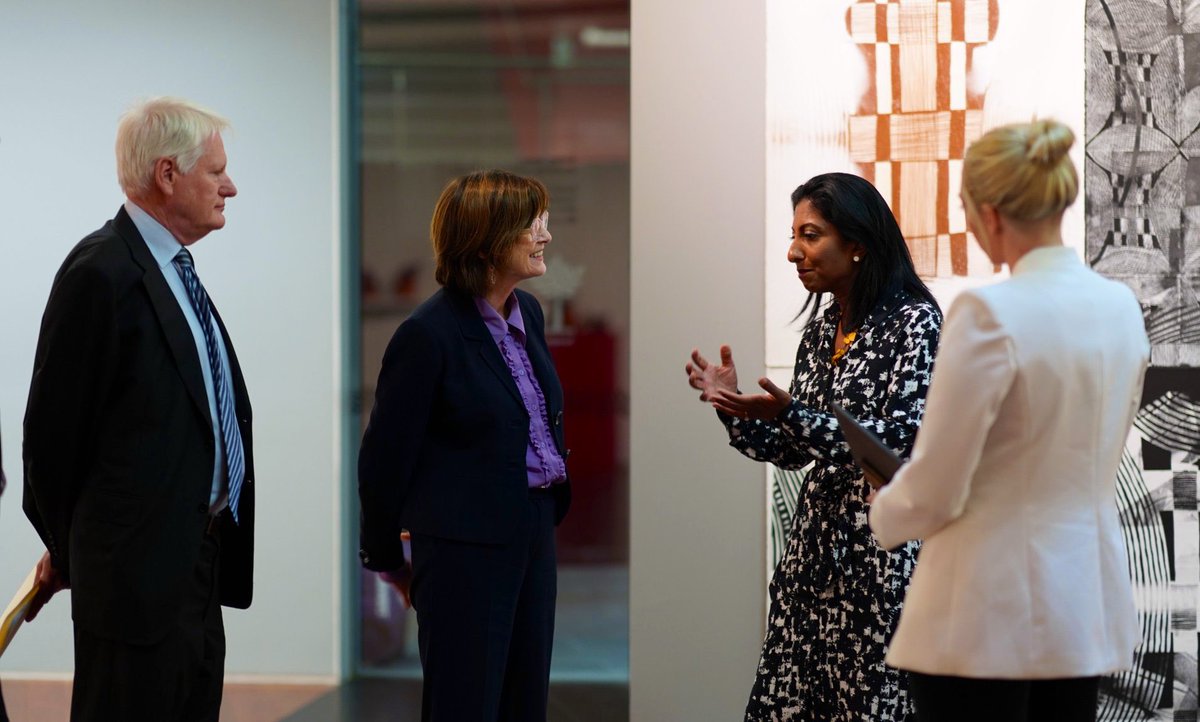
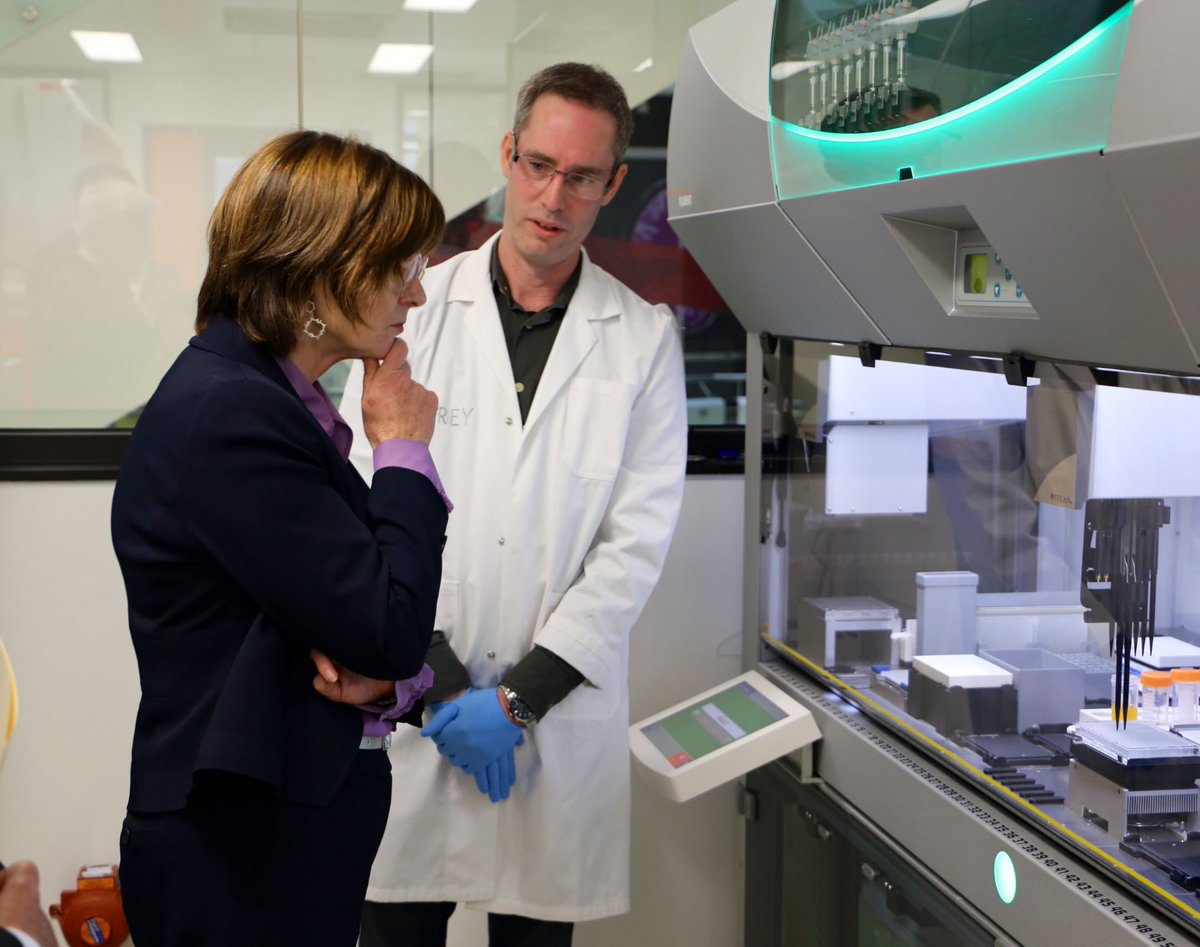
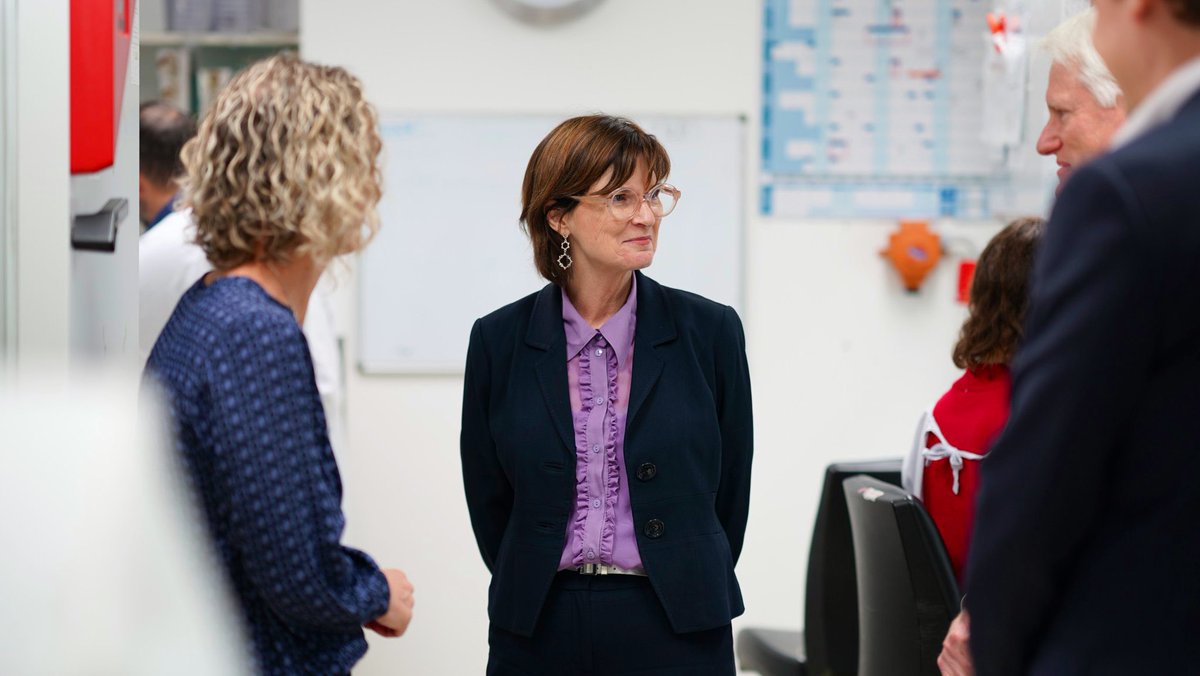
Privileged to have had the Victorian minister for health, infrastructure and medical research, @MaryAnneThomas visit @TheFlorey to hear about all the exciting projects, including our brain PET dementia research #dementia #Alzheimer
30 Mar 2023

Melbourne is home to world's best brain research at @TheFlorey, with researchers working on treatments for Alzheimer's, the neurology of mental health, drugs for MND, & stem cells to cure Parkinson's.
Big thanks to Prof Trevor Kilpatrick & the team for welcoming me today .
2
3
285
Rowe Lab retweeted

16 Mar 2023
Are you looking for a postdoc position in an awesome lab? Come join us! Buckley lab is seeking a postdoc (summer start, negotiable) that will work on a large multi-cohort project investigating resistance and resilience to Alzheimer's disease! bitly.ws/BC3V
#postdocjobs
3
75
177
31,329
3 Mar 2023
Check out our recent paper comparing the tau PET tracers 18F-MK6240 and flortaucipir published in @jpreventionalz1, a study led by Dr Bourgeat from
@CSIRO
#Alzheimer
20 Feb 2023


1
4
225