Joined March 2024
- Tweets 433
- Following 102
- Followers 151
- Likes 1,072
101 Photos and videos


Pinned Tweet

22 Feb 2025
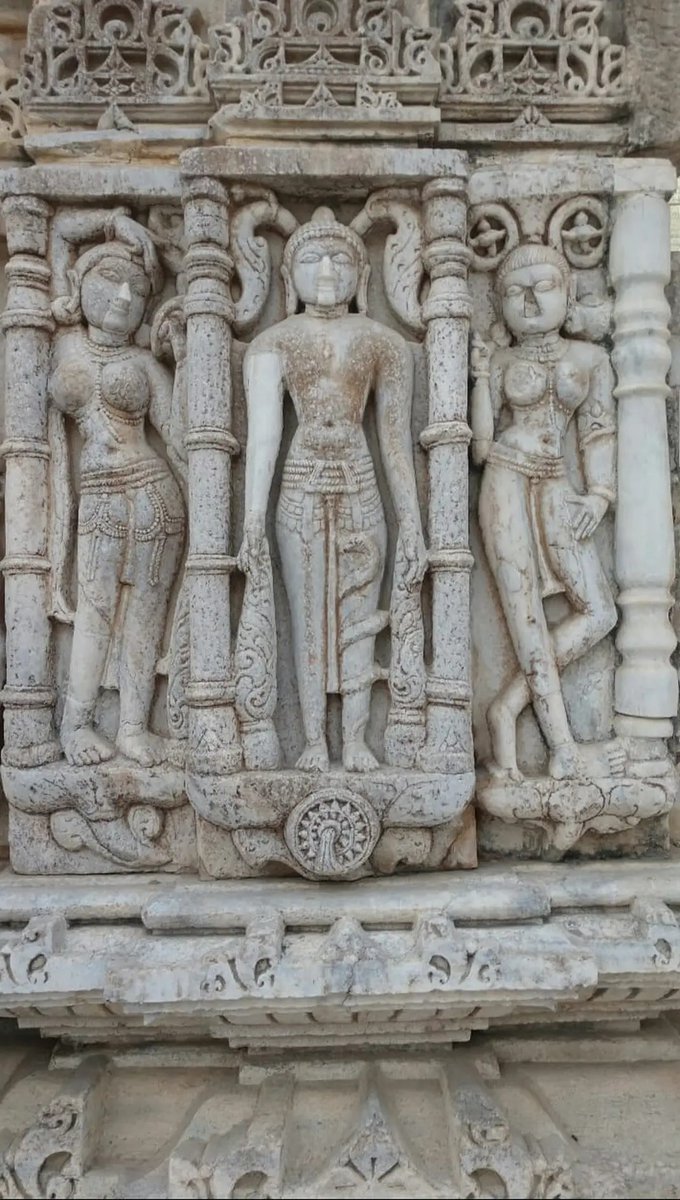
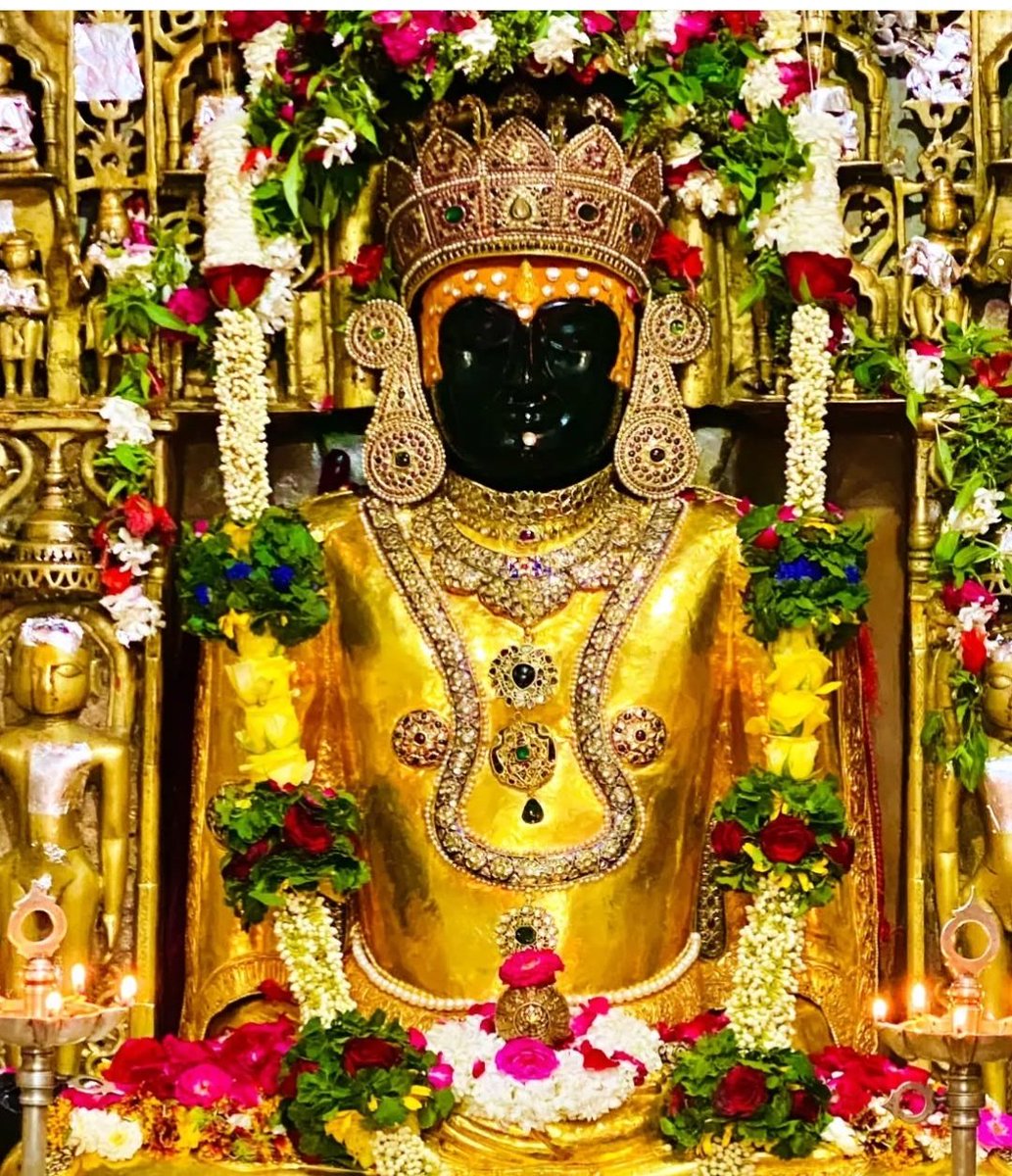
Bhagwan #Kesariyanathji #Adinathji Jinalay of Dhuleva village should be free from Govt. Control and should be handed over to its rightful followers. He is the real sarkar of Mewar.
#Freetemples
#Jain #Mewad #Ayodhya
21 Feb 2025

Why is *Lord Kesariyanathji* referred to as *Lord Vishnu?*
Why are there *no other shrines built for Lord Kesariyanathji?*
How can *bureaucrats* decide who will serve as *pujari in our tirth?*
The *Jain community* is asking these questions today. @RajGovOfficial
@RajCMO @AmitShah @sanghaviharsh @AbhayShah11 @Vishnu_Jain1 @sumtijain26 @NitinkolanJain @kppedhisirohi @arpitsinger @JainR_ @MehulAJain9
Watch the full Podcast with *Shri @RushabRB Bhai Bhandari* to know the *reality of #Kesariyanathji* Tirth
youtu.be/LIvQqA2MtLc
Jainik - 91 72020 07079
4
33
127
4,217
Rushab Bhandari retweeted

May 23
When faced with a life-threatening condition, Pujya Acharya Shri Vijay Jagacchandrasurishwarji Maharaj chose monastic principles over comfort and spiritual practice over convenience.
Refusing even an ambulance during a brain stroke, Gurudev completed a 35 km vihar while enduring immense physical suffering, only to uphold the purity of his achar.
In a world full of compromises, such unwavering spiritual strength is beyond inspiring. 🙏
Countless vandanas at the holy feet of Gurudev.
#jainism
3
16
57
871
May 4
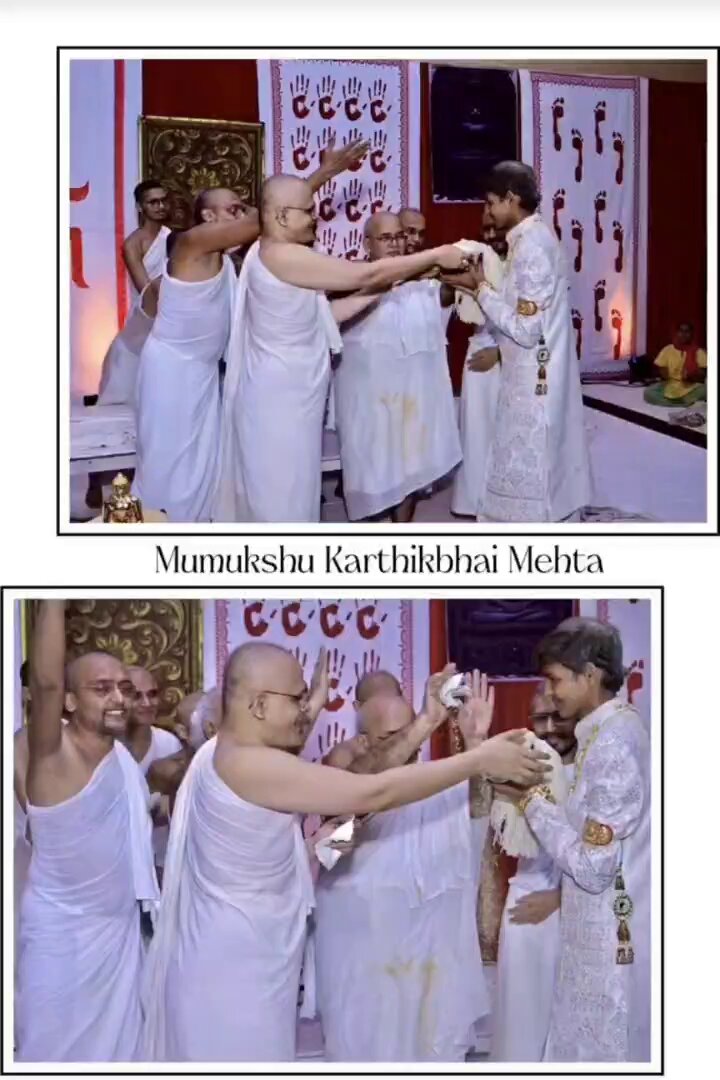
वर्धमान जिनेश्वर की महान सुविहित परंपरा में आज मुमुक्षु कार्तिक भाई मेहता ने संयम जीवन स्वीकार किया। इनका जीवन रत्नत्रय से उज्वल रहें ऐसी प्रार्थना। दीक्षा दाता पूज्य पन्यासजी त्रैलोक्य मंडन विजयजी महाराज।
#Jainism
1
4
105
Rushab Bhandari retweeted

आज
शाश्वत महातीर्थ गिरनार पर ध्वजा लहराई, जीर्णोद्धार के 897 वर्ष पूर्ण हुए।
*Today's Video From Girnar Mahatirth Dhwaja Utsav*
आज वैशाख सूद १५ , 1/5/26 🪷
गिरनार महातीर्थ की 897th धजा है 🌟
जो आज गिरनार ना आ पाए वो इस वीडियो को देख के अपने
शुभ भावों को प्रगट कर सकते है 🙏🏻
3
35
153
1,529
Rushab Bhandari retweeted
11 May 2025
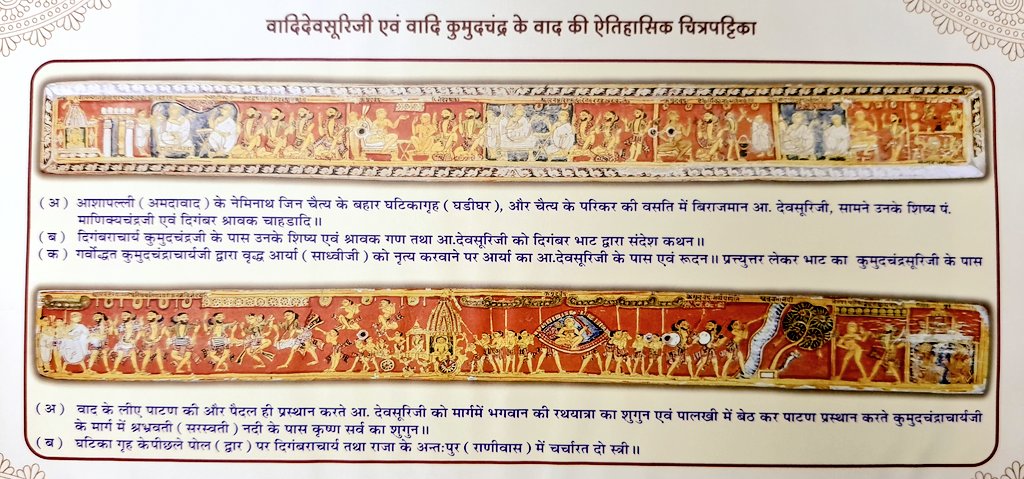
जैसलमेर ज्ञान भंडार में सुरक्षित जैन इतिहास का एक अमूल्य दस्तावेज।
आचार्य वादिदेवसूरिजी द्वारा वाद विजय का पूरा चित्रण। जैन आगम जयकारा।
Ancient manuscript paintings depicting the historic win of Acharya Vadidevsuriji at #Patan in philosophical debate.
#Jainhistory #Jain #gujrat
1
48
145
4,083
Apr 28
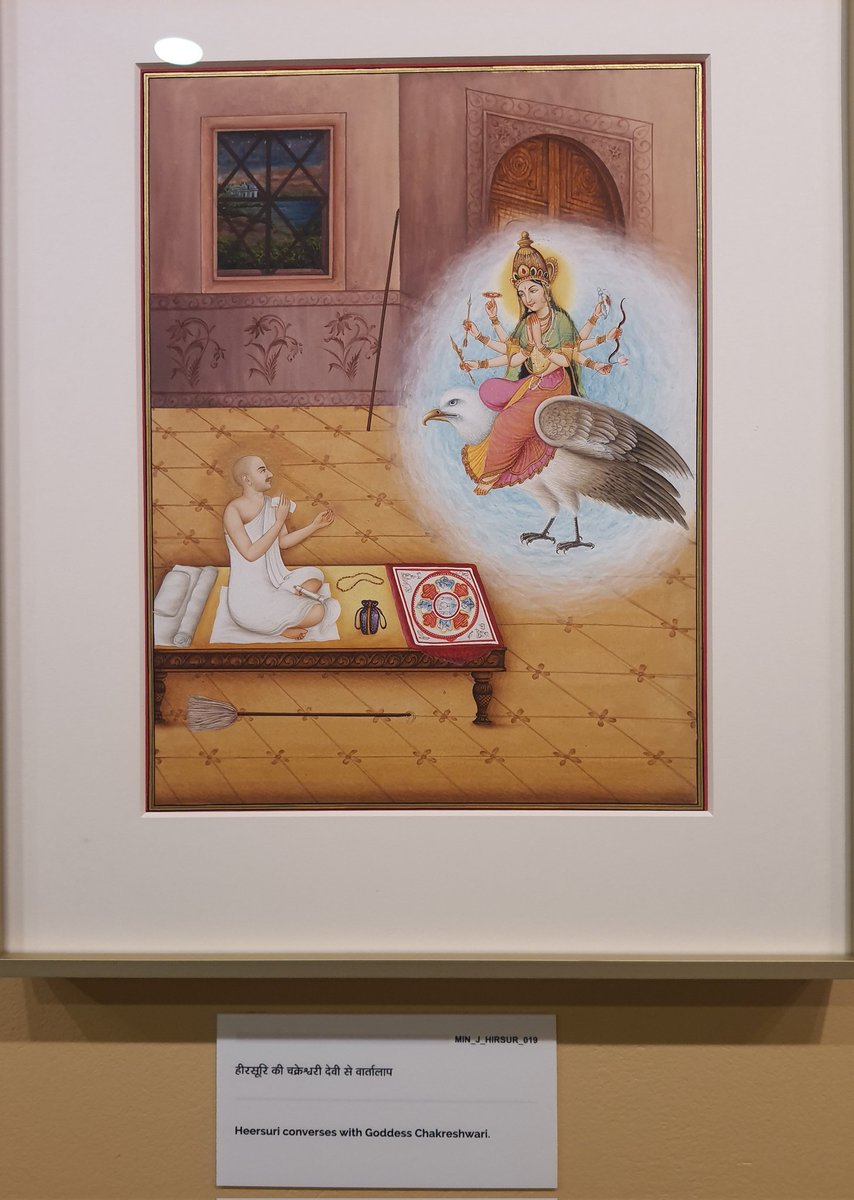
Shasandevi Chakreshwari paying her tributes to Pujya Acharyashri Vijay Heersuri Maharaj who was the head of #Jain Sangh during his times.
A modern painting at Samrat Samprati Musuem @Ahmedabad
7
30
569
Rushab Bhandari retweeted

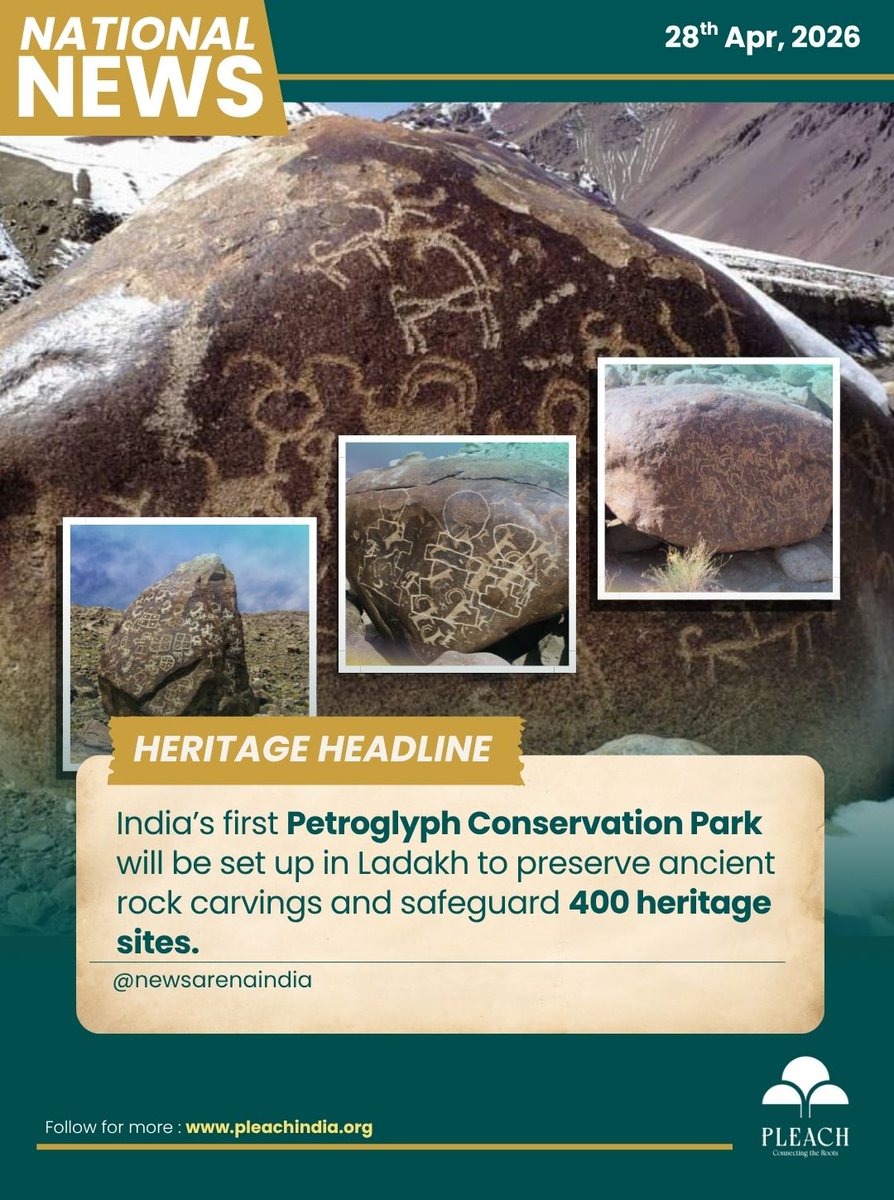
#HeritageHeadlines
India’s first Petroglyph Conservation Park will be established on the banks of the Indus River in Ladakh. A MoU has been signed between the Department of Archives, Archaeology and Museums and the Archaeological Survey of India (ASI) to facilitate joint conservation efforts. Announced on World Heritage Day 2026.
Officials stated that nearly 400 petroglyph sites have been identified across Ladakh. Many of these sites are clustered together, while others are located in remote areas along the Indus and Zanskar river basins. Some carvings feature inscriptions in ancient Chinese, Arabic, and Sanskrit, highlighting Ladakh’s long-standing historical and cultural connections. The depiction of hunting scenes, animals such as ibex and snow leopards and Buddhist symbols like stupas, illustrating the evolution of cultural traditions over centuries.
The proposed conservation park aims to safeguard these fragile artefacts by relocating the most vulnerable pieces and preserving them in a protected, curated environment. In addition to conservation, the initiative is expected to boost cultural tourism and raise awareness of Ladakh’s rich prehistoric heritage.
@newsarenaindia
Source: newsarenaindia.com/states/in…
4
8
86
Rushab Bhandari retweeted
Apr 27
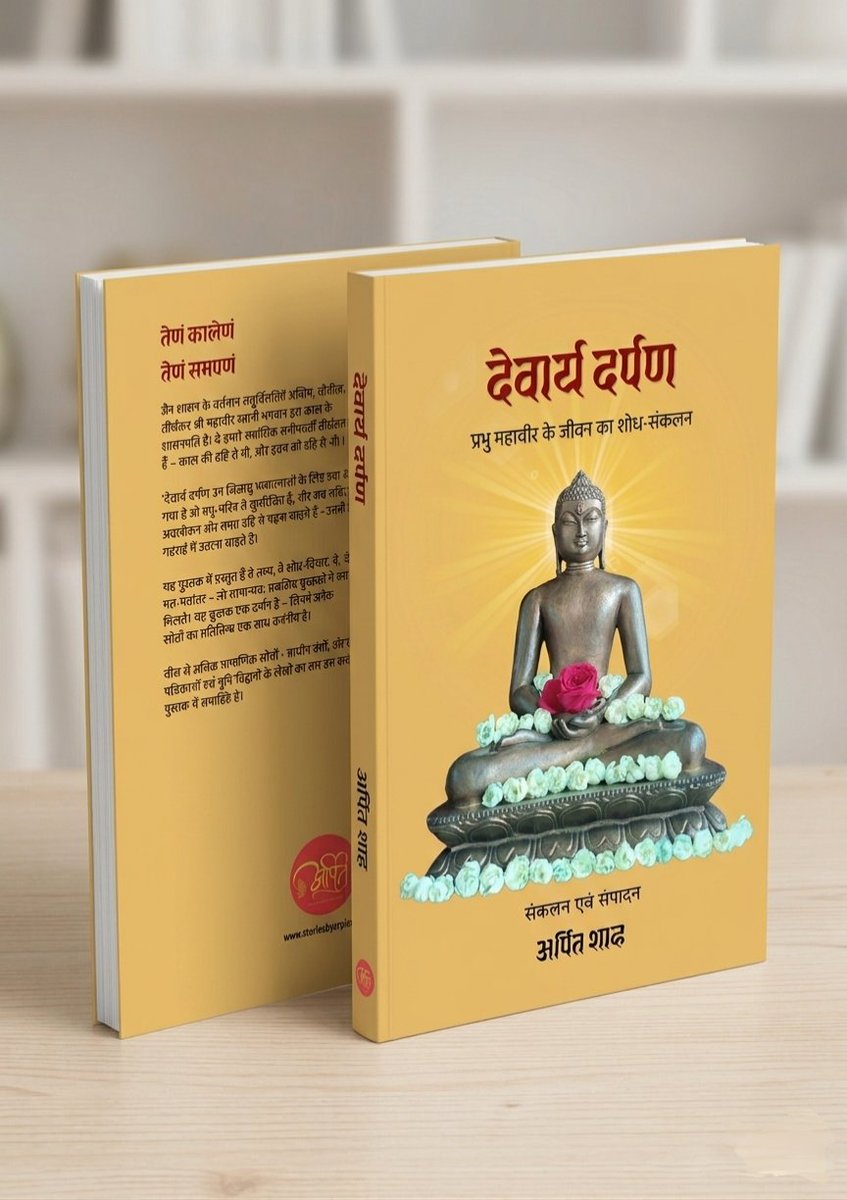
शासन स्थापना दिवस के पावन अवसर पर प्रस्तुत है मेरी नई पुस्तक
📖 “देवार्य दर्पण”
📩 Free eBook के लिए COMMENT करें EBOOK
देवार्य दर्पण” प्रभु की जीवनी नहीं, पर उन जिज्ञासुओं के लिए जाने अनजाने ततथ्यों का विशिष्ट संकलन है — जो प्रभु के जीवन को सिर्फ जानना नहीं, बल्कि गहराई से समझना चाहते हैं।
* प्रभु के पूर्वभवों से जुड़े विभिन्न मत-मतांतर
* कुटुम्ब-परिचय, प्रभु के विभिन्न नाम / उनके कारण
* कल्याणकों की मुख्य एवं प्रामाणिक जानकारी
* कल्याणक भूमियों के विभिन्न मतमतान्तर
* केवलज्ञान प्राप्ति के आसन, प्रथम देशना, भस्मक ग्रह पर विचारणा
* प्रभु का दिव्य स्वरूप का विस्तृत परिचय
* प्रभु की तपस्याएँ, पारणा स्थल , विहार क्षेत्र, चातुर्मास स्थल — एक समग्र और शोधपूर्ण संकलन
* क्या प्रभु महावीर ने पश्चिम भारत में विहार किया था? — इस पर विश्लेषण
* प्रमुख उपसर्ग के जाने अनजाने तथ्य, भक्त राजा, गणधर और श्रावक-श्राविकाएँ
यह पुस्तक उन पहलुओं को सामने लाती है जो सामान्यतः एक ही स्थान पर, इतने व्यवस्थित और तुलनात्मक रूप में उपलब्ध नहीं होते।
यह एक ऐसा दर्पण है —
जिसमें प्रभु महावीर के जीवन के विभिन्न स्रोत, दृष्टिकोण और गहराइयाँ एक साथ प्रतिबिंबित होती हैं।
📄 यह पुस्तक आसान प्रिंटिंग के लिए A4 साइज में डिज़ाइन की गई है, ताकि आप इसे लैपटॉप, टैबलेट या मोबाइल पर भी सहजता से पढ़ सकें।
#jain #jainism #jainbook #mahavir #mahavira
21
14
49
989
Rushab Bhandari retweeted

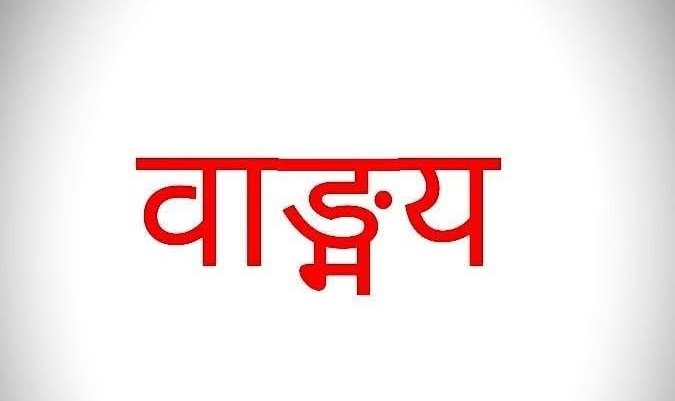
वांग्मय नहीं, वाङ्मय!
वाच्य/वाक् का अर्थ है-'वाणी, भाषा'।
वाङ्मय वाणी (शब्दों)से युक्त,साहित्य।
गीता के अनुसार–
दूसरों को कष्ट न देने वाले, सत्य, प्रिय और हितकारी वचन बोलना तथा स्वाध्याय करना,ये वाङ्मय तप हैं।
वाङ्मय पाप (वाणी के द्वारा किए गए पाप) मुख्य रूप से चार माने गए हैं:
पारुष्य (कठोर वचन), अनृत (झूठ), पैशुन्य (चुगली करना), और बिना सोचे-समझे बोलना)।
6
22
119
3,249
Rushab Bhandari retweeted

Apr 25
I posted this 100s of times for many years. Got attacked by the low iq folks addicted to feel good delusion. Politicians and other elites feeding the masses with bullshit to keep them intoxicated. Anyone provoking to think critically is unwelcome. Such a society is in self destruction.
Apr 24

Bernstein: India’s Ambitions are Hollow Without R&D Investments
1. No nation in history became a developed economy with R&D @ 0.65% of GDP
2. Labor Arbitrage Economy: Demand broken as wages stagnate for 10 yrs. You raise wages, you can’t compete. AI dents it further.
INSIGHTS:
R&D Intensity (% of GDP)
2000s
Korea: 3.12%
Taiwan: 2.7%
China: 1.32%
India: 0.82%
2010s
Korea: 4.29%
Taiwan: 3.3%
China: 2.11%
India: 0.75%
2020-25
Korea: 5.21%
Taiwan: 4.0%
China: 2.8%
India: 0.65%
Widening Innovation Gap: China’s GDP is 5X of India. Its R&D budget is 4X in % of GDP. So, in dollar terms, China is 5x4 = 20X of India’s R&D every year.
Labourers vs. Innovators
a. India’s Top 10 Companies: Combined R&D Expense 2025 (Thinking in Quarters): Below $1B
b. China Companies R&D Expense 2025 (Thinking in Decades): BYD $8B; Huawei $14B; Xiaomi $5B
c. Korea: In 1970s, private to government R&D share was 20:80. In 1990s, the ratio became 80:20. Korean government forced private sector to invest in R&D, reject short-termism, and massively incentivized firms with export credits and R&D tax credits.
d. Taiwan: In 1980s, the government funded research labs for semiconductors. The “seed” was sown by the government; the “scale” was led by private sector. Today a single company TSMC controls 70% world market share in semiconductor pure-play, driven by AI demand.
e. China: In 1980s, India and China had similar R&D investments. China realized that technology was their only guarantee of national survival. The government and private sector formed a combined “war machine” to become the “IP owner” and not just the “world’s factory” for tech goods.
India’s Scarcity Mindset
a. While Korean and Chinese companies operate in a culture that rewards global innovation, Indian companies operate in a culture that rewards bowing down before bureaucrats and ministers.
b. To grow in India, you don’t need to build world-beating products. You just need to operate in those areas of the domestic economy where government policy favours Indians over foreign businesses.
c. Think of a student whose father owns the school, and no other students are allowed to sit in the exam. What will be his capability? While other countries demand global dominance as a point of national pride, Tata, Reliance, and Adani cannot even make a candy that sells in the world market.
d. Curse of Cheap Labor: Indian IT companies realized that when you can make 20% margin by selling cheap labor, why build a semiconductor factory that requires $20 billion CapEx? They kept distributing lakhs of crores in dividends (mainly to promoters) while the world invested in AI and chips.
e. The GCC Paradox: India now has over 50% of the world's Global Capability Centers (GCCs). From Google to Walmart to Mercedes, the world’s best tech innovation and research is happening in India, but the Intellectual Property (IP) belongs to other countries. So, we remain only “cheap labour” for others.
Low Wages; Broken Consumption
a. Labour arbitrage economies enjoy GDP growth till wages keep rising. But wage growth stalls when other poor economies like Bangladesh or Philippines catch up with lower wages. That’s when their dream of becoming a “developed economy” gets a reality check.
b. From 2015 to 2025, real wages in India have stagnated. Rural wages have seen a negligible CAGR of 0.1%, and entry-level IT salaries have famously remained stuck at ₹3.5 LPA. China’s real wages (inflation-adjusted wages) have grown at 8 to 9% CAGR during the same period.
c. Indian companies continue to operate in low-complexity, me-too product/service segments where low wages are a competitive advantage. But now AI is the new emerging threat to IT sector and GCCs.
Endpiece
In absence of an urgency to shift from Labour Arbitrage to Innovation Premium, India risks falling into the Middle Income Trap. India’s demographic dividend is ending by 2040. Without investing patient capital in R&D, India will squander its opportunity to achieve a developed nation status by 2047.
@arabicatrader
49
226
721
25,072
Apr 23
A good start but still a long way to go.
#freetemples
#kesariyaji
Apr 22

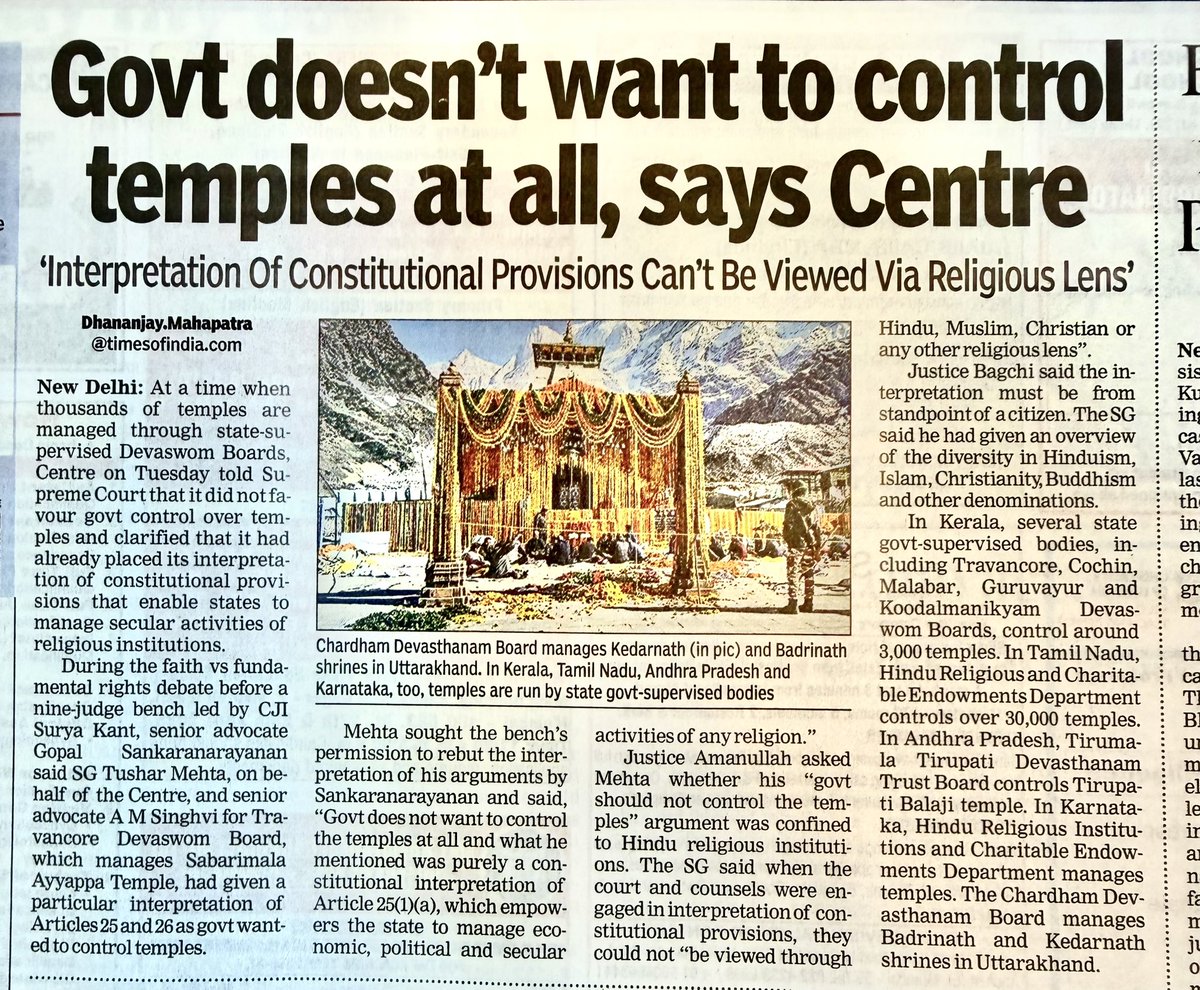
For the first time, an official stand of @narendramodi govt in Supreme Court - “Govt does not want to control temples at all”.
And for the first time, the Supreme Court has directly been told that it is not competent to decide on matters of belief and practices of religious denominations and should restrict itself to matters of constitution. Even the temple entry bogey has been called out.
A day of celebration for us, who have campaigned vigorously for this since the past decade. The battle will not be over, however, until every Hindu temple is freed from control of govt, politicians and babus.
2
6
102
Rushab Bhandari retweeted

Apr 22
Raju Narayana Swamy was my classmate in IIT Madras. He also had a very high rank in IIT JEE 1985, my recollection was AIR 10 and he came from small town Kerala and most top rankers were from the big cities so he stood out.
Most of our classmates - including me - went abroad. He chose to stay in India.
132
1,288
7,278
603,157
Rushab Bhandari retweeted

Apr 20
जिसकी संख्या कुछ सौ, कुछ हजार या कुछ लाख हो उसे अल्पसंख्यक कहते हैं।
भारत इकलौता देश है जहाँ करोड़ों की आबादी वाले समुदाय को भी अल्पसंख्यक कहते हैं।
अल्पसंख्यक-बहुसंख्यक का विभाजन तत्काल समाप्त करना चाहिए अन्यथा अल्पसंख्यक को परिभाषित करना चाहिए
@PMOIndia @narendramodi
77
827
1,607
10,098
Apr 21
Just amend the word brought with destroyed.
Appeasement is the core feature of so called main stream media in India.
Apr 20

The Mughals brought language, food, architecture, music, art and syncretism to India. And they brought Narendra Modi’s party to power economist.com/asia/2026/04/1…
15
Rushab Bhandari retweeted

Major events on Vaiśākha Śukla Tṛtīyā (also known as Akṣaya Tṛtīyā)
1. As per Puṣpadanta's Mahāpurāṇa (11th century CE) and Hemacandra's Triṣaṣṭiśalākāpuruṣacarita (12th century CE),
Śreyāṃsakumāra, son of Bāhubali (or Bharata), offered fresh sugarcane juice as alms to Lord Ādinātha, thereby ending his ~400 day-long fast.
2. Vīrakavi's Jambusāmicariu,
Jambūkumāra's marriage was committed by his parents on this day.
3. As per Prabhācandrasūri's Prabhāvakacarita,
Sūrapāla, also known as Bappabhaṭṭi, was initiated by Siddhasenasūri in 807 VS at Moḍhera (modern-day Modhera, Gujarat) and was named Bhadrakīrti.
4. As per Prabhācandrasūri's Prabhāvakacarita,
Somacandra, disciple of Devacandrasūri, was consecrated as Ācārya on this day in 1166 VS at Nāgapura (modern-day Nagaur, Rajasthan) and named as Hemacandra. On the same place and day, his mother Pāhinī Devī was initiated.
3
2
222
Apr 20
RT @JinDharmaChakra: पाटन (गुजरात) में श्री पंचासरा पार्श्वनाथ भगवान देरासर में बिराजमान चावड़ा वंश के स्थापक वनराज चावड़ा की १४वी शताब्दी…
17
Apr 19
Definitely would make sense to psuedo intellectuals who have no idea about the tradition of land but simply want to bridge gaps between the the Indian origin Dharmas.
अपनी खुद की विफलता का ठीकरा दूसरों पर डालने का एक असफल प्रयास।
#अक्षय_तृतीया
Apr 18

कीर्तन कभी कर्तन (कटाई) की जगह नहीं ले सकता, हनुमान जी कीर्तन की जगह कीर्तन और कर्तन (⚔️) की जगह कर्तन (⚔️) करते थे
चैतन्य महाप्रभु कीर्तन करते रहे और बंगाल हाथ से निकल गया, आज वो होते तो उन्हें बहुत दुख होता
दो क्षत्रिय राजकुमारों (बुद्ध और महावीर ) ने असमय क्षात्र धर्म (⚔️) को छोड़कर अहिंसा का मार्ग अपनाया और उनकी नक़ल करते-करते देश की दुर्गति हो गयी
क्षत्रियों को अपना धर्म नहीं छोड़ना चाहिए
~ जगद्गुरु शंकराचार्य निश्चलानंद सरस्वती जी महाराज
3
18
419
Apr 17
RT @sgurumurthy: A must read article on Sabarimala case by a revered Jain Sadhu. It has deep implications for the religious soverignty of…
235
Apr 17
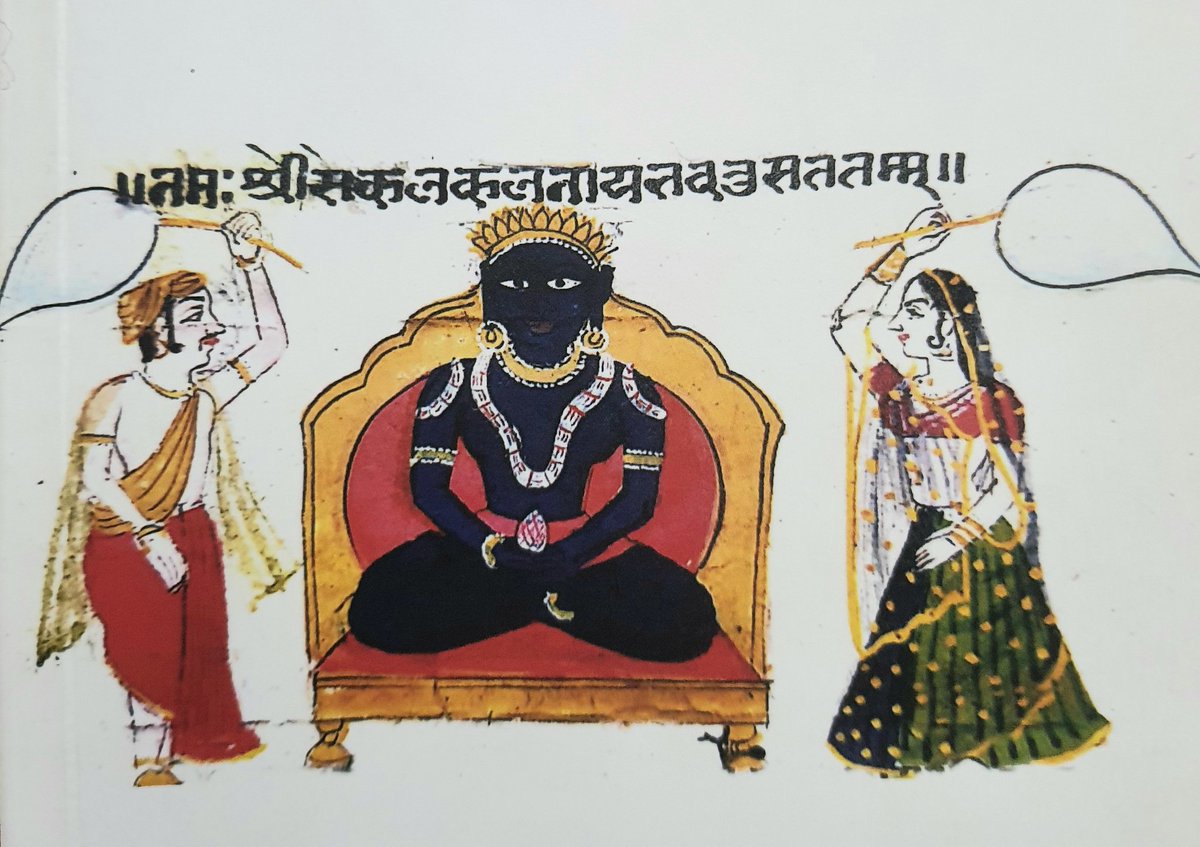
अनुसंधान -९० के मुख पृष्ठ पर प्रकाशित एक प्राचीन तीर्थंकर चित्र।
#jainart
@IndicaOrg
3
32
335
Apr 17
भारत की एक आदर्श संस्थाओं में से एक।
भारतीय विचारधारा एवं मौलिक धार्मिक पुस्तकों के प्रचार ,प्रसार में इनका महत्वपूर्ण योगदान हैं।
इनके आदर्श के तर्ज पर भारत की श्रमण धारा को भी अपने मौलिक साहित्य को जन जन तक पहुंचाना चाहिए, PR के चक्कर में आजकल कुछ भी छप रहा है।
#jain
Apr 17

गीताप्रेस का पावन आगमन अब आपके अपने शहर "मुम्बई" में
Gita Press Gorakhpur
Location: Shop No 6, Bay vue Tower, Dr M BVelkar
Street, Kolbhat lane, Chira Bazar,
Mumbai 400002, Mob. No. 7390050092
1
91