
Joined October 2016
- Tweets 22,260
- Following 1,409
- Followers 1,456
- Likes 453,999
437 Photos and videos
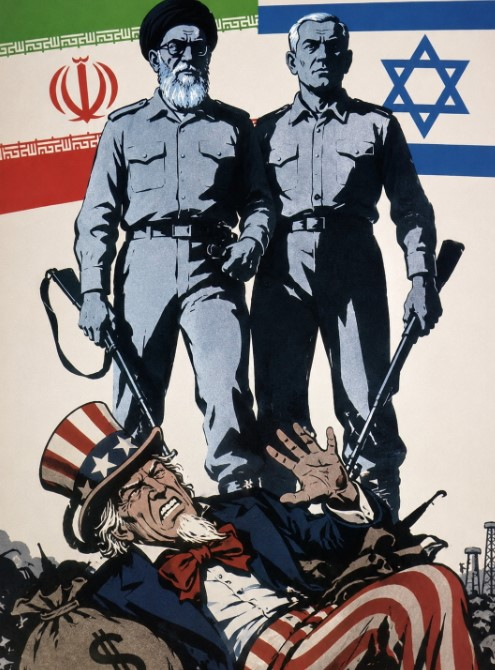


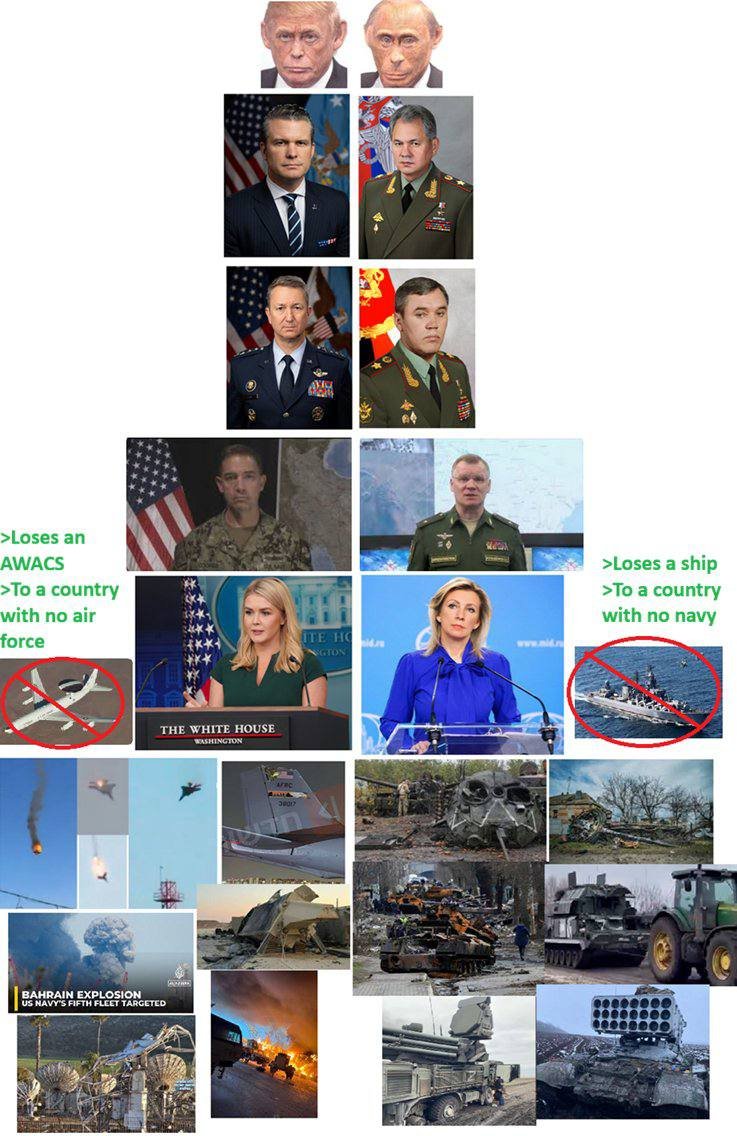
Yiu can just nuke cpu foundries, inverter assemblies, memory chipmakers, turn data centers to dust.
Claude La Fontaine can't stop the thermonuclear warheads no matter the prompt.

One very plausible AGI endgame is a big conference between America and China where they decide how things are gonna be. No one else is relevant enough to be invited. In a way situational awareness was about the US making sure it’s far enough ahead that it’s the senior partner
120
Watched Spielberg's latest movie and it feels like he has become the Sheriff from "No country for old men" - wants to be relevant and reflect the zeitgeist but does so through a very Boomer lense: TV Media breaking the dam on government silence is a trope stuck in the 80s.
1
95
It's also the last hurrah of American Liberal Jewish moral order with the idea of "empathy" manifesting itself as progressive evolutionary force that builds civilizations on some galactic scale.
68
I would be much less hostile to modern "leftists" and "marxist-leninists" if they had anything close to these types of aspirations.

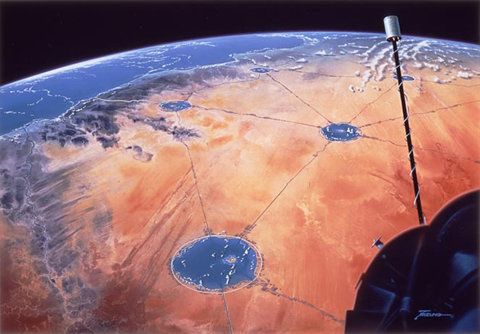
𝙈𝙖𝙧𝙭𝙜𝙧𝙖𝙙, 𝙩𝙝𝙚 𝙛𝙞𝙧𝙨𝙩 𝙎𝙤𝙫𝙞𝙚𝙩 𝙈𝙖𝙧𝙨 𝙘𝙤𝙡𝙤𝙣𝙮, 𝘽𝙪𝙠𝙝𝙖𝙧𝙞𝙣'𝙨 𝙐𝙎𝙎𝙍, 2089.

1
3
312

Jun 12
Supercycle not yet dead IMO, I think that we will counterintuitively to many have a big leg up in oil and gas prices plus general commodity benchmarks over 12-18 months.
167
Jun 12
"Unqiue bone structure" that is the entirity of area from Sochi to Yetevan.

Most realistic Athena depiction that I've ever seen. She is Italian so of course the Mediterranean features are there and she has a unique bone structure too.
4
432
Jun 10
Free intra-EU roaming has been a thing for like 10 years
Need to update those priors
Jun 9

Europeans can’t comprehend that you can live in nyc, take a 5-6 hours flight to San Francisco and you’re in the same country and don’t need to do anything about your phone. No extra charge for service.
In Europe you drive 10 min from Austria to Germany to buy cheaper groceries and you have to avoid using your phone because you’ll get extra charges as it’s another country and another cell provider.
That’s why euros use WhatsApp.
Most communications in the U.S. even far away in another state, don’t cost you more.
Community note
There are no additional charges to text, call or use internet when you cross the border to another EU country.
europa.eu/youreurope/cit…
1
9
983
Jun 10
This implies that San Sebastian and Biarritz aren't posh destinations crowded with toursist?
Maybe more "local" ones than American I guess.

Advice to gen-z Americans: skip the performative Eurosummer (St Tropez, Monaco, Mykonos, Amalfi Coast, etc.)
Instead do a 10-day walk in the Alps, rent a house with friends in Brittany / Basque Country, eat oysters, take cold swims, drink cheap wine. It will bring you more joy than Instagram ever will.
1
5
1,452
ChilyVily retweeted

Alisa is crazy dumb
it's very sad. I mean, yeah Russia isn't allowed to have GPUs, and at least I get music and basic voice controls for ≈nothing, but it's like below 0.6B in LLM terms. Also instantly discards context. What could have been…
They can train DS-style models btw

Put some respect on the names of Sber's Gigachat and Yandex's Alice AI, please
10
4
61
6,345
ChilyVily retweeted

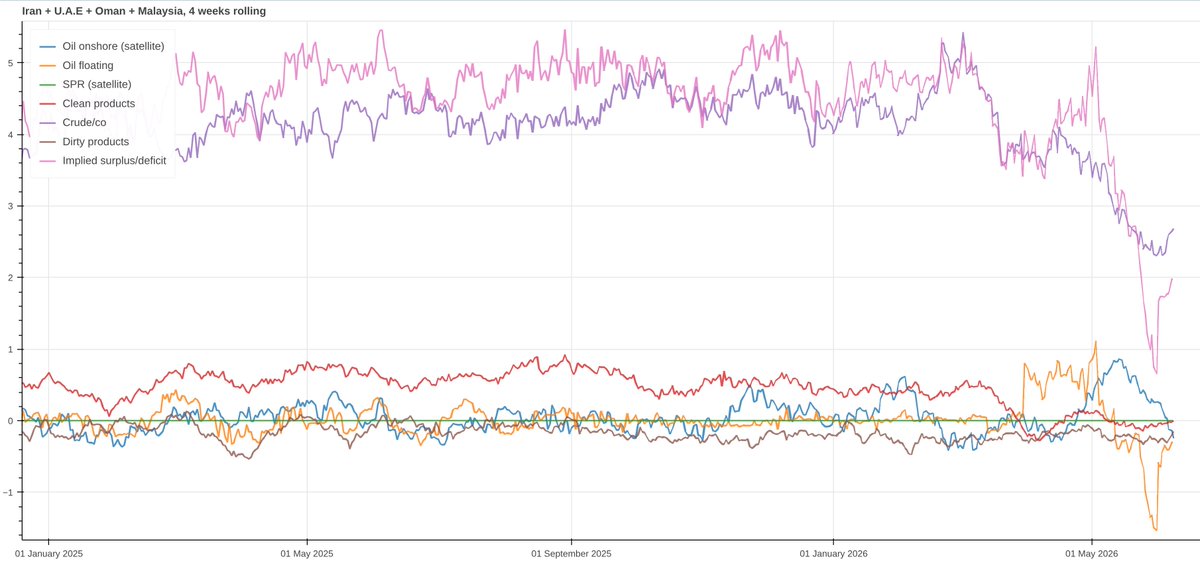
About half of the ship-to-ship transfers are happening at Sohar anchorage, in Omani waters.
This was this Saturday morning. I count 4 VLCC and 3 MR2, so >10 mbbls readying for export.
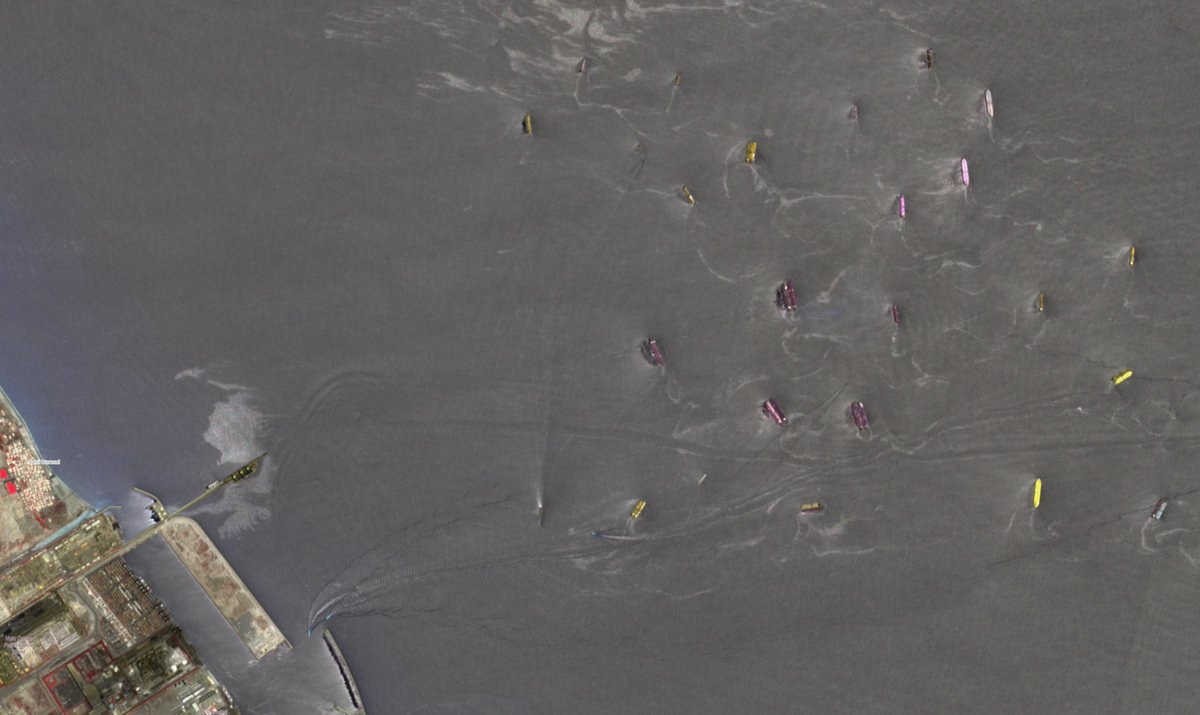

The data is suggesting that there is a U.A.E -> Oman -> Iran -> Malaysia S2S "dark transit" which has increased in activity about a week or two ago.
This could be a partial repurposing of the 1.5-2 mbld ship-to-ship capacity that was underutilized with the Iranian production slowdown.
To be continued ...
11
35
223
68,443
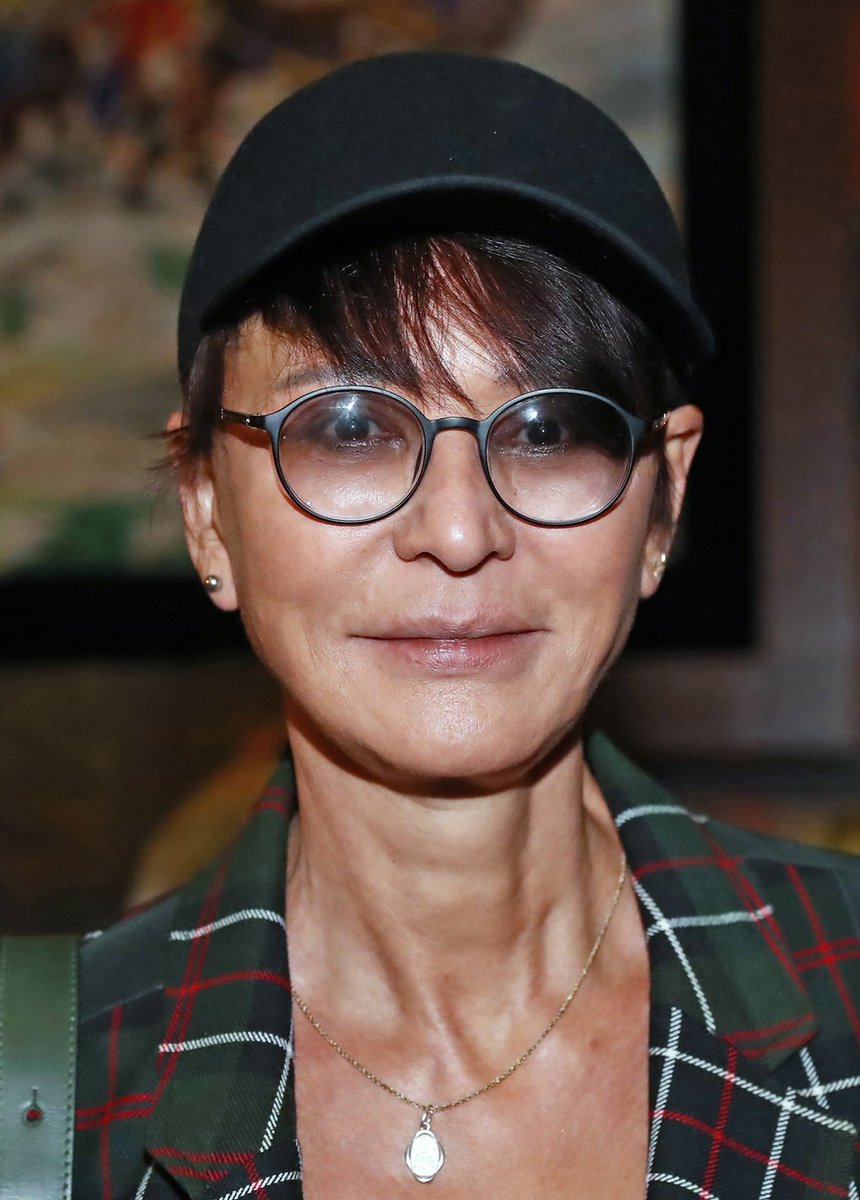
Swap her for Irina Hakamada and that would even look legit

Russia if it had elections like in Peru
Tatiana Yumasheva 49% - Lev Rokhlin 51%
Tatiana Yumasheva 49% - Grigory Yavlinsky 51%
Tatiana Yumasheva 49% - Sergey Udaltsov 51%
Tatiana Yumasheva 49% - Yuri Afonin 51%
1
216
ChilyVily retweeted

Jun 6
boomer origin stories are always like "Finally at 35 years old I decided to get serious with my life -- fortunately there was a national shortage of hedge fund analysts"
Jun 6

He kind of got into investing by accident. He landed in merger arbitrage and special situations work, found out he loved it, and in 1988 joined Seth Klarman's famous Baupost Group.
He spent a decade there learning deep value investing before striking out on his own.
45
468
11,283
495,820
ChilyVily retweeted

Jun 4
Hey T, we're fuckin lost. Crissy wanted to put those flatscreens somewheres the cops can't find but now we're in some kind of fucking mall.

6
35
279
6,787
The goal of everyone (well, both Ukr and Ru govs) is to see if Russian oil cos can reach negative profit margin territory at 100 USD oil it seems.
1
190
99 percentile of ROI on "EU Eastern European development grants" example here if we are being honest.
Jun 3

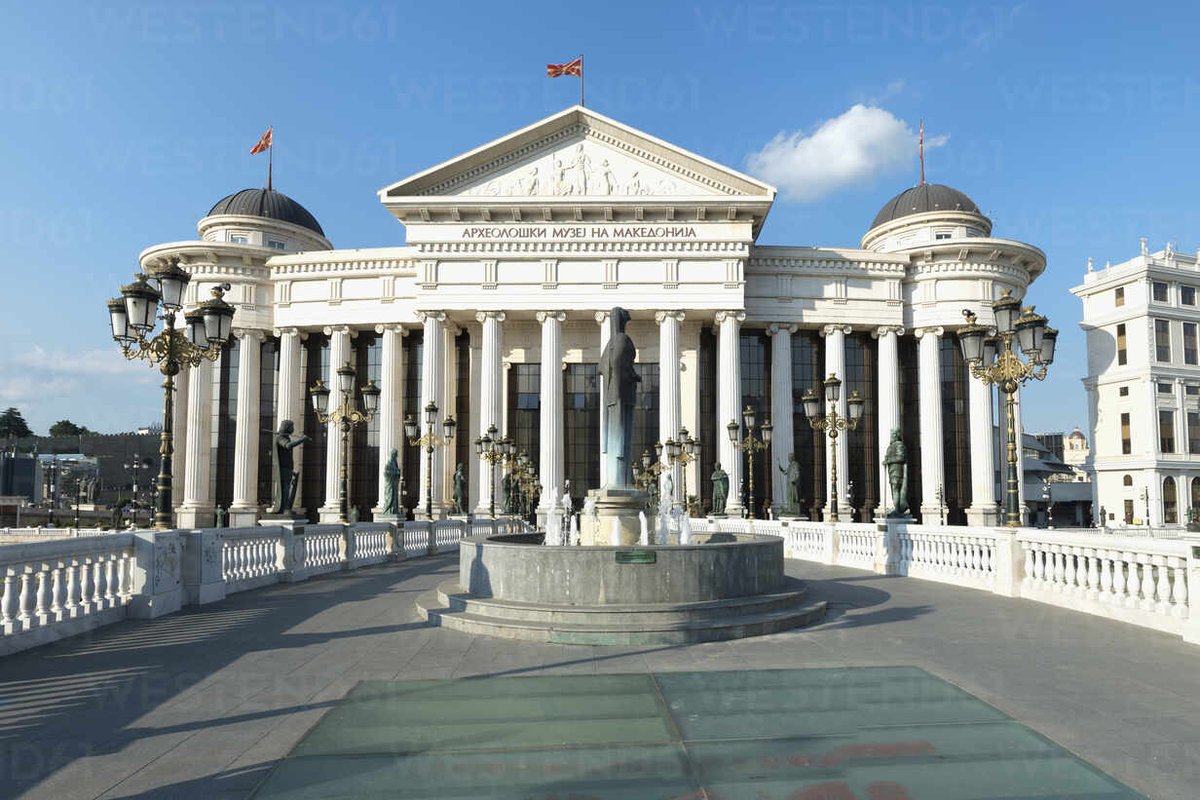
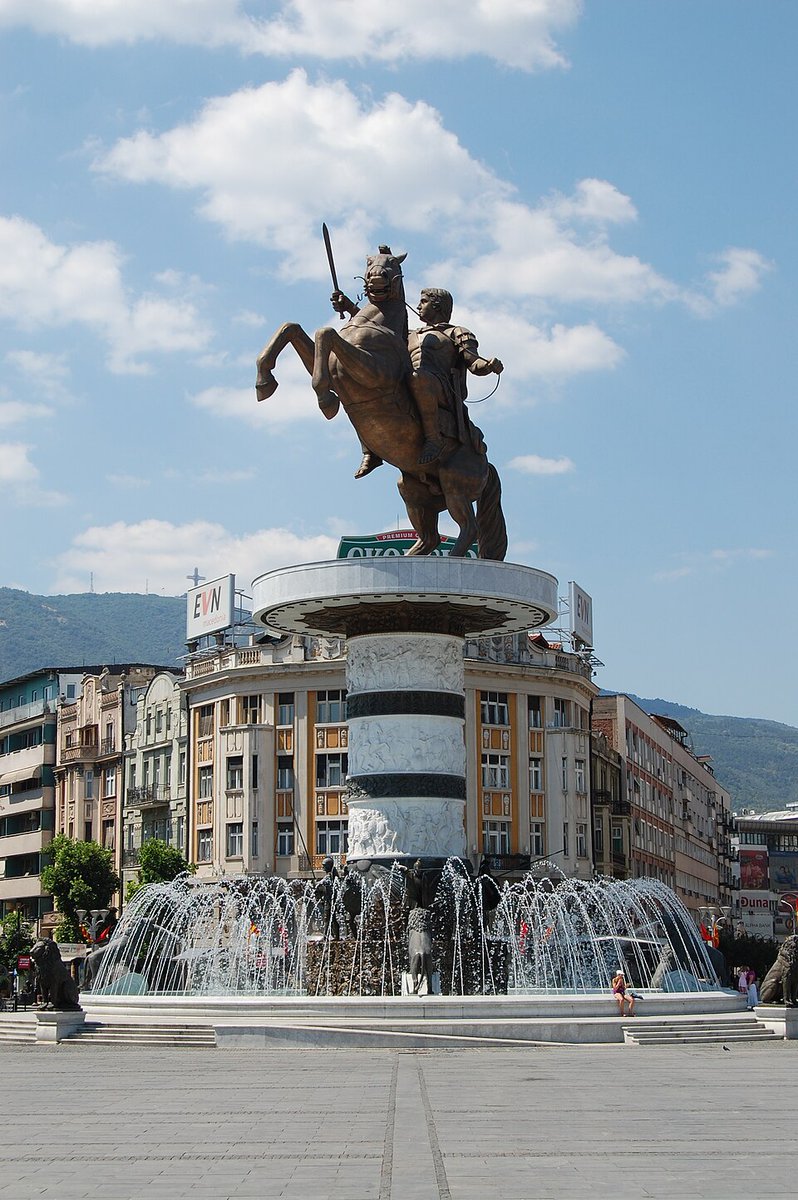
We gave North Macedonia 750 million euros in development funds to build public infrastructure. They spent it on replica Greek temples made of concrete with white plastic cladding to look like marble, and a statue of Alexander the Great pointing a sword at Greece. In a flood plain
Community note
The Skopje 2014 project that built these structures was funded by the North Macedonian government budget, not EU development funds. The Alexander statue faces east toward ancient Persia, not Greece. en.wikipedia.org/wiki/Skopje_20… balkaninsight.com/2015/07/27/tru… uncomfortableoxford.com/alexander-the-…
286
GPU finally captured the spirit of Median Russian Voter

They're making AI edits of Stalin going forward in time to warn Yeltsin not to resign and hand over power to Putin and that resulting in 30 years of peace and prosperity.
2
15
1,945
Swear to god wanted to make a similar post just today.
However, I would say that Japan is a better comparison.
Koreans have too much of provincial insecurities hence Japan is a better fit.
Jun 2

It's striking just how East Asian Italy is. It's like European Korea. I've said this before but having done more research the comparison strengthens.
2
1
10
1,587
Not as retarded when it comes to this cause there are many who travel/study/work daily in EU.
Writing something like this is usually a lumpen prol class indicator.

Are Russians like this
1
396
ChilyVily retweeted

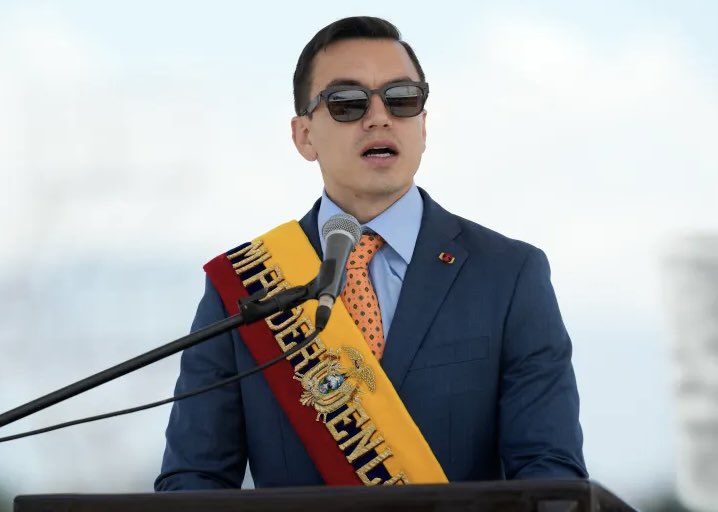
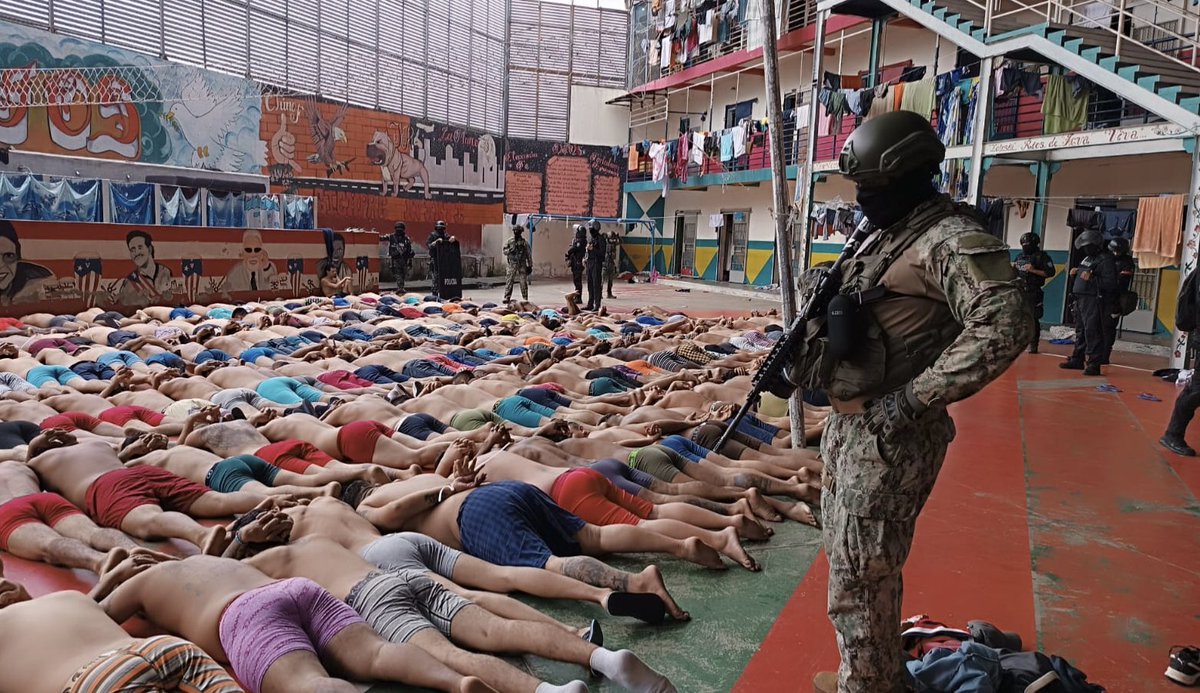
“YOU CAN’T JUST DO THINGS” - Trying and Failing to Copy Bukele - The Ecuador Case 🇪🇨
With the spread of ‘Bukeleism’ in Latin America, assumption might be that the continent is on track to improve significantly in the near future, maybe maybe potentially even become ‘Basically Fine’. Was told recently though that this isn’t quite yet the case. Some countries have already tried to copy the Bukele model of ‘just locking up all the criminals’ with far less success. The Ecuador case is very instructive
In 2023 and then in 2025 Daniel Noboa was elected as President of Ecuador on an anti-crime platform, pledging to significantly improve the country’s safety as in El Salvador. Noboa has attempted to tackle Ecuador’s crime crisis using some methods that resemble those employed by Bukele - eg states of emergency, military deployments, prison crackdowns and the framing of criminal organistions as enemies of the state - but the results have been far less dramatic vs in El Salvador. Violence in many Ecuadorian cities remains high despite extensive security operations
Why is the Bukele approach not working as well in Ecuador? The most important distinction is that Ecuador’s gangs are deeply connected to international drug trafficking networks. Organisations such as Los Choneros and Los Lobos are not just local street gangs (MS13 in El Salvador would infamously control defined territory within Salvadoran cities) and are instead linked to a multinational cocaine trade connecting producers in Colombia and Peru with markets in North America and Europe. As long as these trafficking routes remain profitable, criminal groups alway have strong incentives to rebuild after arrests, raids and leadership losses
Geography also makes Ecuador more difficult to control. Unlike El Salvador - which is relatively small, flat and densely populated - Ecuador contains remote Amazonian jungle regions, mountainous terrain, extensive coastlines and very porous borders. Criminal groups can relocate, hide and operate in areas where government presence is always going to be limited. ‘Just go and hide in the jungle’-maxxing is unfortunately generally an effective strategy. A successful military operation (and there have been many, often in these kinds of remote locales and in conjunction with the US) may clear an area but only temporarily and without permanently eliminating the underlying organisations being targeted
A big structural challenge too is that Ecuador’s gangs do not function like conventional armies. Military forces or at least Bukele-style gang sweeps are designed to defeat organised groups that hold territory and present identifiable targets. Ecuadorian criminal organisations though often operate as decentralised networks consisting of eg local cells, prison-based coordinators, corrupt contacts, subcontractors, informants and hired assassins etc. Because gangs generally avoid direct confrontation with soldiers too police security operations will rarely achieve decisive victories
Another major reason Noboa has struggled to replicate Bukele’s success is that violence in Ecuador’s cities remains closely tied to the criminal economy. Many homicides stem from disputes between gangs over trafficking routes. Even if security forces weaken one group rivals will move in to compete for the same opportunities. Infamously violent cities such as Guayaquil (jokingly called Guaya-‘kill’) will always remain strategically important because they contain important infrastructure - ports, transport links, warehouses etc. As a result, urban violence has proven resilient even when gang members can sometimes be decisively identified. Military patrols and emergency measures may suppress violence temporarily but gangs will just adapt and reorganise. Homicide rates and other forms of violent crime remain significantly higher than they were a decade ago
[1/2]
May 31

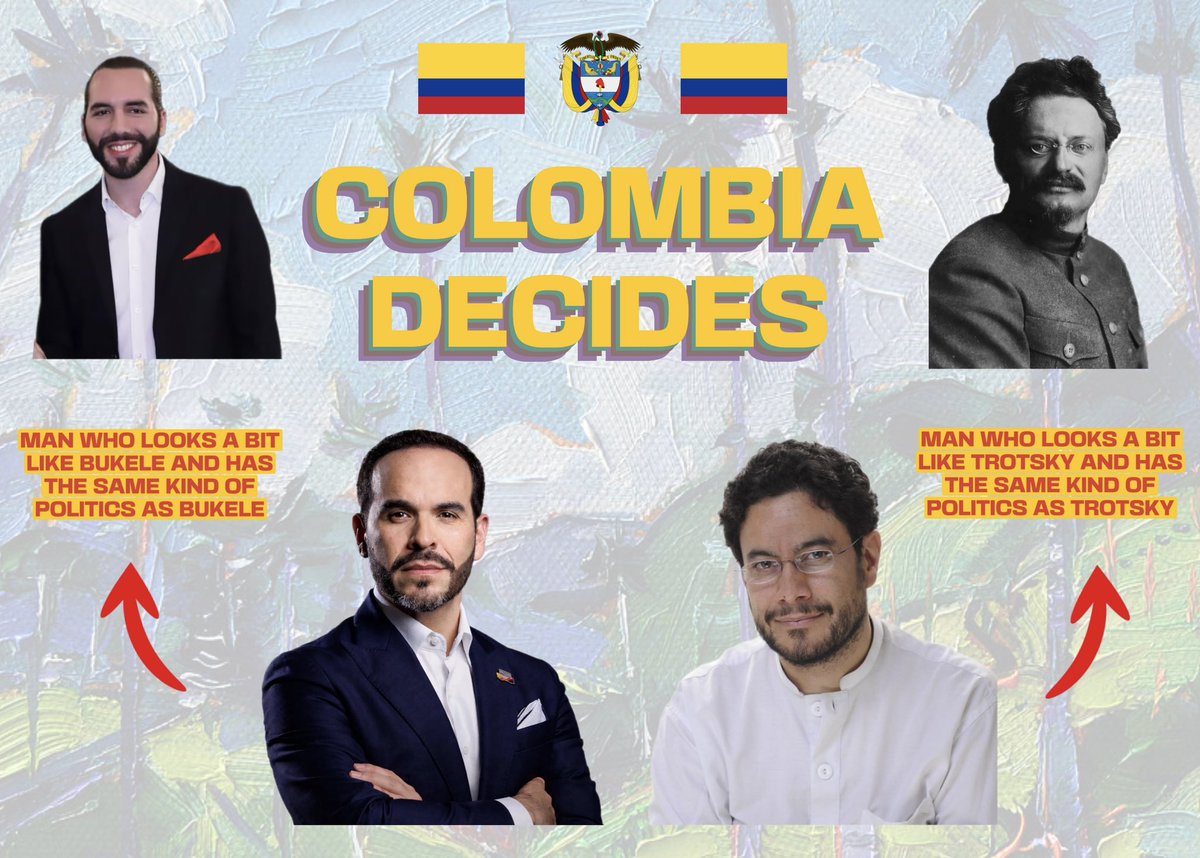
Colombia phoning it in with its derivative election; candidates are man who looks like Bukele who has Bukele’s politics vs man who looks like Trotsky who has Trotsky’s politics. A real microcosm of the ideological split in Latin America though - keeps it simple and easy to follow
28
78
668
121,505