Cultural historian of dogs and their humans. PhD in 18th-century lapdogs. Instagram:@/doghistorian Mastodon:@/StephanieHowardSmith@c18.masto.host
- Tweets 1,175
- Following 538
- Followers 679
- Likes 1,712

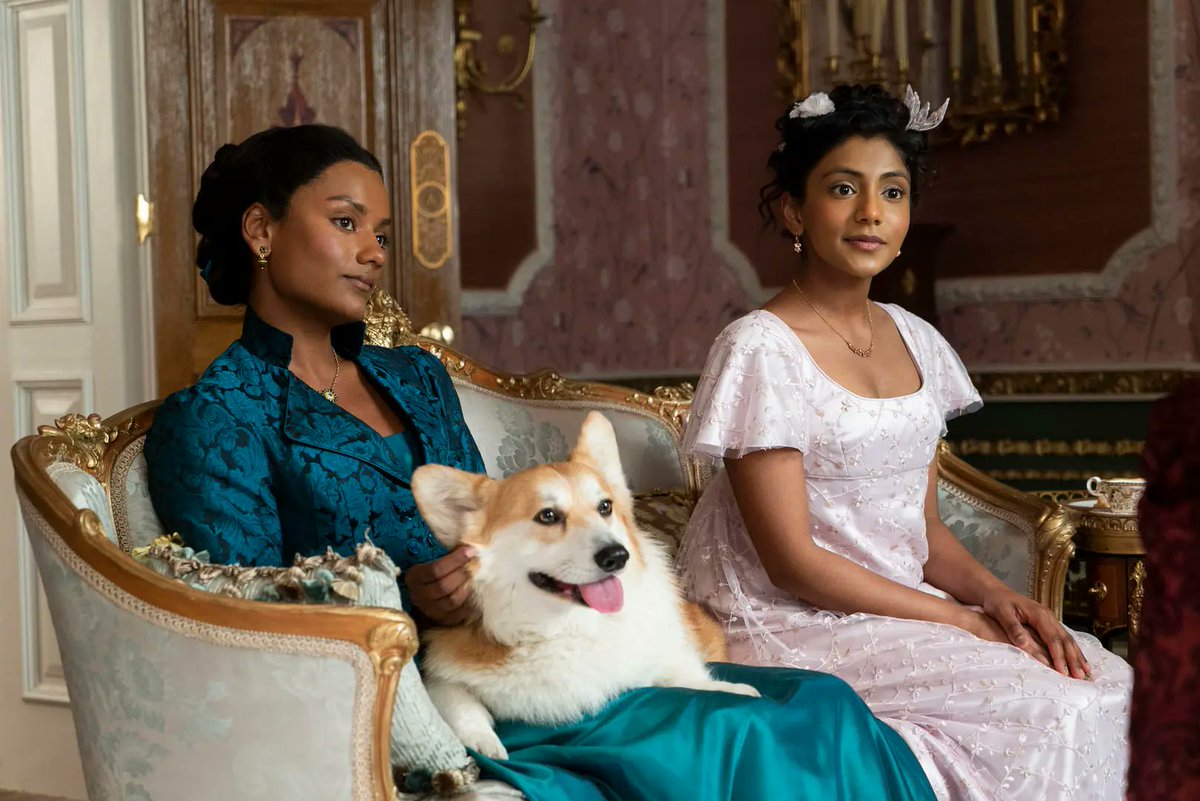
ALT Newton the corgi with the Sharma sisters


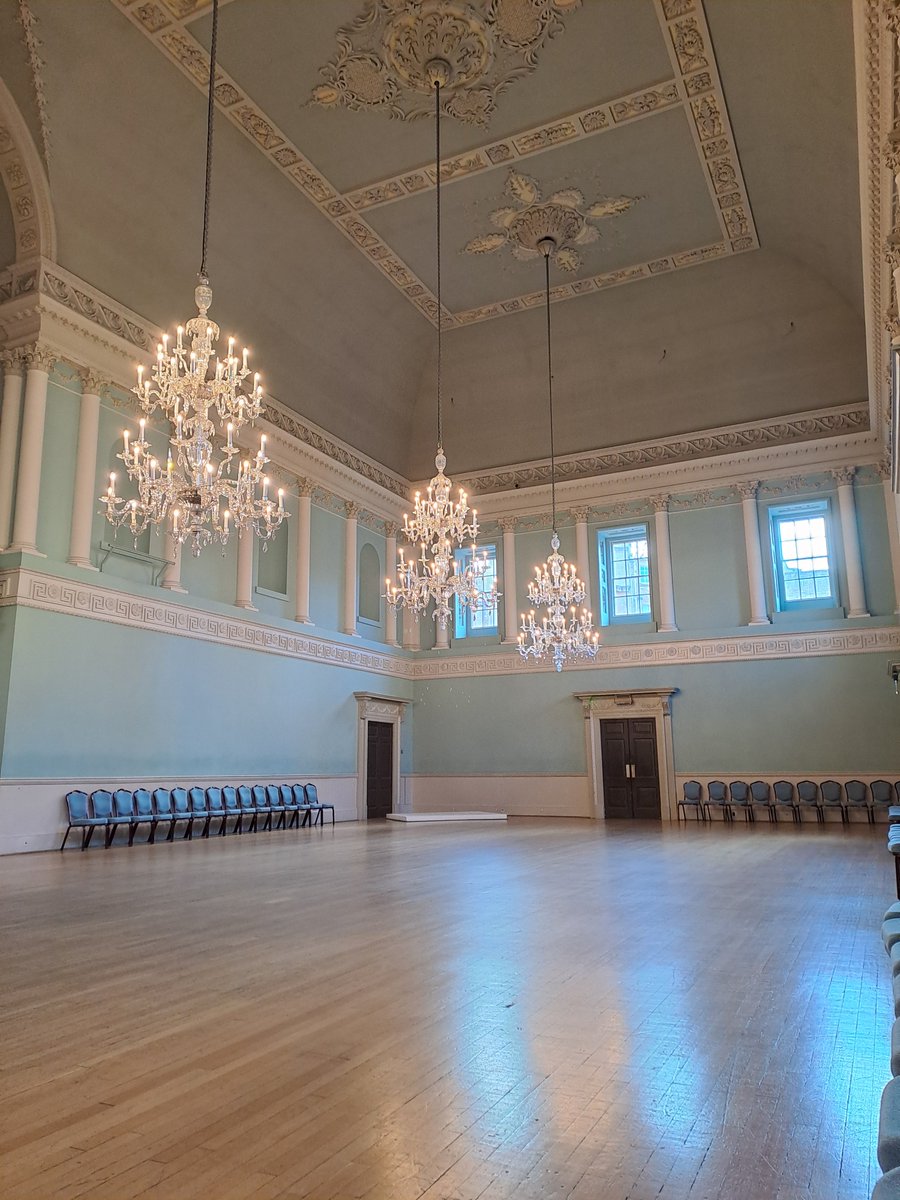
ALT A view of the Ball Room.





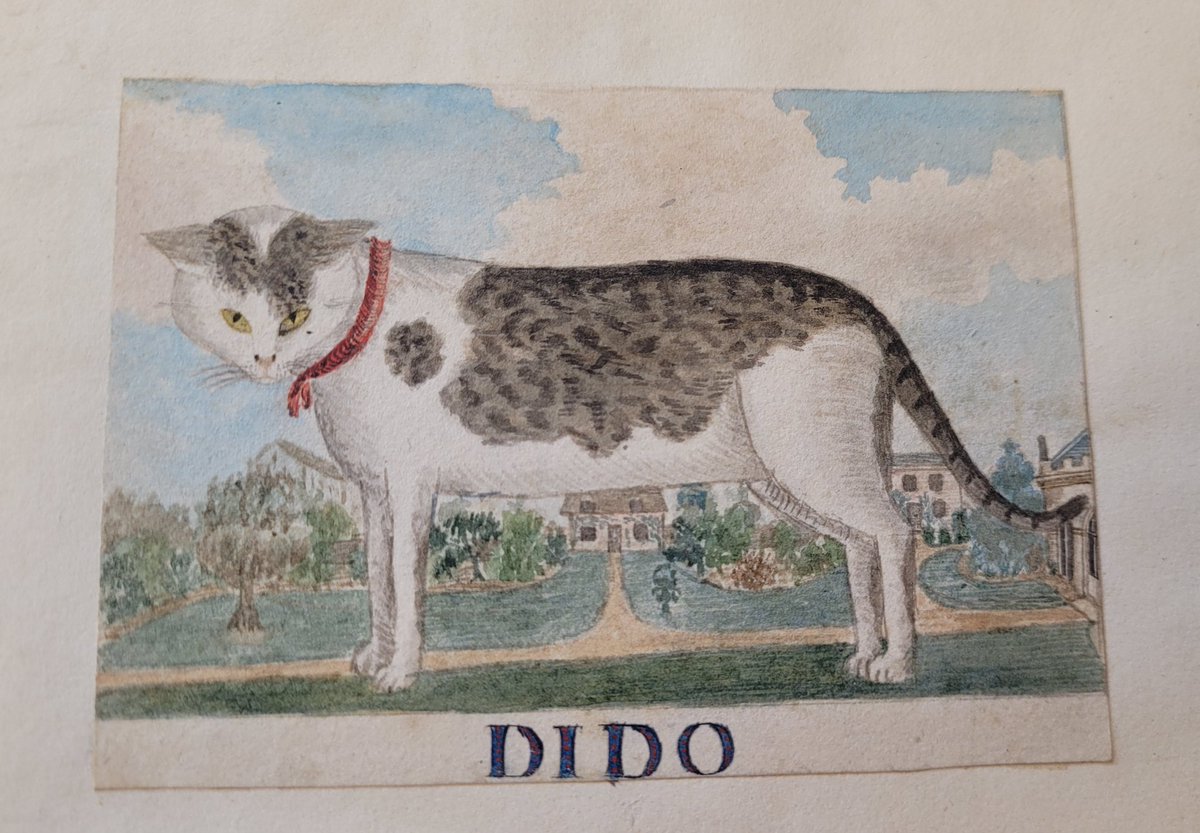
ALT Watercolour of a tabby cat with houses and gardens in the background

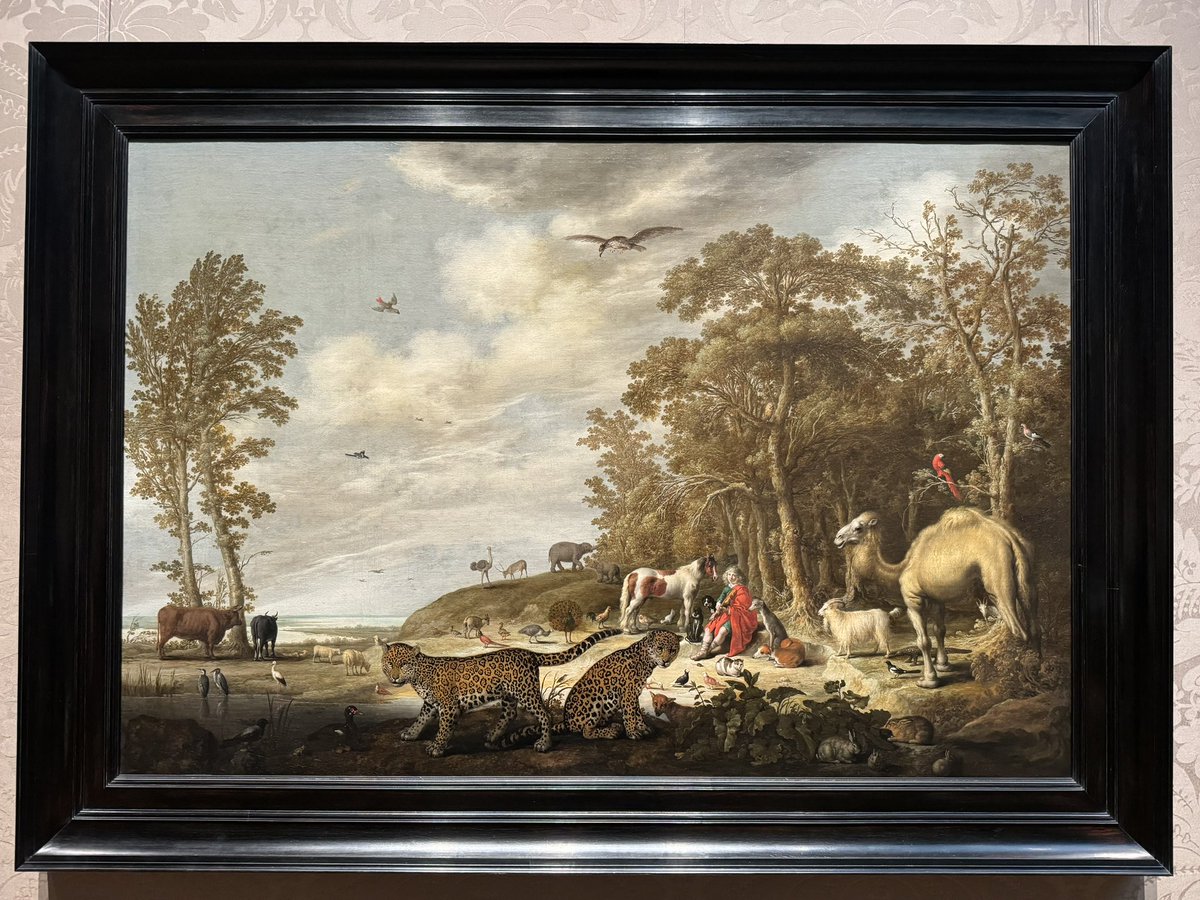
ALT photo of the painting in black frame hanging on display at museum
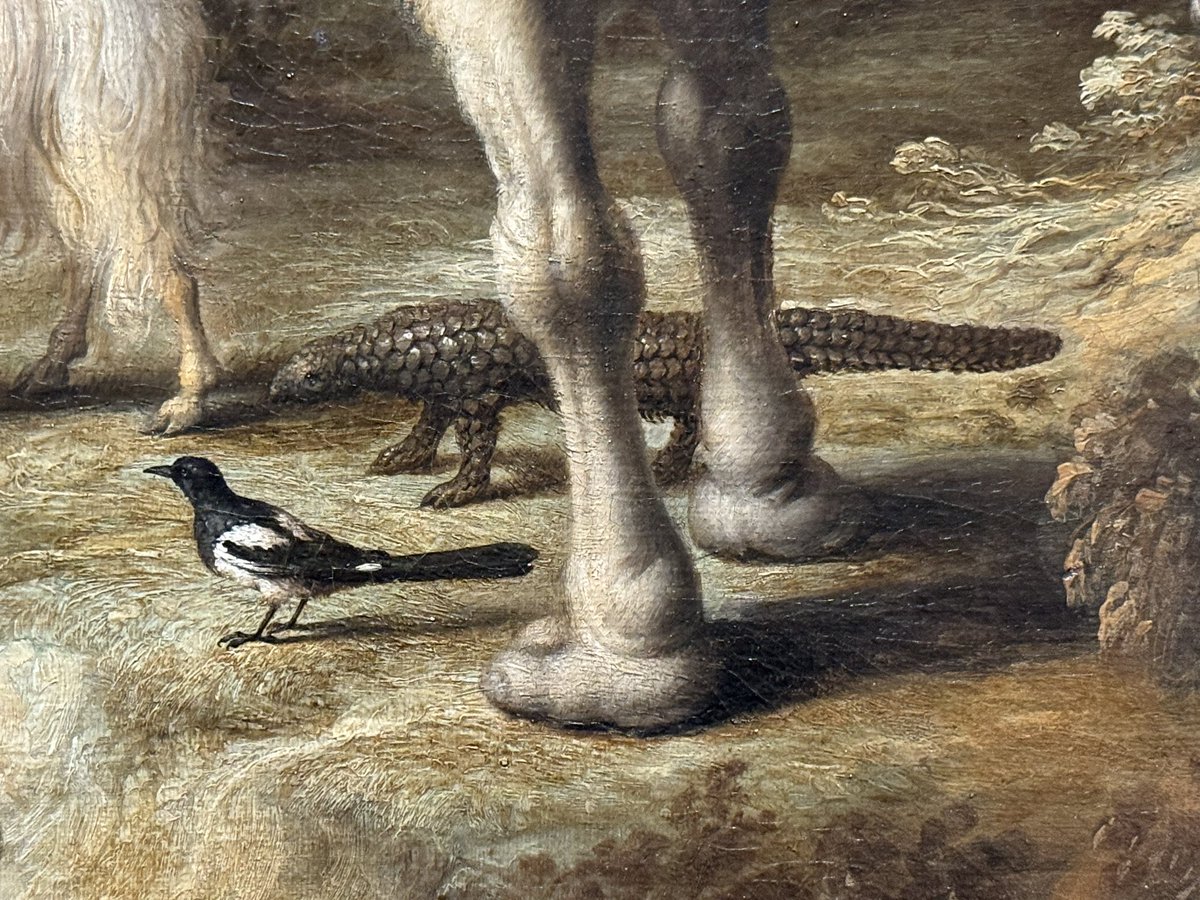
ALT closeup showing the pangolin standing under the camel’s feet in the lower right corner
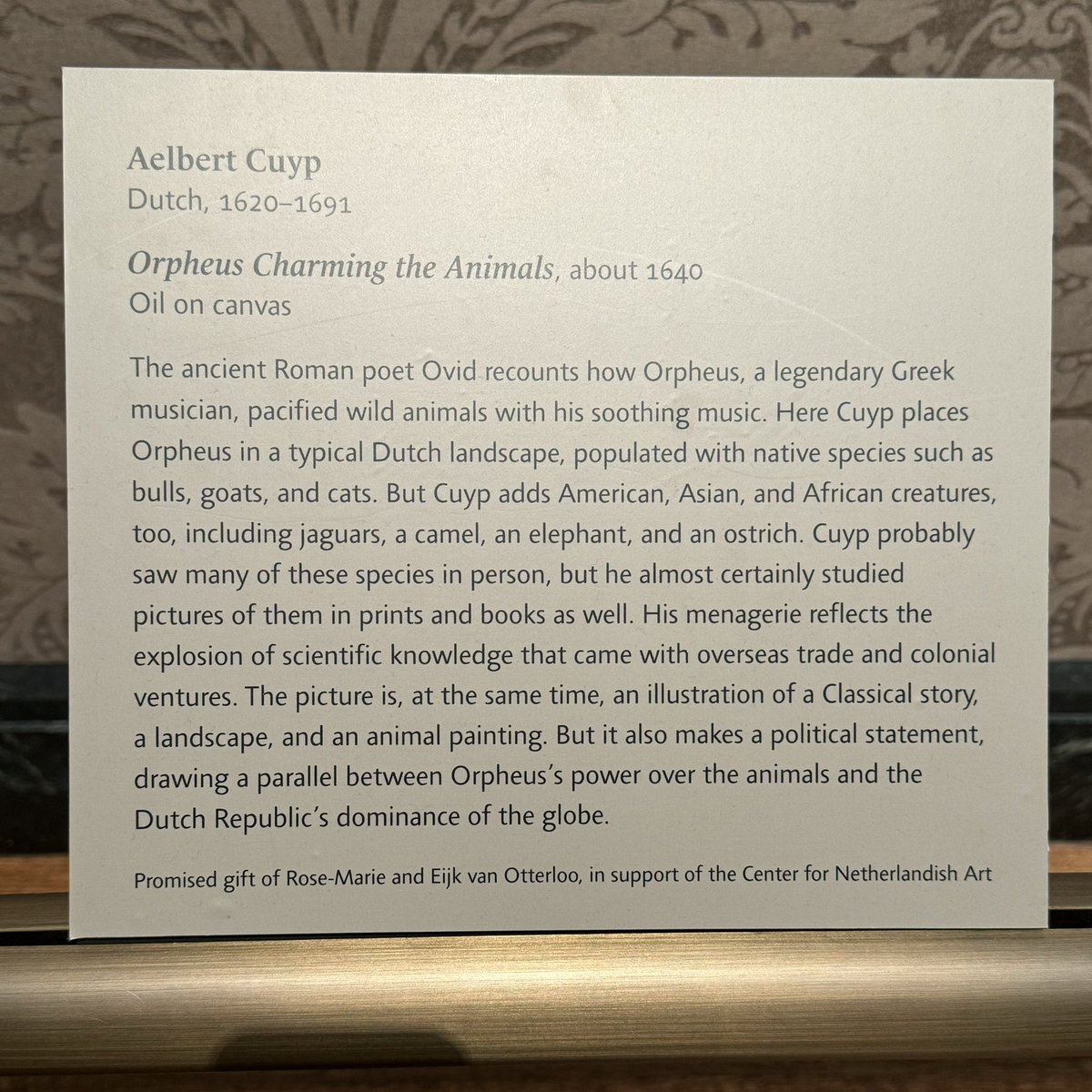
ALT gallery label: “The ancient Roman poet Ovid recounts how Orpheus, a legendary Greek musician, pacified wild animals with his soothing music. Here Cuyp places Orpheus in a typical Dutch landscape, populated with native species such as bulls, goats, and cats. But Cuyp adds American, Asian, and African creatures, too, including jaguars, a camel, an elephant, and an ostrich. Cuyp probably saw many of these species in person, but he almost certainly studied pictures of them in prints and books as well. His menagerie reflects the explosion of scientific knowledge that came with overseas trade and colonial ventures. The picture is, at the same time, an illustration of a Classical story, a landscape, and an animal painting. But it also makes a political statement, drawing a parallel between Orpheus's power over the animals and the Dutch Republic's dominance of the globe.”



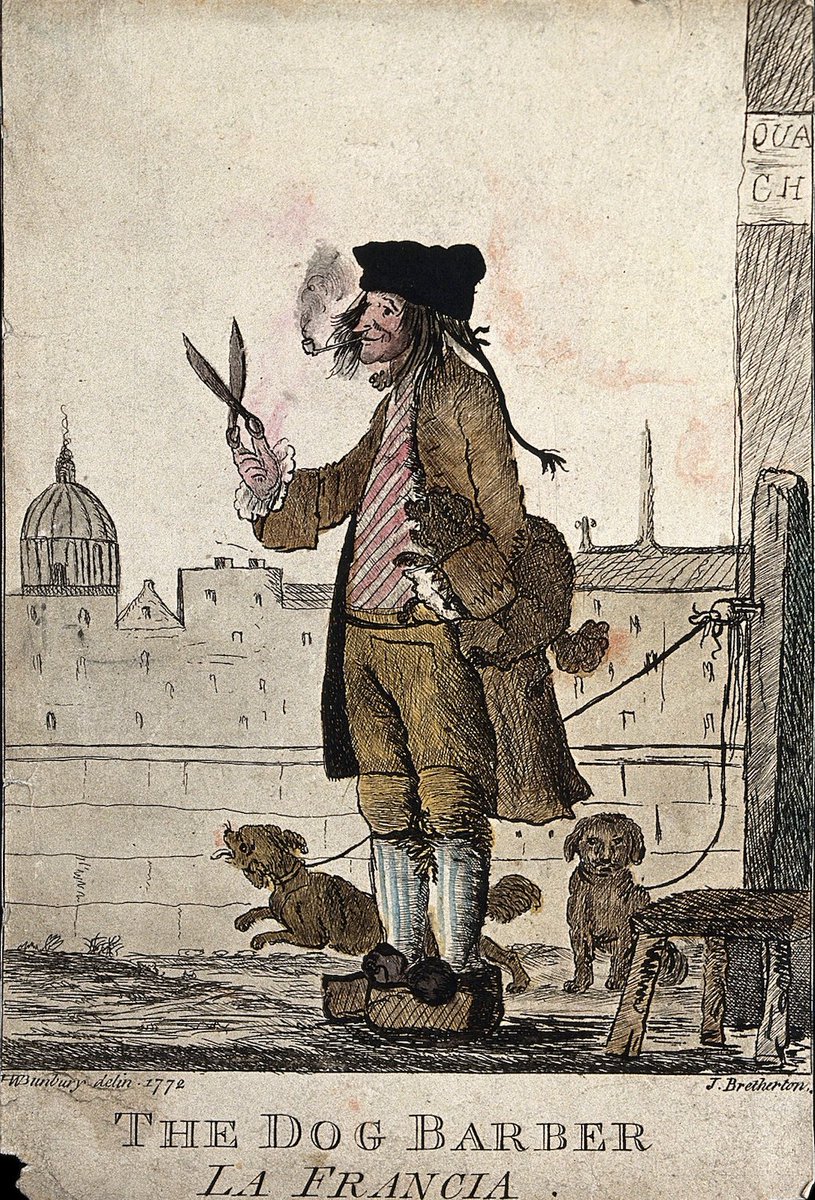
ALT James Bretherton after Henry William Bunbury, The Dog Barber. La Francia (1772), coloured etching (Wellcome Collection). The image shows a pipe-smoking 'dog barber' wielding scissors with a number of dogs around his ankles.

![Text reads: 'Take Physic, Pomp': Imagining dog doctors in eighteenth-century Britain' followed by a quotation. Now round his grave, ye Mastiffs, scowl,
And let the staunchest Blood-hound howl;
And Oh! thou faithful Spaniel, tear
The weeds that grow his tomb-stone near
[…]
Drive from the spot each puppy swift,
Who here presumes a leg to lift;
For here—Oh! let your growls arise—
Your friend, your great Physician lies!](https://venexa.site/media/GNIYFvCXUAAXXYN.jpg)
ALT Text reads: 'Take Physic, Pomp': Imagining dog doctors in eighteenth-century Britain' followed by a quotation. Now round his grave, ye Mastiffs, scowl, And let the staunchest Blood-hound howl; And Oh! thou faithful Spaniel, tear The weeds that grow his tomb-stone near […] Drive from the spot each puppy swift, Who here presumes a leg to lift; For here—Oh! let your growls arise— Your friend, your great Physician lies!