Joined October 2011
- Tweets 7,673
- Following 1,770
- Followers 2,355
- Likes 12,387
233 Photos and videos










Pinned Tweet

13 Jun 2024
Delighted to share I have started a new position as Data Science Lead for the UK Mental Health Mission (& Senior Research Fellow, King's College London)! Exciting opportunity to make a difference in mental health via facilitating research across the UK oxfordhealthbrc.nihr.ac.uk/m…
ALT Yayoi Kusama Infinity Mirrored Room - Filled with the Brilliance of Life - Tate Modern - London 2024
3
1
34
3,819
Dr Saskia Sanderson retweeted

12 May 2025
The application of polygenic risk scores (PRS) in clinical practice has advanced but also received criticism. In this Perspective by @scsanderson and @minouye271, major psychological and behavioural arguments against PRS applications have been assessed.
nature.com/articles/s41562-0…
4
8
1,795
Dr Saskia Sanderson retweeted

15 Nov 2024
Big milestone for NHS DigiTrials! We’re recruiting for 4 new ground breaking studies, across cancer and rare paediatric surgical conditions: england.nhs.uk/2024/11/nhs-l…
Professor Matthew Sydes, Head of Data-Driven Clinical Trials and Cohorts, shares the news ⬇️
#poweredbyNHSdata
2
6
19
6,583
Dr Saskia Sanderson retweeted

12 Jun 2024
Our flaghsip @intervene_eu paper is now published!
I think this is an important piece of work to elevate the stature of polygenic score to that of other well-studied risk factors
We provide country-specific cumulative incidence estimates for 18 diseases by PGS levels.
1
11
52
9,844
Dr Saskia Sanderson retweeted

4 Jun 2024
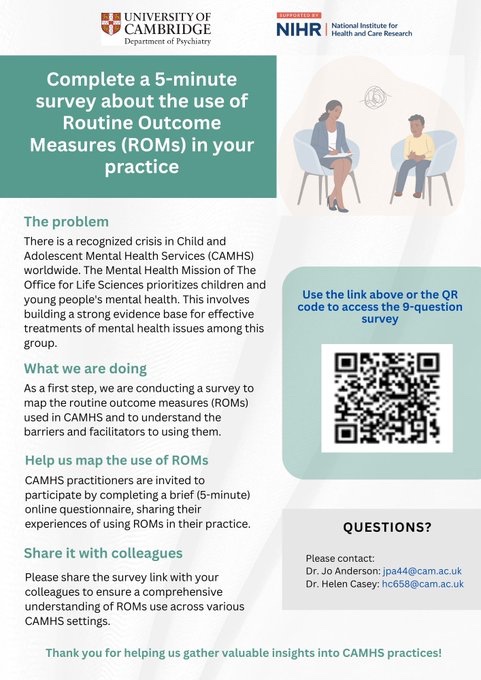
Please complete and/or RT our brief 5-min 9-item survey and help us map routine outcome measure use in #MentalHealthSupport services for children and young people. Part of @UK_Life_Science Mental Health Mission.
Pls follow link -
cambridge.eu.qualtrics.com/j…
3
3
394
Dr Saskia Sanderson retweeted

20 Feb 2024
🧬 Exciting breakthrough from the eMERGE Network! Paving the way for Polygenic Risk Scores (PRSs) to enter clinical practice, enhancing personalized medicine. #Genomics #PersonalizedMedicine 1/n
#eMERGENetwork @nialljlennon @Kottyan_Lab #ChrisKachulis
nature.com/articles/s41591-0…
2
33
113
18,655
Dr Saskia Sanderson retweeted

9 Jan 2024
How readable are patient letters in the NHS Genomic Medicine Service?
Researcher Holly Ellard explores communication in the early GMS by looking at letters sent to patients.
Catch the blog to see what she found.
ow.ly/1Pzq50Qp5g6
#genomics #communication

ALT Holly Ellard headshot against a light green background with circle and pill shapes in various shades of green.
1
3
11
2,164
Dr Saskia Sanderson retweeted

9 Jan 2024
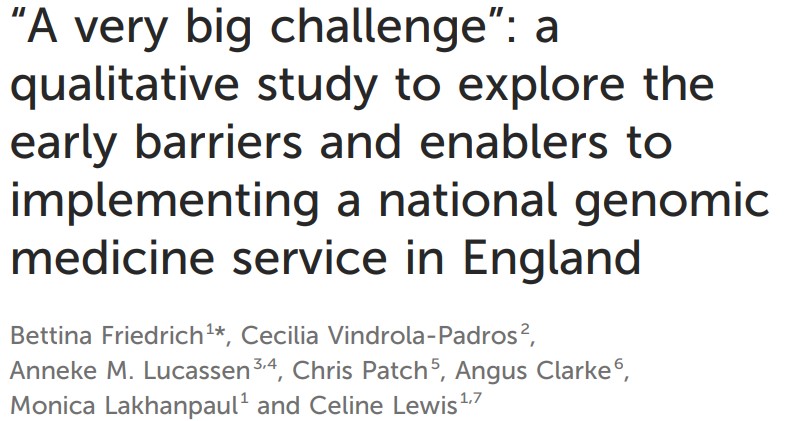
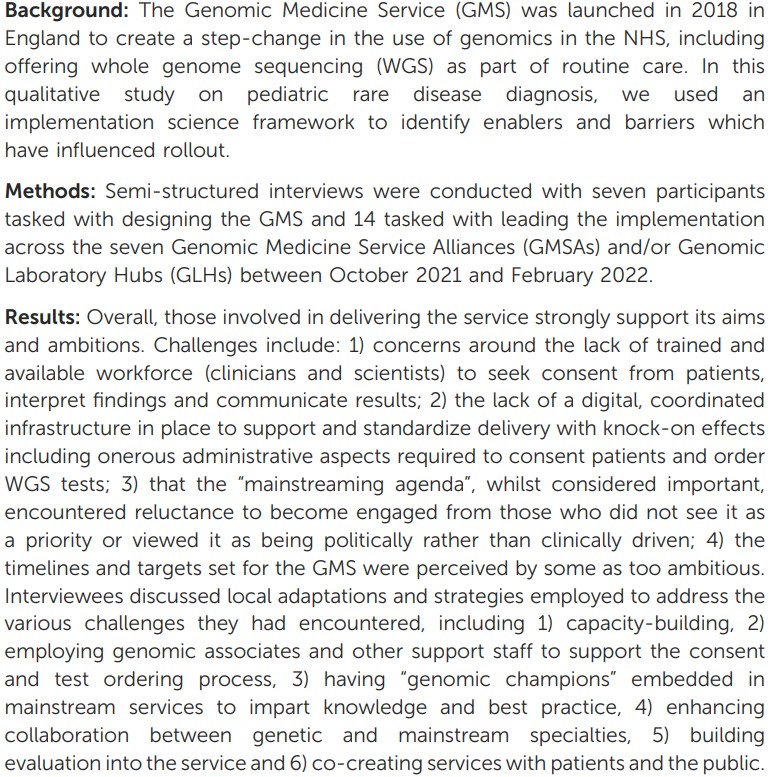
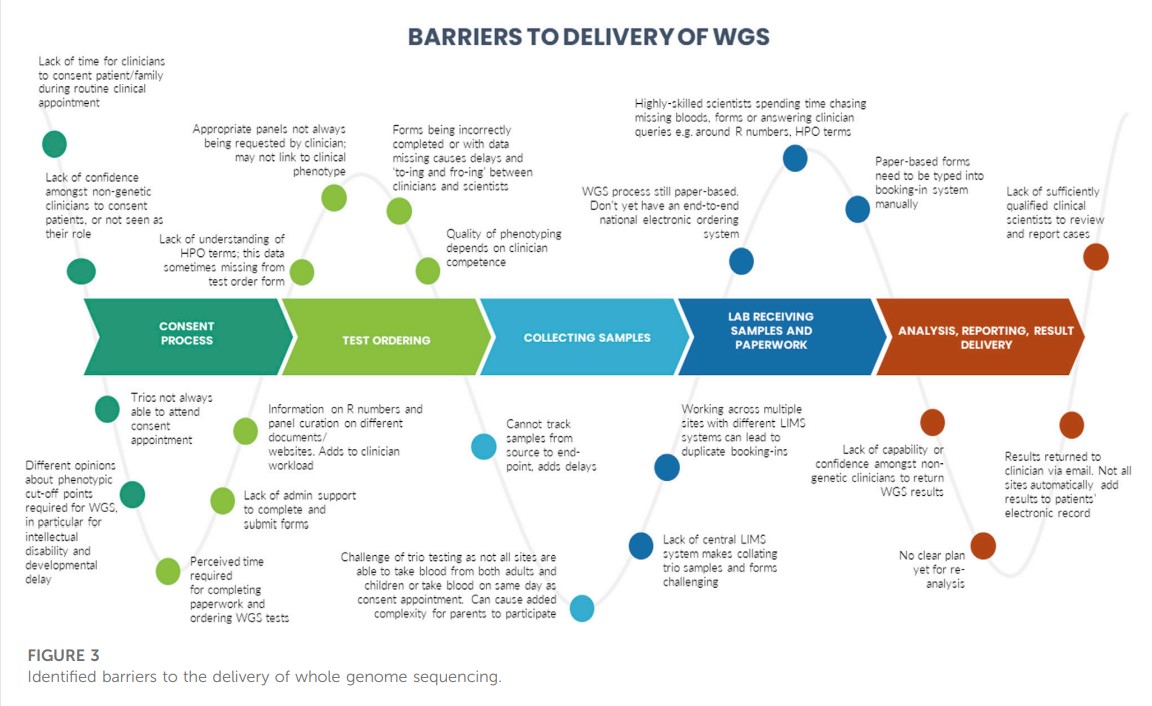
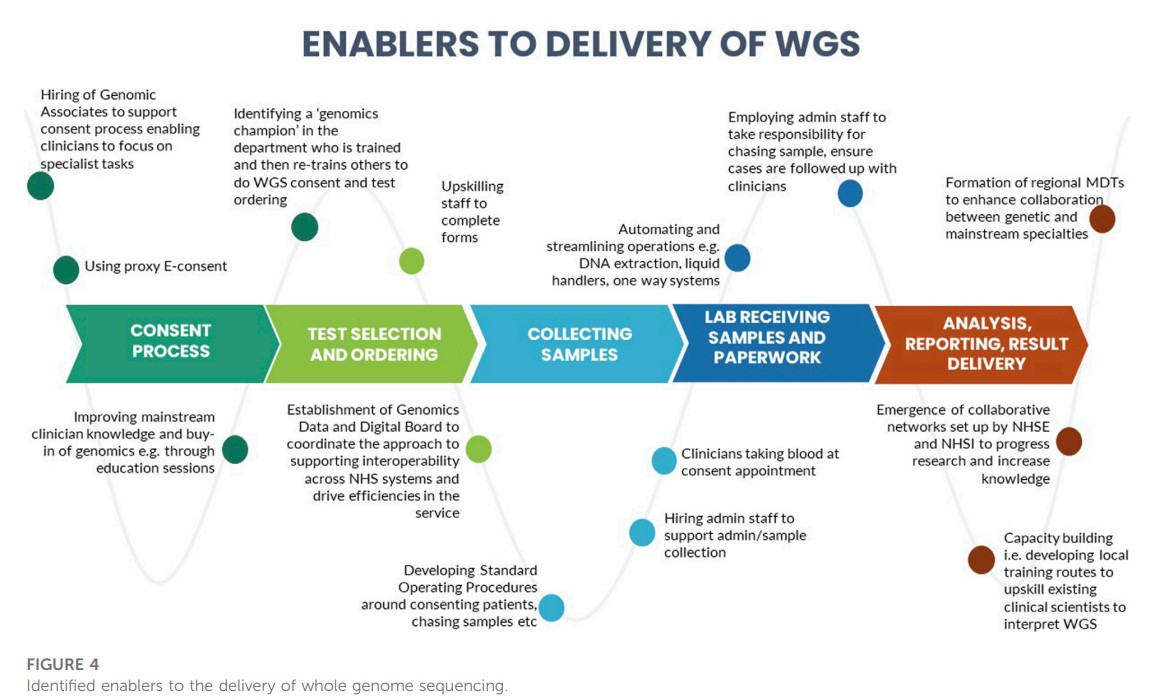
Our new paper reporting the challenges of implementing the NHS genomic medicine service is out now in @FrontGenetics. We report on the early barriers and enablers of implementing system-wide change within a complex healthcare system:
tinyurl.com/ysxv46te
1
17
41
3,058
Dr Saskia Sanderson retweeted

1 Nov 2023
Finally - balanced, clear and concise insights to help you understand polygenic scores, the complexities of implementation and potential solutions. Open to all
phgfoundation.org/briefing/u…
2
11
16
10,282
Dr Saskia Sanderson retweeted

16 Dec 2023
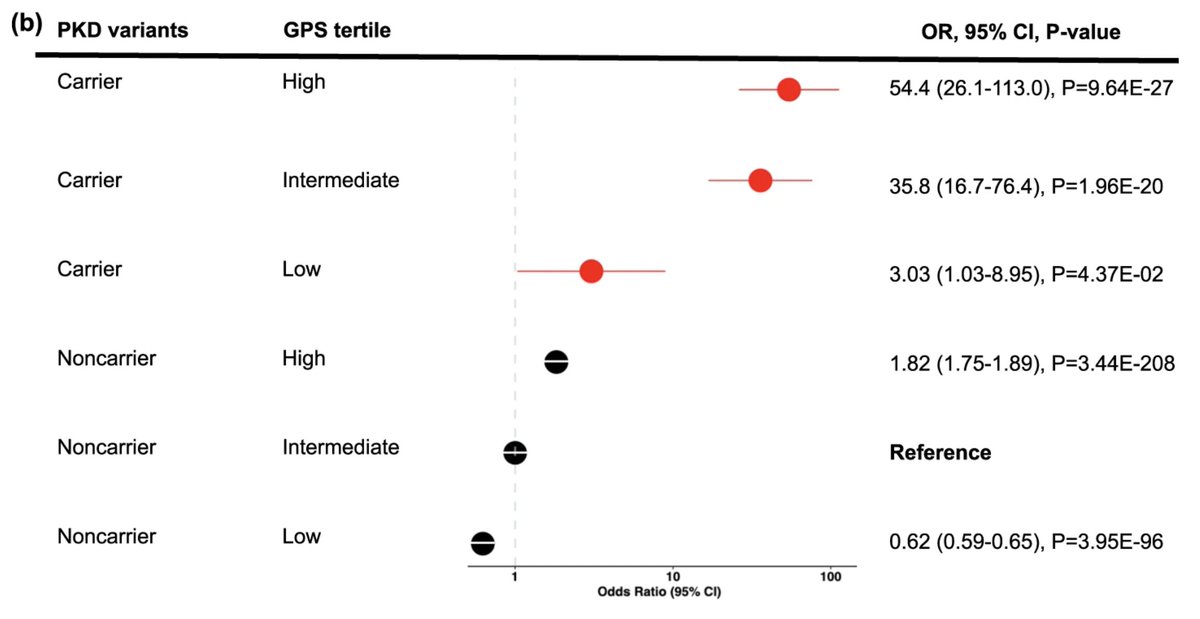
Nice study showing polygenic risk alters the penetrance of monogenic kidney disease. This will be the norm in every disease, but nice to see the satisfying results.
Note the striking difference between high (OR=54.4) vs low (OR=3.03) PRS groups among rare variant carriers. Amazing
Khan et al. Nat Comm
nature.com/articles/s41467-0…
4
29
113
22,946
Dr Saskia Sanderson retweeted

19 Oct 2023
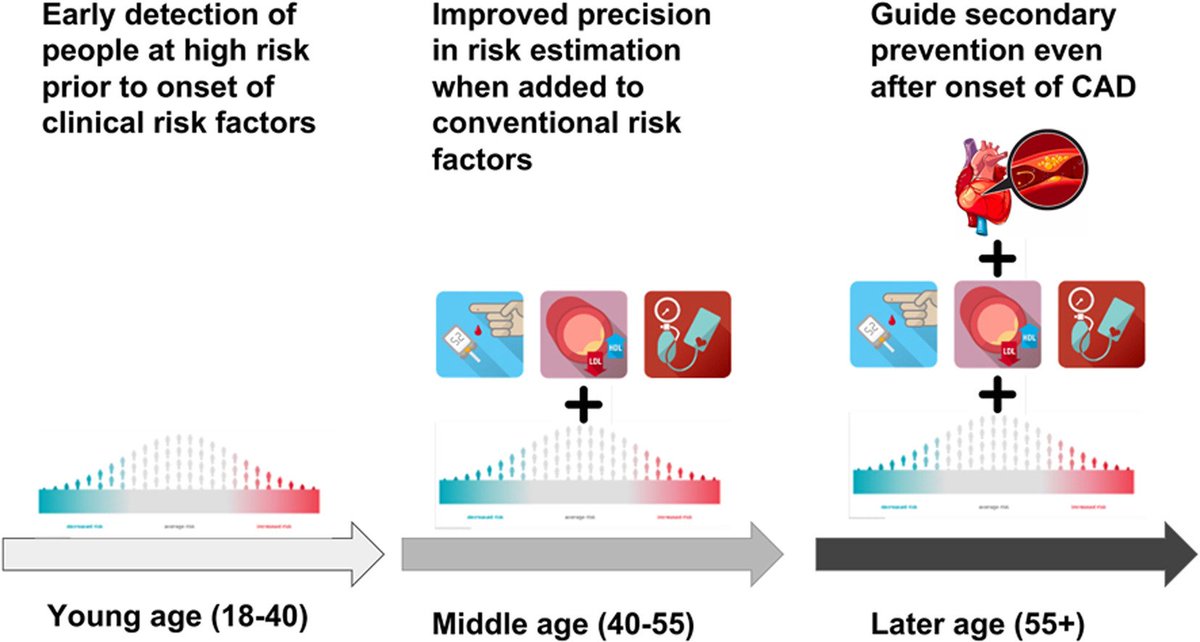
.@aklfahed & I review the opportunity for coronary artery disease polygenic risk scores to improve prevention across the life course sciencedirect.com/science/ar… @ATHjournal
1
18
48
6,319
Dr Saskia Sanderson retweeted

9 Sep 2023
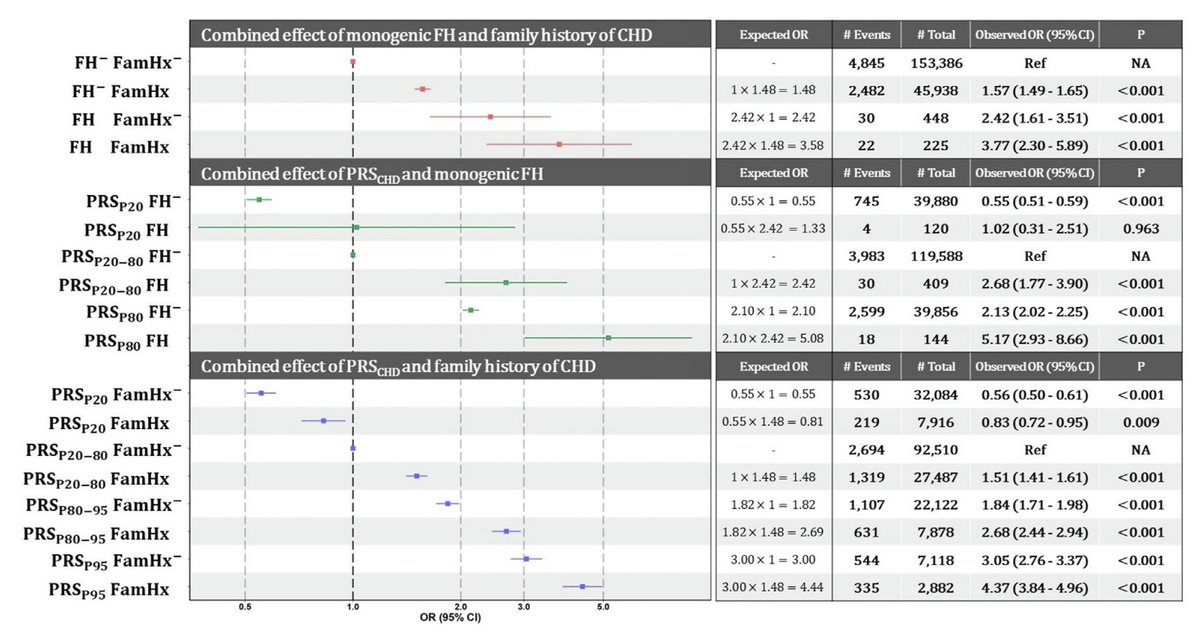
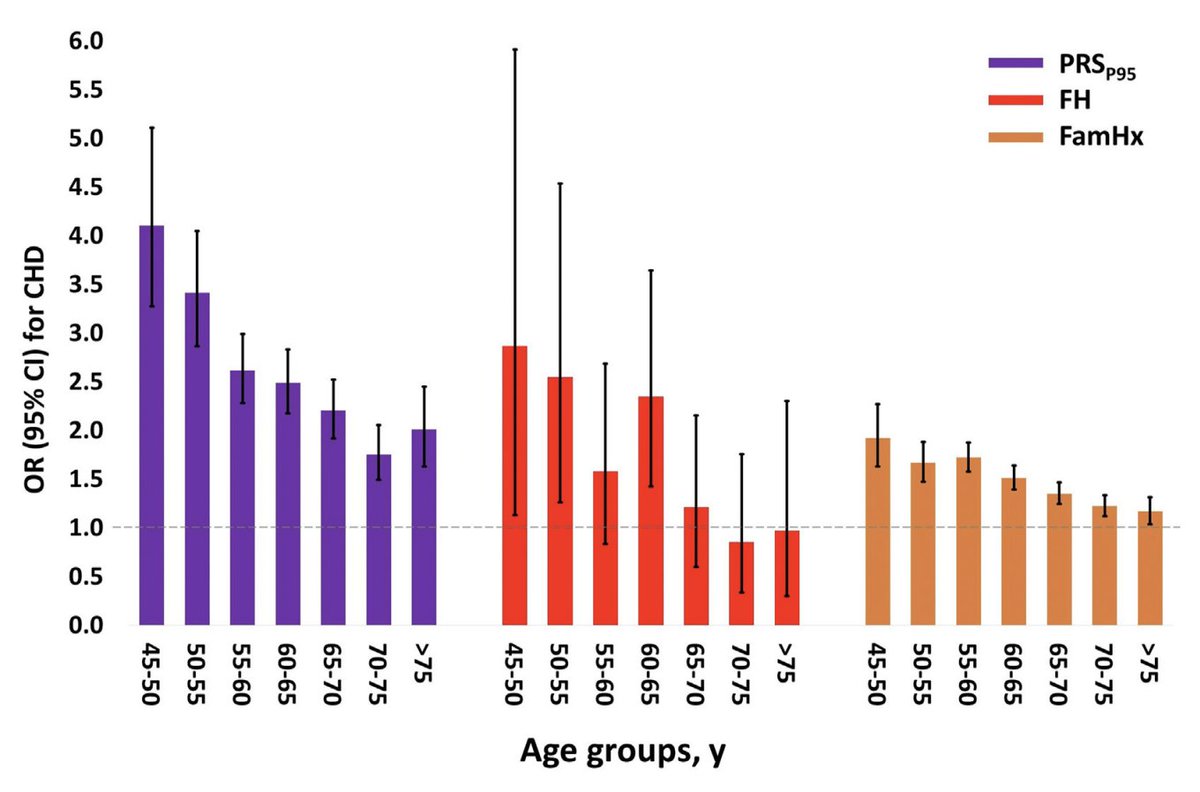
Do genetics improve risk prediction for incident CAD? 🧬
👉yes, on top of PCE (AUC 0.759->0.773)
👉especially for ages <55y
👉additive to familial hypercholesterolemia variants and family history
by @smsaadatagah @iftikhar_kullo et al @JACCJournals
shorturl.at/buAQY
6
18
1,725
Dr Saskia Sanderson retweeted

18 Sep 2023
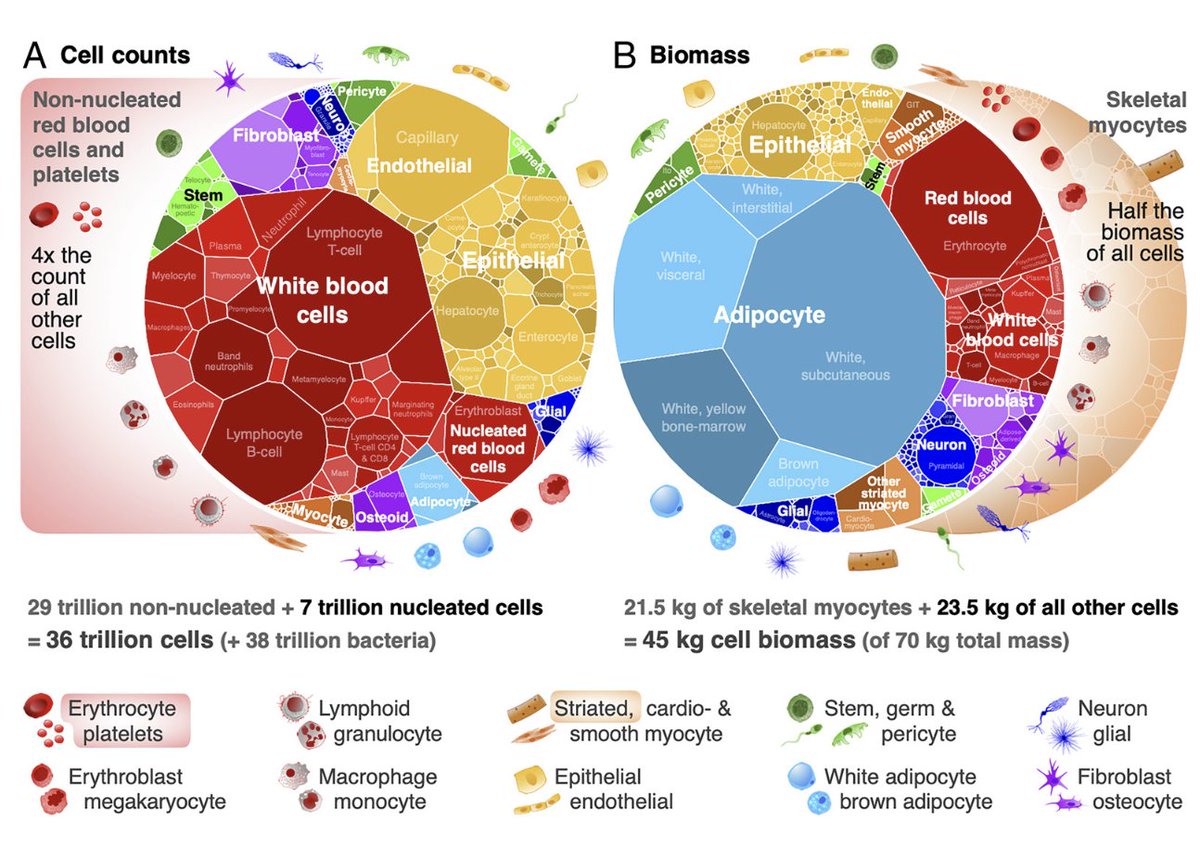
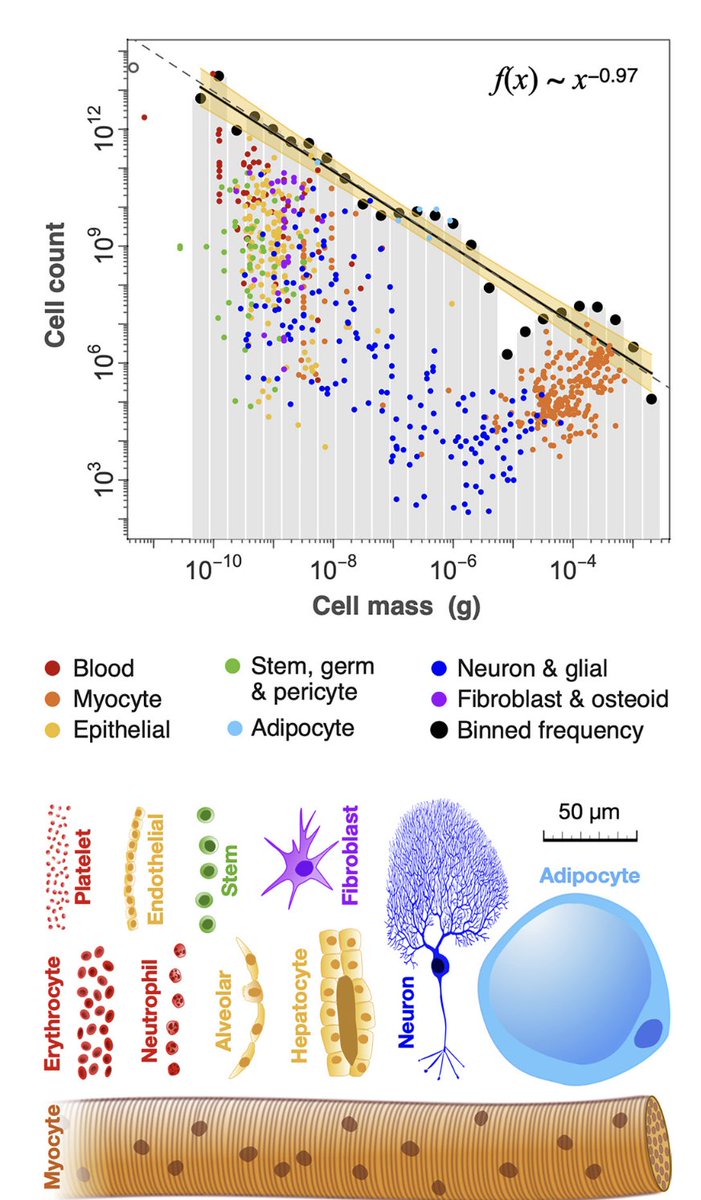
The latest on human total body cell count and cell size derived from >1,500 sources @PNASNews
Men ~36 trillion cells
Women ~28 trillion cells
an inverse relationship between cell size and count
pnas.org/doi/10.1073/pnas.23…
9
307
871
165,452
Dr Saskia Sanderson retweeted
13 Sep 2023
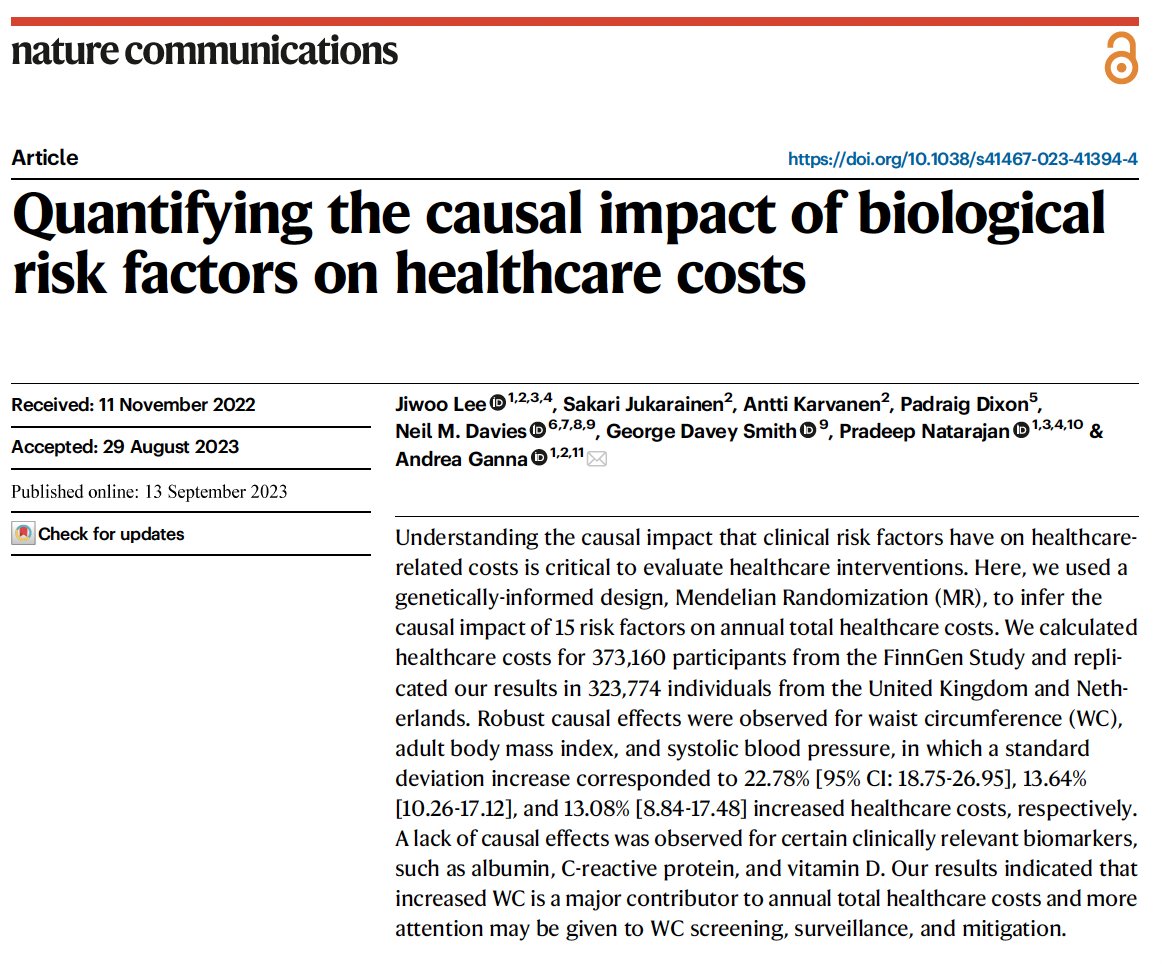
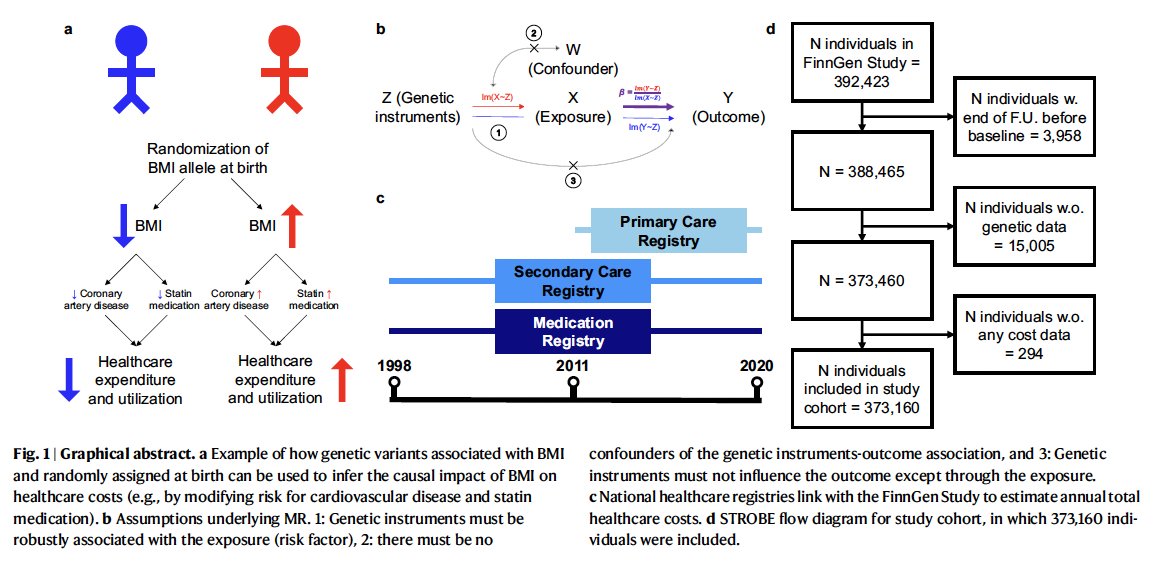
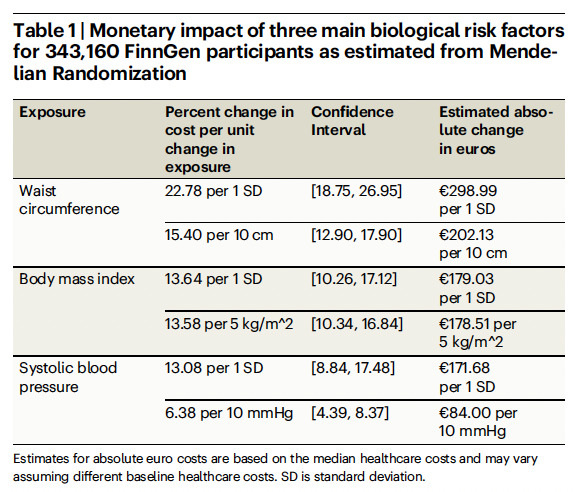
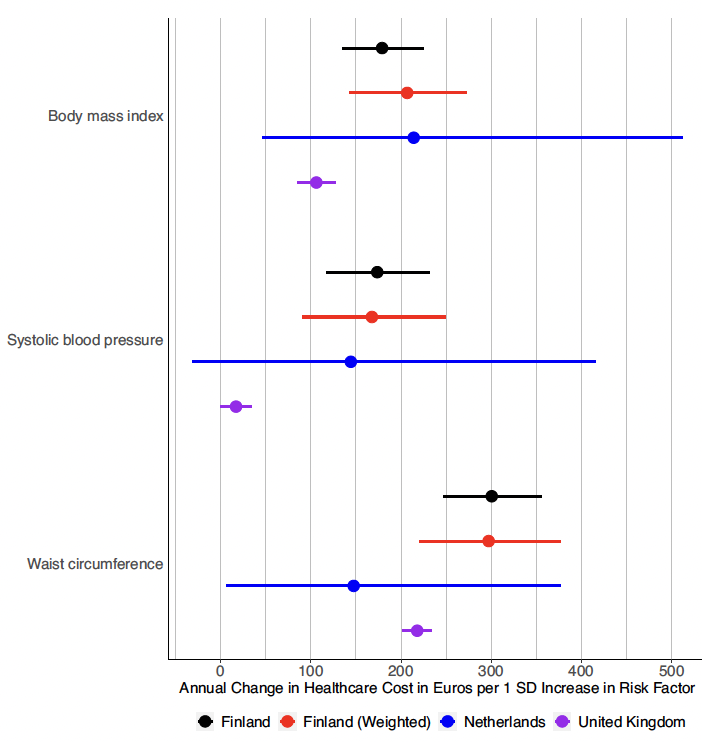
Huge congrats to our @mit_hst @harvardmed student @ImJiwooLee using Mendelian randomization to estimate healthcare costs attributed to various clinical risk factors. Highlights substantial estimated cost savings from treating obesity nature.com/articles/s41467-0… @NatureComms @andganna
1
53
224
74,769
Dr Saskia Sanderson retweeted

11 Sep 2023
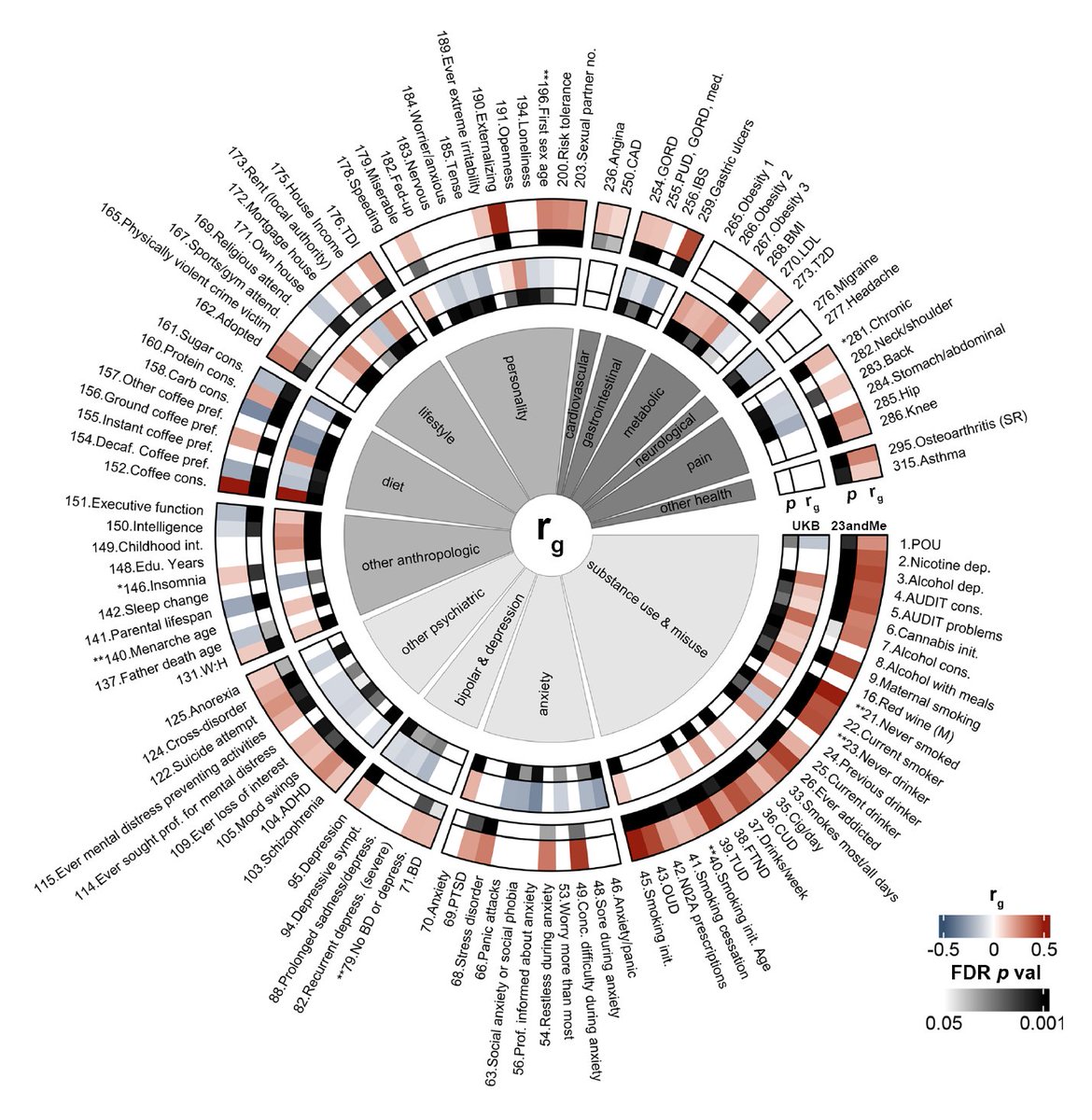
Genetic factors influencing coffee consumption differ between the US and the UK 🧬☕️
For example, genetic correlations with cognition were negative in the US (based on 23andMe) but positive in the UK (UKB).
Check out the preprint of our new coffee GWAS: medrxiv.org/content/10.1101/…
4
18
82
23,517
Dr Saskia Sanderson retweeted

28 Aug 2023
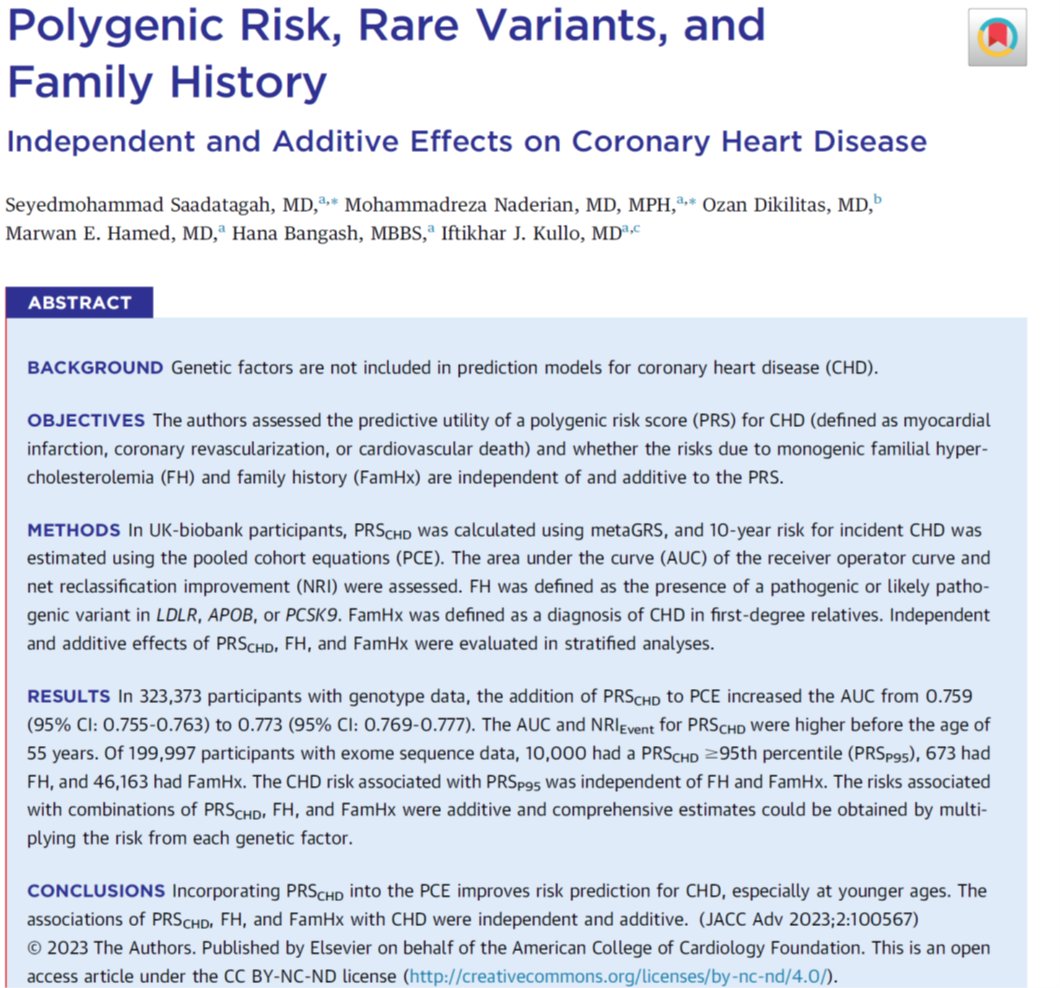
Genetic factors are often not included in CHD prediction models
@smsaadatagah & @Naderian_mr investigated whether PRS, Family hx & monogenic variants (FH) can be combined for CHD risk prediction
shorturl.at/buAQY
8
34
11,173
Dr Saskia Sanderson retweeted

17 Jul 2023
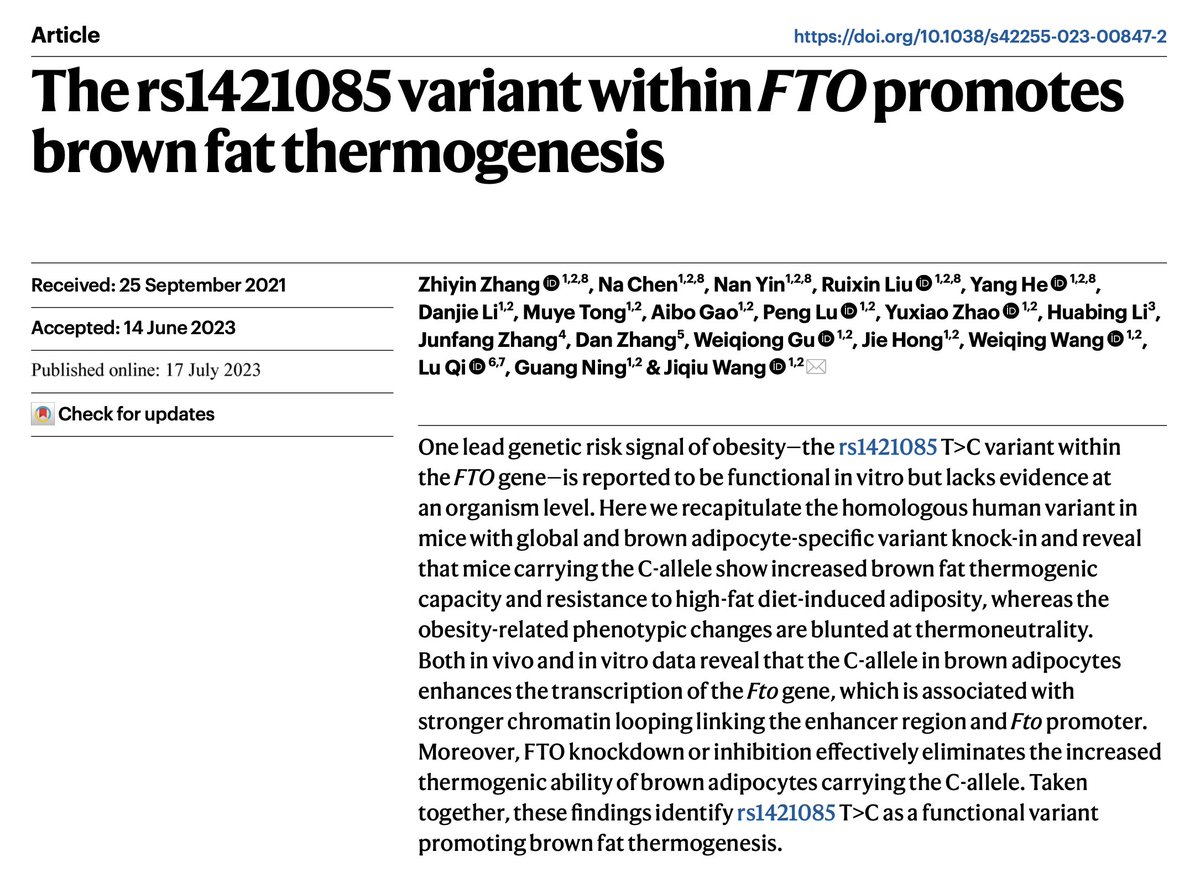
Few 'metabolic' genes are more interesting or translationally challenging to interpret than FTO & metabolic phenotypes-here linkage of the the rs1421085 T>C variant with increase brown adipose tissue thermogenesis in mice @NatMetabolism #Genetics #obesity nature.com/articles/s42255-0…
2
10
32
5,772
Dr Saskia Sanderson retweeted
18 Jul 2023
Buckle up! We're in for a wild ride today. A new @NatMetabolism paper by scientists from China adds a surprising twist to the long-known FTO GWAS story.
The FTO locus (16q12.2) is the first ever GWAS locus to be associated with obesity and even after 16 yrs now, scientists appear to be scratching their heads trying to make sense of this locus. Non-coding intronic variants within FTO strongly associate with BMI, where individuals homozygous for the top risk variant weigh ~3kg more than non-carriers (science.org/doi/10.1126/scie…).
Since its discovery in 2007, there have been tremendous efforts to identify the causal gene(s) at this locus. Given that the risk variants are sitting right within a gene, FTO was of course the primary suspect. How do you find out if FTO has an effect on BMI? Delete it in mice and see if the animal gains weight. And that's what scientists did and found out that Fto knockout mice were stunted and lean, and the leanness was mainly due to burning too much fat (nature.com/articles/nature07…). That's great. So FTO must be the causal gene.
But then contradicting findings appeared. If you knock out the Fto only in adipose tissue (science.org/doi/10.1126/scis…) or globally after the animal has grown (journals.plos.org/plosgeneti…), the mice actually gain weight!
Amidst this confusion came an even bigger one: two landmark papers, one in Nature (nature.com/articles/nature13…) and the other in NEJM (nejm.org/doi/10.1056/NEJMoa1…), said, forget about FTO, the causal genes are located far away. The FTO locus is an enhancer that folds in the 3d space and touches the promoter of distant genes IRX3 and IRX5. And deleting Irx3 in mice resulted in weight loss.
Then scientists were like, you know, a proper experiment would be not to knock out Fto or Irx3, but to delete the homologous noncoding region in mice. So, they deleted an 82 basepair-homologous region in mice and showed that without this region, the mice don't gain weight when fed with a high-fat diet, and deleting this locus increases Irx3 and Irx4 expression (science.org/doi/10.1126/scia…). So, the causal genes are IRX3 and IRX4 then.
And now, in the current paper, the scientists argue, you know, the most appropriate way to study the FTO locus is to recreate the exact genetic variant in mice and study the consequences.
What did they find? The exact opposite of what was found in humans. The risk allele that increased weight in humans, decreased weight in mice. Can it be because of some off-target effects of the CRISPR experiment? No. Even if you do the knock-in in an old-fashioned way, the results are the same. The weight loss is mainly via over energy expenditure via brown adipose tissue. Wait, there is another twist.
There is an interesting difference between humans and mice. Humans have brown adipose tissue only during infancy and then lose it as they grow into adults, which isn't the case in mice. The brown adipose tissue helps mainly during cold temperatures. The experiment mice are usually housed at around 20-22 degrees Celsius, which is an ambient temperature for humans but not for mice. It's substantially cooler than mice's "thermoneutral zone (29-31 degrees)".
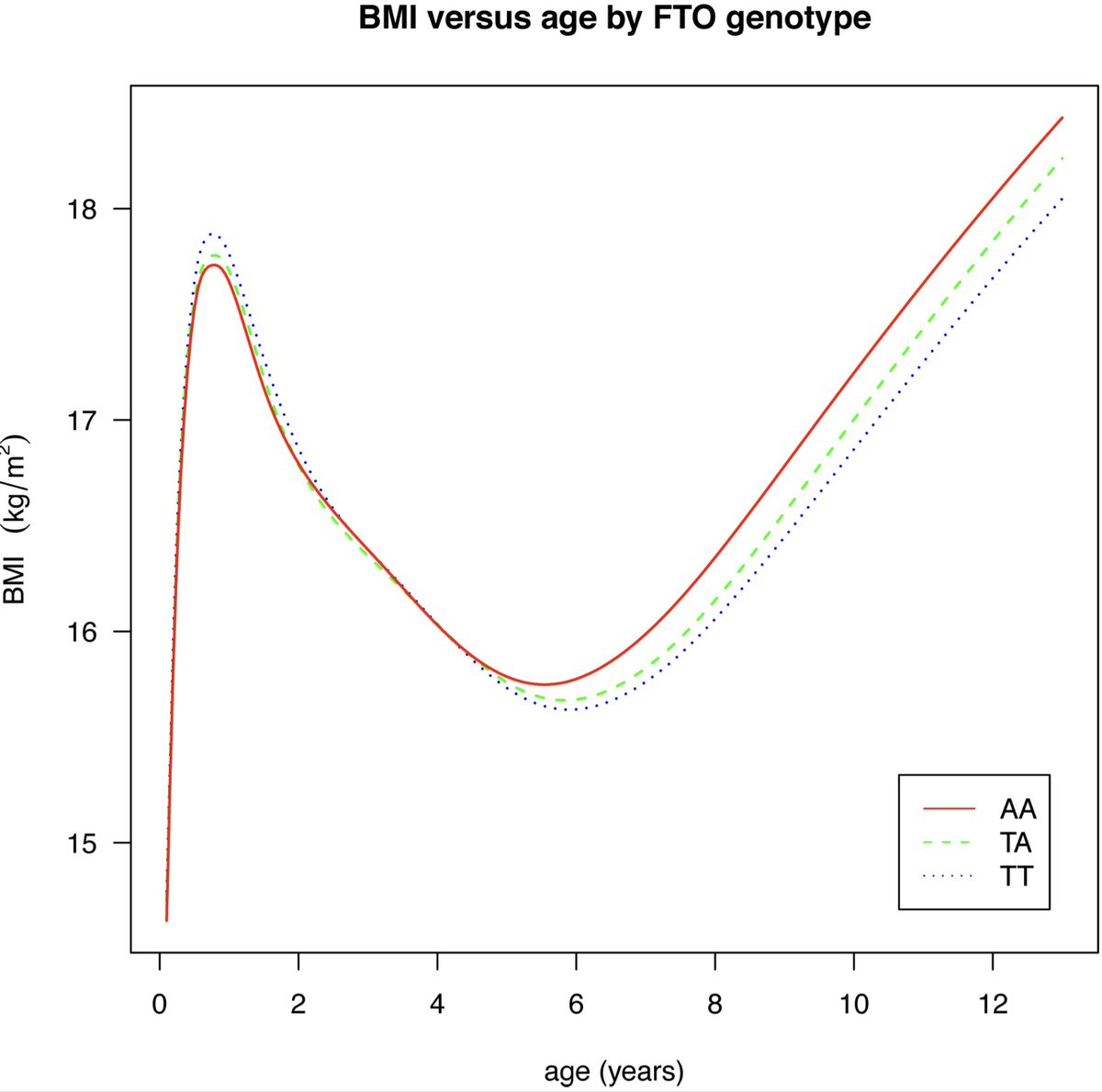
So what happens when you repeat the experiments in what might be the mice's ambient temperature--30 degrees? All the weight loss effects that were previously seen at 20-22 degrees are now blunted. So, the FTO locus effects are strongly dependent on two things: temperature and the presence of brown adipose tissue. And it turned out, in fact, it was previously shown in humans that the FTO variant has an age-dependent effect. It lowers the body weight in infants and then increases the body weight in adults, which aligns with the current finding. (journals.plos.org/plosgeneti…)
Overall, the current paper is an impressive work and will stand as a landmark in the long twisty road of FTO story. But above all, this paper is a remarkable example to show case the challenges behind translating mice physiology to human physiology.
nature.com/articles/s42255-0…
24
223
872
244,229
Dr Saskia Sanderson retweeted

16 Jul 2023
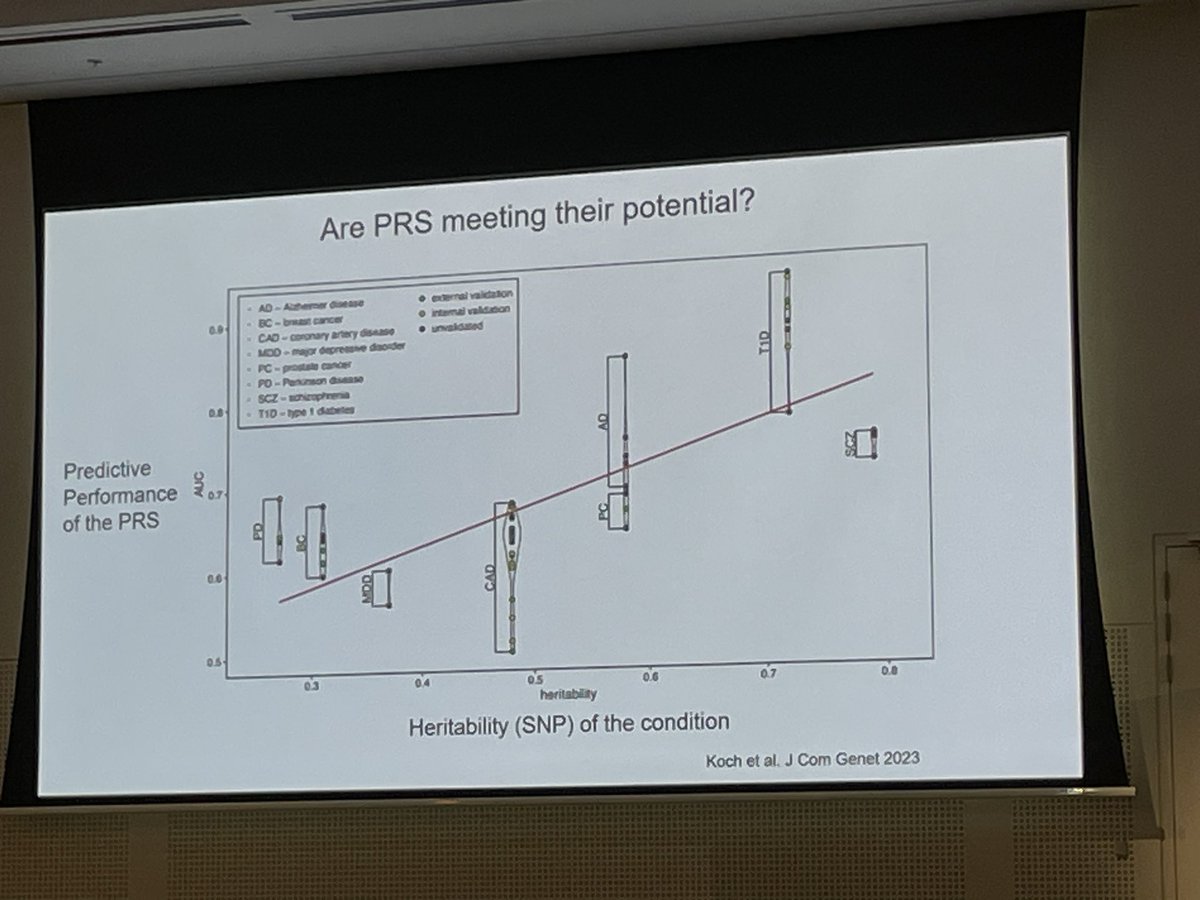
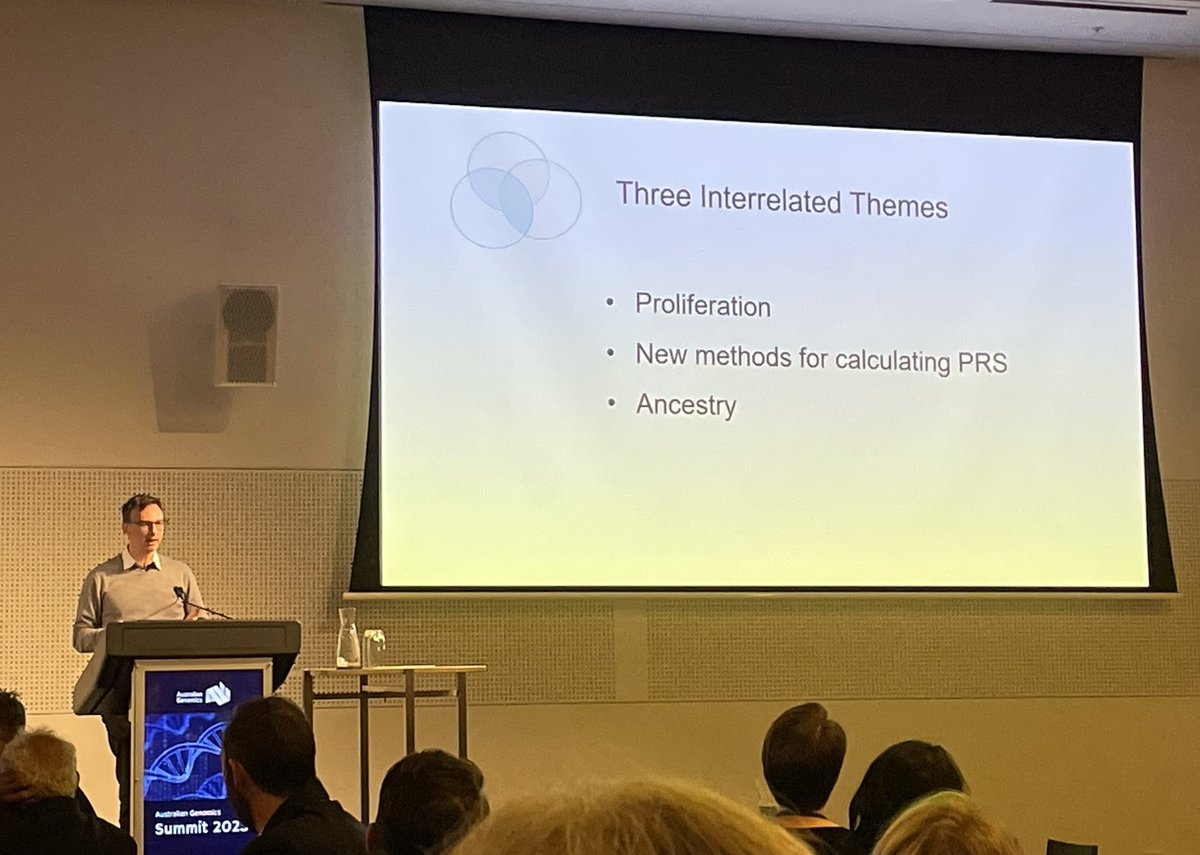
‘Generally speaking polygenic scores (in the conditions most studied) are living up to their potential. The question is whether that translates to real clinical utility’ — Prof Paul James on polygenic risk and 3 challenging themes in implementation #AusGenomicsSummit #ICG2023
3
29
2,600
Dr Saskia Sanderson retweeted
15 Jul 2023
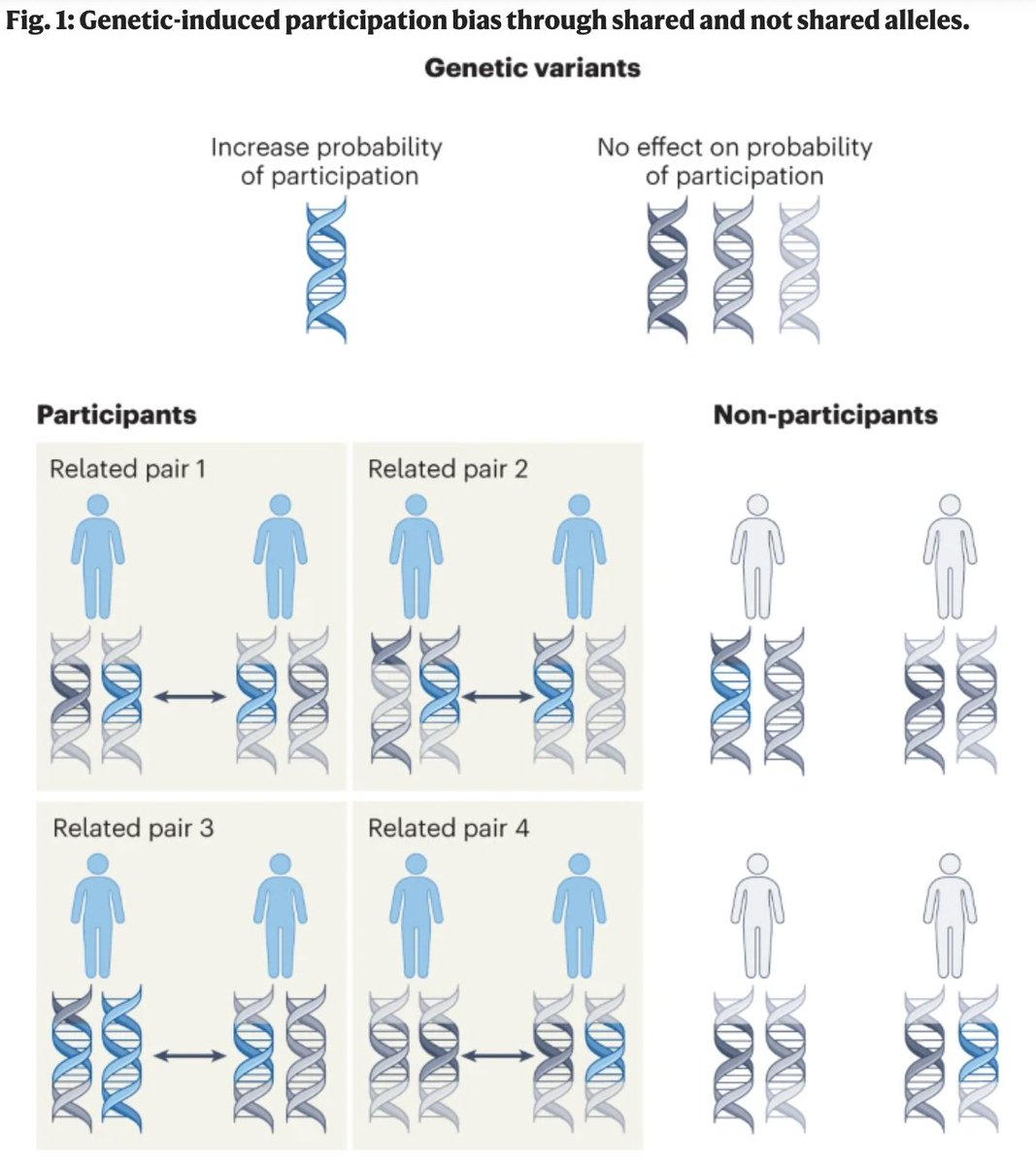
To perform a GWAS of participation bias, one needs to compare the genomes of cases (participants) against that of controls (non-participants), which is impossible as controls are, you know, absent. But that didn't stop @StefBeno and A. Kong.
Participation is a heritable trait and so individuals who participated in the UK Biobank study should be more related to each other than they are to those who didn't participate. Then, the genetic variants associated with participation bias should occur more frequently in genomic segments that are often shared between participant pairs in the UKB than in non-shared segments.
Leveraging the above fact, the authors stripped the non-shared segments of the UK Biobank participants' genomes away to create what can be considered non-participant genomes (ghost genomes, in some sense) and performed a GWAS of participation bias.
Very creative study! Along with a nice news-and-views by @mja (nature.com/articles/s41588-0…).
nature.com/articles/s41588-0…
17
78
19,788