Youth Think tank mentored to transform Africa through workforce development in fostering better Quality of Life through Health, Education and Development.
Joined October 2020
- Tweets 453
- Following 617
- Followers 169
- Likes 197
36 Photos and videos


Welead Mentor Point Centre retweeted

May 26
2,609
3,530
9,341
2,694,913
Welead Mentor Point Centre retweeted

Day 18/30
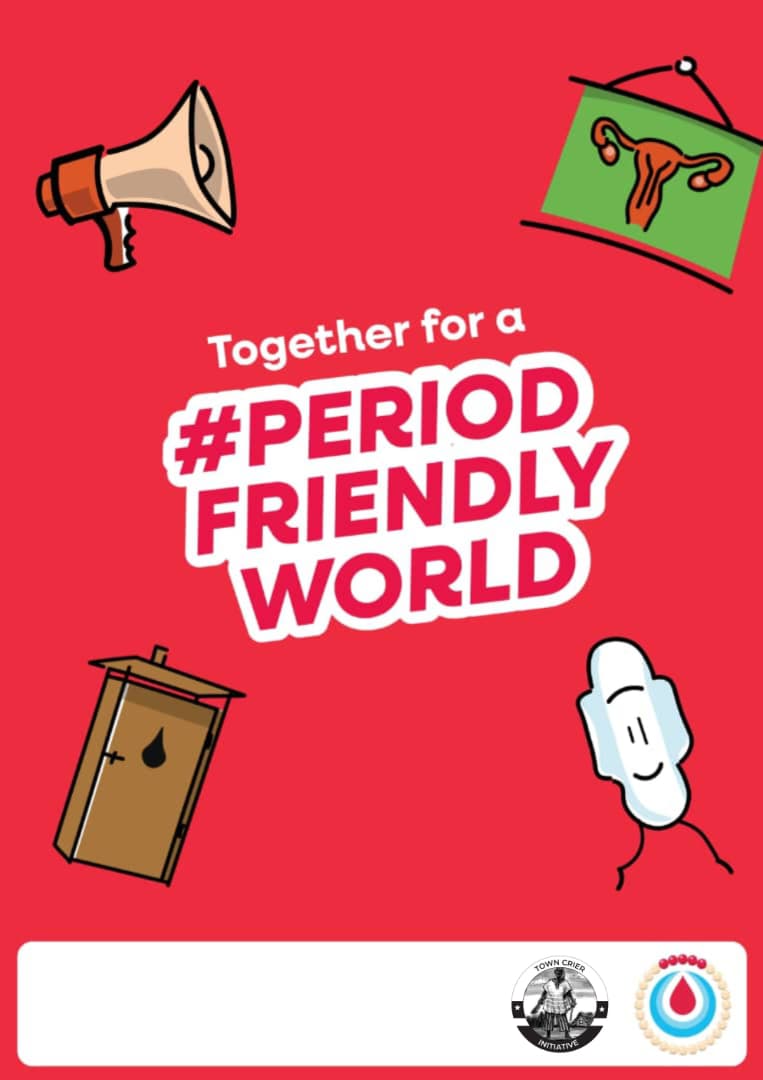
@MHDay28May #PeriodFriendlyWorld
💡 DYK?
In September 2025, India’s Supreme Court declared menstrual health a fundamental right under Article 21.
📢 Question of the Day:
Tag a company you would like to see become #PeriodFriendly by providing free sanitary pads
1
1
26
Welead Mentor Point Centre retweeted

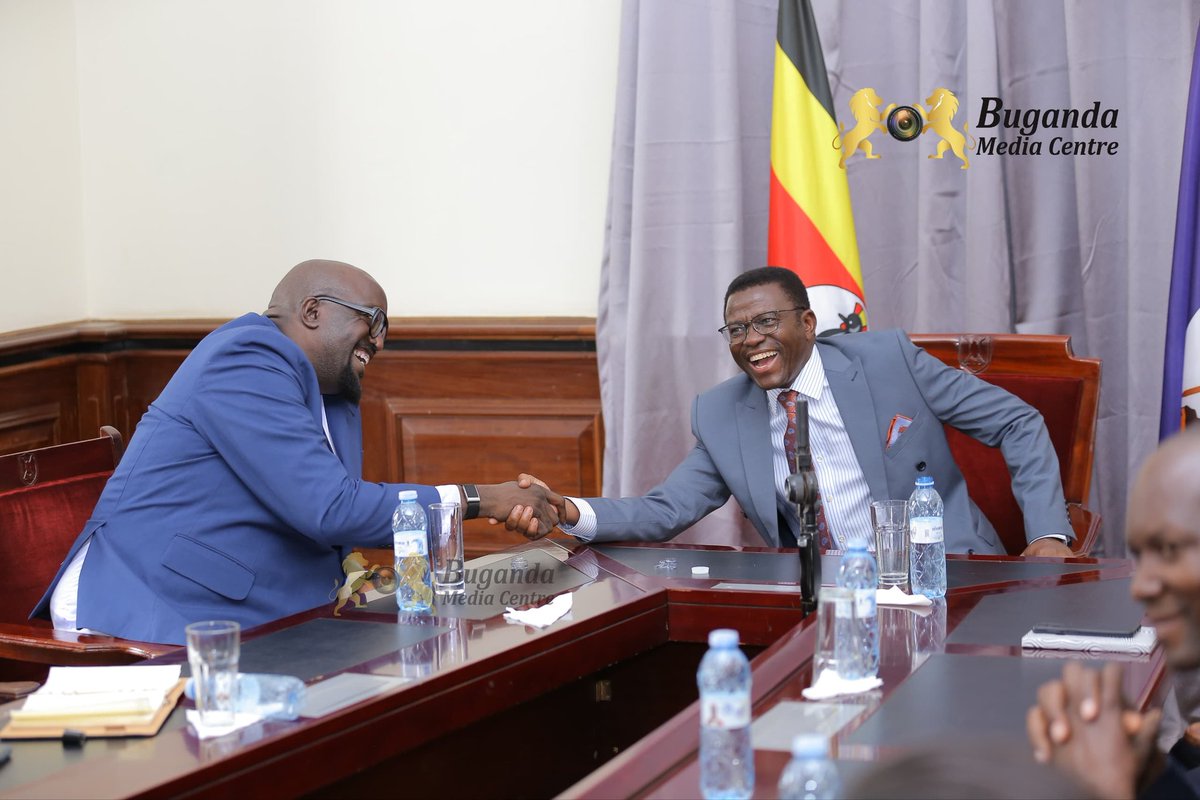
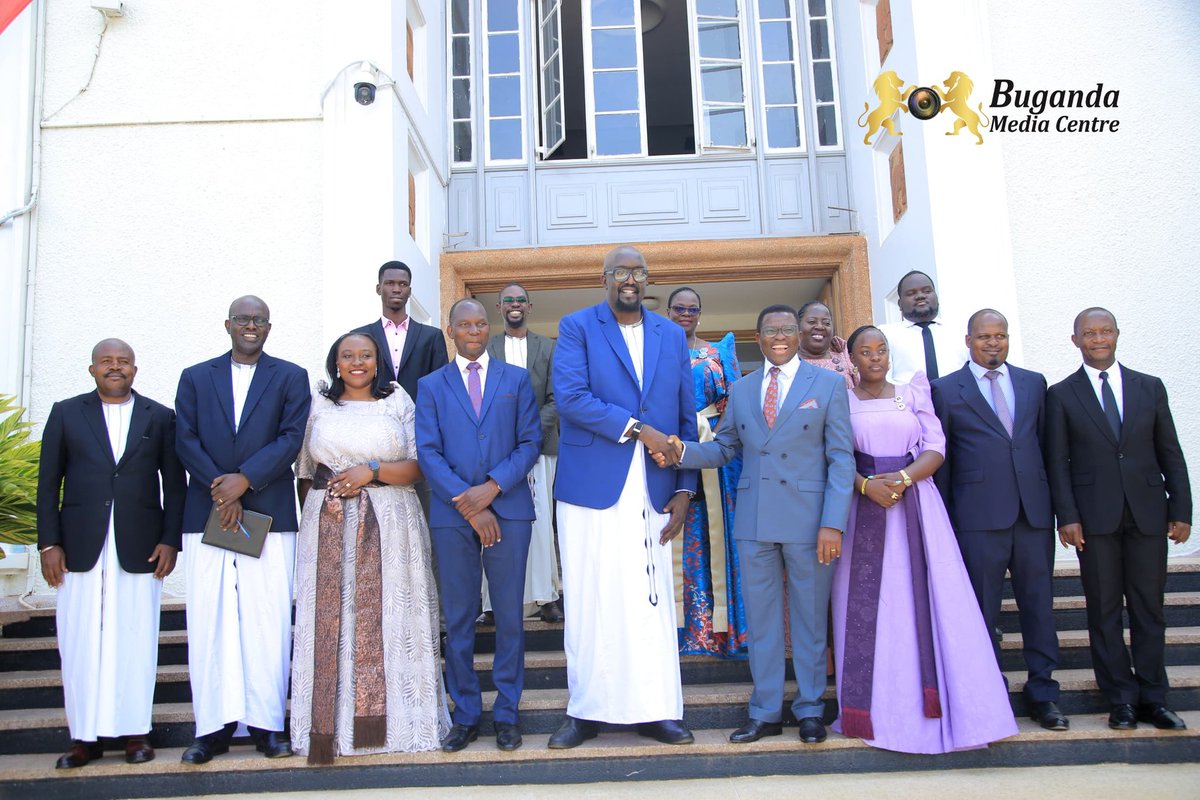
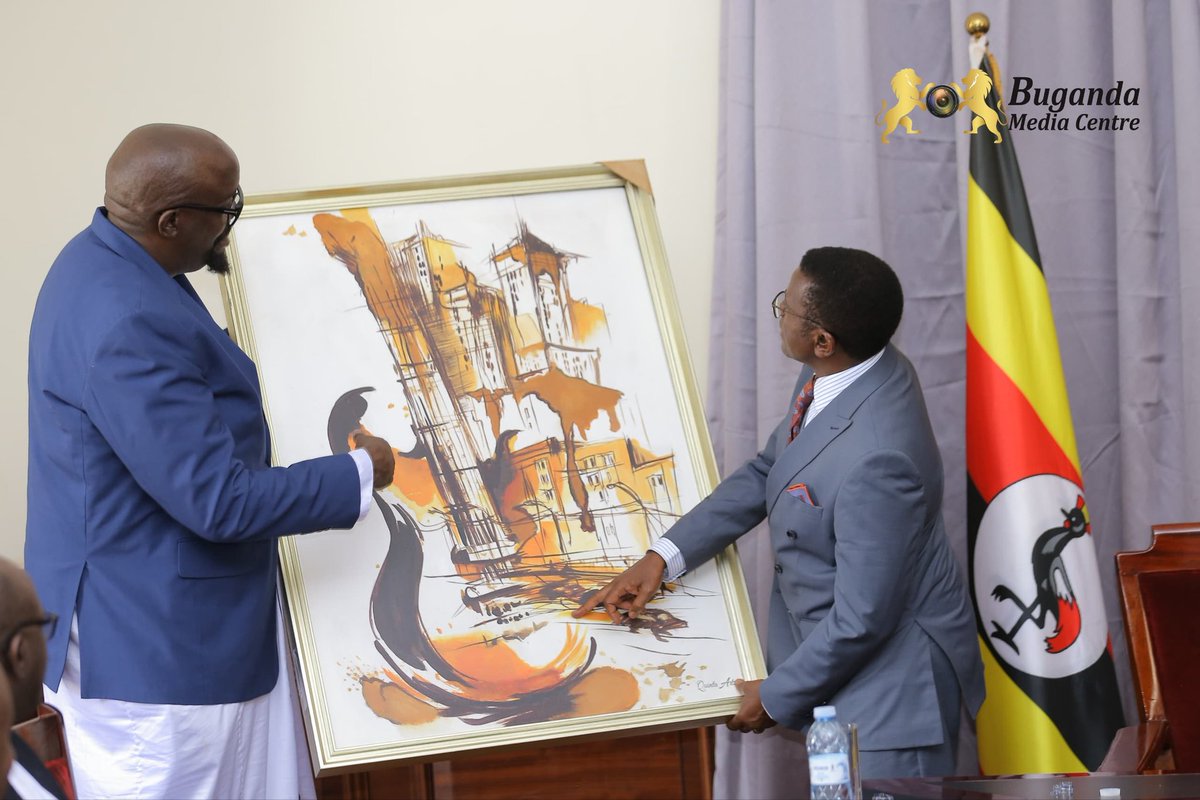
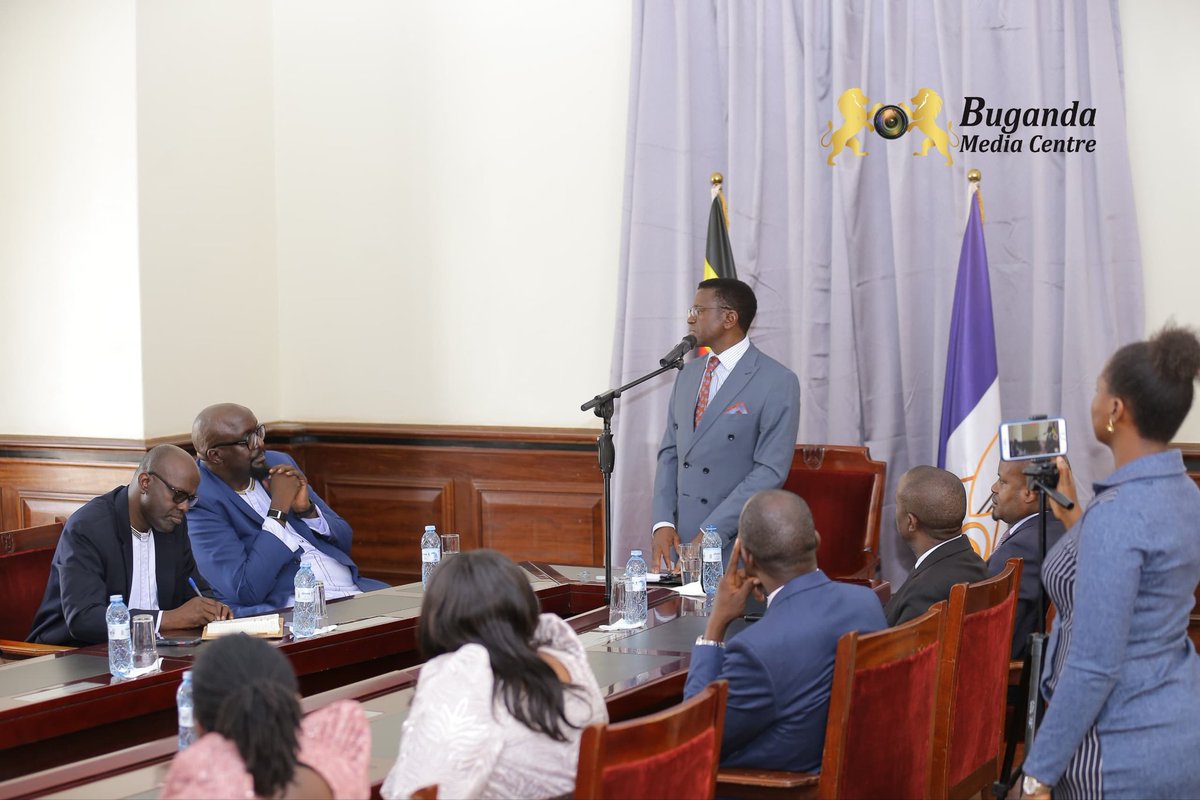
Today, I hosted Alan Kasujja, the newly appointed Executive Director of the Uganda Media Centre, he came around with his team from the Centre.
I emphasized that Uganda must be known not only for its natural beauty, but for the quality, competence, and character of its people. Ugandans abroad and at home are powerful ambassadors whose excellence reflects directly on our country and strengthens our global standing.
I underscored the central role of effective communication in national development, ensuring that citizens understand government programs, opportunities, and how to benefit from them. Without this, many remain unaware and unable to improve their livelihoods.
I also called for communication that promotes unity, mutual respect, and constructive dialogue, reminding that Uganda is big enough for all of us. A united population is key to achieving meaningful social and economic transformation.
We look forward to working together to build a stronger, more informed, and cohesive nation.
@Kasujja | @UgandaMediaCent
20
77
658
32,463
Welead Mentor Point Centre retweeted
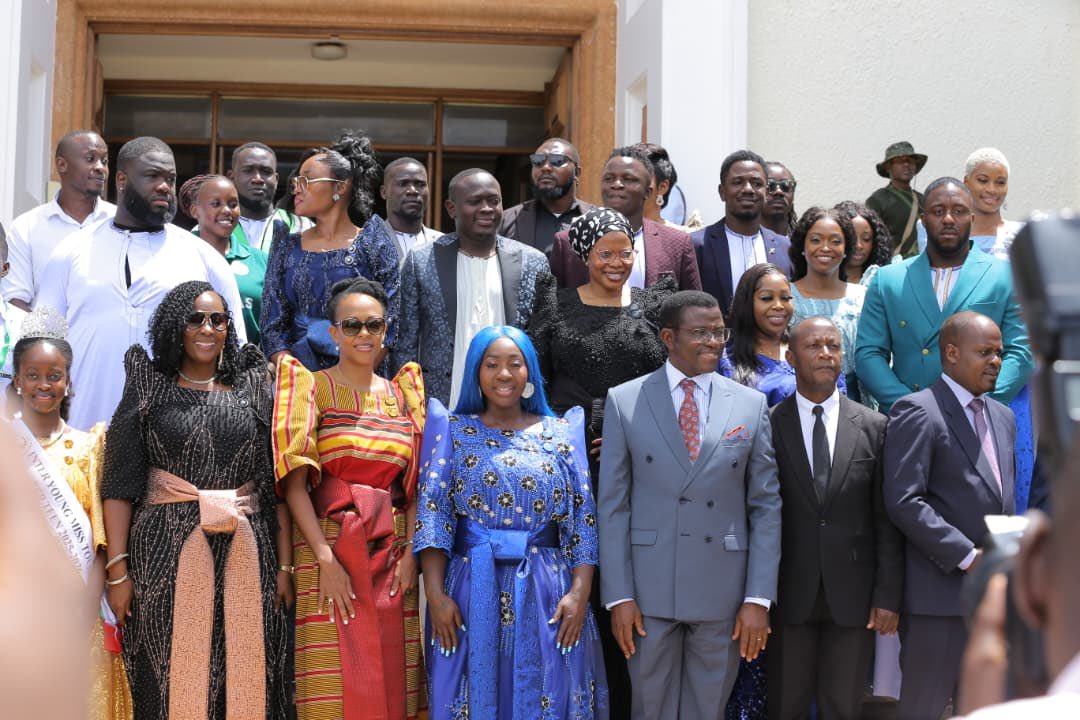
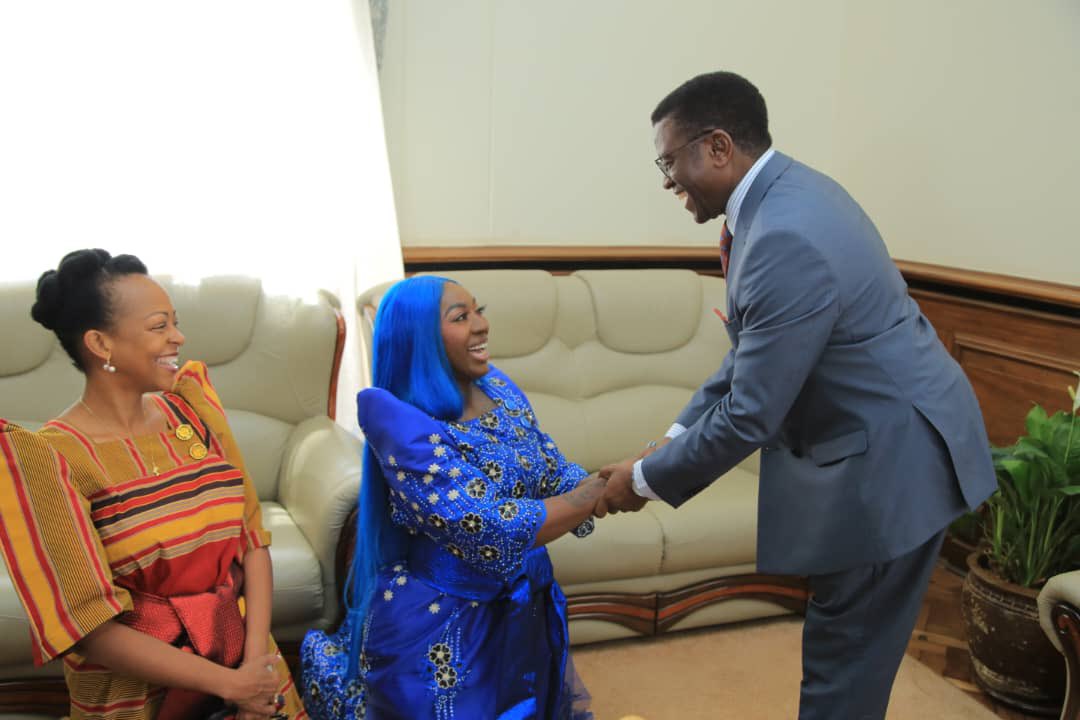
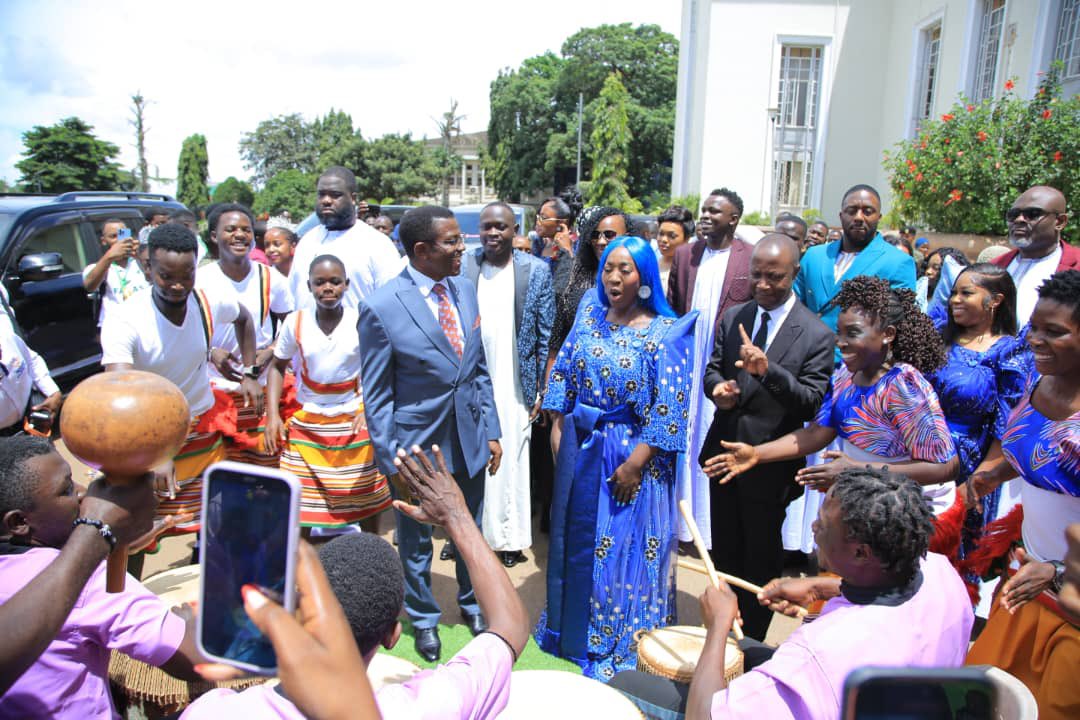
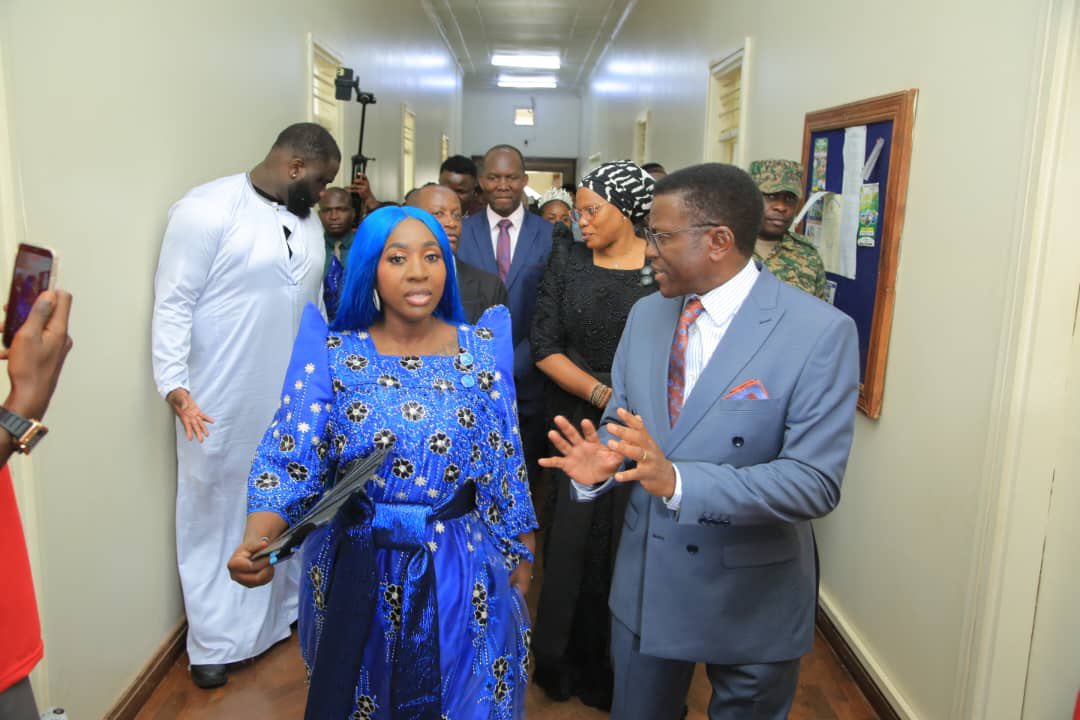
I had the pleasure of hosting the Jamaican Queen of Dancehall, SPICE, at the Kingdom Headquarters, Bulange.
Her presence in Uganda is a powerful reminder of how global cultural icons can elevate our visibility on the world stage. As she prepares to perform this Saturday, 9th May, at the Lugogo Cricket Oval, I encourage Ugandans to come out and experience her craft.
Beyond the stage, her collaboration with the Uganda Tourism Board @TourismBoardUg and the Buganda Heritage and Tourism Board @TourBugandaUG to tour and showcase Uganda’s beauty is commendable. Today’s visit to the Kasubi Royal Tombs is part of that meaningful effort.
When influential figures like Spice choose Uganda, they do more than perform, they tell our story to the world, attract global attention, and open doors for tourism, culture, and investment.
This is the power of cultural exchange, positioning Uganda as a destination of choice. #ExploreUganda
89
192
1,713
65,725
Welead Mentor Point Centre retweeted

We are funding applied research to tackle antimicrobial resistance (AMR) in low-resource settings. Low and middle income-led, multidisciplinary projects with real-world impact are encouraged.
Find out more and apply by 8 July 2026 ➡️ nihr.ac.uk/funding/tackling-…
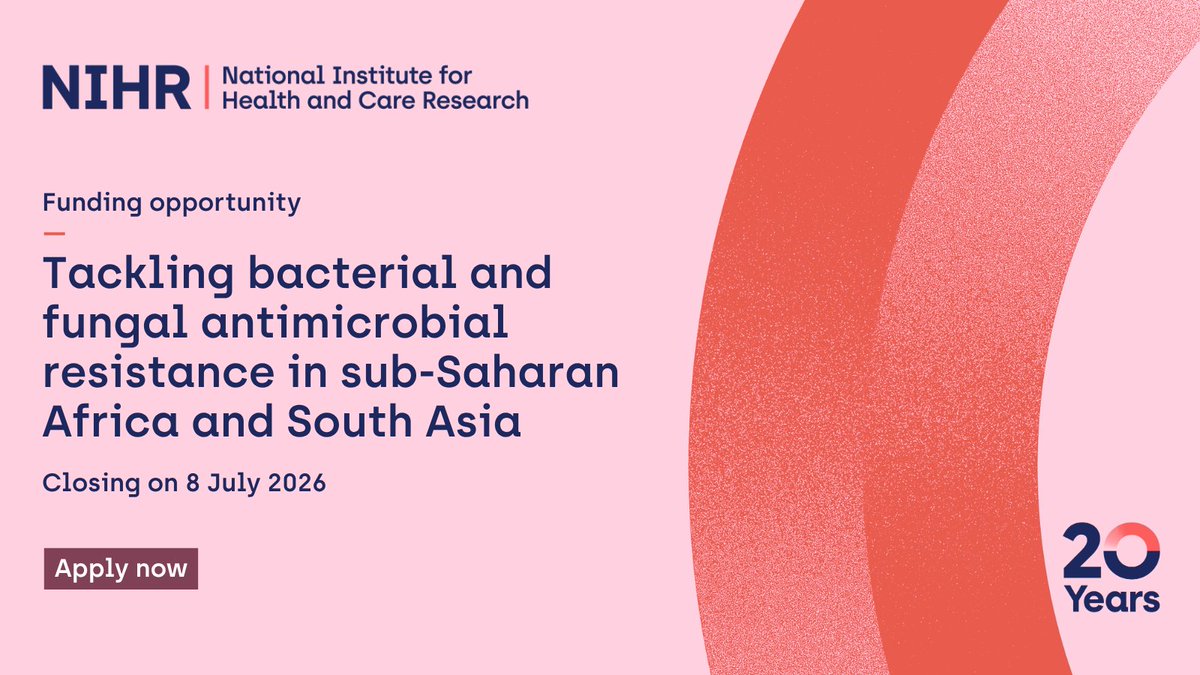
ALT Funding opportunity: Tackling bacterial and fungal antimicrobial resistance in sub-Saharan Africa and South Asia. Closing on 8 July 2026. Apply now.
20
34
2,720
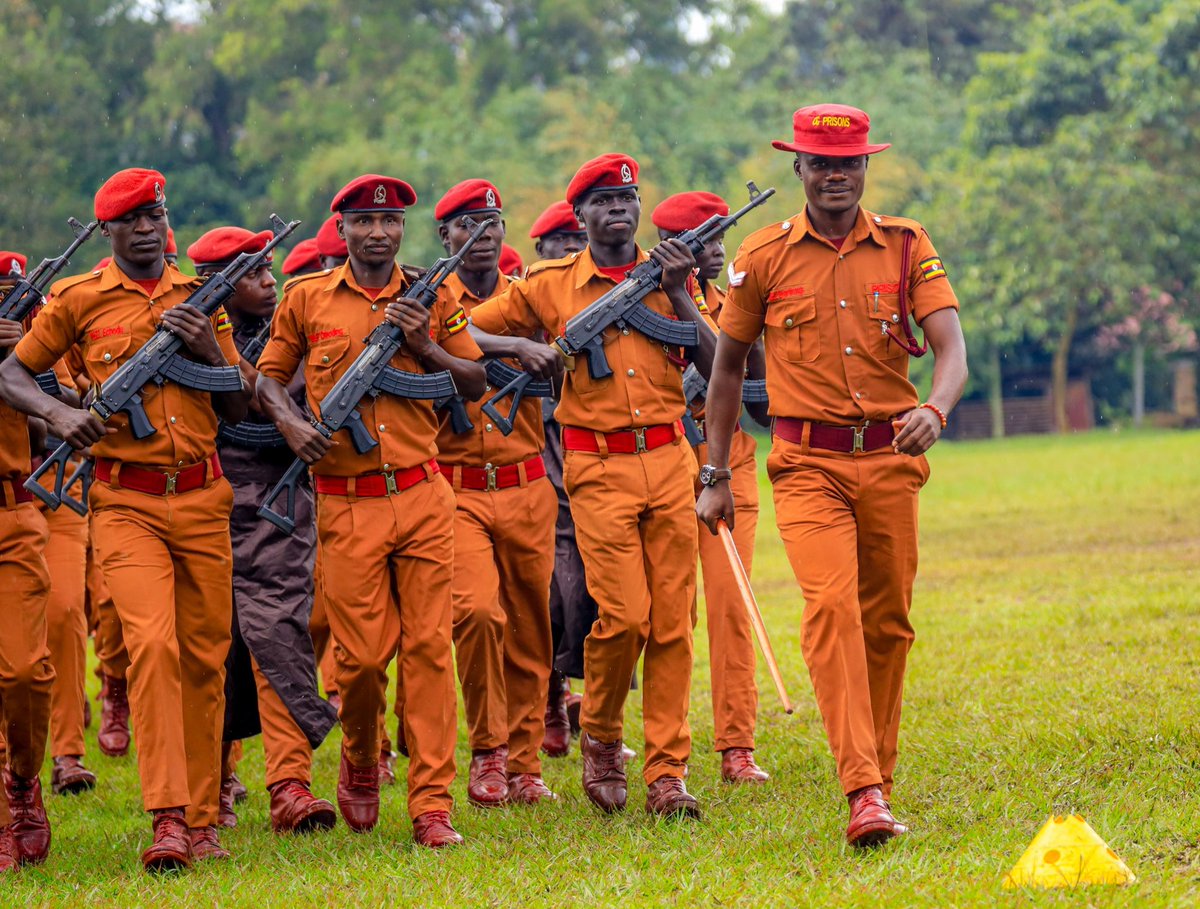
The lead officer in round cape is outstanding. His smartness and posture show an attitude of attention to detail, passion for service, hard work, and patriotism. Please identify him to speak to our mentees. We celebrate!
@UgandaPrisons @jbyabs @mkainerugaba
1
4
90
Welead Mentor Point Centre retweeted

Apr 24
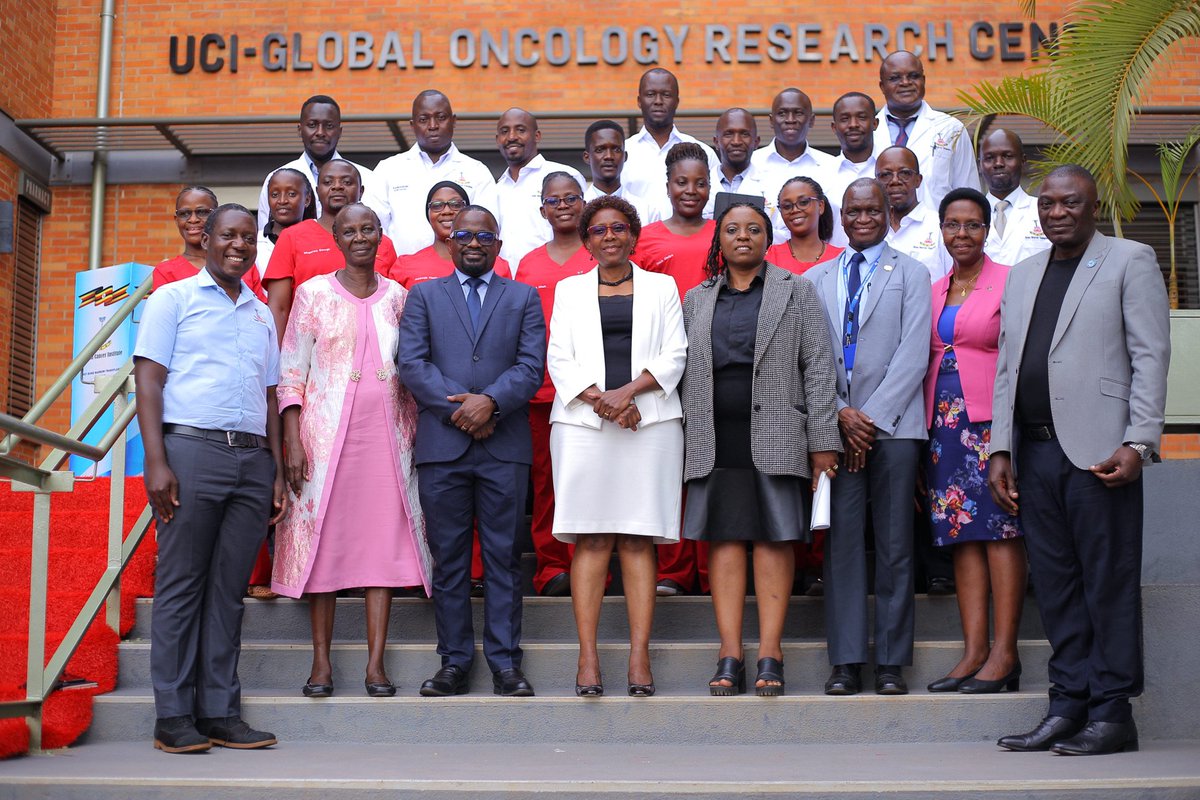
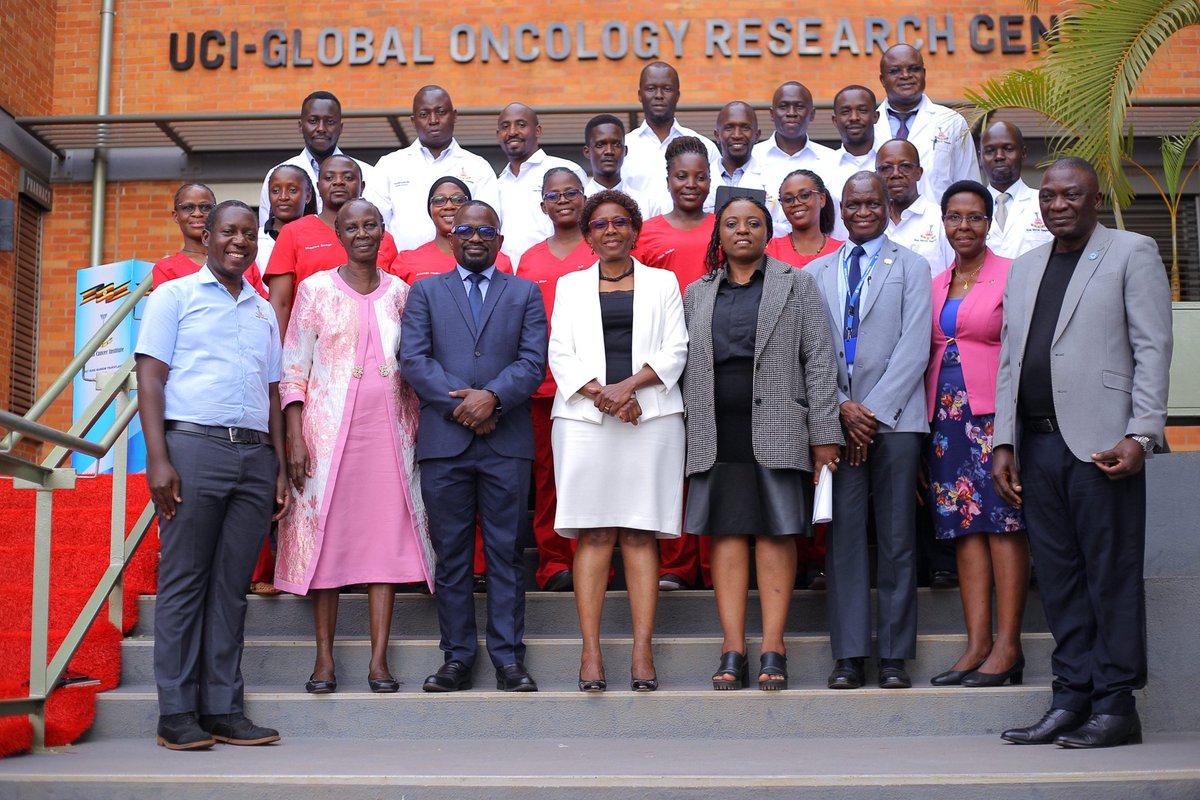
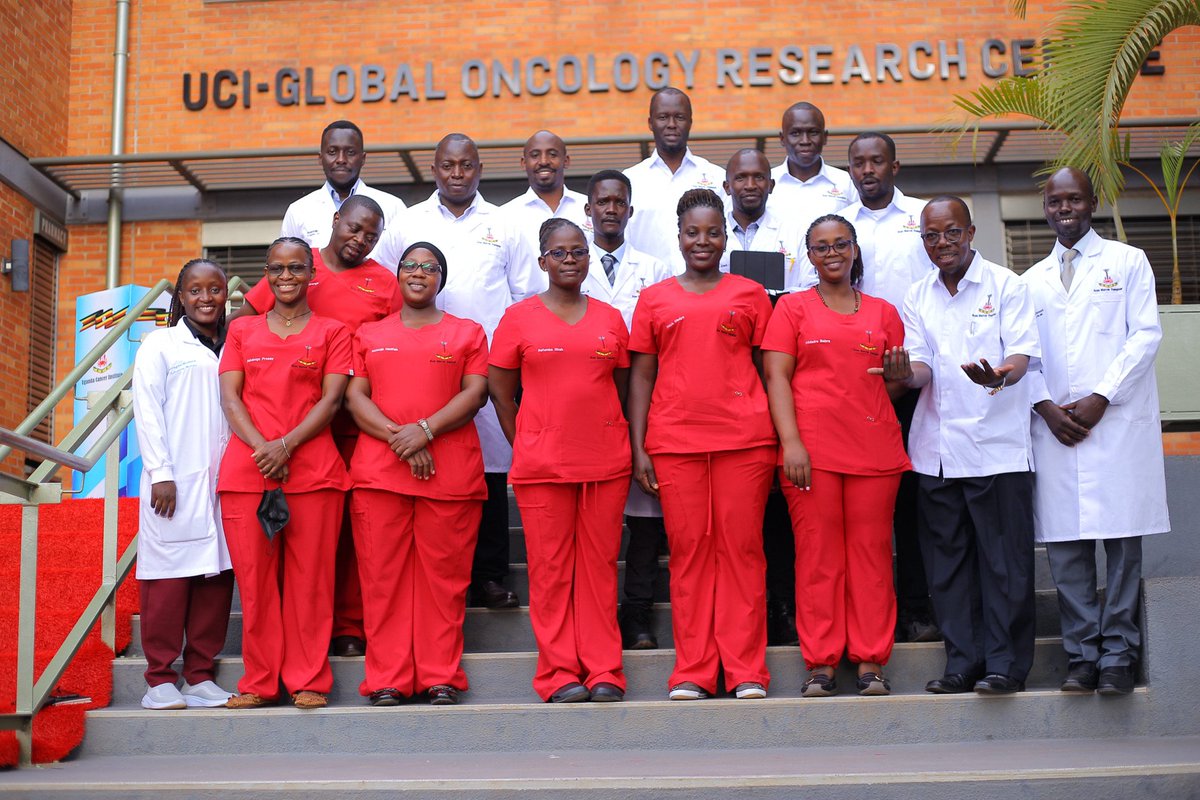
Great milestone
Congratulations UCI

To the medical team: "You have demonstrated that with the right investment in infrastructure and training, Uganda can be a regional hub for specialized oncology and complex hematology. -
3
19
751
Welead Mentor Point Centre retweeted
Here are some reasons why you don't have to miss the webinar on sleep disorders on 18 March 2026 at 3:00 PM (EAT) with Dr Ivan Kimuli @ikimuli2020
Register here: tinyurl.com/y79u7mv2
@brucekirenga @rnantanda @Jackynakabira @SabrinaKitaka @ps_lukwago @ForGlobalEquity @faith_nabushawo
#LungInstituteUG #MLIat10 #LungsMatter
1
24
59
3,343
Welead Mentor Point Centre retweeted

Jan 4
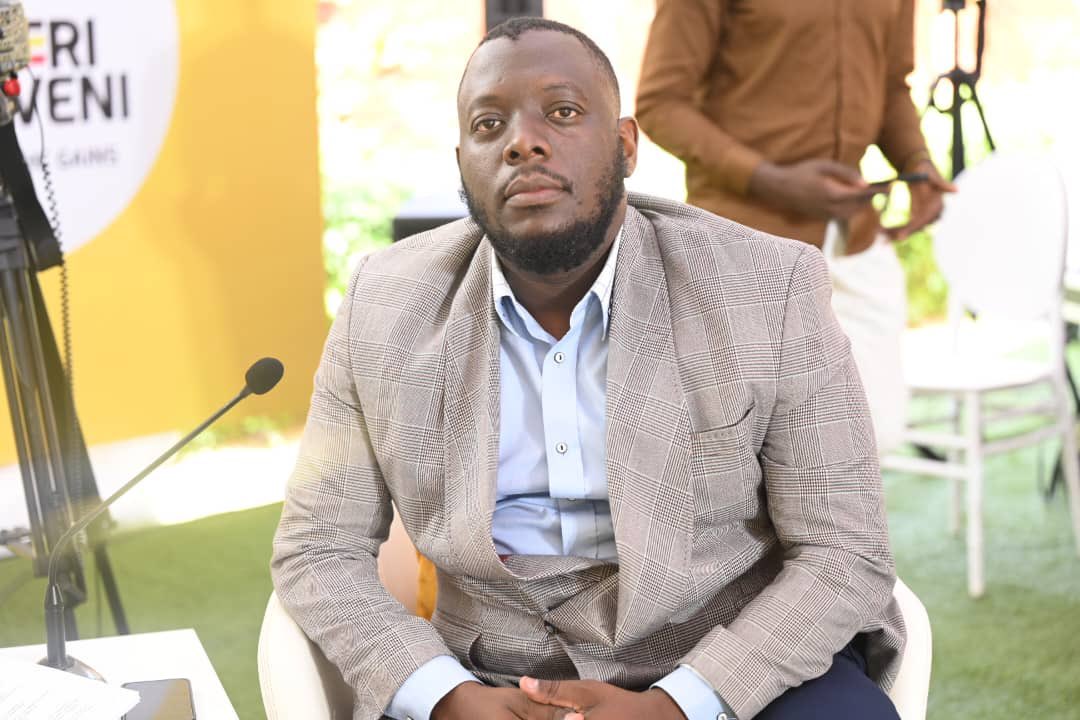
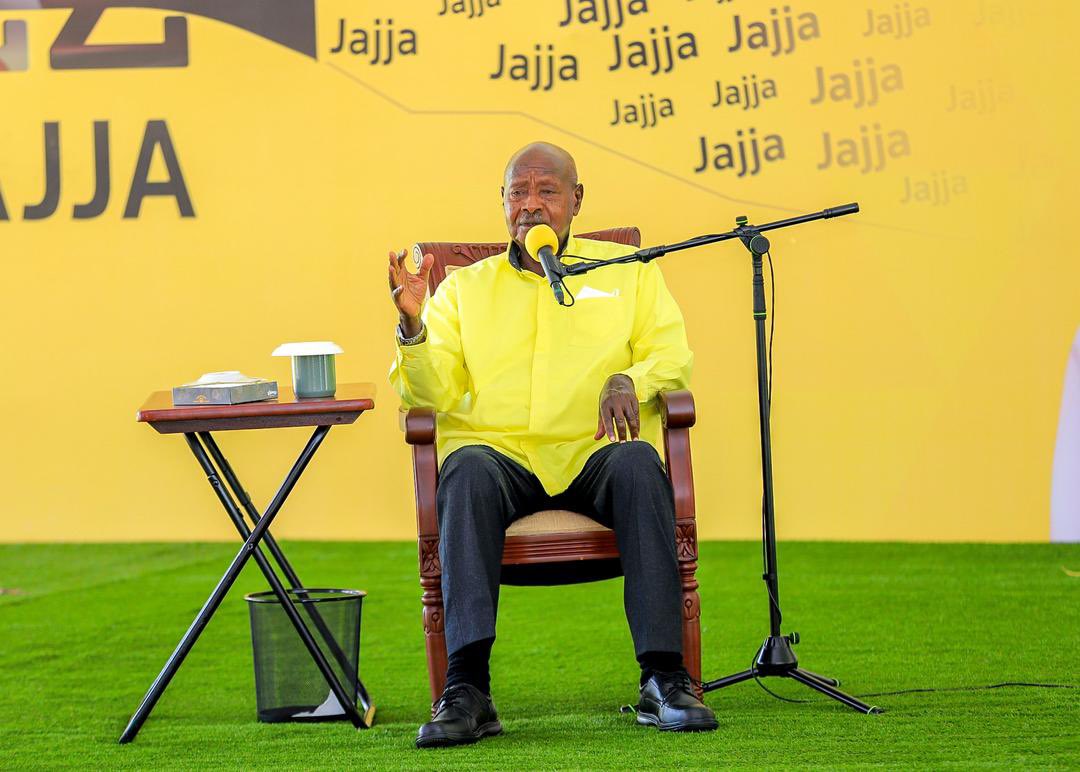
Kasuku: "Usually when someone visits their Jajja, they are given a gift or something to take back home, so I'm requesting that Your Excellency give us something to take back home."
President Museveni: "I wouldn't mind that, but now I'm a presidential candidate, and that would look like bribery, so we can wait until after the elections and I'll see about that."
#JazzWithJajja
192
210
4,082
209,022
Welead Mentor Point Centre retweeted

31 Dec 2025
Things to teach your kids;
- Chess
- First aid
- Resilience
- Astronomy
- Persuasion
- Adaptability
- Self-respect
- Self-defence
- Cooking skills
- Assertiveness
- Managing time
- A good attitude
- Public speaking
- Problem solving
- Self-awareness
- Gardening skills
- How to volunteer
- How to negotiate
- Living off the land
- Basic home repair
- Starting a business
- Money management
- Good communication
- Don’t watch the news
- Emotional intelligence
- How to manage stress
- Basic car maintenance
- How to make a decision
- How to influence people
- How to be a great mother
- It’s okay to feel your emotions
- Mental frameworks for thinking
- Understanding healthy relationships
- Building others up, not tearing them down
- Problem-solving over memorization
- Exploration over conformity
- Creativity over rote learning
- The value of hard work.
- How to be kind to everyone.
- Why failure is the path to success.
- How to think, not what to think.
- How to adapt, not conform.
- How to lead, not follow.
- How to create, not consume.
- Taking care of animals.
- Good use of language.
- Opposite sex relationships.
- Healhy food choices.
- Music, listening and performing.
- General culture.
- Foreign languages.
- Leadership.
- Stoicism.
- Fasting.
- Sports.
- Video games.
- Spirituality.
- Travelling.
- Copywriting.
- Drawing.
- Self love.
What would you add?
407
5,814
24,694
1,000,131
Welead Mentor Point Centre retweeted

24 Dec 2025
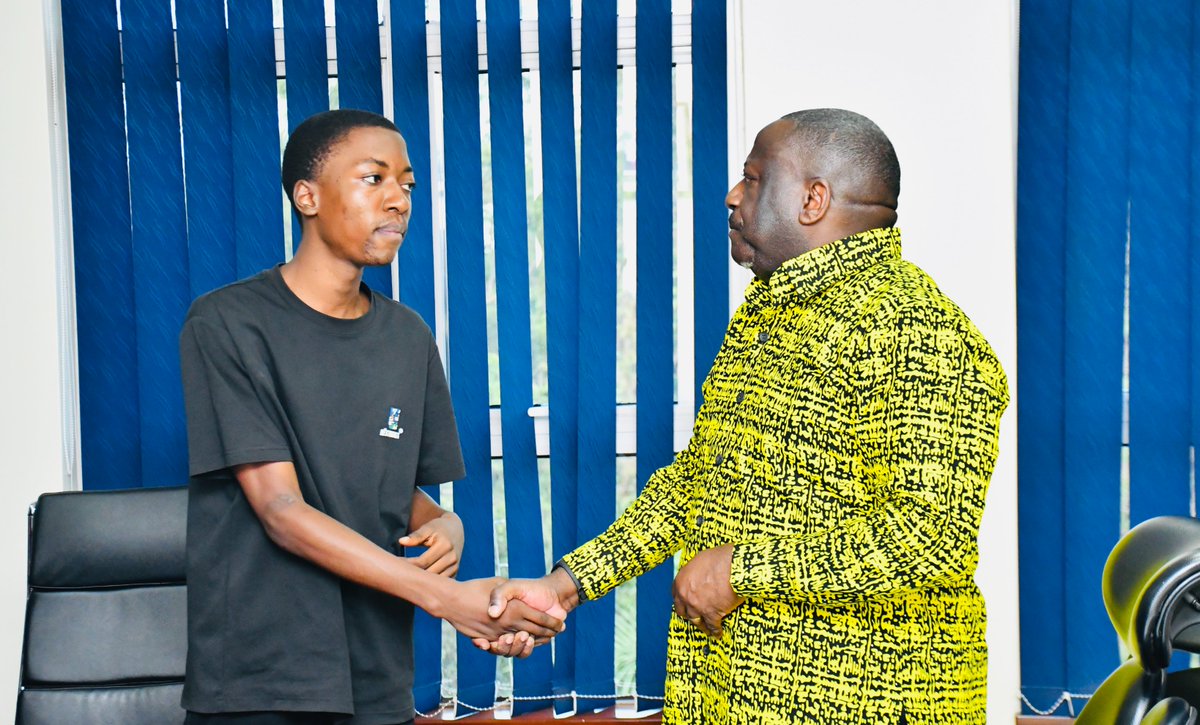
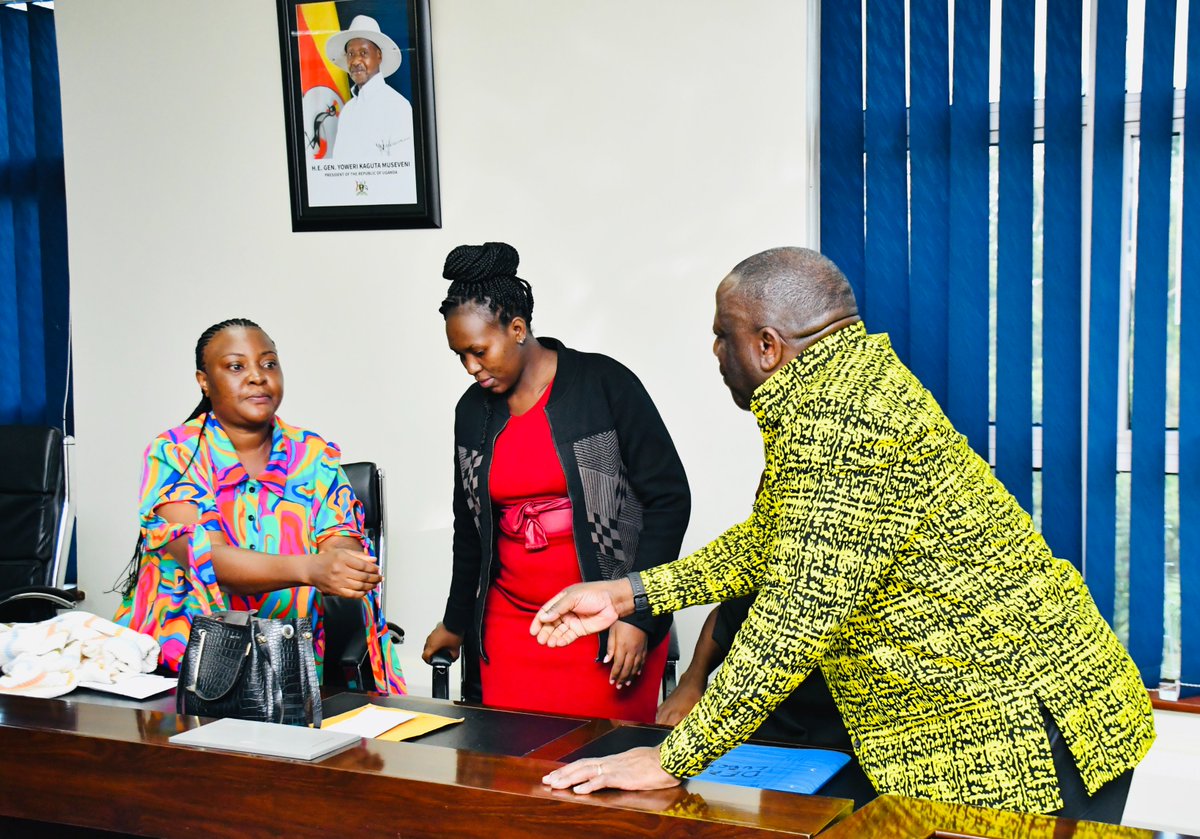
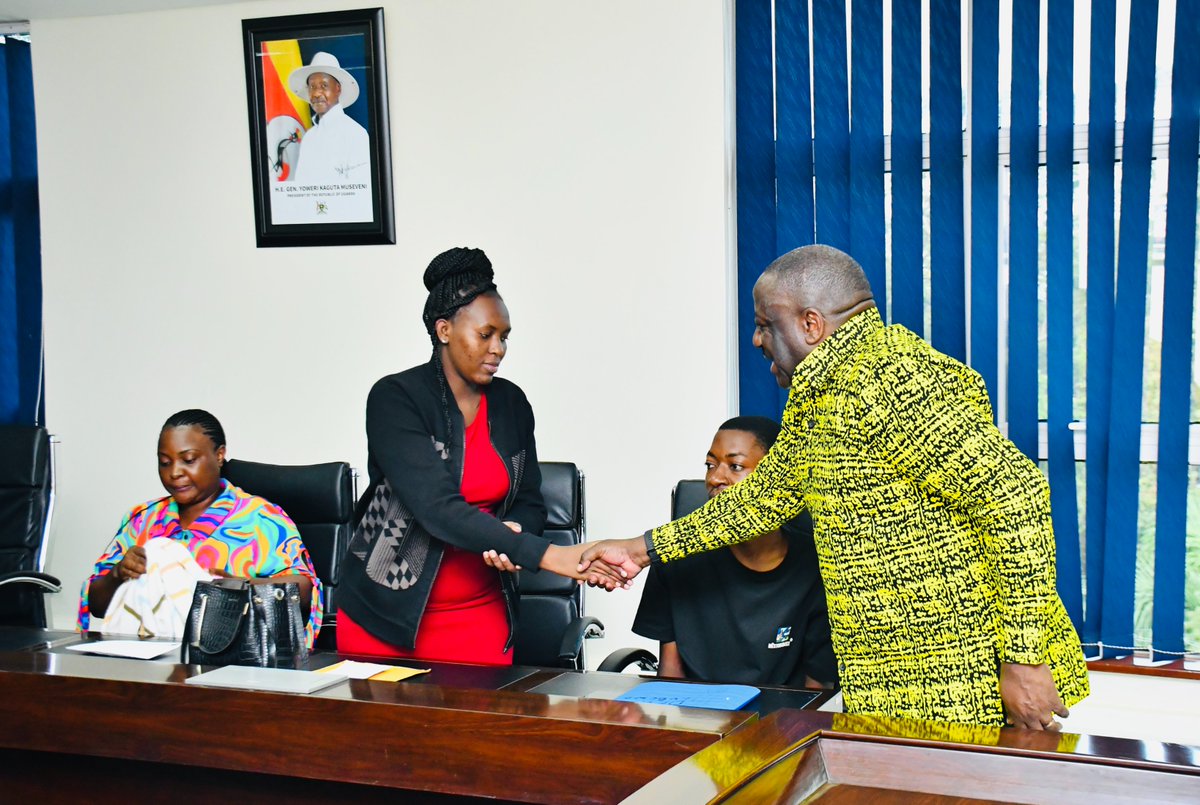
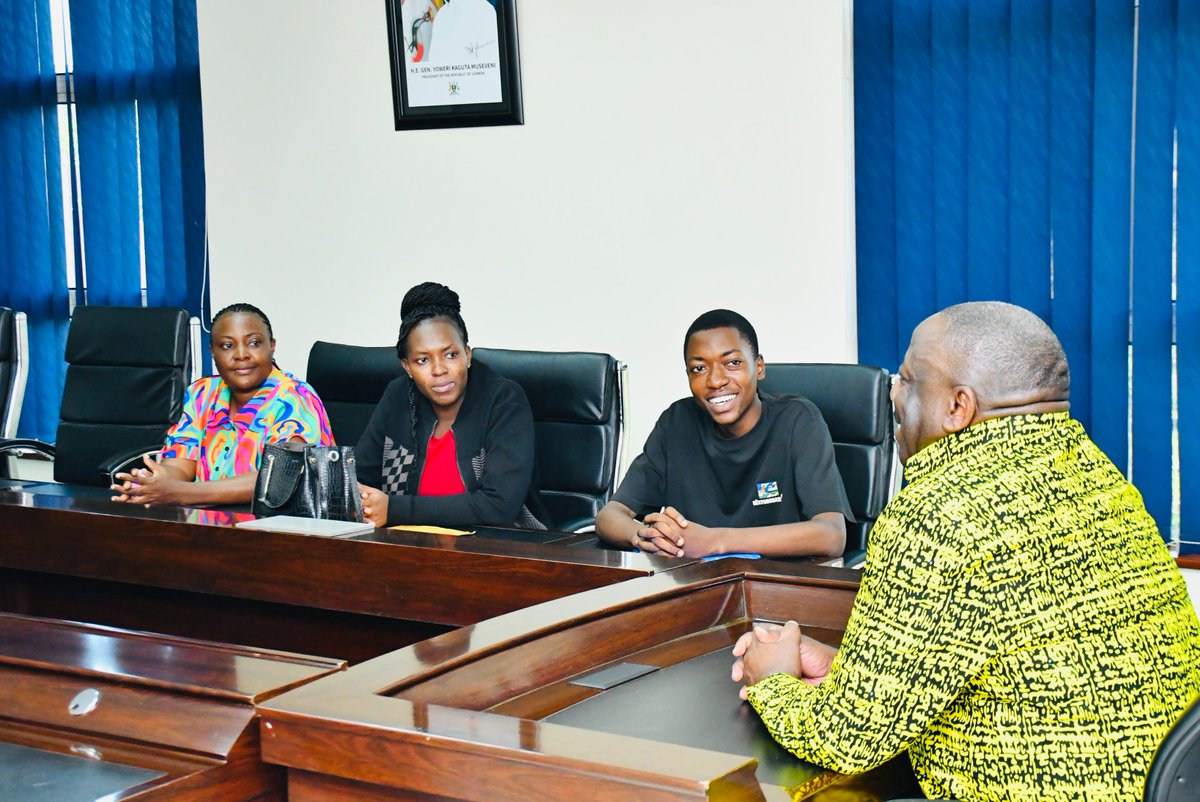
Yesterday, I met with the family of Dean Lubowa Saava. They came not as lawyers, activists, or social media commentators, but as a family bearing the quiet weight of a situation that has lingered far longer than such moments should.
The conversation was not easy, nor was it intended to be. I first met Saava in 1995, and we've walked similar paths since then. We are acquaintances, even friends, and while that history is significant, it cannot replace or alter the law.
I want to emphasise something I shared with the family: this matter is not personal. Many have attempted to frame Saava's case as retaliation for online attacks against me, but that narrative is false.
In public life, criticism, even harsh criticism, comes with the territory. If personal attacks were sufficient grounds for imprisonment, our prisons would be overflowing.
This case is about the law, nothing more, nothing less. I explained to the family that once a matter enters the criminal justice system, it cannot be resolved through goodwill or forgiveness alone. The courts must take their course. Regulators must respect that process, and leaders must resist the temptation to personalise institutions.
That distinction can be challenging to accept, especially when one is hurting. But it is necessary.
What resonated with me most, however, was not the legal discussion but the human aspect. A family under strain, children missing important school moments, and a home feeling the absence of its head, these are the quiet consequences that rarely trend online, yet they hold the highest cost.
As we approach the festive season, I felt it was important to acknowledge this reality. In my personal capacity, not as a regulator, I prepared a Christmas package for the family. This gesture was not a statement on the case or an act of interference, but a simple, human show of compassion.
It is possible to enforce the law firmly while still acting with kindness. It is possible to support institutions and recognise pain simultaneously. It is possible to be steadfast without being hard-hearted.
I told the family that once this chapter concludes, I remain open to reconciliation and constructive engagement. Accountability should never close the door to reform or growth.
This situation is neither a victory story nor a tragedy. It serves as a reminder that laws exist for a reason, that digital platforms bear real responsibility, and that behind every case file are real people, families, children, and futures.
As leaders, our duty is to protect the public interest while maintaining our humanity. Striking that balance is never easy, but it is always necessary.
76
44
337
49,618
Welead Mentor Point Centre retweeted
7 Dec 2025
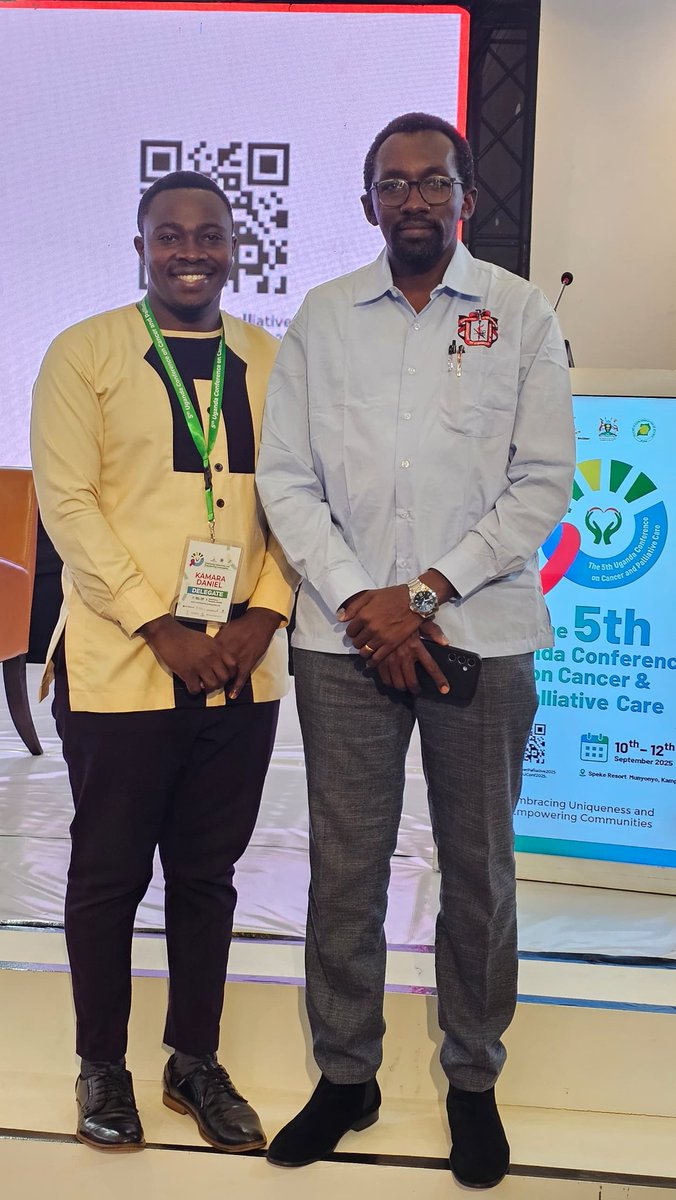
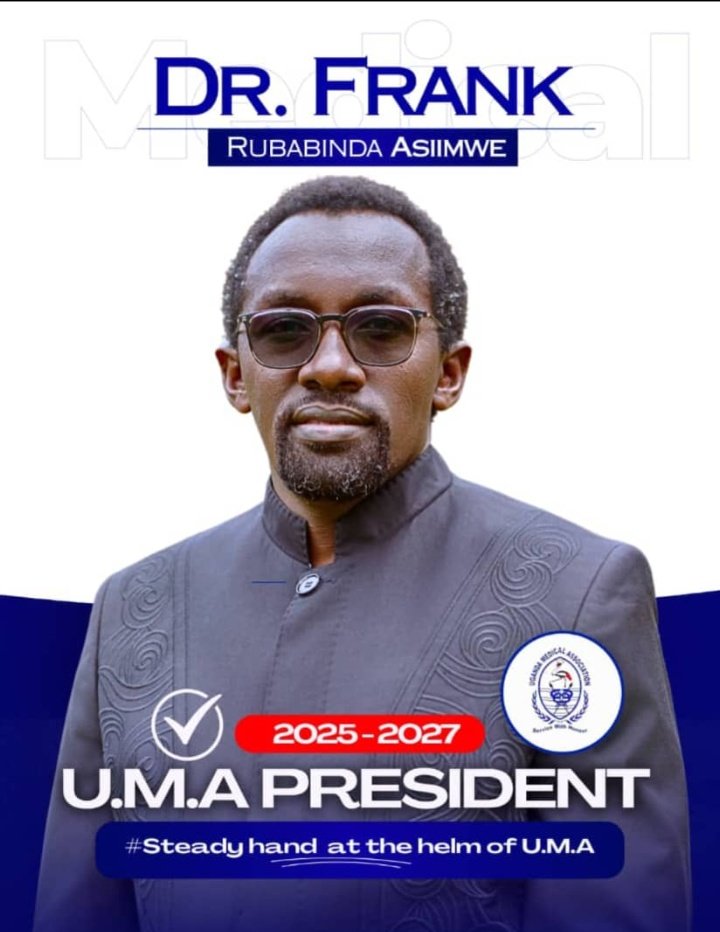
Congratulations Frank and your team
You have our prayers and support
We need to partner on tackling the challenges facing health professionals education in the country especially the doctors
6 Dec 2025

Owakigambire Oraza Kukyehakana...
Congratulations, Prof Asiimwe Frank, @RubabindaJr upon this.
@SabrinaKitaka, thank you for Wonderful Nominations.
2
6
48
3,960

3 Dec 2025
RT @ProfNawangwe: The vote sponsored by Africa Leadership Magazine for African Educationist for 2025 was very tight, but we made it. I than…
55
Welead Mentor Point Centre retweeted
12 Nov 2025
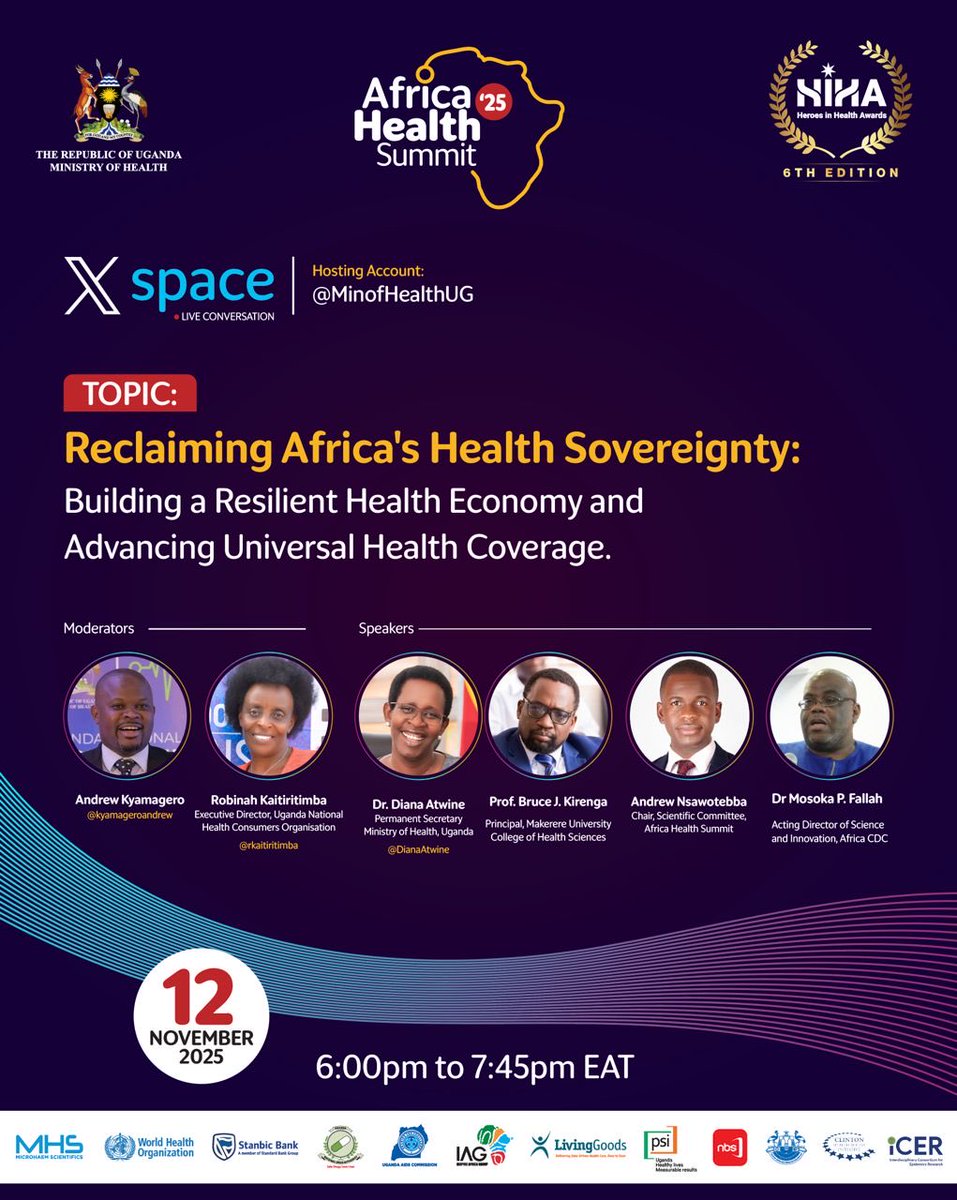
Join us for these discussions. I will be specifically discussing R&D financing for Africa
2
10
22
1,093
Welead Mentor Point Centre retweeted

10 Nov 2025
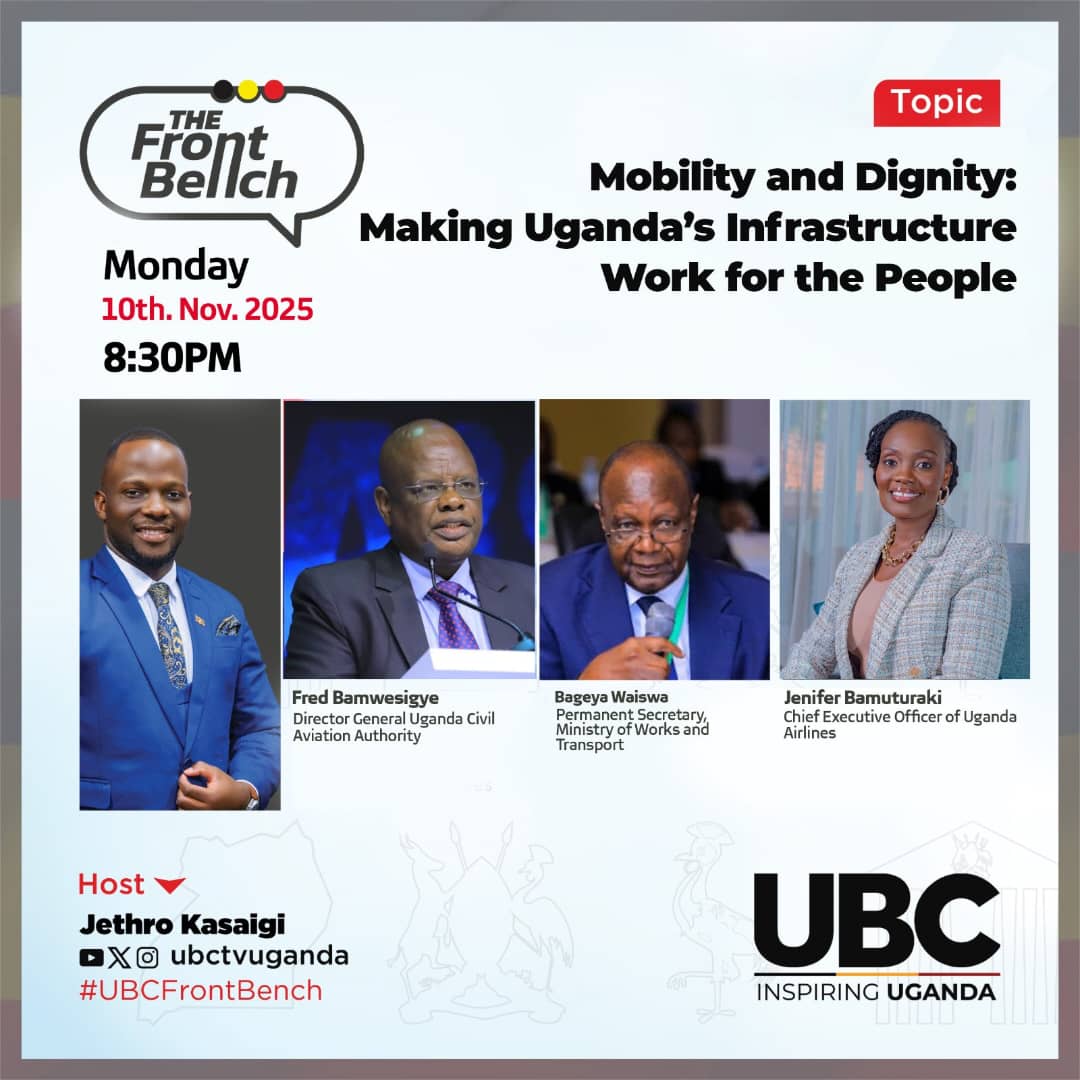
Tonight at 8:30 PM on @ubctvuganda #UBCFrontBench, tune in for an engaging discussion on “Mobility and Dignity: Making Uganda’s Infrastructure Work for the People,” as sector leaders unpack how Uganda is improving transport systems and strengthening mobility for all citizens
6
25
2,769
Welead Mentor Point Centre retweeted

9 Nov 2025
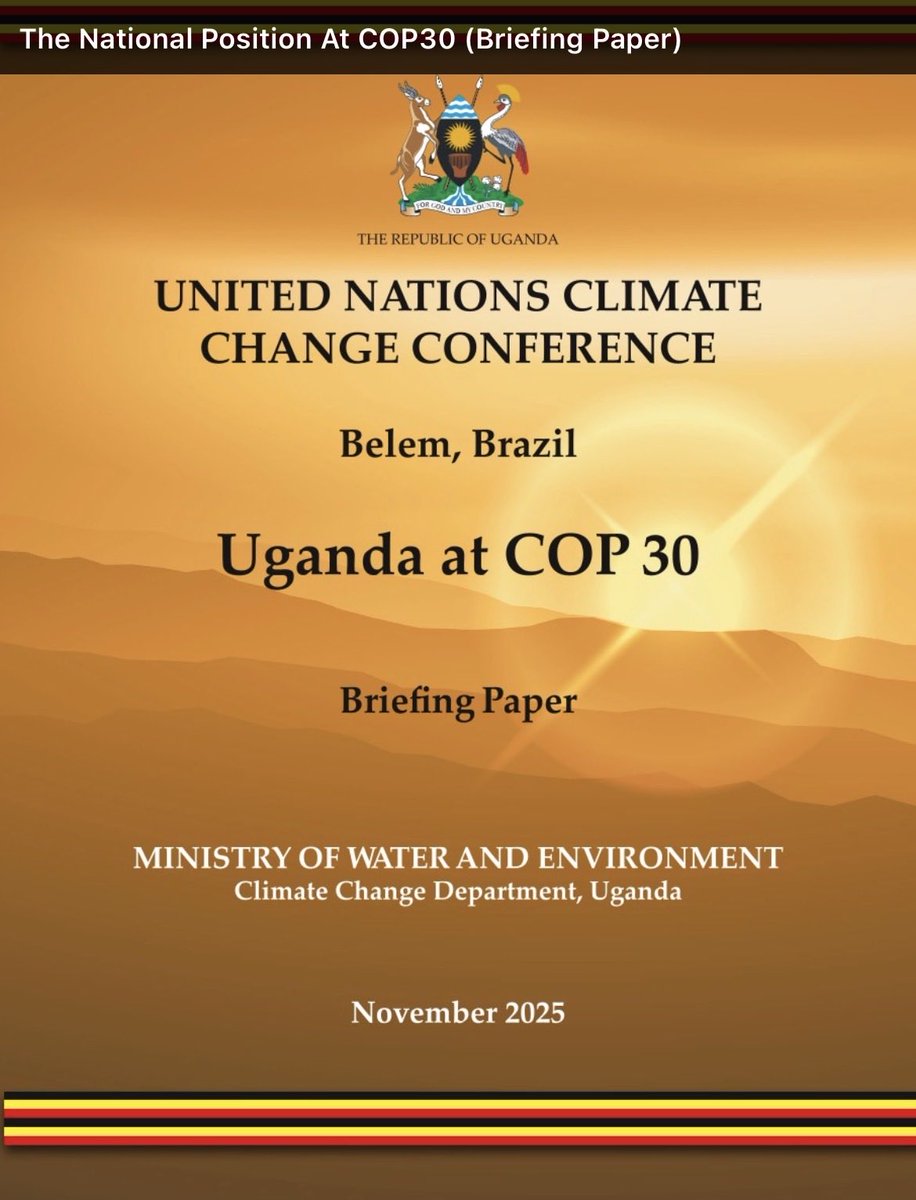
The National Position at COP30 briefing paper outlines the country's key messages and expectations for Belem @UNFCCC
A must-read for stakeholders and delegates at COP30 > linkedin.com/posts/climate-c…
#UGCOP30 #ClimateAction #COP30
#ccd @min_waterUg
7
51
164
9,299
Welead Mentor Point Centre retweeted

31 Oct 2025
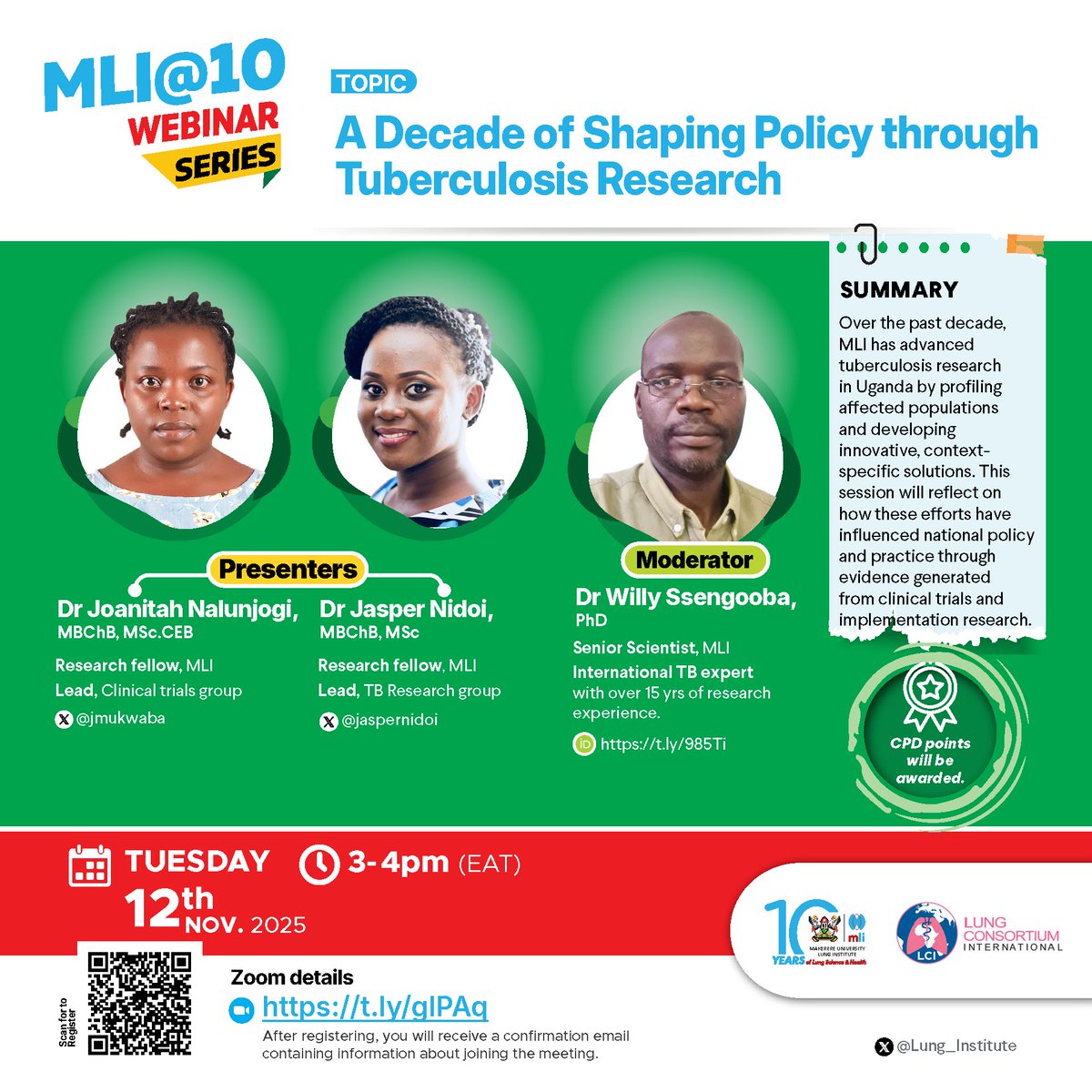
Join us on November 12th, 2025, at 3:00 PM (EAT) for the #MLIat10 Webinar Series as we gear up for the 10-year anniversary celebrations with Dr. @jmukwaba Dr. @jaspernidoi & @WillySsengooba 🔗Register here: t.ly/glPAq — CPD points will be awarded
9
21
2,441
Welead Mentor Point Centre retweeted
22 Oct 2025
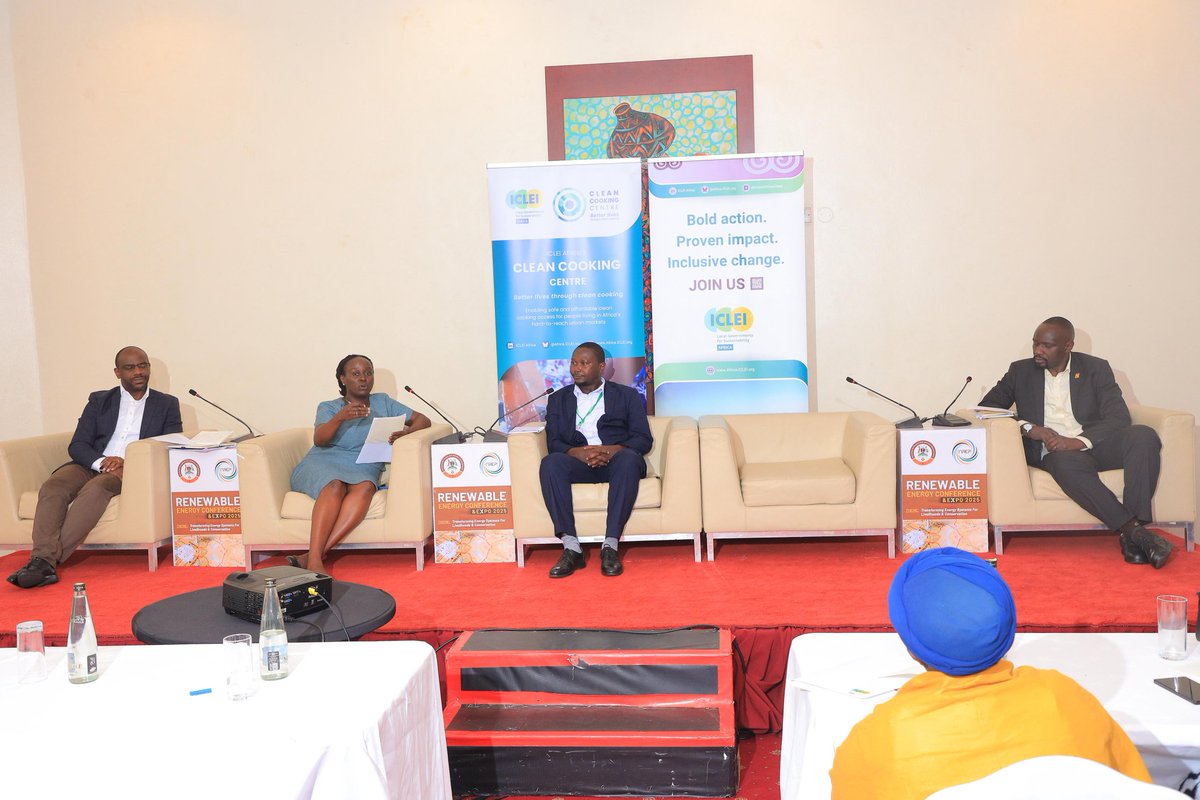
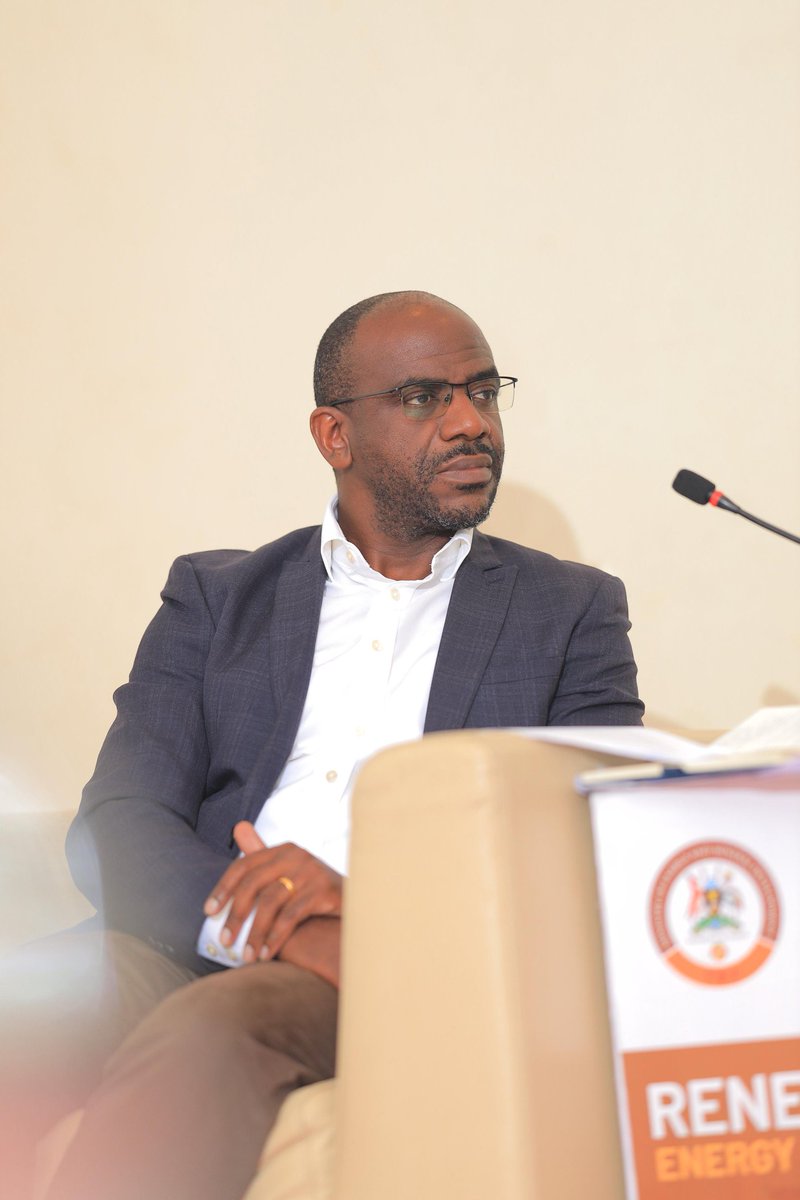
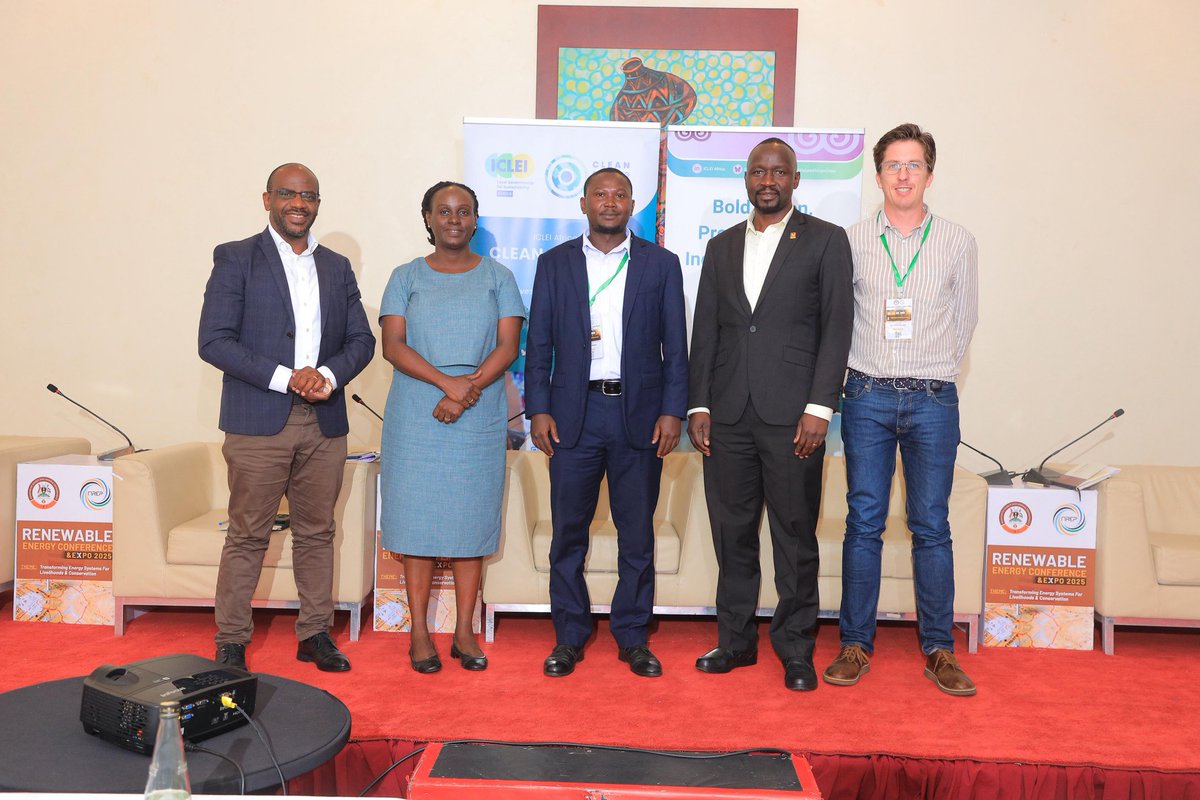
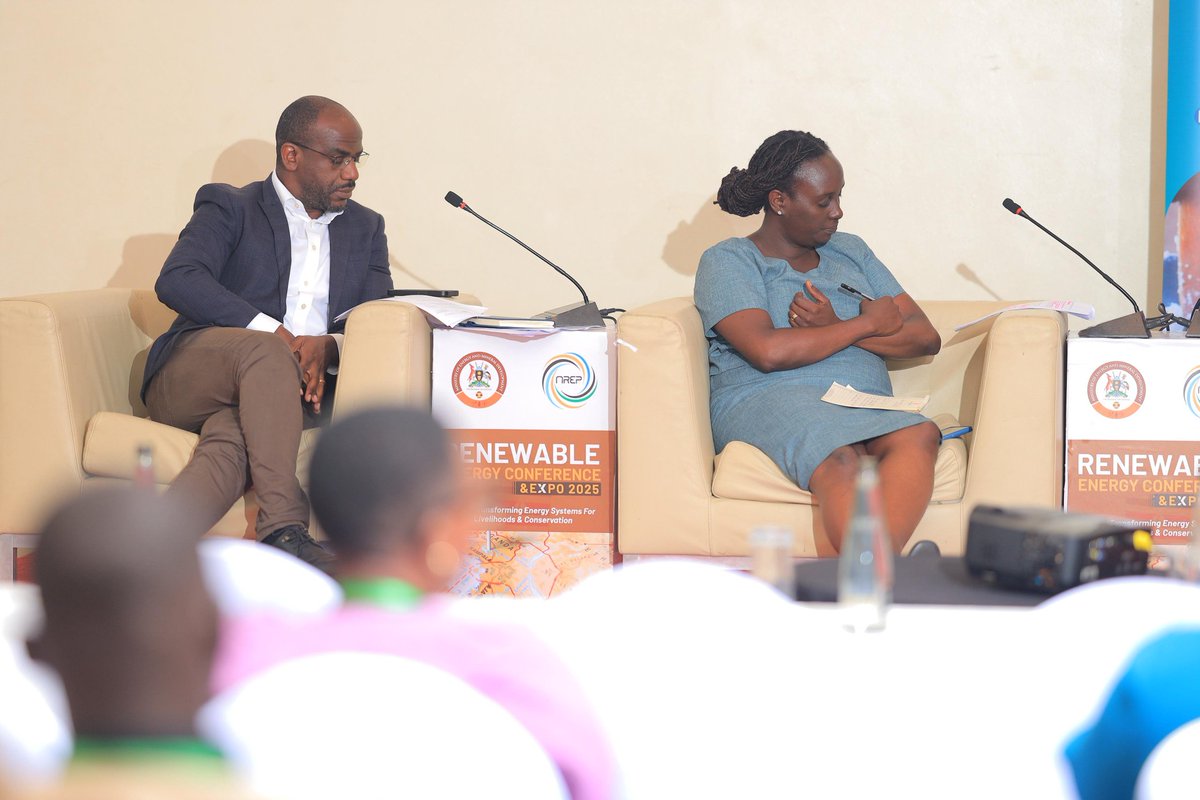
Great discussions today on advancing clean cooking for better health and environment at the #REC expo with Dr. @ikimuli2020, Deputy Director @LungInstitute who shared insights on how cleaner energy solutions can save lives and lungs. #MLIat10 @brucekirenga @NREP_Uganda @winterzie
1
11
22
840