
The official page of SFH International; a pan- African non-governmental organisation, dedicated to improving the health of the poor and vulnerable in Africa
Joined May 2022
- Tweets 147
- Following 17
- Followers 248
- Likes 264
23 Photos and videos





SFHInternational retweeted

28 Jul 2025
Today, SFH staff joined the global community in commemorating World Hepatitis Day.
We are saying it loud, "World Hepatitis Day, Let's Break It Down."
#WorldHepatitisDay
#WHD2025 #LetsBreakItDown
3
12
182
SFHInternational retweeted
26 Jun 2025
#HappeningNow
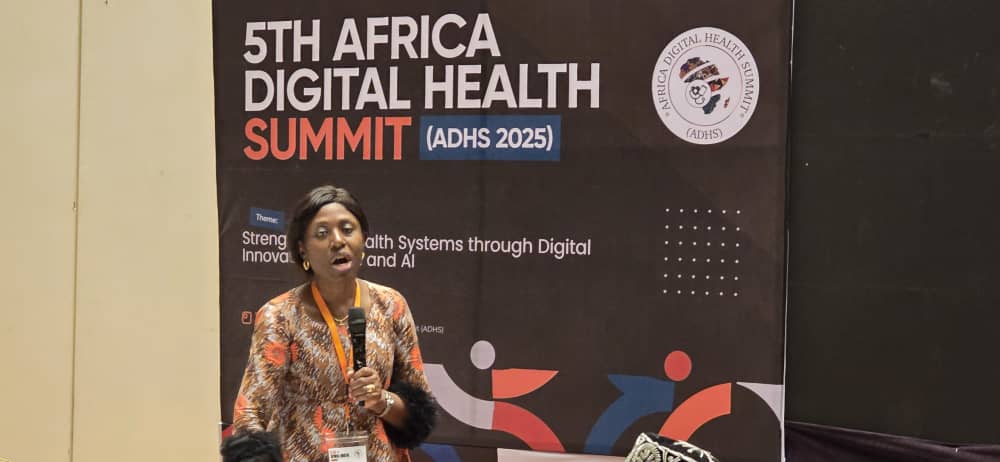
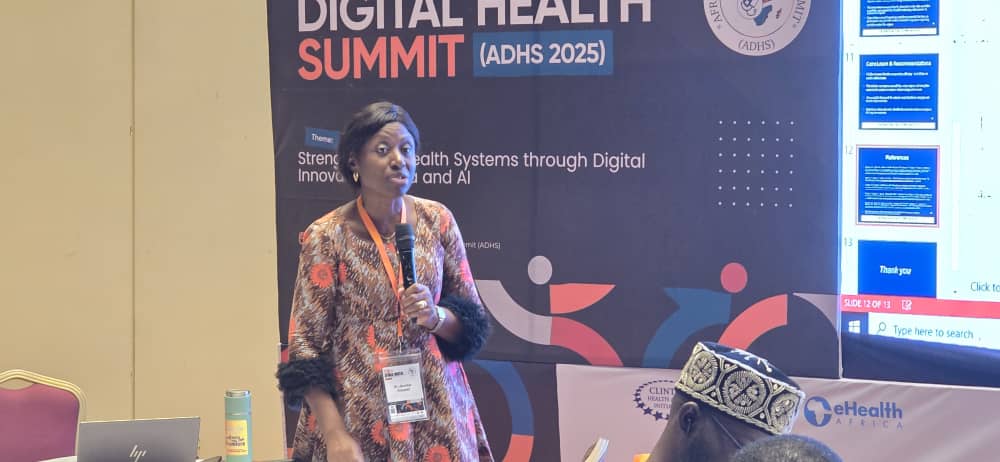
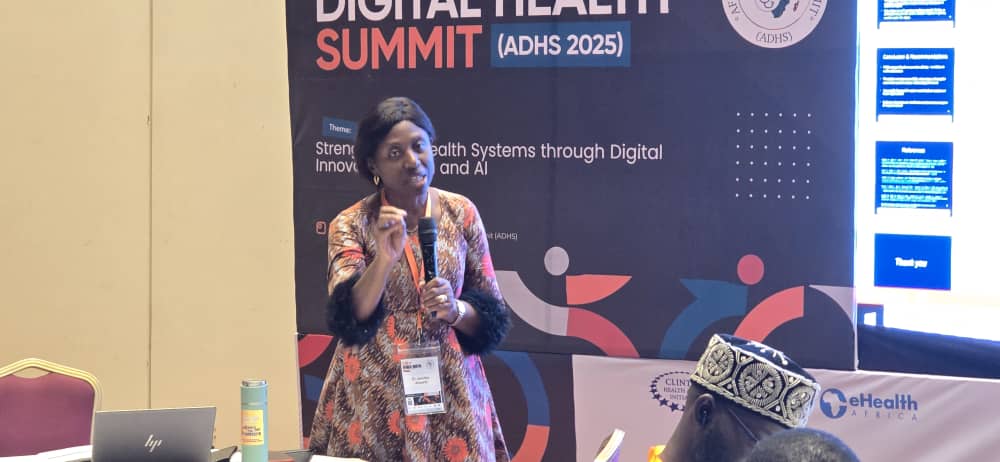
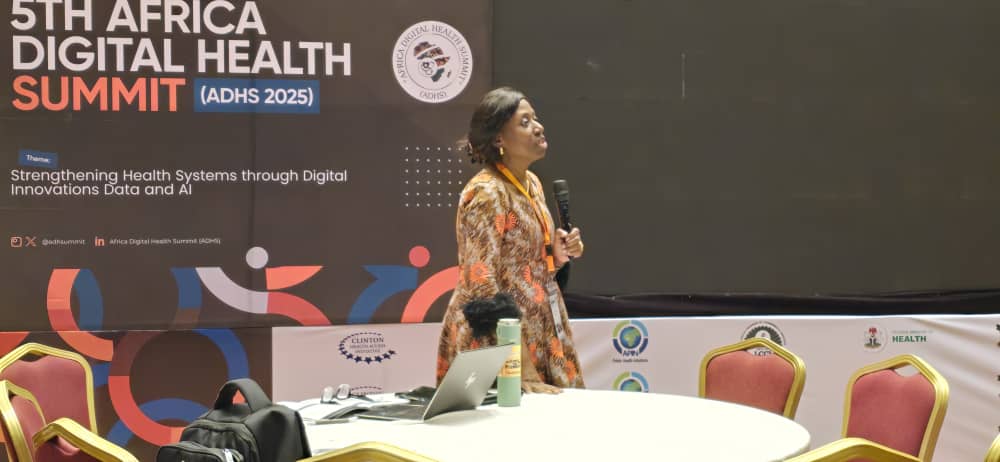
Our DMD, @JAnyantiSFH chairing a scientific presentation session at the Africa Digital Health Summit at Eko Hotels. #ADHS brings together digital health innovators to learn, cross learn, and share insights into their works.
@adhsummit
2
21
443
SFHInternational retweeted
6 Jun 2025
May this Eid bring in an era of increased prosperity, success, and happiness.
From all of us at SFH
#EidAlAdha

2
7
247
SFHInternational retweeted

5 Jun 2025
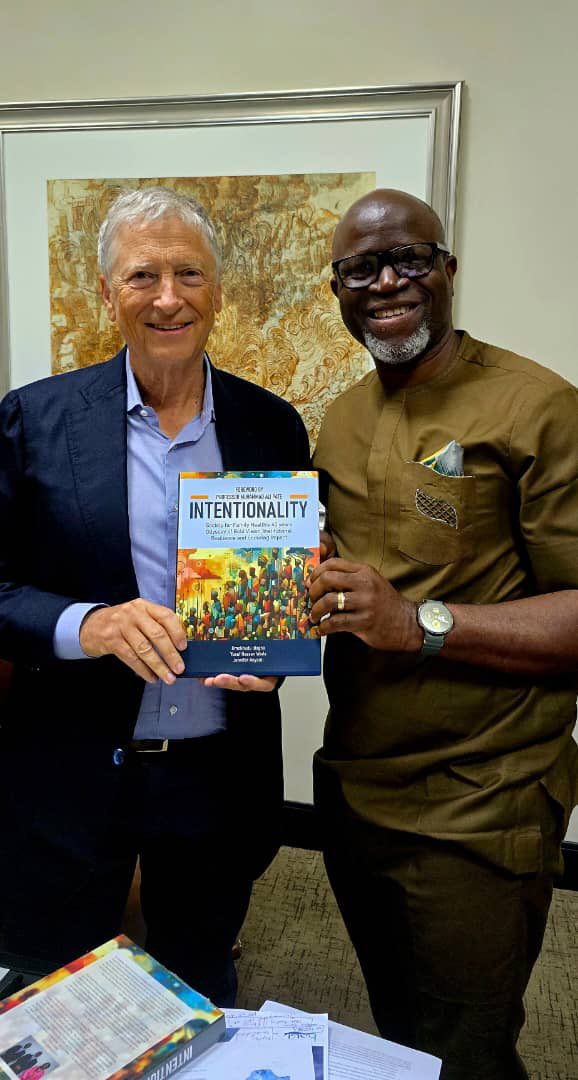
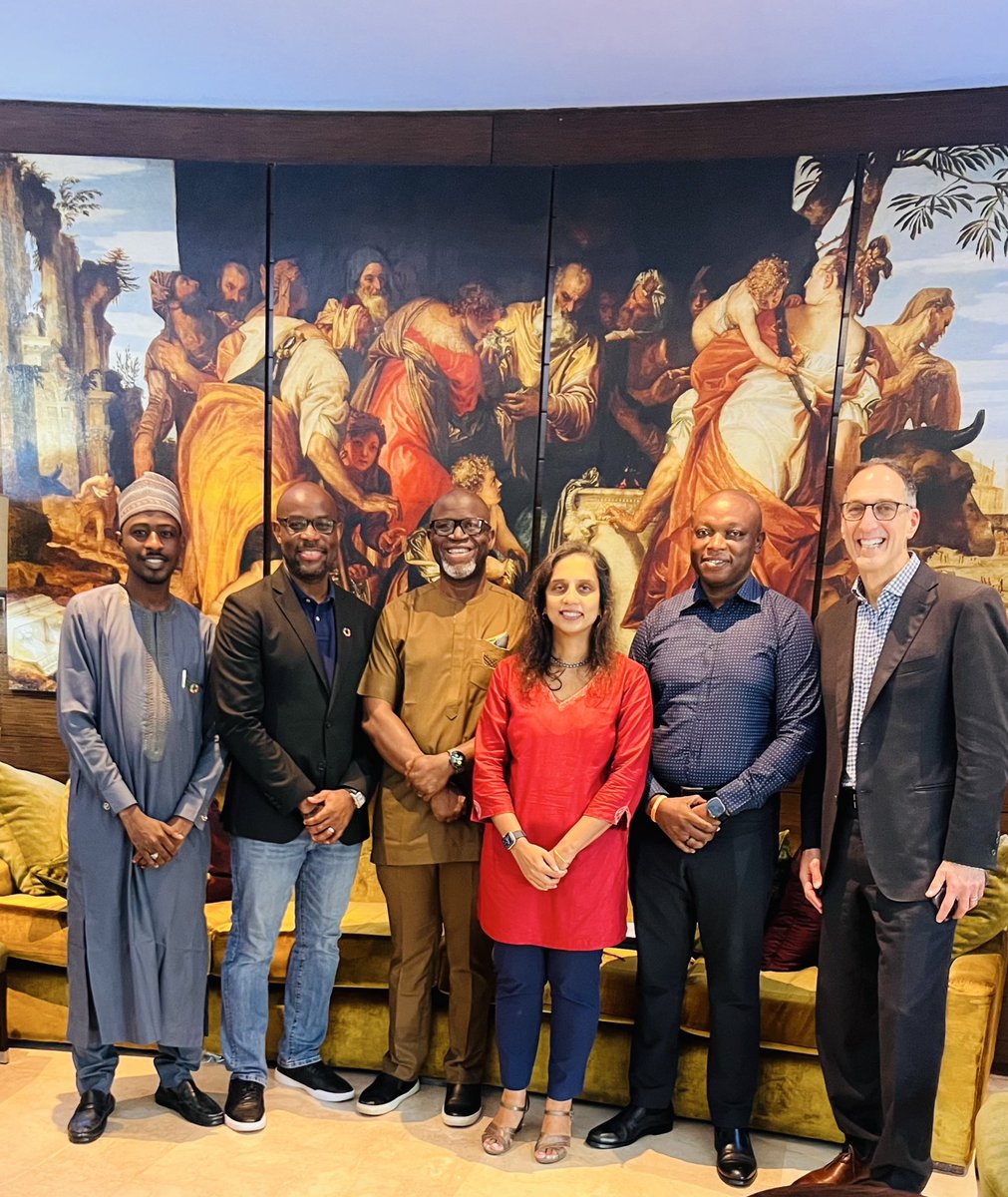
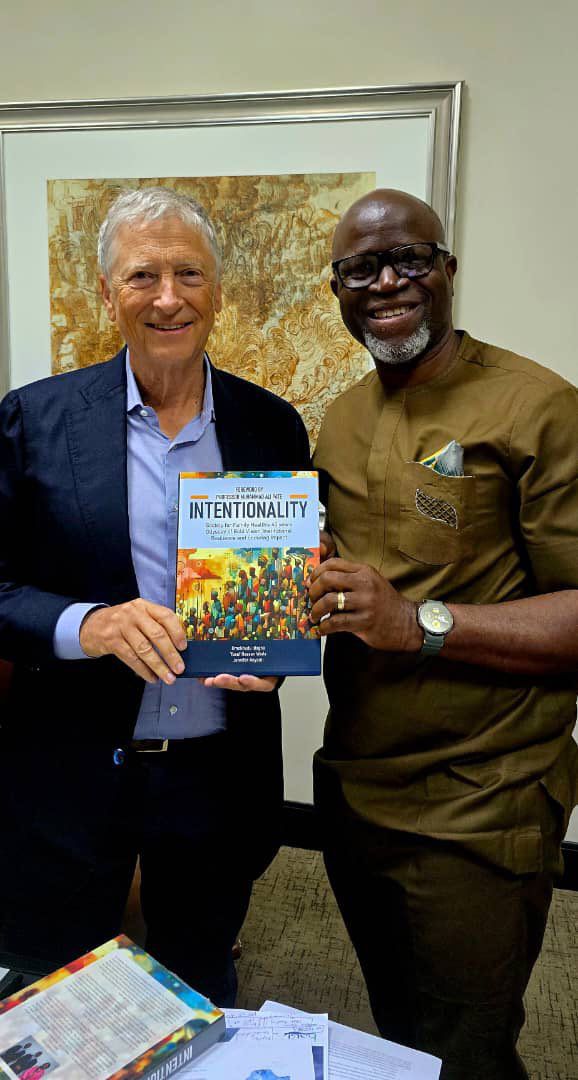
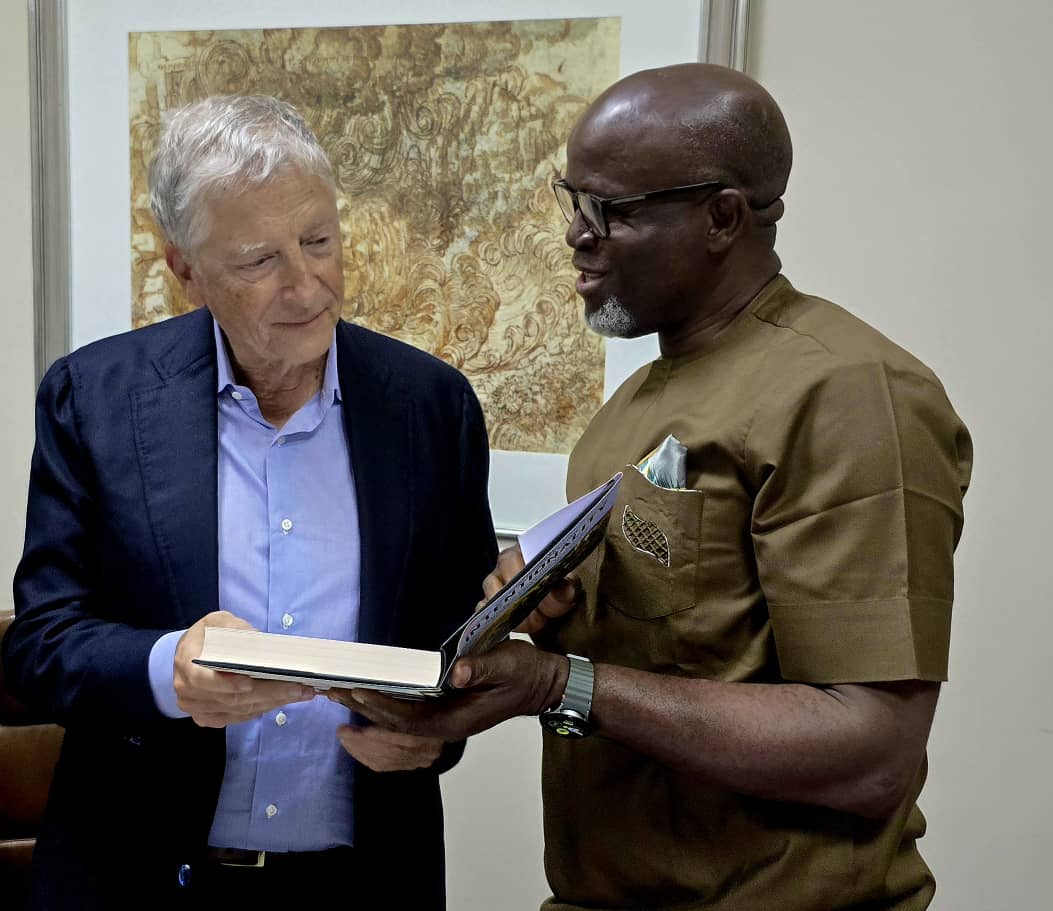
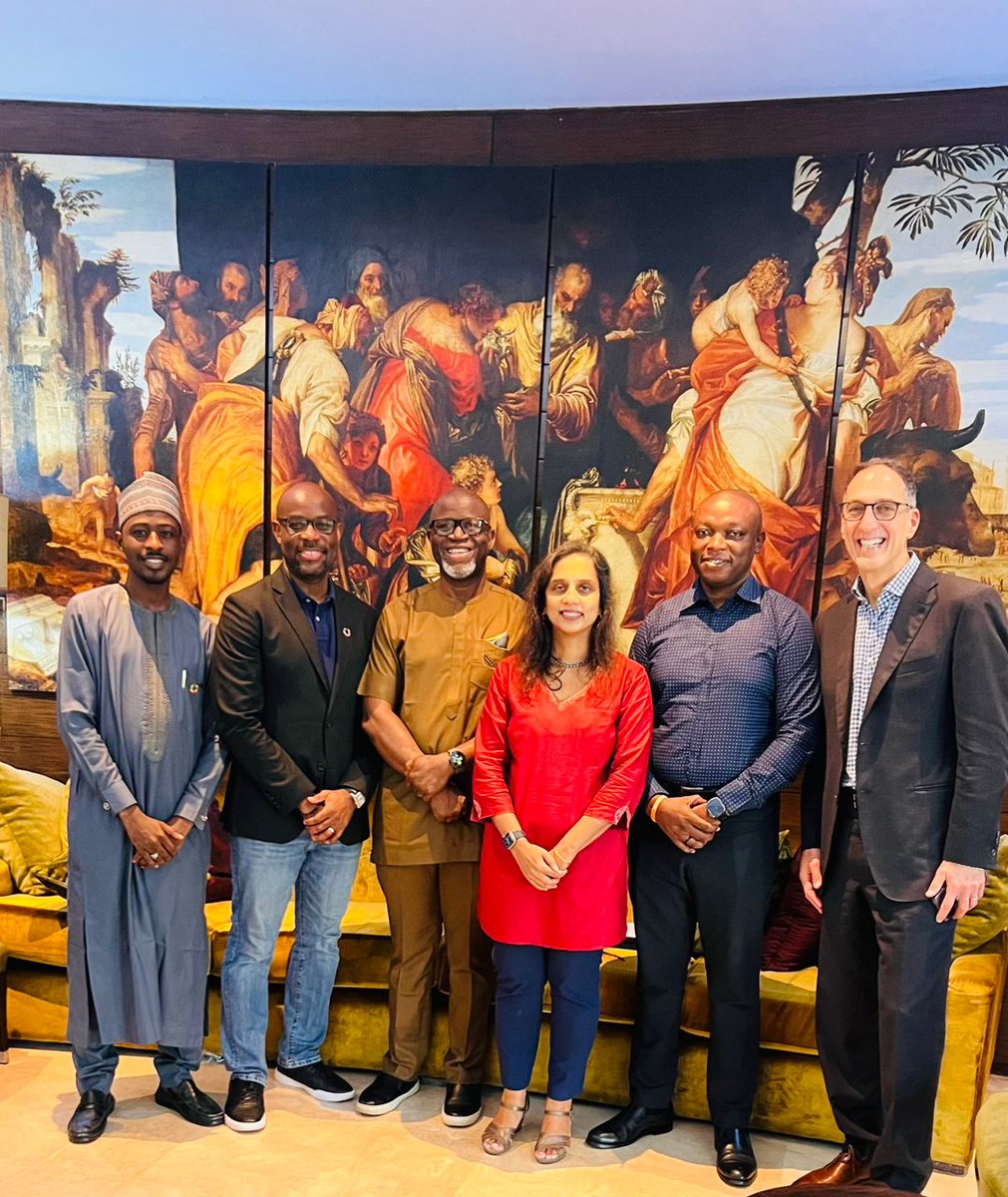
Honored to meet @BillGates for a one-on-one discussion on Nigeria’s health sector with his team. Grateful for his deep believe in African transformation and his generosity to make it happen. I presented @SFHNigeria 40-year book, and thank him the nearly 20 years of partnership.
5
39
2,084
SFHInternational retweeted
5 Jun 2025
It was an honour for us to engage in a one-on-one conversation with the co-founder of the @gatesfoundation and his team. We are deeply inspired by his unwavering belief in Africa’s potential and his extraordinary commitment to improving lives across the continent.
During this meeting, we had the privilege of presenting our 40th-anniversary commemorative book, Intentionality, a reflection of SFH four-decade journey of impact, innovation, and partnerships in advancing health outcomes in Nigeria.
We were humbled by his commendation of our work, which is proudly featured in the publication. For nearly 20 years, @SFHNigeria and the @gatesfoundation have partnered closely to champion health and development in Nigeria. Our shared vision remains steadfast, and we look forward to building on this collaboration to accelerate progress and drive lasting change.
The world is better because of @BillGates' insight, vision, and enduring support for communities like ours.
@Gates_Nigeria
2
10
285
SFHInternational retweeted
5 Jun 2025
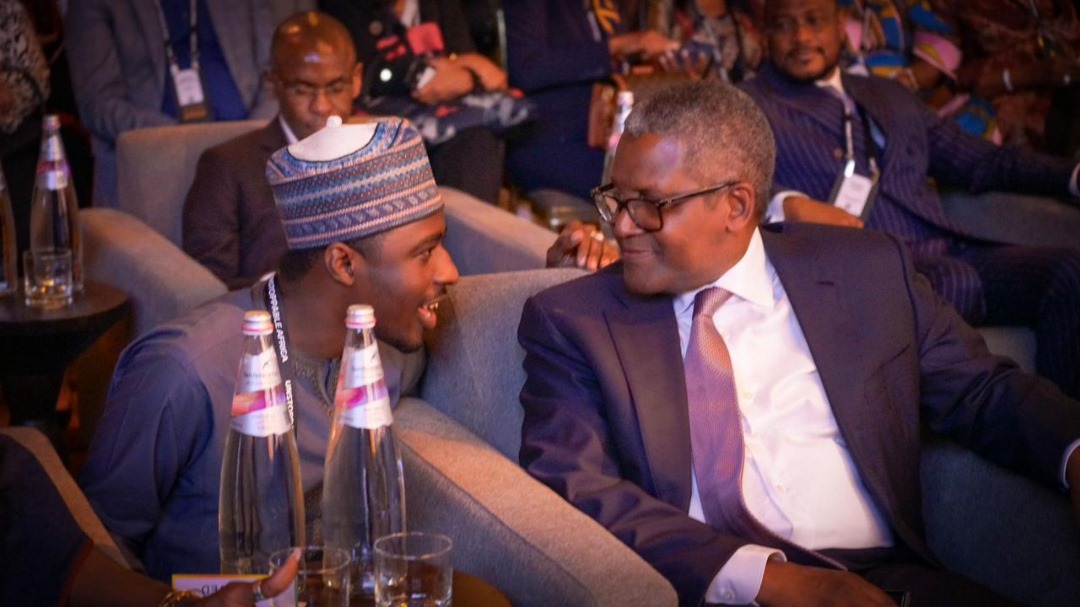
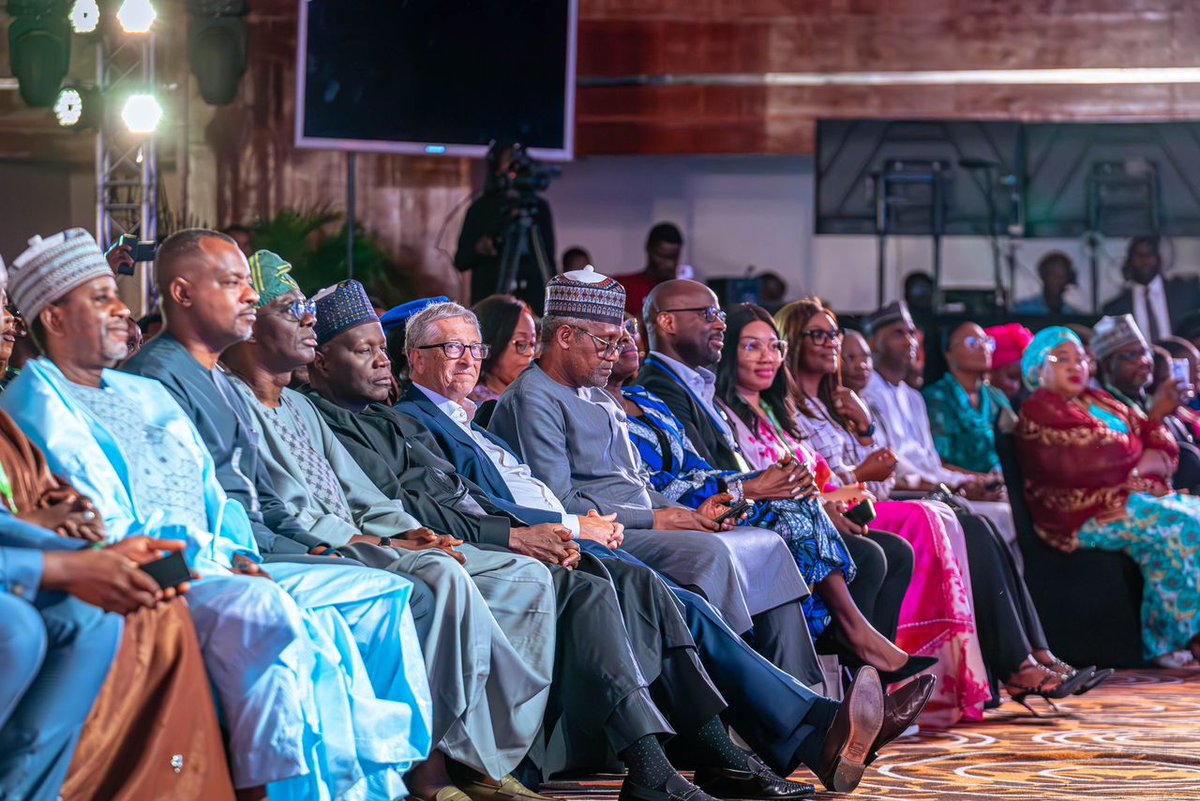
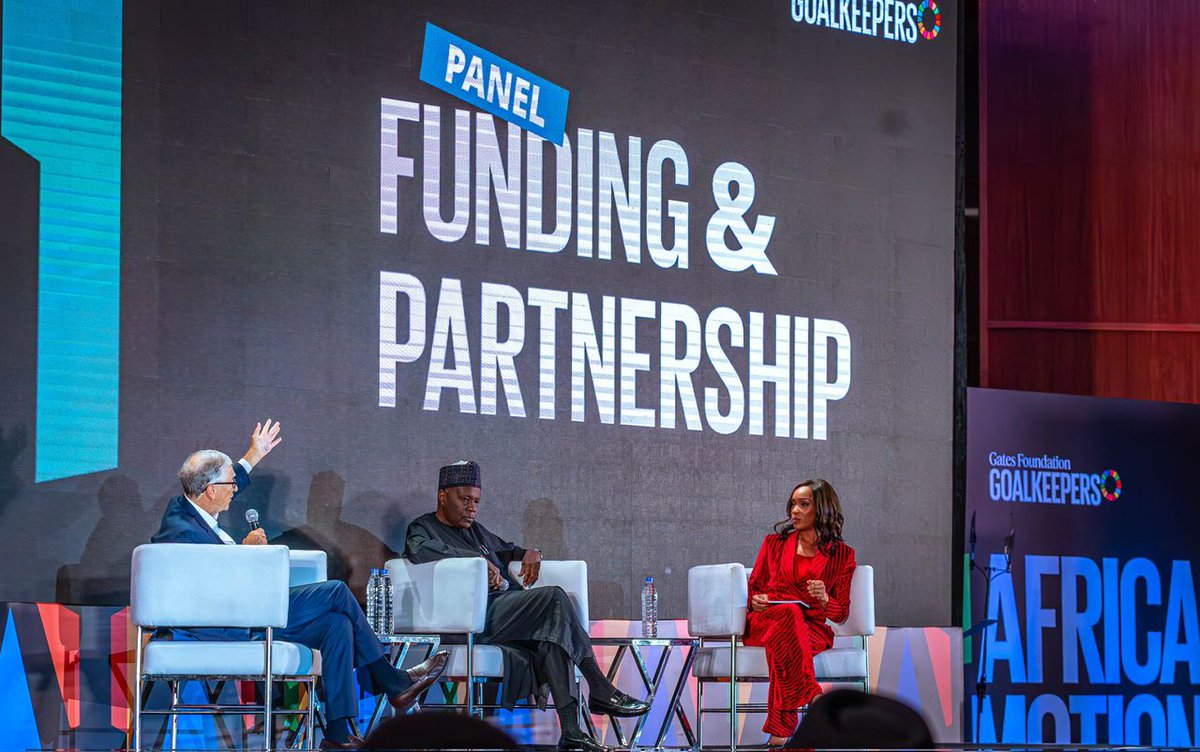
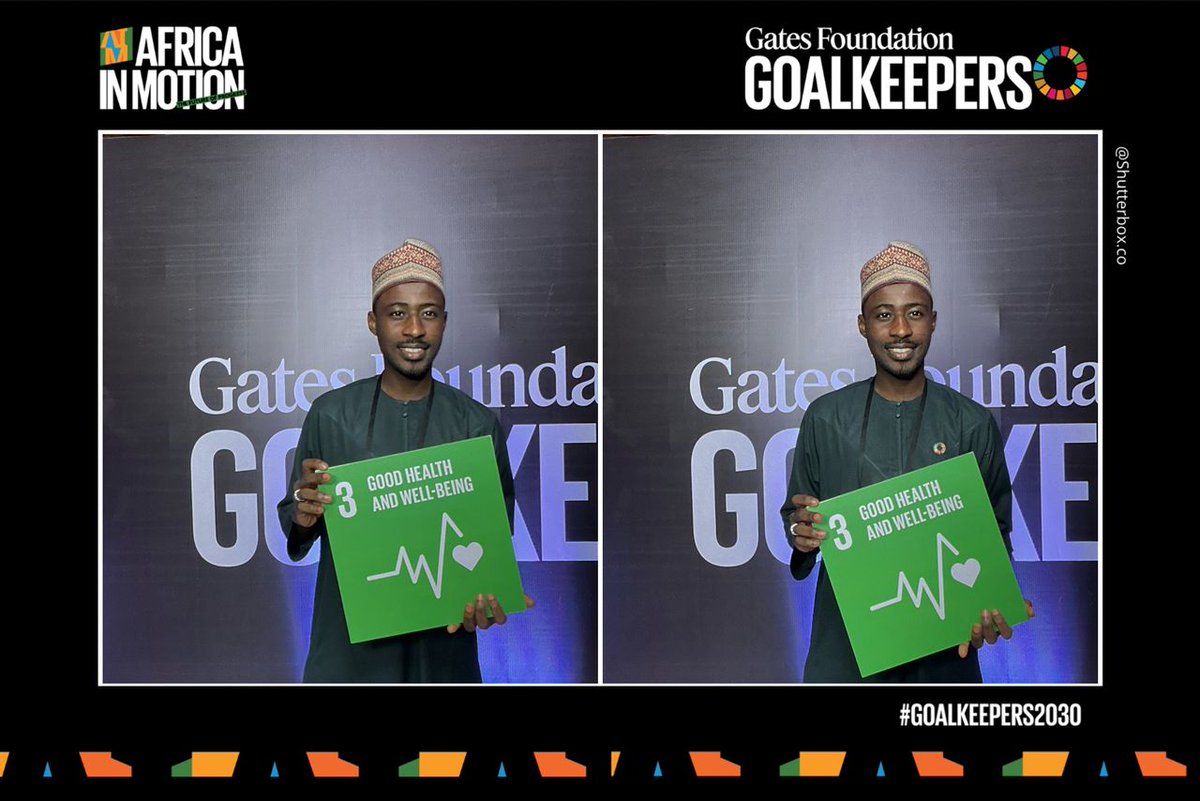
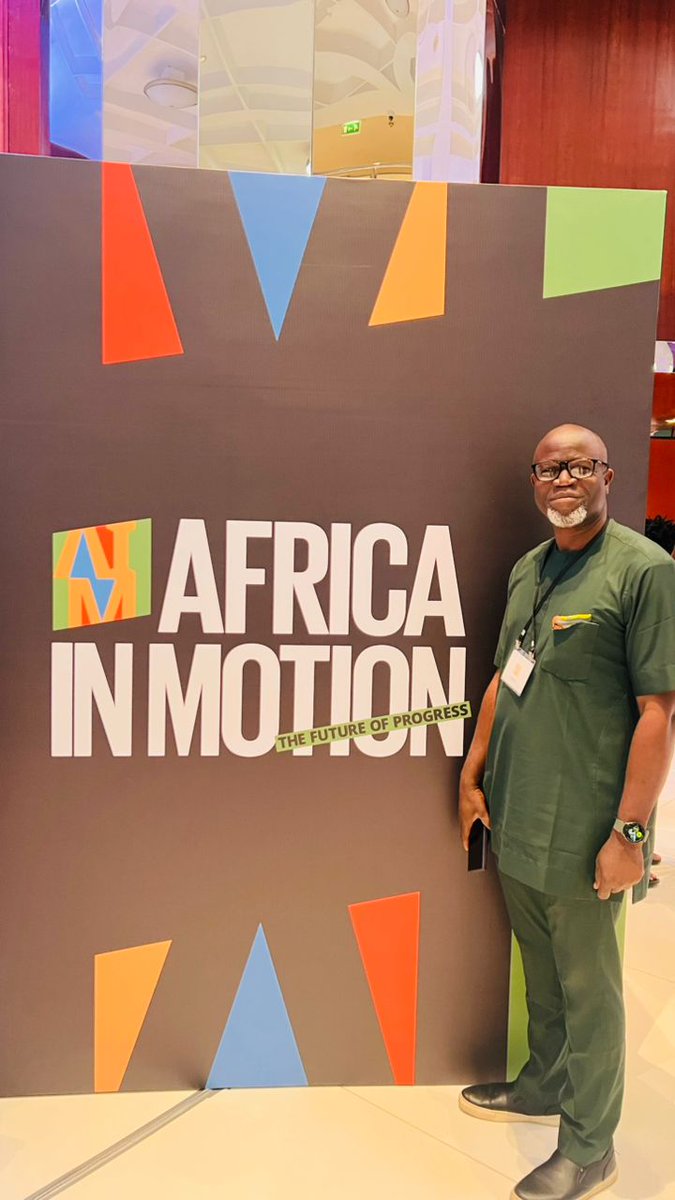
Yesterday, SFH had the honour of attending the @GatesFoundation’s Goalkeepers event, themed “The Future of Progress: Africa in Motion.”
This powerful gathering spotlighted partnership and resilience driving progress across Africa, through health innovation, education, storytelling, and technology development. Visionaries like @BillGates, @AlikoDangote, and a host of homegrown changemakers came together to share ideas, challenge the status quo, and reinforce the truth that Africa is not waiting to be saved, it is rising to lead.
Africa in Motion, a @gatesfoundation initiative under the Goalkeepers programme, celebrates African brilliance and the changemakers reshaping our future. At SFH, we are proud to be part of this wave of transformation, working every day to advance access to healthcare, leverage digital solutions, and empower communities towards #HealthForAll
@Gates_Nigeria
3
21
921
SFHInternational retweeted
29 May 2025
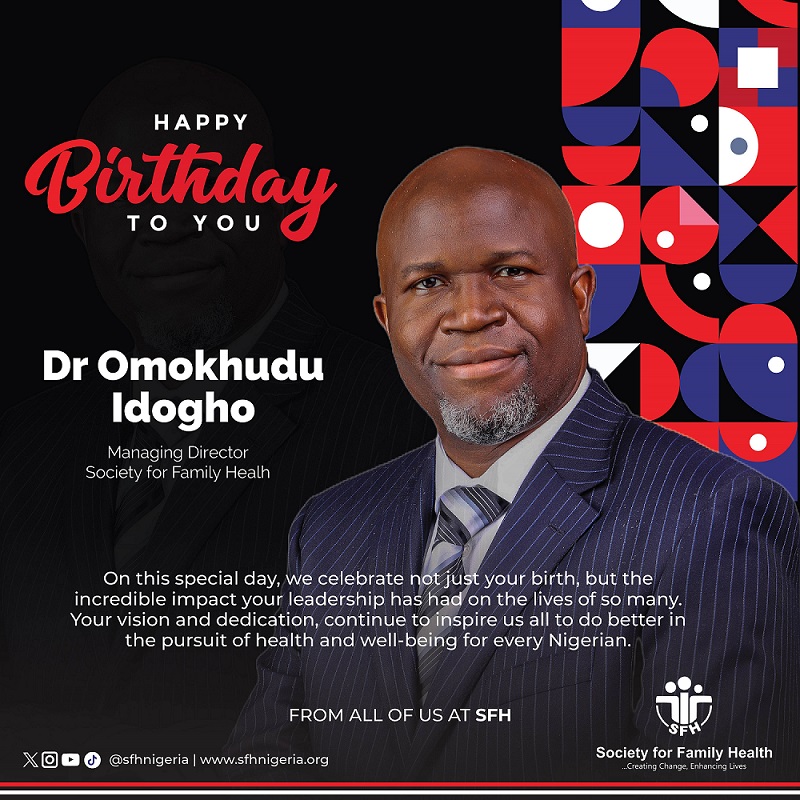
Happy Birthday to our Group Managing Director, Dr Omokhudu Idogho @Omokhudu_I. On this special day, we celebrate not just another year of life but a remarkable leader whose vision, resilience, and passion continue to transform lives across West Africa.
Your dedication to advancing social impact and empowering communities is truly inspiring. May this new chapter bring you continued strength, good health, and even greater milestones in your journey of service.
Wishing you joy, peace, and fulfilment — today and always.
Happy Birthday!
With warm regards, From @SFHNigeria
5
9
23
457
SFHInternational retweeted
20 May 2025
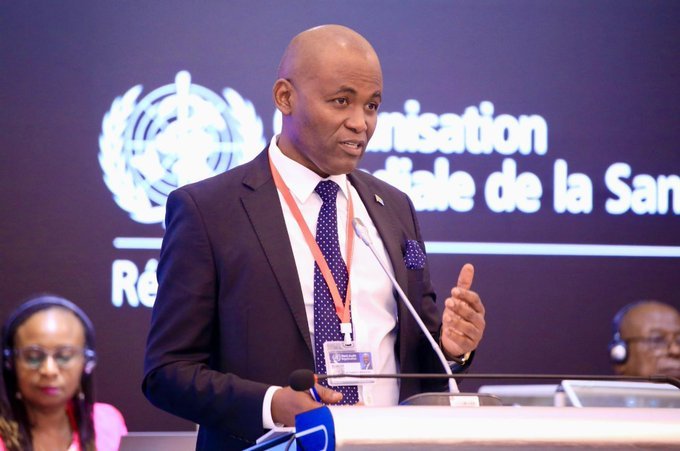
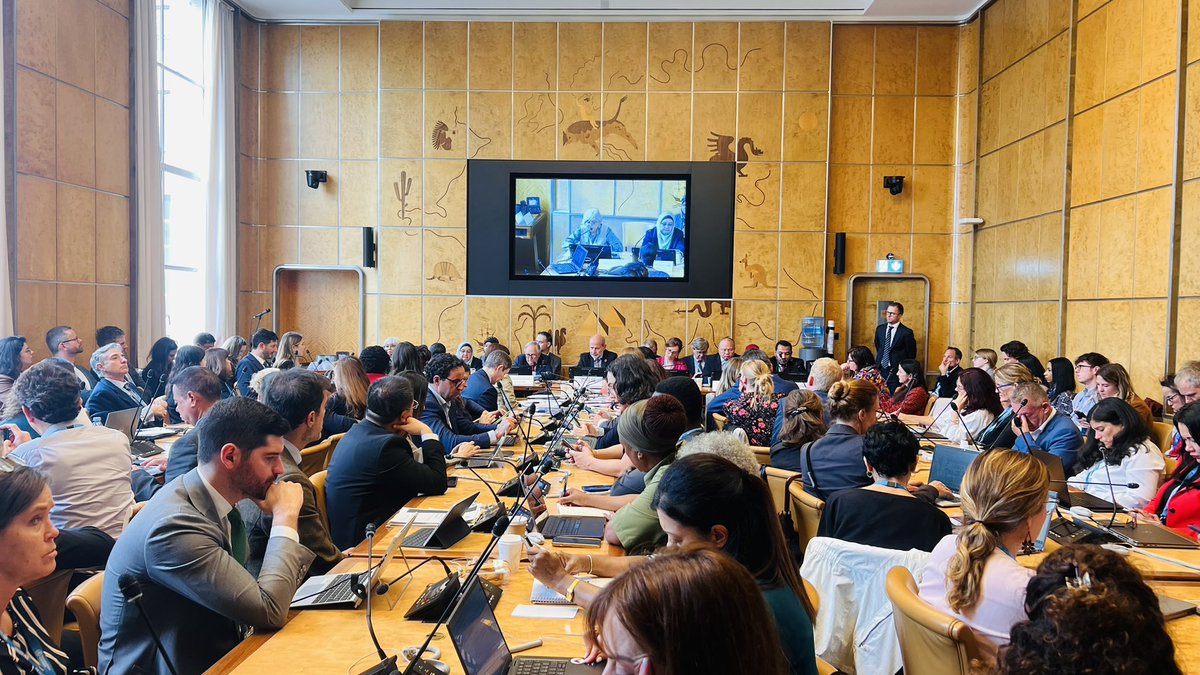
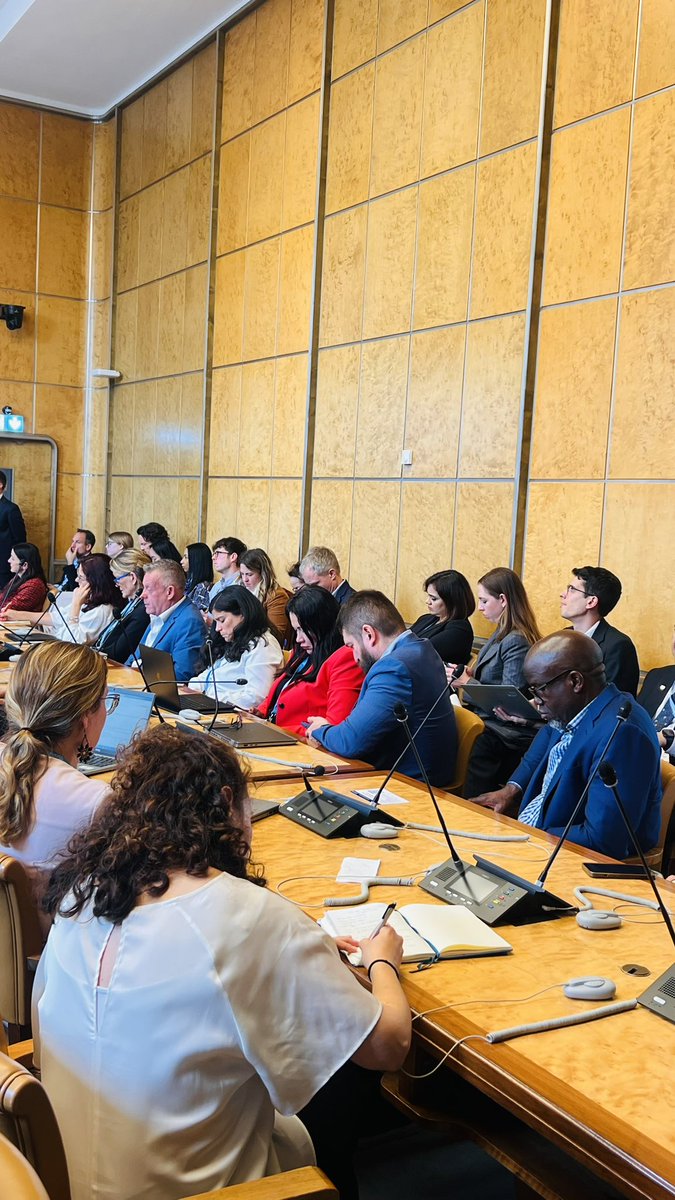
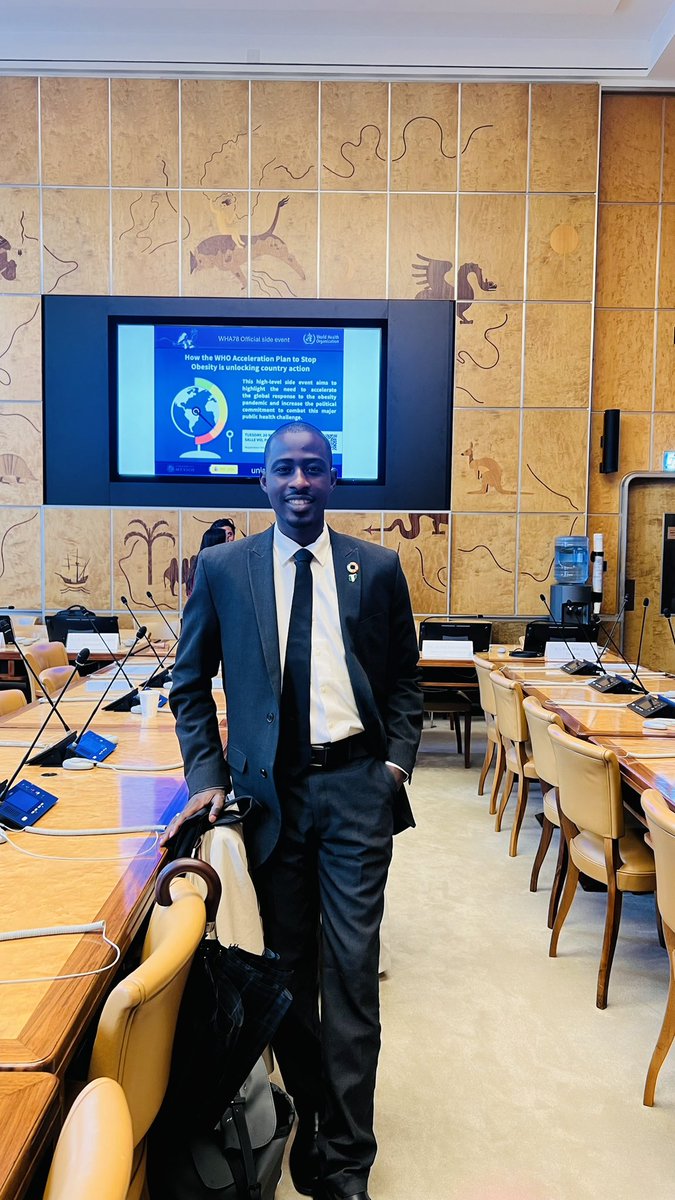
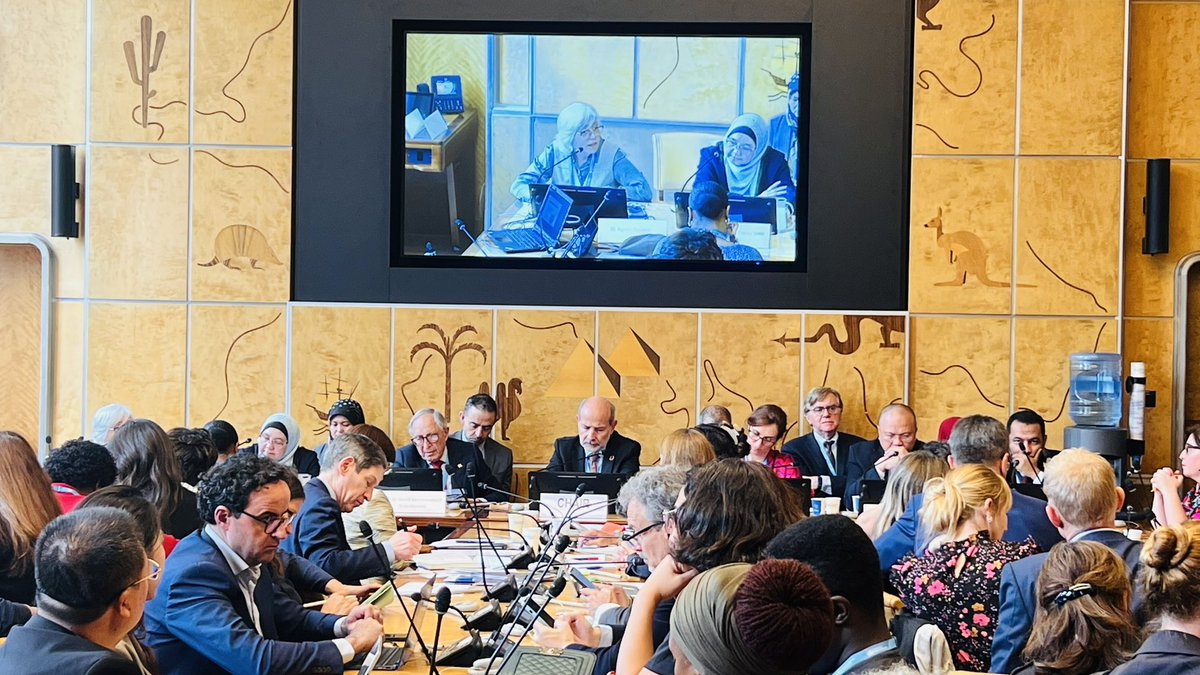
We’re off to a strong start this afternoon at the @WHO Acceleration Plan to Stop Obesity — a global initiative tackling the obesity pandemic and how countries are unlocking country action.
This high-level side event highlight the need to accelerate the global response to the obesity pandemic and increase the political commitment to combat. Proud to see @SFHNigeria voices at the heart of this international action and conversation- @Omokhudu_I - @YusufHassanW.
#AddressingObesityTogether
3
12
2,205
SFHInternational retweeted
20 May 2025
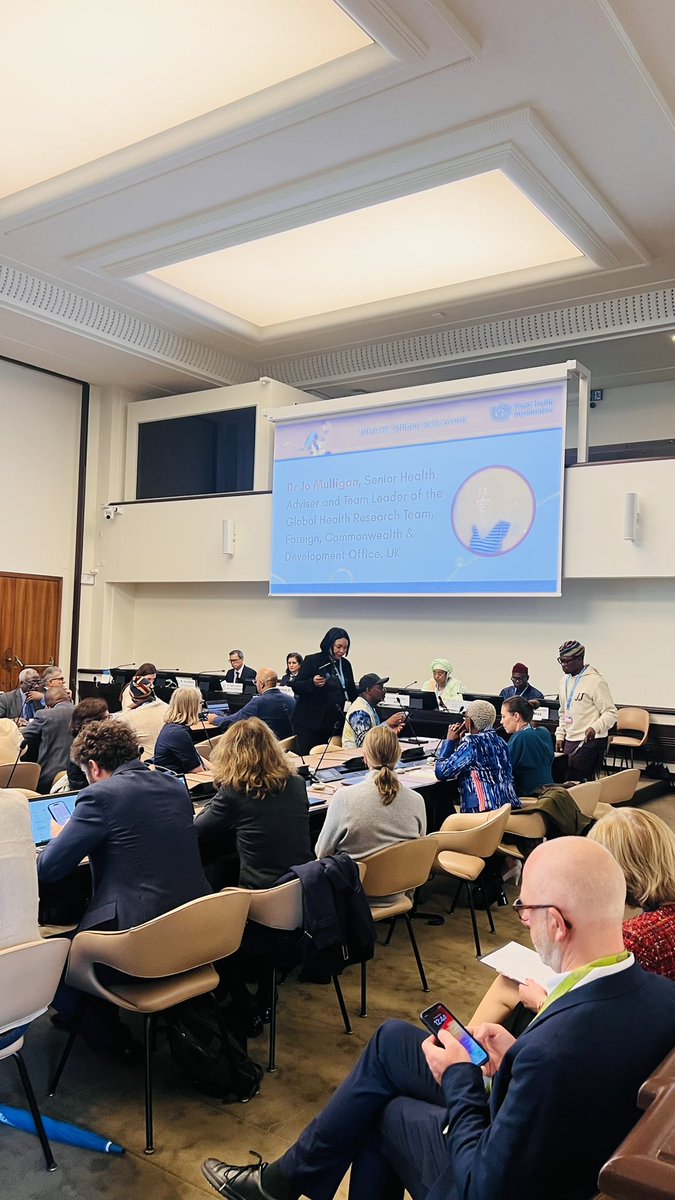
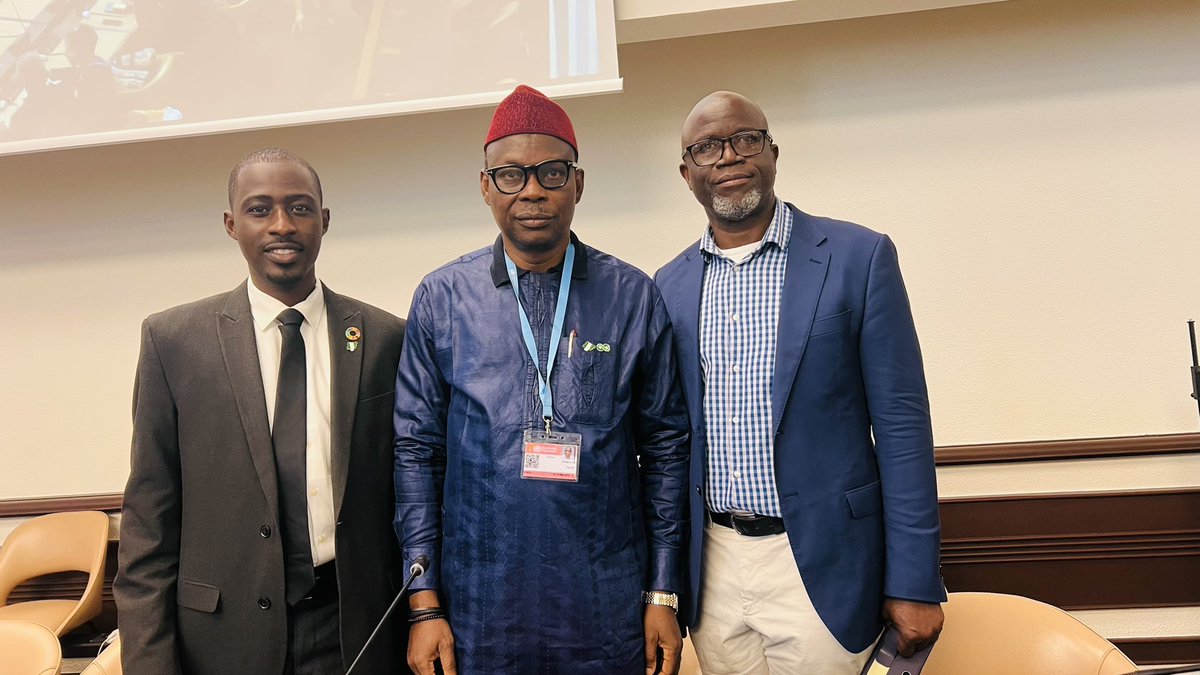
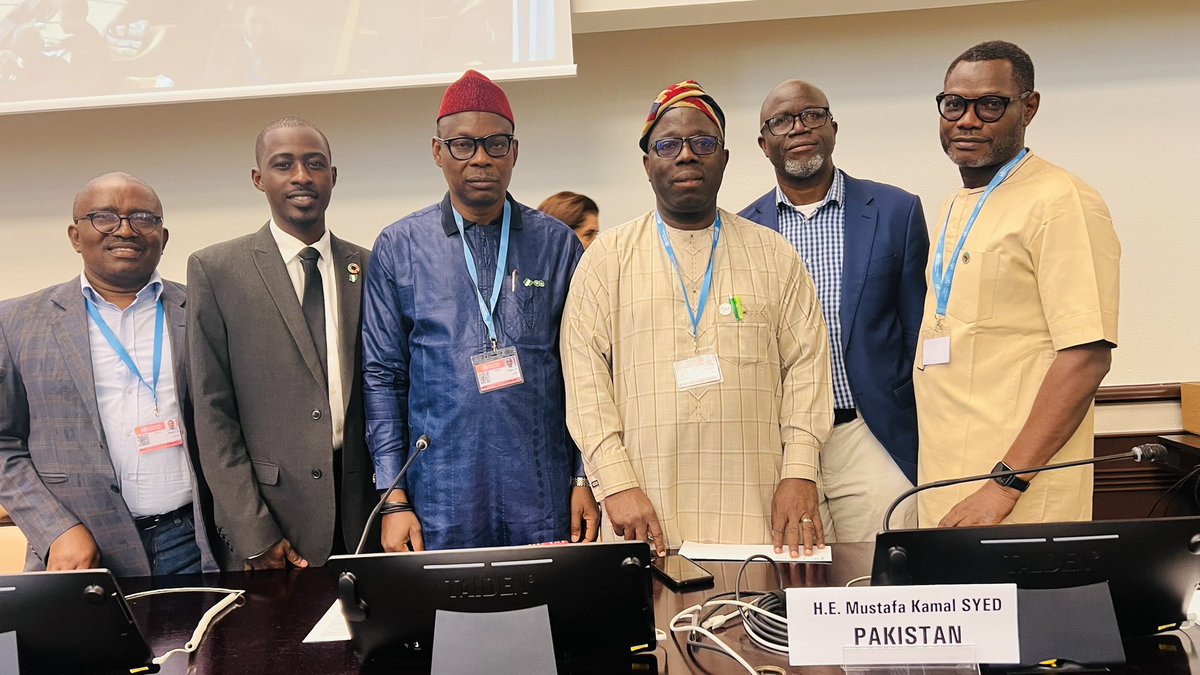
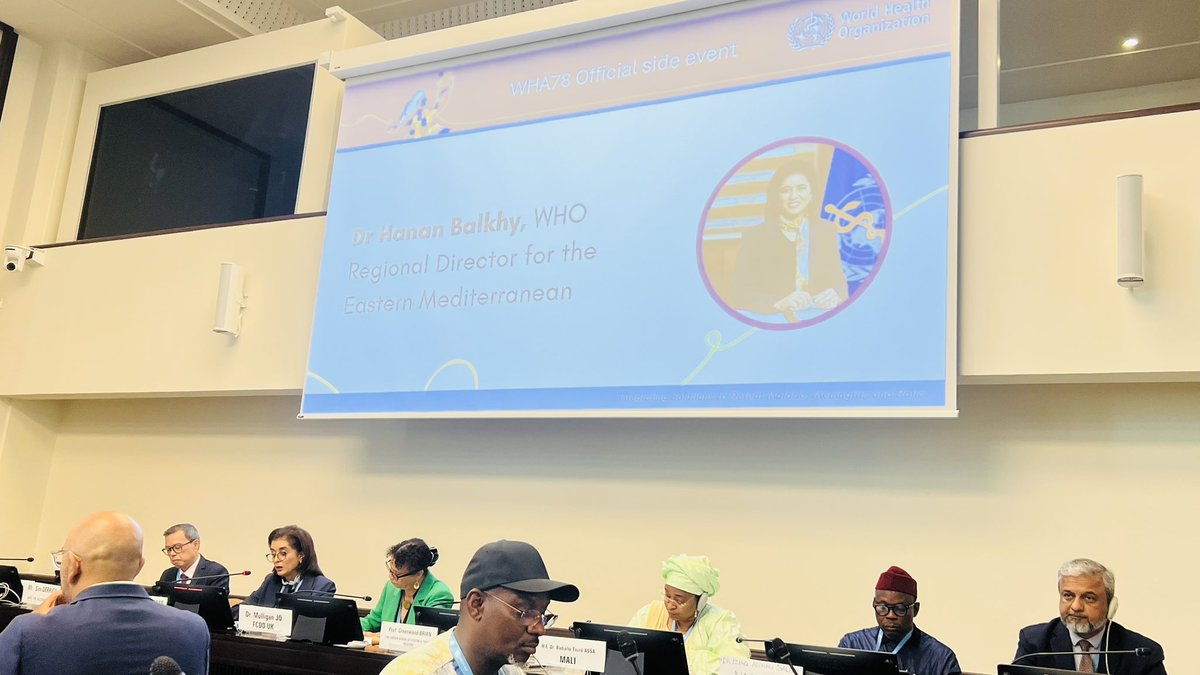
Our team, led by Group Managing Director @Omokhudu_I and Health Policy Officer, African Region, @YusufHassanW, are attending the "Integrating Solutions to Defeat Malaria, Meningitis, and Polio" side event at the World Health Assembly #WHA78, at the Palais des Nations in Geneva, Switzerland.
This event is a key opportunity to discuss and implement strategies that address some of the most pressing health challenges globally, underscoring our commitment to advancing #HealthForAll. We are dedicated to supporting global efforts that focus on tackling diseases like malaria, which disproportionately impact vulnerable communities.
The event is hosted alongside distinguished co-organizers—Mali’s Ministry of Health and Social Development, Nigeria’s Federal Ministry of Health and Social Welfare @Fmohnigeria, Pakistan’s Ministry of National Health Services, Regulations and Coordination, and @gavi, the Vaccine Alliance.
Together, we are committed to making health accessible to everyone, everywhere, ensuring that no one is left behind.
4
22
1,123
SFHInternational retweeted
20 Apr 2025
This Easter, may your heart be filled with joy, love, and hope. Celebrate the gift of life and the promise of new beginnings.
From all of us at Society for Family Health, we wish you a Happy Easter.
#HappyEaster2025

4
16
246
SFHInternational retweeted
30 Mar 2025
Eid Al-Fitr!
Wishing you and your loved ones a joyous and blessed Eid filled with peace, love, and happiness. May this season bring unity, prosperity, and endless blessings.
#EidMubarak #EidAlFitr2025

8
27
2,650
SFHInternational retweeted
7 Mar 2025
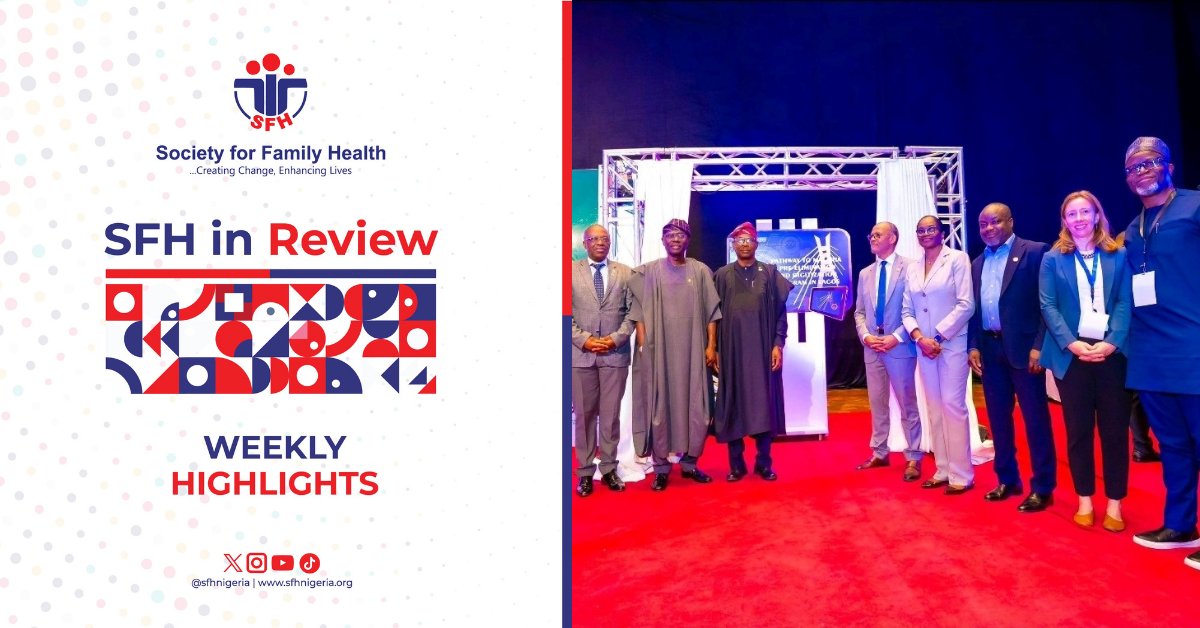
Catch up on all the impactful activities we have been up to this week, from our progress in community health initiatives to insightful collaborations and inspiring photo stories.
Visit our website now to see how we are making a difference: 👉
sfhnigeria.org/news-and-phot…
📌Please share with your networks
#SFHThisWeek #HealthForAll #SFHinReview
1
10
166
SFHInternational retweeted
7 Mar 2025
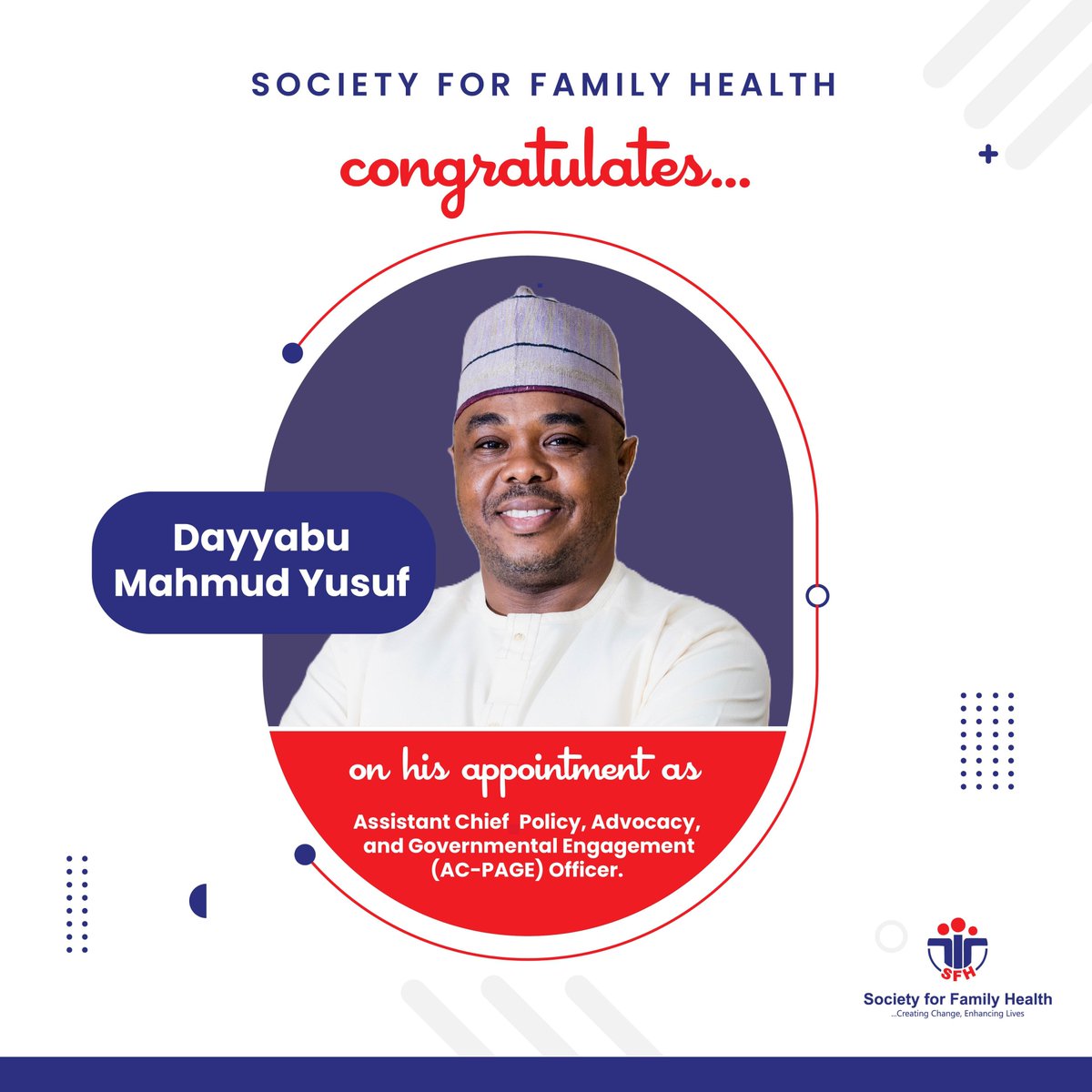
We are pleased to announce that Dayyabu Mahmud Yusuf @YusufDayyabu has assumed a new role as the Assistant Chief Policy, Advocacy, and Governmental Engagement (AC-PAGE) Officer at SFH.
With his wealth of experience in policy engagement and advocacy, Dayyabu brings fresh insights, strategic leadership, and stronger collaboration with government and key stakeholders to advance SFH mission of improving health outcomes for all.
Congratulations once again and welcome to this new chapter.
#Advocacy #Policy
8
5
31
474
SFHInternational retweeted
4 Mar 2025
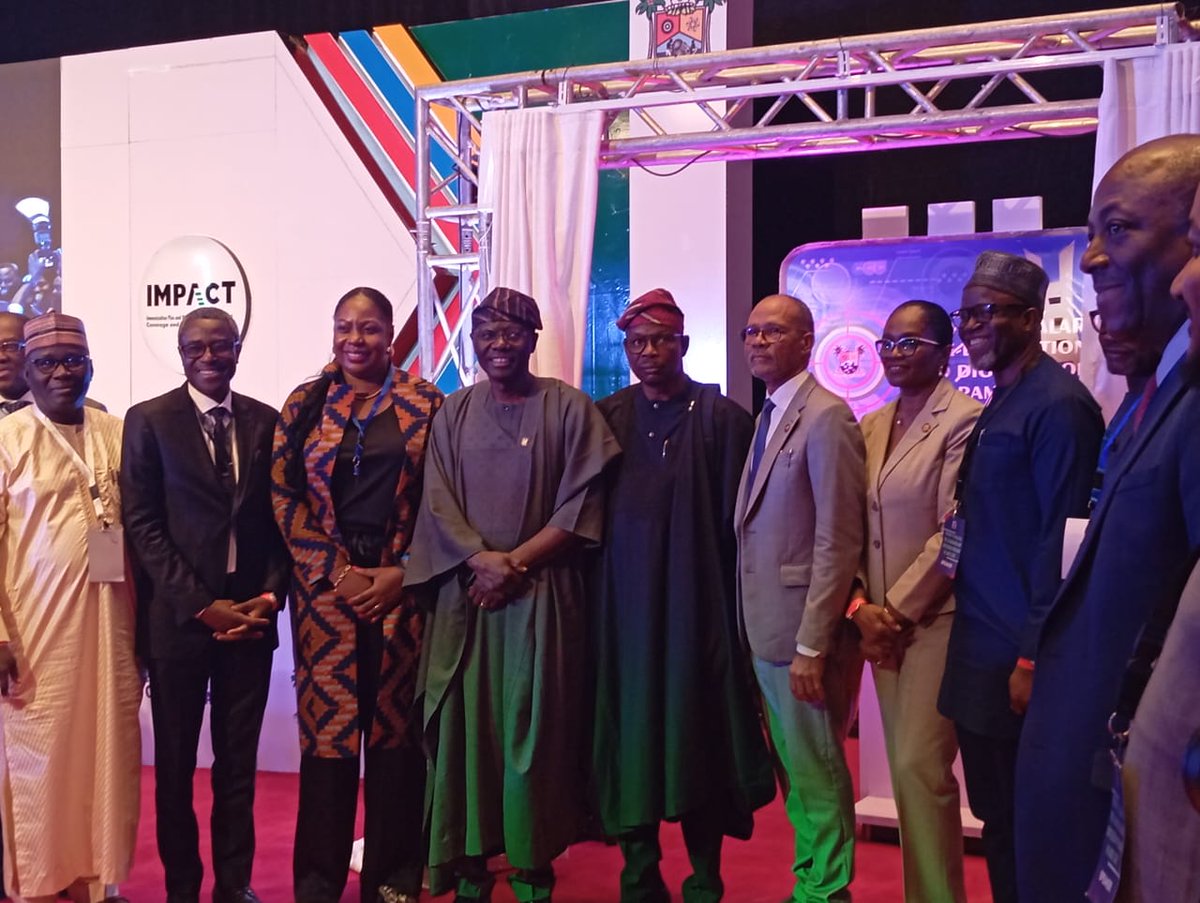
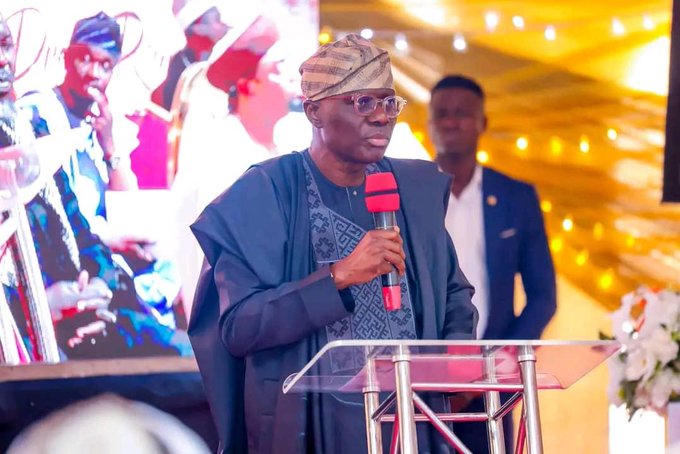
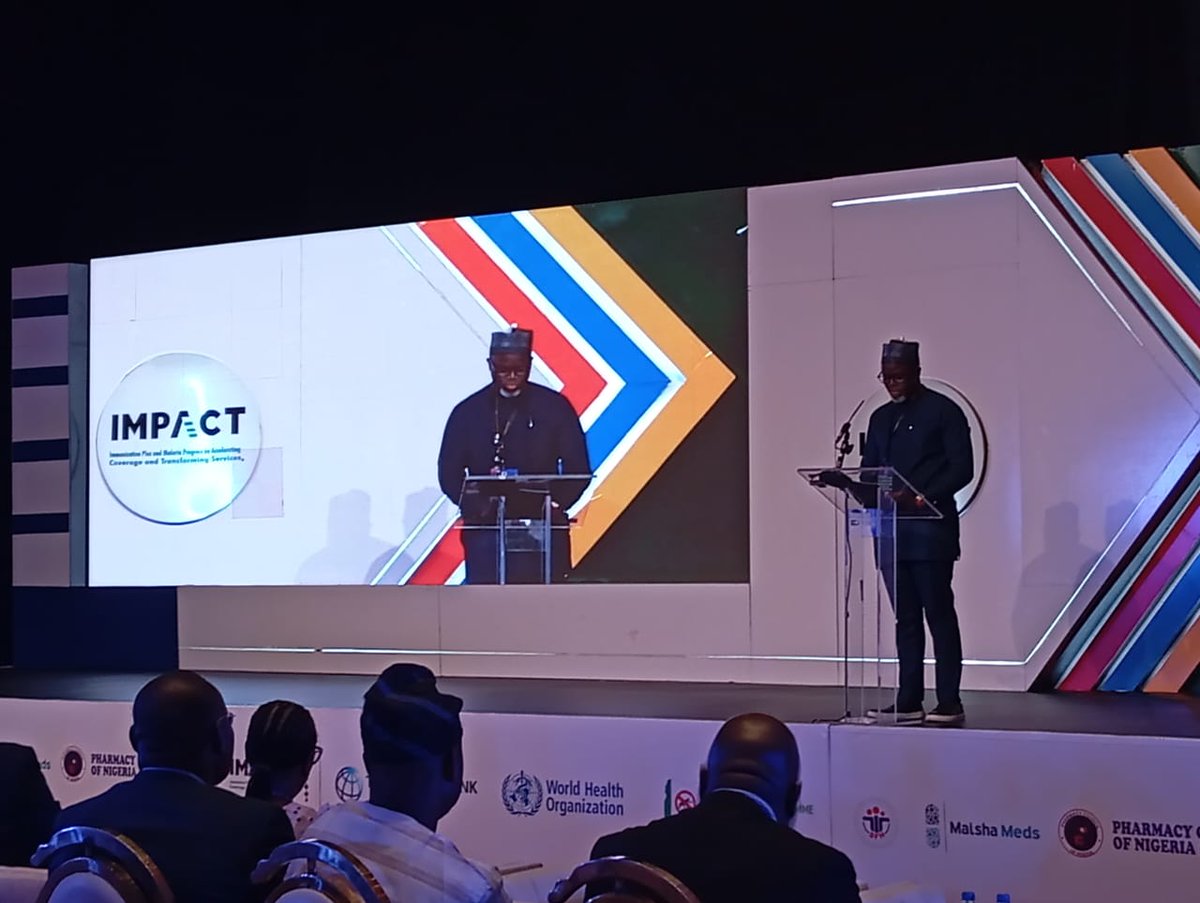
Lagos State has taken a decisive step towards malaria pre-elimination with the launch of the Pathway to Malaria Pre-Elimination & Digitisation Programme, held on 4th March 2025 at Eko Hotel. The initiative, funded by the IMPACT Project, with chief host as Governor Babajide Sanwo-Olu, the Honourable Minister of Health and Social Welfare, Dr Muhammad Pate, as the Special Guest of Honour. Bringing together key stakeholders, including the World Bank, WHO, NMEP, Maisha Meds, the Pharmacy Council of Nigeria, and Society for Family Health (SFH), the event underscored Lagos State’s commitment to strengthening malaria case management, digitising healthcare interventions, and enhancing public-private sector collaboration. The Honourable Commissioner for Health highlighted the state’s progress, noting that smart policies and improved healthcare practices are significantly reducing malaria cases—one test and one treatment at a time.
A key highlight of the event was the formal commitment of stakeholders to drive the implementation of digital health solutions, such as AI-powered diagnostic tools and real-time surveillance, to enhance decision-making and intervention efficiency. The initiative aims to strengthen malaria service delivery, particularly in vulnerable populations like pregnant women and children under five. Through performance-based contracting, the Lagos State Government, in collaboration with its partners, will provide essential malaria commodities, including insecticide-treated nets (ITNs), antimalarial medicines, and rapid diagnostic test kits (mRDTs). Dr Omokhudu Idogho, Managing Director of SFH, reaffirmed SFH’s role in implementing malaria interventions in Lagos under the World Bank-supported initiative, emphasing the organisation’s dedication to improving diagnostic accuracy, reducing over-prescription of antibiotics, and promoting behaviour change in private sector healthcare delivery.
The launch event also marked a critical milestone in integrating digital health solutions into Lagos State’s broader healthcare framework. Stakeholders outlined key objectives, including the development of a white paper to document strategic recommendations, securing agreements for project execution, and establishing sustainable follow-up mechanisms to ensure long-term impact. With malaria test positivity rates already declining in both public and private healthcare facilities, Lagos State is well-positioned to become Nigeria’s first malaria-free state. By leveraging innovative technology, strengthening regulatory compliance through Health Facility Monitoring & Accreditation (HEFAMAA), and enhancing immunisation and preventive treatment strategies, the Pathway to Malaria Pre-Elimination & Digitisation Program sets a precedent for malaria control efforts across Nigeria.

1
9
229
SFHInternational retweeted
4 Mar 2025
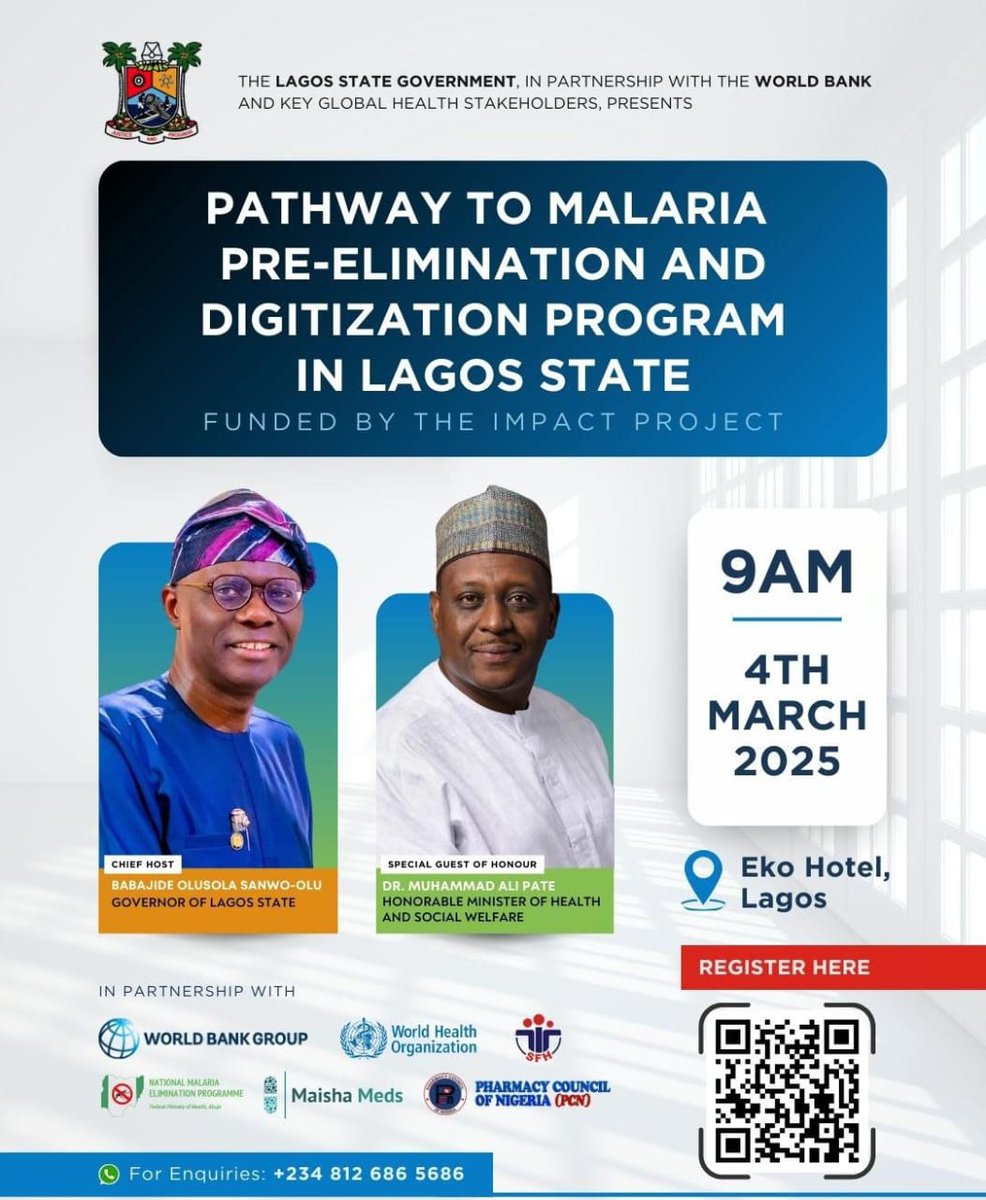
Join us for the launch of the IMPACT Pathway to Malaria Pre-Elimination and Digitization Program.
As an organisation implementing the Lagos Malaria Impact project, we are excited to come together with key stakeholders to push forward innovative solutions for a malaria-free Lagos.
7
21
506
SFHInternational retweeted
27 Feb 2025
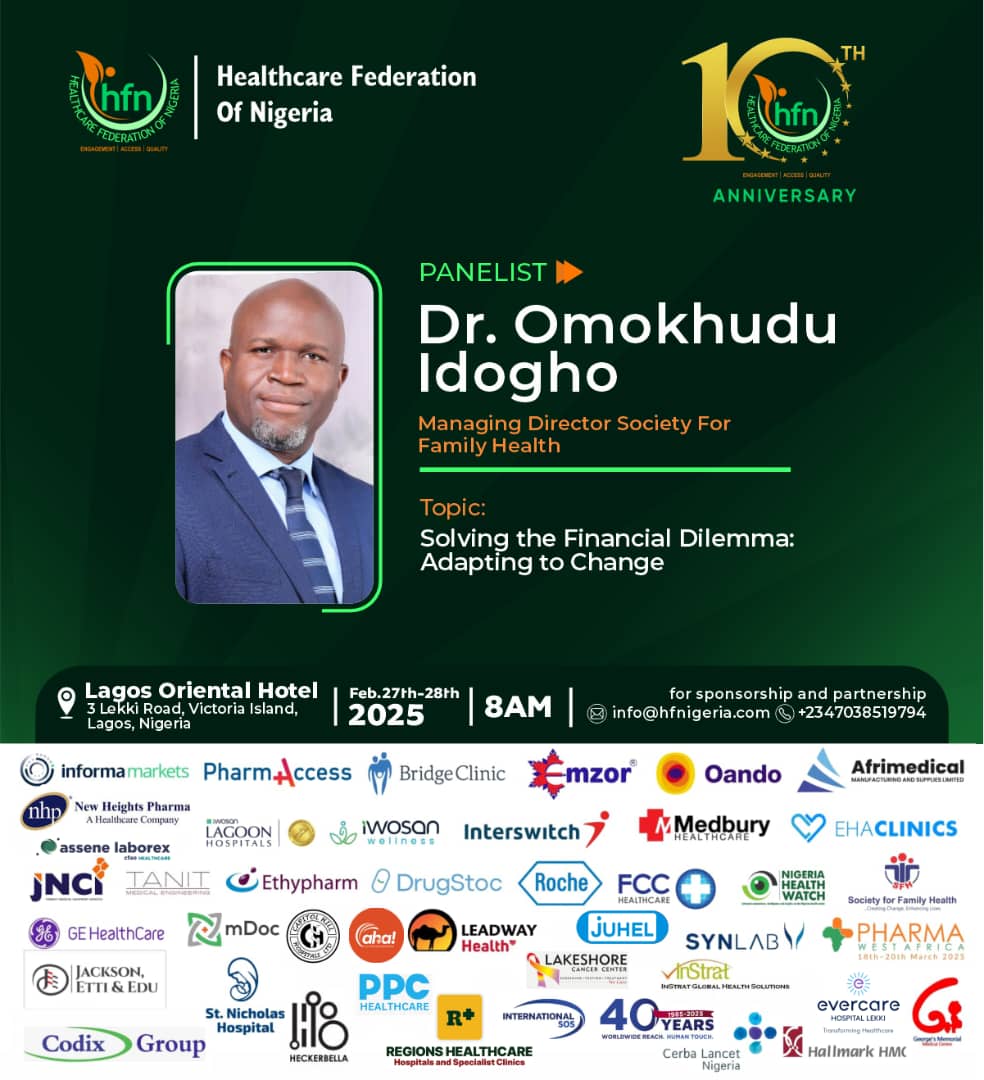
SFH at the HFN Annual Conference
Don't miss our Managing Director, Dr Omokhudu Idogho, as he shares insights on "Solving the Financial Dilemma: Adapting to Change."
Join the conversation and explore strategies for navigating financial challenges effectively.
#Healthforall @hfn_nigeria
1
9
30
543
SFHInternational retweeted
28 Feb 2025
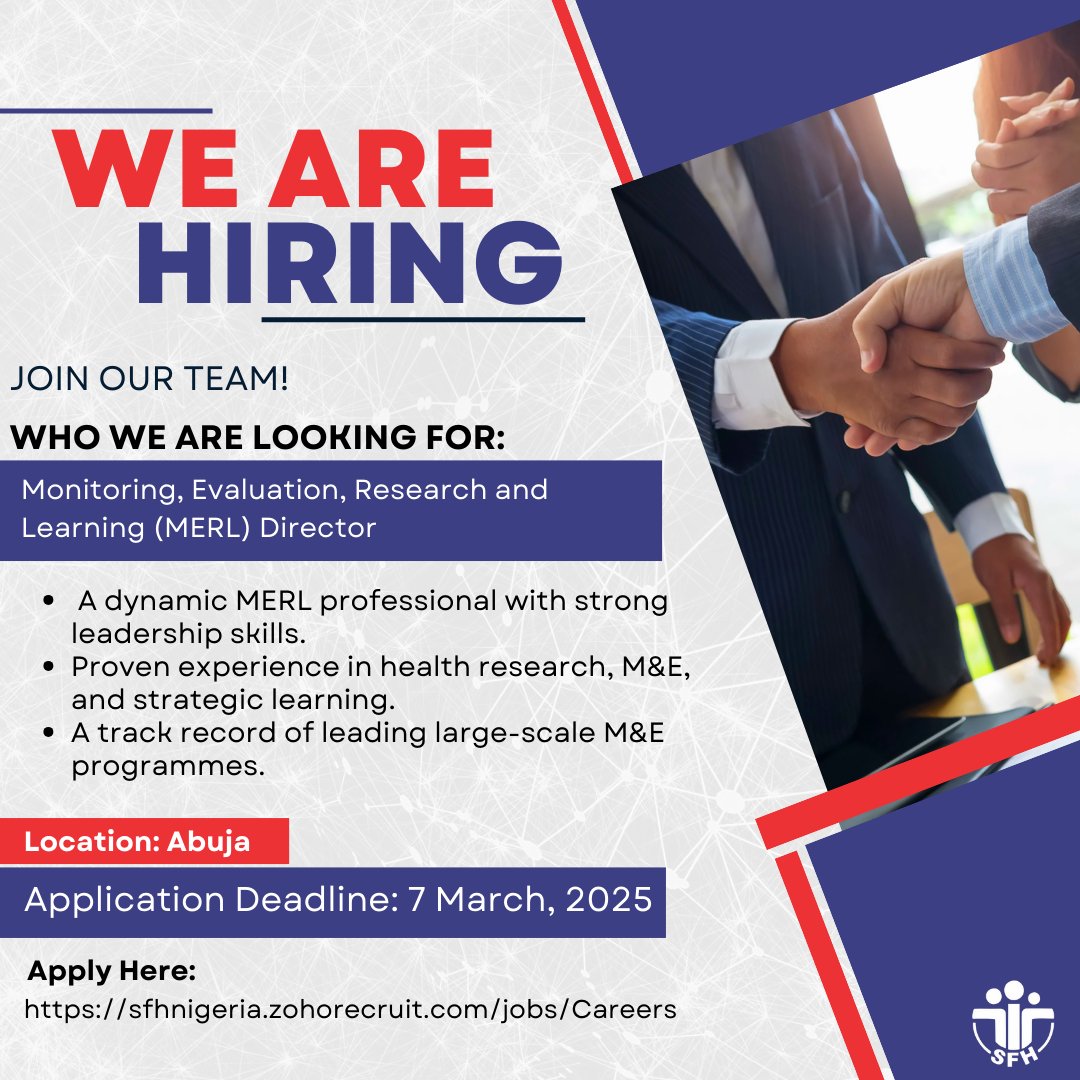
We are Hiring!
SFH is looking for a talented individual to serve as the Director of Monitoring, Evaluation, Research, and Learning (MERL).
This role is key to driving evidence-based decision-making, ensuring data-driven insights shape our health interventions, and strengthening impact measurement across our programmes.
Application Deadline: 7 March, 2025
Apply here: sfhnigeria.zohorecruit.com/j…
#MERL #PublicHealth #NGOJob #Data
13
32
1,362
SFHInternational retweeted
24 Feb 2025
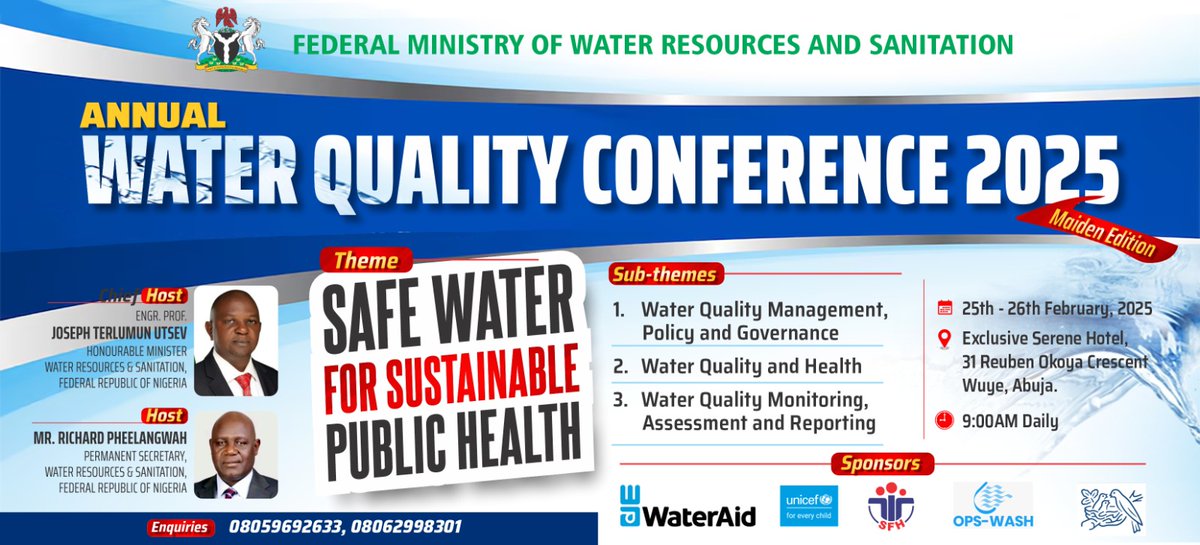
Access to safe water is important for sustainable public health. Join us for the inaugural Annual Water Quality Conference 2025, themed "Safe Water for Sustainable Public Health," taking place from February 25th to 26th, 2025.
This annual conference organised by the Federal Ministry of Water Resources and Sanitation will bring together key stakeholders, policymakers, experts, and advocates to explore innovative strategies aimed at ensuring access to clean and safe water for all.
#SafeWater #PublicHealth #WASH #HealthForAll
@FMWRNigeria @ProcterGamble
3
11
25
656
SFHInternational retweeted
21 Feb 2025
A huge thank you to @gatesfoundation for partnering with us, @SFHNigeria on the SWIFT project in Kano! This initiative will improve women’s health, creating more job opportunities, increasing access to family planning, and reducing maternal mortality across Kano, Kaduna & Lagos.
21 Feb 2025

We're proud to partner with the Society for Family Health (@SFHNigeria) & the Pharmacy Council of Nigeria (@PCN_Registry) on the SWIFT project, launched in Kano!
This initiative aims to increase access to family planning, reduce maternal mortality, & empower women across Kano, Kaduna, & Lagos.
#SWIFTProject #Nigeria
4
13
36
972
SFHInternational retweeted
5 Feb 2025
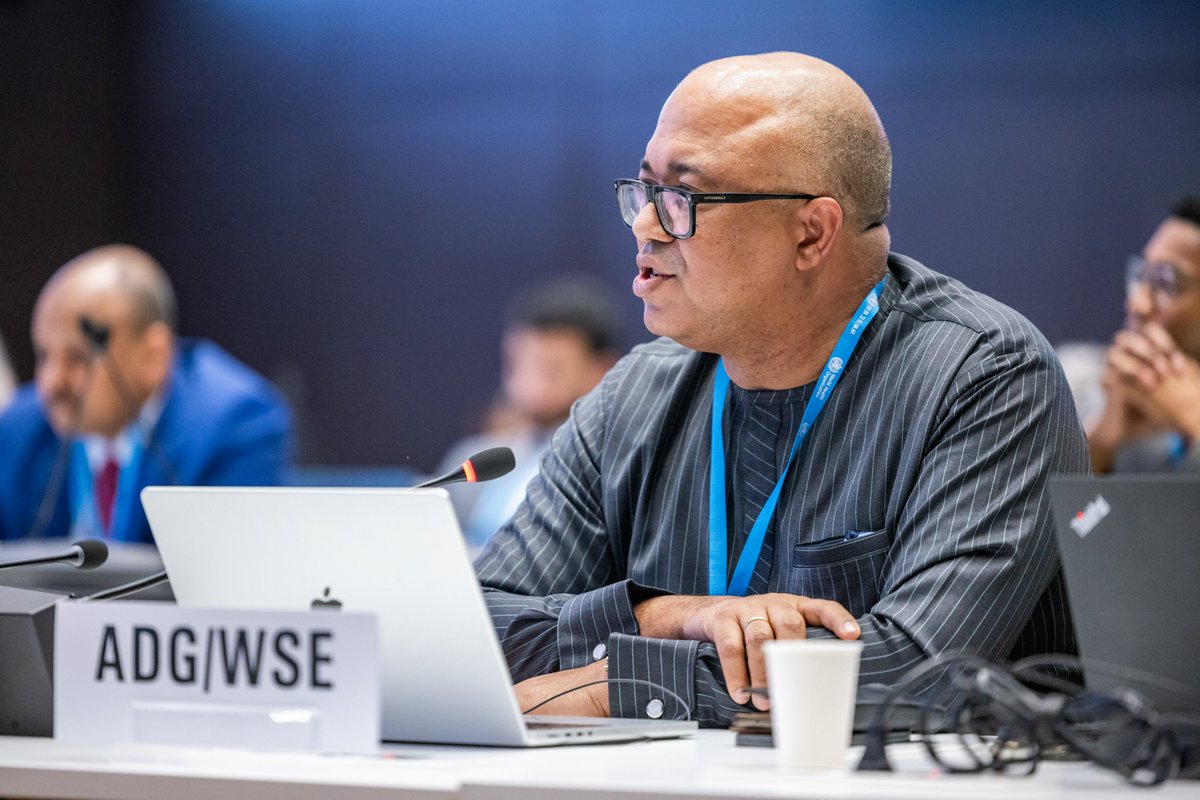
We proudly celebrate our Board Member, Dr Chikwe Ihekweazu, on his appointment as the Acting Regional Director for @WHOAFRO.
Dr @Chikwe_I has dedicated his career to strengthening health systems, tackling global health threats, and advancing public health solutions.
Wishing him continued success as he champions health for all in Africa.
@DrTedros
4 Feb 2025

As @MoetiTshidi ends her term as Regional Director for @WHOAFRO, the WHO Director-General, @DrTedros, today appointed Dr @Chikwe_I as Acting Regional Director.
A new Regional Director for Africa will be elected in May.
6
20
623