Joined June 2014
- Tweets 11,597
- Following 480
- Followers 390
- Likes 7,679
340 Photos and videos
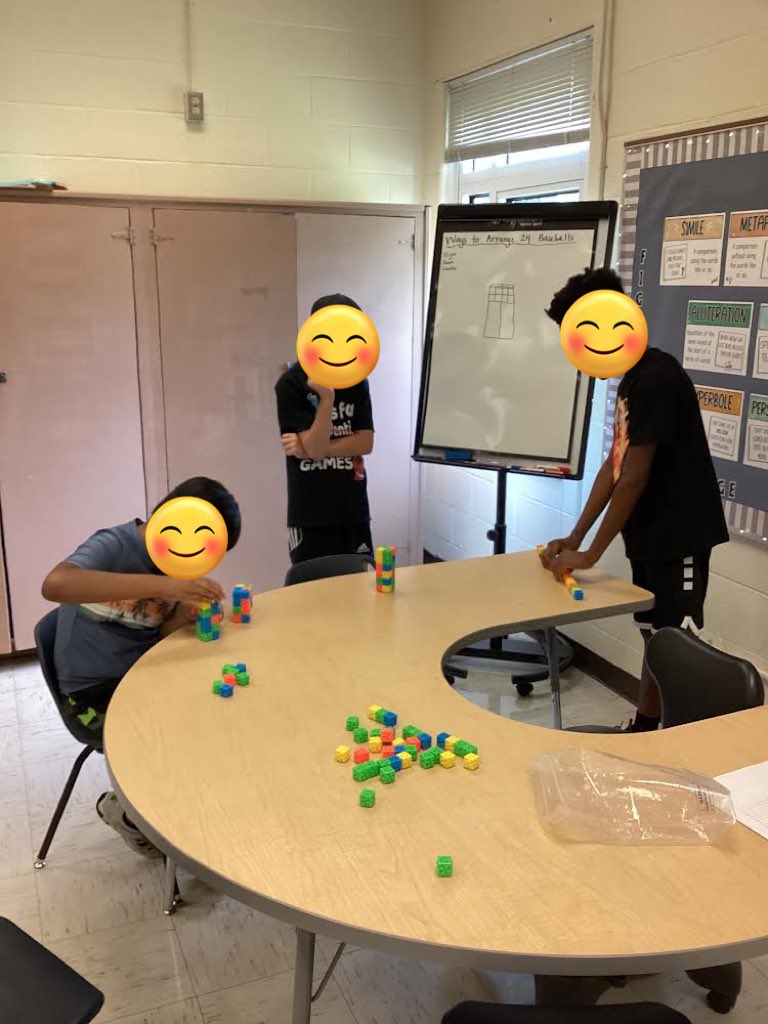
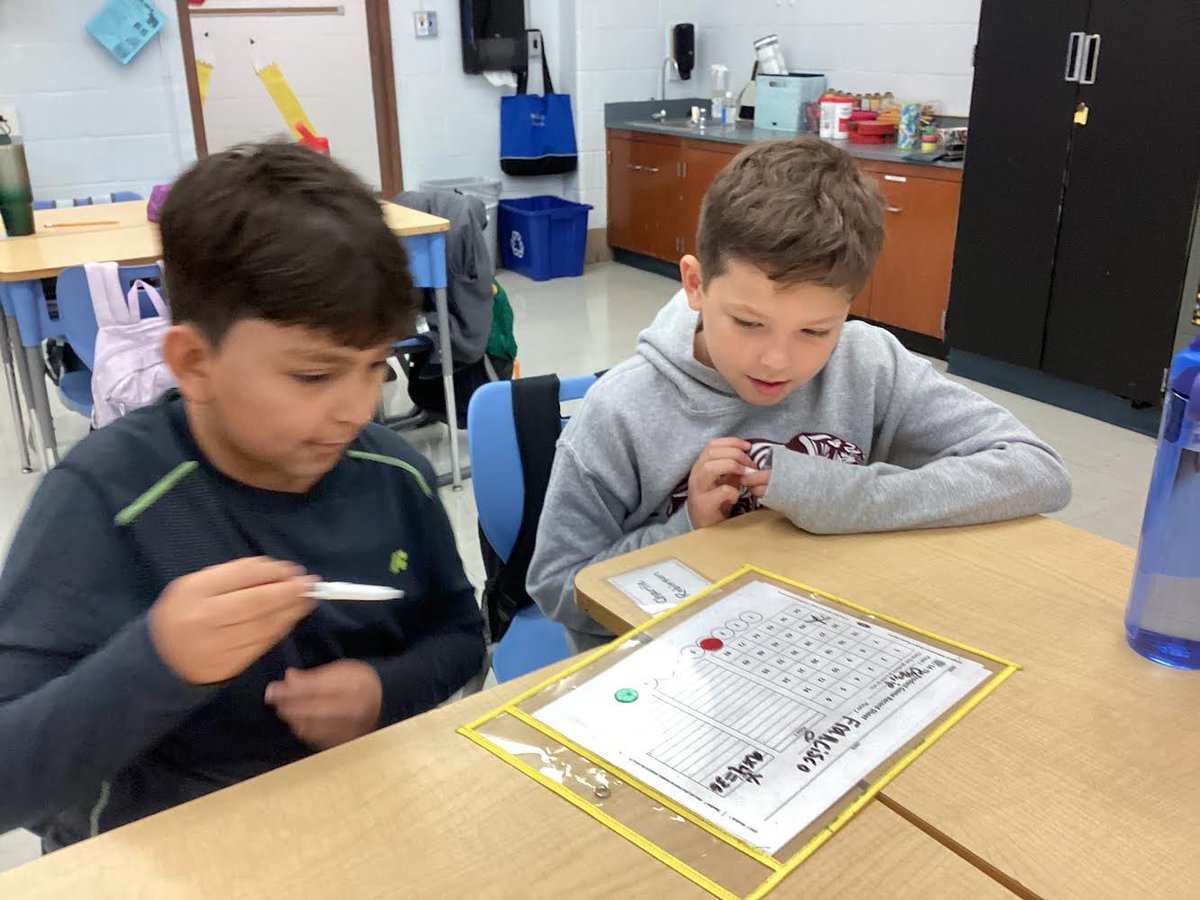
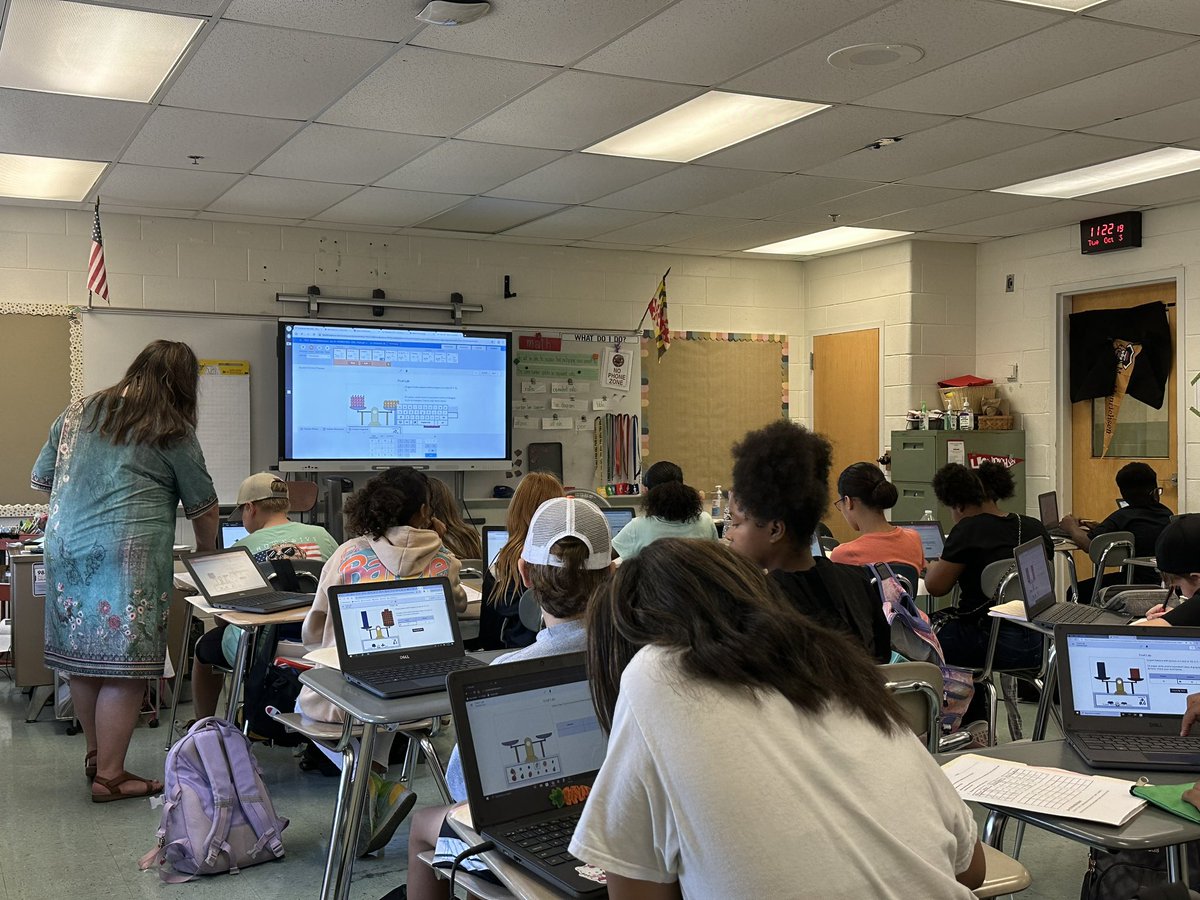

🧮 Build fluency with 10-frames!
Students can move counters to visualize math facts while strengthening their understanding.
✨ Try it out: fluency.amplify.com
2
3
823
SMCPS Secondary Math retweeted

28 Sep 2025
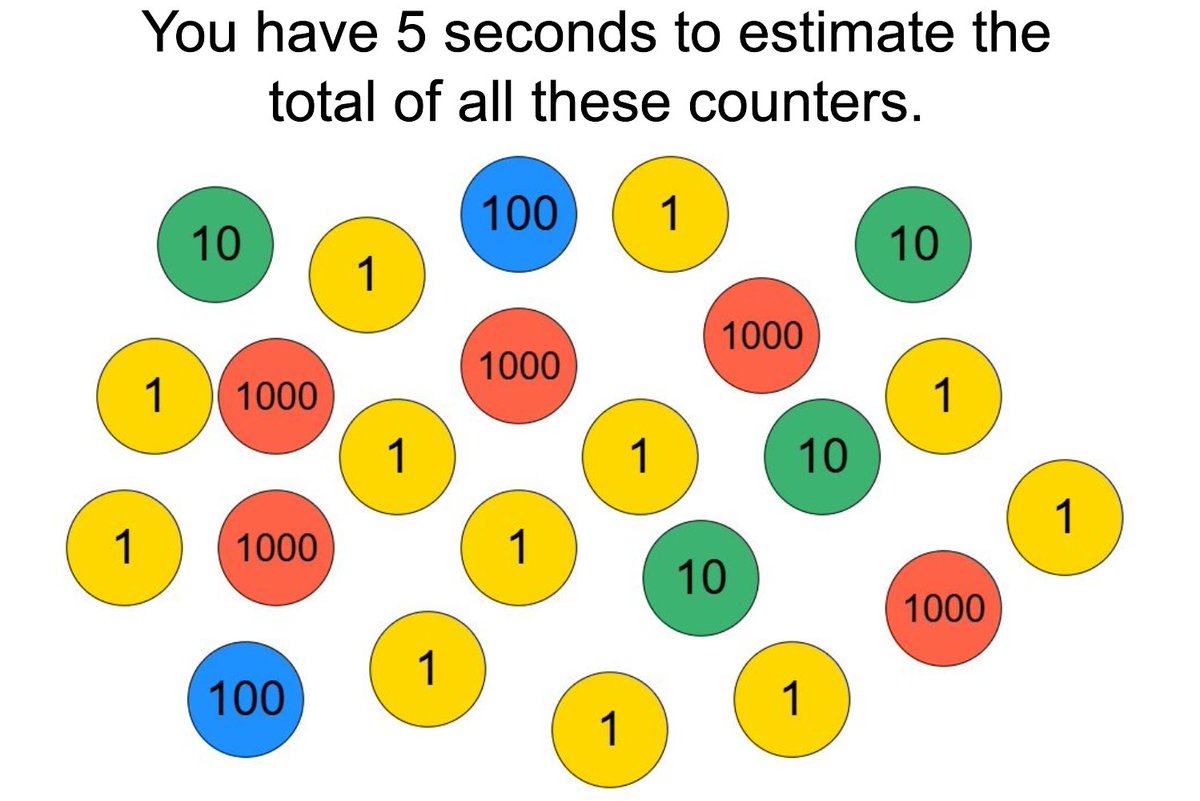
Developing a sense of the 'significant' figures when estimating.
#1001MathsBots
mathsbot.com/tasks
7
12
67
6,965
SMCPS Secondary Math retweeted
21 Sep 2025
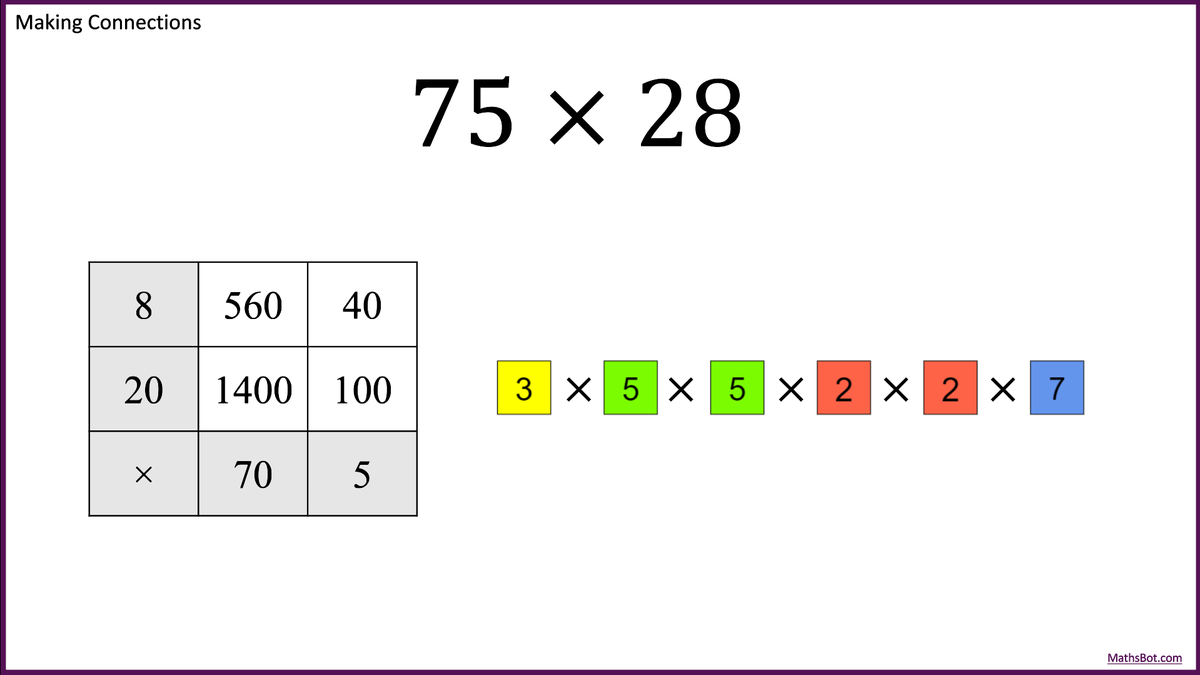
How would you calculate 75 × 28?
Traditional column, grid method, or is there a more efficient way?
mathsbot.com/cpd
22
8
23
3,160
SMCPS Secondary Math retweeted
21 Sep 2025
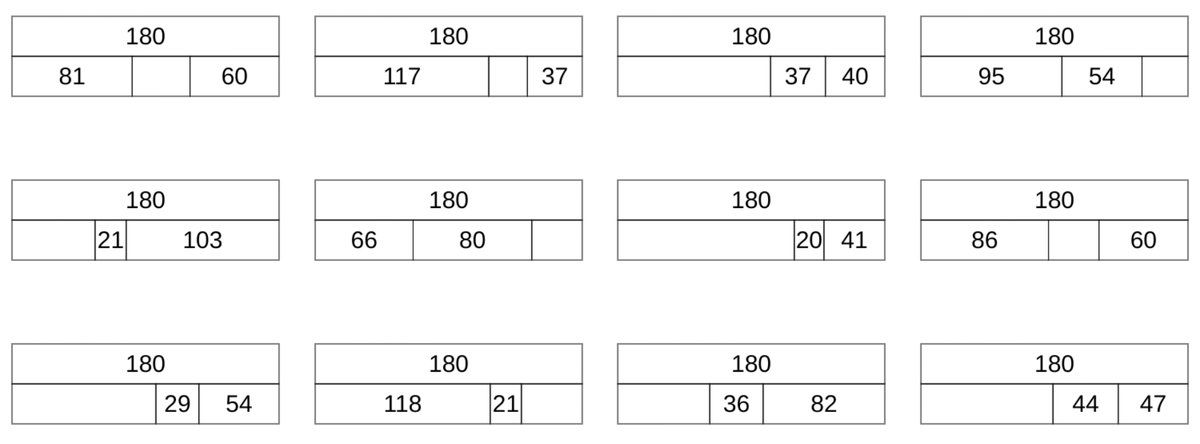
Printable bar models. Super simple to use, great for building fluency.
I'll often set the whole to 180 (like in the screenshot) before starting work on angles.
mathsbot.com/printables/bars
1
4
21
2,011
SMCPS Secondary Math retweeted

19 Sep 2025
“Math has always been a core part of science, especially in high school chemistry and physics—so much so that many studies have found a correlation between students’ high school math abilities and their performance in college science classes.” edweek.org/teaching-learning…
2
2
115
SMCPS Secondary Math retweeted

19 Sep 2025
Drawing can help make polynomial division easier!
5
37
209
7,325
SMCPS Secondary Math retweeted
20 Sep 2025
How would you find the 100th term of the sequence 3, 7, 11, 15, 19,...?
One of my students showed me a strategy I will never forget.
14
44
325
13,476
SMCPS Secondary Math retweeted
13 Sep 2025
Where does the number e come from?
8
61
405
14,393
SMCPS Secondary Math retweeted

14 Sep 2025
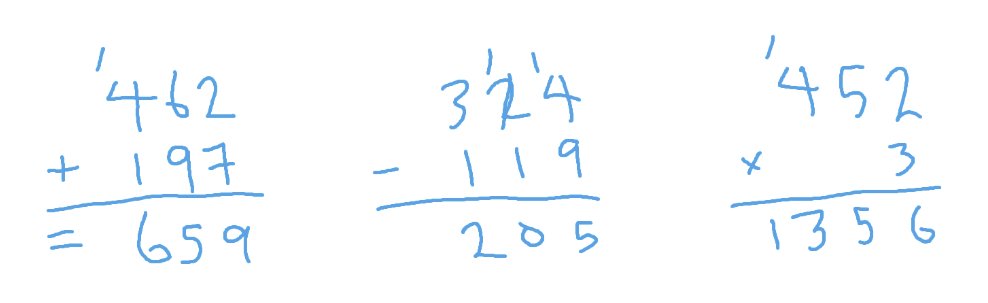
A Teaching Question:
In each of these standard (U.S.) algorithms there is a 4 with a little 1 attached to it. Does the 1 mean the same thing in each case? How do students differentiate the different meanings/uses of that superscript?
3
10
1,404
SMCPS Secondary Math retweeted
13 Sep 2025
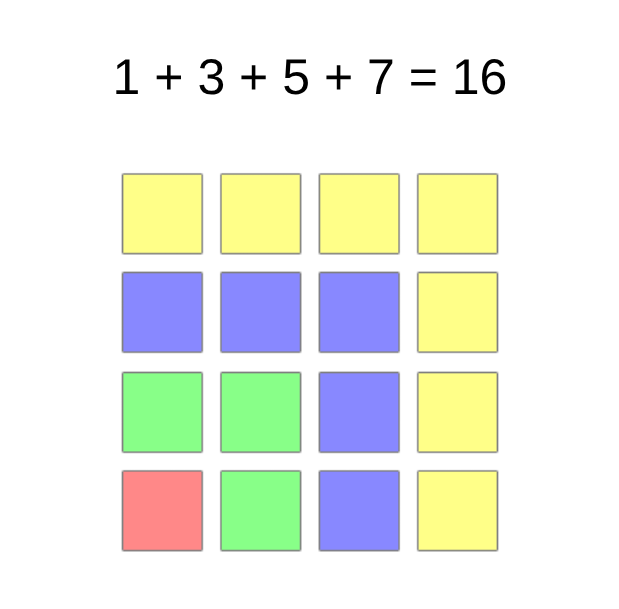
Why is the sum of consectutive odd numbers (starting from 1) always a square?
Simple to show using counters.
mathsbot.com/manipulatives/c…
1
6
20
1,311
SMCPS Secondary Math retweeted

11 Sep 2025
#TryThisThursday
Think teaching. Which scenario has the most potential for a student to progress in mathematical reasoning and lead to the most success? Why?
na2.hubs.ly/H010S1X0
#MathIsFigureOutAble #MTBoS #ITeachMath #MathEd
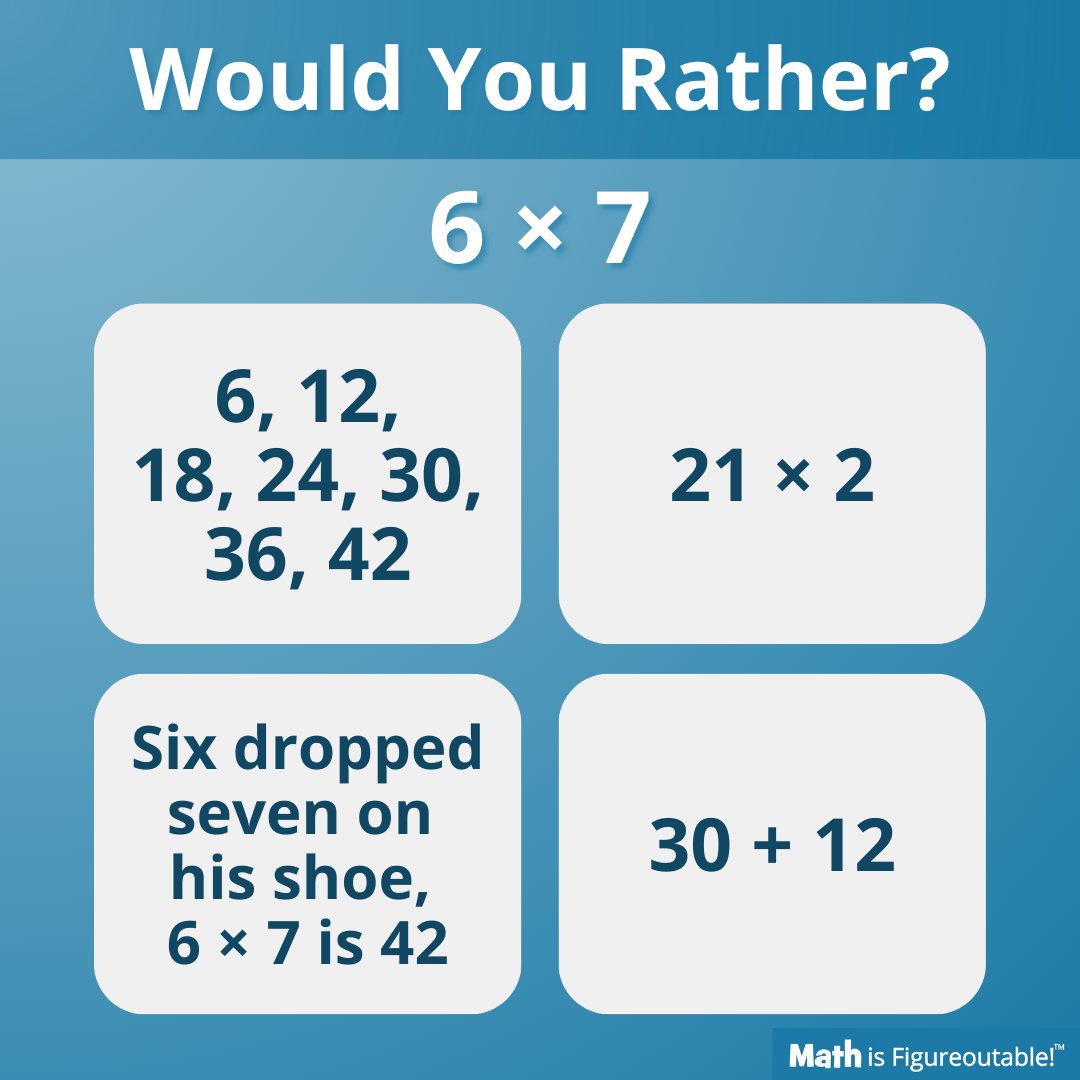
ALT Would You Rather? 6 x 7 Left top: 6, 12, 18, 24, 30, 36, 42 Left bottom: Six dropped seven on his shoe, 6 x 7 is 42 Right top: 21 x 2 Right bottom: 30 12
3
5
16
936
SMCPS Secondary Math retweeted

12 Sep 2025
📊 Nat’l NAEP results show a 3-point drop in math.
But there’s reason for hope: In Los Angeles, for example, where IM® Math was implemented with integrity, students improved at rates 2.5 times the state average.
👉 Read more from our CEO, Kristin Umland: knowim.org/news
ALT 📊 Nat’l NAEP results show a 3-point drop in math. But there’s reason for hope: In Los Angeles, for example, where IM® Math was implemented with integrity, students improved at rates 2.5 times the state average. 👉 Read more from our CEO, Kristin Umland: knowim.org/news
1
4
555

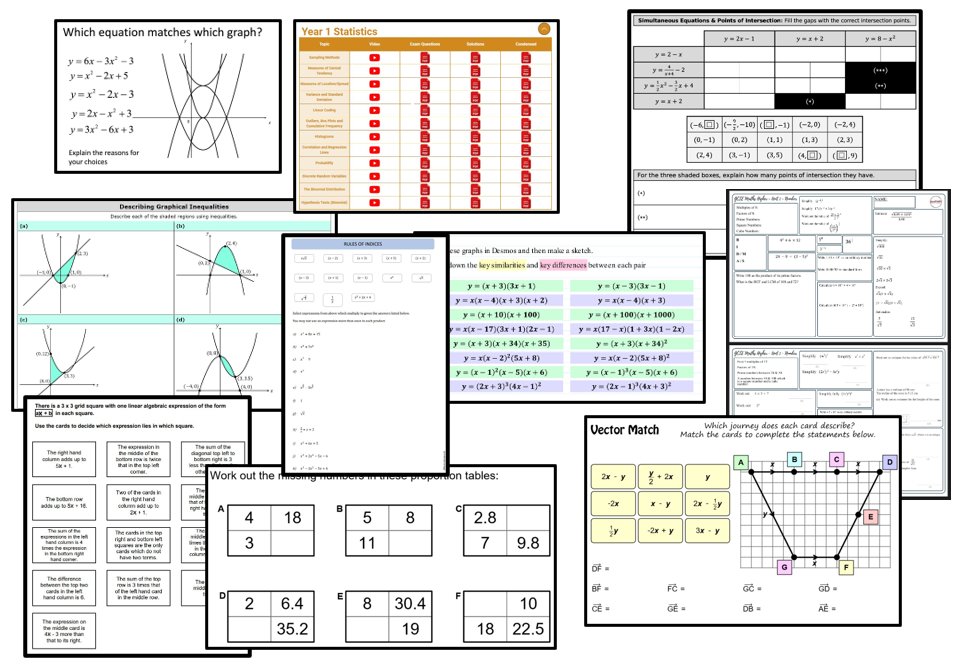
New! My 192nd gems post. Ideas, updates and resources for maths teachers. 💎
resourceaholic.com/2025/09/5…
Hat tips will follow on Bluesky.
#mathsgems #mathschat #teammaths #mathscpdchat #mathstlp
3
24
87
16,927
SMCPS Secondary Math retweeted
14 Sep 2025
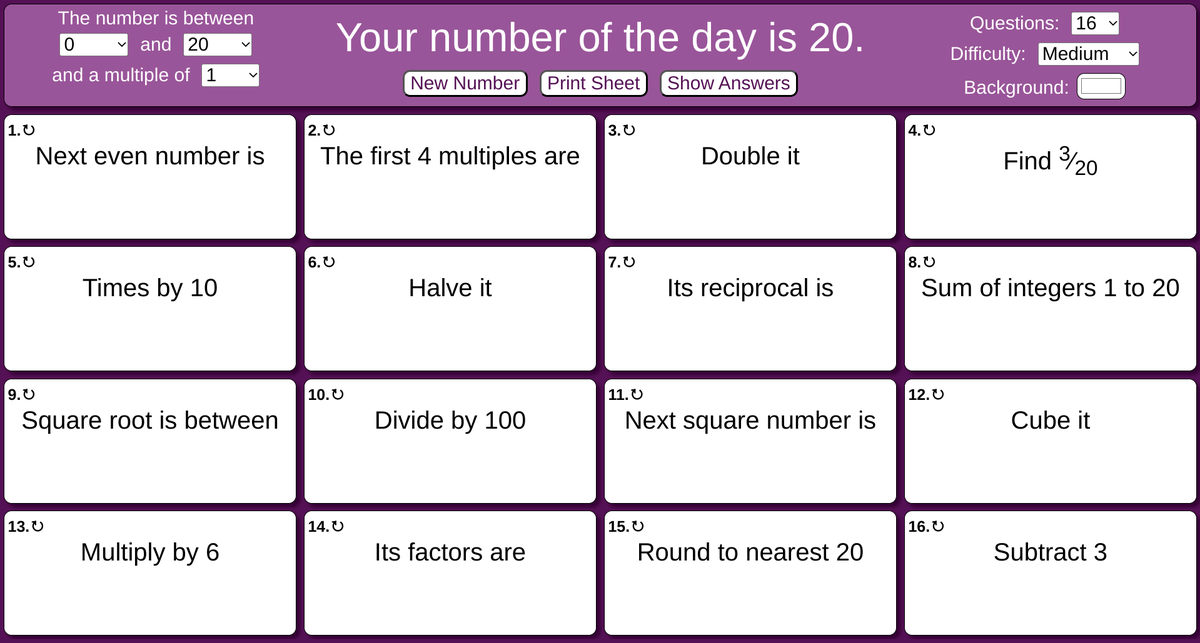
Number of the Day.
It's been around for a few years now, but still one of the most popular starters on the site.
mathsbot.com/starters/number…
4
24
1,726
SMCPS Secondary Math retweeted
14 Sep 2025
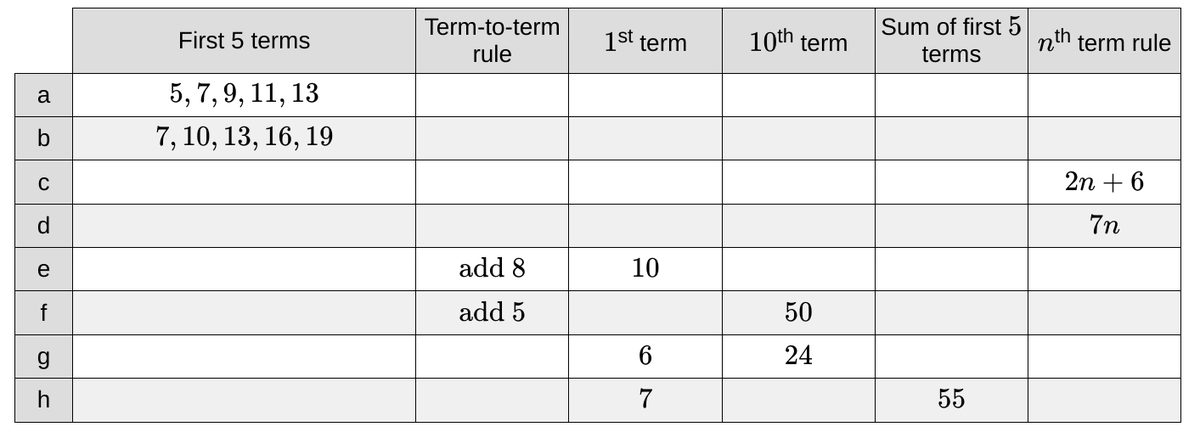
Linear sequences completion table.
You can make some lovely questions depending on which cells you reveal.
mathsbot.com/tables/nthTerm
5
15
1,172
SMCPS Secondary Math retweeted
10 Sep 2025
It's time for #MathStratChat!
Rules: post your favorite or a clever solution! It's also fun to comment on other's strategies.
Tell us about your reasoning.
Like/Retweet so others can see!
#MathIsFigureOutAble #MathsStratChat #MTBoS #ITeachMath #MathEd
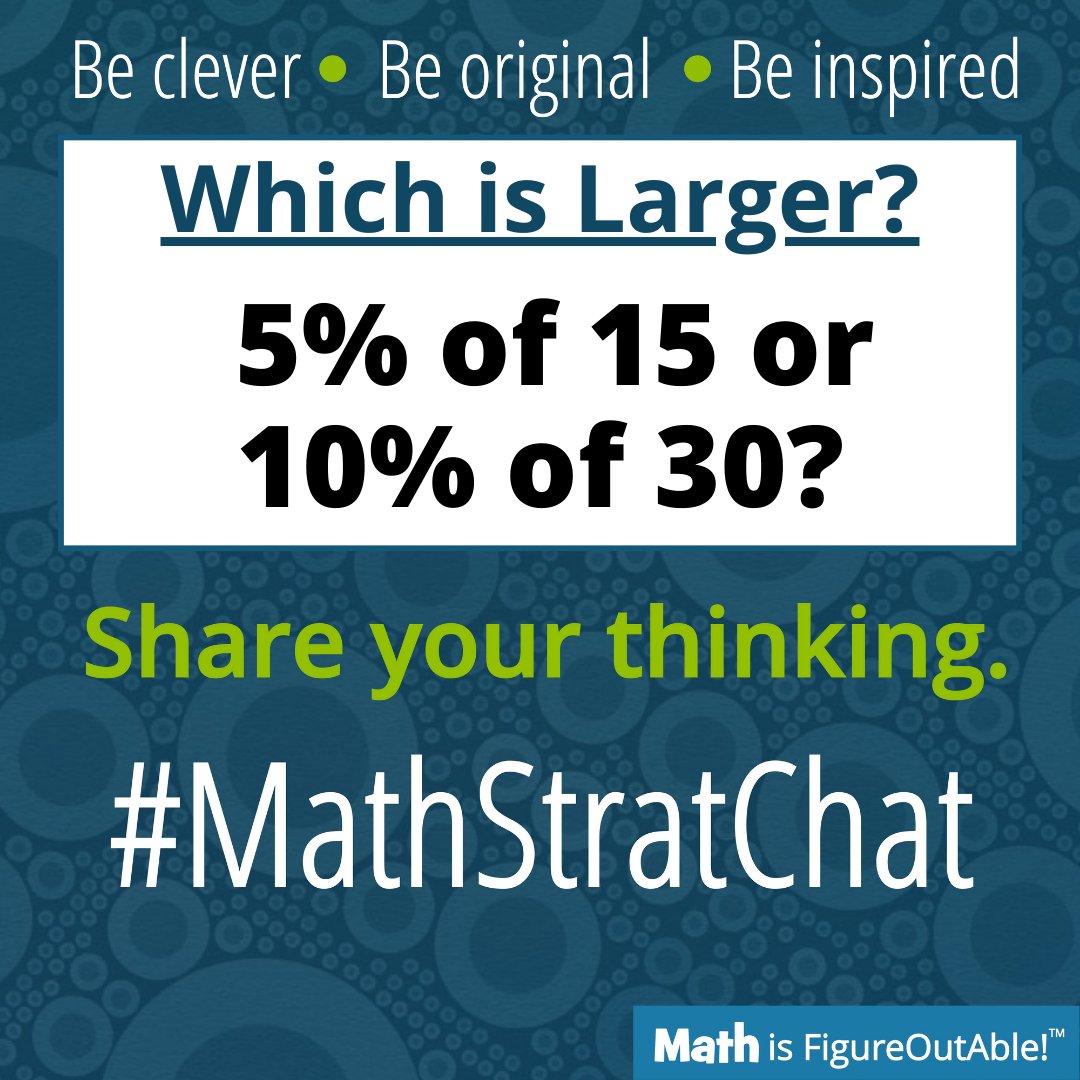
ALT Which is larger: 5% of 15 or 10% of 30?
10
3
16
917
SMCPS Secondary Math retweeted

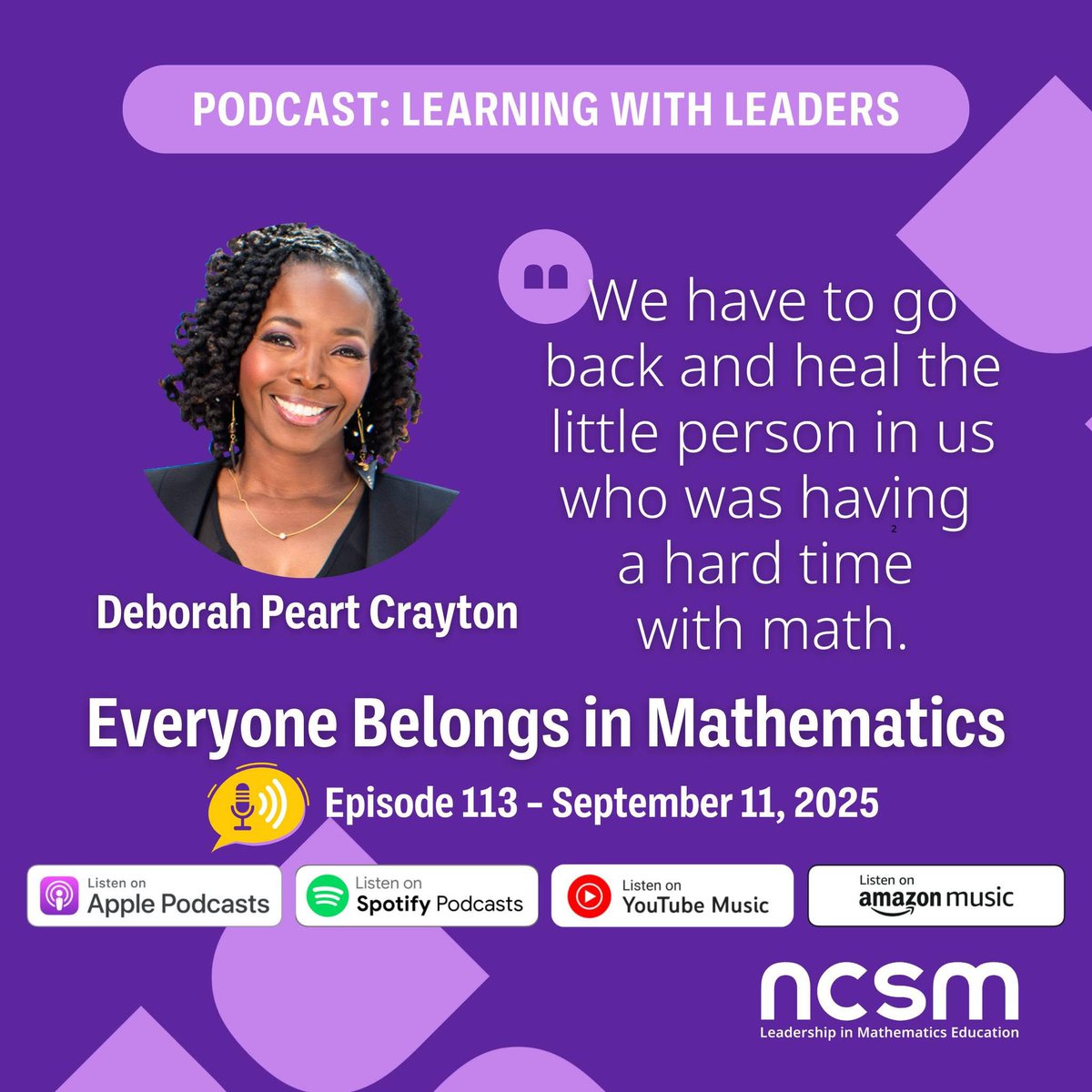
Creating joyful math learning spaces starts with healing the mather in you. 🥰
Deborah Peart Crayton, author of "Readers Read. Writers Write. Mathers Math!" and #NCSM2025 closing speaker joins Episode #113 of our award-winning podcast!
🎧Listen now: 🔗 mathedleadership.org/podcast
2
3
456

Your graphs have never looked so good. 🤩
You can now turn your folders of saved graphs into a shareable gallery. From a folder’s dropdown menu, select Open Gallery View to create a single link that showcases all the graphs inside. 🖼️
What gallery will you share first?
1
8
14
1,575
SMCPS Secondary Math retweeted

12 Sep 2025
Bridges® in Mathematics develops independent learners and the critical thinking that creates a lifelong love of learning.
1
1
163
SMCPS Secondary Math retweeted
13 Sep 2025
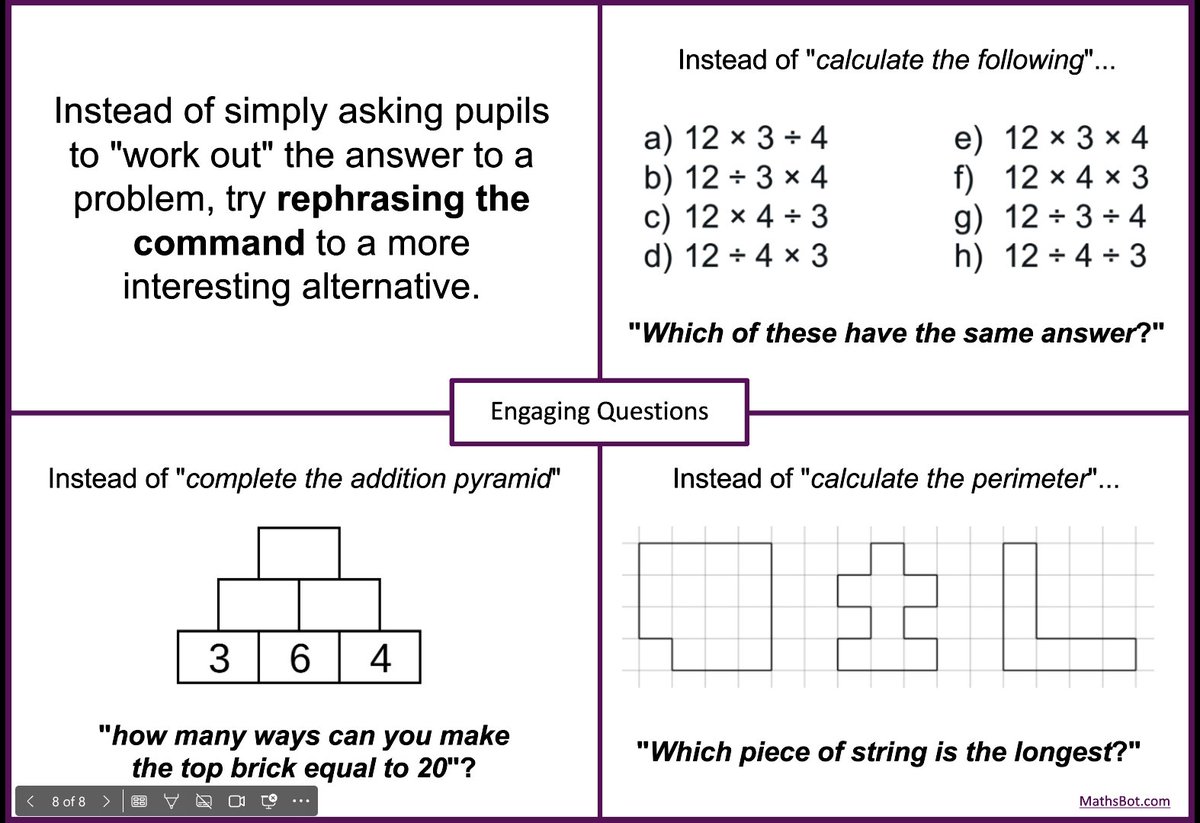
A slight change of wording is a quick win to ask more engaging questions.
mathsbot.com/cpd
17
76
4,813