
Joined January 2011
- Tweets 12,355
- Following 301
- Followers 6,081
- Likes 1,059
2,922 Photos and videos


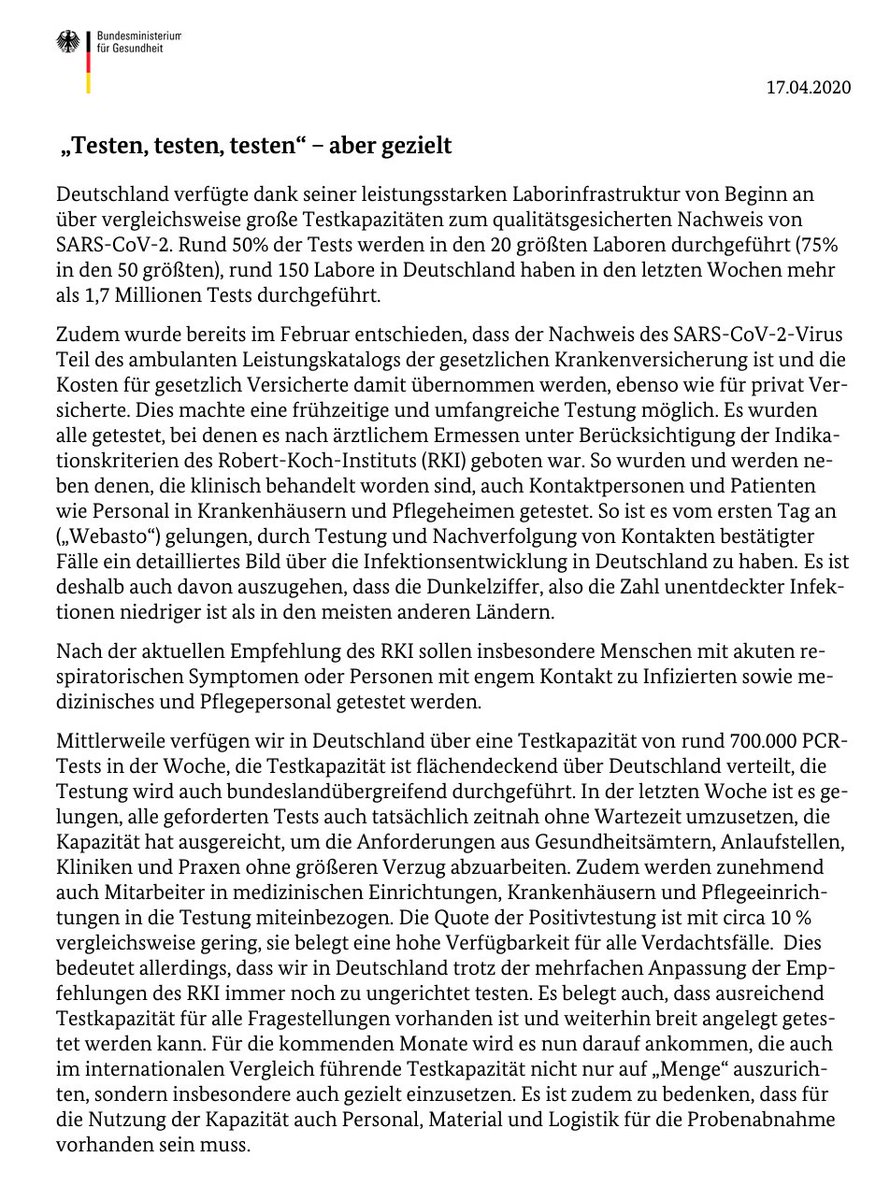
Pinned Tweet

9 Aug 2024
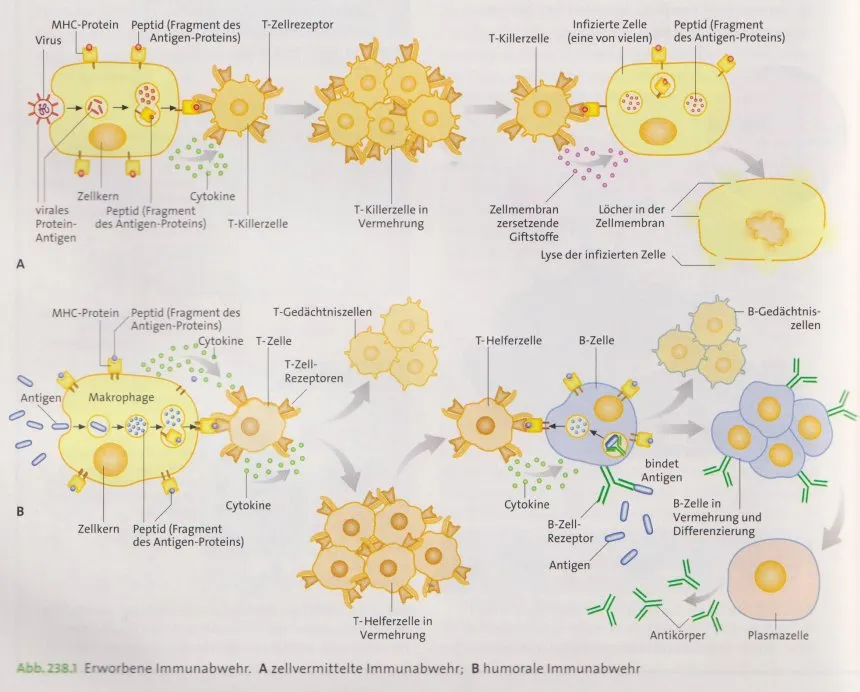
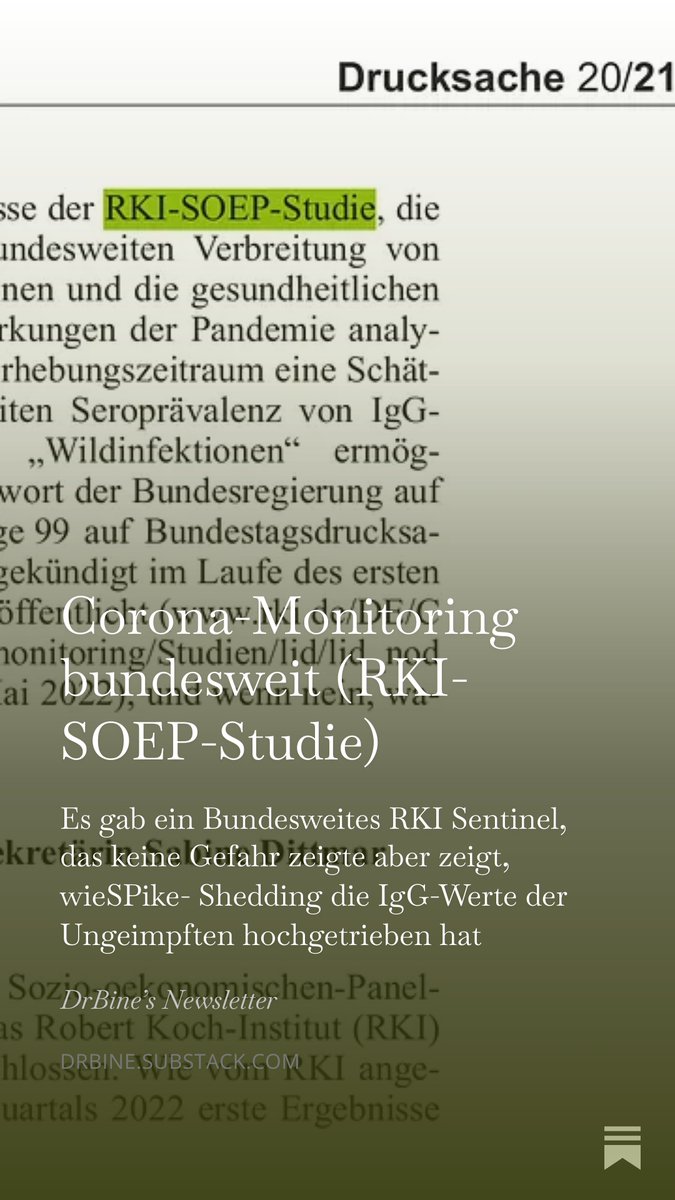
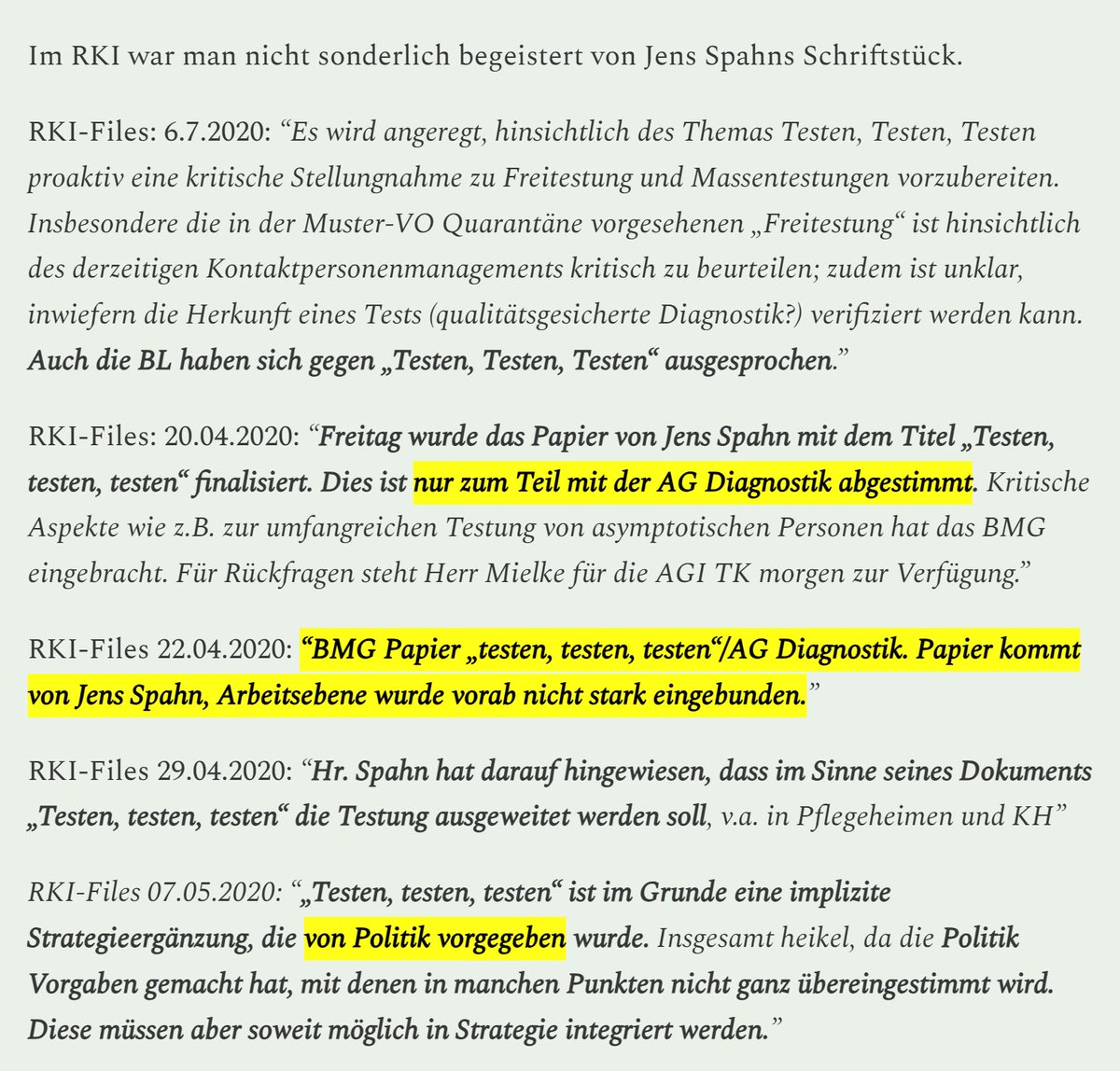
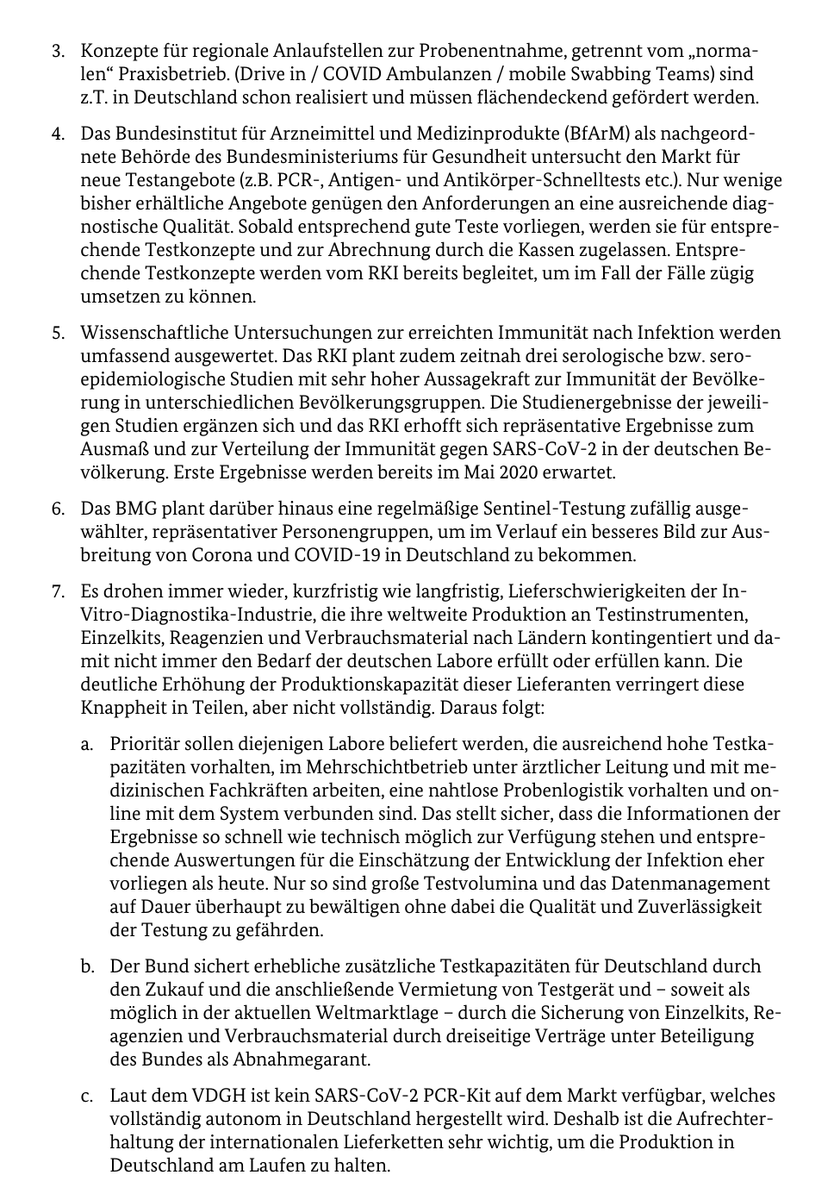
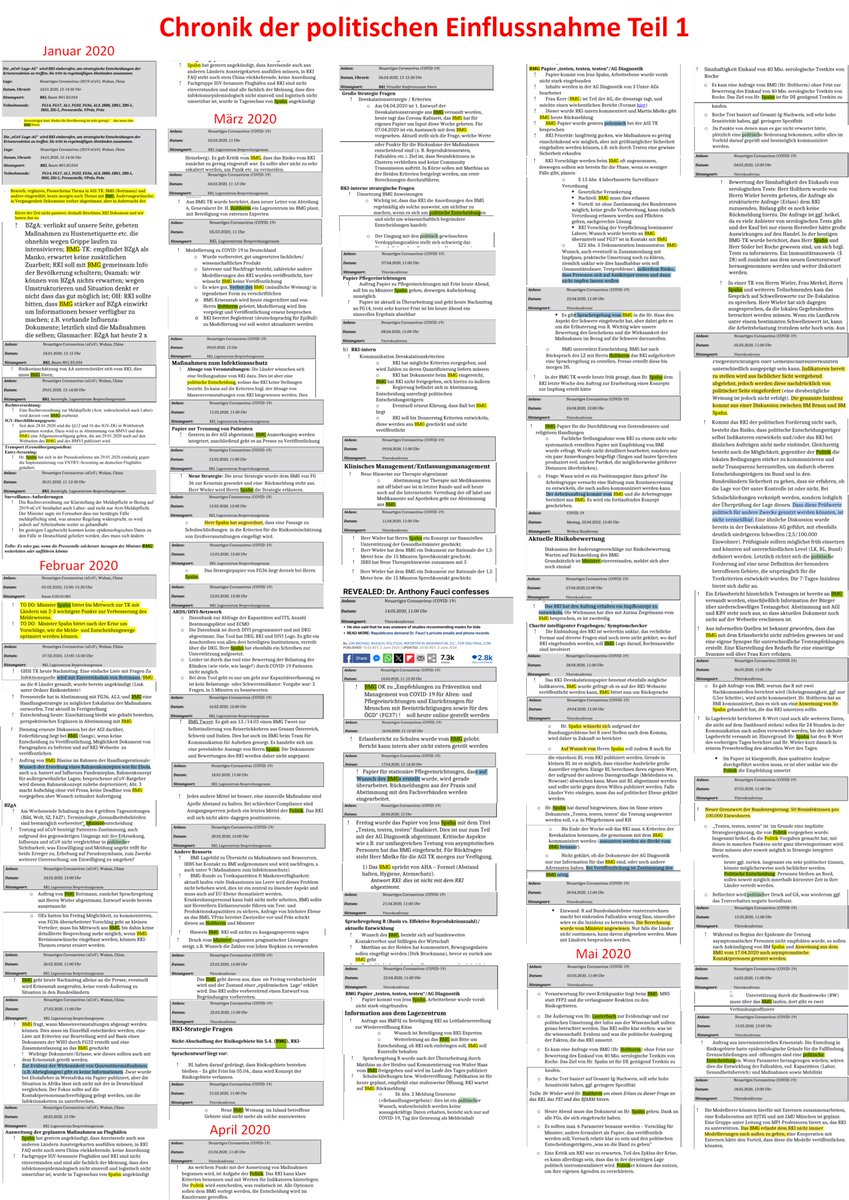
Bild anklicken und dann mit rechter Maustaste in neuem Tab öffnen. Dann müsste es lesbar sein.
26
308
573
75,924
Sabine Stebel 🐝🐭 retweeted

Jun 13
RNA localization being u tangled.
The assured simplicity of
“RNA just stays in the cytosol”
Was pure gaslighting
Jun 11

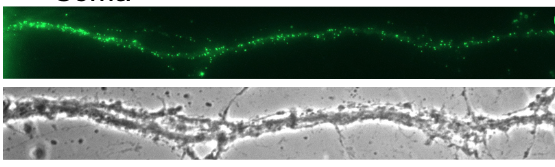
New paper! How do RNAs "know" where to go inside a cell? We dug into the sequence elements that route RNAs to the right place. It turns out that, in mammals, they're surprisingly massive (>200 nt), multipartite, and wonderfully complicated. 🧵
6
57
174
7,747
Sabine Stebel 🐝🐭 retweeted

Jun 12
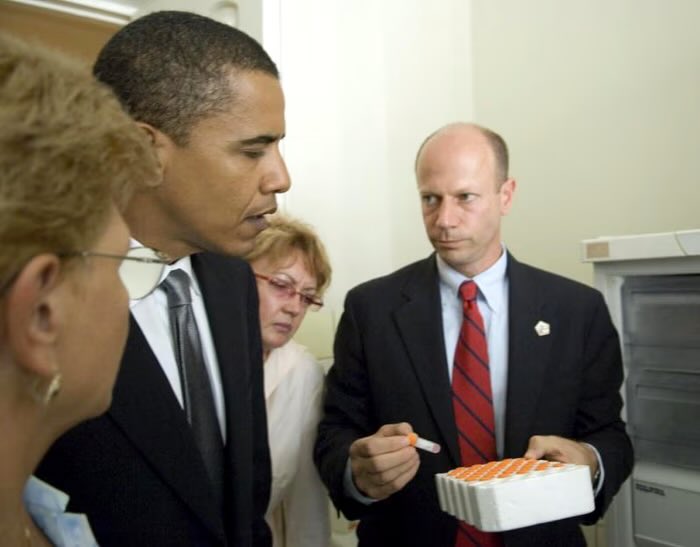
Hey @BarackObama
What were you doing at this Ukrainian biolab in 2005?
Asking for a few billion friends.
448
12,493
35,399
197,422
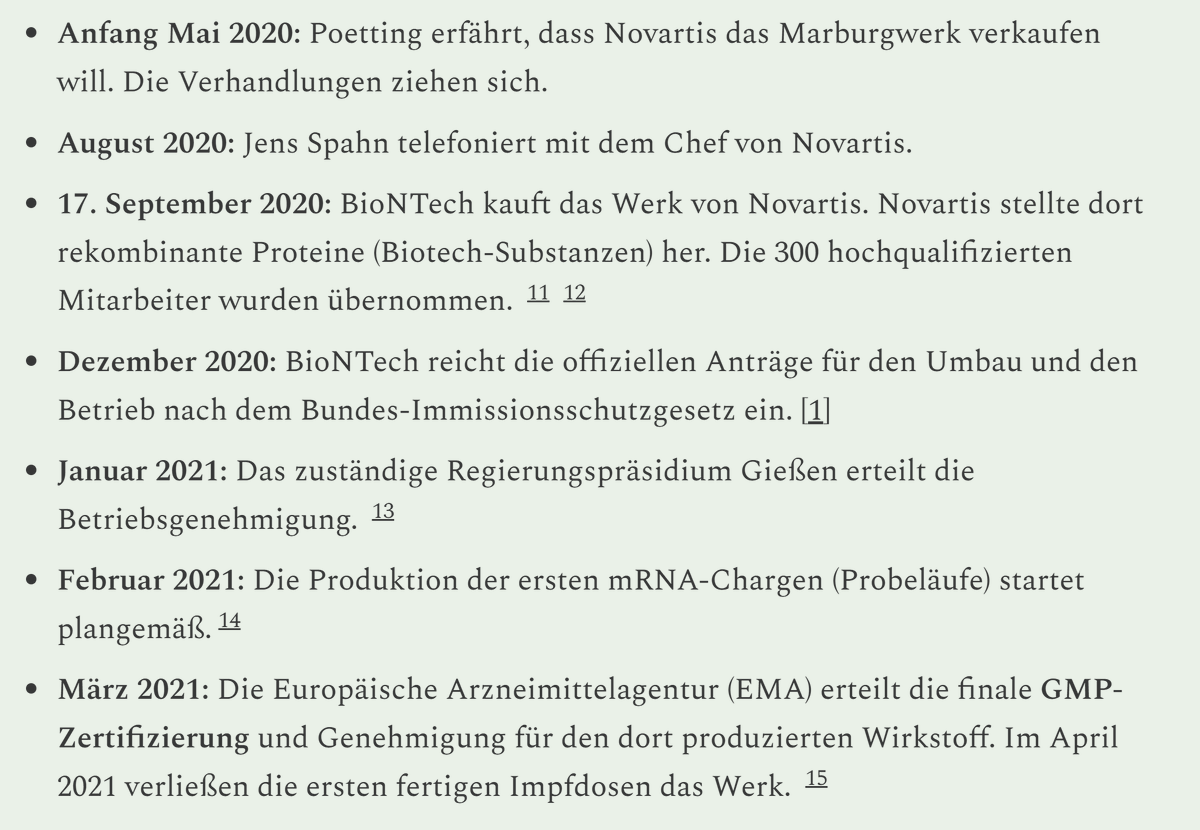
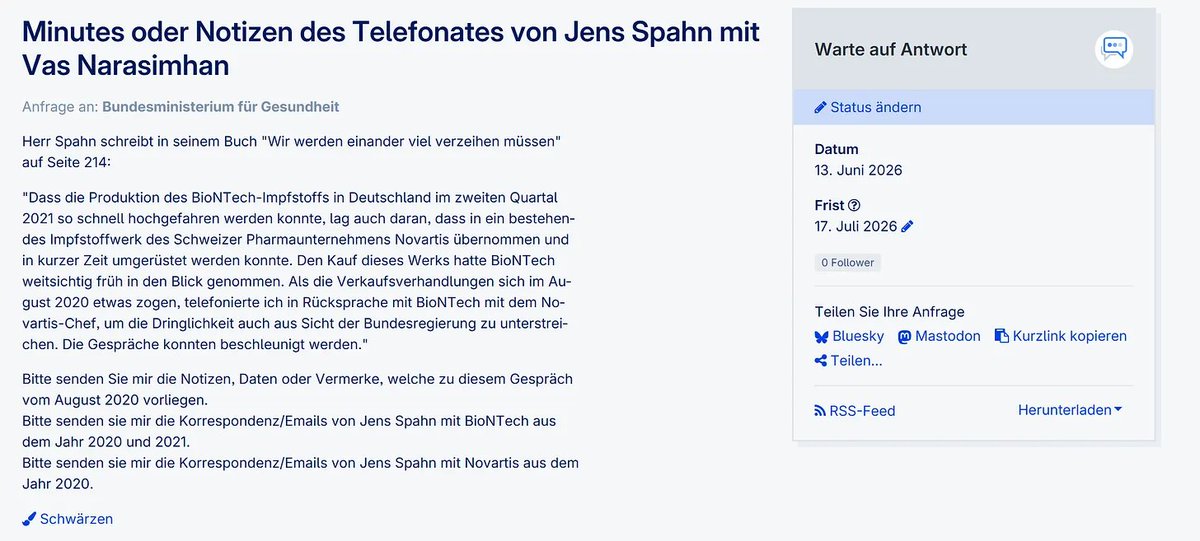
Jens Spahn telefonierte im August 2020 mit Novartis, weil die ihr Marburg Werk nicht an eine unbekannte, kleine Biotech Klitsche verkaufen wollten.
Im September bekommt BioNTech den Zuschlag, nach monatelangen Gesprächen.
2
38
106
2,940
Anfang Mai 2020: BioNTech erfährt, dass Novartis das Marburgwerk verkaufen will. Die Verhandlungen ziehen sich.
August 2020: Jens Spahn telefoniert mit dem Chef von Novartis.
17. September 2020: BioNTech kauft das Werk von Novartis.
Glücklicher Zufall?
drbine.substack.com/p/jens-s…
1
15
199
Michael Mörz Paper geht international viral
youtube.com/watch?v=4qdAZDAM…
Mein Artikel dazu:
drbine.substack.com/p/wenn-d…
11
26
793
Sabine Stebel 🐝🐭 retweeted

Jun 13
Reminder: Fauci played dumb about knowing Vincent Munster at RML, whom he offered early tenure to if he set up the Egyptian fruit bat colony, which is the SARS2 reservoir host

4
18
43
1,684
Sabine Stebel 🐝🐭 retweeted
Jun 13
Hamilton officials question RML staff over scientists' arrest, recent exposure incidents
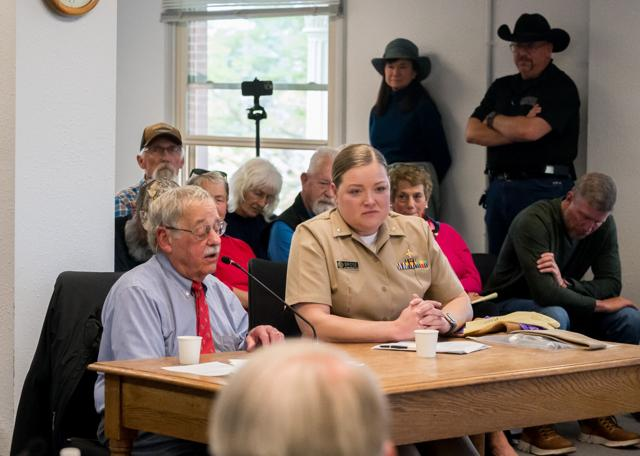
Officials from Hamilton’s Rocky Mountain Laboratories appeared at a Ravalli County Board of Health meeting this week after the recent arrest and investigation of two scientists at the lab and two potential exposure incidents regarding Crimean Congo-hemorrhagic fever raised questions among community members.
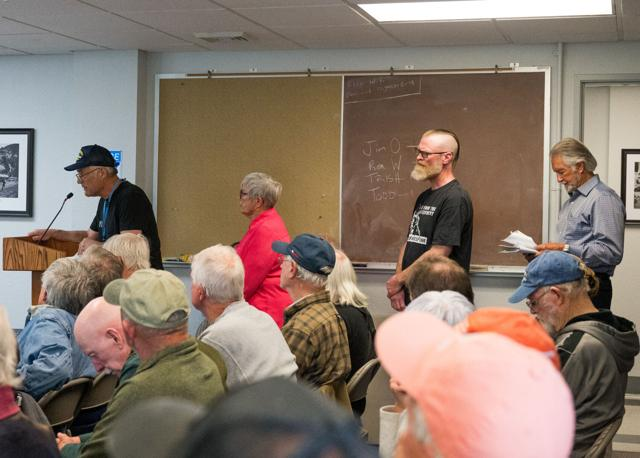
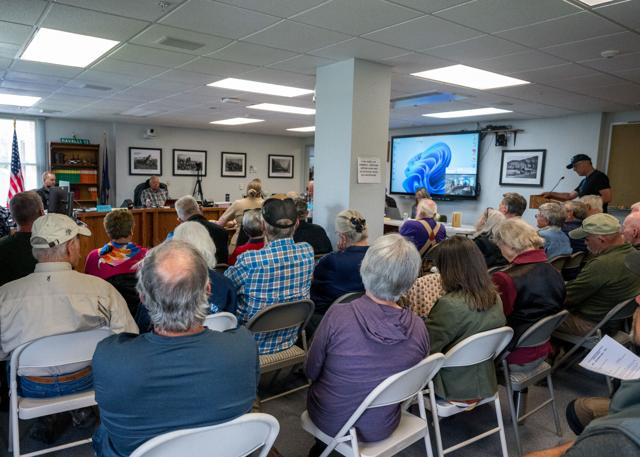
About 50 people filled the Ravalli County commissioners’ chambers Wednesday afternoon. Many expressed concerns about safety measures and transparency, questioning the lab's procedures and community notification regarding recent incidents, while others spoke in support of the lab.
Dr. Marshall Bloom, associate director for scientific management at RML, and Public Health Service Commission Corps Commander Megan Brose spoke about the incidents on approval from the National Institutes of Health, taking questions from board members and the public.
Rumors have swirled online and throughout the valley for months regarding RML virologist Vincent Munster after he and fellow RML scientist Claude Kwe were stopped and searched by Customs and Border Patrol at the Detroit International Airport in January upon their return to the U.S. from Africa. The two were performing field work for ongoing research at RML into mpox, also known as monkeypox.
Customs officials seized 113 vials from Munster after finding the documentation he provided for the materials “unsatisfactory” according to court documents. The FBI has completed analysis on 20 of the 113 tubes and found 17 of the samples contained DNA for types of mpox. One of the samples contained DNA for chickenpox. Two of the samples were identified to only contain human DNA. A set of samples tested were assessed to be inactivated and unable to cause disease infection.
Munster and Kwe were arrested June 2 and charged in federal court the following day with conspiracy to import deactivated mpox virus into the U.S. and making false statements to federal investigators.
Bloom said he has very limited information he has been given or is able to share with the public regarding the case, but added the Department of Health and Human Services is also conducting an internal investigation into the matter, besides the criminal investigation.
“Field work is an important part of some of the studies we do,” Bloom said. “There are all kinds of permits and regulations, both with the United States, and with the host country, and any transport of materials to and from is very, very strictly regulated, including bringing the samples back, and it was — and I think I can say this without jeopardizing my own position — I think it was the process of bringing those samples back into the United States that is what caused the problem in this case.”
Ravalli County Commissioner Jeff Burrows asked if this was the first time this has ever happened at the Hamilton lab, or just the first time someone was caught, adding “that’s the bigger concern here.”
“Someone that holds a pretty high public trust violated that, and I think there needs to be some accountability, and I think people want to see that, because this wasn't an ‘Oops, I forgot to do something,’ and then the arrogance afterwards to say ‘I do this all the time,' " Burrows said. "So, this is really, really concerning, and there needs to be some pretty harsh penalties for it."
Bloom responded by referring to the scientists’ presumption of innocence until proven guilty and assured the board that all samples of infectious materials that come back into BSL-4 laboratories must be accounted for and inventoried.
“You can't pick and choose which rules you follow when you're dealing with this stuff — deactivated, activated monkeypox, (Crimean Congo-hemorrhagic fever), we're dealing with bad stuff, and you've got a chief virologist that I would assume knows better than to just throw it in your pocket or your bag and bring something over,” Burrows said.
He said the scientists are innocent until proven guilty, but the cluster of three incidents at the lab is concerning.
Bloom again referred to the scientists’ presumption of innocence and told the board this event has triggered a significant response at NIH, HHS and the FBI.
“I would say this is being investigated — I can't tell you what the outcome is going to be of the legal case — but it's being investigated, I think, with all due diligence as we would expect, and we would hope that our federal government would, in a situation like this, look very, very, very closely at it.”
Munster and Kwe were released under minimal conditions, including the surrender of their passports, during their court appearance on June 3. The scientists’ next hearing will take place in federal court on June 24 in Detroit.
Potential exposure incidents
NIH has recently confirmed details regarding incidents in November and February where employees at RML were potentially exposed to Crimean Congo-hemorrhagic fever, a severe tick-borne illness with a fatality rate of 30% or higher according to the NIH. The disease is caused by the Crimean Congo-hemorrhagic fever virus, with cases reported throughout Africa, the Middle East, Asia and southern and eastern Europe.
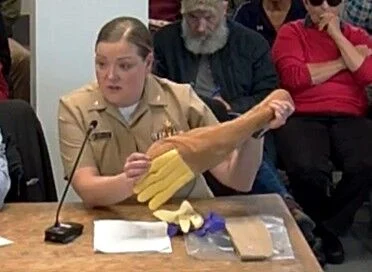
At Wednesday's meeting, Brose said the November incident occurred when an anesthetized monkey bit a researcher in the BSL-4 facility at RML in a “reflex” action while under sedation. The bite penetrated three layers of surgical gloves as well as a pair of large leather gloves, she said.
The researcher was brought to St. Patrick Hospital in Missoula for treatment before later being transferred to the regional emerging special pathogen treatment center at Providence Sacred Heart Medical Center in Spokane, Washington.
According to Brose, the researcher was highly experienced, wore all the required PPE, and followed all procedures at the time of the incident. She added that staff only handle non-human primates or any animals in BSL-4 when they are sedated.
“We don't know exactly what happened,” Brose said. “But the expectation is that it was an involuntary reaction that the animal had that caused it to bite down on the individual.”
NIH has repeatedly stated there was no evidence of disease transmission or infection related to the incident, or any risk to staff, caregivers or the public.
In response to the incident, veterinary staff at RML are evaluating procedures to prevent similar events, Brose said. Staff have been looking into different types of gloves, including chainmail, but found problems with tears and punctures to secondary PPE layers and dexterity related to the options.
“What we determined from evaluating that is these are the best gloves that we have,” Brose said.
They have, however, found a different way to hold the animals while placing them in restraints under anesthesia that limits the danger of bites or scratches, according to Brose.
Board of Health members suggested using a muzzle as an added layer of protection while others wondered if better sedation was necessary.
“The veterinary staff felt like it wasn't the sedation that caused it,” Brose said. “It wasn't the way that we handle or grab, it wasn't the PPE that caused it. It was the way they had to reposition this animal to get them into this restraint that caused the involuntary reaction.”
Board of Health members questioned if protocols in place at the lab regarding the handling of animals are adequate given the recent incident.
“We had hoped that a BSL-4 lab, that these precautions would have been such that that monkey reflexing and biting down, there would have been prevention somehow, and there wasn't,” Burrows said.
Bloom defended the lab’s procedure and said this is the first time the BSL-4 lab has experienced an incident where all four levels of PPE have been breached.
Brose said the researcher involved in the incident “was very well trained, with a lot of experience.”
“They've done this many, many times and did do it correctly the veterinary staff have attested to us,” she said. “We've also benchmarked with other BSL-4 facilities. This is something that they never thought would happen. It's not a common thing, even the veterinarians did not know this is something that could happen."
Bloom told the board he would take the suggestion regarding muzzles to the veterinary staff and safety committees to evaluate feasibility and safety, and report their response back to the Board of Health.
The second exposure incident in question occurred in February when a researcher working with infected mice tore a hole in the outer glove of a BSL-4 suit on a cage. Brose said the hole was 3 mm in size and the risk was deemed negligible.
The researcher had removed the animals, put them away and decontaminated all surfaces of their containment device, according to Brose.
"We determined that was a negligible risk of exposure because animals were already put away, everything was disinfected," Brose said. "But since we are required to report any breaches of PPE in the presence of an agent, albeit in that case very, very, very low chance, we still reported that.”
Bloom said he'd follow up with the Board of Health regarding the issues discussed at the meeting.
“Our philosophy is, all of us live in the community here, and we want the community to trust us and respect us,” he said. “So, it's critical to us to provide that information to the community as soon as we're allowed to.”
By Jessica Abell
ravallirepublic.com/news/loc…
2
8
21
1,440
Sabine Stebel 🐝🐭 retweeted

Jun 12
@RandPaul DOCS:
hsgac.senate.gov/wp-content/…
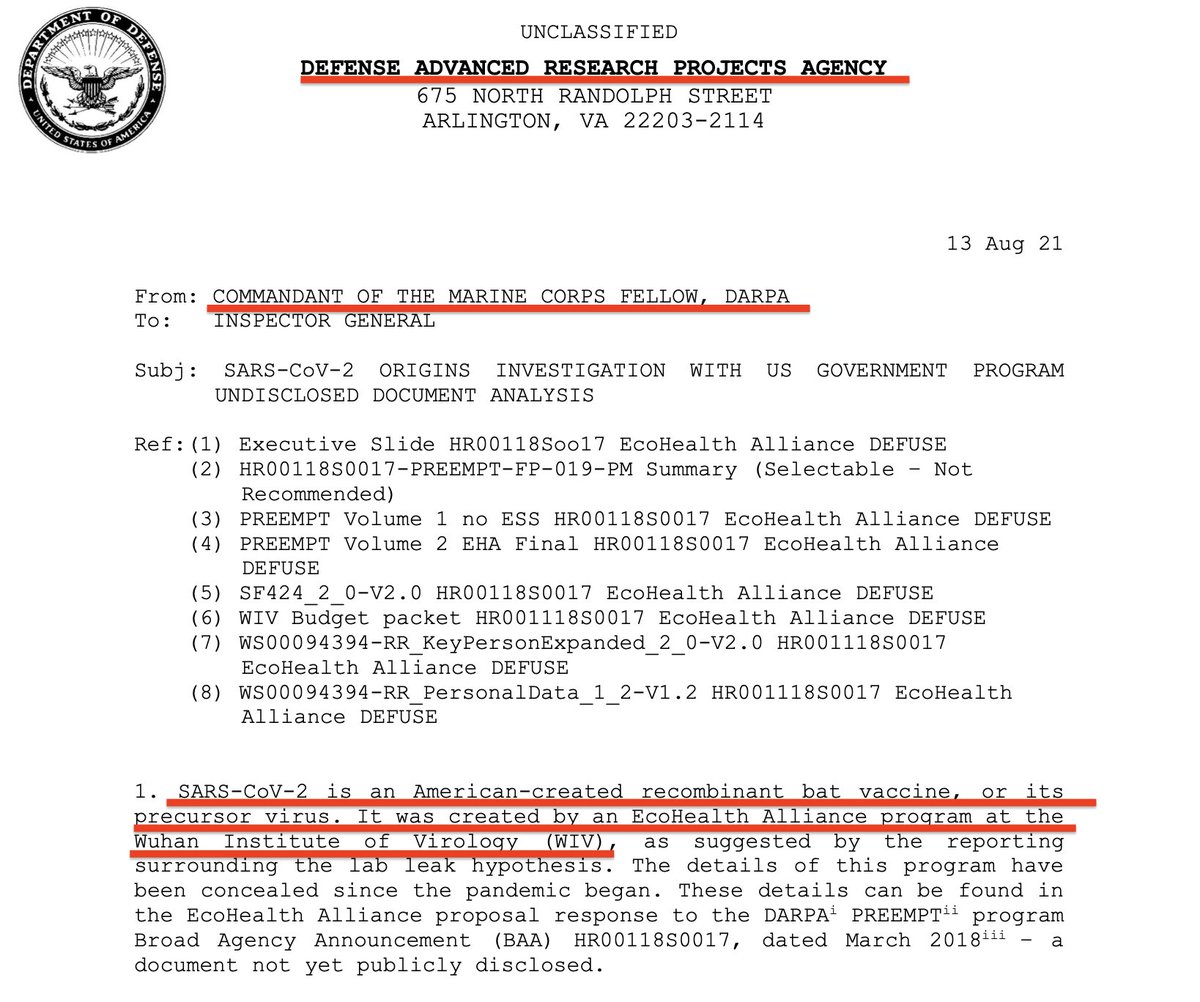
"SARS-CoV-2 is an American-created recombinant bat vaccine, or its precursor virus. It was created by an EcoHealth Alliance program at the Wuhan Institute of Virology (WIV)."
164
1,579
4,435
675,591
Sabine Stebel 🐝🐭 retweeted
Jun 12
CDC researchers were caught using inferior "test negative" studies to promote vaccines and began a campaign w/ @bylenasun to win a scientific debate in the media.
Oxford's @carlheneghan explains why test negative studies find positive results, and what CDC must change to ensure high quality results for the American public.
6
30
86
7,137
Sabine Stebel 🐝🐭 retweeted
Jun 10
Leaked documents show Bill Gates spent $430 million to change the direction of NIH research to include funding, clinical trials and scientific policies across 10 Institutes.
Video explainer
20
222
607
34,136
Sabine Stebel 🐝🐭 retweeted

Jun 11
Ein interessanter Fall allein deshalb schon, weil das Prinzip des Weglassens der Fakten aus den Erkenntnissen der medizinischen Wisschenschaft den Kern aller journalistischen Publikationen zur den sog. Corona - Impfungen ausmacht. Dort funktioniert die gesamte Berichterstattung ausschließlich mit Weglassungen.
Beispiele:
95 % Wirksamkeit wird ohne Einschränkung für Comirnaty behauptet.
(Wissenschaft der Herstellerwerbung behauptet einen RRR (relative Risikoreduktion) von 95% und einen ARR (absolute Risikoreduktion) von 0,7% oder anders ausgedrückt schwankt der NNV in der medizinischen Wissenschaft zwischen NNV 131 und 217. Das ist die Personenzahl, die geimpft werden muss, um bei einer Person statistisch einen Effekt zu erfassen. Es ist also in der wissenschaftlichen Literatur ein gänzlich andere Faktenlage die Grundlage, als das, was die Bevölkerung über die "Qualitätsjournalisten" erreicht.
Geworben wird mit Infektionsschutz und Übertragungsschutz und tatsächlich steht mit Schreiben der Präsidentin der EMA vom 18.10.2023 an das EU Parlament fest, dass es keinen genehmigten oder getesteten Übertragungsschutz gab und über die Aussage von Jens Spahn in der Enquete Komission steht fest, dass alle Hersteller die Lüge kannten. Berichtet wurde immer anders, also jeweils unter Verstoß gegen Ziffer 14 Pressekodex, § 3 HWG, § 11 HWG und strafrechtlich relevant § 14 HWG oder anders ausgedrückt behaupteten die Hersteller Moderna und BioNTech einen nicht existenten therapeutischen Nutzen entgegen § 8 Abs. 1 S. 2 AMG, was strafbar nach § 96 Nr. 3 AMG ist. Darauf stützten die Vertriebspartner der Hersteller nach den jeweiligen APA - Verträgen (also die Bundesregierung) über die Bund - Länder Konferenzen, die 3G - Regeln, die einrichtungsbezogene Nachweispflicht und die Duldungspflicht in der Bundeswehr alles auf der Grundlage einer belegten Lüge eines behaupteten therapeutischen Nutzens, der nicht bestand.
Diffamiert wurden hunderte von Wissenschaftler mit der Zielsetzung, dass die Diffamierung die wissenschaftliche Auseinandersetzung auch in der Sache beendet.
Diffamiert wurden auch einige Rechtsanwälte, weil sie Geschädigte vertraten, um an ihnen einen Exempel zu statuieren, was geschieht, wenn man die "falschen" Interessen vertritt.
Der Kern der Technik beim Diffamieren besteht in persönlichen Angriffen. Es wird die Kontaktschuld bemüht. Wurde ein Interview vom "falschen" Journalisten geführt, der auch schon andere aus Sicht der Autoren fragwürdige "Gäste" interviewte, dann werden die anderen Gäste als Kontaktschuld zugeschrieben, um daraus ein Gesamtframing zu gestalten. Wurde privat ein Wissenschaftler schon einmal auf einer Demo gesichtet, dann taugen alle wissenschaftlichen Werke nichts mehr, sobald auf der Demo ein "falsches Narrativ" vertreten wurde. Weggelassen werden dann alle Erfolge der Rechtsanwälte oder das internationale Renomé der Wissenschaftler aus der Vergangenheit.
Es ist also eine interessante Entscheidung just von dem Senat, der auch über die Ansprüche nach § 823 Abs. 2 BGB i.V.m. § 3 und § 11 HWG (§ 8 Abs. 1 S. 2 AMG) zu befinden haben wird. Mal sehen, ob der BGH, so wie alle Instanzengerichte die unzutreffenden Angaben zum therapeutischen Nutzen nicht rechtlich würdigen wird, wie es bisher alle Instanzengerichte taten, weil sie den Kernbereich der Behauptung eines unzutreffenden therapeutischen Nutzens nicht antasten wollten, weil dann klar wäre, wes Geistes Kind der Hersteller war. Keiner hatte bisher das Bedürfnis einzuräumen, dass sie Opfer einer Irreführung des Herstellers waren. Je akademischer gebildet, desto höher ist der Grad des Verteidigungswillens der eigenen Entscheidung, selbst wenn man weiß, dass sie falsch war. Es wird also weiter spannend und der der VI. Zivilsenat ist für sein Courage zu loben, die rechtlichen Maßstäbe wieder zurecht gerückt zu haben.

11
96
211
4,932
Sabine Stebel 🐝🐭 retweeted

People lost their lives and others were permanently disabled because the FDA failed to do its job.
The FDA knew that its algorithm was hiding safety signals associated with the COVID injection — yet it failed to warn the public.
248
1,880
5,499
115,227
Sabine Stebel 🐝🐭 retweeted
Jun 7
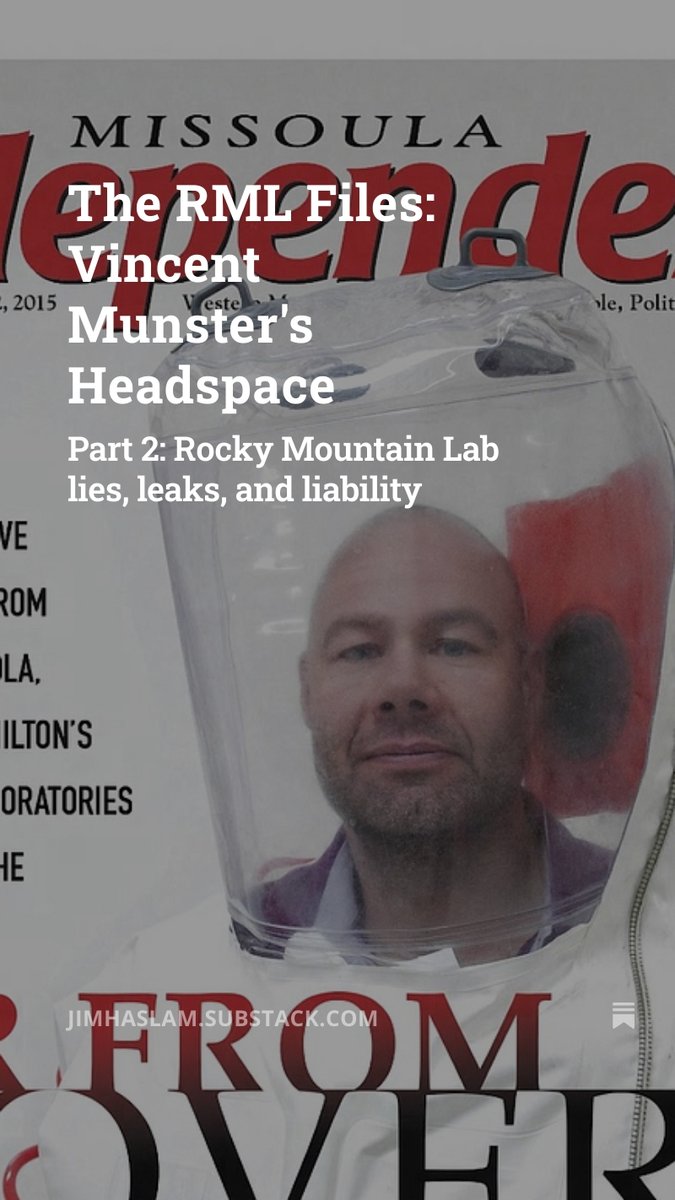
The RML Files: Vincent Munster's Headspace
Part 2: The man in charge gets charged
jimhaslam.substack.com/p/the…
3
13
24
4,610
Sabine Stebel 🐝🐭 retweeted

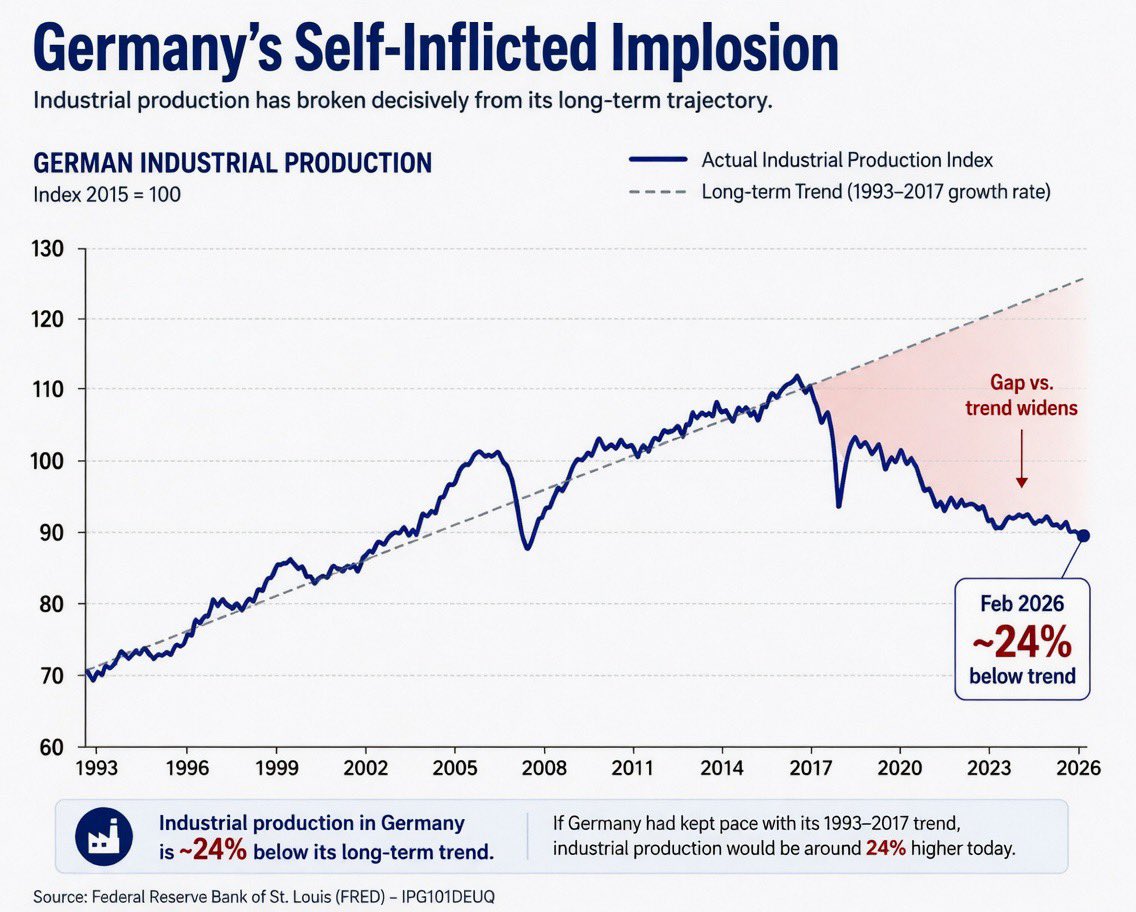
Germany didn’t lose its economic edge overnight, it was hurt by one bad policy after another.
High energy costs, endless bureaucracy, overtaxation, and anti-growth mindset have turned an industrial powerhouse into the sick man of Europe.
What needs to happen for a turnaround?
189
888
2,954
205,341
Sabine Stebel 🐝🐭 retweeted

May 18
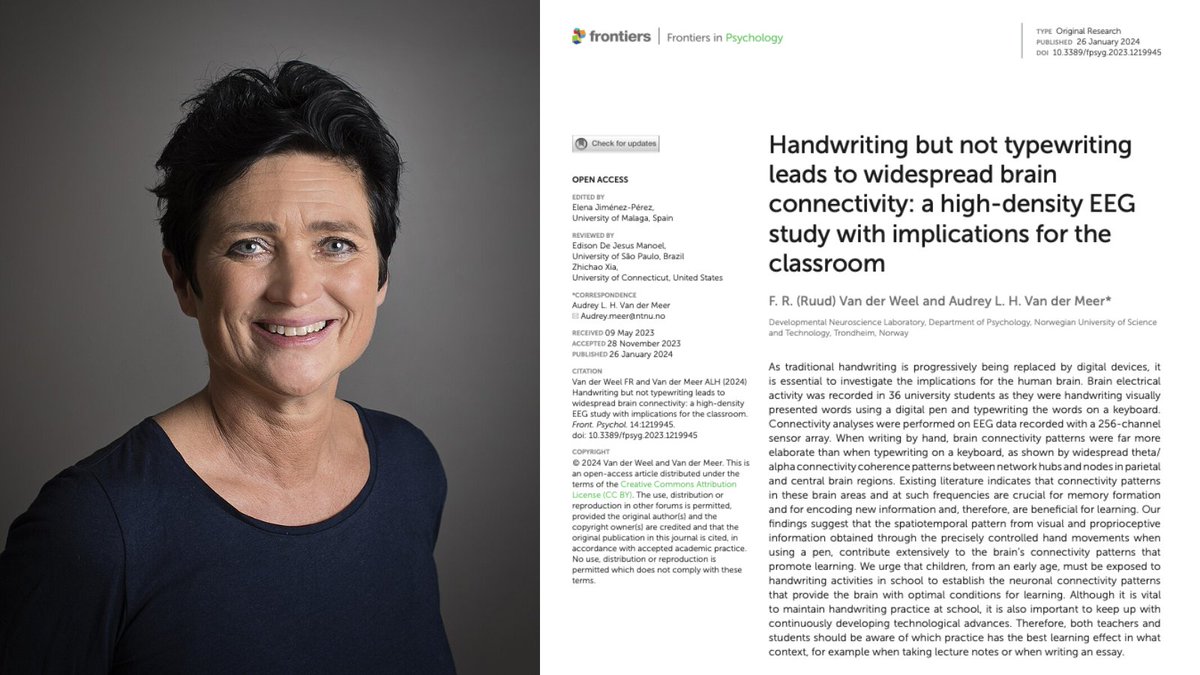
A Norwegian neuroscientist spent 20 years proving that the act of writing by hand changes the human brain in ways typing physically cannot, and almost nobody outside her field has read the paper.
Her name is Audrey van der Meer.
She runs a brain research lab in Trondheim, and the paper that closed the argument was published in 2024 in a journal called Frontiers in Psychology. The finding is brutal enough that it should have changed every classroom on Earth.
The experiment was simple. She recruited 36 university students and put each one in a cap with 256 sensors pressed against their scalp to record brain activity. Words flashed on a screen one at a time.
Sometimes the students wrote the word by hand on a touchscreen using a digital pen, and sometimes they typed the same word on a keyboard. Every neural response was recorded for the full five seconds the word stayed on screen.
Then her team looked at the part of the data most researchers had ignored for years, which is how different parts of the brain were communicating with each other during the task.
When the students wrote by hand, the brain lit up everywhere at once.
The regions responsible for memory, sensory integration, and the encoding of new information were all firing together in a coordinated pattern that spread across the entire cortex. The whole network was awake and connected.
When the same students typed the same word, that pattern collapsed almost completely.
Most of the brain went quiet, and the connections between regions that had been alive seconds earlier were nowhere to be found on the EEG.
Same word, same brain, same person, and two completely different neurological events.
The reason turned out to be something nobody had really paid attention to before her work. Writing by hand is not one motion but a sequence of thousands of tiny micro-movements coordinated with your eyes in real time, where each letter is a different shape that requires the brain to solve a slightly different spatial problem.
Your fingers, wrist, vision, and the parts of your brain that track position in space are all working together to produce one letter, then the next, then the next.
Typing throws all of that away. Every key on a keyboard requires the exact same finger motion regardless of which letter you are pressing, which means the brain has almost nothing to integrate and almost no problem to solve.
Van der Meer said it plainly in her interviews.
Pressing the same key with the same finger over and over does not stimulate the brain in any meaningful way, and she pointed out something that should scare every parent who handed their kid an iPad.
Children who learn to read and write on tablets often cannot tell letters like b and d apart, because they have never physically felt with their bodies what it takes to actually produce those letters on a page.
A decade before her, two researchers at Princeton ran the same fight using a completely different method and ended up at the same answer. Pam Mueller and Daniel Oppenheimer tested 327 students across three experiments, where half took notes on laptops with the internet disabled and half took notes by hand, before testing everyone on what they actually understood from the lectures they had watched.
The handwriting group won by a wide margin on every question that required real understanding rather than surface recall.
The reason was hiding in the transcripts of what the two groups had actually written down.
The laptop students typed almost word for word, capturing more total content but processing almost none of it as they went, while the handwriting students physically could not write fast enough to transcribe a lecture in real time, which forced them to listen carefully, decide what actually mattered, and put it in their own words on the page.
That single act of choosing what to keep was the learning itself, and the keyboard had quietly skipped the choosing and skipped the learning along with it.
Two studies. Two countries. Same answer.
Handwriting makes the brain work. Typing lets it coast.
Every note you have ever typed instead of written went into your brain through a thinner pipe. Every meeting, every book highlight, every idea you captured on your phone instead of on paper was processed at half depth.
You did not forget those things because your memory is bad. You forgot them because typing never woke the part of the brain that would have made them stick.
The fix is the thing your grandmother already knew.
Pick up a pen. Write the thing down. The slower road is the faster one.
2,472
44,648
120,839
10,363,195
Sabine Stebel 🐝🐭 retweeted

Jun 9
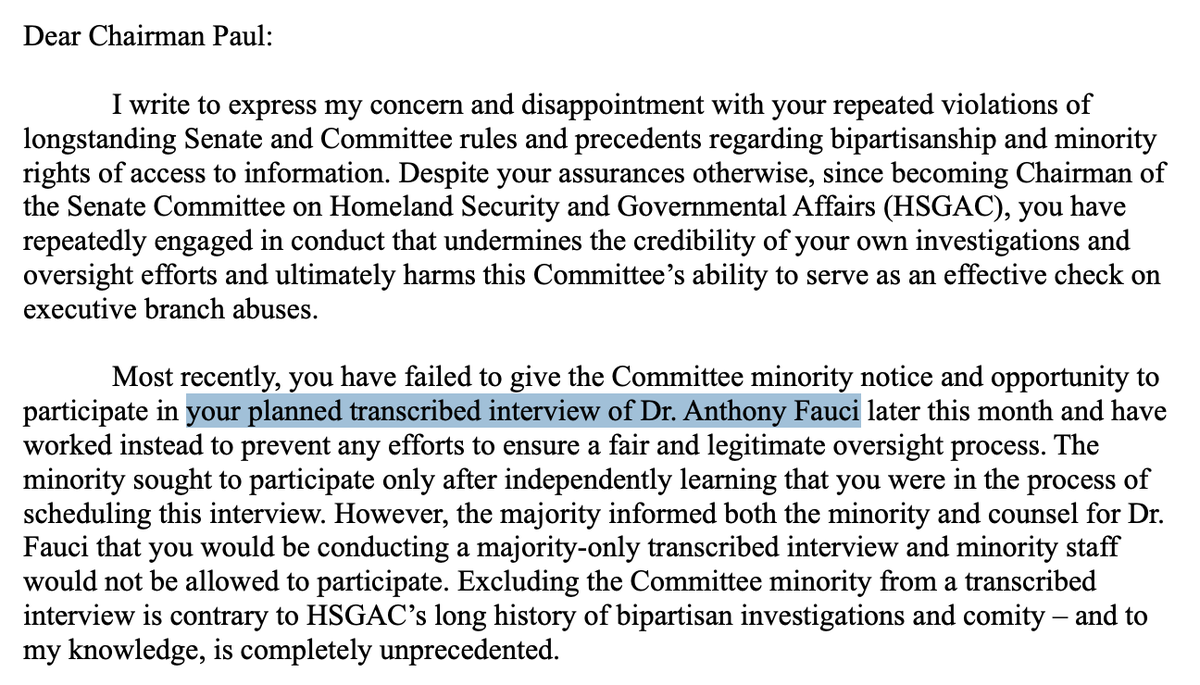
NEWS: Anthony Fauci will report to Sen. Rand Paul's committee for a transcribed interview later this month, a new letter reveals.
54
220
736
32,406
Jun 10
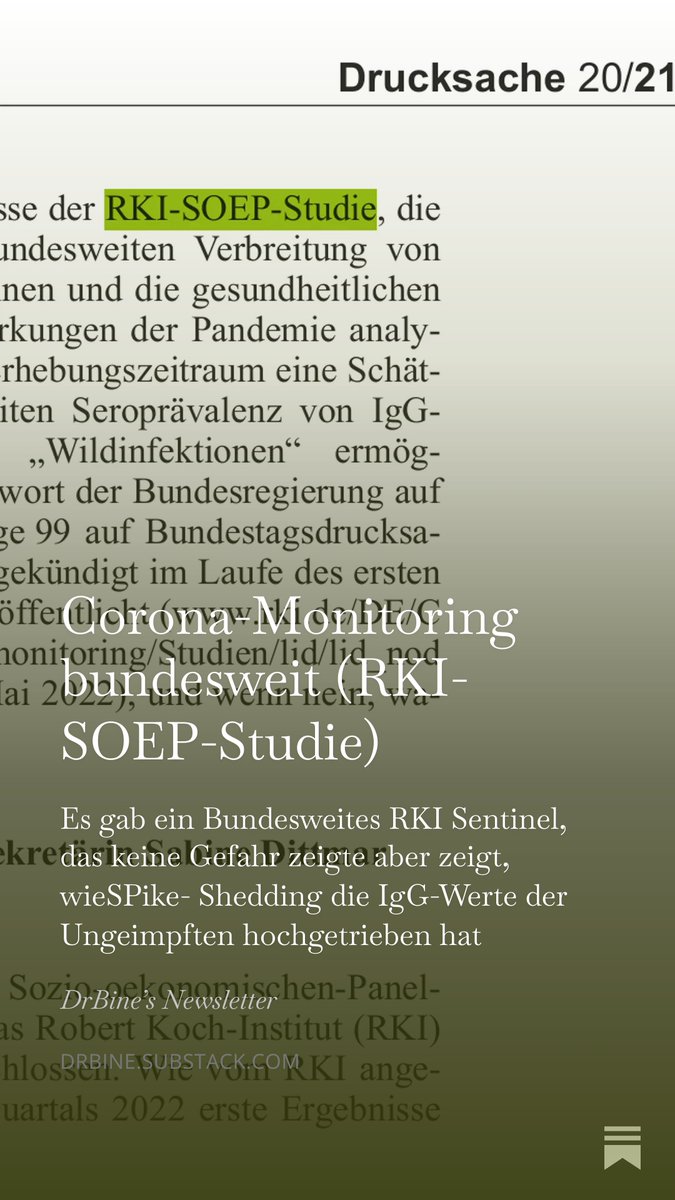
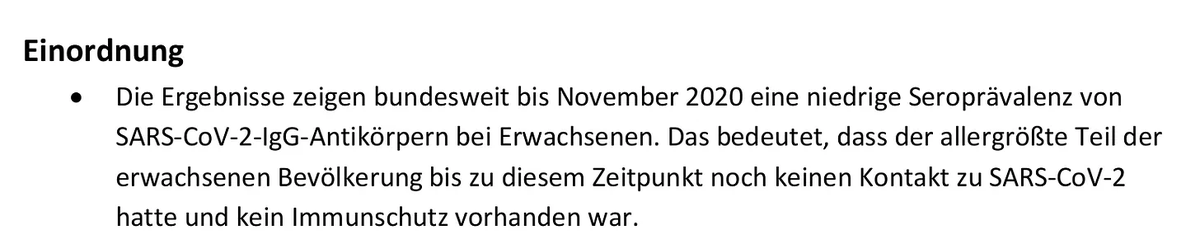
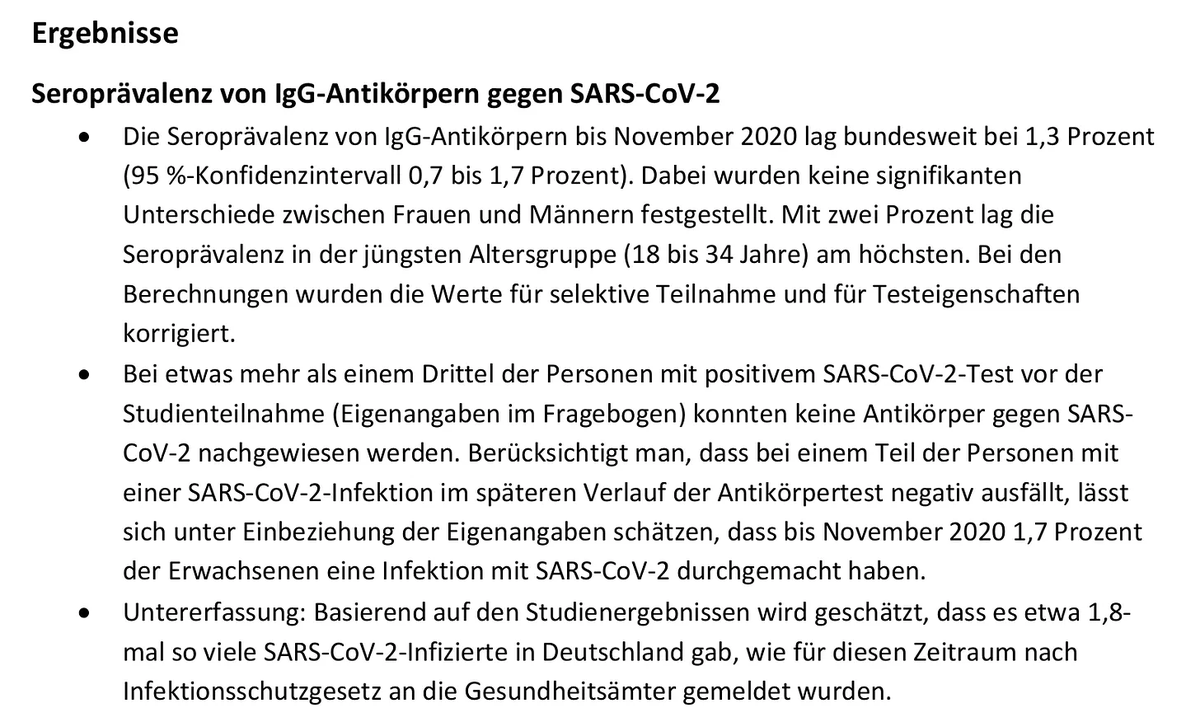
Das RKI machte im Auftrag der Politik ein IgG Sentinel der deutschen Bevölkerung, das nur so von Inkompetenz stotzt.
1
8
31
532
Jun 10
Corona-Monitoring bundesweit (RKI-SOEP-Studie)
Die RKI Sentinel Studie.
drbine.substack.com/p/corona…
2
1
1
151
Jun 10
Im Verlauf der Studie sind 51 akute SARS-CoV-2-Infektionen festgestellt worden. Dies entspricht einem Anteil von 0,4 Prozent
1
1
91