
Miscellaneous hobbies abound! Opinions my own.
Joined June 2009
- Tweets 518
- Following 1,034
- Followers 273
- Likes 1,367
11 Photos and videos










Sagar Setru retweeted

The East New York rezoning has already produced, in the space of a decade, almost all the 6,500 units that proponents of the rezoning predicted would be produced within 15 years.
Almost two-thirds are below-market affordable units.
buff.ly/cnyDiT4
3
16
155
47,477

May 17
Get off the phones!
Sent from my iPhone… Sigh…
May 16

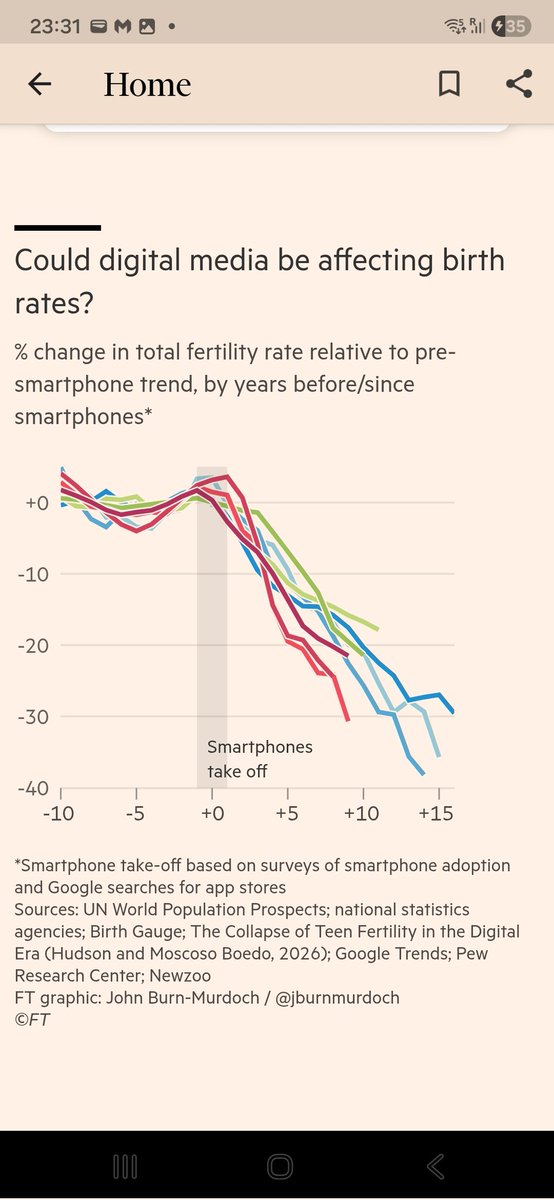
No smoking gun, but the preponderance of evidence points to smartphones, not economics, as the culprit for the global drop in fertility:
• In the US and UK, births fell first and fastest in areas that got 4G earliest
• Birth rates were stable in the US, UK and Australia until 2007; in France and Poland until 2009; in Mexico and Indonesia until 2012; in Ghana, Nigeria and Senegal until 2013-15
Each of these inflection points matches local smartphone adoption (see picture).
• The younger the age group, the sharper the drop.
• in-person socialising among young adults is dropping. In SK, by 50% in 20 years
• Sexual dysfunction is higher among heavy social media user
• Effect is largest in culturally traditional societies — Middle East, Latin America, sub-Saharan Africa
• Decline holds across countries hit hard by GFC 2008 and those not hit, fast-growing and not growing.
Excellent again @jburnmurdoch.
ft.com/content/fba35eca-df3a…
3
55
Sagar Setru retweeted

Apr 24
I have changed my mind on how AI will impact jobs in America.
Previously, I believed AI would replace many entry level roles typically filled by young employees. The technology would then work its way up the organization and eventually reduce the total number of jobs in a company.
The data is saying something different, so when I get new information I am willing to change my mind.
The number of software engineers being hired has been increasing. The number of open software engineer roles is growing.
The number of new college grads who get hired has increased 5.6% over the last 12 months. The unemployment level for people aged 20-24 years old who have a college degree has fallen from nearly 9% to almost 5% as well.
The Wall Street Journal recently wrote “AI created 640,000 jobs between 2023 and 2025 in the U.S., according to an analysis by LinkedIn of job posting data, including new white-collar positions such as Head of AI and AI engineer.”
And I am starting to see companies throughout our portfolio aggressively hiring to keep up with the demand for their products and services.
If AI can make employees more productive, which is widely accepted as fact, then companies are going to want as many productive units of labor as possible. This is a key reason why I am changing my mind.
AI appears to be a magical technology that will make companies more productive and more profitable. The net result will be more corporations, more startups, and more jobs.
All three are big, positive wins for the American economy.
789
668
6,629
2,036,563
Sagar Setru retweeted

Apr 20
For decades, biology textbooks have enshrined a simple rule: DNA is made by copying a template. After one enzyme unzips a DNA double helix into separate strands, another called a polymerase builds a complementary sequence, base by base, for each strand. Presto: two copies of the original DNA.
But new research into how bacteria defend themselves from viruses now shows this synthesis rule isn’t absolute.
Now, a team describes a bacterial enzyme that synthesizes DNA without a nucleic acid template, using its own structure as a guide.
Learn more: scim.ag/4tTc5IA @NewsfromScience

33
637
2,610
399,530

Hello, Moon. It’s great to be back.
Here’s a taste of what the Artemis II astronauts photographed during their flight around the Moon. Check out more photos from the mission: nasa.gov/artemis-ii-multimed…

ALT A crescent Earth setting behind the Moon\u2019s horizon. Credit: NASA

ALT Earth setting behind the Moon as seen by the Artemis II crew. Over half the left side of the image is filled by the gray lunar surface, pocked with craters. Credit: NASA

ALT A close view of the Moon. Jagged circles of craters dot the gray surface, fading to dark on the left side of the image. Credit: NASA

ALT A crescent Earth setting behind a hemisphere of the Moon. Credit: NASA
9,922
173,109
807,293
29,915,128
Liftoff.
The Artemis II mission launched from @NASAKennedy at 6:35pm ET (2235 UTC), propelling four astronauts on a journey around the Moon.
Artemis II will pave the way for future Moon landings, as well as the next giant leap — astronauts on Mars.
3,808
55,165
177,872
14,273,639
Sagar Setru retweeted

Mar 25
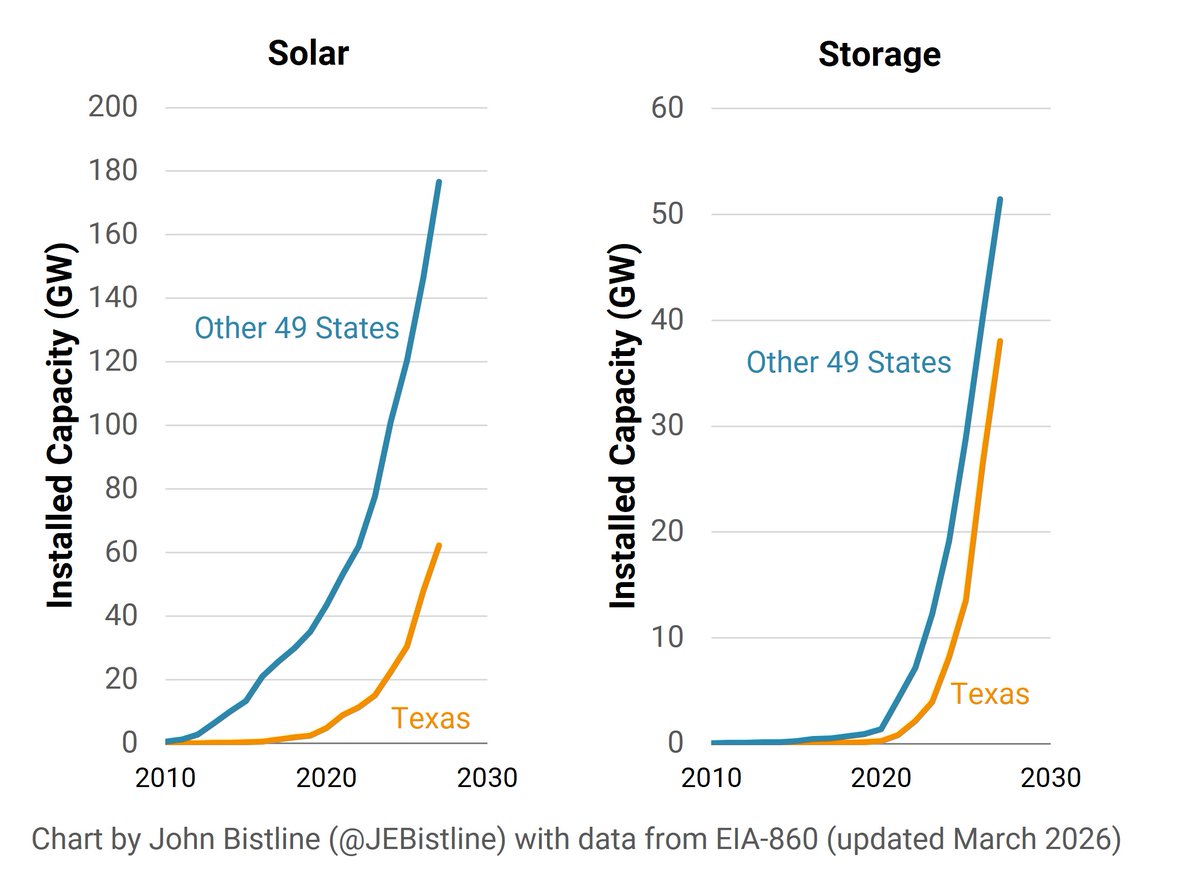
Texas is deploying battery storage so fast that it's almost keeping up with the other 49 states... by itself!
66
432
3,298
235,751
Sagar Setru retweeted

Mar 26
Birth of the AI book. 🤖🤝🧑🏫 tylercowen.com/marginal-revo…
92
119
1,032
138,660
Sagar Setru retweeted

Mar 26
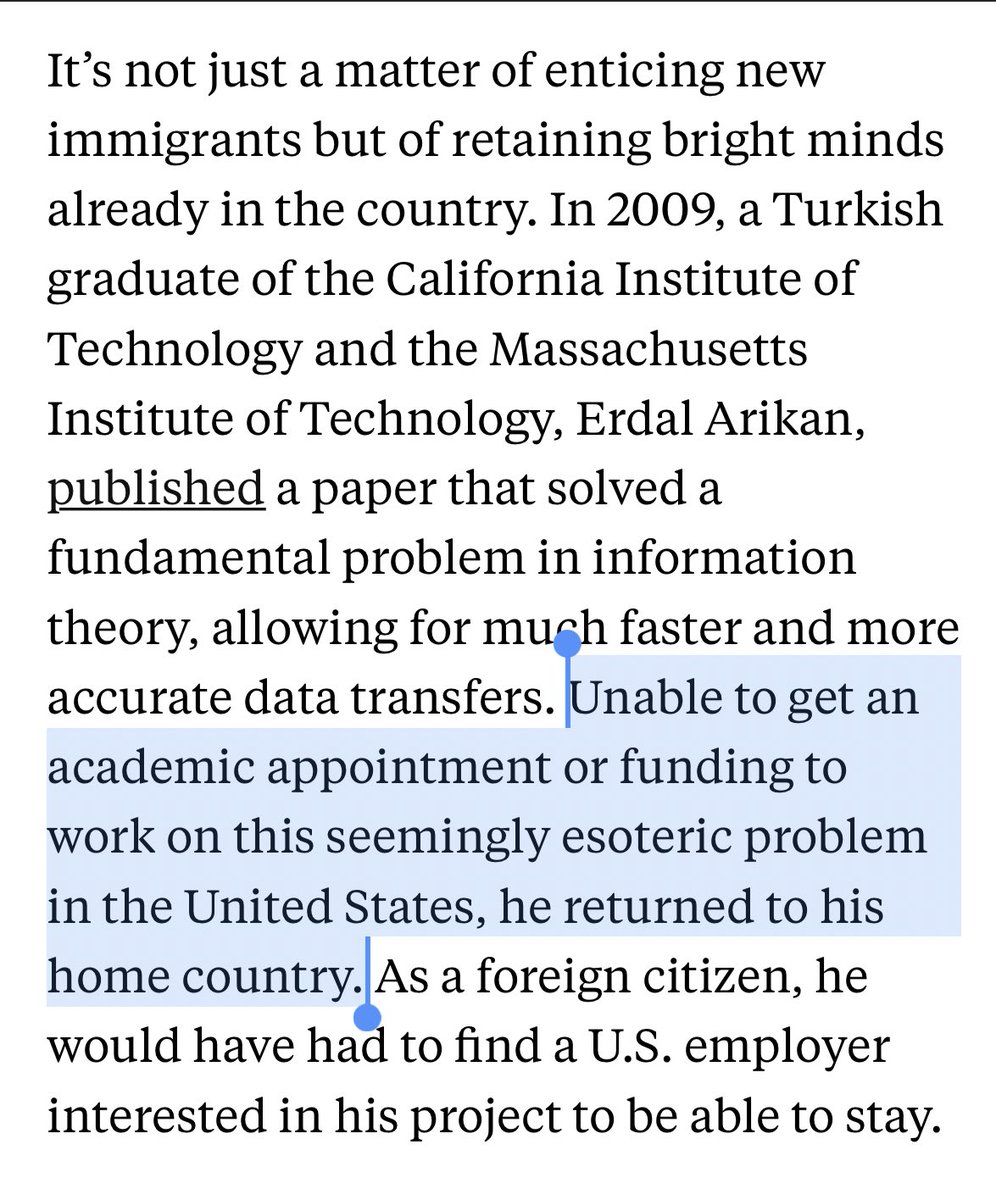
Reminder that the United States could have been the world leader in 5G technology instead of China if we had just given *one guy* a green card when he needed one.

199
1,176
7,608
414,027

Announcing TERAFAB: the next step towards becoming a galactic civilization x.com/i/broadcasts/1yKAPMzlv…
3,793
7,254
33,271
39,816,898
Sagar Setru retweeted

Mar 19
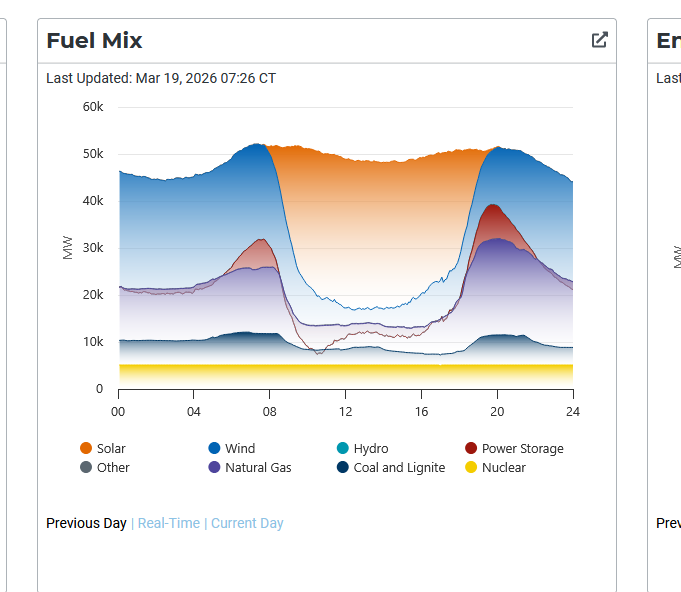
Pretty astonishing. In Texas, between 10:00 am and 4:00 p.m., 80-90% of electricity comes from carbon free sources. And storage is already a significant contributor in the early morning and evening
164
745
3,790
297,749
Sagar Setru retweeted

Mar 19
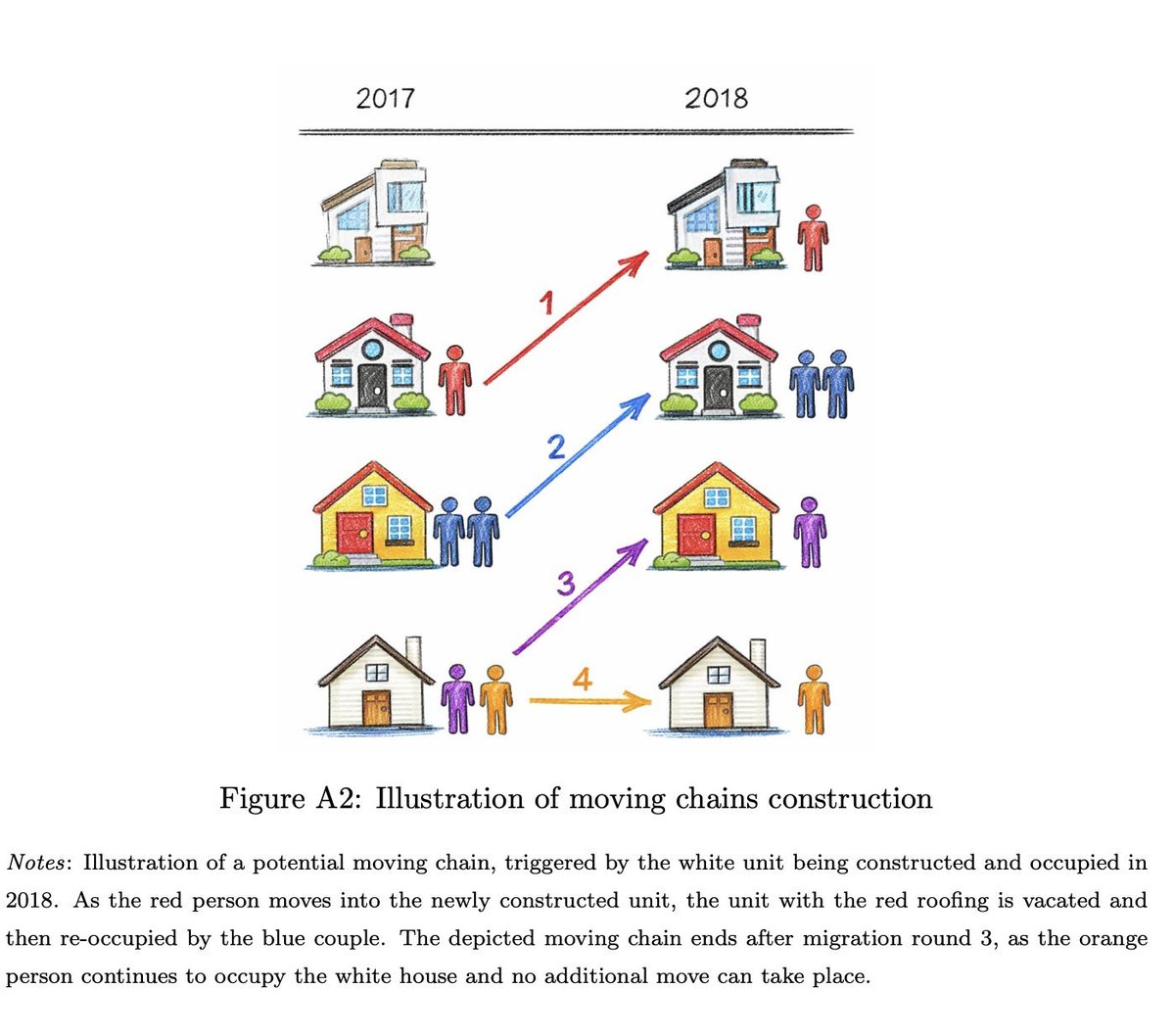
Yes! All construction—even ‘luxury’ construction—helps housing affordability. It creates moving chains that open up opportunities for lower earners and make more affordable units available.
Mar 18

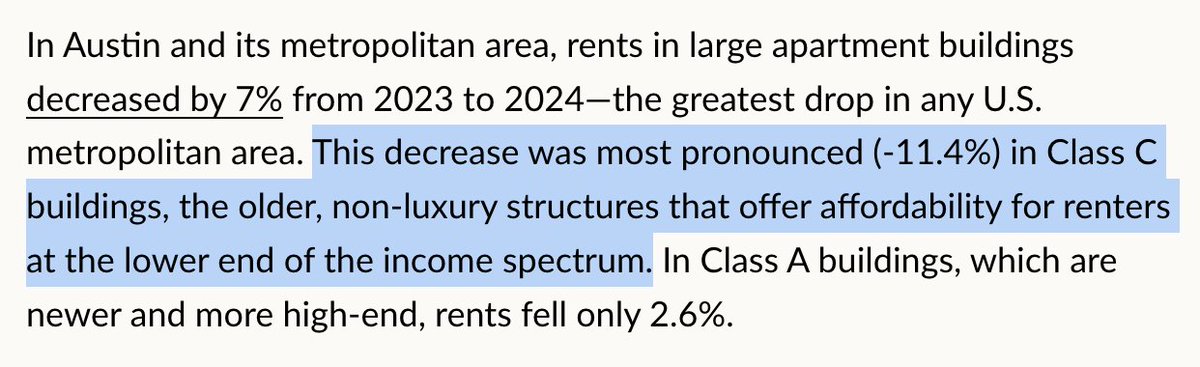
This is shaping up as the most consistent finding in housing studies: Building lots of luxury housing can reduce rents at the top of the market—but the people it helps most are renters struggling to afford even the least desirable units
18
144
1,011
47,209
Sagar Setru retweeted

Mar 18
This is shaping up as the most consistent finding in housing studies: Building lots of luxury housing can reduce rents at the top of the market—but the people it helps most are renters struggling to afford even the least desirable units
47
498
2,799
362,261
Sagar Setru retweeted

Mar 4
An NVIDIA powered farming machine uses Al vision and precision lasers to eliminate weeds in milliseconds without herbicides and without harming crops, a potential shift toward chemical free agriculture
742
3,725
24,025
7,527,204
Sagar Setru retweeted

2 Dec 2025
I have a guest essay in @nytimes today about autonomous vehicle safety. I wrote it because I’m tired of seeing children die. Done right, we can eliminate car crashes as a leading cause of death in the United States
@Waymo recently released data covering nearly 100 million driverless miles. I spent weeks analyzing it because the results seemed too good to be true. 91% fewer serious-injury crashes. 92% less pedestrians hit. 96% fewer injury crashes at intersections. The list goes on.
39,000 Americans died in crashes last year. More than homicide, plane crashes, and natural disasters combined. The #2 killer of children and young adults. The #1 cause of spinal cord injury. We’ve accepted this as the price of mobility.
We don’t have to.
In medicine, when a treatment shows this level of benefit, we stop the trial early. Continuing to give patients the placebo becomes unethical. When an intervention works this clearly, you change what you do.
In driving, we’re all the control group.
Cities like DC and Boston are blocking deployment. And cities are not the only forces mobilizing to slow this progress.
It’s time we stop treating this like a tech moonshot and start treating it like a public health intervention that will save lives.
Link to article below.
👀 this video of Waymo cars evading crashes with people and vehicles. I especially note the ones that require it having a 360° view.
My sincere thanks to Alex Ellerbeck and @acsifferlin for their wisdom and sure hand in editing this piece.
333
995
6,353
1,808,164
Sagar Setru retweeted

20 Nov 2025
Human beings evolved to walk 3-6 miles/day. In dense, walkable places we get the dose of walking our body needs to thrive and dozens of low stakes, interpersonal interactions our hearts need to be happy.
Isolation in a 3-ton steel pod is bad for us in every conceivable way.
20 Nov 2025

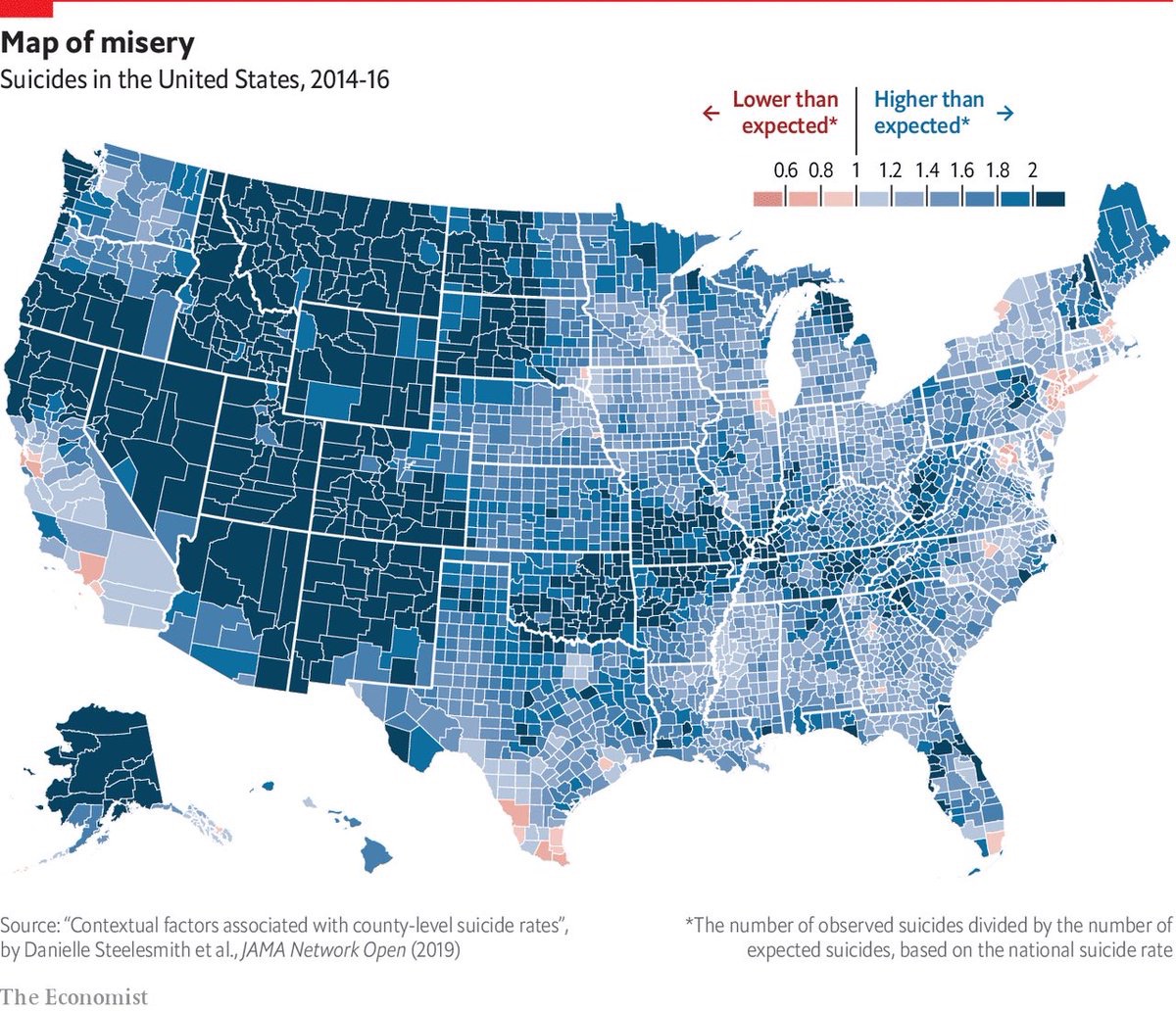
Why does DENSITY make people so very HAPPY?
Short answer is that density satisfies the human need for social connection. Humans are social animals; we are not evolved for car commuting to community.
Long answer is that happiness is the psychological reward we get from participating in the social, cultural, and economic life of a dense neighborhood. It feels really good to live in a dense neighborhood, where you know a range of people, where you run into neighbors when you go for a walk, where you see familiar faces at local businesses, church, school, and so on.
In dense neighborhoods, we feel the agglomerative, creative energy of being near opportunity, culture, and work. We are embedded in multigenerational social networks that lower stress, improve health, and fight loneliness.
And their physical permanence--the built environment that enables density--gives us the sense that we are part of a living urban story that existed long before us and will continue long after us.
45
182
1,739
59,723
Sagar Setru retweeted
24 Jun 2025
USSR: Grocery store uncut youtu.be/t8LtQhIQ2AE?si=Xepp… via @YouTube
1
158