
Blockchain Enthusiast | Leading @Logos_network Circle (Vizag) | Building @TenXVisionLabs , Communities & decentralized futures
Joined August 2023
- Tweets 86
- Following 173
- Followers 54
- Likes 899
14 Photos and videos


Jun 8
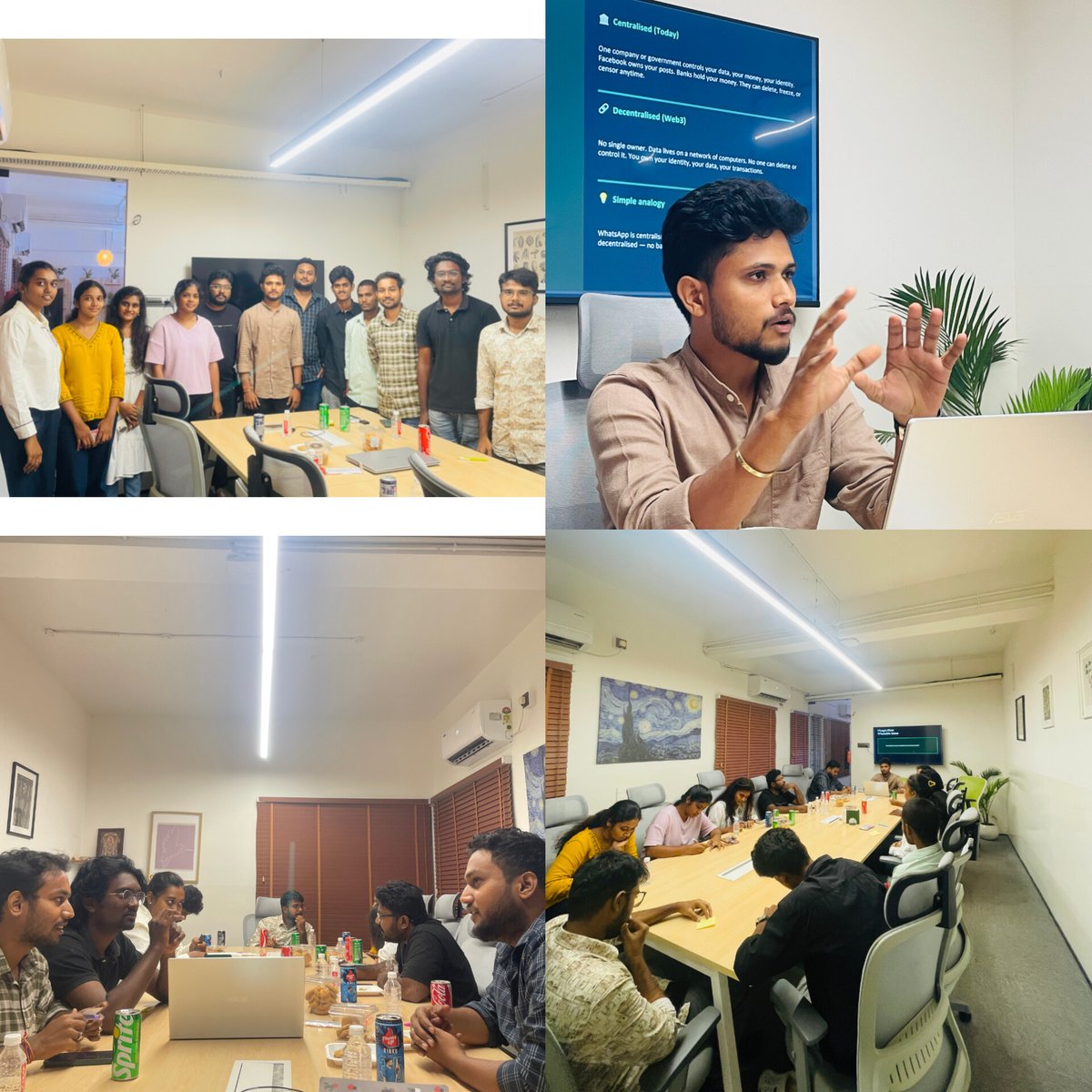
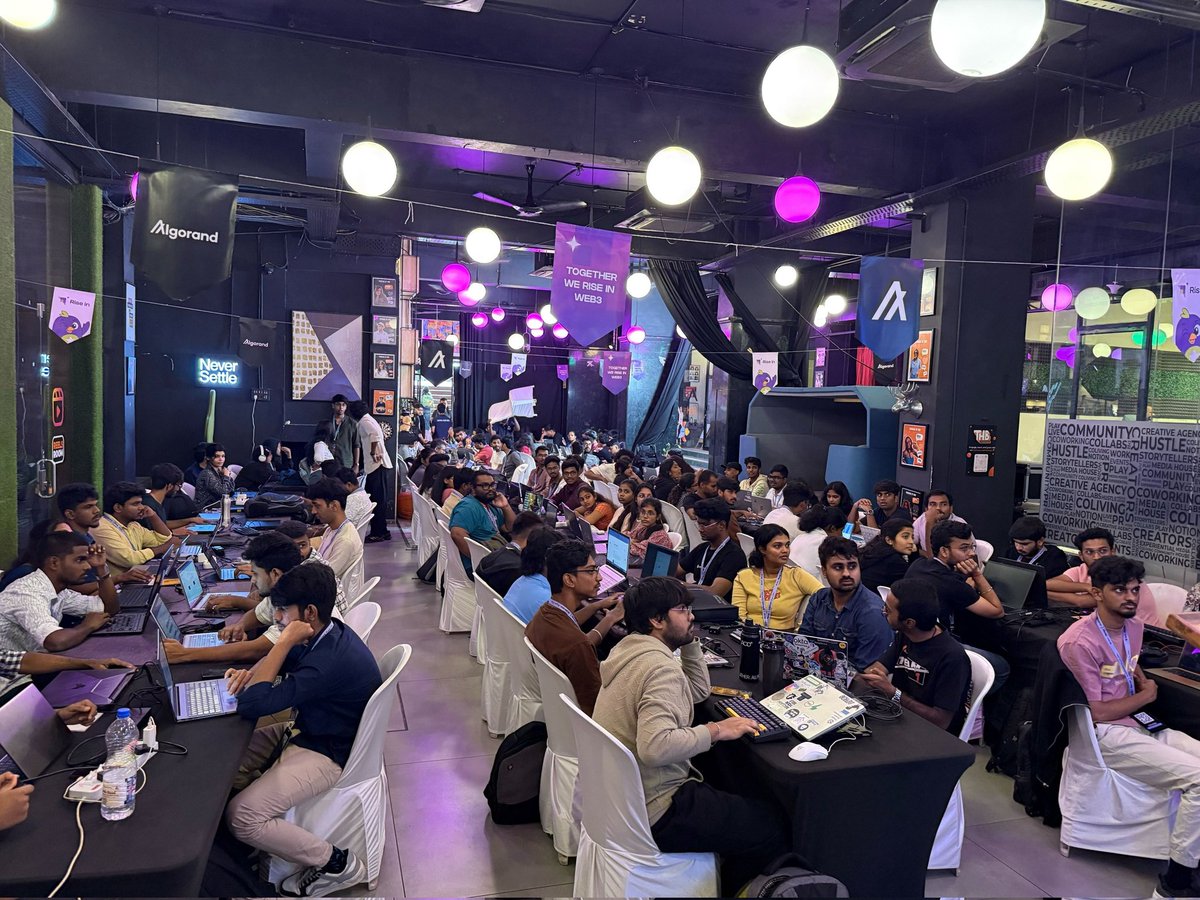
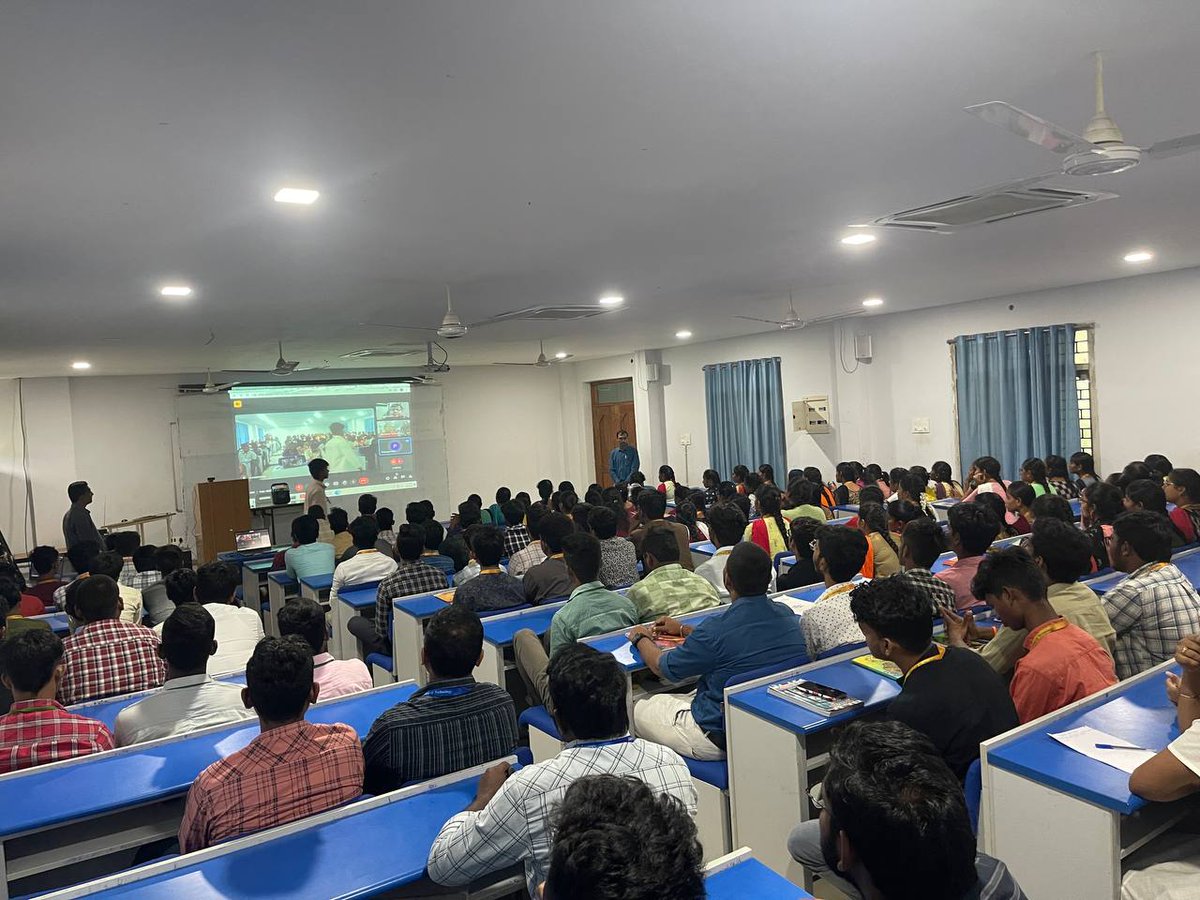
Saturday we hosted the first @Logos_network Circle Vizag
13 people came together to discuss decentralisation, privacy, local challenges and community building.
Great conversations. New connections. Real problem statements.
Just getting started.
#Logos #Vizag #Community
1
7
107
Jun 4
2 days to go 🔥
Logos Circle: Vizag — Founding Gathering
🗓️ June 6th, Saturday · 5:00 PM
📍 Away CoWorking, Vizag
Still a few spots left. Register 👇
luma.com/4110a7t8
#LogosCircle #Vizag #Web3
Jun 4

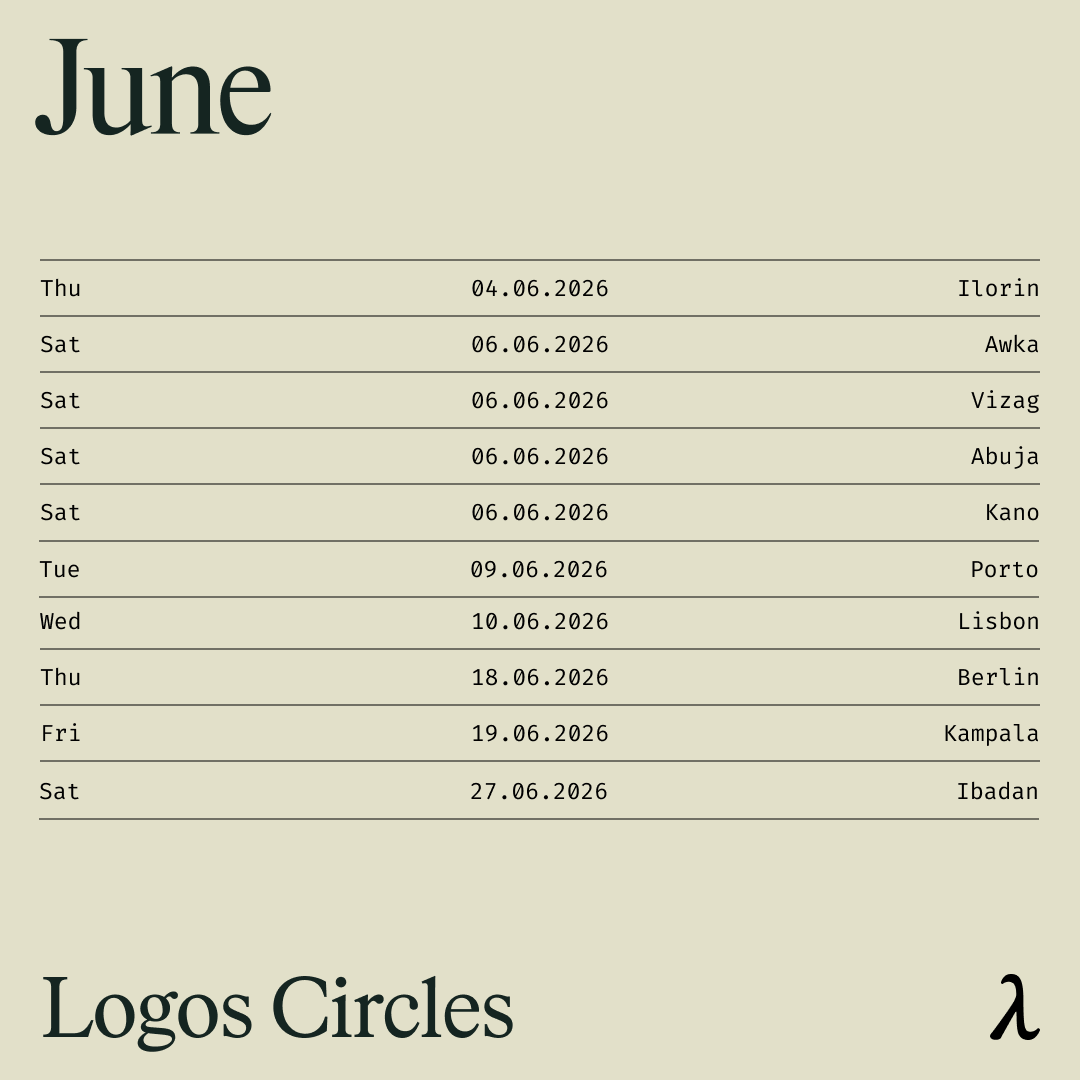
Logos Circles are revitalising civil society.
Find your local meetup in June, identify ways you can help your community, and start building something better.
logos.co/circles
1
4
86

Your desktop can become an entire decentralized stack.
Logos Basecamp lets you install chat, storage, self-custody wallets, and custom peer-to-peer apps as modules, all pulled from a catalog or your own .lgx file.
Logos Basecamp is a modular, open-source desktop app for the Logos network.
Logos is a peer-to-peer protocol stack for messaging, storage, and consensus.
Logos is open-source infrastructure that doesn't depend on Big Tech serversor single points of failure.
Every feature in Basecamp is a module, nothing is baked in, and nothing phones home.
There are two types of modules:
→ Core modules: headless background services for messaging, storage, and networking
→ UI modules: the visual front-ends you actually click on
You can mix them, load only what you need, unload what you don't. The stack composes around you.
Installing from the catalog takes three clicks.
Open Package Manager → browse → Install.
Basecamp auto-detects the right variant for your platform and drops it into your user modules directory.
Want to ship your own?
Drop a .lgx file → click Install LGX Package → confirm.
Basecamp auto-detects your platform and runs it.
Every loaded module runs in its own isolated logos_host process.
The Modules view shows real-time CPU, memory, and status for each one. There are no hidden background services, telemetry, or third-party trackers.
QML-based UI apps run inside a sandboxed QML engine with a deny-all network policy by default. To make a network call, your app must route through a Logos Module running in its own process.
What's actually possible?
→ Decentralized chat
→ Encrypted storage
→ Self-custody crypto wallets
→ Custom peer-to-peer apps
→ Whatever you can ship as a .lgx
The Logos stack is modular, sovereign, censorship-resistant, and YOURS.
If you can dream it then you can module it.
Run your own node, own your stack.
Build on Logos.
What are you going to build first? 👇
4
6
21
806
May 28
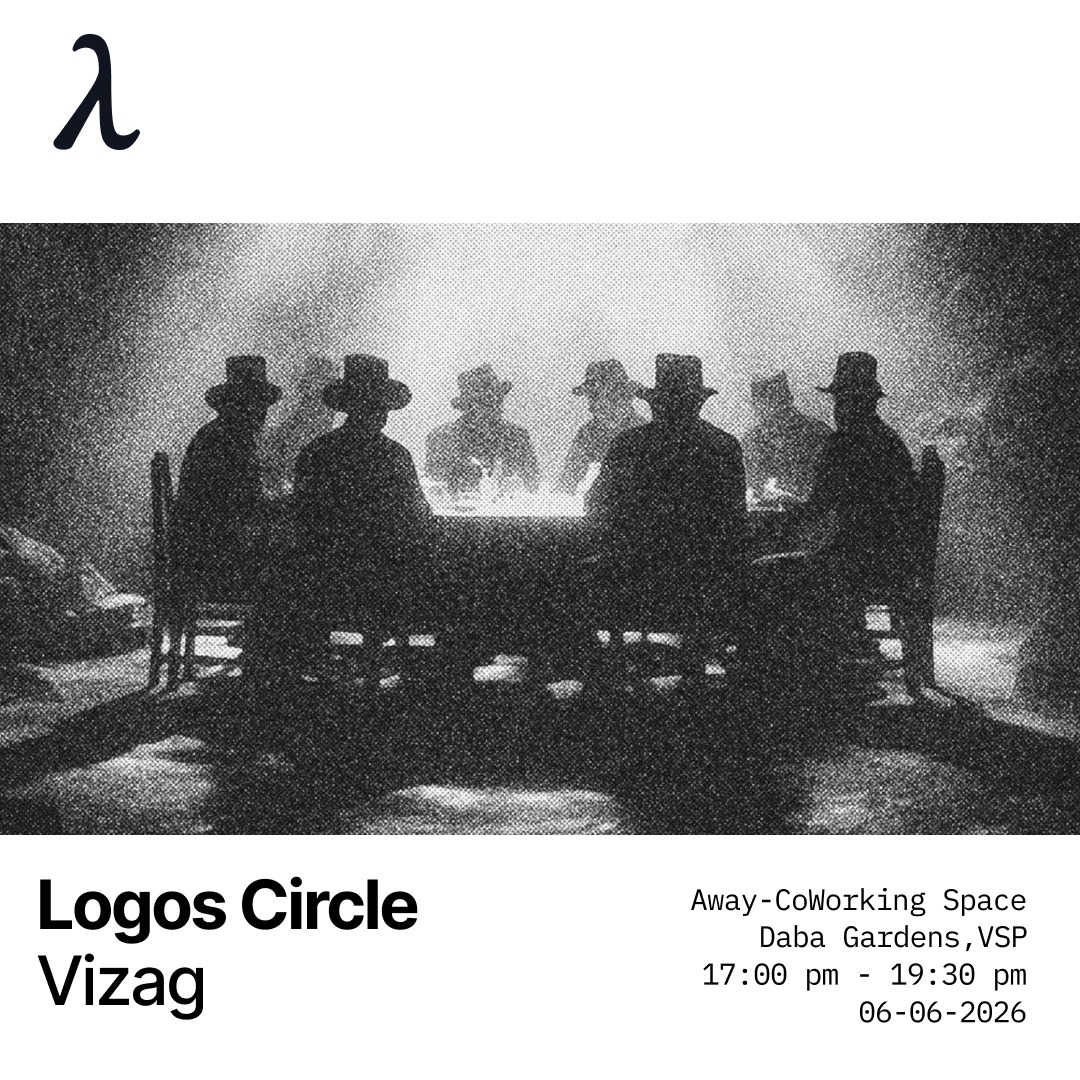
Vizag's first Logos Circle is officially happening.
🗓️ June 6th, Saturday
🕔 5:00 - 7:30 PM
📍 Away workspace,Vizag
A local chapter of @Logos_network — where real people work on real local problems using decentralised tech.
Register 👇
luma.com/4110a7t8
#Logos #Vizag #Web3
1
5
102
May 28
#Vizag has talented builders, founders, creators & communities, but ecosystem feels fragmented.1
We need smaller, consistent gatherings around decentralisation, privacy tech & local collaboration.
What do you think Vizag’s ecosystem is missing most right now?
#Decentralise #Tech
2
55


Dev3pack Bridge Accelerator 🏗️
We're launching The Bridge, an accelerator helping underrepresented talents turn hackathon projects into real startups, powered by @solana
Many don’t know where to start. The bridge is the way.
Apply by June 12 👇
bridge.dev3pack.xyz
14
35
176
13,463
May 15
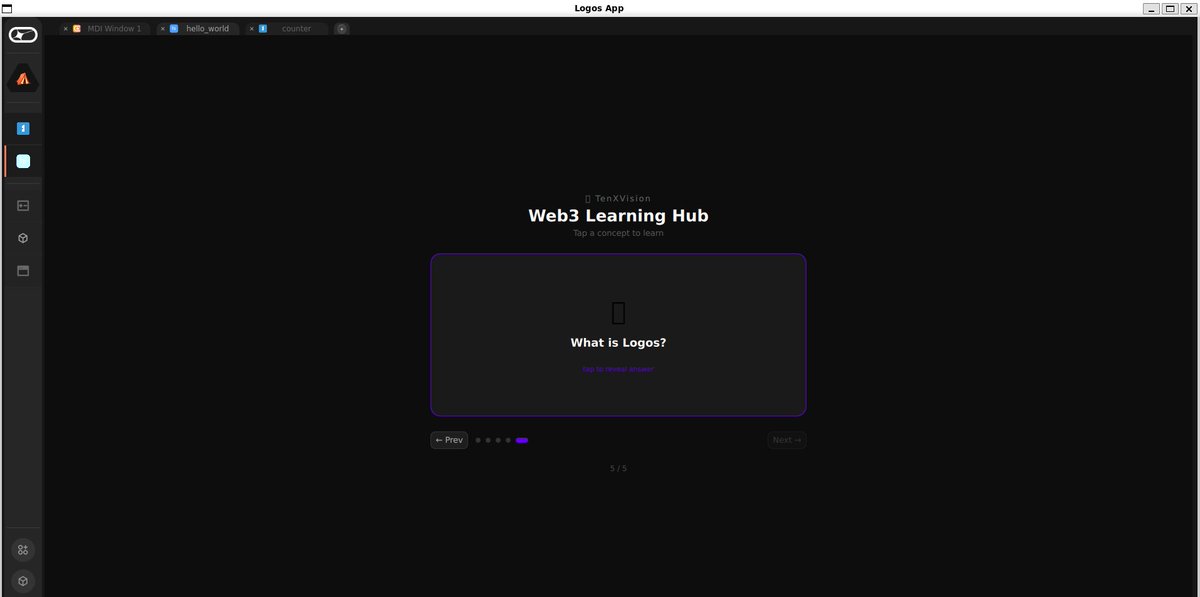
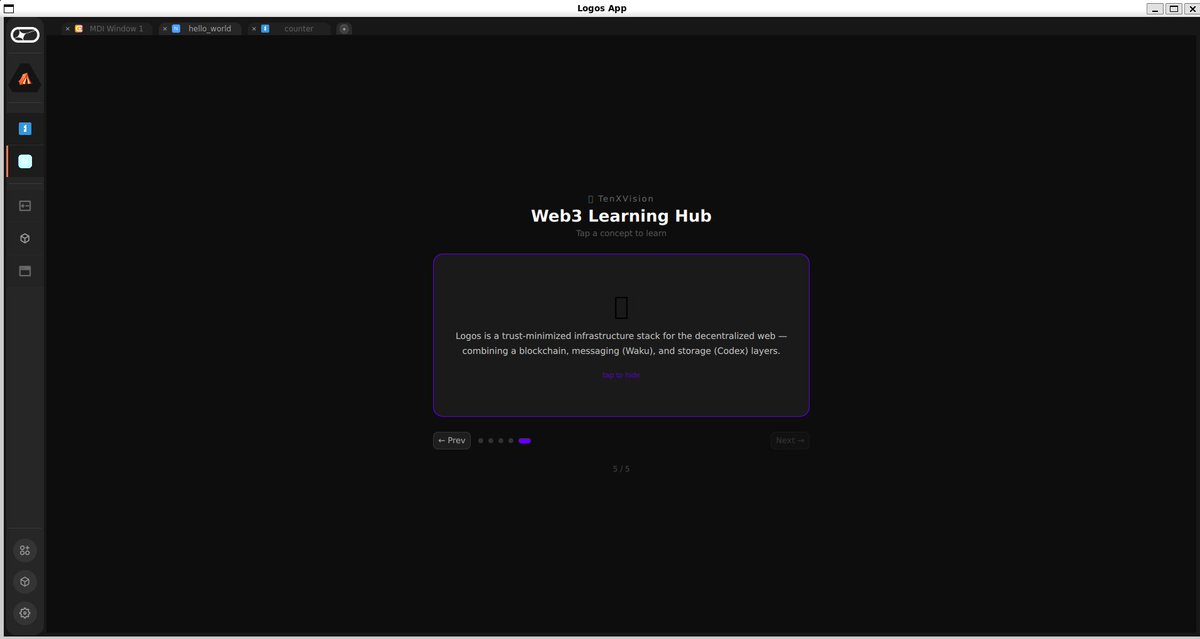
Built my first custom module for the @Logos_network Basecamp! 🔺
A Web3 Learning Hub module. It's a flashcard-style UI for learning blockchain fundamentals, built as a portable .lgx package and running directly inside Basecamp.
thanks @hackyguru for the workshop
#logos @dev3pack
1
3
12
511
7 Oct 2025
Excited to share 🚀
My project PeerSwap 🏆 won Best Use of Blockchain at #AlgoHack Bangalore 2025 🎉
A P2P slippage-free limit-order swap on #Algorand — no pools, no unwanted fees.
Awarded $500 🪙
🔗 github.com/ssaikumar1/peer-s…
#DeFi #Blockchain #PeerSwap #Innovation

3
125
Sai Kumar retweeted

12 Sep 2025
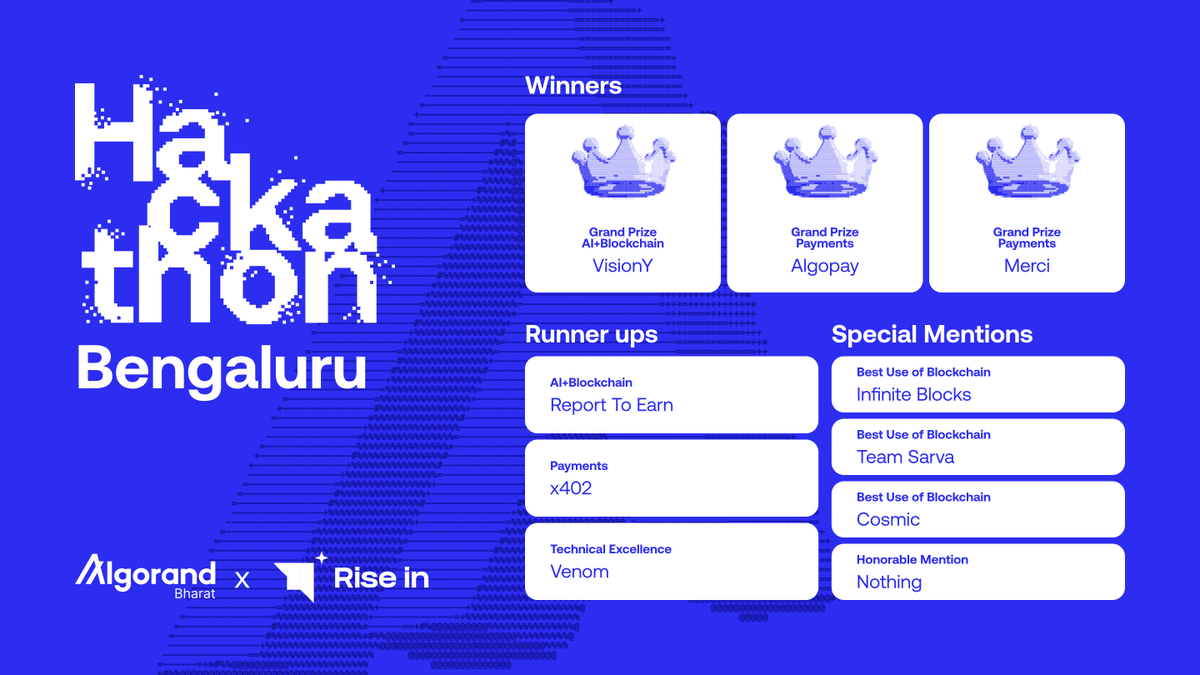
We just wrapped up our latest hackathon in Bengaluru, India, with @riseinweb3 🇮🇳
We saw 140 attendees, 45 projects launched, and great buzz around the Algorand blockchain, which is no surprise given @Algo_Bharat's groundwork in recent years.
The winners are:
🥇 VisionY
🥇 Algopay
🥇 Merci
🥈 Report To Earn
🥈 x402
🥈 Venom
🏆 Infinite Blocks
🏆 Team Sarva
🏆 Cosmic
🏆 Nothing
6
48
217
12,914
28 Aug 2025
#PayFi —enabling tokenized receivables to unlock instant on-chain liquidity—is redefining Web3 payments. It’s not just hype—it’s the bridge with real utility. RWA builders, this needs your attention!
#crypto #token #blockchain #network
45
Sai Kumar retweeted

28 May 2025
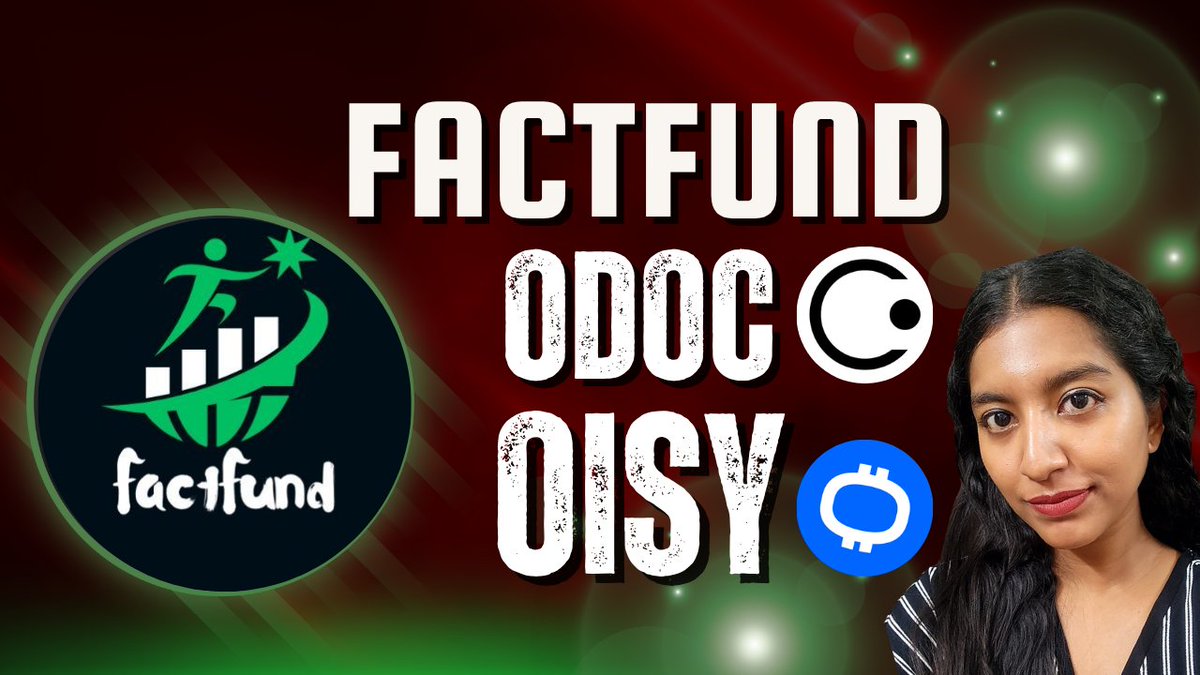
🔹 FactFund: Transparent, on-chain crowdfunding
🔹 ODOC: Freelance work redefined by trust
🔹 Oisy Wallet: Privacy & speed, no hype needed
WATCH NOW : youtu.be/9LVzQ_3tBlQ
@fact_fund @odoc_ic @oisy @DFINITYDev @dfinity #ICP @dominic_w #Crypto #Web3 #Solana #Ethereum
5
17
672
Sai Kumar retweeted

28 May 2025
Thank you @ledgerlifeio for featuring FactFund 🙌
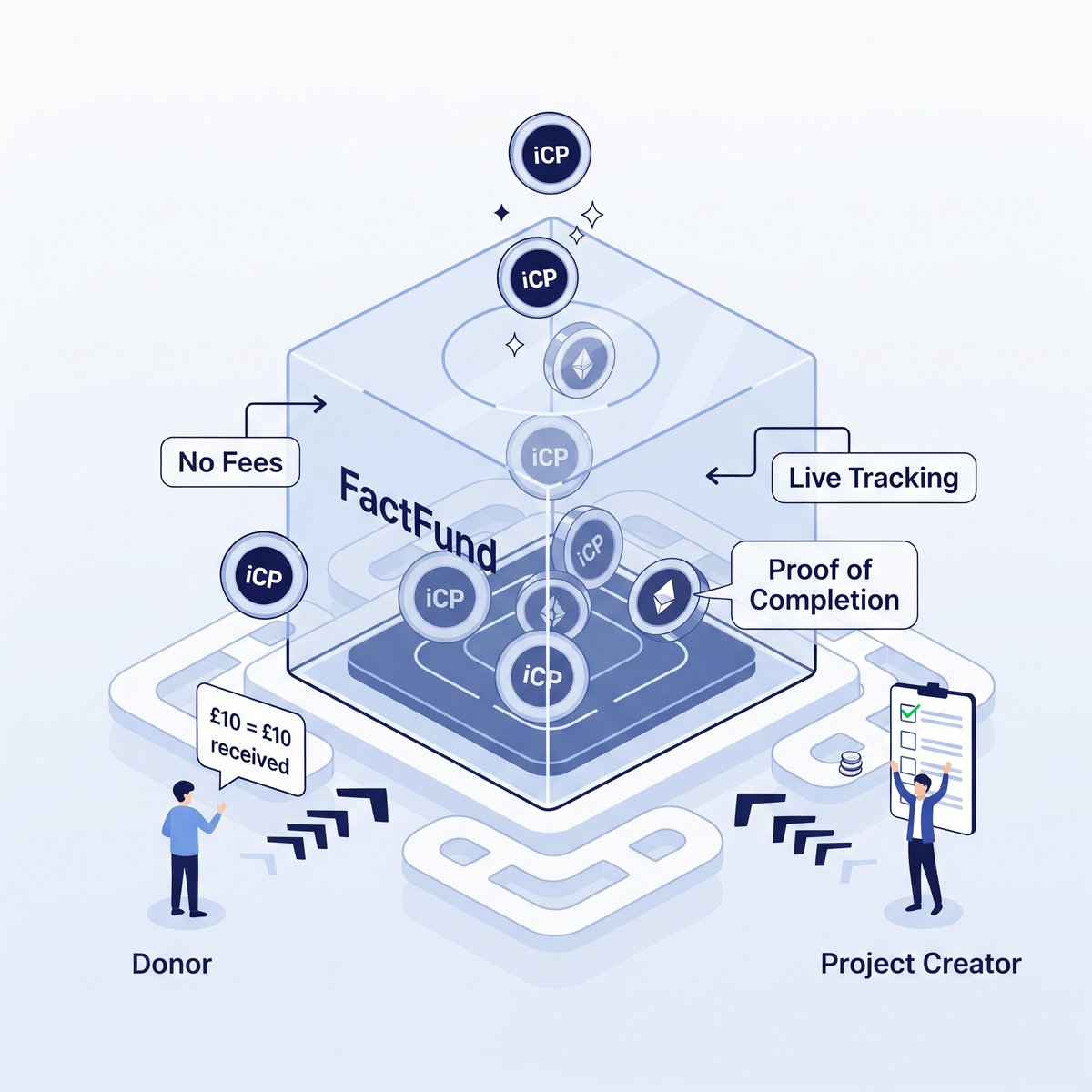
We're building transparent, token-locked crowdfunding on #ICP — empowering real trust in Web3.
Check it out 👇
#icpgrant @dfinity #BuildOnICP #Web3
28 May 2025

🚀 Say hello to FactFund — crowdfunding without the guesswork. Built on ICP, it cuts out the middleman, shows exactly where every token goes, and holds creators accountable. No fees. No fluff. Just facts. 🔍
👉 ledgerlife.io/factfund-ditch…
@fact_fund @DFINITYDev #ICP #Crypto #Web3
1
1
1
95
Sai Kumar retweeted
26 May 2025
🚀 Just launched: FactFund – a Web3 crowdfunding platform built fully on the Internet Computer! 🌐
🔐 Secured Authentication
🔐Token-locked proposals to prevent spam
📊 Transparent fund tracking via sub-accounts
📁 Proof-of-completion to build donor trust
⚡ Built using Motoko
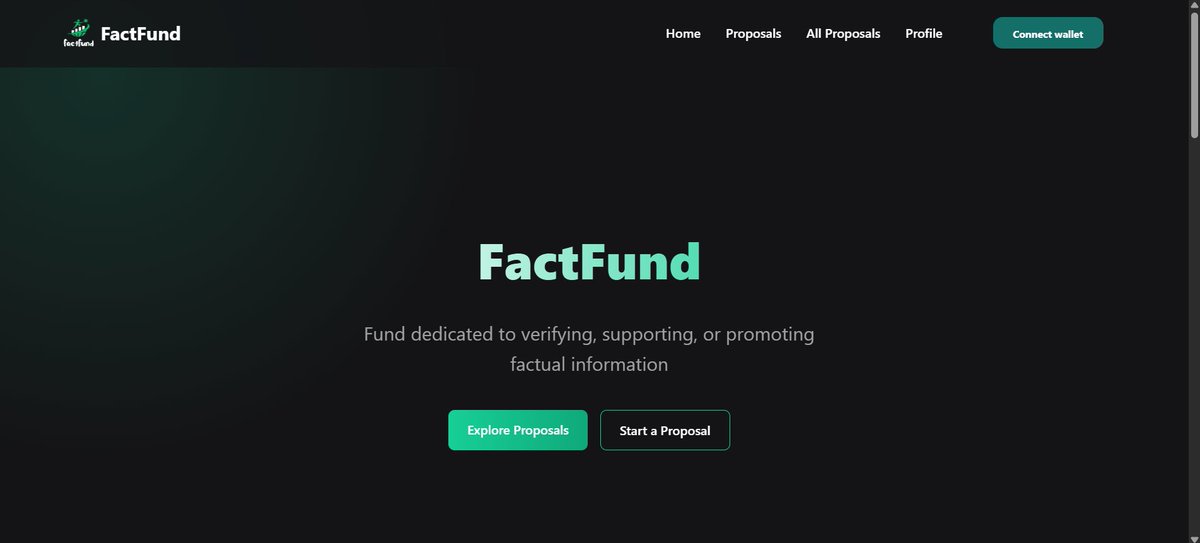
ALT FactFund aims to deliver a fully on-chain crowdfunding protocol on the Internet Computer, leveraging token locking, sub-account fund isolation, automated disbursement, and proof-based validation to ensure decentralized trust and campaign accountability.
2
2
3
562
Sai Kumar retweeted
26 May 2025
Explore the demo: nv57a-iaaaa-aaaap-qhsqa-cai.…
Code: github.com/satishccy/FactFun… #icpgrant @dfinity #Web3 #Crowdfunding #BuildOnICP
Demo :
1
2
105
8 Dec 2024
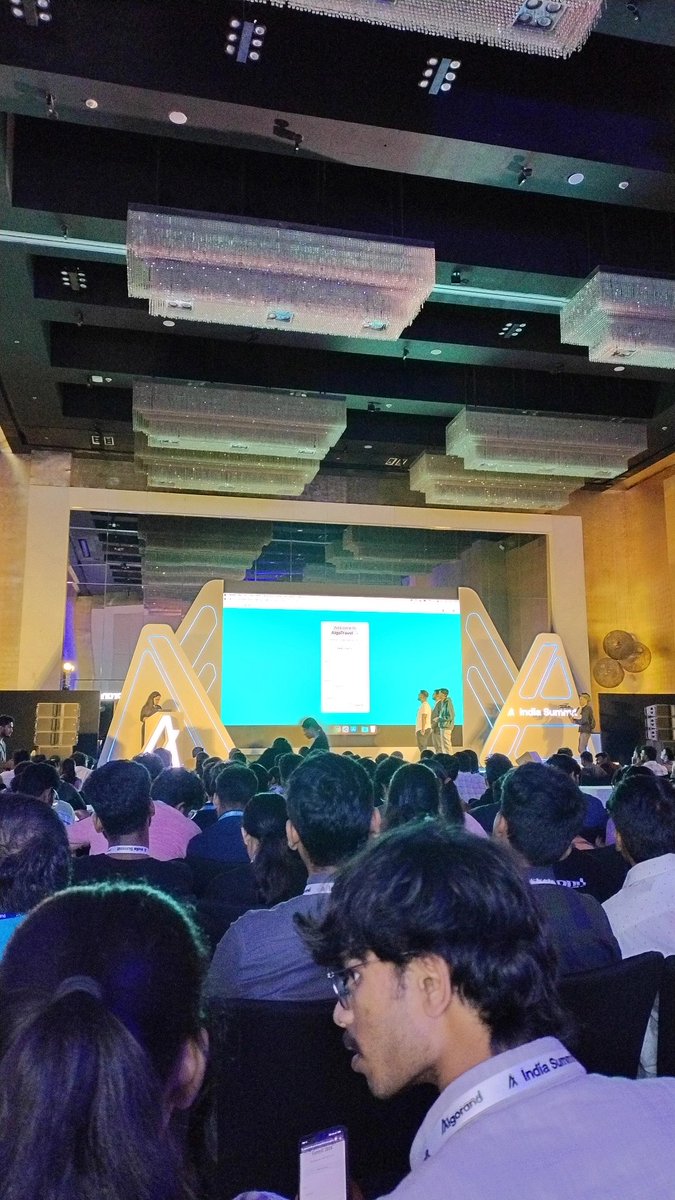
Day 1 at the Algorand India Summit 2024 was phenomenal! 🚀
Engaging sessions, insightful talks, and incredible networking with blockchain enthusiasts
Excited to see what Day 2 has in store! Let’s keep building the future of Web3 together. 💡
#Algorand #IndiaSummit #Blockchain

2
117
5 Dec 2024
🚀Excited to share that I'll be attending the Algorand India Summit 2024 in Hyderabad on December 7 & 8! 🌟
Let’s connect, learn & innovate together at this incredible gathering of blockchain enthusiasts and experts.💡
#Algorand
📍Westin Mindspace Hotel, Hyderabad
🎯@Algo_Bharat
2
29
801
Sai Kumar retweeted

10 Sep 2024
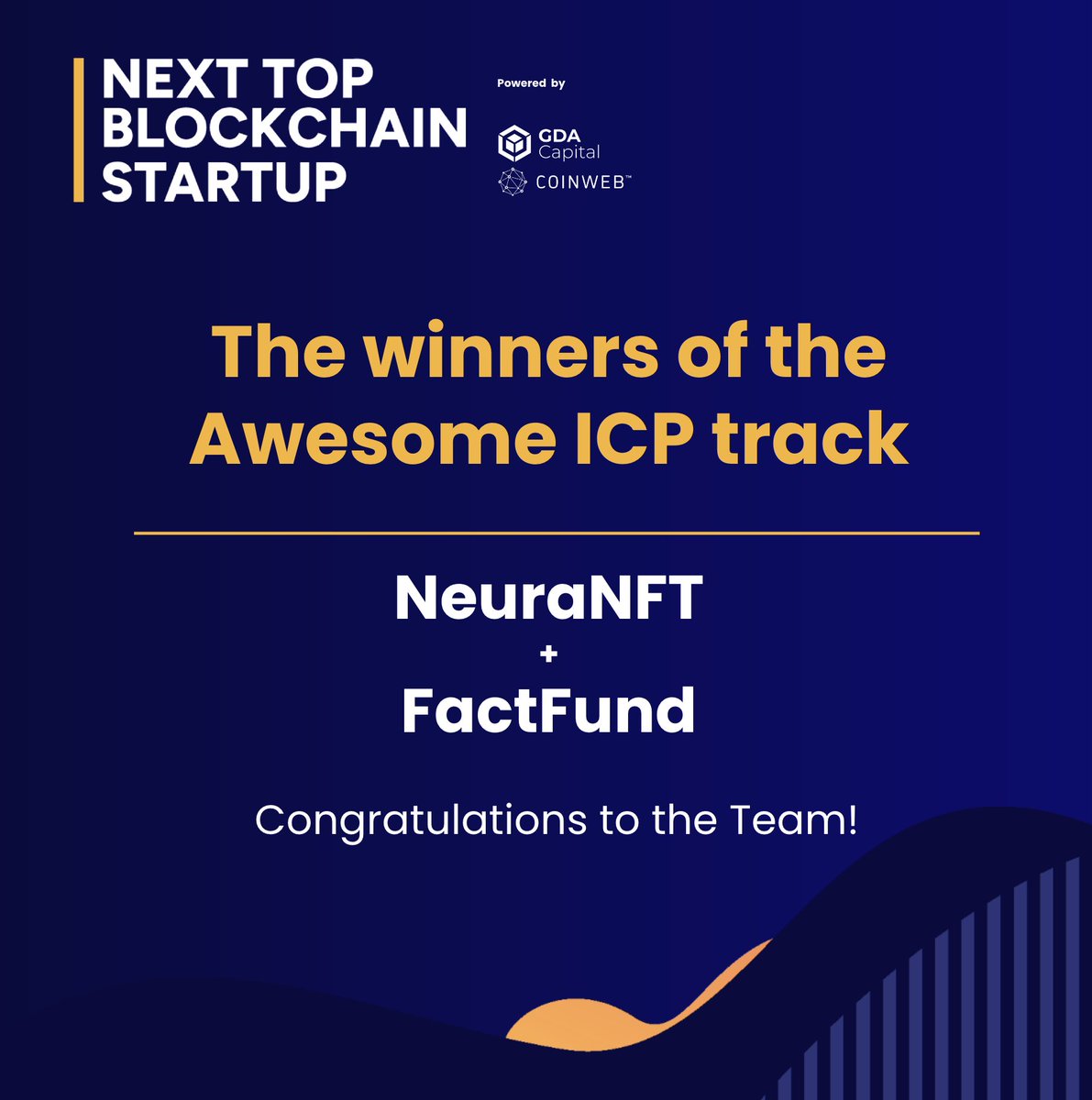
Congratulations to the Awesome #ICP Track winners at the Next Top Blockchain Startup Hackathon!
NeuraNFT ➡️ Enable true ownership of #AI models by representing fine-tuning data, architecture information, and training parameters as #NFTs
FactFund ➡️ Decentralized #web3 crowdfunding platform
8 Sep 2024

🎉 Congratulations to the winners of the Awesome ICP track! 🏆🚀 @dfinity @DFINITYDev
🏅 NeuraNFT
🏅 FactFund
We can’t wait to see your projects evolve!💡✨
7
30
1,500
Sai Kumar retweeted

12 Nov 2024
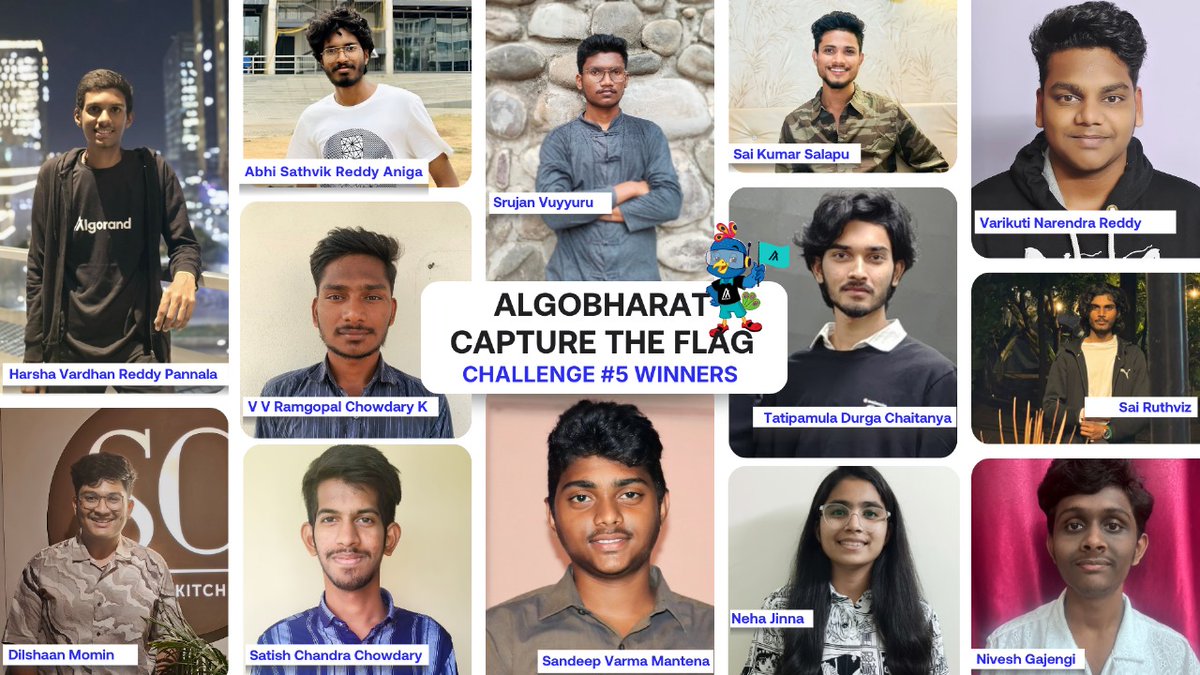
Congratulations to all the winners of AlgoBharat Capture the Flag Challenge #5. 🏆🏆🏆 Way to go, superstars. This was a tough one!
We release the 6th & final CTF Challenge of the season this Tuesday, 7pm, at algobharat.in/captheflag/. Get in on the fun, get your name on the CTF leader board, and get your spot at the @AlgoFoundation India Summit -- the #blockchain event of the 2024!
3
7
43
938