
Do not be so open-minded that your brains fall out. -G.K. Chesterton #DeSantis2028 #TeamSanity Joined in 2009 as FairTaxNancy
Joined May 2016
- Tweets 183,351
- Following 5,479
- Followers 2,241
- Likes 142,806
7,095 Photos and videos










Pinned Tweet

26 Sep 2025
“Merely having an open mind is nothing. The object of opening the mind, as of opening the mouth, is to shut it again on something solid.”
― G.K. Chesterton
3
2
33
3,552
I think I must be the only woman in the United States who just hates gray kitchen cabinet cabinets. I'm convinced real estate agents love them. Why else would every house they show have gray cabinets?🤷🏻♀️
28
Grumpy 🇺🇸🇮🇱🇺🇦 retweeted

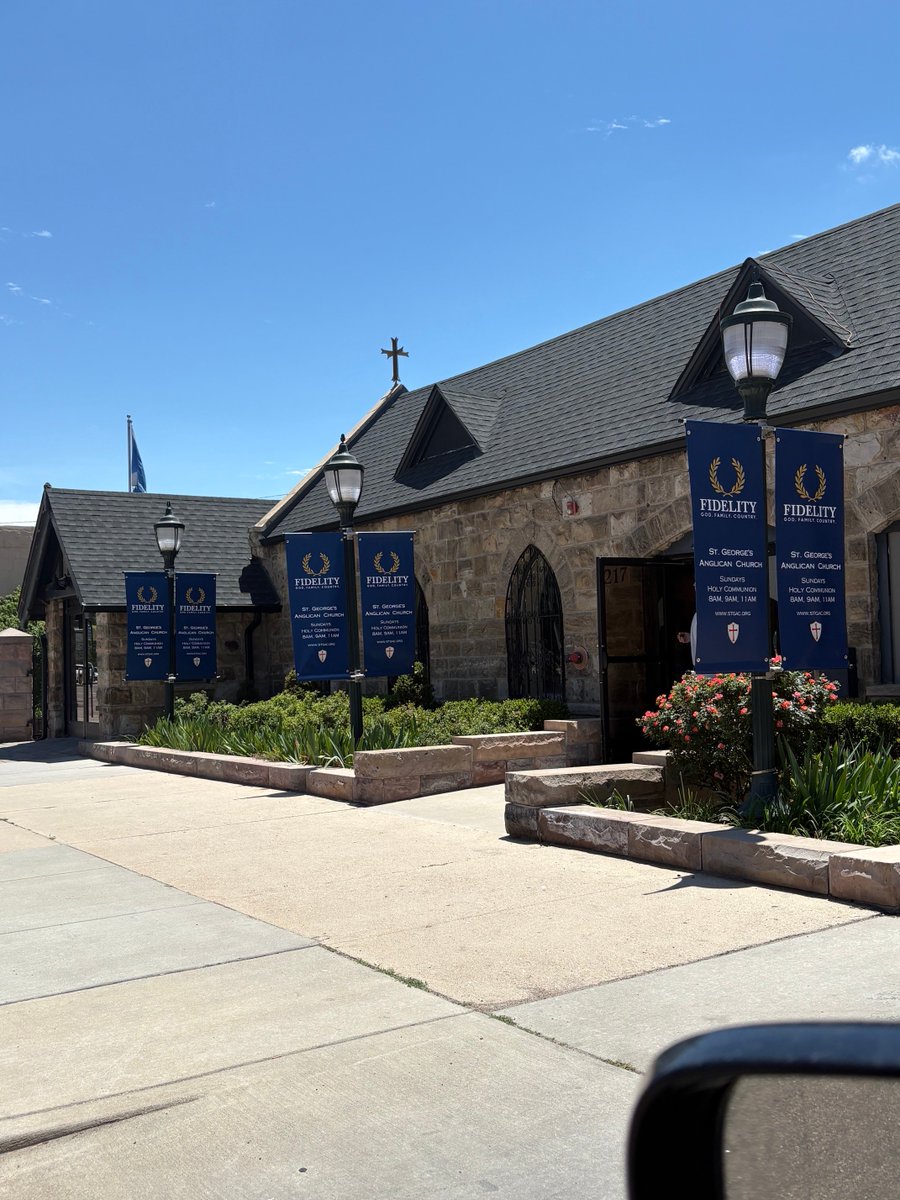
A beautiful display of the #FidelityMonth logo by St. George's Anglican Church (Colorado Springs)
1
3
14
1,554
Grumpy 🇺🇸🇮🇱🇺🇦 retweeted

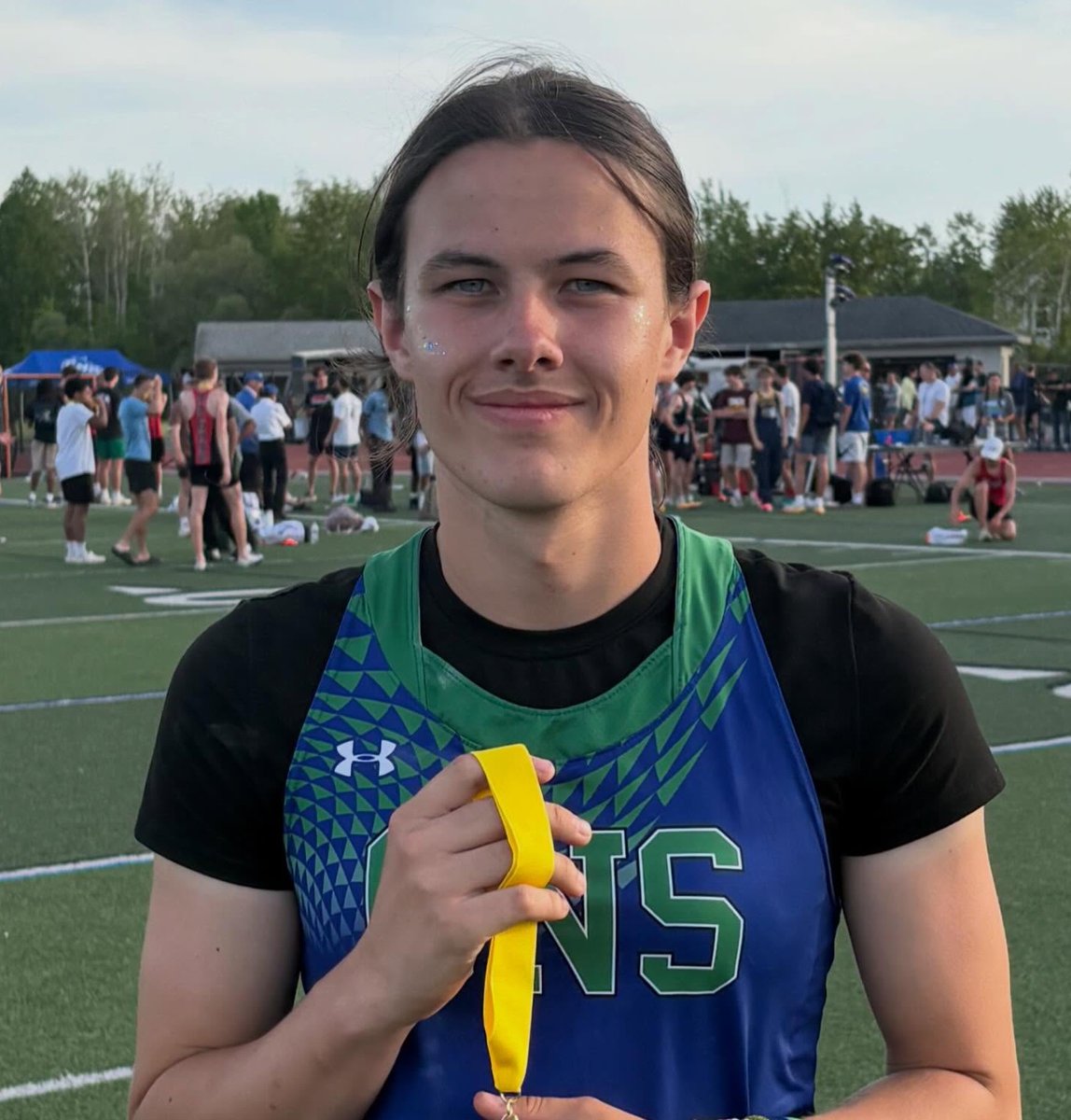
Allowing this bullshit in shot put is crazy work.

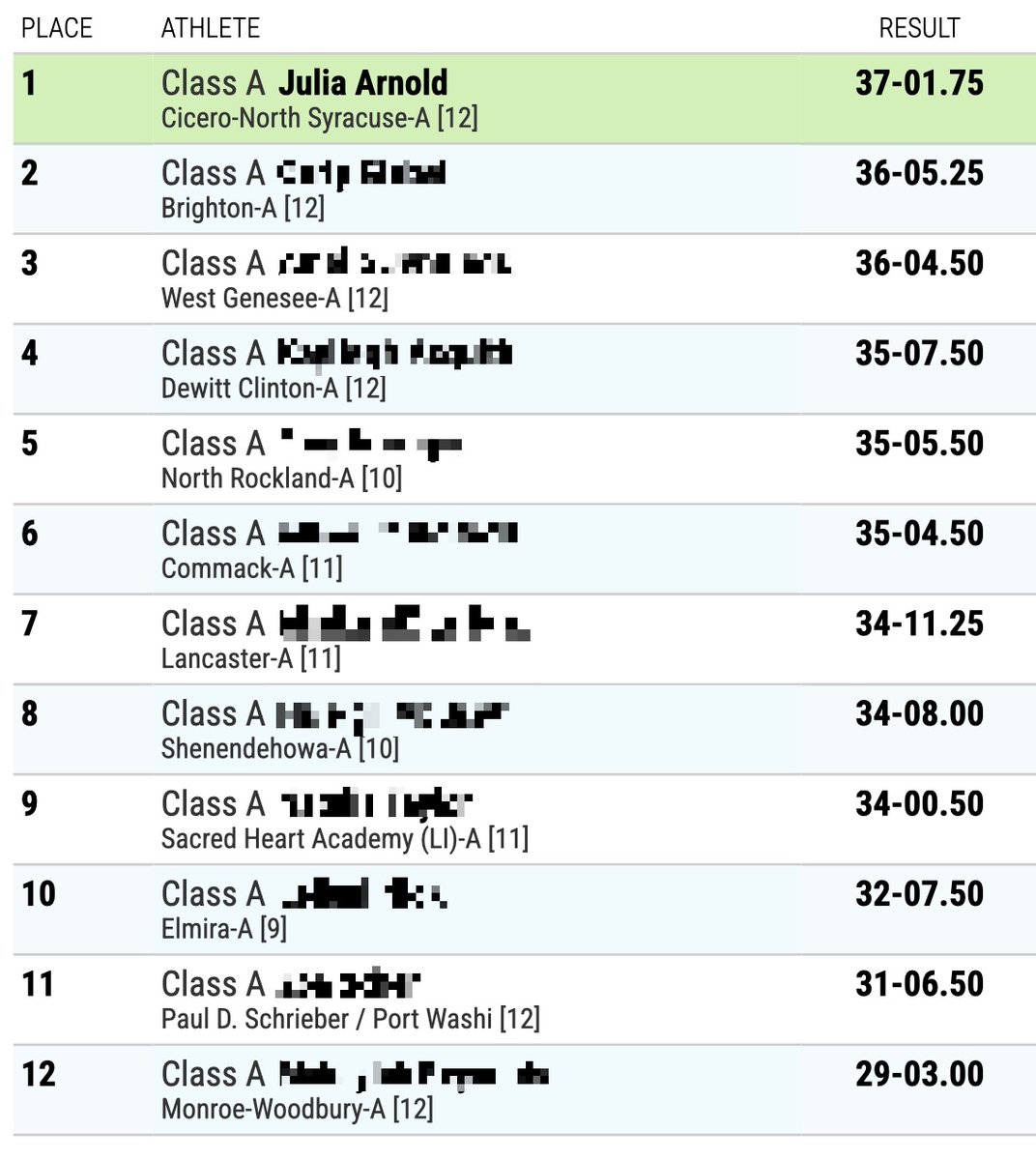
🚨A male student won the Girls Shot Put Class A state title at the New York Outdoor Track & Field Championships today.
Jeff "Julia" Arnold is currently ranked the #1 "female" athlete in Girls Shot Put 4kg in the state of New York.
19
52
720
18,767
Grumpy 🇺🇸🇮🇱🇺🇦 retweeted

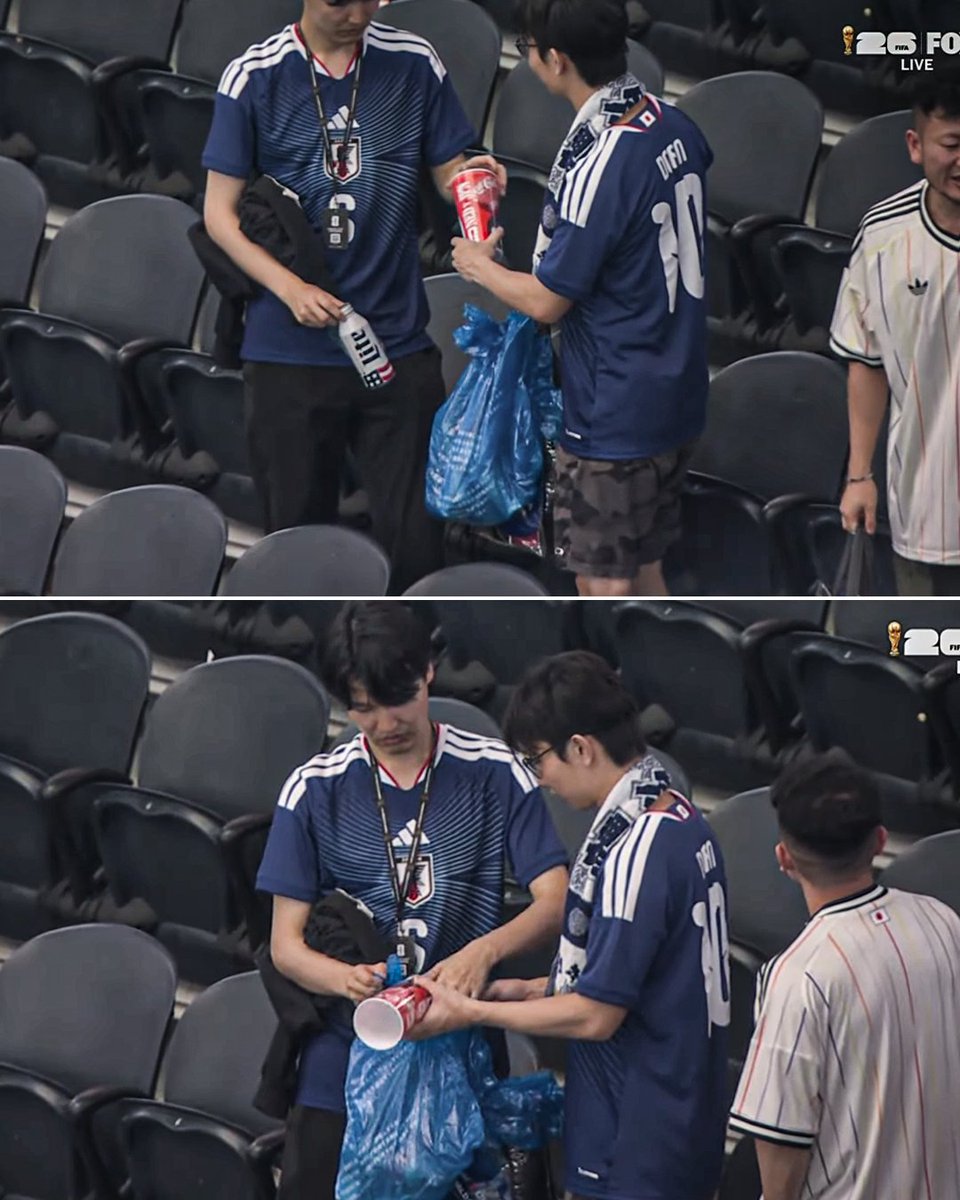
Japan fans brought their own blue garbage bags to a World Cup match. No stadium rule required it. They brought the bags from home. They do this at every tournament, in every stadium, win or lose. Nearly 80 years of deliberate education built this habit.
Tokyo, with 13 million residents, is one of the cleanest megacities on the planet. It achieved that after most of its public trash cans were removed following a 1995 terror attack. The bins never fully came back. The streets stayed spotless anyway.
The explanation starts at age 6, long before anyone thinks about football. In Japanese schools, students handle all the daily cleaning themselves. Four days a week after lunch, they spend 20 minutes scrubbing classrooms, hallways, and bathrooms in a session called "Soji." The broader program is "Tokkatsu," meaning "special activities," and Japan built it into the national curriculum in 1947 while rebuilding the education system after World War II. Over 12 years, a student completes nearly 2,000 of these sessions.
The lesson is direct: if you use a space, you take responsibility for it. The stadium section belongs to you for 90 minutes. Leave it better.
At the 2018 World Cup, Japan fans cleaned the Rostov Arena stands after losing 3-2 to Belgium in the final seconds. They had been 2-0 up. The team's dressing room, also spotless, held a note that said "thank you" in Russian. At the 2022 World Cup in Qatar, the dressing room had 11 origami cranes and a thank-you note in Japanese and Arabic.
Grief doesn't suspend the behavior. A camera doesn't trigger it. Nearly 2,000 cleaning sessions completed before age 18 makes it automatic.
Japan has run this system since 1947. The stadium section is just a classroom with 70,000 seats.

A tradition unlike any other: Japan fans cleaning up their section before leaving the stadium 🇯🇵❤️
23
331
1,476
60,800
Grumpy 🇺🇸🇮🇱🇺🇦 retweeted

Jun 15
National Council of Resistance of Iran reacts to news of peace deal between U.S. and Iran justthenews.com/node/183194?…
25
276
429
17,238
Grumpy 🇺🇸🇮🇱🇺🇦 retweeted

Former Senate leader Mitch McConnell is in the hospital, but little more information is known nydailynews.com/2026/06/15/m…
1
2
1
1,041
Grumpy 🇺🇸🇮🇱🇺🇦 retweeted

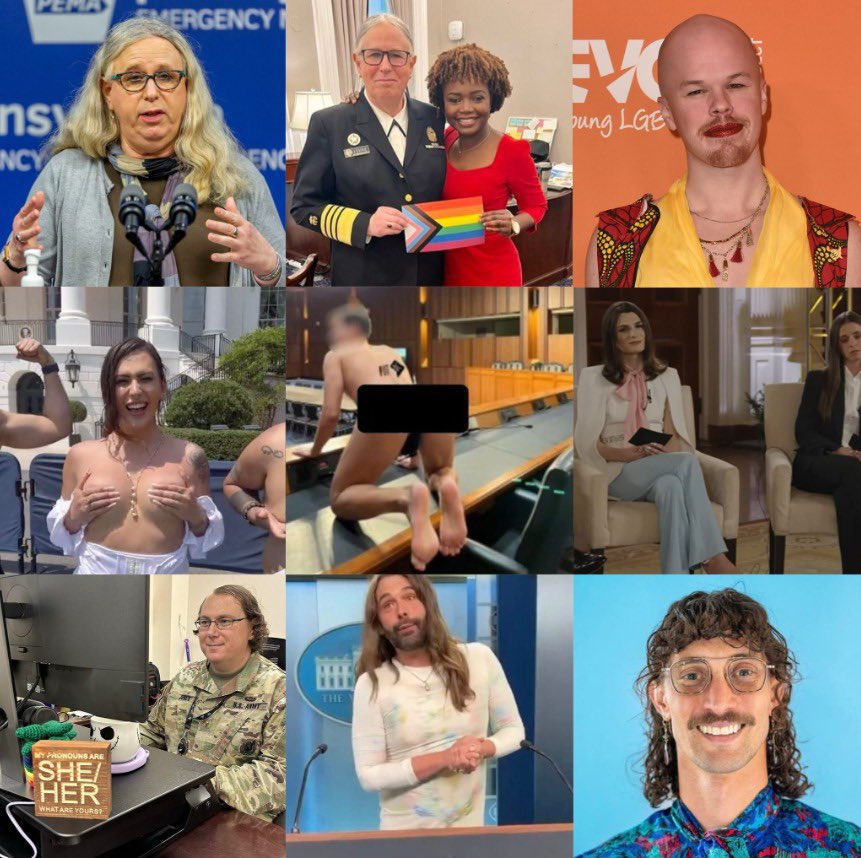
“Trump is making a mockery of the White House!”
Same people
534
11,452
58,504
729,432
Grumpy 🇺🇸🇮🇱🇺🇦 retweeted

16h
Democrat Senator John Fetterman says he had to remind Pete Buttigieg several times that he holds no elected position, nor is he an authority inside the Democrat party.
"He never stops talking and making demands," Fetterman told reporters, "I honestly don't know who he thinks he is."
Fetterman says he refuses to take direction from a guy who hasn't won an election in 15 years.
"Go run for something and win, then we can talk."

269
1,254
9,160
384,869
Grumpy 🇺🇸🇮🇱🇺🇦 retweeted

The problem is the White House owns this.
They could release the deal in writing but refuse to.
14h

*VANCE: HOPE TO RELEASE TEXT OF IRAN DEAL THIS WEEK
*VANCE CITES 'MISREPORTING' ABOUT US-IRAN DEAL
10
25
167
7,947
Grumpy 🇺🇸🇮🇱🇺🇦 retweeted

US achieved 3 tangible outcomes in Iran: setting back of the nuclear program, degradation of conventional military capabilities, & economic damage to the regime.
Allowing Obama-deal level enrichment, financing Iran's reconstruction & letting them tax Hormuz undoes them all.
4
17
74
2,145
RT @griffingulledge: You would not believe how easy it is to not be confused for associating with or being neo-Nazis,
and to not have neo…
4
Americans Aren’t Too Interested in Democrats’ War Against Wealth nationalreview.com/the-morni…
8
Grumpy 🇺🇸🇮🇱🇺🇦 retweeted

Jun 14
The only thing you contribute to your salvation is the sin that made it necessary.
48
17
192
10,777
Grumpy 🇺🇸🇮🇱🇺🇦 retweeted

Jun 13
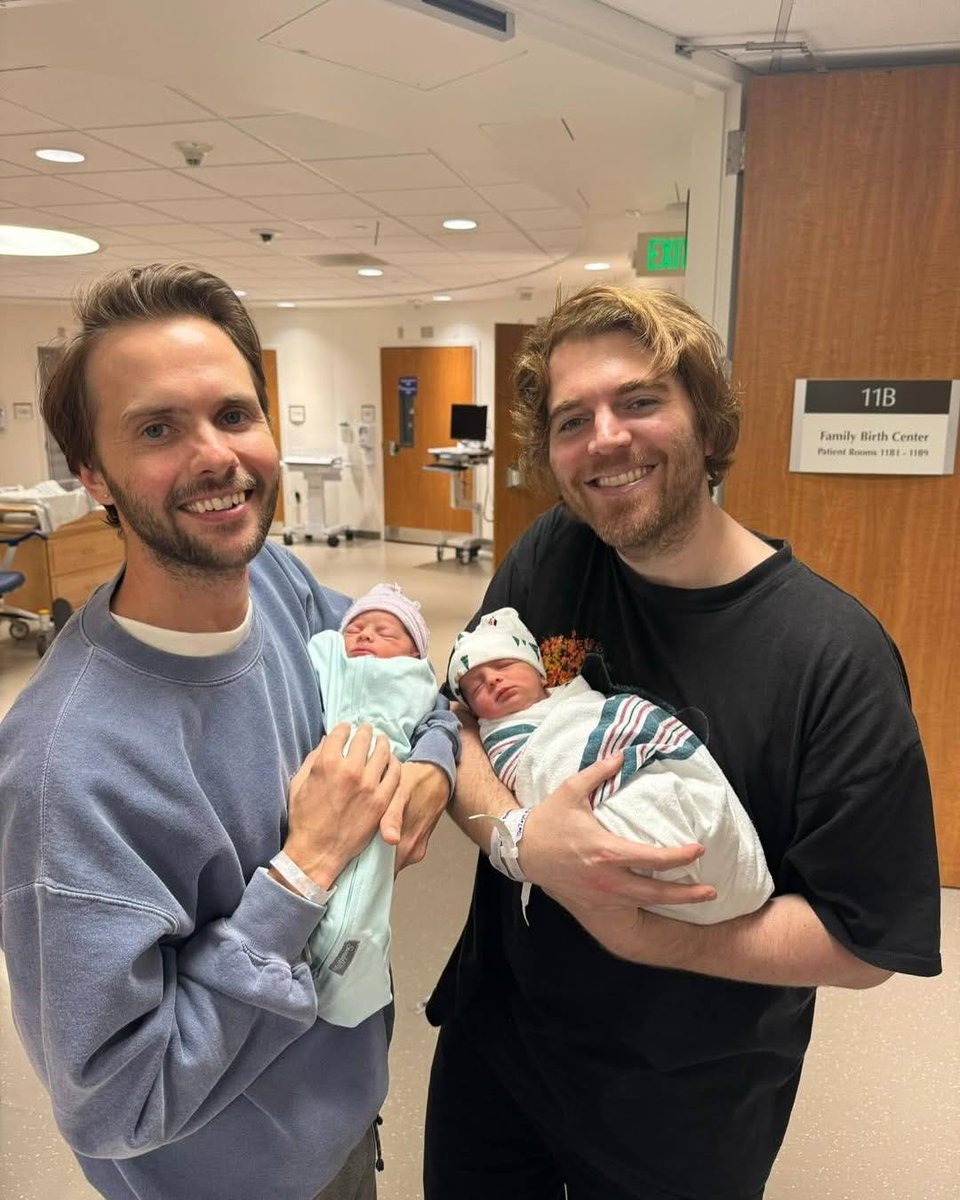
Shane Dawson has a history of pedophilic behavior.
Yet, he and his partner were allowed to buy children via IVF and surrogacy.
In 2014, Shane referred to a 6-year-old girl as “sexy.”
In 2018, Shane admitted to searching for child pornography.
In 2020, a clip of Shane resurfaced showing him pretending to masturbate to a poster of 11-year-old Willow Smith.
Video footage shows Shane coercing a 12-year-old girl into doing a lap dance on someone else while playing a sexually explicit song in the background and telling her to eat a “cocktail weenie” because he has “a lot of child molesters watching.”
In another video, Shane placed a pair of large fake breasts on a 12-year-old girl and made inappropriate requests and comments, including: telling a dog to lick the fake breasts, asking the girl inappropriate questions about her genitals, forcing her to dance on top of a table, and more…
Despite all these facts (caught on video), Shane and his partner, Ryland Adams, were able to use IVF and surrogacy to obtain children.
In February 2023, Shane and Ryland announced they had purchased a woman’s eggs and hired a surrogate to create 12 children, 6 girls & 6 boys.
On December 7th, 2023, they announced the birth of twin boys, Jet & Max.
These twin boys are precious.
Their existence is good.
But they (and their 10 other siblings) are victims of a grave human rights abuse.
Children are not commodities to be recklessly created, intentionally deprived of their mother, and purchased by anyone who has the money to do so—especially someone who has exhibited pedophilic behavior.
We must protect children.
We must ban IVF and surrogacy.
157
753
2,681
120,187
Grumpy 🇺🇸🇮🇱🇺🇦 retweeted

Jun 14
What’s the difference between this and an employer making you wear a MAGA hat. It goes against your beliefs, but it’s only for one day, right? I wouldn’t do that. So why should they?
2
3
14
2,886
Grumpy 🇺🇸🇮🇱🇺🇦 retweeted

Jun 14
Nobody forces the entire team to wear crosses on faith night.
7
6
784
19,891
Grumpy 🇺🇸🇮🇱🇺🇦 retweeted

Jun 14
“meant for inclusion…”
No. The only thing the night should have been meant for is playing baseball.
That you all insist on hijacking every aspect of American life to force your belief system on everyone else will not have the effect you want.
5
4
99
1,586
Grumpy 🇺🇸🇮🇱🇺🇦 retweeted

Jun 14
So inclusion means everyone is welcome… unless they express a view you disagree with???
If Pride Night is truly about inclusion, then players writing Bible verses on their hats should be included too.
It’s hard to demand tolerance while criticizing people for peacefully expressing their faith.
5
5
136
3,366
Grumpy 🇺🇸🇮🇱🇺🇦 retweeted

Jun 14
These players couldn’t wear something that communicated something that violated their deeply held beliefs. Why force it?
Jun 14

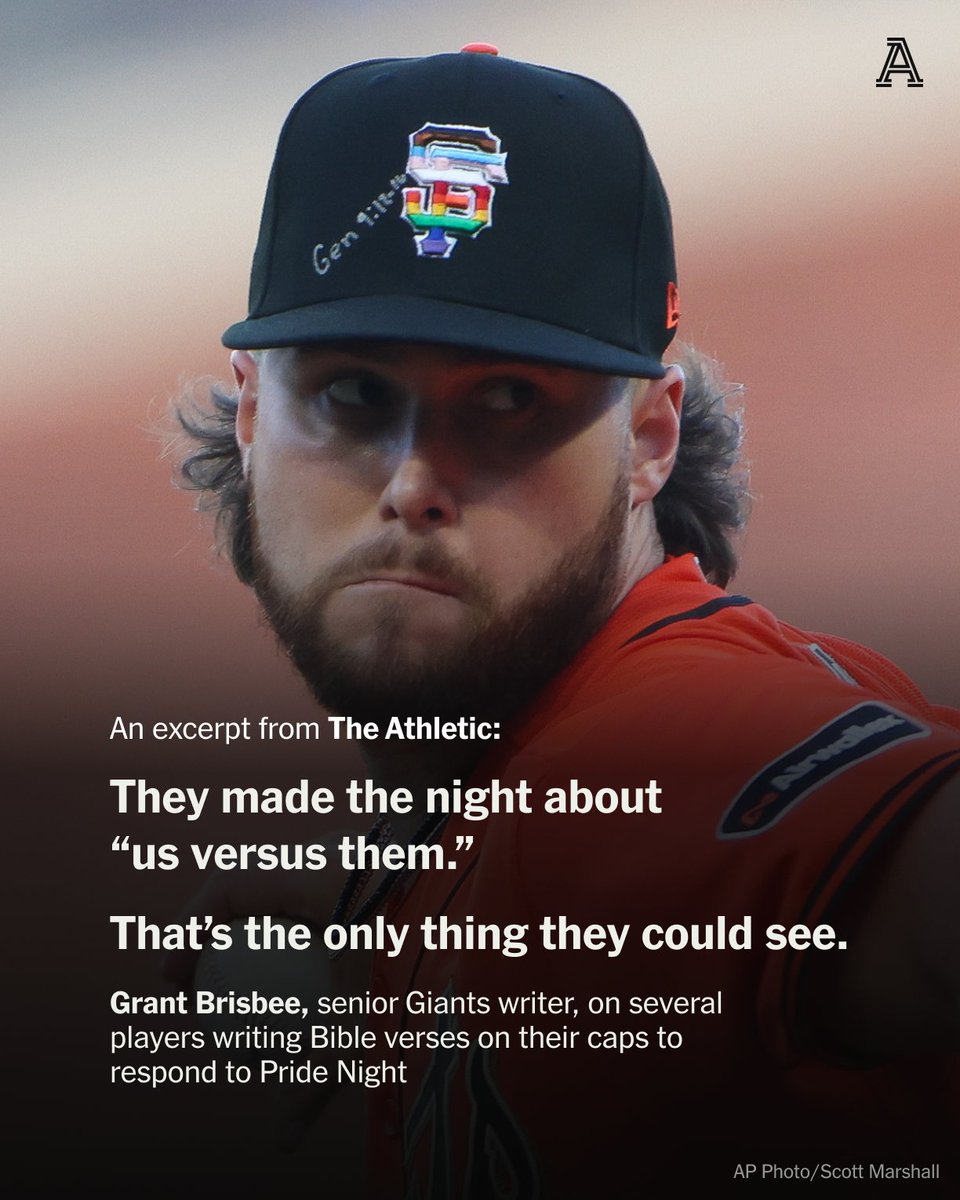
Several Giants players wrote Bible verses on their caps to respond to Pride Night.
The gesture echoed a familiar pattern: making a night meant for inclusion about something else entirely.
Read more for free, from @GrantBrisbee: nyti.ms/3Q23q8J
12
3
89
12,376
Jun 15
Like I've said before, these people have no intention of ever growing up, let alone understand the purpose of sex. Keep them away from your children.
Jun 14

This is an actual elementary teacher in @Adams12. His name is Stuart Sanks. He invites kids to drag shows and does drag events for kids
27