EVP Academics @SHNCares | GI @UofTGastroHep | Assoc Prof @UofT_DOM | @LabGrover @SHN_Education | #AI | #MedEd | best laid plans this side of Victoria Park
Joined October 2008
- Tweets 9,029
- Following 6,591
- Followers 12,403
- Likes 33,945
759 Photos and videos



Pinned Tweet

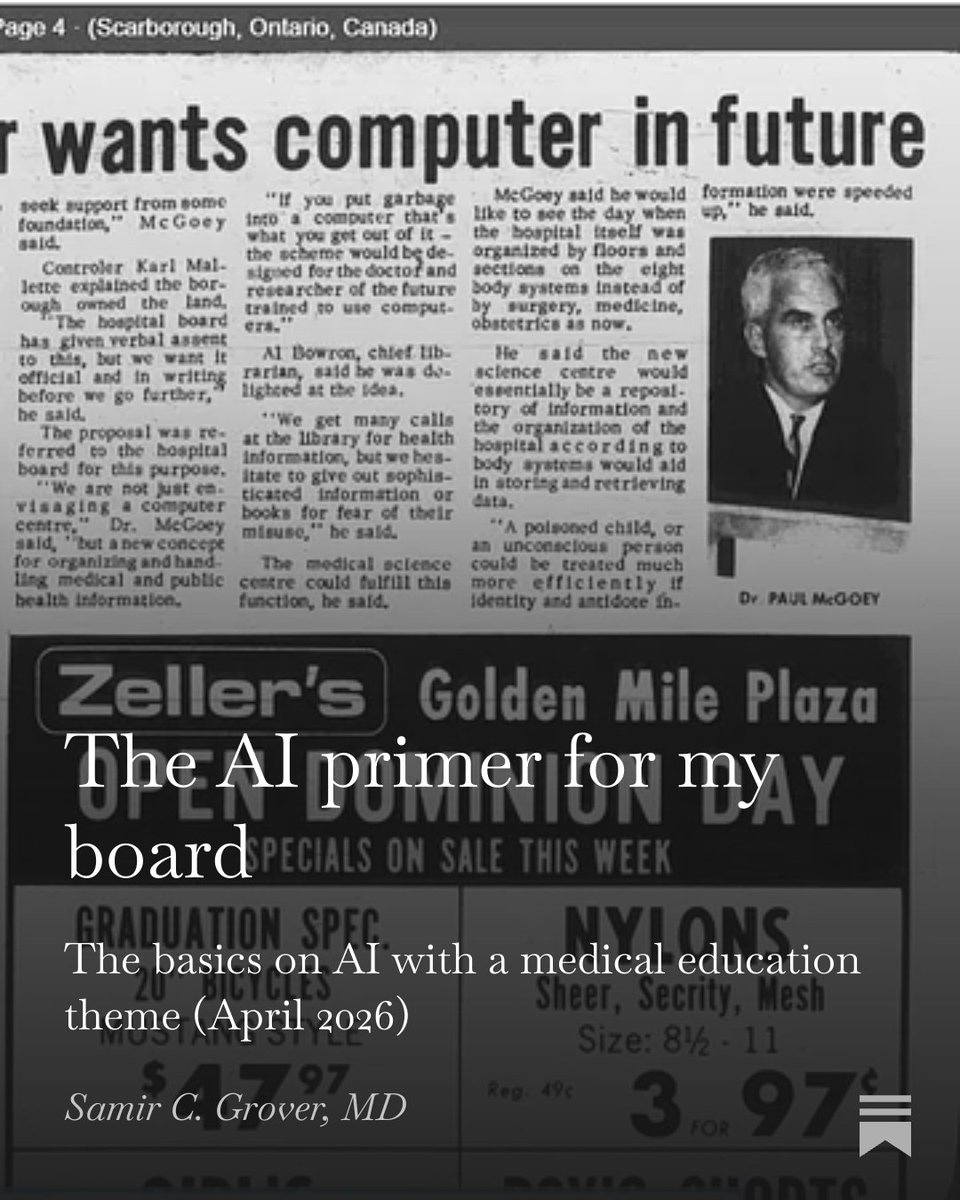
In my office, I have a wall of medical books that I have not opened in years. Decades. So does every senior clinician I know.
That wall is not learning. It is a fossil of an era when customizing a teaching artifact was expensive, so we just updated a fixed one. The next version. And the corpus was where you learned from directly.
However, RAG changes the structure. An LLM can retrieve from a curated, institutional, version-stamped corpus and produce an artifact for one learner at one moment with citations back to source. And modifiable.
The artifact itself...is disposable. It can change for each learner, be regenerated. It does not need to be edited - it can just be recreated.
And when it's done - poof - it can be deleted.
For medical education, the curriculum is NOT the slide decks and handouts.
It is the corpus but also the competency framework, the governance, and the pipeline that generates the right artifact for the learner in front of you.
The artifact is disposable.
Article here on Substack:
samirgrovermd.substack.com/p…
1
4
744
Samir C. Grover, M.D. retweeted

Jun 10
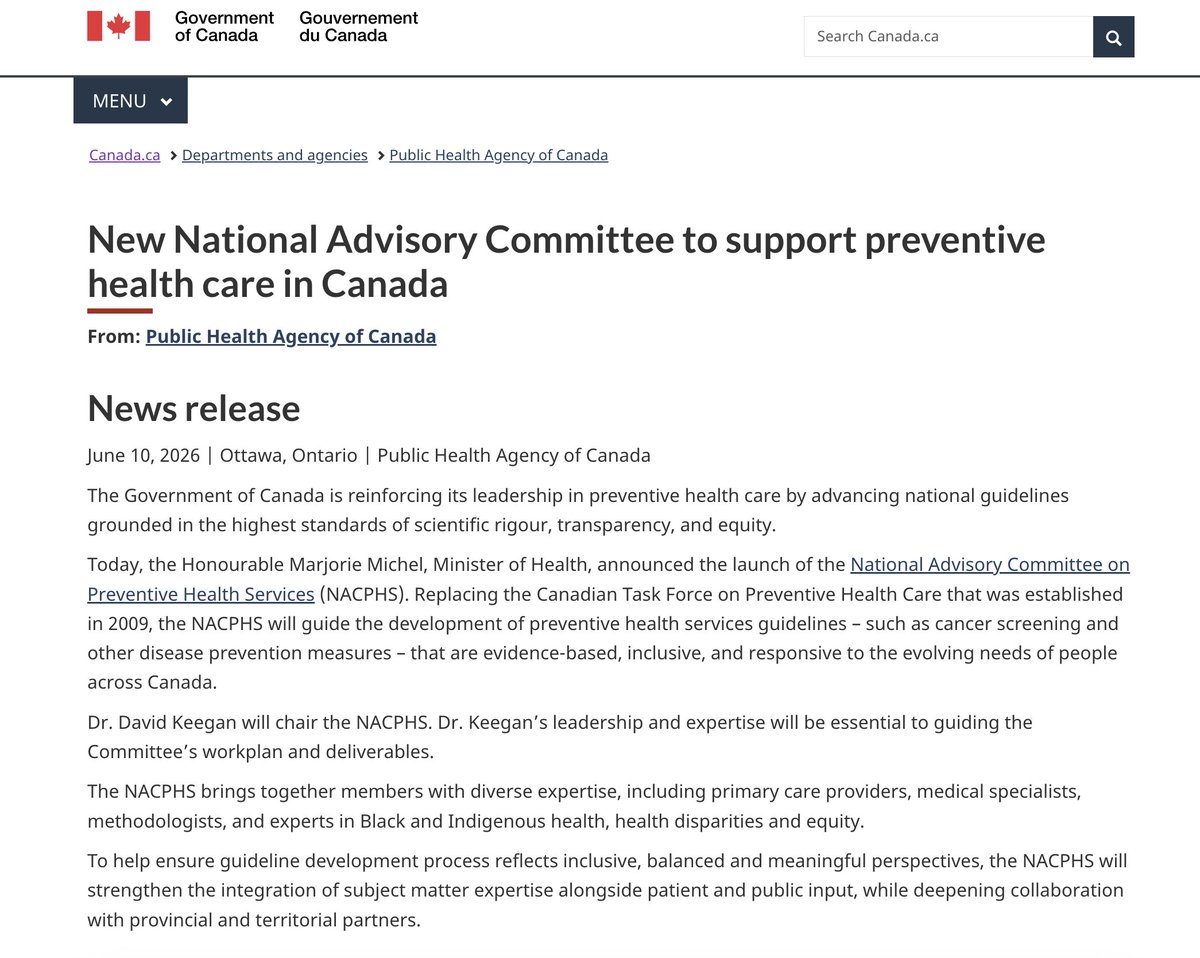
Honoured and excited to be appointed to Canada’s new National Advisory Committee on Preventive Health Services. I look forward to contributing to rigorous, transparent, equity-centred guidance for preventive care across Canada.
👉 canada.ca/en/public-health/n…
2
10
1,422
Samir C. Grover, M.D. retweeted

Jun 10
I asked Fable 5 to recreate Monopoly but make each of the properties an AI lab or startup.
It implemented everything - game rules, money system, turns, even share codes for multiplayer games.
Once you have a monopoly, you can build racks and eventually a data center 🤓
120
135
2,198
423,015
Samir C. Grover, M.D. retweeted

Jun 10
A great reminder: Experience isn't just about volume; it’s about reflection. An MBBS might see higher volumes, but specialists excel because of deliberate study and case review. Growth happens in the reflection. 🎯 #ContinuousLearning

How do the best get to be the VERY best at medicine?
One of the best advanced endoscopists in the world is my friend Robert Bechara.
And he has a few traits that I think allowed him to be elite at his performance.
In this Substack, I talk about some concepts of superexpertise, how it develops, attach it to theory, and describe learnable habits that the VERY best have developed:
samirgrovermd.substack.com/p…
First of a series.
1
7
1,643
Samir C. Grover, M.D. retweeted

This is a brilliant piece about how to continue to get better. I will also second that one of the best advanced endoscopists I have ever seen & worked with is @RobertBechara.
If you haven't checked out our interview with him on @coldsteelpod - take a listen. One of my favourite parts is where he talks about his training in Japan. The stepwise progression from simply being able to set up the room, to assisting the junior faculty, to assisting the senior faculty in Japan is so instructive about the value of knowing every single aspect of doing a procedure.
this is an undervalued aspect of becoming "the best" - working at every single aspect of your game, not just the flashy parts
youtube.com/watch?v=XmAI-OyC…
@SEAMOKingston @CanGastroAssn @CAGS_ACCG
How do the best get to be the VERY best at medicine?
One of the best advanced endoscopists in the world is my friend Robert Bechara.
And he has a few traits that I think allowed him to be elite at his performance.
In this Substack, I talk about some concepts of superexpertise, how it develops, attach it to theory, and describe learnable habits that the VERY best have developed:
samirgrovermd.substack.com/p…
First of a series.
3
5
50
542,227
Samir C. Grover, M.D. retweeted

Jun 10
Grateful to @Samir_Grover for the very kind and generous words, and for including me in this piece. It is an honour to be mentioned by him. Looking forward to reading the series.
How do the best get to be the VERY best at medicine?
One of the best advanced endoscopists in the world is my friend Robert Bechara.
And he has a few traits that I think allowed him to be elite at his performance.
In this Substack, I talk about some concepts of superexpertise, how it develops, attach it to theory, and describe learnable habits that the VERY best have developed:
samirgrovermd.substack.com/p…
First of a series.
1
8
899
How do the best get to be the VERY best at medicine?
One of the best advanced endoscopists in the world is my friend Robert Bechara.
And he has a few traits that I think allowed him to be elite at his performance.
In this Substack, I talk about some concepts of superexpertise, how it develops, attach it to theory, and describe learnable habits that the VERY best have developed:
samirgrovermd.substack.com/p…
First of a series.
4
9
45
554,942
Samir C. Grover, M.D. retweeted

Jun 8
Yesterday was my last shift in Windsor. For the last three years, I've been doing my hematology oncology fellowship in Detroit while working in Windsor as an internist.
I've seen and learned a lot. Here are the three main lessons I want to share:
1. Life changes really fast. I can't count the number of times families have asked me, "How did this happen so fast?" I've seen patients go from walking, talking, and laughing to being completely unresponsive in just two days.
2. Appreciate your loved ones, and never leave them. We have a really good healthcare system in Canada, but unfortunately, we sometimes abuse it. I've seen tons of families leave their loved ones in the hospital just because they "don't feel safe" taking them home, something I haven't seen in the States.
3. Always listen to the nurses. No matter how simple their concern is, it often carries a lot of significance. Never underestimate a nurse's concern.
1
1
10
766
I mean a huge point @JamesHaddadMD. AI scribes are amazing but the same principles hold as in manual/dictation solutions:
(1) it's GIGO - so if you say poor quality stuff - it is incorporated into the note as such
(2) Scribes or scribe-adjacent tools that copy-paste from prior notes have the same problem that is already in EHRs - perpetuating the same material as dictum, even though it may not be correct, without checking it. Past medical history, allergies, meds, etc just copied. Errors get perpetuated with each note generation. This is a huge problem.

#AI scribes are a total game-changer in #medicine
⏱️Time saved
👂Active listening, not keystrokes
But PLEASE, format your notes
Impossible to find important points in your stream-of-consciousness HPI..📑
#CharBloat #GIX #GITwitter #MedX @GI_Pearls @Samir_Grover @AdamRodmanMD
1
3
1,206
Samir C. Grover, M.D. retweeted

Jun 7
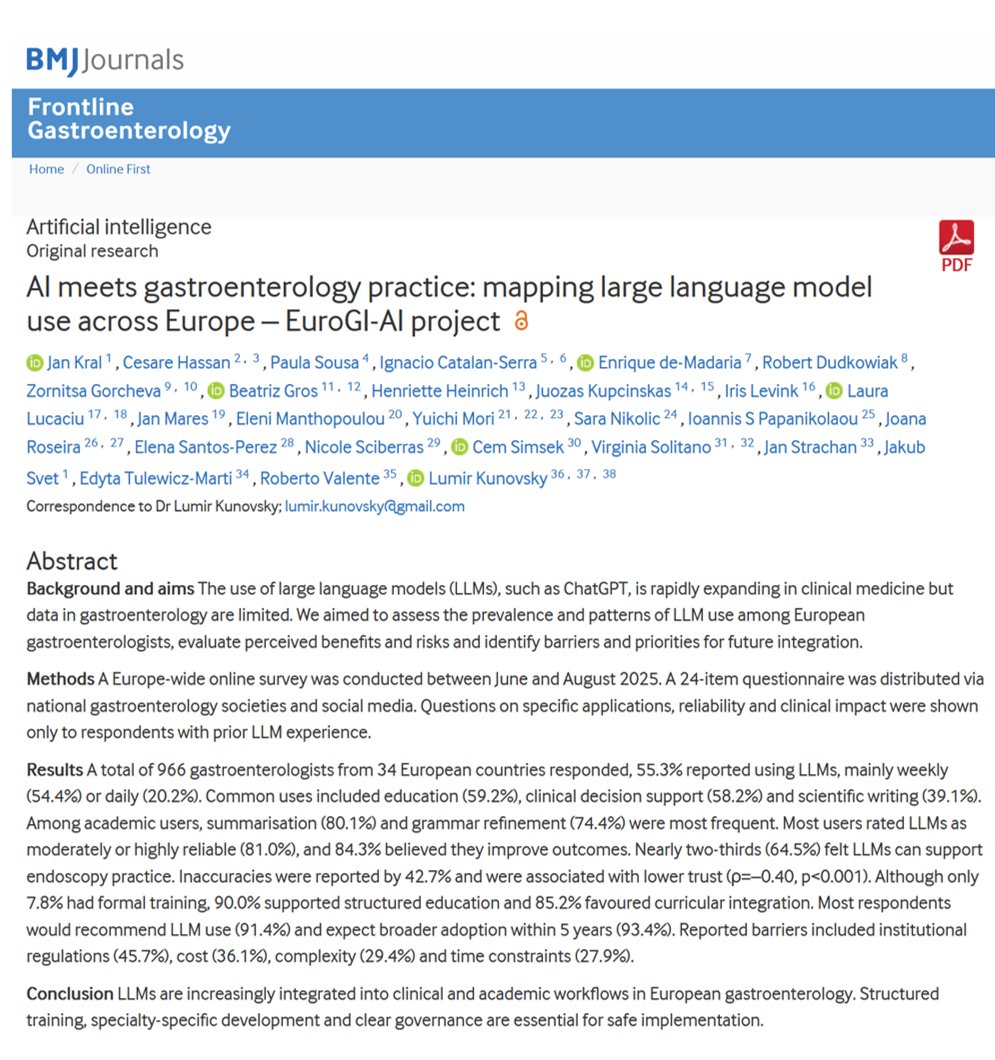
📢🔥AI meets #gastroenterology practice:
➡️ mapping large language model use across #Europe – EuroGI-AI project
✒️ @KralJan ✒️ 👏
📘 @FrontGastro_BMJ 🔵
👉tinyurl.com/msxt9hv4
🟢 @my_ueg 🟢
#GITwitter #MedEd
2
20
35
6,500
Samir C. Grover, M.D. retweeted

John Turner was Prime Minister for just 79 days but there is much more to his story.
From saving John Diefenbaker from drowning, to dancing with Princess Margaret, he led a fascinating life.
He became one of Canada's most respected politicians.
This is his story.
📸 LAC
🧵 1/12
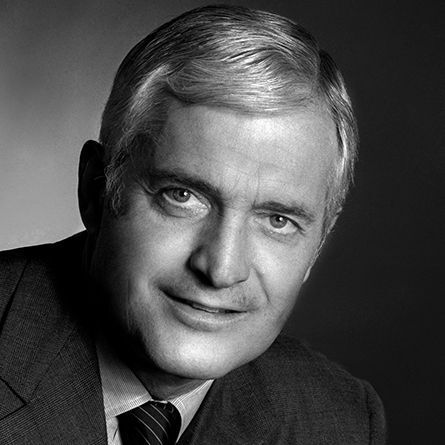
ALT John Tuner in a black-and-white studio portrait, wearing a suit jacket, dress shirt and striped tie. He has light-coloured hair combed to the side and faces the camera with a slight smile. The background fades from light gray on the left to dark gray on the right.
14
55
318
20,025
Samir C. Grover, M.D. retweeted

Jun 5
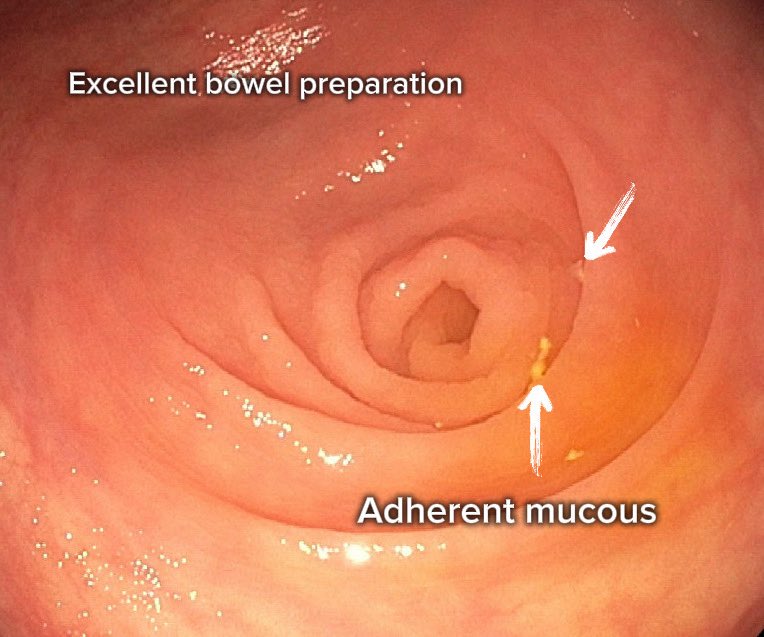
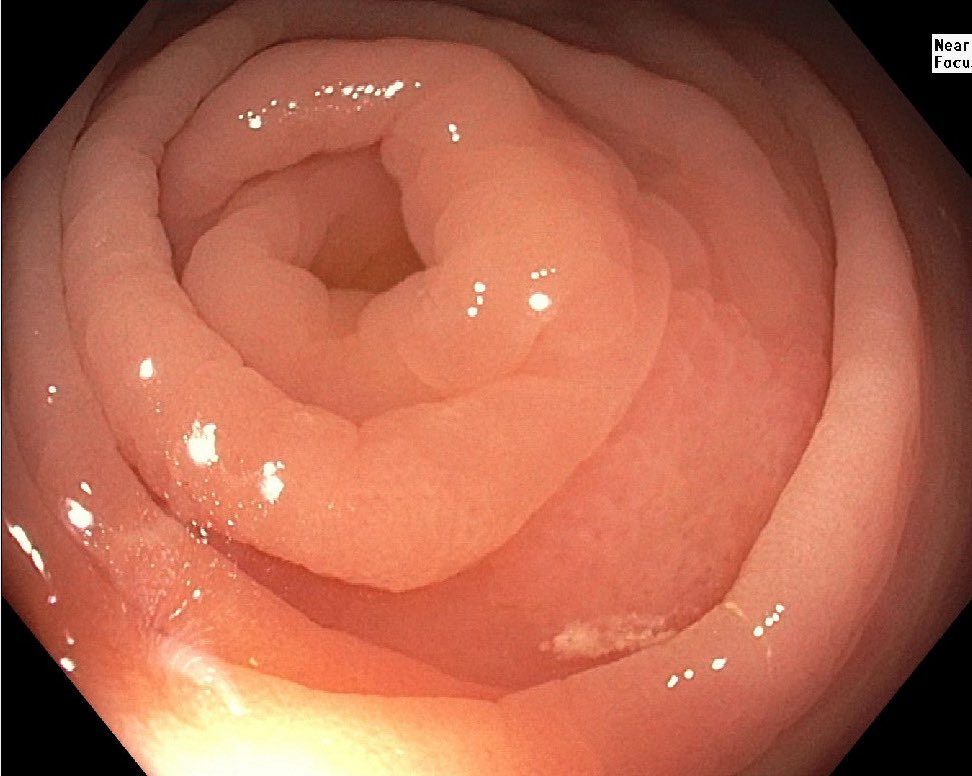
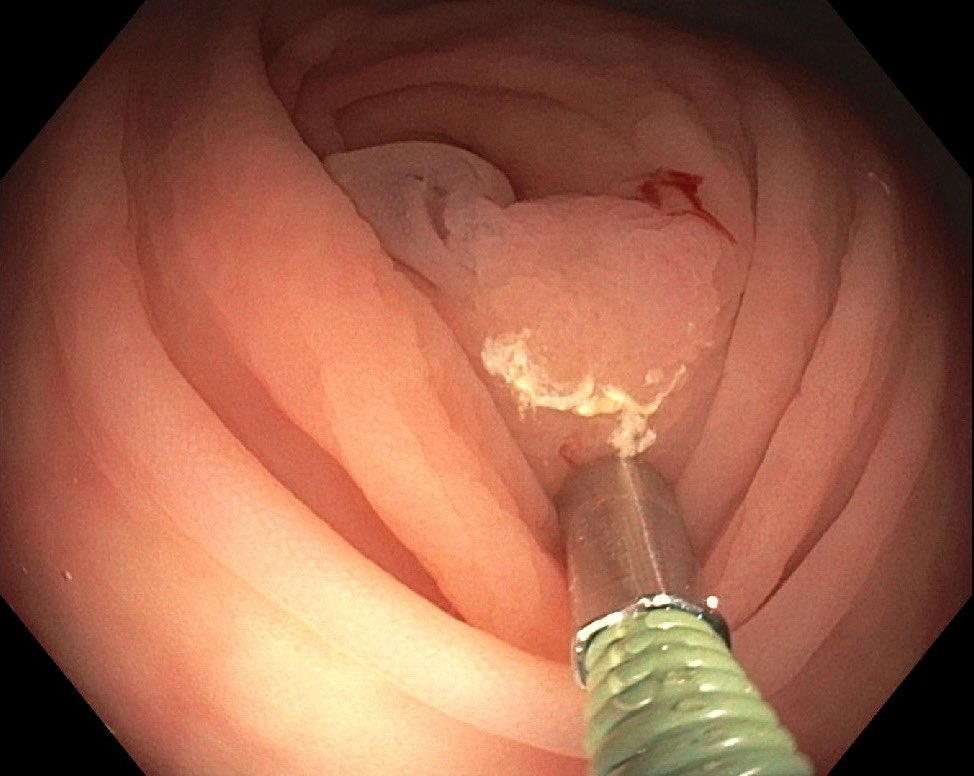
Sessile serrated lesions have lower dysplastic potential than tubular adenomas yet are THE LEADING CAUSE of post-colonoscopy colon cancer because they’re so frequently missed.
Adherent “mucus” in a well-prepped colon is a MAJOR clue. Resist the urge to wash it & look closer first.
#GITwitter #MedTwitter #MedEd #MedX #Endoscopy #ColonCancer
6
20
109
12,094
Samir C. Grover, M.D. retweeted

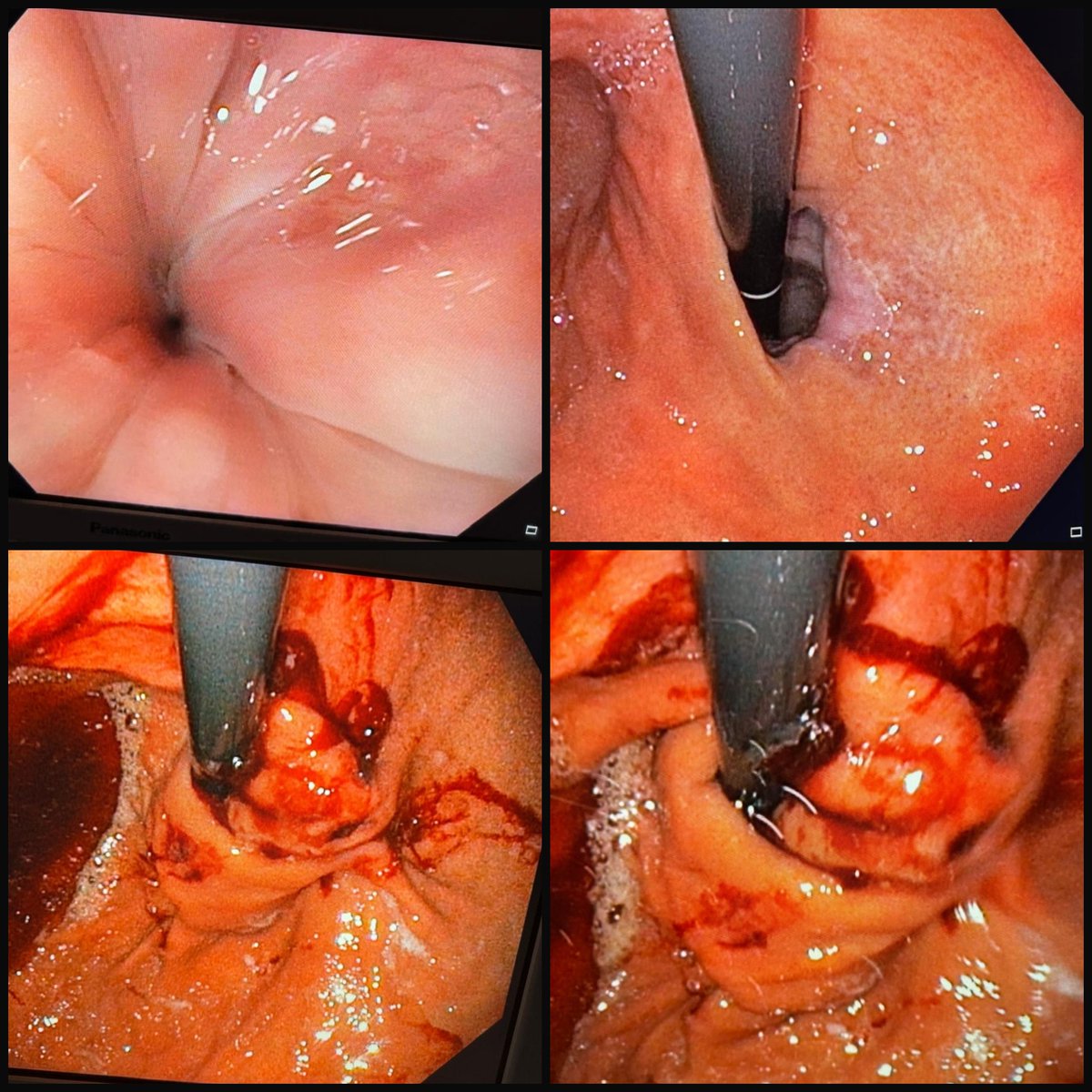
🔴Refractory GERD: offered surgical fundoplication, patient chose endoscopic. Result — a well-formed wrap, all per-orally. Endoscopic fundoplication is a real research frontier, especially full-thickness plication done right.
#GERD #Endoscopy
5
10
30
5,055
Samir C. Grover, M.D. retweeted

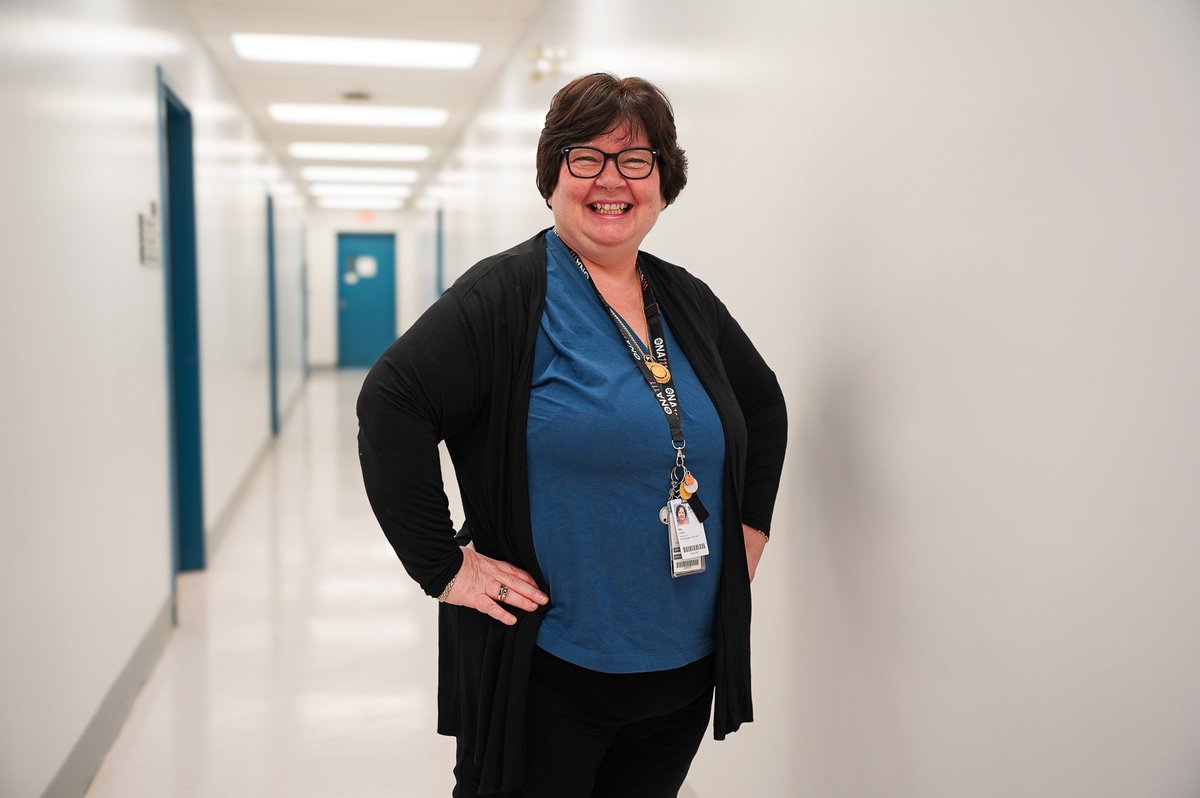
Supporting patients through cancer care goes beyond treatment—it’s about navigating emotional and practical challenges along the way. Read @healthing_ca’s article on how SHN patient navigator Joy Abbas supports cancer patients through their treatment: tinyurl.com/ssv9xcvz
1
2
241
Samir C. Grover, M.D. retweeted

Jun 3
The greatest oncology breakthrough in years. On this episode of #WhatTheDrug I discuss pancreatic cancer, the Toronto Maple Leafs and #daraxonrasib
3
10
1,350
Samir C. Grover, M.D. retweeted

To address the growing problem of overprescribing for seniors, a new Canadian guideline is calling for routine medication reviews. 💊
Study co-led by @mcgillu researcher @DrEmilyMcD ➡️
mcgill.ca/x/5e3
@McGillMed | @DeprescribeNet | @CFPJournal

1
3
8
404
Samir C. Grover, M.D. retweeted

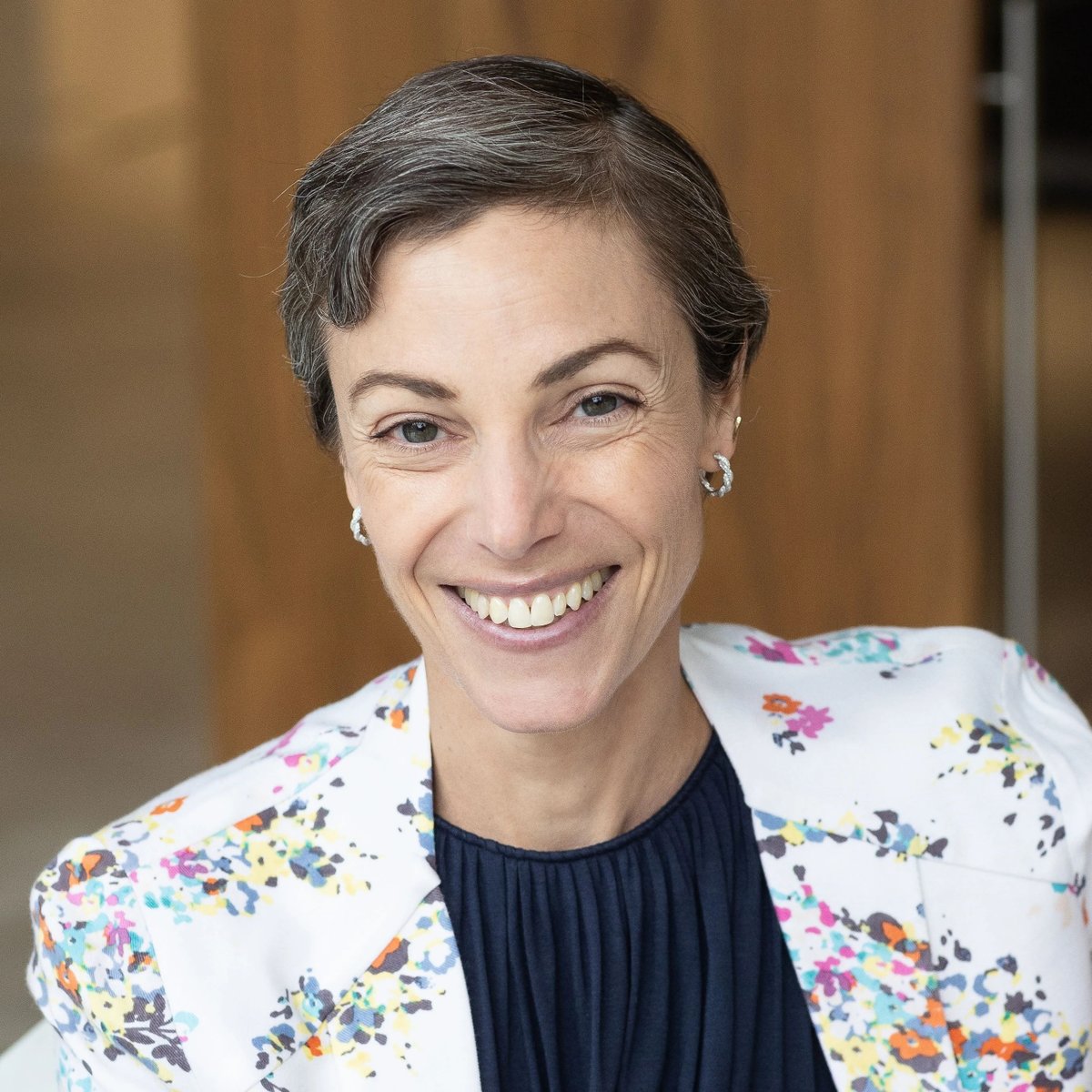
When multiple sclerosis reshaped her career, Dr. Erin Norris redefined what it means to thrive in medicine. Last month, she received the Canadian Medical Association’s Dr. Ashok Muzumdar Memorial Award for Physicians with Disabilities. → deptmedicine.utoronto.ca/new…
1
1
5
649
Samir C. Grover, M.D. retweeted

Jun 2
Congratulations to Dr. Janet Rossant, a giant of Canadian science and a founding member of LTRI on receiving an honorary doctorate from the University of Toronto for her world-renowned research 👏
Read @uoftmedicine's spotlight on Dr. Rossant:

Janet Rossant to receive #UofT honorary degree for her world-renowned research & leadership in biomedical sciences #UofTGrad26 📜 uoft.me/crf
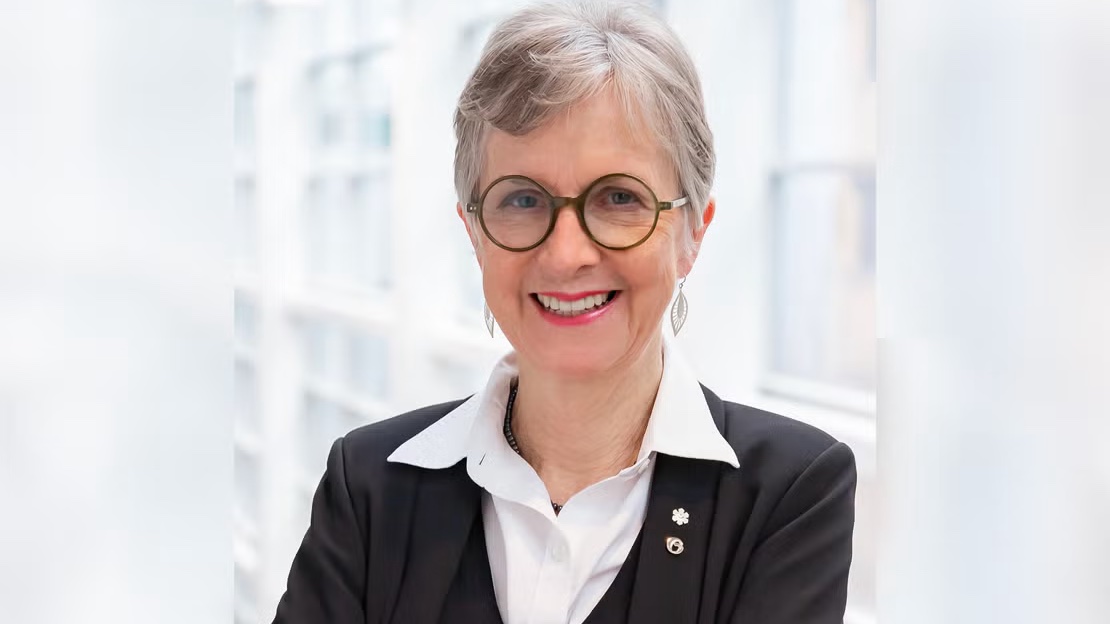
ALT Image shows Janet Rossant (photo courtesy of the Gairdner Foundation)
3
22
3,250
Samir C. Grover, M.D. retweeted

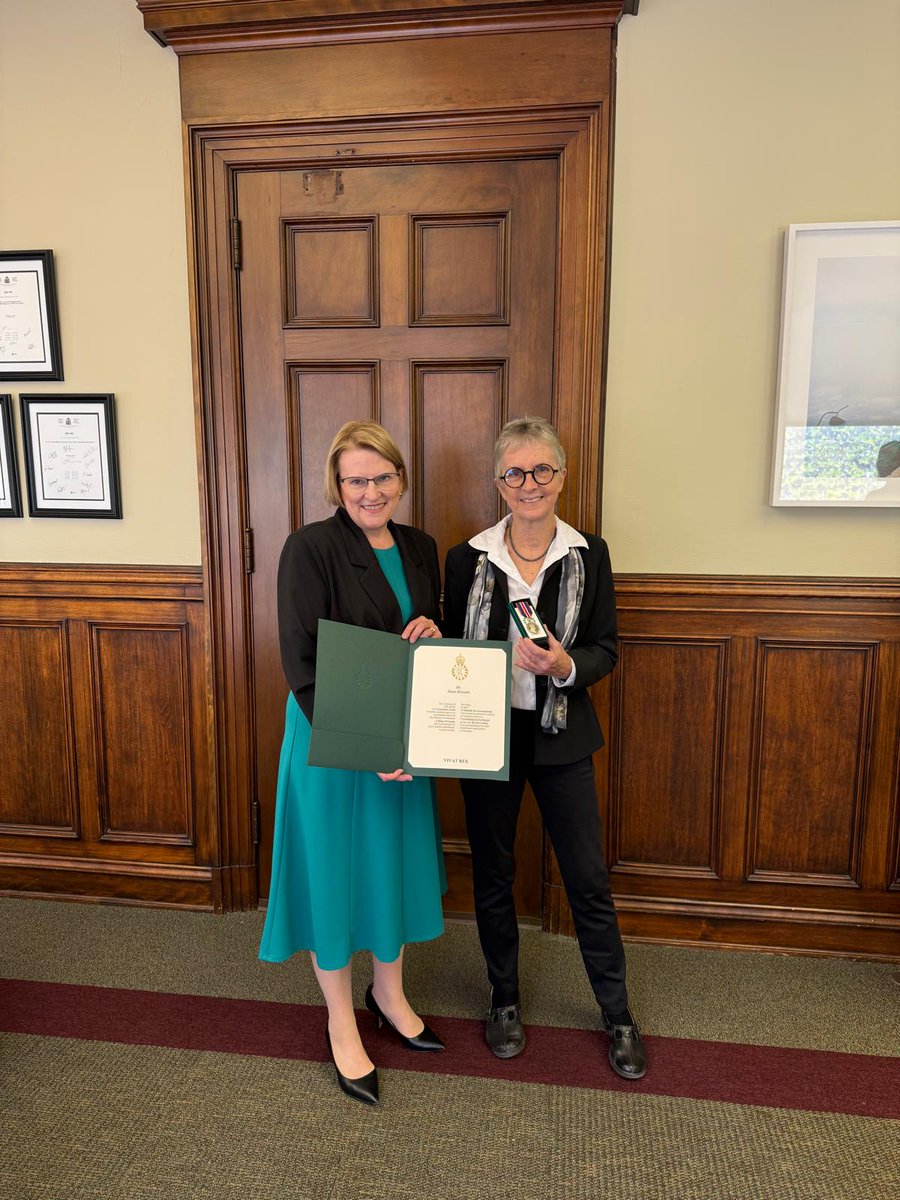
Congratulations to Dr. Janet Rossant on this well-deserved recognition from the University of Toronto.
Last year, I was pleased to nominate Dr. Rossant for the King Charles III Coronation Medal, recognizing her exceptional contributions to our healthcare system.
Jun 2

Congratulations to Dr. Janet Rossant, a giant of Canadian science and a founding member of LTRI on receiving an honorary doctorate from the University of Toronto for her world-renowned research 👏
Read @uoftmedicine's spotlight on Dr. Rossant:
3
3
11
1,652
Samir C. Grover, M.D. retweeted
🔴كيف يفتح الدعم الإداري الباب لخدمات نوعية يحتاجها المريض
قبل أيام اتصل عليّ زميل عن مريض في العقد السادس من العمر يعاني من سوء تغذية شديد وفقدان وزن كبير، عاجز عن الأكل والشرب حتى الماء.
التشخيص كان تعذّر ارتخاء المريء (Achalasia). الصمّام السفلي للمريء المفروض يرتخي وقت البلع، لكن تتلف الأعصاب المسؤولة عن حركته فيظل مقفلاً ويفقد المريء قدرته على دفع الطعام. مع الوقت تتجمع السوائل فوقه ويتمدد المريء حتى يلتوي على شكل حرف S، وهي مرحلة متقدمة وصعبة. وصل المريض ونتائج الأملاح مرتفعة جداً مع جفاف يهدد حياته، فتعاملنا معه حسب البروتوكول وشخّصنا الحالة بسرعة.
اتفقنا على إجراء POEM. ندخل بالمنظار عن طريق الفم، نسوّي نفقاً تحت بطانة المريء، نصل لجدار العضلة، ونقطع الألياف المشدودة التي تقفل الصمّام من سنين، ثم نقفل مدخل النفق ليلتئم لحاله، بدون أي جروح خارجية.
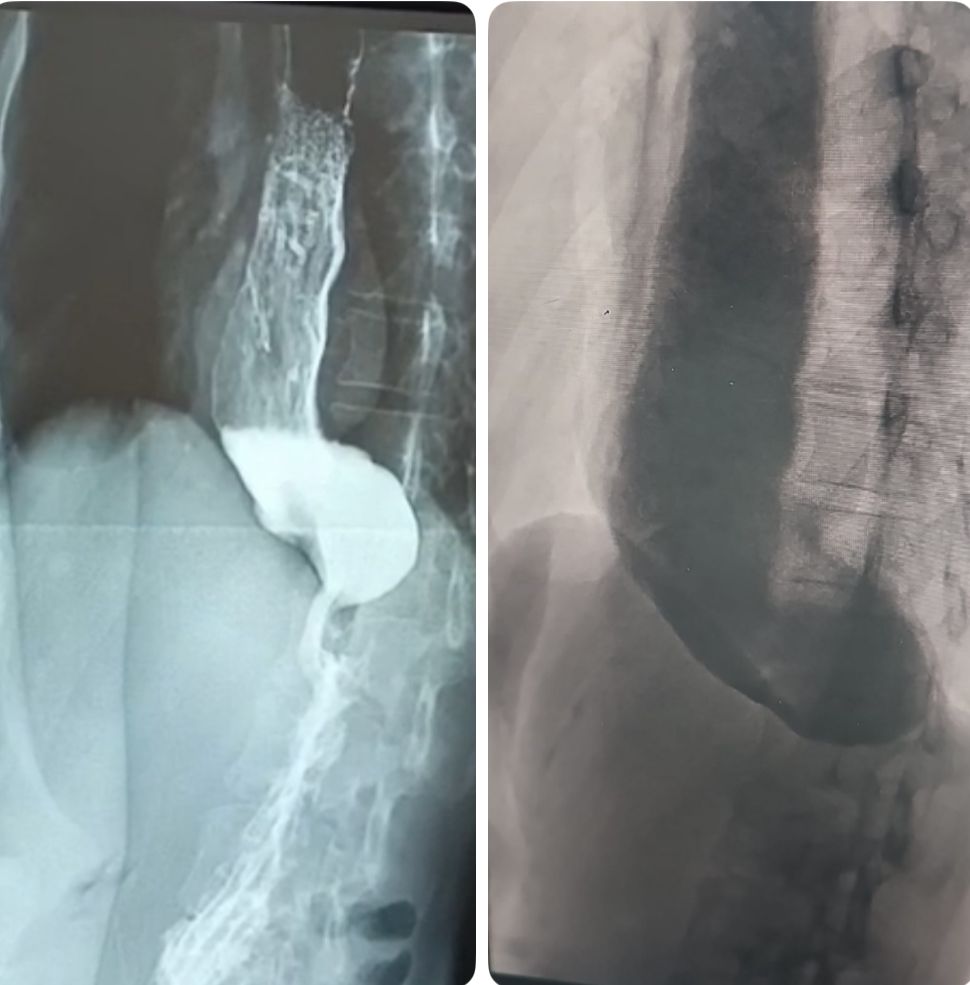
حالته كانت من النوع الصعب؛ أنسجة متليفة، وتشريح غير واضح، ونفق طويل. أخذ منا الإجراء وقتاً وتركيزاً، لكن الحمدلله نجح، ورجع المريض يأكل ويشرب بشكل طبيعي بعد سنوات معاناة. وتوضح صور البلع بالباريوم قبل وبعد الفرق: انحصار شديد عند الصمّام قبل الإجراء، وانسياب طبيعي للصبغة بعده.
النجاح ما كان لوحدي. د. إيهاب طبيب التخدير سهر على سلامة المريض رغم ضعف حالته، وفريق التمريض (أ. عائشة البارقي رئيسة وحدة المناظير، وأ. سانتوس، وأ. لمى) وقفوا ساعات بتركيز ومتابعة دقيقة،وأكيد حبيبنا الأساسي في مثل هذي الاجراءات النوعية @IbrahimAlhafid
ويبقى الفضل بعد الله للقيادة التي تضع المريض أولاً. مثل هذه الإجراءات ما تصير ممكنة إلا بقرار إداري يوفّر الإمكانات ويفتح الباب لها. أشكر د. عبدالله اليوسف المدير التنفيذي على دعمه، ود. ماجد العبدلي @alabdali_majed على حرصه إنه يتبنى كل ما فيه مصلحة المريض حتى وصلت هذه الخدمة لعدد أكبر من المرضى.
ذكّرتني هذه الحالة إن الإجراء المتقدم ما ينجح بالمهارة داخل القاعة وحدها، بل بفريق متكامل ودعم إداري يقف خلفه.
#مستشفى_الملك_فهد_الجامعي #المناظير_المتقدمة #POEM #Achalasia
How Administrative Support Opens the Door to the Specialized Care Patients Need
A few days ago a colleague called me about a patient in his sixth decade of life with severe malnutrition and significant weight loss, unable to eat or drink anything, not even water.
The diagnosis was achalasia. The valve at the bottom of the esophagus should relax when you swallow, but here the nerves that control it break down, so it stays shut and the esophagus loses its ability to push food down. Over time fluid collects above it and the esophagus stretches and twists into an S-shape, an advanced and difficult stage. He arrived dehydrated, with dangerously abnormal electrolytes, so we stabilized him by protocol and reached the diagnosis quickly.
We decided on POEM. We pass an endoscope through the mouth, create a tunnel under the lining of the esophagus, reach the muscle wall, and cut the tight fibers that had kept the valve closed for years, then close the tunnel entrance so it heals on its own, with no external incisions.
His was a hard case: scarred tissue, unclear anatomy, a long tunnel. It took time and focus, but it worked, and he could eat and drink normally again after years of struggling. The before-and-after barium swallow images show the difference clearly: tight obstruction at the sphincter before, free flow of contrast after.
This wasn't a one-person job. Dr. Ehab, our anesthesiologist, kept the patient safe despite how weak he was, and the nursing team (Ms. Aisha Al-Bariqi, head of the endoscopy unit, with Ms. Santos and Ms. Lama) stayed focused through long hours. .
And the credit, after God, goes to leadership that puts the patient first. Procedures like this are only possible when an administrative decision provides the means and opens the door. My thanks to Dr. Abdullah Al-Yousef, our executive director, for his support, and to Dr. Majed Al-Abdali, who embraces whatever serves the patient, bringing this service to far more of them.
This case reminded me that a complex procedure never succeeds on skill in the room alone. It takes a full team, and the administrative support
standing behind it.
2
7
35
6,618
Samir C. Grover, M.D. retweeted
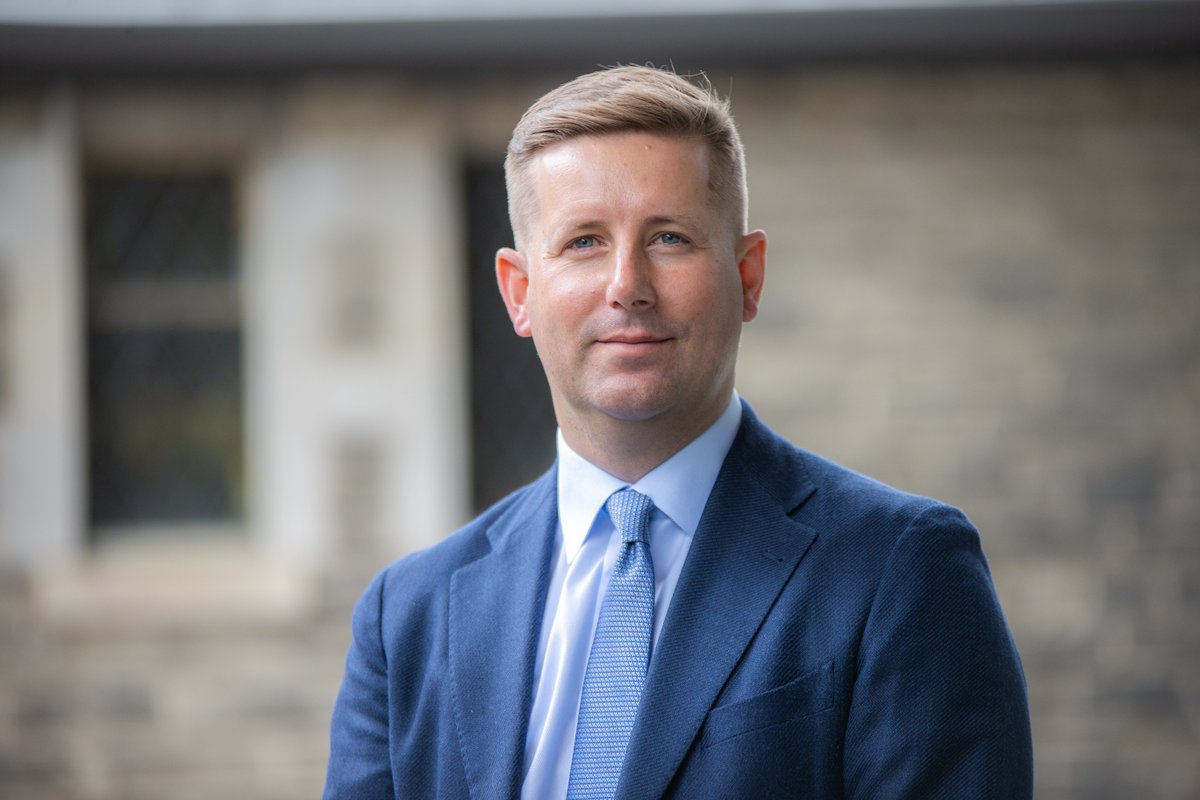
Dr. Martin Betts has been appointed SHN’s new Chief of Staff, following a thorough and competitive recruitment process. He will continue in his role as Executive Vice President, Medical, while taking on these additional responsibilities.
1
3
527