
Joined October 2019
- Tweets 49,483
- Following 233
- Followers 3,441
- Likes 62,175
6,300 Photos and videos






नवीन अकाउंटला कोणी भाव द्यायना म्हणून जुन्या अकाउंटने परत आलो😢
1
117
सम्राट™ retweeted

शहरामधील नोकरी सोडून गावची कोट्यावधीची बागायत करायला निघालेला चाकरमानी..

6
12
272
6,778
मुंबई - पुणे मिसिंग लिंक हा प्रकल्प झाल्याने एक नंबर काम झालंय. धन्यवाद ज्याने केला त्याला.
#MumbaiPuneMissingLink
1
2
28
1,348
सम्राट™ retweeted

31 Jan 2025
A person who never made a mistake never tried anything new - Samraatraao

4
1
30
1,134
सम्राट™ retweeted

20 Feb 2024
आमच्या काळात फॅशन टीव्ही ल पोर्न समजायचे
आणि एम टीव्ही ल वाया गेलेले
#90kids
33
27
779
25,311
Fuel : उसाचा रस
Jun 15

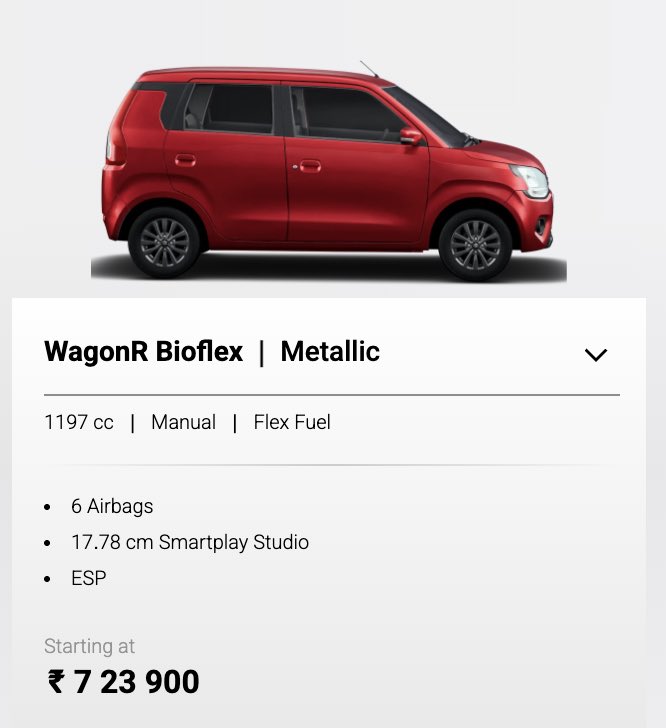
Maruti Suzuki has launched the Wagon R Bioflex at ₹7.24 lakhs, capable of running on E85 fuel (85% ethanol blend).
While it's an interesting step towards alternative fuels, I can't help but question the economics from a buyer's perspective.
The Bioflex costs ₹86,000 more than the equivalent petrol Wagon R. At the same time, ethanol-based fuels typically deliver lower fuel efficiency because ethanol contains less energy per litre than petrol.
So yes, E85 may be cheaper at the pump. But if you're consuming significantly more fuel to travel the same distance, does the math really work out in favour of the customer?
In many cases, a regular petrol vehicle:
- Costs less to buy
- Delivers better fuel efficiency
- Has a proven long-term reliability track record
- Offers wider fuel availability
If the fuel savings don't offset the higher purchase price and reduced mileage, is there a strong value proposition for private buyers today?
Of course, there are broader benefits such as reducing crude oil imports and supporting domestic ethanol production. But from a purely consumer-centric standpoint, I'm not yet convinced that an E85-compatible vehicle makes financial sense.
Based on the numbers available today, buying an E85-powered vehicle seems more like a compromise than an upgrade.
What am I missing here? Is there a compelling economic argument for E85 vehicles that outweighs the higher upfront cost and lower efficiency?
Would love to hear different perspectives.
1
7
613
सम्राट™ retweeted

Anyone travelling from Nagpur, Amravati, Yatmal, Akola to Pune, Need help. Thanks in advance
7
2
27
5,003
सम्राट™ retweeted

Jun 15
गुन्हेगारांना कायद्याचा धाकच उरला नाही. 6 जूनला राज्याभिषेक सोहळ्यावरून येत असताना बोपगाव येथे रात्री 9 वाजता फक्त हॉर्न वाजवला म्हणून तीन सराईत गुन्हेगारांनी माझ्या डोक्यात दगड घातले, दैव बलवत्तर म्हणून वाचलो.
आधीच गंभीर गुन्हे दाखल असताना एवढी हिम्मत.
echawadinews.com/2026/06/blo…
26
32
94
6,212
Jun 15
Real id ae aao नितीन

3
26
2,067
सम्राट™ retweeted

Jun 15
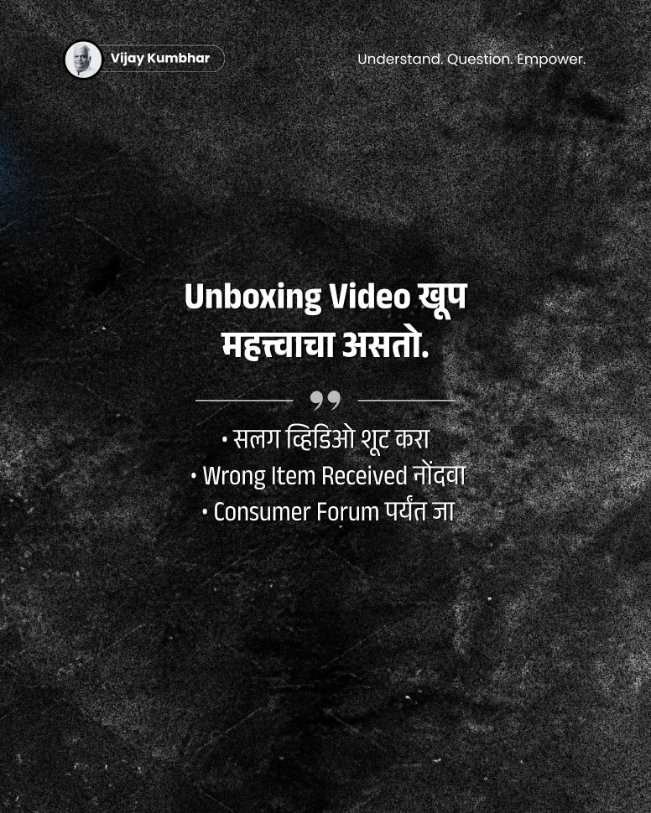
ऑनलाईन मागवलेलं एक...
आणि बॉक्समधून निघालं दुसरंच?
अशा वेळी फक्त राग व्यक्त करून उपयोग होत नाही.
पुरावा जपणं अधिक महत्त्वाचं असतं.
म्हणूनच पार्सल उघडताना सलग अनबॉक्सिंग व्हिडिओ रेकॉर्ड करा. चुकीचा प्रॉडक्ट मिळाल्यास तात्काळ ई-कॉमर्स प्लॅटफॉर्मवर तक्रार नोंदवा.
लक्षात ठेवा...
ग्राहकाचा सर्वात मोठा आधार भावनिक प्रतिक्रिया नाही,
तर योग्य वेळी जपलेला पुरावा असतो.
#VijayKumbhar #RTI #VoterAwareness #ऑनलाईनखरेदी #ग्राहकहक्क #ईकॉमर्स #जागरूकनागरिक #लोकजागृती #CitizenAwareness #OnlineShopping #ConsumerRights #UnboxingVideo #EcommerceFraud #QuestionTheSystem #RightToQuestion #ConsumerProtection #MaharashtraNews #RaiseYourVoice #DigitalAwareness #PublicAwareness



15
64
3,146
Jun 15
13
6
89
4,213
सम्राट™ retweeted

Jun 15
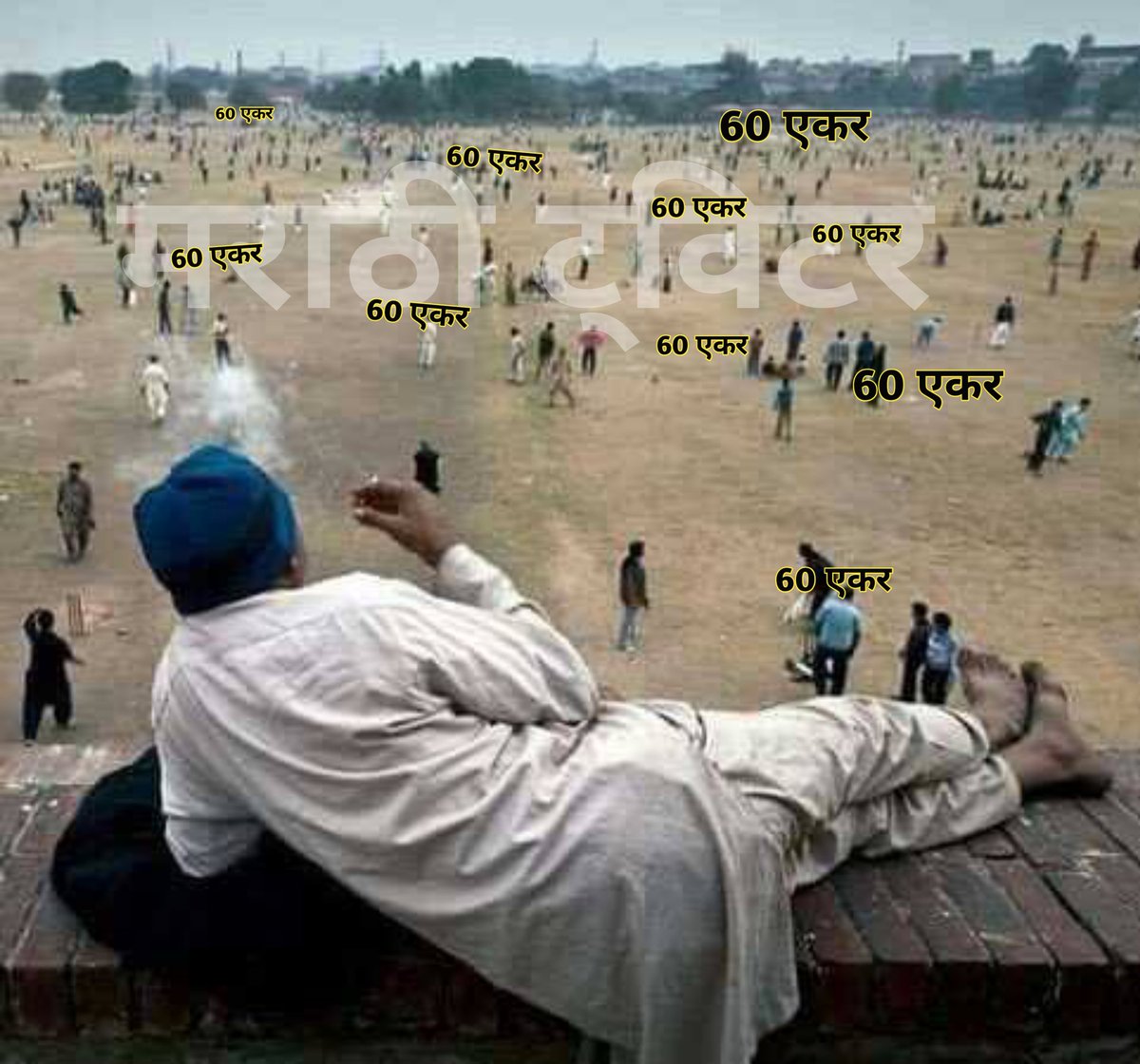
दुपारचे जेवण डब्यात भरून नेणारी आणि ते संध्याकाळी खाणारी कुठे आणि 60 एकर शेती असणारे तिचे आजोबा कुठे... निदान तुमच्या पगाराची नाही पण त्या 60 एकर असणाऱ्या आजोबाची तरी इज्जत ठेवायची होती...!😹😹😹
#विषय_60_एकराच्या_गोष्टींचा
14
6
150
6,994
Jun 15
तसा हिशोब केला तर आजोबांच्या काळात म्हणजे 1950 वगैरे...60 एकराचे अंदाजे वर्षभराचे उत्पन्न 15 हजार पकडले तर तैचे म्हणणं बरोबर आहे. वर्षाला 15000/- बेंगलोरसारख्या शहरात तै कमवतच असेल...महिन्याला तुम्ही काढा आता...
फक्त ते पॉवर ऑफ एजुकेशन वगैरे उगाचच फेकलंय असं वाटतंय...
#उडतातीर
4
10
78
4,352



Jun 14
सध्याची परिस्थिती पाहता, मला Mad Max : Fury Road हा 2015 साली प्रदर्शित झालेला चित्रपट आठवतोय. या चित्रपटात 'लोकांना मुद्दाम कमी पाणी दिले जाते, जेणेकरून ते बंड करणार नाहीत.' येत्या काळात पाण्यावरून भयंकर राजकारण पाहायला मिळेल.
1
3
25
881